Precision Fused Quartz Components Ready for Phoenix Cleanrooms
Direct from our Donghai facility: 99.999% purity ingots, tubes, optical plates, and customized thermal ware engineered to sub-millimeter tolerances for diffusion, etching, and thin-film deposition.
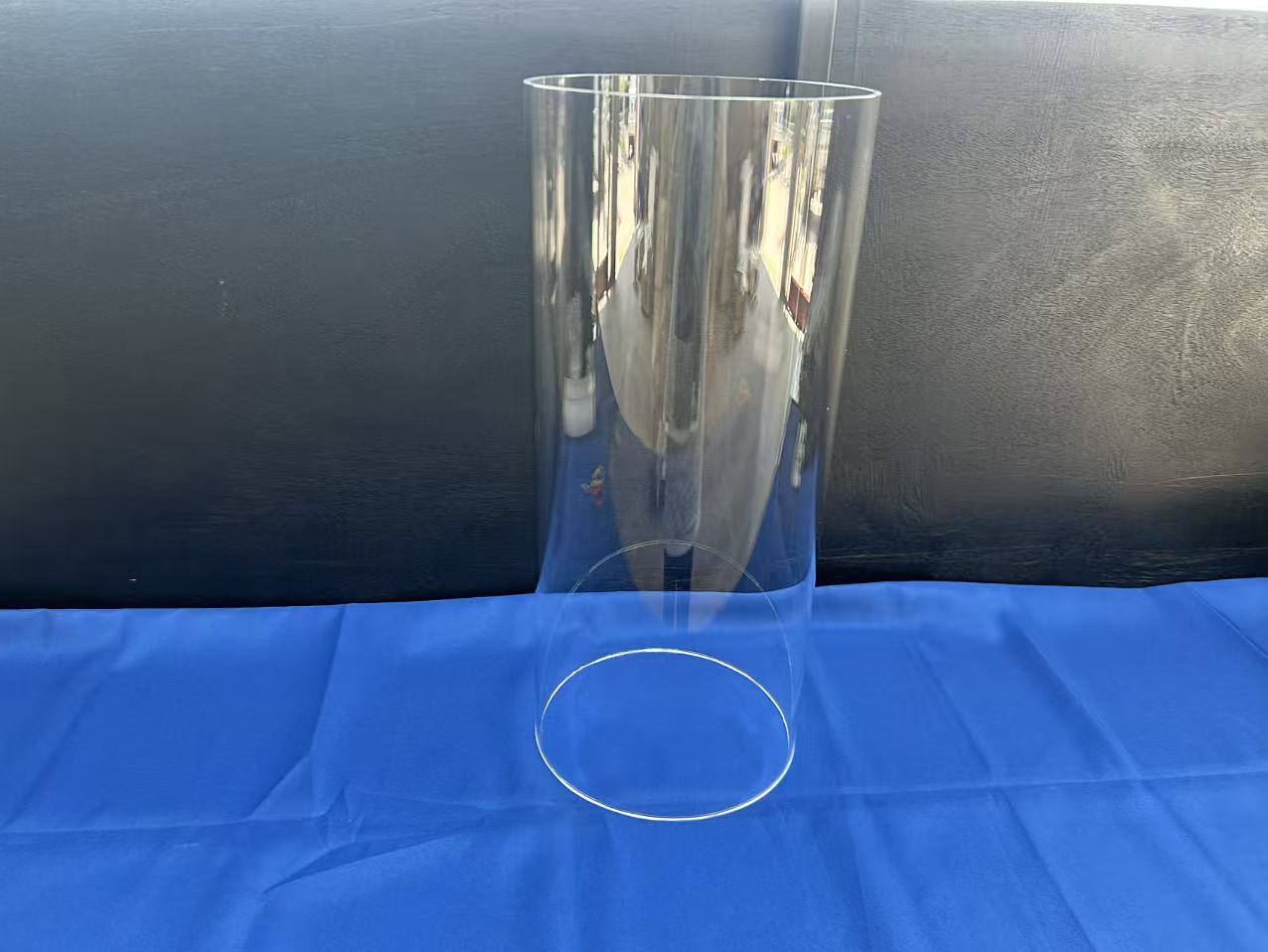
Custom Large-diameter High-purity Fused Quartz Transparent Glass Tubes
Continuous draw diameters up to 450mm with tight wall-thickness uniformity (±0.15mm), offering custom cutting, beveling, and fire-welding for high-temperature furnace tubes.
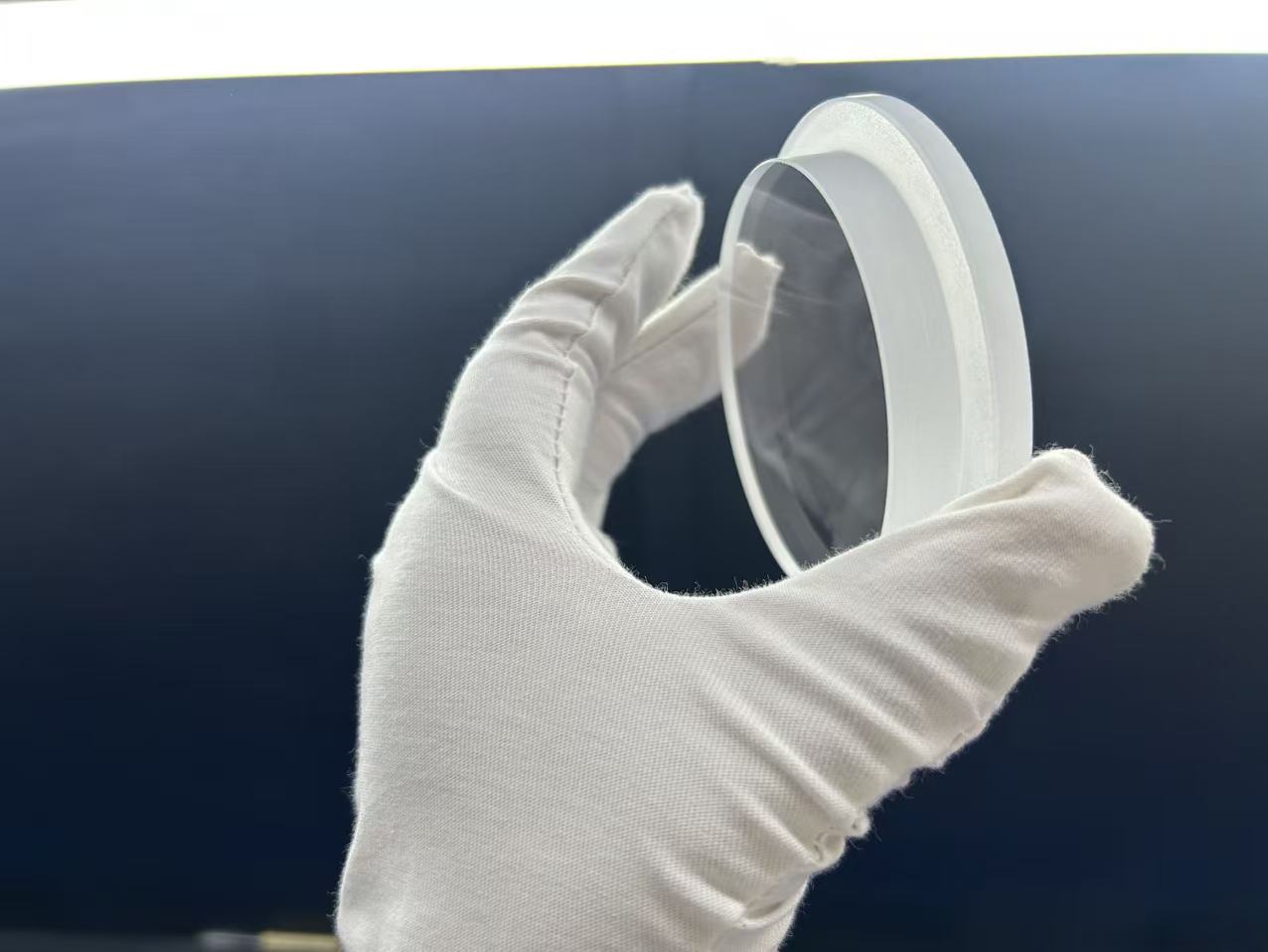
Factory-Made High-purity Ultra-thick Quartz Double-Layer Step Plate
Monolithic heavy-gauge quartz plate fabricated with precision CNC stepped contouring and double-side optical lap polishing for plasma etch chamber viewports and base-plates.
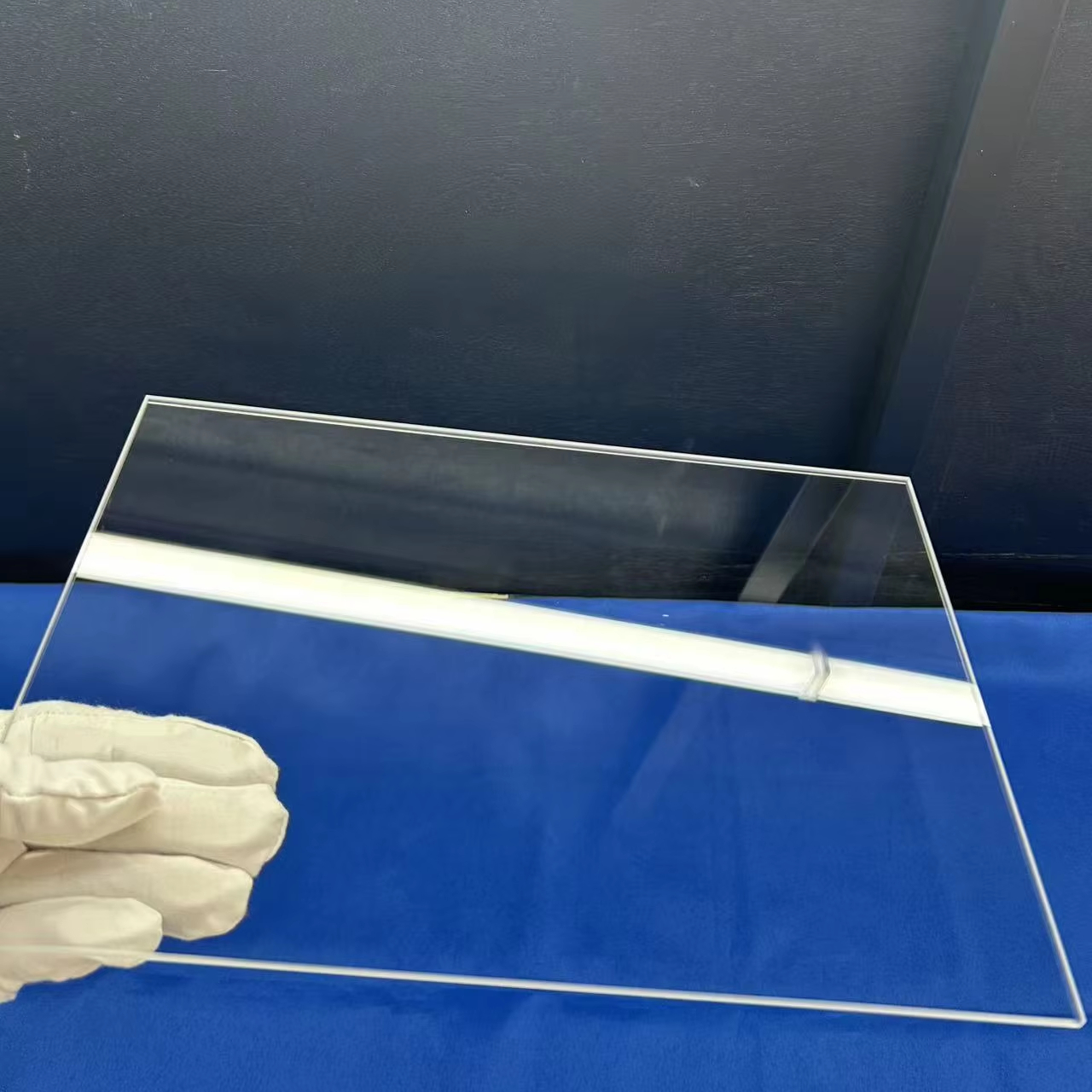
Custom Polished Purity Transparent Square Quartz Glass Clear Plate (4mm)
Surface flatness λ/4 and scratch-dig 40/20 or better. Designed for UV metrology windows, semiconductor photomask blanks, and high-energy laser diagnostic substrates.
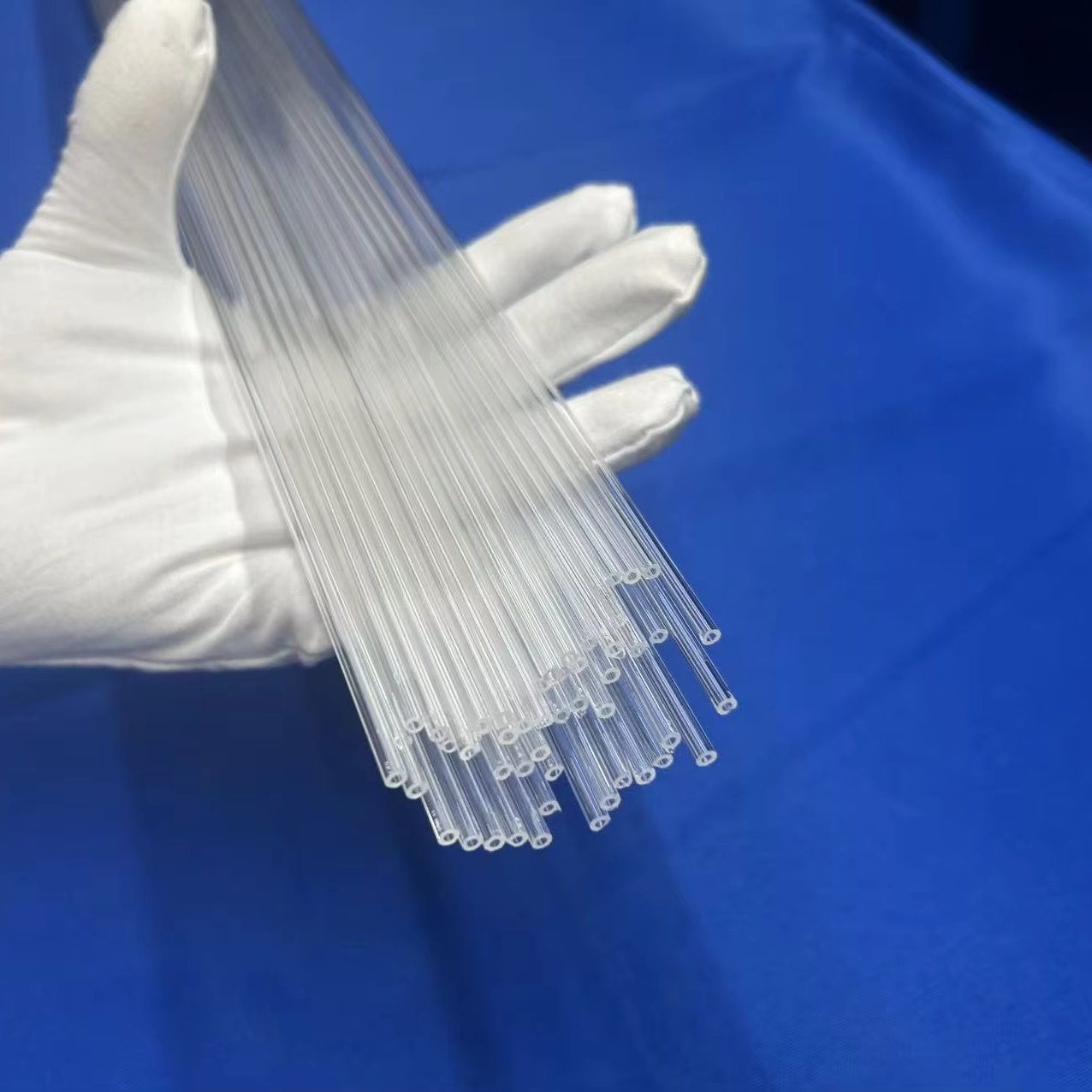
Capillary Quartz Tube
Ultra-narrow bore fused quartz capillary channels with internal diameters down to 0.1mm, supporting gas chromatography, optical fiber sleeves, and localized microfluidic dosing.
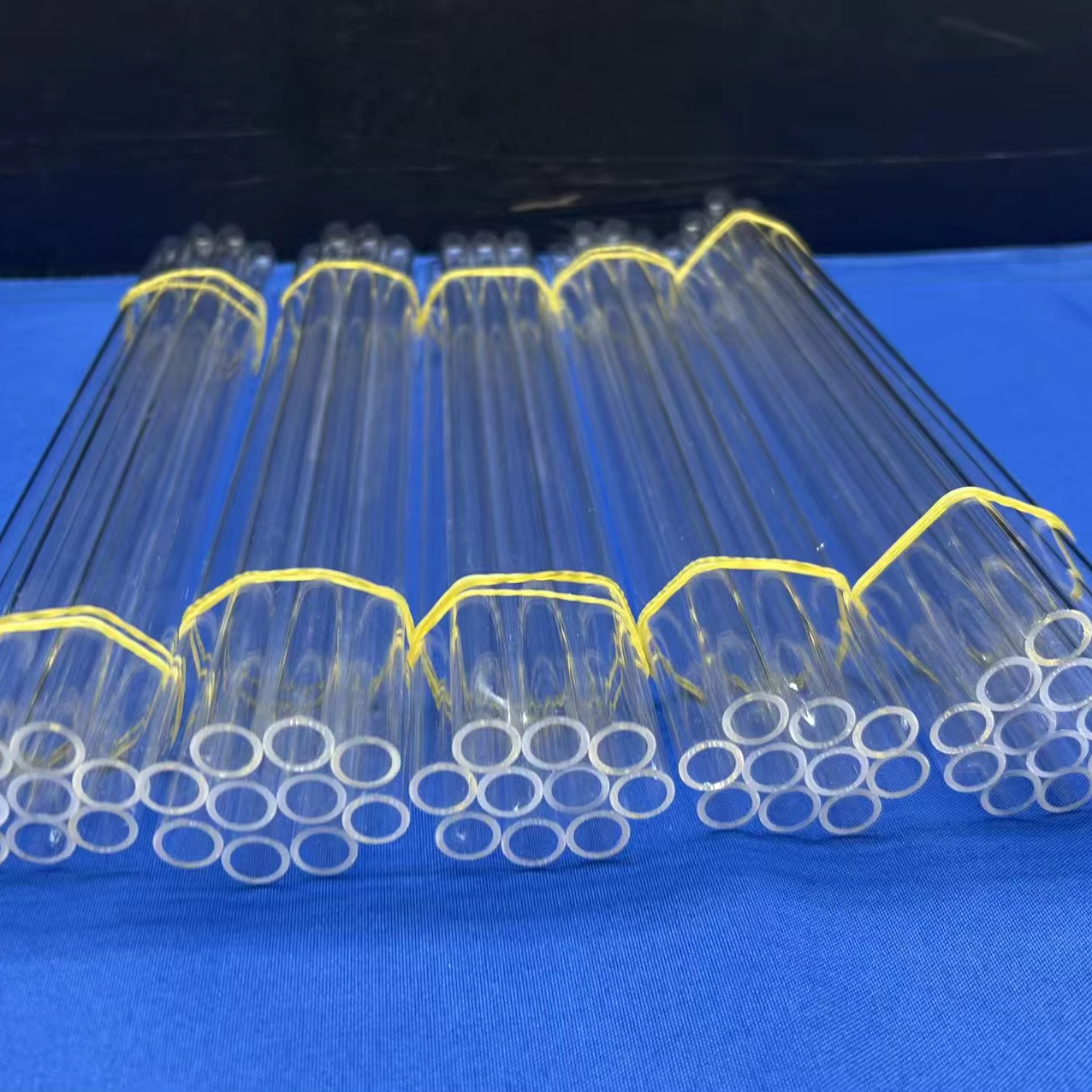
Quartz Test Tube
Thermal shock-resistant heavy wall test tubes engineered for high-temperature wet chemical digesting, trace elemental acid refluxing, and fab wet-bench spectroscopy.
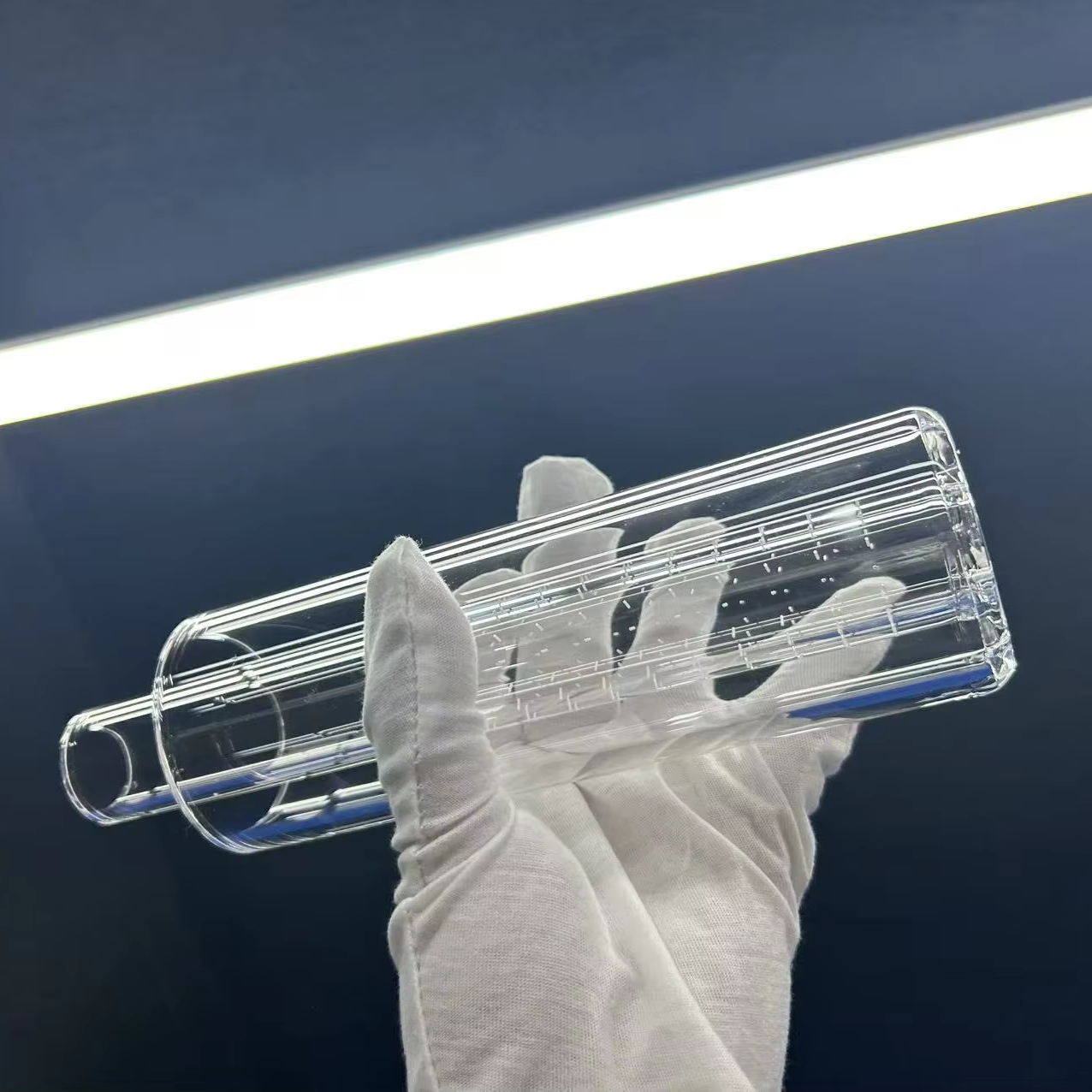
Customized Perforated Quartz Tube
CNC laser-drilled or ultrasonic machined micro-hole arrays for uniform precursor gas injection, ozone distribution, and purging sleeves in horizontal and vertical LPCVD furnaces.
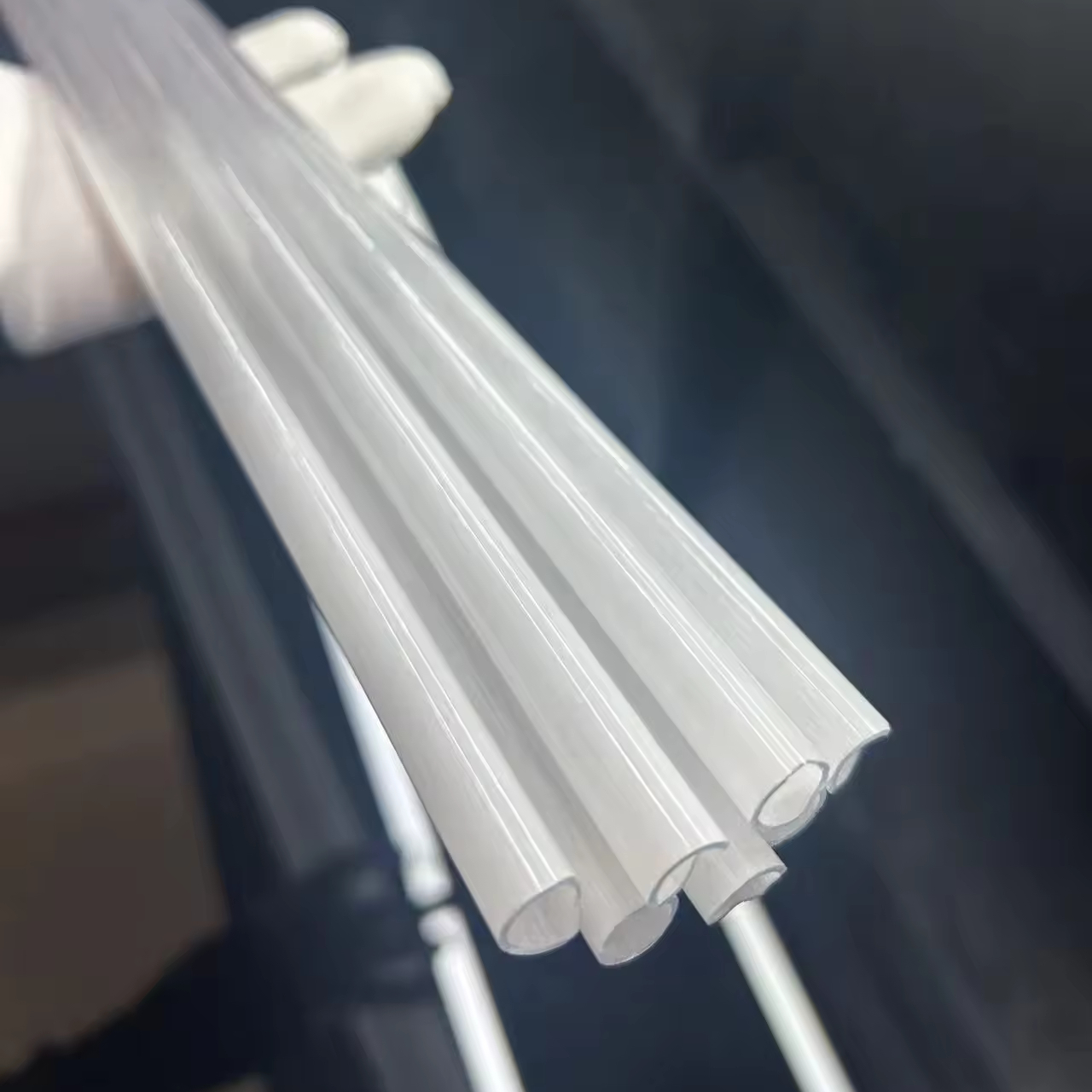
Translucent Milky White Opaque Quartz Glass Sleeve & Pipe
Micro-bubble entrained opaque quartz sleeves delivering superior infrared heat scattering, thermal baffling, and radiation attenuation in semiconductor furnace heating zones.
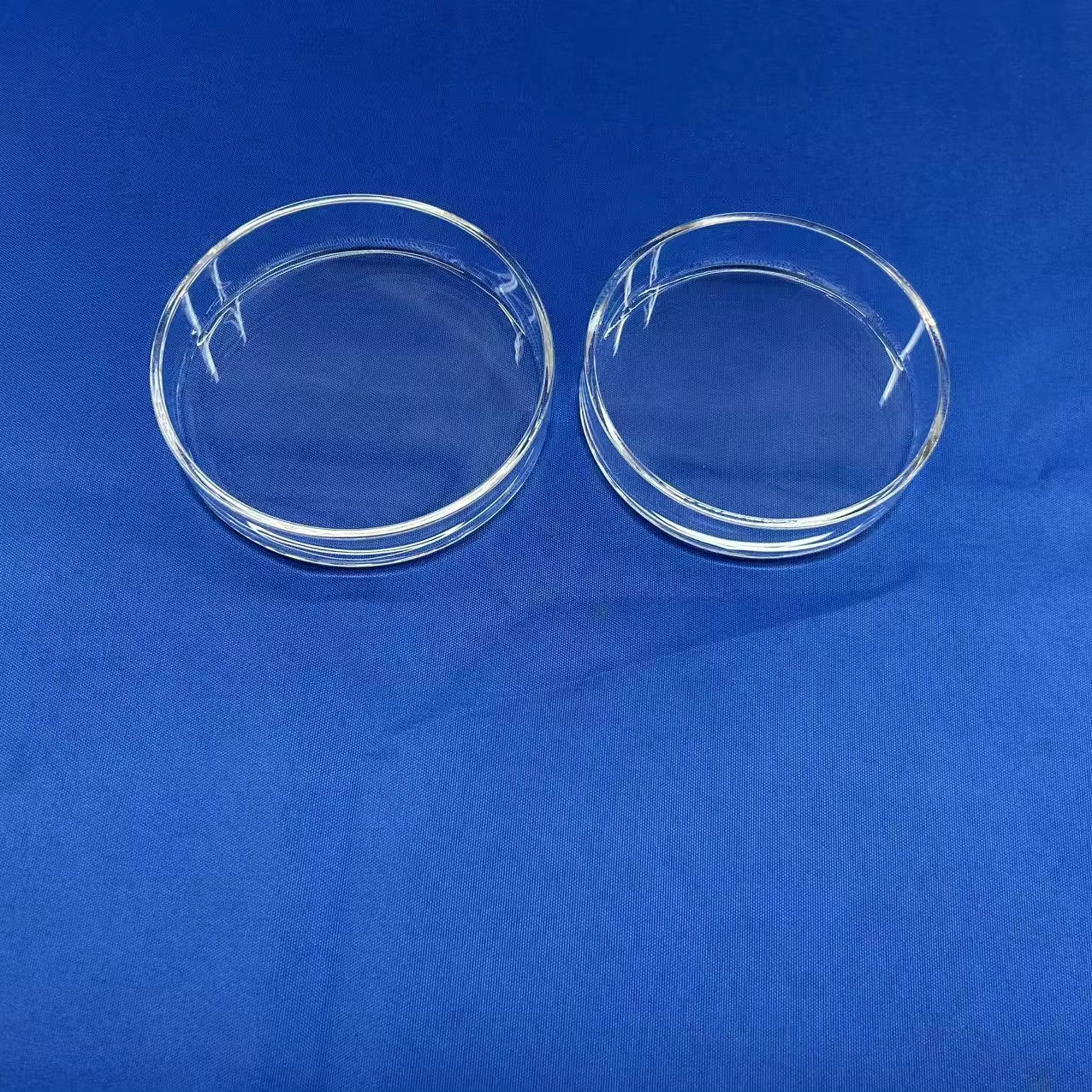
Factory Customized High-purity Quartz Glass Petri Dishes with Lids
Ultra-flat ground surfaces and lids designed for semiconductor wafer chemical residue testing, contamination-free biological incubations, and high-temp reagent synthesis.
1. Executive Market Analysis: The Strategic Imperative for Fused Quartz in Greater Phoenix
The Phoenix metropolitan corridor—anchored by massive multi-billion-dollar wafer fabrication investments across North Phoenix (TSMC Fab 21 Phases 1, 2 & 3), the Chandler-Ocotillo semiconductor cluster (Intel Fab 52 & Fab 62), and tier-one manufacturing facilities operated by onsemi, Microchip Technology, and NXP Semiconductors—has rapidly transformed Arizona into North America’s premier "Silicon Desert". Advanced semiconductor manufacturing nodes (spanning 5nm, 3nm, and emerging 2nm Gate-All-Around GAA architectures) operate at thermal, mechanical, and chemical thresholds where traditional borosilicate and standard industrial ceramic glassware trigger disastrous yield degradation.
In modern front-end-of-line (FEOL) and back-end-of-line (BEOL) fab operations, semiconductor-grade fused quartz ingots constitute the foundational raw material backbone. These ultra-dense, amorphous silica matrices are meticulously sliced, ground, fire-polished, and CNC-machined into vital components: high-temperature oxidation and diffusion furnace process tubes, monolithic single-crystal silicon ingot growth crucibles, vertical wafer boats, plasma dry-etch confinement focus rings, and ultraviolet photolithography reticle substrate blanks.
As lead times from regional secondary machine shops stretch beyond 26 weeks and spot broker pricing inflates procurement costs across the Salt River Valley, fab procurement managers, process equipment engineers, and contract OEMs in Phoenix are bypassing fragmented middle-tier distribution channels. Establishing direct factory-level supply agreements with specialized primary producers like Donghai County Nivra Quartz Products Co., Ltd. ensures total traceability, verified lower trace metallic impurity profiles, and rapid-turn delivery directly into Phoenix logistics centers.
2. Material Science & Impurity Benchmarking: Synthetics vs. Electrically Fused Natural Quartz
Selecting the appropriate quartz ingot grade is an engineering balance between thermal stability (resistance to high-temperature sag and devitrification) and chemical/plasma corrosion resistance. At Nivra Quartz, our manufacturing foundation in Donghai County—the globally recognized capital of silica extraction and crystal refining—leverages high-purity natural silica sand enriched by multiple flotation and hot-acid leach stages, alongside plasma-sintered synthetic precursors.
| Ingot Type / Grade | Synthesis Technology | Hydroxyl [OH⁻] Conc. | Total Trace Metals | Primary Phoenix Fab Application |
|---|---|---|---|---|
| Type I: Natural Electric Arc | Vacuum Electric Arc Fusion of Natural Quartz | < 5 ppm (Extremely Low) | < 15 – 25 ppm | Heavy-wall diffusion tubes, furnace liners, RTP heating jackets |
| Type II: Natural Flame Fused | Oxy-Hydrogen Multi-Torch Burner Fusion | 150 – 400 ppm | < 8 – 12 ppm | Wafer boats, pedestals, gas distributor injectors, quartz flanges |
| Type III: Synthetic Silica (JGS1) | Direct Chemical Vapor Deposition (SiCl₄ flame) | 800 – 1200 ppm | < 0.1 ppm (Ultra-Pure) | Deep-UV laser windows, 193nm/248nm lithography optics, photomasks |
| Type IV: Plasma Sintered Synthetic | Soot Boule Consolidation in Vacuum / Gas Purge | < 1 ppm (Dry Synthetic) | < 0.2 ppm | Plasma etch chamber upper electrode plates, focus rings, dielectric collars |
For continuous thermal cycles between 1050°C and 1250°C, electric arc fused quartz ingots are essential due to their virtually non-existent OH⁻ radical concentration. Hydroxyl groups act as network terminators within the silica tetrahedron matrix; high OH content decreases high-temperature viscosity, drastically accelerating thermal sagging, structural distortion, and unwanted devitrification (nucleation of β-cristobalite crystallites) that destroy vacuum furnace integrity.
3. Trace Impurity Profiling: ICP-MS Certified Tolerances (PPM / PPB)
In sub-5nm fabrication environments, mobile ionic contaminants (primarily alkali metals like Sodium, Potassium, and Lithium) can cause catastrophic gate oxide breakdown and threshold voltage shifting. Transition elements such as Iron, Nickel, and Copper generate deep-level energy traps that degrade carrier lifetimes. Nivra Quartz subjects each ingot batch to rigorous Inductively Coupled Plasma Mass Spectrometry (ICP-MS) testing before slicing and surface polishing:
| Element (Symbol) | Standard Electric Fused (PPM) | Semiconductor Grade Nivra-4N8 | Ultra-Purity Synthetic Nivra-6N | Impact on Wafer Yield |
|---|---|---|---|---|
| Aluminum (Al) | 14.0 – 18.0 | ≤ 8.0 | ≤ 0.02 | Acceptor impurity, affects thermal expansion matching |
| Iron (Fe) | 0.30 – 0.80 | ≤ 0.15 | ≤ 0.01 | Deep-level recombination centers, minority lifetime loss |
| Sodium (Na) | 0.50 – 1.00 | ≤ 0.20 | ≤ 0.005 | Mobile ion drift, gate dielectric breakdown |
| Potassium (K) | 0.40 – 0.90 | ≤ 0.20 | ≤ 0.005 | Thermal stability degradation, mobile channel leakage |
| Lithium (Li) | 0.30 – 0.70 | ≤ 0.10 | ≤ 0.002 | Interstitial diffusion across ultra-thin gate oxides |
| Calcium (Ca) | 0.60 – 1.20 | ≤ 0.30 | ≤ 0.01 | Devitrification seeding, micro-crystallite flaking |
| Titanium (Ti) | 1.00 – 1.50 | ≤ 0.50 | ≤ 0.005 | UV absorption band shifting, thermal stress concentrator |
Localized Industrial Application Scenarios in Greater Phoenix
Precision-matched quartz parts solving thermal, mechanical, and optical friction across the Interstate 17 and Loop 202 manufacturing corridors.
North Phoenix 300mm Advanced Logic
LPCVD and thermal oxidation furnace tubes, diffusion quartz boats, cantilever paddles, and injector manifolds built for continuous 1100°C cycling in cutting-edge FinFET and GAA fabs.
Dry Plasma Etch Chambers (Chandler)
High-density synthetic quartz focus rings, edge rings, and gas showerheads capable of enduring aggressive fluorocarbon (CF₄, CHF₃, SF₆) plasma without micro-particle shedding.
Tempe / Mesa DUV Optical Metrology
JGS1 high-transmission synthetic quartz optical blanks for laser beam splitters, interferometer windows, and wafer inspection inspection stage viewports with zero fluorescence under 248nm/193nm radiation.
Aerospace & Defense Sensors (Deer Valley)
Ultra-thick stepped quartz viewports, infrared JGS3 sensor covers, and sapphire plate assemblies engineered for missile telemetry, high-temp pyrometry, and thermal test fixtures.
4. Sourcing Dynamics & Macro Supply Chain Trends (2025–2030)
The implementation of the U.S. CHIPS and Science Act has generated unprecedented demand for high-purity consumables throughout Arizona. However, domestic U.S. quartz machining shops depend overwhelmingly on imported raw boule ingots and hollow quartz cylinders. As local machine capacity remains backlogged, purchasing organizations face a critical two-front supply risk: escalating component costs and unexpected line-down stoppages caused by component micro-fissures during thermal ramping.
Forward-looking supply chain directors in Greater Phoenix are adopting a hybrid resilience model:
1. Direct Factory Sourcing for High-Wear Components: Consumable quartz items subject to rapid plasma erosion (such as etch focus rings and wafer shields) are standardized directly with original furnace manufacturers like Nivra Quartz, reducing landed component costs by up to 45% to 60% compared to regional distributor catalogs.
2. Cleanroom Class 10/100 Double-Barrier Packaging: The extreme arid climate and pervasive airborne dust of the Sonoran Desert necessitate rigorous containment protocols. Nivra Quartz employs an automated ultrasonic deionized (DI) water wash (18.2 MΩ·cm resistivity), vacuum drying, clean nitrogen gas purging, and dual-layer anti-static heat-sealed poly packaging. Phoenix fab receiving docks can transfer components straight into sub-fab cleanrooms without secondary decontamination.
3. Monolithic Large-Bore Cylinders (up to 450mm OD): With next-generation vertical furnaces requiring single-piece process chambers to eliminate flame-welded seam stresses, our multi-axis induction electric drawing towers provide monolithic tubes with zero internal bubble inclusions (DIN 58927 Class 0/1).
Manufacturing Strength & Engineering Credentials
From Donghai County—the heart of China's quartz refining—direct to Phoenix fabrication cleanrooms.
Direct Primary Ingot Production
Located in Donghai County, Jiangsu, we control the entire processing chain—from raw crystal grain sorting, vacuum electric arc fusion, and soot deposition to precision annealing—ensuring complete material genealogy.
Sub-5-Hour Engineering Feedback
Our dedicated engineering office reviews OEM blueprints (DWG, DXF, STEP, PDF) with an average response time of ≤5 hours, delivering tolerance verifications, DFM insights, and competitive quotes immediately.
CNC Multi-Axis Ultrasonic Machining
In-house 5-axis ultrasonic CNC milling, micro-hole laser drilling, precision optical double-sided grinding, and hydrogen-oxygen flame lathe forming under rigorous thermal stress-relieving annealing cycles.
Verified Track Record & Zero Breakage
Rated 5.0/5 with an 88.89% customer inquiry rate and over 40% export distribution to North America. Shipped in custom-molded shock-absorbing foam crates via expedited air freight straight to Phoenix Sky Harbor (PHX).
Frequently Asked Questions for Phoenix Sourcing Teams
Addressing the technical, regulatory, and logistics inquiries most commonly submitted by Arizona semiconductor engineering buyers.
Every production run destined for semiconductor applications is analyzed using Inductively Coupled Plasma Mass Spectrometry (ICP-MS) and glow discharge mass spectrometry (GDMS). We provide a formal Certificate of Analysis (CoA) recording trace levels for 14 critical elements (Al, Fe, Na, K, Li, Ca, Mg, Cu, Cr, Ni, Ti, Mn, Zr, B). For synthetic grades (JGS1), total metal impurities are guaranteed below 0.1 ppm.
For urgent engineering prototypes and production-critical batch runs, our air freight shipments via DHL Express, FedEx Priority, or direct cargo consolidators typically clear U.S. Customs and arrive at Phoenix Sky Harbor (PHX) or Los Angeles (LAX) in 4 to 7 business days. High-volume, palletized container shipments transit via West Coast ports (Long Beach/Los Angeles) and reach Phoenix via intermodal bonded rail/truck in 18 to 24 days.
JGS1 is high-purity synthetic fused silica offering exceptional transmission across the deep ultraviolet (DUV) range (≥90% at 185nm–2500nm) with virtually zero bubble inclusions. JGS2 is flame-fused natural quartz optimized for UV-visible wavelengths (220nm–2500nm), widely utilized for inspection viewports and standard wafer processing. JGS3 is an electric-fused, low-OH (<5 ppm) grade providing extended transmission into the infrared spectrum (up to 3500nm) with superior thermal stability at >1150°C.
Fused quartz exhibits an exceptionally low coefficient of thermal expansion (α ≈ 5.5 × 10⁻⁷ /°C from 20°C to 300°C), enabling it to withstand abrupt temperature fluctuations of ΔT > 1000°C without shattering. Furthermore, every process tube, flanged sleeve, and welded boat fabricated at Nivra Quartz undergoes a computer-controlled anneal cycle at 1180°C, followed by polariscope birefringence inspection to eliminate internal mechanical stress.
Yes. Our CNC machining department operates multi-axis high-speed machining centers equipped with diamond tooling and ultrasonic assists. We machine complex gas distribution holes, wafer retention slots (±0.05mm spacing), o-ring sealing grooves, and multi-tier double-layer step plates directly from native STEP, IGES, or DXF engineering models.
We implement a zero-breakage packaging protocol. Components undergo ultrasonic deionized cleaning, are vacuum-sealed in cleanroom grade double polyethylene sleeves, and are secured inside pre-molded high-density polyethylene (EPE) shock-absorbing foam. For heavy tubes, ingots, and step plates, crates are constructed from export-certified, fumigation-free engineered wood with built-in tip-and-shock indicators.
Absolutely. While standard precision wafers and discs typically carry an MOQ of 50 to 100 units, custom heavy-bore tubes, specialized electrolytic tanks, and custom quartz apparatus can be ordered with an MOQ of just 1 piece for fab qualification, fit checks, and temperature calibration tests.
Our optical-grade quartz discs and square plates comply with DIN ISO 12123 and MIL-G-174B specifications. Products can be certified to Bubble Class 0 (zero bubbles >0.05mm in clear aperture) or Class 1. Homogeneity testing across synthetic ingots verifies refractive index variations below Δn ≤ 2 × 10⁻⁶ with zero discernible striae in the primary optical path.
Connect with Our Quartz Applications Engineering Team
Need rapid quotation on semiconductor-grade quartz ingots, custom wafer boats, diffusion furnace chambers, or optical test viewports? Upload your drawings and tolerance parameters for engineering feedback within 5 hours.
Inquire Now