Thermal ≥1100°C
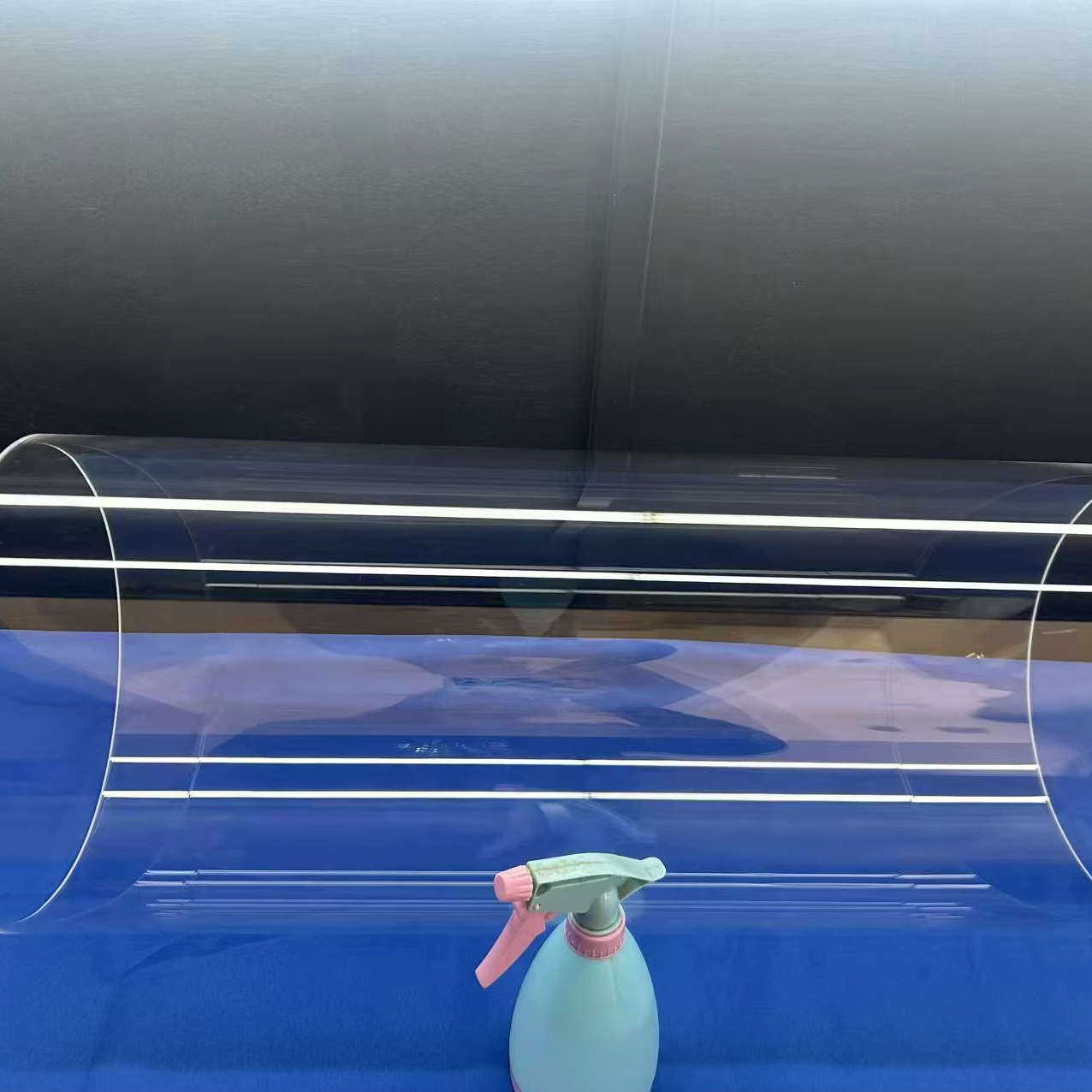
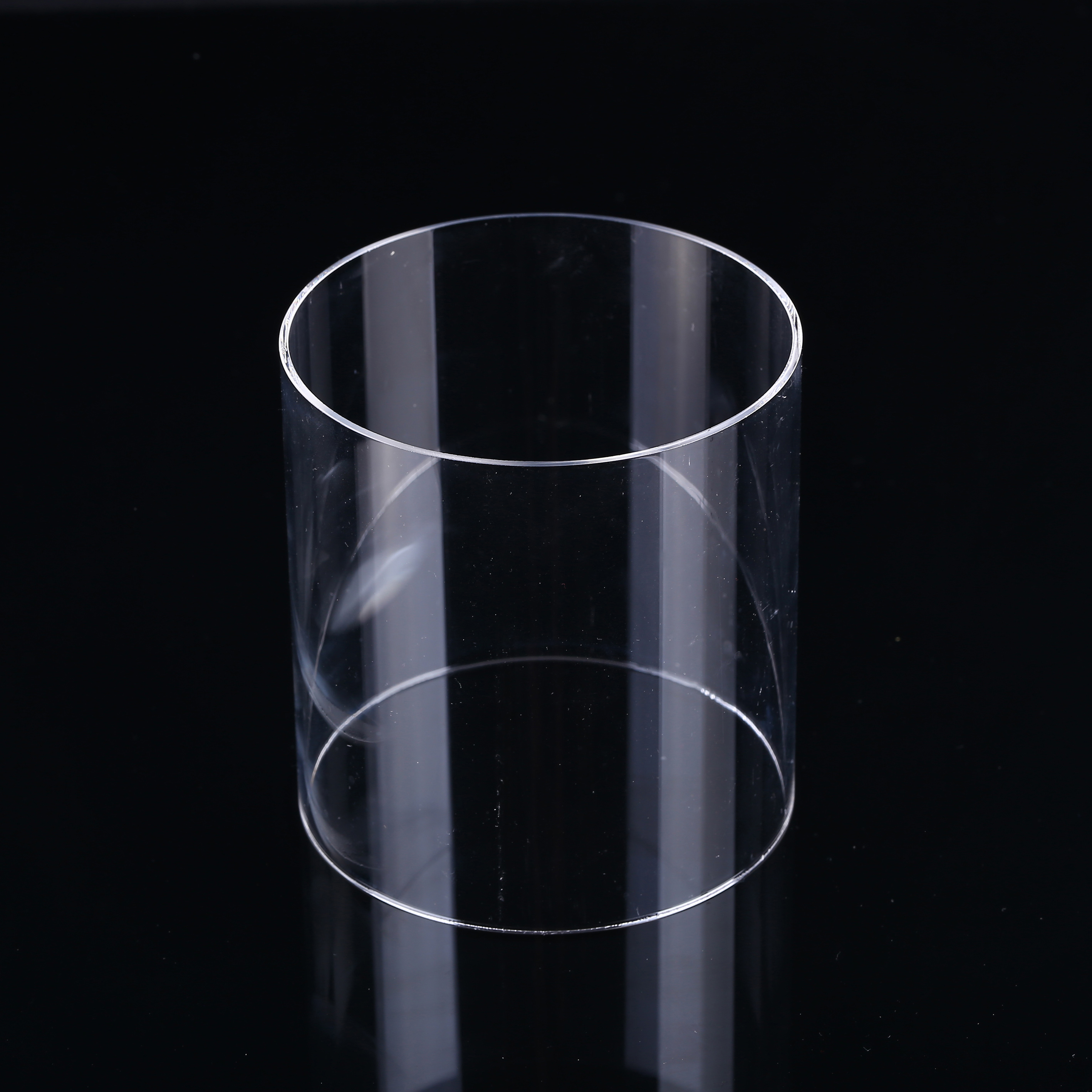
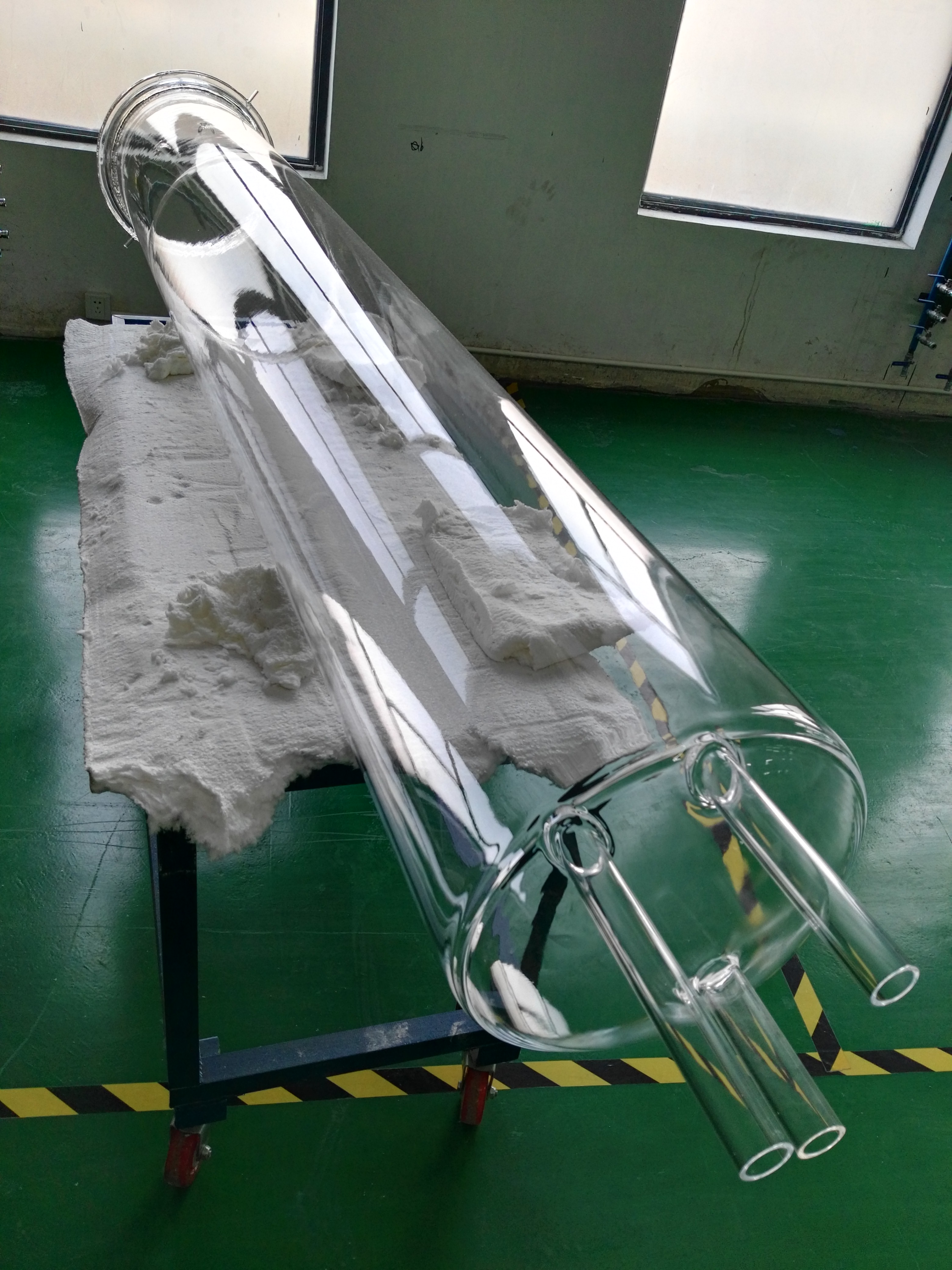
Customizable High Purity Fused Quartz Glass Tube High Temperature Resistant
Purity: ≥99.99% SiO&sub2;
MOQ: 10 Pcs
From deep-UV lithography optical disks to high-temperature thermal tubes, each component is manufactured to strict geometric tolerances and custom drawing specifications.
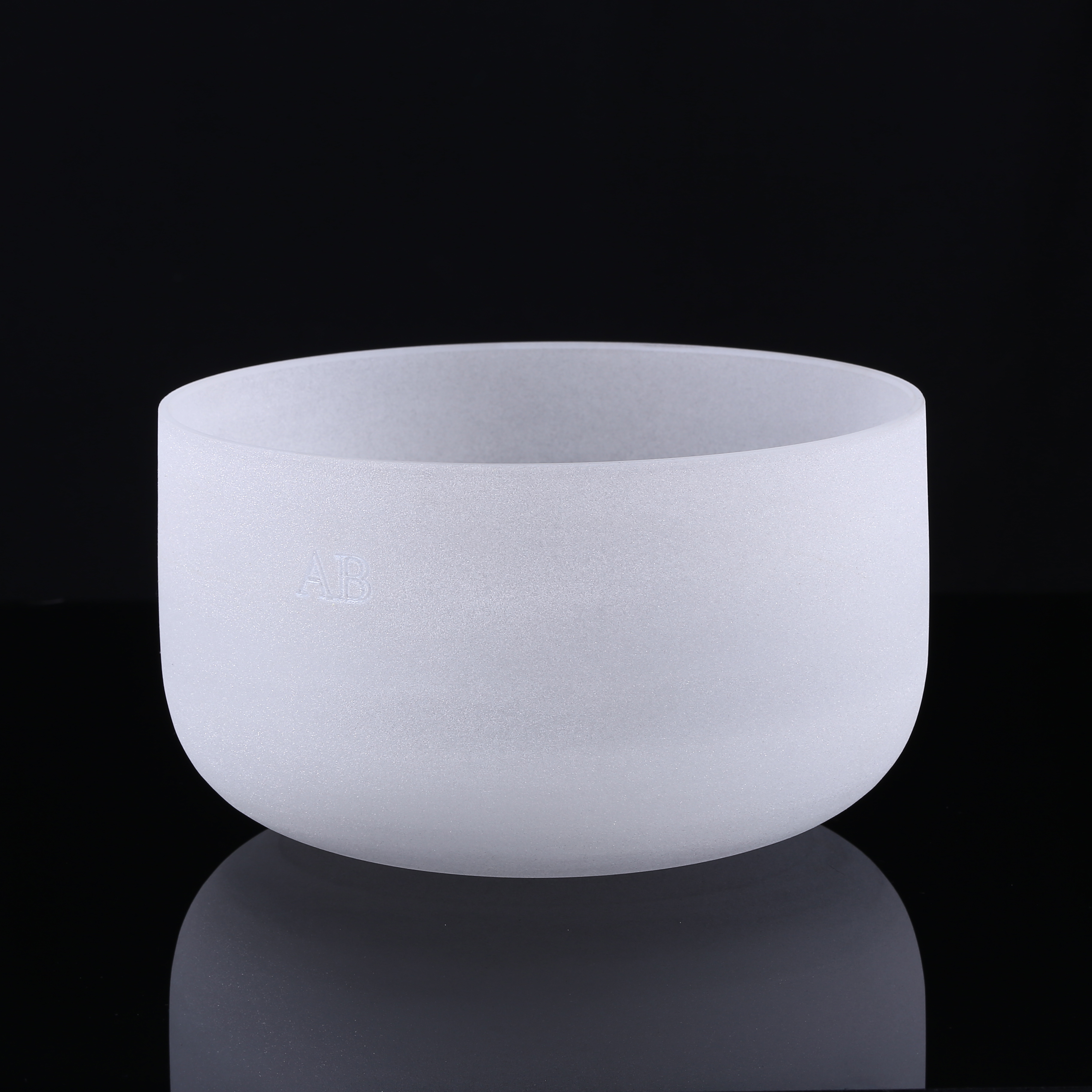
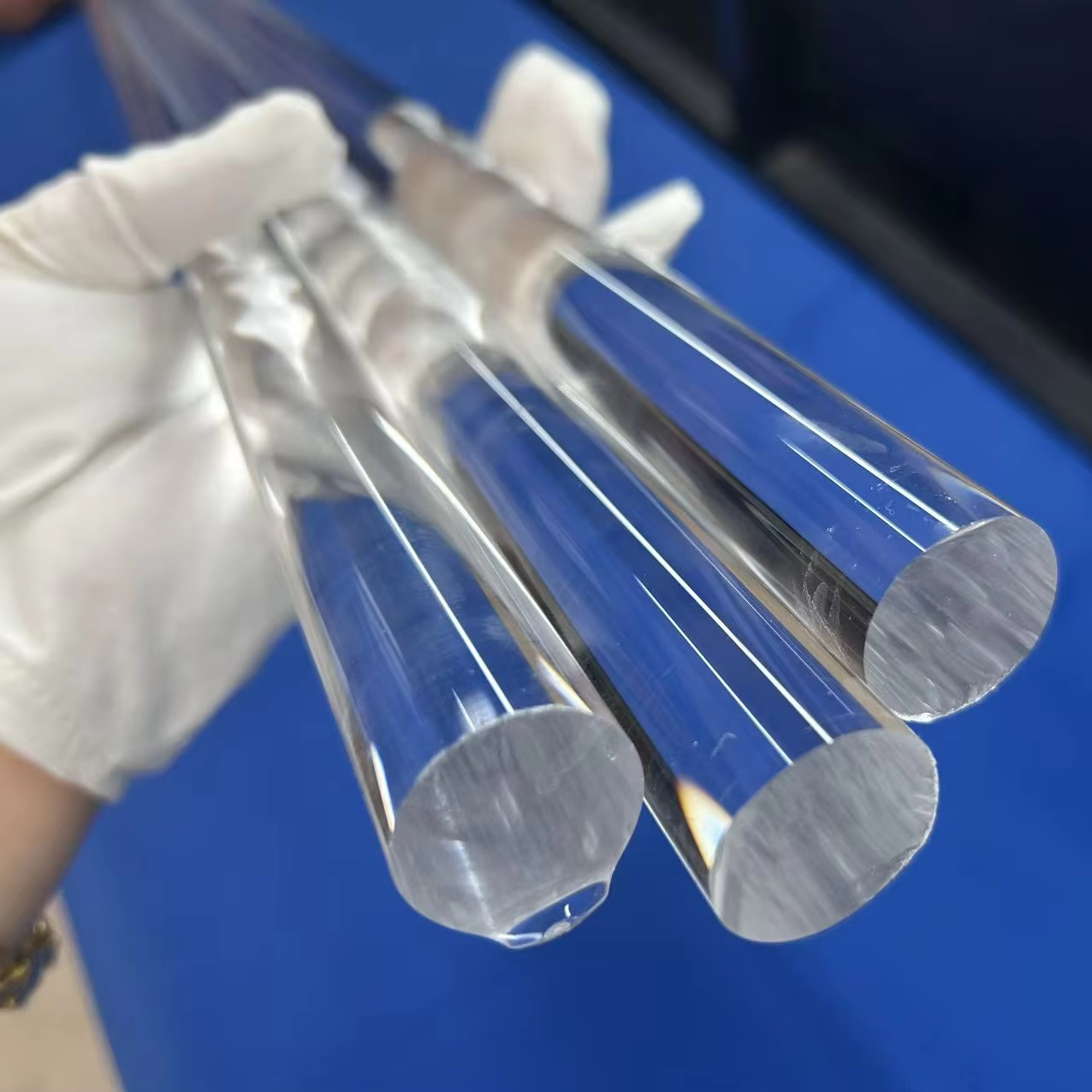
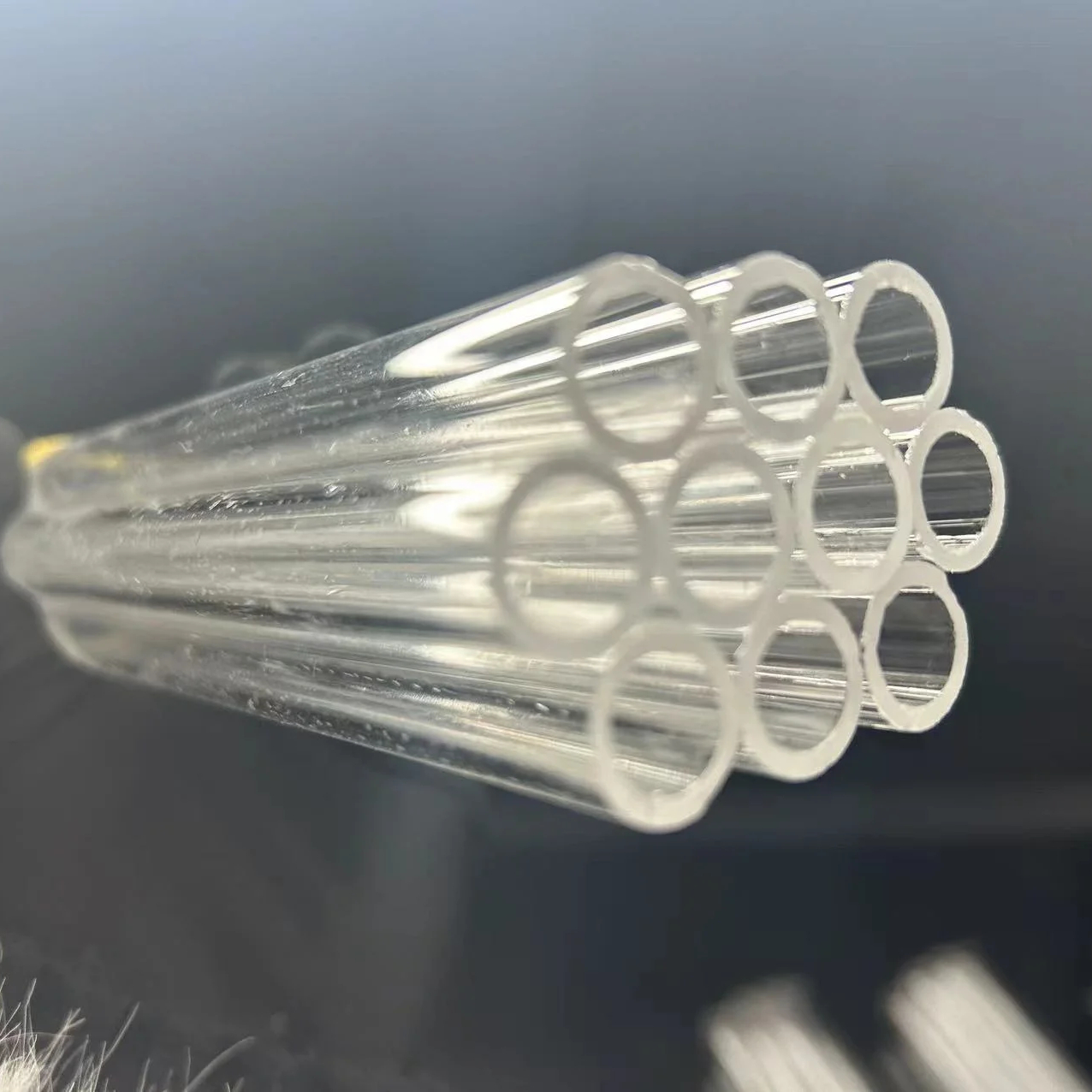
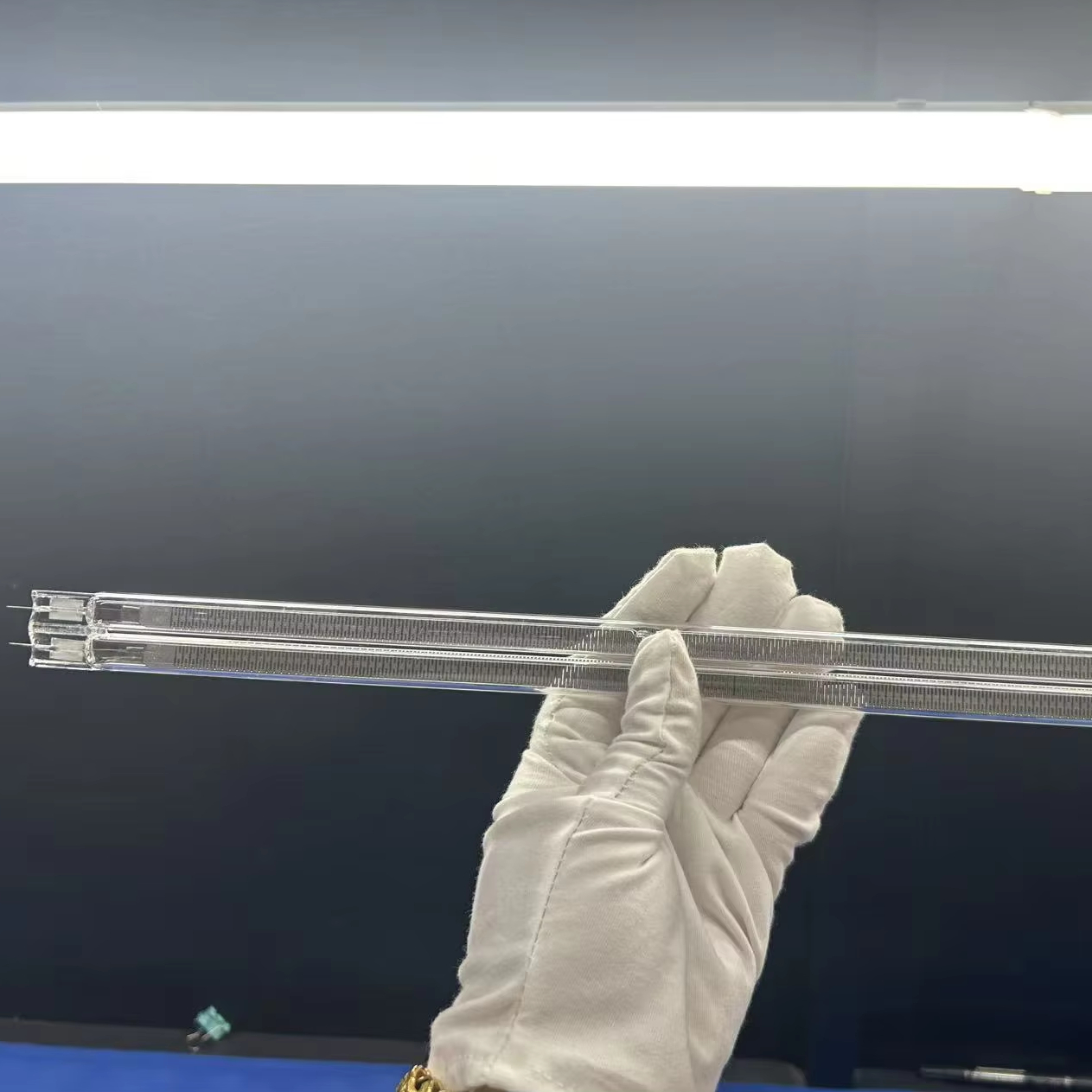
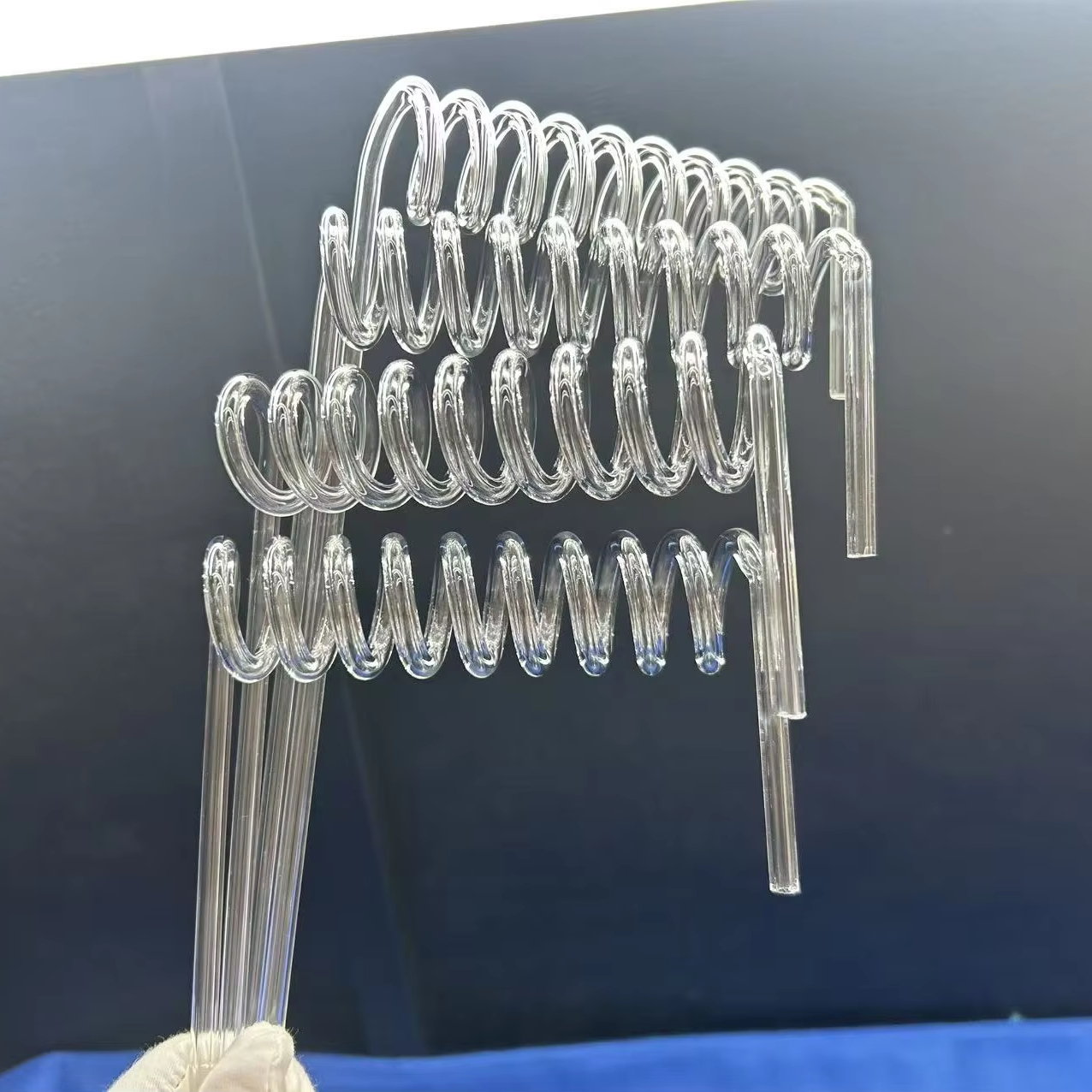
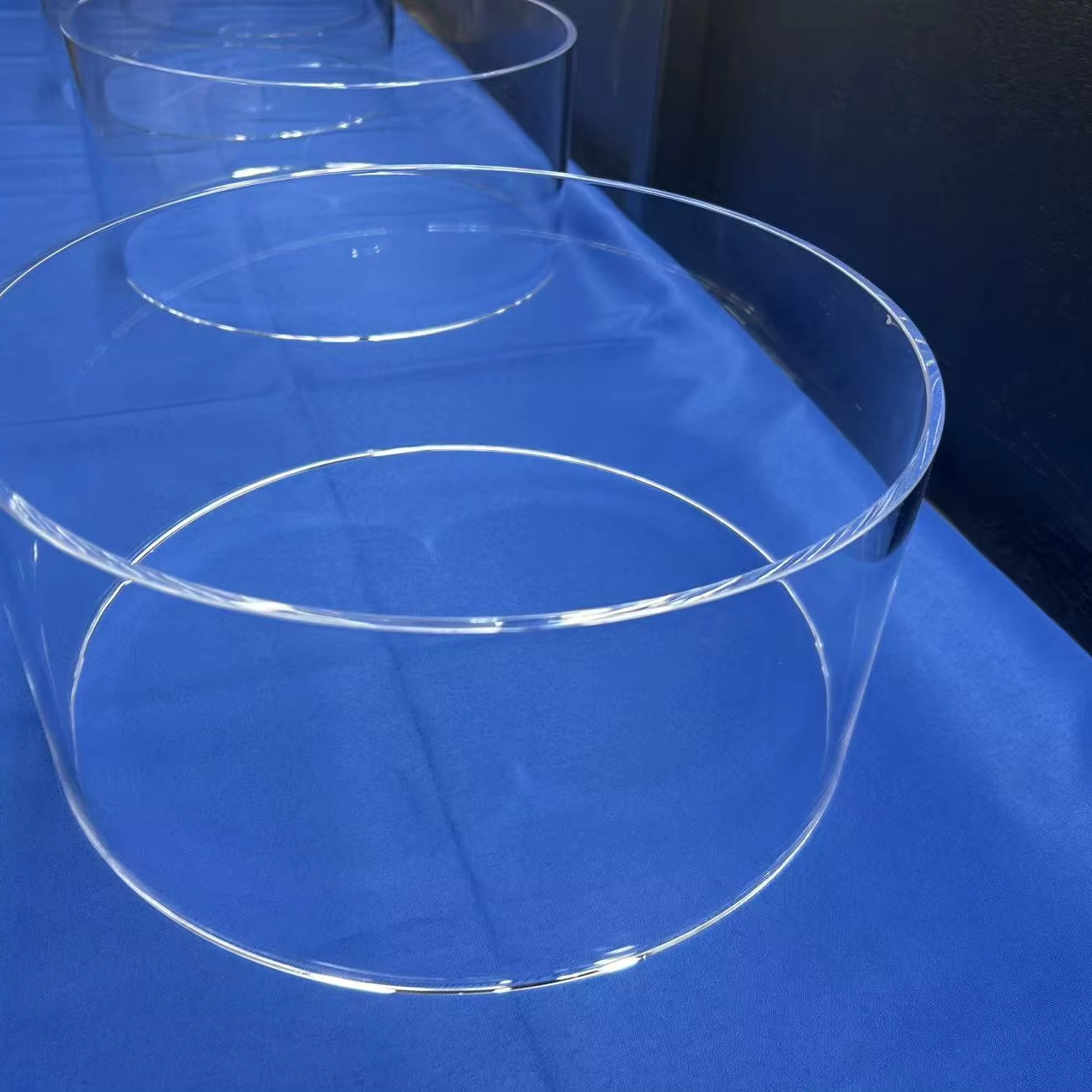
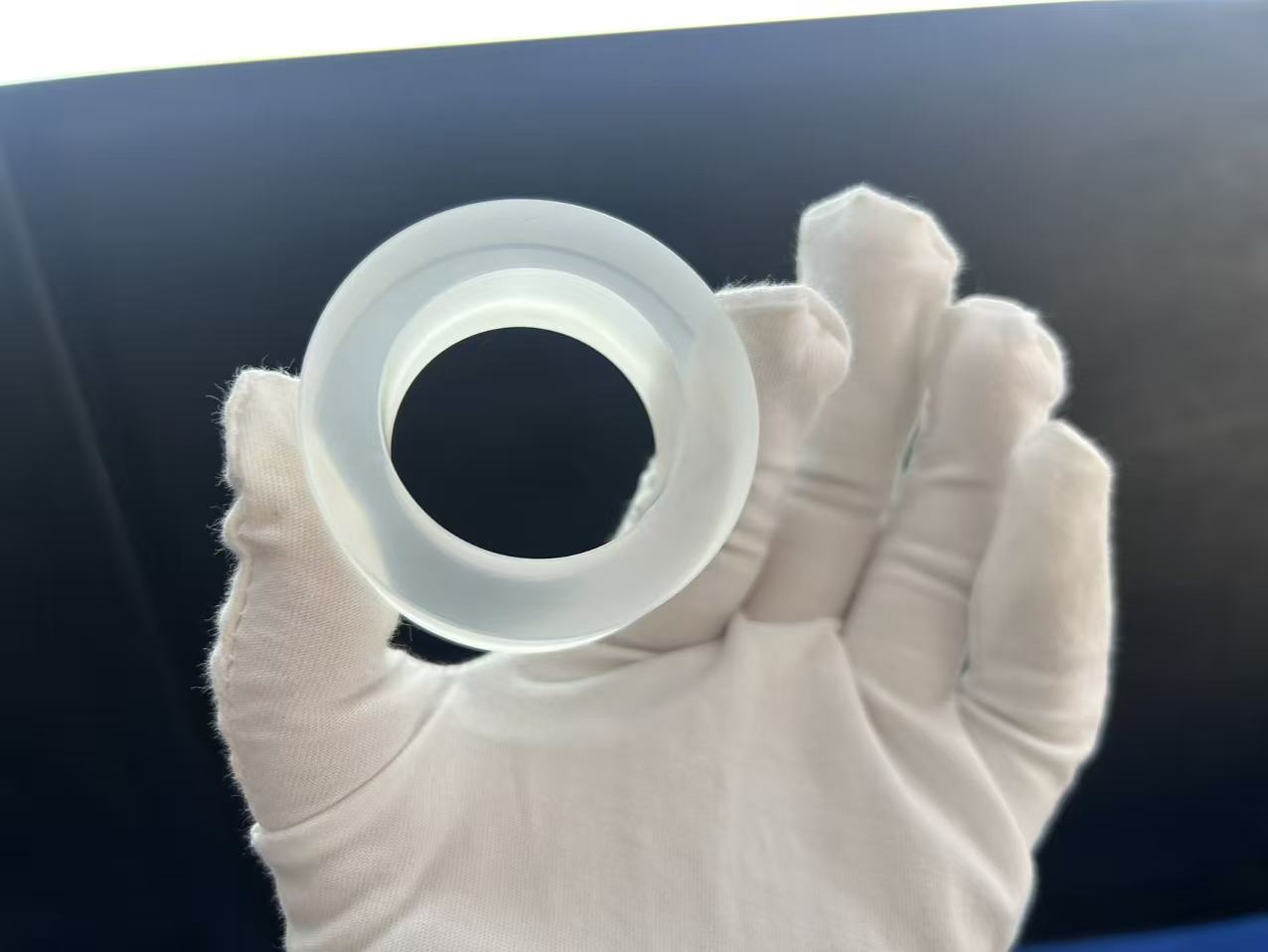
For procurement directors, cleanroom operations managers, and laser opticians in Málaga and the broader Andalusia deep-tech ecosystem, selecting the appropriate vitreous silica substrate is not merely a matter of unit procurement cost—it dictates photolithographic yield, UV degradation thresholds, vacuum outgassing profiles, and cyclic thermal fatigue resistance. At Donghai County Nivra Quartz Products Co., Ltd. (Nivra Quartz), our engineering division processes raw crystalline quartz pegmatites into high-purity natural fused quartz as well as gas-phase chemical vapor deposition (CVD) synthesized $\text{SiO}_2$ to supply mission-critical European industrial standards.
Synthetic fused silica (predominantly classified in international optics as JGS1 or synthetic amorphous silicon dioxide) is synthesized through the flame hydrolysis of high-purity volatile silicon precursors such as silicon tetrachloride ($\text{SiCl}_4$) in an oxygen-hydrogen furnace environment ($\text{SiCl}_4 + 2\text{H}_2\text{O} \rightarrow \text{SiO}_2 + 4\text{HCl}$). Because this chemical reaction completely circumvents the mineral impurities inherent to terrestrial mining, synthetic silica exhibits metallic contamination levels of less than 0.1 parts per million (ppm) total trace elements. In contrast, electric-arc fused quartz (JGS2 / JGS3) relies on purified natural pegmatite crystals, delivering unmatched structural rigidity and thermal creep resistance at continuous operating temperatures above 1150°C, albeit with higher aluminum and hydroxyl ($\text{OH}^-$) matrix fractions.
| Optical Grade Designation | Synthesis Process | Transmission Band (T ≥ 85%) | Hydroxyl (OH‾) Content | Trace Metals (Fe, Al, Ti, Cu) | Optimal Málaga Industrial Sector |
|---|---|---|---|---|---|
| JGS1 (Synthetic Fused Silica) Deep-UV | Vapor Phase Flame Hydrolysis ($\text{SiCl}_4$) | 185 nm – 2,500 nm | 800 – 1,200 ppm (High OH) | < 0.1 ppm total | Excimer Lasers, DUV Lithography, Flow Cytometry |
| JGS2 (Optical Fused Quartz) UV-Vis | Gas-Oxygen Fusion of Natural Quartz | 220 nm – 2,500 nm | 150 – 250 ppm | < 15 ppm total | Spectrometry Cuvettes, Sight Glasses, Solar PV |
| JGS3 (Water-Free IR Fused Silica) Infrared | Electric Vacuum Fusion / Plasma Fusion | 260 nm – 3,500 nm | < 5 ppm (Zero OH absorption at 2.73 μm) | < 20 ppm total | Mid-IR Thermal Cameras, Concentrated Solar, Pyrometry |
| Standard Clear Fused Quartz | Continuous Electrically Fused Tubing | 280 nm – 2,800 nm | 30 – 100 ppm | ≤ 25 ppm total | Semiconductor Diffusion Tubes, Radiant Heating Jackets |
One of the paramount mechanical features of Nivra Quartz fused silica parts is our exceptionally low mean coefficient of thermal expansion (CTE) of $5.5 \times 10^{-7} \text{ K}^{-1}$ across the $20^\circ\text{C}$ to $320^\circ\text{C}$ operational span. This near-zero expansion coefficient confers extreme resistance to thermal shock. While borosilicate glass fractures under abrupt temperature deltas exceeding $150^\circ\text{C}$, our fused quartz tubes, crucibles, and planar discs endure instantaneous quench testing from $1100^\circ\text{C}$ into ice water without micro-crack propagation or localized devitrification.
Dielectric constant ($\varepsilon$) of 3.75 at 1 MHz to 10 GHz with a dissipation factor $\tan \delta < 0.0001$. Indispensable for microwave plasma etching, RF semiconductor windows, and telecommunications chip testing fixtures.
Completely inert to aggressive acid matrices including hot nitric, hydrochloric, sulfuric, and aqua regia. Unaffected by wet etching chemicals, except hydrofluoric acid (HF) and concentrated phosphoric acid ($>300^\circ\text{C}$).
With an annealing point at $1180^\circ\text{C}$, a strain point at $1075^\circ\text{C}$, and structural softening occurring only above $1683^\circ\text{C}$, our fused quartz maintains dimensional fidelity under deep vacuum and ultra-high continuous thermal loads.
Málaga has rapidly transformed into the deep-tech and microelectronics engine of Southern Europe. Nivra Quartz provides the physical hardware and vitreous silica substrates required to fuel this expansion.
As Málaga solidifies its status as a microelectronics powerhouse with major investments in the IMEC cleanroom foundry and local semiconductor packaging labs, the requirement for contaminant-free quartzware escalates. We fabricate custom wafer carriers (quartz boats), diffusion furnace process tubes, thermocouple protection sheaths, and high-purity single-crystal substrate holders engineered to eliminate ionic cross-contamination during LPCVD and PECVD thin-film growth.
Andalusia represents Europe's primary proving ground for concentrated solar and green thermal energy systems. Collaborating with clean-tech engineering teams linked to projects across Seville, Málaga, and the Plataforma Solar de Almería, Nivra Quartz supplies thick-walled synthetic fused silica receiver tubes and high-pressure transparent viewports that withstand extreme concentrated radiative fluxes and cyclic desert-to-coast thermal shock.
Academic institutions and bio-analytical research groups at the University of Málaga (UMA) depend on our precision JGS1/JGS2 spectrophotometer cuvettes, high-vacuum optical sight windows, and quartz spiral reaction condensers for microfluidics, laser-induced fluorescence (LIF), and photochemical synthesis without optical distortion or deep-UV autofluorescence.
The agricultural export economy of the Axarquía and broader Costa del Sol relies on advanced water reclamation and UV-C sterilization systems. Our ozone-producing and ozone-free transparent clear quartz sleeves house intense germicidal UV lamps, providing high 253.7 nm UV transmittance and scale-resistant hydraulic surfaces for uninterrupted agricultural sanitation.
Air express direct to Málaga-Costa del Sol Airport (AGP) in 4–6 business days. Full CIF/DDP shipping to Puerto de Málaga for high-volume consignments.
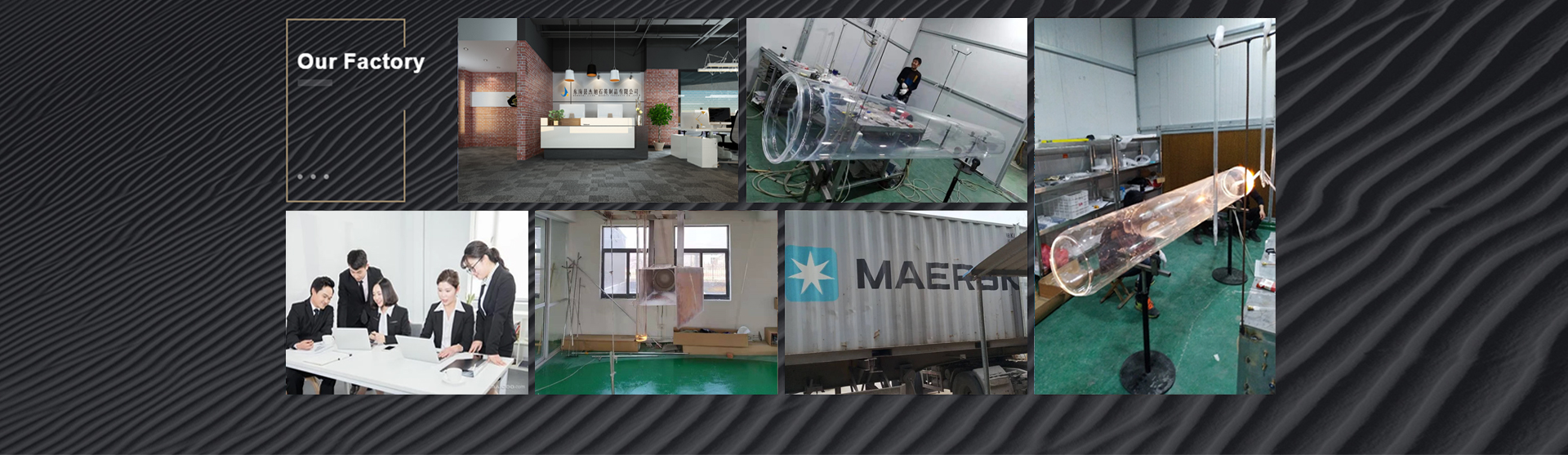
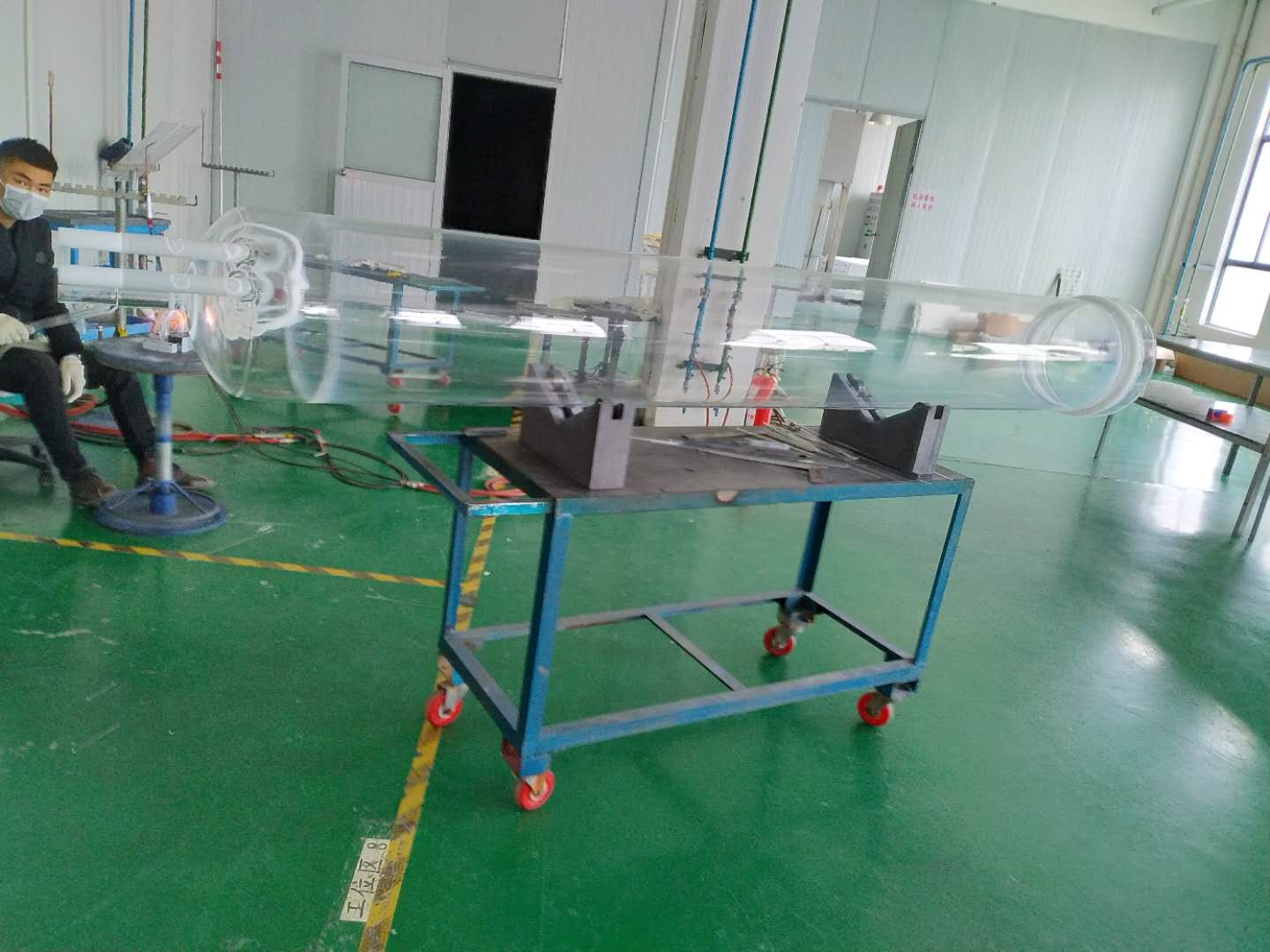
Headquartered in Donghai County, Jiangsu—the premier global quartz processing corridor—our 101–200 employee facility integrates material refinement, precision cold machining, and high-temperature flame glassblowing under one unified quality umbrella.
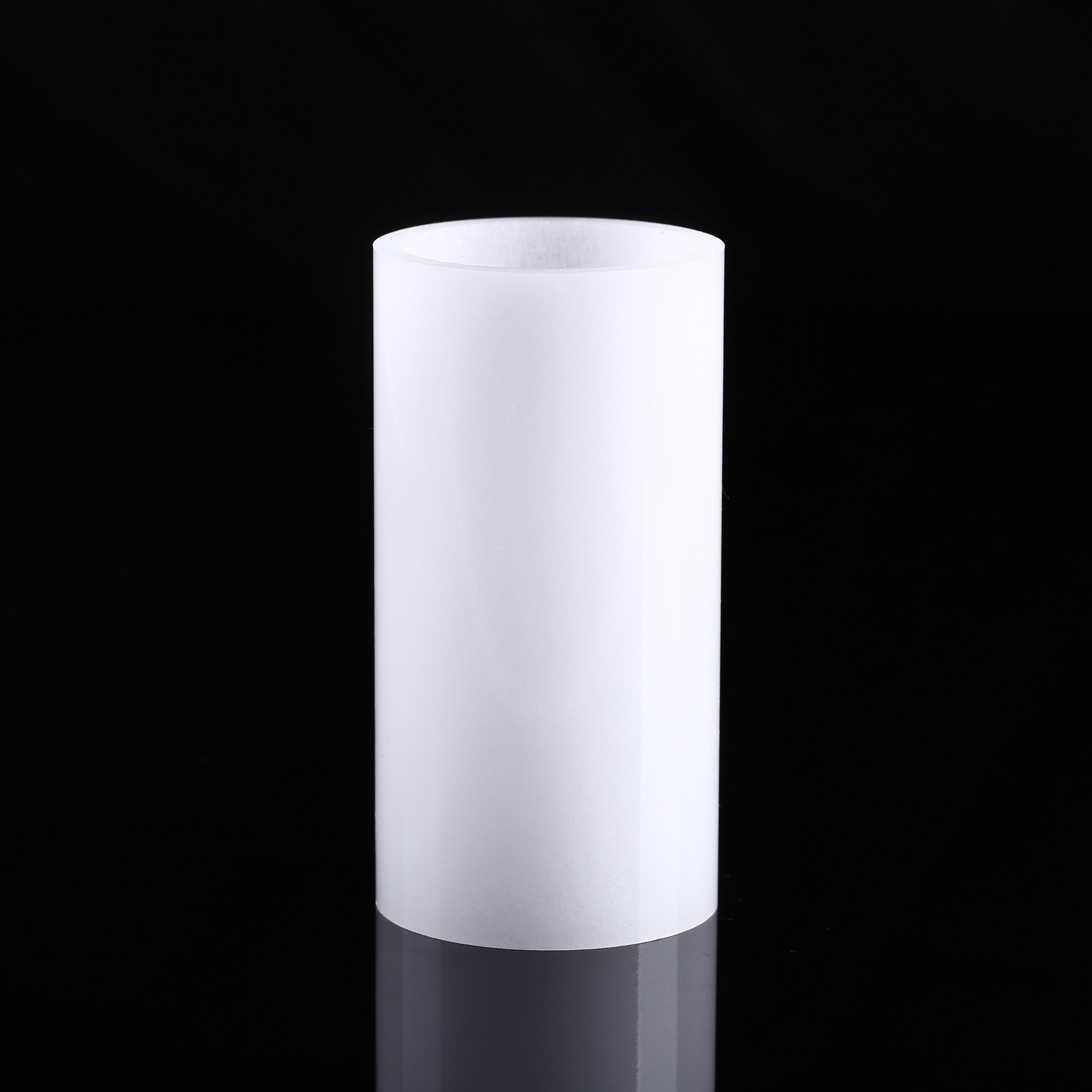
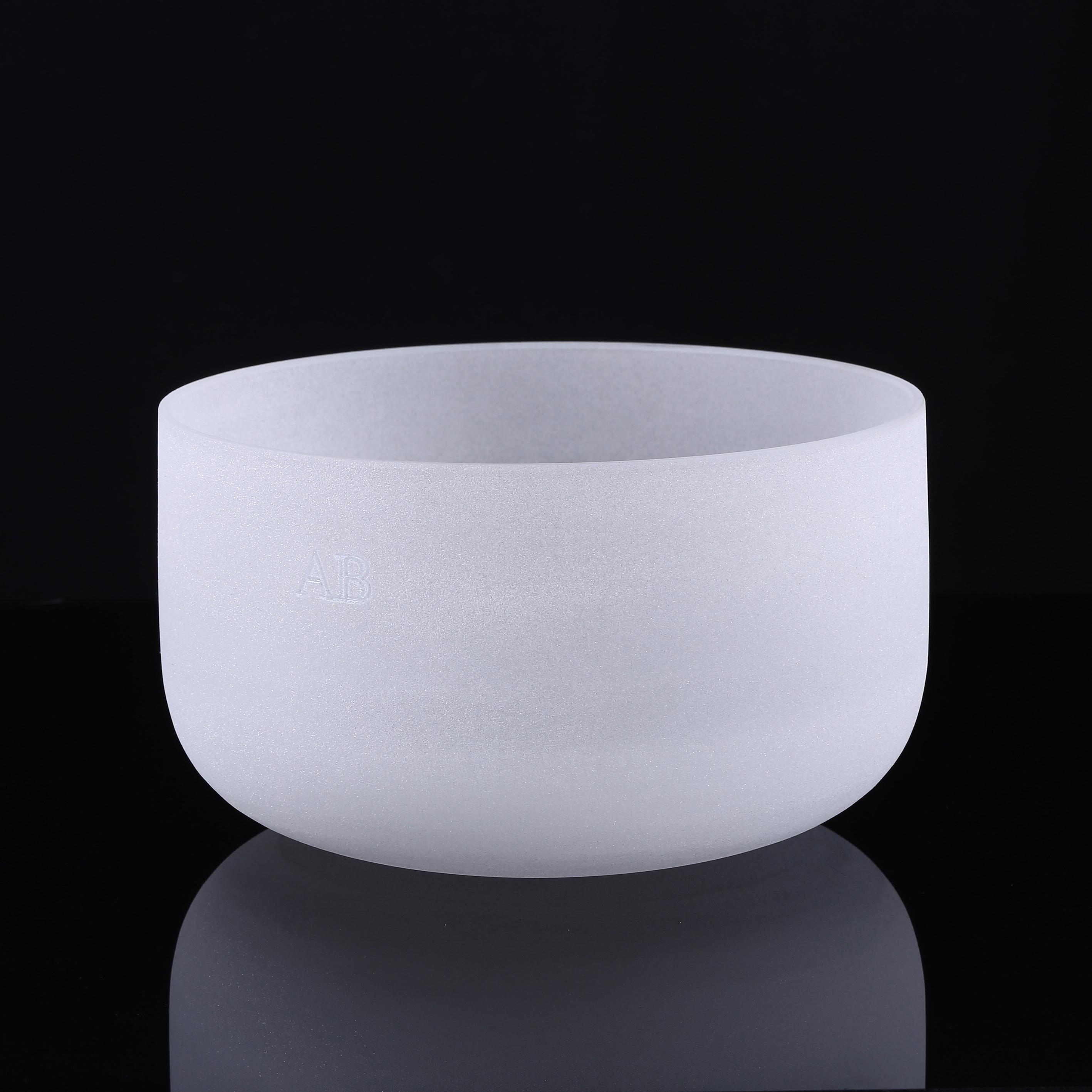
Double-sided planetary optical lapping achieves surface roughness of Ra < 0.5 nm, with scratch-dig specifications reaching 20/10 and 10/5 for laser-grade optical windows, prism blanks, and laser cavity mirrors.
Positioned at China's quartz epicentre, Nivra Quartz secures first-tier access to virgin silica reserves. Sourcing directly eliminates intermediate distribution markups, giving our Málaga clients a 25–40% cost efficiency dividend.
Documented conformance with EU REACH (EC 1907/2006) and RoHS directives. Every shipment to Spain arrives with comprehensive Material Test Reports (MTR), certificate of origin, and certified dimensional inspection data.
 Enterprise Business License
 ISO 9001:2015 Quality System
 TÜV On-Site Audited Plant
 Direct Foreign Trade Approval
Addressing engineering tolerances, thermal degradation questions, customs clearance procedures, and fragile freight logistics for industrial purchasers in Spain.
Custom quartz tubes, rods, and optical plates typically fall under the EU Integrated Tariff (TARIC) code 7017.10.00.00 (Laboratory, hygienic or pharmaceutical glassware of fused quartz or other fused silica). The standard third-country import duty for this commodity classification is typically 3% plus the standard Spanish Value Added Tax (IVA of 21%).
For corporate buyers and universities in Málaga who prefer zero customs overhead, Nivra Quartz provides turnkey Delivered Duty Paid (DDP) shipping terms. We manage all Spanish DUA (Documento Único Administrativo) customs clearance, export declarations, and inland road haulage, delivering directly to your receiving bay at Málaga TechPark (PTA) or university laboratory address with all duties and tariffs pre-settled.
Machining processes—such as ultrasonic core drilling, CNC milling, and high-temperature oxy-hydrogen flame welding—induce residual shear stresses within the amorphous silica lattice. If untreated, thermal cycling in semiconductor or thermal reactors will trigger spontaneous micro-fractures along stress concentrations.
Nivra Quartz subjects every fabricated component to a multi-stage thermal annealing cycle inside an electrically heated, atmosphere-controlled muffle furnace. Parts are held at the annealing dwell temperature ($1180^\circ\text{C}$ to $1200^\circ\text{C}$) to release internal lattice strains, followed by controlled slow cooling below the strain point ($1075^\circ\text{C}$). Every finished batch is verified using cross-polarized polarimeters to ensure optical retardation values adhere to strict class 1 optical stress standards (≤ 5 nm/cm).
Transporting precision quartzware internationally requires engineered shock-isolation packaging. We utilize a multi-tier protective protocol: individual components are cleaned in an ultrasonic bath, sealed in particulate-free PE anti-static film, and encased in custom CNC-contoured high-density closed-cell polyethylene (EPE) or EVA foam molds.
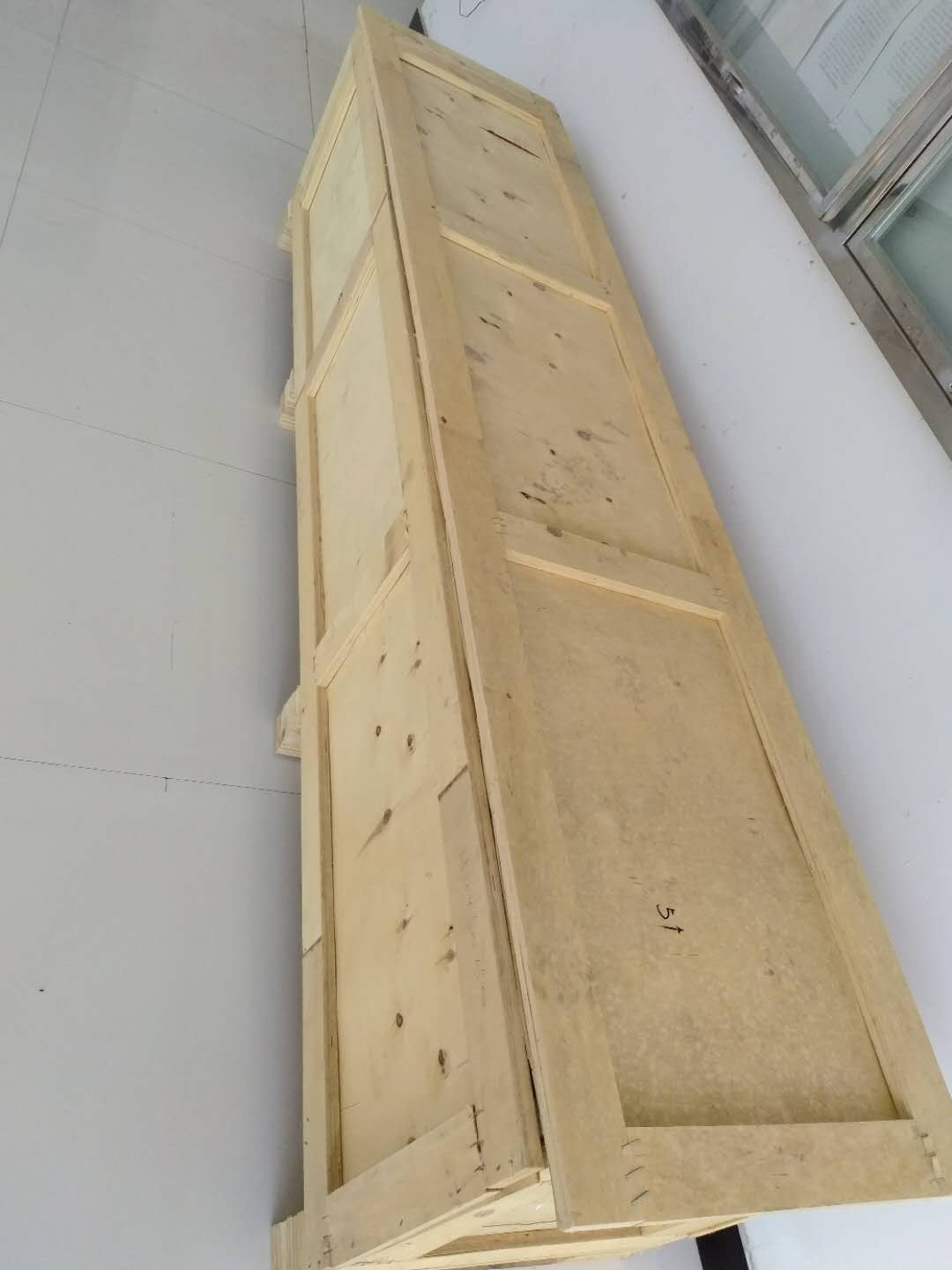
External packaging utilizes reinforced, fumigation-free solid plywood export crates (compliant with ISPM-15). For fragile spiral tubes and thin-walled cylinders exceeding 1 meter in length, we employ internal suspension bridges and external "Tip-N-Tell" and "Drop-N-Tell" shock impact indicators. Our verified export breakage rate to Western and Southern Europe remains below 0.12%. In the rare event of transit damage, our immediate replacement protocol expedites remanufacturing without waiting for freight claim resolutions.
Yes. We deliberately cater our OEM division to support rapid hardware innovation alongside full-scale mass production. While standard catalog tubes and raw rods feature a low Minimum Order Quantity (MOQ) of 5 to 10 pieces, custom fabricated quartzware, specialized cuvettes, and prototype optical windows can be commissioned with an MOQ of just 1 piece.
Clients can submit 2D PDF engineering drawings, 3D CAD models (STEP, IGES, DXF, or DWG), or physical broken samples for reverse engineering. Our engineering team conducts a Design-For-Manufacturability (DFM) review and issues quote pricing and tolerance confirmations within 5 hours.
The choice of surface finish governs optical transmission, dimensional tolerances, and mechanical durability:
Optical Mechanical Polishing: Uses progressive cerium oxide or diamond slurries on pitch laps. It produces ultra-flat optical surfaces (flatness down to $\lambda/4$ or $\lambda/10$) and preserves exacting geometric tolerances (±0.01 mm). Required for optical windows, laser mirrors, and wafer substrates.
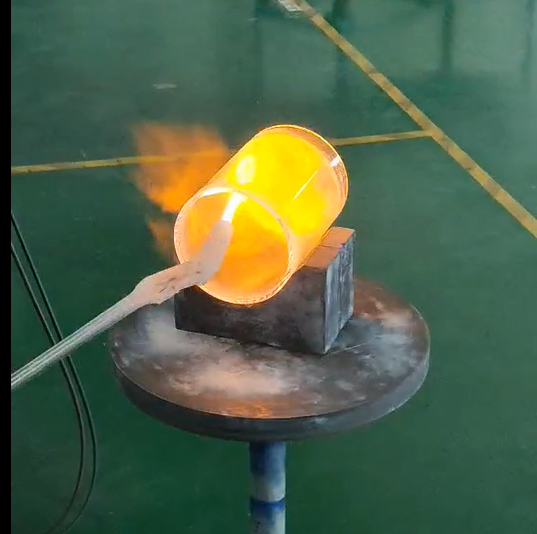
Fire Polishing: Utilizes a concentrated oxy-hydrogen or oxy-acetylene torch flame to locally melt the outer silica boundary. This heals micro-fissures and creates a high-gloss, ultra-smooth surface with exceptional mechanical strength, but slightly relaxes tight mechanical edge tolerances. Ideal for tube end finishes, test tube rims, and fluidic transfer parts.
Ground/Frosted (Matte Finish): Created via mechanical sandblasting or diamond wheel grinding. It provides uniform optical diffusion, light scrambling, and enhanced adhesion for sealing gaskets and cement bonding in chemical reactors.
Whether you require prototype synthetic fused silica windows for cleanroom wafer processing, custom quartz diffusion reactors, or high-temperature crucibles for advanced metallurgy, Nivra Quartz delivers factory-direct precision to your exact CAD specifications.