Featured Semiconductor Quartz Components & Subsystems
Our precision thermal processing consumables support horizontal LPCVD, high-temperature wet oxidation, and ultra-clean thermal diffusion for 100 mm to 300 mm wafer processing.
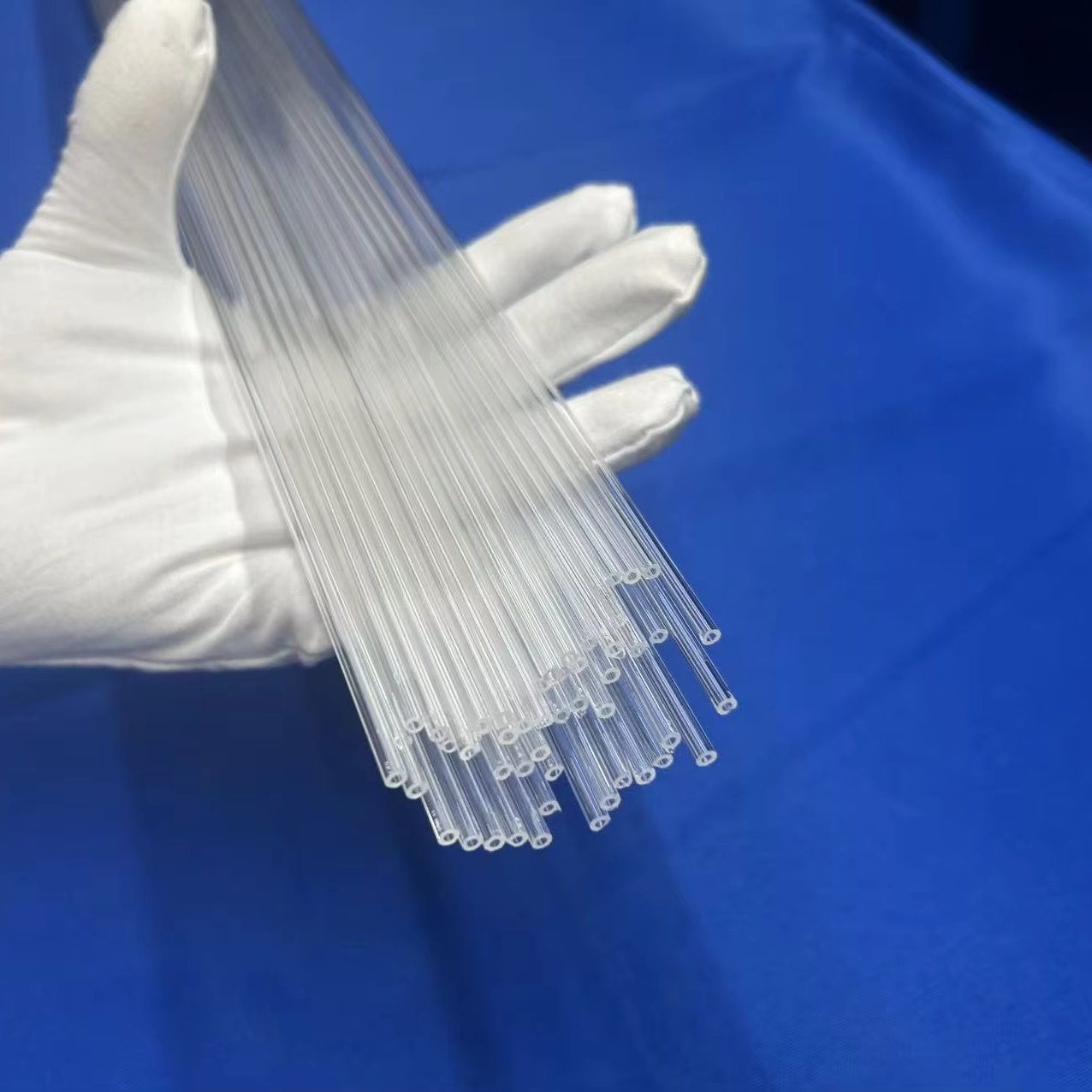
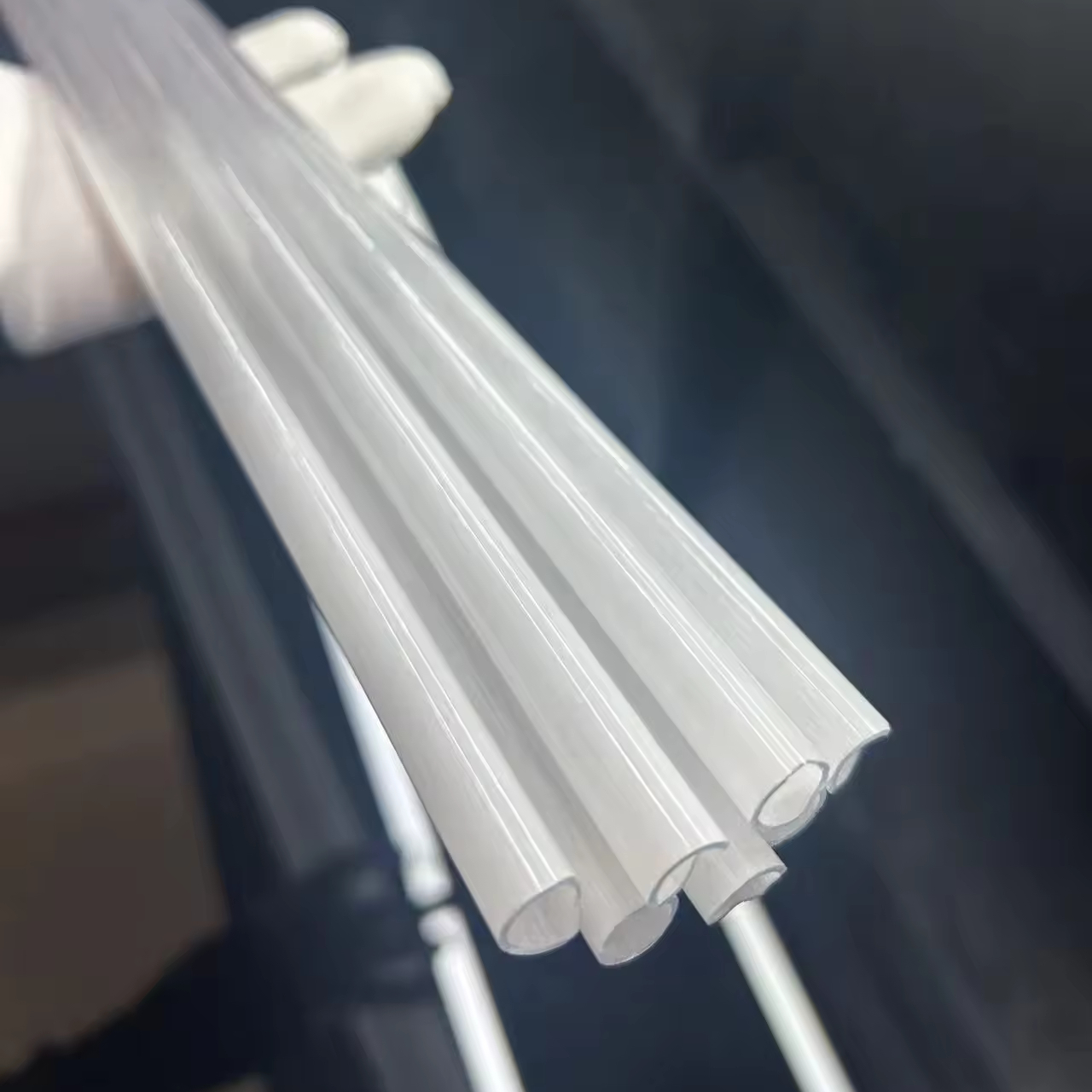
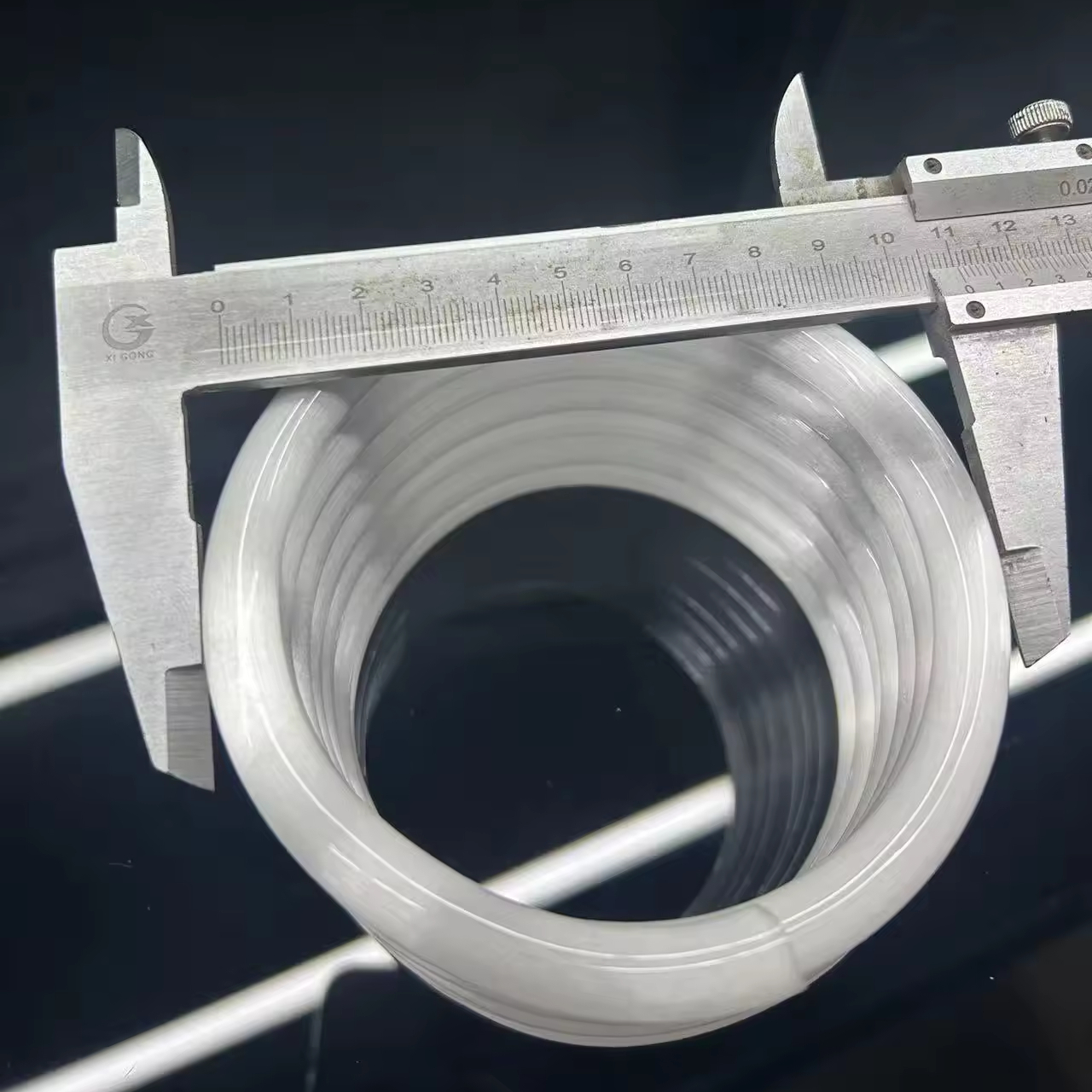
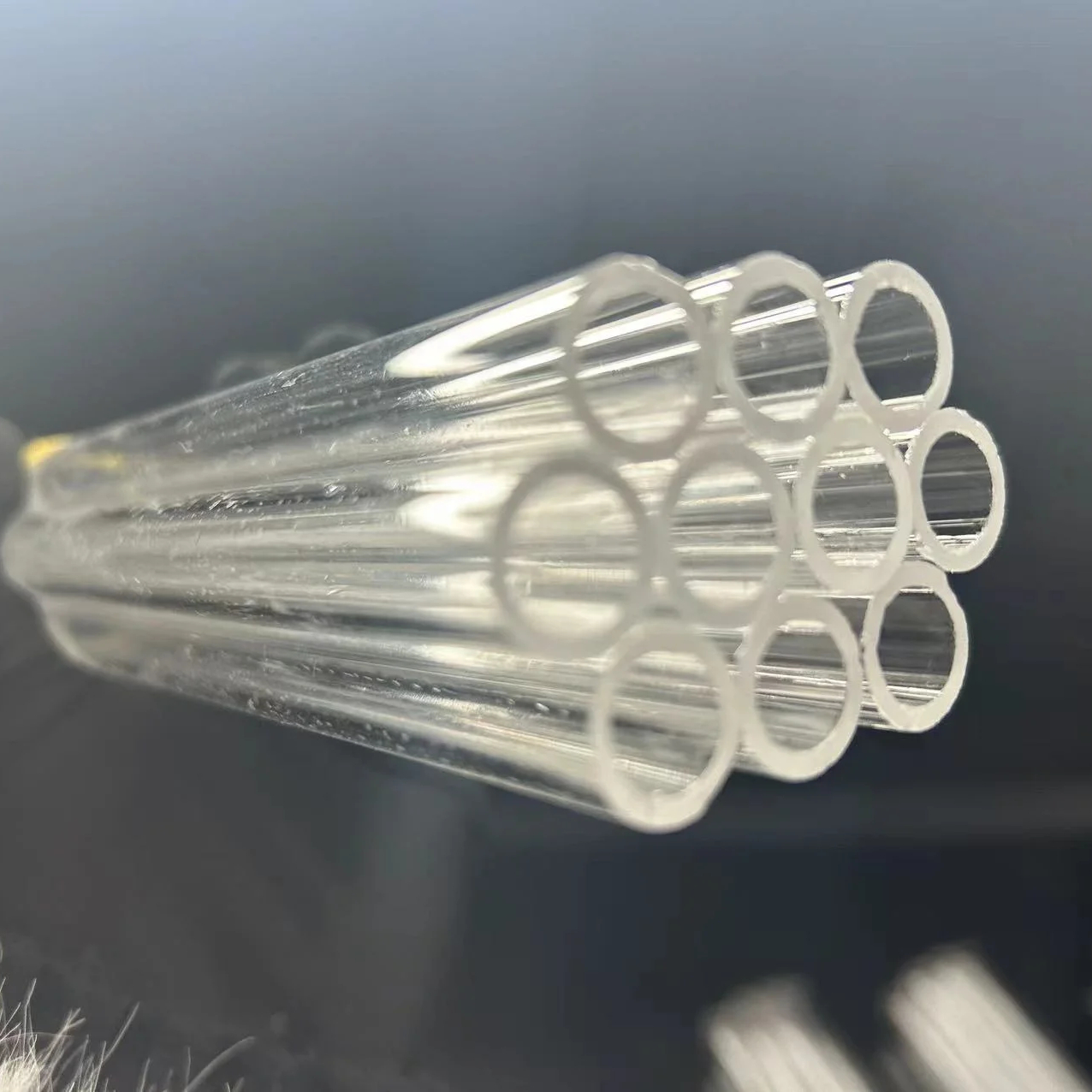
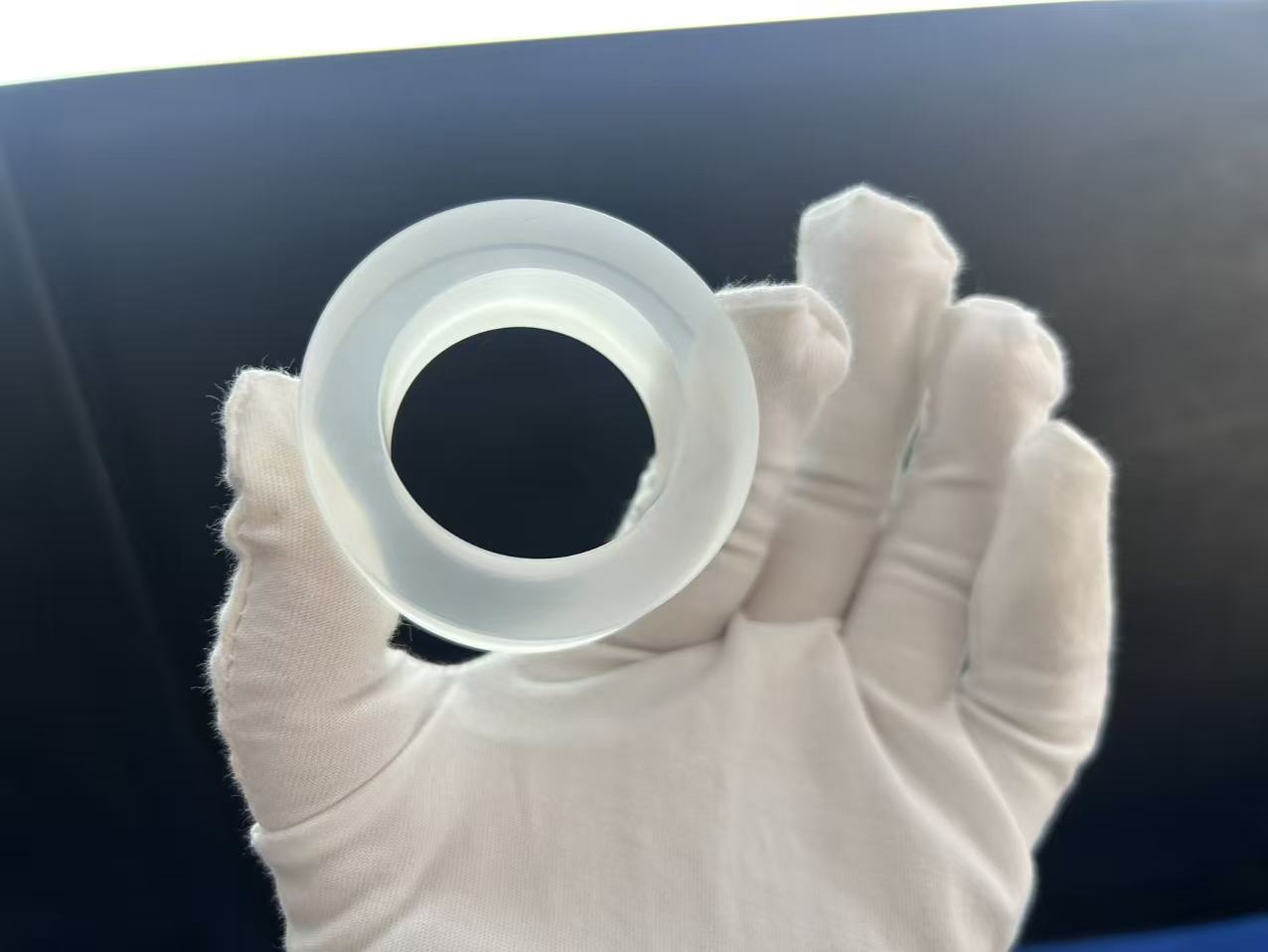
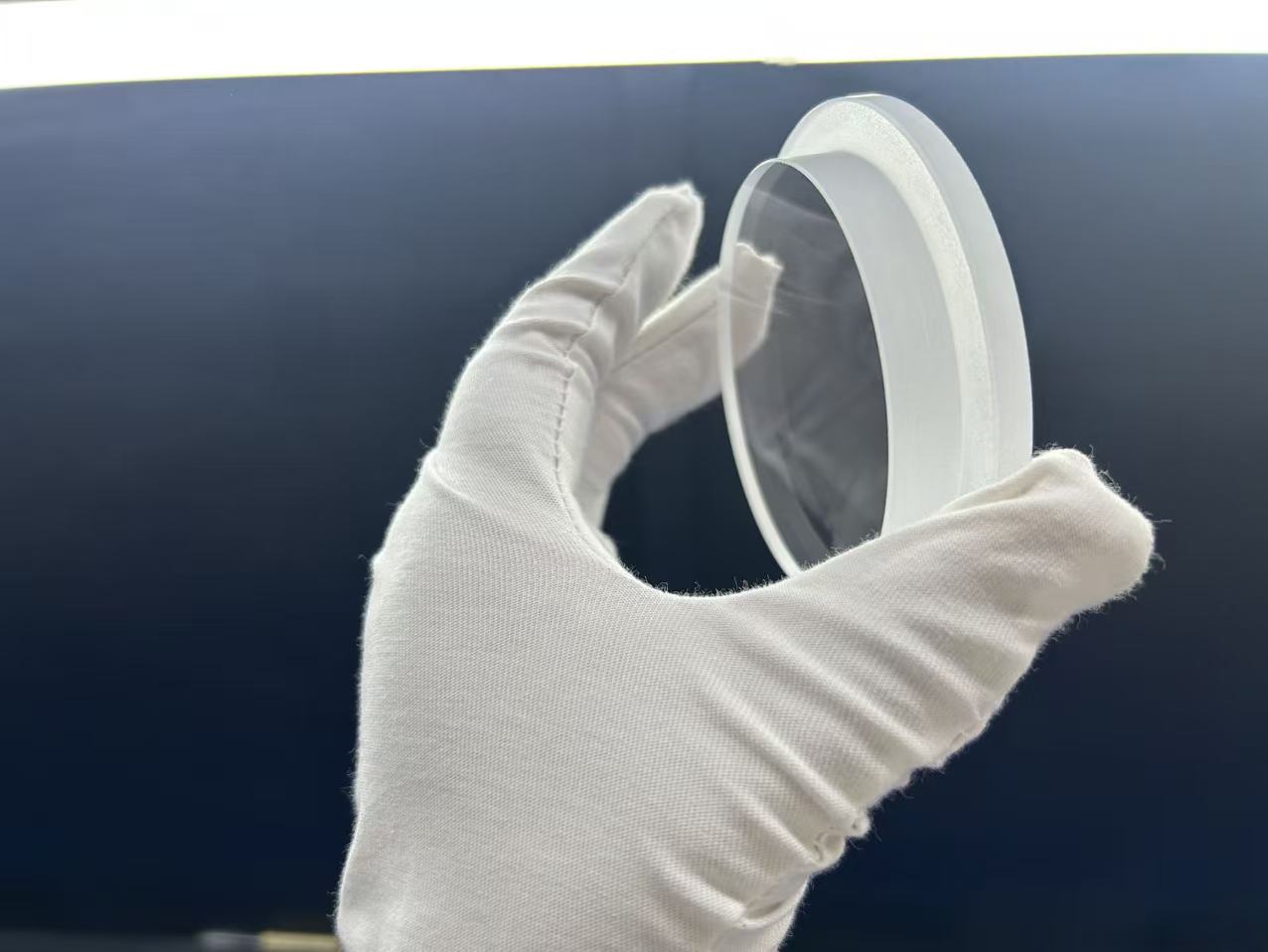
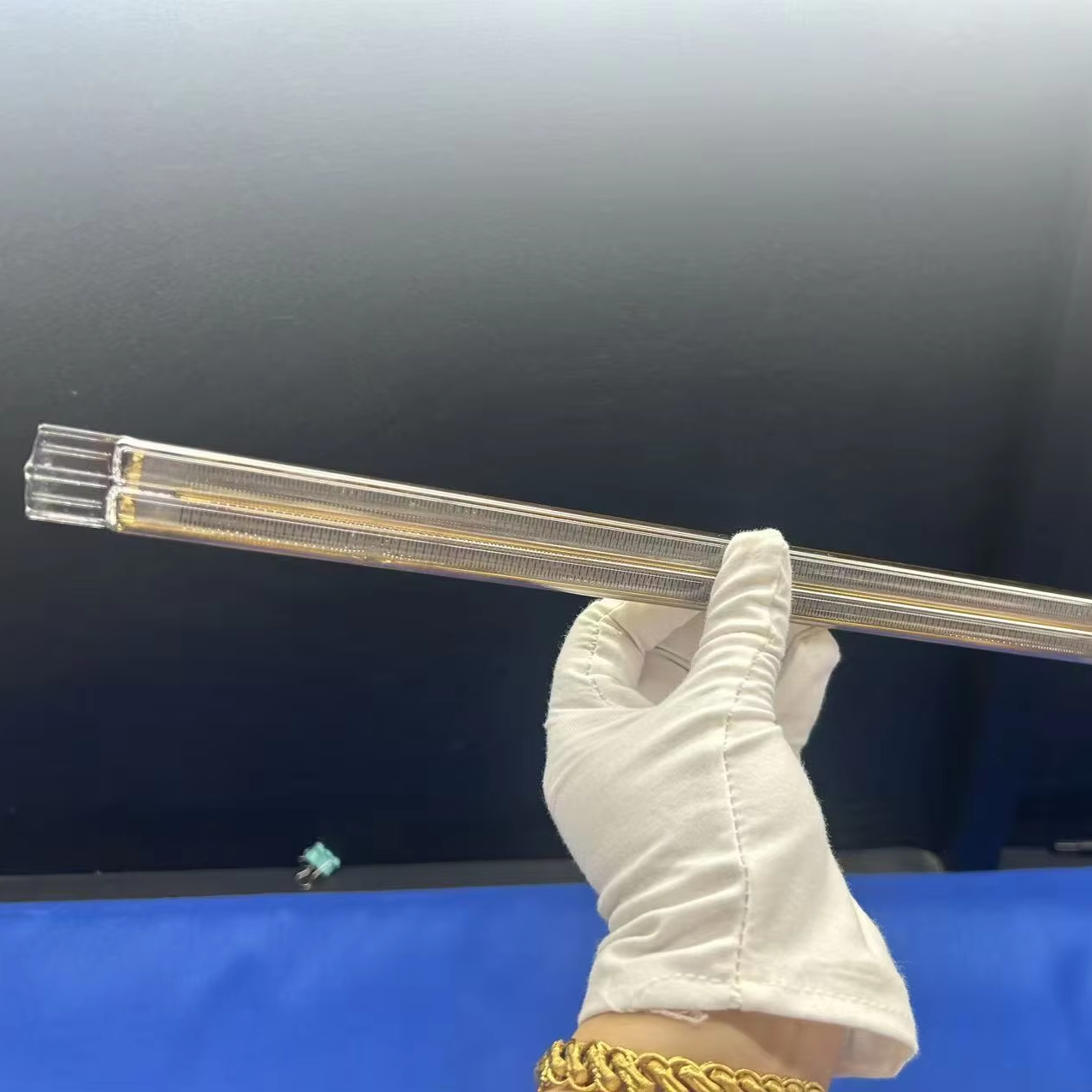
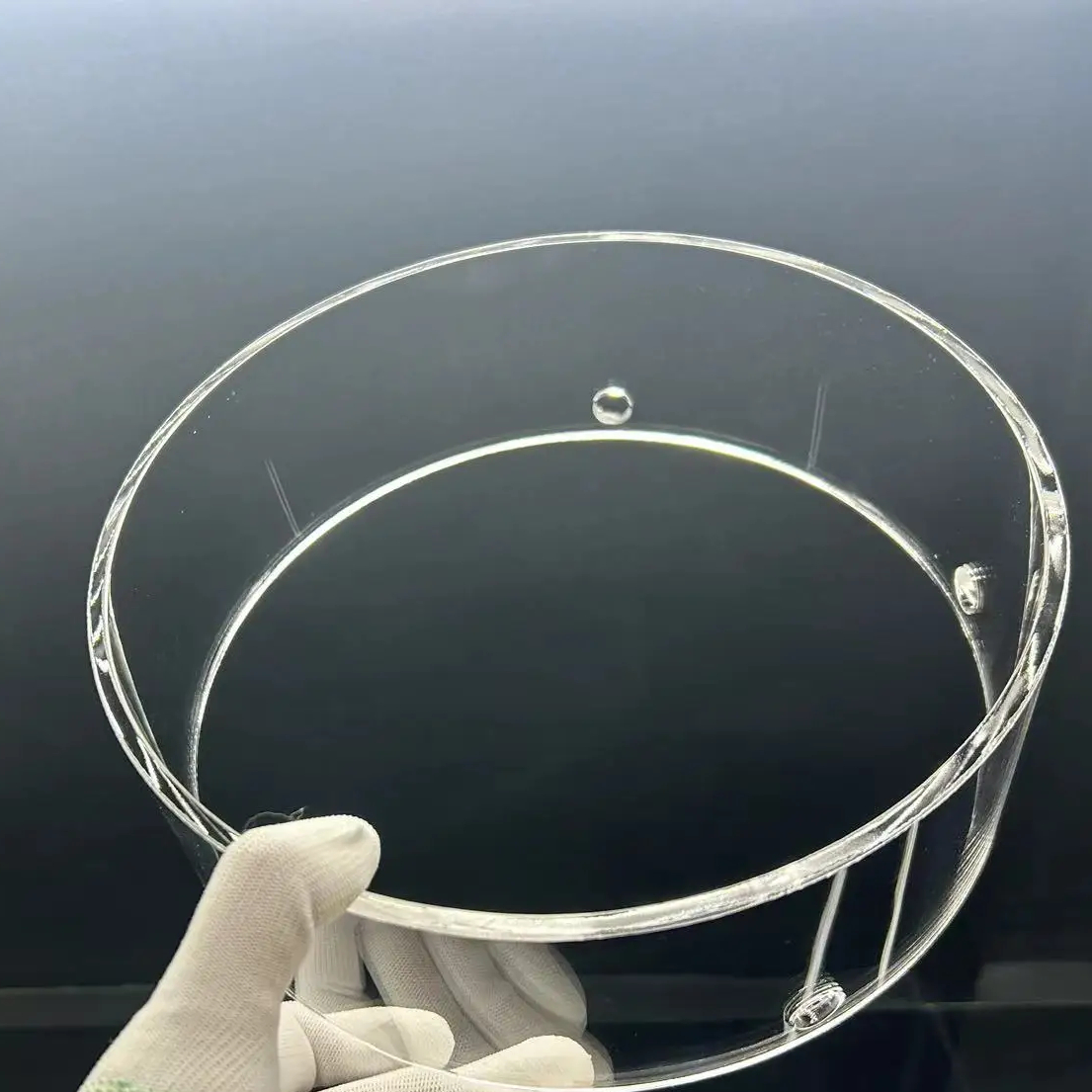
High-Purity Quartz Thermal Hardware in the Stuttgart High-Tech Cluster
Navigating the thermal mechanical demands of Baden-Württemberg’s automotive power semiconductor and microelectronics fabrication ecosystems.
The greater Stuttgart metropolitan area and the wider Baden-Württemberg high-technology corridor—stretching from Reutlingen and Tübingen to Böblingen and Ulm—represent the epicentre of European automotive electronics, industrial sensor systems, and wide-bandgap (WBG) power semiconductor innovations. As tier-1 automotive suppliers, global semiconductor giants, and prestigious institutes such as the Fraunhofer Institute for Manufacturing Engineering and Automation (IPA) accelerate the transition toward 800V automotive drivetrains and autonomous driving architectures, the physical constraints placed upon silicon, Silicon Carbide (SiC), and Gallium Nitride (GaN) thermal batch processes have intensified dramatically.
In high-temperature horizontal diffusion furnaces, wet oxidation banks, and Low-Pressure Chemical Vapor Deposition (LPCVD) reactors, the quartz boat (wafer carrier) is not merely a passive structural fixture. It is a critical, process-interactive component operating continuously at the direct interface between extreme thermal gradients (upwards of 1150°C to 1300°C) and aggressive process chemistries, including silane (SiH4), dichlorosilane (SiH2Cl2), ammonia (NH3), and hydrochloric acid (HCl). A micro-structural failure, excessive trace metal vapor leaching, or thermal sagging of a wafer boat directly translates to lost batch yields, crystallographic slip-line propagation across high-value substrates, and expensive furnace downtime.
Information Gain: Solving High-Temperature Sag & Trace Contamination in Automotive SiC Fabs
In modern automotive power semiconductor lines across Baden-Württemberg, batch processing temperatures often exceed 1200°C during drive-in diffusion and gate dielectric formation. Standard commercial-grade fused silica experiences severe structural creep and devitrification (transformation from amorphous silica to crystalline cristobalite) under these conditions. Nivra Quartz resolves this structural bottleneck through high-density synthesized fused quartz stock, controlled hydroxyl radical ([OH‾]) extraction below 20 ppm, and automated multi-axis diamond slot-milling, preventing wafer slot deflection and ensuring continuous SEMI E1.9 robotic end-effector alignment.
Localized Application Scenarios Across Stuttgart's Microelectronics Hubs
Tailoring custom OEM quartz wafer carriers to specific front-end manufacturing workflows in Southwestern Germany.
Automotive Power Inverter SiC Processing (Reutlingen/Böblingen)
Silicon carbide power MOSFETs and Schottky barrier diodes designed for Stuttgart's premium electric vehicles require ultra-pure, thermal-shock-resistant quartz carriers during deep boron and phosphorus diffusion cycles at 1150°C–1280°C. Our contiguous slotted quartz boats mitigate thermal shadowing, ensure uniform dopant penetration, and resist crystallographic slip line defect formation.
MEMS Sensor & Micro-Actuator Wet Chemical Etching
Stuttgart is globally renowned for automotive micro-electro-mechanical systems (MEMS) including yaw rate sensors, accelerometers, and pressure transducers. Nivra Quartz manufactures custom wafer cleaning boats and chemical rinse baths in high-purity fused silica that withstand heated phosphoric acid (H3PO4), Piranha etch, and SPM cleaning without particle generation.
High-Density LPCVD Silicon Nitride & Polysilicon Deposition
In vertical and horizontal LPCVD furnaces across regional semiconductor cleanrooms, high film uniformity demands minimal wafer-to-slot friction. Our fire-polished U-groove and V-groove vertical ladder carriers maintain tight dimensional tolerances, preventing robotic pick-and-place binding and flaking inside low-pressure vacuum furnace chambers.
Fused Quartz Material Classifications & Chemical Impurity Thresholds
Comparison of synthesized and fused quartz substrates against stringent German cleanroom standards (DIN ISO 14644-1 Class 3/4 compatible).
| Material Property / Parameter | JGS1 (Synthetic Silica) | JGS2 (Semiconductor Fused Quartz) | JGS3 (Low-OH Infrared Grade) | DIN Standard Test Method |
|---|---|---|---|---|
| Optical Spectral Range | 185 nm – 2500 nm (Deep UV) | 220 nm – 2500 nm (UV-Vis) | 260 nm – 3500 nm (Near-IR) | DIN 58925-1 |
| Hydroxyl Group [OH‾] Content | < 1200 ppm | < 30 ppm | < 5 ppm | FTIR Spectroscopy |
| Coefficient of Thermal Expansion (20-300°C) | 5.4 × 10⁻⁷ / K | 5.5 × 10⁻⁷ / K | 5.5 × 10⁻⁷ / K | DIN 51045 Dilatometry |
| Max Short-Term Operating Temp | 1400°C | 1450°C | 1450°C | Thermal Stress ASTM C598 |
| Continuous Operating Temp | 1050°C | 1150°C | 1150°C | Dynamic Thermal Stability |
| Trace Impurities: Fe + Cu + Ni | < 0.05 ppm | < 0.2 ppm | < 0.1 ppm | ICP-MS Chemical Assay |
| Alkali Metal Content (Na, K, Li) | < 0.1 ppm | < 0.8 ppm | < 0.4 ppm | High-Res Mass Spectrometry |
When selecting quartz components for semiconductor diffusion furnaces, alkali metal migration represents the foremost hazard to gate oxide breakdown voltage (Vbd). Mobile ionic contaminants such as Sodium (Na+) and Potassium (K+) readily diffuse through quartz network interstitial sites at operating temperatures exceeding 900°C. Nivra Quartz guarantees strict raw quartz crystal qualification from our native Donghai supply chain, followed by proprietary multi-stage acid leaching (using electronic-grade ultra-pure hydrofluoric and nitric acid mixtures), reducing mobile alkali concentrations below 0.5 ppm.
Semiconductor Sourcing Trends in Baden-Württemberg (2025–2030)
Strategic supply chain dynamics shaping wafer fabrication procurement throughout South Germany.
1. Rapid Transition to 200 mm (8-inch) SiC Wafers
Regional semiconductor lines are aggressively scaling from 150 mm (6-inch) to 200 mm (8-inch) Silicon Carbide crystal lines to reduce per-die packaging costs for EV inverters. 200 mm SiC substrates carry significantly higher mass and density, requiring reinforced structural cross-beams and thicker ladder rails on quartz boats to prevent mechanical distortion under repeated furnace insertion.
2. Zero-Particle Automated Loading (SEMI E1.9)
With cleanroom automation advancing rapidly across Baden-Württemberg fab facilities, automated guided vehicles (AGVs) and robotic cantilever paddles load and unload wafer boats directly. Fabricators mandate micro-milled slot tolerances of ±0.015 mm with continuous flame fire-polished radii to eliminate quartz particulate generation during robotic handshakes.
3. Direct OEM Dual-Sourcing Resilience
Under the auspices of the European Chips Act, German procurement managers are deliberately decoupling from single-source European regional monopolies. By directly partnering with qualified manufacturing specialists like Nivra Quartz, automotive tier-1 fabs achieve up to 35% component procurement cost reductions while maintaining certified material traceability.
4. Traceability & Laser Serialized Carriers
To adhere to automotive IATF 16949 quality audit compliance, each custom quartz boat delivered into the Stuttgart industrial zone now features sub-surface CO2 laser-annealed 2D data-matrix codes, allowing seamless wafer lot tracking, thermal cycle logging, and predictive maintenance scheduling across furnace tube banks.
Engineering Superiority from China's Quartz Capital to Germany
Leveraging end-to-end manufacturing infrastructure, direct material reserves, and dedicated German export compliance.
Native Donghai Raw Purity
Headquartered at 285 Heping East Road, Lianyungang, Jiangsu—the globally acknowledged capital of quartz—we maintain uncompromised control over high-purity natural silica sand reserves. This direct vertical integration ensures stable chemical consistency, eliminates third-party markups, and guarantees trace metal purity from raw melt to finished wafer carrier.
101–200 Expert Craftsmen
Founded in February 2019, our specialized facility blends state-of-the-art CNC 5-axis ultrasonic diamond milling machines with master glassblowers possessing over two decades of flame-welding experience. Complex boat geometries, contiguous slotted diffusion carriers, and cantilever paddles are fabricated with zero optical distortion and sub-millimeter concentricity.
Unmatched Global Responsiveness
We pride ourselves on our average technical response time of ≤5 hours and an audited response rate of 88.89%. With Western Europe (including Germany, France, and Netherlands) accounting for 20% of our export shipments and North America representing 40%, our bilingual engineering desk accommodates Baden-Württemberg time zones and DIN/EN engineering standards seamlessly.
Full In-House Stress Annealing
Every welded quartz boat undergoes programmable 48-hour electric furnace annealing at 1150°C followed by controlled cooling to eliminate residual manufacturing strain. Residual birefringence is measured via polariscope to ensure stress levels remain strictly below 5 nm/cm, safeguarding carriers against spontaneous thermal shock cracking during fast furnace ramp rates.
Class 100 Cleanroom Packaging
Final components undergo electronic-grade ultrasonic surfactant scrubbing, hot deionized water cascade rinsing (18.2 MΩ·cm resistivity), and hot nitrogen bake-out. Quartz boats are double-vacuum sealed in anti-static, non-outgassing polyethylene film inside a Class 100 cleanroom environment, ensuring dock-to-fab cleanliness upon arrival in Germany.
Shock-Isolated Air Freight Direct
Fragile high-aspect-ratio quartz boats require zero-deflection packaging. We utilize custom-molded high-density closed-cell EPE foam inserts encased in fumigated, heavy-duty marine plywood crates with calibrated drop-and-tilt shock indicators. Daily direct air freight corridors connect Shanghai (PVG) with Frankfurt (FRA) and Stuttgart Airport (STR).
Stuttgart Sourcing FAQ: OEM Semiconductor Quartz Ware
Detailed technical answers addressing import compliance, dimensional standards, and chemical handling for German fab teams.
Accelerate Your Fab Thermal Performance Today
Whether you require standard 150 mm/200 mm LPCVD horizontal boats, contiguous slotted oxidation carriers, or specialized sapphire and quartz laboratory ware for your Stuttgart fab lines, our engineering team is ready to analyze your technical specifications and deliver competitive, factory-direct quotation within 5 hours.
Send an Inquiry