High-Purity Quartz Laboratory Components & OEM Cuvette Solutions
Explore our core fused quartz products engineered to exact dimensional tolerances, exceptional optical homogeneity, and thermal resilience. Compatible with top-tier UV-Vis-NIR spectrophotometers and analytical instrumentation.
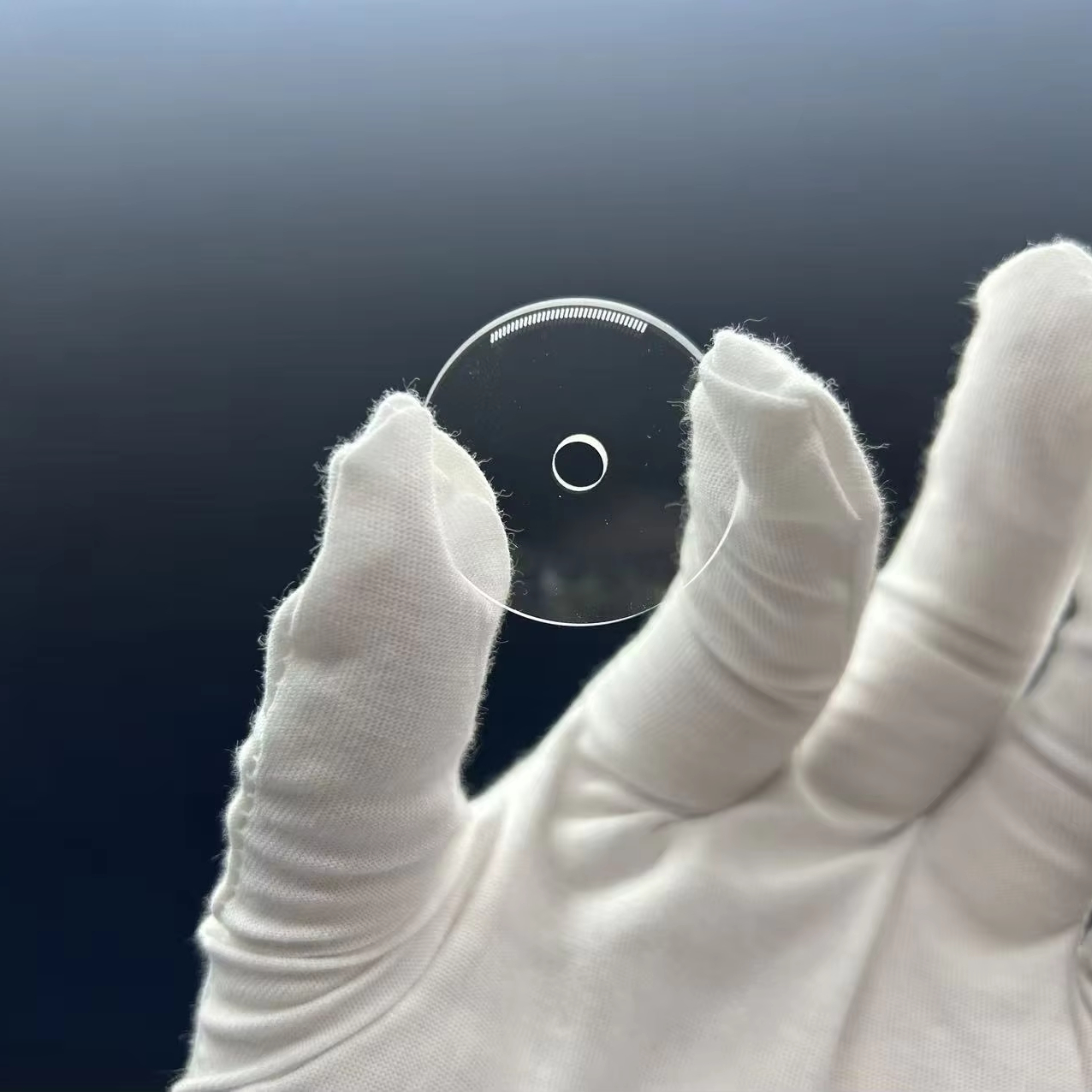
Frosted Quartz Sheet
High-diffuse uniform matte finish, thermal shock up to 1100°C, custom thickness 0.5–25mm.
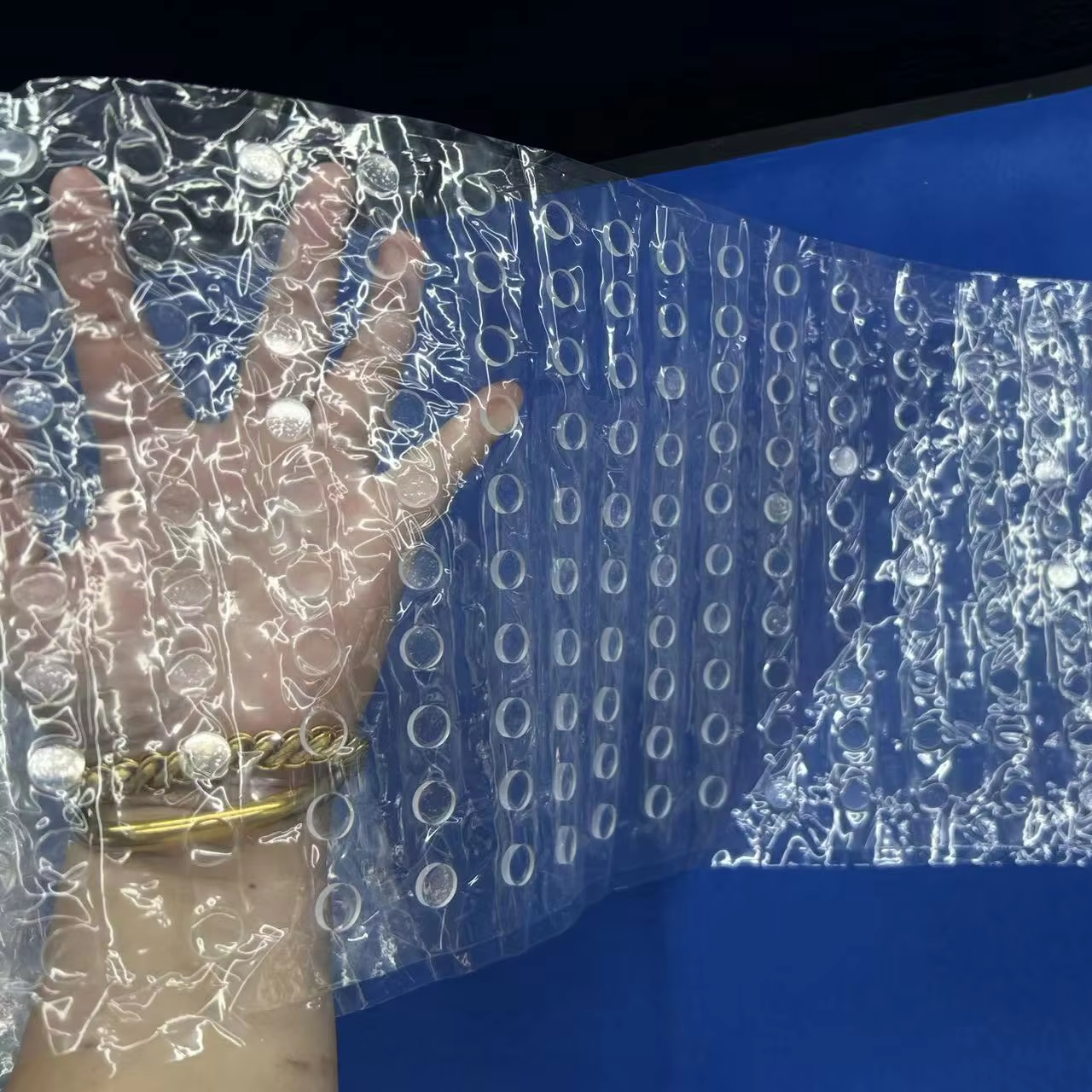
High-Purity Small Size Quartz Wafer
Surface roughness Ra < 0.5nm, double-sided optical polishing, precision laser dicing.
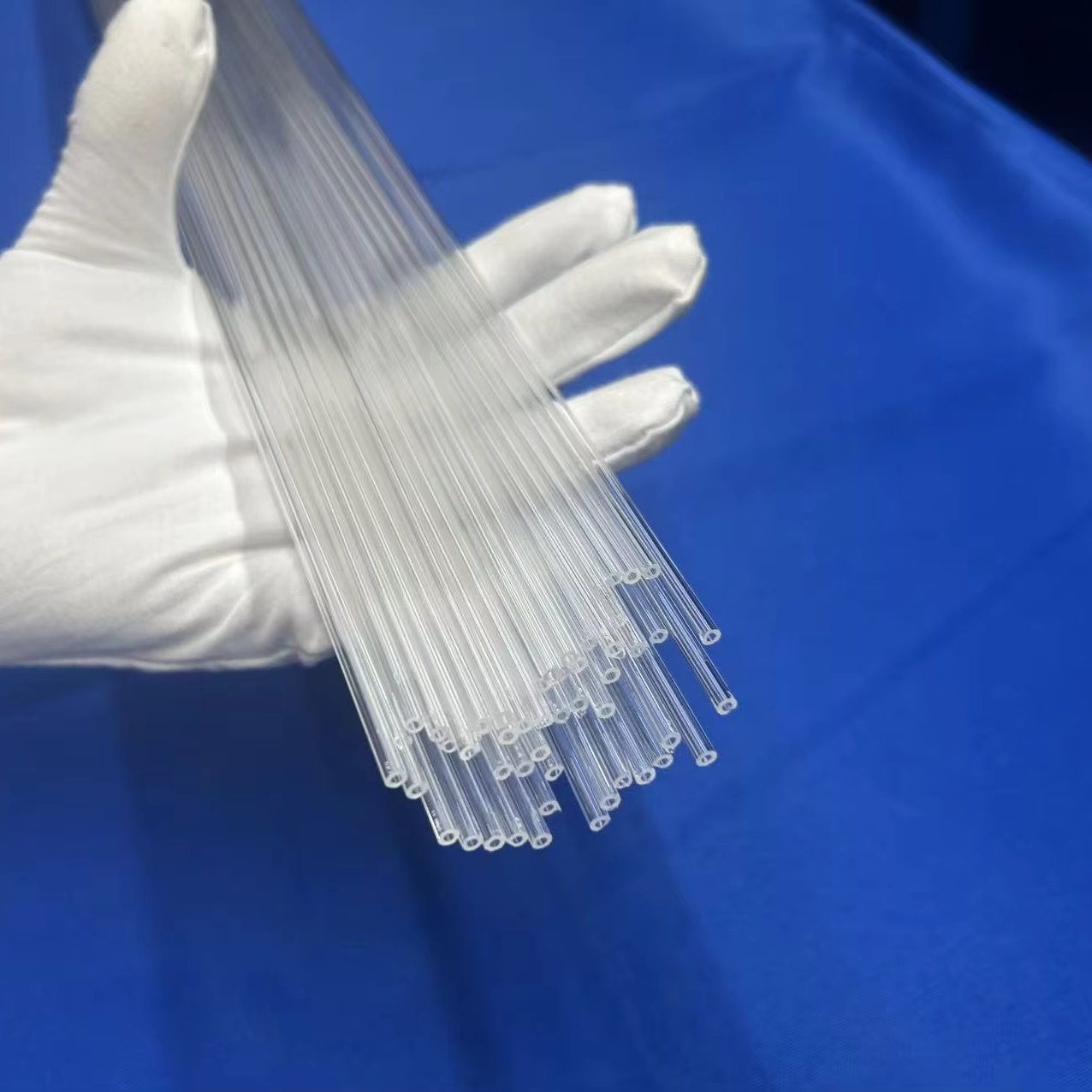
Capillary Quartz Tube
Precision microbore tubing for electrophoresis, chromatography, and micro-spectrophotometry.
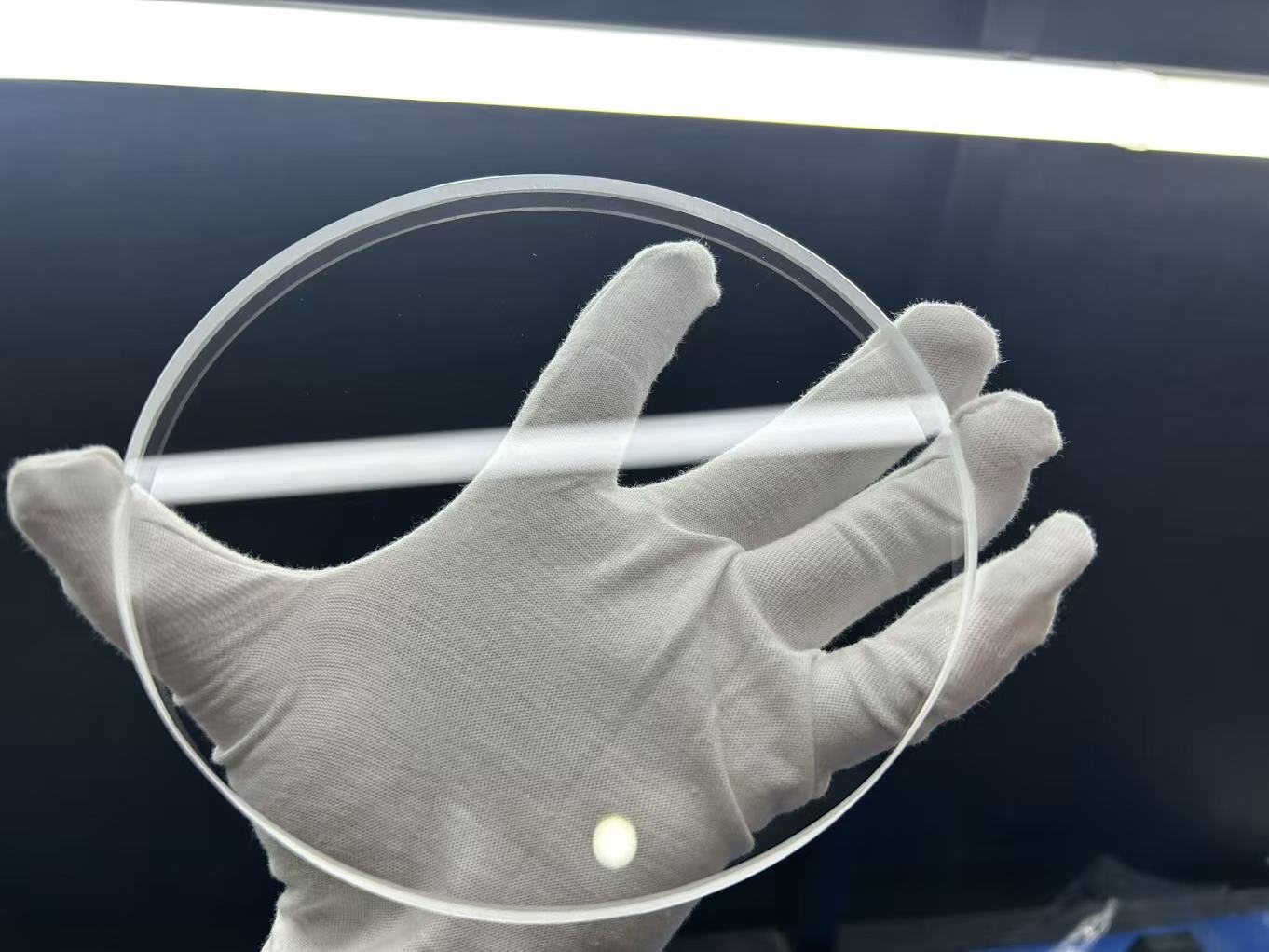
Clear Fused Quartz Glass Sheet
Ultra-high UV transmission (>90% at 200nm), bubble-free Class A optical homogeneity.
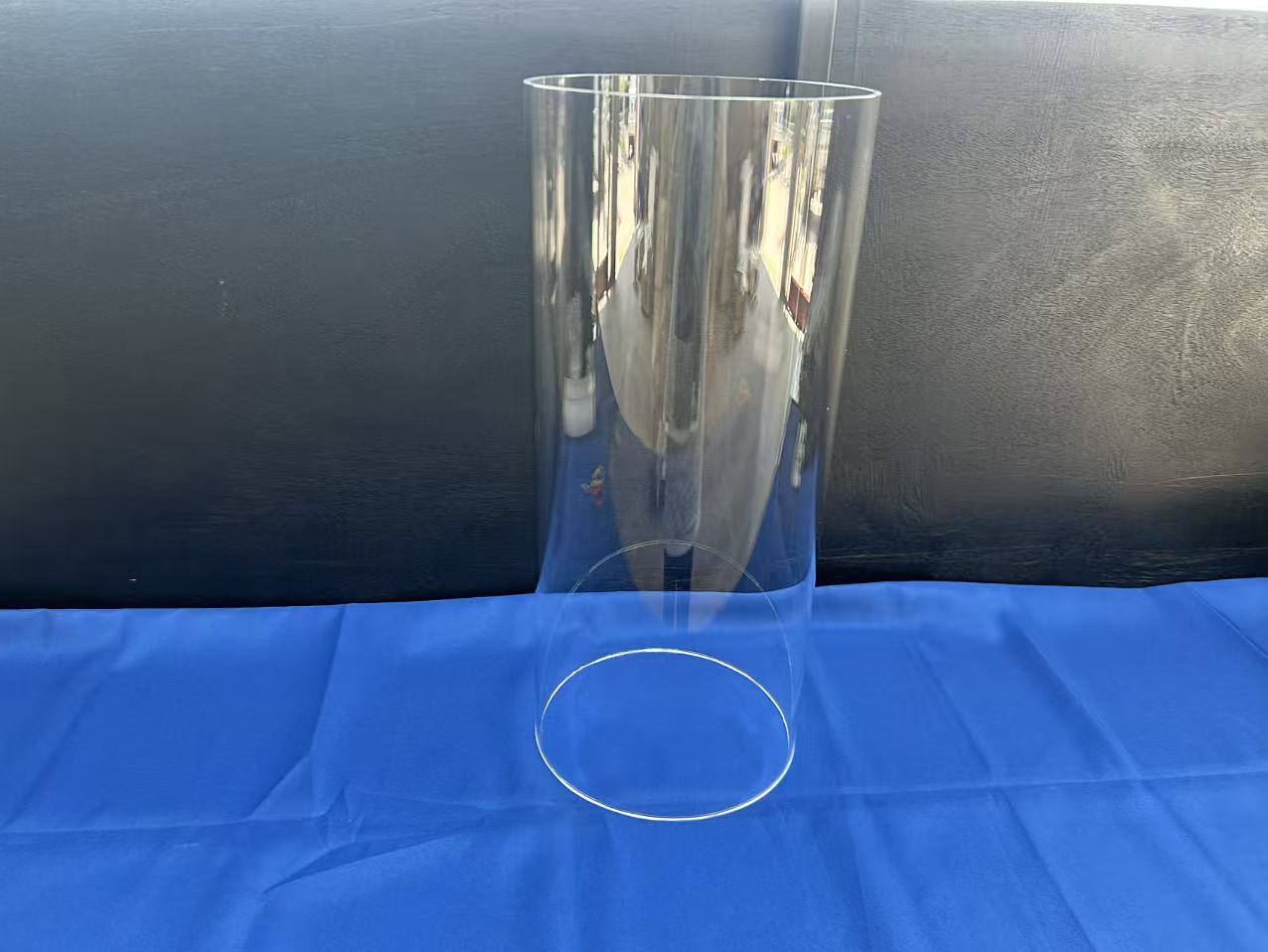
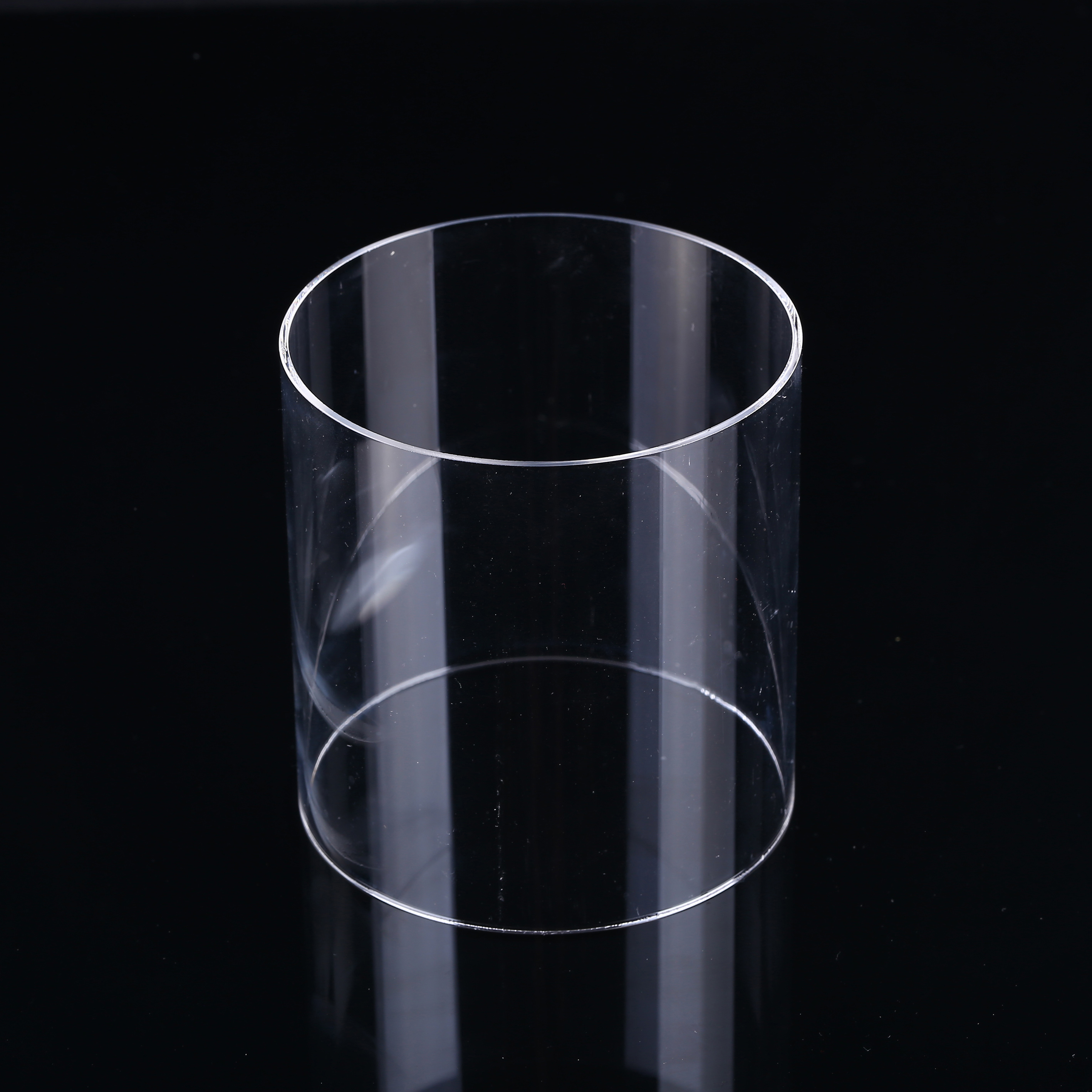
Large-Diameter Fused Quartz Tubes
OD up to 450mm, cutting, beveling, flame-fire polishing, and custom flange welding.
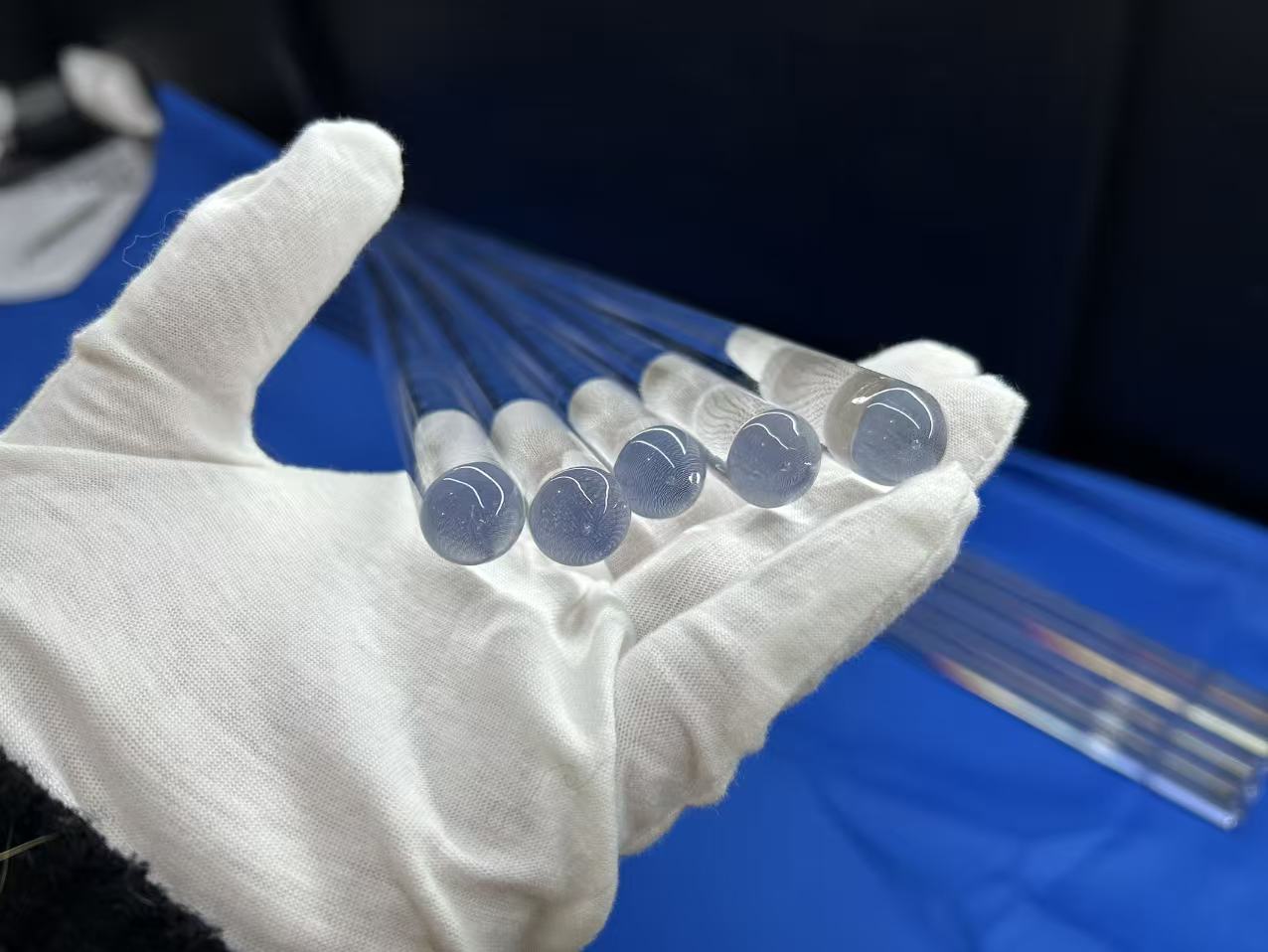
High-Purity Fused Quartz Round Rods
Precision optical light guides, high-temperature stirring rods, custom CNC bending.
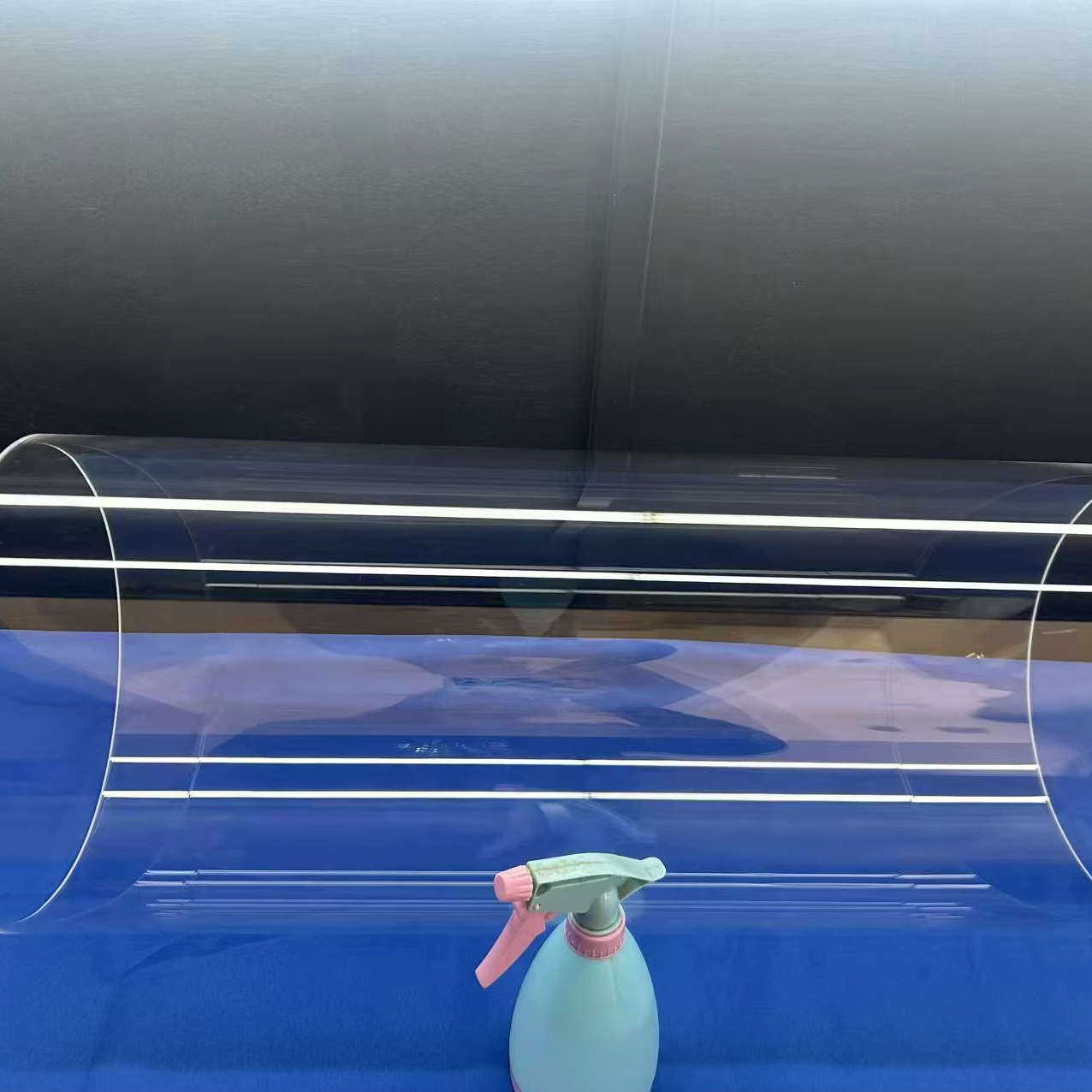
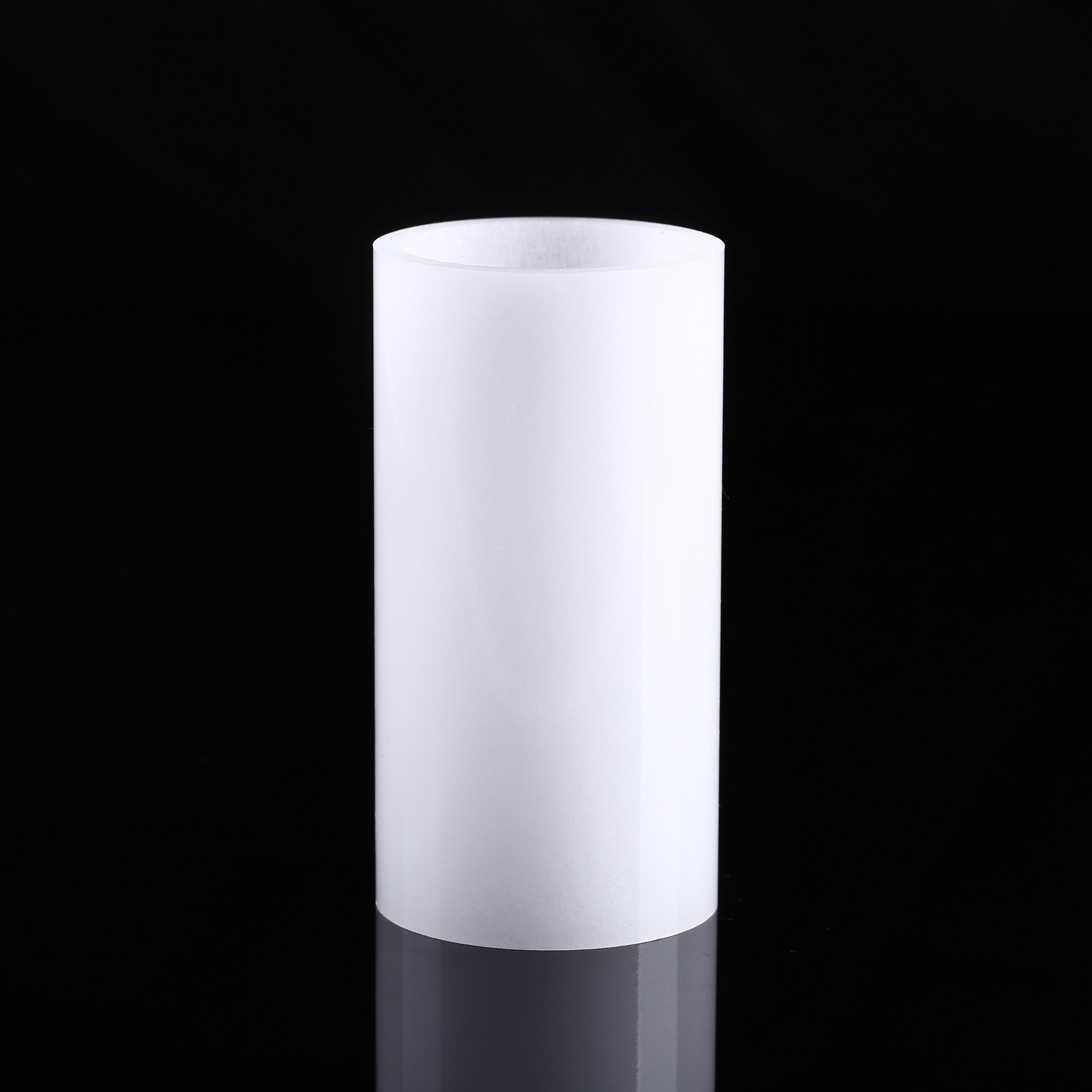
High Temperature Fused Quartz Glass Tube
99.99% SiO2 purity, softening point 1683°C, extreme chemical inertness against acids.
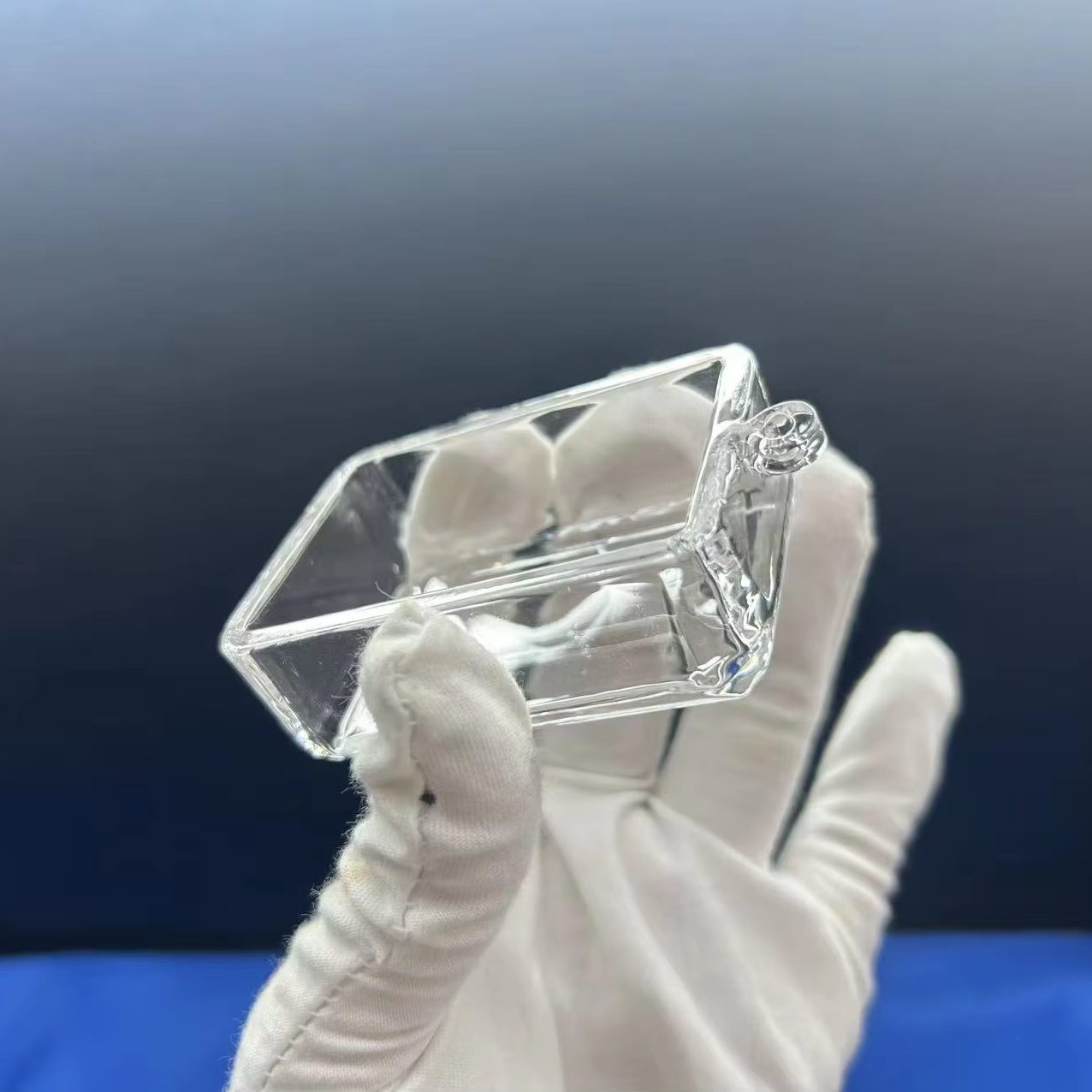
Quartz Cleaning & Etching Tank
Seamless welded corner joints, ultrasonic bath compatible, custom inlet/outlet ports.
Advanced Fused Silica Synthesis: Molecular Fusion vs. Epoxy Adhesion
For scientific laboratories across Daegu—from biopharmaceutical validation in Sinseo Medivalley to advanced materials characterization at DGIST—spectrophotometric precision hinges upon cuvette optical integrity. Conventional commercial cuvettes frequently utilize epoxy or polymer adhesive bonds to join optical windows to sidewalls. While inexpensive, these adhesives disintegrate when exposed to aggressive organic solvents like dimethyl sulfoxide (DMSO), tetrahydrofuran (THF), and concentrated acids, leading to window detachment, pathlength distortion, and critical sample cross-contamination.
Each optical window undergoes computerized planetary polishing, achieving a surface flatness figure of λ/4 at 632.8 nm and scratch-dig specifications of 20/10 according to MIL-PRF-13830B standards. Parallelism across the optical transmission axis is strictly constrained within ≤15 arcseconds, guaranteeing zero beam deflection during sensitive UV-Vis, NIR, and fluorometric spectrophotometric sweeps.
| Optical Quartz Grade | Spectral Bandwidth | Primary Applications |
|---|---|---|
| JGS1 (Far UV Synthetic) | 185 nm – 2500 nm | Deep UV spectroscopy, DNA/RNA purity (A260/A280), laser induced fluorescence |
| JGS2 (Standard Optical) | 220 nm – 2500 nm | Routine spectrophotometry, pharmaceutical quality control, biochemical assays |
| JGS3 (Infrared Quartz) | 260 nm – 3500 nm | Near-infrared (NIR) analysis, low hydroxyl (OH < 5 ppm) water peak suppression |
| Optical Glass (BK7 Equivalent) | 340 nm – 2500 nm | Standard visible range colorimetric assays, educational laboratories |
Rigorous Physical & Optical Metrology Standards
Manufactured from our high-purity ingot base in Donghai County and delivered directly to South Korean facilities with comprehensive metrology compliance.
| Physical / Optical Property | Technical Benchmark | Metrological Testing Protocol |
|---|---|---|
| SiO₂ Purity Ratio | ≥ 99.994% by weight | Inductively Coupled Plasma Mass Spectrometry (ICP-MS) |
| Optical Pathlength Tolerance | ± 0.005 mm (Standard) / ± 0.002 mm (Ultra-Micro) | Dual-frequency laser interferometry at 20°C calibrated baseline |
| Transmission Matching Accuracy | ΔT < 0.3% across 200 nm – 800 nm spectrum | Paired-cell comparative spectrophotometric calibration |
| Coefficient of Thermal Expansion | 5.5 × 10⁻⁷ / °C (20°C – 320°C) | Push-rod dilatometry, resistant to instantaneous cryogenic thermal shock |
| Hydroxyl Radical Content ([OH⁻]) | < 2 ppm (JGS3) to ≈ 1200 ppm (JGS1) | Fourier Transform Infrared (FTIR) absorption at 2730 nm |
| Internal Window Parallelism | ≤ 15 arcseconds | Autocollimator optical reflection angle measurement |
Precision Quartz Applications Across Daegu's High-Tech Research Hubs
Daegu Metropolitan City has evolved from a historic textile hub into South Korea's premier medical innovation capital and a pioneering center for green robotics, secondary battery materials, and environmental testing. Our custom OEM quartz cuvettes and glassware are purpose-built to accelerate Daegu's specialized industrial and scientific disciplines.
K-MEDI Hub & Sinseo Medivalley Biopharma
The Daegu-Gyeongbuk Medical Innovation Foundation (K-MEDI Hub) and adjacent bio-venture accelerators demand uncompromising spectrophotometric baselines for novel biopharmaceutical drug formulation. In nucleic acid purity assays (A260/A280) and peptide aggregation studies, our JGS1 Far-UV microcuvettes provide pristine optical transmittance down to 190 nm without chromatic aberration or edge scattering.
DGIST & Advanced Photonics Nanomaterials
At the Daegu Gyeongbuk Institute of Science and Technology (DGIST), interdisciplinary teams advance photonics, perovskite optoelectronics, and microfluidics. We produce tailored 4-window fluorescence cuvettes with precision optical aperture masking and internal flow channels, eliminating parasitic scatter in time-resolved fluorescence and single-molecule spectroscopy.
National Water Industry Cluster (Dalseong-gun)
Located in the Dalseong district, South Korea's National Water Industry Cluster oversees comprehensive water treatment certification and purification technologies. Our customized optical quartz flow-through cells enable continuous inline Total Organic Carbon (TOC) monitoring, UV254 absorbance tracking, and ozone oxidation rate monitoring under rigorous chemical fluid dynamics.
Secondary Battery Materials & Specialty Chemical Testing
Surrounding the Daegu-Gyeongbuk industrial belt, rapid expansion in lithium-ion battery precursor synthesis and cathode material R&D demands analytical glassware immune to aggressive organic carbonate solvents and acidic digestion matrices. Our fire-fused JGS2/JGS3 quartz reaction vessels and cuvettes survive continuous contact with fluoroethylene carbonate and high-molarity mineral acids.
Emerging Analytical Trends Shaping Quartz Procurement in Daegu
Procurement teams across Kyungpook National University (KNU), DGIST, and corporate labs are transitioning toward higher throughput, reduced sample volumes, and integrated robotic automation.
Sub-Micro Cuvette Miniaturization
With high-value biopharmaceuticals in Sinseo Medivalley often limited to microliter yields, demand has shifted toward 10 μL – 50 μL sub-micro quartz cells with blackened quartz masking walls to suppress internal stray light.
Automated Flow-Through Integration
Robotic analytical testing platforms deployed in Daegu require micro-volume continuous flow cells with threaded PEEK or PTFE fluidic connections capable of handling up to 10 bar fluid line pressures without micro-cracking.
Broadband NIR Spectroscopy
Battery and polymer researchers in Gyeongsangbuk-do are extending optical validation past 2500 nm into the short-wave infrared band, mandating low-OH JGS3 quartz to eradicate water absorption bands at 1400 nm and 2200 nm.
KOLAS Metrology Calibration
Increasing reliance on certified reference standards requires each batch of quartz cuvettes to possess traceable optical pathlength certificates aligning with South Korea's KOLAS (Korea Laboratory Accreditation Scheme) audits.
Why Daegu Research Teams Rely on Nivra Quartz
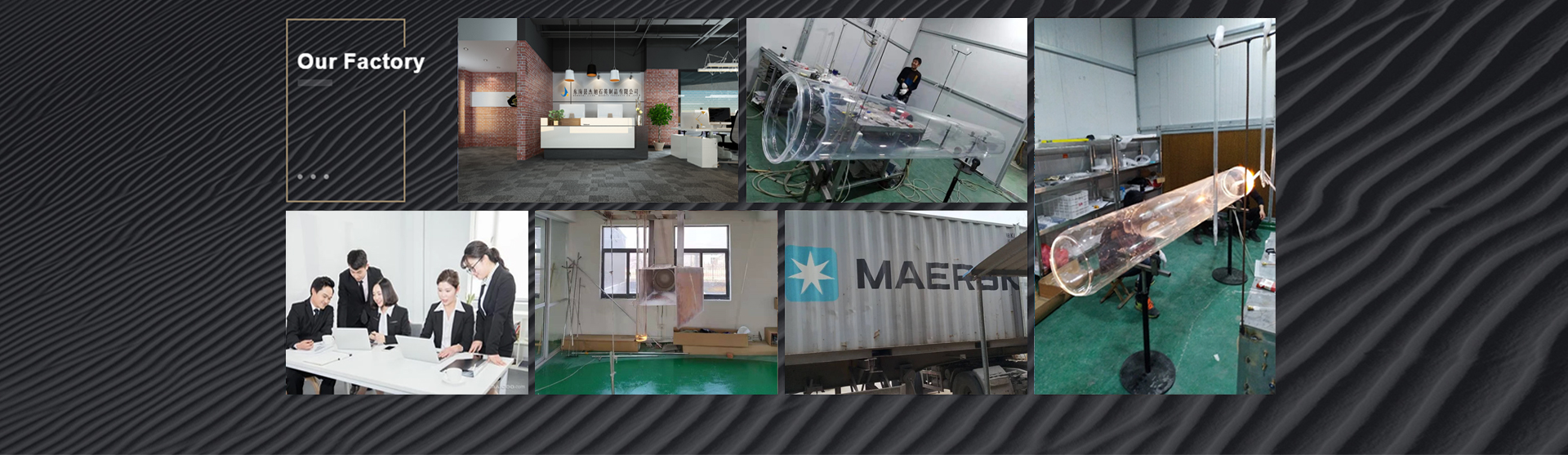
Headquartered in Donghai County—the crystal and quartz capital of China—Donghai County Nivra Quartz Products Co., Ltd. operates a vertically integrated processing facility spanning raw crystal purification, ingot casting, high-precision laser wire slicing, CNC mechanical milling, optical planetary polishing, and thermal flame fabrication.
100% In-House Production
Staffed by 101–200 specialized glassblowers and optical engineers, we control the entire lifecycle of our cuvettes, ensuring unmatched consistency from drawing to finished optical delivery.
≤ 5h Rapid Response
Our dedicated engineering desk reviews technical drawings (PDF, DWG, STEP) with an average response time under 5 hours and a proven 88.89% inquiry conversion response rate.
Custom OEM/ODM Prototyping
We welcome small pilot batches (MOQ 1–10 pcs) for experimental R&D validations in Daegu prior to full-scale automated production runs, eliminating prototype financial risk.
Zero-Breakage Export Crating
Each cuvette is individually cleanroom-washed, housed in custom-molded high-density shock-absorbing EVA foam cassettes, and vacuum-sealed for air courier dispatch direct to Daegu.
Frequently Asked Questions for Daegu Lab & Industry Buyers
Everything procurement officers and laboratory directors need to know regarding cross-border supply chains, technical tolerances, customs, and OEM customization.
What is the optical transmission distinction between JGS1, JGS2, and JGS3 quartz cuvettes? +
JGS1 is a high-purity synthetic fused silica synthesized from silicon tetrachloride vapor oxidation. It features virtually zero metallic impurities and exceptional deep-ultraviolet transmission extending from 185 nm to 2500 nm, rendering it the standard choice for DNA/RNA characterization at 260 nm, protein analysis at 280 nm, and UV-excited fluorometry.
JGS2 is fused from natural high-purity quartz crystal sand. It provides outstanding optical performance across the 220 nm to 2500 nm spectrum, ideal for standard industrial UV-Vis quality testing in water treatment and chemical manufacturing.
JGS3 is an electrically fused quartz engineered for infrared applications with minimal hydroxyl content ([OH⁻] < 5 ppm). It transmits efficiently from 260 nm up to 3500 nm, suppressing the strong water absorption dip around 2730 nm for pristine near-infrared (NIR) research.
How does your factory ensure the optical pathlength tolerance meets KOLAS lab validation standards? +
Our standard laboratory cuvettes (e.g., standard 10 mm pathlength cells) are maintained within an ultra-strict tolerance of ±0.005 mm, with custom scientific cells achievable down to ±0.002 mm upon request. We employ double-beam laser optical interferometers and calibrated gauge blocks traceable to international metrology standards.
Every production batch destined for South Korean analytical institutions is supplied with an individual or batch Optical Inspection Certificate confirming pathlength, window parallelism (≤15 arcseconds), and baseline spectrophotometric transmission curves.
Can you produce custom flow-through or microcuvettes from our engineering drawings? +
Yes. OEM and ODM bespoke fabrications represent over 60% of our production volume. We accept engineering files in PDF, DWG, DXF, and 3D STEP formats. We routinely fabricate microfluidic flow cells, demountable cells, jacketed temperature-controlled quartz cuvettes, black-masked microcuvettes, and specialized multi-pathlength cells.
Our optical engineering desk reviews drawings and replies with comprehensive DFM (Design for Manufacturability) feedback within ≤5 hours.
What are the lead times and logistics arrangements for direct air-freight delivery to Daegu? +
For standard stocked catalog items, dispatch occurs within 24–48 hours. Custom OEM prototypes typically require 7 to 10 business days for laser cutting, precision polishing, diffusion fire-welding, and optical verification. Production batches of 100–1000 pieces are typically completed within 14–20 business days.
Shipments to Daegu are routed via express air carriers (DHL, FedEx, UPS) directly to Daegu International Airport (TAE) or through Incheon (ICN) with dedicated domestic bonded ground transit, arriving at your laboratory bench within 2 to 4 business days post-dispatch.
How do you package fragile optical quartz glassware to prevent shipping shock and chipping? +
We recognize the fragile nature of optical components. Each cuvette is first ultracleaned and secured inside an individual antistatic dust-free acrylic case with lint-free optical lens wrapping. These cases are embedded within high-density, shock-absorbing EVA foam blocks contoured precisely to the container profile.
The foam inserts are packed inside corrugated export shipping boxes and enclosed within exterior reinforced wooden crates with internal shock-indicator labels, guaranteeing zero physical impact damage during overseas air transit.
What cleaning protocols are recommended to maintain quartz optical windows without causing surface etching? +
Because our quartz cuvettes are completely fire-fused without adhesives, they safely withstand aggressive solvent cleaning that would destroy ordinary glued cuvettes. For organic residues, soak in spectrophotometric-grade ethanol, acetone, or a 1:1 mixture of methanol and concentrated hydrochloric acid.
For stubborn biological protein residues, a short treatment with 3M nitric acid or warm dilute piranha solution is completely safe for our molecularly fused quartz. Note: Never use hydrofluoric acid (HF) or strong hot alkaline solutions (>pH 11.5) as they will chemically etch polished fused silica surfaces.
Accelerate Your Daegu Research Project with Precision Quartz
Whether you require standard 10mm UV spectrophotometer cuvettes, fluorescence four-window cells, or custom microfluidic flow quartz prototypes built to CAD drawings, our technical engineers are ready to support your specifications.