Specialized Fused Quartz Components for Industrial & Lab Systems
Fabricated by Donghai County Nivra Quartz Products Co., Ltd. against rigorous European tolerances (DIN ISO 10110). Explore our core catalog below or submit custom optical and mechanical CAD drawings.
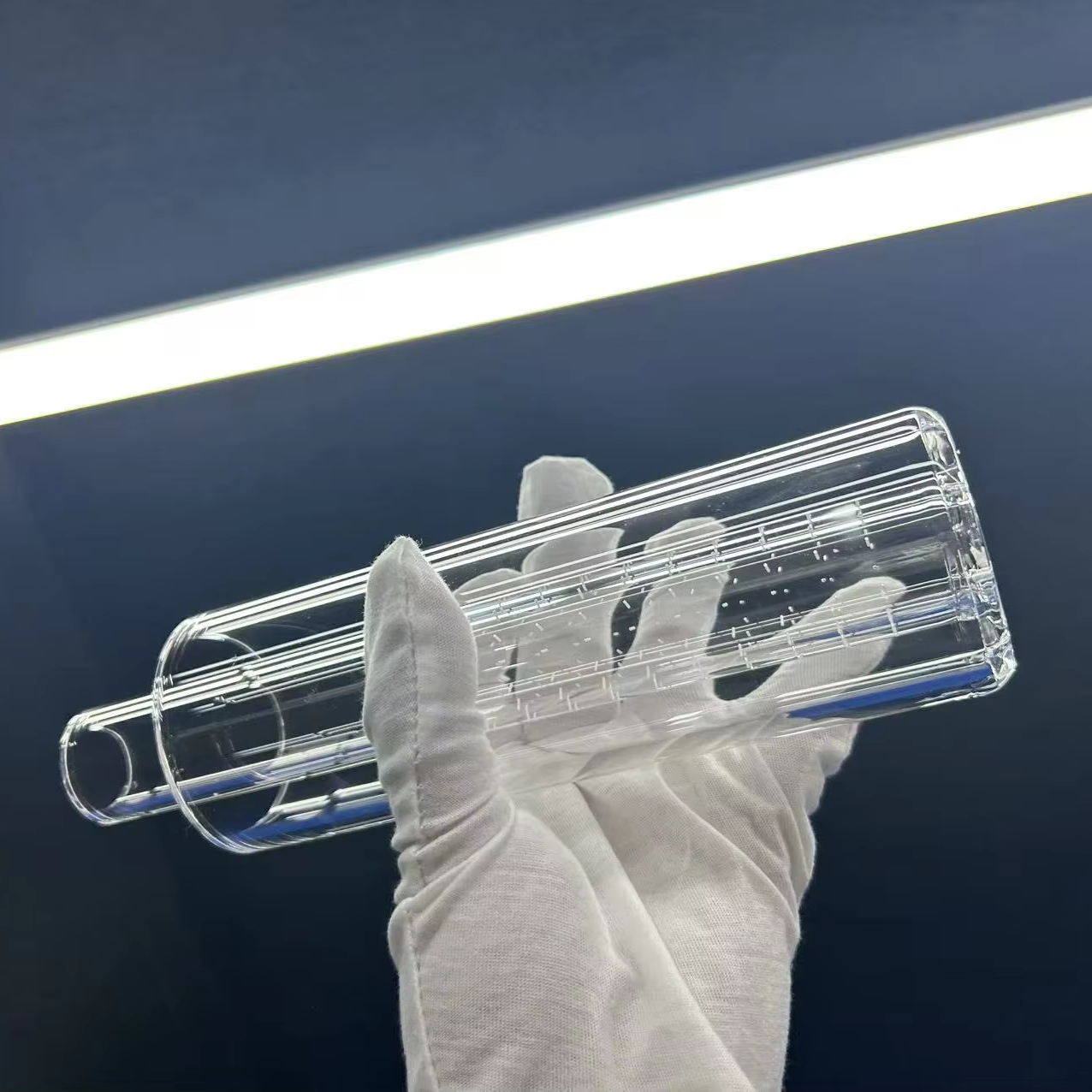
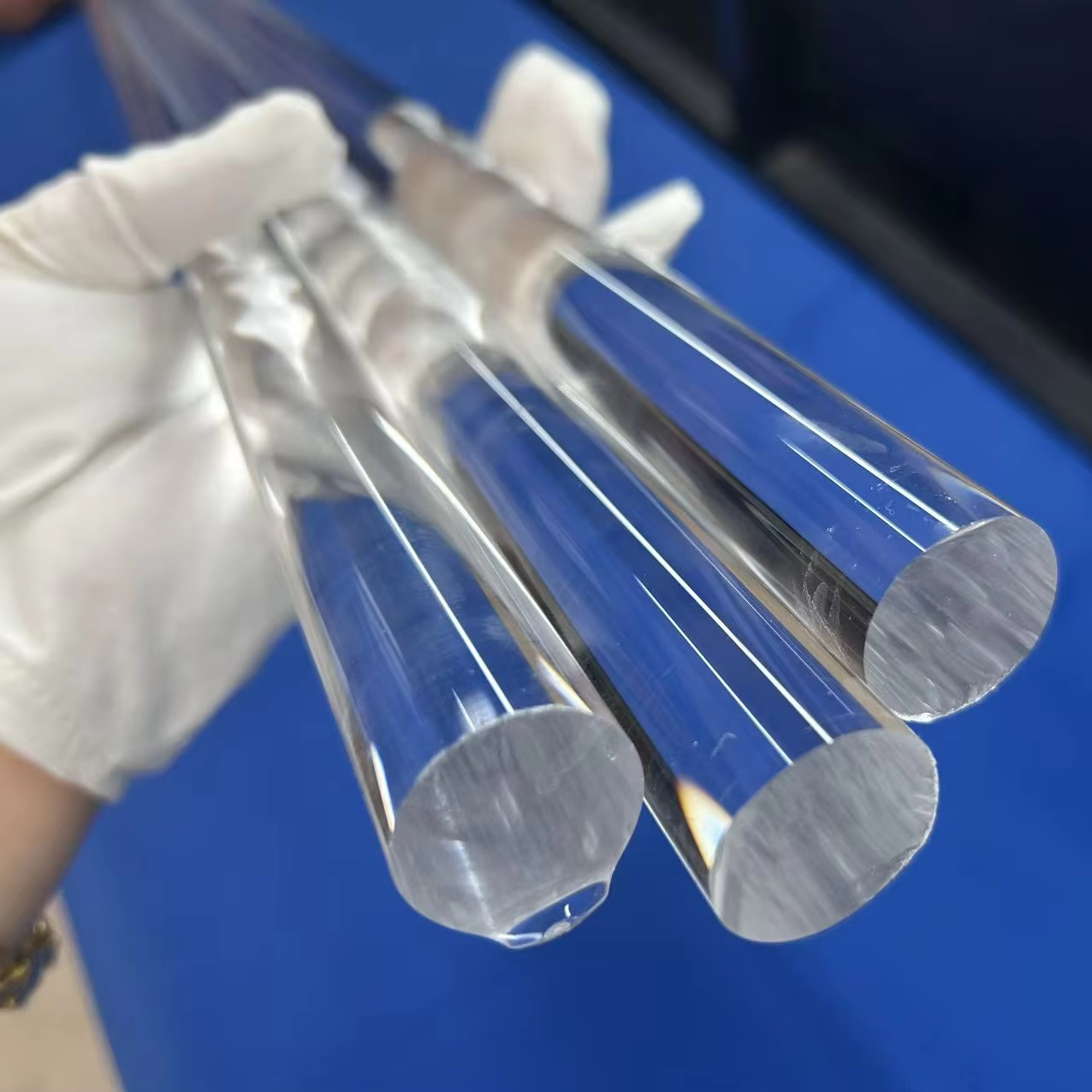
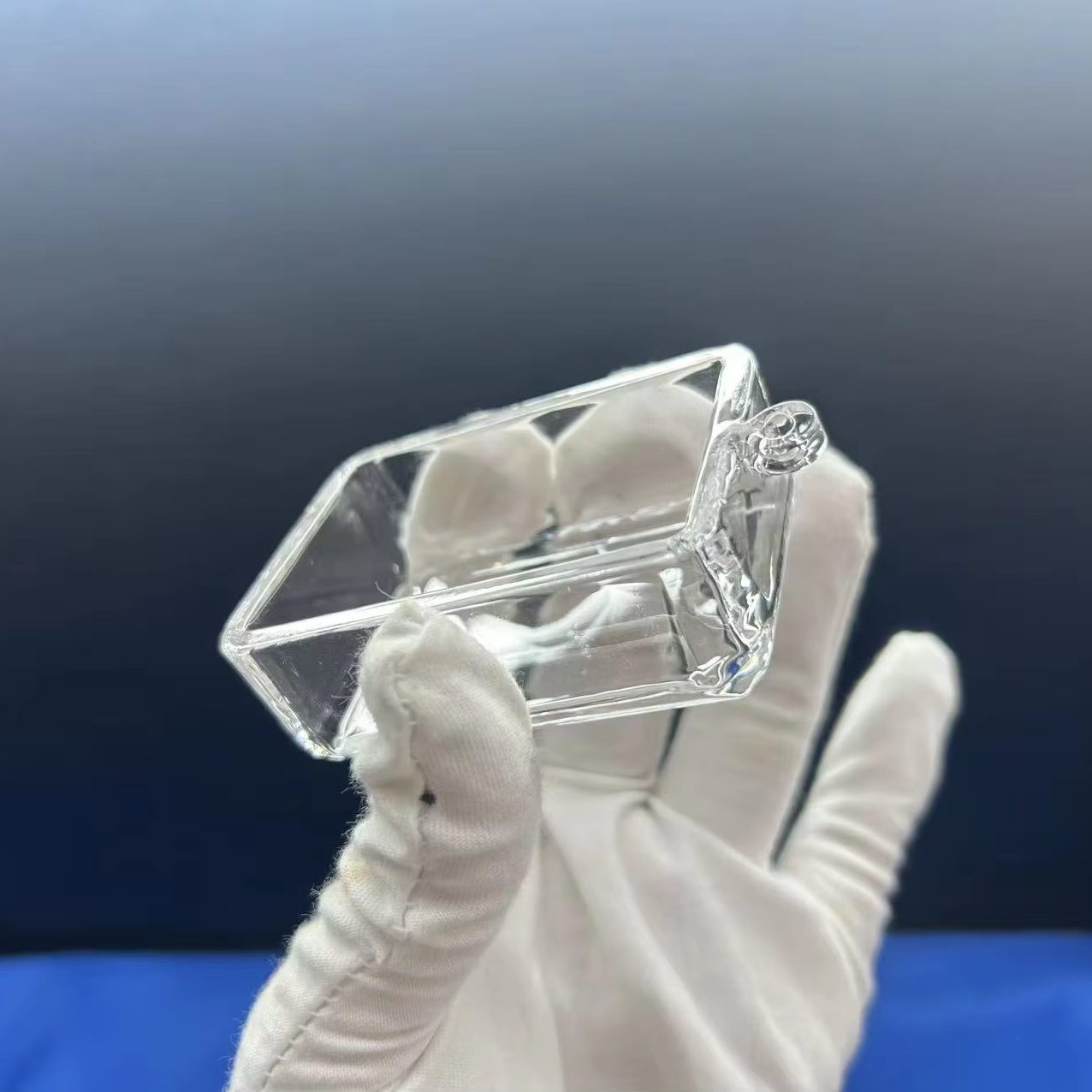
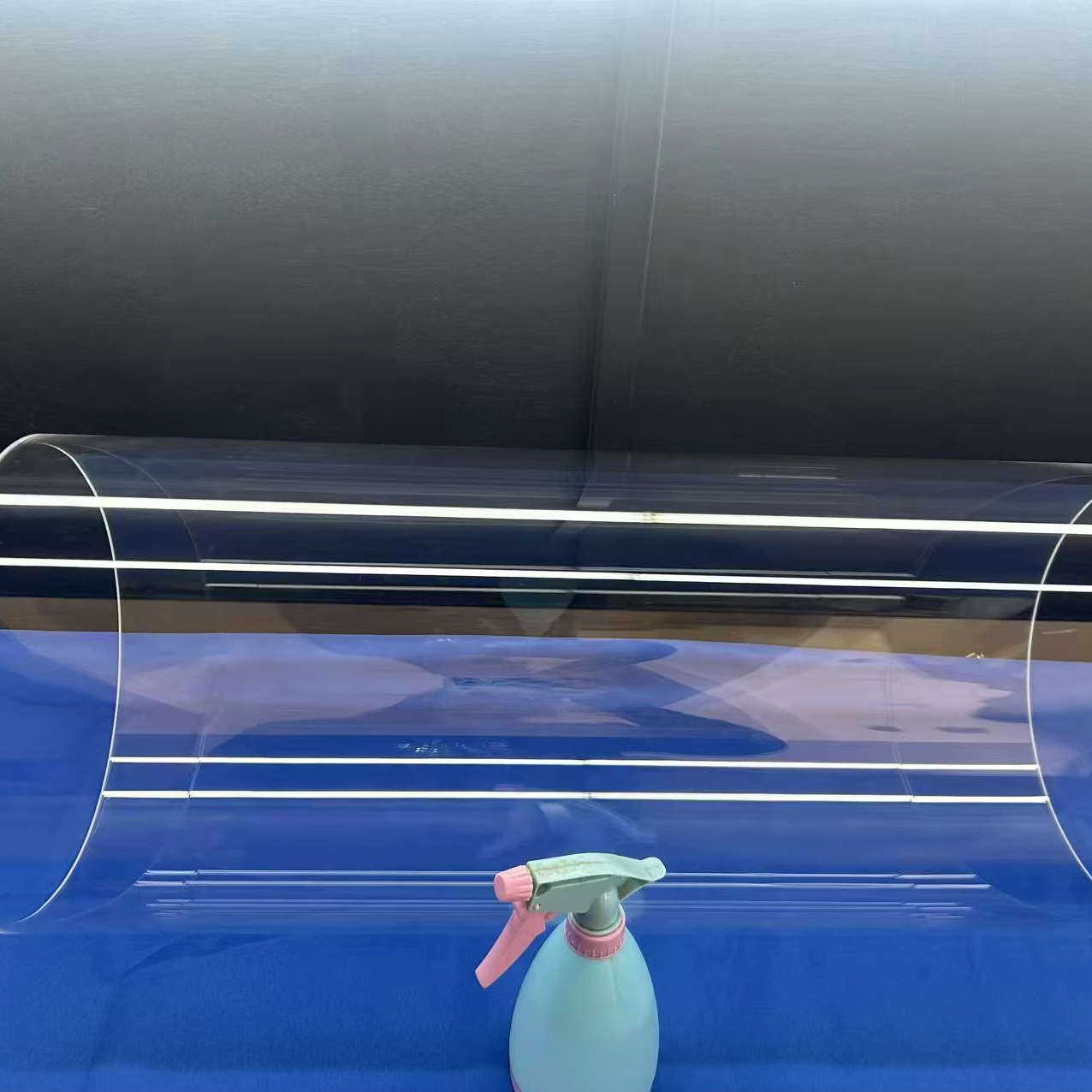
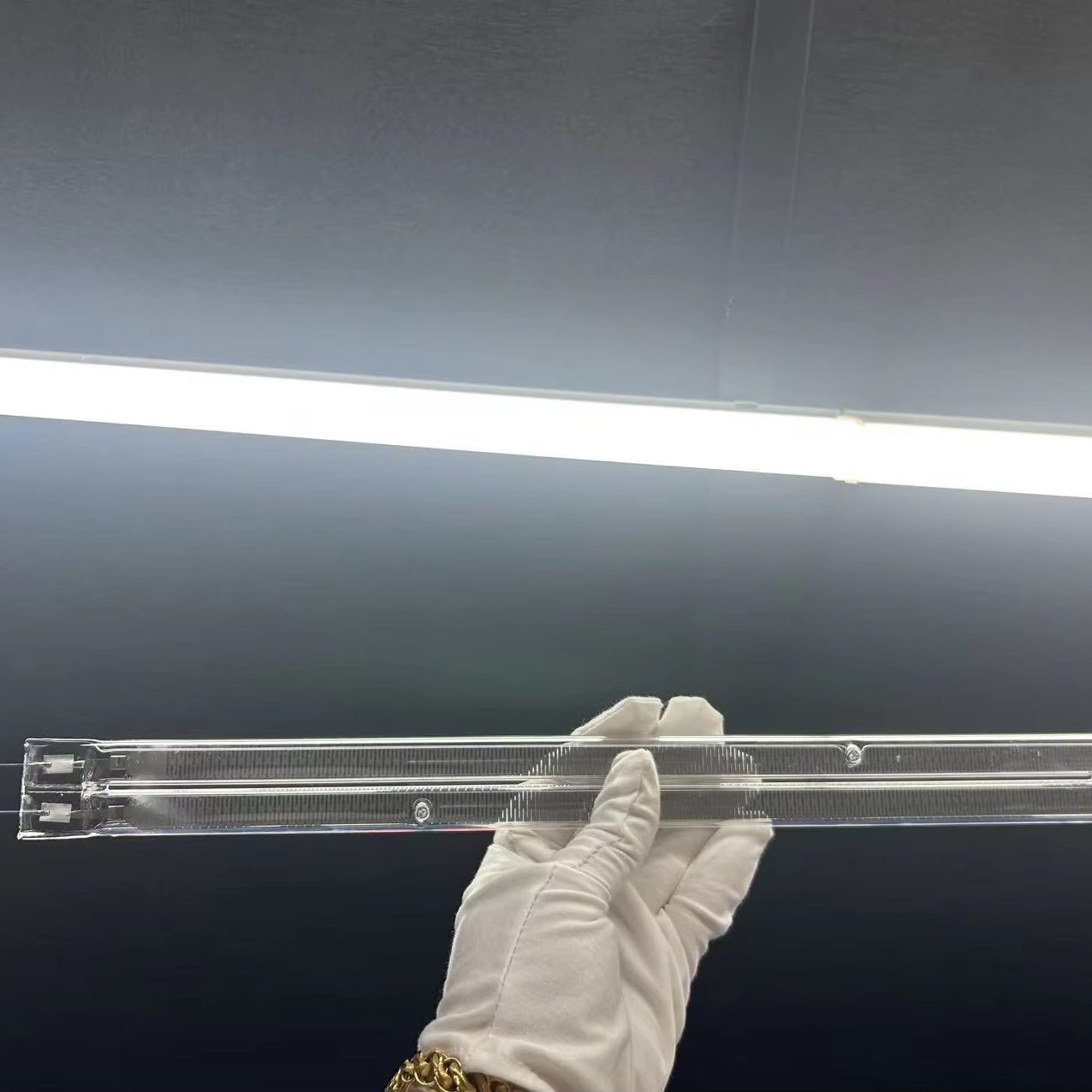
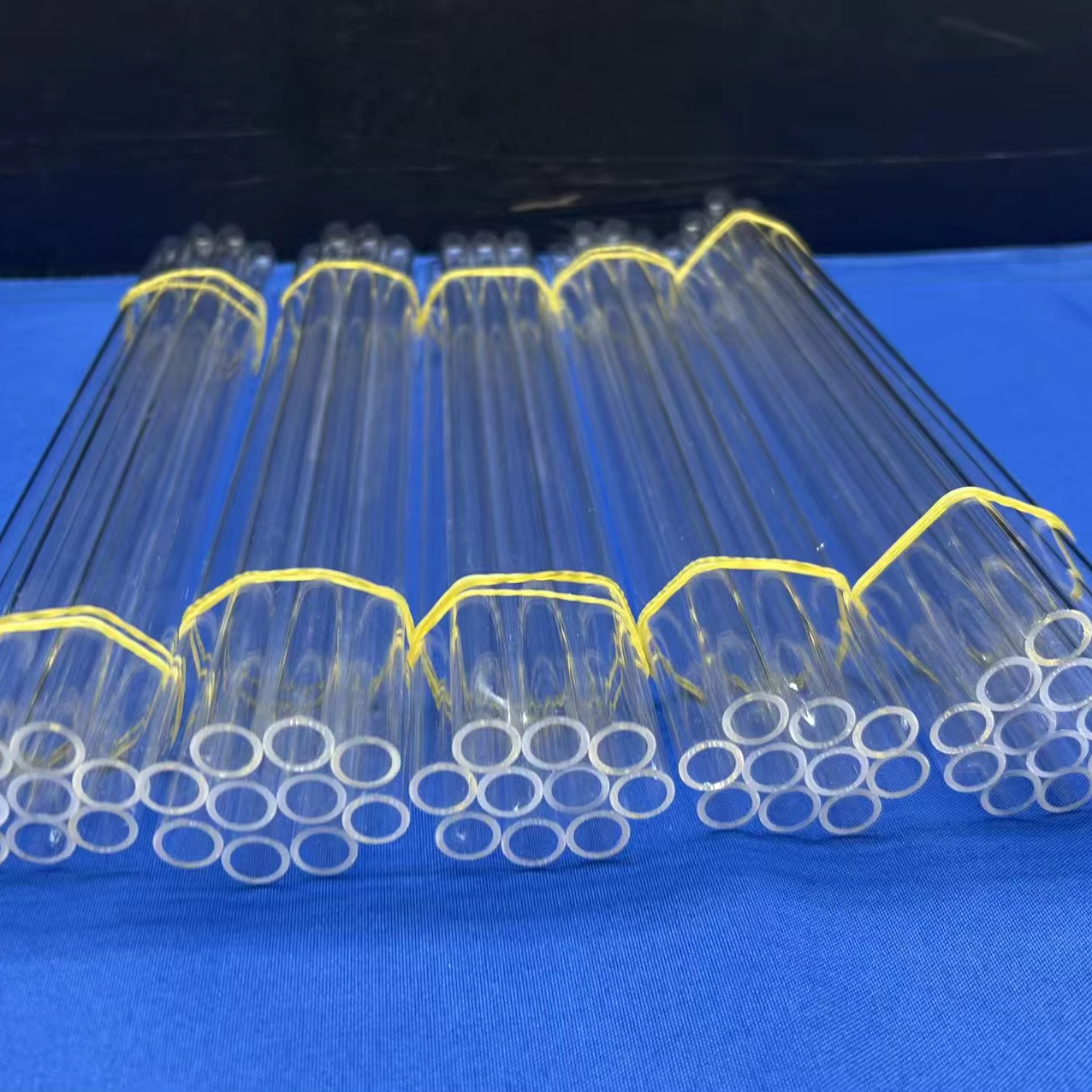
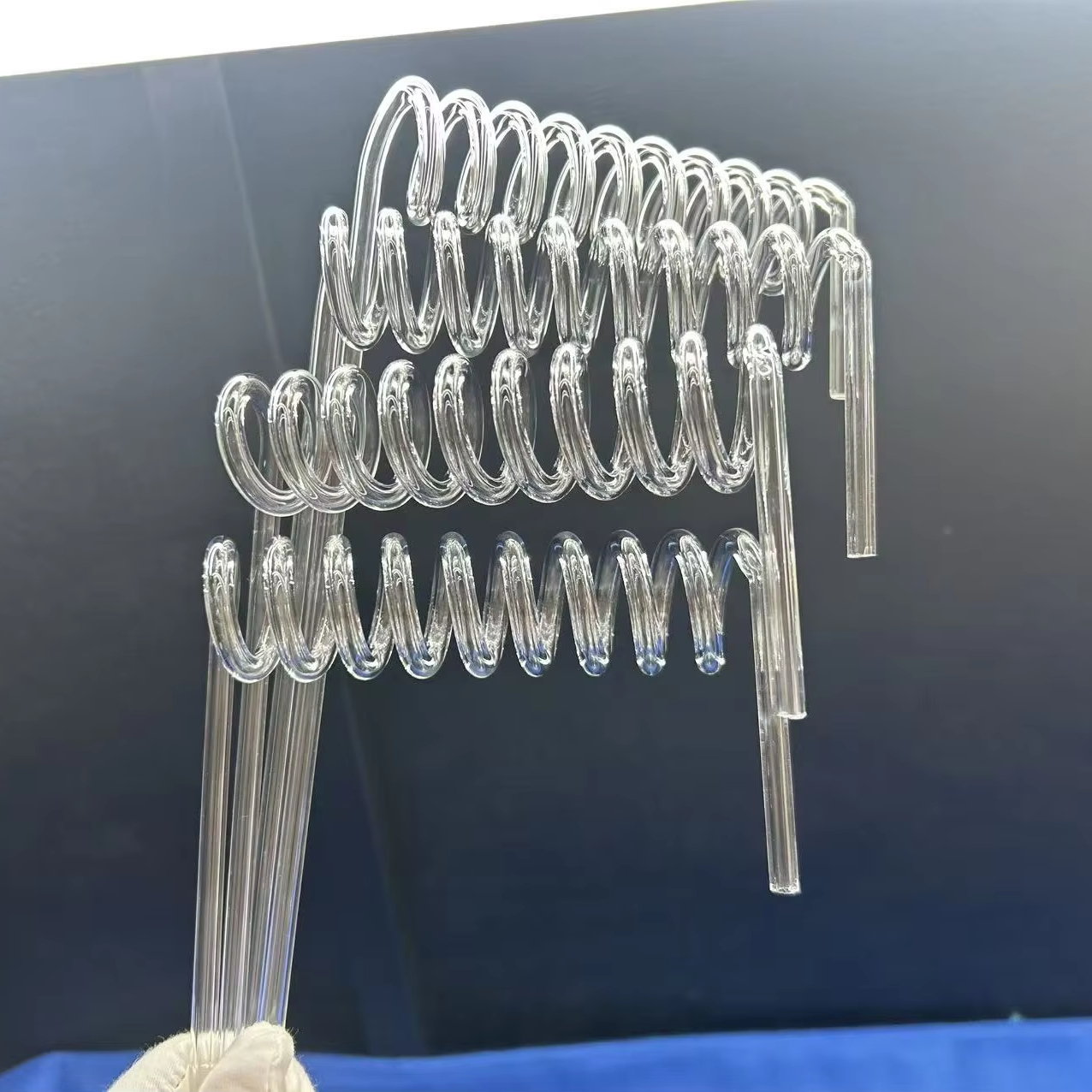
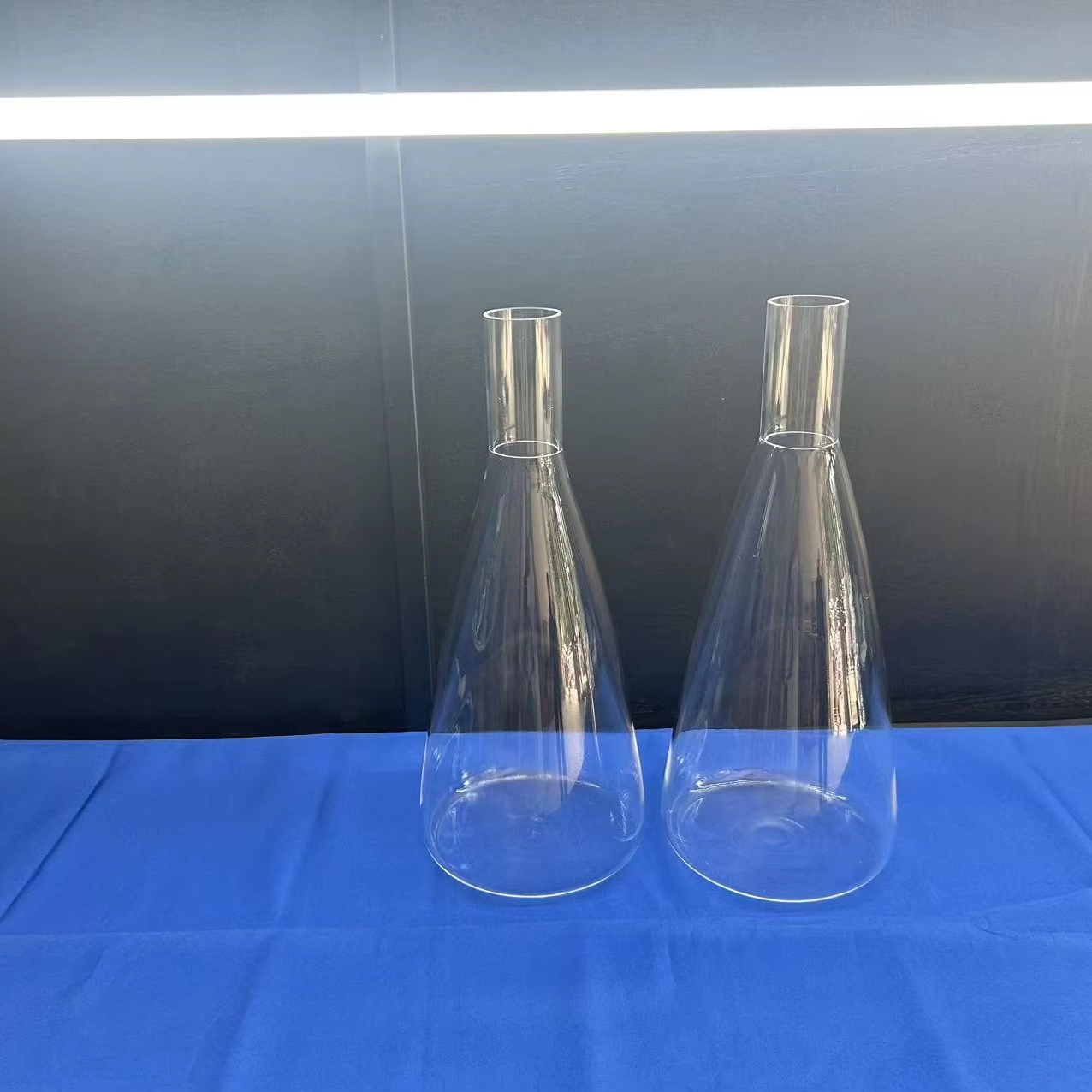
Material Physics & Optical Homogeneity in High-Performance Quartz Glass
As the Polish optoelectronics sector undergoes rapid modernization—spurred by academic spinoffs from Warsaw University of Technology (Politechnika Warszawska), Wrocław University of Science and Technology, and industrial investments in high-power industrial fiber laser cutting—procurement engineers are frequently confronted with optical material degradation under intense radiant flux. Standard borosilicate (e.g., BK-7) or generic optical crowns suffer from severe solarization, high thermal expansion coefficients ($~7.1 \times 10^{-6}/\text{K}$), and high absorption coefficients within the deep ultraviolet (DUV) and near-infrared (NIR) spectra.
At Donghai County Nivra Quartz Products Co., Ltd., we manufacture custom synthetic fused silica and electro-fused natural quartz glass designed to eliminate thermal wavefront distortion and non-linear optical damage. By utilizing pure silicon tetrachloride ($\text{SiCl}_4$) chemical vapor deposition (synthetic) alongside selected high-purity natural silica sand from Donghai—China's crystal capital—we guarantee total trace metal impurities below 10–20 ppm, with premium synthetic grades dropping below 0.1 ppm.
| Property Parameter | JGS1 (Synthetic Silica) | JGS2 (Fused Natural Quartz) | JGS3 (Low-OH Infrared Quartz) | Standard N-BK7 Glass |
|---|---|---|---|---|
| Transmission Range | 185 nm – 2,500 nm DUV Optimized | 220 nm – 2,500 nm | 260 nm – 3,500 nm NIR Clear | 330 nm – 2,100 nm |
| Hydroxyl ($\text{OH}^-$) Content | > 1,200 ppm (Hydrated) | 150 – 200 ppm | < 5 ppm No Absorption Peak | N/A |
| Thermal Expansion (20-300°C) | $5.5 \times 10^{-7} \text{ / K}$ | $5.5 \times 10^{-7} \text{ / K}$ | $5.4 \times 10^{-7} \text{ / K}$ | $7.1 \times 10^{-6} \text{ / K}$ |
| Laser Induced Damage (LIDT) | > 15 J/cm² @ 1064nm, 10ns | > 8 J/cm² @ 1064nm, 10ns | > 12 J/cm² @ 1064nm, 10ns | < 5 J/cm² @ 1064nm, 10ns |
| Thermal Shock Tolerance ($\Delta T$) | > 1,100°C water quench | > 1,100°C water quench | > 1,100°C water quench | ~ 160°C fracture point |
| Bubble / Inclusion Class | DIN ISO 10110-3 1/1x0.063 | DIN ISO 10110-3 1/2x0.10 | DIN ISO 10110-3 1/1x0.063 | Standard Class 1 |
Zero Striae & Homogeneity
Controlled annealing cycles across 1,150°C down through the strain point (1,070°C) guarantee refractive index gradients ($\Delta n$) within $1 \times 10^{-6}$, critical for Polish laser optics integrators producing beam expanders and collimation doublets.
Thermal Shock Immunity
With an extremely low linear expansion coefficient ($0.55 \times 10^{-6}/\text{K}$), our quartz components survive sudden thermal cycles from 1,200°C to room temperature liquid quench without micro-cracking or dimensional drifting.
DIN ISO 10110 Verification
All OEM optical blanks, plano-convex, double-concave, and aspheric lenses are inspected via Zygo GPI interferometers. We deliver serialized transmission curves, wavefront aberration certificates ($\lambda/10$), and scratch-dig reports.
Localized Application Scenarios in Poland's High-Tech Industrial Hubs
From industrial laser cutting clusters in Silesia to biomedical optics in Warsaw and aerospace instrumentation in Aviation Valley (Dolina Lotnicza), our quartz solutions are tailored to local manufacturing conditions.
Mazowieckie & Warsaw Cluster Photonics & Medical Optics
Warsaw serves as the intellectual anchor of Polish photonics (PPTF - Polish Technological Platform on Photonics). Nivra Quartz supplies JGS1 synthetic UV plano-convex lenses, spectrophotometer cuvettes, and capillary flow cells for Warsaw's medical diagnostic instrument manufacturers and research centers developing laser-based cancer diagnostics and fluorescence microscopy.
Lower Silesia & Wrocław Semiconductor & Sensor Assembly
Anchored by major foreign and domestic microelectronics plants, Wrocław's booming semiconductor supply chain relies on Nivra Quartz for chemical vapor deposition (CVD) quartz process tubes, wafer carrier boats, and plasma etch quartz tanks resisting high concentrations of hydrofluoric and nitric acids.
Aviation Valley (Podkarpackie / Rzeszów) Aerospace & Defense
In Poland's famed Dolina Lotnicza (Aviation Valley), gas turbine R&D requires quartz optical viewports, sapphire sensor windows, and custom pyrometry tubes. Nivra components handle extreme turbine combustion temperatures exceeding 1,100°C without mechanical failure or structural glass devitrification.
Silesia & Dąbrowa Górnicza Heavy Laser Processing
The industrial heart of Poland utilizes multi-kilowatt fiber lasers for metal fabrication and automotive tooling. We supply laser protective windows, beam collimator quartz lenses, and optical debris shields featuring anti-reflective (AR) multi-layer dielectric coatings calibrated for 1030–1080 nm wavelengths.
Strategic Trends Driving Optical Quartz Procurement in Poland (2025–2030)
1. Alignment with the European Chips Act and Cleanroom Expansion: As Poland cements its position as a central semiconductor packaging and testing node in Central Europe, cleanroom infrastructure standards are tightening. Sourcing managers are migrating away from secondary distributors to direct manufacturing partnerships that guarantee Class 10,000 cleanroom packaging and vacuum-sealed nitrogen purging to eliminate organic contamination on optical surfaces before entry into ISO-certified cleanrooms.
2. Adoption of Multi-Kilowatt Laser Processing in Automated Manufacturing: The automation of Polish automotive, railway rolling stock (Pesa, Newag), and shipbuilding facilities has led to an explosion in fiber laser adoption (4 kW to 20 kW). High-power optical systems demand custom JGS1 fused silica debris covers and focusing lenses with exceptionally low bulk absorption ($< 3 \times 10^{-5} \text{ cm}^{-1}$ at 1064 nm) to prevent thermal lensing—a phenomenon where heated optical centers shift focal distances, ruining automated cuts.
3. Green Energy & Photovoltaic Cell Modernization: Poland's aggressive expansion of solar generation has catalyzed domestic PV manufacturing and recycling R&D. Nivra Quartz supports these manufacturing lines with high-volume furnace diffusion tubes, perforated gas dispersion headers, and ultra-flat quartz carrier plates designed for continuous thermal operation at 1,150°C.
Donghai County Nivra Quartz Products Co., Ltd.
Combining primary raw material sourcing in China's quartz capital with state-of-the-art optical grinding, fire-polishing, and European standard verification.
Direct Factory Pricing
Direct raw mineral integration in Jiangsu lowers raw material bill-of-materials by 25–40% compared to Western European optical redistributors.
Full Processing Chain
In-house CNC diamond coring, precision double-sided planetary lapping, CNC ultrasonic contouring, flame welding, and vacuum annealing.
5.0 / 5.0 Proven Quality
Verified supplier verification by Alibaba and third-party audit teams. High repeat order rate (23%) among European precision engineering firms.
Breakage-Free Freight
Custom shock-absorbing molded polyethylene foam cushioning, vacuum foil sealing, and reinforced fumigation-free wooden export crates.
Frequently Asked Questions: Sourcing Quartz Optics into Poland
Clear, transparent answers addressing Polish import logistics, customs tariffs, EU safety compliance, and engineering tolerances.
What are the standard lead times and customs protocols for shipping quartz lenses to Warsaw or Gdańsk?
How do you ensure compliance with EU REACH and RoHS regulations?
Can Nivra Quartz manufacture according to DIN ISO 10110 optical drawing standards?
When should a Polish OEM choose JGS1 synthetic silica over JGS2 or JGS3?
What is the minimum order quantity (MOQ) for custom optical prototypes?
How do you safeguard fragile optical quartz against breakage during long-distance transit?
Ready to Accelerate Your Optical Procurement for Poland?
Send us your dimensional drawings (PDF, STEP, DWG) or specification sheets. Our engineering specialists respond within 5 hours with detailed DFM (Design for Manufacturability) analysis, raw material recommendations, and factory-direct volume pricing.
Get Catalog