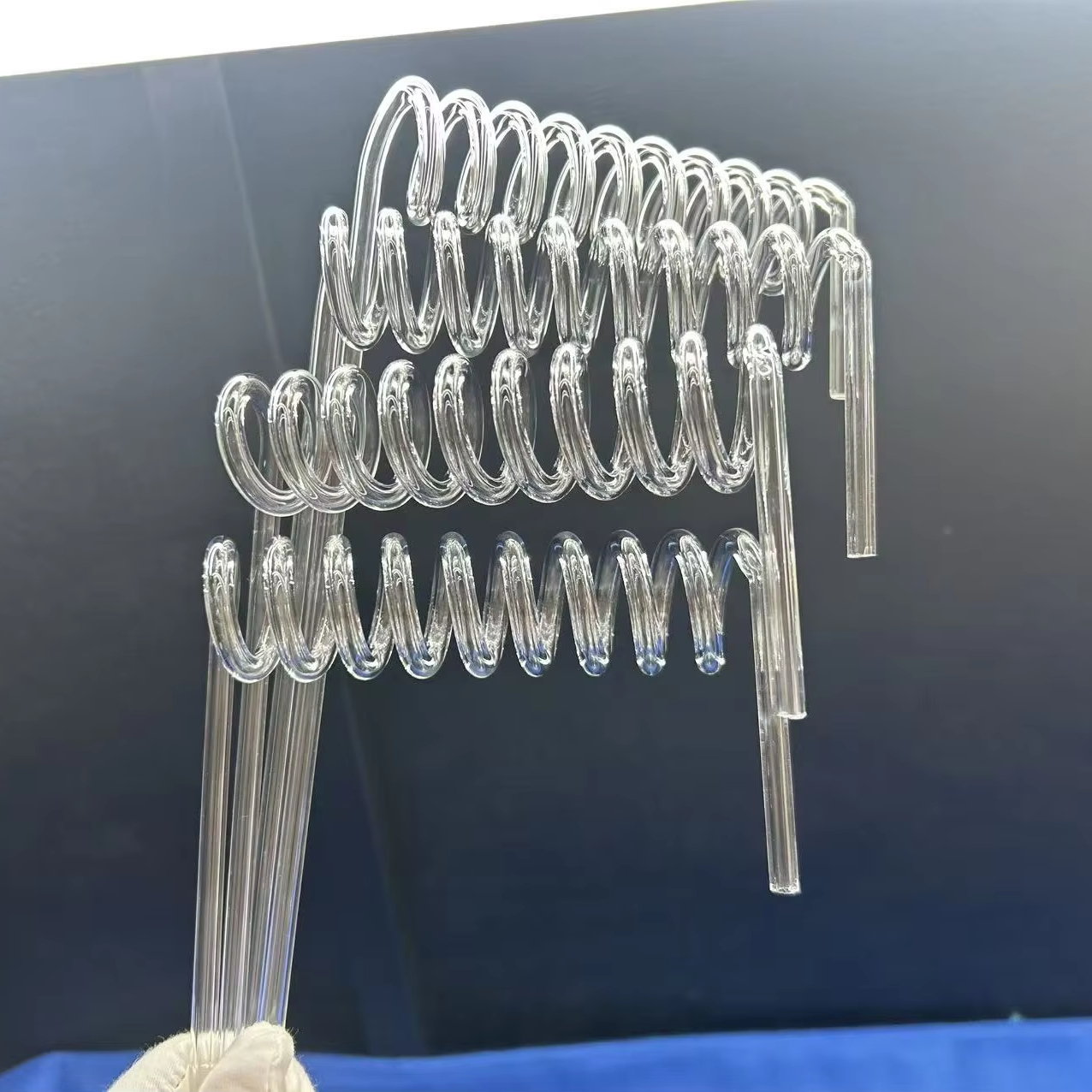
Precision Optical Components
Featured Quartz Glass Labware & Optical Substrates
Fabricated from certified high-purity fused quartz (SiO₂ ≥ 99.99%), manufactured with micron-grade optical surface tolerances and specialized heat-fusion joints designed to withstand high chemical aggressiveness and thermal shock.
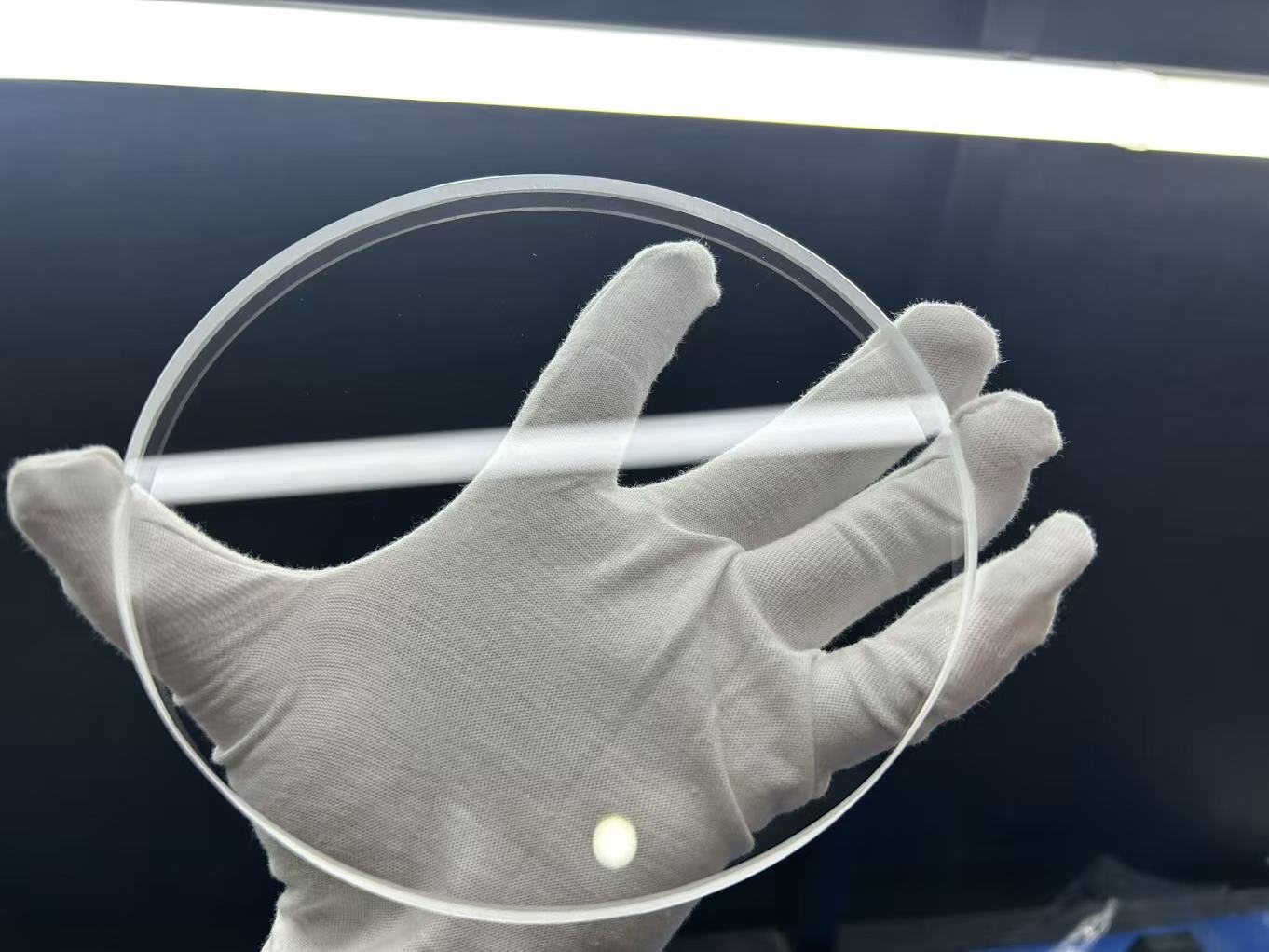
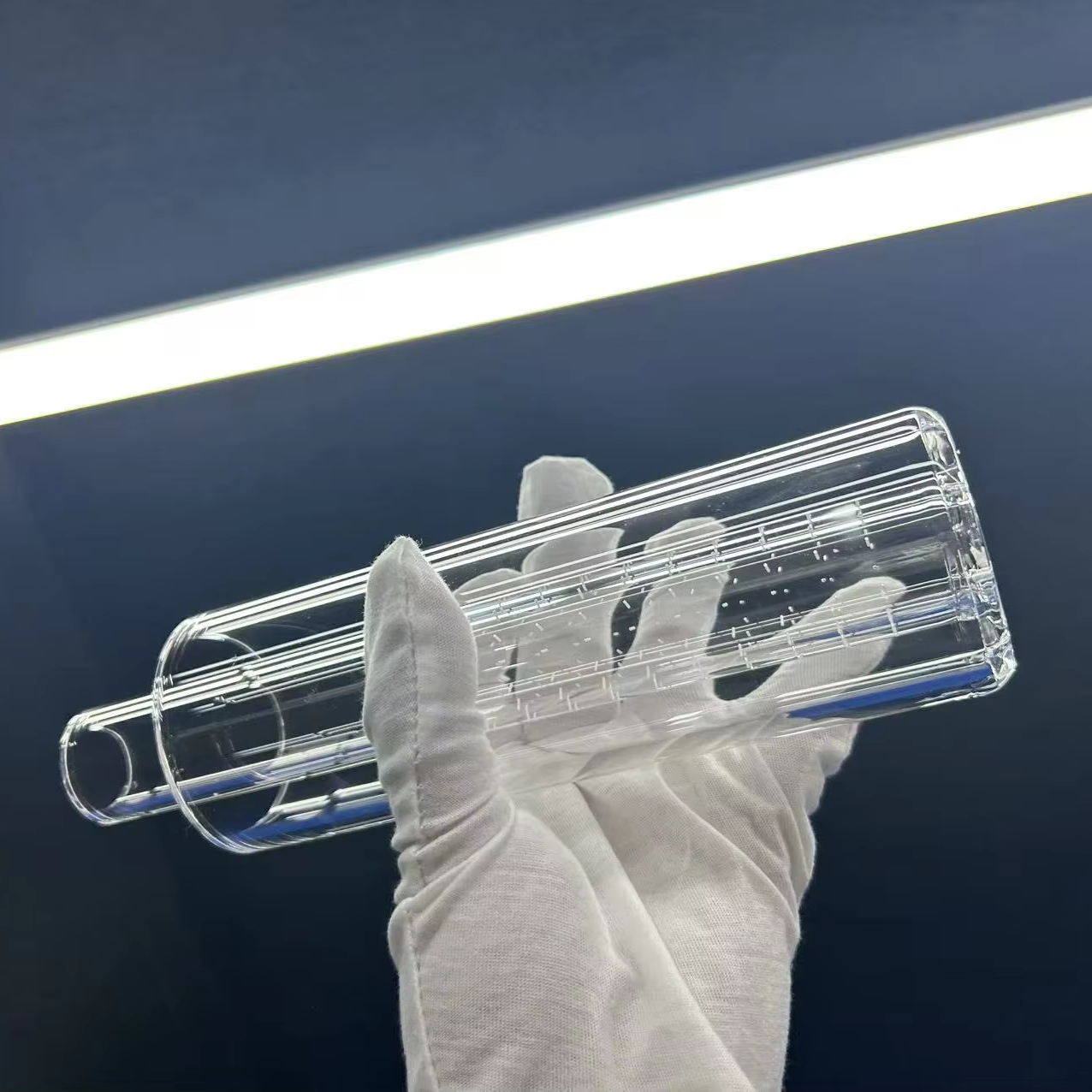
Customized Perforated Quartz Tube
Custom CNC
View Details
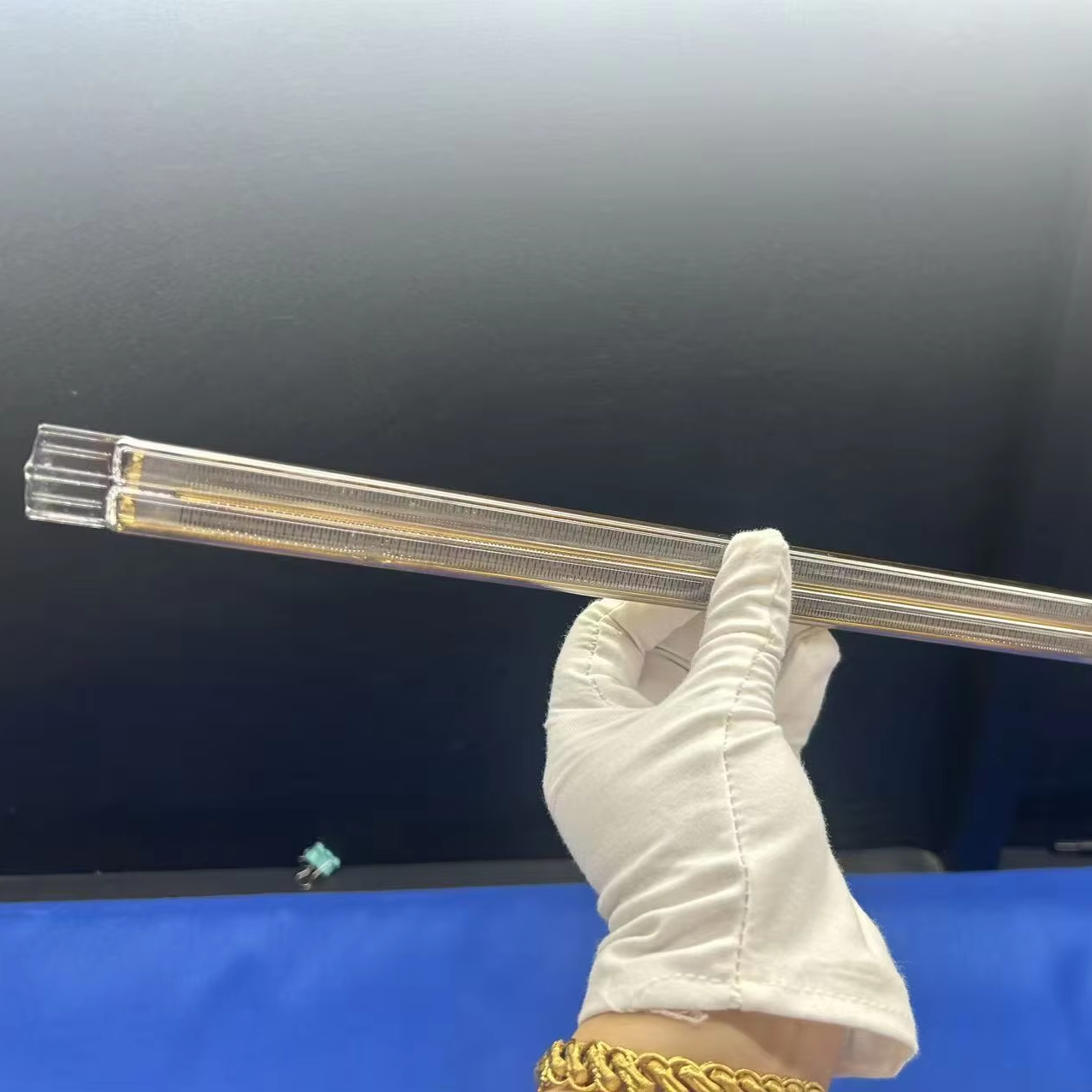
Graphene Quartz Heating Tube
Thermal Unit
View Details
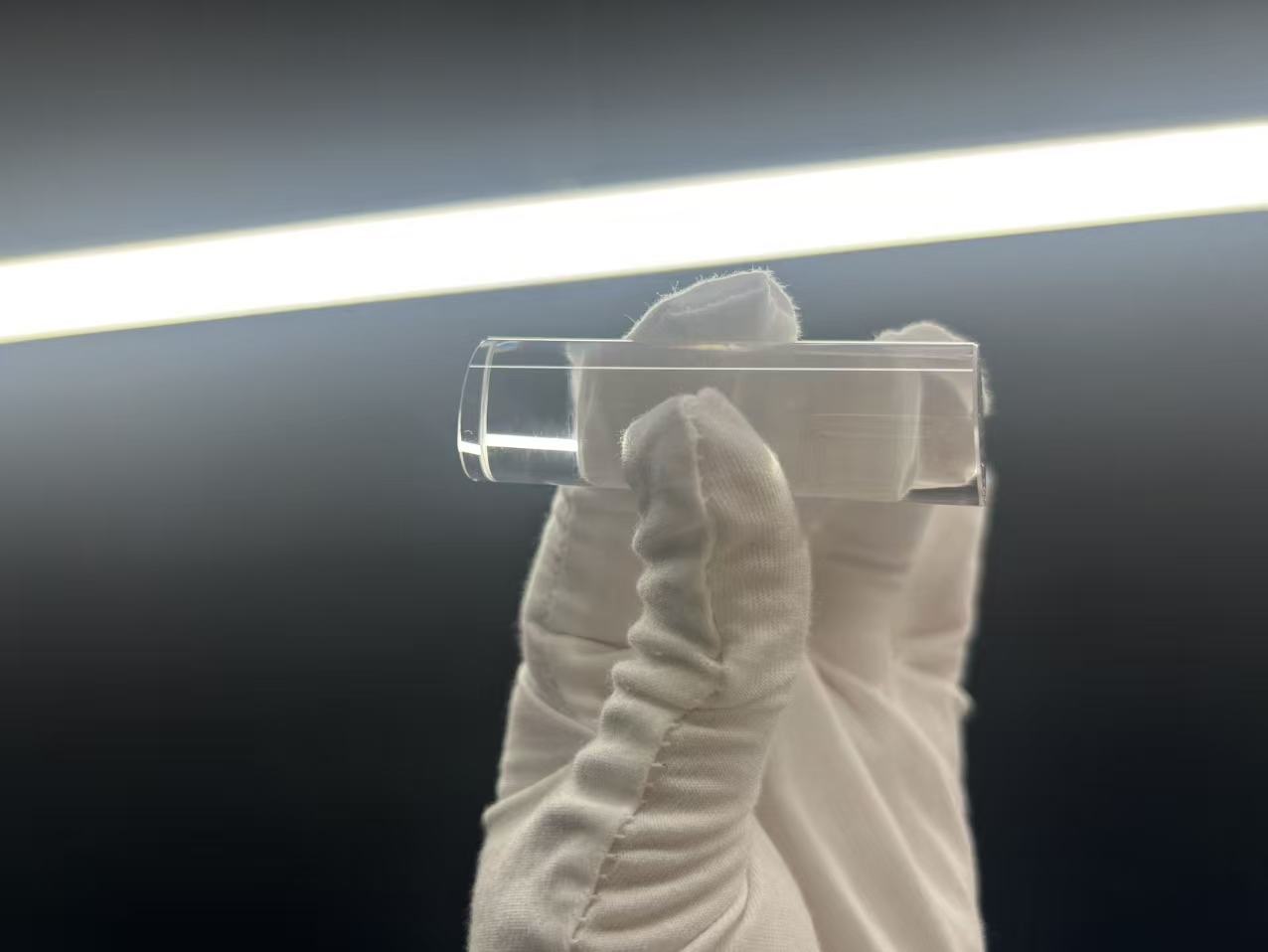
Round Head Quartz Rod
Flame Worked
View Details
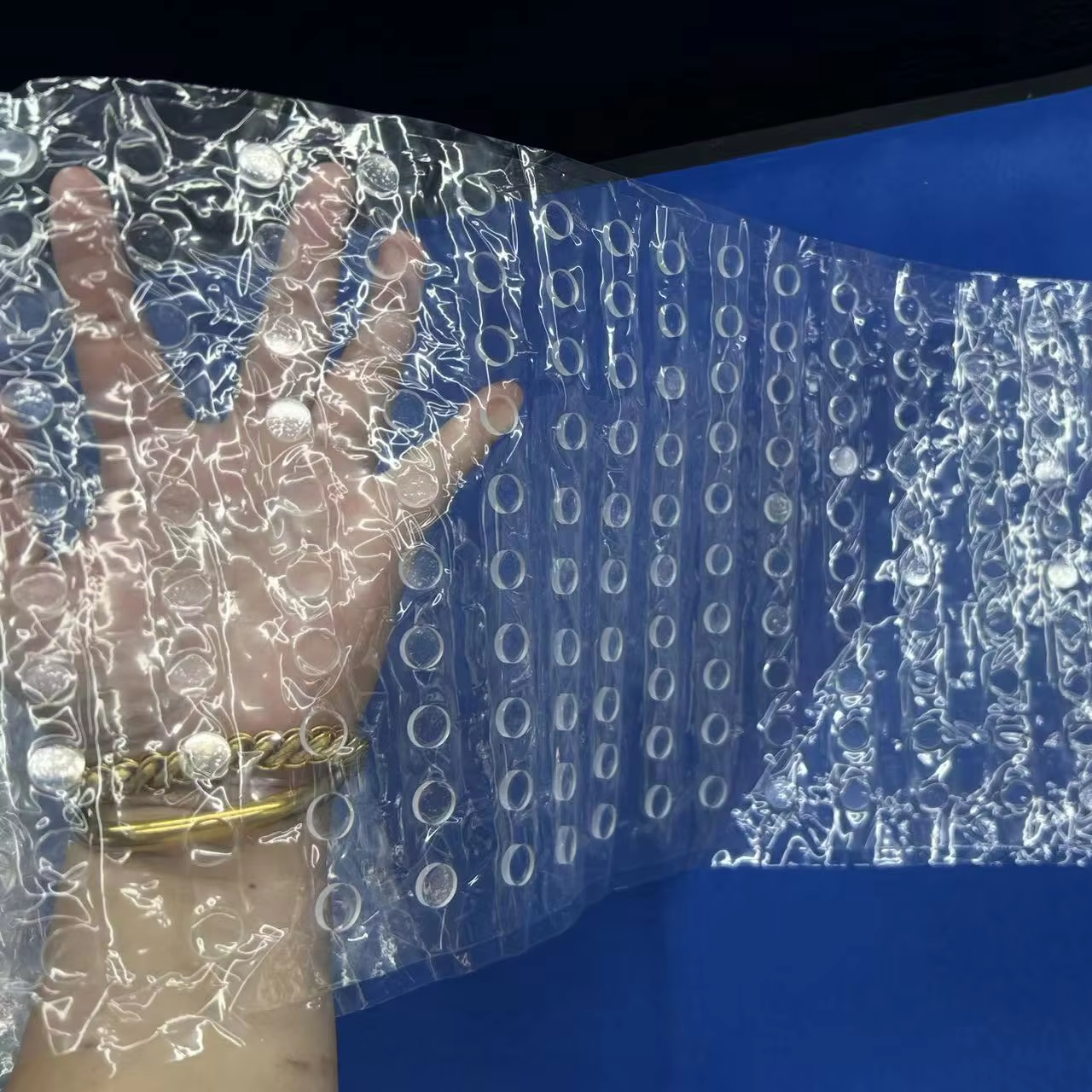
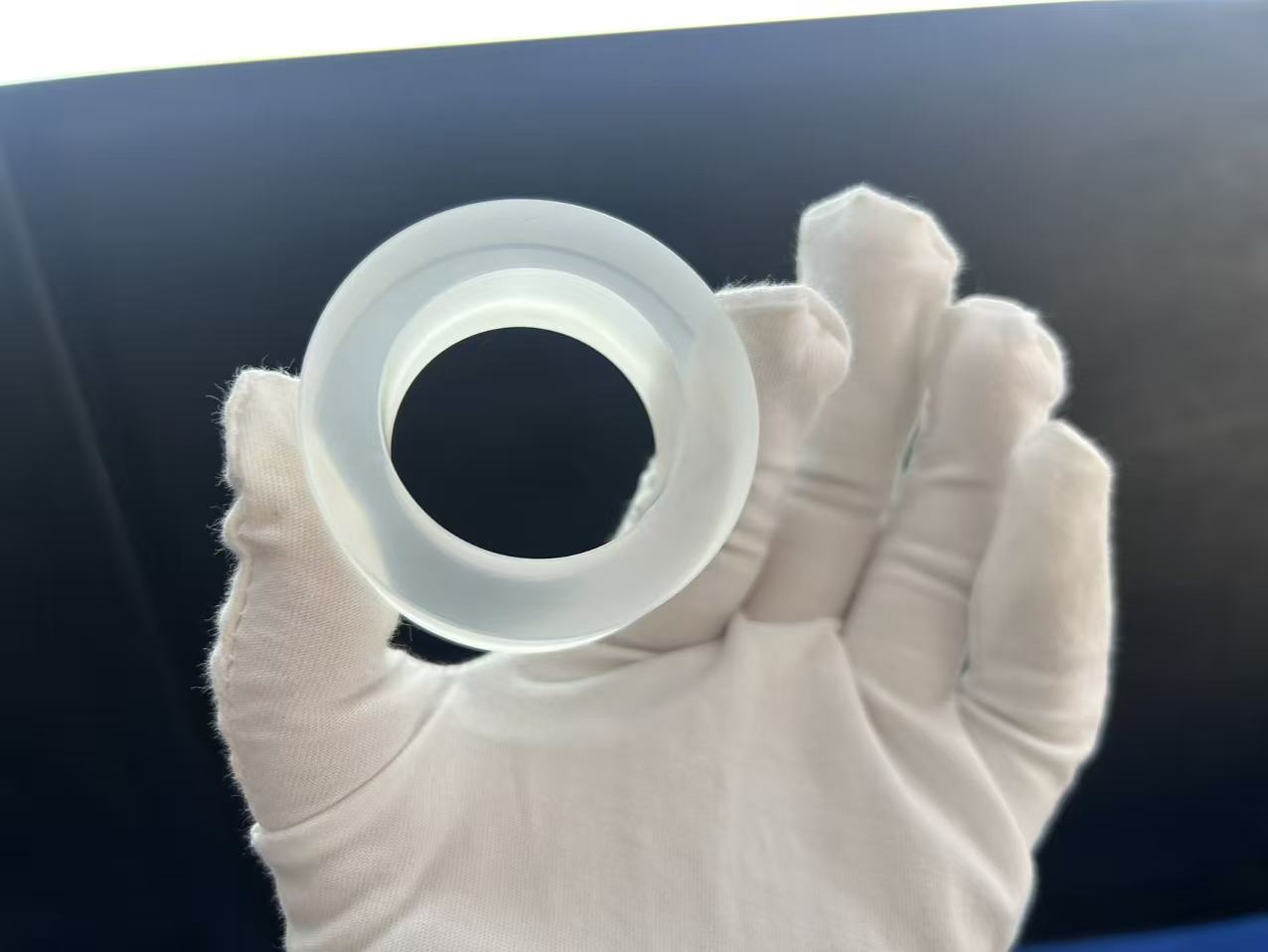
Quartz Ring
Machined Ring
View Details
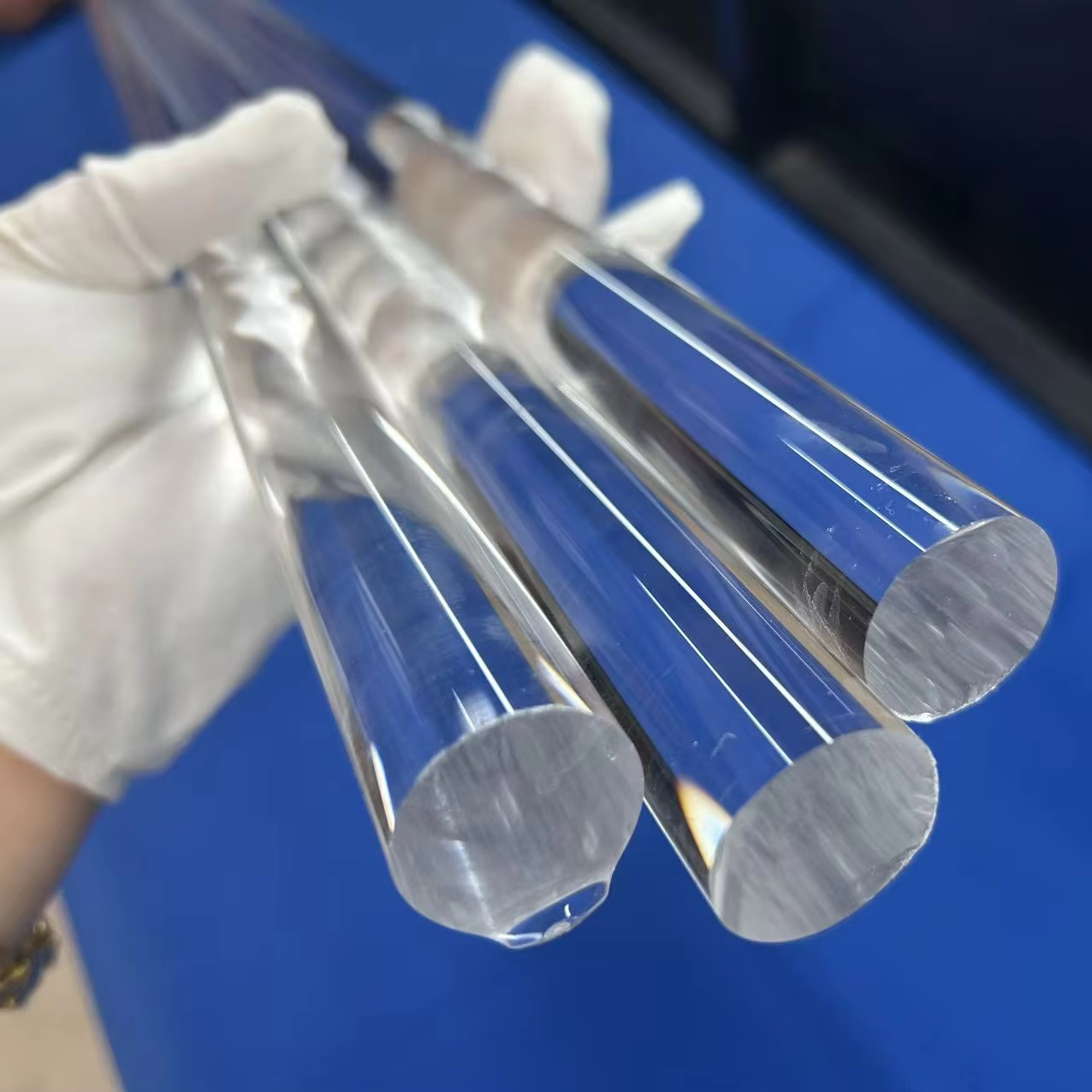
Optical Physics & Manufacturing Engineering
Technical Whitepaper: Precision Quartz Cuvette Dynamics
In ultraviolet (UV), visible (Vis), and near-infrared (NIR) spectrophotometry, the cuvette is not merely a passive sample holder; it is an active optical transfer element. For analytical laboratories in the San Miguel market, understanding raw material grades, molecular fused seam integrity, and optical path geometry is essential to eliminate systematic absorbance errors.
≥ 83%
UV Transmission @ 200 nm (JGS1)
± 0.005 mm
Light Path Length Tolerance
1100 °C
Continuous Working Limit
≤ 5 Hours
OEM Technical Reply Window
Material Selection: JGS1 vs. JGS2 vs. JGS3
Standard optical glass (BK7) absorbs strongly below 340 nm, rendering it useless for UV spectroscopic assays. Nivra Quartz manufactures cuvettes using three distinct fused silica grades based on application wavelengths.
JGS1 (Synthetic Fused Silica) offers deep-UV clarity down to 185 nm, ideal for DNA/RNA quantitation at 260 nm and protein analysis at 280 nm. JGS2 provides consistent UV-Vis transmission (220–2500 nm), while JGS3 is infrared-optimized (transmitting up to 3500 nm) with ultra-low hydroxyl (OH) absorption bands.
- JGS1: Synthetic grade with zero bubble matrix
- JGS2: Industrial standard for routine UV-Vis
- JGS3: Hydroxyl-depleted for NIR absorption
Fusion Technology: Sintered vs. Glued Seams
Many low-cost commercial cuvettes rely on organic epoxy adhesives or low-melting inorganic fluxes to join the four optical windows. These adhesive bonds deteriorate rapidly when exposed to organic solvents such as toluene, acetone, chloroform, or aggressive acids.
Nivra Quartz utilizes proprietary all-quartz high-temperature flame molecular fusing. Under oxyhydrogen flame control, quartz plates fuse at their crystal lattice boundaries without external flux. This produces a monolithic quartz body immune to delamination, autoclaving, or organic solvent dissolution.
- Resistant to aqua regia & organic solvents
- Autoclavable under repeated 121 °C cycles
- Eliminates contaminant leaching in trace assays
Path Length & Window Parallelism Control
According to the Beer-Lambert Law ($A = \varepsilon \cdot c \cdot l$), any deviation in optical path length ($l$) translates directly into analytical concentration calculation errors. Conventional commercial cuvettes tolerate deviations up to ±0.02 mm.
Nivra Quartz applies high-precision double-sided optical planar grinding and polishing lathes to guarantee path length tolerances within ±0.005 mm. Window parallelism is maintained under 3 arcminutes, and surface flatness reaches λ/4 at 632.8 nm, eliminating beam deflection and spurious refraction fringes.
- Path lengths: 1 mm, 2 mm, 5 mm, 10 mm, 20 mm, 50 mm, 100 mm
- Surface quality: Scratch-Dig 40/20 or better
- Wavefront distortion ≤ 0.5 λ over clear aperture
| Material / Construction Specification | JGS1 Synthetic Fused Silica (Far UV) | JGS2 Standard Fused Quartz (UV-Vis) | JGS3 Infrasil Fused Quartz (IR) | Optical Glass / ES Glass (Economy) |
|---|---|---|---|---|
| Usable Spectral Range | 185 nm – 2500 nm | 220 nm – 2500 nm | 260 nm – 3500 nm | 340 nm – 2500 nm |
| Internal Transmittance ($T_i$ @ 200 nm, 10 mm) | ≥ 88.0% | ≥ 70.0% | Negligible (< 10%) | 0% (Complete UV Cutoff) |
| Hydroxyl Ion (OH−) Concentration | ≈ 1200 ppm (high UV transmission) | ≈ 150 – 200 ppm | ≤ 5 ppm (Water-free IR peak) | Not Applicable |
| Joining Method | High-Temperature Direct Molecular Fusion | High-Temperature Direct Molecular Fusion | Precision Optical Direct Fusion | Ultrasonic Adhesive Bonding |
| Thermal Shock Resistance | ΔT > 1000 °C without fracture | ΔT > 1000 °C without fracture | ΔT > 1000 °C without fracture | ΔT ≈ 100 °C (Fragile) |
| Typical Analytical Applications | Far-UV DNA/Protein, Fluorescence HPLC | Routine Chemical Assay, Vis Spectrophotometry | Near-IR Moisture, Organic Functional Groups | Visible Range Colorimetry (Starch/Sugar) |
Regional Market Deployment
Quartz Cuvette Integration Across San Miguel Industries
The San Miguel industrial and research cluster encompasses beverage manufacturing, commercial agro-food quality labs, municipal environmental monitoring centers, and clinical diagnostics facilities. Each sector demands specialized quartz cuvette configurations calibrated to distinct testing regimes.
Industrial Brewing & Beverage QC
San Miguel is internationally synonymous with large-scale brewing and beverage processing. Maintaining batch-to-batch consistency in flavor compounds, haze stability, and bitterness units (IBUs) requires precise spectrophotometric measurements.
Iso-alpha-acids are extracted into isooctane and quantified at 275 nm. Plastic cells dissolve in isooctane, while standard glass blocks UV transmission. Our 10 mm JGS1 fused quartz cells with PTFE stoppers provide solvent immunity, ensuring precision in automated bitterness unit testing.
- Solvent-sealed PTFE / ground glass caps
- Eliminates baseline drift during isooctane assays
- Standardized 10 mm path length for ASBC methods
Environmental & Wastewater Testing
Regional watershed oversight and industrial discharge regulations across San Miguel require compliance testing for trace phenols, nitrates, chemical oxygen demand (COD), and heavy metal ions.
Trace metal analysis utilizing UV-Vis colorimetry requires long optical path lengths (50 mm to 100 mm) to increase optical absorbance under low analyte concentrations. Nivra Quartz manufactures matched-pair long-path rectangular cuvettes with matched optical transmission differences under 0.2%.
- 50 mm & 100 mm extended path cells
- Transmission matching within ≤ 0.2% ΔT
- Resistant to sulfuric acid & dichromate digestions
Pharmaceutical & API Formulation
San Miguel regional pharmaceutical manufacturing and quality assurance laboratories perform rigorous Active Pharmaceutical Ingredient (API) identification and dissolution testing under USP and international pharmacopeia guidelines.
Nivra Quartz produces continuous-flow quartz micro-cells and sub-micro aspiration cuvettes (sample volumes from 10 μL to 100 μL) with black self-masking quartz walls. The black quartz absorbs scattered stray light, preventing erroneous detector saturation in low-volume dissolution profiling.
- Black masked quartz walls eliminate stray flare
- Micro-volume sample cavities down to 10 μL
- Standard Z-height dimensioning (8.5 mm & 15 mm)
Academic Research & Fluorometry
University chemistry departments, biotechnology institutes, and clinical research facilities in San Miguel require precision fluorometer cells. Unlike standard 2-window absorption cuvettes, fluorescence spectroscopy demands all four optical windows to be polished to eliminate light scatter.
Nivra Quartz manufactures 4-window polished fluorometer cells and triangular cells for high-concentration solutions, preventing inner-filter artifacts and ensuring linearity in quantum yield determinations.
- 4 optical windows polished to Scratch-Dig 20/10
- Zero intrinsic fluorescence under UV excitation
- Optional screw-thread septum caps for anaerobic assays
Procurement Intelligence
San Miguel Market Sourcing & Modernization Trends
Procurement officers and laboratory directors across San Miguel are modernizing their testing architectures. Shifting from high-waste single-use plastic labware to reusable fused silica systems aligns with sustainability targets, lower total cost of ownership (TCO), and automated analytical workflows.
Transition to Automated Inline Flow Cells
Laboratories in San Miguel are increasingly retrofitting benchtop manual spectrophotometers with automated autosamplers and continuous flow-through quartz cells. This transition reduces technician handling errors and increases sample throughput from dozens to hundreds of analyses per day.
OEM instrument builders require flow cells engineered with customized inlet/outlet port geometry (e.g., M6 or 1/4-28 threaded connectors) that interface directly with peristaltic fluidics. Nivra Quartz supplies precision quartz flow cells with internal debubbling geometries, preventing micro-bubble entrapment across optical apertures.
Tightening ISO/IEC 17025 Calibration Protocols
Accredited commercial and industrial laboratories in San Miguel are subject to stringent third-party audits. Auditors require comprehensive documentation tracing optical path length accuracy and photometric neutrality to NIST-traceable reference standards.
Direct sourcing from OEM manufacturers like Nivra Quartz provides certified matched cell sets verified with laser micrometer interferometers. Rather than receiving mixed batches from secondary resellers, procurement managers obtain serialized cuvette pairs with guaranteed optical matching (ΔT ≤ 0.2% across 200–900 nm).
Supply Chain Reshoring to Direct Manufacturers
Historically, San Miguel laboratories procured quartz cuvettes through third-party catalog distributors, incurring markups of 300% to 500% alongside unpredictable backorder cycles. In response, modern purchasing teams are establishing direct relationships with verified quartz fabricators.
With direct factory communication, San Miguel buyers access complete OEM customization—such as bespoke light-path dimensions, non-standard outer physical heights, and specialized quartz-to-glass graded joints—while reducing replacement component overhead by over 45%.
Enterprise Credentials
Why San Miguel Engineering Teams Partner with Nivra Quartz
Donghai County Nivra Quartz Products Co., Ltd. combines localized raw material control in China's quartz capital with precision optical machining, providing OEM partners with dependable fused quartz components.
Direct-from-Source Production in Donghai County
Founded in February 2019 at 285 Heping East Road, Lianyungang, Jiangsu, Nivra Quartz operates within China's crystal and quartz hub. We run a dedicated manufacturing and export operation powered by 101–200 skilled glassblowers, optical engineers, and CNC machinists.
By securing high-purity natural silica sand and synthetic SiCl₄ locally, we maintain end-to-end control over material purity (SiO₂ ≥ 99.99%), bubbless homogeneity, and melt viscosity. Unlike assembly-only workshops, our facility handles CNC slicing, dimensional edge grinding, planar optical lap polishing, oxyhydrogen flame fusion, and high-vacuum annealing in-house.
Our verified international export credentials include an average response time of ≤ 5 hours (measured 88.89% inquiry response rate), a 5.0/5.0 buyer satisfaction rating, and customized wooden crate packing engineered to prevent transit shock to destinations across North and South America, Europe, and the San Miguel market.
Full In-House Processing
From raw quartz ingot sawing and ultrasonic core drilling to multi-axis CNC shaping and fire-polishing, our complete production chain prevents subcontracting quality variations.
Optical Interferometry QC
Every cuvette production lot undergoes double-window transmission verification, spectrophotometer baseline tracking, and laser micrometer optical path validation before export packaging.
Shockproof Export Packing
Cuvettes are individually cleaned, vacuum-sealed in dust-free polypropylene, encased within molded high-density EPE foam cradles, and packed in reinforced export cartons to eliminate breakage risk.
Custom OEM/ODM Prototyping
We work directly from customer PDF, DWG, and 3D STEP drawings to fabricate custom light paths, non-standard window apertures, and custom outer dimensions, with initial engineering feedback in under 5 hours.
Procurement Solutions
Frequently Asked Questions: Sourcing Quartz Cuvettes in San Miguel
Detailed technical answers to common questions raised by optical engineers, laboratory purchasing teams, and analytical chemists in the San Miguel market.
How do I distinguish between standard optical glass and fused quartz cuvettes?
The simplest non-destructive method is spectrophotometric transmission verification below 340 nm. When filled with pure deionized water, an optical glass (marked 'G' or 'OG') cuvette will absorb strongly and exhibit near 0% transmission at 250 nm. In contrast, a genuine fused quartz cuvette (marked 'Q' or 'QS' for JGS1/JGS2) maintains ≥80% transmittance at 220 nm and ≥85% at 260 nm. Furthermore, high-purity quartz exhibits near-zero thermal expansion, allowing it to withstand direct flame contact without cracking, whereas optical glass will shatter immediately.
What light path tolerance is standard for our ISO 17025 accredited laboratory?
For accredited testing facilities operating under ISO/IEC 17025, commercial ±0.02 mm tolerances can introduce unacceptable concentration variance into calibration curves. Nivra Quartz produces precision optical cells with a tight path length tolerance of ±0.005 mm on standard 10 mm cells. Batch certificate documentation specifying laser interferometric path length measurements and transmission matching within ΔT ≤ 0.2% is provided on request to satisfy regulatory audit requirements.
Can your cuvettes withstand harsh organic solvents and strong acids?
Yes. Our cuvettes are fabricated via high-temperature molecular flame fusion without organic glues, epoxy resins, or intermediate fluxes. They are entirely inert to concentrated hydrochloric acid, nitric acid, aqua regia, isooctane, ethanol, acetone, toluene, DMSO, and chloroform. The only chemical compounds that attack fused quartz are hydrofluoric acid (HF), concentrated boiling phosphoric acid (>150 °C), and strong hot alkaline solutions (pH > 11), which slowly etch the optical window surface.
How are fragile quartz items protected against damage during international transit to San Miguel?
We implement a multi-stage export packaging system developed specifically for fragile laboratory glassware. Each cuvette is inspected, ultrasonically cleaned, and sealed in an individual dust-free anti-scratch casing. These casings are nested into custom-molded high-density expanded polyethylene (EPE) shock-absorbent foam blocks. The secondary layer is housed within double-wall corrugated export cartons, and multi-item shipments are packed in fumigation-free plywood crates strapped to prevent handling stress. We maintain transit loss rates below 0.05% across worldwide routes.
What is the minimum order quantity (MOQ) for custom OEM dimensional designs?
For standard catalog rectangular cuvettes (such as standard 10 mm path length open-top or stoppered types), our MOQ begins at just 2 to 10 pieces, allowing laboratories to order exact replacement sets. For fully customized OEM cuvettes involving non-standard dimensions, custom flow-through geometries, micro-apertures, or custom thread fittings, our prototyping MOQ is typically 5 to 10 units, transitioning into scalable batch volumes as required.
What are the best cleaning procedures to maintain peak UV transmission?
To avoid scratching the optical window surfaces (Scratch-Dig 40/20), never use abrasive brushes, wire swabs, or standard laboratory paper wipes. We recommend soaking dirty cuvettes in specialized neutral laboratory optical detergents or a 3:1 concentrated nitric acid / hydrochloric acid bath (for mineral/protein residues) followed by thorough rinsing with 18.2 MΩ·cm ultrapure water. For organic sample contamination, rinse with spectrophotometric-grade ethanol or acetone. Finally, dry using oil-free filtered compressed nitrogen gas.
Request Custom OEM Cuvette Engineering & Quotations
Consult with Nivra Quartz optical engineers to configure customized fused quartz cuvettes, UV-Vis absorption flow cells, or high-purity optical plates tailored to your facility's spectrophotometric protocols in the San Miguel market.