Engineering Whitepaper: Precision Fused Quartz Glass Beakers in Industrial & Analytical R&D
In modern advanced manufacturing, clean-technology research, and high-precision laboratory environments across Vancouver, British Columbia, standard borosilicate glassware frequently encounters physical limits. Standard laboratory glass undergoes structural deformation above 500°C, suffers thermal shock failure during rapid temperature transitions, and leaches trace metal contamination when exposed to aggressive acids. For advanced applications requiring thermal endurance up to 1100°C continuous operation, near-zero thermal expansion, and ultra-high chemical purity, industrial buyers and principal researchers rely on Custom OEM Fused Quartz Glass Beakers.
As an authority in high-purity fused silica glass processing, Donghai County Nivra Quartz Products Co., Ltd. produces industrial-grade quartz beakers, tanks, tubes, and specialized optics designed to meet strict optical, thermal, and mechanical tolerances. Situated at the core of China's quartz material reserve, Nivra Quartz integrates precision cold machining, glass lathe hot-forming, fire polishing, and ultrasonic acid cleaning to manufacture custom glassware tailored for microelectronics, green hydrogen fuel cell R&D, optical photonics, and environmental analytical chemistry.
Featured High-Purity Quartz Glass & Labware Series
Explore our primary range of fused quartz components, custom glass tanks, and precision optical sheets manufactured for industrial equipment integrators, laboratory suppliers, and OEM buyers in Vancouver.
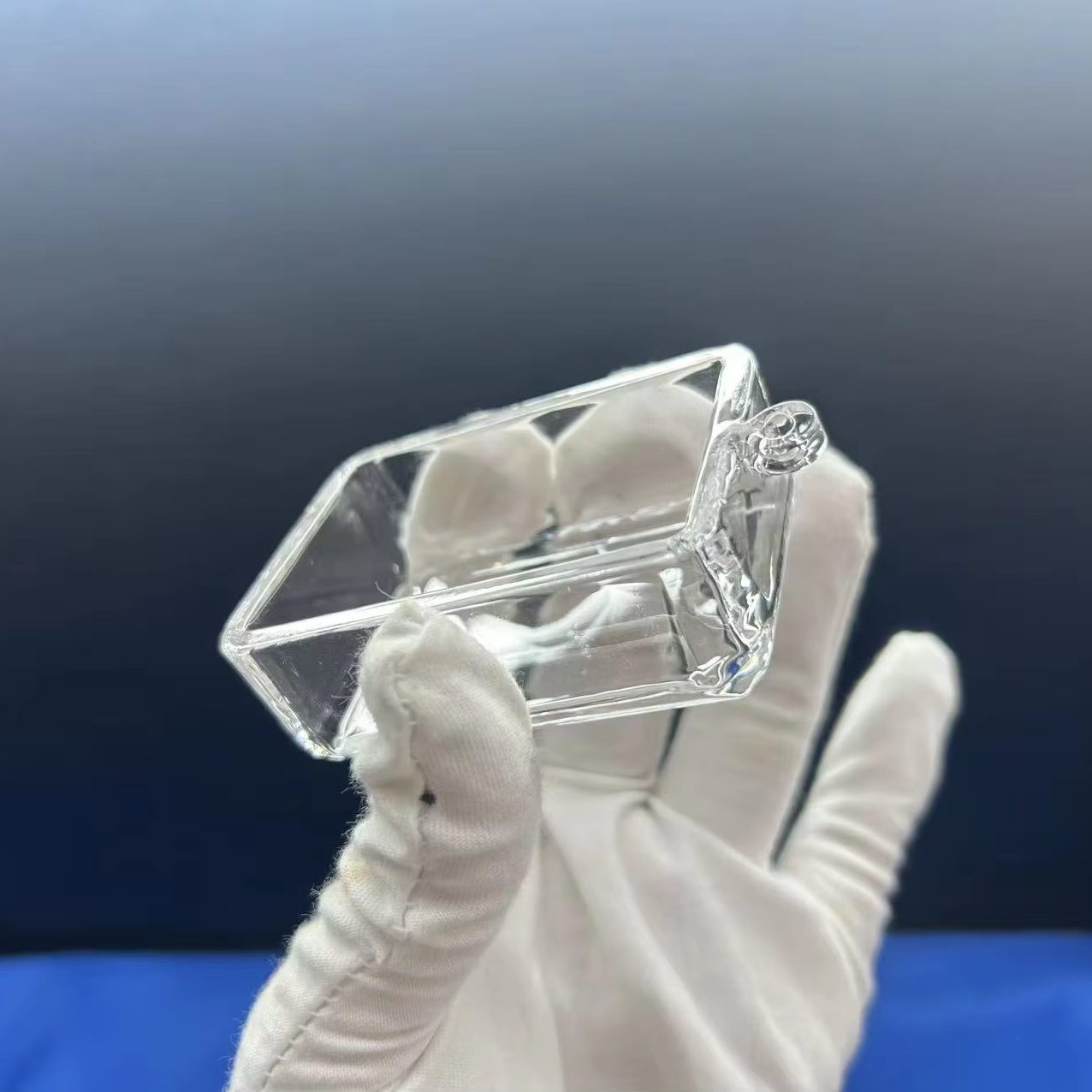
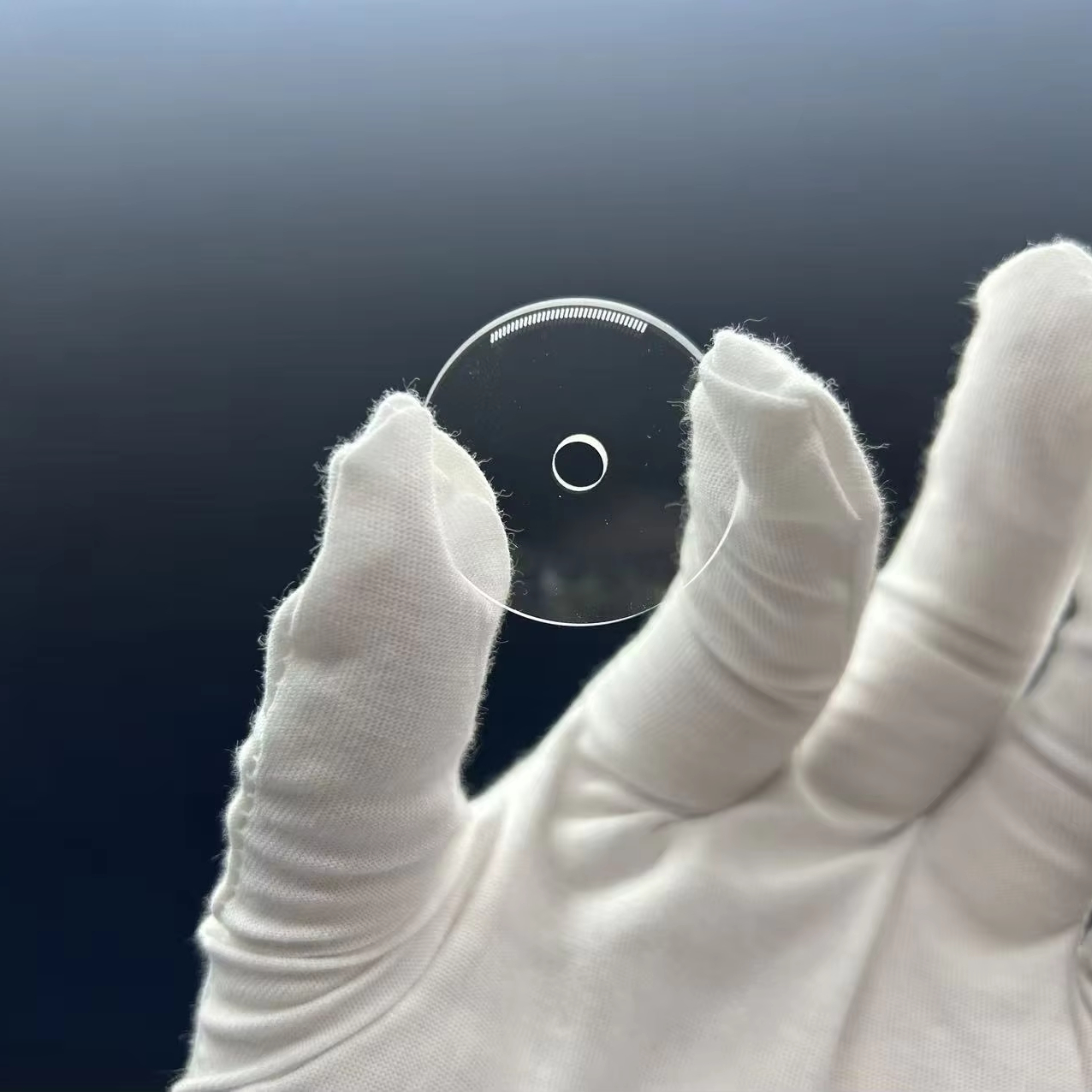
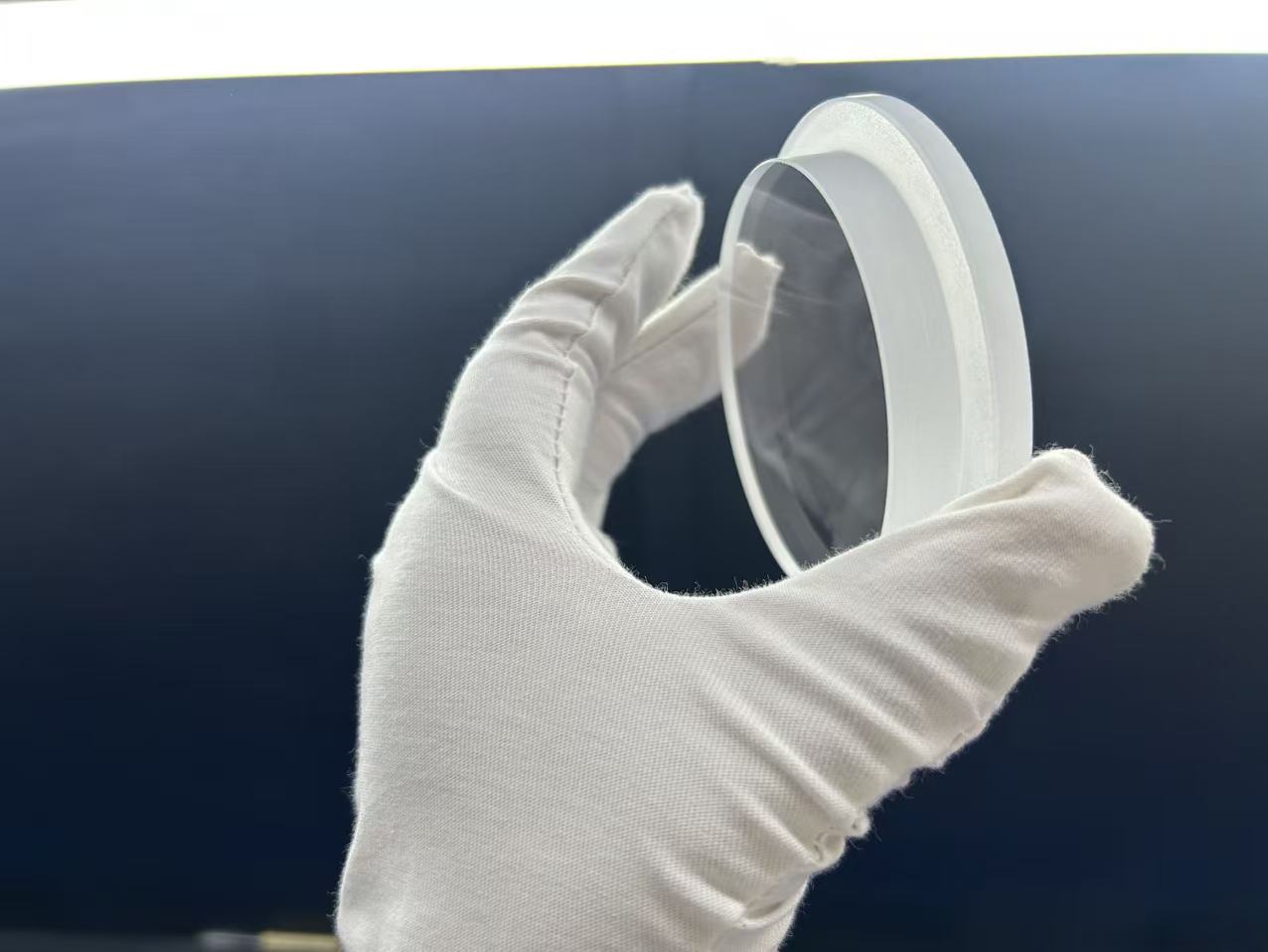
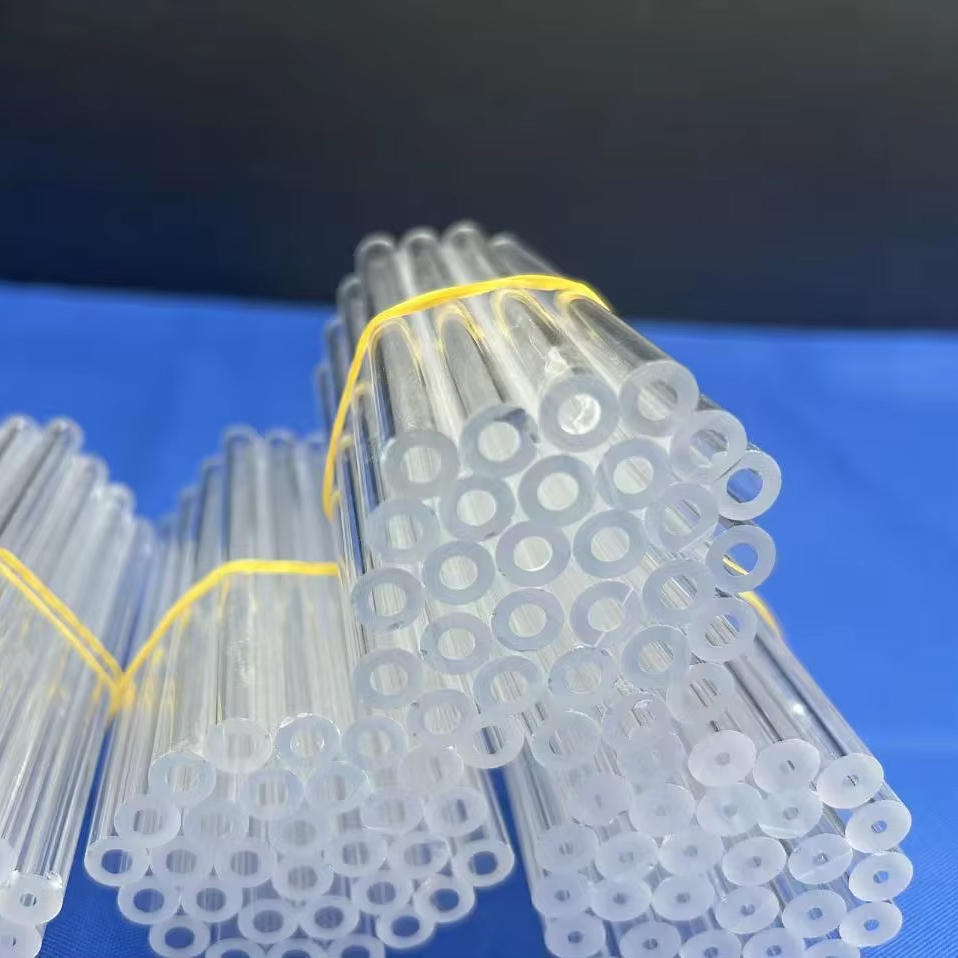
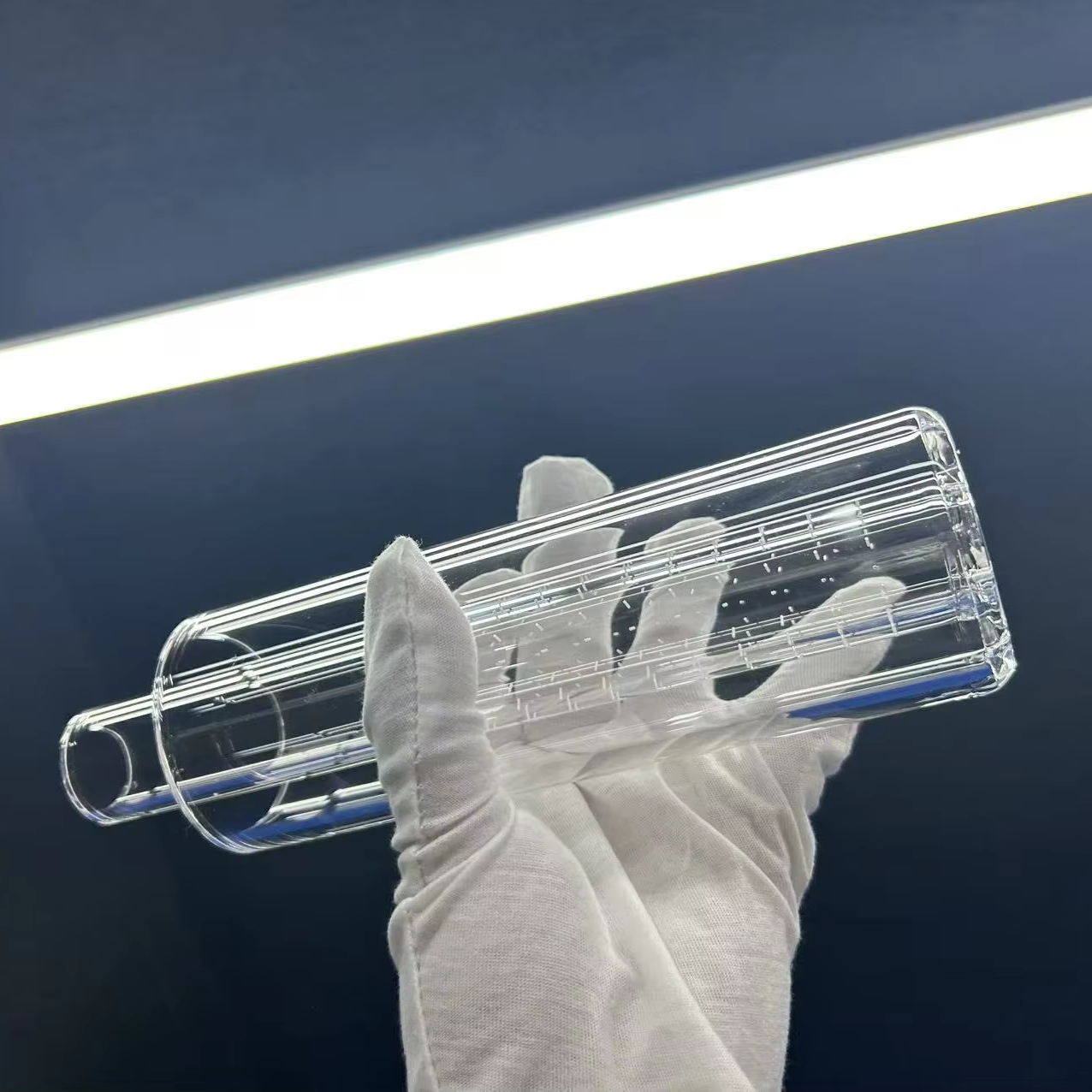
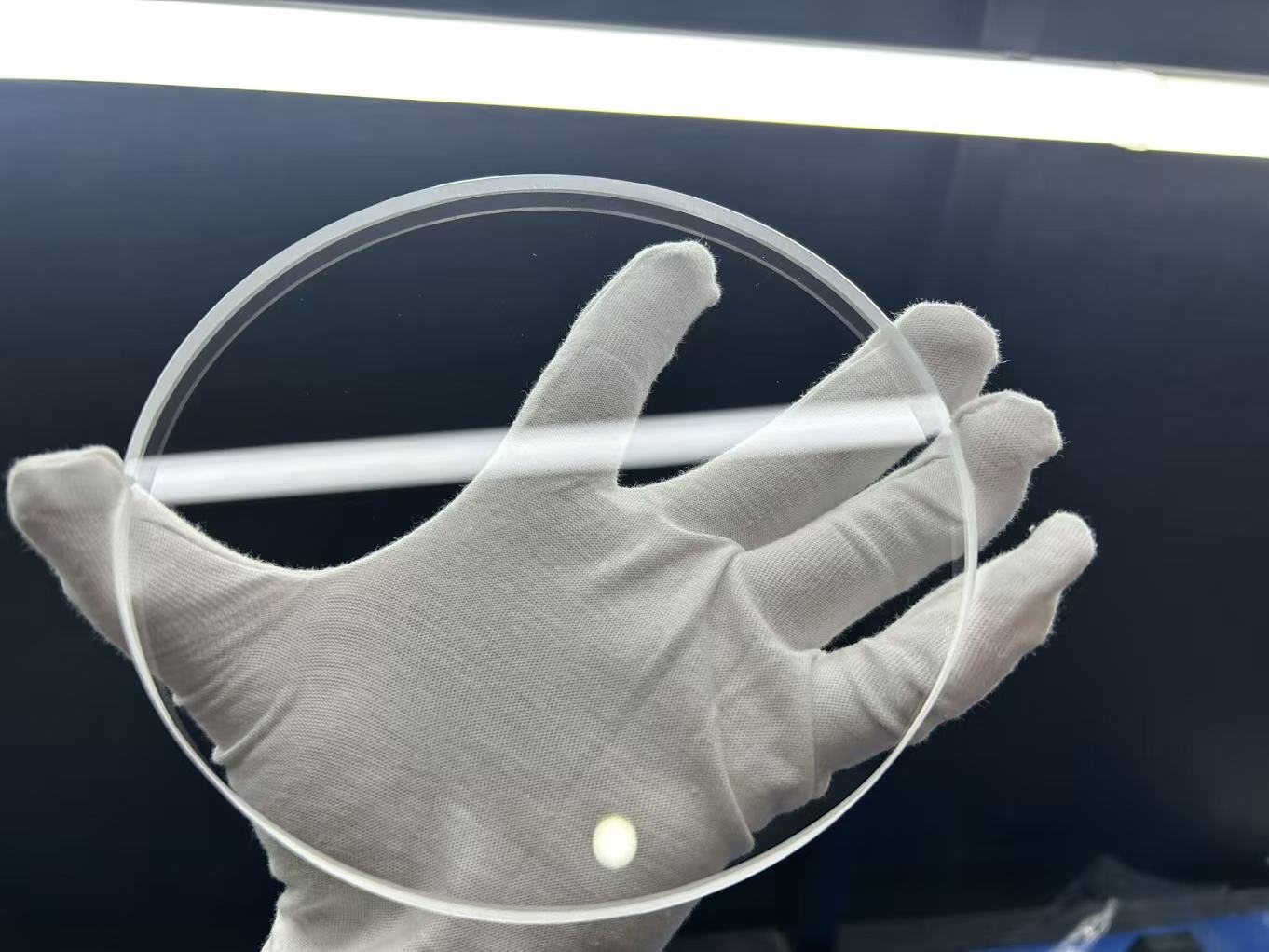
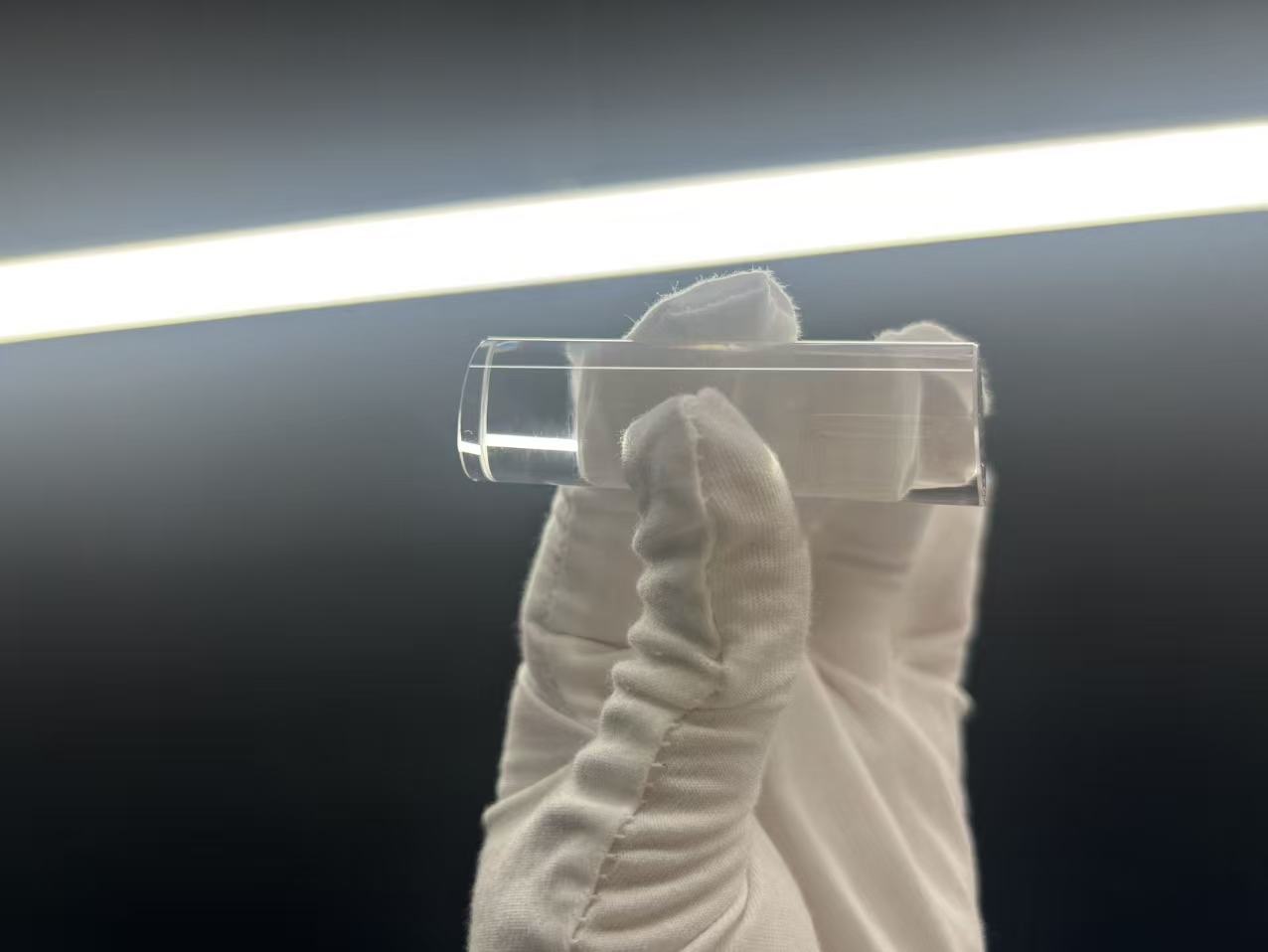
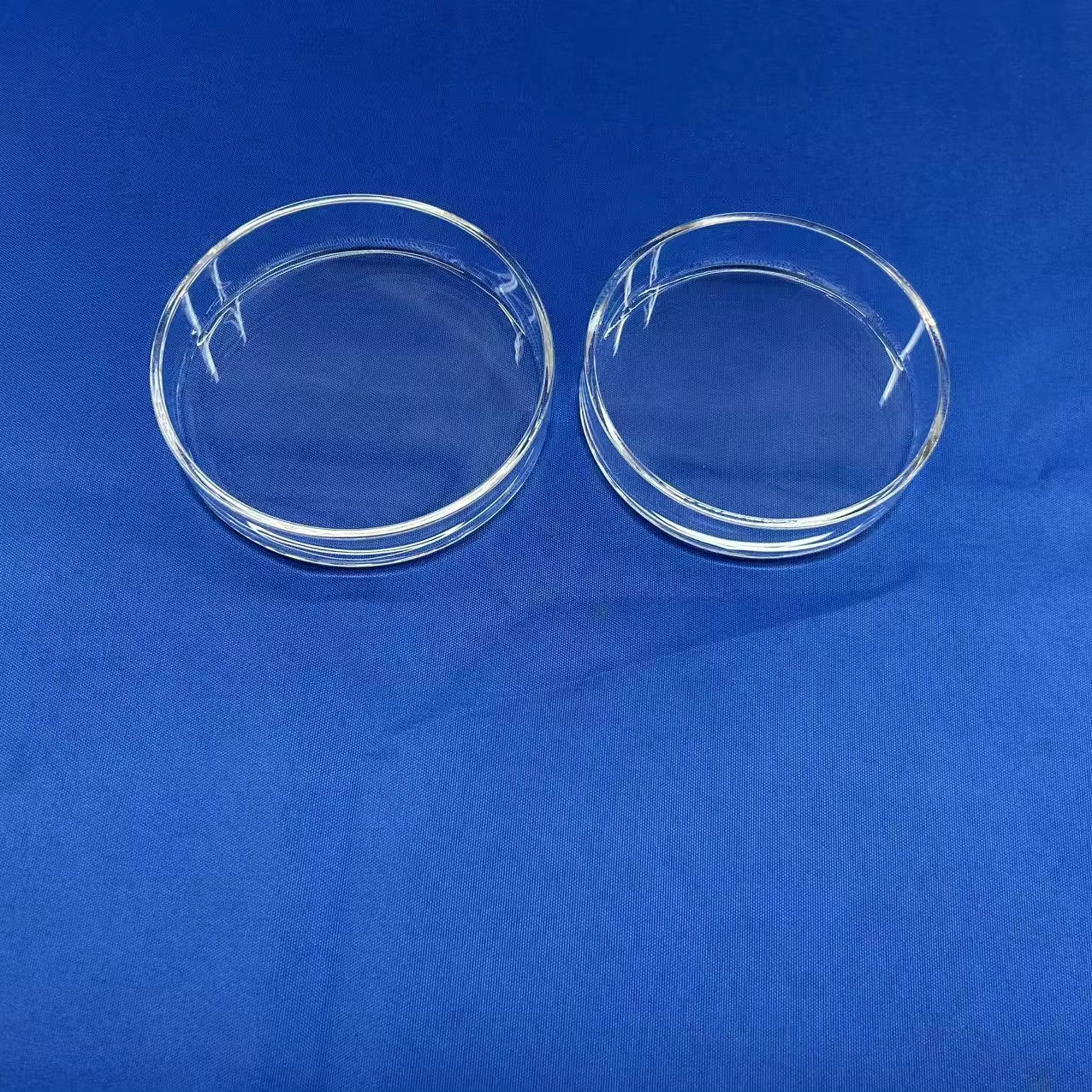
Material Science Evaluation: Fused Quartz vs. Standard Glassware
Selecting the appropriate substrate for high-temperature chemical reactions or optical inspection requires understanding the physical structure of silicon dioxide ($\text{SiO}_2$). Unlike standard borosilicate or soda-lime glass, which contain substantial additive oxides ($\text{B}_2\text{O}_3$, $\text{Na}_2\text{O}$, $\text{CaO}$) to reduce melting temperatures, high-purity clear fused quartz is created by melting naturally occurring crystalline quartz or synthetic silicon tetrachloride ($\text{SiCl}_4$) at temperatures exceeding 2000°C.
This single-component amorphous network yields unique physical characteristics that make OEM custom quartz beakers necessary in high-stress environments:
| Performance Parameter | Clear Fused Quartz (Nivra OEM) | Borosilicate Glass 3.3 | Soda-Lime Glass |
|---|---|---|---|
| Continuous Max Temperature | 1100 °C | 450 °C - 500 °C | 120 °C |
| Short-Term Peak Temperature | 1450 °C | 550 °C | 150 °C |
| Coefficient of Thermal Expansion (CTE) | 5.5 × 10⁻⁷ /°C (Near Zero) | 3.3 × 10⁻⁶ /°C | 9.0 × 10⁻⁶ /°C |
| Thermal Shock Resistance | Quenched from 1000°C to 20°C water without fracture | Fails at ΔT > 160°C | Fails at ΔT > 60°C |
| Chemical Purity ($\text{SiO}_2$) | ≥ 99.99% (Trace impurities < 15 ppm) | ~ 81% ($\text{B}_2\text{O}_3$ ~ 13%) | ~ 72% ($\text{Na}_2\text{O}$ ~ 14%) |
| UV-Vis Spectral Transmission | High transmittance from 220 nm UV to 2500 nm IR (JGS2) | Cuts off around 310 nm UV | Cuts off around 350 nm UV |
Optical Grade Classifications for Custom Beakers & Windows
Depending on the specific industrial or laboratory application in Vancouver, Nivra Quartz supplies custom beakers, sight glasses, and quartz vessels manufactured from three distinct optical glass grades:
- JGS1 (Synthetic Fused Silica): Produced via flame hydrolysis of silicon halides. Free from bubbles and inclusions, JGS1 provides deep ultraviolet transmission starting at 185 nm, ideal for UV photolithography, laser synthesis beakers, and precision fluorescence spectroscopy.
- JGS2 (Continuous Fused Quartz): Refined from high-purity natural crystal sand. JGS2 offers exceptional optical transparency across the UV-Visible spectrum (220 nm to 2500 nm), serving as the standard raw material for heavy-wall OEM quartz glass beakers, quartz digest tanks, and sight windows.
- JGS3 (Infrared Grade Fused Quartz): Electrically fused under dry vacuum conditions to lower the hydroxyl ($\text{OH}^-$) content below 5 ppm. JGS3 eliminates the $\text{OH}^-$ absorption band at 2.73 µm, enabling transmission in the infrared spectrum up to 3500 nm.
Localized Application Scenarios in Vancouver's High-Tech Ecosystem
Greater Vancouver, spanning major industrial and technology nodes in Burnaby, Richmond, Surrey, and Delta, has developed into a premier hub for CleanTech innovation, hydrogen fuel cell engineering, oceanographic sciences, and university research. Standard off-the-shelf glassware often fails to meet the stringent demands of these specialized sectors. Nivra Quartz manufactures custom OEM quartz beakers and fused silica components tailored to specific regional industries:
Hydrogen Fuel Cell & Electrolyzer Testing
Vancouver's leading clean energy companies test proton exchange membrane (PEM) stacks and catalyst formulations at high temperatures. Custom heavy-wall quartz beakers with fused gas spargers withstand boiling acidic solutions (hydrochloric and concentrated sulfuric acid) without leaching trace metal ions that degrade membrane efficiency.
Biotechnology & Genomic R&D
Research facilities near the University of British Columbia (UBC) and Simon Fraser University (SFU) utilize small-footprint quartz beakers with optical-grade polished bottoms for spectrophotometric titrations, cell lysis, and high-purity buffer preparation where protein adsorption to borosilicate glass surfaces must be minimized.
Marine & Environmental Analytical Testing
Pacific Northwest marine labs test coastal waters for trace metal heavy pollutants. Acid digestion in Nivra custom quartz glass beakers guarantees near-zero background contamination during aqua regia and nitric acid boiling, producing accurate inductively coupled plasma mass spectrometry (ICP-MS) baselines.
Advanced Semiconductor Packaging & MEMS
Microelectronics and sensor packaging plants in the Fraser Valley deploy square profile fused quartz cleaning tanks and thick-walled beakers for wafer cleaning, ultrasonic bath solvent stripping, and acid vapor deposition without risk of thermal cracking under rapid power cycling.
High-Temperature Ashing & Material Synthesis
Materials testing labs require tall-form, thick-walled quartz beakers with custom handles to withstand high-temperature muffle furnace insertion up to 1100°C for inorganic sample calcination, precious metal refining, and lithium battery cathode precursor thermal processing.
Localized Procurement Trends & Direct OEM Supply Resilience
Procurement workflows for scientific glassware and custom industrial quartz in Western Canada are undergoing structural shifts. Procurement managers across Metro Vancouver prioritize three core strategies when establishing supply chains:
1. Transition from Standard Catalog Ware to Custom Specification
Off-the-shelf laboratory catalogs often supply standardized beakers with fixed height-to-diameter ratios, thin walls (1.5mm to 2.0mm), and standard pour spouts. However, pilot plants and customized experimental setups require heavy-wall construction (4mm to 8mm wall thickness), flat ground flange rims for O-ring vacuum sealing, dual jacketed liquid cooling passages, or fused quartz thermowells for internal temperature sensing. Direct engineering engagement with factory source manufacturers enables exact CAD-to-glass fabrication.
2. Direct Sourcing from Direct Manufacturing Hubs
Buying quartz glassware through multi-tier domestic distributors often incurs markup margins of 200% to 400% alongside long stock lead times. Vancouver businesses increasingly establish direct procurement channels with primary manufacturing clusters. Located in Donghai County—the world's hub for quartz material processing and glassblowing—Nivra Quartz provides direct pricing, direct engineering reviews, and dedicated production lines.
3. Streamlined Logistics to the Port of Vancouver & YVR Air Cargo
Fragile glass transit requires engineered packaging. Nivra Quartz utilizes custom die-cut Expanded Polyethylene (EPE) foam enclosures, vacuum seal wrapping, and fumigation-free reinforced wooden crates. For urgent research and production schedules, direct air freight into Vancouver International Airport (YVR) delivers custom-fabricated components in 5 to 7 days, while consolidated ocean shipping via the Port of Vancouver offers low-cost fulfillment for recurring volume production.
Factory OEM Advantage: Precision Manufacturing & Quality Control
At Donghai County Nivra Quartz Products Co., Ltd., our manufacturing facilities combine automated glass machining technology with traditional master glassblowing. Operating on the core principle of "Quality First, Reputation First," our capabilities support demanding OEM/ODM custom specifications:
High-Purity Raw Material Sourcing
Utilizing raw crystal reserves from Donghai, our quartz glass maintains an $\text{SiO}_2$ content exceeding 99.99%. Trace metal contaminants (Fe, Al, Na, K, Li) are maintained below 15 ppm, preventing chemical sample contamination.
Precision CNC & Cold Processing
Equipped with 5-axis CNC diamond grinding centers, ultrasonic drilling tools, and precision lapping machines, we achieve dimensional tolerances down to ±0.05 mm, flatnesses under 1 light band, and surface roughness of Ra < 0.02 µm.
Thermal Annealing & Stress Relief
All welded quartz beakers, spouts, and handles undergo computer-controlled thermal annealing cycles at 1150°C. Controlled ramp-down rates eliminate internal thermal stress, ensuring maximum mechanical strength and explosion-proof reliability under rapid thermal cycling.
Custom Fabrication & Modifications
Full customization options including volumetric graduation markings (laser etched or ceramic printed), custom pour spout geometries, ground-glass joints (ST/NS taper joints), dual jacket cooling layers, and integrated quartz stopcocks.
Rapid Engineering Support
Our engineering team reviews PDF drawings, CAD DWG files, and 3D STEP models with an average initial response time under 5 hours (measured response rate over 88.89%).
Vancouver Technical Procurement FAQ: Custom Quartz Beakers
Common technical and logistical questions answered for procurement specialists, lab technicians, and OEM design engineers in Western Canada:
How do quartz glass beakers differ from standard borosilicate 3.3 laboratory beakers?
While borosilicate glass is suitable for standard heating up to 450°C, high-purity clear fused quartz can withstand continuous operating temperatures up to 1100°C and short-term peak exposures to 1450°C. Fused quartz features a thermal expansion coefficient ($5.5 \times 10^{-7} /^\circ\text{C}$) that is roughly 1/6th that of borosilicate glass. This near-zero expansion allows a quartz beaker to be heated red-hot and quenched directly into cold water without shattering. Furthermore, fused quartz lacks boron, sodium, and calcium additive oxides, preventing metal ion contamination during trace acid digestion.
Can Nivra Quartz manufacture custom dimensions, non-standard wall thicknesses, or specific spouts?
Yes. We specialize in custom OEM and ODM manufacturing. Whether you require micro-beakers (5 mL), standard form sizes (50 mL to 5000 mL), or heavy-wall industrial tanks (up to 50 liters), we build to your exact technical drawings. Custom features include reinforced rim bead thickness, flat ground vacuum flanges, specialized pouring spouts, optical bottom plates, dual jacket liquid cooling walls, and internal thermowell tubes.
Which optical quartz grade should I select for photochemistry or UV laser applications?
For deep UV photochemistry, excimer laser irradiation, or ultraviolet titrations below 220 nm, we recommend JGS1 Synthetic Fused Silica, which maintains high transmittance down to 185 nm. For general optical sight windows, reaction vessels, and laboratory heating beakers operating in the 220 nm to 2500 nm spectrum, JGS2 Clear Fused Quartz provides optimal balance between optical clarity and cost efficiency.
How does Nivra Quartz protect fragile glass shipments to Metro Vancouver?
We employ export-grade packaging engineered for glass transit. Each custom quartz beaker is individually cleaned, wrapped in anti-static protective film, and encased within custom-molded high-density EPE foam. The inner boxes are placed into double-wall corrugated shipping cartons or fumigation-free plywood export crates. Long tubes and large tanks are supported by internal structural bracing to eliminate vibration stress during air or ocean transit into Canada.
What are the lead times and minimum order quantities (MOQ) for custom OEM orders?
To support prototyping and research needs across Vancouver universities and startup incubators, our MOQ for custom quartz beakers starts from as few as 1 to 5 pieces for complex custom fabrications, and 10 to 50 pieces for standardized items. Prototype samples are typically fabricated within 7 to 10 working days after CAD drawing sign-off. Mass production runs are completed in 2 to 3 weeks depending on quantity and thermal processing steps.
What CAD file formats should I submit for an OEM engineering quotation?
Our engineering team reviews standard 2D vector drawings (PDF, DWG, DXF) with explicit dimensional tolerances, wall thickness requirements, and surface finish notes. For 3D volumetric glass parts, jacketed vessels, or CNC-machined step plates, please submit STEP (.stp) or IGES (.igs) files to our technical support team for review.
Request a Custom Quartz Glass Fabrication Quote
Partner with Donghai County Nivra Quartz Products Co., Ltd. for direct factory pricing, high-purity materials, and precision engineering support. Send us your CAD drawings or technical requirements today.