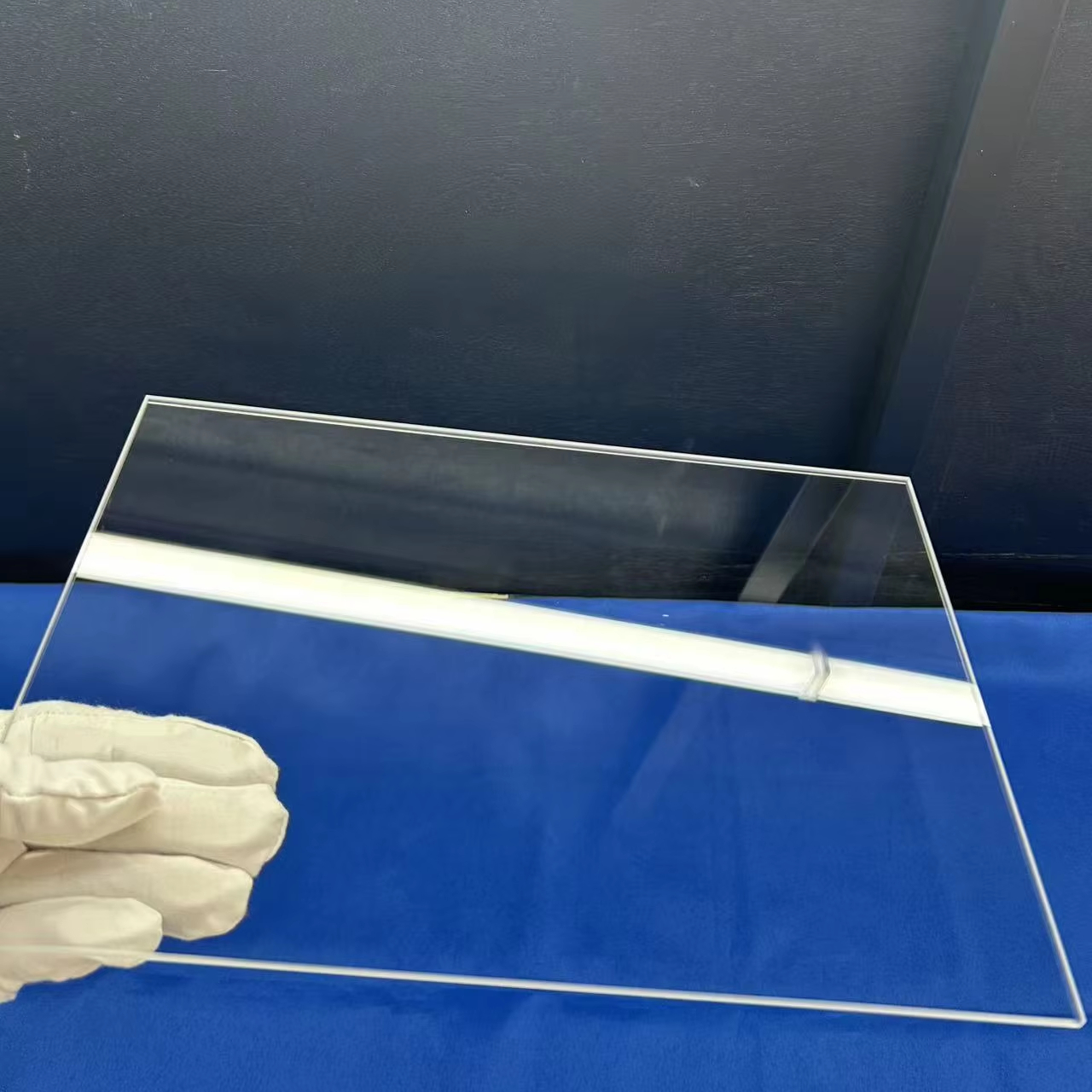
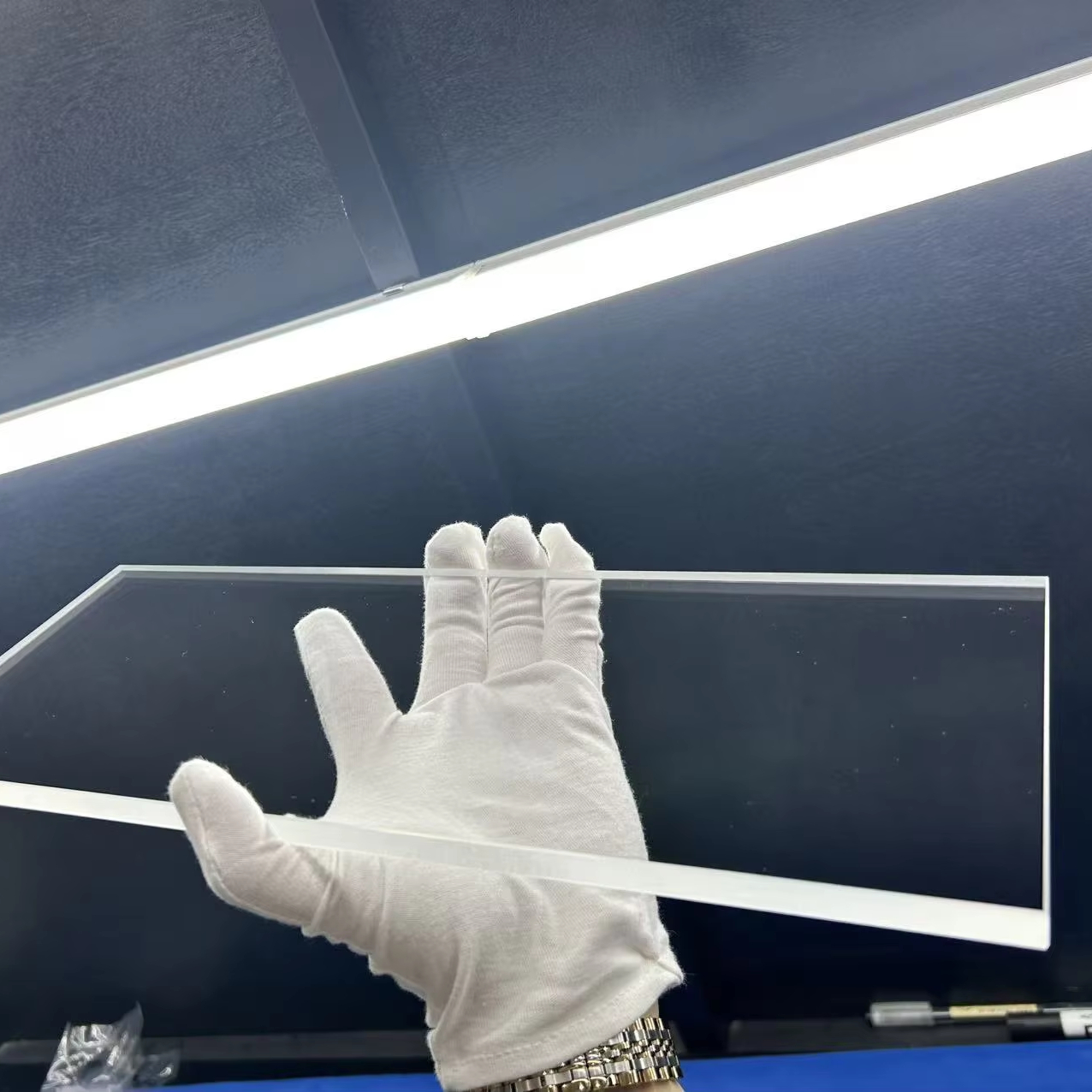
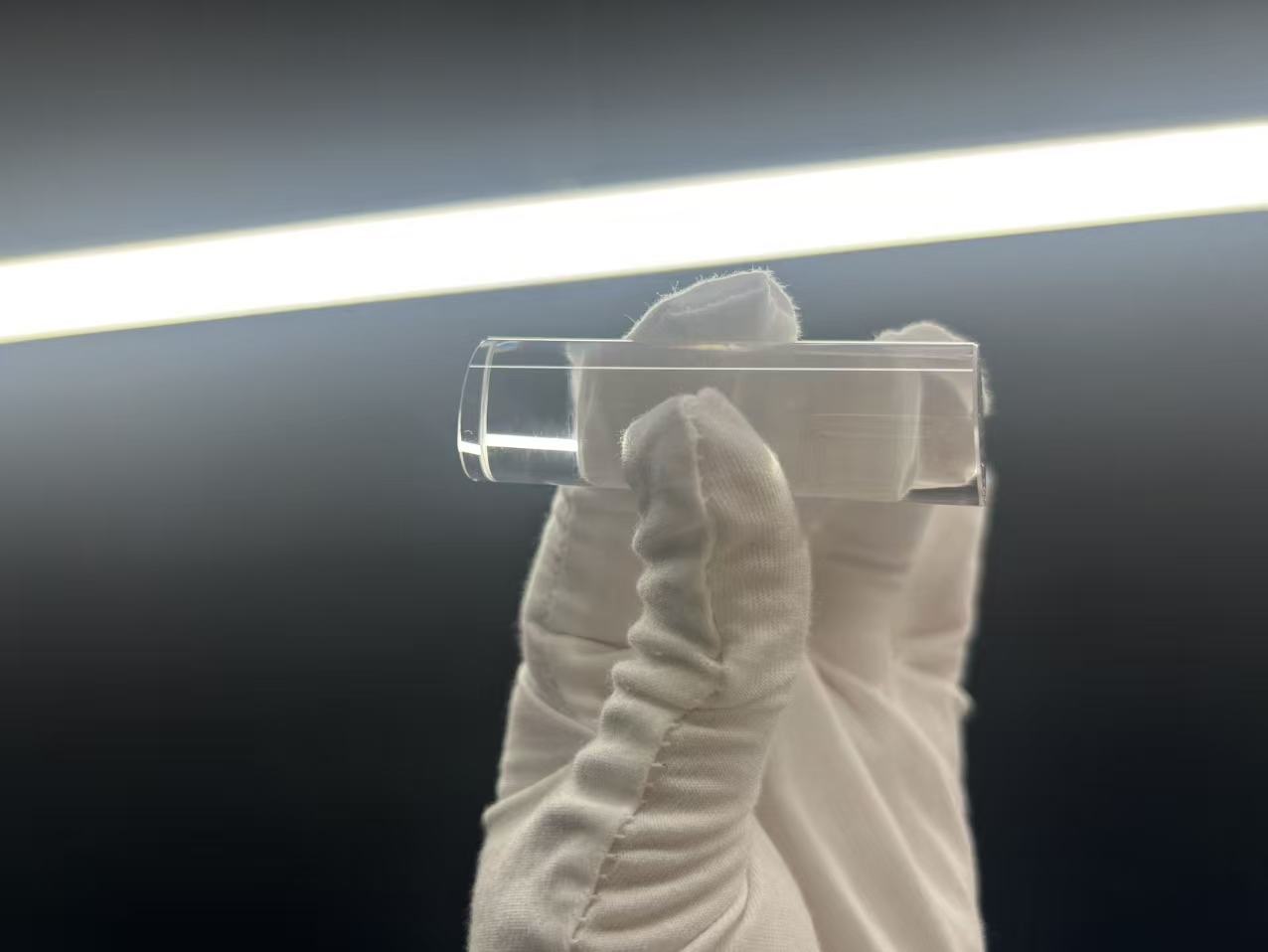
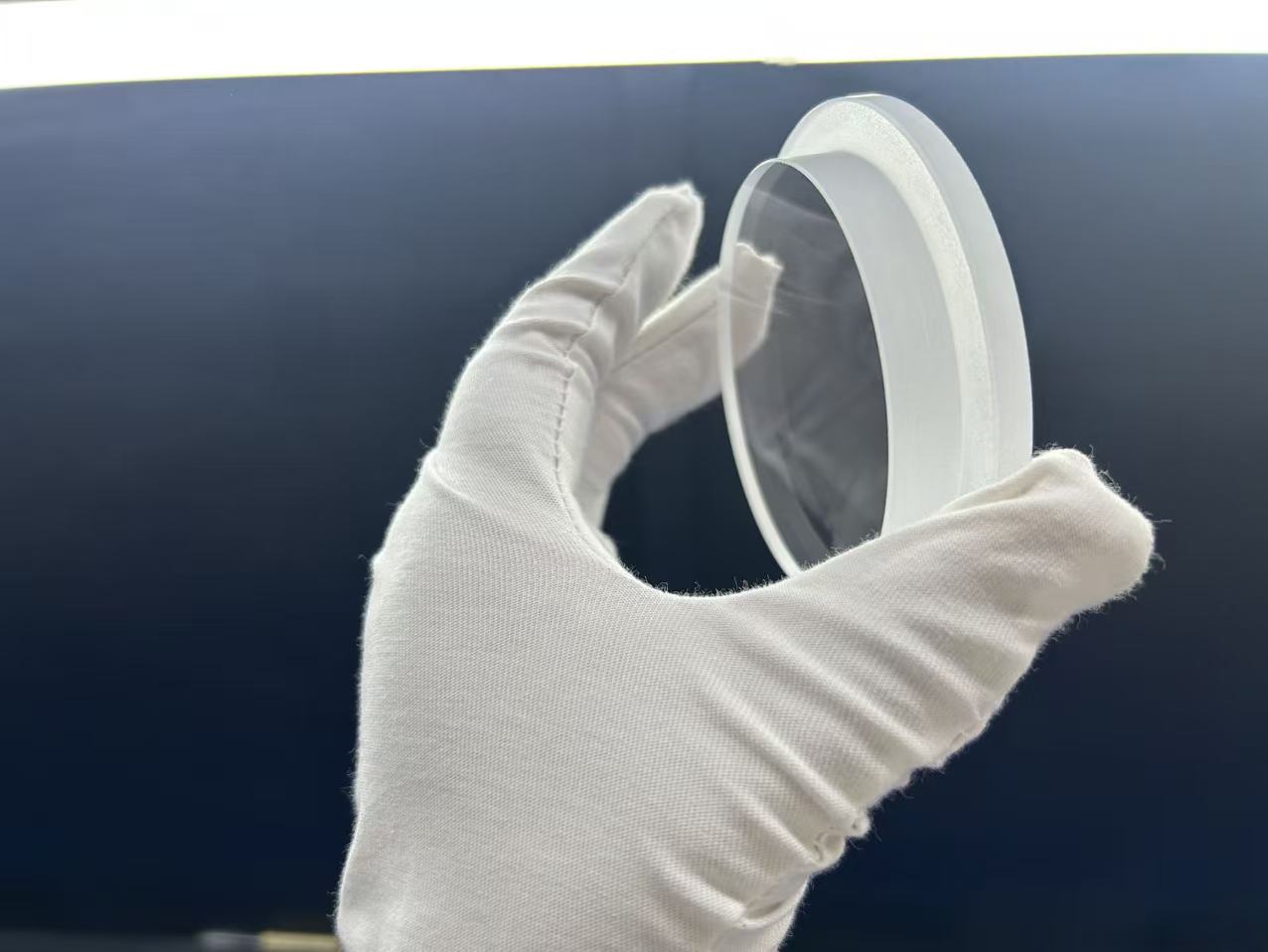
Featured Porous & Precision Fused Quartz Assemblies
Explore our primary high-purity quartz product lines engineered for thermal stability, extreme chemical resistance, and controlled fluid dynamics in cleanroom manufacturing.
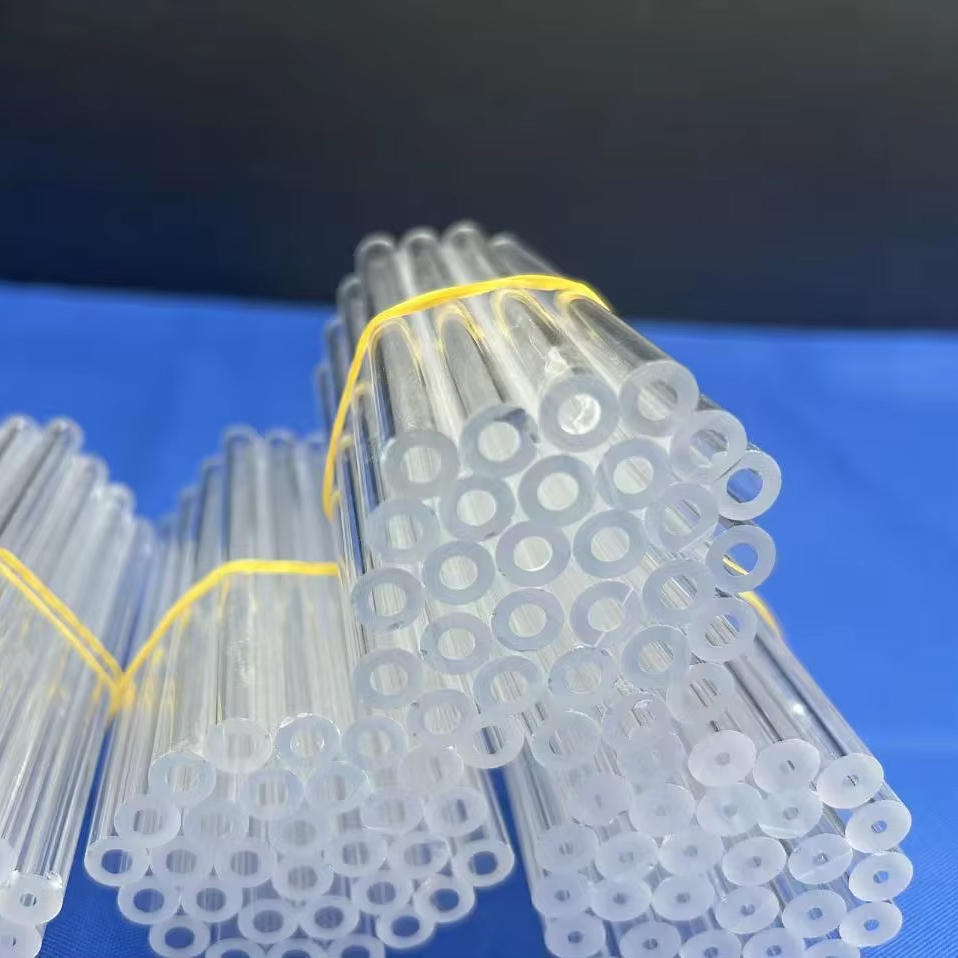
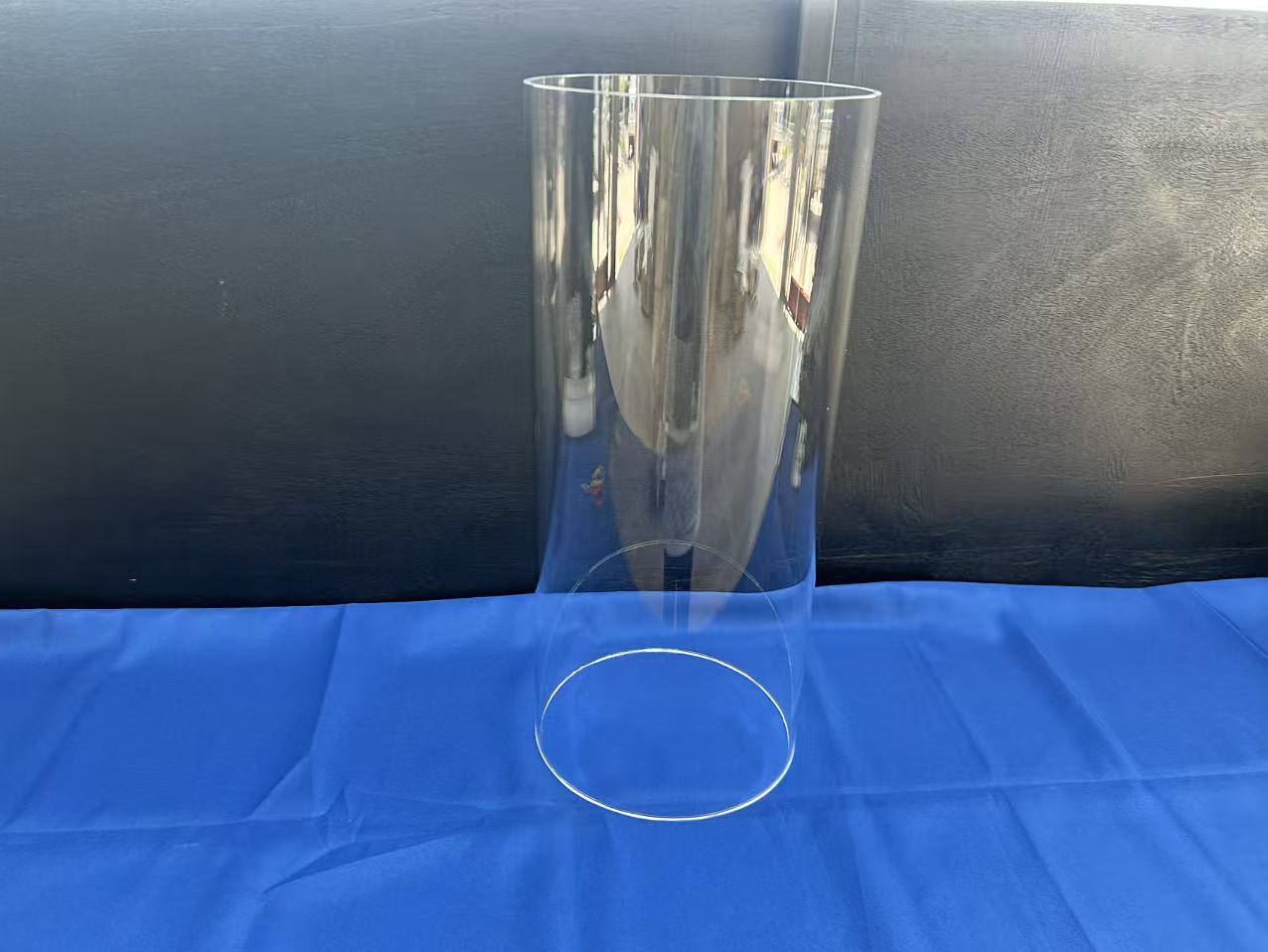
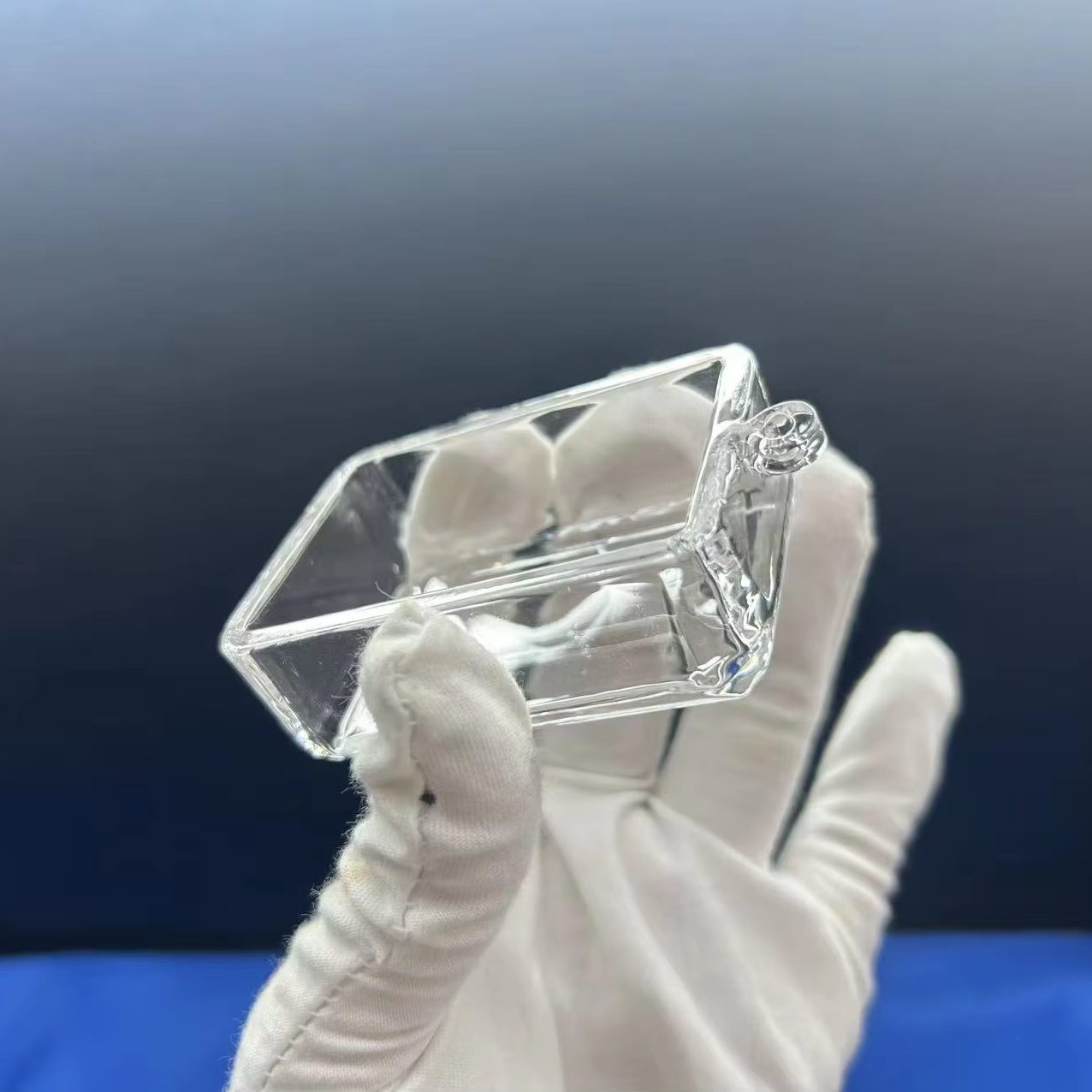
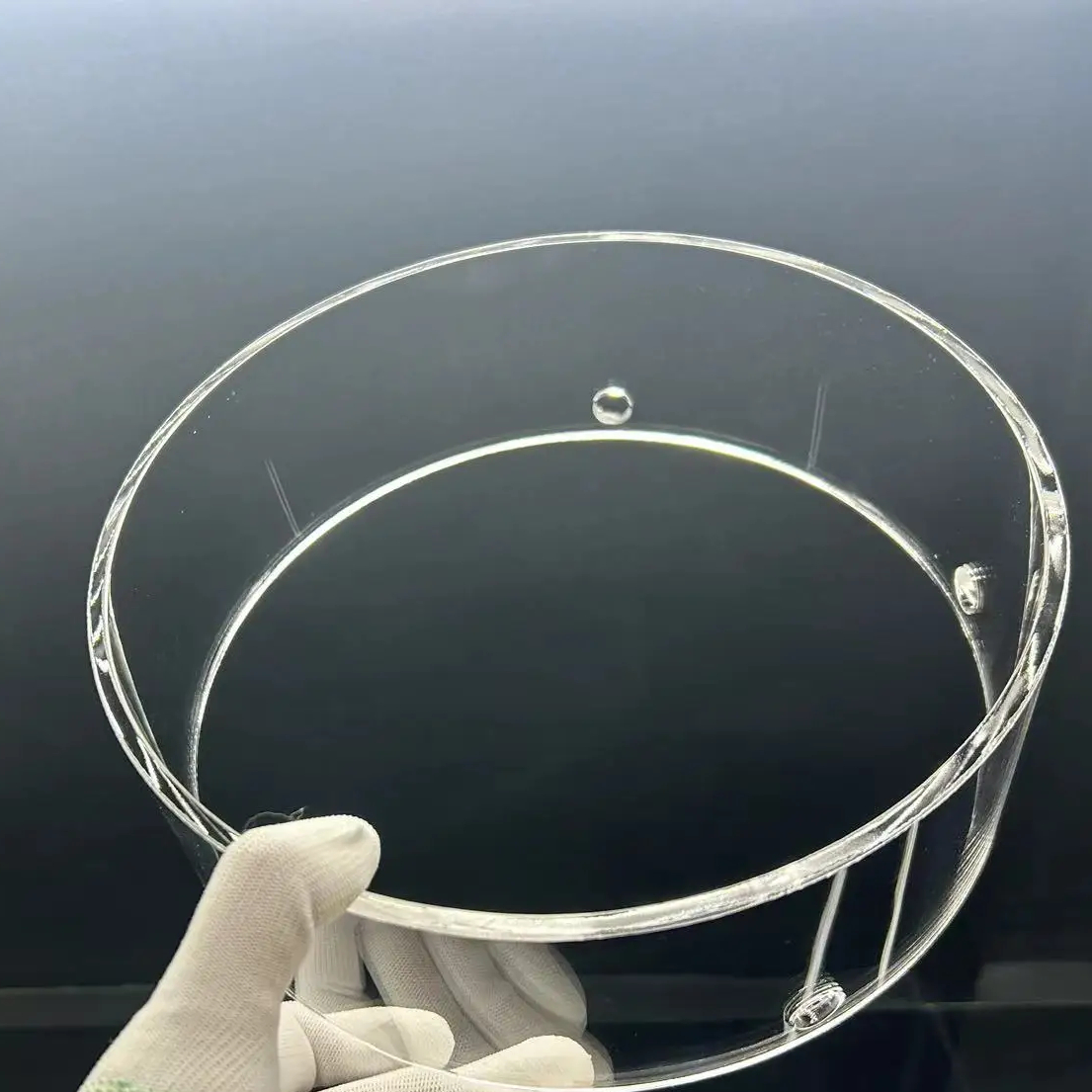
Engineering Porous Quartz Glass: The Material Science of Controlled Permeability
Porous quartz glass—frequently referred to as sintered fused quartz frits or porous silica discs—represents a specialized class of high-purity glass matrix engineered through thermal coalescence of high-purity quartz grains without full fusion. Unlike standard dense fused silica, porous quartz features an interconnected, open-cell micro-porous structure optimized for liquid sparging, micro-filtration, gas dispersion, and catalyst support in aggressive chemical and high-thermal environments.
By carefully controlling raw material particle morphology, cold-isostatic compaction pressure, and high-temperature vacuum sintering cycles (typically between 1150°C and 1300°C), specialized OEMs synthesize porous quartz bodies with defined pore throat diameters ranging from 1 micron (G5) up to 160 microns (G0). The result is an isotropic material offering near-zero thermal expansion (5.5 × 10⁻⁷ /°C), exceptional resistance to thermal shock, structural rigidity up to 1100°C continuous loading, and total immunity to trace elemental contamination.
Microstructural Physics: Darcy's Law & Gas Dynamics
Fluid transport across a porous quartz disc is dictated by viscous and Knudsen flow regimes, mathematically modeled via Darcy's Law for permeable media:
Where Q represents volumetric flow rate, k is intrinsic permeability, A is disc cross-sectional area, ΔP is pressure drop, μ is fluid dynamic viscosity, and L is substrate thickness. Donghai's precision sintering ensures uniform k values across entire batch lots.
Localized Industrial Integration: Porous Quartz in Portland & Silicon Forest
Portland, Oregon, and the surrounding Silicon Forest region (including Hillsboro, Beaverton, and Tigher) host world-class semiconductor fabrication plants, photolithography research institutes, clean energy innovators, and advanced environmental analytical laboratories. OEM porous quartz components play an indispensable role across Portland's advanced manufacturing infrastructure.
Semiconductor Wet Bench & Chemical Etch
Portland fabs utilize custom porous quartz spargers and diffusors inside sulfuric acid/hydrogen peroxide bath tanks (SPM) and hydrofluoric acid etching chambers. Porous quartz provides uniform micro-bubbling of nitrogen and ozonated deionized water without leaking heavy metals into sub-2nm wafer processes.
Photovoltaic PECVD & Solar Wafer Manufacturing
In solar cell manufacturing, gas distribution plates crafted from fine-pore quartz sintered discs ensure laminar vapor distribution during plasma-enhanced chemical vapor deposition (PECVD) and high-temperature diffusion annealing, eliminating localized turbulence and film thickness variation.
Clean-Tech Environmental Analytical Equipment
Columbia River environmental testing labs and Pacific Northwest biotechnology firms leverage low-hydroxyl (OH) porous quartz frits inside gas chromatography (GC) columns, high-temperature ash samplers, and bio-reactor aeration systems requiring 100% optical UV transparency and inertness.
Porous Quartz Pore Classification & Engineering Matrix
Selecting the correct porosity index is vital for balancing fluid flow velocity, hydraulic backpressure, and filtration efficiency. Our factory manufactures to international ISO/ASTM filtration standards:
| ISO Porosity Grade | Pore Size Range (μm) | Average Porosity (%) | Hydraulic Permeability (m/s·Pa) | Primary Application Benchmark |
|---|---|---|---|---|
| Grade G0 (P160) | 100 – 160 μm | 48% – 52% | 1.2 × 10⁻⁴ | Coarse gas distribution, support beds for bulk catalysts, high-flow liquid drainage |
| Grade G1 (P100) | 40 – 100 μm | 44% – 48% | 6.5 × 10⁻⁵ | Gas bubbling spargers, coarse vacuum extraction, liquid-gas separation filters |
| Grade G2 (P40) | 16 – 40 μm | 40% – 45% | 2.1 × 10⁻⁵ | Analytical gas washing, medium-grade particulate filtration in wet benches |
| Grade G3 (P16) | 10 – 16 μm | 38% – 42% | 4.8 × 10⁻⁶ | Fine chemical precipitate filtration, mercury immersion diffusion, micro-sparging |
| Grade G4 (P10) | 4 – 10 μm | 35% – 38% | 8.2 × 10⁻⁷ | Ultra-fine particle retention, semiconductor high-purity chemical mist elimination |
| Grade G5 (P4) | 1 – 4 μm | 30% – 35% | 1.1 × 10⁻⁷ | Bacterial micro-filtration, optical gas flow restriction, microfluidic barriers |
Material Comparison: Fused Quartz vs. Borosilicate vs. Sapphire
When sourcing porous and solid glass components for demanding applications in Portland, selecting the optimum substrate material is critical to avoid thermal shock failure, chemical etching breakdown, or micro-trace ion leaching.
| Physical Property / Parameter | High-Purity Fused Quartz (SiO2) | Borosilicate Glass 3.3 | Synthetic Sapphire (Al2O3) |
|---|---|---|---|
| Chemical Purity Index | > 99.99% SiO2 (Impurity < 20 ppm) | B2O3 (13%), Na2O/K2O (4%) | > 99.995% Al2O3 Single Crystal |
| Max Operating Temp (Continuous) | 1100°C | 500°C | 1900°C |
| Softening Temperature | 1683°C | 820°C | 2050°C |
| Coeff. of Thermal Expansion (CTE) | 5.5 × 10⁻⁷ /°C | 32.5 × 10⁻⁷ /°C | 58.0 × 10⁻⁷ /°C |
| Thermal Shock Resistance (ΔT) | Extreme (1000°C to cold water) | Moderate (160°C delta) | High (requires controlled ramp) |
| Deep-UV Transmission (200nm) | > 85% (JGS1 synthetic up to 90%) | 0% (Opaque below 300nm) | > 80% |
| HF Acid Resistance | Attacked by HF; resistant to all other acids | Severely degraded by alkalis & HF | Highly resistant to HF and alkalis |
Factory Customization & OEM Processing Capabilities
Donghai County Nivra Quartz Products Co., Ltd. operates an integrated manufacturing facility in Jiangsu—China's crystal capital—equipped with multi-axis CNC glass machining center, precision flame welding lathes, laser cutting, and cleanroom annealing furnaces.
1. Precision Machining & Dimensional Tolerances
We process custom porous quartz discs, step plates, square sheets, and tubular frits with outer dimensions ranging from 2 mm up to 450 mm. Our CNC grinding and diamond edging enable dimensional tolerances as tight as ±0.02 mm and parallelism within <0.01 mm for optical bench mounting.
2. Diffusion Bonding & Quartz Tube Welding
Integrating porous frits into solid dense quartz tubes requires masterful thermal management. Our certified glassblowers execute high-temperature hydrogen-oxygen flame fusion, seamlessly sealing porous discs inside clear quartz test tubes, furnace liners, or bubbling columns without collapsing the micro-porous structure.
3. BET Surface Characterization & Quality QC
Every OEM porous batch undergoes rigorous Quality Control, including Brunauer-Emmett-Teller (BET) specific surface area analysis, Mercury Intrusion Porosimetry (MIP), and Bubble Point pressure testing to guarantee absolute pore uniformity and verify zero micro-crack defects.
Need Custom Porous Quartz Components Engineered for Your Portland Fab?
Consult directly with our quartz engineers today. Send your PDF/DWG drawings, required porosity grades, and target thermal specs for a detailed quote within 5 hours.
Why Portland Engineers Choose Nivra Quartz Factory Direct
Navigating international supply chains for high-precision technical glass requires absolute confidence in supplier competency, material traceability, and packaging integrity. Donghai County Nivra Quartz Products Co., Ltd. combines raw material access with rigorous export logistics.
- Direct Sourcing from China's Quartz Capital: Located in Donghai County, we leverage abundant high-purity natural quartz crystal reserves, significantly reducing raw material lead times and cost structures.
- Verified Manufacturing Scale: Operating with 101–200 skilled personnel, dedicated cleanroom assembly zones, and certified ISO 9001 quality management workflows.
- Specialized Shockproof Packaging: Porous and thin-wall quartz glass items are individually ultrasonic-cleaned, vacuum-sealed in cleanroom anti-static film, and encased in custom EPE foam inside reinforced export wooden cases to guarantee zero transit damage to Portland International Airport or the Port of Portland.
- Rapid Technical SLA: 88.89% inquiry response rate with an average initial technical assessment delivered in under 5 hours.
Quality Assurance Framework
Spectrometric Purity Verification
Inductively Coupled Plasma Mass Spectrometry (ICP-MS) raw silica raw material testing ensuring heavy metal contamination (Fe, Cu, Ni, Na) remains <15 ppm total.
Annealing Stress Relieving
Computerized thermal annealing cycles up to 1150°C eliminate internal residual strain, preventing cracking during customer CNC drilling or laser processing.
Complete Dimensional CMM Report
Coordinate Measuring Machine inspection reports shipped alongside production orders for rapid client receiving inspection sign-off.
Frequently Asked Questions for Portland Buyers
Essential technical and procurement insights for Oregon engineering teams sourcing OEM porous quartz and custom glass components.
How do I specify the correct pore size for a sparging disc in a semiconductor wet bench?
For liquid-gas sparging (e.g., bubbling N2 or O3 into deionized water or etching solutions), Grade G1 (40–100 μm) or Grade G2 (16–40 μm) are most commonly selected. Grade G1 creates micro-bubbles with optimal surface area contact while maintaining a manageable pressure drop (ΔP). If your system has limited gas delivery pressure, choose G1; for ultra-fine micro-bubbling, specify G2.
Can porous quartz frits be fused into borosilicate or clear quartz glass tubing?
Porous fused quartz frits must only be thermal welded into quartz glass tubing due to matching thermal expansion coefficients (CTE of 5.5 × 10⁻⁷ /°C). Welding a quartz frit into borosilicate glass (CTE ~32.5 × 10⁻⁷ /°C) will cause immediate thermal cracking upon cooling. We manufacture complete pre-assembled quartz filter tubes, test tubes, and reaction columns directly in our factory.
What temperature limits apply to porous quartz versus standard clear fused silica?
Both porous quartz and dense clear fused quartz share the same continuous temperature ceiling of approximately 1100°C and short-term excursion limit of 1450°C (softening point ~1683°C). However, because porous quartz features a large surface-area-to-mass ratio, exposure to devitrifying agents (such as alkali salts) at temperatures above 1000°C should be strictly controlled.
How does hydrofluoric acid (HF) affect porous quartz glass filter discs?
Like all silicon dioxide glass, porous quartz is chemically etched by hydrofluoric acid (HF) and hot concentrated phosphoric acid. While quartz is far more resistant to dilute HF acid than borosilicate, exposure to strong HF will dissolve the micro-sintered neck joints between quartz grains, widening the pore sizes and compromising structural integrity over time. For non-HF acid baths (HCl, HNO3, H2SO4), porous quartz offers near-infinite chemical lifespan.
What is the typical shipping lead time and breakage prevention protocol for Portland delivery?
Custom prototype items typically take 7 to 12 production days following drawing approval; production batch lots take 2 to 3 weeks. Express air freight to Portland International Airport (PDX) or facility delivery via DHL/FedEx takes 4 to 6 business days. All items are packed in multi-layered shock-absorbing foam and drop-tested prior to dispatch. In the rare event of transit damage, we provide immediate free replacement upon photographic verification.
What is the minimum order quantity (MOQ) for custom fabricated quartz parts?
We support low-volume prototyping for OEM research labs and startup incubators in Portland. Standard catalog tubes and plates start at an MOQ of 1 to 10 pieces, whereas small custom-machined wafers or sintered filter discs typically start at 10 to 50 pieces depending on geometry and tooling setup requirements.
Partner with China's Premier Quartz OEM Manufacturer
Whether you require a single high-purity porous quartz prototype disc for R&D or high-volume recurring shipments of quartz tanks and furnace tubes for Portland fab integration, our engineering team is ready to deliver.
Fast Response Guarantee: Drawings reviewed and quoted in ≤ 5 hours. ISO 9001 Compliant Quality System.