Featured High-Purity Quartz Solutions
Manufactured in Donghai County using high-grade silicon crystal sand, fully certified for thermal endurance up to 1,450°C and resistance against acidic leaching in extreme operational environments.
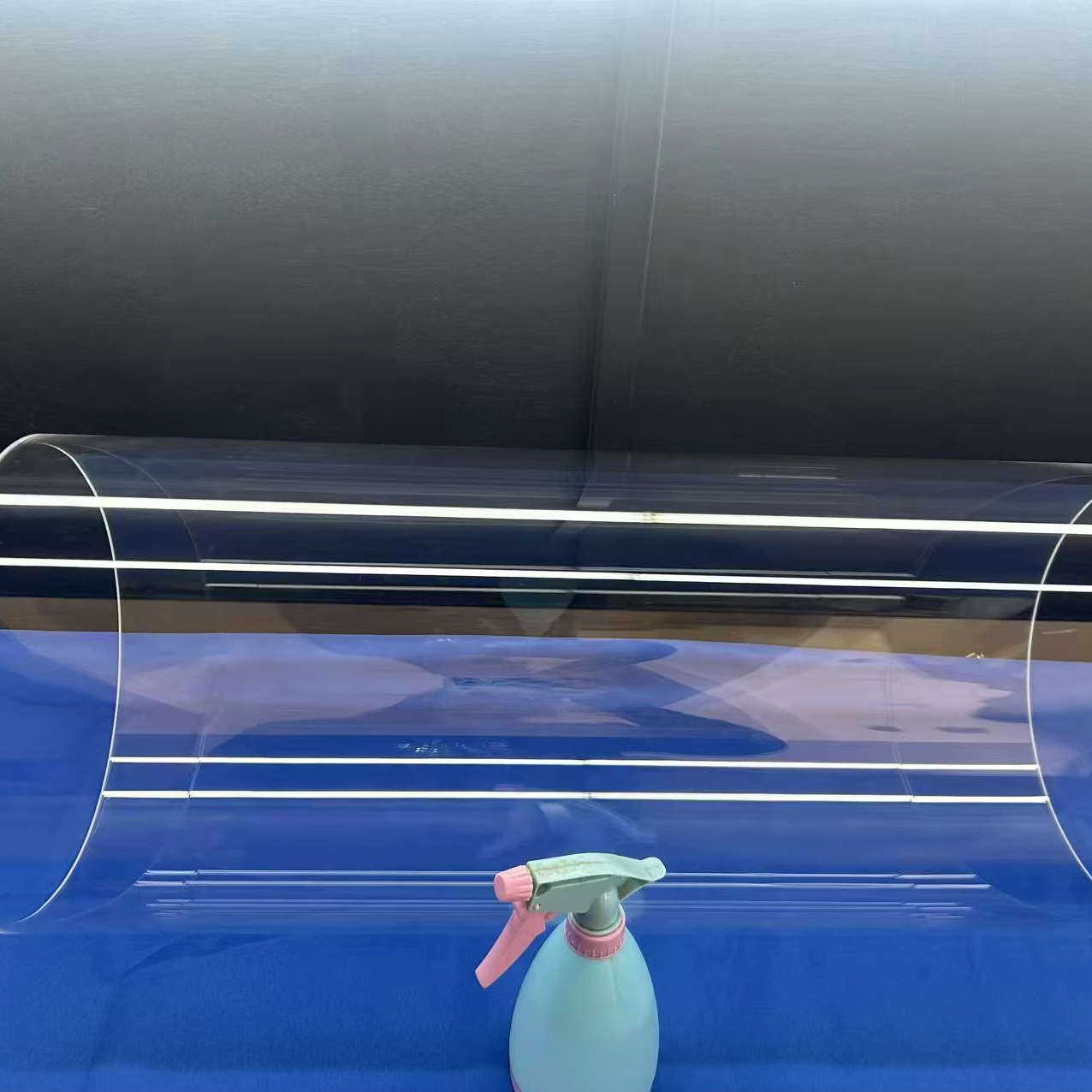
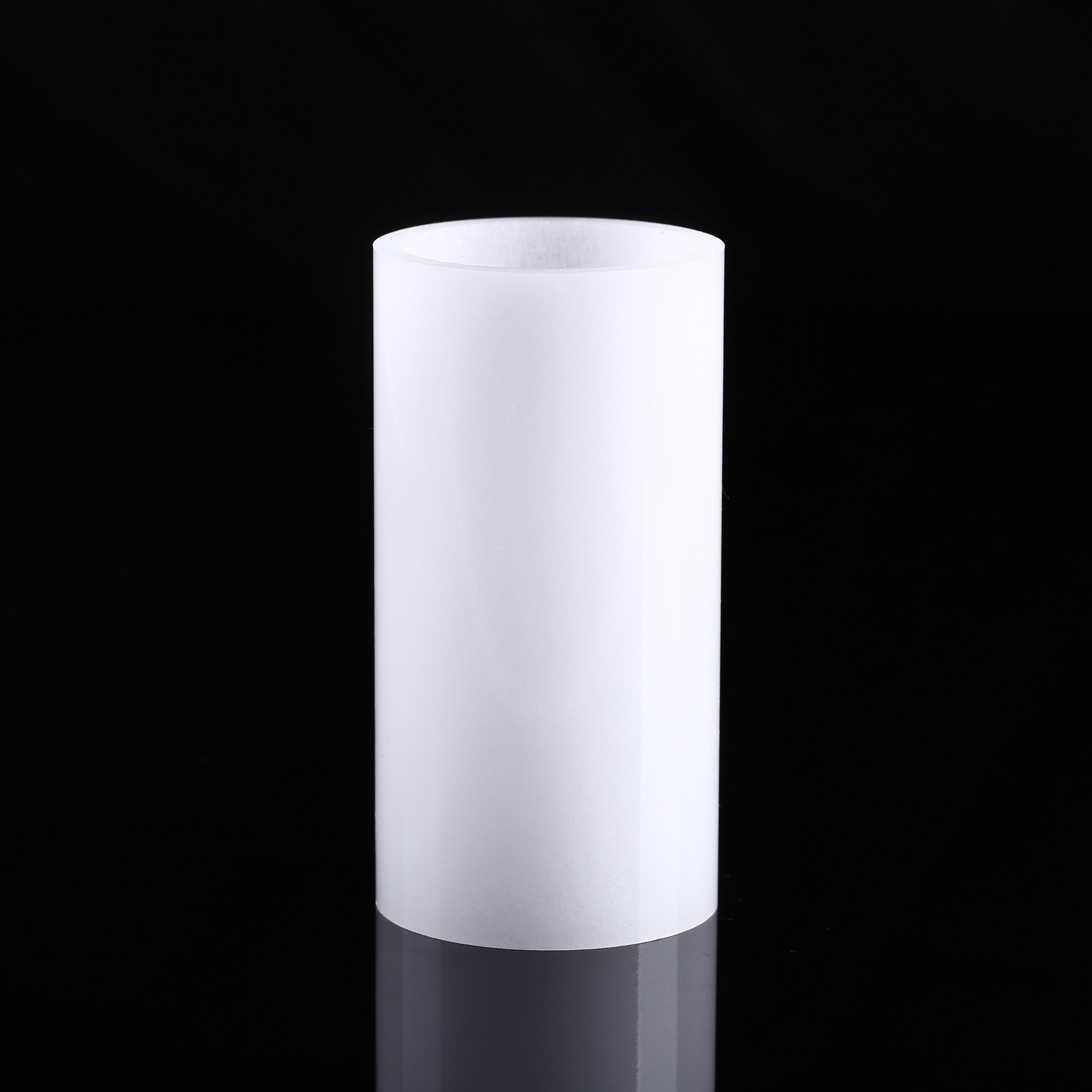
Customizable High Purity Fused Quartz Glass Tube High Temperature Resistant
View Specifications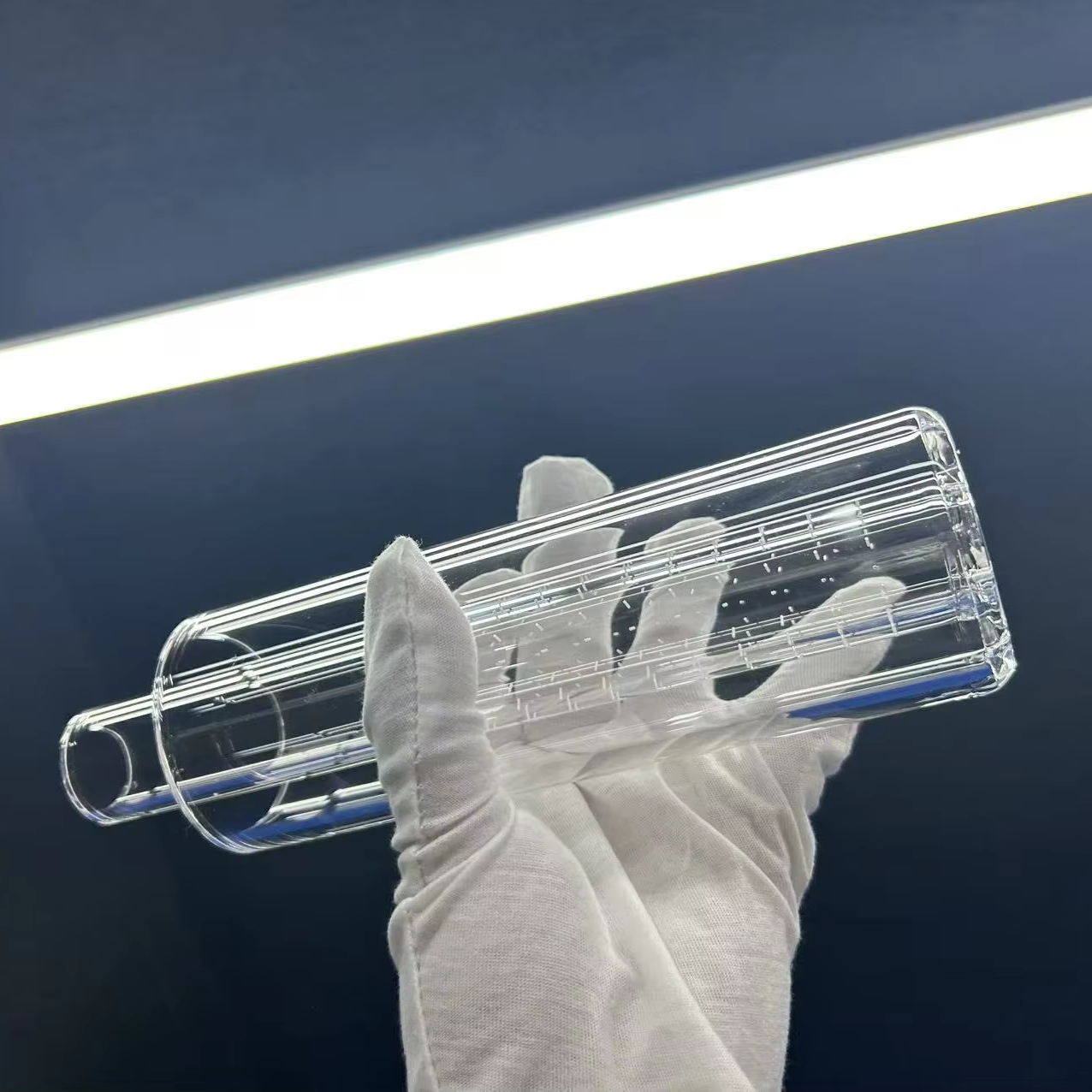
Customized Perforated Quartz Tube
View Specifications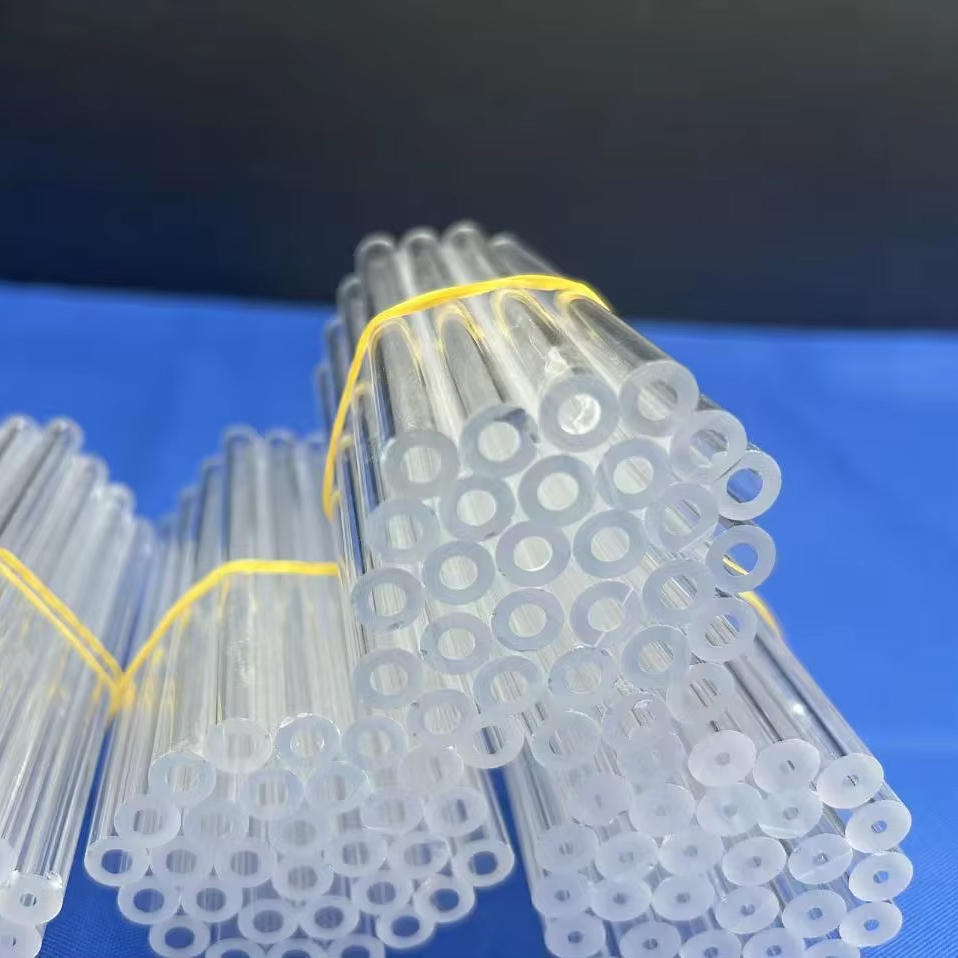
Customized Size clear Quartz Glass Tube BET Borosilicate Glass test Tube clear Quartz Glass Tube
View Specifications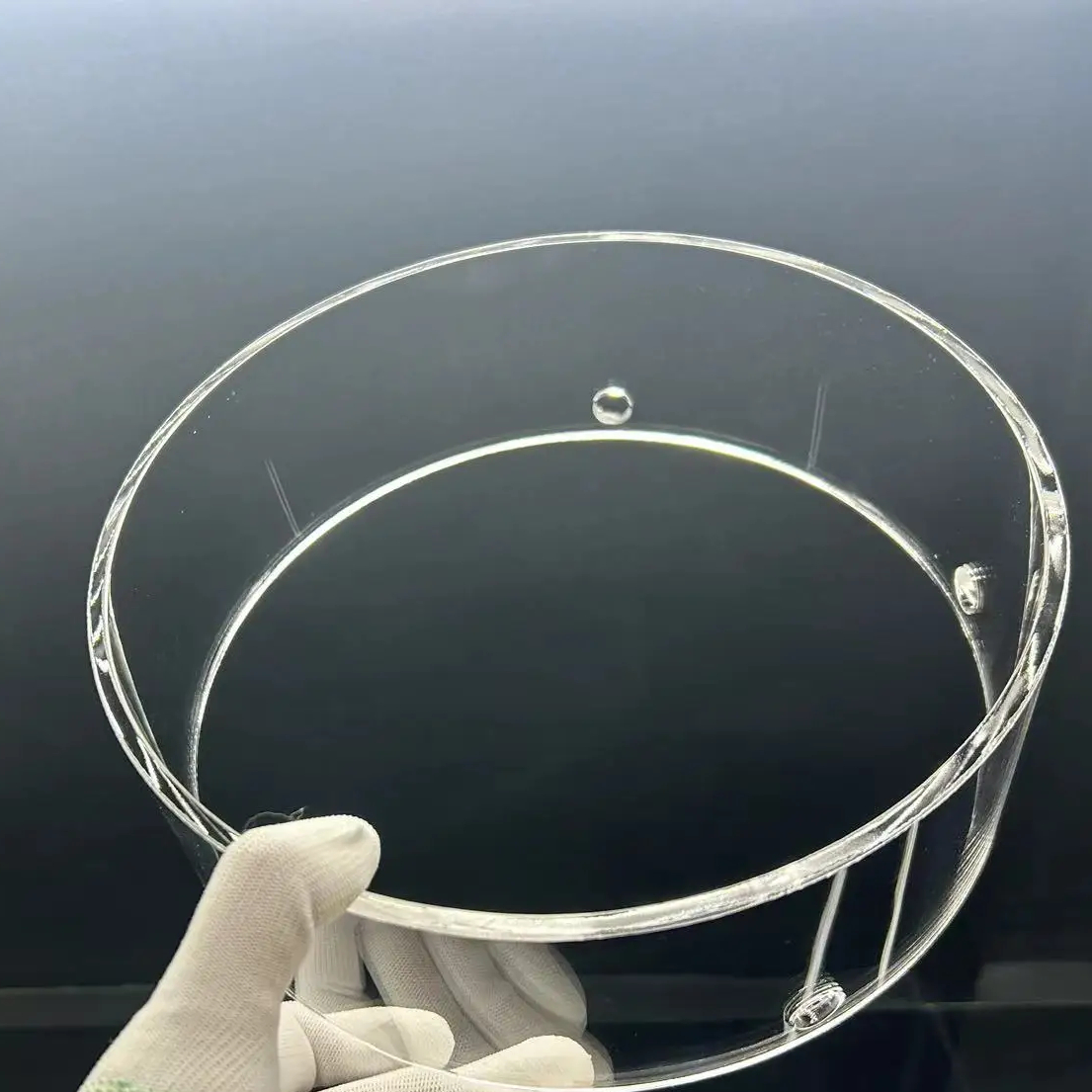
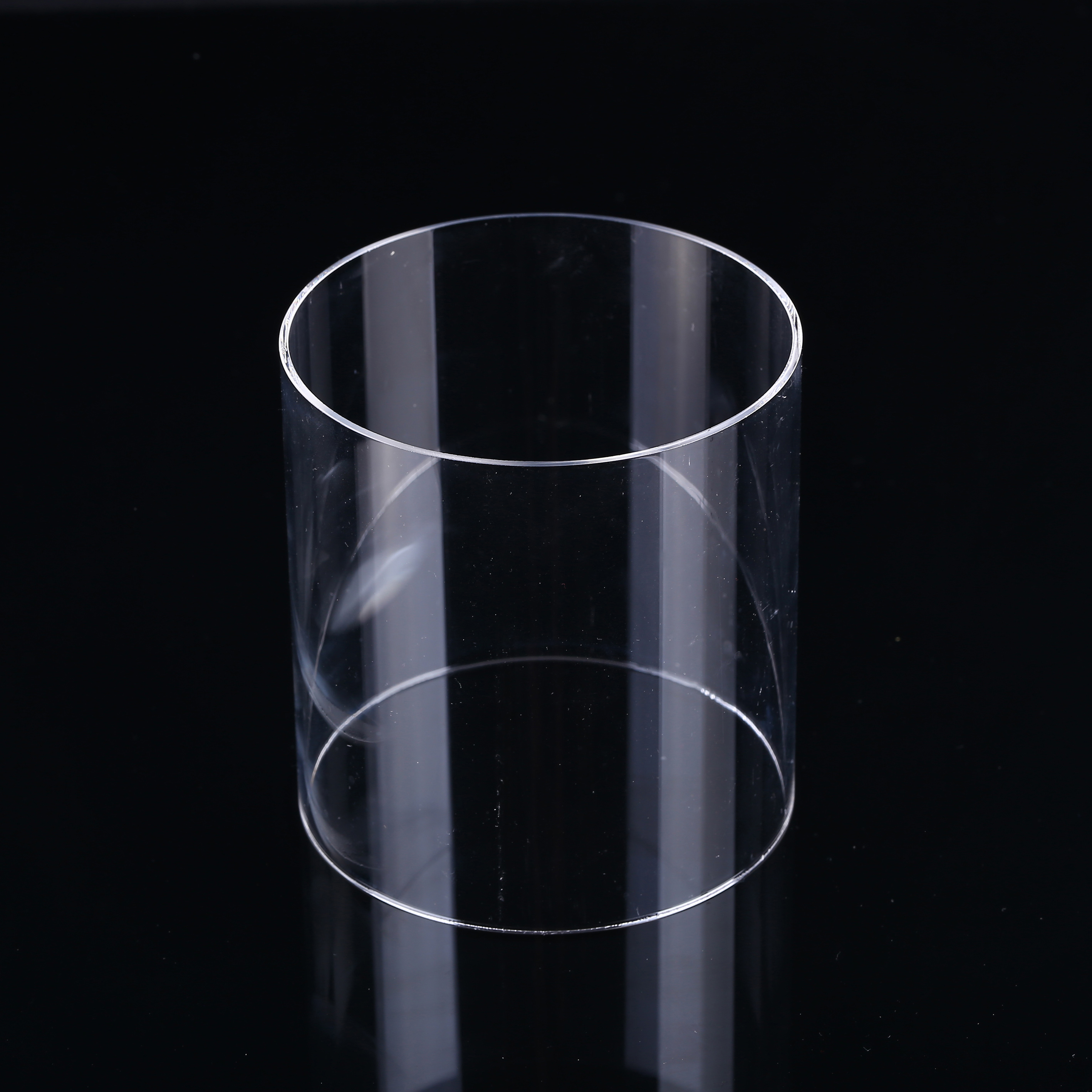
Fused Transparent Quartz Tube
View Specifications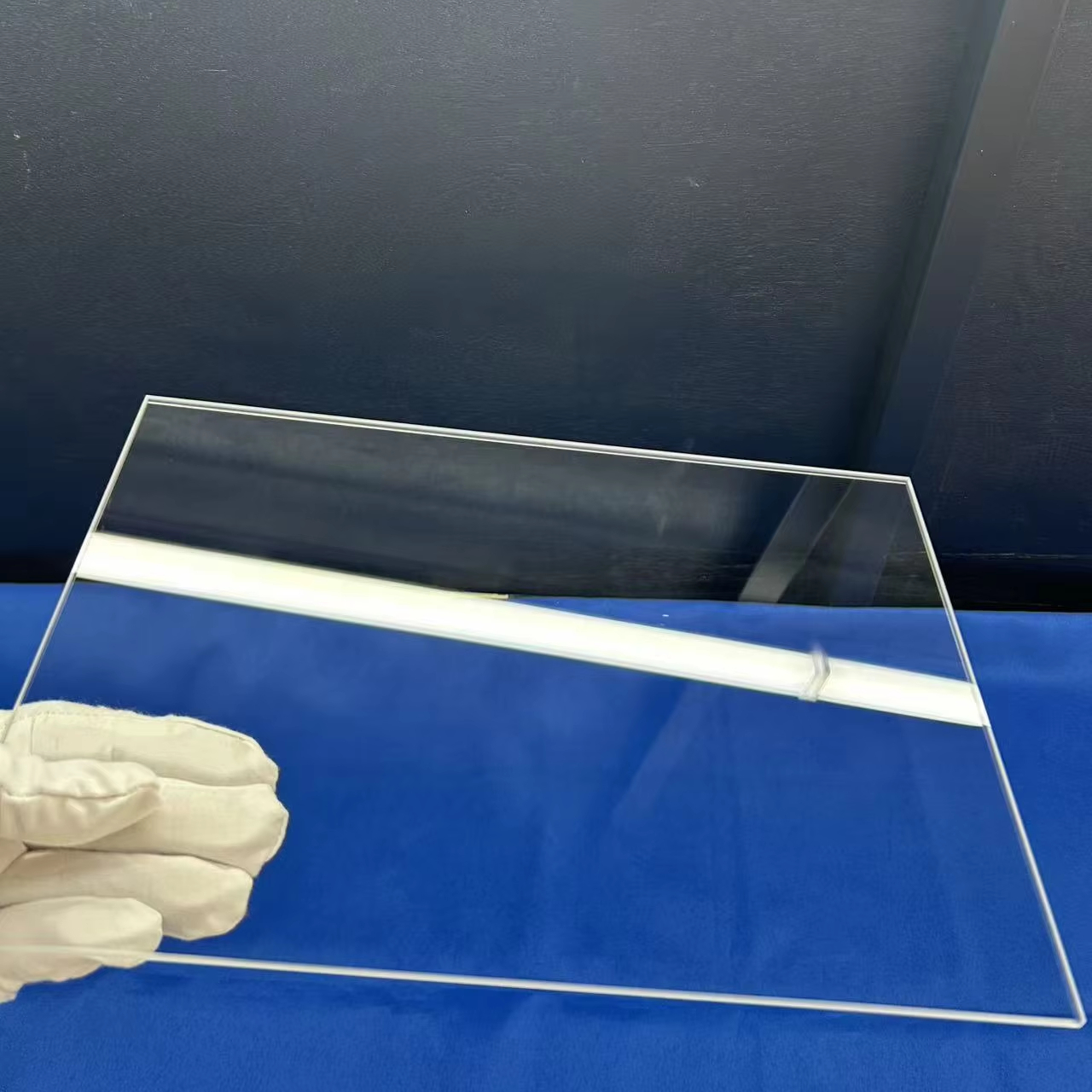
Custom Polished Purity Transparent Square Quartz Glass Clear Plate 4mm Thick for Optical Instruments Provide Welding Cutting
View Specifications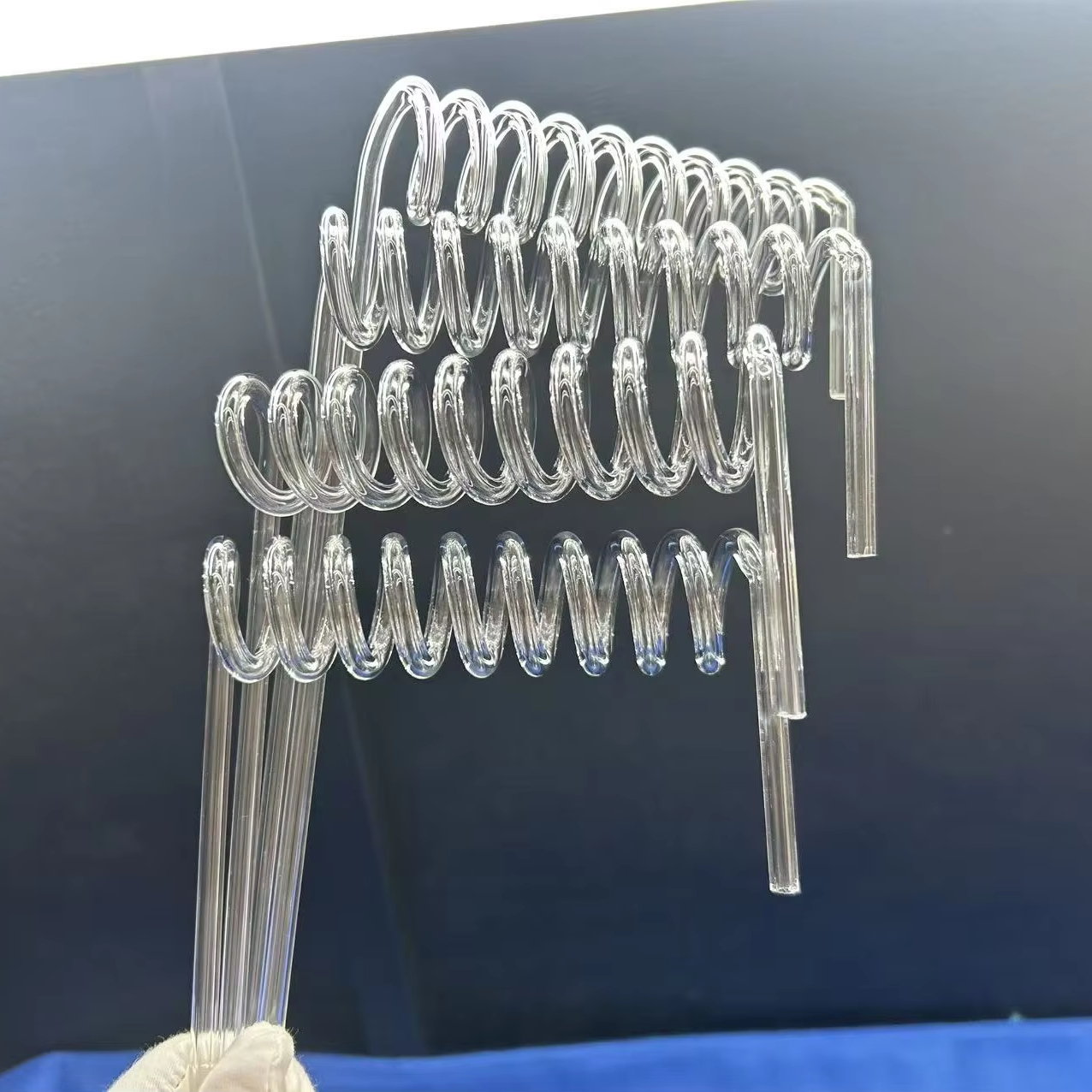
Clear Quartz Spiral Tube for Optics Laboratory Use with Moulding and Bending Services
View Specifications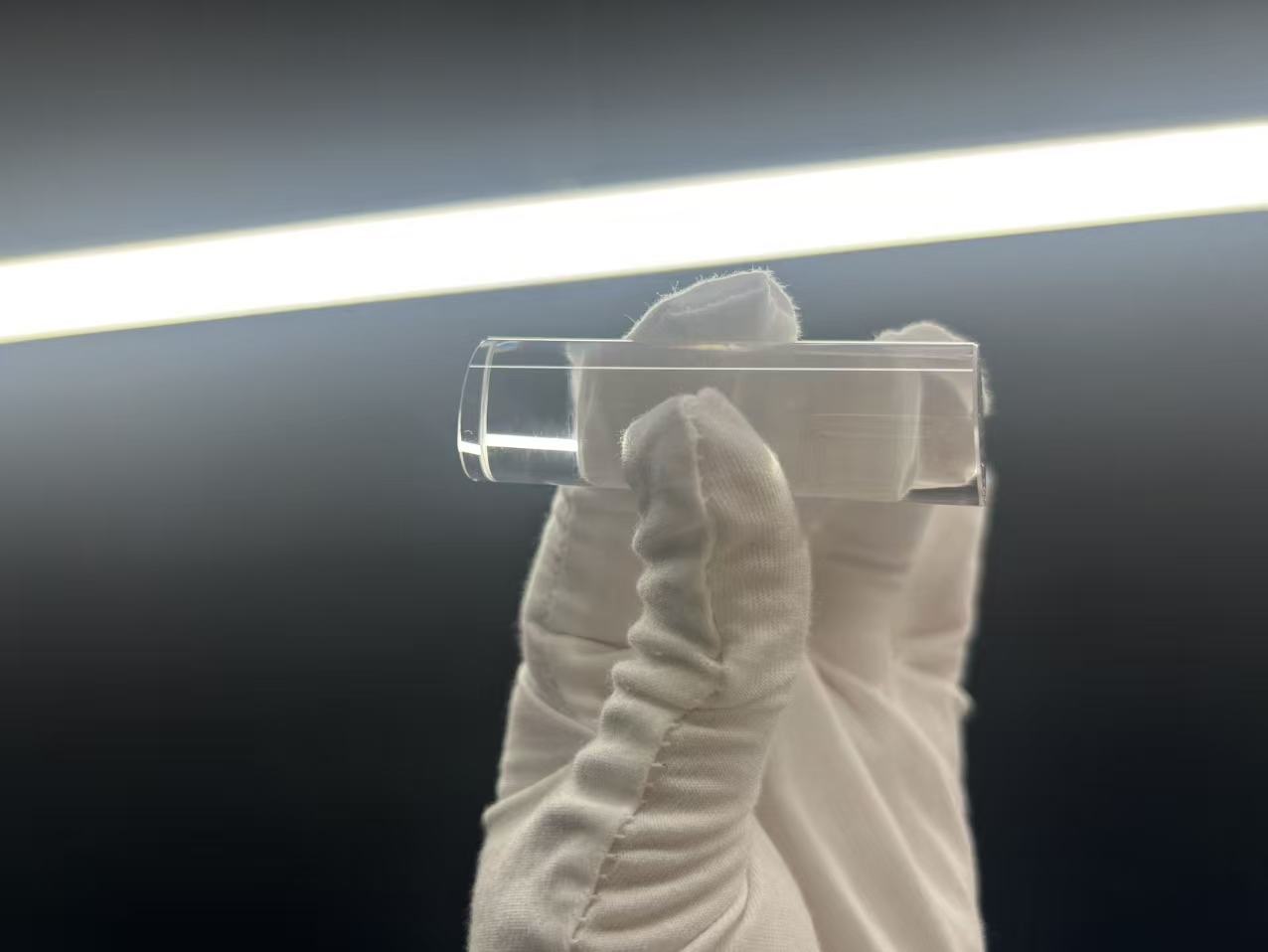
Round Head Quartz Rod
View Specifications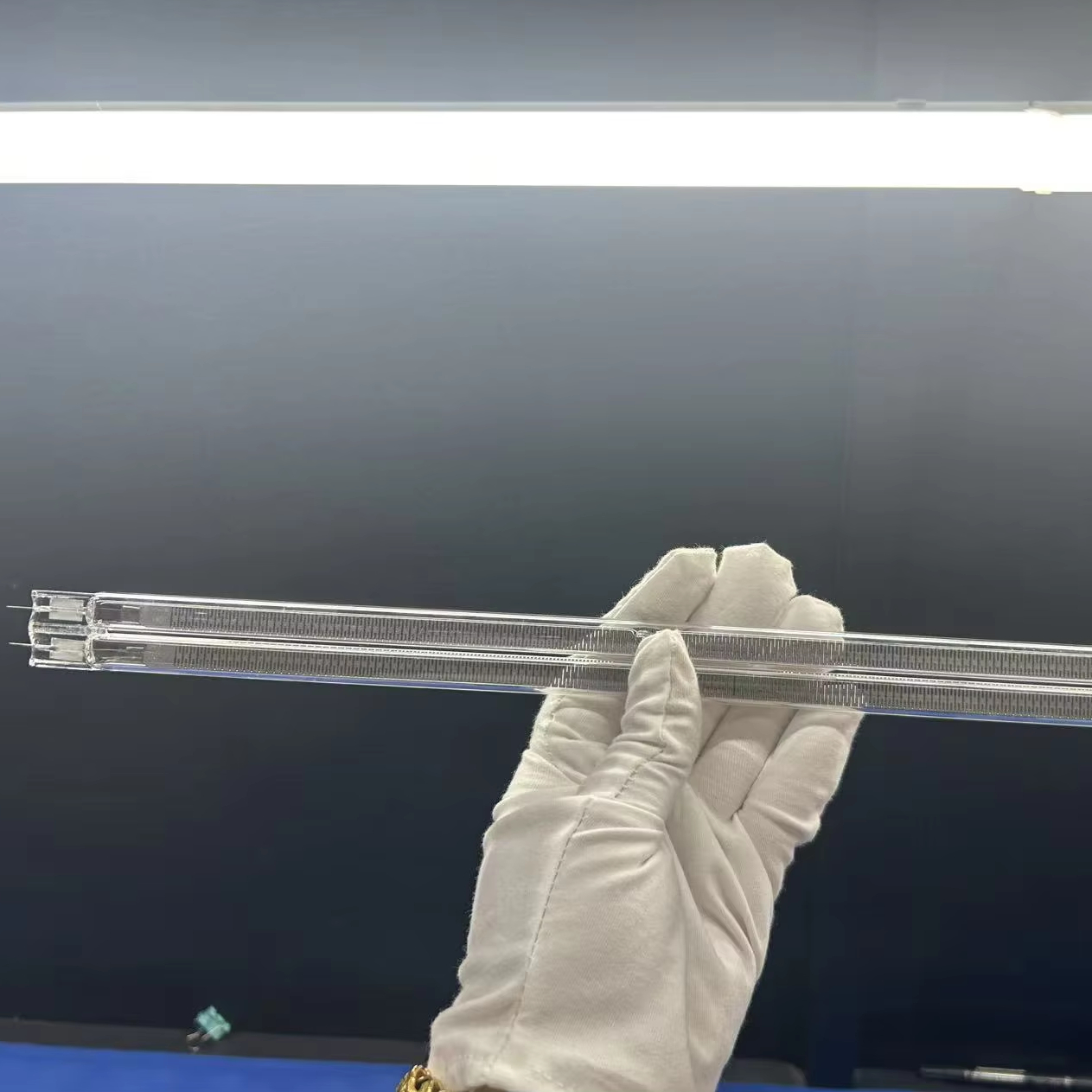
220v/380v 400mm 15*33mm Diameter Infrared Heating Tube Carbon Fiber/halogen Tube/graphite Tube for Fast Heating Equipment
View SpecificationsAdvanced Micro-Perforation & Fused Silica Thermodynamics
A comprehensive metallurgical review of hole geometry, edge micro-fracture prevention, and devitrification inhibition under continuous thermal load in corrosive gas regimes.
In modern industrial process engineering, the performance of perforated fused quartz tubes relies critically on the material's near-zero coefficient of thermal expansion ($5.5 \times 10^{-7}\ \text{K}^{-1}$ between 20°C and 320°C) coupled with exceptional chemical inertness. Unlike conventional borosilicate or aluminosilicate glasses that experience rapid thermal shock failure or cation leaching when exposed to aggressive mineral acids at elevated temperatures, fused silica composed of $\ge 99.99\%$ silicon dioxide ($\text{SiO}_2$) provides an unyielding molecular lattice. The mechanical integrity of perforated quartz tubes depends predominantly on two production variables: raw material crystal grain selection and the mechanical or laser perforation protocol executed along the tube axis.
At Donghai County Nivra Quartz Products Co., Ltd., precision CNC diamond-core micro-drilling and high-energy picosecond pulse laser perforation are coupled with post-machining chemical micro-etching and hydrogen-oxygen flame annealing. Mechanical drilling through fused silica generates subsurface microscopic micro-cracks along the perimeter of the orifice due to brittle fracture dynamics. Under thermal cycling in furnace liners or high-pressure gas distribution tubes, these micro-notches act as stress concentration loci, drastically reducing transverse rupture strength and triggering premature failure via thermal fatigue. Nivra mitigates this mechanical vulnerability through a validated hydrofluoric acid ($\text{HF}$) controlled acid polishing wash to dissolve microscopic stress risers, followed by localized thermal fire-glazing at 1,750°C, restoring the edge tensile strength to within $92\%$ of virgin continuous drawn quartz tubing.
Physical, Thermal & Mechanical Constants
| Parameter / Property | Standard Value | Test Standard |
|---|---|---|
| SiO₂ Chemical Purity | ≥ 99.99% (Trace impurities < 20 ppm) | ICP-OES Mass Spec |
| Density | 2.20 ± 0.01 g/cm³ | ASTM C693 |
| Continuous Operating Temp | 1,100 °C (1,373 K) | Continuous Furnace Run |
| Peak Annealing Strain Point | 1,450 °C (Short interval) | ASTM C598 |
| Thermal Shock Resistance | ΔT ≥ 1,100 °C (Quenched in cold H₂O) | Water Immersed Quench |
| Coefficient of Expansion (CTE) | 5.5 × 10⁻⁷ / °C (20 °C – 320 °C) | Dilatometry Analysis |
| Compressive Strength | 1,150 MPa | ISO 7438 Equivalent |
| Tensile Strength (Annealed) | 48 MPa (Fire-glazed orifice) | Three-point Bending |
Perforation Geometries & Manufacturing Tolerances
| Perforation Feature | Process Capability | Standard Tolerance |
|---|---|---|
| Orifice Diameter Range | Ø 0.3 mm – Ø 25.0 mm | ± 0.05 mm (Laser ± 0.02 mm) |
| Pitch & Spacing Precision | Staggered, Linear, or Helical Array | ± 0.10 mm true pitch |
| Tube Outer Diameter (OD) | Ø 6.0 mm up to Ø 450 mm | ± 0.20 mm or 1% OD |
| Wall Thickness (WT) | 1.0 mm to 12.0 mm heavy wall | ± 0.10 mm radial |
| Total Length (Single Tube) | Up to 3,000 mm continuous length | ± 1.0 mm overall length |
| Edge Chamfering & Finish | Fire-glazed / Micro-beveled | Roughness Ra < 0.4 µm |
| Bore Straightness (Camber) | Precision Industrial Standard | ≤ 1.5 mm per 1,000 mm |
| Orifice Taper Angle | Picosecond Cold Laser Ablation | < 0.5° Cylindrical Bore |
Devitrification Resistance in Continuous High-Temperature Sulfurous Environments
When silica glassware operates continuously at or above 1,150°C in industrial furnaces, the amorphous silica glass network is prone to thermodynamic phase transition into crystalline cristobalite ($\alpha$-cristobalite transition at cooling through 220°C). This crystallization causes localized volumetric shrinkage of $2.8\%$, initiating surface micro-crazing and eventual catastrophic collapse. Nivra's ultra-low hydroxyl fused quartz series maintains hydroxyl ($\text{OH}^-$) radicals below $5\ \text{ppm}$, substantially reducing the kinetic rate of alkaline-earth-catalyzed devitrification during prolonged deployment in calcination kilns and sulfurous metallurgical off-gas lines.
Strategic Industrial Applications in South Sulawesi & Makassar Hub
How high-purity perforated quartz tubes solve critical operational bottlenecks across Makassar's logistics bridge to Eastern Indonesia's mining and refining corridors.
HPAL Autoclave Acid-Gas Sparging & Nickel Laterite Hydrometallurgy
Makassar serves as the primary engineering command, specialized consumables transshipment port, and analytical clearing center for the massive nickel mining belts operating across South Sulawesi (Sorowako, Luwu Timur), Southeast Sulawesi (Pomalaa), and Central Sulawesi (Morowali). In High-Pressure Acid Leach (HPAL) systems and atmospheric precipitation vessels extracting Mixed Hydroxide Precipitate (MHP), corrosive gas mixtures containing concentrated sulfur dioxide ($\text{SO}_2$), oxygen, and steam are continuously bubbled into mineral slurry at temperatures exceeding 250°C and pressures above 4 MPa. Perforated quartz diffuser tubes provide total immunity against sulfuric acid degradation, zero trace metal dissolution that would otherwise poison battery-grade nickel cathodes, and superior erosion resistance under high velocity mineral particulate impingement.
Makassar New Port Marine Ballast & Industrial Wastewater UV Disinfection
As the premier maritime gateway of Eastern Indonesia, the recently expanded Makassar New Port (MNP) and the surrounding bonded logistics zones encounter rigorous IMO Ballast Water Management Convention compliance standards. Marine and industrial effluent treatment modules require perforated quartz sleeve assemblies to house medium- and high-output germicidal ultraviolet lamps. The micro-perforations ensure perfectly balanced convective cooling and uniform hydraulic fluid boundary-layer flow past the quartz jacket. With Deep-UV transmittance exceeding $90\%$ at the germicidal 254 nm wavelength (utilizing JGS1/JGS2 synthetic fused silica), these quartz tubes ensure photolytic destruction of marine microbes and persistent halogenated effluent pollutants without suffering solarization or UV-induced darkening over 12,000 continuous operating hours.
Fluidized Bed Pyrolysis & Rotary Kiln Flue Gas Extraction in KIMA
Within Kawasan Industri Makassar (KIMA) and regional agricultural processing facilities converting South Sulawesi’s vast cocoa, coffee, and agricultural biomass residues into activated carbon and biofuel, fluidized bed reactors depend heavily on perforated quartz diffuser spargers. These quartz distribution headers deliver inert purging gases ($\text{N}_2$, $\text{Ar}$) or superheated steam at 850°C–1,050°C into granular fluid beds. Uniformly spaced, CNC-drilled perforations maintain fluidization bed stability, eliminate thermal channeling, and resist catastrophic thermal shock when cold process gases are intermittently injected into the red-hot furnace zone.
Metallurgical Assay & High-Temperature Optical Spectrometry Labs
Makassar functions as the central assay and laboratory certification node for mining concessions across Sulawesi and Maluku. Independent inspection entities (such as Sucofindo and PT Surveyor Indonesia branches in South Sulawesi) deploy high-temperature tube furnaces equipped with Nivra's perforated quartz combustion tubes for carbon, sulfur, and trace element combustion analysis in raw nickel laterite, chromite, and bauxite ores. The high chemical purity of the quartz ensures baseline contamination levels remain below ICP-OES and XRF detection limits, providing authoritative analytical reproducibility required for international minerals export documentation.
Makassar & Eastern Indonesia: Industrial Growth Trends
How Indonesia’s downstream mineral policy (*Hilirisasi*) and logistics integration are elevating the technical requirements for advanced fused quartz consumables.
Downstream Mineral Beneficiation (*Hilirisasi*)
The Indonesian government’s nationwide mineral downstreaming mandate has transformed Sulawesi into the world's most concentrated nickel processing corridor. As operations advance from basic ferronickel rotary kiln electric furnaces (RKEF) toward Class-1 nickel sulfate and cathode precursor production, chemical and thermal parameters tighten dramatically. Smelting and hydrometallurgical operations demand transparent, non-reactive perforated quartz liners that tolerate continuous chemical contact with highly acidic, high-pressure sulfates without leaching iron or sodium ions that degrade EV battery cathode chemistry.
Makassar New Port Direct Transshipment Hub
With the multi-phase commissioning of Makassar New Port (MNP) integrated with the Trans-Sulawesi Railway network, maritime lead times between international industrial ports and South Sulawesi have dropped substantially. Bulk procurement shipments originating from China’s quartz processing center in Donghai, Jiangsu, can now route directly via maritime container freight to Pelabuhan Soekarno-Hatta Makassar without costly break-bulk consolidation in Surabaya or Jakarta, drastically reducing supply chain latency for custom engineered quartz replacements.
Stringent Emission Compliance & CEMS Deployment
Environmental oversight enforced by the Indonesian Ministry of Environment and Forestry (KLHK) has made continuous emission monitoring systems (CEMS) mandatory across all major smelting and power installations in Sulawesi. High-purity perforated quartz sampling probes and flue gas filtration cylinders are essential components in extractive CEMS stacks, ensuring that particulate-laden, acidic flue gases up to 900°C can be sampled continuously without chemical distortion of $\text{SO}_x$, $\text{NO}_x$, and heavy metal data.
Why Leading Global Buyers Partner with Nivra Quartz
Headquartered in Donghai County, China's crystal and quartz capital, combining proprietary natural resource access with high-precision CNC multi-axis tooling.
Donghai Direct Advantage
Direct access to primary Donghai silicon reserves ensures trace impurity concentrations are strictly managed from raw lump quartz to final drawn tubing without middleman markups.
Rapid Engineering Turnaround
Average response within 5 hours, an 88.89% inquiry answer rate, and CAD/STEP drawing engineering feedback provided directly by veteran quartz glassmakers.
Zero Defect Quality Gate
100% polariscope stress inspection, optical laser profilometry hole measurement, and hydro-pneumatic pressure testing prior to moisture-sealed vacuum export packing.
Maritime-Proof Packing
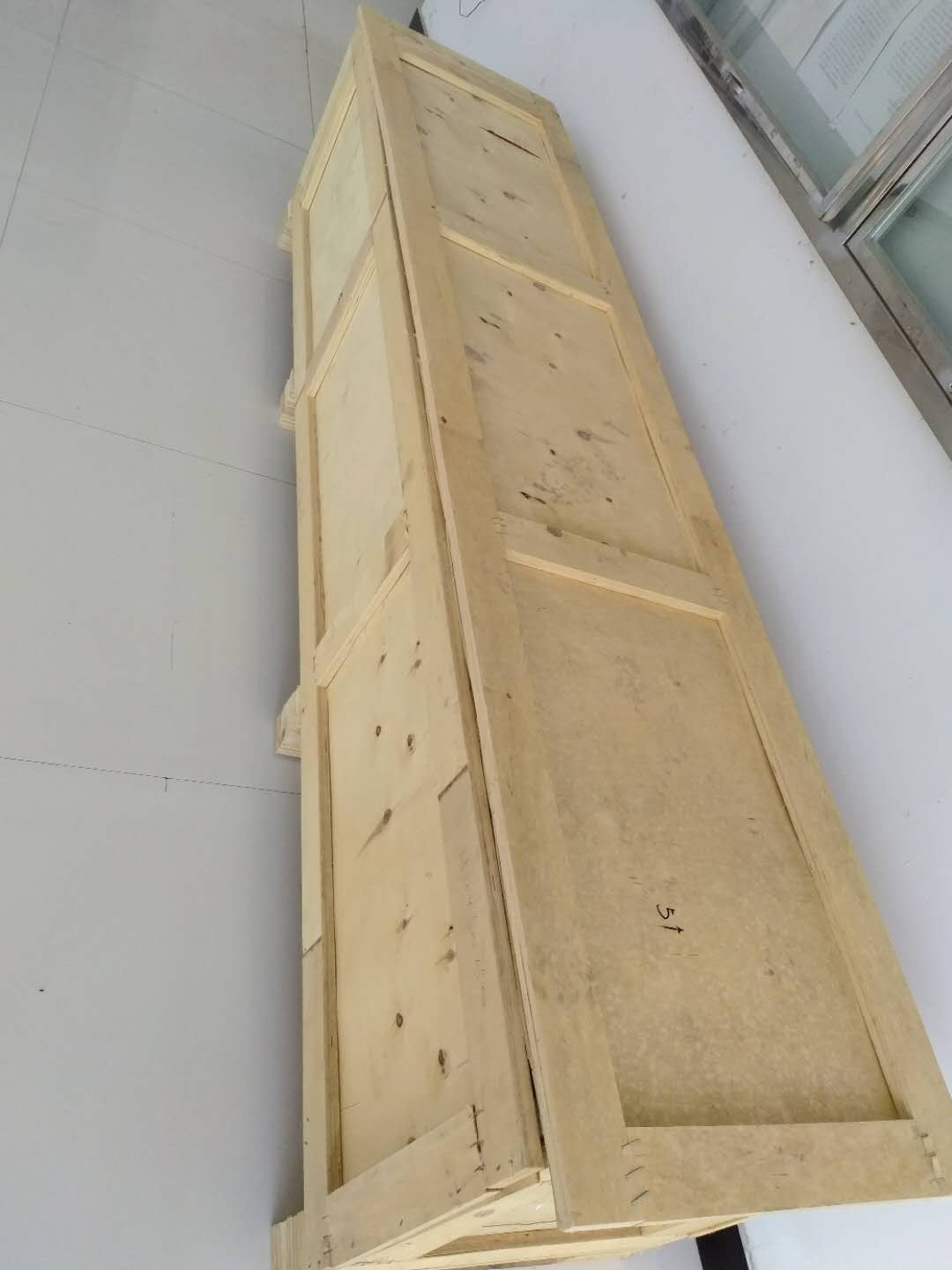
Double-crated, fumigation-free wooden export cases lined with shock-absorbent high-density EVA suspension foam to ensure 0% transit breakage to Port of Makassar.
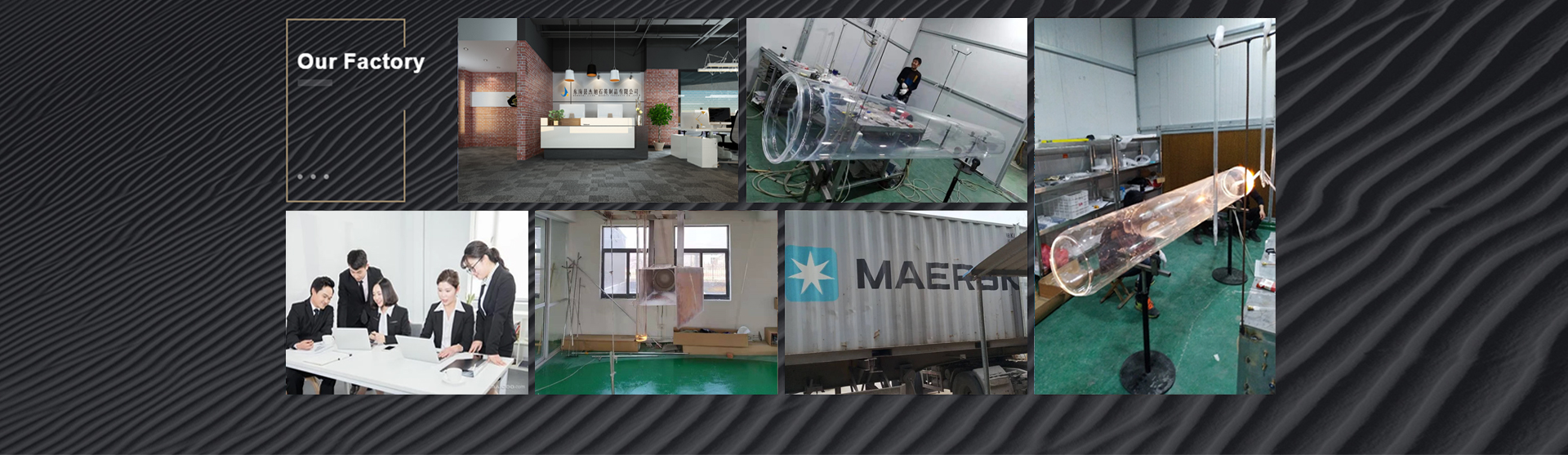
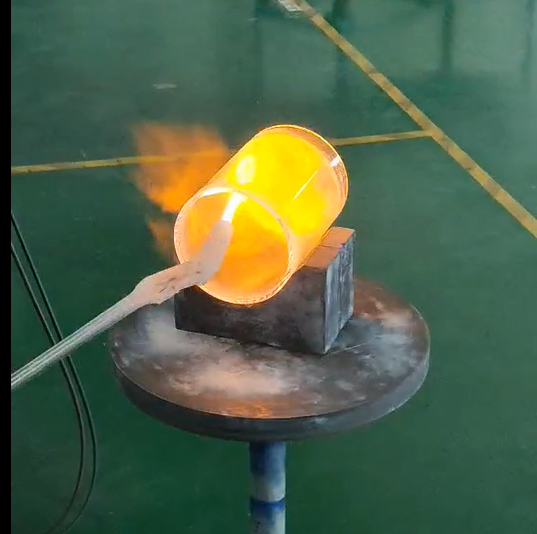
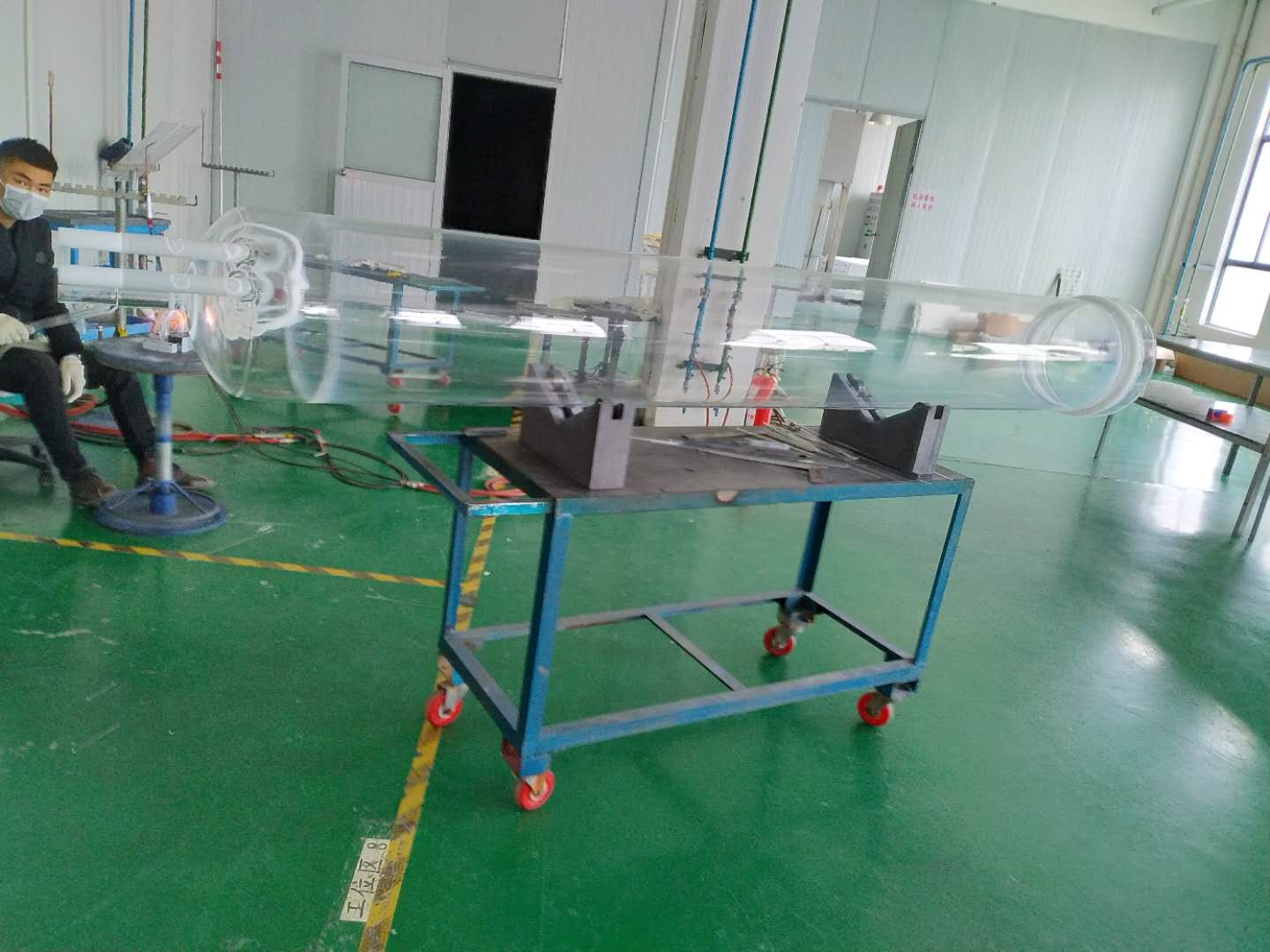
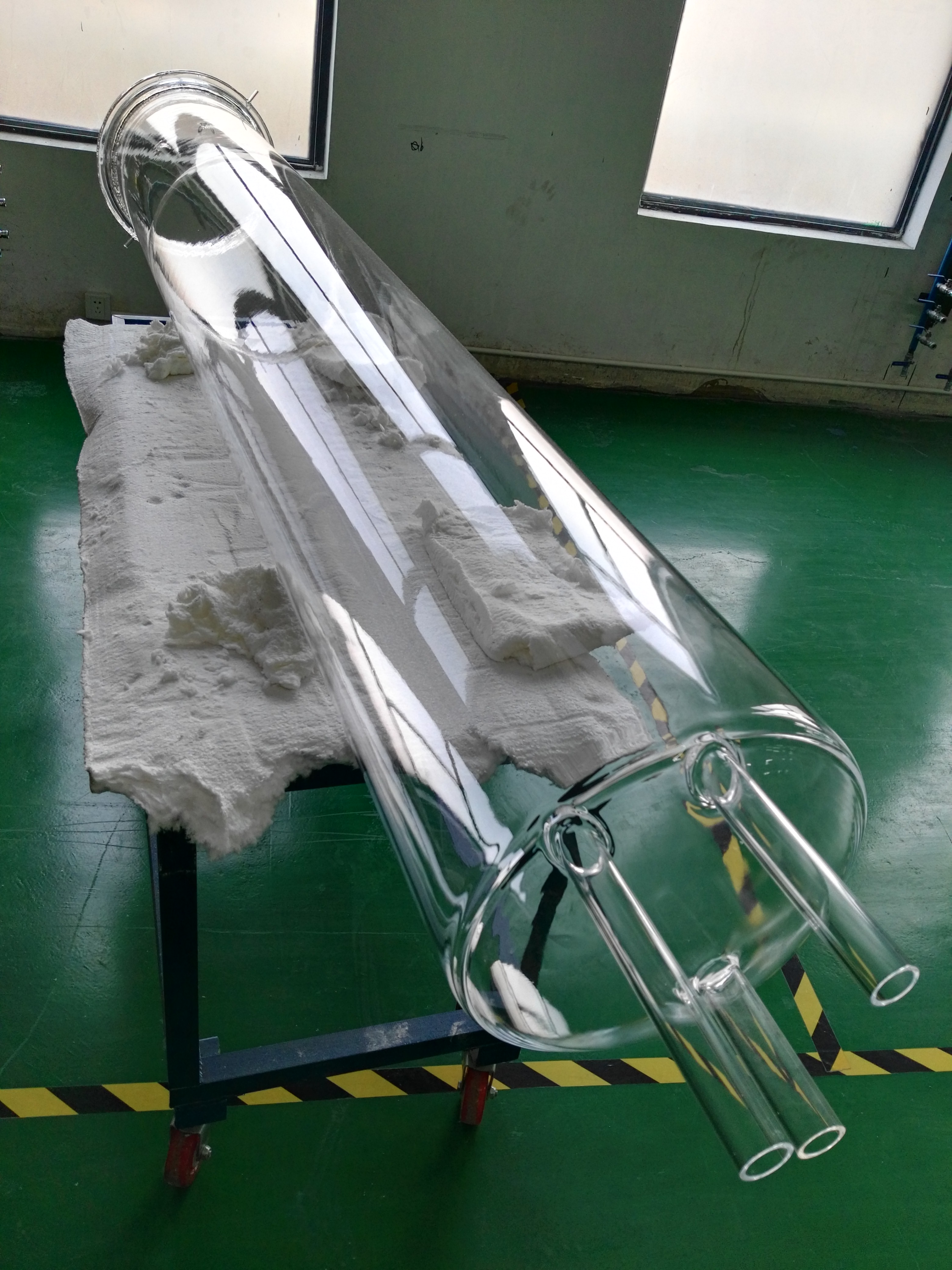
Inside Nivra's 285 Heping East Road Facility
Third-Party Audit & Enterprise Certifications
Business licenses, premises inspection records, and ISO documentation verified on-site by international certification authorities.
Frequently Asked Questions for Makassar Buyers
Authoritative answers on Indonesian customs clearance, logistics timelines to Pelabuhan Soekarno-Hatta, drawing tolerances, and environmental durability.
What are the sea freight transit times and clearance protocols for quartz shipments to Makassar?
Shipments departing from our manufacturing base in Lianyungang route directly through Qingdao or Shanghai maritime terminals to Makassar’s Pelabuhan Soekarno-Hatta (Port of Makassar / Makassar New Port). Standard containerized ocean freight transit typically takes 14 to 21 days depending on transshipment routing. For critical emergency furnace shutdowns or analytical lab repairs, we dispatch via air express (DHL/FedEx/air freight) arriving at Sultan Hasanuddin International Airport (UPG) in Makassar within 4 to 6 business days.
All commercial consignments are declared under Harmonized Tariff Code HS 7002.31.00 (Tubes of fused quartz or other fused silica, unworked or worked). We provide Form E preferential trade documentation (ASEAN-China Free Trade Area), which can qualify Indonesian importers for substantial import tariff concessions under Indonesian customs regulations.
How do you prevent fragile quartz tubes from breaking during maritime shipment to Sulawesi?
Exporting high-precision, long-gauge quartz tubes (up to 3,000 mm in length) across equatorial shipping lanes requires robust packaging engineering. Each perforated quartz tube is ultrasonically cleaned, desiccant-jacketed against high coastal relative humidity, and individually encased in form-fitting closed-cell polyethylene foam (EPE). The bundled tubes are then floated inside heavy-wall, shock-absorbing internal corrugated dividers and placed within multi-ply, export-grade plywood crates compliant with ISPM 15 fumigation-free standards. This packaging is engineered to absorb both high-frequency maritime engine vibrations and rough handling during transshipment at Indonesian island ports.
Can Nivra manufacture customized perforation patterns directly from CAD/STEP drawings?
Yes. Over 75% of our fused quartz components are manufactured to custom OEM specifications. Makassar procurement teams and project engineers can submit mechanical drawings in 2D formats (AutoCAD DWG, DXF, vector PDF) or 3D solid model formats (STEP, IGES, SolidWorks). Our manufacturing tolerances accommodate micro-hole diameters down to Ø 0.3 mm with a radial pitch accuracy of ± 0.05 mm. We routinely provide spiral, staggered, linear, and venturi-profile perforation patterns tailored for specific fluidization, bubbling, or gas distribution aerodynamics.
How do perforated quartz tubes perform against continuous contact with hot sulfuric and hydrochloric acids?
Fused silica exhibits near-total chemical inertness to mineral acids, including boiling concentrated sulfuric acid ($\text{H}_2\text{SO}_4$), nitric acid ($\text{HNO}_3$), hydrochloric acid ($\text{HCl}$), and aqua regia at all industrial concentrations and temperatures up to 800°C. The only chemical reagents capable of attacking fused quartz are hydrofluoric acid ($\text{HF}$) at any temperature, and concentrated phosphoric acid ($\text{H}_3\text{PO}_4$) when exceeding 150°C. For hydrometallurgical leaching columns and nickel sulfate refining circuits in Sulawesi, quartz provides decades of service life where titanium alloys, PTFE, and special duplex stainless steels eventually succumb to pitting or embrittlement.
What is the Minimum Order Quantity (MOQ) and sample lead time for prototype trials?
For custom perforated quartz tubes, our standard prototyping MOQ starts from just 1 to 5 pieces, allowing R&D centers, smelting facilities, and testing laboratories to validate dimensional compatibility and thermal dynamics before commissioning larger production runs. Prototype samples are fabricated, inspected, and dispatched within 7 to 10 working days following engineering drawing sign-off.
What differences exist between JGS1, JGS2, and JGS3 grades for perforated tubes?
JGS1 is synthetic fused silica synthesized from silicon tetrachloride ($\text{SiCl}_4$), possessing exceptional deep-ultraviolet transmission ($\ge 90\%$ at 185–2500 nm) and near-zero bubble content, recommended for high-energy UV photochemical reactors and laser optics. JGS2 is industrial fused quartz melted from refined natural quartz crystal sand, exhibiting broad UV-visible transmission (220–2500 nm), optimal for thermal furnace sight tubes, infrared heaters, and standard perforated spargers. JGS3 is infrared-grade fused silica processed with low hydroxyl concentration ($\text{OH}^- \le 5\ \text{ppm}$), preventing the characteristic 2.73 µm water absorption band, suitable for continuous IR heating, pyrometric sensor tubes, and vacuum thermal calcination.
Launch Your Custom Quartz Component Project Today
Whether you require specialized perforated gas spargers for Sulawesi nickel processing or high-transmittance UV ballast tubes for Makassar New Port, our engineering staff will review your specifications and deliver formal pricing and lead-time schedules within 5 hours.