High-Purity Fused Silica & Precision Optics Collection
Manufactured by Donghai County Nivra Quartz Products Co., Ltd. for extreme thermal, optical, and industrial applications in Grenada and the Caribbean basin.
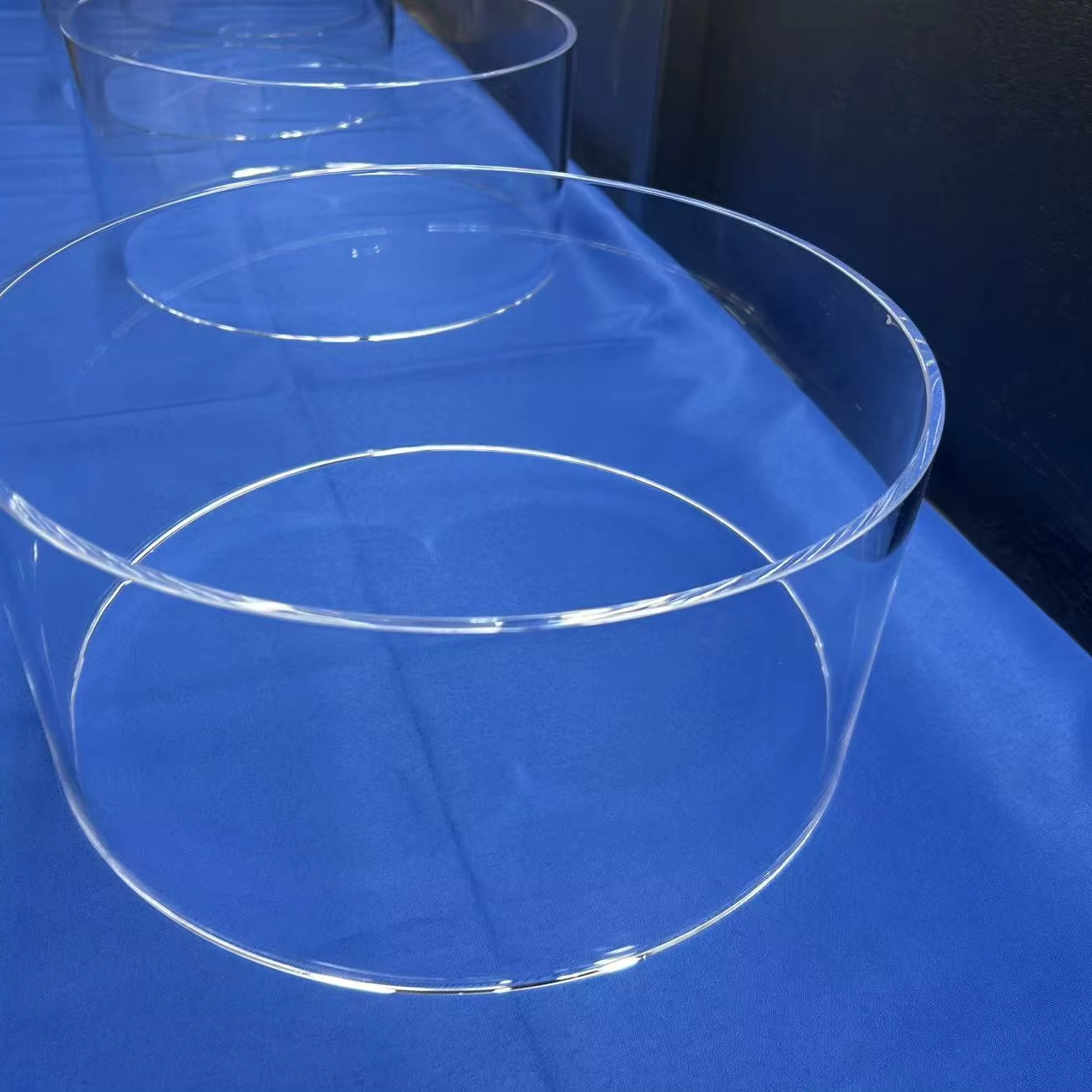
High-Purity Fused Quartz Large Diameter Round Rods Cutting Welding & Bending Services For Industrial Production
View Product Details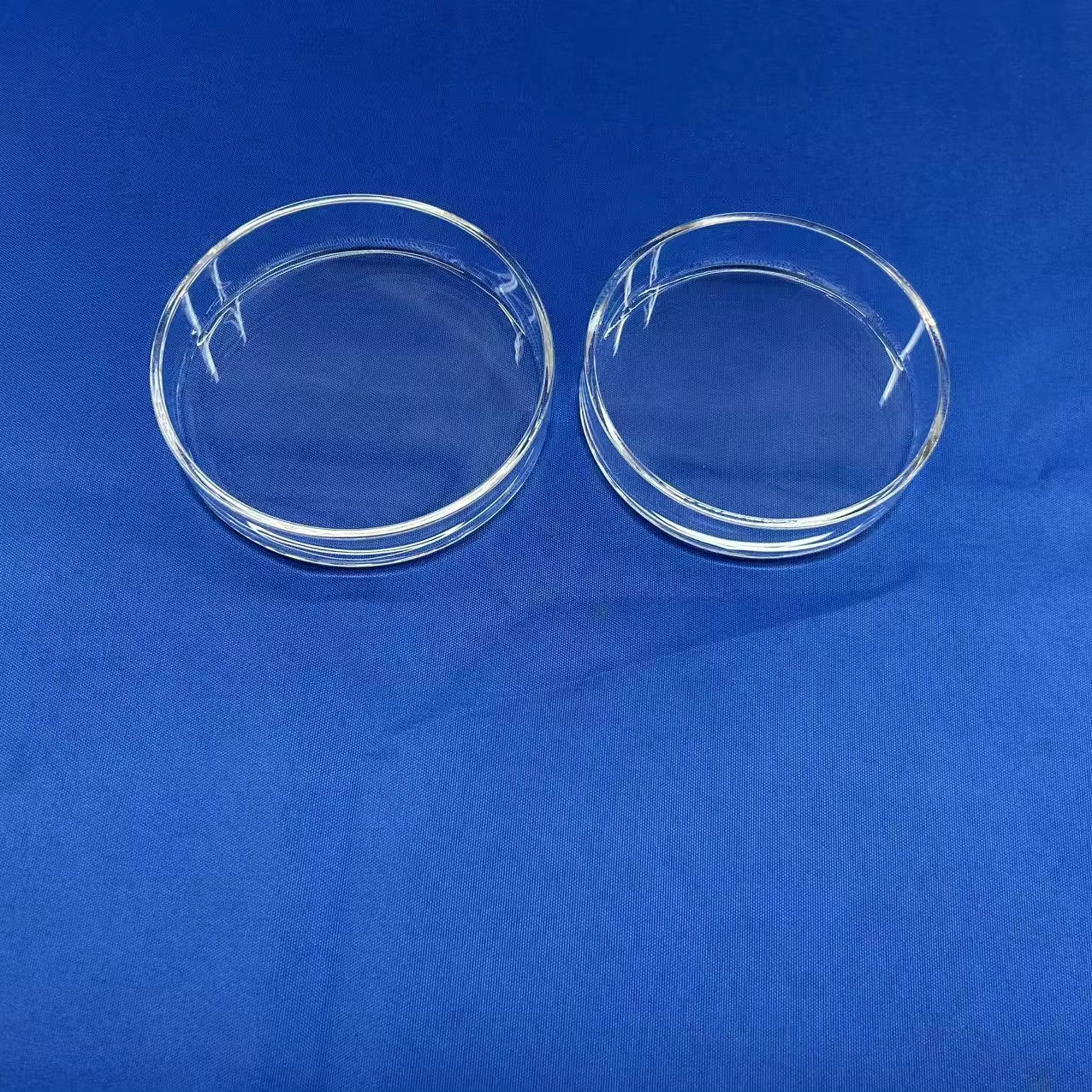
Factory Customized High-purity Quartz Glass Petri Dishes with Lids, for Laboratory, Medical Equipment, Etc.
View Product Details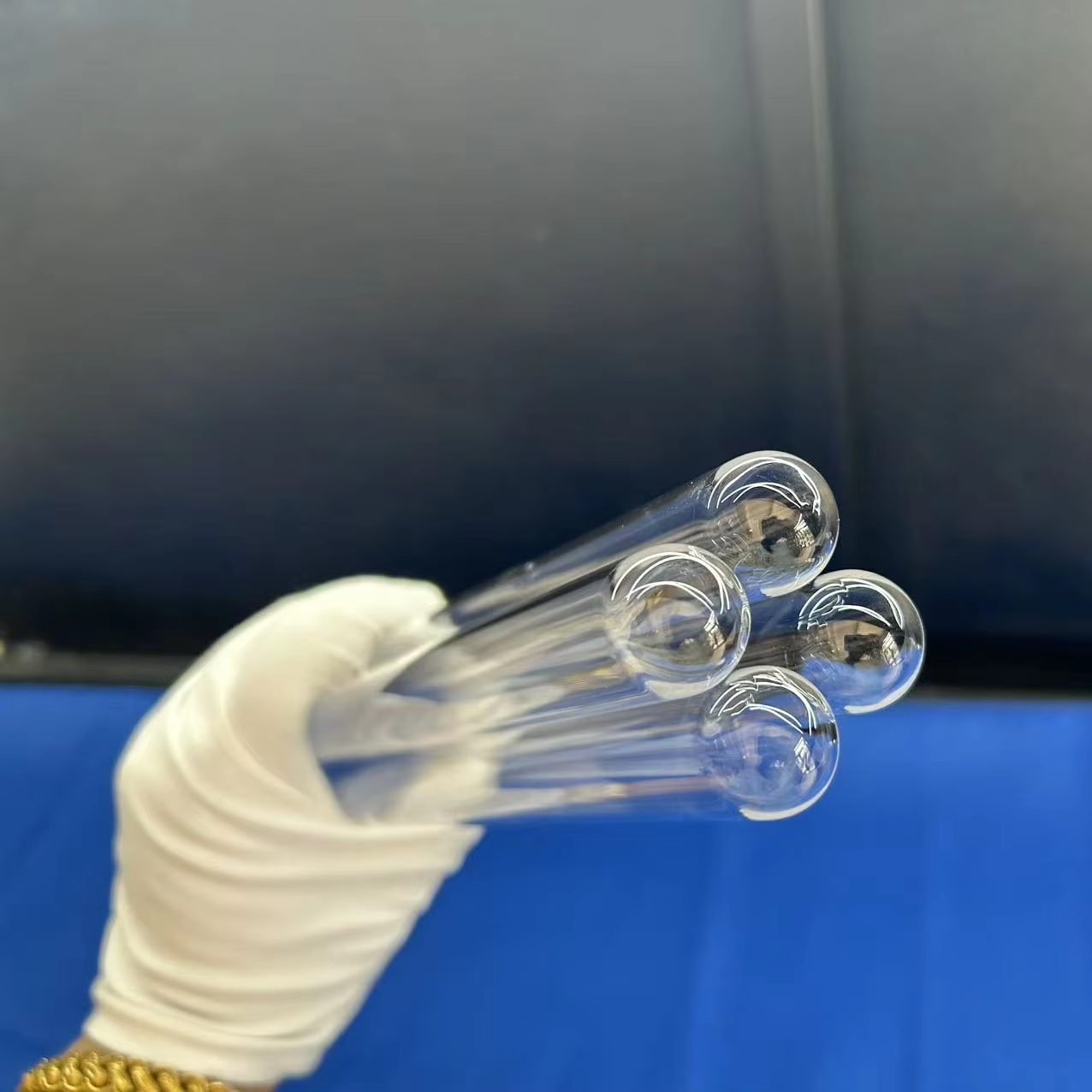
The Factory Produces High-purity Fused Silica Bottom Sealing Tubes with Diameter 20-25mm Services
View Product Details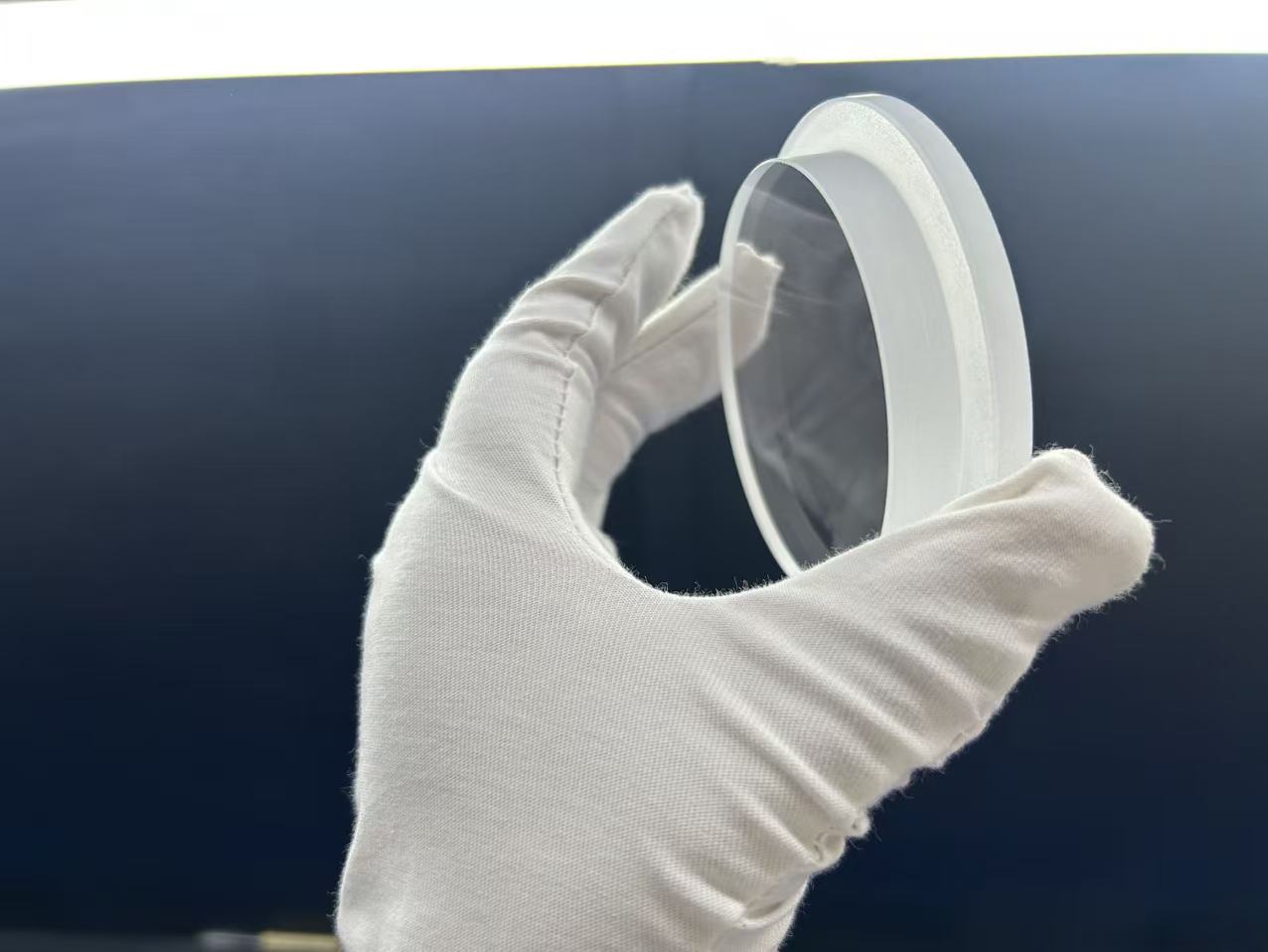
Factory-Made High-purity Ultra-thick Quartz Double-Layer Step Plate, Cutting & Polishing Services
View Product Details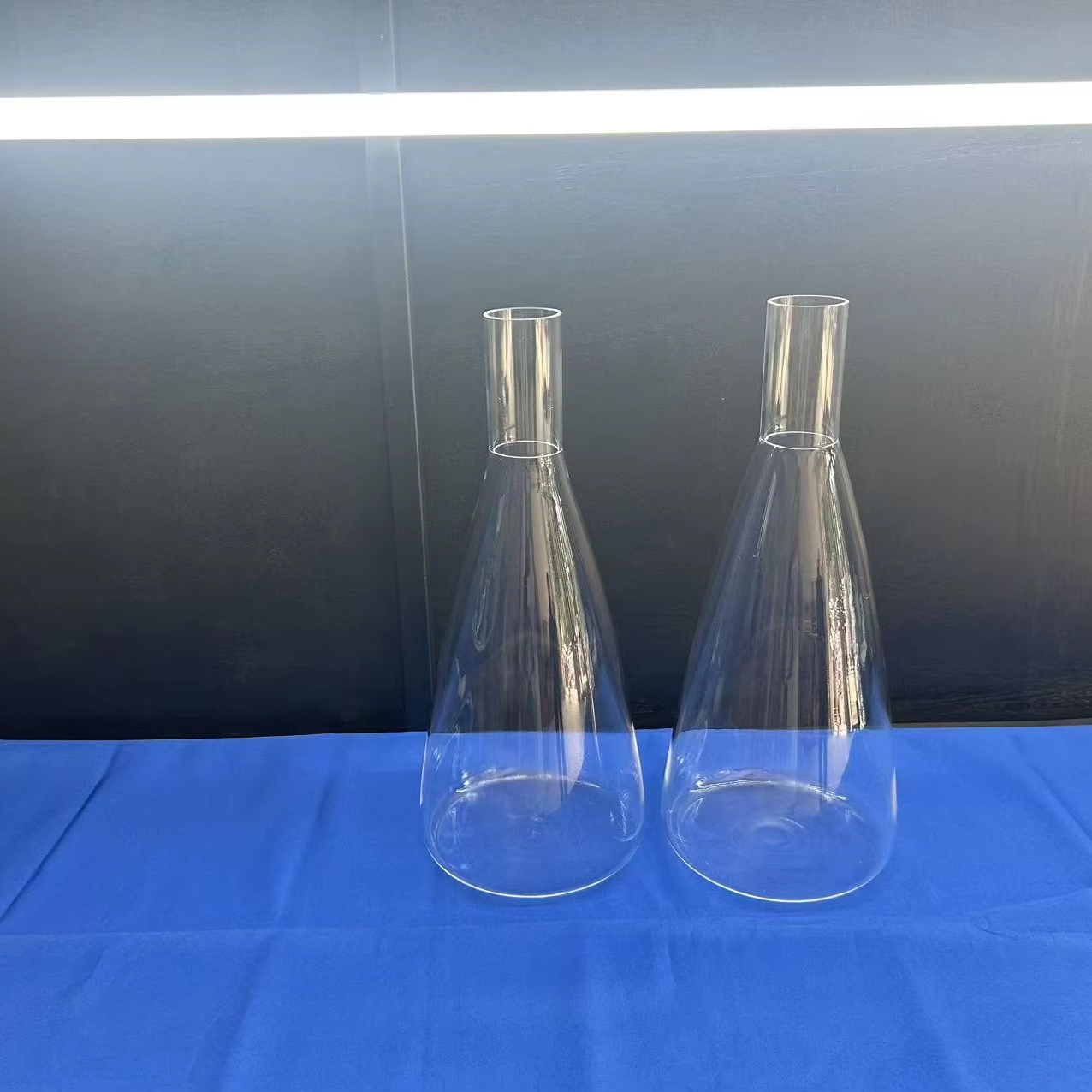
Laboratory Fused Silica Quartz Glass Flask for Ultra-Pure Chemical Synthesis & Analysis
View Product Details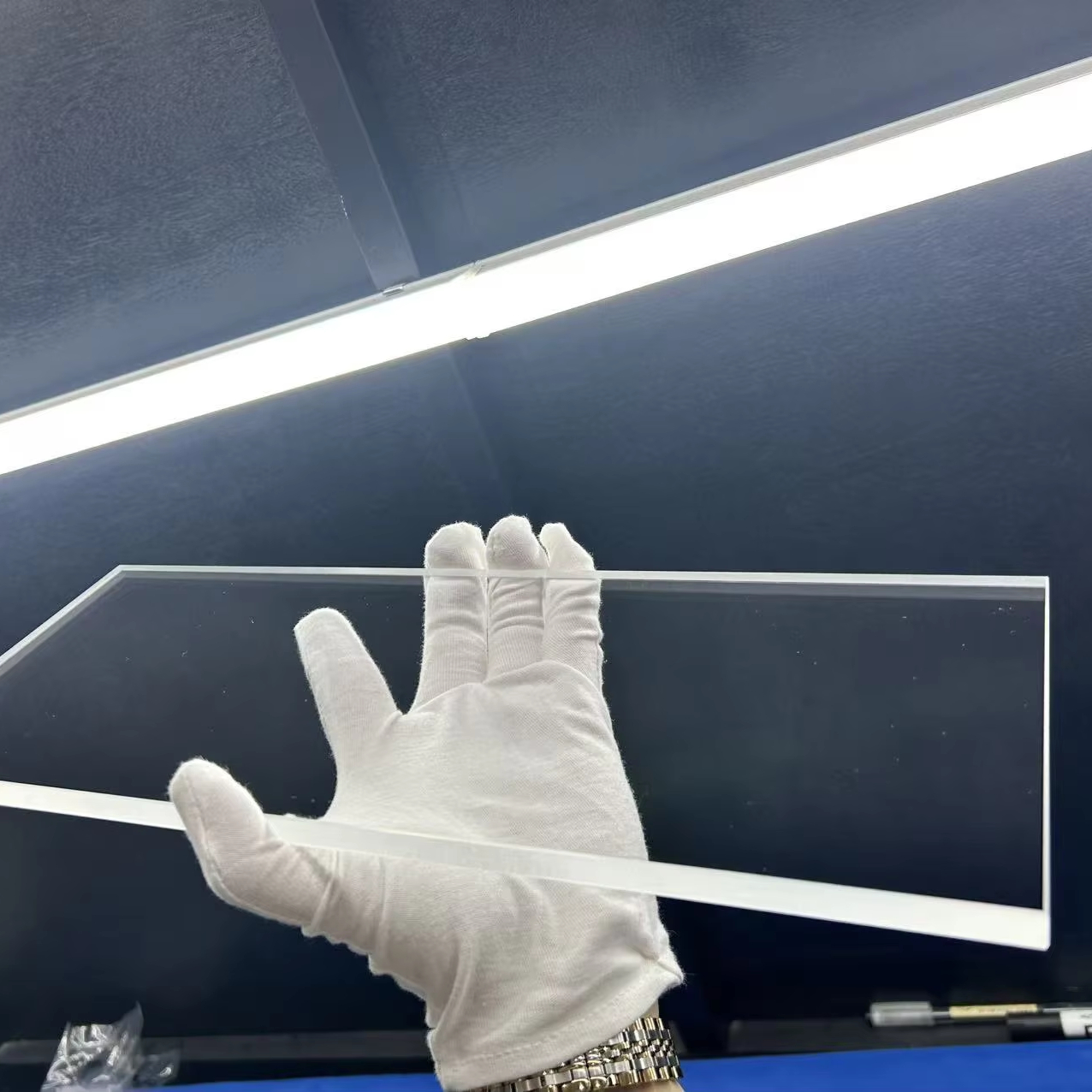
Ultra Clear High Purity Optical Quartz Sheet Substrate for Deep-UV and High-Infrared Window Applications
View Product Details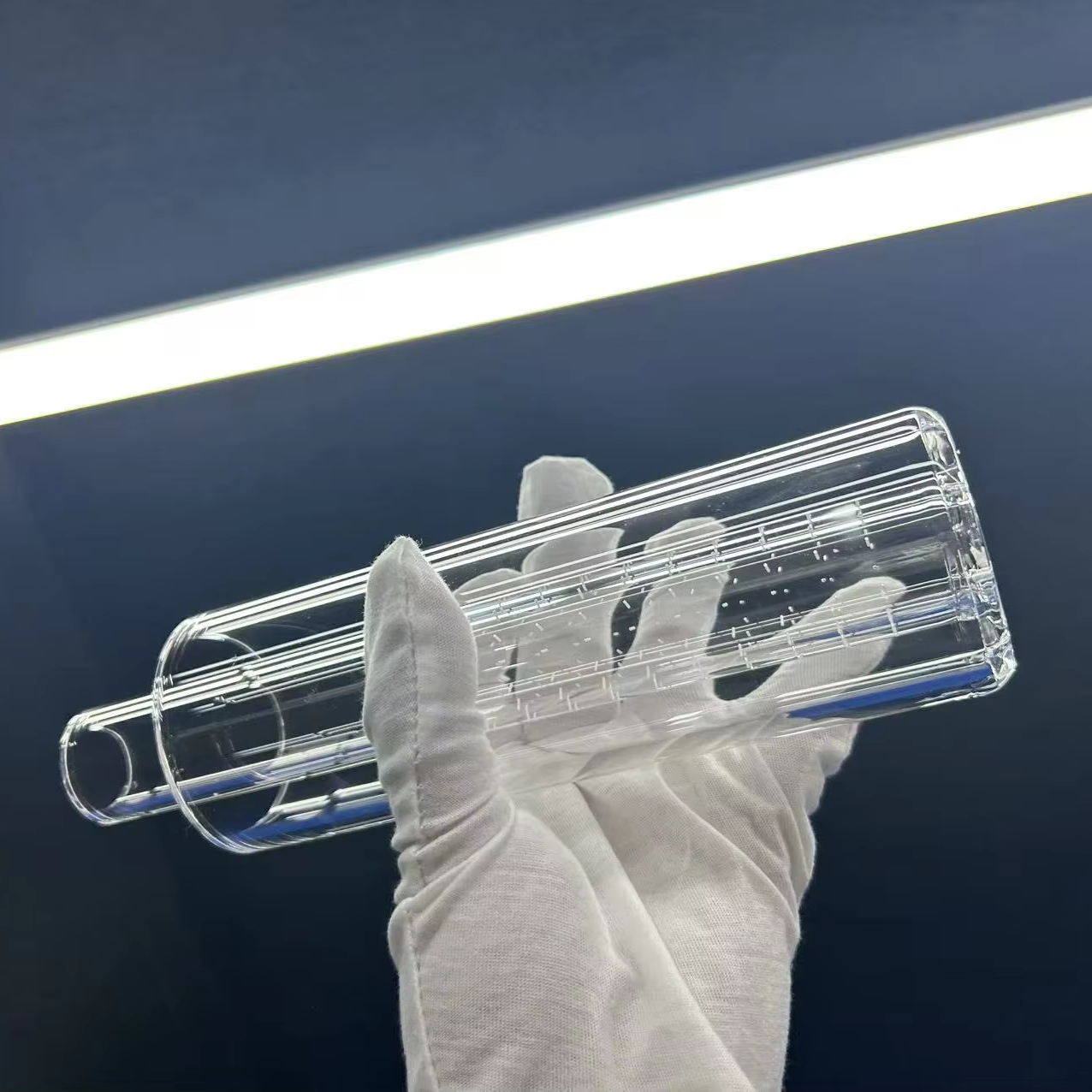
Customized Perforated Quartz Tube for Precision High-Temperature Gas Distribution Systems
View Product Details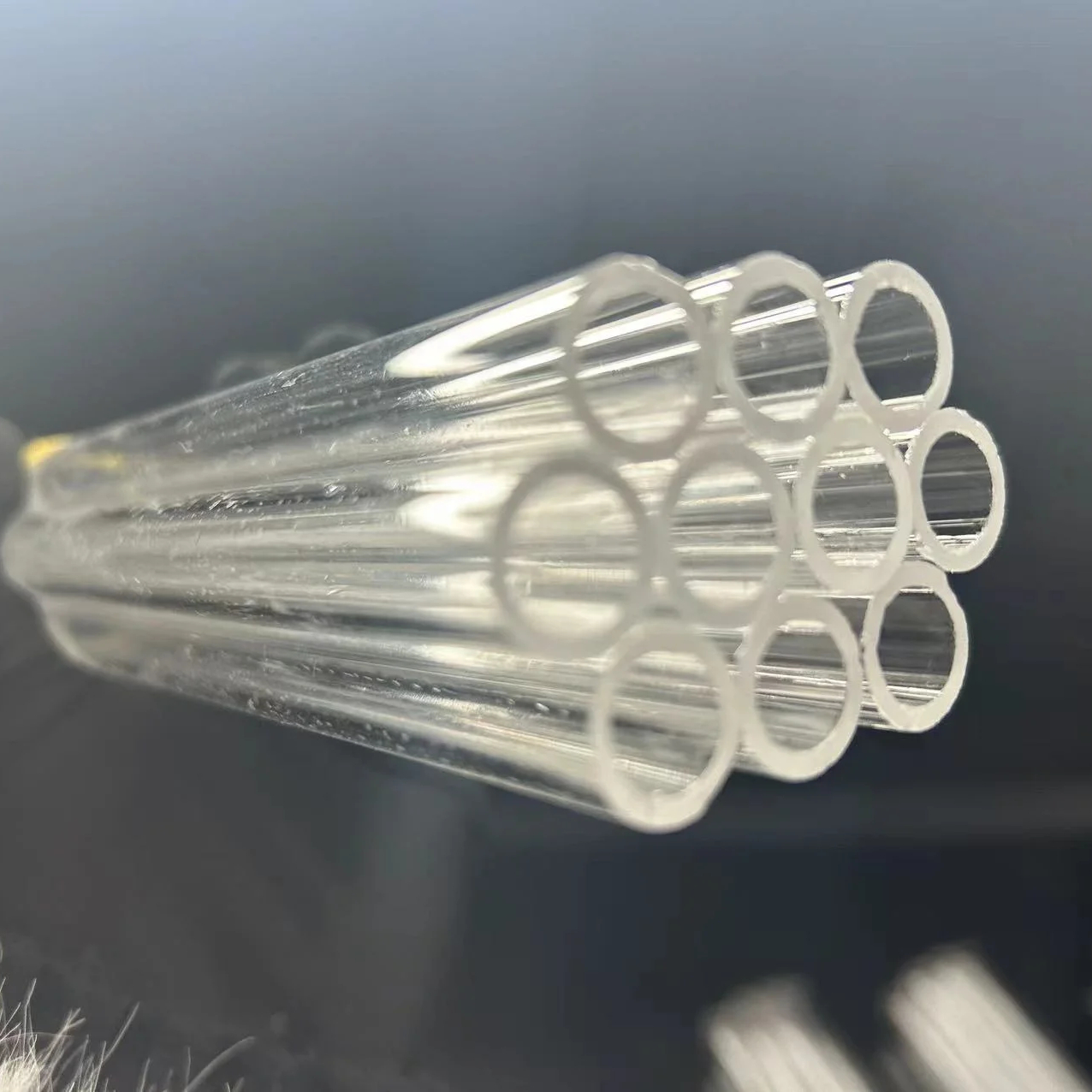
High Temperature Transparent Quartz Cylinder Tube Clear Glass with Professional OEM Manufacturing
View Product Details1. Technical Framework: Optical Quartz Substrates & Refractive Dynamics
Precision optical prisms serve as critical building blocks in modern photonic, marine sensing, analytical spectroscopy, and environmental diagnostic instruments. For technical procurement officers, optical engineers, and research directors across St. George's and the wider Caribbean area, selecting the optimal optical glass or synthetic fused quartz substrate is paramount to system reliability. Donghai County Nivra Quartz Products Co., Ltd. delivers world-class Custom OEM Optical Quartz Prisms, tailored to demanding environmental and optical parameters.
Unlike standard borosilicate or N-BK7 optical glasses, fused silica and optical quartz exhibit near-zero thermal expansion ($\alpha \approx 5.5 \times 10^{-7} / ^\circ\text{C}$), exceptional optical transmission ranging from deep ultraviolet (185 nm) to infrared wavelengths (3500 nm), and superior physical durability against abrasive marine salt spray and aggressive acids. In tropical marine microclimates such as St. George's harbour and surrounding oceanic testing sites, optics face severe challenges including high atmospheric humidity, salt fog corrosion, and intense solar UV degradation. Our custom optical quartz prisms retain structural and optical wavefront integrity under these exact conditions.
Material Grade Comparison: Synthetic Fused Silica (JGS1) vs. Optical Fused Quartz (JGS2) vs. IR Synthetic Silica (JGS3)
Understanding the molecular-level characteristics of synthetic silica and naturally fused quartz allows engineers in Grenada to optimize optical efficiency and budget constraints:
| Material Grade | Transmission Bandwidth | Hydroxyl (OH⁻) Content | Bubble Class & Inclusions | Primary Regional Applications |
|---|---|---|---|---|
| JGS1 (Synthetic Fused Silica) | 185 nm – 2500 nm (Deep UV) | < 5 ppm to 150 ppm | Class 0 (Bubble-Free) | Laser refractometry, UV water sterilization sensors, fluorescence spectroscopy in St. George's labs. |
| JGS2 (Fused Quartz from Natural Crystal) | 220 nm – 2500 nm (UV-Vis) | 150 ppm – 200 ppm | Class 1 / Class 2 | Solar radiometry monitoring, port security optics, marine turbidity testing equipment. |
| JGS3 (Infrared Grade Fused Silica) | 260 nm – 3500 nm (Near-IR / IR) | < 5 ppm (Water-Free) | Class 0 / Class 1 | Thermal imaging prisms, long-wave infrared sensors, moisture measurement in agricultural processing. |
Each prism geometry—whether Right-Angle, Penta, Porro, Dove, or Custom Corner Cube Retroreflectors—is fabricated using high-precision CNC diamond grinding, double-sided planetary optical polishing, and interferometric wavefront inspection to ensure surface roughness below $0.5 \text{ nm RMS}$ and scratch-dig specifications down to 10-5 per MIL-PRF-13830B standards.
2. Localized Optical Application Scenarios in St. George's Market
The unique geographic and economic position of St. George's, Grenada—combining world-renowned marine biology institutions, expanding port logistics at the Carenage, agricultural distillation industries, and regional solar energy initiatives—creates distinct, localized demands for custom optical components:
Marine Sensing & Oceanography
In Buoy Arrays and Subsea Optical Sensors deployed off Grand Anse and marine protected zones, custom JGS1 right-angle and retroreflective prisms direct laser beams for marine turbidity, salinity, and chlorophyll-a spectrophotometry without bio-fouling optical drift.
Solar Radiometry & Meteorology
With intense Caribbean direct solar irradiance, atmospheric weather stations and academic research setups at St. George's University utilize high-durability JGS2 dispersion and quartz step plates to measure UV index levels and global horizontal solar radiation.
Distillery & Food Quality Refractometry
Grenada's historic rum distilleries and agro-processors rely on optical refractometers containing chemical-resistant quartz prisms to monitor Brix degrees, alcohol content, and liquid purity under high chemical exposure.
Furthermore, maritime navigation systems and harbor clearance LiDAR modules at Port St. George require custom Penta prisms with absolute 90-degree beam deviation accuracy ($\le 3 \text{ arcsec}$) to ensure continuous operation without beam steering failure caused by saltwater buildup or ambient temperature shifts.
3. Industry Trends & Regional Sourcing Drivers in Grenada
As the Eastern Caribbean region accelerates investment in sustainable ocean economies (the "Blue Economy"), renewable energy infrastructure, and advanced educational facilities, optical procurement practices in St. George's have evolved significantly over the past five years:
- Shift Toward Hydrophobic & Salt-Resistant Optical Coatings: Standard anti-reflective (AR) coatings often degrade rapidly when exposed to tropical salt air. Nivra Quartz supplies optical prisms with advanced dielectric and physical vapor deposition (PVD) hydrophobic coatings, drastically extending component operational life.
- Demand for Consolidated Quartzware Orders: Sourcing managers in St. George's prefer direct-from-factory suppliers capable of consolidating optical prisms alongside custom quartz glass flasks, perforated tubes, Petri dishes, and quartz step plates in a single air-tight, shock-proof shipment to Maurice Bishop International Airport (GND).
- Proactive Quality Assurance & Traceability: Due to geographical distance from major optical manufacturing hubs, buyers cannot afford zero-day part failures. Every lot leaving our Donghai factory undergoes rigorous 3D coordinate measuring machine (CMM) dimensional verification, interferometric testing, and spectrophotometric purity analysis.
4. Strategic Manufacturing Advantages: Why Partner with Nivra Quartz?
Donghai County, Jiangsu, China, is globally recognized as the premier hub for quartz raw crystal mining and advanced glass processing. Donghai County Nivra Quartz Products Co., Ltd. combines local material dominance with state-of-the-art optical engineering to support global OEM partners and regional distributors in St. George's.
In-House Full Processing Chain
From raw ingot slicing, CNC ultrasonic drilling, and glass flame-welding to double-sided optical polishing and step-plate grinding, we control 100% of the manufacturing workflow under one roof.
Custom OEM/ODM Drawing Support
Our engineering team processes CAD, STEP, DWG, and PDF blueprints within 5 hours, providing DFM (Design for Manufacturability) advice to reduce fabrication costs while meeting tight angle tolerances.
Verified Quality Control & Delivery
With a verified 5.0/5 buyer rating and over 88.89% immediate inquiry response rate, we ensure high packaging integrity using custom shock-absorbing foam and fumigation-free export crates.
Flexible Low MOQ & Prototypes
Whether your team in St. George's requires a 1-piece prototype for university research or thousands of custom prism units for commercial equipment manufacturing, we scale seamlessly.
5. Procurement FAQ for St. George's Optical Quartz Buyers
Here are clear engineering and logistics answers to common questions raised by optical buyers, lab managers, and procurement officers in Grenada:
How do I choose between JGS1, JGS2, and JGS3 synthetic quartz for marine optical sensors in St. George's?
If your optical sensor operates in the Deep-UV spectrography range (185–250 nm) or uses UV laser-induced fluorescence, choose JGS1 Synthetic Fused Silica for zero-bubble clarity and maximum UV throughput. For general solar radiometry, visible-light water turbidity, or sight window applications, JGS2 offers an exceptional balance of cost and performance. If your device utilizes IR lasers or thermal sensing up to 3500 nm, select water-free JGS3.
How does Nivra Quartz ensure fragile quartz prisms and tubes survive international air freight to Grenada?
Every custom optical prism and glass item is individually cleaned, wrapped in static-free protective film, and embedded in custom-cut, high-density EPE shock-absorbing foam chambers. Packages are placed inside heavy-duty multi-layer corrugated export cartons or reinforced, fumigation-free wooden crates designed to withstand transit drops, pressure changes, and ocean/air freight vibration.
Can you manufacture custom prisms directly from our technical CAD drawings?
Yes. Simply email your PDF, STEP, or DWG drawings directly to our engineering department. Please specify key parameters such as substrate grade (JGS1/JGS2/JGS3), angular tolerances (e.g., $\pm 5 \text{ arcsec}$), surface quality (e.g., 20-10 or 10-5 Scratch-Dig), coating specifications (AR, aluminum, gold, or dielectric reflection), and required batch quantity.
What thermal limits can these optical quartz products sustain?
Our clear fused quartz products can withstand continuous operational temperatures up to 1100°C and short-term thermal peaks reaching 1450°C. The material softening point is approximately 1683°C, offering unmatched thermal shock resistance compared to conventional optical glasses.
What is the typical lead time for custom OEM prism orders destined for the Caribbean market?
Prototype samples and small batches (1–50 pieces) are typically fabricated and polished within 10 to 15 business days following drawing sign-off. Bulk OEM production runs take approximately 20 to 25 days depending on coating complexity. Fast international express shipping via DHL/FedEx to St. George's usually takes 5 to 7 transit days.
Ready to Request a Custom Optical Quartz Quotation?
Send us your drawings or optical specs today. Our engineers are online to evaluate manufacturability, confirm material selection, and provide competitive OEM pricing within 5 hours.