Featured Industrial & Optical Quartz Products
From non-dispersive infrared (NDIR) observation sight glasses to custom coil tubes and high-purity laboratory vessels, our facility delivers dimensional consistency with tolerances down to ±0.01 mm for the Greater The Hague science hub.
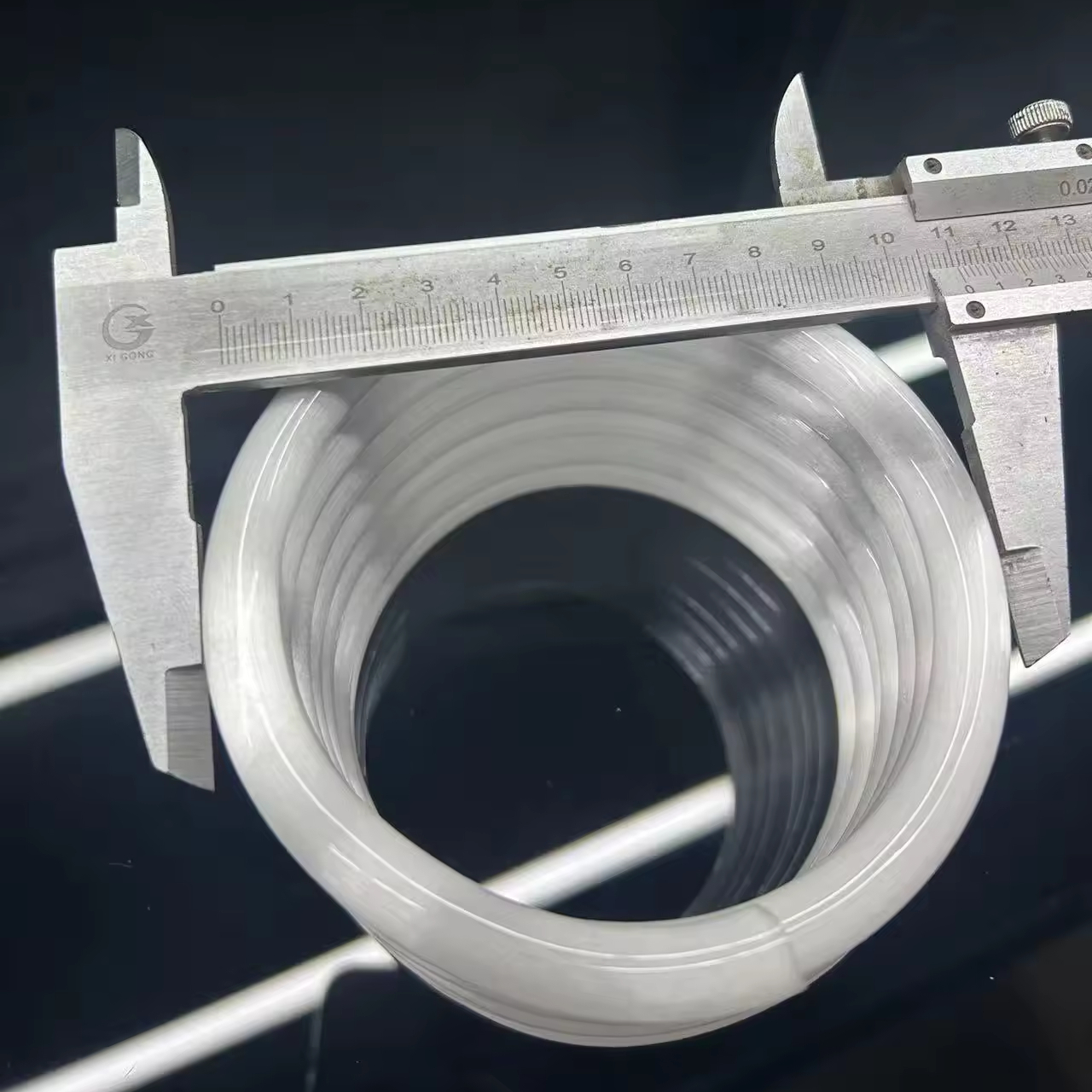
Helical Clear Quartz Glass Coil t Tube
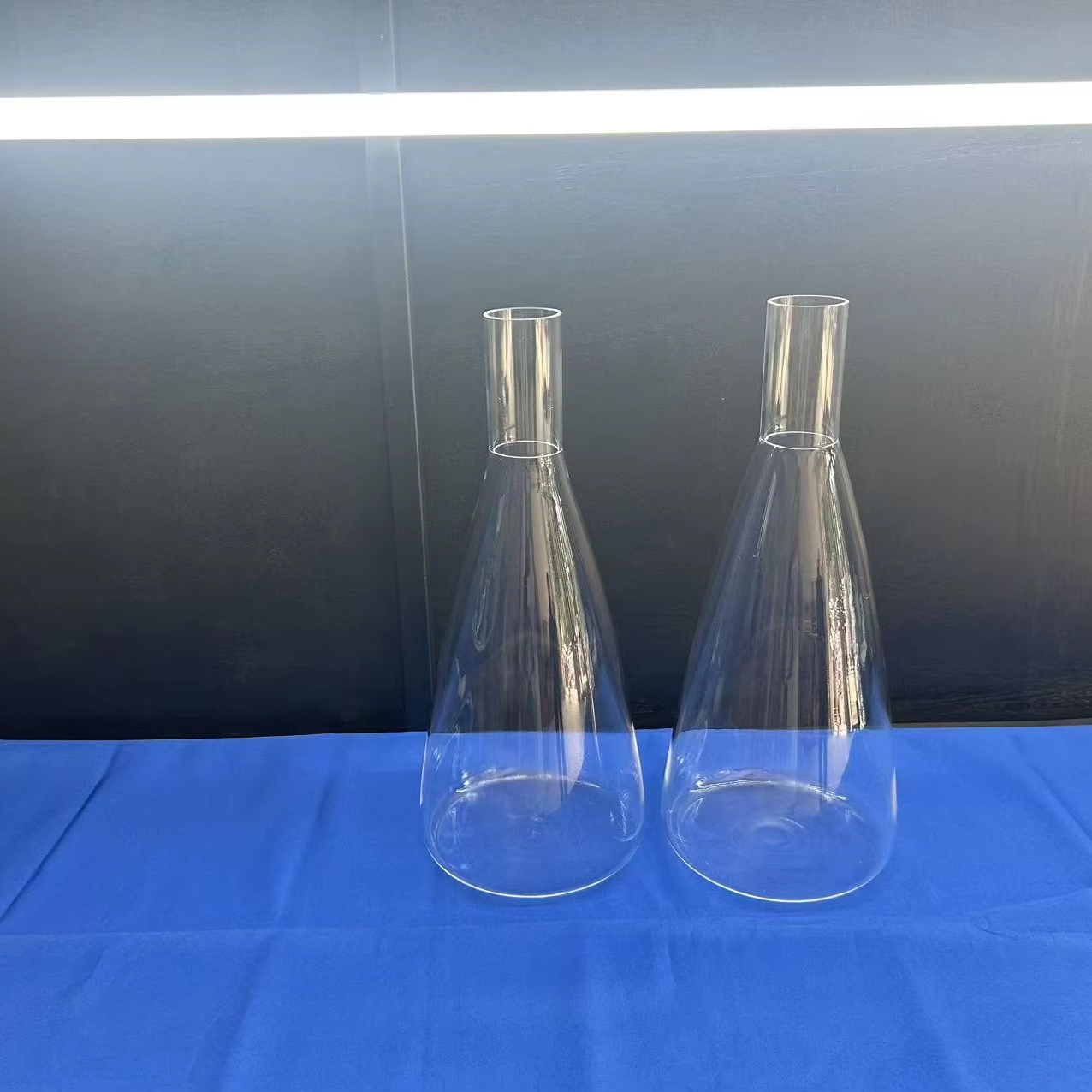
Laboratory Fused Silica Quartz Glass Flask
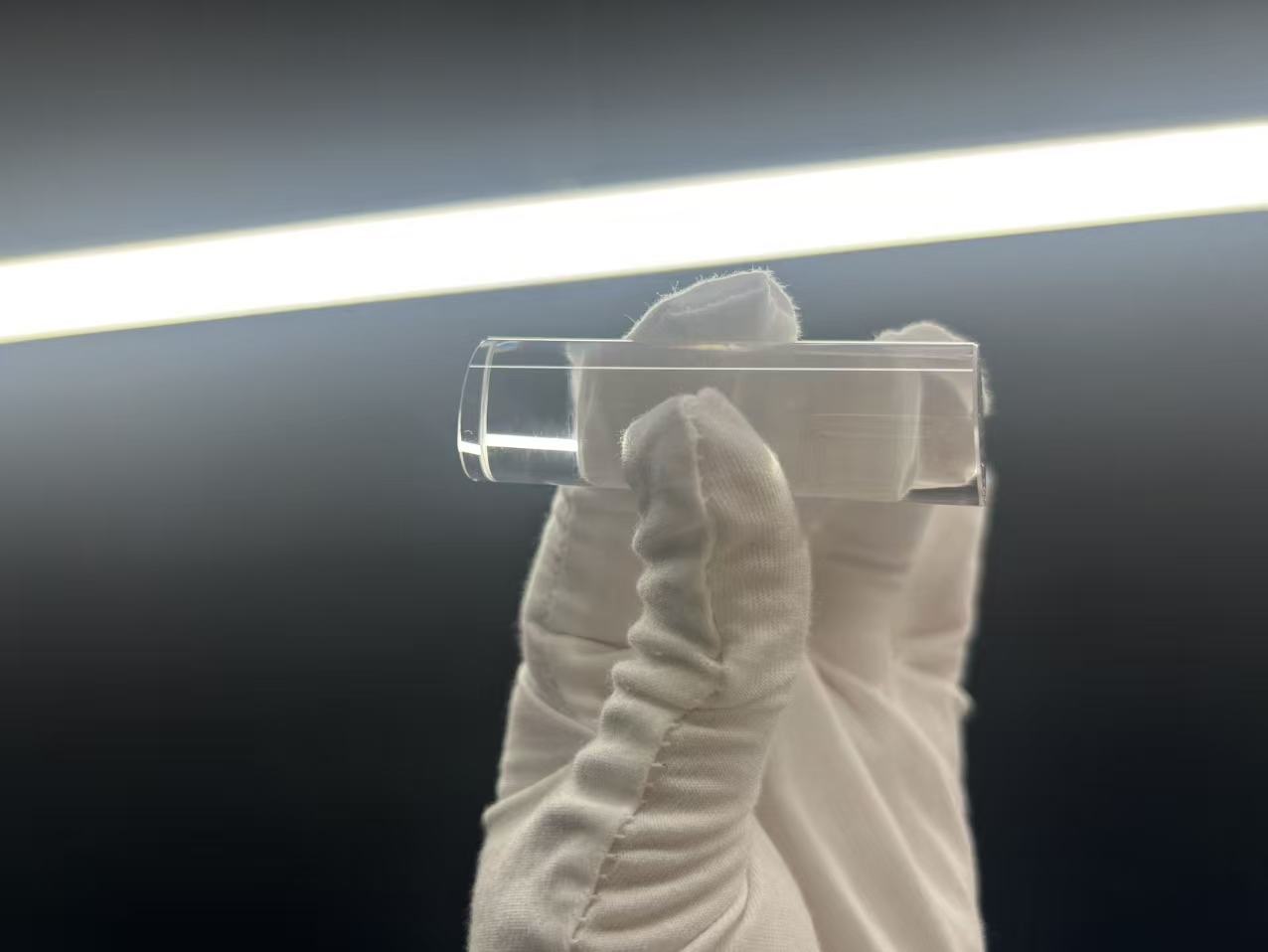
Round Head Quartz Rod
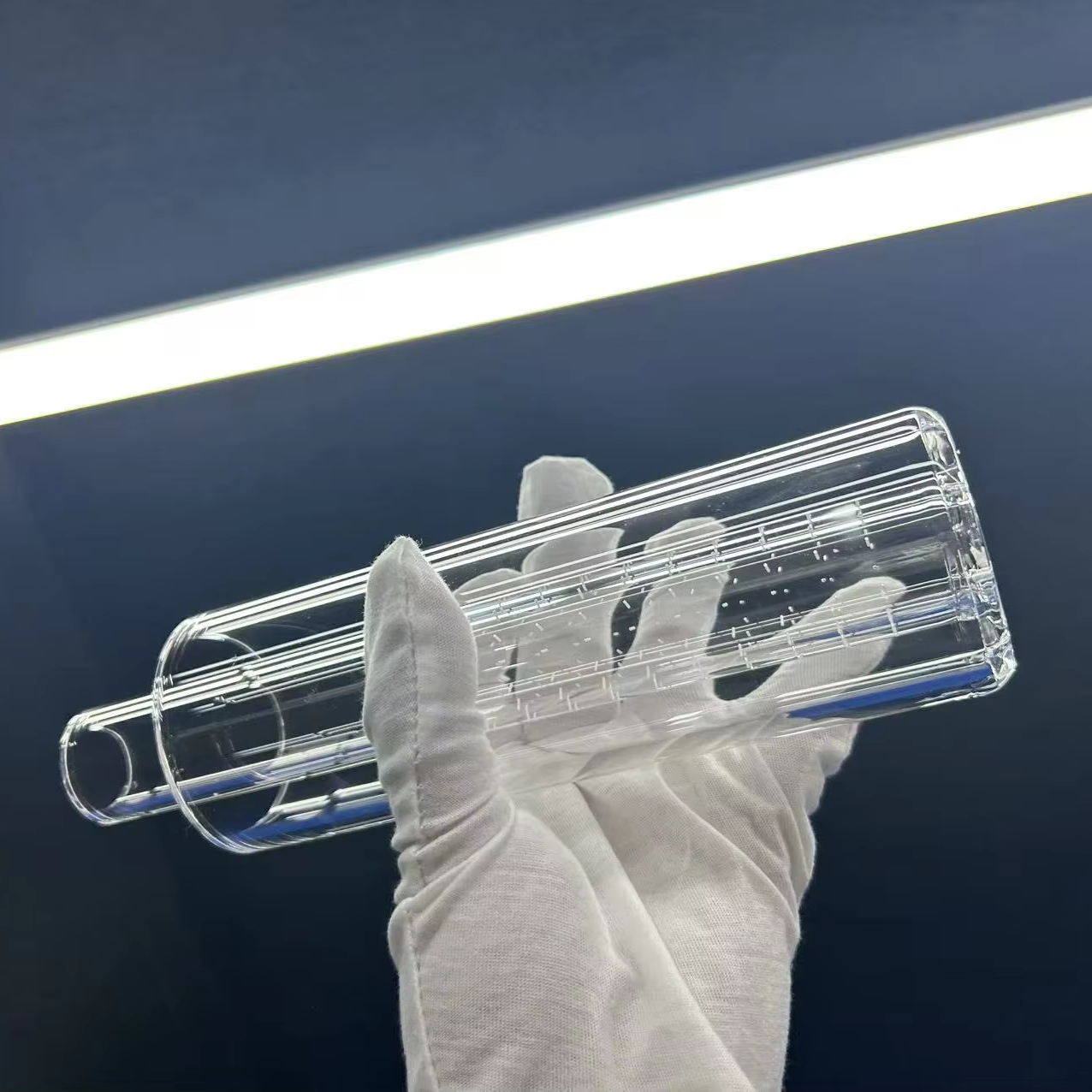
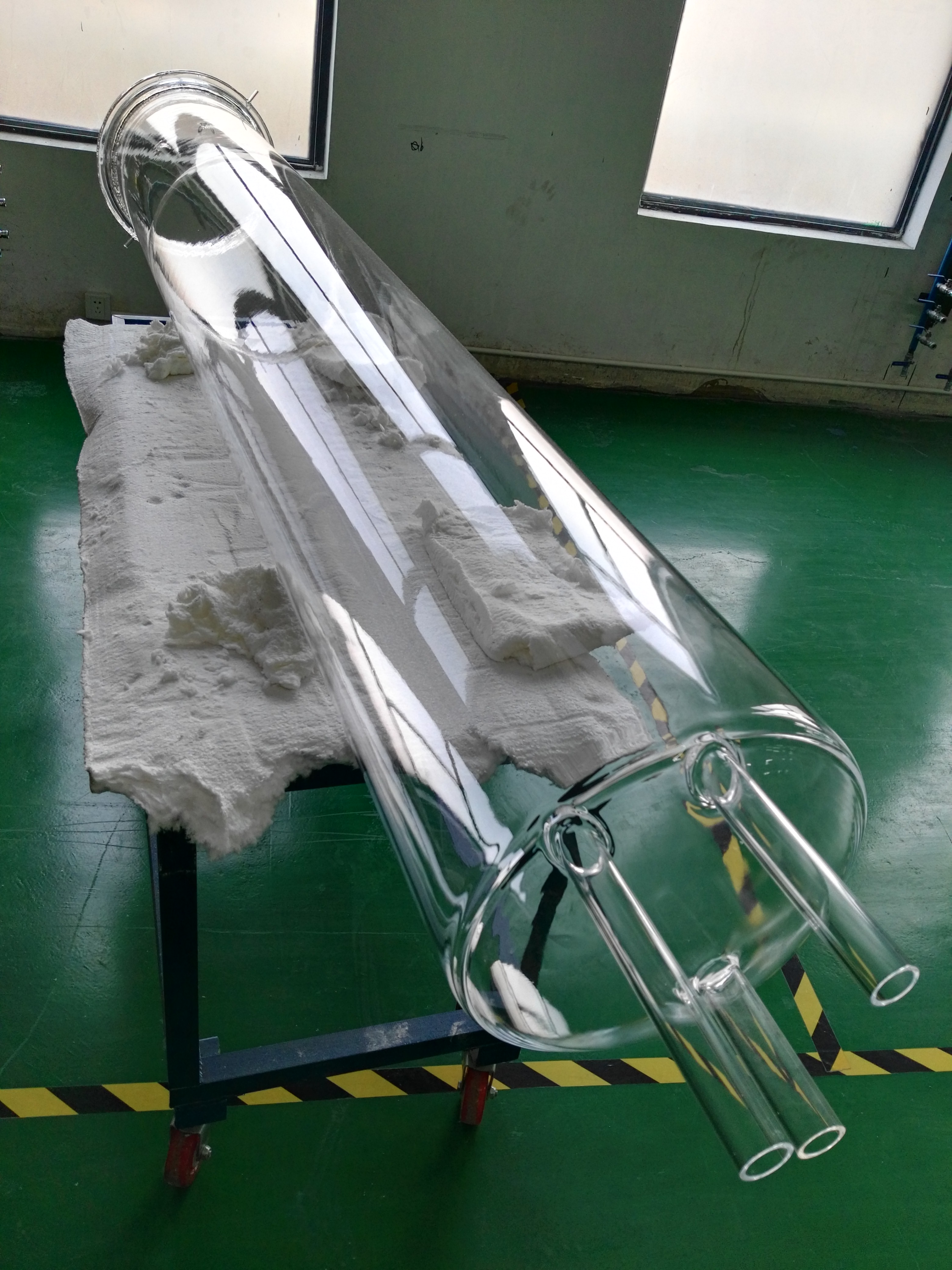
Customized Perforated Quartz Tube
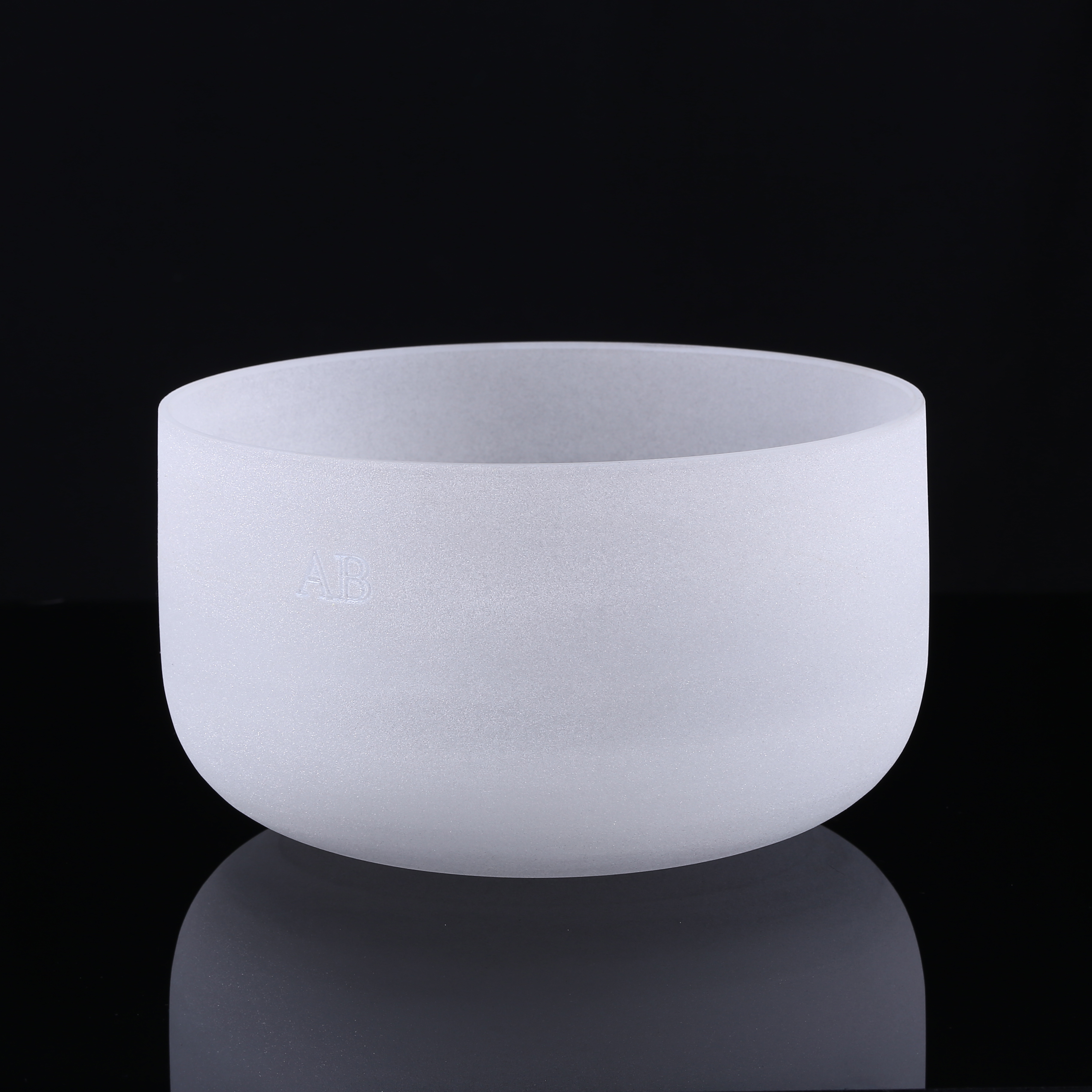
High Temperature Fused Silica Quartz Crucible
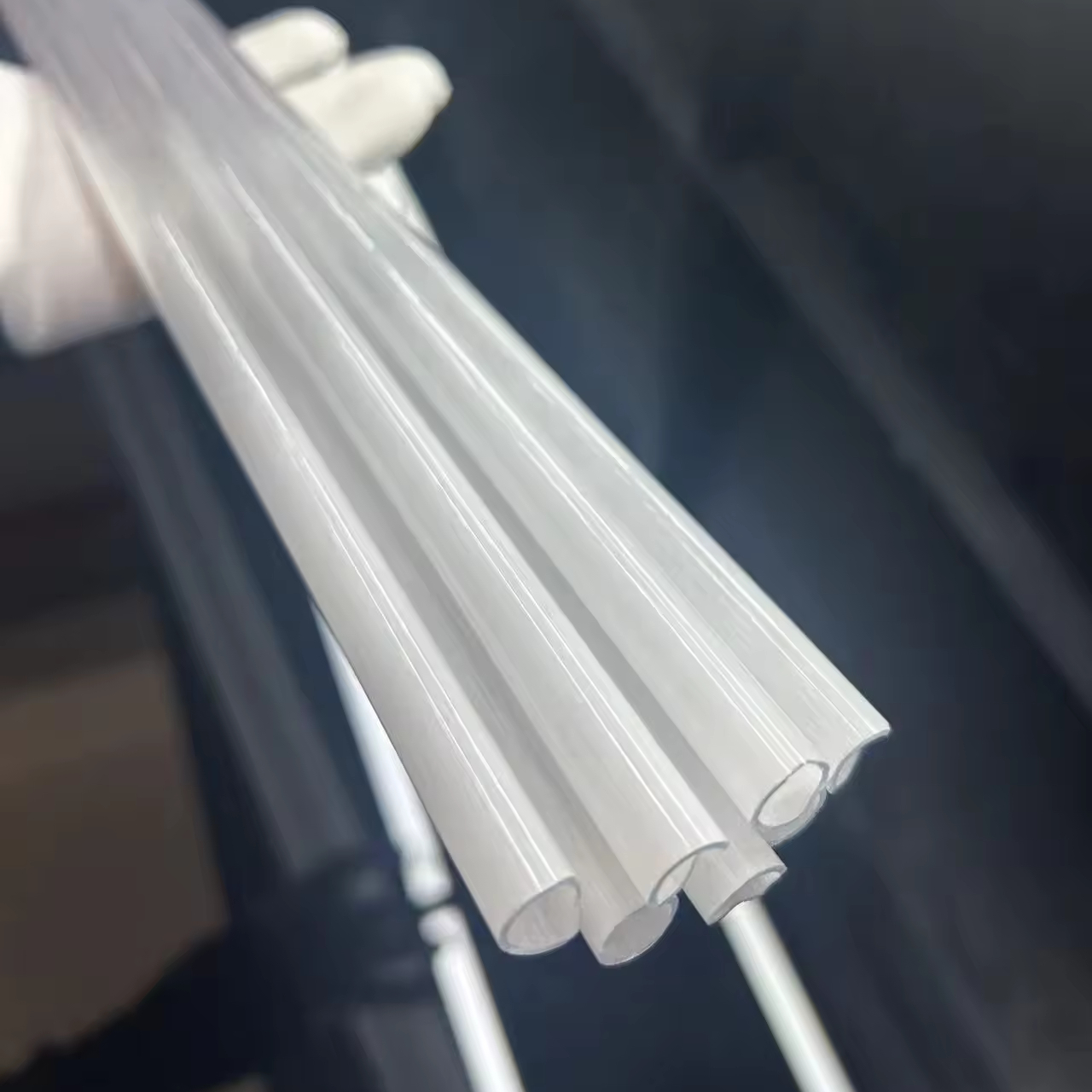
Translucent Quartz Glass Pipe Quartz Glass Sleeve
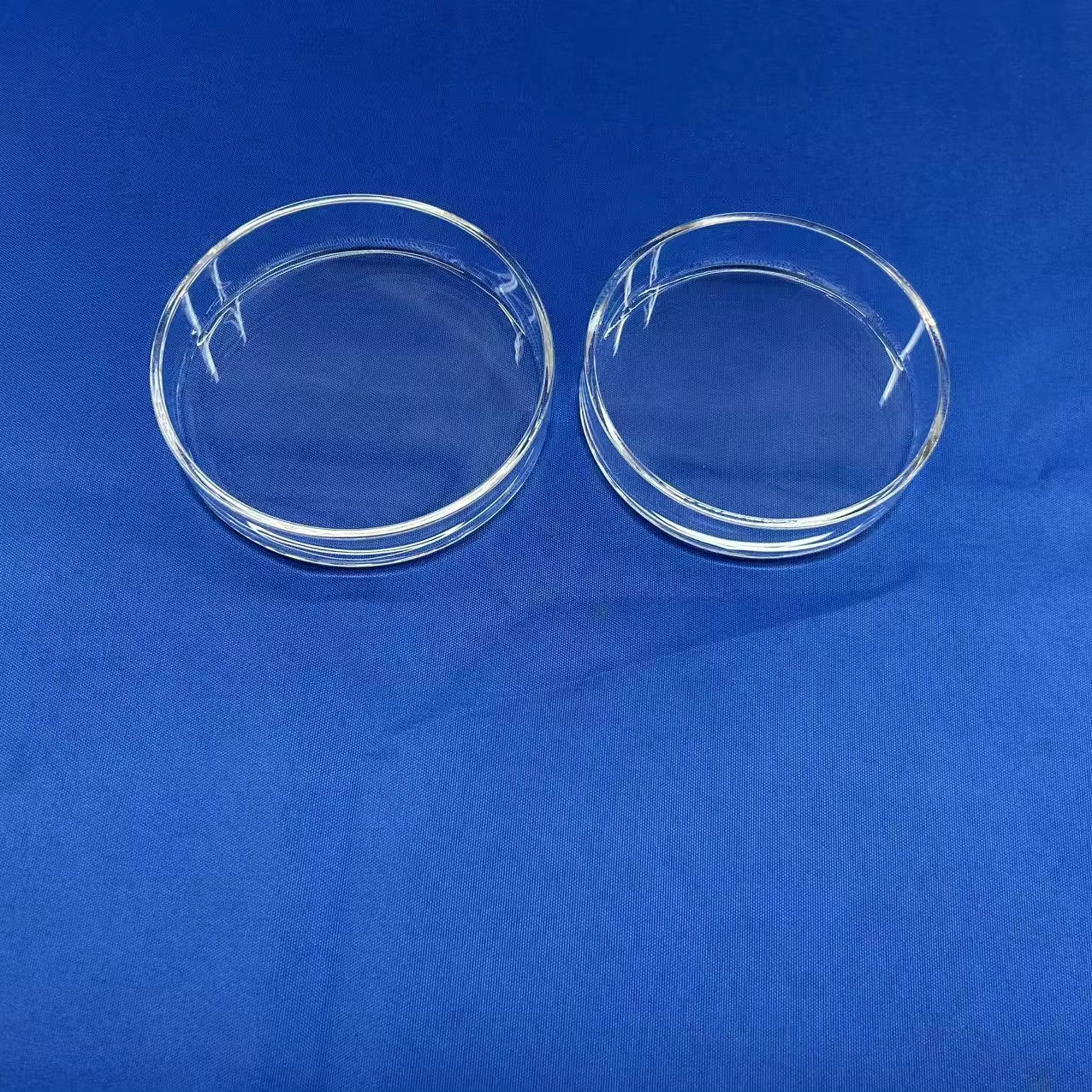
Factory Customized High-purity Quartz Petri Dishes
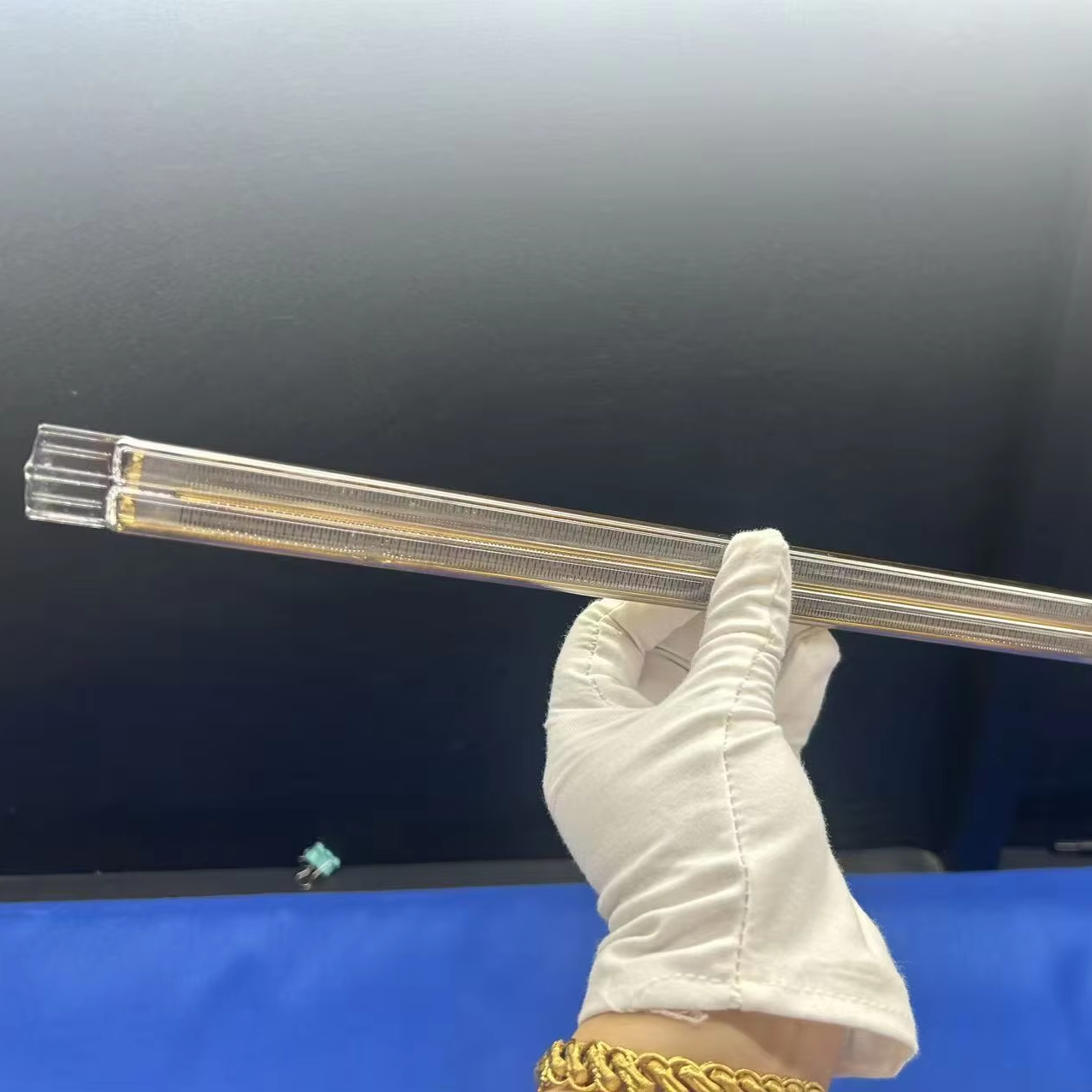
Graphene Quartz Heating Tube
Den Haag & The South Holland High-Tech Corridor: Precision Optical Sourcing Architecture
As the seat of government of the Netherlands and the epicenter of international legal, maritime, and technological security, The Hague (Den Haag) occupies a central position within the South Holland innovation ecosystem. Flanked by Delft University of Technology (TU Delft), the Netherlands Organisation for Applied Scientific Research (TNO), the European Space Research and Technology Centre (ESA-ESTEC) in nearby Noordwijk, and analytical security authorities such as the Organisation for the Prohibition of Chemical Weapons (OPCW), Den Haag requires optical components that operate far beyond consumer commercial grade tolerances.
In high-precision optomechanical instrumentation, infrared spectrometers, pyrometry housings, and thermal vacuum test rigs, the Infrared Quartz Window (specifically JGS3 low-OH fused silica) is not a mere structural barrier; it is an active optical element. Selecting the wrong silica grade, failing to identify residual absorption bands, or tolerating subpar surface wavefront distortions immediately degrades instrument sensitivity, introduces thermal lensing, and causes costly test re-runs.
Donghai County Nivra Quartz Products Co., Ltd. serves the The Hague industrial market with bespoke, direct-from-source quartz fabrications. Located in Donghai County—China's historic hub for quartz refining and crystalline silica synthesis—our manufacturing infrastructure combines automated double-sided planetary polishing, 5-axis ultrasonic CNC glass processing, and computerized vacuum annealing furnaces. We provide Dutch researchers and OEM design engineers with direct access to tailored optical blanks, custom step-profile viewports, and vacuum-sealed flanges engineered precisely to DIN ISO 10110 optical drawing standards.
Spectroscopic Transmission & Hydroxyl (OH⁻) Band Engineering: JGS1 vs. JGS2 vs. JGS3
When Dutch procurement specialists specify custom infrared quartz windows, the essential material distinction lies in hydroxyl (OH⁻) concentration. Standard synthetic silica contains significant bonded moisture that induces a severe optical absorption band at 2730 nm (2.73 μm), with secondary harmonic drop-offs at 2200 nm and 1400 nm. In FTIR spectroscopy, infrared pyrometry, gas detection (e.g., CO, CO₂, CH₄ sensing in Rotterdam-The Hague port complexes), and long-wave laser systems, this absorption dip causes fatal beam attenuation.
To address this physical constraint, Nivra Quartz supplies three distinct raw material classes:
| Material Grade | SiO₂ Purity | Transmission Bandwidth | OH Content | Primary Industrial Use in The Hague |
|---|---|---|---|---|
| JGS1 (Synthetic Fused Silica) | ≥ 99.999% | 185 nm – 2500 nm | ≤ 1200 ppm | Deep-UV photolithography metrology, excimer optics, UV cuvettes |
| JGS2 (Optical Fused Quartz) | ≥ 99.99% | 220 nm – 2500 nm | ≤ 200 ppm | Standard laboratory sight glasses, high-intensity lamp jackets |
| JGS3 (Infrared Fused Quartz) | ≥ 99.995% | 260 nm – 3500 nm | ≤ 5 ppm | FTIR windows, IR gas detection viewports, thermal sensor caps |
| Monocrystalline Sapphire (Al₂O₃) | ≥ 99.999% | 200 nm – 5000 nm | Zero OH | Severe mechanical abrasion, marine subsea inspection, high pressure |
Mechanical & Physical Thresholds: Fused quartz displays an extraordinarily low linear coefficient of thermal expansion (α = 5.5 × 10⁻∇ / °C between 20 °C and 320 °C). This characteristic makes Nivra's JGS3 windows almost completely immune to thermal shock. An engineer at TNO or a TU Delft spin-off can rapidly cycle a viewport from liquid nitrogen temperatures (77 K) to +1100 °C under vacuum conditions without risking mechanical fracture or refractive index drift.
Localized Application Scenarios across The Hague Science & Maritime Corridor
High-purity quartz window sourcing is driven by specific operating environments. Nivra Quartz manufactures custom configurations tailored to the distinct operational realities of South Holland:
TNO & TU Delft Optomechatronics
Extreme cleanroom environments require vacuum viewports (CF / KF / ISO flanges) fused to JGS3 windows with surface flatness of λ/10. Used in interferometric metrology for semiconductor lithography stages and quantum communication vacuum test chambers.
Chemical Verification (OPCW Labs)
Den Haag's chemical analytical institutions utilize demountable spectrophotometer cells and FTIR transmission windows that must resist severe organic solvents, volatile acids, and aggressive chemical degradation while maintaining a certified 90%+ IR throughput.
ESA-ESTEC Space Test Simulators
Located 20 minutes from central Den Haag in Noordwijk, ESTEC simulates deep-space radiation and intense thermal cycling. Our annealed JGS3 quartz viewports resist solarizing, preserve polarization purity, and withstand high-vacuum bakeout cycles up to 450 °C.
North Sea Offshore Energy Sensors
Maritime gas turbines, offshore hydrogen pipelines, and North Sea monitoring platforms rely on our high-pressure infrared sight glasses. Designed to survive coastal salt spray corrosion, thermal shock from flame blow-back, and differential pressures over 50 bar.
Greenhouse Photonics (Westland Hub)
Directly bordering Den Haag is the Westland horticultural cluster, pioneering precision agricultural spectral imaging. We manufacture bespoke NIR filter windows for automated multispectral plant health diagnostic sensors.
Bespoke OEM Analytical Apparatus
For specialized Dutch equipment makers building industrial gas chromatographs, Raman sensors, and thermal imagers, we provide CNC beveled edges, AR multi-layer anti-reflective coatings, and metalized soldering borders for hermetic brazing.
Localized High-Tech Trends: The Shift Toward Low-Loss Infrared Photonics (2025–2030)
The industrial landscape of the Netherlands is advancing toward circular microelectronics, carbon-neutral port operations, and integrated photonics under initiatives supported by PhotonDelta and the EU European Chips Act. Key market developments impacting quartz procurement include:
1. Shift to MWIR / SWIR Hyperspectral Sensing: In environmental monitoring of the Port of Rotterdam and industrial Den Haag perimeter, regulatory compliance demands continuous monitoring of fugitive VOCs, methane leaks, and carbon capture pipelines. Traditional borosilicate glass absorbs heavily in the short-to-mid-wave infrared spectrum. Sourcing teams are systematically replacing standard inspection windows with water-free JGS3 fused silica capable of unhindered transmission across the 1.0 μm to 3.5 μm band.
2. Stringent RoHS, REACH, and Material Traceability: Dutch engineering contractors require end-to-end certification verifying that optical components are lead-free, cadmium-free, and comply with EU Regulation (EC) No 1907/2006 (REACH). Nivra Quartz accompanies every batch with material inspection reports and ICP-OES trace elemental breakdown tests proving SiO₂ purity ≥ 99.99%.
3. Direct-from-Source OEM Supply Chain Agility: With rising European distribution costs, engineering consultancies and instrument manufacturers in Den Haag are increasingly bypassing local optical intermediaries. By collaborating directly with Nivra Quartz in Donghai, Dutch clients shorten production lead times for custom CNC geometries from 16 weeks to under 3 weeks, while reducing unit costs on custom production runs.
Manufacturing Authority: Donghai County Nivra Quartz Products Co., Ltd.
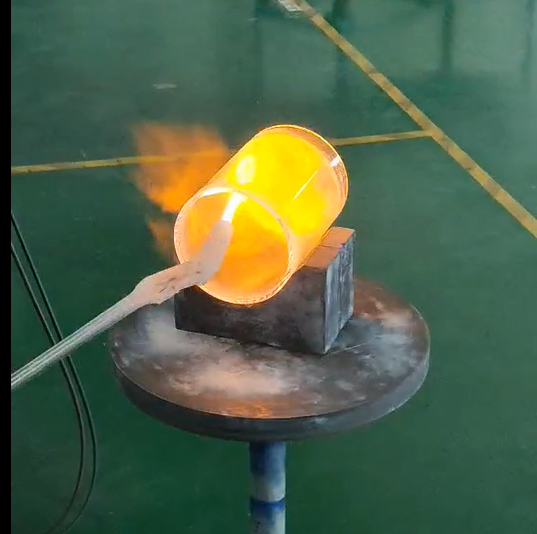
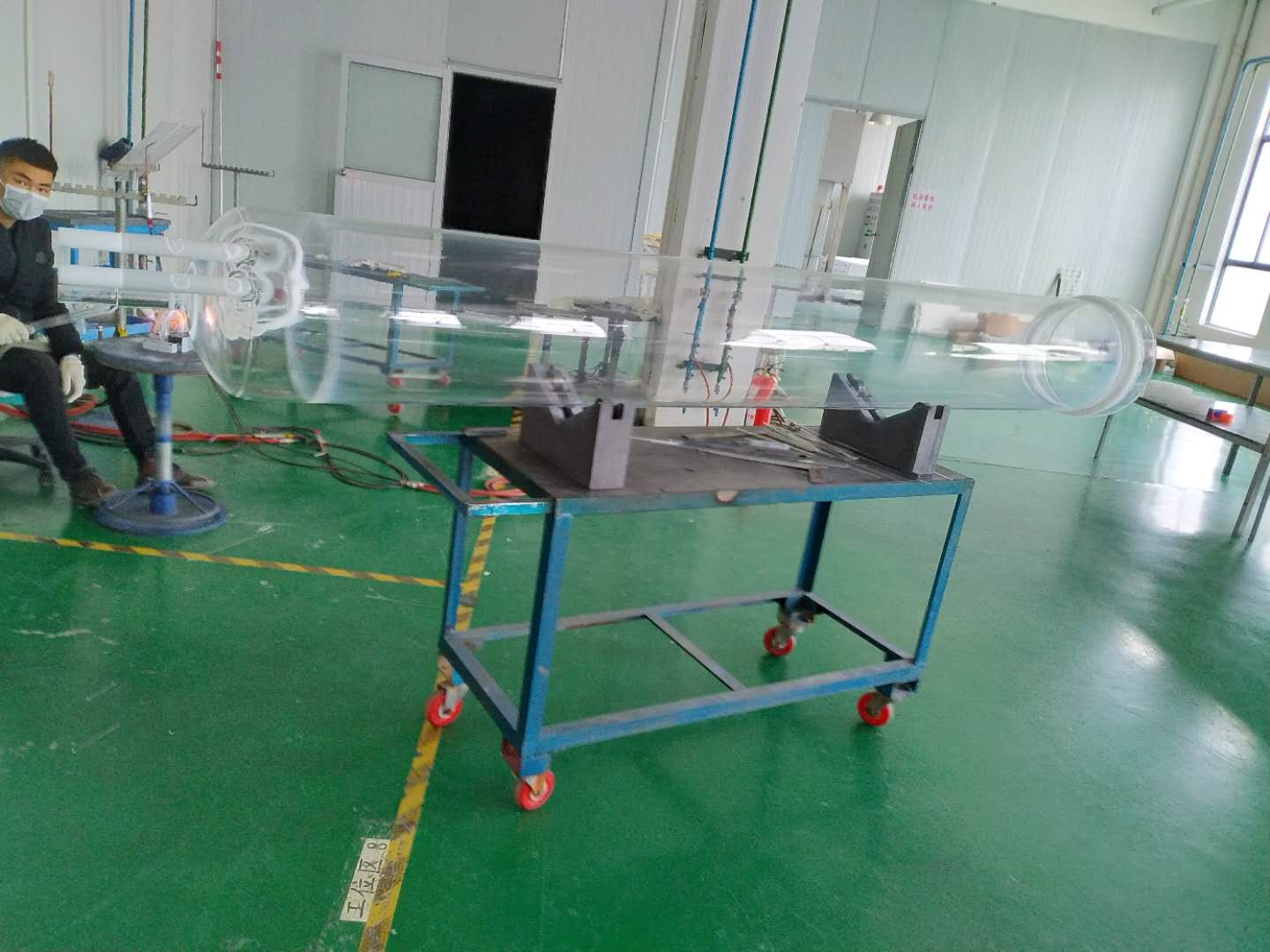
Founded in February 2019, Donghai County Nivra Quartz Products Co., Ltd. has established itself as an authoritative manufacturer and exporter of fused quartz glassware, optical discs, semiconductor boats, and precision sapphire windows. Situated at 285 Heping East Road, Lianyungang, Jiangsu—China's renowned quartz processing hub—we leverage local high-purity natural silica sand reserves and synthetic SiCl₄ vapor oxidation technology.
Operating with 101 to 200 skilled technical personnel, our processing facilities have undergone on-site verification by Alibaba.com and international auditing bodies. Our complete in-house manufacturing process covers every stage of production:
Precision CNC Machining
Diamond-tooled ultrasonic CNC mills carve intricate step-cuts, o-ring grooves, bevels, and countersunk holes with tolerances down to ±0.01 mm, adhering to your STEP or DWG CAD models.
Double-Sided CMP Polishing
Utilizing planetary lapping and chemical-mechanical polishing (CMP), our optical team achieves surface roughness Ra < 0.5 nm, laser-grade scratch-dig of 20/10, and parallelism < 10 arcseconds.
Interferometric Quality Control
Each optical blank is tested using Zygo laser interferometers, certified for transmission from UV to MWIR, and inspected under polarized stress analyzers to verify zero residual thermal stress.
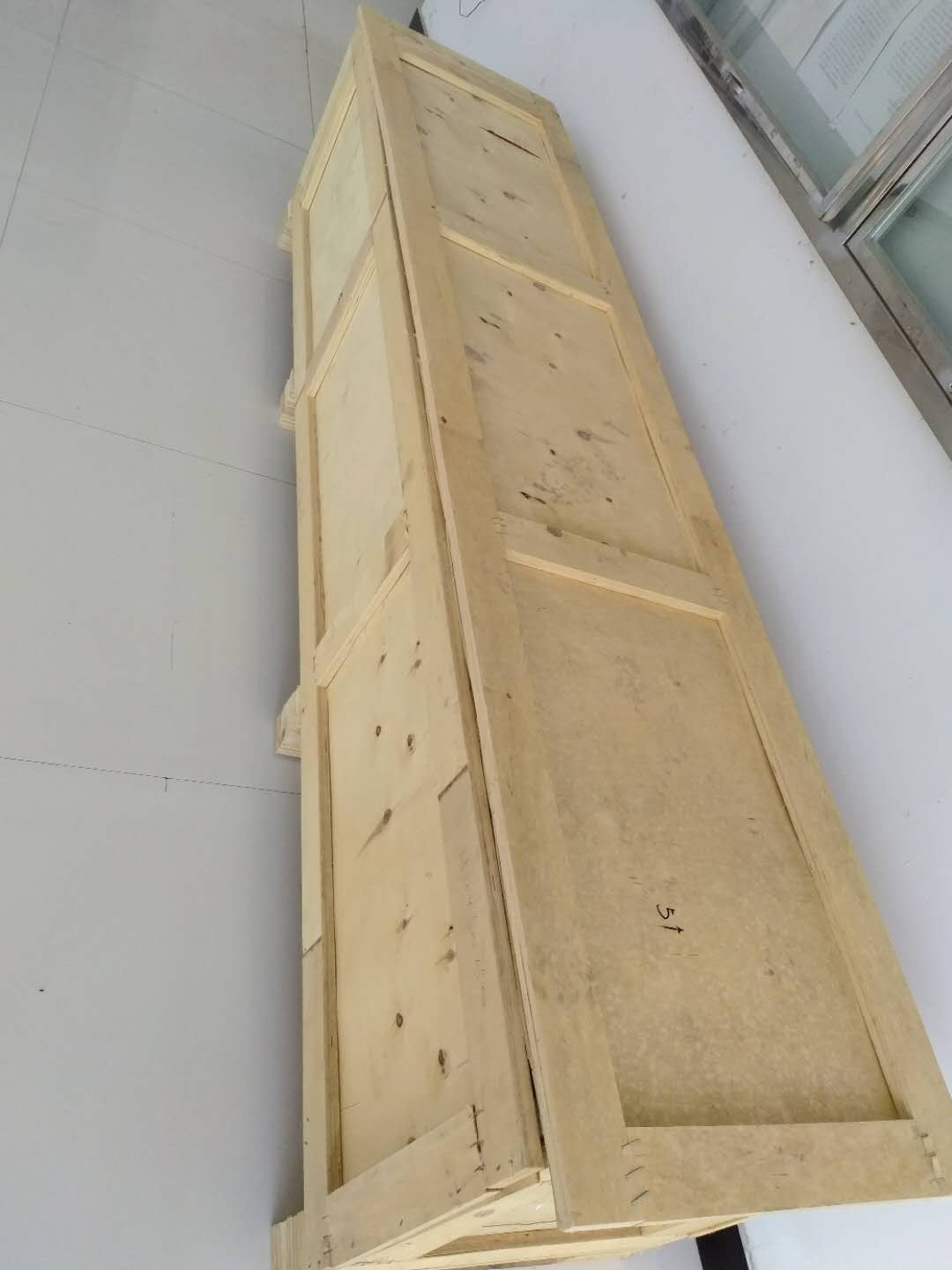
Our verified operational data demonstrates an average inquiry response time within 5 hours, a sustained inquiry response rate of 88.89%, and a verified 5.0/5 star rating across quality, logistics reliability, and customer service. Over 40% of our production volume serves demanding research hubs in Western Europe and North America, supported by breakage-free vacuum and foam export packing.
Factory Verification & Certification Credentials
Frequently Asked Questions for Sourcing Managers in The Hague
Straightforward answers addressing customs logistics, optical tolerances, testing protocols, and OEM manufacturing agreements for Dutch buyers.