High-Purity Fused Silica & Quartz Components for Industrial OEM
Manufactured with ≥99.99% pure synthetic and natural silicon dioxide (SiO₂). Engineered to meet rigorous Icelandic optical, geothermal, chemical, and laboratory specifications.
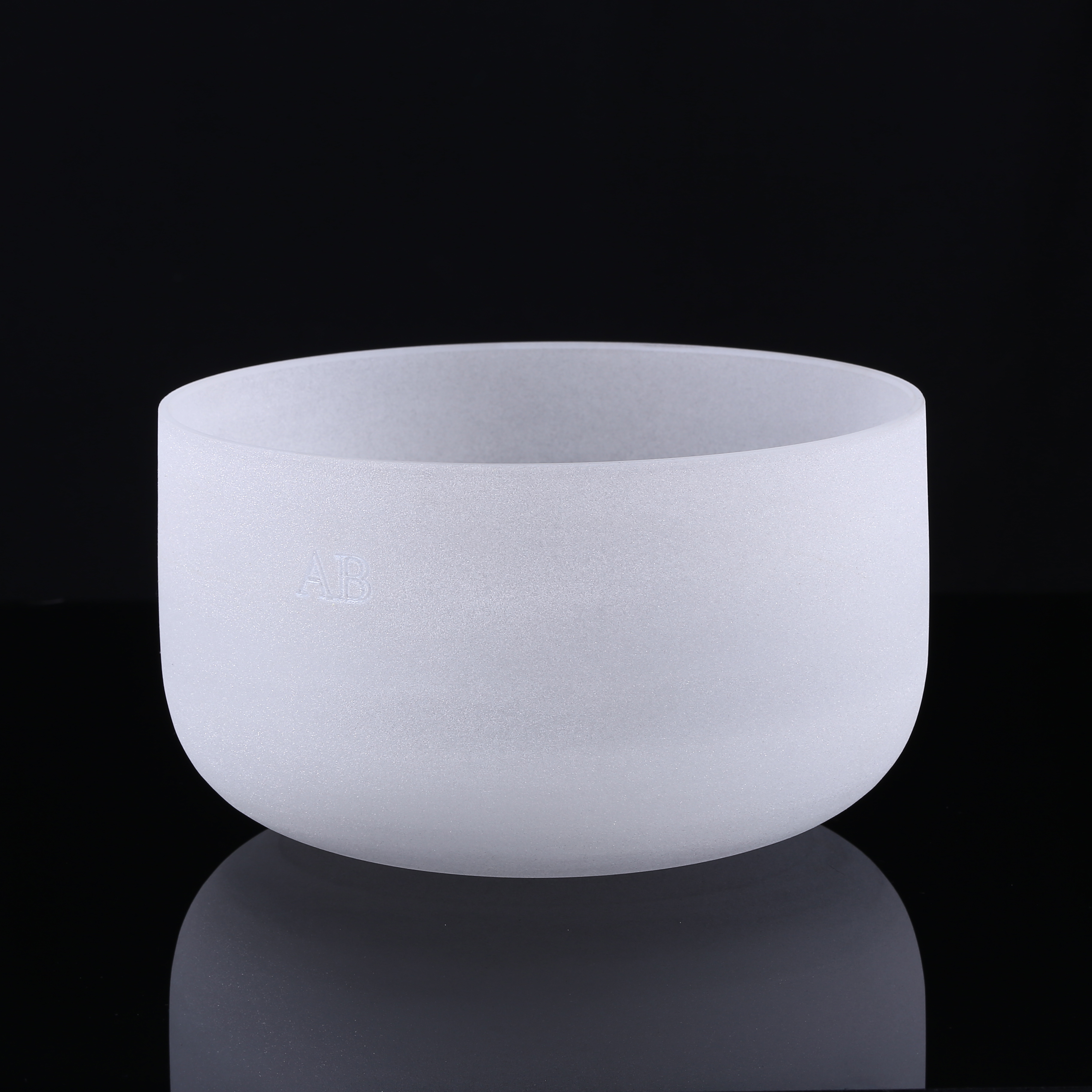
High Temperature Fused Silica Quartz Crucible
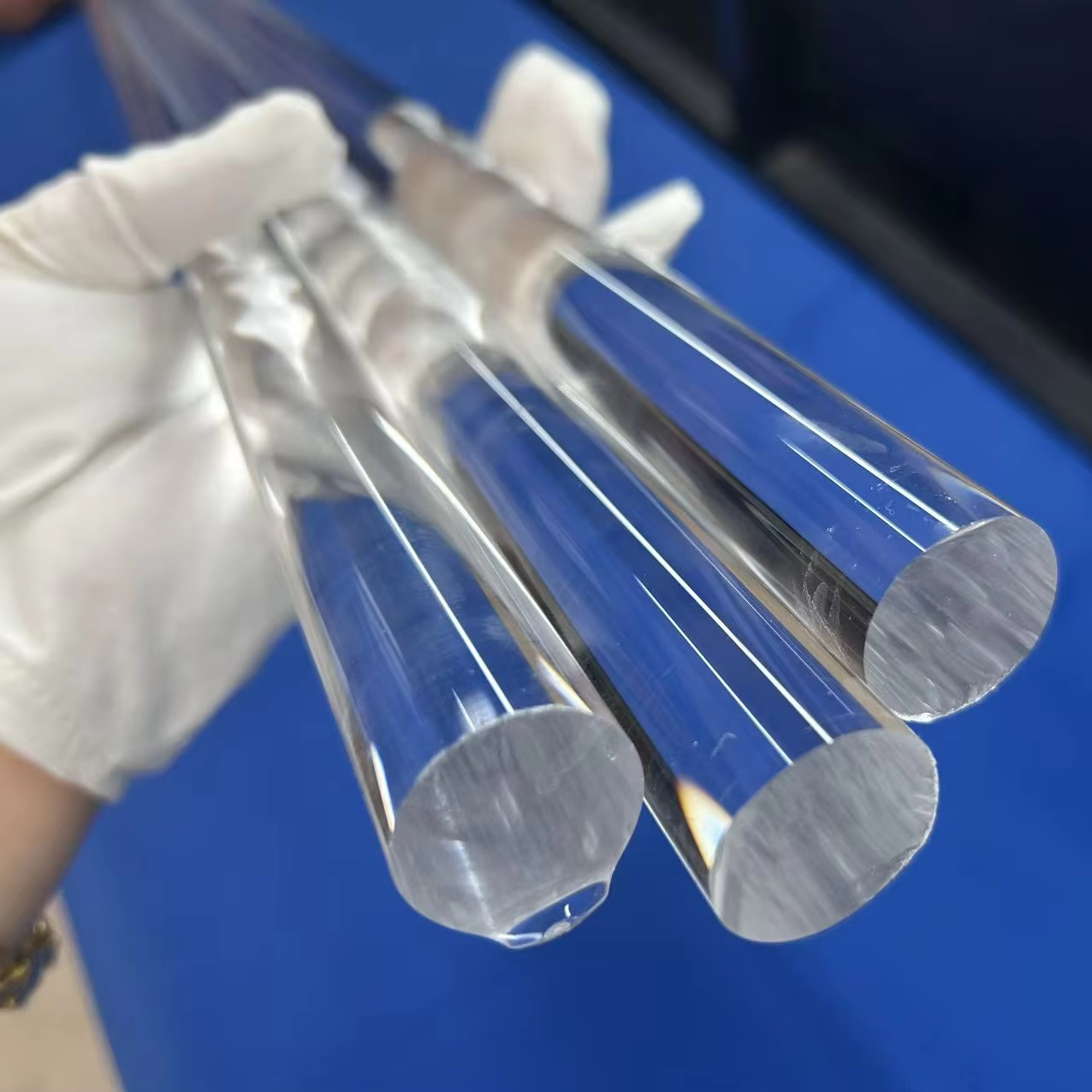
The Factory Produces High-purity Fused Quartz Large Diameter Round Rods, Offering Cutting, Welding, and Bending Services
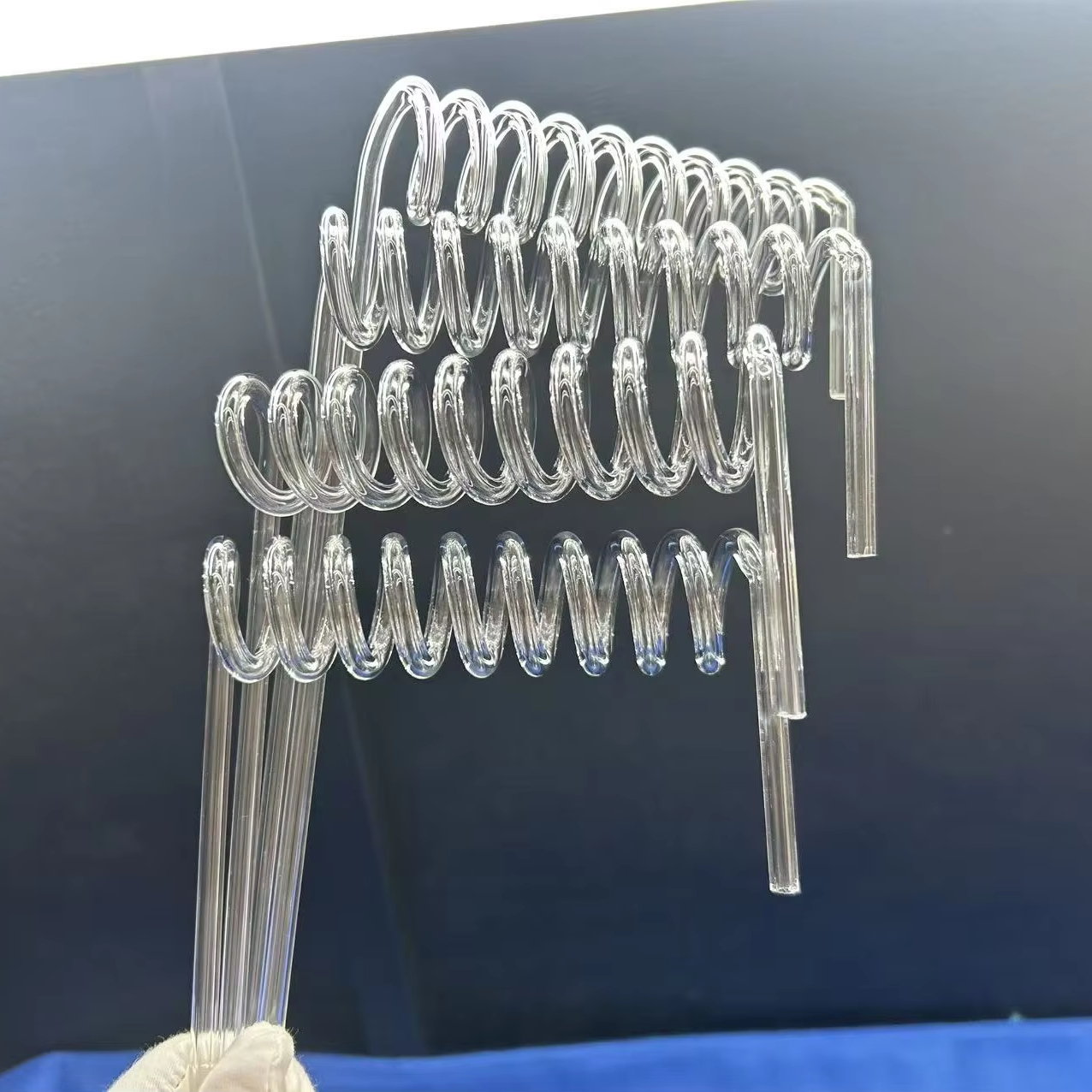
Clear Quartz Spiral Tube for Optics Laboratory Use with Moulding and Bending Services
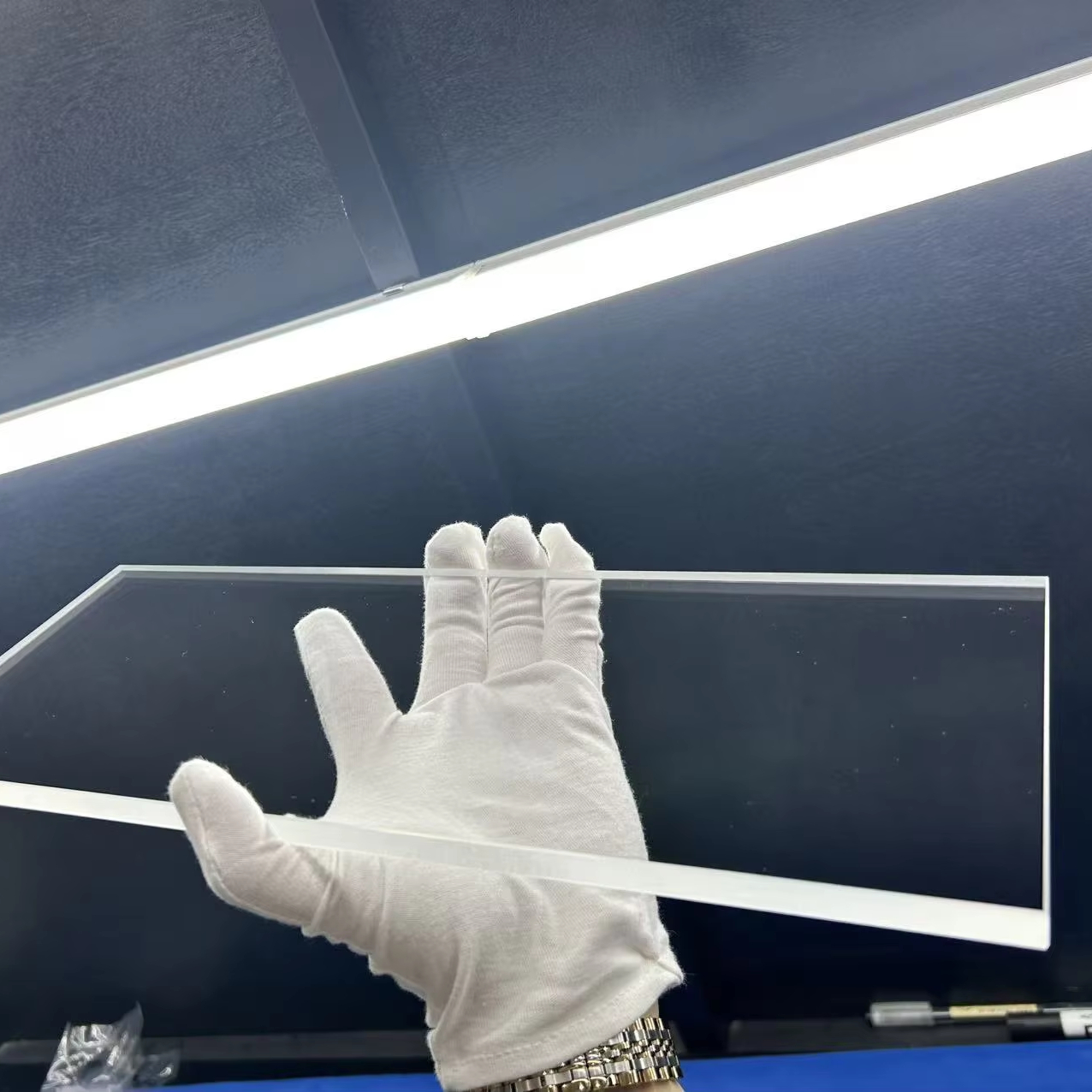
Ultra Clear High Purity Quartz Sheet
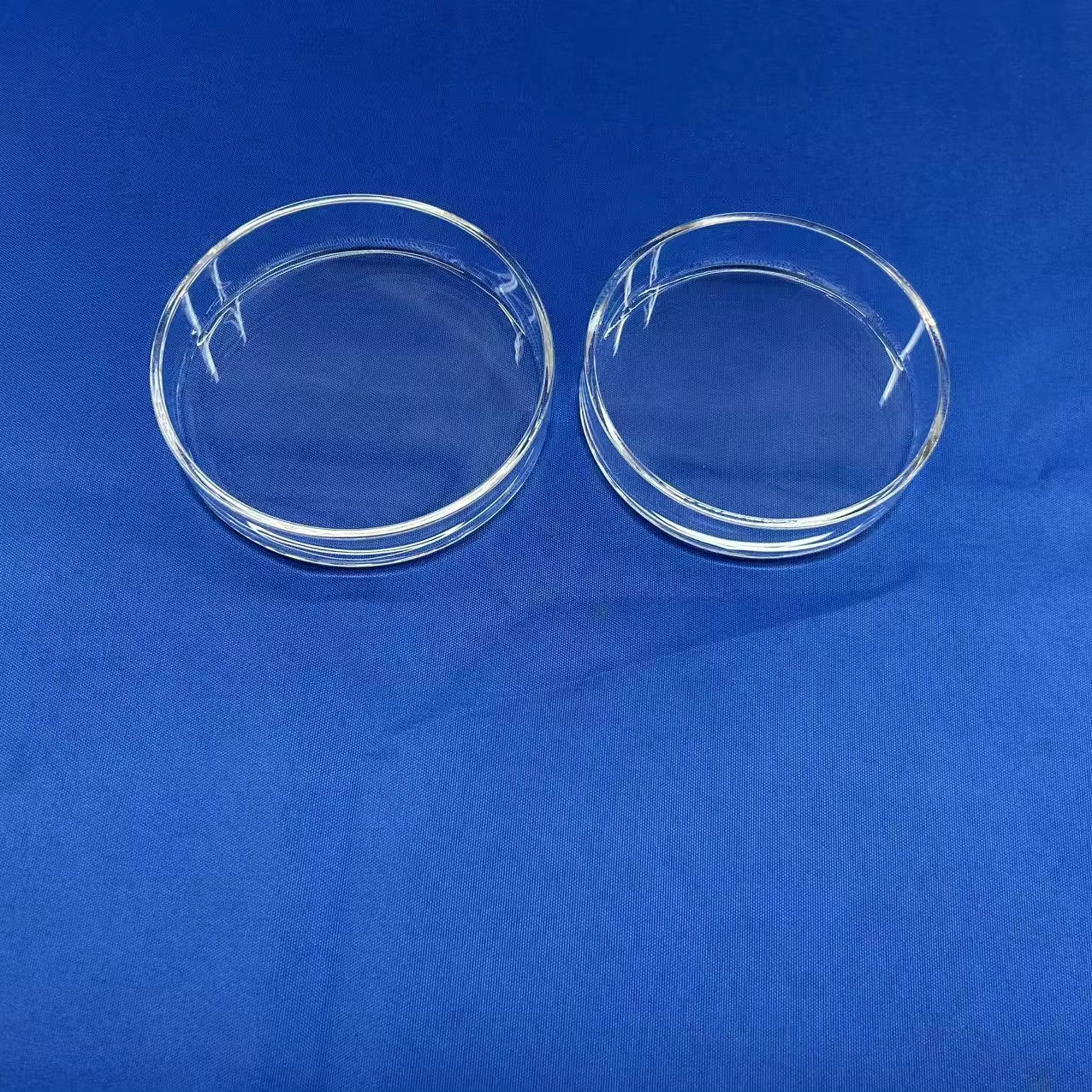
Factory Customized High-purity Quartz Glass Petri Dishes with Lids, for Laboratory, Medical Equipment, Etc.
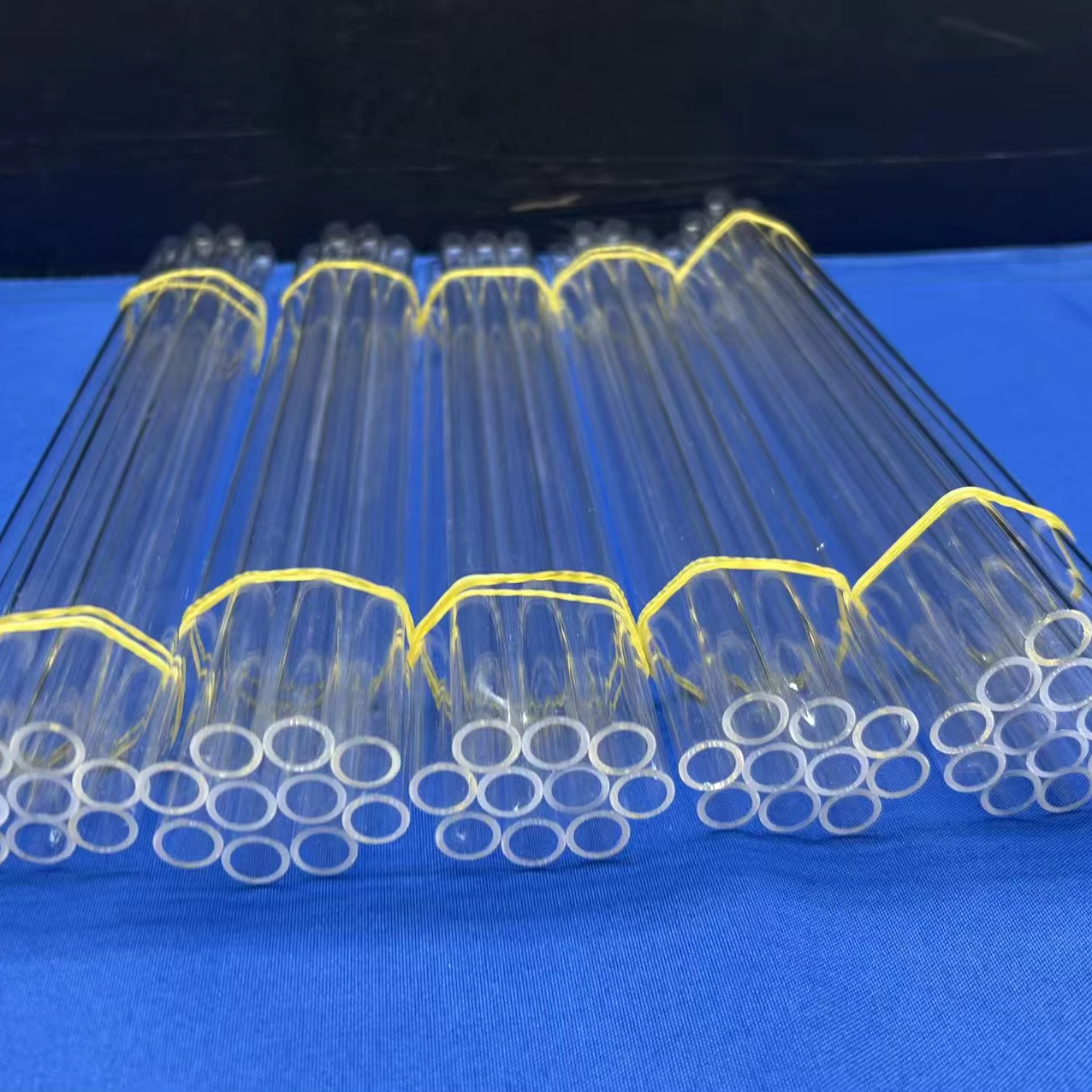
Quartz test Tube
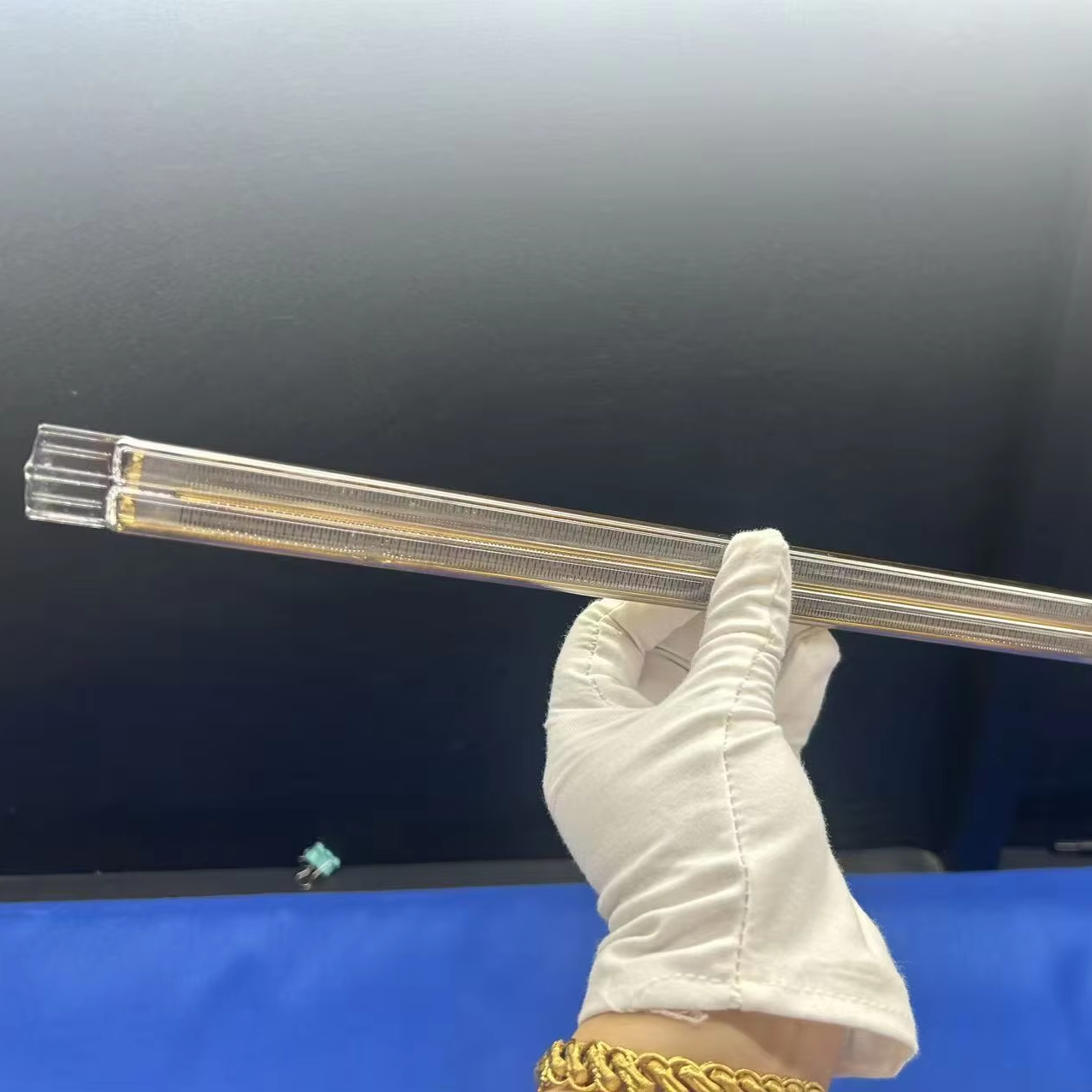
Graphene Quartz Heating Tube
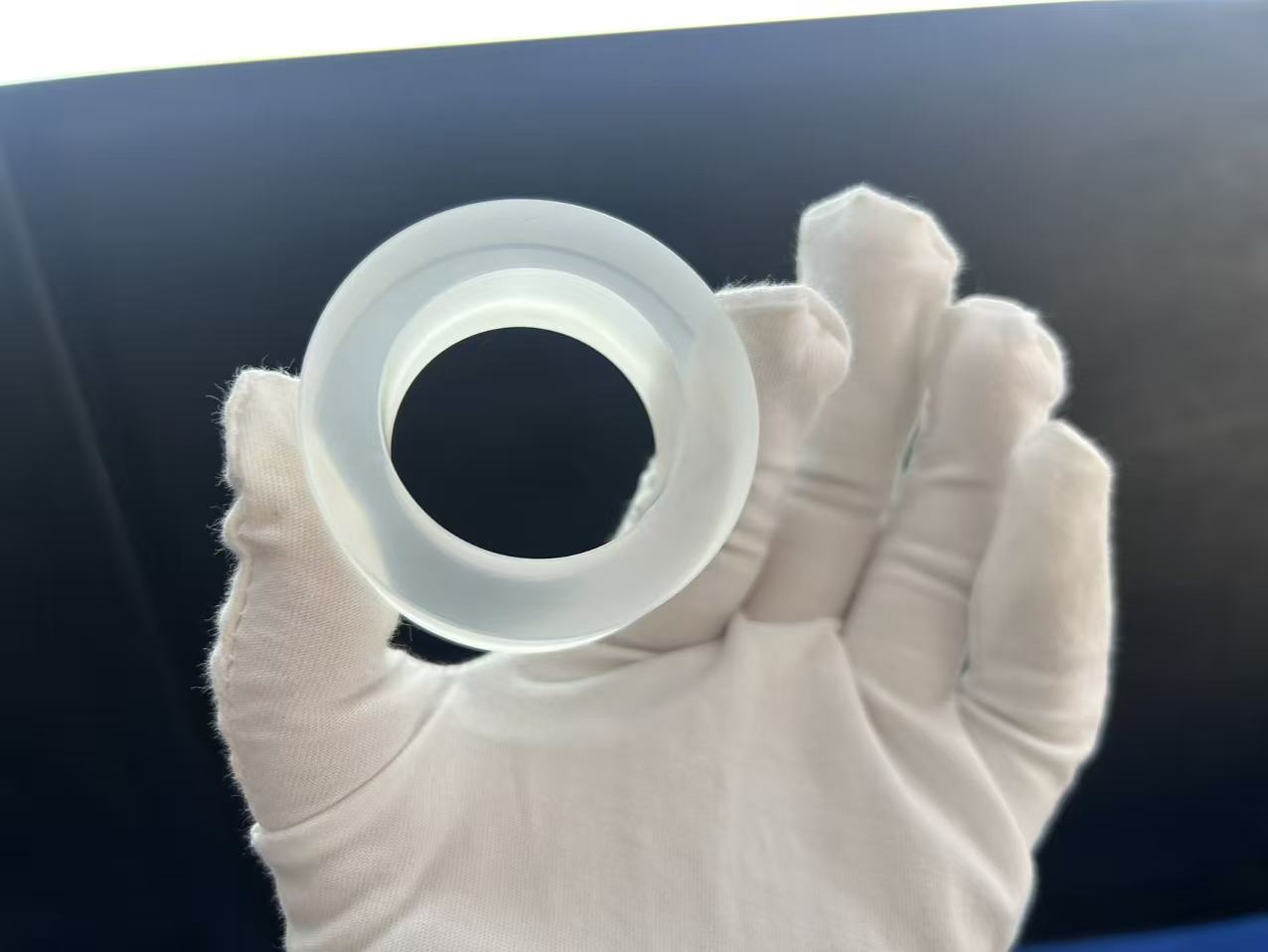
Quartz Ring
Engineering Thermodynamics & Microstructure of Custom Fused Silica Rods
A definitive technical manual for Icelandic project engineers evaluating amorphous silicon dioxide ($\text{SiO}_2$) for downhole geothermal instrumentation, optical light guides, and sub-polar research apparatus.
Structural Homogeneity & Resistance to Supercritical Delamination
Fused silica represents an amorphous cross-linked network of silicon-oxygen tetrahedra ($\text{SiO}_4$), devoid of crystalline grain boundaries. Unlike standard borosilicate or soda-lime glassware, custom OEM fused silica rods produced by Donghai County Nivra Quartz Products Co., Ltd. undergo controlled thermal drawing and multi-stage vacuum degasification. This precise synthesis minimizes internal bubble density (classified down to DIN 58927 Class 0) and virtual inclusions, directly conferring an isotropic thermal expansion coefficient ($\alpha = 5.5 \times 10^{-7}\text{ K}^{-1}$ across the $20^\circ\text{C}$ to $320^\circ\text{C}$ range).
For scientific instrumentation and harsh geothermal downhole probes deployed throughout Iceland’s volcanic belts (such as Reykjanes, Krafla, and Hengill), this minimal expansion profile prevents catastrophic structural micro-cracking caused by instantaneous quench shocks. When an operator withdraws an optical monitoring bundle from a $450^\circ\text{C}$ supercritical borehole directly into $0^\circ\text{C}$ sub-arctic atmosphere, our fused silica rods experience negligible shear stress, maintaining optical wave-guiding performance and pressure-boundary hermeticity.
| Material Parameter | JGS1 (Synthetic Silica) | JGS2 (Optical Fused Quartz) | JGS3 (Low-OH Infrared Quartz) |
|---|---|---|---|
| Primary Raw Source | Chemical synthesis ($\text{SiCl}_4$ flame hydrolysis) | Refined natural crystalline quartz | Vacuum electro-fused natural quartz |
| Transmission Range | 185 nm – 2500 nm (Deep UV to Vis) | 220 nm – 2500 nm (Standard Optical) | 260 nm – 3500 nm (Deep Infrared) |
| Hydroxyl ($\text{OH}^-$) Content | ≤ 1200 ppm (High OH) or custom dry | ≤ 150 – 200 ppm | ≤ 5 ppm (Water-free IR Window) |
| Thermal Softening Point | 1680 °C | 1683 °C | 1720 °C |
| Refractive Index ($n_d$, 589.3 nm) | 1.4585 | 1.4585 | 1.4586 |
| Acid Resistance ($\text{H}_2\text{SO}_4$, $\text{HCl}$) | Insoluble (> 99.98% mass retention) | Insoluble (> 99.98% mass retention) | Insoluble (> 99.98% mass retention) |
| Optimal Application | Deep-UV laser delivery, spectroscopy | Geothermal sight bars, standard rods | Pyrometric fiber cores, IR heating |
Precision Fused Silica Rod Applications Across Iceland
Engineered to excel within Iceland’s distinct convergence of intense geothermal geology, sub-polar marine biology, and green industrial innovation.
Supercritical Geothermal Well Telemetry
Deep geothermal wells drilled under the Iceland Deep Drilling Project (IDDP) in Reykjanes and Krafla encounter superheated fluids up to 450°C enriched with hydrogen sulfide ($\text{H}_2\text{S}$) and abrasive mineral scale. Custom OEM ground and polished fused silica rods serve as robust optical light guides and high-pressure hermetic sight windows for downhole optical fiber interrogators, resisting supercritical phase dissolution.
Sub-Polar Marine Biotech & Algae Cultivation
At high-tech biotech hubs near the Reykjanes Resource Park, microalgae photobioreactors harness geothermal power and natural seawater. Custom clear silica rods function as immersed optical light distributors, funneling high-flux UV-A and photosynthetic active radiation (PAR) deeply into high-density cultures without chemical leaching or bio-fouling degradation.
Direct Air Capture (DAC) & Carbfix In-Situ Sensors
Iceland leads global carbon mineralization efforts at the Hellisheiði station. Fused silica cylindrical rods are integrated into analytical spectrographic cells where carbon dioxide is dissolved in high-pressure water and injected into basaltic rock formations. The rods ensure distortion-free UV-Vis absorption baselines and total immunity to carbonic acid wear.
Aluminum Smelting Pyrometric Monitoring (Grundartangi & Straumsvík)
Iceland’s extensive primary aluminum production relies on high-amperage electrolytic reduction cells. Our heavy-diameter fused quartz rods (ranging from 20 mm to 150 mm) are custom-cut and end-face polished to serve as non-conductive pyrometric light pipes and thermal barriers, enabling continuous thermal image captures inside electrolyte baths without risk of electrical arcing.
Localized Technological Trends Shaping Icelandic Quartz Procurement
Key demand drivers transforming precision silica specifications across Icelandic academic institutions, high-performance data infrastructure, and renewable energy consortiums.
Expansion of Geothermal Hydrogen & E-Fuel Synthesis
With Iceland positioning itself as a clean fuel exporter, multiple synthetic fuel (e-methanol) and green hydrogen pilot facilities are transitioning from proof-of-concept to commercial scale. These chemical reactors operate at temperatures exceeding 800°C with aggressive catalytic gas mixes. Fused silica rods and high-temperature quartz heating envelopes are increasingly requested to serve as non-contaminating structural supports and infrared optical inspection pathways.
Sub-Sea Fiber Optic & Seismic Array Interconnects
Connecting Iceland to mainland Europe and North America (via systems like IRIS and Farice-1) demands high reliability across volcanic sub-sea fault lines. Optical grade JGS1 synthetic silica rods with nanometer-level core concentricity are utilized as collimating lens blanks, beam expanders, and feedthroughs capable of resisting 300 bar hydrostatic pressure in sub-zero Arctic waters.
Green Data Center Optical Photonics
Iceland’s data center industry leverages 100% renewable power and natural sub-arctic free cooling. As server clusters migrate toward co-packaged optics and silicon photonics to reduce latency and power consumption, OEM requests for custom ultra-thin quartz flats, spacer rods, and precision waveplates have increased by over 35% year-over-year.
Why Icelandic Engineering Teams Partner with Nivra Quartz
Direct factory-to-site engineering capabilities backed by the world’s primary quartz processing cluster in Donghai, Jiangsu.
Donghai Raw Material Hub
Headquartered at 285 Heping East Road, Lianyungang, we leverage China’s quartz capital to source ultra-pure crystal feedstocks, lowering BOM costs without quality tradeoffs.
≤ 5h Rapid Engineering Feedback
Operating with an 88.89% inquiry response rate, our engineering division delivers manufacturability assessments (DFM), CAD checks, and formal quotes within 5 hours.
Rigorous Optical Metrology
Every custom fused silica rod is inspected using Zygo laser interferometers, spectrophotometers, and coordinate measuring machines (CMM) before cleanroom packing.
Zero-Breakage Export Packaging
Each rod is vacuum-sealed in anti-static poly film, nested in custom CNC high-density polyethylene (EPE) shock foam, and encased in reinforced fumigation-free timber crates.
Frequently Asked Questions for Icelandic Buyers
Direct engineering answers regarding shipping logistics, dimensional tolerances, material traceability, and customs compliance for shipments into Keflavík and Reykjavík.
How do custom fused silica rods endure high thermal cycling in Iceland’s supercritical geothermal steam wells? +
Our custom fused silica rods are fabricated from pure amorphous synthetic silicon dioxide (JGS1) or high-grade fused quartz (JGS2). Possessing an exceptionally low thermal expansion coefficient of approximately $5.5 \times 10^{-7}\text{ K}^{-1}$, our rods can withstand instant thermal deltas exceeding $1000^\circ\text{C}$ without shattering. In geothermal sites like Krafla or Reykjanes, this allows downhole tools, pressure sight rods, and pyrometry channels to be repeatedly introduced into and extracted from high-temperature fluids ($300^\circ\text{C}$ to $450^\circ\text{C}$) without catastrophic structural failure.
What is the optimal quartz grade (JGS1 vs JGS2 vs JGS3) for downhole optical fiber guide applications? +
The selection hinges upon your analytical spectral range: JGS1 is recommended for ultraviolet downhole spectroscopy and laser-induced breakdown (185 nm to 2500 nm) due to its high optical transmission and minimal bubble content. JGS2 provides balanced cost-performance for visible light wave-guiding and structural sight bars (220 nm to 2500 nm). For infrared thermography, pyrometry, and thermal sensor applications (up to 3500 nm), JGS3 is required because its synthetic water-free synthesis limits hydroxyl ($\text{OH}^-$) content below 5 ppm, eliminating deep absorption bands at 1.38 µm, 2.22 µm, and 2.72 µm.
What dimensional tolerances and surface finishes can Nivra Quartz maintain on custom OEM rods? +
We routinely manufacture rods from micro-diameters (Ø 0.5 mm) up to heavy billets (Ø 250 mm) with lengths reaching 3000 mm. Using high-precision centerless grinding, outer diameter tolerances can be controlled within ±0.01 mm to ±0.05 mm, and total runout / straightness within ≤ 0.1 mm per meter. For end faces, our optical polishing department delivers surface roughness $Ra \le 0.5\text{ nm}$, surface figure accuracy $\lambda/4$ at 632.8 nm, and scratch-dig specifications down to 20/10 per MIL-PRF-13830B.
How are fragile quartz rods safeguarded during multi-modal transit to Iceland? +
Transit into Iceland typically involves international air freight to Keflavík International Airport (KEF) or maritime container cargo via Eimskip / Samskip to Reykjavík port. To completely eliminate transit impact and moisture damage, every rod is individually wiped, bagged in sealed poly, and cradled within form-fitting high-density EPE foam cutouts. For long rods exceeding 500 mm, we install internal steel-reinforced truss supports inside fumigation-free plywood shipping crates equipped with ShockWatch and TiltWatch impact sensors.
Can Nivra Quartz fabricate custom end geometries like spherical ends, threads, steps, or custom optical drillings? +
Yes. As a comprehensive OEM and ODM provider with 101–200 employees and dedicated multi-axis CNC machining centers, ultrasonic drilling stations, and glass-blowing lathes, we routinely produce custom tapers, spherical convex/concave lenses on rod tips, chamfered sealing edges, flanged collars, and threaded connections directly on quartz bodies based on customer DWG, DXF, or STEP files.
What inspection reports and raw material certifications are supplied with shipments to Iceland? +
Every commercial production batch arrives with full quality documentation, including a Certificate of Conformance (CoC), spectral transmission curves measured by our UV-Vis-NIR spectrophotometer, elemental impurity breakdown (ICP-MS testing verifying $\text{Al}, \text{Fe}, \text{Na}, \text{K}, \text{Li}$ levels in ppm), and mechanical dimensional CMM inspection reports ensuring seamless compliance with European and Icelandic procurement standards.
Request Your Customized Quartz Technical Proposal & Catalog
Whether you require prototype fused silica guide rods for downhole research or volume shipments for industrial manufacturing in Iceland, our Donghai engineering team provides formal feedback and DFM reviews within 5 hours.