Core Fused Quartz Components for Immediate OEM Sourcing
Each component is pulled, machined, ground, and flame-polished within our Donghai processing facility. We support low-volume prototyping (MOQ 1–10 pcs) through volume OEM delivery schedules direct to Maryland logistics hubs.
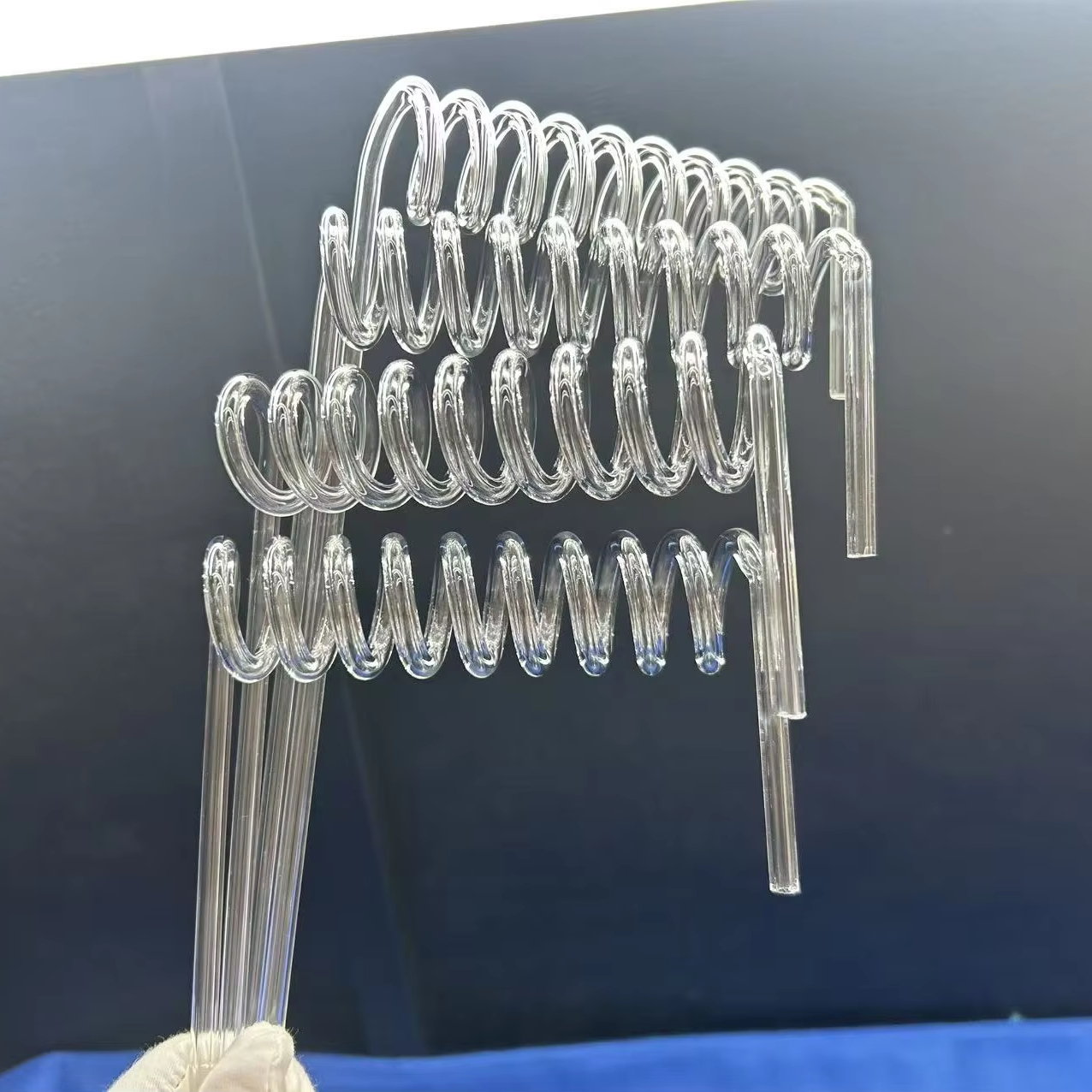
Clear Quartz Spiral Tube for Optics Laboratory
Custom flame-coiled precision tubes designed for photochemistry, laser cooling channels, and optical analytical instruments requiring >90% transmission across UV-Vis spectra.
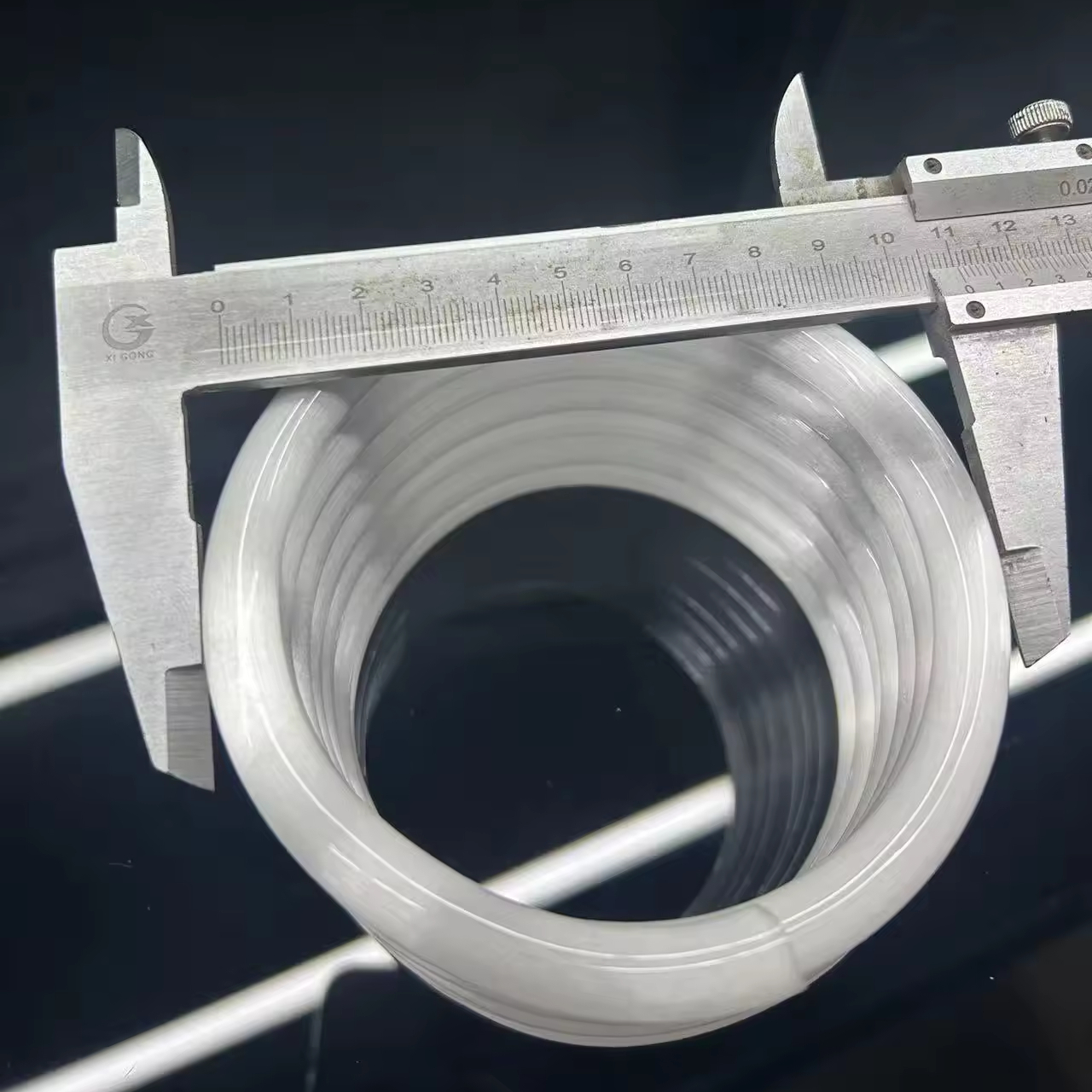
Helical Clear Quartz Glass Coil Tube
Uniform helix configurations crafted for aggressive acid condensation, distillation, and rapid thermal cycling up to 1100°C without mechanical crystallization or sagging.
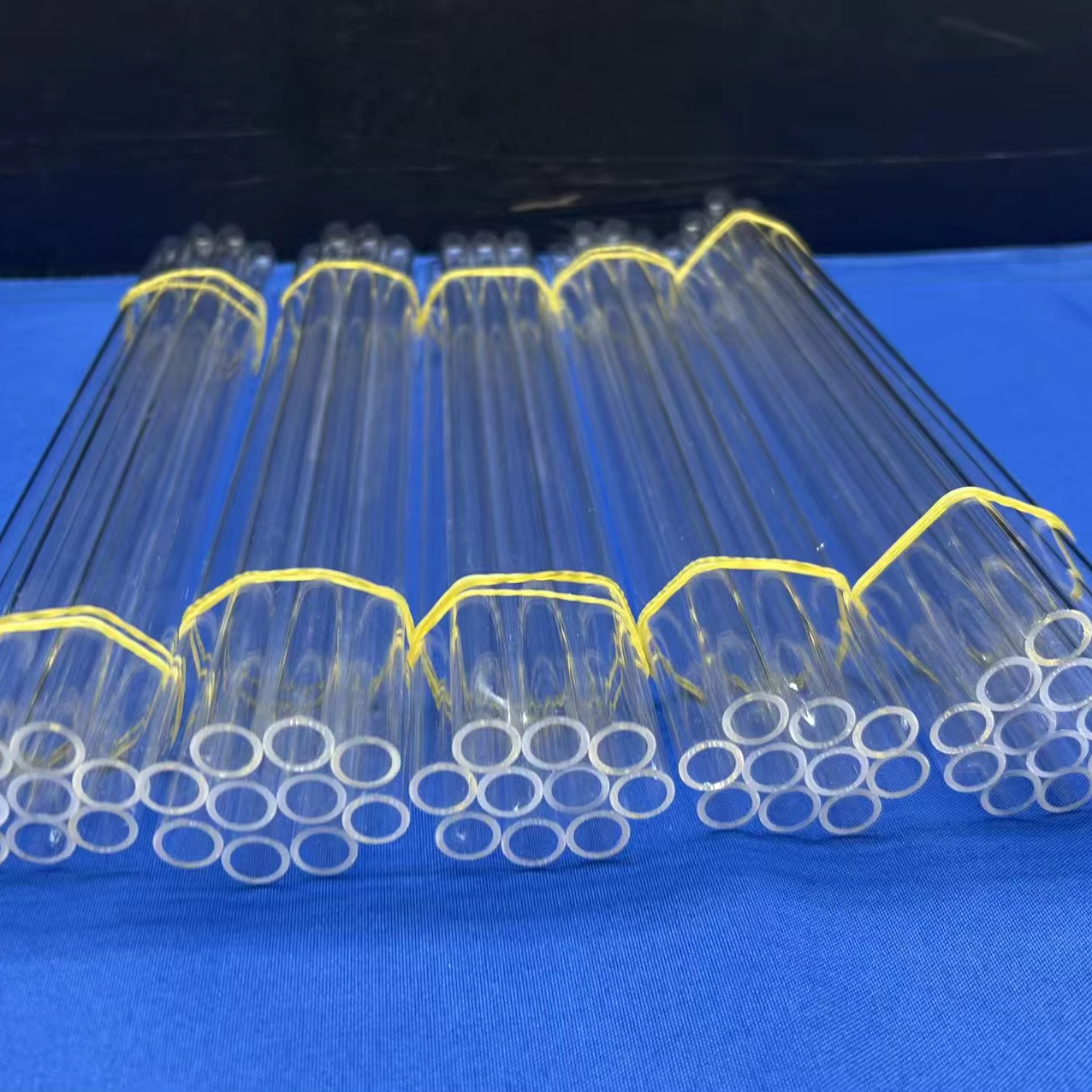
High Purity Fused Quartz Test Tube
Micro-bubble-free transparent laboratory test vessels engineered for heavy mineral acid digestion, plasma torch ignition, and optical spectroscopy assays.
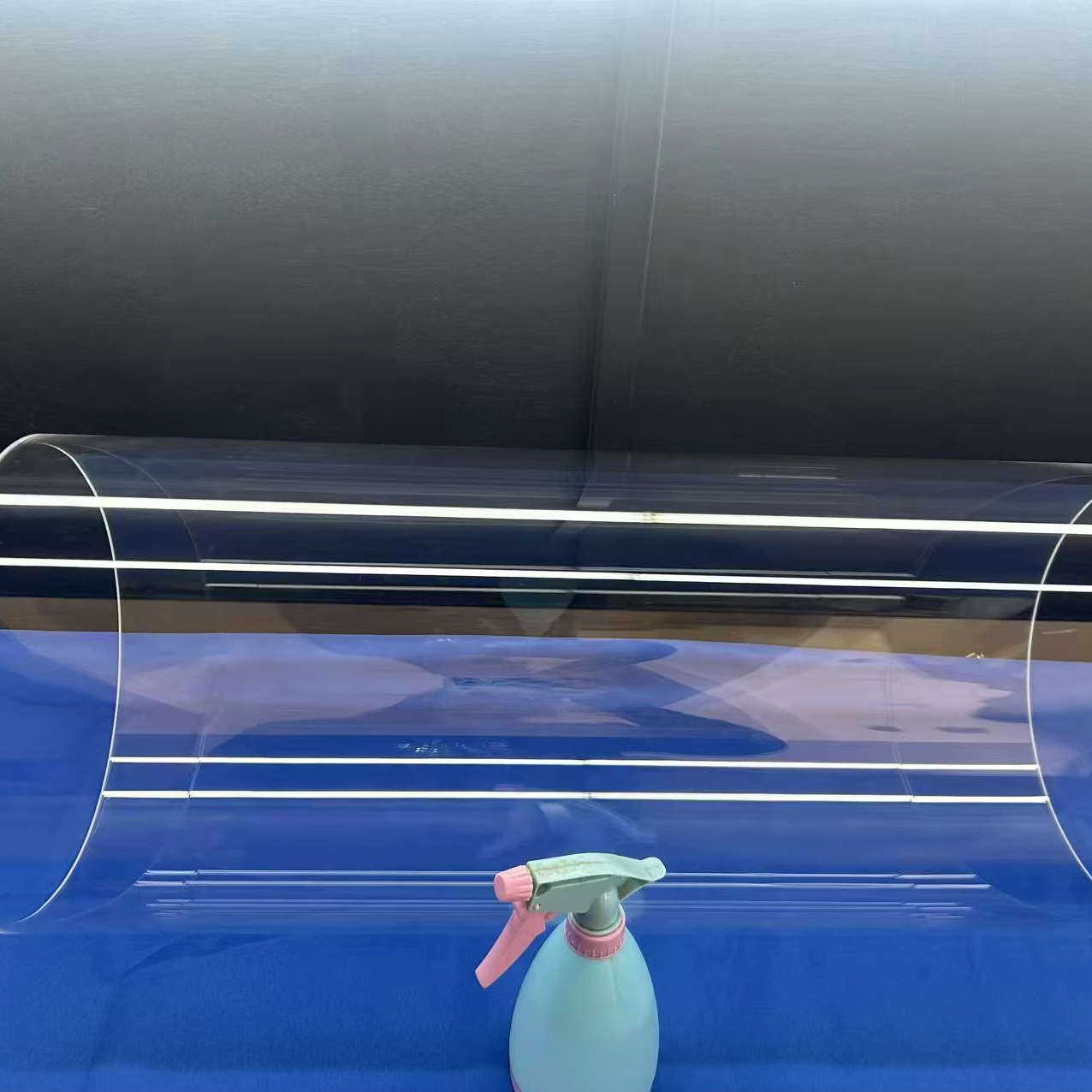
High-Purity High-Temperature Quartz Tube
Large-bore process tubes with ultra-low hydroxyl (OH) and alkaline impurity concentrations, designed for horizontal diffusion, LPCVD, and vacuum sintering chambers.
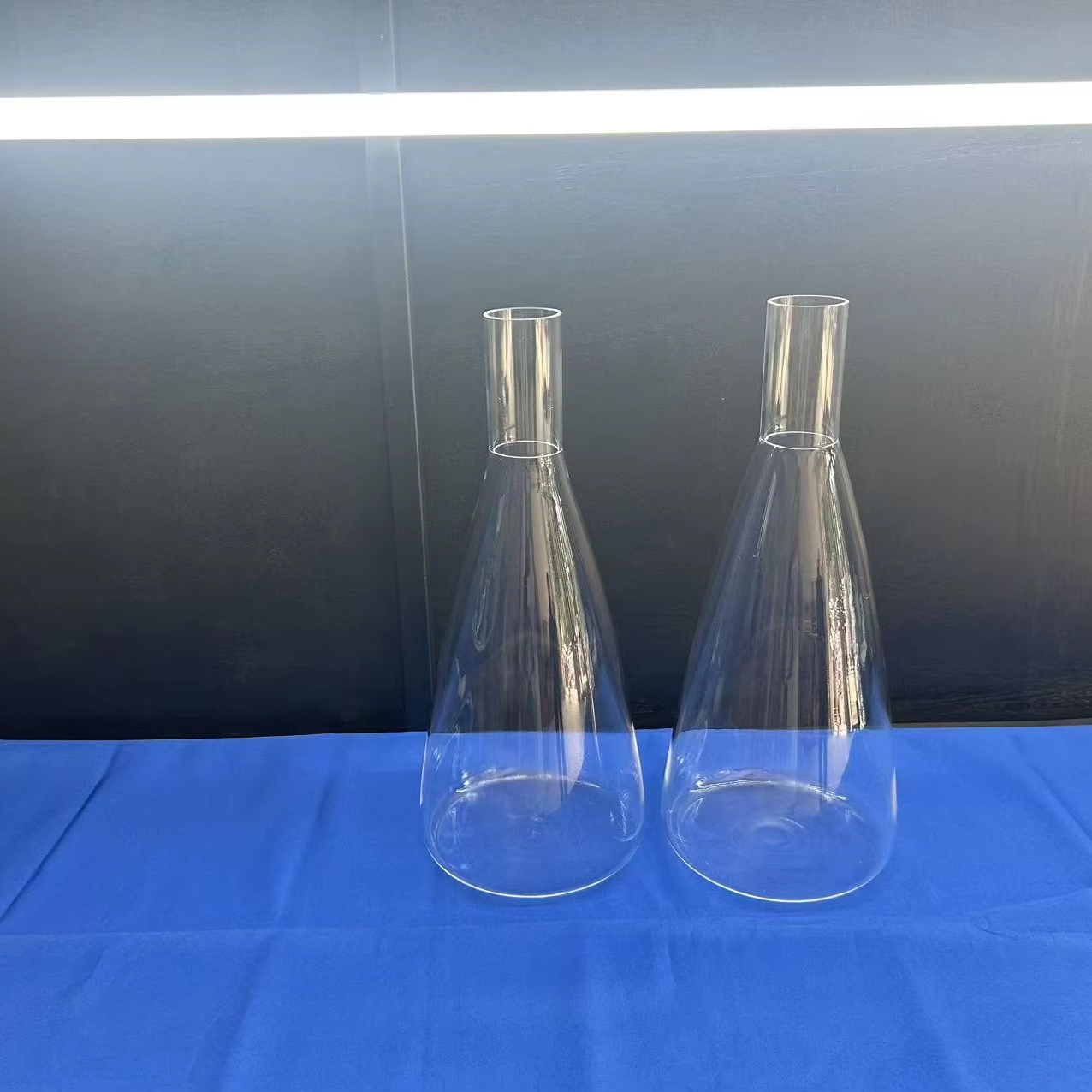
Laboratory Fused Silica Quartz Glass Flask
Heavy-wall boiling and volumetric flasks offering thermal shock immunity (ΔT > 1000°C). Safely withstands instant ice-water quench directly from a muffle furnace.
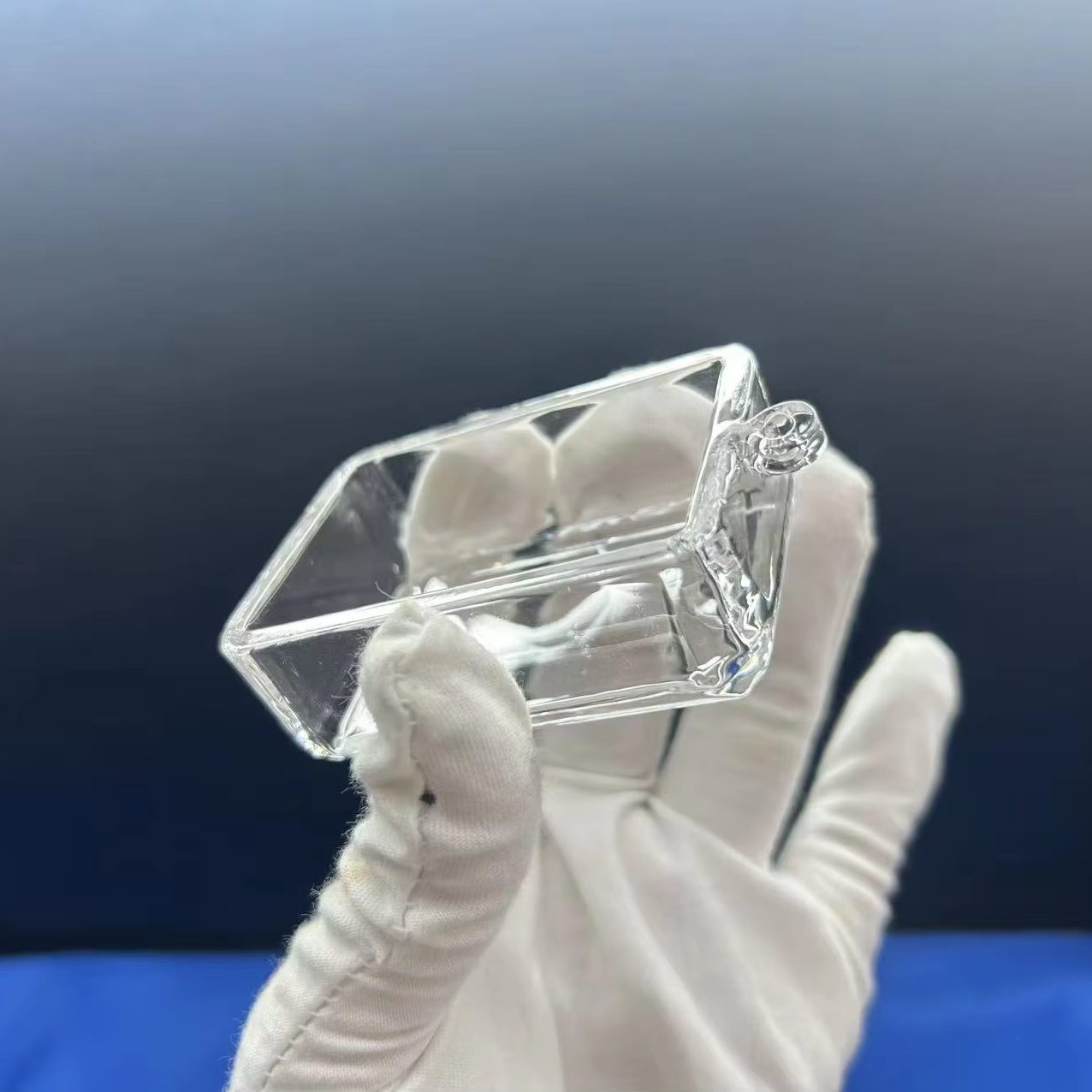
Fabricated Heavy Quartz Tank / Bath
Seamlessly seam-welded quartz baths for ultrasonic wafer cleaning, aggressive hot acid stripping (Piranha / Aqua Regia), and bio-chip substrate etching.
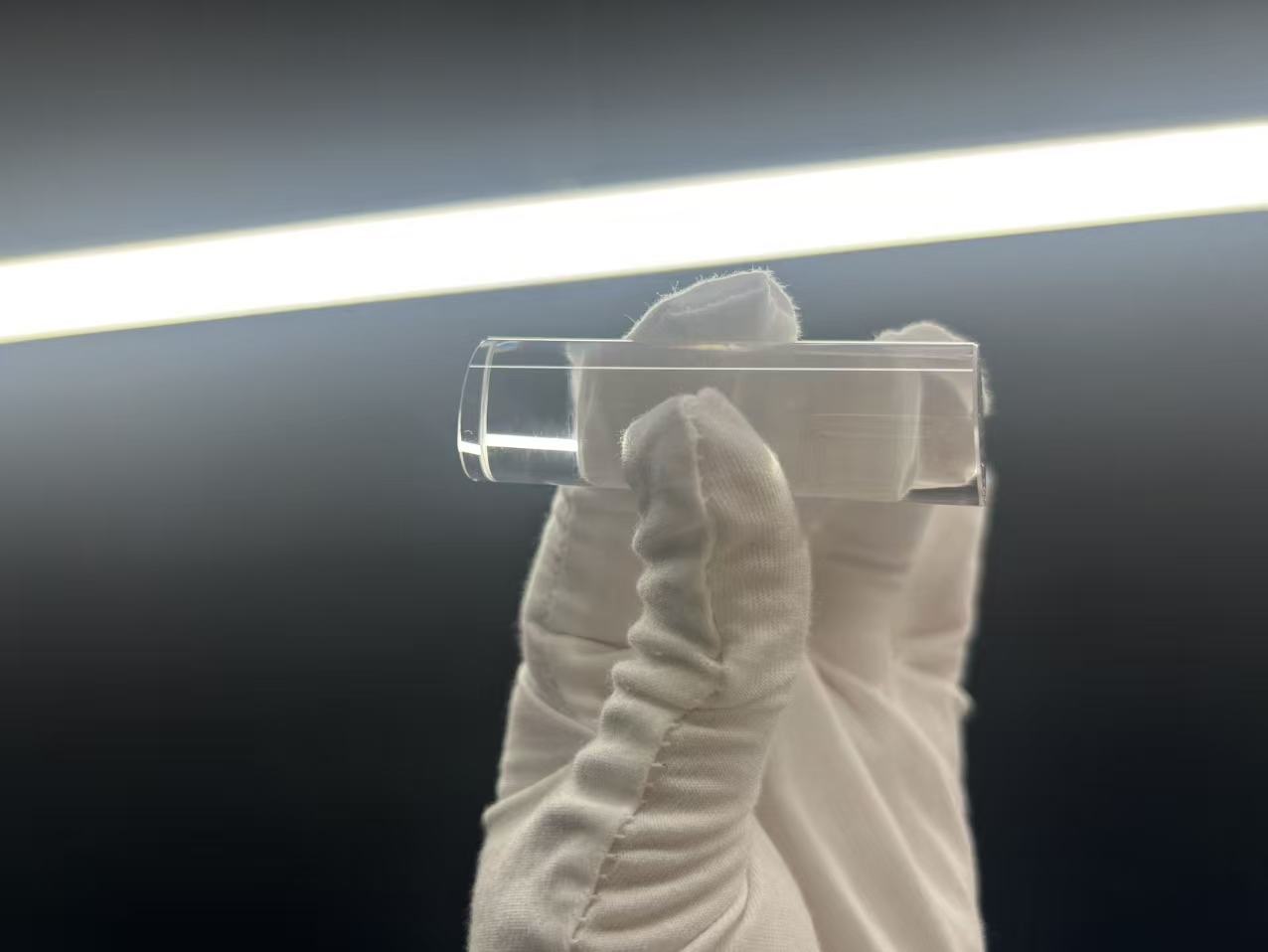
Round Head Fused Quartz Glass Rod
Centerless-ground and hemispherical fire-polished optical rods. Widely deployed in Baltimore biotechnology laboratories as stirring rods, light conductors, and level sensors.
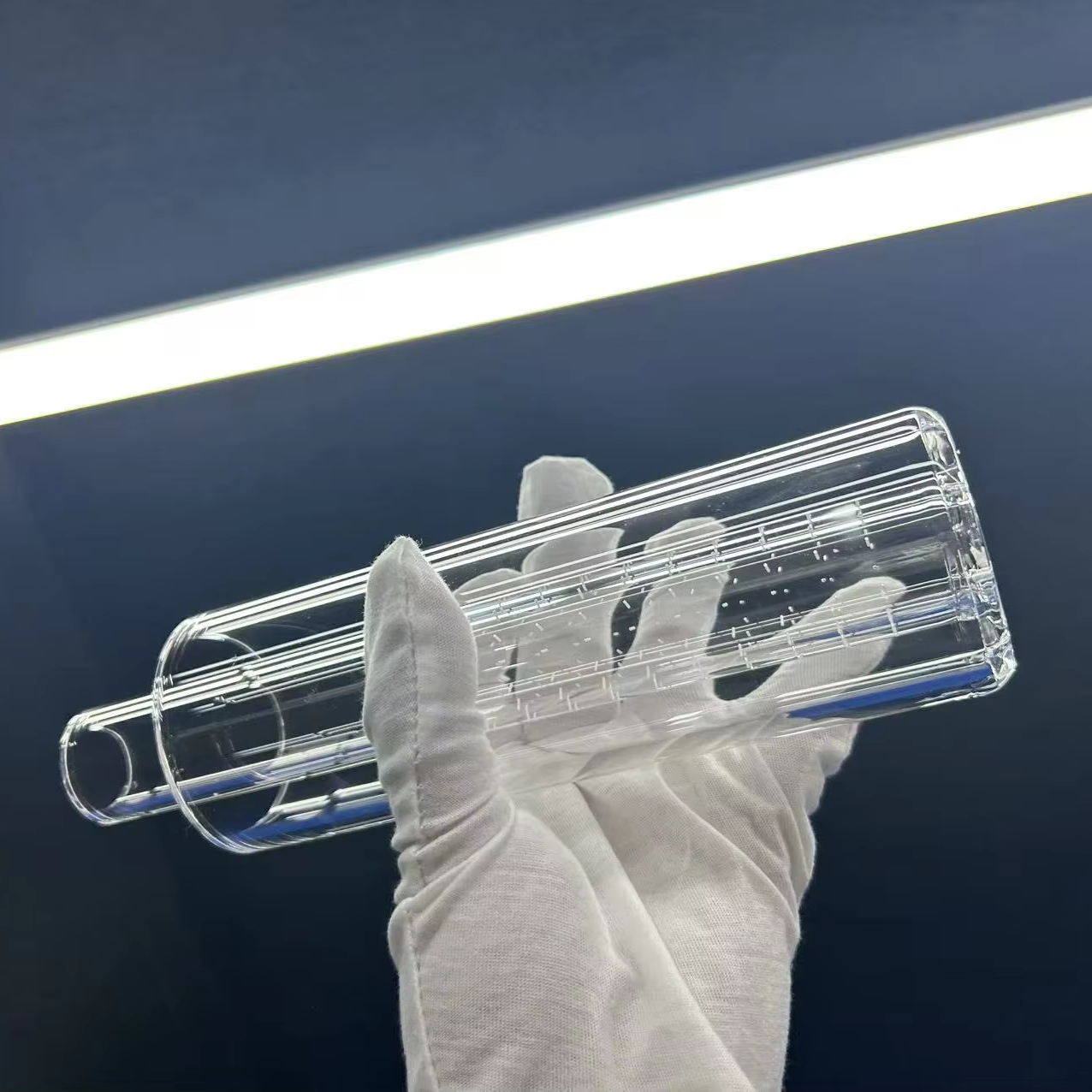
Customized Perforated Gas Injector Tube
High-precision micro-drilled quartz diffusion manifolds and bubbler lines fabricated with CNC ultrasonic core drilling to deliver laminar gas diffusion patterns.
Ultra-High Purity Solid Fused Quartz Glass Rods: Physical & Thermal Properties
Industrial procurement teams, research principal investigators, and process engineers across the Greater Baltimore region require glass materials capable of maintaining structural rigidity and molecular passivity under extreme operating regimes. Fused quartz ($SiO_2$) represents the pinnacle of single-component vitreous materials. Unlike standard borosilicate, soda-lime, or aluminosilicate glass, fused quartz is manufactured by fusing naturally occurring, high-purity crystalline silica sand at temperatures exceeding 2000°C.
At Nivra Quartz, our manufacturing processes guarantee an amorphous silicon dioxide matrix with purity levels reaching ≥ 99.99% (4N) to 99.999% (5N). This molecular purity yields an ultra-low coefficient of thermal expansion ($\alpha \approx 5.5 \times 10^{-7} \text{ K}^{-1}$ between 20°C and 320°C). This allows solid quartz rods to endure catastrophic thermal gradients without micro-fissuring or failure. You can take an OEM quartz rod heated to 1150°C and plunge it directly into ice water without structural compromise.
- Uncompromising Mechanical Refractoriness: Continuous operation threshold of 1100°C, short-term survival up to 1450°C, with a softening point of 1683°C.
- Broadband Optical Transparency: Unobstructed photon transmission ranging from the deep ultraviolet (185 nm in synthetic grades) through the visible spectrum into the mid-infrared (3500 nm).
- Near-Zero Dielectric Loss: Dielectric constant ($\varepsilon$) of 3.75 at 1 MHz, providing excellent RF transparency for microwave chemistry and plasma reactor windows.
Typical Physical & Thermodynamic Data Sheet
Empirical metrics measured under ASTM C693, C372, and C149 protocols:
| Property Parameter | Metric Value | Operational Significance |
|---|---|---|
| $SiO_2$ Purity Level | ≥ 99.995% | Eliminates heavy metal contamination |
| Bulk Density | $2.20 \text{ g/cm}^3$ | Lightweight, rigid structural integrity |
| Mohs Hardness | 5.5 – 6.5 | High scratch & abrasion resistance |
| Young’s Modulus ($E$) | $7.2 \times 10^{10} \text{ Pa}$ | High deflection resistance under loads |
| Annealing Point | 1215 °C | Relieves residual internal stress |
| Strain Point | 1120 °C | Structural threshold for zero deformation |
| Thermal Expansion Coeff. | $5.5 \times 10^{-7} \text{ / °C}$ | Superior resistance to thermal shock |
Certified Trace Element Impurity Profile (Donghai Quartz Sand Raw Feedstock)
For semiconductor fabrication facilities, epitaxial reactor design, and mass spectrometry instruments, minor trace element contamination will poison batches or skew spectral baselines. Nivra Quartz audits every batch with Inductively Coupled Plasma Mass Spectrometry (ICP-MS):
| Element (PPM) | Aluminum (Al) | Iron (Fe) | Calcium (Ca) | Magnesium (Mg) | Titanium (Ti) | Sodium (Na) | Lithium (Li) | Potassium (K) |
|---|---|---|---|---|---|---|---|---|
| Standard Electric Fused | 14.0 – 18.0 | 0.15 – 0.35 | 0.40 – 0.80 | 0.05 – 0.15 | 1.00 – 1.30 | 0.80 – 1.50 | 0.60 – 1.10 | 0.70 – 1.20 |
| Synthetic Fused Silica | < 0.05 | < 0.02 | < 0.03 | < 0.01 | < 0.02 | < 0.05 | < 0.01 | < 0.05 |
Precision Fabrication Capabilities for Custom OEM Quartz Rods
As an established manufacturer operating directly out of Donghai County, Nivra Quartz bridges raw quartz melting with high-precision engineering. We transform standard drawn cylinder boules into custom components matching your engineering drawings (AutoCAD DWG, SolidWorks STEP, or PDF prints).
Tight Tolerances & Specialized Surface Finishes
A common challenge for Baltimore purchasing departments sourcing imported quartz is inconsistent outer diameter (OD) and total indicator runout (TIR). Extruded or continuously pulled rods can vary by up to ±10% across their length unless they undergo precision secondary finishing.
Nivra Quartz utilizes automated wet centerless grinding machines that calibrate solid rods down to ±0.02 mm (±0.0008 inches) across diameters spanning Ø1.0 mm to Ø150.0 mm. We supply standard 1-meter lengths, cut-to-length optical spacers, and full 2-meter furnace rails.
- Precision Centerless Grinding: Matt finish ($Ra \approx 0.8 – 1.6 \ \mu\text{m}$) for mechanical holding, high friction stops, and optical light diffusing surfaces.
- Thermal Fire-Polishing: Oxy-hydrogen flame working eliminates micro-cracks and stress concentrators, providing a clear, defect-free finish with optical clarity ($Ra < 0.01 \ \mu\text{m}$).
- Optical End-Face Polish: Double-sided diamond slurry lapping achieving surface flatness of $\lambda/4$ to $\lambda/10$ at 632.8 nm, with scratch-dig standards of 40-20 or 20-10.
- End-Geometry Modifications: Hemispherical convex/concave lens tipping, 45° optical bevels, cylindrical step-downs, internal/external threading, and precision core-drilled retention holes.
Standard Sizing & Tolerance Matrix
| Nominal Diameter (OD) | Standard Drawn Tolerance | Centerless Ground Precision | Fire-Polished Tolerance |
|---|---|---|---|
| Ø 1.0 mm – 3.0 mm | ± 0.10 mm | ± 0.015 mm | ± 0.05 mm |
| Ø 4.0 mm – 10.0 mm | ± 0.20 mm | ± 0.020 mm | ± 0.08 mm |
| Ø 12.0 mm – 25.0 mm | ± 0.35 mm | ± 0.030 mm | ± 0.12 mm |
| Ø 30.0 mm – 50.0 mm | ± 0.60 mm | ± 0.050 mm | ± 0.20 mm |
| Ø 60.0 mm – 120.0 mm | ± 1.20 mm | ± 0.080 mm | ± 0.35 mm |
*Custom tight tolerances down to ±0.005 mm can be accommodated upon technical review of CAD drawings.
High-Purity Quartz Applications Across Baltimore’s Innovation Hubs
The Baltimore metropolitan region and the broader I-95 Maryland innovation corridor represent a concentrated hub of biomedical research, defense technology, and specialized chemical manufacturing. Nivra Quartz supplies engineered components tailored to meet the strict demands of these local facilities.
Biotech, Genomics & Johns Hopkins Medical Ecosystem
Baltimore’s biomedical ecosystem—anchored by the Johns Hopkins University School of Medicine, Johns Hopkins Bayview Medical Center, and the University of Maryland BioPark—relies heavily on precision quartz for spectrographic assays, gene sequencing lasers, and in-vitro diagnostic equipment. Fused quartz rods serve as total-internal-reflection light guides and stirring mandrels. Their complete inertness prevents heavy-metal leaching that could alter enzymatic reactions or cell cultures.
Applied Physics, Defense & Aerospace Research
Operating across Howard County and Greater Baltimore, the Johns Hopkins Applied Physics Laboratory (JHU-APL) and research groups near the Aberdeen Proving Ground develop advanced radar, laser communications, and space exploration payloads. Nivra Quartz supplies high-purity JGS1 deep-UV quartz rods and JGS3 low-OH infrared quartz windows. These components operate reliably under extreme temperature gradients, high radiation levels, and mechanical shock.
Chesapeake Bay Environmental & Chemical Testing
Environmental monitoring along the Chesapeake Bay requires high-precision testing instruments to measure trace water contaminants, organic pollutants, and nutrient levels. Regional laboratories deploy our quartz digestion vessels, ICP torch injector rods, and micro-reaction cells. Fused quartz provides complete resistance to concentrated nitric acid, perchloric acid, and hydrochloric acid digestion protocols.
Advanced Metallurgical & Additive Manufacturing in Baltimore County
At industrial sites in Sparrows Point and logistics corridors across Baltimore County, specialized thermal processing and metal additive manufacturing plants use high-temperature quartz rods as push-rods, pyrometer sight lines, and vacuum annealing furnace racks. Because quartz does not interact with flux gases or spall under sudden temperature swings, it prevents furnace cross-contamination and reduces downtime.
Regional Sourcing Trends in the Greater Baltimore & Mid-Atlantic Quartz Market
Procurement managers throughout Maryland are navigating shifting supply chain requirements. The following industry trends highlight why buyers are transitioning from standard glass supply houses to direct OEM factory partnerships.
Shift to Synthetic Fused Silica (JGS1)
As Baltimore-area pharmaceutical startups accelerate single-molecule assays, flow cytometry, and excimer laser research, traditional quartz grades (JGS2) are being phased out in favor of high-purity synthetic fused silica. Synthetic silica offers superior UV transmission down to 185 nm and eliminates the trace fluorescence that can skew sensitive optical measurements.
Disintermediation of Domestic Glass Distributors
Domestic distributors across the Mid-Atlantic typically impose 200% to 400% markups on simple quartz rod stock, while maintaining long 12-week lead times. Engineering teams are increasingly adopting hybrid sourcing models: maintaining factory-direct contracts with verified Donghai manufacturers to secure consistent bulk inventory at wholesale pricing.
Direct Freight via Seagirt Marine Terminal & BWI Express
Baltimore's logistics infrastructure offers distinct advantages for heavy, fragile quartz freight. Standard bulk orders move directly into the Port of Baltimore (Helen Delich Bentley Port / Seagirt Marine Terminal), bypassing congested coastal ports. Urgent R&D orders ship via air cargo directly into BWI Marshall Airport, reaching cleanroom docks in 4 to 6 business days.
Why Technical Buyers Partner with Nivra Quartz
Headquartered in Donghai County, Jiangsu Province—the epicenter of global quartz mining and processing—Donghai County Nivra Quartz Products Co., Ltd. provides direct manufacturing capability with full transparency.
Factory-Direct Sourcing
Our facility in Donghai leverages direct access to high-purity natural silica deposits. We eliminate domestic distributor markups, providing premium-grade quartz at realistic production costs.
Rapid Engineering Turnaround
Our technical team reviews drawings within 5 hours, supported by an 88.89% inquiry response rate. Speak directly with experienced glass technicians to confirm tolerances and manufacturability.
Break-Proof Export Packaging
Every rod and custom component is individually wrapped, suspended in custom high-density EPE foam inserts, and crated in fumigation-free wooden cases designed for long-haul ocean and air transit.
40% North American Market Focus
North American buyers account for 40% of our global export volume. We are thoroughly experienced with US customs clearance, ASTM testing standards, and recurring scheduled deliveries.
Frequently Asked Questions: Sourcing Custom Quartz in Baltimore
Essential technical, logistical, and commercial details for purchasing agents and engineering leads evaluating Nivra Quartz components.
What are the typical lead times for delivering custom quartz rods to Baltimore?
Standard prototyping and low-volume production orders (1 to 50 pieces) are typically fabricated, inspected, and packed within 7 to 12 business days at our factory. For urgent laboratory or experimental needs, air freight via FedEx International Priority, DHL Express, or UPS to BWI/Baltimore takes 3 to 5 business days.
For large production volumes or heavy items (such as large-bore furnace tubes, heavy-wall tanks, or bulk rod cases), sea freight to the Port of Baltimore (Seagirt Marine Terminal) takes approximately 25 to 35 transit days. We provide door-to-door (DDP) logistics handling all customs documentation.
How do I choose between JGS1, JGS2, and JGS3 grades for our application?
The selection depends directly on your system's operational wavelength and operating temperature:
JGS1 (Synthetic Fused Silica): Deep UV transmission starting at 185 nm. Virtually free of bubbles and impurities with no hydroxyl absorption band at 2.73 μm. Ideal for excimer laser optics, semiconductor lithography, and high-precision spectrophotometer cuvettes.
JGS2 (Standard Fused Quartz): Produced by flame fusion of high-purity natural quartz crystal sand. Provides excellent transmission across UV-Vis (220 nm – 2500 nm). Excellent thermal stability up to 1100°C. Common choice for laboratory glassware, sight glasses, furnace tubes, and standard stirring rods.
JGS3 (Infrared Grade Optical Quartz): Low hydroxyl ([OH] < 2 ppm) quartz providing clear transmission in the infrared range (260 nm – 3500 nm). Ideal for IR heaters, pyrometer viewports, and optical thermal sensors.
How does Nivra Quartz ensure zero breakage during international transit to Maryland?
Shipping fragile glass across global routes requires engineered packaging. Every solid quartz rod is cleaned and enclosed in anti-static protective film. Small rods are packed in rigid plastic sleeves, while larger rods and delicate assemblies are embedded in multi-layered, shock-absorbing EPE closed-cell foam.
External shipments use reinforced corrugated export cartons or heavy-duty, fumigation-free plywood crates reinforced with internal steel banding. Long rods and process tubes are secured against internal flex and bounce. In the rare event of transit damage, our shipments are fully insured and covered by our immediate replacement protocol.
Can you manufacture components according to custom engineering drawings and small prototype orders?
Yes. OEM/ODM custom processing accounts for over 70% of our daily production. We accept AutoCAD DWG/DXF, SolidWorks STEP, or standard PDF dimensional prints. Our engineering team reviews the drawing for wall-thickness integrity, thermal transition zones, and post-machining annealing requirements within 5 hours.
We maintain flexible order requirements: standard prototype rods, bent tubes, and custom glassware have a minimum order quantity (MOQ) of just 1 piece. This allows research teams across Maryland to validate their prototypes before scaling to production runs.
What quality documentation and material certifications accompany shipments?
Every production lot ships with a comprehensive quality documentation package, including:
1. Certificate of Conformance (CoC): Certifying raw material grade, batch lot, and thermal parameters.
2. Dimensional Inspection Report: Key diameters, lengths, wall thicknesses, and runouts measured via micrometers and optical CMM sensors.
3. Spectrophotometer Transmission Curves: Provided upon request for optical grades (JGS1/JGS2/JGS3).
4. RoHS & REACH Compliance Declarations: Verifying complete freedom from hazardous substances and heavy metals.
How does fused quartz handle thermal shock compared to standard borosilicate 3.3 glass?
Fused quartz offers vastly superior thermal shock resistance compared to borosilicate 3.3. Borosilicate has a thermal expansion coefficient of roughly $33 \times 10^{-7} \text{ / °C}$, whereas fused quartz has an expansion coefficient of just $5.5 \times 10^{-7} \text{ / °C}$—six times lower.
While borosilicate can crack under sudden temperature shifts greater than 150°C, fused quartz can easily handle thermal swings exceeding 1000°C. A quartz rod can be heated until cherry-red (over 1000°C) and plunged directly into ice water without cracking, making it the essential material for high-temperature furnace processing and plasma environments.
Ready to Build or Source Custom Fused Quartz Components?
Send your project specifications, CAD prints, or standard sizing requirements to our engineering desk. We provide comprehensive manufacturability reviews and competitive, factory-direct quotes within 5 hours.