Optics & PV
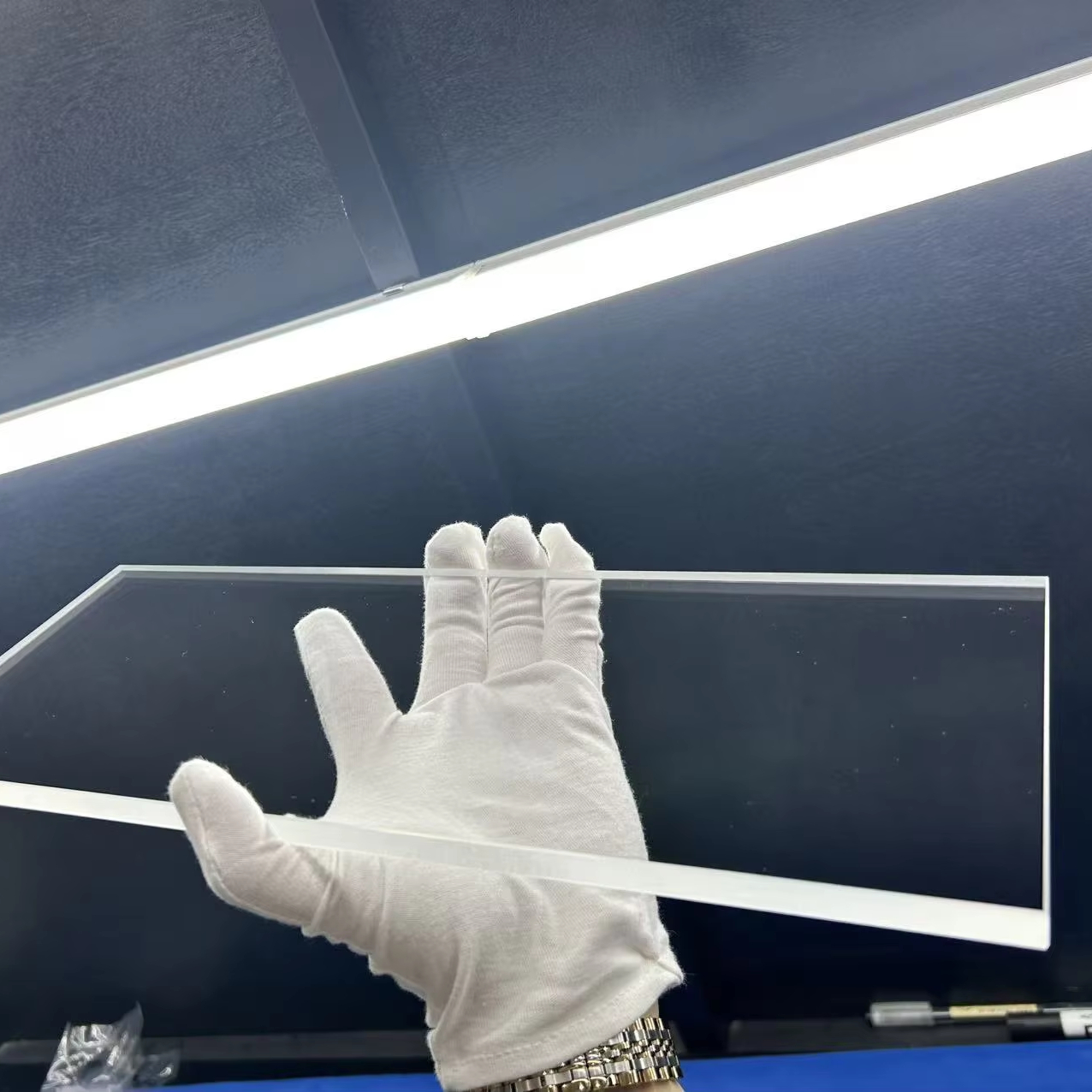
Ultra Clear High Purity Quartz Sheet
Purity: ≥ 99.99% SiO₂
Tolerance: ±0.05 mm
Manufactured under ISO-aligned quality management in Donghai County, China's quartz capital, and packaged for breakage-free transit directly to Plovdiv, Sofia, and central Bulgarian distribution terminals.
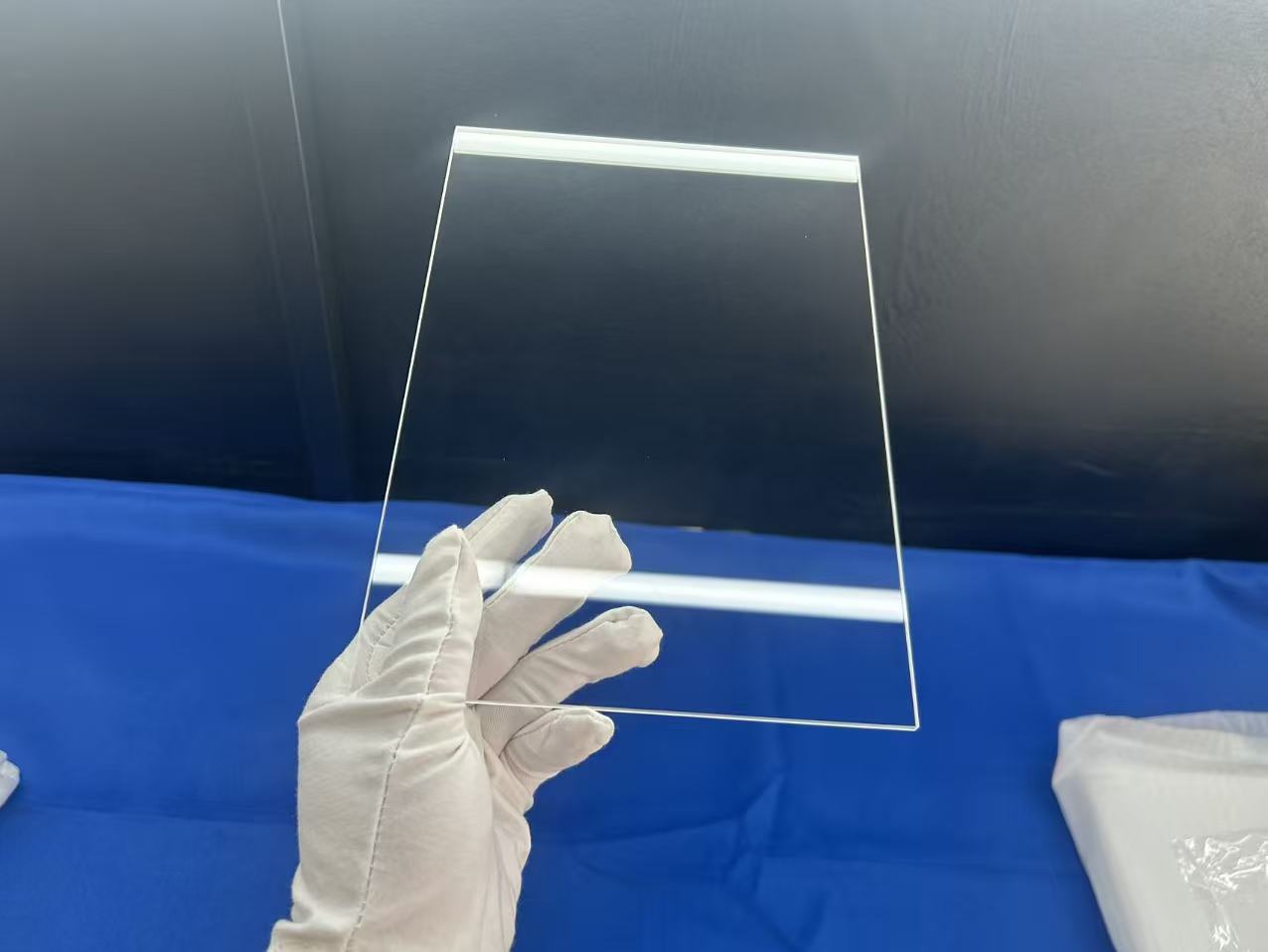
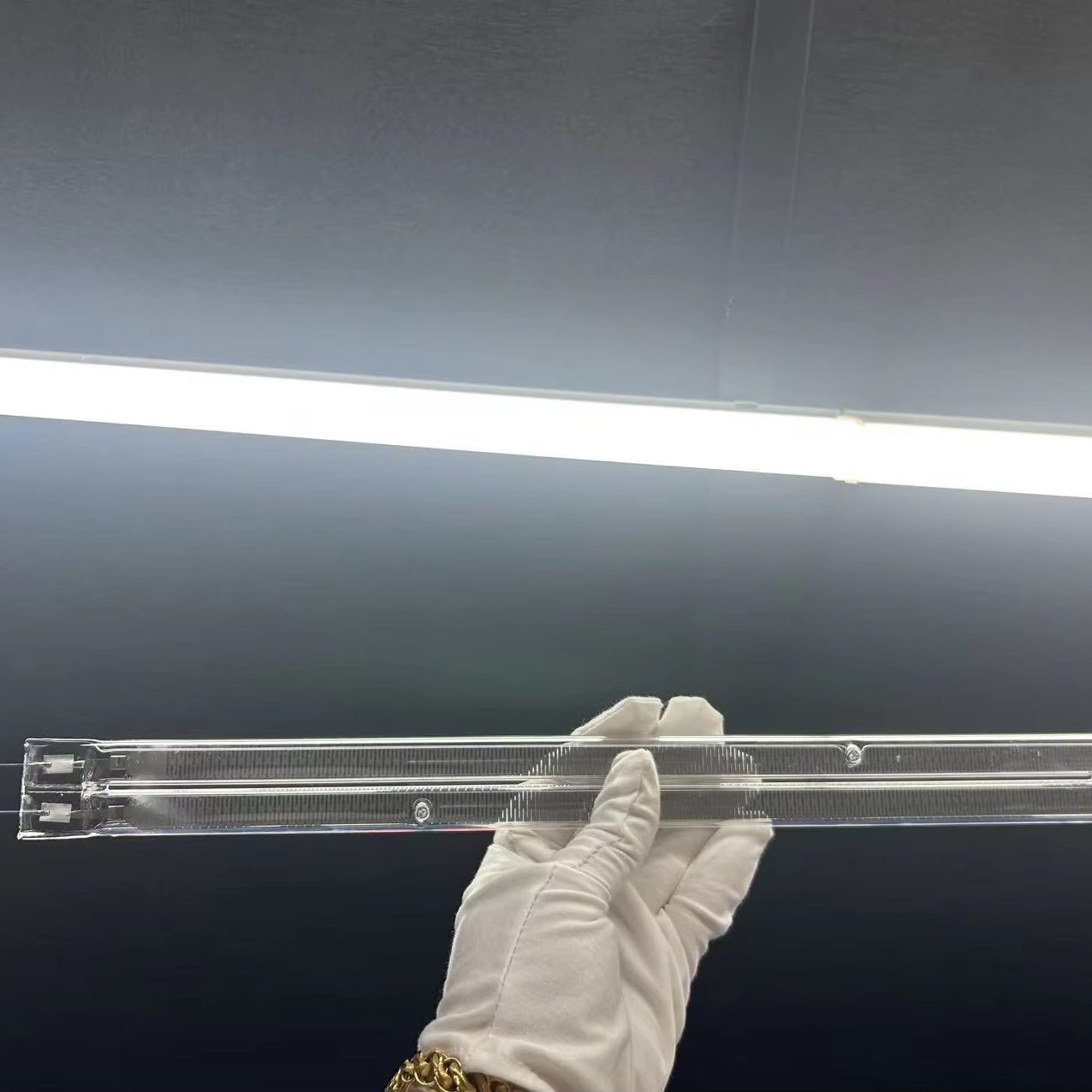
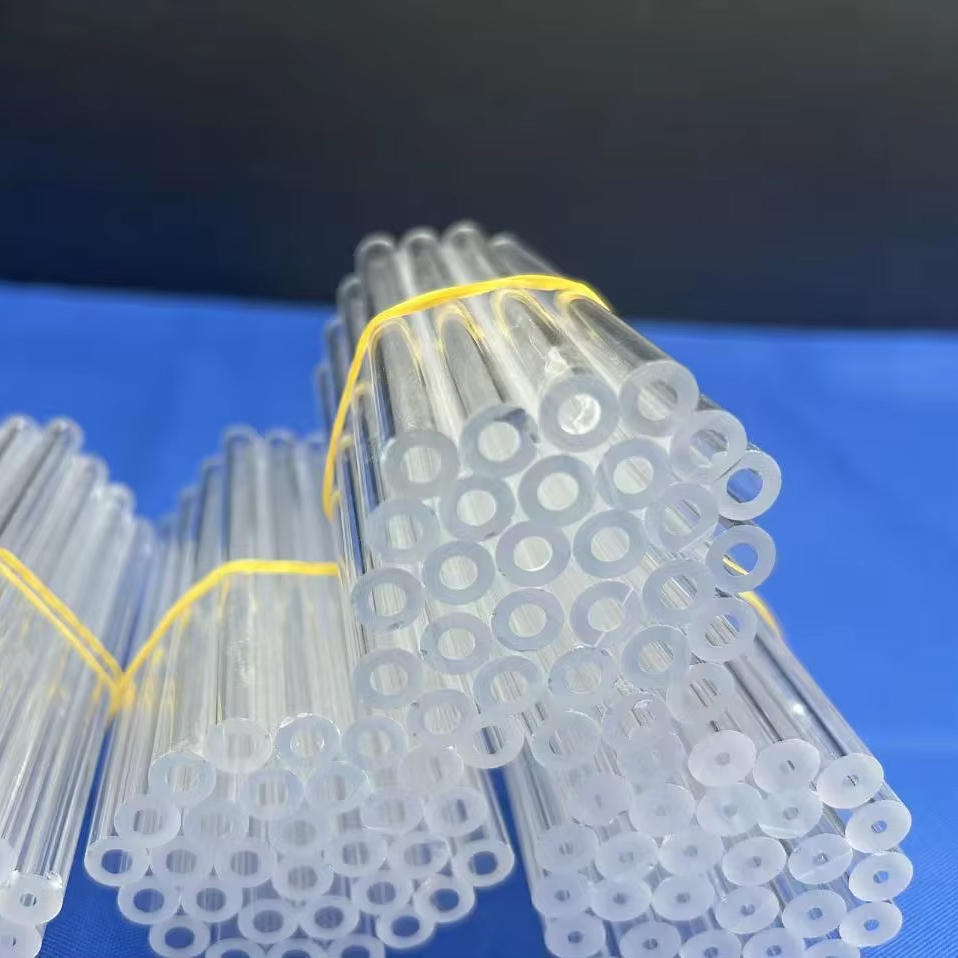
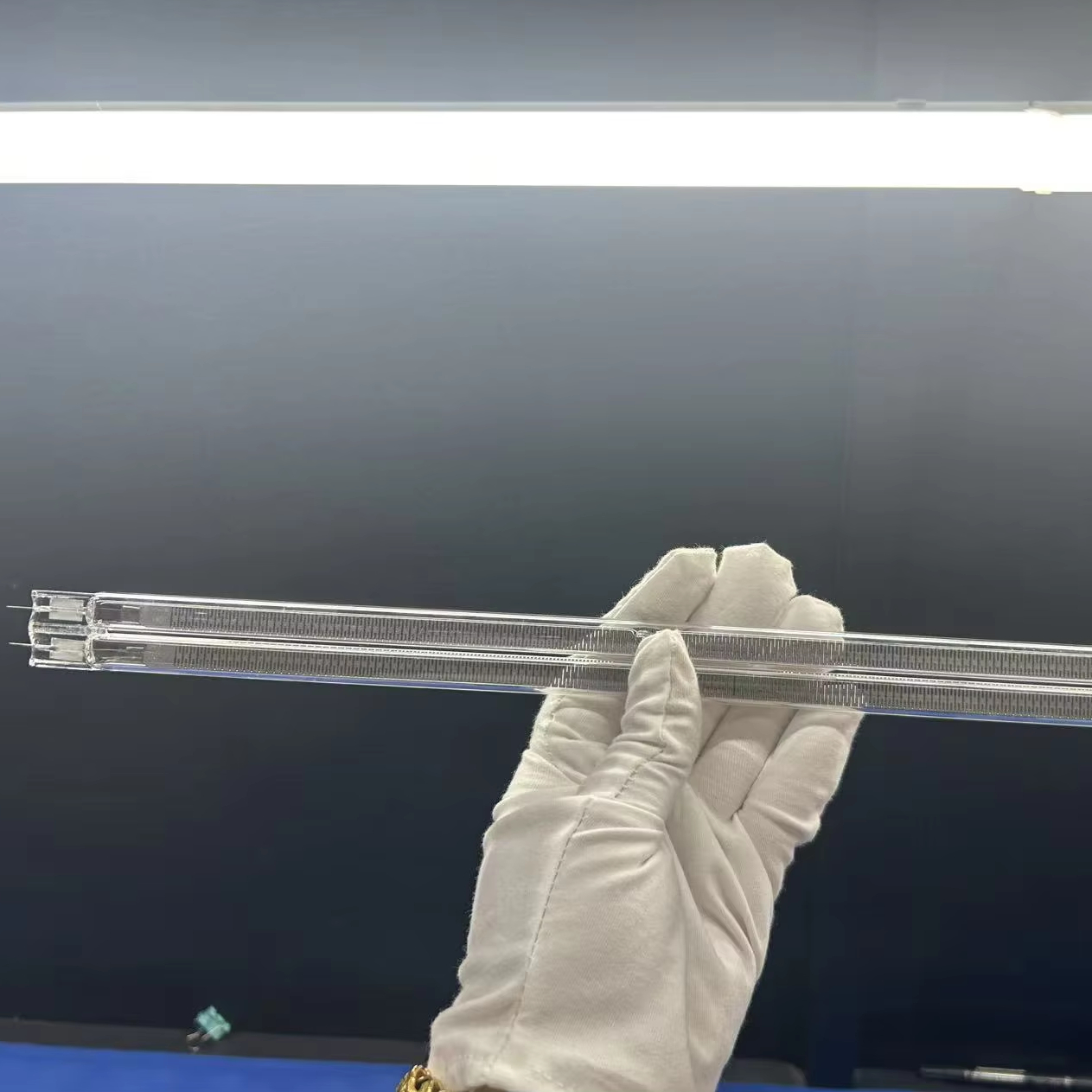
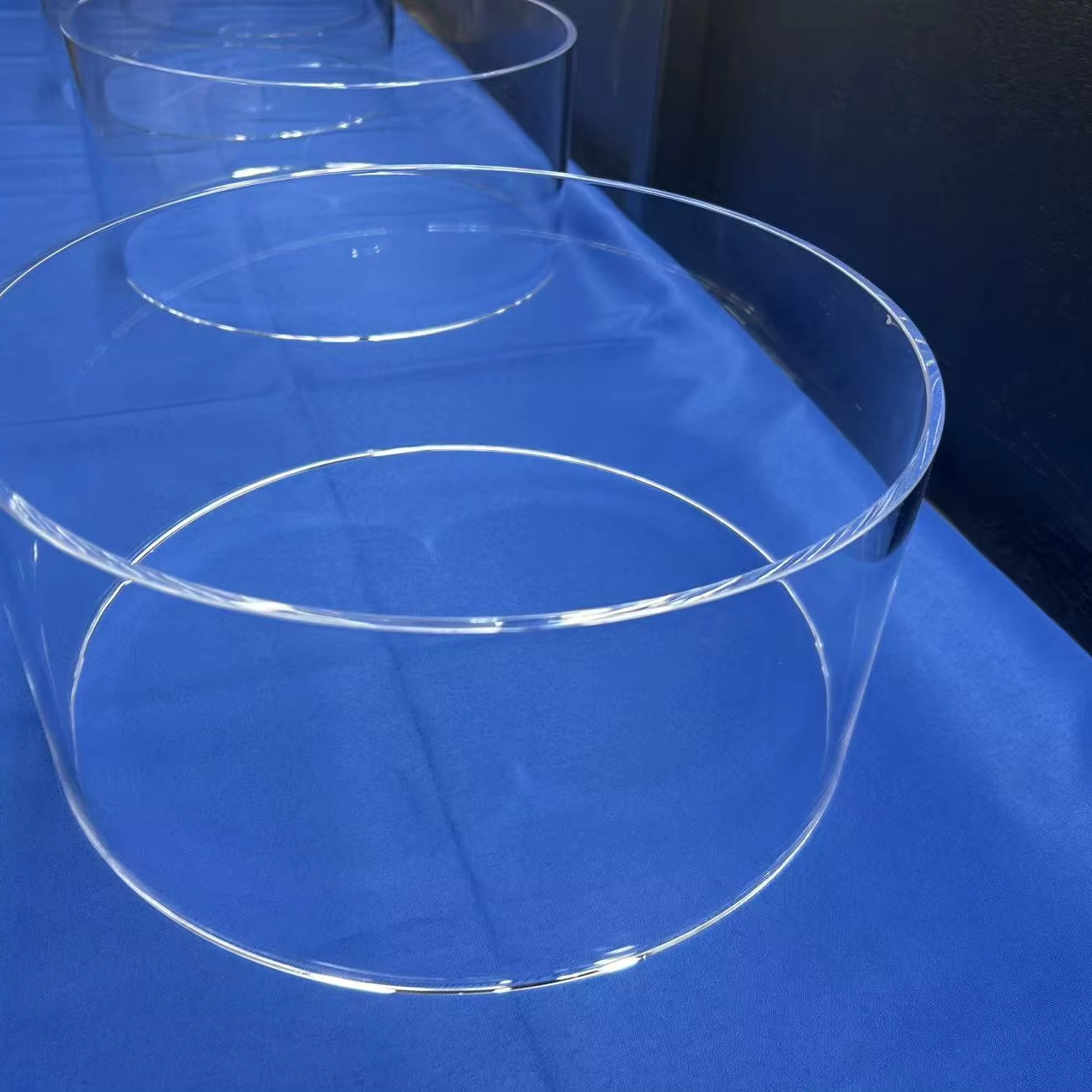
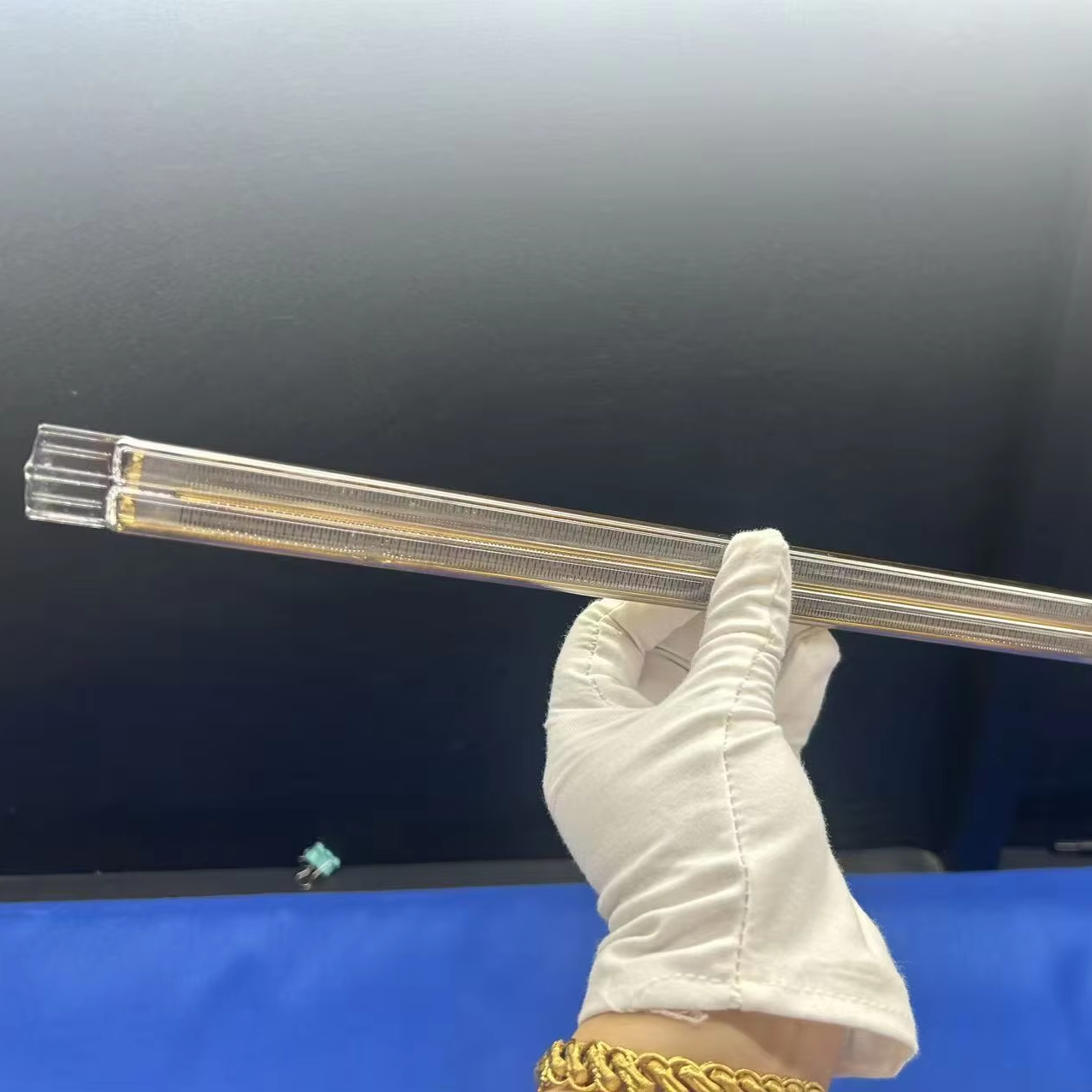
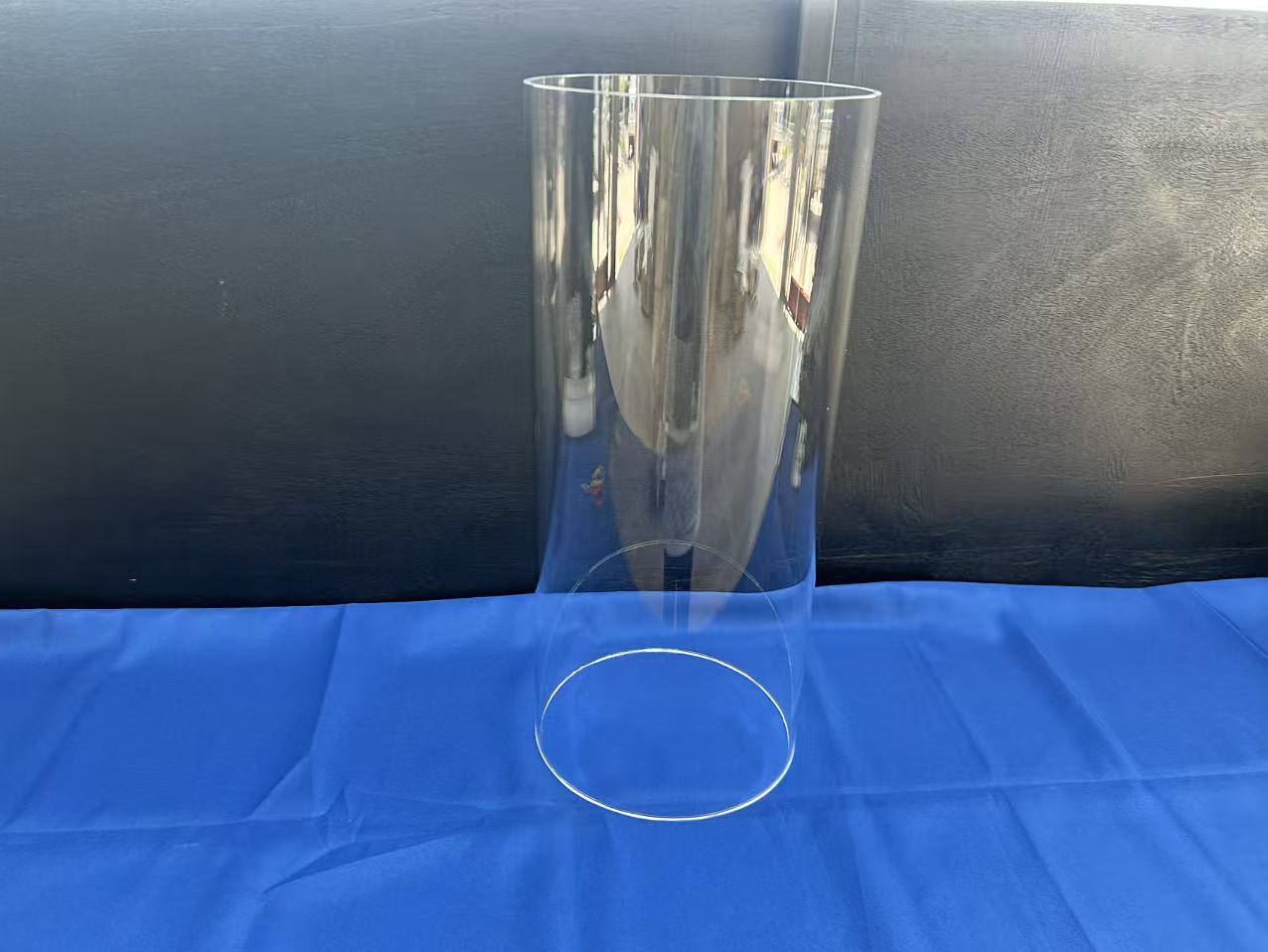
An authoritative engineering appraisal for chemical plant directors, furnace builders, and mechatronic design engineers across Plovdiv, the Maritsa industrial zone, and broader Bulgaria.
In modern thermal and photochemical processing, clear fused quartz tubing occupies an indispensable tier among engineering vitreous materials. Unlike standard alkali-borosilicate or soda-lime glass, fused quartz is produced through the thermal fusion of natural high-purity crystalline silica ($SiO_2$) or the synthetic vapor deposition of silicon tetrachloride ($SiCl_4$). With a nominal silica concentration exceeding 99.99% (4N) to 99.999% (5N), this amorphous network displays an absence of metallic fluxing agents (such as sodium, calcium, or potassium oxides), unlocking a phenomenal suite of operational parameters: near-zero coefficient of thermal expansion, extreme chemical inertia against concentrated inorganic acids, high dielectric withstand voltage, and unmatched broadband spectral transmission ranging from the vacuum-ultraviolet (VUV) spectrum into the mid-infrared region.
Thermal shock failure in tubular glass systems is primarily governed by the material's thermal expansion coefficient ($\alpha$). Fused quartz possesses an exceptionally low linear expansion coefficient of approximately $\alpha = 5.5 \times 10^{-7} \text{ K}^{-1}$ across the $20 \text{ °C}$ to $320 \text{ °C}$ spectrum. This represents roughly one-tenth the expansion rate of borosilicate 3.3 and one-twentieth that of float glass. As a direct physical consequence, clear quartz tubes manufactured by Donghai County Nivra Quartz Products Co., Ltd. can undergo instantaneous temperature differentials exceeding $\Delta T = 1000 \text{ °C}$ without micro-fracturing—an operational requirement frequently demonstrated by heating a specimen to $1150 \text{ °C}$ in an induction furnace and rapidly quenching it in sub-ambient water.
From a rheological perspective, the temperature-dependent viscosity curve of fused quartz sets the gold standard for high-temperature glass applications. With an annealing point of 1180 °C, a strain point of 1070 °C, and a softening point reaching approximately 1683 °C, high-purity quartz tubing maintains dimensional stiffness under heavy mechanical loads at thermal thresholds where conventional engineering polymers, aluminum assemblies, and borosilicate vessels rapidly deform, melt, or nucleate catastrophic structural fractures.
How high-purity fused quartz tubes solve high-temperature, optical, and chemical challenges across the Maritsa, Rakovski, and Kuklen industrial sub-clusters.
Within the automotive component facilities of Rakovski and Maritsa, clear quartz tubes serve as precision protective sleeves for pyrometric probes, oxygen sensors, and high-energy laser welding focus housings requiring zero thermal drift.
Serving biopharma plants in central Bulgaria and chemical processors along the Maritsa basin, our quartz tubes operate as inert sight glasses, photochemical chlorination chambers, and distillation vessels resistant to boiling nitric and hydrochloric acids.
Widely integrated into high-speed powder coating ovens, blister packaging machinery, and automotive interior thermoforming lines throughout TEZ, utilizing carbon fiber and halogen quartz heating emitters for uniform thermal transfer.
For municipal wastewater facilities in Plovdiv Municipality and hygienic food processing dairies, our JGS2/optical quartz sleeves provide $>90\%$ UV transmission at $253.7 \text{ nm}$ germicidal peaks, resisting continuous hydrostatic line pressures.
Technological roadmaps, decarbonization imperatives, and supply-chain nearshoring across the Bulgarian manufacturing corridor.
Under EU Green Deal mandates, manufacturing hubs in Plovdiv are systematically phasing out fossil-fueled radiant gas burners. Facilities are retrofitting continuous drying lines with clean electric carbon-fiber and graphene-infused quartz emitter tubes, boosting thermal conversion efficiency up to 98% while reducing carbon footprints.
As the Trakia Economic Zone cements its position as Southeastern Europe's primary automotive mechatronics cluster, the demand for custom micro-bore quartz capillary tubes, protective optical windows, and laser-shielding cylinders has seen a compound annual growth rate of 12.4% since 2021.
Strict REACH and RoHS surveillance demands the elimination of heavy metal leachates (lead, arsenic, antimony) in diagnostic and food processing apparatus. Fused quartz stands out as the ultimate non-reactive glass matrix, containing less than 15 ppm cumulative trace metallic impurities.
Select the optimal vitreous silica grade for your Plovdiv facility based on spectral bandpass, thermal endurance, and chemical purity metrics.
| Property / Characteristic | JGS1 (Synthetic Silica) | JGS2 (Optical Fused Quartz) | JGS3 (Infrared Fused Quartz) | Electrically Fused Clear Quartz | Borosilicate 3.3 (Benchmark) |
|---|---|---|---|---|---|
| Primary Transmission Band | 185 nm – 2500 nm (Deep UV) | 220 nm – 2500 nm (UV-Vis) | 260 nm – 3500 nm (Mid-IR) | Visible – Near IR | 350 nm – 2000 nm (Cuts UV) |
| Hydroxyl ([OH⁻]) Content | < 1200 ppm (Synthetic) | < 30 ppm (Reduced) | ≤ 5 ppm (Dehydroxylated) | ≤ 15 ppm (Stable) | N/A (Multi-component) |
| SiO₂ Purity Level | ≥ 99.999% (5N) | ≥ 99.99% (4N) | ≥ 99.99% (4N) | ≥ 99.98% | ≈ 81% (SiO₂ balance B/Na/Al) |
| Continuous Service Temp | 1100 °C | 1100 °C | 1150 °C | 1100 °C | 450 °C (Max 500 °C) |
| Short-Term Max Temp | 1450 °C | 1450 °C | 1500 °C | 1400 °C | 525 °C (Softens at 820 °C) |
| Thermal Expansion (20–300°C) | 5.4 × 10⁻⁷ /°C | 5.5 × 10⁻⁷ /°C | 5.5 × 10⁻⁷ /°C | 5.5 × 10⁻⁷ /°C | 33 × 10⁻⁷ /°C (6× higher) |
| Dielectric Strength (at 20°C) | 25 – 40 kV/mm | 25 – 35 kV/mm | 25 – 35 kV/mm | 20 – 30 kV/mm | 10 – 15 kV/mm |
| Common Industry Usage | Excimer lasers, UV optics, micro-lithography | Spectroscopy cuvettes, sight glasses, UV lamps | Laser cavities, IR heating pyrometry, furnace viewports | Diffusion tubes, thermocouple sheaths, heater bodies | General lab glassware, low-heat domestic lines |
| Trace Metallic Impurity | Aluminum (Al) | Iron (Fe) | Titanium (Ti) | Calcium (Ca) | Magnesium (Mg) | Sodium (Na) | Lithium (Li) | Potassium (K) |
|---|---|---|---|---|---|---|---|---|
| Typical Concentration (PPM) | ≤ 14.0 | ≤ 0.2 | ≤ 1.1 | ≤ 0.4 | ≤ 0.1 | ≤ 0.3 | ≤ 0.2 | ≤ 0.4 |
Combining Donghai's world-leading raw quartz crystal reserves with state-of-the-art cold CNC grinding, flame lathe synthesis, and verified export accountability.
Situated at 285 Heping East Road, Lianyungang, Jiangsu, our facility directly refines native high-grade silica crystal, cutting out intermediary markups and ensuring consistent 99.99% chemical purity across every batch.
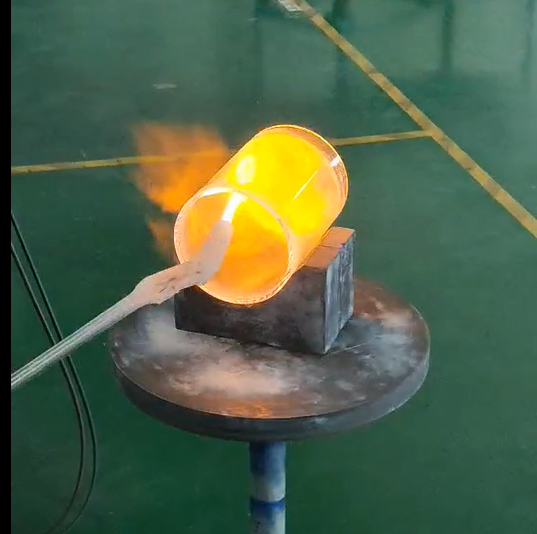
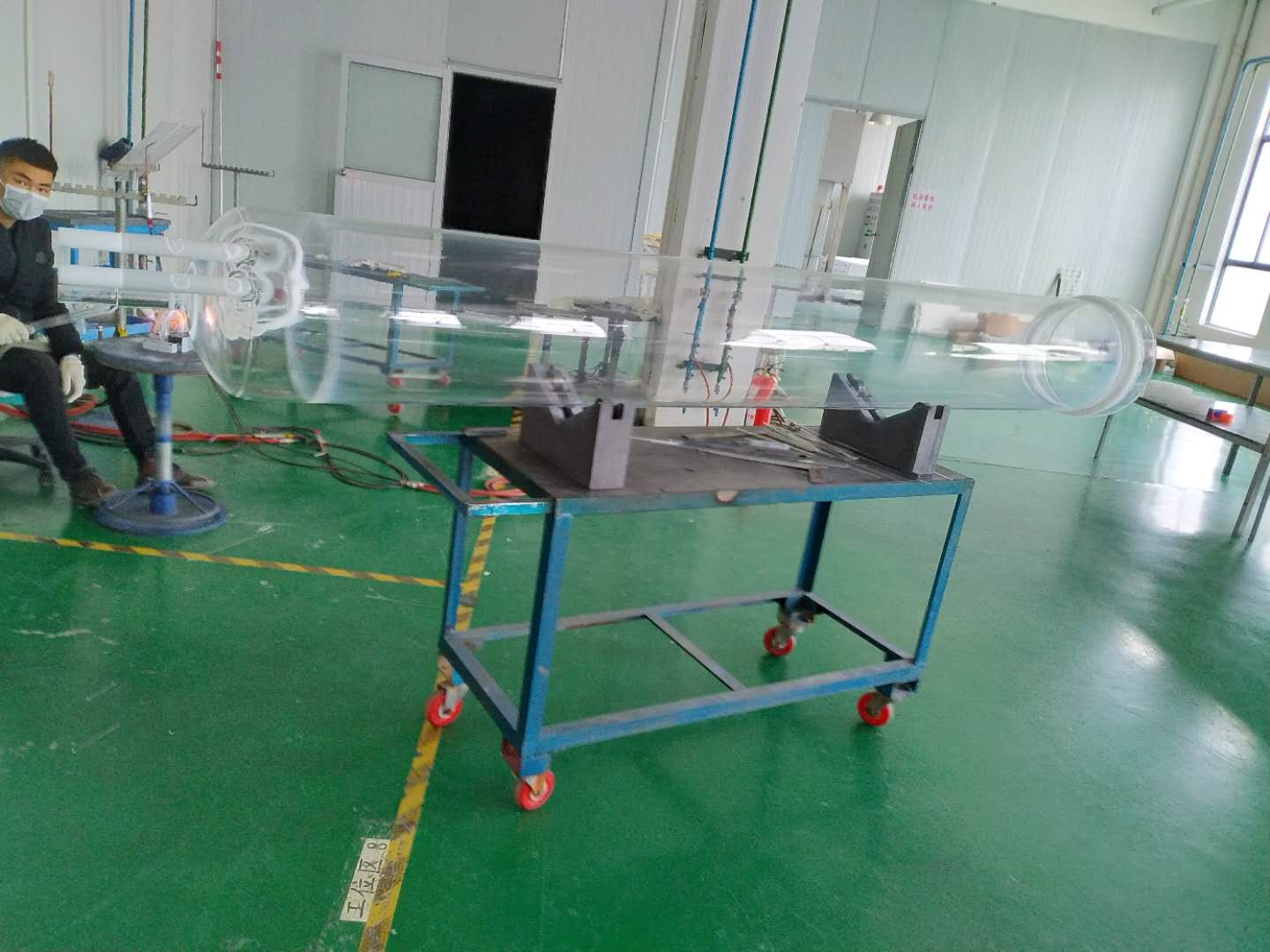
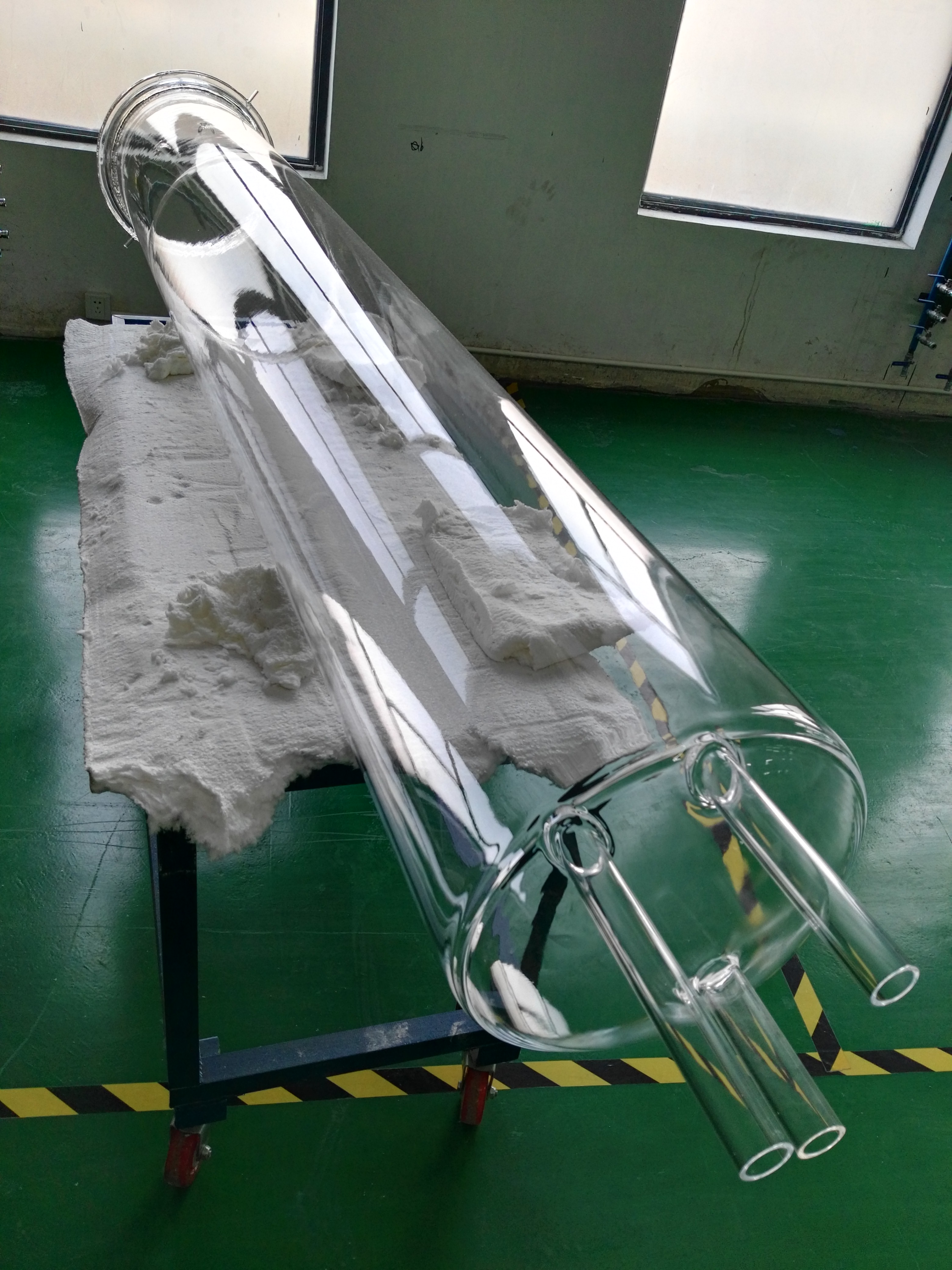
In-house computerized CNC glass machining centers, automatic tube cutters, high-precision flame welding lathes, laser drilling, and optical polishing apparatus allow us to meet drawings with dimensional tolerances down to ±0.02 mm.
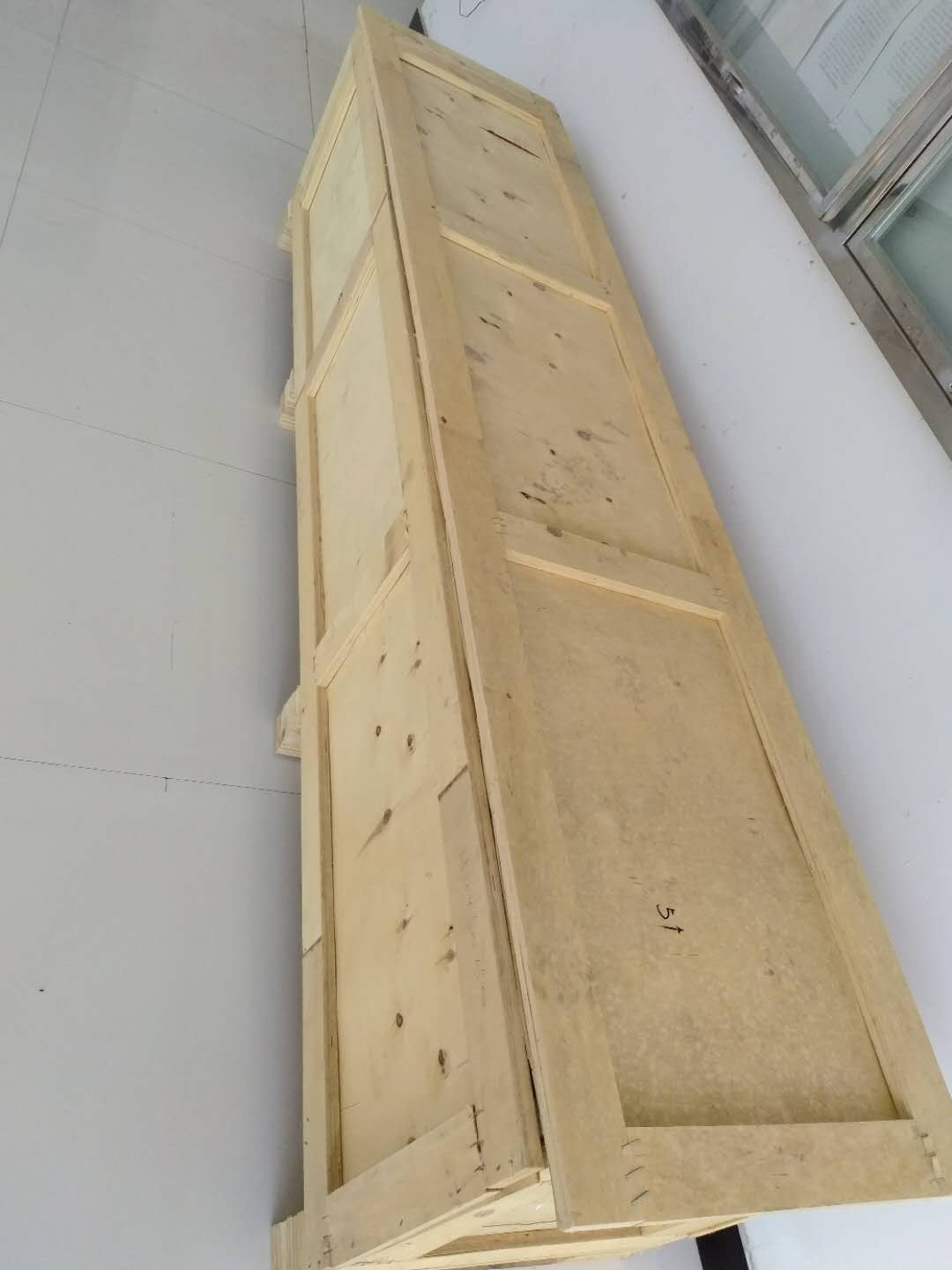
Fragile quartz tubing is protected with tailor-molded high-density polyethylene (EPE) foam, vapor-barrier vacuum wrapping, and reinforced fumigation-free plywood export crates rated for multi-modal air and ocean freight into Sofia and Port Burgas.
Every commercial dispatch is accompanied by dimensional inspection protocols, Spectrophotometer transmission charts (UV-Vis-IR), and material purity certification confirming compliance with EU REACH and RoHS regulations.
On-site verified premises by third-party inspection agencies. Valid documentation available upon engineering inquiry.
Key regulatory, logistics, engineering, and commercial clarity for companies sourcing fused quartz products in Plovdiv and surrounding municipalities.