Precision Fused Quartz Components for Hafnarfjörður Enterprises
Engineered directly from Donghai’s high-purity natural silica pegmatites, our vitreous quartz solutions offer continuous thermal endurance up to 1100°C, zero thermal stress under severe freeze-thaw cycles, and chemical immunity to acidic volcanic brines.
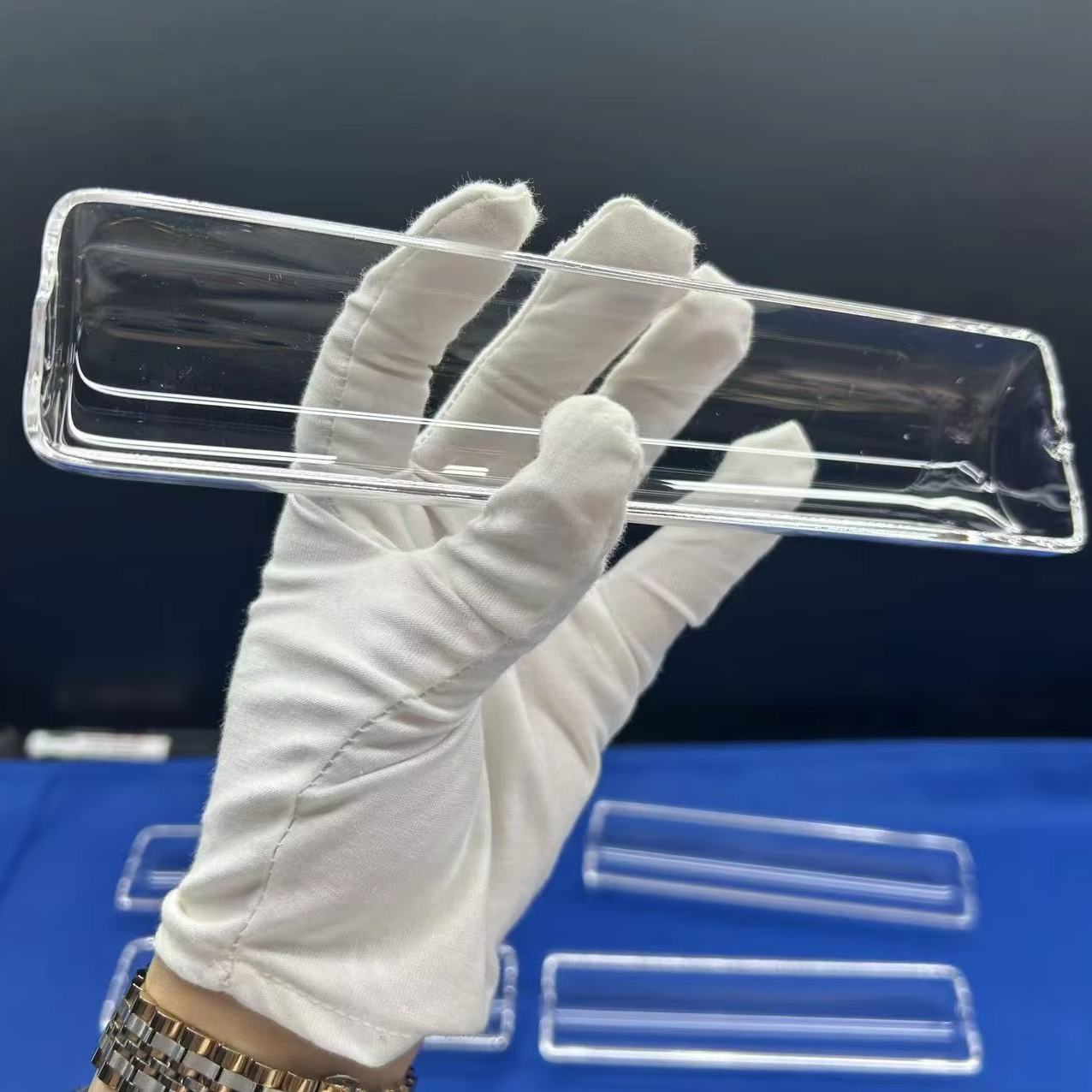
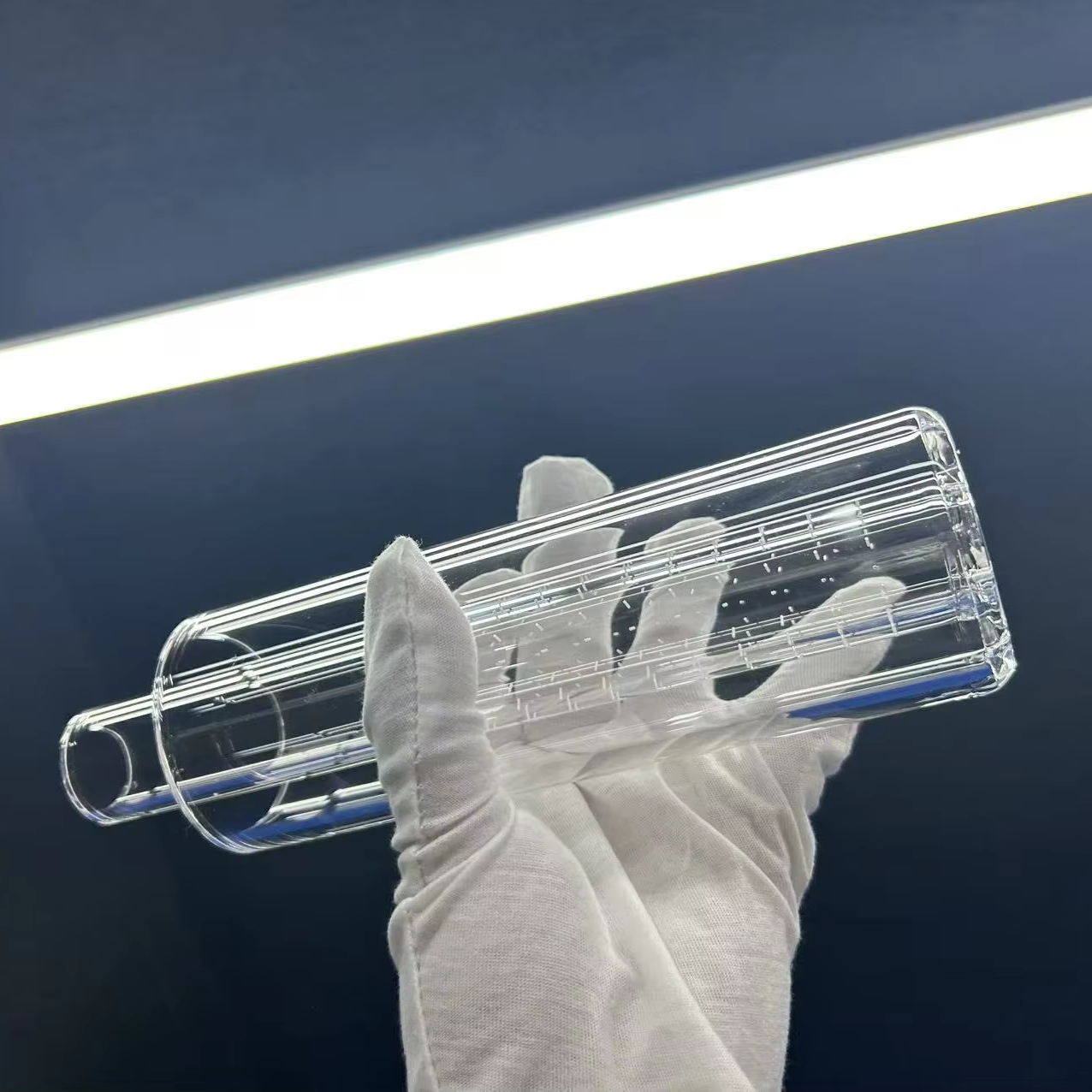
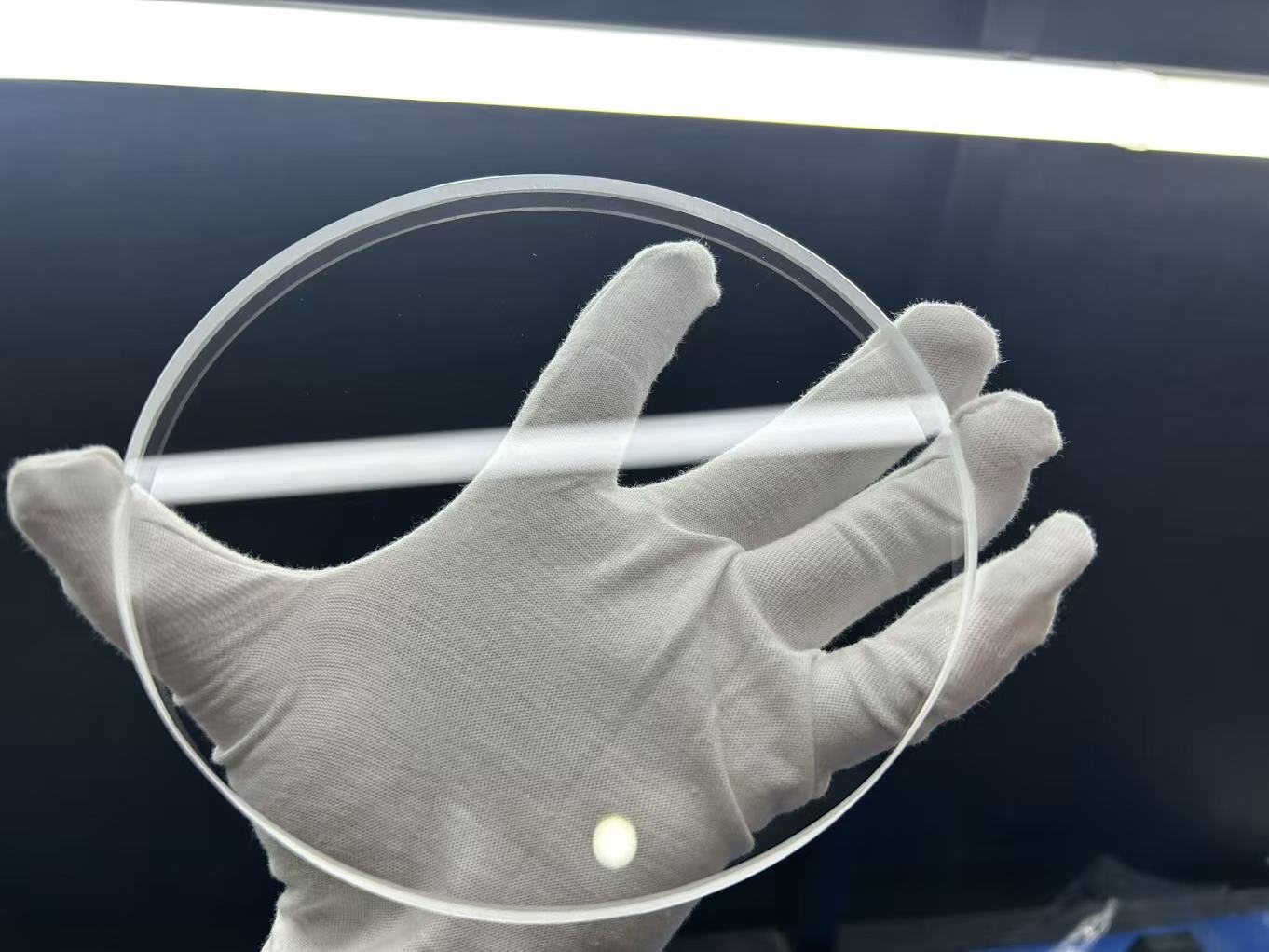
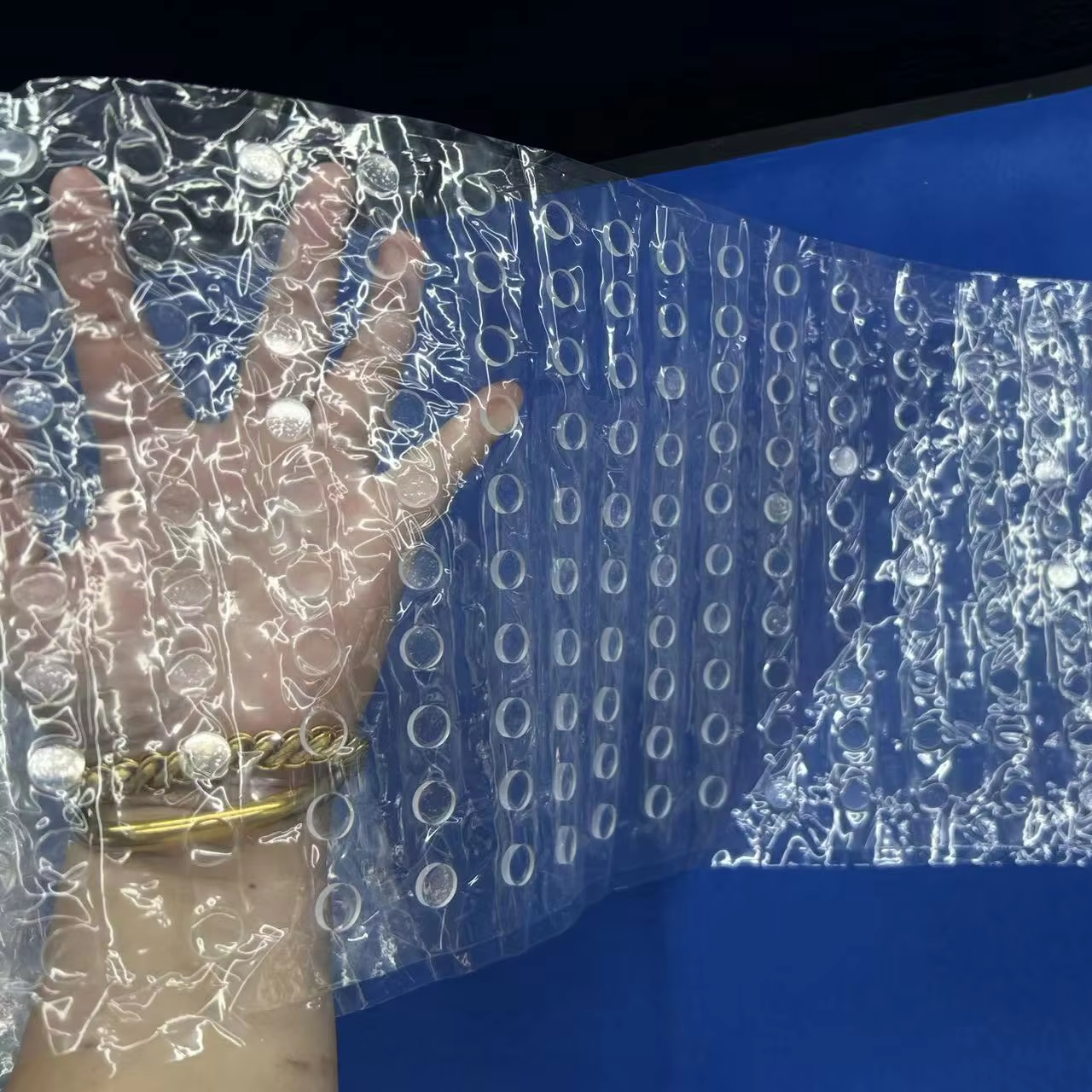
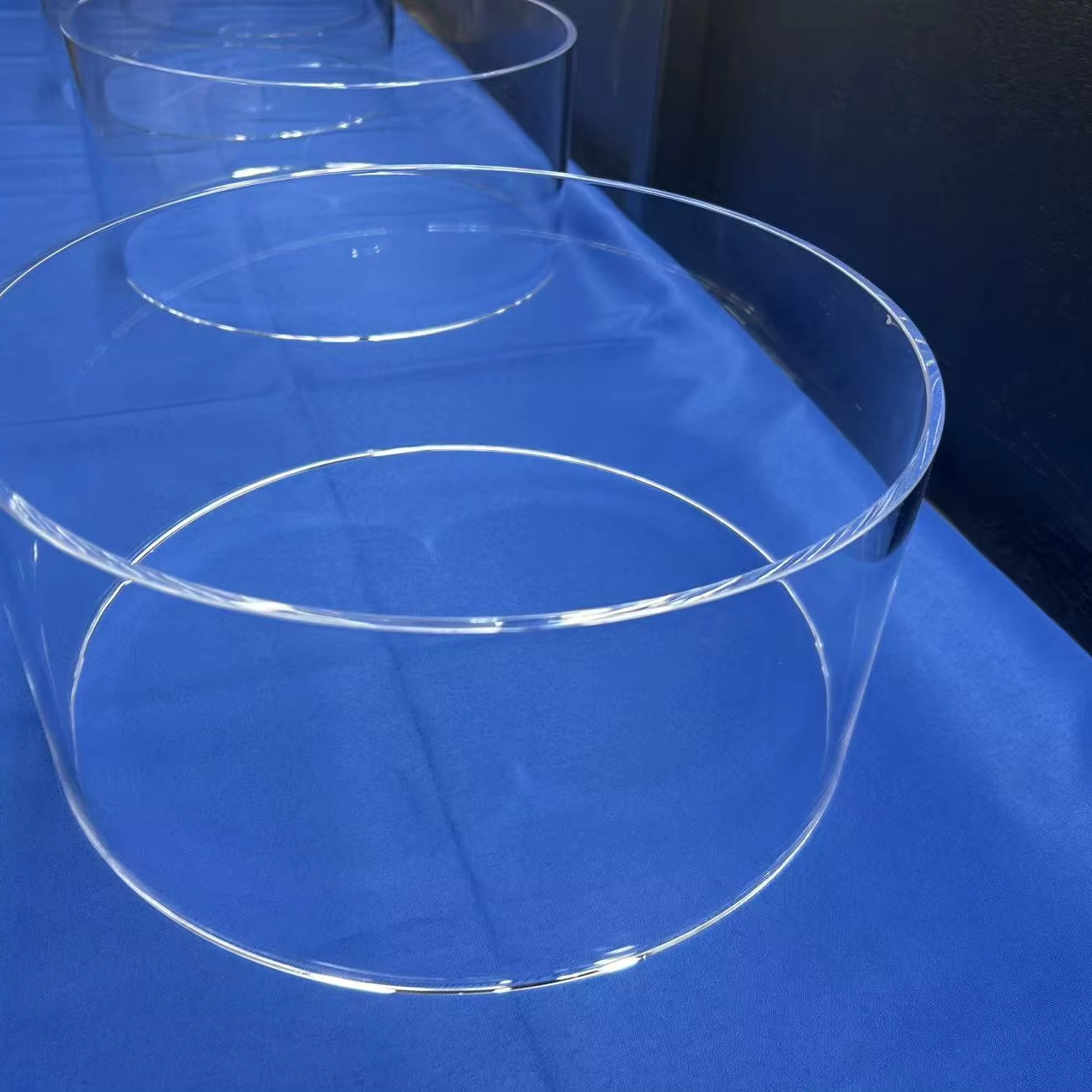
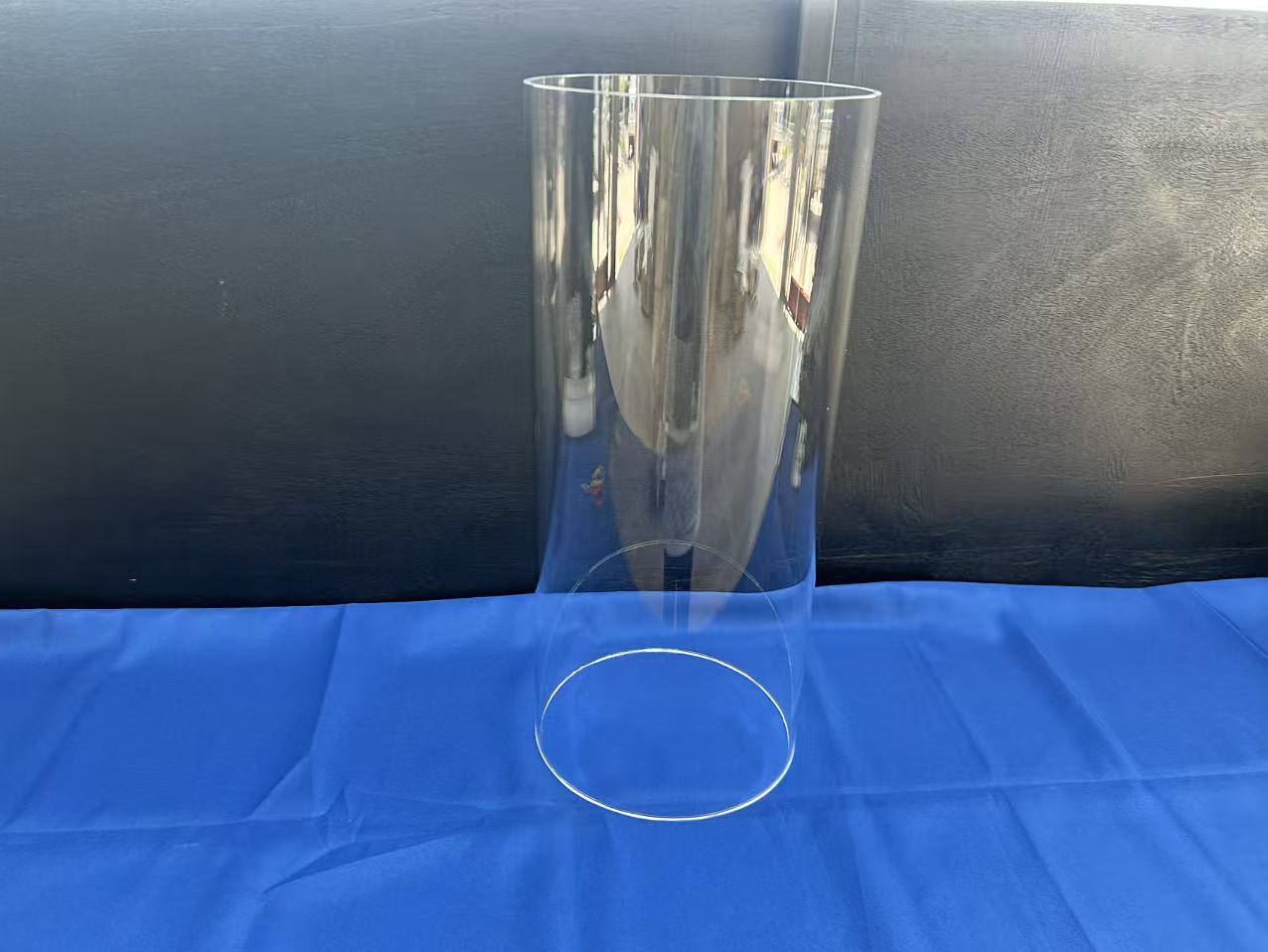
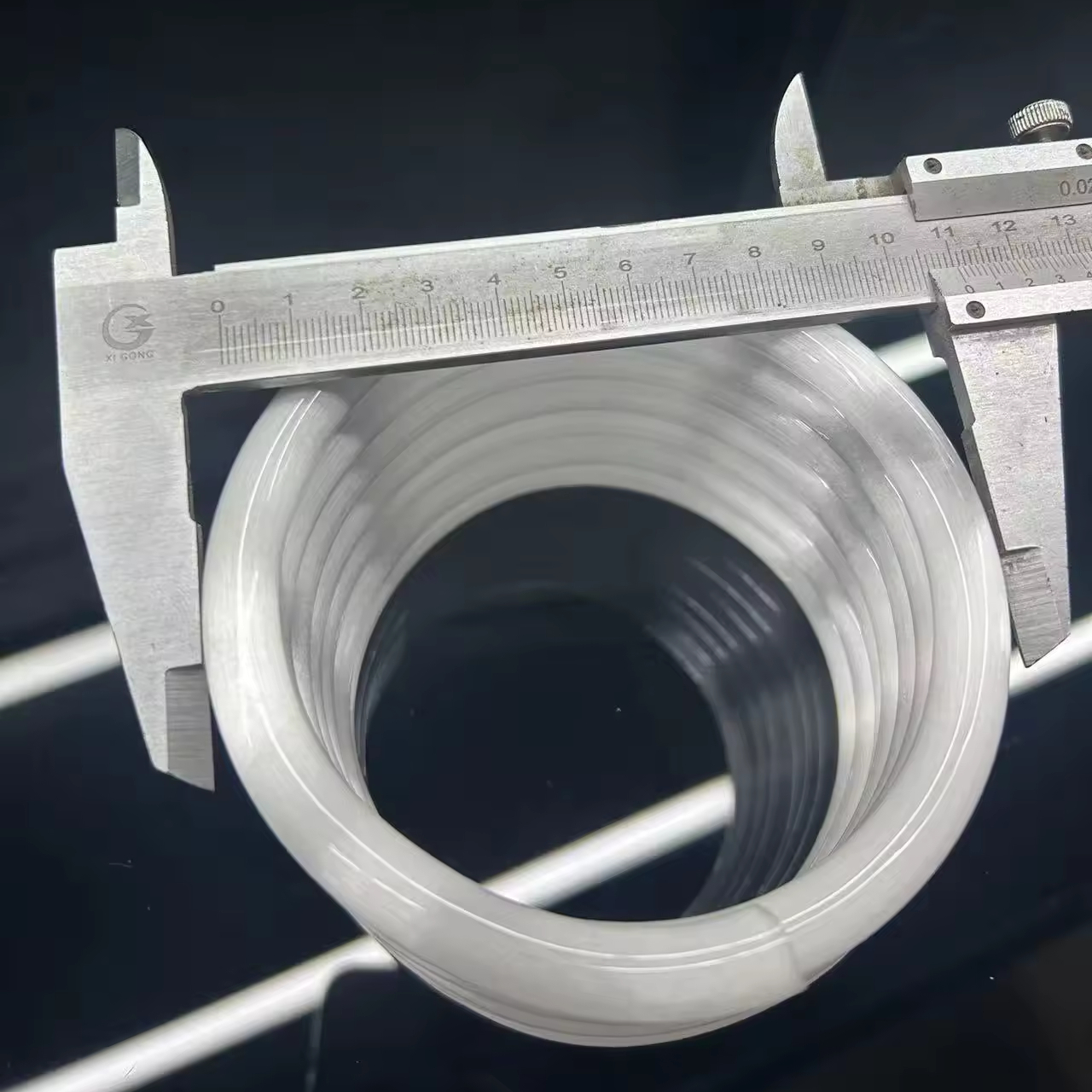
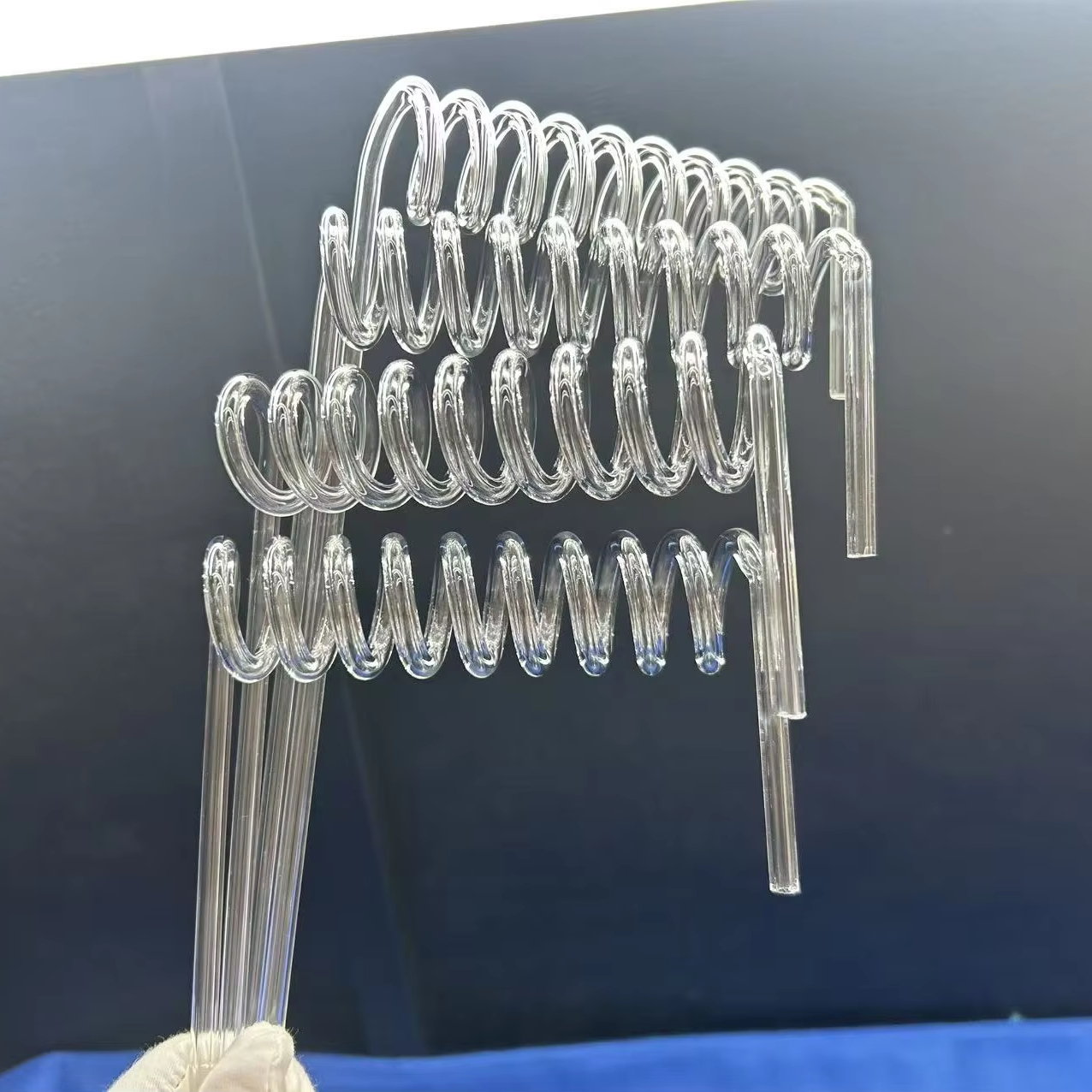
Vitreous Silica Thermodynamics in Sub-Arctic Industrial Regimes
Procuring industrial-grade vitreous silica (fused quartz) for installations across the Capital Region (Höfuðborgarsvæðið) and specifically Hafnarfjörður demands a comprehensive understanding of solid-state glass kinetics under extreme thermal and chemical stresses. Fused quartz stands unique among technical ceramics: it features an amorphous, three-dimensional tetrahedral network of silicon dioxide (SiO₂ purity ≥ 99.99%) with entirely covalent silicon-oxygen bonding. This microstructural integrity imparts an extraordinarily low linear coefficient of thermal expansion (α ≈ 5.5 × 10⁻⁷ /°C between 20°C and 320°C), roughly 1/20th that of conventional borosilicate glass.
In sub-arctic maritime environments like Hafnarfjörður, where indoor geothermal processing furnaces or metallurgical reduction vessels operate above 1000°C while ambient maritime air intake drops sub-zero, ordinary glasses shatter instantly due to differential tensile stress. Our clear fused quartz tubing exhibits near-zero expansion hysteresis, sustaining thermal shock differentials (ΔT) exceeding 1000°C without crack propagation. You can drop a tube heated to 1100°C directly into ice-cold sea-level water without micro-fracturing.
Thermodynamic Thresholds, Devitrification, and Viscosity Transition
Engineers designing high-temperature thermal apparatus for the Straumsvík metallurgical corridor or Reykjanes geothermal pilot plants must observe the critical phase transformation dynamics of vitreous silica:
- Strain Point (1070°C): At this temperature, internal thermal stresses are relieved within several hours. Viscosity sits at approximately 10¹⁴·⁵ Poise. Below this point, the tube behaves entirely as an elastic solid.
- Annealing Point (1215°C): Internal stresses relax within minutes (viscosity ≈ 10¹³·⁰ Poise). All Nivra Quartz tubular components undergo controlled computer-programmed annealing cycles in vacuum electric furnaces to eliminate residual birefringence.
- Softening Point (1683°C): The vitreous matrix transitions into viscous flow under its own structural weight. Tubes can safely withstand intermittent operation up to 1450°C without sagging, provided wall thickness and internal pressure are properly specified.
- Devitrification Kinetics: Above 1150°C, amorphous fused quartz will gradually nucleate into crystalline β-cristobalite if surface contaminants (especially alkali metal ions like Na⁺, K⁺, Ca²⁺) are present. Our specialized chemical clean-wash and class 10,000 cleanroom packaging prevent trace alkali contamination, significantly inhibiting crystallization and preserving crystal-clear transmission during extended thermal runs.
Comparative Material Science Matrix
To assist procurement specialists at Icelandic research institutions and industrial facilities in making data-driven sourcing choices, the table below presents measured physical, thermal, and optical properties verified under rigorous ASTM/DIN testing standards:
| Physical / Thermal Parameter | Standard Clear Fused Quartz | Synthetic Fused Silica (JGS1) | Optical Grade Fused Quartz (JGS2) | Infrared Grade Quartz (JGS3) |
|---|---|---|---|---|
| Chemical Purity (SiO₂) | ≥ 99.99% | ≥ 99.9999% | ≥ 99.995% | ≥ 99.99% |
| Hydroxyl (OH⁻) Content | ≤ 30 - 50 ppm | ≤ 1200 ppm | ≤ 150 - 200 ppm | ≤ 5 ppm (Water-Free) |
| Spectral Transmission Range | 260 nm – 2,500 nm | 185 nm – 2,500 nm (Deep UV) | 220 nm – 2,500 nm (UV-Vis) | 260 nm – 3,500 nm (Mid-IR) |
| Density (20°C) | 2.20 g/cm³ | 2.20 g/cm³ | 2.20 g/cm³ | 2.20 g/cm³ |
| Coefficient of Expansion (20-300°C) | 5.5 × 10⁻⁷ /°C | 5.4 × 10⁻⁷ /°C | 5.5 × 10⁻⁷ /°C | 5.5 × 10⁻⁷ /°C |
| Continuous Operating Temp | 1100°C | 1100°C | 1100°C | 1150°C |
| Dielectric Strength (20°C, 1MHz) | 25 - 40 kV/mm | 40 - 50 kV/mm | 30 - 45 kV/mm | 30 - 45 kV/mm |
| Primary Industrial Function | Furnace tubes, sight glass | Excimer laser, UV-C reactors | Optical windows, solar PV | IR heaters, gas pyrometry |
Mission-Critical Applications in Hafnarfjörður & Environs
From the heavy metallurgy clusters along the Straumsvík shore to deep geothermal experimental stations and cold-water marine biotechnology incubators, high-purity quartzware serves as the primary barrier against extreme mechanical, thermal, and chemical stress.
Straumsvík Aluminum Smelting
Potline thermal sensors require heavy-walled fused quartz protection sleeves. Quartz resists fluorinated emissions, gaseous cryolite condensates, and aggressive thermal spikes inside reduction pots and crucible bake ovens.
Geothermal Fluid Characterization
Geothermal exploration facilities throughout Suðurnes and the Hengill corridor utilize high-pressure quartz sight cylinders and spiral tubes to monitor scaling minerals, non-condensable H₂S, and high-enthalpy supercritical steam.
Microalgae & Marine Analytics
Hafnarfjörður’s coastal biotech ventures use helical quartz coil tubes for photobioreactors requiring >92% PAR spectrum transmission, alongside UV-C quartz sleeves for chemical-free pathogen eradication in clean smolt waters.
Green Hydrogen & Clean Tech
Emerging regional pilot projects in water electrolysis and synthetic e-fuel synthesis deploy high-purity quartz reaction vessels, catalyst containment chambers, and vacuum-sealed quartz flanges capable of zero hydrogen embrittlement.
Emerging Industrial Vectors in Southwestern Iceland
The municipal economy of Hafnarfjörður is rapidly pivoting toward high-value, closed-loop eco-parks, carbon capture mineralization, and advanced deep-well geothermal extraction that require upgraded vitreous silica specifications.
1. Supercritical Geothermal Fluid Engineering (>400°C)
Iceland's pioneering deep drilling initiatives (IDDP) tap into supercritical fluid reservoirs at pressures exceeding 220 bar and temperatures above 400°C. Standard borosilicate sight tubes or mechanical instrumentation fail within hours. The requirement for precision CNC-drilled, optical-grade quartz discs (JGS2/JGS3) with diamond-milled dimensional tolerances (±0.02 mm) is surging among regional fluid monitoring stations.
2. Carbon Capture & In-Situ Basaltic Mineralization
Collaborative carbon sequestration infrastructure near the Hengill volcanic system dissolves CO₂ and H₂S in water under high pressure, injecting it into basalt formations. Visual observation cells in laboratory simulation chambers require high-clarity fused quartz tubes capable of resisting prolonged dissolved carbonic acid and sulfide erosion while providing pristine optical paths for Raman laser spectroscopy.
3. Automated Closed-Loop Marine Bioreactors
The aquaculture and bio-refining sectors in Hafnarfjörður’s vibrant harbour are expanding from batch cultivation into continuous, high-density photobioreactors. Traditional acrylic and borosilicate piping suffer from UV solarization, hazing, and microbial adhesion. Helical fused silica quartz coils ensure indefinite optical transmission, zero leaching of metal ions, and seamless CIP (clean-in-place) steam sterilization cycles.
Donghai County Nivra Quartz Products Co., Ltd.
Operating from Donghai County, Jiangsu — the globally celebrated crystal capital of China — Nivra Quartz unites upstream high-purity natural silica access with world-class CNC precision glass-working lathes and optical surface finishing.
Source Crystal Quality
Rooted in Donghai County, we secure prime natural crystal pegmatite feedstock. Raw silica undergoes intensive multi-stage magnetic separation and chemical leaching, ensuring SiO₂ purity ≥ 99.99%.
Full-Cycle CNC Machining
Equipped with 5-axis ultrasonic CNC centers, diamond saws, precision laser cutting rigs, and hydrogen-oxygen flame lathe tooling for seamless flange welding, bending, and fire-polishing.
Export Packaged for Rough Seas
Long tubes, rods, and fragile cuvettes are nested inside molded, multi-density closed-cell EPE foam, sealed within vacuum barrier bags, and bolted in fumigation-free ISPM-15 export plywood crates.
Agile Customization & MOQ 1
Whether you require a single bespoke helical coil for a university pilot study or 2,000 industrial sight cylinders for smelter maintenance, we fulfill custom drawings within days.
Procurement & Technical Logistics FAQ for Iceland
Direct answers for procurement officers, lab coordinators, and maintenance engineers in Hafnarfjörður coordinating direct international shipments of vitreous quartz components.
Q1: How are fragile fused quartz tubes shipped safely to Hafnarfjörður?
Fragile quartz tubing requires specialized shock-absorption packaging to withstand rough maritime or air journeys. We clean, de-grease, and encase each tube in thick, custom-contoured expandable polyethylene (EPE) foam sleeves, reinforced with heavy-duty cardboard tubes, and packed inside heavy timber-framed export crates with internal suspension buffers and external TiltWatch / Drop-N-Tell vibration indicators. Sea shipments route reliably via Eimskip or Samskip feeder vessels into Hafnarfjörður harbour or Reykjavík, while time-sensitive custom orders fly into Keflavík International Airport (KEF) within 5–7 transit days.
Q2: Can your quartz withstand corrosive geothermal steam containing H₂S and fluorides?
Fused silica exhibits exceptional chemical stability across nearly the entire chemical spectrum. It is completely unaffected by hydrogen sulfide (H₂S), sulfur dioxide (SO₂), carbon dioxide (CO₂), nitric acid, hydrochloric acid, and sulfuric acid at all concentrations and temperatures up to its annealing point. The only two chemical compounds that attack fused quartz are hydrofluoric acid (HF) and hot concentrated phosphoric acid (>150°C). In geothermal steam applications where trace volatile fluorides are present, we recommend specifying heavy-wall tubing (wall thickness ≥ 4.0–6.0 mm) and operating below 600°C to minimize etching rates.
Q3: Can you manufacture custom components according to our CAD or STEP files?
Yes. Our engineering division processes technical drawings supplied in PDF, DXF, DWG, and 3D STEP formats. We regularly fabricate bespoke perforated diffusion tubes, helical cooling coils, multi-neck reaction vessels, bell jars with ISO/KF vacuum flanges, and laser-slotted wafers. Our standard fabrication tolerances adhere to DIN ISO 2768-m (medium), with precision micro-machining capabilities achieving dimensional tolerances down to ±0.05 mm and surface finishes down to optical polish (Ra < 0.5 nm).
Q4: How does sub-zero Arctic outdoor temperature affect quartz tube operations?
Fused quartz is uniquely suited for sub-arctic climates. Unlike soda-lime or borosilicate glasses, which have higher coefficients of thermal expansion and are prone to shattering under rapid thermal shifts, quartz possesses an extremely low thermal expansion coefficient (5.5 × 10⁻⁷ /°C). A quartz furnace tube operating at 1100°C can be flushed with sub-zero Arctic air or touched with cold water without cracking or losing mechanical tensile strength.
Q5: What import customs procedures apply when receiving goods in Hafnarfjörður?
Icelandic imports are regulated under the Directorate of Customs (Skatturinn / Tollstjóri). We provide full international commercial export documentation, including accurate HS codes (typically HS 7002.31 for tubes of fused quartz or HS 7017.10 for laboratory glassware), commercial invoices, Packing Lists, and Certificates of Origin. Icelandic business buyers registered with a VAT (VSK) identification number can clear consignments efficiently through electronic customs manifest filings via DHL, FedEx, or maritime forwarders.
Q6: What is the standard minimum order quantity (MOQ) and sample lead time?
For standard dimensions of clear fused quartz tubing, circular inspection discs, and simple crucibles, the MOQ is just 1 to 10 pieces. For custom CNC-ground or flame-welded scientific glassware, we support 1-piece rapid prototyping before initiating batch runs. Standard sample prototyping requires approximately 3 to 7 working days, followed by swift express air delivery directly to your facility in Hafnarfjörður.