Featured Quartz Glass Discs & Technical Glassware
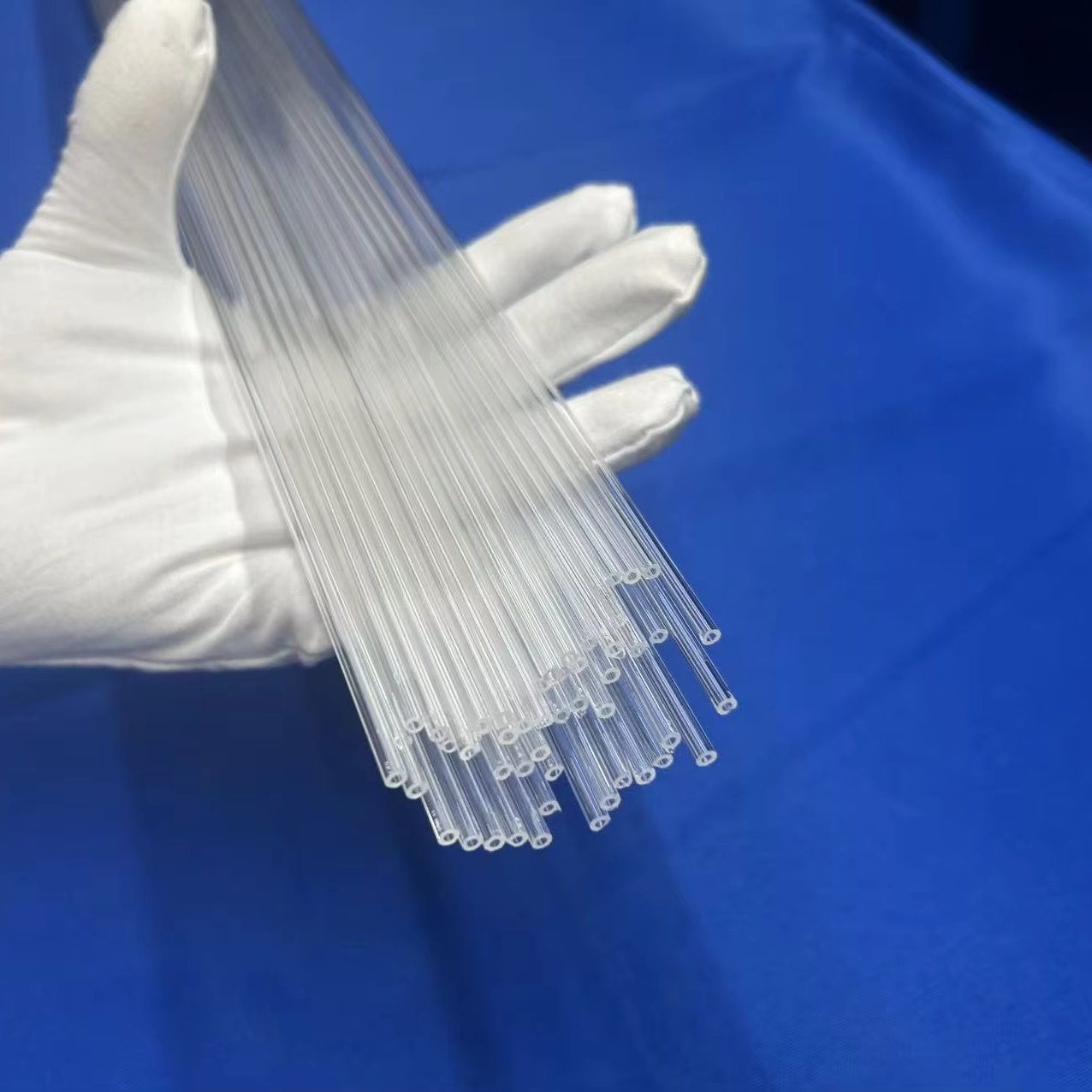
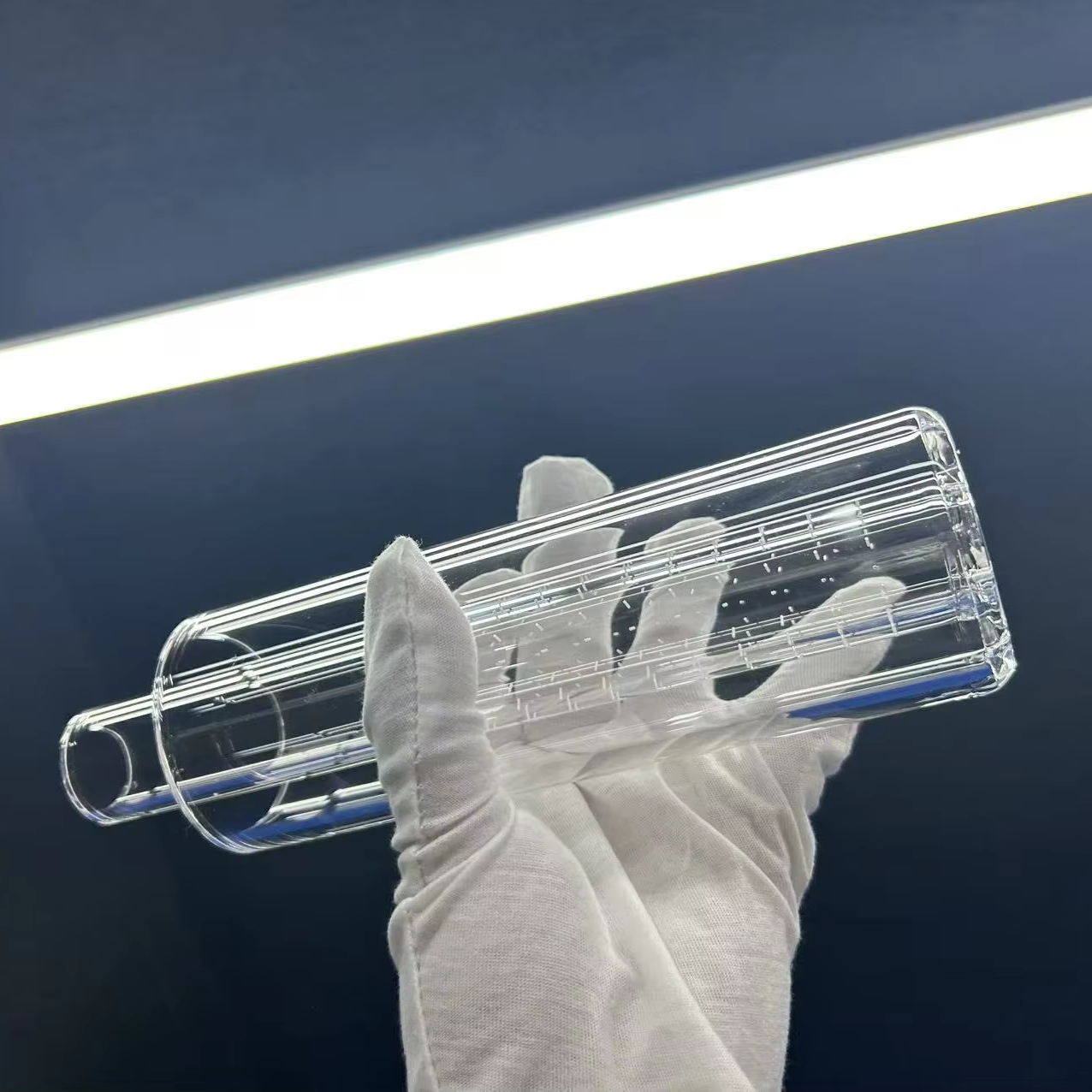
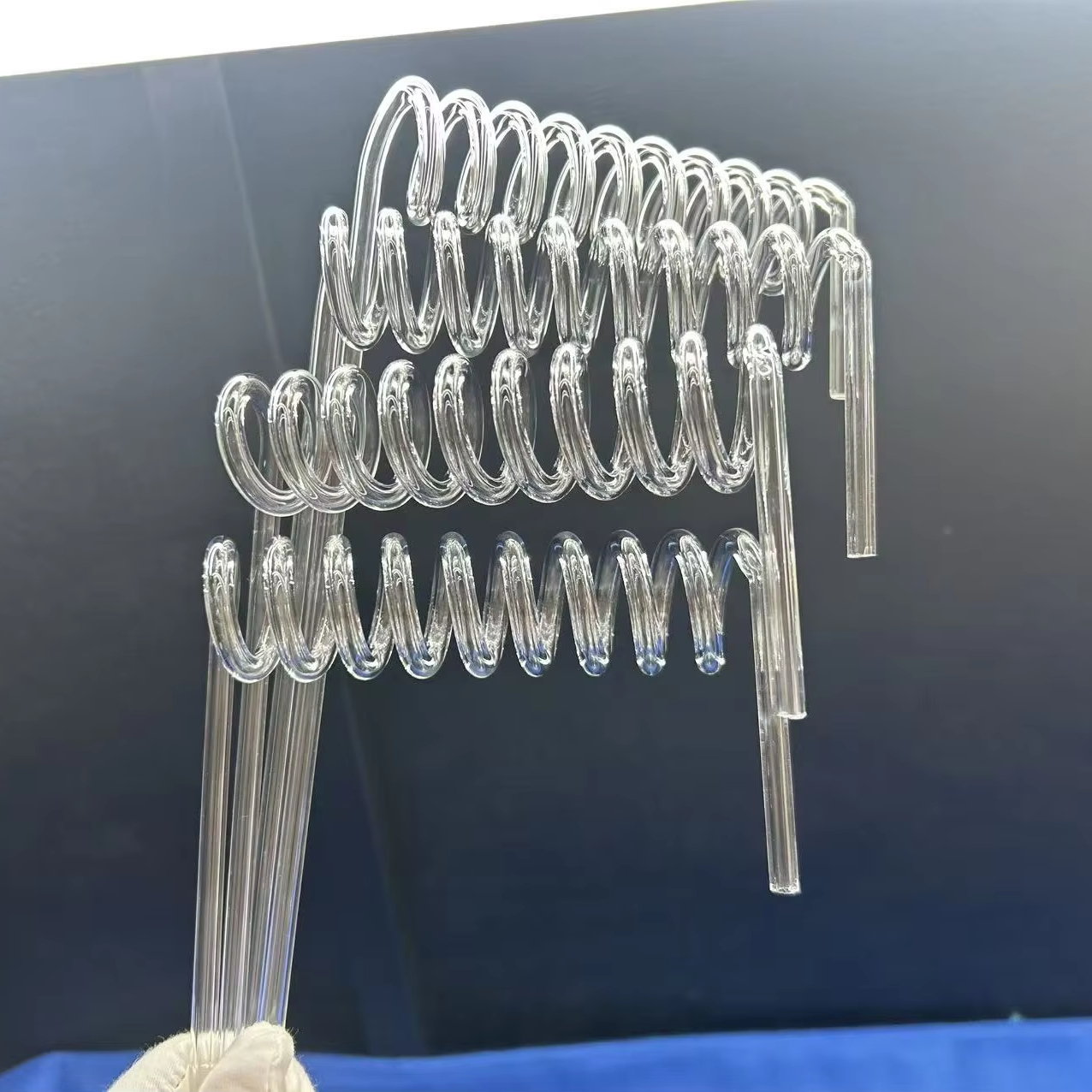
Manufactured from optical-grade synthetics and high-purity natural fused crystals. Custom dimensions, polished bevels, hole-drilling, and laser cutting tailored to your technical CAD drawings.
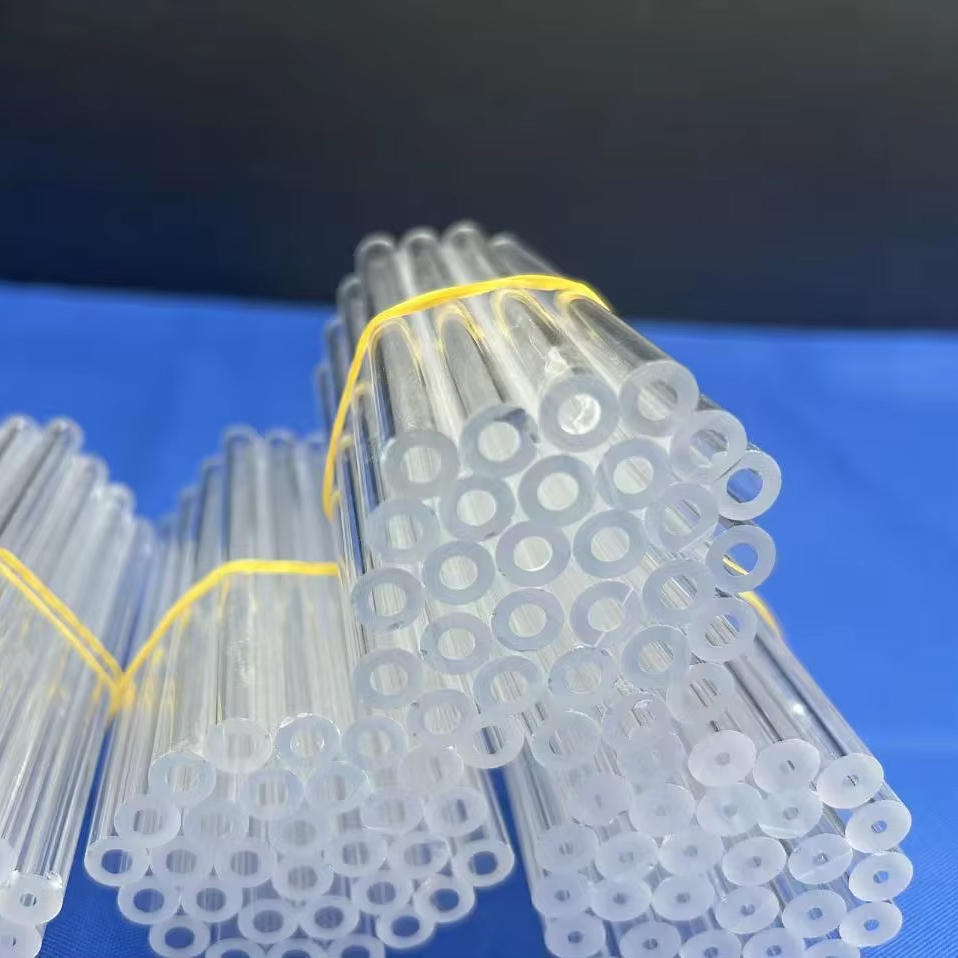
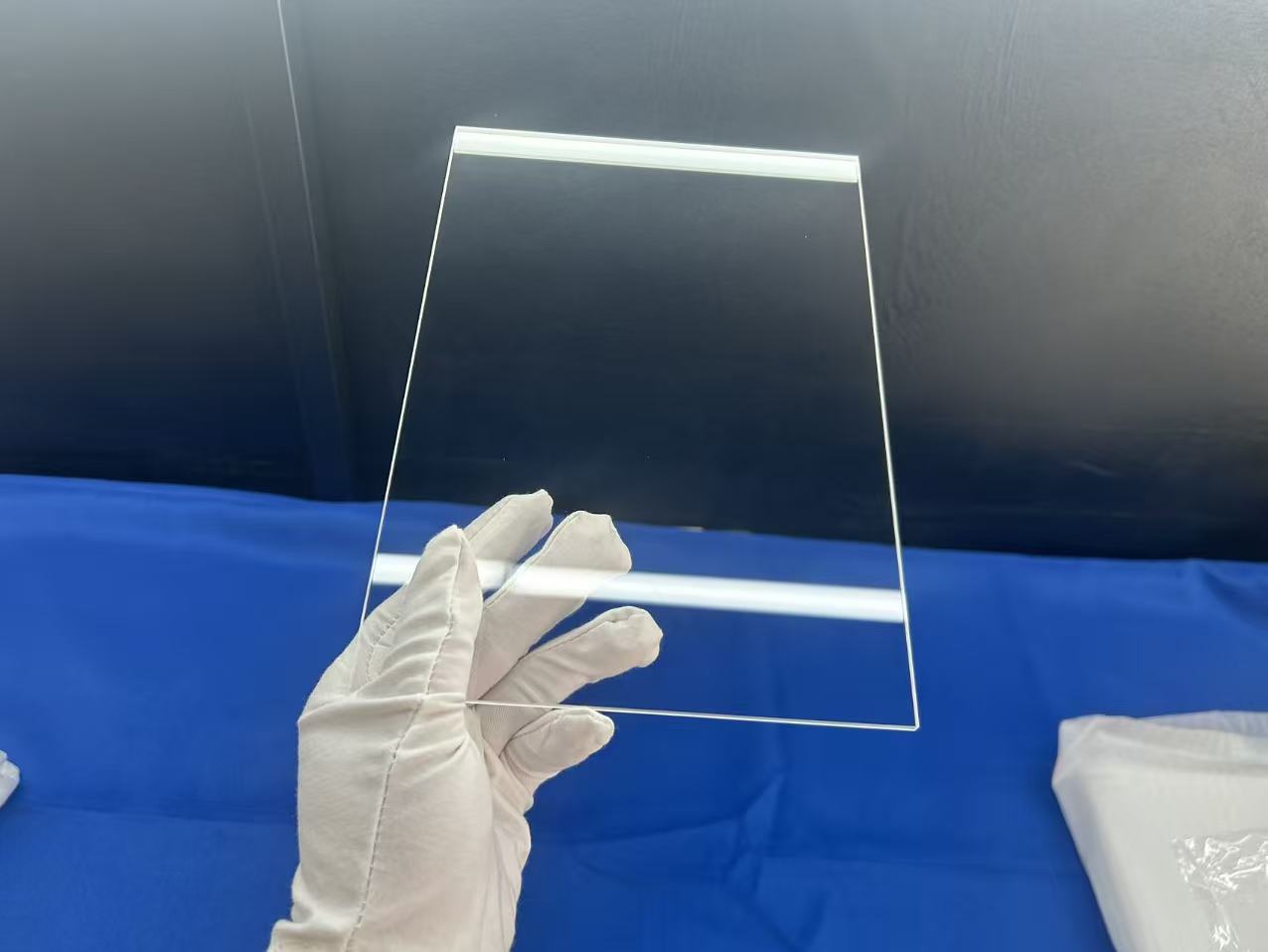
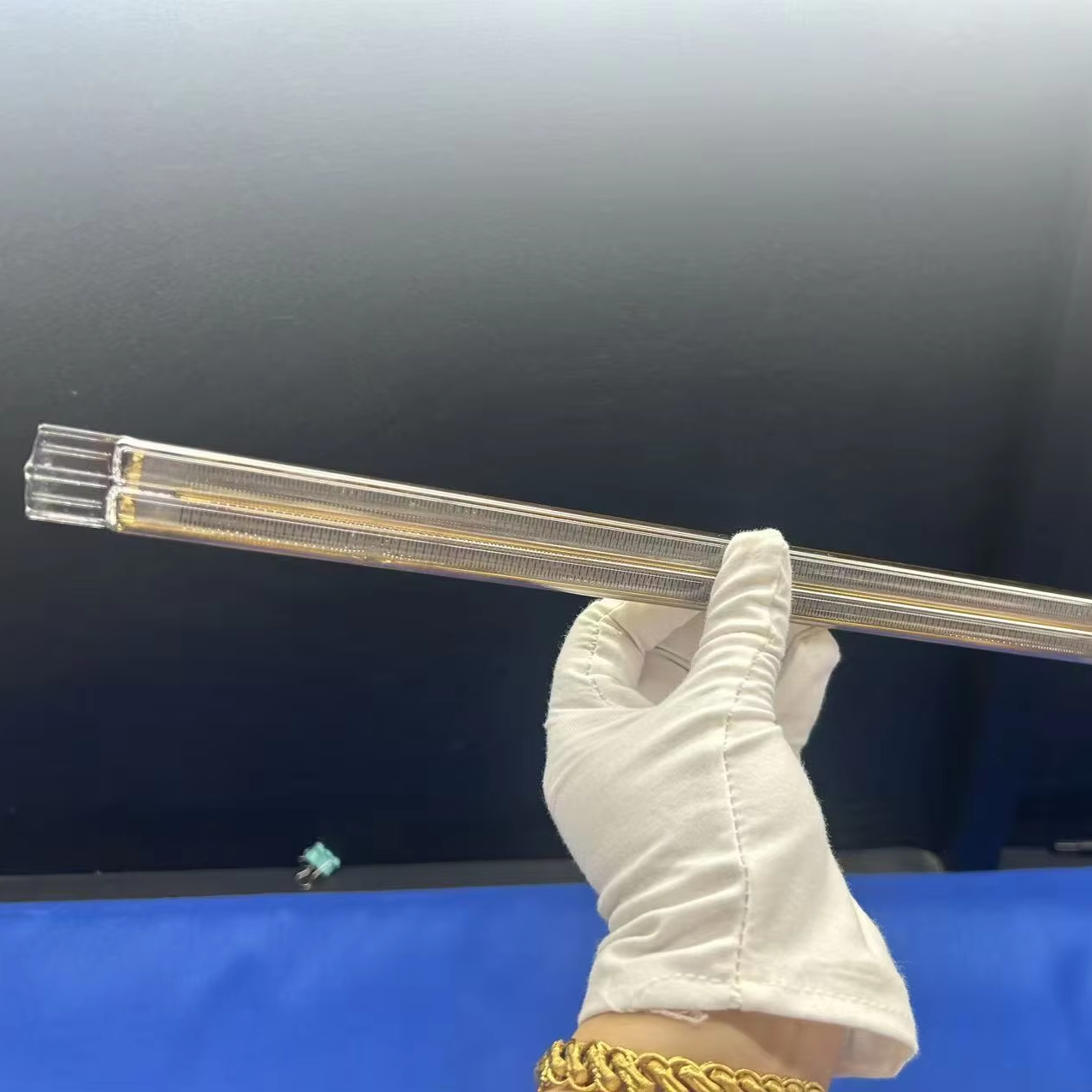
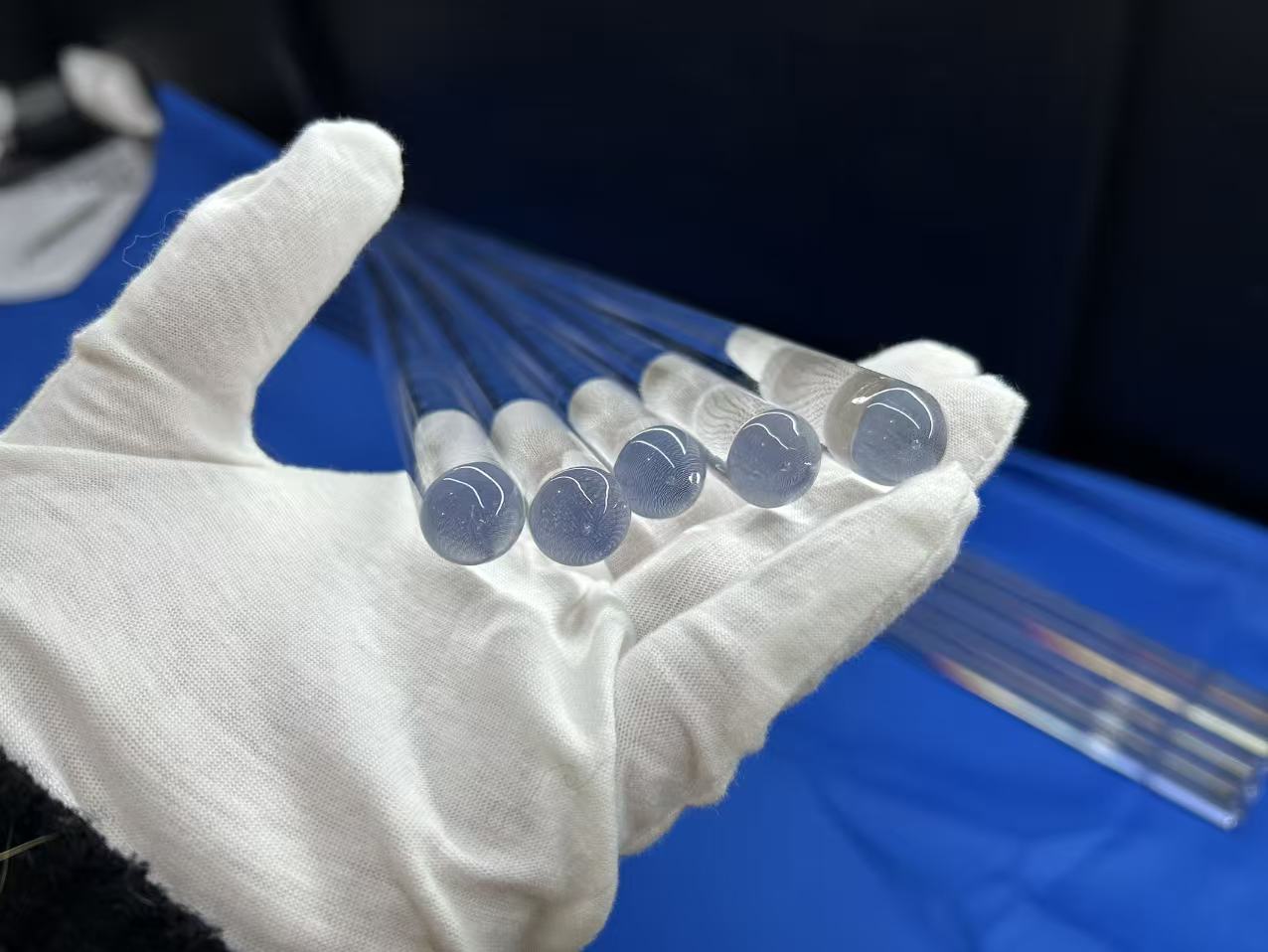
High-Purity Fused Silica & Quartz Glass Disc Specifications
A rigorous metallurgical and optical breakdown for procurement engineers in Salzburg and Central Europe. Understanding synthetic fused silica versus fused natural quartz ensures optimal thermal shock performance, transmission thresholds, and minimum hydroxyl (OH-) absorption.
Unmatched Thermal Shock Immunity
With an ultra-low linear Coefficient of Thermal Expansion (CTE) of approximately 5.5 × 10⁻⁷ / °C between 20°C and 320°C, our quartz discs withstand rapid quenching from 1100°C into cold water without micro-fracturing. This makes them indispensable for thermal reaction chambers, plasma etching, and sight glasses exposed to intense heating gradients in Alpine industrial plants.
Deep Ultraviolet to NIR Transmission
Our JGS1 synthetic silica grade delivers exceptional internal transmittance in the deep UV spectrum (>90% at 185 nm to 2600 nm), practically devoid of bubble inclusions or fluorescence. JGS2 provides high UV-visible efficiency for sight glasses and sensors, while JGS3 is chemically dehydrated to suppress hydroxyl absorption bands at 2730 nm, unlocking crystal-clear Infrared (IR) transmission up to 3500 nm.
Chemical Inherent Inertness
Fused silica exhibits absolute resistance to all neutral and acidic chemical solutions, including concentrated sulfuric, nitric, and hydrochloric acids at boiling temperatures. The only chemical compounds capable of etching our quartz discs are hydrofluoric acid (HF) and hot phosphoric acid (>150°C), guaranteeing long service lifespans within rigorous chemical and pharmaceutical synthesis environments in Salzburg.
| Optical Glass Grade | Spectral Wavelength Range | Hydroxyl (OH) Content | Common Equivalent Standard | Target Engineering Application |
|---|---|---|---|---|
| JGS1 (Synthetic Fused Silica) | 185 nm – 2500 nm (Deep UV) | ≤ 1200 ppm (Hydrated) | Suprasil 1 / Corning 7980 | Excimer laser optics, semiconductor lithography masks, UV cuvettes |
| JGS2 (Optical Grade Quartz) | 220 nm – 2500 nm (UV-Visible) | ≤ 150 – 200 ppm | Homosil 1 / GE 124 | High-pressure sight glasses, optical observation windows, lamp envelopes |
| JGS3 (Infrared Fused Quartz) | 260 nm – 3500 nm (NIR / SWIR) | ≤ 5 ppm (Water-free) | Infrasil 301 / GE 214 | Infrared pyrometry windows, thermal furnace viewing ports, laser detectors |
| Semiconductor Clear Fused Silica | Broad Spectrum Industrial | < 30 ppm | Corning HPFS / Standard Quartz | Carrier boats, diffusion tubes, disc substrates, plasma shields |
Precision Applications Serving the Salzburg Industrial Basin
Salzburg is not merely a cultural metropolis; it serves as a critical technological node linking Western Austria with Bavarian high-tech manufacturing corridors. From Puch Urstein to Hallein and Salzburg-Nord, our wholesale quartz glass discs fulfill specialized requirements across precision sectors.
Specialized Machine Building & Mechatronics
Austrian mechanical engineering operations throughout the Salzburg-Umgebung district deploy our ground and fire-polished quartz discs as protective sight glasses on automated laser welding systems, CNC machining enclosures, and robotic vacuum chambers where standard borosilicate fails under mechanical and thermal strain.
Biotechnology & Analytical Research
Institutes like Paris Lodron University of Salzburg (PLUS) and private research facilities along the Techno-Z technology park rely on Nivra Quartz discs for UV-Vis spectrophotometry, fluorescence analysis, and microscopic cell culture stages demanding zero background luminescence and absolute chemical non-reactivity.
Semiconductor & Cleanroom Production
Situated strategically between Munich's silicon corridor and Upper Austria's electronics cluster, Salzburg assembly houses utilize our polished quartz wafers (Ra < 0.5 nm) and carrier discs for thin-film deposition, photoresist baking, and high-frequency plasma immersion applications.
Industrial Pyrometry & High-Temperature Furnaces
Heat treatment foundries, metallurgy processors, and refractory plants across Hallein and Bergheim implement our JGS3 dry fused silica observation discs to permit uninterrupted infrared optical inspection inside vacuum hardening furnaces running continuously at 1150°C.
Emerging Trends Shaping Quartz Procurement in Central Europe
The modernization of the European manufacturing footprint under the EU Chips Act and the European Green Deal is actively restructuring the supply chain dynamics for technical ceramics and quartzware across Austria.
Stricter Purity Standards & Trace Metal Limits
Next-generation optical coatings and sub-micron wafer manufacturing in Austria mandate fused quartz discs with total elemental impurities under 10 ppm. Nivra Quartz leverages Donghai's exceptional crystalline silicon raw materials and chemical leaching procedures to consistently yield alkali-metal contamination (< 0.1 ppm sodium, potassium, and lithium) for superior electrical resistivity.
Shift from Standard Sizes to Precision CNC Geometries
Procurement teams in Salzburg are transitioning away from rough-cut circular discs to fully finished optical discs featuring counter-sunk mounting holes, stepped concentric rims, and chamfered edges (±0.02 mm). Our computer-controlled multi-axis diamond grinding centers produce finished parts ready for immediate cleanroom integration.
Supply Chain Diversification & DDP Reliability
Austrian buyers require transparent pricing, eliminating unexpected customs broker handling and port congestion. By offering direct DDP (Delivered Duty Paid) air freight through Salzburg Airport (SZG) and Frankfurt/Vienna distribution hubs, we guarantee transit timelines, handling all export documentation, tariff classification, and EU VAT clearance seamlessly.
Why International OEM Engineers Rely on Nivra Quartz
Located at 285 Heping East Road, Lianyungang, Jiangsu — the historic core of China's silica extraction and quartz synthesis capital — Donghai County Nivra Quartz Products Co., Ltd. combines artisanal glassblowing mastery with state-of-the-art CNC precision processing.
Vertically Integrated Factory Facility
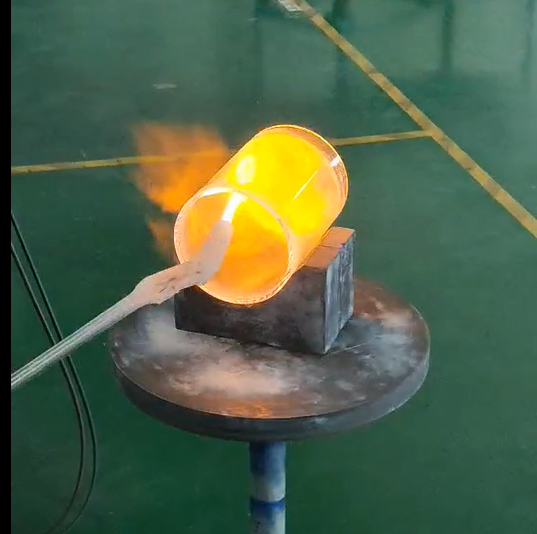
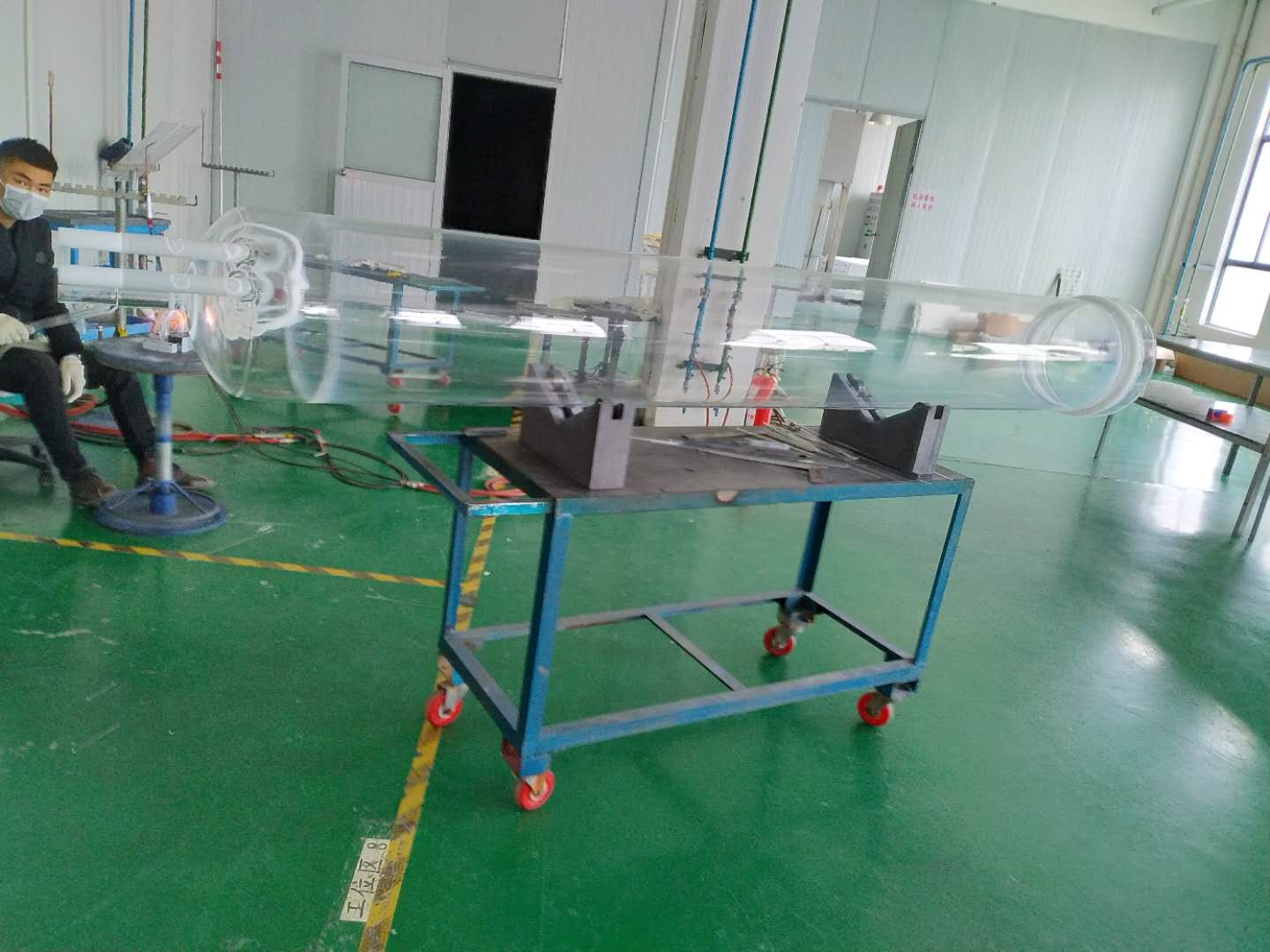
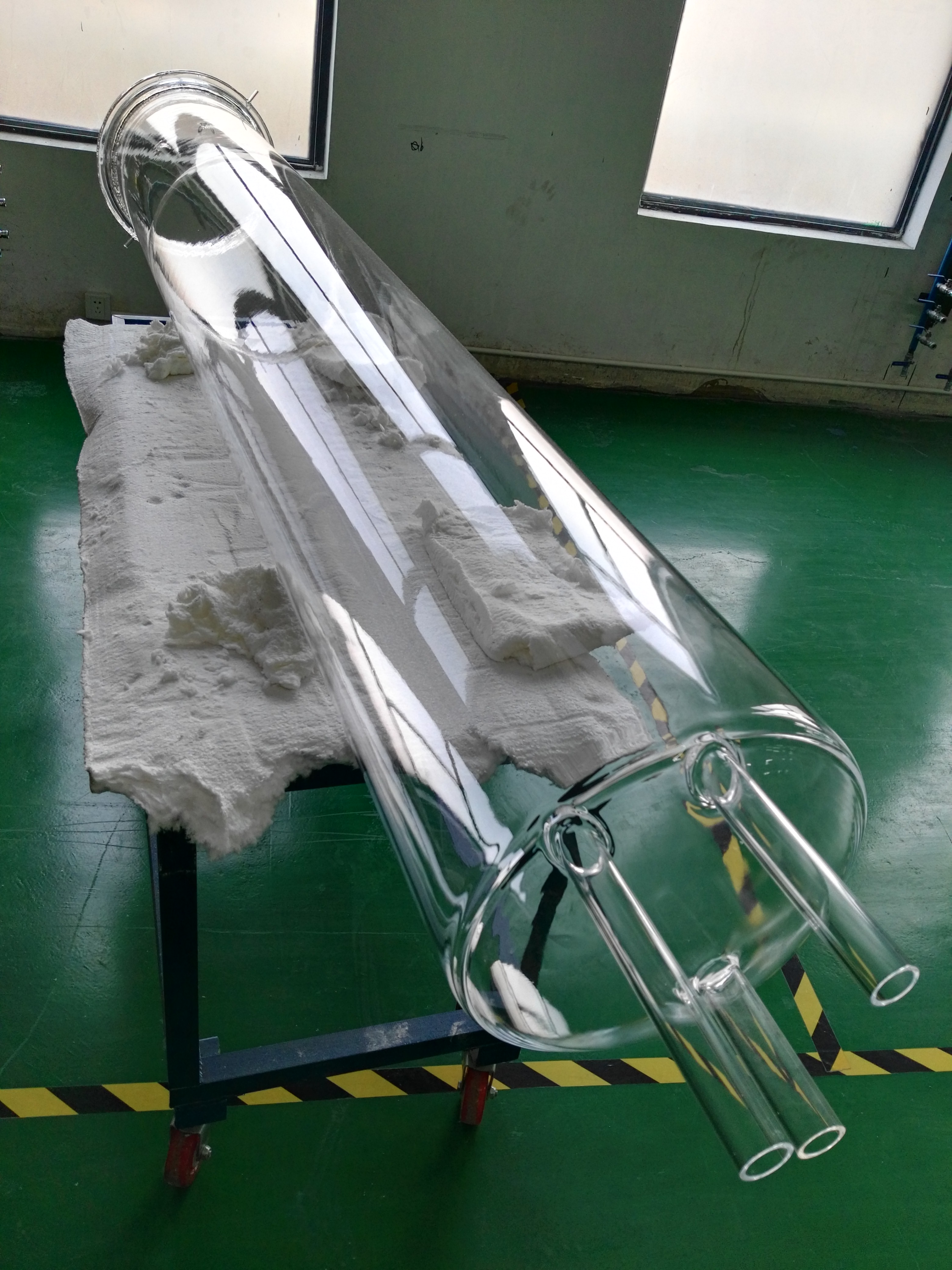
Staffed by 101–200 dedicated specialists, our manufacturing facility manages every phase of production in-house: rough wire sawing, cylindrical grinding, high-precision lapping, laser contour cutting, flame edge-melting, and fine stress-relief annealing. This vertical integration reduces production cycle times by up to 35% compared to trading intermediaries.
Stringent Metrology & Quality Control
Every shipment bound for Austria undergoes laser micrometer dimensional validation, spectrophotometer spectral verification, and polariscope stress analysis to guarantee zero residual thermal stress. Surface roughness is inspected with contact profilometers down to sub-nanometer levels, and certified inspection reports are appended to each dispatch.
Zero-Breakage Export Packaging Protocol
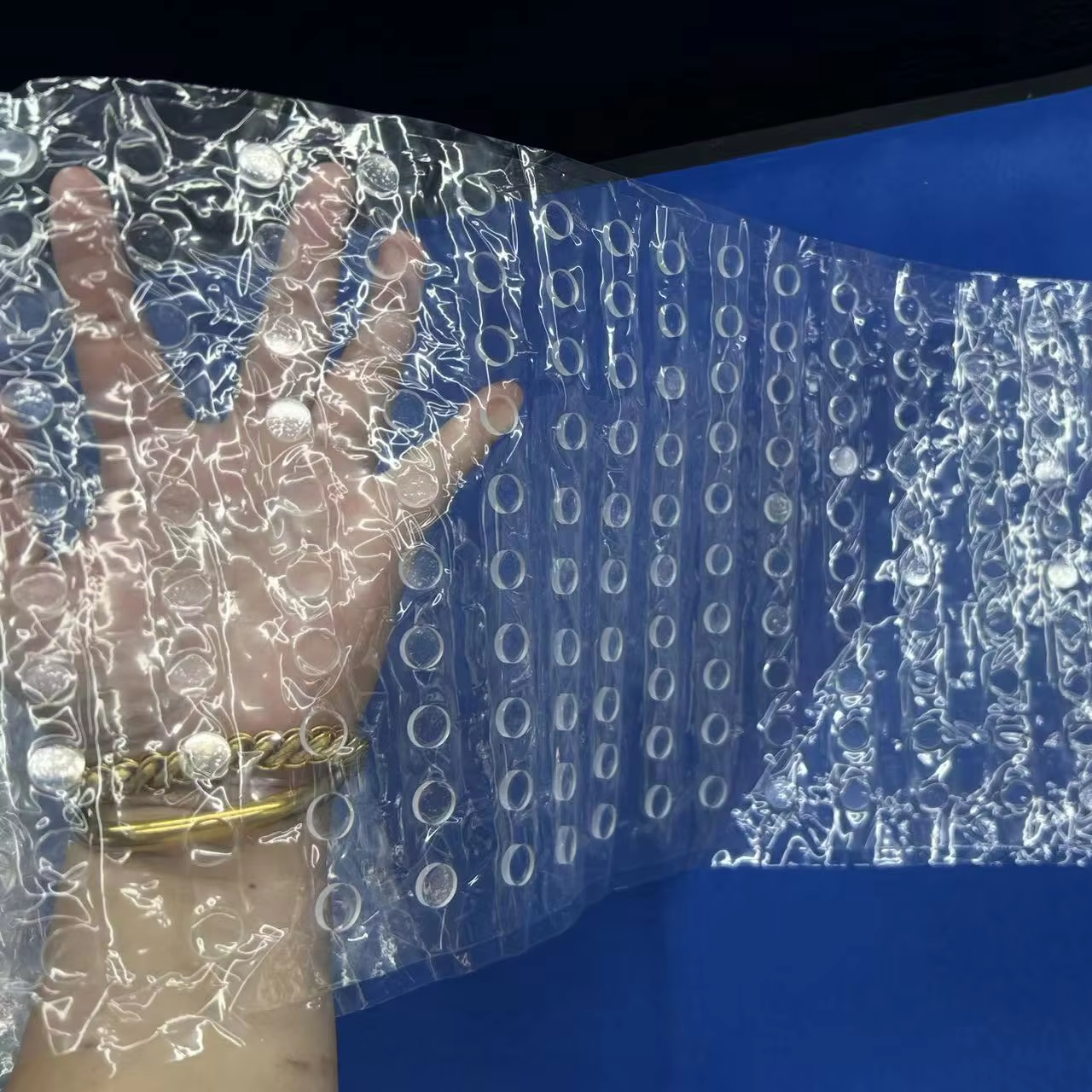
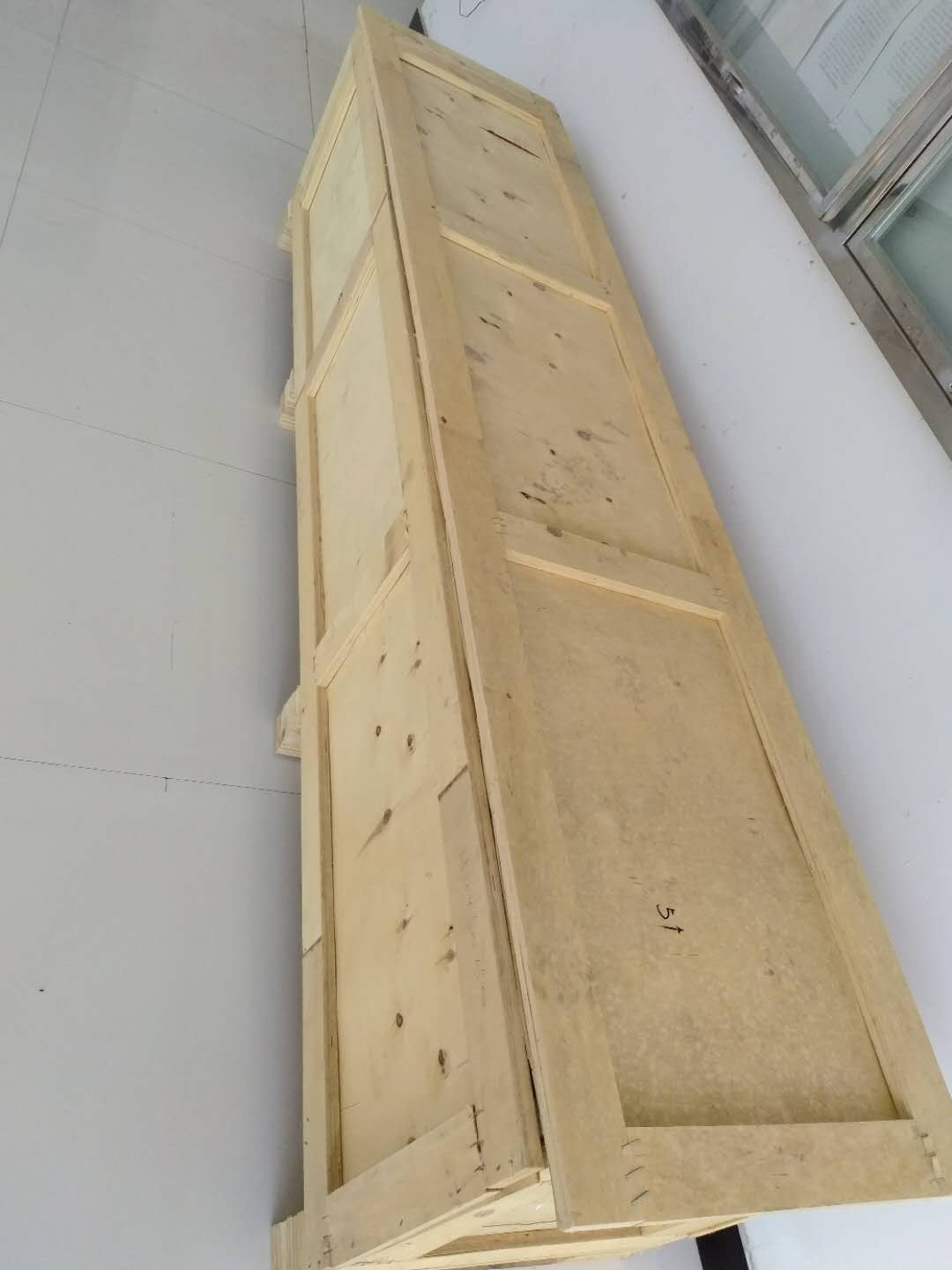
Optical quartz discs are individually washed in ultrasonic alcohol baths, sealed in cleanroom vacuum PE sleeves, cushioned between multi-density closed-cell polyethylene foam blocks, and encased inside heavy-duty fumigation-free plywood crates engineered to withstand multi-modal European transit stresses.
Frequently Asked Questions for Austrian Procurement Managers
Direct answers addressing technical parameters, customs tariffs, freight options, and engineering validations for shipments into Salzburg and Western Austria.
How do you classify quartz glass discs for Austrian customs importation (TARIC / HS Codes)?
Our quartz glass discs, optical windows, and fused silica plates are typically exported under HS Code 7002.31.00 (Tubes of fused quartz or other fused silica) or HS Code 7002.39.00 / 7006.00.00 (Glass of shape or plate, ground, polished, or edged for industrial equipment). When providing DDP services to Salzburg, our freight forwarders manage the complete Austrian customs declaration (Zollamt Österreich), applying preferential documentation and assisting with Austrian VAT (EUID-UID input tax neutralization) to prevent administrative roadblocks.
What is the maximum optical surface polish and flatness your factory can achieve?
For demanding laser optics, sight glasses, and photolithography discs, we offer optical polishing up to Scratch-Dig 20/10 or 40/20 per MIL-PRF-13830B standards (equivalent to ISO 10110). Our double-sided planetary polishing equipment achieves surface flatness of λ/4 or λ/10 per 25 mm diameter at 632.8 nm (He-Ne laser wavelength), with surface roughness (Ra) down to ≤ 0.5 nm and parallelism < 10 arcseconds upon request.
Can Nivra Quartz produce custom circular discs from CAD drawings (STEP / DWG / DXF)?
Yes. Approximately 75% of our export output consists of fully customized parts. You can send your 2D engineering PDF drawings or 3D STEP/IGES files. We perform precision waterjet profiling, CNC diamond edge chamfering, laser hole-drilling, custom stepped step-discs, and localized silk-screen marking. Our engineering team reviews all tolerances and provides DFM (Design for Manufacturability) feedback within 5 hours.
What are typical lead times and shipping routes to Salzburg, Austria?
Standard prototype or small-batch custom disc orders are machined, polished, and annealed within 7 to 12 working days. Production orders of 500 to 5,000 pieces typically require 15 to 20 working days. For urgent deliveries to Salzburg, we utilize express air cargo via Frankfurt (FRA), Munich (MUC), or Vienna (VIE) with door-to-door transit within 4 to 6 calendar days. Consolidated sea freight via Hamburg/Rotterdam connected by Austrian rail cargo is also available for high-volume economic containerloads.
How does Nivra Quartz ensure zero breakage during intercontinental transit?
We apply our proprietary multi-tier packaging methodology: discs are individually sealed inside anti-static dust-free vacuum bags, layered between custom-cut high-density EPE shock absorption foams, placed in sturdy internal inner boxes, and secured inside moisture-barrier treated, multi-layered export wooden crates with metal edge reinforcements. We maintain a verified transit breakage rate of less than 0.05% across our European consignments.
What documentation accompanies each quartz disc shipment?
Every commercial delivery includes a Certificate of Conformity (CoC), a Raw Material Optical Grade Certificate (verifying JGS1/JGS2/JGS3 purity and trace metals), a Dimensional QC Inspection Report recording sample micrometer readings, and applicable material safety declarations verifying full compliance with EU RoHS Directive 2011/65/EU and REACH regulations.
Request Your Custom Quartz Disc Quotation & Technical Catalog
Need immediate pricing on standard sight glasses, custom CNC wafers, or specialized UV synthetic silica discs delivered to Salzburg? Connect with our engineering sales team directly for real-time technical consultation and volume discounts.