Featured Quartz Components for Cleanroom & Industrial Electro-Stripping
Every quartz bath, sleeve, heating assembly, and carrier tube is manufactured strictly according to industrial CAD drawings, utilizing thermally stable fused silica with optical-grade flame-fusion weld seams.
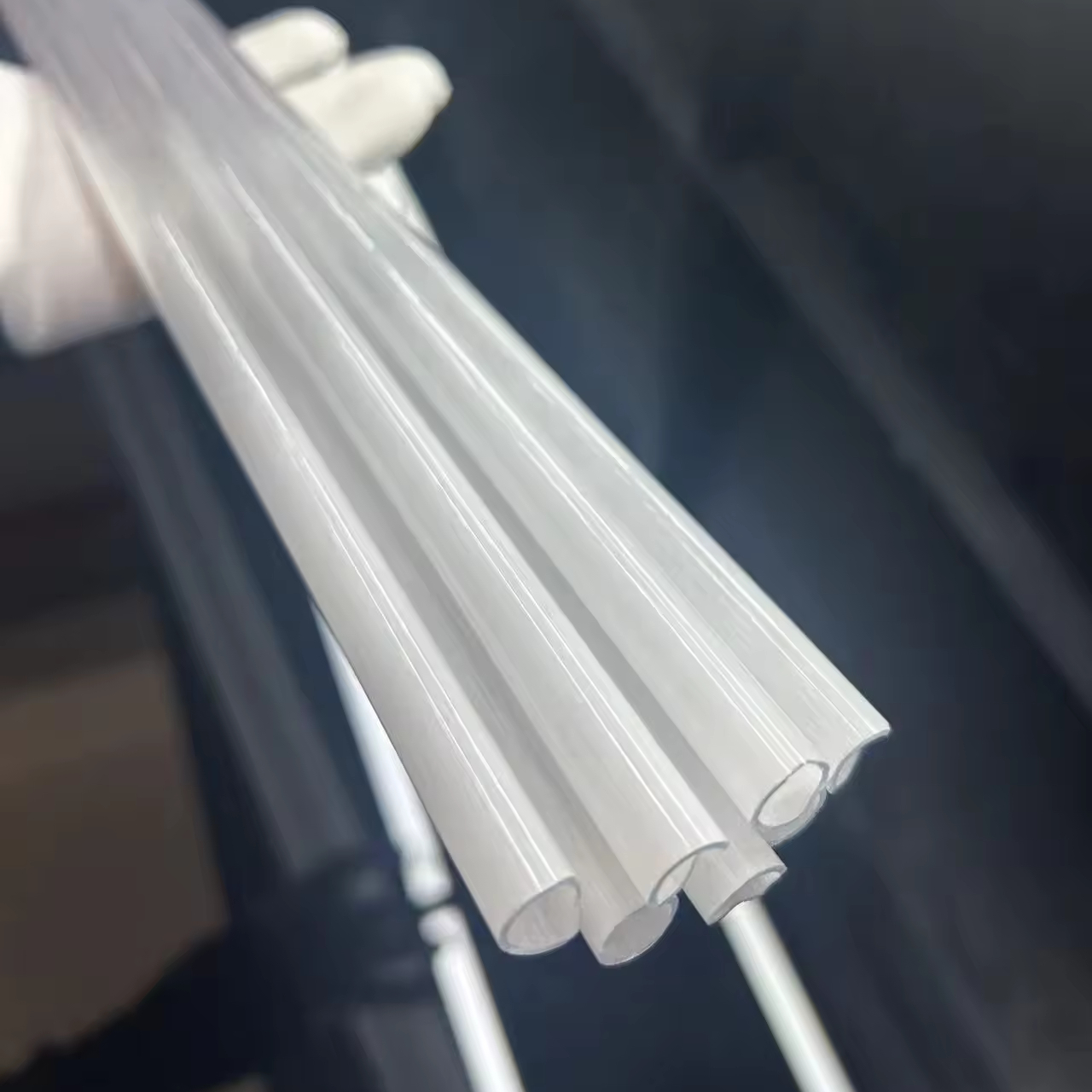
Translucent Quartz Glass Pipe Quartz Glass Sleeve Opaque Milky White Quartz Glass Tube
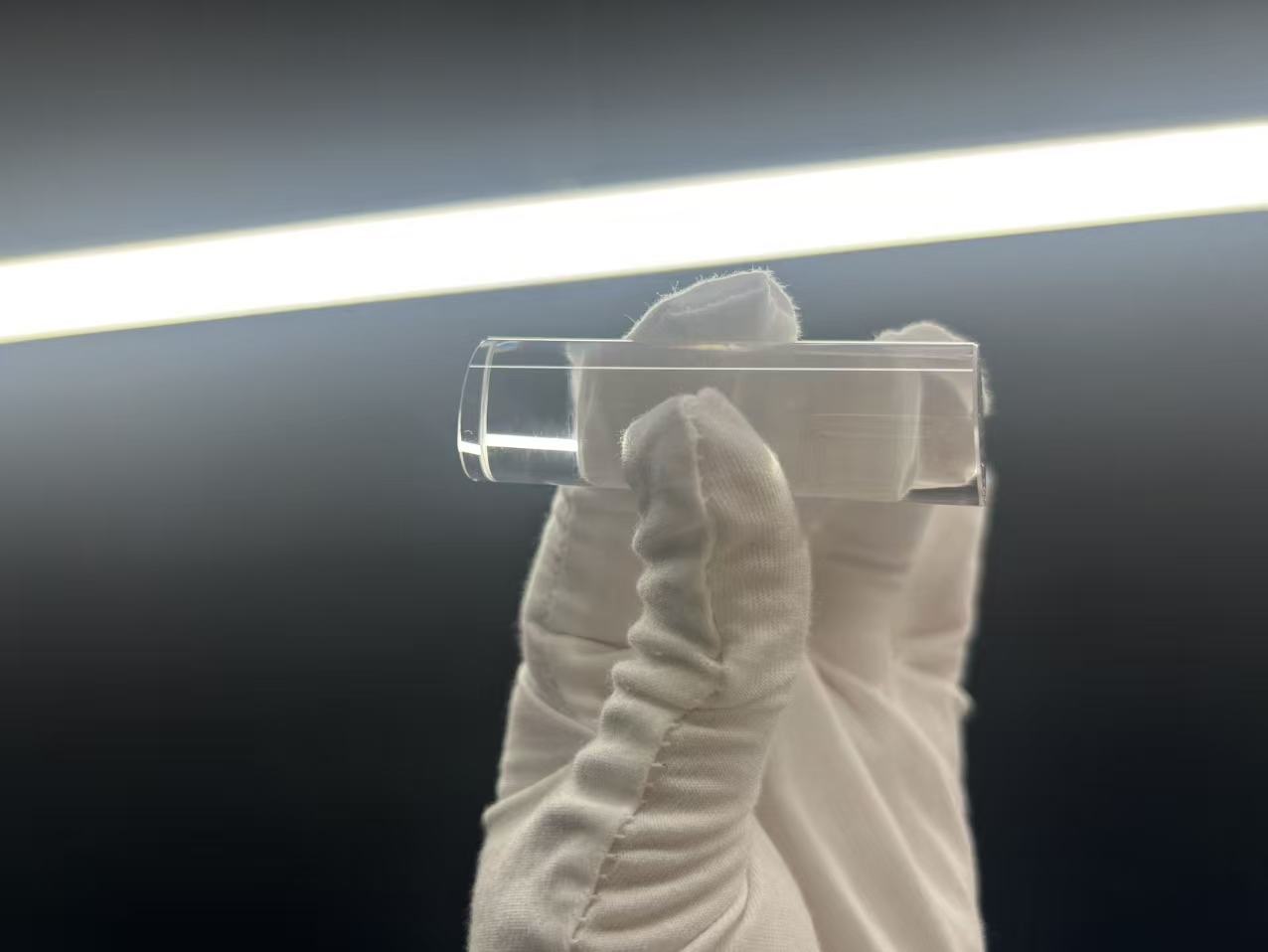
Round Head Quartz Rod
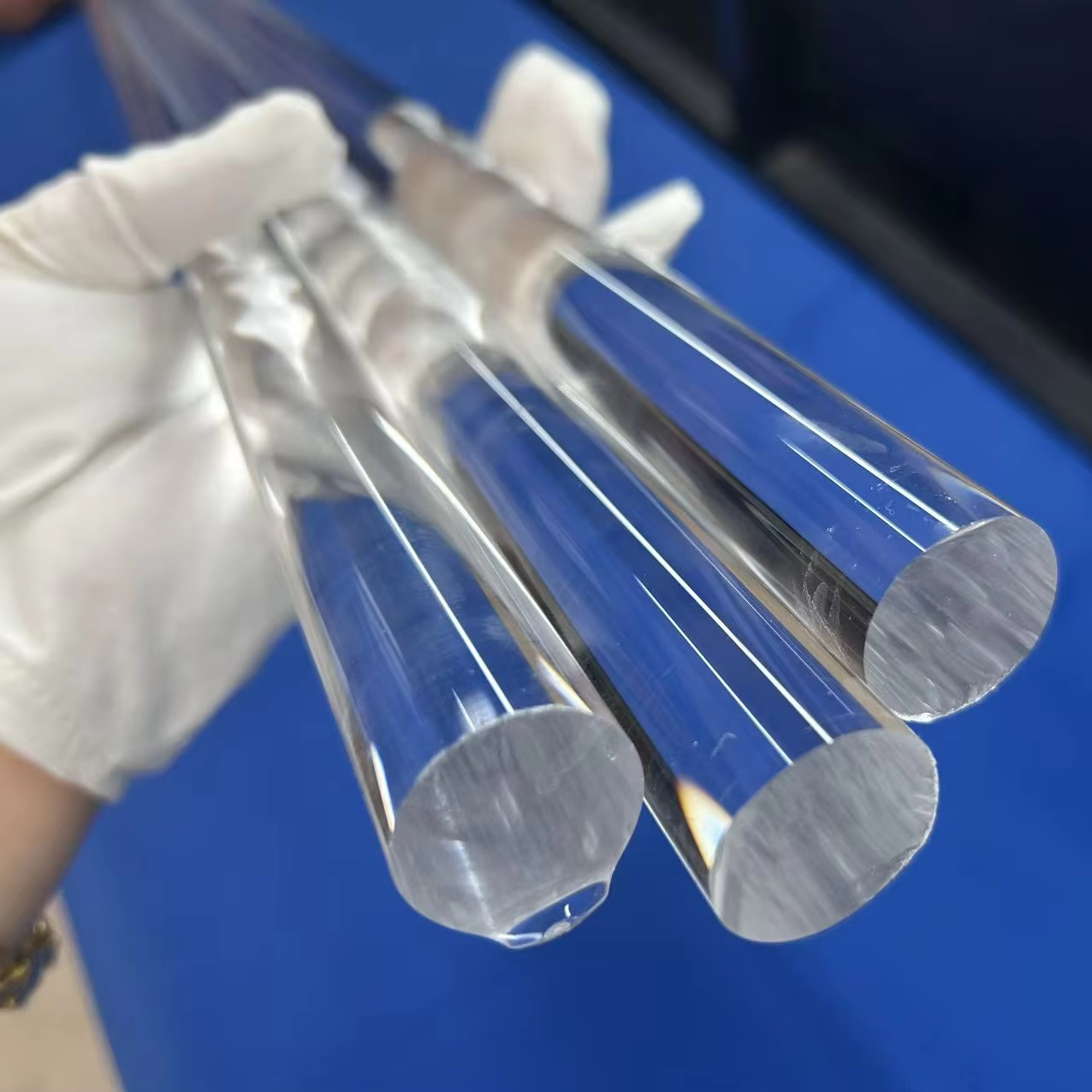
The Factory Produces High-purity Fused Quartz Large Diameter Round Rods, Offering Cutting, Welding, and Bending Services
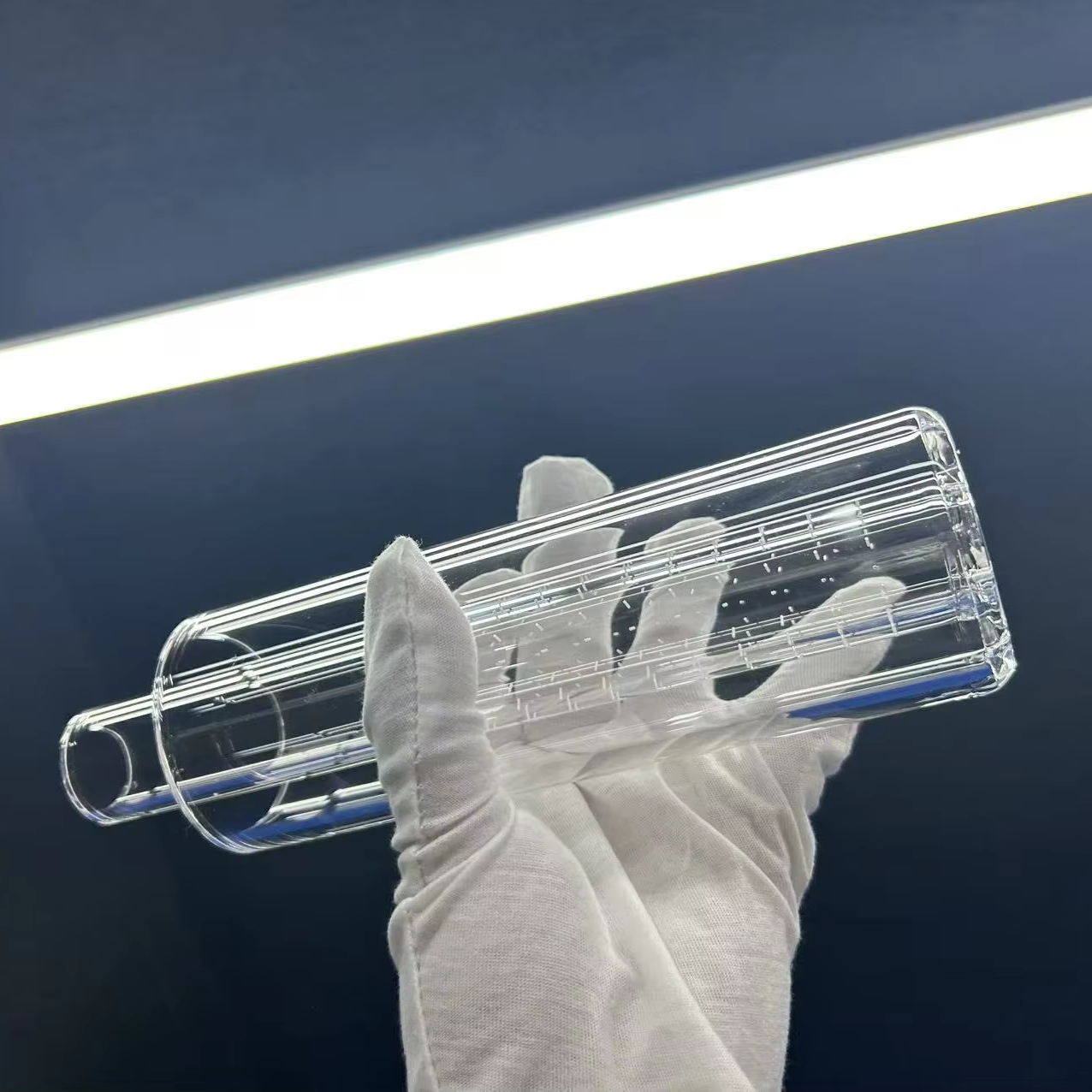
Customized Perforated Quartz Tube
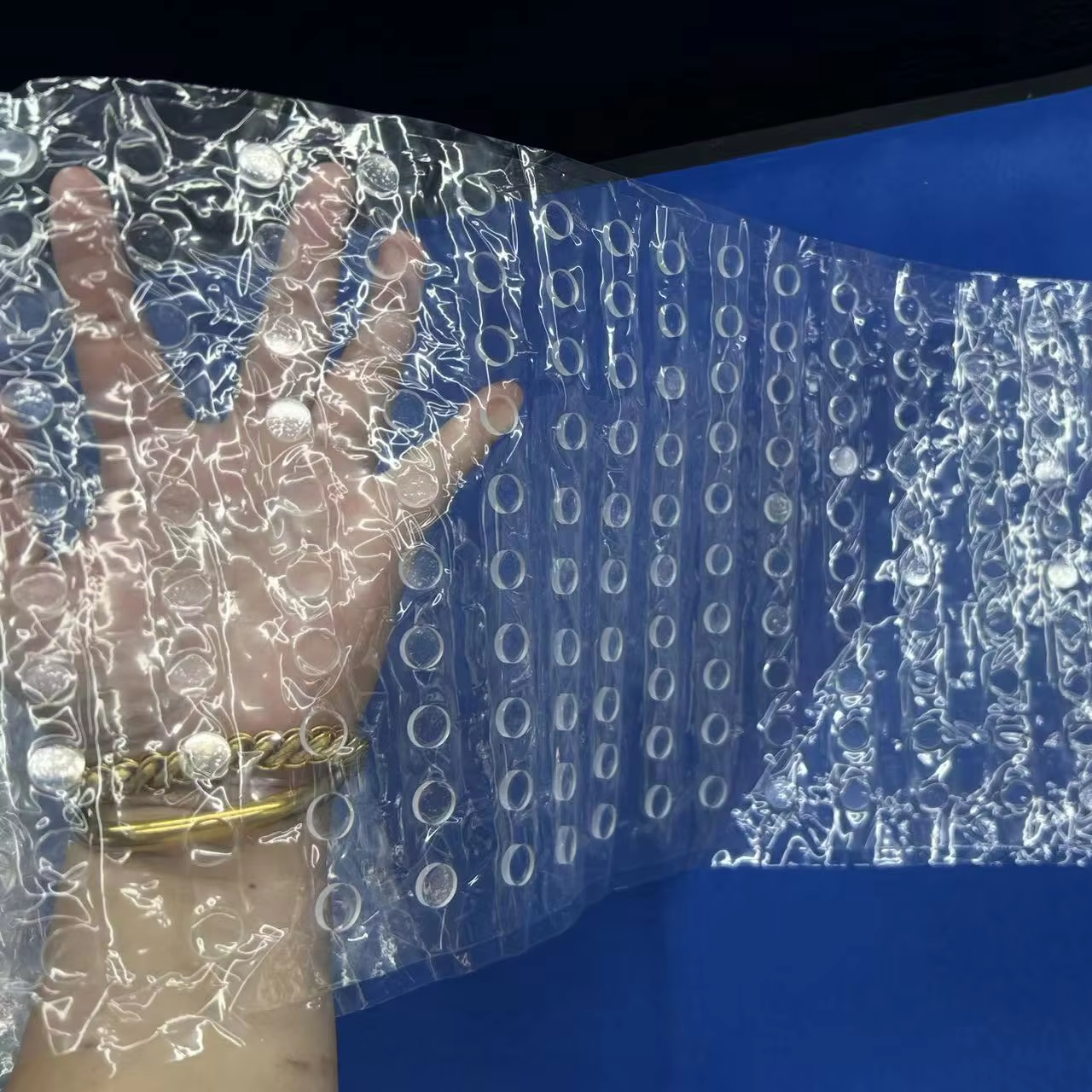
Factory-Made High-purity Small Size Quartz Wafer,Provide Cutting and Polishing Services
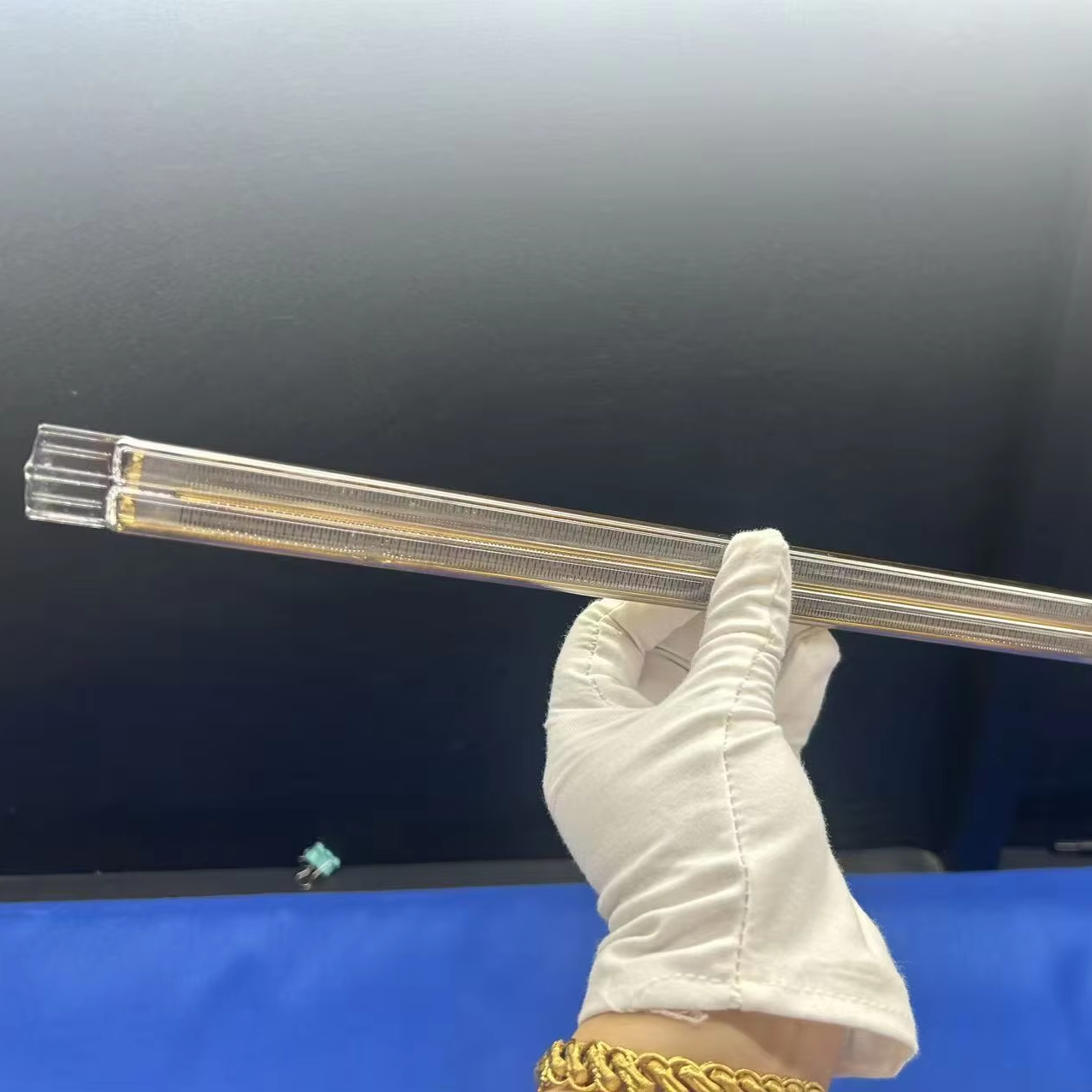
Graphene Quartz Heating Tube
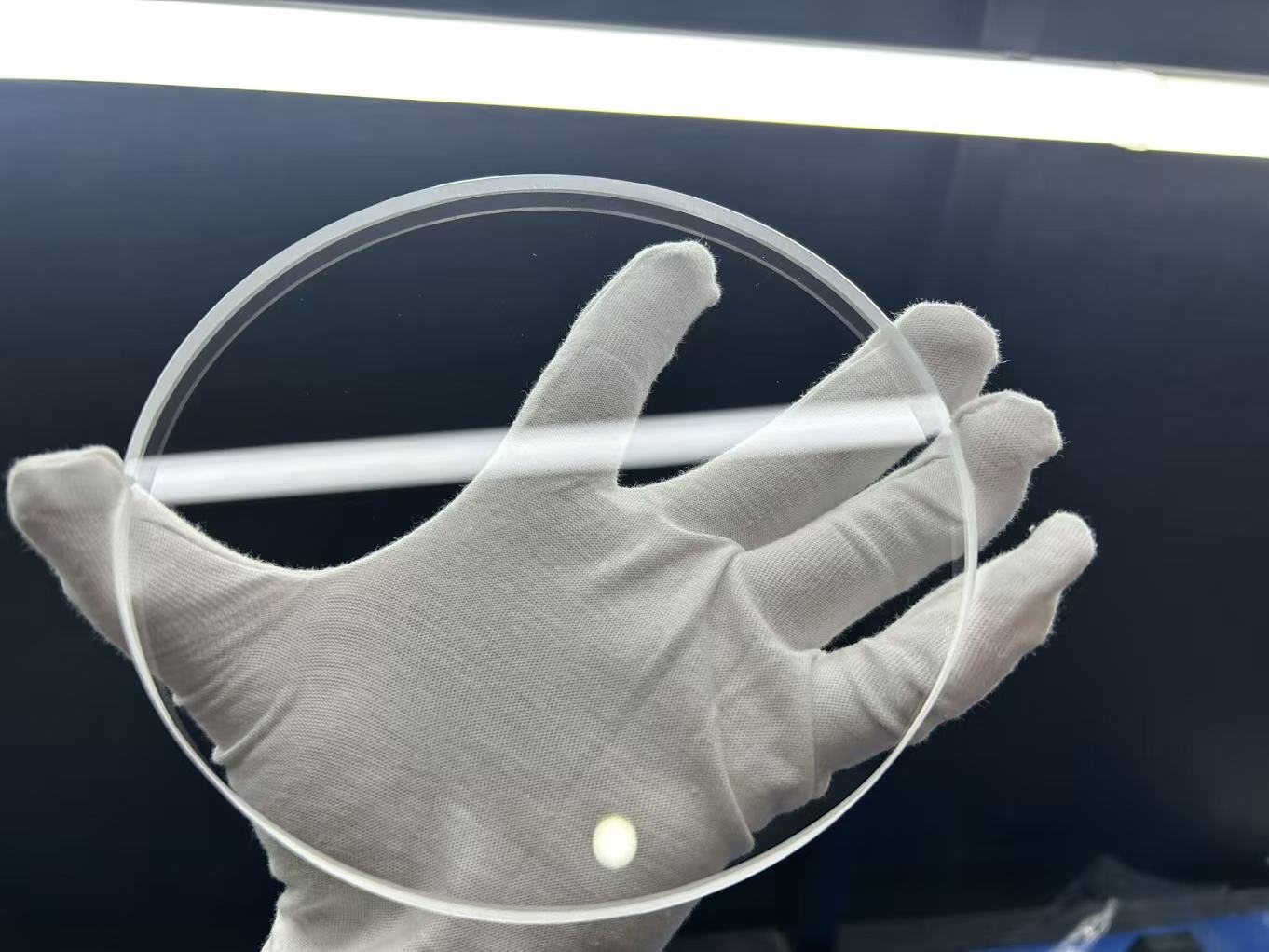
Wholesaler Customized High Quality Clear Fused Quartz Glass Sheet Custom Used in Optics and Photovoltaics
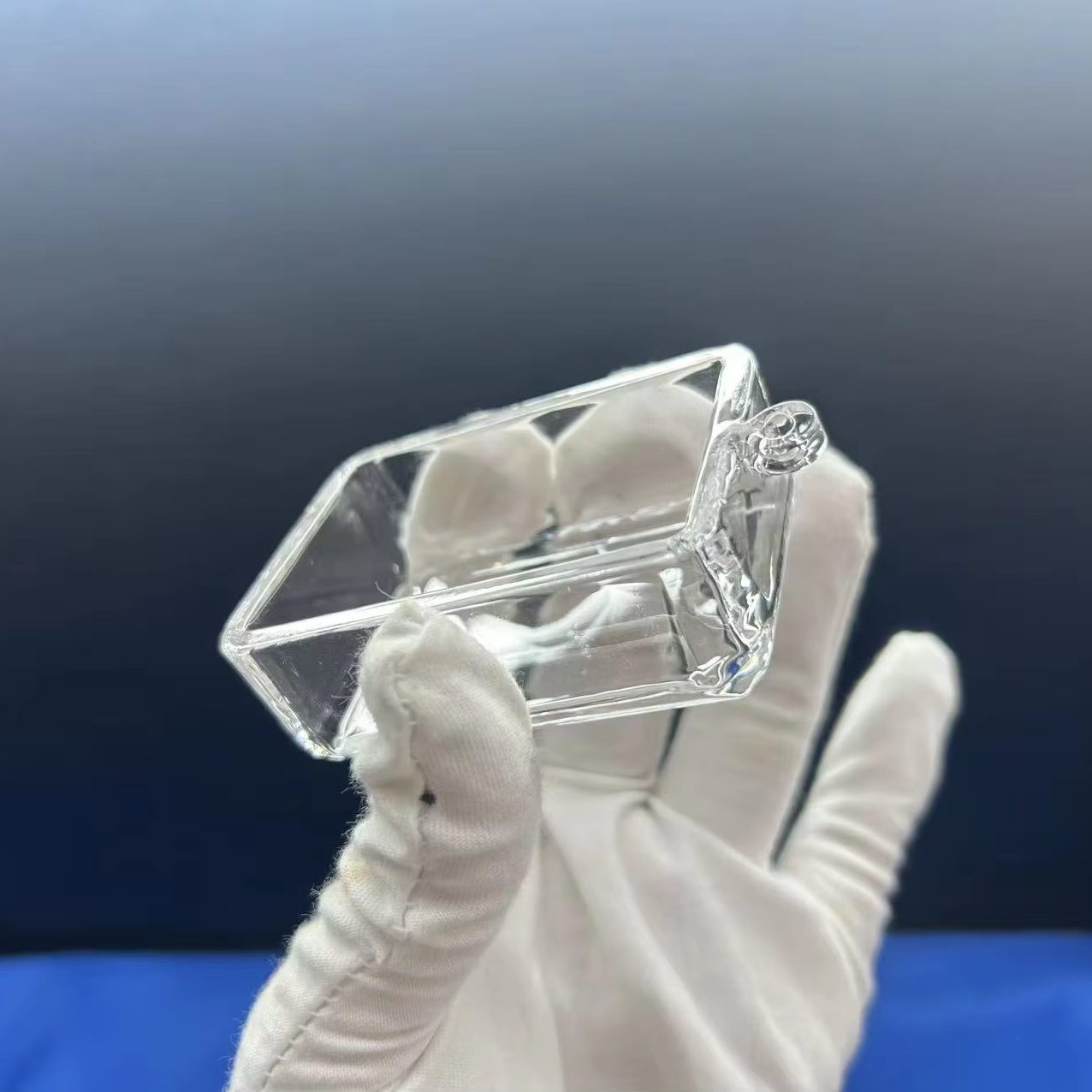
Quartz Tank
Engineering Fused Silica for Severe Electrolytic Wet Benches
Understanding the thermochemical, dielectric, and structural dynamics of 99.99% SiO₂ in industrial electrolytic stripping, electro-polishing, and wafer micro-cleaning operations.
Zero Ionic Contamination
Unlike polypropylene, PVDF, or borosilicate vessels that leach boron, alkalis, and plasticizers under high potential differences, Nivra fused quartz possesses trace metal impurity profiles lower than 15 ppm total. This ensures zero sodium, iron, or lithium cross-migration during sensitive semiconductor and fuel-cell catalyst cleaning runs.
High Dielectric Breakdown Resistance
Operating electrolytic tanks involves severe direct-current and pulse-reverse current regimes. Nivra fused quartz provides exceptional volume resistivity (> 10¹⁸ Ω·cm at 20°C) and breakdown voltages exceeding 30 kV/mm, isolating electric fields completely to the electrolyte path without risk of vessel short-circuiting or wall tracking.
Unmatched Thermal Shock Envelope
With an ultra-low linear thermal expansion coefficient (α = 5.5 × 10⁻⁷ /°C), our electrolytic tanks endure rapid temperature excursions from room-temperature pre-rinses up to boiling Piranha (H₂SO₄ + H₂O₂ at 130°C) or heated electro-pickling baths without internal thermal stress fractures or weld line delamination.
| Performance Characteristic | Nivra Fused Silica (JGS2 / Clear) | Borosilicate 3.3 Glass | Fluoropolymer (PTFE / PFA) | Polypropylene (PP-H) |
|---|---|---|---|---|
| Continuous Working Temp (°C) | 1100 °C | 450 °C | 260 °C | 95 °C |
| Thermal Shock Tolerance (ΔT) | > 1000 °C Sudden Shock | 100 °C | Gradual Only | Poor (< 40 °C) |
| Dielectric Strength (kV/mm) | 25 – 40 kV/mm | 15 – 20 kV/mm | 18 – 22 kV/mm | 12 – 16 kV/mm |
| Resistance to Piranha / Aqua Regia | Complete Inertness | Surface Etching / Leaching | Permeation Risk at Heat | Rapid Degradation / Charring |
| Heavy Metal Leaching Potential | < 0.1 ppb (Semiconductor Grade) | High (Boron, Na+, K+) | Low (Fluoride ion release) | Organic Extractables High |
| Optical Clarity / In-Situ Inspection | > 92% Transmittance | > 90% (Degrades with acid) | Opaque / Translucent | Completely Opaque |
Integration within Dortmund’s High-Tech & Precision Manufacturing Clusters
Dortmund has transformed from its historic coal and steel roots into one of Western Germany’s primary hubs for micro- and nanotechnology, semiconductor instrumentation, and specialized surface engineering. At locations such as MST.factory Dortmund, the TechnologiePark Dortmund, and industrial zones surrounding Dortmund Port and Phoenix West, cleanroom processing environments demand containment systems that withstand aggressive chemicals without downtime.
Our export operations directly service the rigorous demands of engineering teams across the Ruhr Valley and the broader North Rhine-Westphalia (NRW) industrial corridor, providing custom dimensions tailored to wet benches and modular electroplating machines.
Request Dortmund Delivery Terms01. MEMS & Wafer Chemical Cleaning (RCA / SPM Benches)
Dortmund’s micro-electro-mechanical systems (MEMS) laboratories rely on our rectangular quartz tanks for RCA clean cycles (SC-1 ammonium hydroxide/peroxide, SC-2 hydrochloric acid/peroxide) and sulfuric-peroxide Piranha stripping, guaranteeing sub-nanometer substrate integrity.
02. Advanced Surface Finishing & Precision Electropolishing
Manufacturers of medical implants, sensor housings, and precision automotive valves in the Ruhr Valley deploy Nivra quartz electrolytic cells for mirror electropolishing and anodic deburring in phosphoric-sulfuric baths with zero wall reaction.
03. Green Hydrogen Electrolyzer & Fuel Cell R&D
With Dortmund and the Ruhrgebiet driving forward green hydrogen transition strategies, university research units and industrial laboratories utilize our custom-welded quartz cells for electrochemical corrosion studies of platinum-group metal (PGM) catalyst coatings.
04. Industrial Metallurgy & Wire Cleaning at Dortmund Port
Heavy-duty metallurgical operations and high-precision wire-drawing facilities along the Dortmund-Ems Canal utilize custom perforated quartz sparge tubes and immersion tanks for non-conductive, continuous acid pickling of stainless steel and titanium alloys.
Key Technological Trends Driving Quartz Adoption in North Rhine-Westphalia
Macro-economic transitions, stricter German environmental regulations (WHG / AwSV), and miniaturization mandates are rapidly modernizing regional manufacturing practices.
Elimination of Fluoropolymer Lining Failures
German safety engineers increasingly mandate the replacement of PFA/PTFE-lined steel tanks with solid, one-piece transparent quartz. Fused quartz eliminates the hazard of seam blister delamination, acid permeation through micro-pores, and catastrophic grounding discharge during high-voltage electrolytic stripping processes.
Industry 4.0 Wet Bench Integration
Modern production lines across Dortmund require wet cleaning cells fitted with laser-cut overflow weirs, continuous temperature sensors, and quartz-sheathed immersion heaters. Our factory delivers pre-machined sensor wells and custom drain flanges ready for automated SCADA and PLC control loop coupling.
Stricter AwSV & Water Preservation Norms
Under Germany's Ordinance on Installations for Handling Water-Polluting Substances (AwSV), secondary containment and zero chemical leaching are strictly audited. The absolute impermeability and smooth fire-polished surfaces of quartz prevent residual chemical accumulation, drastically reducing wash water consumption during rinsing cycles.
Direct Sourcing from Donghai County Nivra Quartz Products Co., Ltd.
Operating from Donghai County, Lianyungang, Jiangsu — China’s world-renowned capital of crystal and fused quartz — we bridge localized material abundance with aerospace-grade CNC fabrication for European industrial buyers.
Raw Material Dominance
Located at the geographic epicenter of natural crystal and high-silica sands in Donghai, ensuring unparalleled raw quartz purity, batch consistency, and low raw-material lead time.
Rapid German Timezone Sync
Our dedicated European export desk maintains an average inquiry response window of ≤ 5 hours with an 88.89% measured response rate, providing rapid technical drawing evaluation during CET work hours.
Rigorous Quality Verification
Founded in February 2019, our company maintains 101–200 skilled operators. Premise and production equipment are on-site verified by third-party inspection firms, with full dimensional CMM reports provided per batch.
Export-Engineered Logistics
Every tank is packed with custom-molded high-density shock-absorbing EPE foam, vapor barrier sealing, and reinforced fumigation-free plywood crates, ensuring 0% transit breakage to Dortmund via FRA/DUS air cargo or Hamburg/Rotterdam sea rail.
Frequently Asked Questions for Dortmund & German Engineers
Practical answers addressing standards compliance, customs handling, chemical compatibility, and bespoke manufacturing workflows.
Engineer Your Custom Quartz Electrolytic Bath Today
Submit your CAD schematics, dimensional parameters, operating chemical temperatures, and volume requirements. Our senior application engineers will deliver a comprehensive manufacturability review, tolerance analysis, and firm quotation tailored for delivery to Dortmund.