Precision Quartzware Catalog & Recommended Components
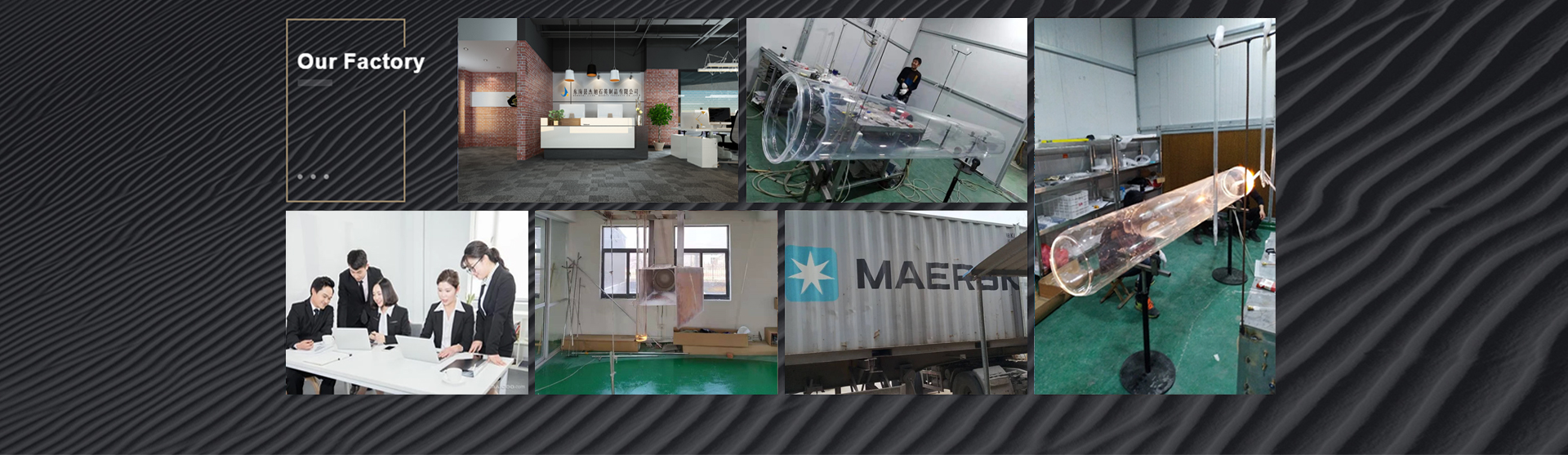
Manufactured by Donghai County Nivra Quartz Products Co., Ltd. from ultra-pure silicon dioxide (SiO₂ ≥ 99.99%), tested under extreme thermal gradients and vacuum cycles.
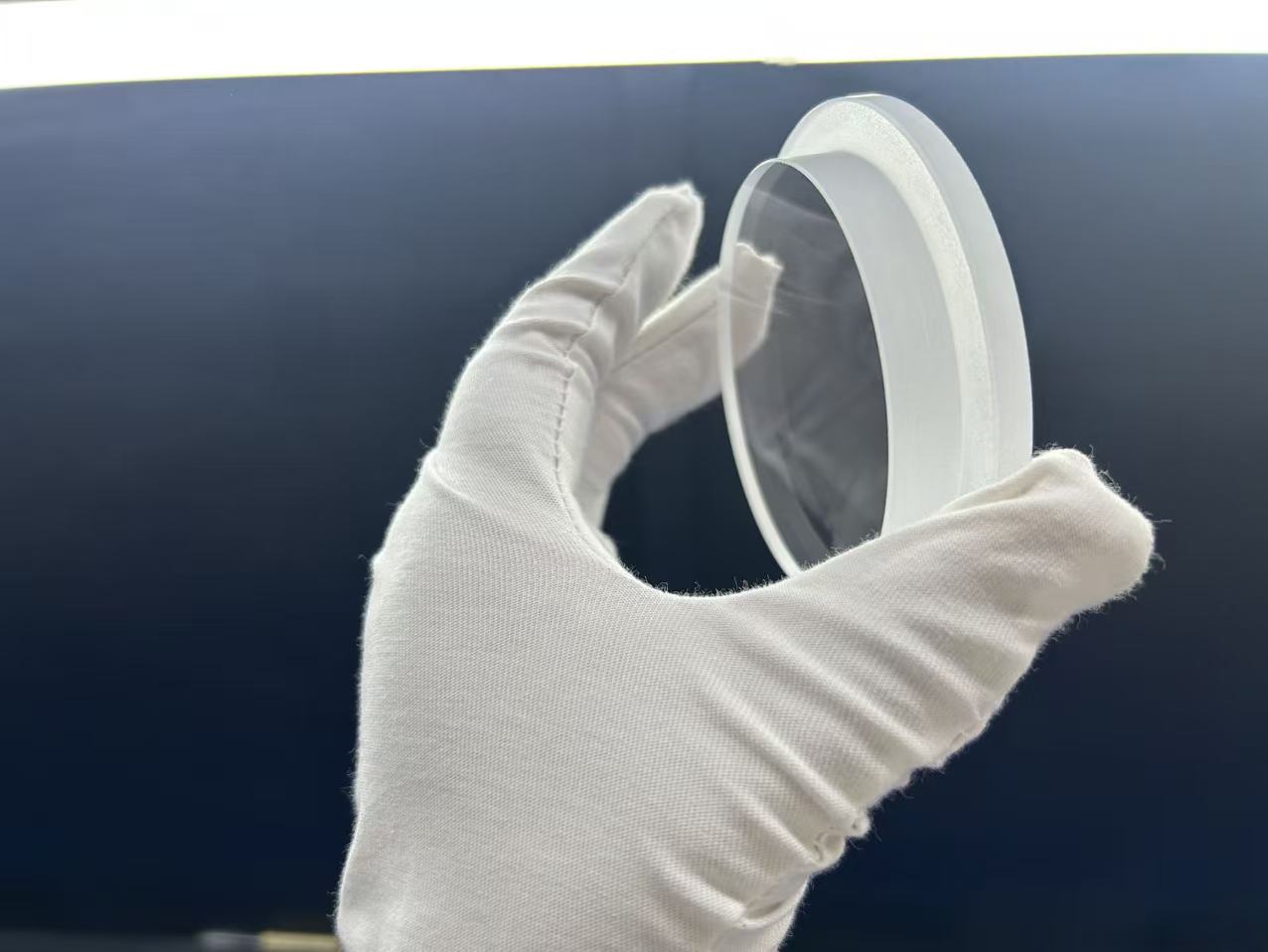
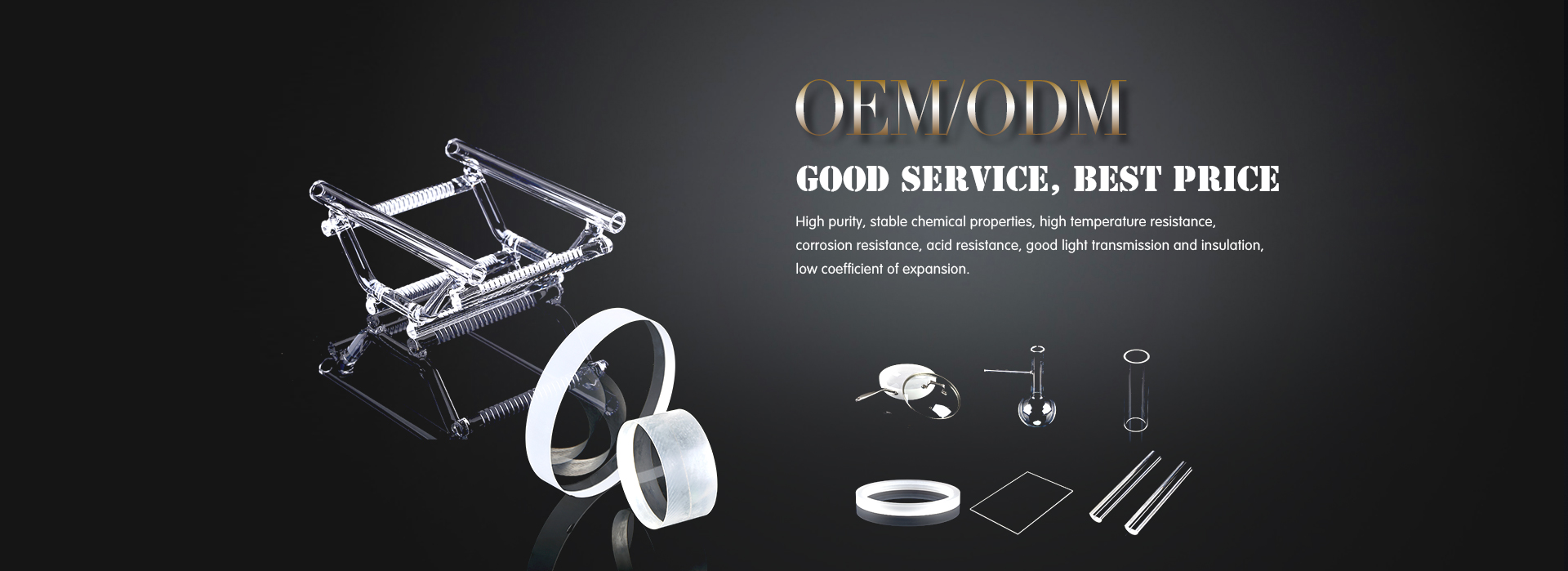
Factory-Made High-purity Ultra-thick Quartz Double-Layer Step Plate
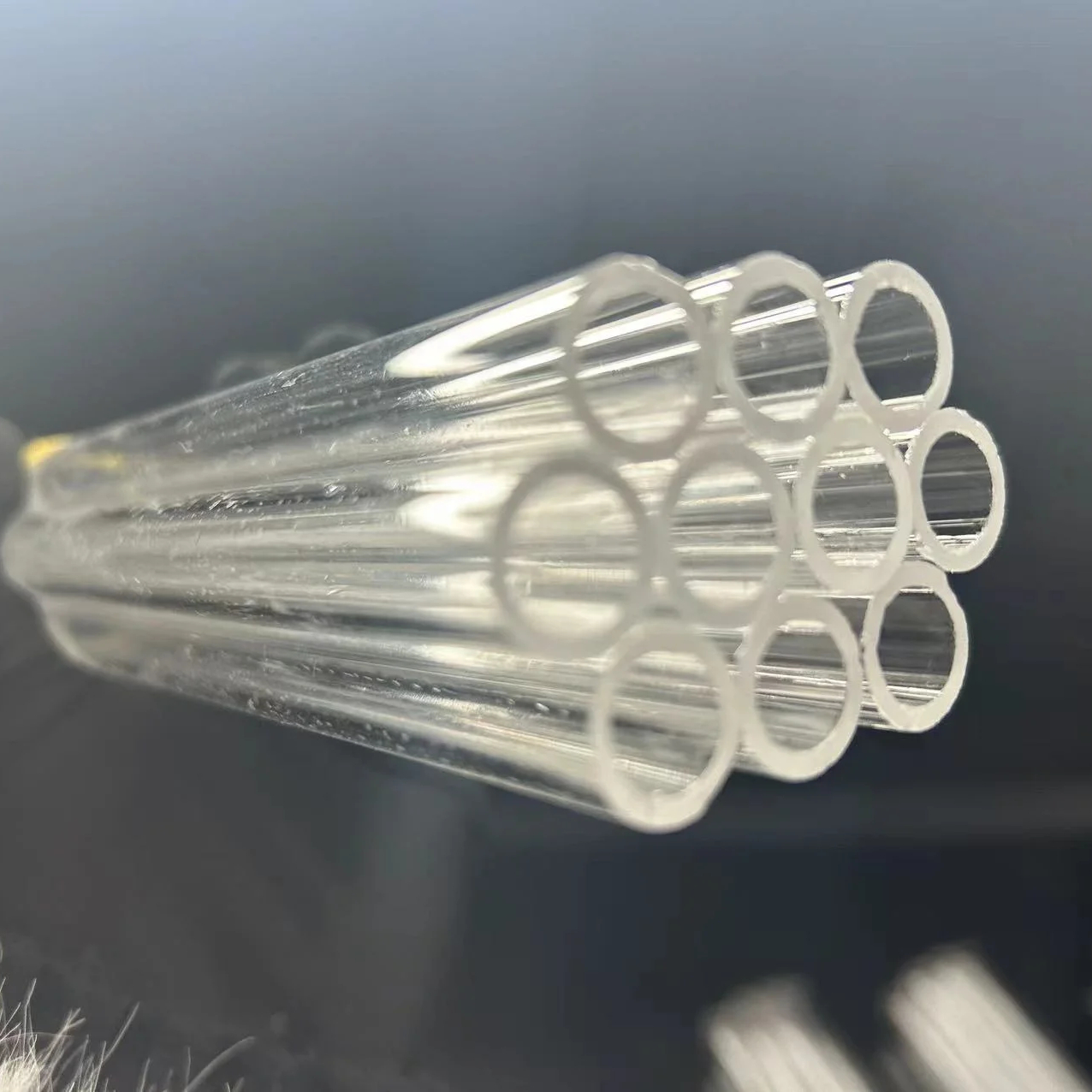
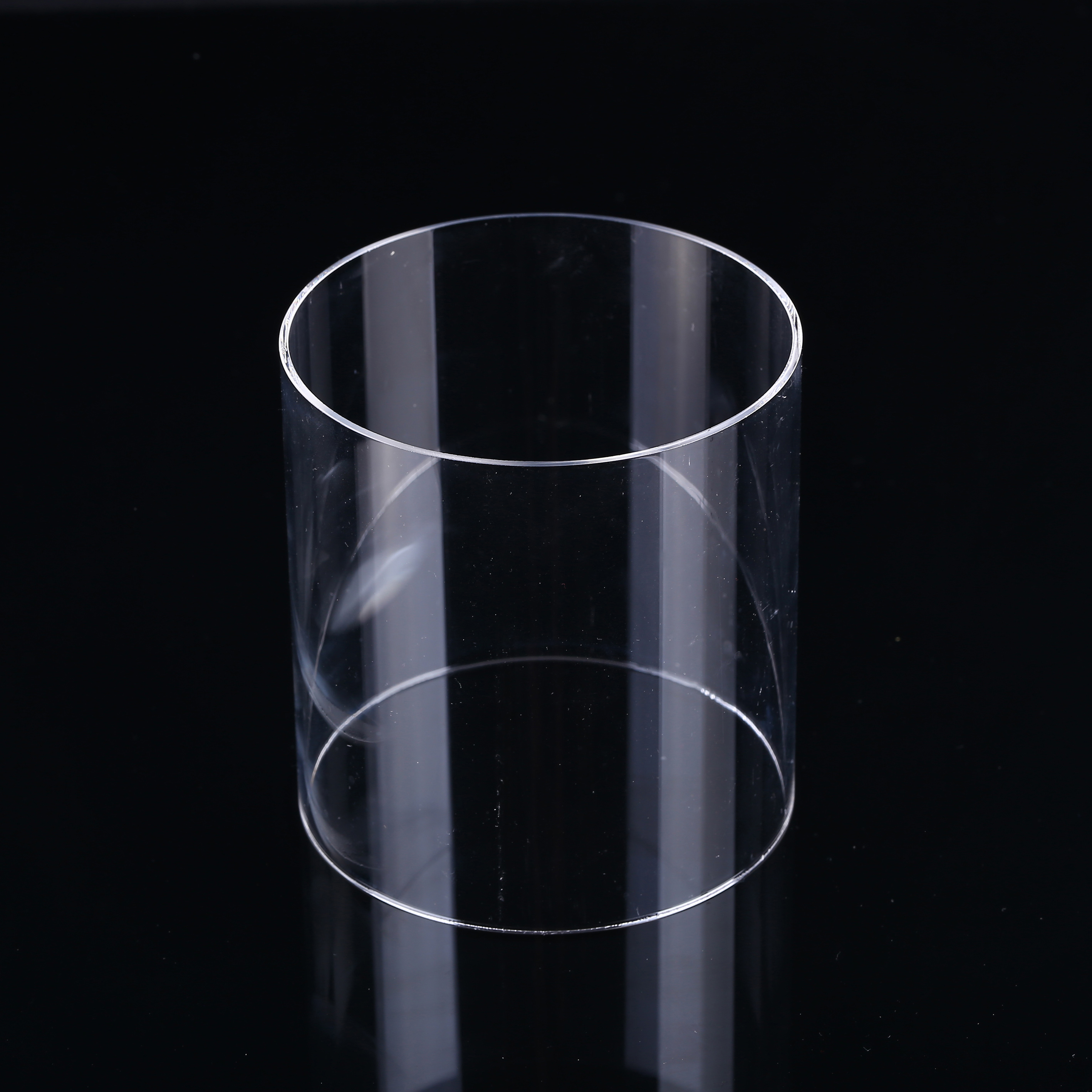
High Temperature Transparent Quartz Cylinder Tube Clear Quartz Glass
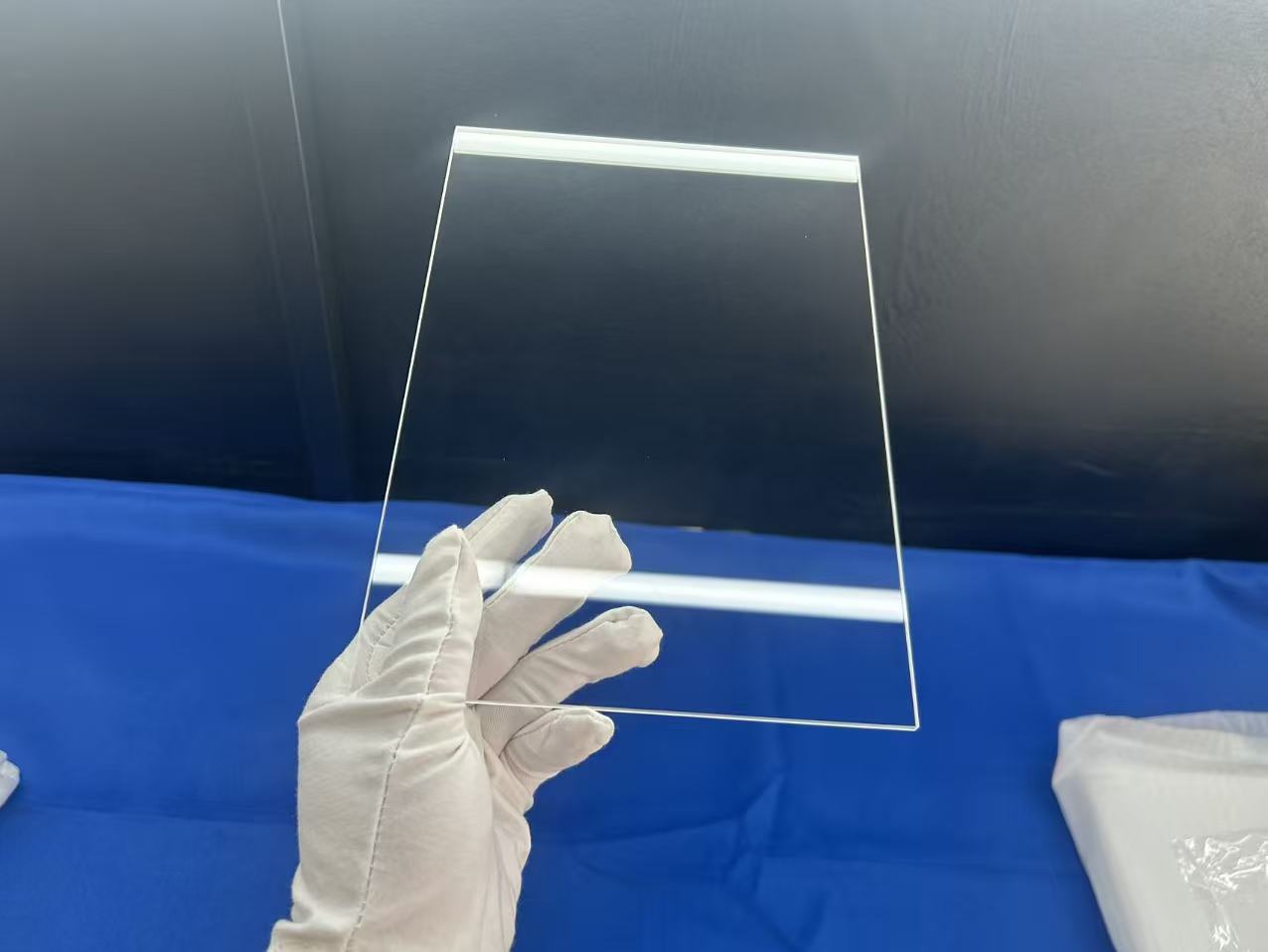
Custom Polished Purity Transparent Square Quartz Glass Plate 3mm
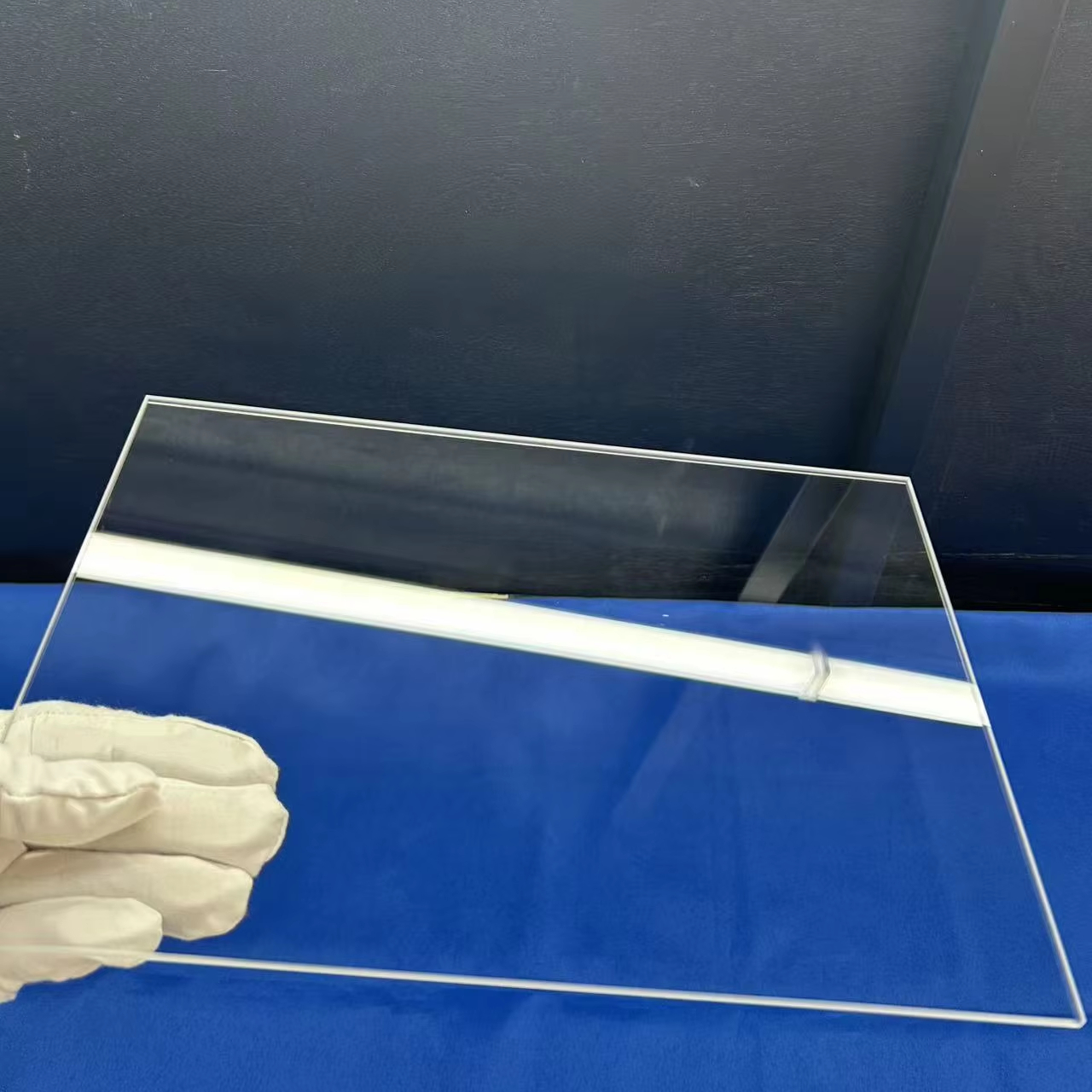
Custom Polished Optical Square Quartz Glass Clear Plate 4mm Thick
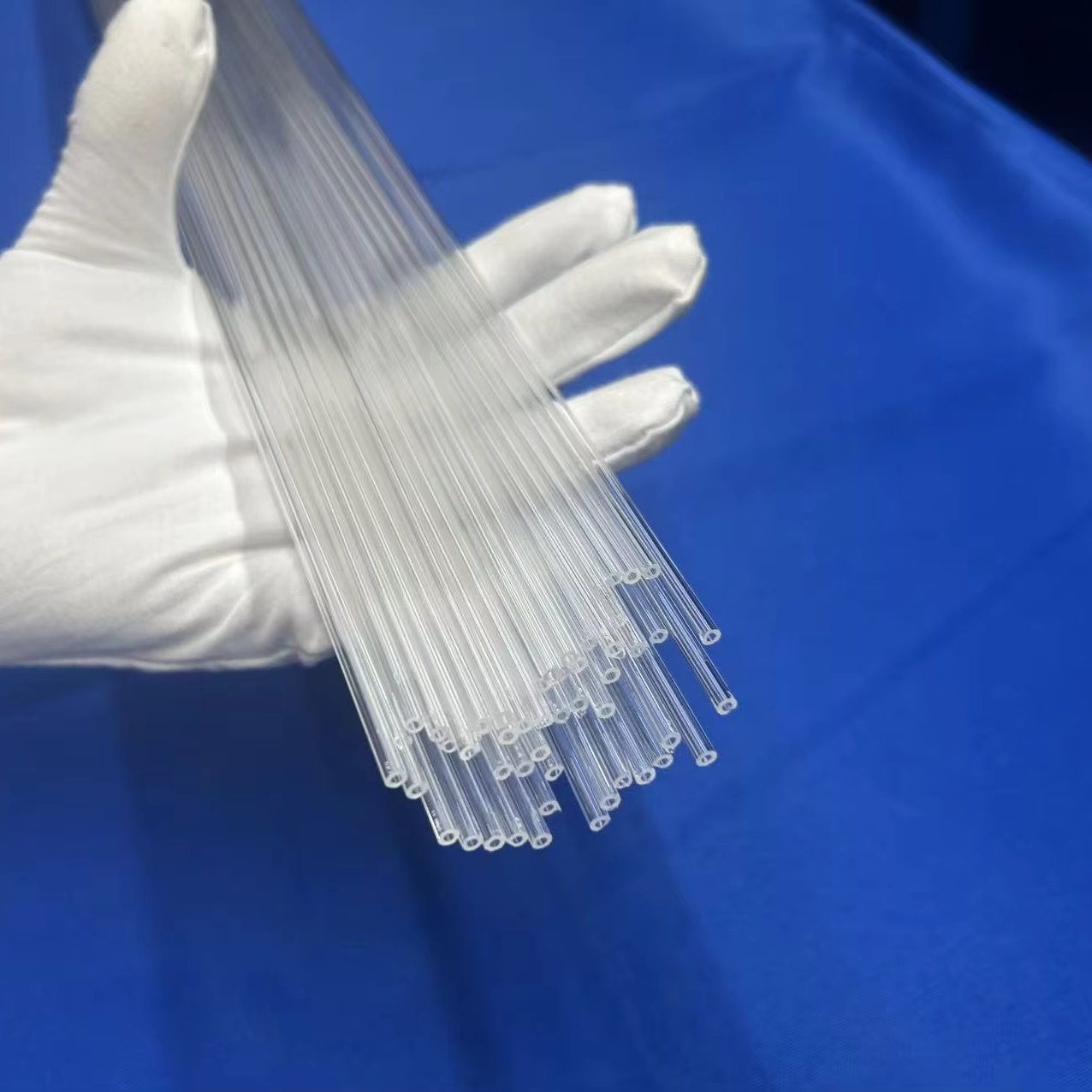
Precision Capillary Quartz Tube for Analytical Chromatography
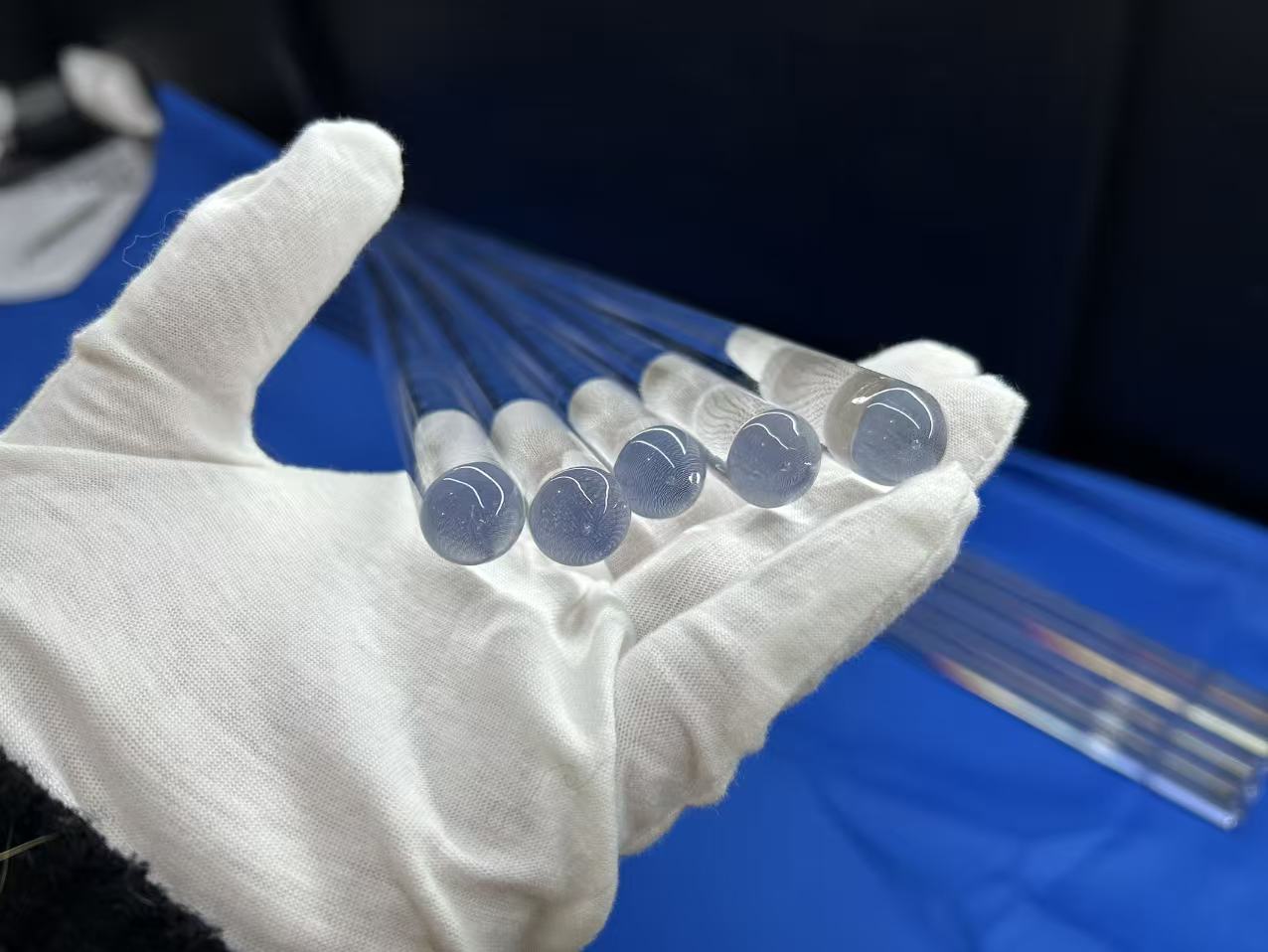
High-Purity Fused Quartz Round Rods (Cutting, Welding & Bending)
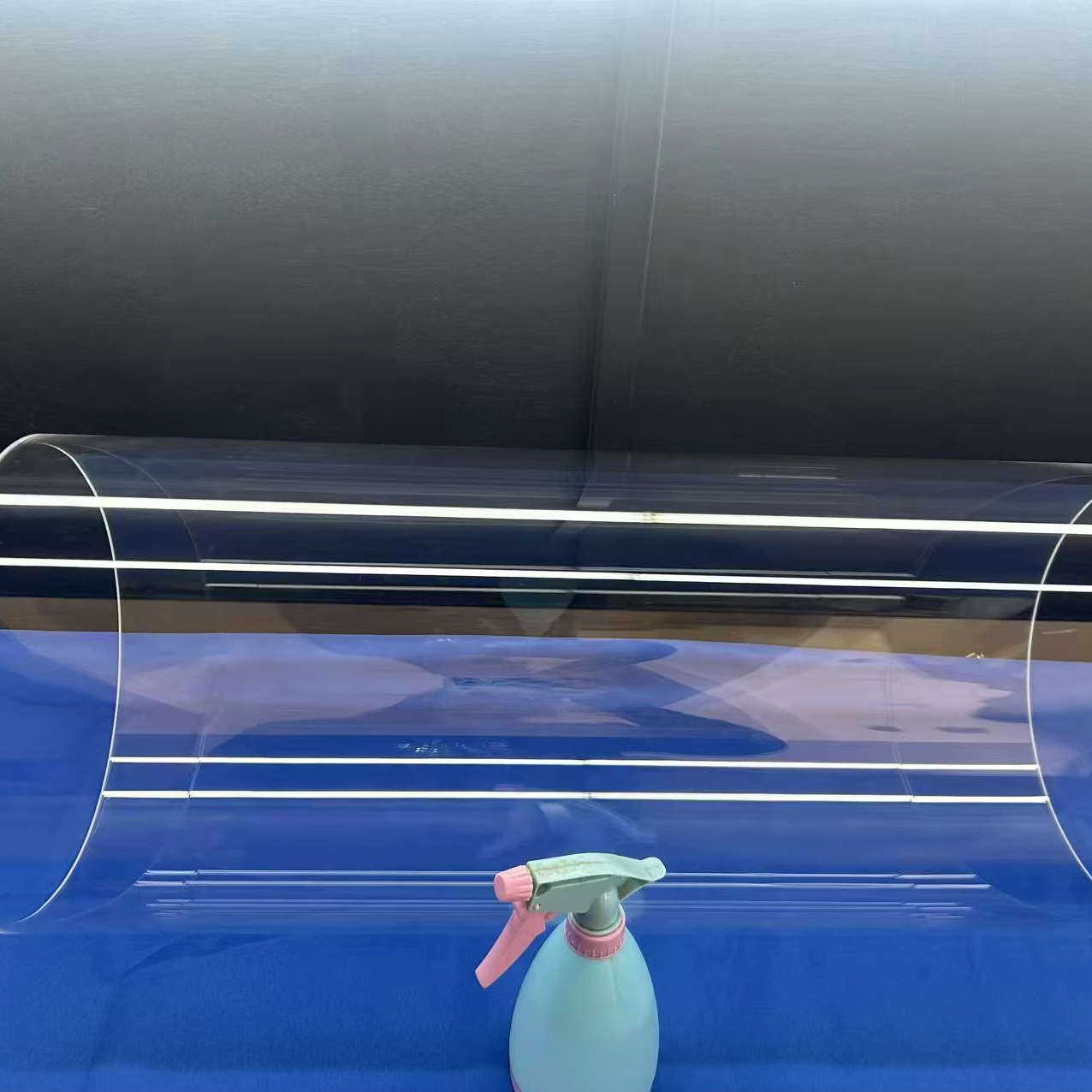
Customizable High Purity Fused Quartz Tube (Furnace Lining)
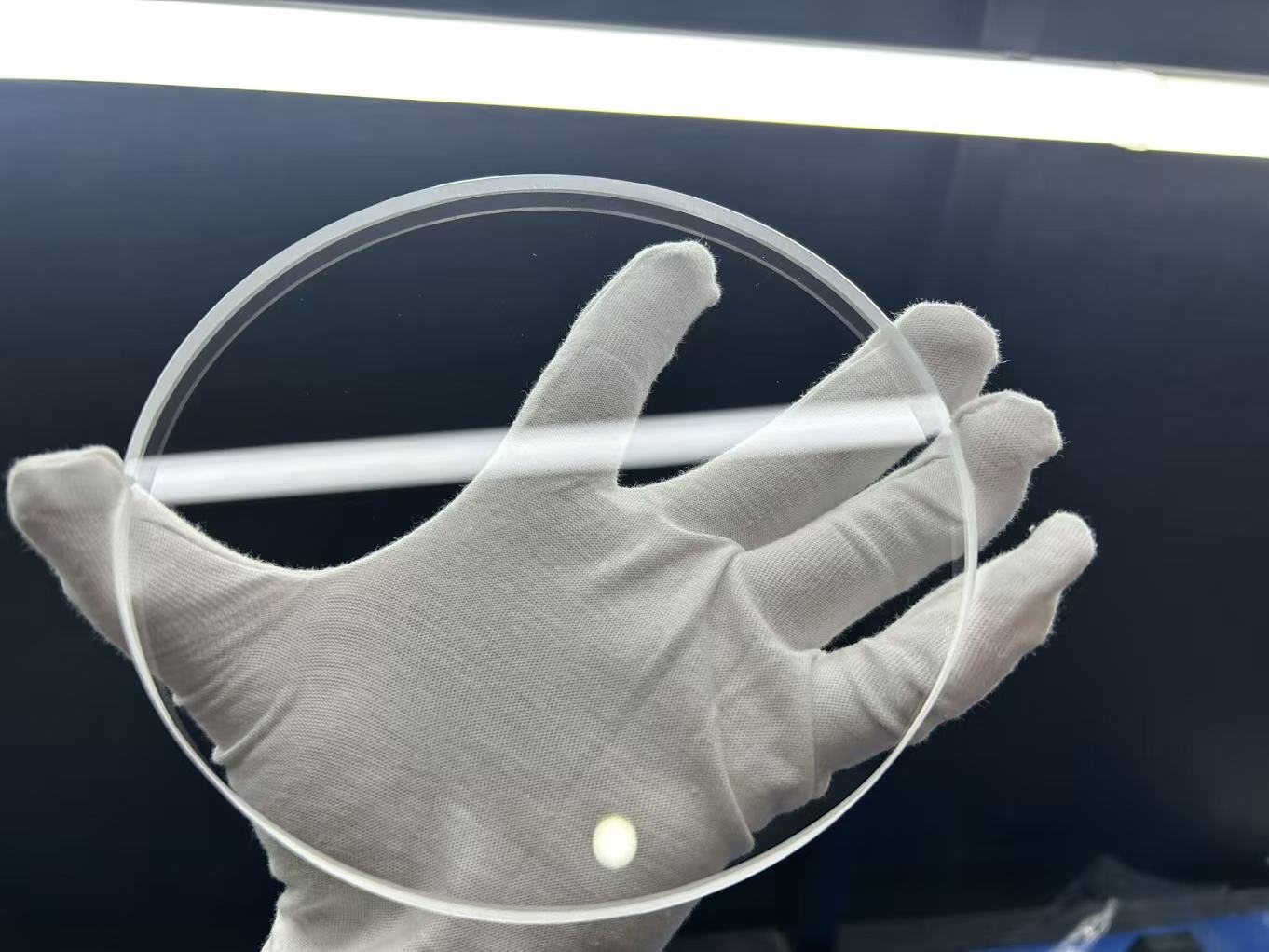
Wholesaler Customized High-Quality Clear Fused Quartz Glass Sheet
High-Purity Fused Quartz Bell Jars: Structural Integrity in Extreme Environments
Addressing thermal shock, high-vacuum maintenance, and chemical inertness for industrial operators throughout Cuba.
In modern vacuum evaporation, physical vapor deposition (PVD), and specialized thermal processing, the quartz bell jar functions as the critical containment vessel. Fabricated from ultra-pure vitreous silica ($SiO_2$), it provides a contamination-free atmosphere and optical clarity while withstanding extreme interior-exterior pressure differentials and intense radiant heat cycles.
Unlike standard borosilicate glass vessels, which soften below 550°C and demonstrate thermal expansion coefficients exceeding $33 \times 10^{-7}/\text{°C}$, Nivra Quartz fused silica features a near-zero coefficient of thermal expansion ($\approx 5.5 \times 10^{-7}/\text{°C}$). This allows our quartz bell jars to withstand sudden temperature swings exceeding 1000°C without mechanical rupture, providing an essential safety barrier in high-temperature chemical reactions and vacuum deposition.
For engineers operating in the Republic of Cuba—where high humidity, maritime atmospheric salinity, and severe thermal cycles are prevalent—sourcing bell jars with fully ground, optically flat bottom flanges is crucial. Nivra Quartz guarantees flange planarity within $\pm 0.02\text{ mm}$, ensuring robust vacuum sealing against Viton, silicone, or metallic gasket arrays down to $10^{-6}\text{ Torr}$.
Application Scenarios Across Cuba's Industrial & Scientific Landscape
Custom-engineered fused quartz assemblies engineered to support key manufacturing, mining, and research facilities across the island.
Biotechnology & Biopharmaceuticals
Institutions within the BioCubaFarma network, including the Center for Genetic Engineering and Biotechnology (CIGB) and the Finlay Vaccine Institute, require non-reactive containment vessels. Our high-purity quartz bell jars ensure zero trace-metal leaching during pyrolytic synthesis, fine-chemical sublimation, and sterile lyophilization observation.
Nickel & Cobalt Metallurgy (Moa Bay)
In the Holguín mining belt (e.g., Pedro Sotto Alba and Ernesto Che Guevara plants), analytical quality control depends on high-temperature digestion and calcination. Nivra Quartz cylindrical bell jars and heavy-wall crucibles withstand hot sulfuric acid fumes, chlorine off-gassing, and continuous furnace temperatures up to 1100°C without devitrification.
Solar PV Development & Research
In alignment with Cuba's national transition to renewable energy (target: 24%+ clean power), research hubs such as the Institute of Materials Science and Technology (IMRE) at Universidad de La Habana utilize our bell jars for magnetron sputtering, perovskite vapor deposition, and solar cell thermal oxidation processes.
Agro-Industrial Byproduct Pyrolysis
Engineers upgrading sugar mill derivatives utilize quartz bell jars for controlled vacuum pyrolysis of sugarcane bagasse into value-added activated carbon and biochemical intermediaries. High thermal transmission and vacuum-tight sealing maintain exact reducing atmospheres.
Higher Education & Academic Physics
Leading institutions like CUJAE (Universidad Tecnológica de La Habana) leverage customized clear quartz chambers for plasma physics demonstrations, optical spectroscopy, electron beam evaporators, and vacuum dielectric testing across STEM engineering departments.
Accelerated Environmental Simulators
Due to the island's high marine salt spray, coastal research facilities deploy fused silica vacuum test chambers for accelerated aging studies, evaluating protective surface coatings on aeronautic and maritime components under intense UV and thermal irradiance.
Emerging Procurement Trends in the Cuban Market
How state enterprises and academic buyers in Cuba are optimizing their quartzware supply lines amidst global logistical shifts.
Cuba’s industrial architecture is actively pursuing modernization under the National Economic and Social Development Plan 2030 (PNDES 2030). As state enterprises seek to overcome aging Soviet-era infrastructure and Western supply chain restrictions, procurement officers are pivoting toward direct Chinese manufacturing partnerships.
Three distinct procurement shifts have emerged across Cuban import agencies (including QUIMIMPORT and MEDICUBA):
- Import Substitution via OEM Customization: Inability to acquire spare components from Western Europe has spurred demand for reverse-engineered quartz vessels. Nivra Quartz manufactures custom replacement bell jars matching obsolete European metric and imperial flanges with precision.
- Settlement Flexibility & Direct Clearing: The adoption of bilateral clearing frameworks, including RMB-denominated contracts and inter-governmental commercial letters, significantly minimizes foreign exchange bottlenecks.
- Logistical Hubbing at Mariel (ZEDM): Consolidation of industrial freight through the Special Development Zone of Mariel has streamlined shipping times from Chinese ports like Qingdao and Lianyungang, reducing transit demurrage.
Material Purity Classes & Physical Specifications
Selecting the correct optical transmission range and temperature thresholds for your laboratory or factory application.
| Quartz Grade / Metric | Material Type | Spectral Range | Max Working Temp | Typical Cuban Industrial Application |
|---|---|---|---|---|
| JGS1 (Synthetic Silica) | Synthetic Fused Silica | 185 nm – 2500 nm (Deep UV) | 1100°C (Continuous) | Laser spectroscopy, UV curing, advanced pharma assay sensors |
| JGS2 (Optical Grade) | Fused Natural Quartz | 220 nm – 2500 nm (UV-Vis) | 1150°C (Continuous) | Standard bell jar vacuum chambers, viewports, furnace sight glasses |
| JGS3 (Infrared Grade) | Low-OH Fused Silica | 260 nm – 3500 nm (Near/Far IR) | 1200°C (Continuous) | Pyrometric analysis, thermal heating envelopes, metallurgical monitors |
| Industrial Fused Quartz | Electrically Fused Quartz | Visible Spectrum to IR | 1100°C (Short peak 1450°C) | Sugar mill calcination crucibles, diffusion tubes, chemical batch tanks |
| Physical / Mechanical Property | Technical Value | Significance for Industrial Operating Life |
|---|---|---|
| Density ($\rho$) | $2.20\text{ g/cm}^3$ | Lightweight structural integrity under high vacuum pressure |
| Coefficient of Thermal Expansion | $5.5 \times 10^{-7}/\text{°C}$ ($20\text{°C}$ to $300\text{°C}$) | Resists micro-fracturing during rapid temperature quenching |
| Softening Point | $1683\text{°C}$ | High safety margin during high-wattage plasma sputtering |
| Annealing Point | $1215\text{°C}$ | Stress-relieved through dedicated computer-controlled anneal cycles |
| Dielectric Strength (at $20\text{°C}$) | $25 - 40\text{ kV/mm}$ | Exceptional electrical insulation in RF and microwave plasma systems |
Why Cuban Buyers Partner with Nivra Quartz
Direct manufacturing provenance from Donghai County, China—combining raw material access, precision CNC capabilities, and dedicated export logistics.
Donghai Epicenter Sourcing
Established in February 2019 at 285 Heping East Road, Donghai County (China’s quartz capital). We control the full supply chain from virgin quartz crystals to finalized assemblies.
Verified Capacity & Scale
Staffed by 101–200 skilled glassblowers, CNC technicians, and metrologists. Our premises are fully verified on-site by international third-party inspection firms.
Proven Export Record
Over 43 verified international transactions valued at US$40,000+ per semester, maintaining an 88.89% inquiry response rate, ≤5-hour turnaround, and a 5.0/5 client rating.
Maritime-Proof Packaging
Individual shock-absorbing foam chambers, vacuum-sealed desiccant barrier wraps, and heavy fumigation-free timber crates built for Caribbean sea freight.


Frequently Asked Questions: Sourcing Quartzware in Cuba
Addressing the technical, regulatory, and logistical requirements of purchasing high-temperature glassware from China.
Can Nivra Quartz manufacture custom bell jars from legacy Soviet or European drawings?
Yes. Many research centers and industrial plants across Cuba rely on legacy vacuum systems from Eastern Europe or Western suppliers. Our engineering division accepts 2D/3D design files in PDF, DWG, DXF, or STEP formats. We routinely reverse-engineer non-standard rim diameters, custom step flanges, top neck tube extensions, and specialized vacuum gauge ports, guaranteeing dimension tolerances as tight as ±0.05 mm.
How do you protect fragile quartz bell jars against the Caribbean maritime climate during shipping?
Shipments to Cuba experience tropical ocean humidity (often exceeding 85% RH) and significant multi-port handling. Each bell jar undergoes multi-step deionized ultrasonic cleaning before being sealed inside heavy-gauge, anti-static polyethylene film with activated desiccant pouches. The product is then encapsulated within custom-cut EPE (expanded polyethylene) foam molds inside reinforced, fumigation-free composite timber crates. Long rods and heavy cylinders include internal wooden truss supports to prevent flex fractures.
What payment and currency mechanisms are supported for Cuban state entities?
We understand the transactional frameworks relevant to Cuban commercial entities. We actively facilitate settlement via Renminbi (RMB / CNY) through authorized bilateral banking channels, minimizing reliance on Western financial intermediaries. We support Letters of Credit (L/C), advance T/T arrangements, and CIF delivery terms to the Port of Mariel (ZEDM) or Havana Harbor.
What is the difference between standard clear fused quartz and synthetic fused silica (JGS1) bell jars?
Standard clear fused quartz is made by melting high-purity natural rock crystal quartz; it provides high temperature resistance (up to 1100°C continuous) and excellent visible/infrared transmission, making it optimal for thermal furnaces, calcination, and standard PVD. JGS1 is a synthetic material produced via chemical vapor deposition of silicon halides. It possesses nearly zero heavy-metal impurities and transmits deep ultraviolet light down to 185 nm, making it essential for UV photolysis, excimer lasers, and advanced biotechnology assays.
How does quartz prevent devitrification in high-temperature industrial testing?
Devitrification is the phase transformation of vitreous quartz into crystalline cristobalite, which occurs at temperatures above 1150°C and is accelerated by surface contamination (such as sodium, potassium, or fingerprint alkali). Nivra Quartz applies high-temperature flame-polishing to remove micro-pores and ensures strict surface purity. For high-temperature metallurgy testing in Holguín or sugar processing in central Cuba, we recommend cleaning components with high-purity ethanol or 5% hydrofluoric acid wash followed by deionized water rinse to ensure hundreds of thermal cycles without clouding.
What is the minimum order quantity (MOQ) and sample turnaround time?
For standard quartz tubes, optical plates, and crucibles, our MOQ begins at 1 to 10 pieces. For custom fabricated quartz bell jars, we accept single-piece prototype orders (MOQ = 1) to support academic pilot studies and equipment trials prior to volume production. Prototyping typically requires 7 to 12 working days following blueprint sign-off.
Accelerate Your Industrial Sourcing with Nivra Quartz
Whether you are replacing an obsolete vacuum bell jar, upgrading a pilot metallurgy chamber in Moa, or equipping a biotechnology research center in Havana, our engineering team in Donghai provides comprehensive design review, material certification, and reliable maritime freight to Cuba.