ISO Certified
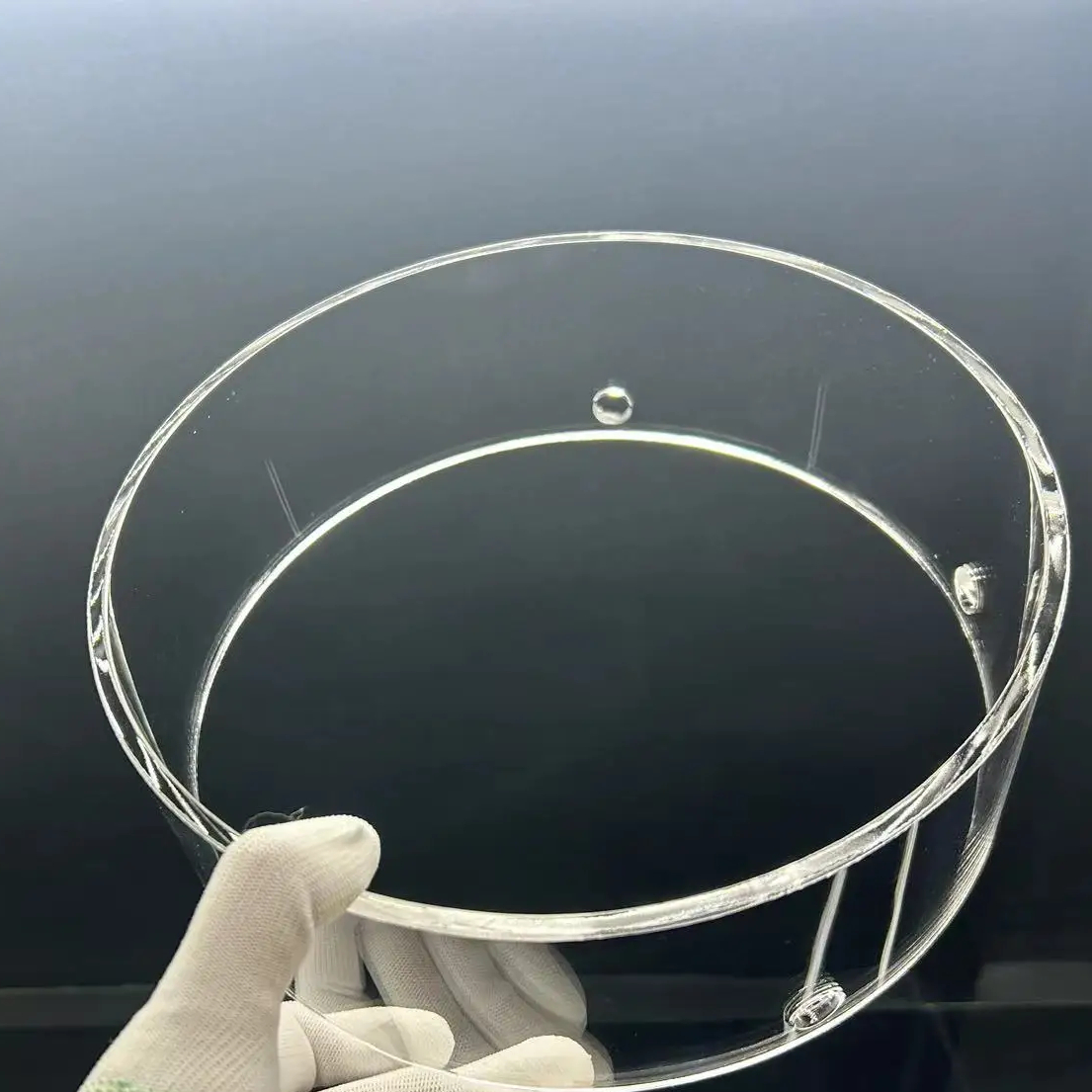
Direct from Donghai County Nivra Quartz Products Co., Ltd. — Engineered to strict international tolerances with complete drawing customization, batch traceability, and rapid export logistics to the Grenville destination port.
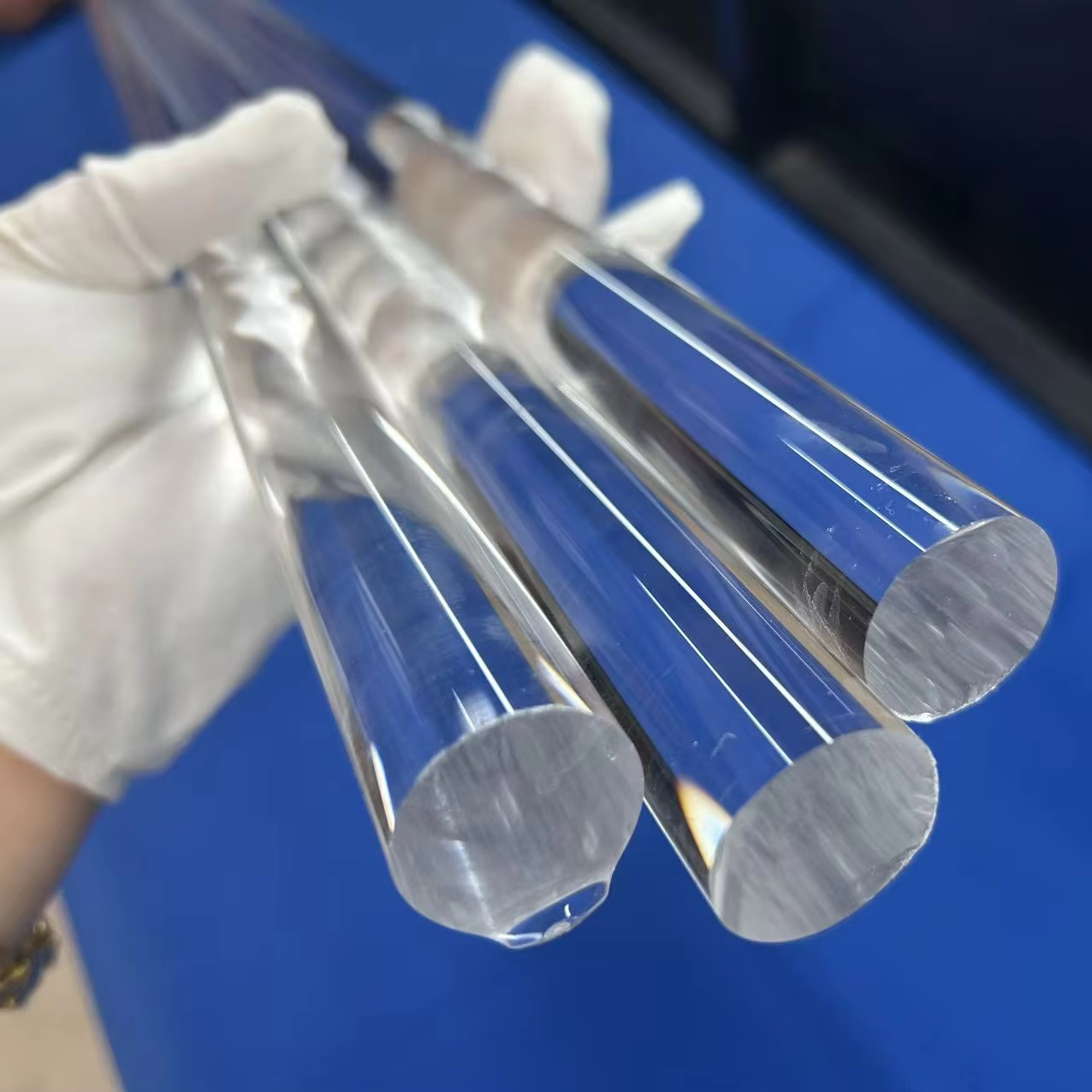
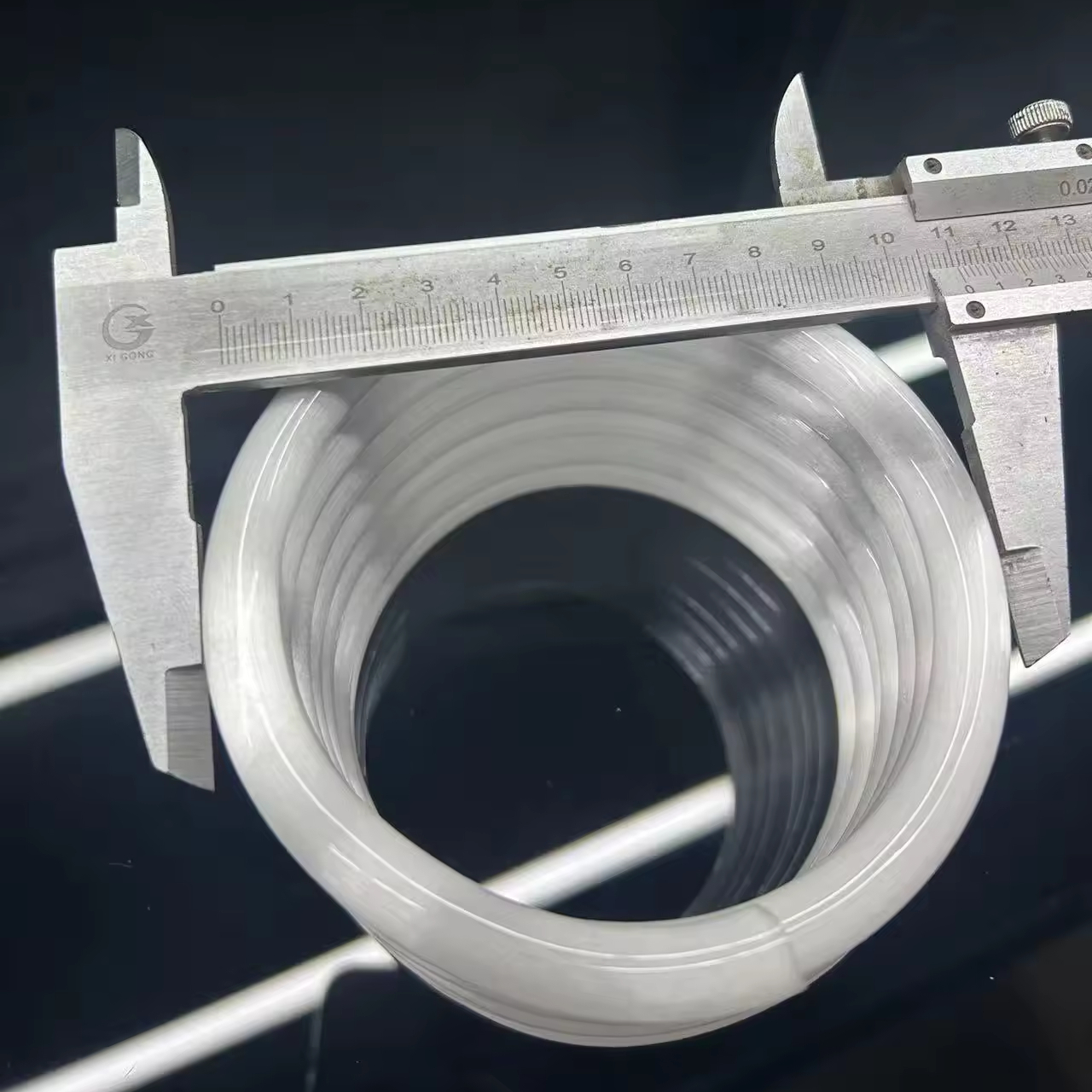
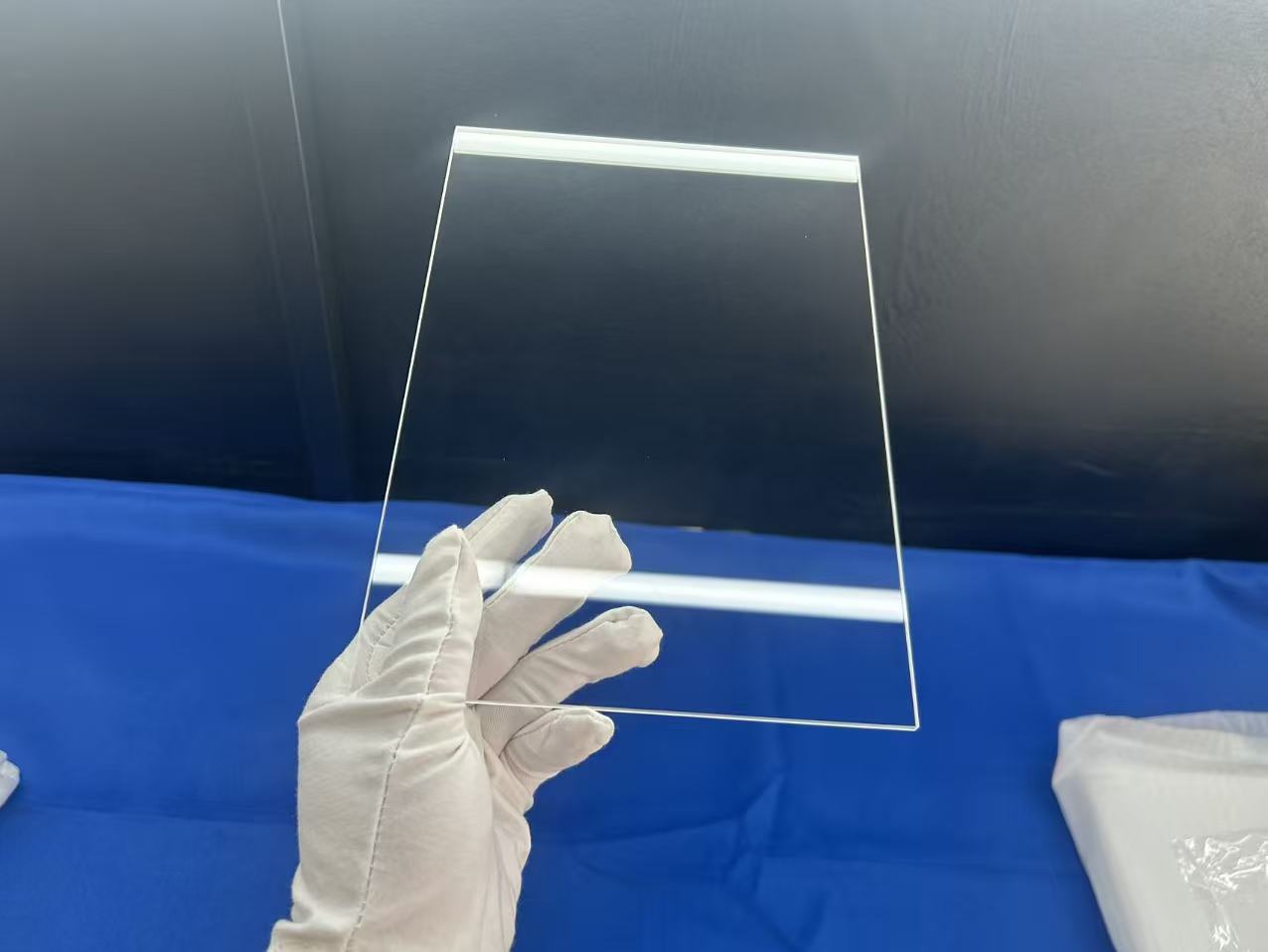
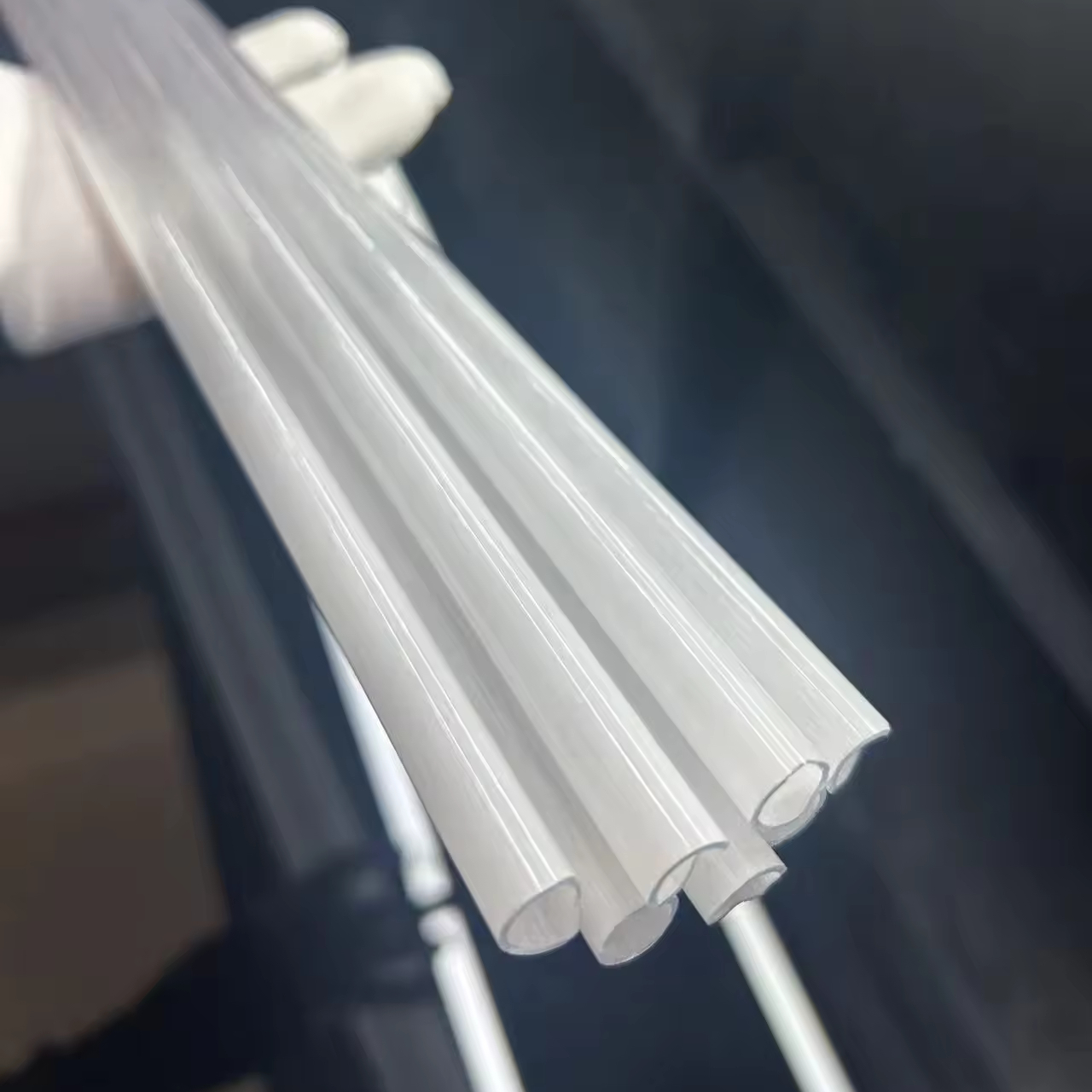
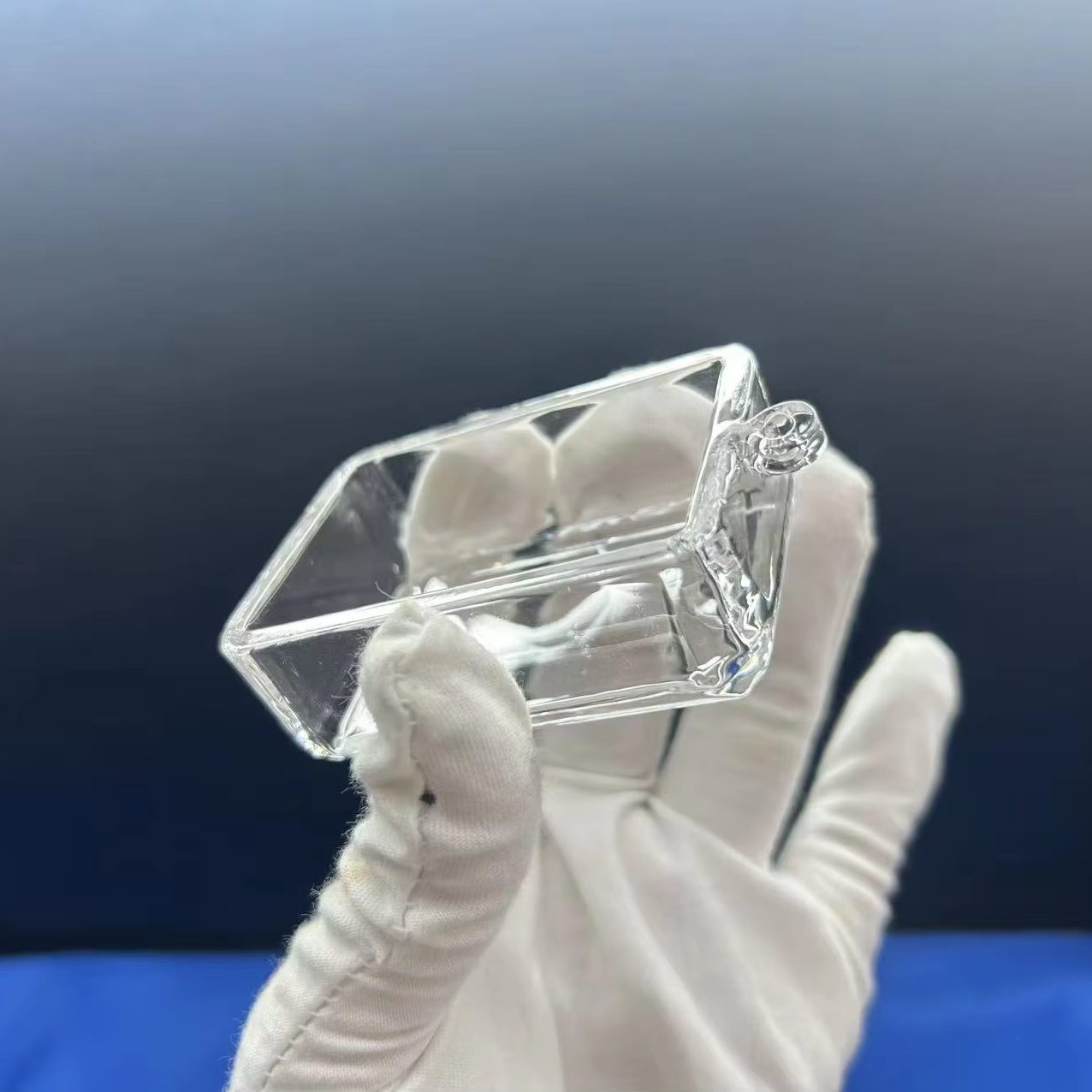
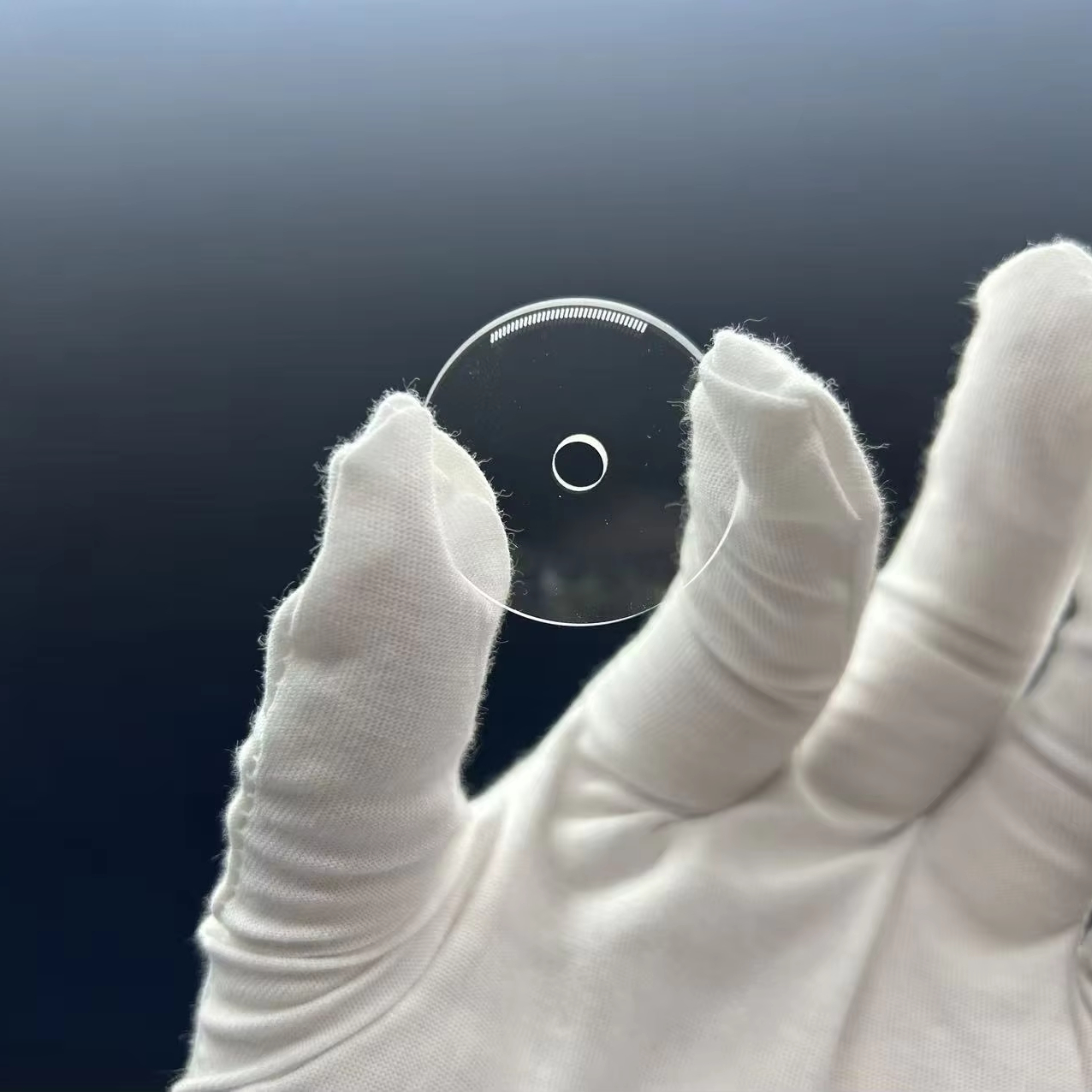
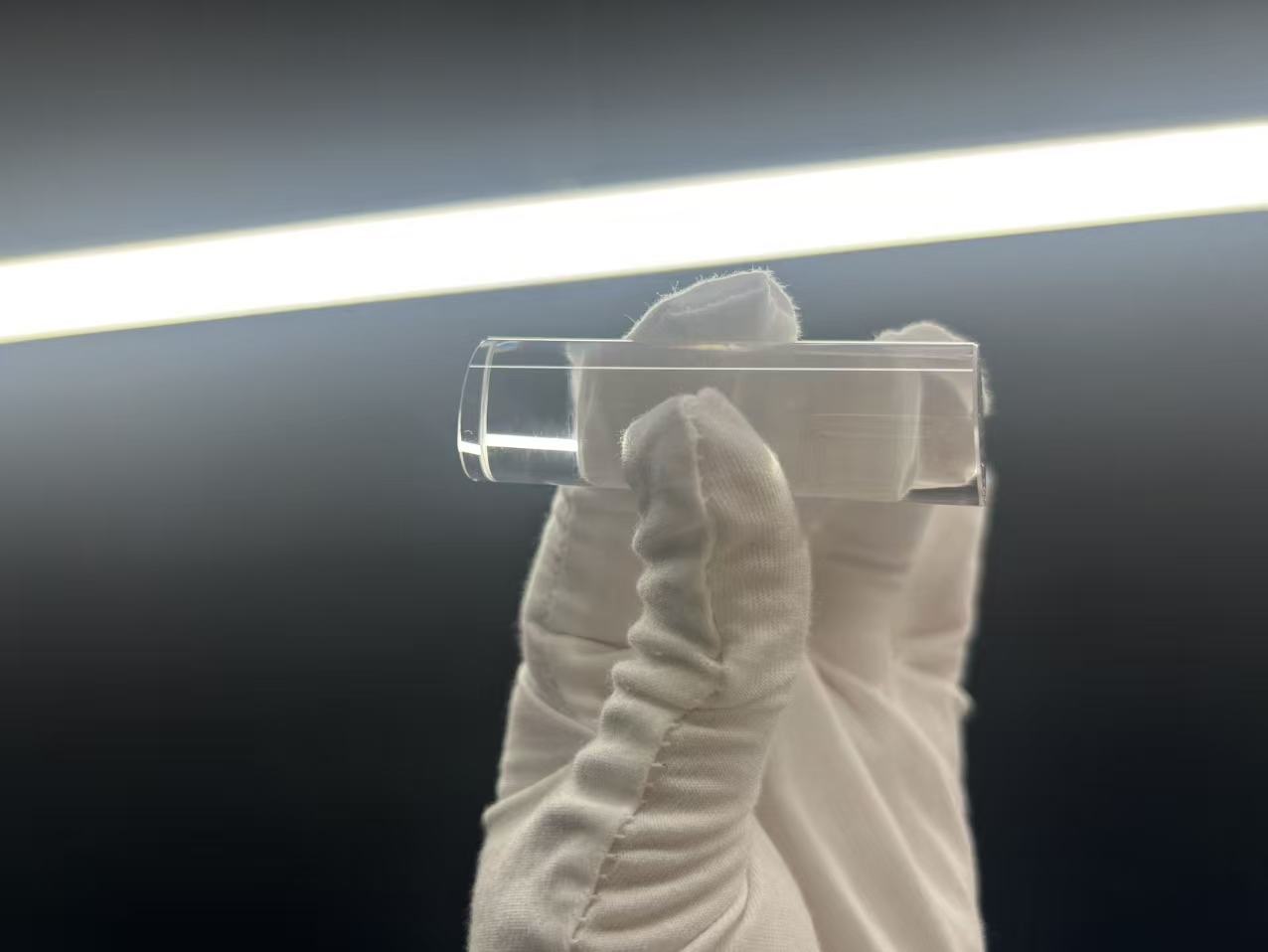
Porous quartz glass—often categorized in industrial chromatography and fluidics as sintered quartz frits, fused silica diffusion discs, or porous silica membranes—represents a sophisticated metallurgical divergence from standard amorphous silica. Unlike dense clear fused quartz tubes or mechanically ground optical flats, porous quartz is manufactured through precisely governed sub-vitrification solid-state sintering. At Donghai County Nivra Quartz Products Co., Ltd., pure natural crystal quartz sands ($\text{SiO}_2 \ge 99.99\%$) are classified into tight granulometric fractions via ultrasonic screening, compressed without binding additives into controlled molds, and subjected to thermally stabilized vacuum sintering at temperatures strictly regulated between 1,220°C and 1,360°C.
This thermal plateau permits the silica grains to form strong inter-particle necks (diffusion bonding) while preserving an interconnected network of open pores. The outcome is a rigid porous matrix boasting exceptional continuous operating temperatures of up to 1,100°C, an ultra-low linear thermal expansion coefficient ($\alpha = 5.5 \times 10^{-7}\text{/K}$), near-total immunity to rapid thermal quenching, and unparalleled chemical resistance across concentrated mineral acids (excluding hydrofluoric acid and orthophosphoric acid above 300°C).
For municipal, academic, and industrial procurement authorities in Grenville, understanding pore diameter distribution is vital for fluid dynamics, Darcy velocity calculations, and particulate retention thresholds. We classify and certify our porous quartz elements according to international ISO 4793 and ASTM E128 standards:
| Standard Grade | Nominal Pore Diameter (μm) | Permeability Coefficient ($k$, $\text{m}^2$) | Bubbling Pressure Threshold (Water, hPa) | Primary Fluidic / Process Function |
|---|---|---|---|---|
| ISO Grade P1 (G0) | 160 – 250 μm | $4.2 \times 10^{-10}$ | 12 – 20 hPa | Coarse gas distribution, high-viscosity liquid sparging, sediment pre-filtration |
| ISO Grade P2 (G1) | 100 – 160 μm | $1.8 \times 10^{-10}$ | 20 – 35 hPa | Coarse crystalline precipitate separation, gas scouring, fluid bed distributors |
| ISO Grade P3 (G2) | 40 – 100 μm | $6.5 \times 10^{-11}$ | 35 – 80 hPa | Preparative analytical filtration, particulate retention in petrochemical testing |
| ISO Grade P4 (G3) | 16 – 40 μm | $1.2 \times 10^{-11}$ | 80 – 210 hPa | Fine analytical chemistry, mercury intrusion porosimetry reference, marine brine filtering |
| ISO Grade P5 (G4) | 10 – 16 μm | $3.0 \times 10^{-12}$ | 210 – 340 hPa | Bacteriological and fine aerosol retention, micro-flow restrictors in high-purity lines |
| ISO Grade P6 (G5) | 1.0 – 2.5 μm | $4.5 \times 10^{-13}$ | 1,400 – 3,500 hPa | Ultra-fine sub-micron sterilization, specialized sensor diffusion barriers, electro-osmotic frits |
The structural tortuosity factor ($\tau \approx 2.4 - 2.8$) of Nivra sintered porous quartz provides substantial mechanical depth, ensuring that even under severe pressure cycles up to 35 bar in enclosed pipeline adapters, the pore geometry does not delaminate or shed crystalline particulates into downstream analytical instrumentation.
Addressing the specific chemical, marine, and testing challenges encountered by municipal water utilities, agro-industrial processing hubs, and academic marine research labs in the Grenville jurisdiction.
Grenville's coastal geographic and oceanographic monitoring stations require sensor housings that withstand aggressive hyper-saline splash zones and continuous tidal immersion. Sintered porous quartz discs act as hydrophobic osmotic venting membranes that permit atmospheric equalization without admitting sea spray, preventing corrosive degradation of internal optical spectrometers and gas analyzers.
Localized agricultural testing laboratories analyzing spice production, cocoa agronomy, and tropical soil quality rely on custom-welded quartz tanks and chromatography columns fitted with ISO Grade P3 porous quartz frits. Fused silica eliminates chemical trace element contamination (specifically heavy metals such as lead, zinc, and iron) common to conventional soda-lime or borosilicate glass.
Regional green energy, biofuel, and pyrolysis pilot installations in the greater Grenville zone utilize our perforated and porous quartz cylinders as inert thermal catalyst support beds. Able to withstand thermal swings up to 1,150°C without devitrifying, our components enable steady uniform flow distribution in synthesis gas cracking without catalytic poisoning.
Procurement departments across the Grenville area frequently grapple with life-cycle cost tradeoffs when specifying labware and filtration assemblies. While Borosilicate 3.3 glassware carries a lower initial acquisition price, its operating envelope is severely restricted in high-salinity marine environments and high-temperature digestion procedures:
How direct integration with Donghai manufacturing eliminates intermediate distributor margins and satisfies emerging localized compliance and technical mandates.
Engineers in the Grenville market are increasingly replacing threaded stainless steel housings with monolithic all-quartz filtration columns. By flame-welding a sintered porous quartz disc directly into a transparent fused quartz tube, potential leakage points, elastomer gasket degradation, and dead volumes are entirely eliminated.
Standard cutting tools cause subsurface micro-fracturing in fragile porous glass bodies. Chinese manufacturing centers like Nivra have transitioned to CNC ultrasonic 5-axis vibration diamond tooling, allowing Grenville research facilities to order complex stepped porous quartz flanges with dimensional tolerances controlled within ±0.05 mm.
To survive international cargo shipment and harsh operational vibration in marine applications, every quartz component undergoes full computer-controlled annealing cycles. Residual birefringence is assessed via polariscopes, guaranteeing low internal strain ($\le 5\text{ nm/cm}$) that prevents catastrophic shatter in transit or under pressure.
Combining primary quartz mineral wealth from China's crystal capital with precision CNC engineering, certified quality controls, and dedicated export logistics serving global markets including Grenville.
Headquartered at 285 Heping East Road, Lianyungang, Jiangsu, our facility operates in the undisputed epicenter of China's quartz and silicon manufacturing belt. Having completed on-site operational verification by Alibaba.com and international auditing bodies, Nivra Quartz delivers verifiable technical authority:
Direct sourcing of Donghai hydrothermal quartz vein minerals with chemical silica assays of 99.99% to 99.999% purity. Total heavy metal impurity budgets remain strictly below 15 ppm, preventing leaching in analytical setups.
From slicing, centerless grinding, and high-vacuum sintering to hydrogen-oxygen lathe flame manipulation, precision optical double-sided lapping, and class 1,000 cleanroom ultrasonic acid packaging.
Every porous or transparent quartz part is individually sealed in vacuum dust-free foil, nested within bespoke multi-layered expanded polyethylene (EPE) shock cells, and packed into international ISPM-15 compliant export crates.
Submit CAD, DWG, PDF, or dimensional specifications detailing pore size (P1–P5), outer diameters, and chemical service conditions.
Our senior glass technologists review manufacturability, thermal wall thickness balancing, and verify sintered frit integration tolerances.
Initial samples undergo bubble-point permeability testing (ASTM E128) and spectrophotometric transmission validation prior to full run.
Batch fabrication using computer-controlled vacuum furnaces with continuous thermal profiling to guarantee pore distribution uniformity.
Direct door-to-port or door-to-door dispatch to Grenville via expedited air express or moisture-barrier ocean freight with real-time tracking.
Addressing engineering specifications, thermal shock dynamics, international customs clearance, and proper cleaning protocols for porous sintered quartz glassware.
JGS1, JGS2, and JGS3 designate distinct optical grades of dense fused quartz and silica. JGS1 is a high-purity synthetic fused silica free of bubbles and inclusions, possessing outstanding deep-ultraviolet transmission from 185 nm upwards with virtually zero hydroxyl ($\text{OH}$) absorption, making it standard for laser optics and UV spectroscopy windows. JGS2 is a high-grade fused quartz manufactured by electric fusion of natural crystal quartz, providing superior transmission across the 220 nm to 2,500 nm range, frequently utilized for observation sight-glasses, standard reactor tubes, and flange plates.
JGS3 is an infrared-optimized fused quartz grade with exceptionally low hydroxyl content (typically $\text{OH} < 2\text{ ppm}$), avoiding the profound $\text{Si-OH}$ absorption band at 2.73 μm and offering reliable transmission up to 3,500 nm. In porous quartz fabrication, the primary matrix is derived from high-purity natural quartz powders closely related to JGS2 chemistry, which delivers maximum mechanical bonding strength, structural cohesion, and cost efficiency during the sintering phase. For hybrid assemblies, we flame-fuse dense JGS1 or JGS2 outer tubes around sintered porous filter plates with zero adhesive bonding.
Standard dense transparent fused quartz can operate continuously at 1,100°C and withstand short-term operational excursions up to 1,450°C, with an initial softening point near 1,683°C. Porous quartz glass frits share the identical core chemical purity ($\text{SiO}_2 \ge 99.99\%$) and identical linear thermal expansion coefficient ($\approx 5.5 \times 10^{-7}\text{/K}$); however, because the porous structure relies on sintered inter-grain contact necks, continuous thermal limits must be carefully monitored.
Under non-load conditions in inert or oxidizing atmospheres, porous quartz maintains structural stability up to 1,050°C – 1,100°C. Continuous operation above 1,150°C will induce premature micro-sintering or vitrification creep, which gradually closes the open pores, decreases permeability, and alters nominal filtration pore ratings. For high-temperature process lines in the Grenville market, we engineer reinforced rim borders that isolate porous plates from radial mechanical compressive loads caused by metal flange differentials.
Because porous quartz is chemically inert to almost all reagents except hydrofluoric and hot concentrated phosphoric acid, aggressive chemical cleaning is both safe and effective. To remove organic deposits, the frit should be soaked in hot sulfuric acid containing potassium dichromate or concentrated nitric acid, followed by extensive reverse-flush rinsing with deionized water.
For precipitated inorganic salts, warm hydrochloric acid ($1:1$ dilution) is recommended. Highly obstinate biological or organic blockages can be incinerated by controlled heating in a muffle furnace at 500°C to 650°C; however, temperature ramp rates should not exceed 10°C per minute to avoid uneven localized stresses across dense-to-porous weld interfaces. Mechanical scraping or wire brushing must never be used, as sharp tools will dislodge silica grains and irreparably enlarge pore dimensions.
Yes. Our in-house manufacturing lines feature master glassblowers and precision multi-axis CNC machines capable of producing sophisticated hybrid assemblies. We routinely weld porous quartz discs of exact porosity (P1 through P5) inside transparent quartz tubes, integrate them directly into flanged pipe sections, or place them within continuous helical quartz cooling coils.
Additionally, our facility provides precision drilling, slotting, water-jet contouring, and diamond surface grinding. If you provide a CAD model or 2D technical drawing in DWG, DXF, STEP, or PDF format, our engineering team will provide a manufacturability review, tolerance confirmation, and comprehensive quote within 5 business hours.
To support academic trials, pilot plant validation, and urgent industrial maintenance, we offer extremely flexible minimum order quantities. Standard catalog porous discs, rods, and fused quartz tubing can be ordered in quantities as small as 1 to 10 pieces. Customized CNC-machined components or complex welded tanks typically begin at 5 to 10 pieces depending on dimensional complexity.
For destinations in the Grenville regional zone, expedited air cargo (via DHL, FedEx, or international air freight carriers) delivers within 7 to 12 business days following fabrication. Larger volume shipments shipped via consolidated LCL or FCL ocean container lines require approximately 28 to 40 days transit time. Full export paperwork, including commercial invoices, packing lists with HS codes (7002.31 / 7017.10), and Certificates of Conformity, is supplied with every consignment.
With an export profile spanning over 40 countries—North America alone accounting for 40% of our global export volume—our logistics engineers have engineered a multi-stage shock absorption packaging protocol. Each individual porous quartz part is ultrasonically cleaned, desiccated, and sealed in an anti-static vacuum sleeve to eliminate particulate friction.
Parts are then encased within custom-contoured high-density Expanded Polyethylene (EPE) foam dampeners. Outer containers utilize heavy-duty corrugated cartons or fumigation-free solid plywood export crates reinforced with corner metal brackets and interior floating suspension panels. Fragile shipment indicators and tilt-watch sensors are affixed to outer crates, maintaining our recorded export damage rate well below 0.3%.
Batch quality assurance adheres stringently to ASTM E128 (Standard Test Method for Maximum Pore Diameter and Permeability of Rigid Porous Filters for Laboratory Use) and ISO 4793. Testing begins by immersing the porous quartz specimen in a wetting fluid (such as high-purity ethanol or anhydrous mineral oil) and steadily raising air pressure to the bottom face.
The exact air pressure at which the first stream of bubbles emerges through the upper fluid column defines the maximum pore diameter via the Laplace-Young capillary equation ($D = 4\gamma \cos\theta / \Delta P$). Subsequent flow rate measurements at fixed pressure deltas yield the mean pore diameter and Darcy hydraulic conductivity coefficient. Statistical process control charts are preserved for all production runs, and batch inspection certificates are provided to buyers upon dispatch.
Yes. Our ISO Grade P4 (G3), P5 (G4), and P6 (G5) porous quartz discs are engineered specifically as reference electrode junction frits, electro-osmotic pumps, and HPLC column inlet frits. The pure silica matrix eliminates electrochemical junction potential drift caused by metal ion contamination or salt bridges.
Furthermore, when housed in precision machined quartz barrels or PEEK holders, our sintered quartz discs withstand hydrostatic back-pressures exceeding 25 to 50 bar depending on thickness-to-diameter aspect ratios. Zero binder usage guarantees zero leaching of polymer plasticizers or adhesives into sensitive chromatographic eluent streams.
Whether you require standard sintered silica filter discs, high-temperature combustion tubes, custom electro-chemical cells, or emergency replacement labware for facilities in Grenville, our technical engineering team in Donghai County will respond with structural feasibility, tolerance verification, and factory-direct pricing within 5 hours.