Featured High-Purity Fused Silica & Quartz Components
From thermal diffusion tubes to custom flanged reaction chambers, explore our precision-machined quartzware delivered directly to Austrian research and production facilities.
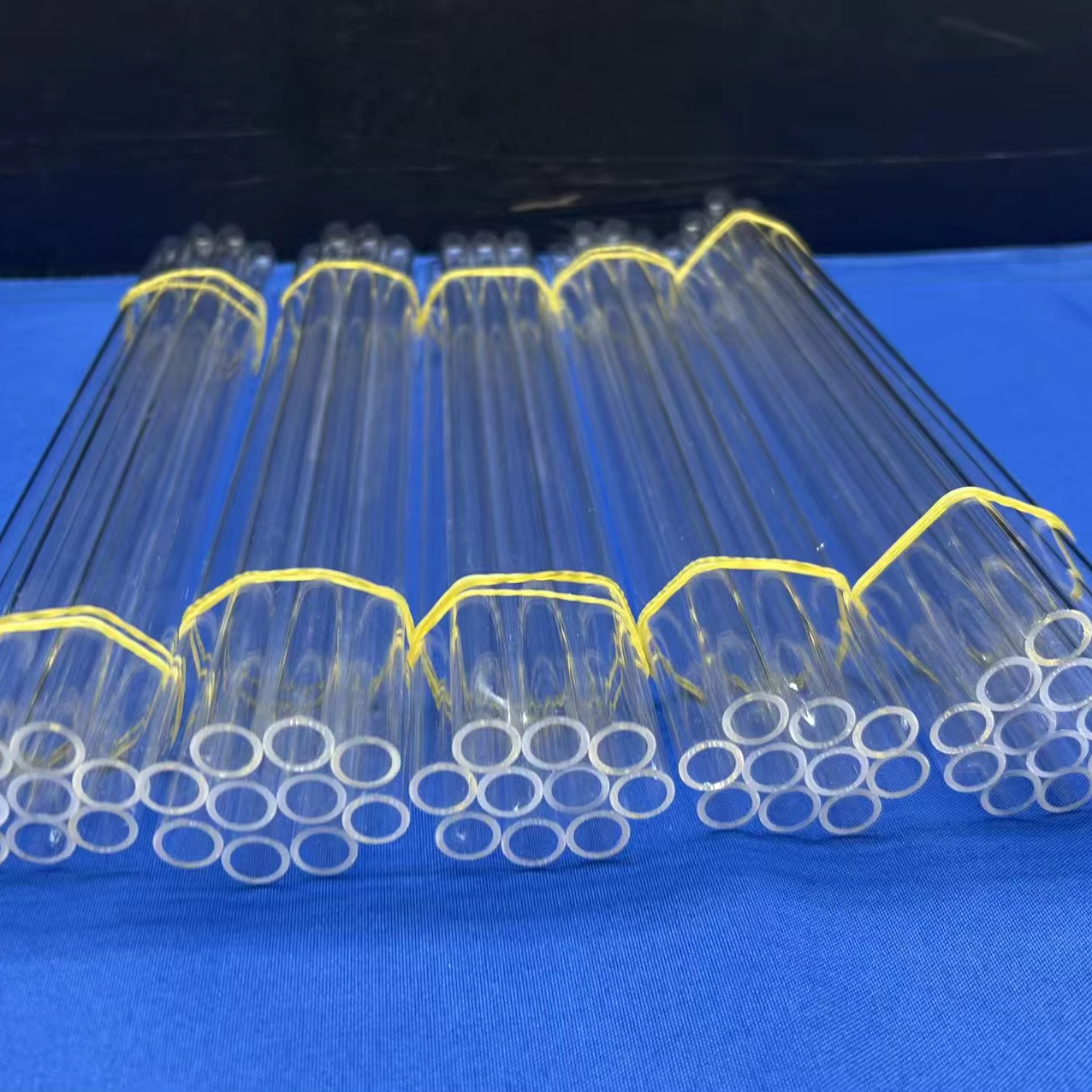
High-Purity Transparent Quartz Test Tube for High-Temperature Reagent Digestion
Technical Specs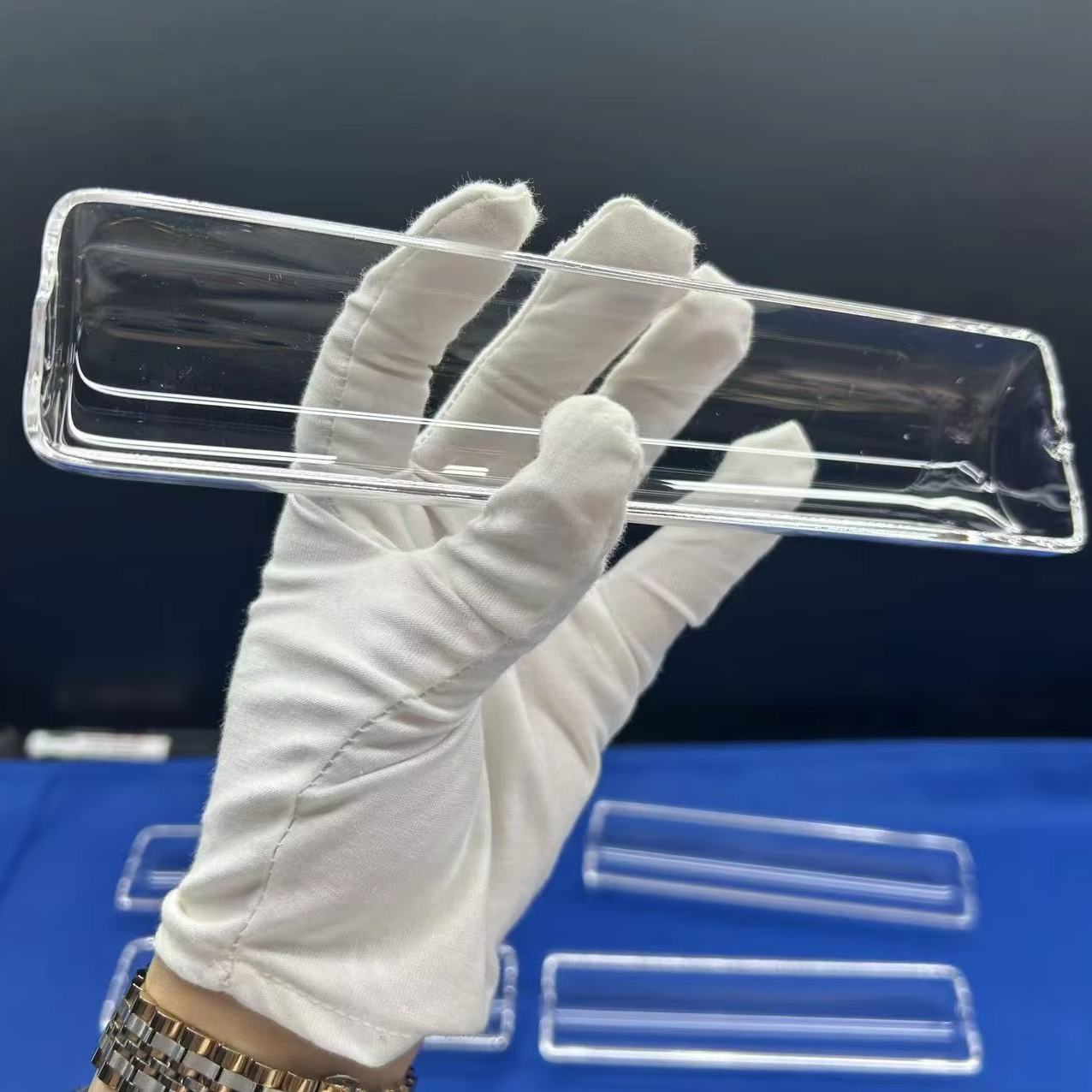
Customized Clear Fused Silica Quartz Boat Polished Clear Quartz Wafer Carrier
Technical Specs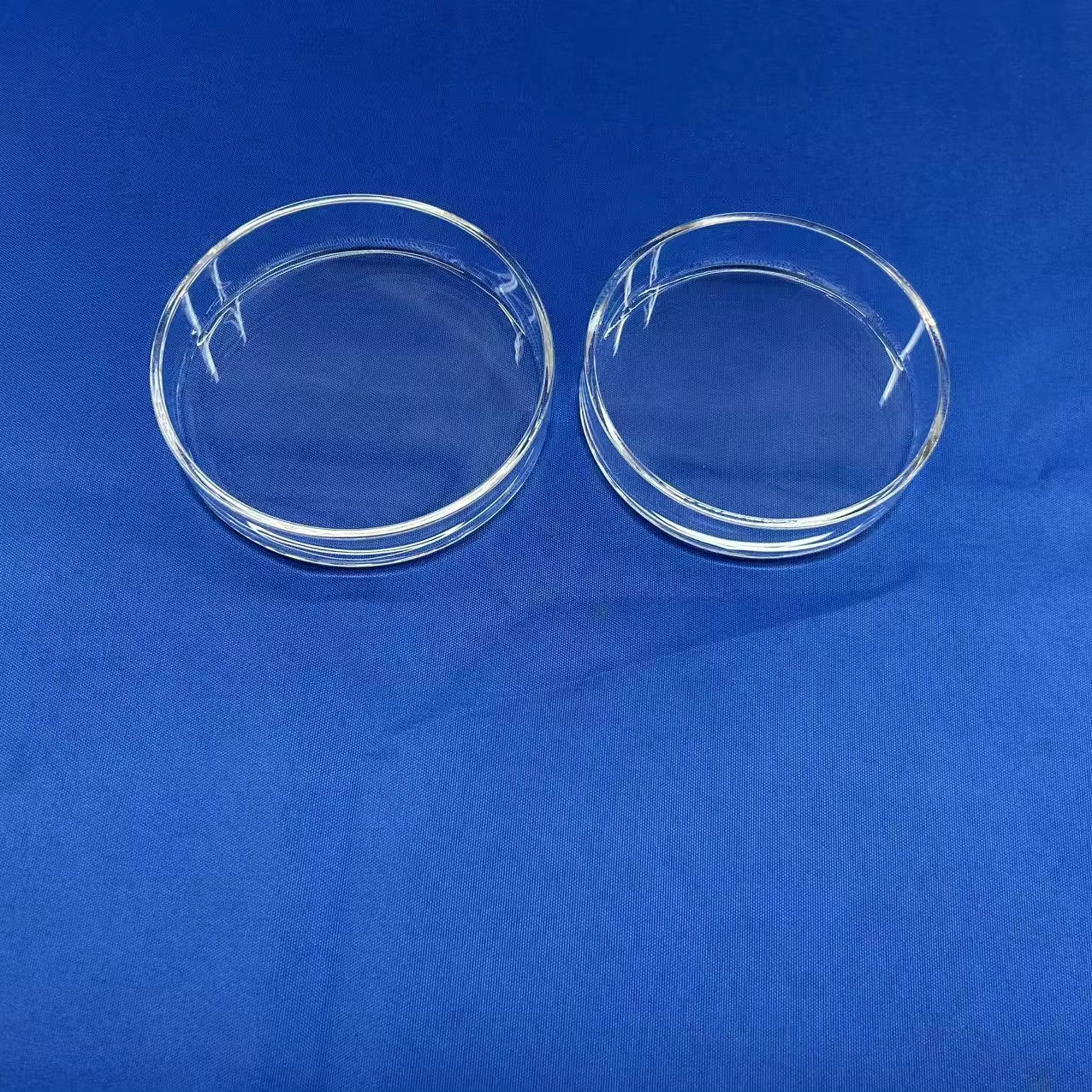
Factory Customized High-purity Quartz Glass Petri Dishes with Lids for Laboratory & Medical Equipment
Technical Specs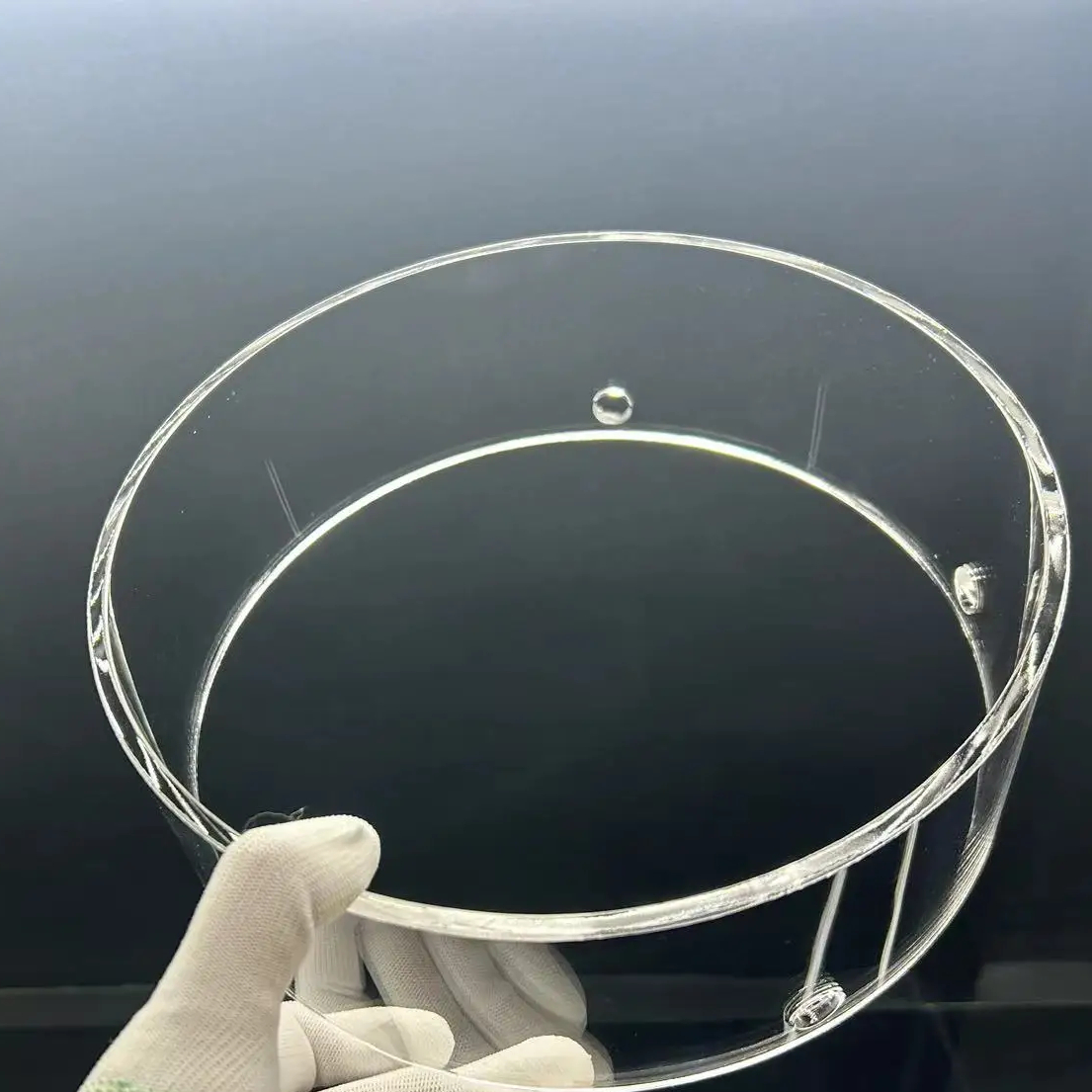
Heavy-Wall Industrial Fused Transparent Quartz Tube for Thermal Furnaces
Technical Specs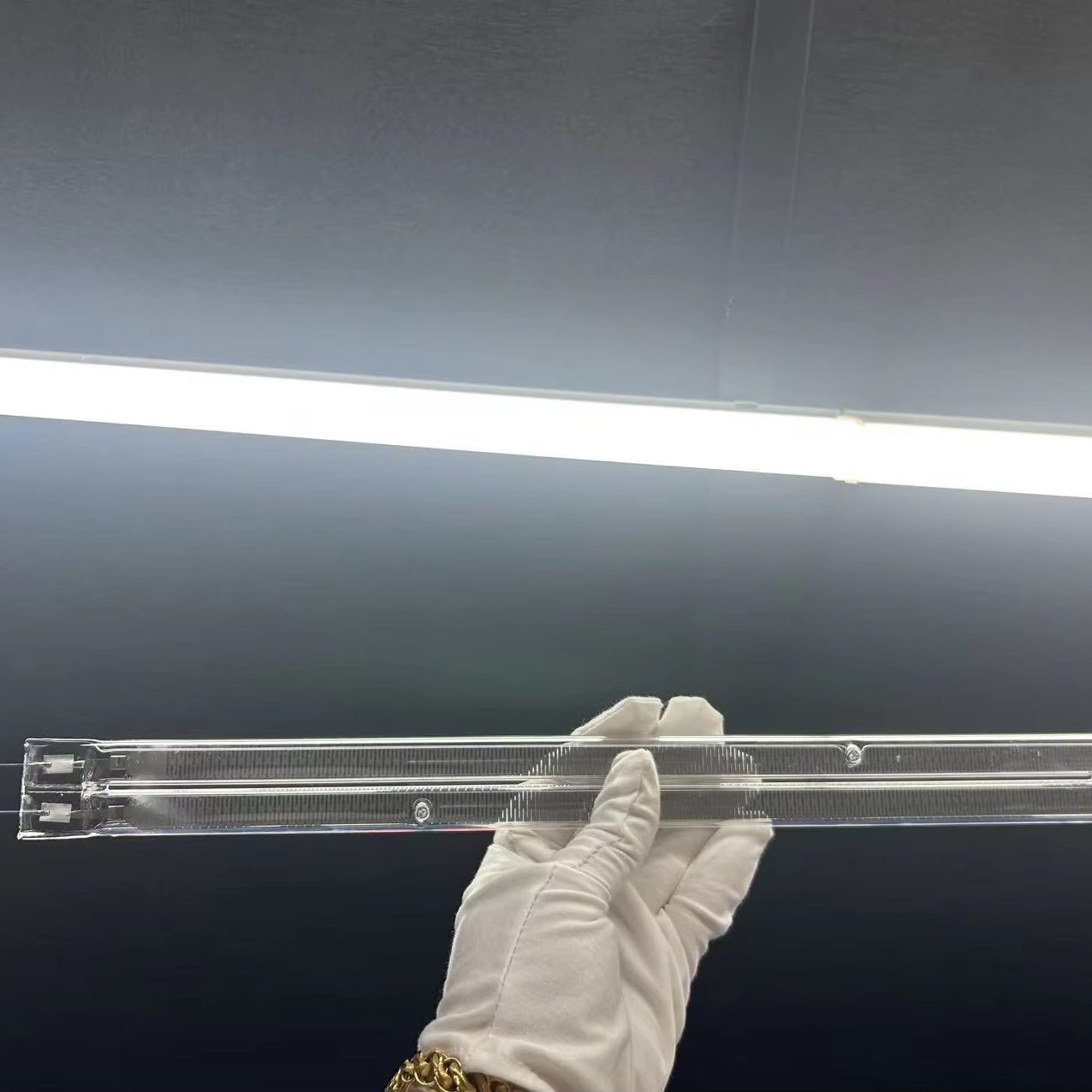
220V 700W 300MM Infrared Heating Tube: Halogen & Carbon Fiber for Vacuum Chambers
Technical Specs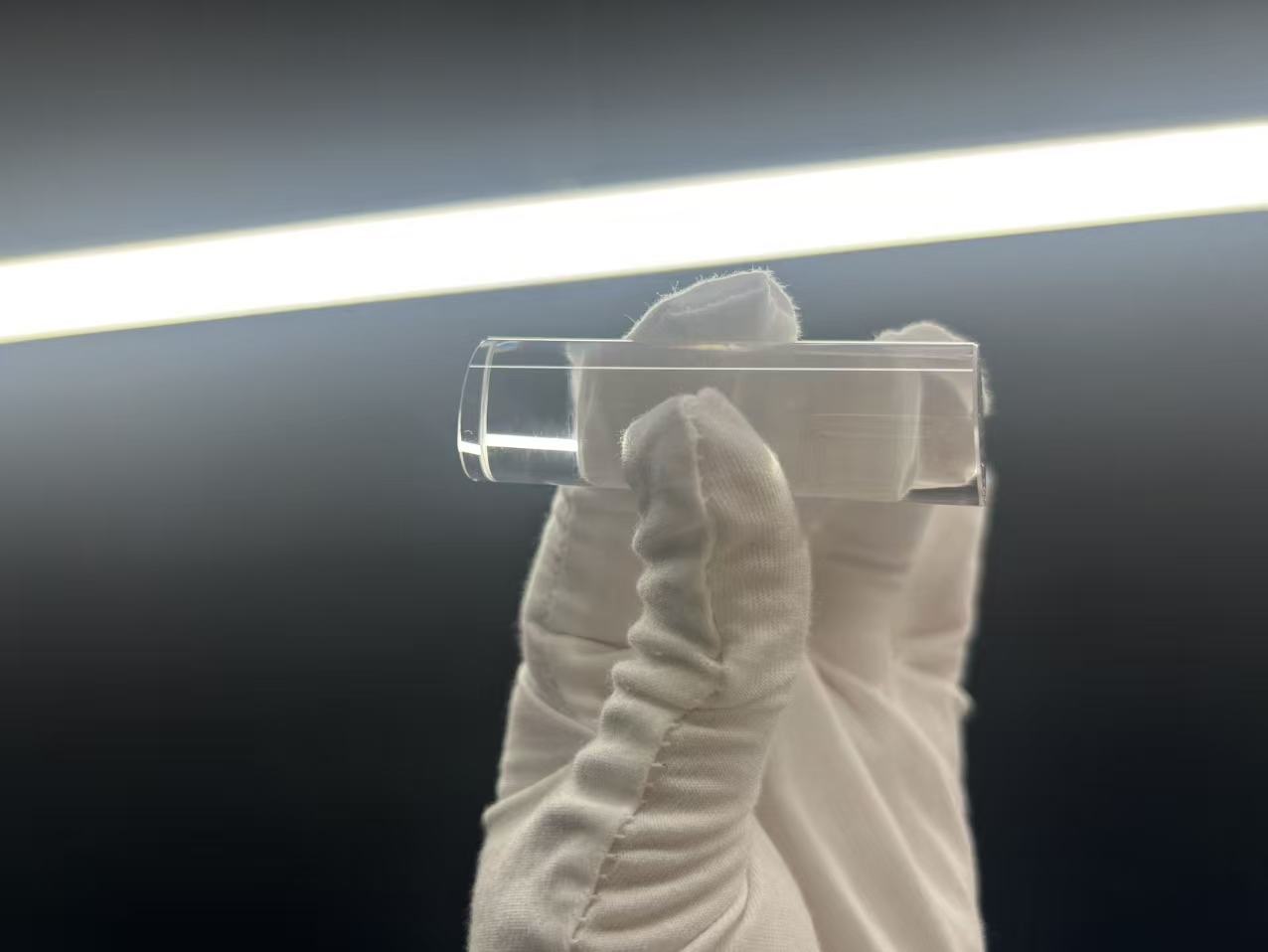
Precision Round Head Quartz Rod for Light Guides & Pyrometry Sensing Ports
Technical Specs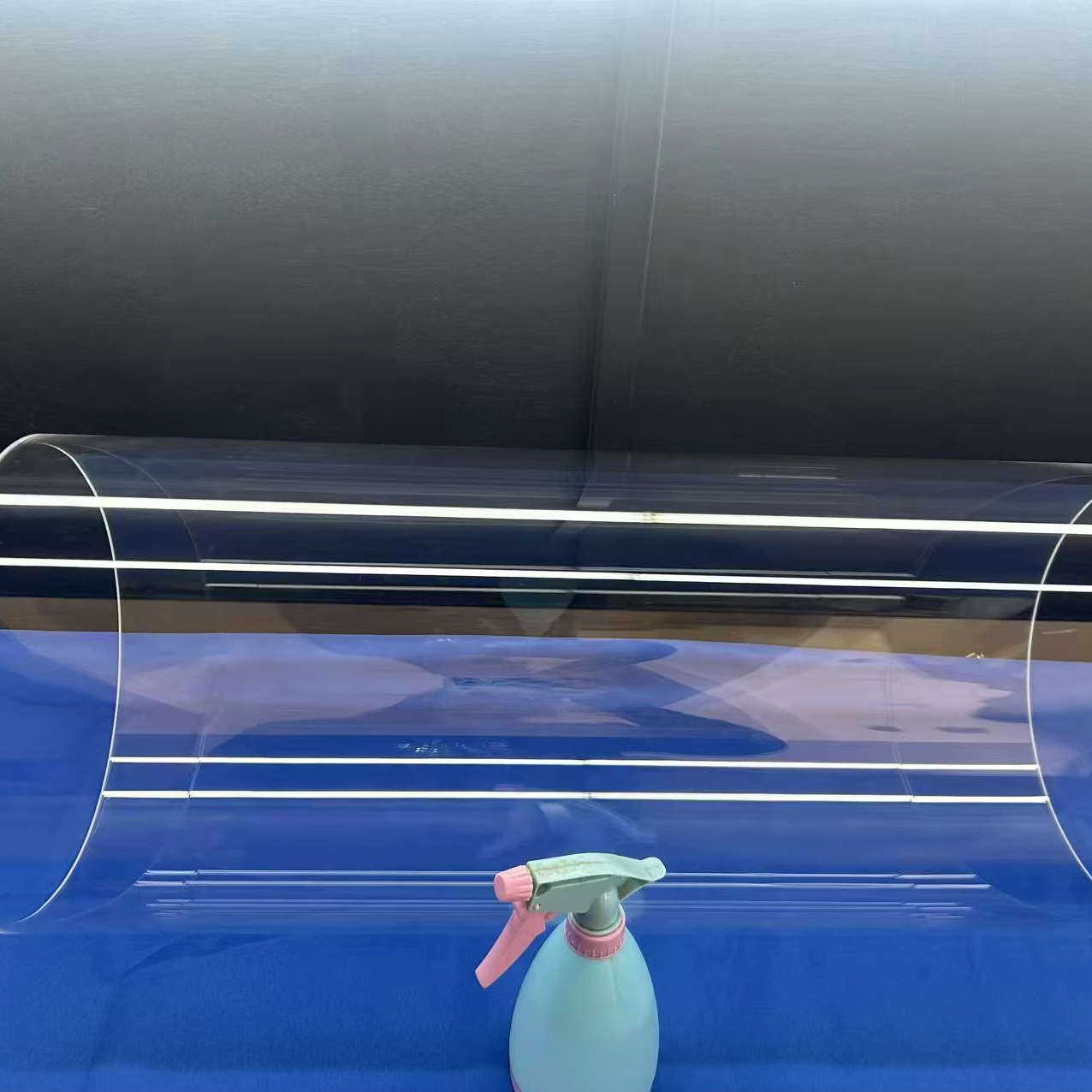
Customizable High Purity Fused Quartz Glass Tube High Temperature Resistant
Technical Specs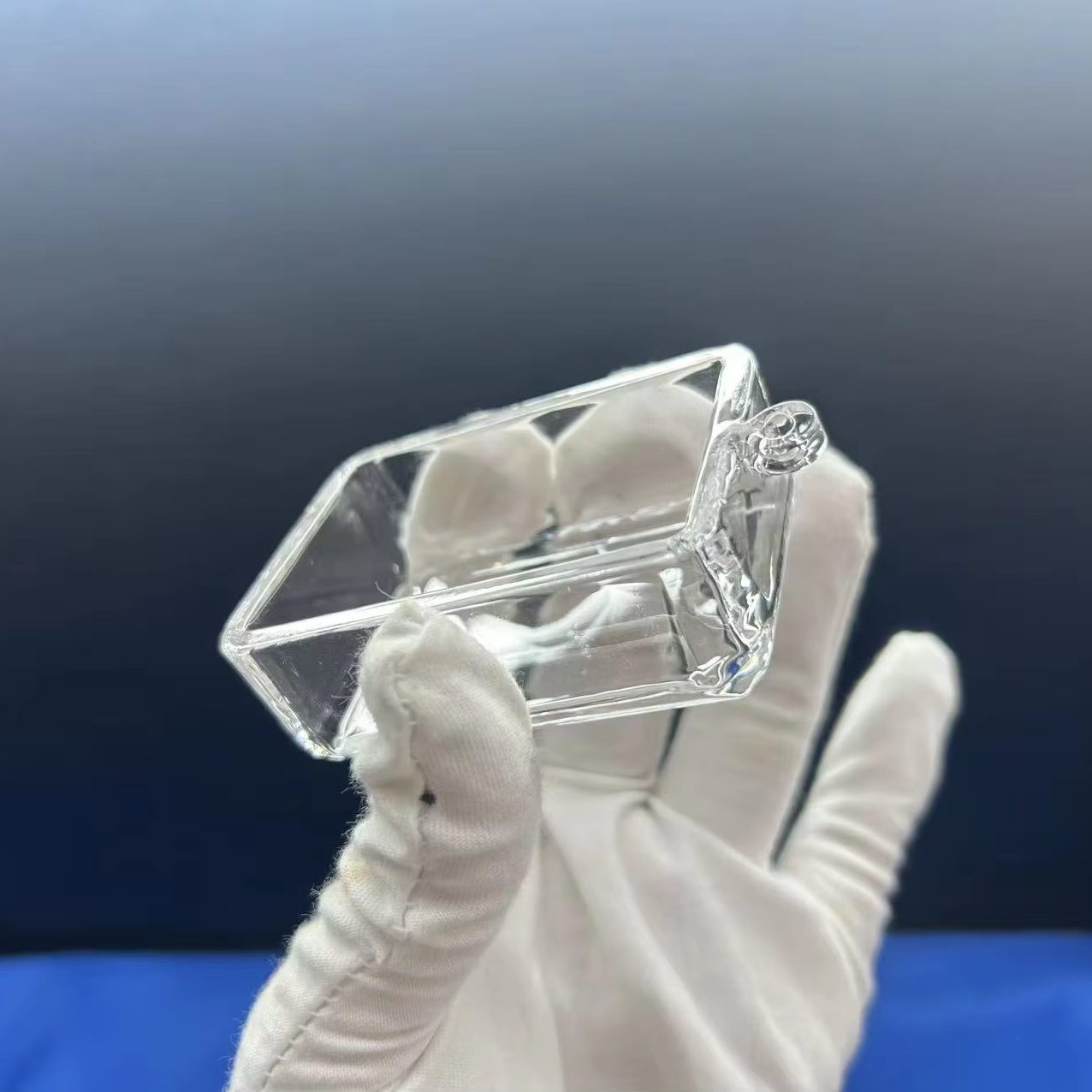
Electrolytic Cleaning and Chemical Wet-Bench Precision Fused Quartz Tank
Technical SpecsFused Silica Quartz Bell Jars: Material Dynamics & Vacuum Chamber Performance
In ultra-high vacuum (UHV), chemical vapor deposition (CVD), and physical vapor deposition (PVD) systems, the vacuum envelope serves not merely as a boundary wall, but as an active thermodynamic and optical boundary. For research clusters in Vienna, selecting an enterprise-grade high temperature quartz bell jar requires balancing mechanical wall load tolerances, structural devitrification kinetics, and chemical contamination thresholds down to parts-per-billion (ppb) levels.
Manufactured in Donghai County—the global epicenter of high-purity natural silica reserves—our custom quartz bell jars utilize electric-arc fusion and oxyhydrogen flame refining. This process controls hydroxyl content ([OH]⁻) down to tailored brackets: ranging from low-OH infrared grades (JGS3, < 5 ppm [OH]⁻) preventing thermal absorption under intense radiant flux, up to high-transmission optical UV grades (JGS1, synthetic fused silica transmitting to 185 nm).
| Trace Impurity (ppm) | Aluminium (Al) | Iron (Fe) | Calcium (Ca) | Titanium (Ti) | Sodium (Na) | Potassium (K) | Total Heavy Metals |
|---|---|---|---|---|---|---|---|
| Standard Industrial Glass | > 250 | > 120 | > 80 | > 15 | > 90 | > 50 | > 800 ppm |
| Nivra Semiconductor Grade | < 14.0 | < 0.15 | < 0.40 | < 1.00 | < 0.30 | < 0.40 | < 18.0 ppm |
| Ultra-Pure Synthetic (JGS1) | < 0.05 | < 0.02 | < 0.02 | < 0.01 | < 0.01 | < 0.01 | < 0.20 ppm |
Thermal shock resistance remains one of fused silica's hallmark attributes. Possessing an extraordinarily low coefficient of thermal expansion ($\alpha \approx 5.5 \times 10^{-7} \text{ K}^{-1}$ between 20 °C and 320 °C), our quartz bell jars withstand abrupt thermal quenching from 1100 °C directly into cold water without structural cleavage or microcracking. However, when operating under prolonged thermal cycles in semiconductor annealing, the critical engineering focus shifts to cristobalite phase transformation. By strictly maintaining sodium and potassium alkali network-modifiers below 1.0 ppm aggregate, our bell jars prevent devitrification crystallization centers from propagating along high-stress vacuum flanged bases.
Precision Flange Ground Sealing
Optically ground flat and parallel base flanges (surface roughness $Ra \le 0.4\ \mu\text{m}$) guarantee helium leak-tight seating against Viton, Kalrez, or copper seal rings under $10^{-8}\ \text{mbar}$ base pressures.
Internal Stress Relief Annealing
Every custom bell jar undergoes a 24-hour controlled annealing program up to 1210 °C in our computer-regulated electric furnaces, ensuring residual thermal stress birefringence falls well below 5 nm/cm.
Wall Uniformity & Burst Safety
Precision lathe blow-molding maintains cylinder wall thickness consistency within $\pm 0.15\ \text{mm}$, calculated with safety factors exceeding $4.5\times$ over normal atmospheric compressive loads.
High Temperature Quartz Glass Applications Across Vienna's High-Tech Centers
Vienna is not only Austria's federal capital; it represents a primary Central European node for nano-electronics, quantum photonics, and biotechnology. Nivra Quartz supports specialized manufacturing and research applications across Vienna and the greater Lower Austria technology cluster.
TU Wien & Academic Physics Institutes
The Center for Micro- and Nanostructures (ZMNS) and the Atominstitut (ATI) require contamination-free vacuum reaction chambers for low-pressure chemical vapor deposition (LPCVD), graphene synthesis, and atomic clock thermal trap isolation, demanding zero outgassing at 1000 °C.
Quantum Optics & AIT Tech Cluster
Collaborators surrounding the Austrian Institute of Technology (AIT) and Vienna quantum research groups utilize our custom viewport-flanged bell jars with polished JGS1 quartz windows for optical trapping, magnetometry, and high-transmission laser pumping experiments.
Medical Diagnostic & Biopharma Cleanrooms
Institutes within the Vienna BioCenter integrate Nivra Quartz reaction vessels, quartz petri assemblies, and digestion tubes for extreme purity spectroscopic analyses and trace heavy metal extraction where borosilicate leaching is inadmissible.
Semiconductor & Advanced Sensors
Supporting cleanrooms connected with the Austrian semiconductor supply chain (spanning Vienna to Villach), our quartz wafer boats, vertical furnace liners, and bell jars handle silicon oxidation, annealing, and compound semiconductor wafer doping.
Industrial Thin-Film & Sputtering Plants
Specialist coating facilities in the Floridsdorf and Liesing industrial zones employ heavy-wall fused quartz bell jars as thermal vacuum shielding in electron-beam evaporation, optical filter coatings, and anti-reflective sputtering equipment.
Photovoltaic Research & Perovskite Synthesis
Lower Austria green-tech developers rely on Nivra Quartz annealing chambers for continuous high-temperature vacuum crystallization of advanced tandem photovoltaic perovskite layers under inert argon or forming gas environments.
Market & Technology Trends in Austria’s Advanced Material Procurement
Austria’s strategic alignment with the European Chips Act and Horizon Europe research goals has initiated a major revival in regional cleanroom infrastructure and domestic semiconductor development. Research teams in Vienna face urgent imperatives to reduce supply chain cycle times while upgrading component durability under harsh operating environments.
Shift Toward Direct OEM Cleanroom Sourcing
Austrian university institutes and cleanroom facilities traditionally purchased replacement quartzware through multi-tiered European distributors, incurring markups of 200% to 400% and delivery lead times stretching 16 to 24 weeks. The growing trend across Vienna-based lab managers is establishing verified direct partnerships with source manufacturers in Donghai, securing factory-direct pricing with identical dimensional drawings.
Demand for Rapid Prototyping in Quantum Chambers
Vienna’s positioning as a world leader in quantum information has generated a surge in demand for bespoke vacuum envelopes equipped with custom multi-port configurations: integrated quartz-to-metal Kovar flanges, precision viewing ports with anti-reflective coatings, and non-standard internal shelves fabricated from CAD drawings in under 15 working days.
Stringent Trace Contamination Norms
With advanced sub-nanometer node processing and atomic layer deposition (ALD) scaling up, trace sodium (Na) or copper (Cu) ionic diffusion through chamber envelopes under prolonged 1150 °C runs can poison high-purity silicon or III-V epitaxial layers. Austrian fabs now demand certified glow discharge mass spectrometry (GDMS) batch trace element reports with every quartz export shipment.
Ecological & Thermal Energy Efficiency
Under Austria’s stringent climate and energy standards, vacuum furnace operators are replacing conventional heating modules with ultra-pure quartz envelopes paired with rapid-response carbon fiber or halogen infrared heating tubes. Fused quartz’s high thermal transmittance (over 92% in the near-IR band) dramatically trims cycle time and cleanroom power draw.
Why Vienna’s Engineers Source Direct from Donghai County Nivra Quartz
Founded in February 2019 in Donghai County, Jiangsu Province—the renowned crystal and quartz capital of China—Donghai County Nivra Quartz Products Co., Ltd. operates as an integrated manufacturer and exporter. With an experienced workforce of 101 to 200 skilled glassblowers, CNC machinists, and optical inspection engineers, we handle every stage in-house: raw material synthesis, precision slicing, optical polishing, hydrogen-oxygen lathe flaming, and cleanroom vacuum packaging.
Our verified factory facility operates under strict ISO 9001:2015 quality parameters. Over the past six months alone, we have completed over 43 verified international export transactions exceeding US$40,000 across Europe, North America, and East Asia, holding a pristine 5.0 / 5.0 verified customer satisfaction rating.
By eliminating domestic European brokers, Nivra Quartz delivers tailored bell jars matching your exact STEP, DWG, or PDF specifications at factory-direct pricing—backed by a measured 88.89% inquiry response rate and rapid technical evaluations delivered in under 5 hours.

Full Material Traceability
Complete spectral transparency analysis (UV to IR) and GDMS chemical purity certificates provided with each production lot.
≤ 5-Hour Response SLA
Vienna engineering inquiries receive rapid manufacturability reviews and firm quotations within five hours during Central European business schedules.
Zero-Breakage Packaging
Multi-layer polyethylene closed-cell foam inserts inside reinforced, fumigation-free wooden export crates designed for long-haul air or rail freight.
OEM / ODM Customization
From micro 50 mm bell jars to massive 600 mm industrial reaction domes with precision side-ports, thermocouple wells, and ground ball joints.
Frequently Asked Questions by Vienna Purchasing Engineers
Clear answers on Austrian customs import clearance, dimensional tolerances, material selection, and cleanroom handling protocols.
What specific quartz grade is recommended for LPCVD and vacuum coating bell jars?
For standard high-temperature vacuum processes up to 1150 °C, our electric-arc fused clear silica (semiconductor grade, equivalent to JGS2 with SiO₂ purity ≥ 99.99%) is the industry standard. It provides an optimal balance of mechanical strength, low devitrification rates, and cost efficiency. If your Vienna installation involves deep-UV optical monitoring, laser plasma excitation, or aggressive halogen dry-etching, we recommend synthetic fused silica (JGS1), which exhibits near-zero bubble content and superior resistance to plasma erosion. For infrared heating applications, low-OH JGS3 quartz prevents internal glass overheating.
How are customs duties, TARIC codes, and Austrian import VAT (EUSt) handled when importing into Vienna?
Fused quartz laboratory and industrial glassware generally fall under EU TARIC code 7017.10.00.00 (Laboratory, hygienic or pharmaceutical glassware, of fused quartz or other fused silica). Import duty rates for this code into Austria typically stand at 3.0%, along with the standard Austrian Einfuhrumsatzsteuer (EUSt) of 20%. Nivra Quartz provides full commercial invoices, packing lists with net/gross weights, and Certificates of Origin (COO). For universities like TU Wien or research entities with authorized tax-exempt status, we accommodate DDP (Delivered Duty Paid Vienna) or DAP arrangements with your designated Austrian freight handler (e.g., at Vienna International Airport VIE Cargo Center).
What dimensional tolerances can you maintain for the ground base flange and chamber walls?
Standard manufacturing tolerances for high-temperature quartz bell jars are maintained within ± 0.5 mm for outer diameter and height. For critical mating surfaces, our precision CNC grinding equipment achieves flange flatness within ≤ 0.05 mm (50 µm) and surface roughness of $Ra \le 0.4\ \mu\text{m}$. Wall thickness variation is kept within ± 0.2 mm to ensure uniform heat transfer and eliminate focal stress under high vacuum. Tighter custom tolerances can be achieved based on review of your engineering drawings.
How does Nivra Quartz guarantee zero breakage during transit from Donghai to Vienna?
Fragile quartz glass exports represent over 80% of our daily production throughput. Every bell jar is first ultrasonically cleaned, hermetically bagged in dust-free antistatic film, and secured inside a customized high-density EPE foam cocoon engineered to absorb multi-axis impact. This primary unit is suspended inside an internal corrugated box, which is subsequently secured inside a heavy-duty, fumigation-free plywood shipping crate fitted with vibration dampers. Every overseas parcel carries shock-watch and tilt indicators. In the rare event of transit damage, our rapid-replacement warranty dispatches a replacement unit under priority courier protocol.
What is your typical turnaround time from technical drawing approval to delivery in Vienna?
Standard dimension bell jars or prototype iterations from existing molds require 7 to 12 working days for production, stress-relief annealing, and dimensional inspection. Complex custom chambers featuring multi-angle welded sight ports, quartz ground joints, or water-cooled jackets generally require 14 to 20 working days. Shipments to Vienna via priority air express (DHL/FedEx/Austrian Airlines air freight to VIE) take 4 to 7 business days, providing a rapid door-to-door cycle of under 3 to 4 weeks total.
Can you replicate or repair existing European OEM bell jars (e.g., Pfeiffer, Leybold, Balzers)?
Yes. Many of our European academic and industrial clients supply us with OEM equipment part numbers or send worn, devitrified chambers for reverse engineering. Our engineering team converts your sample or mechanical sketch into a 3D STEP model, verifies thermal envelope specifications, and manufactures a 100% physically and thermally compatible replacement at significant cost savings, avoiding OEM obsolescence surcharges.
Plan Your High-Temperature Quartz Vacuum Chamber with Nivra Quartz
Whether you require a custom quartz bell jar for a UHV deposition project at TU Wien or production-batch wafer carriers for microfabrication in Lower Austria, our engineering team in Donghai provides rapid design review, GDMS purity verification, and reliable export logistics to Vienna.