Featured Precision Quartz & Fused Silica Products
Direct OEM manufacturing from Donghai County, China — engineered with sub-nanometer surface roughness, exceptional thermal stability up to 1450°C, and custom mechanical tolerances for Lithuanian researchers and industrial OEMs.
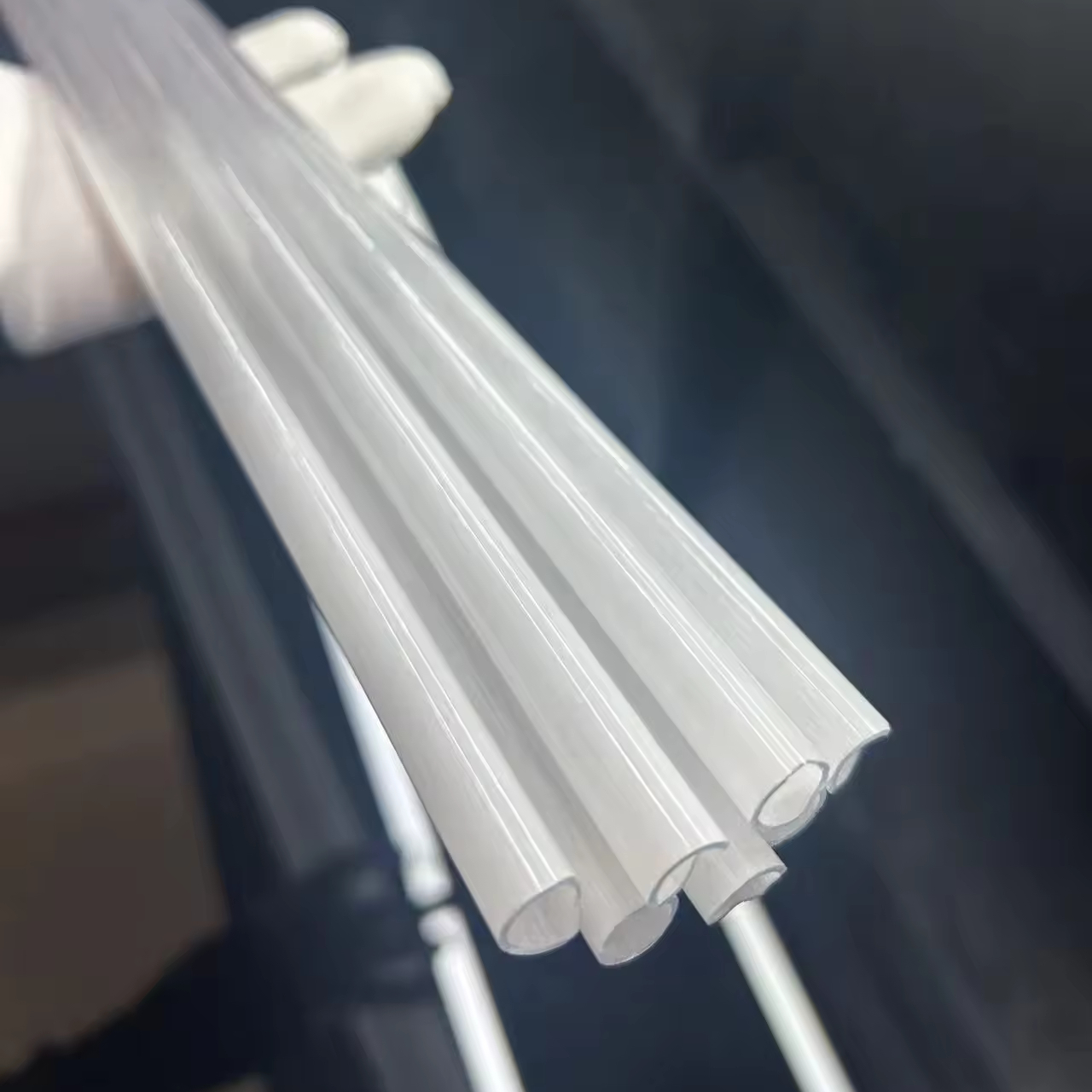
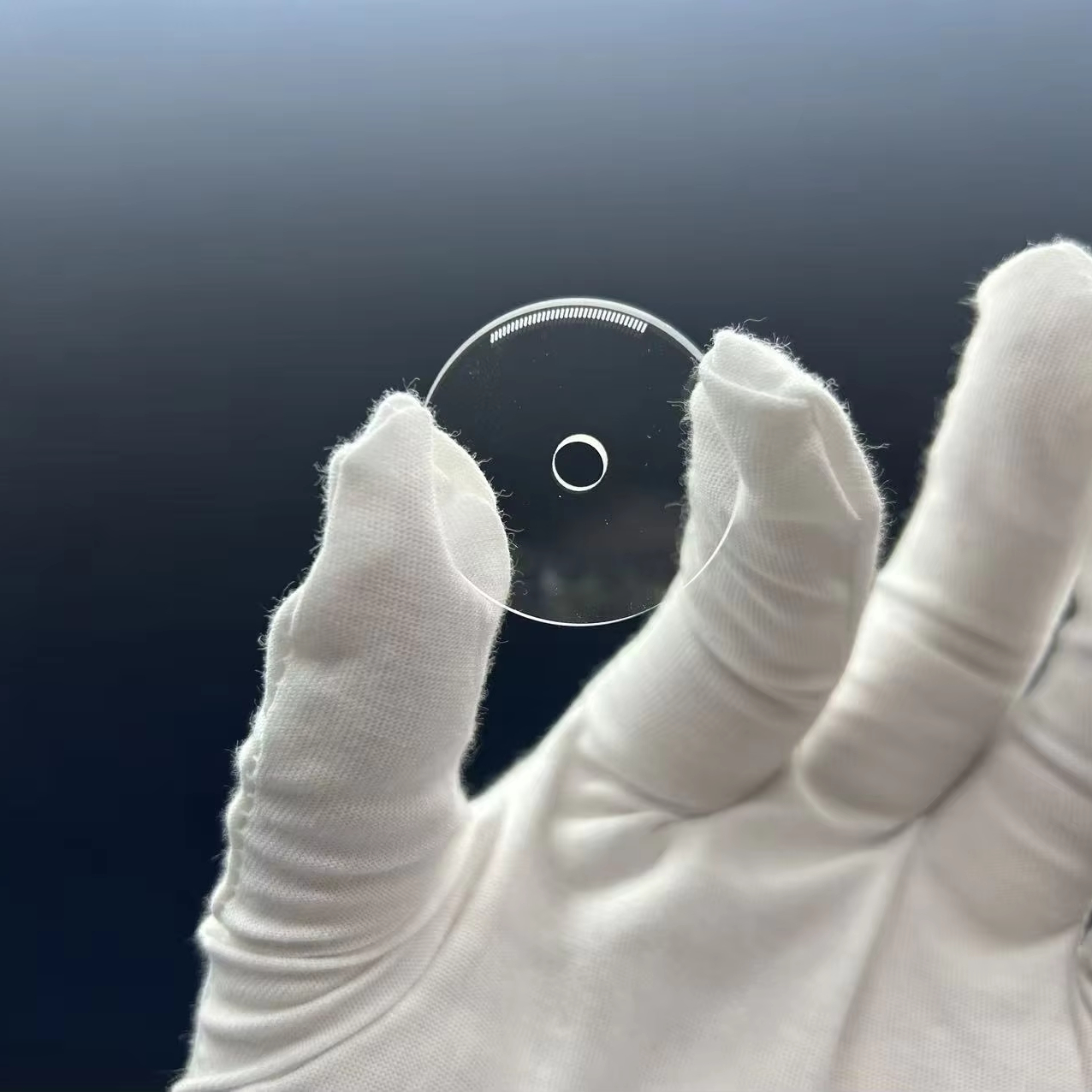
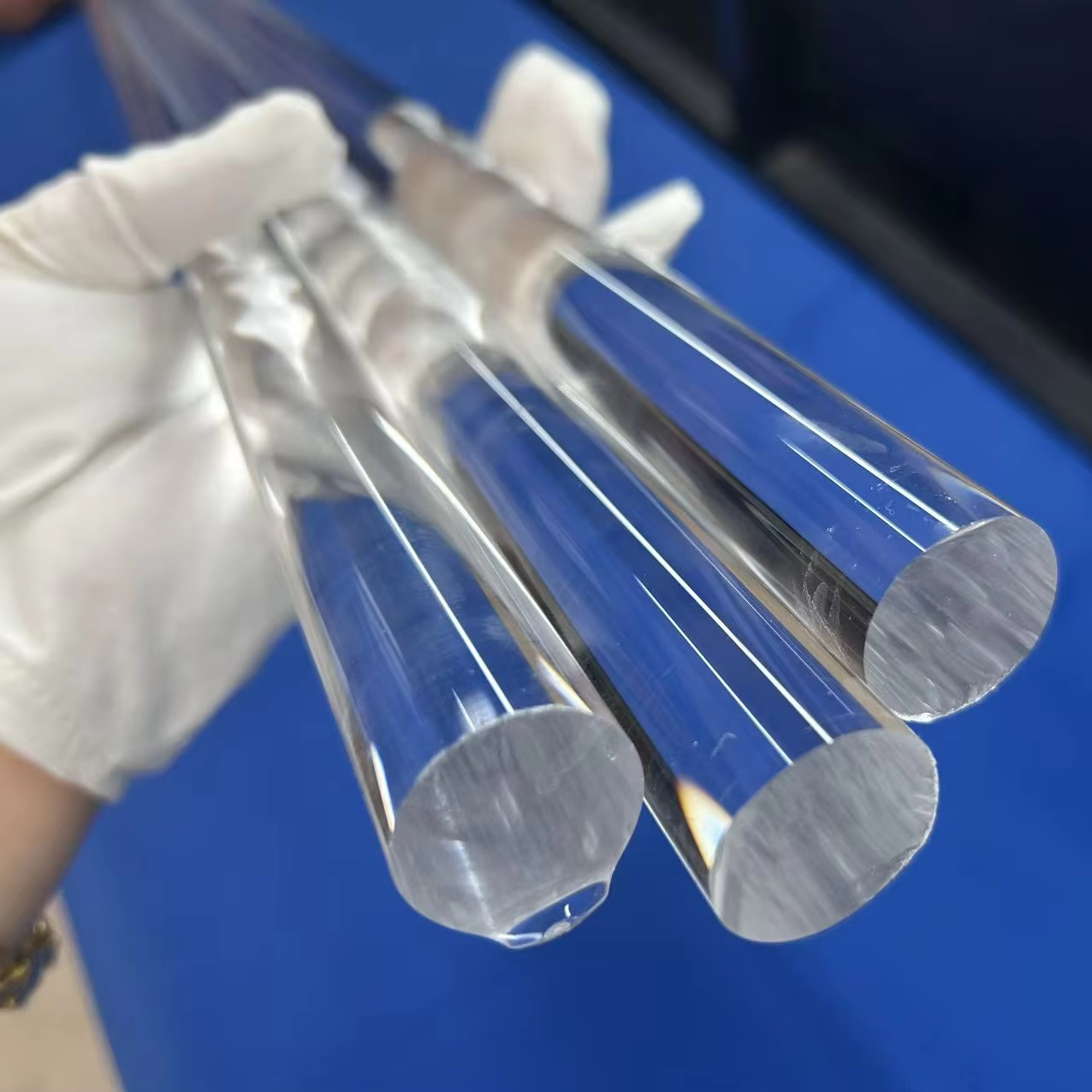
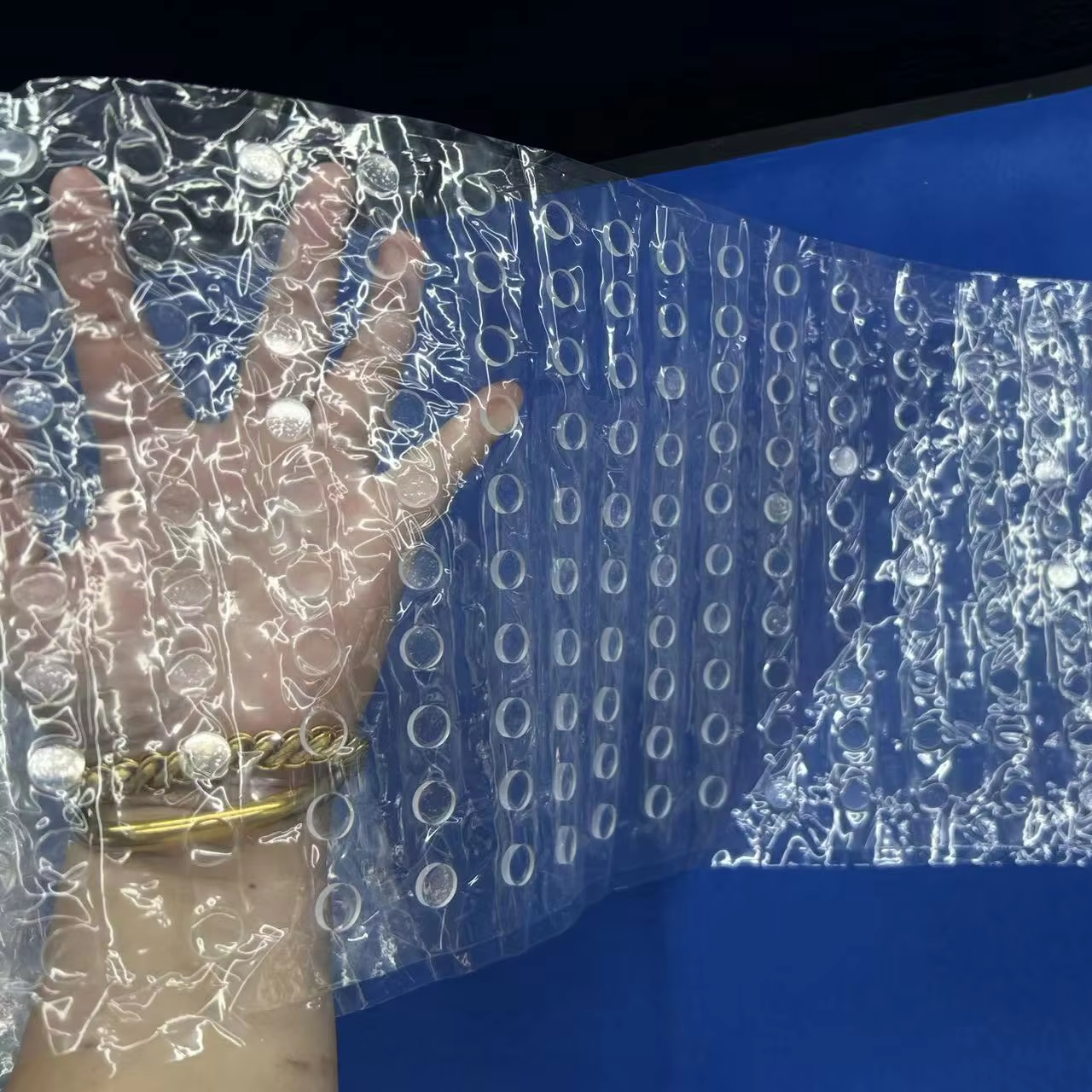
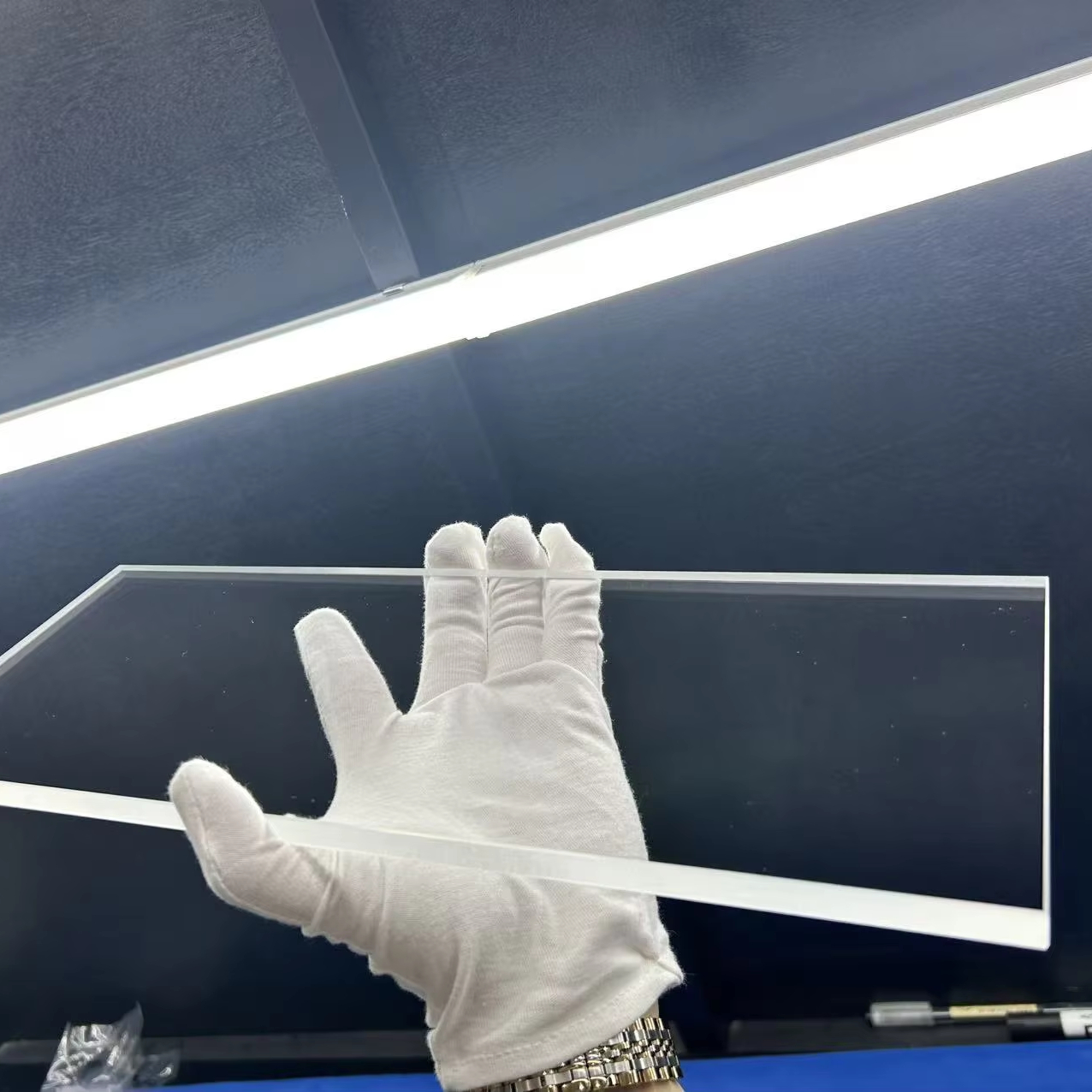
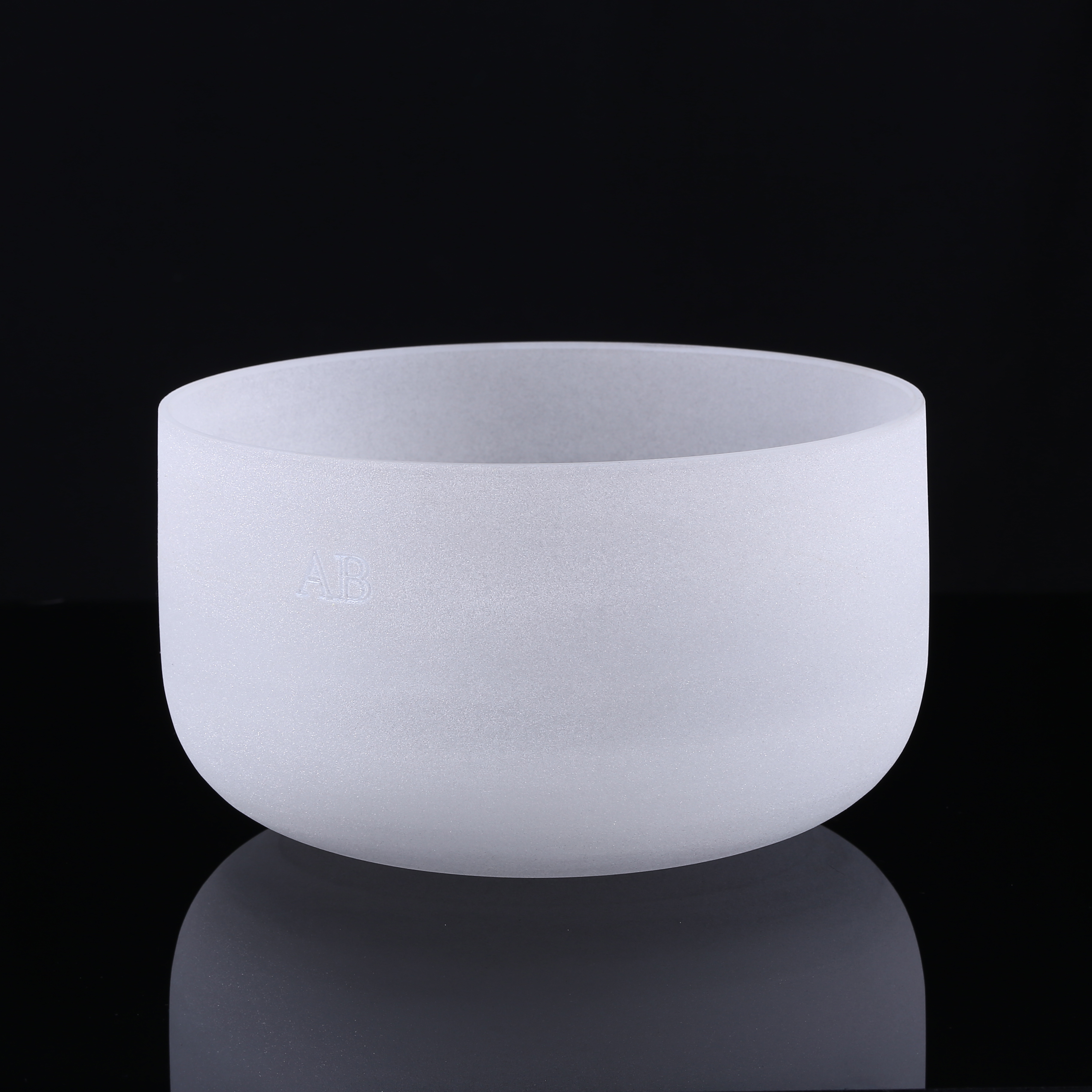
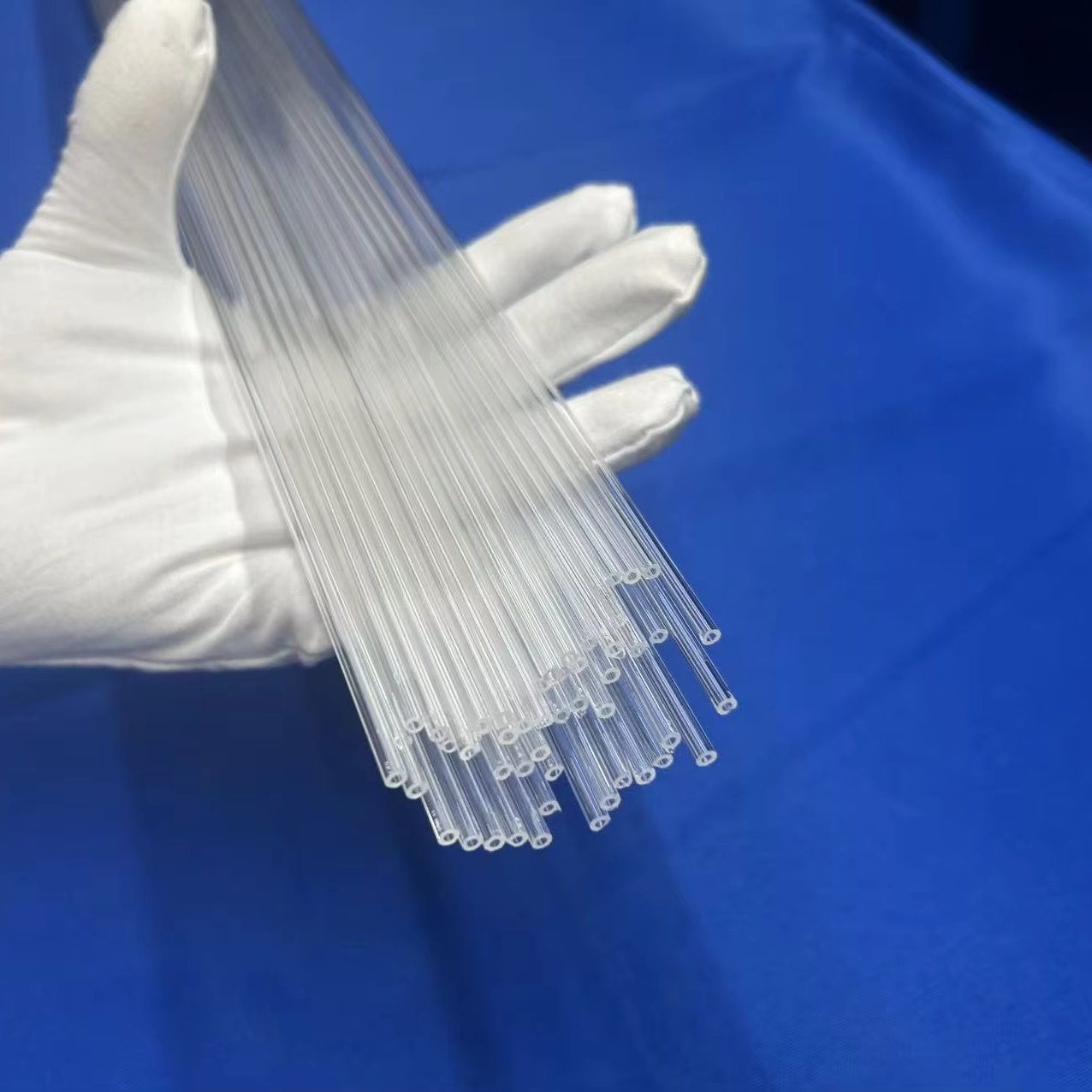
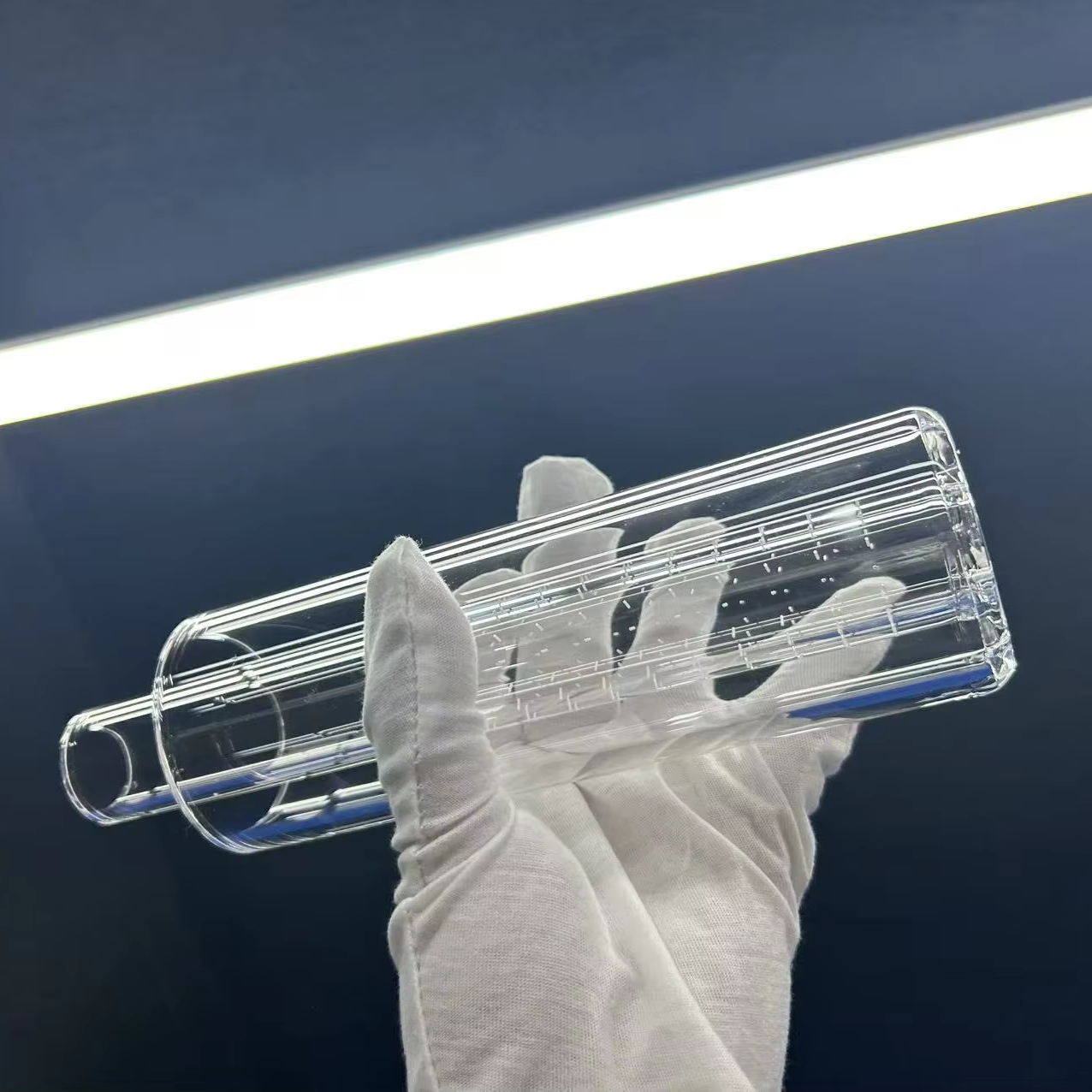
Evaluating High-Purity Fused Silica Rods for Extreme Optical & Thermal Applications
Fused silica (amorphous silicon dioxide, SiO₂) represents an elite category of glass engineered without traditional fluxing agents. For optical designers and research scientists throughout the Vilnius photonics cluster, selecting the proper rod grade directly determines system performance, damage thresholds, and laser pulse integrity. Unlike soda-lime or borosilicate materials, fused silica possesses an exceptionally low coefficient of thermal expansion (α ≈ 5.5 × 10⁻⁷ /°C), rendering it completely immune to extreme thermal shock and optical wavefront distortions under intense laser pump radiation.
As a premier Chinese manufacturer located at the global epicenter of quartz mineral resources in Donghai, Nivra Quartz synthesizes and fabricates fused silica round rods using both electric fusion (JGS2/natural quartz) and chemical vapor deposition (CVD/synthetic JGS1). Our continuous optical rods maintain ultra-high mechanical straightness, internal bubble classes conforming to DIN 3140 / ISO 10110 Class 0, and chemical purity metrics exceeding 99.999% trace elemental purity.
In the context of ultrafast laser cavity design—where Vilnius institutions such as the Center for Physical Sciences and Technology (FTMC) and local industrial laser titans innovate—synthetic fused silica rods prevent non-linear self-focusing, spatial pulse distortion, and thermal lensing phenomena that typically deteriorate beam profile quality in high-repetition-rate femtosecond laser architectures.
Key Optical Homogeneity Benchmarks
Our precision optical grade silica rods undergo comprehensive polarimetric stress birefringence testing and laser interferometry verification prior to international air dispatch.
| Material Grade | Production Methodology | Transmission Bandwidth | OH Content Range | Key Lithuanian / Baltic Applications |
|---|---|---|---|---|
| JGS1 (Synthetic Fused Silica) | Chemical vapor phase hydrolysis (SiCl₄ oxidation) | 185 nm – 2500 nm (Deep UV optimized) | ≈ 800 – 1200 ppm | Femtosecond laser optics, DUV lithography inspection, UV light guide rods, excimer laser windows. |
| JGS2 (Optical Fused Quartz) | Oxy-hydrogen flame fusion of purified natural quartz crystal | 220 nm – 2500 nm (Standard optical) | ≈ 150 – 200 ppm | Optical sight glasses, high-temperature viewport rods, condenser rod lenses, analytical spectroscopy. |
| JGS3 (Infrared Fused Silica) | Electrical vacuum fusion / plasma gas-free refining | 260 nm – 3500 nm (NIR / SWIR optimized) | < 2 – 5 ppm (Water-free) | Fiber laser end caps, high-power NIR beam combiners, thermal pyrometry light pipes, telecom preforms. |
| Semiconductor Clear Quartz | Continuous thermal electric arc pulling | 280 nm – 2800 nm (Commercial clear) | < 30 ppm | Furnace carrier rods, semiconductor quartz boat rails, high-temperature thermocouple protection wells. |
Precision Applications in the Vilnius Photonics & High-Tech Sector
Vilnius is widely recognized as the ultrafast laser hub of Europe. Our customized fused silica rods, precision-drawn micro-capillaries, and fabricated components serve high-specification niches across Lithuania's elite research institutes and commercial enterprises.
Femtosecond & Picosecond Laser Systems
Vilnius laser manufacturers lead the globe in scientific femtosecond laser production. Nivra Quartz supplies centerless ground and optically polished JGS1/JGS3 rods utilized as laser amplifier gain mounts, optical isolator blanks, high-power beam splitters, and dispersion compensation substrate bars that maintain structural integrity under gigawatt-level peak optical field intensities.
Specialty Optical Fiber Preform Sleeving
Lithuania's optical fiber R&D groups require synthetic silica core rods and microstructured photonic crystal fiber (PCF) cane components. Our zero-bubble, low-eccentricity fused quartz rods offer strict geometric circularity (ovality < 0.5%) and tight diameter tolerance down to ±0.01 mm, enabling stable secondary thermal drawing without preform crystallization or capillary deformation.
Semiconductor Metrology & Cleanroom Fab
With major capital investments expanding semiconductor chip design and packaging facilities in Vilnius (e.g., Teltonika High-Tech Hill initiatives), our ultra-pure quartz components serve as chemical vapor deposition (CVD) carriers, high-purity etching jigs, gas delivery perforated headers, and thermocouple protection rods that resist aggressive halogen acids (HCl, HBr) at sustained 1150°C.
Biophotonics & Flow Cytometry Rod Optics
Vilnius is also an internationally renowned life-sciences center (molecular biology, enzymology, and analytical instrumentation). Our ultra-fine capillary quartz tubes and precision round rods serve as fluorescence excitation light pipes, refractive index matched optical flow cells, and total internal reflection (TIR) illumination bars characterized by negligible auto-fluorescence under 365 nm and 405 nm UV LED excitation.
High-Power Industrial Laser Processing Heads
For Baltic laser cutting, welding, and additive manufacturing machinery builders, our synthetic JGS1 cylindrical rods function as high-efficiency homogenizer light guides and collimating optics. The superior thermal conductivity and low absorption coefficient prevent focus shift and thermal expansion drifts during continuous multi-kilowatt fiber laser operations.
FTMC & Vilnius University Academic Research
We supply specialized experimental apparatus—ranging from dual-flanged vacuum reaction quartz tubes to multi-angle polished optical fused silica rods—to advanced physics research laboratories at Sauletekis Valley, supporting quantum optics, non-linear harmonic generation, and terahertz spectroscopy experimental programs.
Vilnius Photonics Sourcing Trends: Transitioning to Agile Direct-Factory OEM
Understanding macro supply chain evolutions in Lithuania's precision engineering sectors reveals why high-tech procurement managers in Vilnius are diversifying away from legacy Western European glass wholesalers.
1. Mitigating Lead-Time Bottlenecks in European Supply Chains
Traditionally, Baltic optics firms relied on Western European optical glass merchants, frequently confronting lead times stretching between 16 and 26 weeks for custom cylindrical blanks and oversized silica rods. By establishing direct factory relationships with verified Chinese manufacturers like Nivra Quartz, Lithuanian engineers compress prototyping and mass-production procurement cycles to under 2 to 3 weeks ex-factory, accelerating time-to-market for custom femtosecond laser systems.
2. Expanding Capital Investment in Domestic Semiconductor & Electronics
Lithuania’s aggressive national pivot toward sovereign semiconductor fabrication and microelectronics assembly (anchored by multi-million Euro industrial expansions in Vilnius and Kaunas) has drastically driven up local demand for process-grade quartzware. From diffusion quartz furnace tubes to ultra-pure quartz wafers and wafer-handling boats, direct B2B sourcing provides verifiable batch consistency while minimizing non-productive middleman markups.
3. Escalating Demand for Custom CNC Geometries & Flame Micro-Machining
Standard off-the-shelf silica rods no longer satisfy modern optical packaging constraints. Baltic photonics designers increasingly specify custom stepped diameters, conical tapers, bevelled end facets, centerless micro-grinding (tolerances within ±0.005 mm), and localized flame-polishing. Nivra Quartz houses comprehensive in-house mechanical and CNC glassworking lines, eliminating the need for secondary local sub-contracting.
4. Strict Compliance with EU Chemical & Material Standards
Procurement teams in Vilnius operate under rigorous European Union regulatory frameworks. All fused silica rods and components supplied by Nivra Quartz arrive with complete material traceability, RoHS/REACH compliance certification, and rigorous Glow Discharge Mass Spectrometry (GDMS) elemental impurity assays ensuring zero hazardous substances or unlisted organic contaminants.
Why European Laser & High-Tech Engineers Trust Nivra Quartz
Founded in February 2019 in Donghai County, Jiangsu—the globally recognized "Quartz Capital of China"—Donghai County Nivra Quartz Products Co., Ltd. combines premier mineral deposits with state-of-the-art optical glass fabrication technologies.
Direct Origin Cost & Purity Advantage
Located at China's quartz source, our raw material supply chain ensures pristine raw silica ore, eliminating third-party distribution margins and providing high-purity natural and synthetic rods at genuine factory-direct economics.
Full In-House Cold & Hot Processing
With 101–200 skilled glass artisans and precision CNC operators, we execute centerless grinding, ultrasonic core drilling, CNC milling, laser cutting, glass flame lathe welding, and high-temperature stress annealing in-house.
5.0/5 Verified Quality & Response
Maintains a verified 5.0/5 customer review score, an average inquiry response turnaround under 5 hours, an 88.89% verified response rate, and an extraordinary 23% overseas buyer repeat purchase rate.
Shock-Proof Baltic Export Packaging
Long rods and delicate optical wafers are packed within multi-layer shock-absorbing polyethylene foam cradles, sealed in vacuum static bags, and encased in export fumigation-free wooden crates for zero-breakage air transit to Vilnius (VNO).
Vilnius Buyer FAQ: Fused Silica Sourcing & Importation
Technical, commercial, and logistical answers to frequently asked questions from optical design engineers, laboratory supply officers, and factory procurement agents in Lithuania.
How do I choose between synthetic fused silica (JGS1) and natural fused quartz (JGS2/semiconductor grade) rods?
The choice is dictated by your operational wavelength and optical power density. JGS1 (Synthetic Fused Silica) is produced from silicon tetrachloride (SiCl₄) vapor, making it virtually free of metallic impurities (< 1 ppm total metallic impurities). It offers exceptional deep-ultraviolet (DUV) transmission down to 185 nm and zero fluorescence under UV light, making it the required standard for excimer lasers, DUV inspection optics, and ultrafast femtosecond pulse delivery. JGS2 (Natural Fused Quartz) is manufactured from purified natural crystal quartz; it provides superior high-temperature mechanical rigidity and thermal stability up to 1100°C continuously, with excellent optical transmission from 220 nm to 2500 nm, making it significantly more economical for furnace sight glasses, structural rods, UV-Vis light guides, and semiconductor furnace carriers.
Why is low-OH fused silica (JGS3) critical for NIR fiber laser systems developed in Vilnius?
Standard synthetic fused silica possesses high hydroxyl (–OH) content (typically 800–1200 ppm), which induces strong vibrational absorption bands in the near-infrared spectrum, particularly around 940 nm, 1240 nm, and prominently at 1380 nm and 2200–2700 nm. In high-power Yb-doped fiber lasers operating around 1030–1080 nm, even moderate –OH absorption generates localized thermal dissipation, wavefront distortion, and thermal lensing. Our JGS3 grade low-OH silica rods contain less than 2 to 5 ppm –OH, completely suppressing infrared absorption peaks, ensuring stable focal lengths, and maximizing optical transmission efficiency throughout the SWIR and NIR domains.
What dimensional tolerances and surface finishes can Nivra Quartz achieve on custom rods?
Through our multi-axis centerless cylindrical grinding and automated double-sided optical polishing workstations, we achieve outer diameter (OD) tolerances down to ±0.01 mm (and down to ±0.005 mm on specialized request), with circularity/ovality held within 0.005 mm. End-face optical finishes can be polished to 20-10 or 10-5 Scratch-Dig according to MIL-PRF-13830B, with optical surface roughness Ra < 0.5 nm and end-face parallelism within < 30 arcseconds for laser interferometer and resonator rod mirrors.
What are the customs duties, TARIC codes, and import VAT regulations for importing quartz rods into Lithuania?
When importing fused silica rods and tubes from China into the Republic of Lithuania (EU member state), the standard TARIC/Harmonized System (HS) code is typically 7002.20.10.00 (Tubes and rods of fused quartz or other fused silica, unworked) or 7002.31.00.00 / 7017.10.00.00 (Laboratory, hygienic or pharmaceutical glassware of fused quartz or other fused silica). The typical third-country customs duty into the EU ranges from 0% to 3.0%, subject to specific processing state. Lithuanian standard Value Added Tax (PVM) is 21%, which is declared and handled via your company's EORI number during customs clearance at Vilnius International Airport (VNO) or Klaipėda Seaport.
How do you ensure fragile, high-aspect-ratio quartz rods survive transit from Jiangsu to Lithuania without fracture?
High-aspect-ratio silica rods are particularly vulnerable to flexural bending stress. Nivra Quartz employs an engineered export suspension packaging protocol: each rod is individually encased in a form-fitting slotted High-Density Expanded Polyethylene (EPE) cradle, surrounded by high-impact foam bumpers that absorb dynamic drop loads and vibrational harmonics. The packed foam core is then loaded into heavy-duty reinforced corrugated cartons or customized, fumigation-free engineered plywood crates strapped with metallic edge braces. Over the past five years, our international transit breakage rate to European destinations remains below 0.1%.
Can Nivra Quartz manufacture fully custom parts directly from CAD drawings (STEP, DWG, PDF)?
Yes. OEM and ODM customization from customer technical drawings constitutes over 70% of our daily production throughput. You can submit CAD files in STEP, IGES, DWG, DXF, or detailed PDF vector formats specifying critical dimensions, geometric tolerances, edge chamfers, surface roughness (Ra), and material grade requirements. Our quartz engineering staff reviews manufacturability and returns an exact manufacturing quote, lead time, and technical feedback within under 5 hours.
What is the Minimum Order Quantity (MOQ) for prototypes versus production runs?
We actively support R&D prototyping and academic spin-offs in Vilnius. For standard-diameter fused silica rods, custom-machined quartz plates, or complex perforated laboratory parts, our MOQ starts from just 1 to 5 pieces for initial design verification. For volume OEM production runs, scalable wholesale pricing discounts take effect at 50, 100, and 500+ unit thresholds.
Do your fused quartz rods exhibit thermal hysteresis or de-vitrification at elevated temperatures?
Fused silica has the lowest thermal expansion of any commercially available glass (5.5 × 10⁻⁷ /°C from 20°C to 320°C) and shows negligible thermal hysteresis. De-vitrification (the transformation of the metastable amorphous glass structure into crystalline cristobalite) only initiates at temperatures exceeding 1150°C to 1200°C under prolonged exposure, or in the presence of surface alkaline contaminations (e.g., sodium, potassium, or fingerprint grease). For high-temperature vacuum furnace applications in semiconductor processing, our rods can endure transient thermal spikes up to 1450°C without dimensional deformation.
What documentation and quality certificates accompany shipments to Vilnius?
Every commercial dispatch is accompanied by a comprehensive Quality Dossier, including: Certificate of Conformance (CoC), Spectrophotometer Optical Transmission Curve report (upon request), Dimensional Inspection Sheet with micrometer/caliper verification, GDMS chemical purity assay documentation, Commercial Invoice, Packing List, and international Air Waybill (AWB) or Bill of Lading (BL). We can also provide CE, RoHS, and REACH confirmation letters for European regulatory auditing.
What typical lead times and shipping methods are available for deliveries into Lithuania?
For custom prototype fused silica rods, fabrication lead times generally range between 7 and 12 business days ex-factory. Urgent consignments are expedited via premium air couriers (DHL Express, FedEx, UPS) directly to your facility in Vilnius, Kaunas, or Klaipėda within 4 to 6 transit days. For bulk industrial shipments of heavy large-diameter rods, furnace quartz tubes, or crucibles, consolidated DDP/CIF maritime shipping via Klaipėda Seaport or rail freight provides optimized freight cost efficiency.
Request a High-Precision Fused Silica Technical Quote
Send your dimensional drawings, required optical transmission band (JGS1 / JGS2 / JGS3), and quantity directly to our senior quartz engineering team in Donghai. Receive comprehensive manufacturability feedback and factory-direct pricing tailored for the Vilnius high-tech market.