Core Precision Fused Silica & Quartz Components
Precision-ground, flame-polished, and CNC-machined optical plates, tubes, rods, and laboratory apparatus sourced directly from Donghai—China's crystal capital.
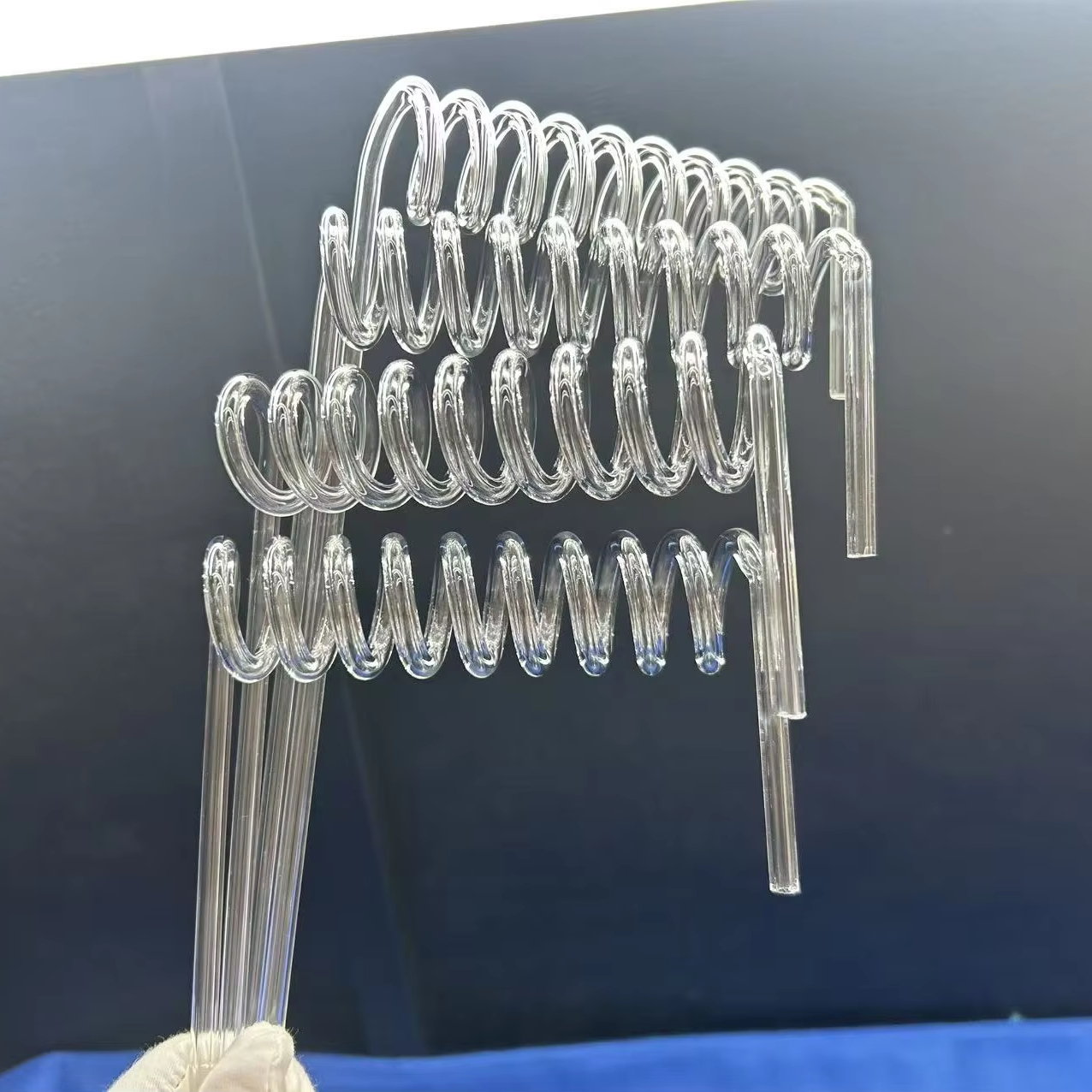
Clear Quartz Spiral Tube for Optics Laboratory Use
Molded and bent clear quartz coil engineered for photochemical reactions, laser cooling manifolds, and analytical lab instruments.
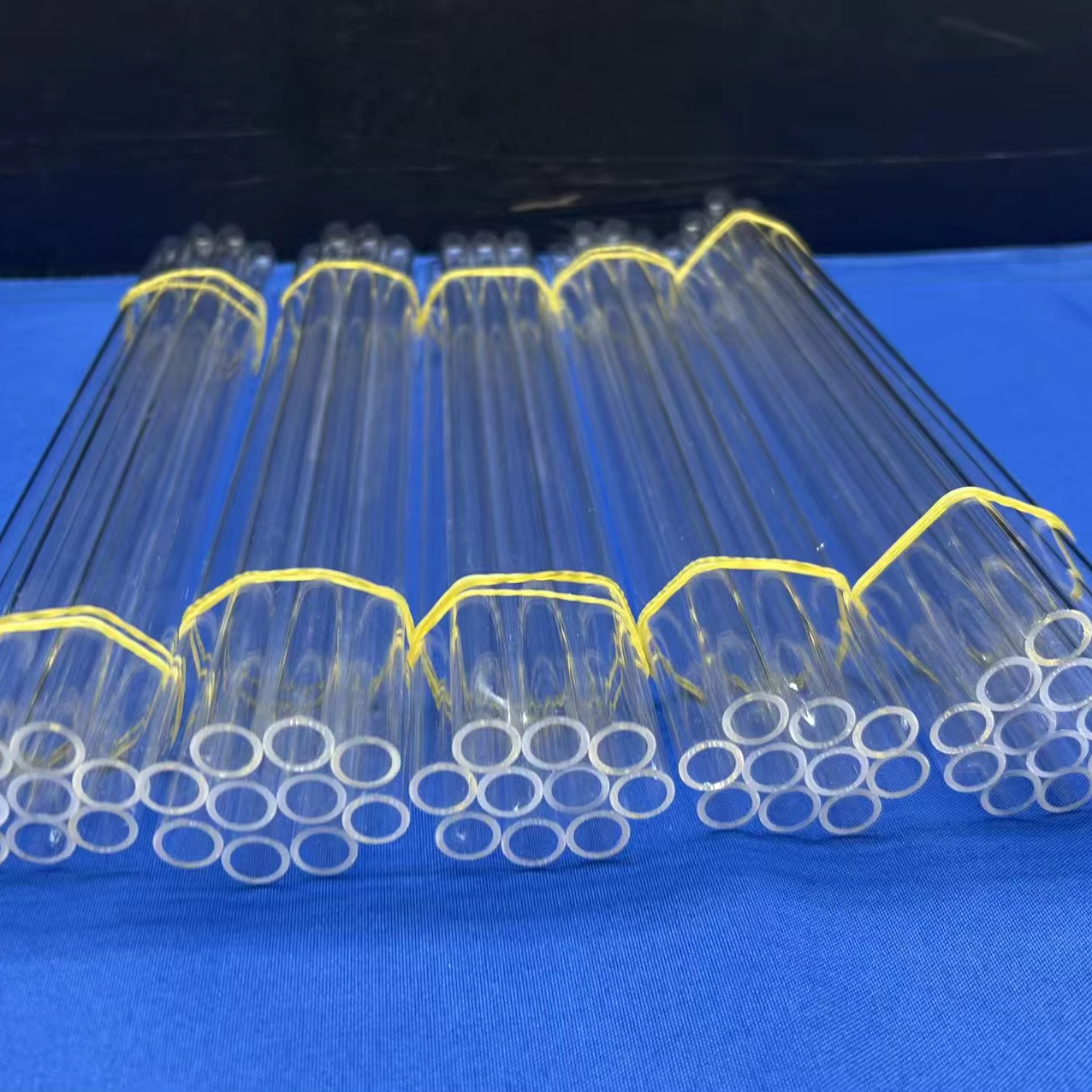
Industrial Quartz Test Tube
High-temperature clear quartz test tube featuring thermal shock resistance up to 1100°C continuous operation and acid-proof containment.
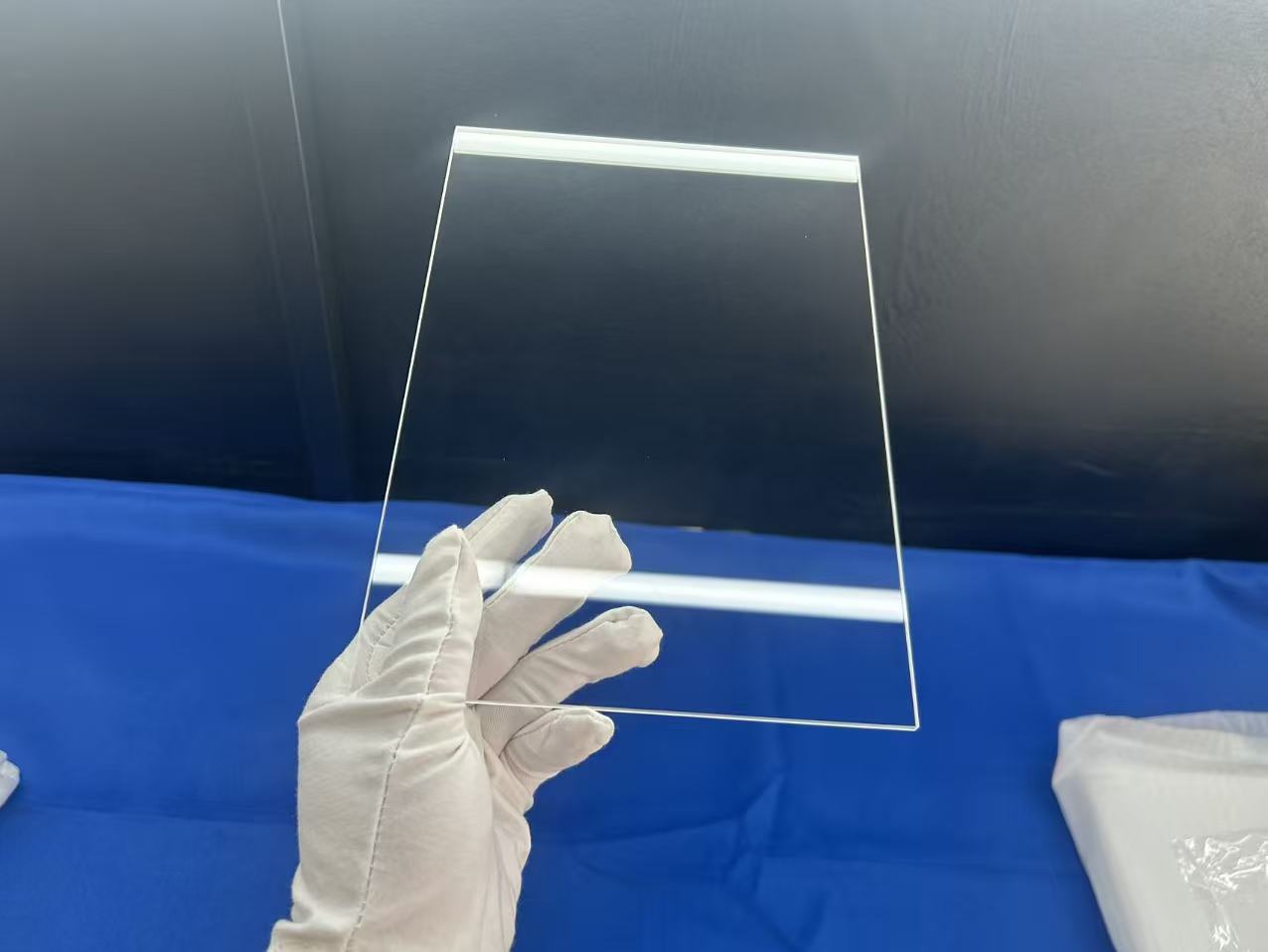
Custom Polished Square Quartz Glass Plate 3mm Thick
High-purity transparent fused silica plate with Ra < 0.5nm optical double-sided planetary polishing for laser cutting windows and shields.
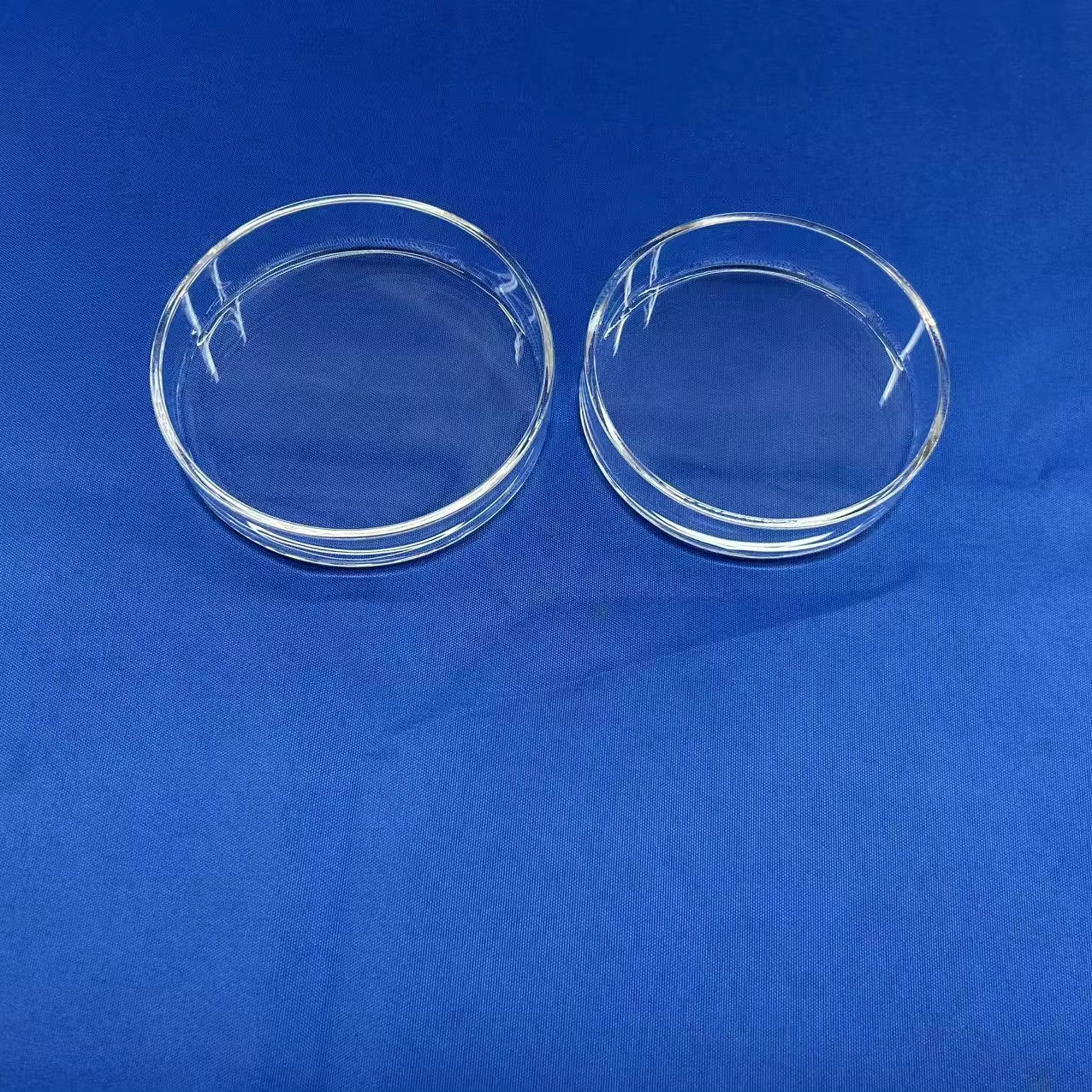
Custom High-Purity Quartz Glass Petri Dishes with Lids
Ultra-inert quartz crystal crystallization dishes suitable for semiconductor etching, medical cell incubations, and acid digestions.
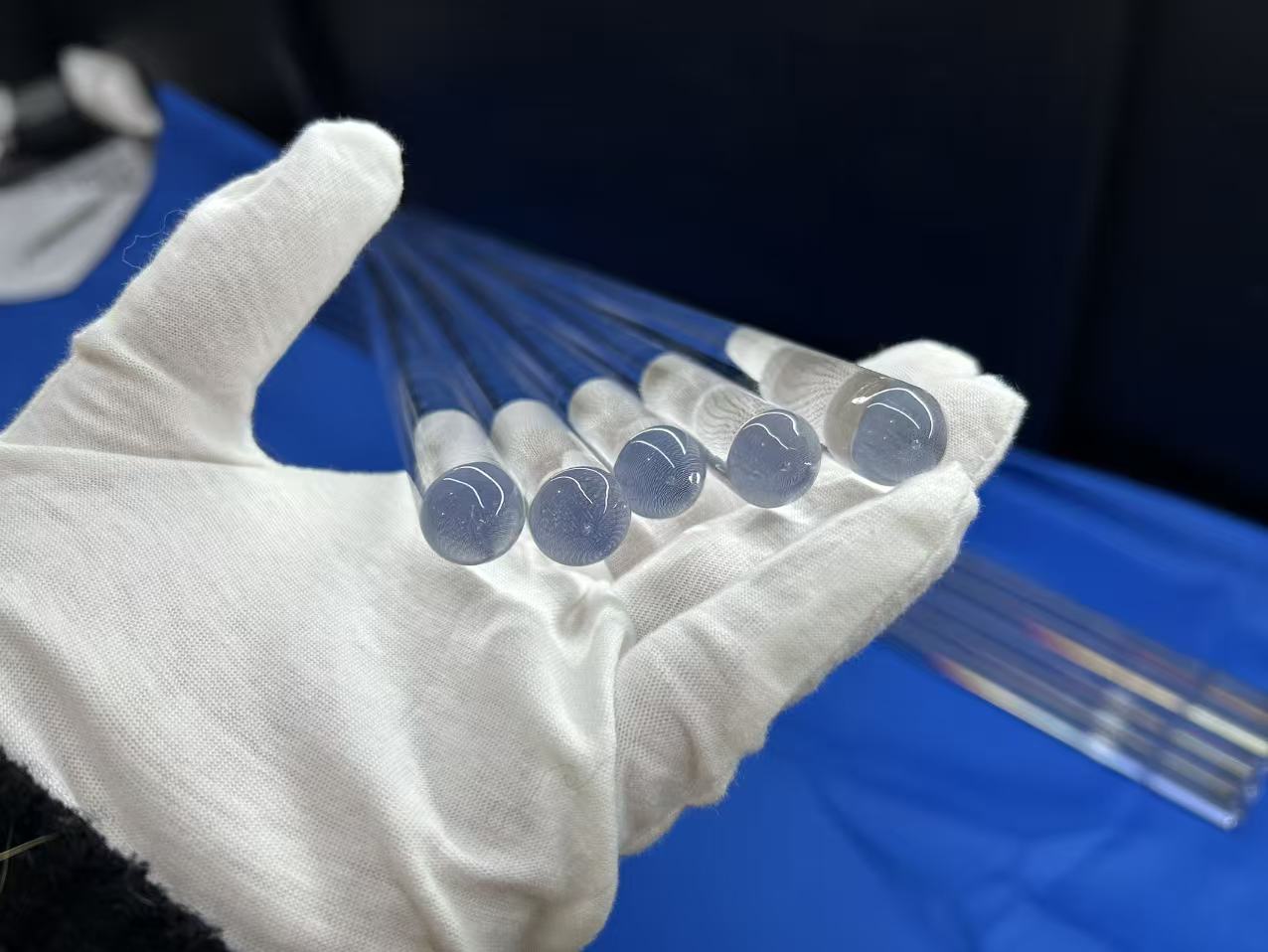
High-Purity Fused Quartz Round Rods (Cutting & Bending)
Flame-worked fused silica round solid bars tailored for optical light guides, semiconductor quartz boat fabrication, and glassblowing lathe work.
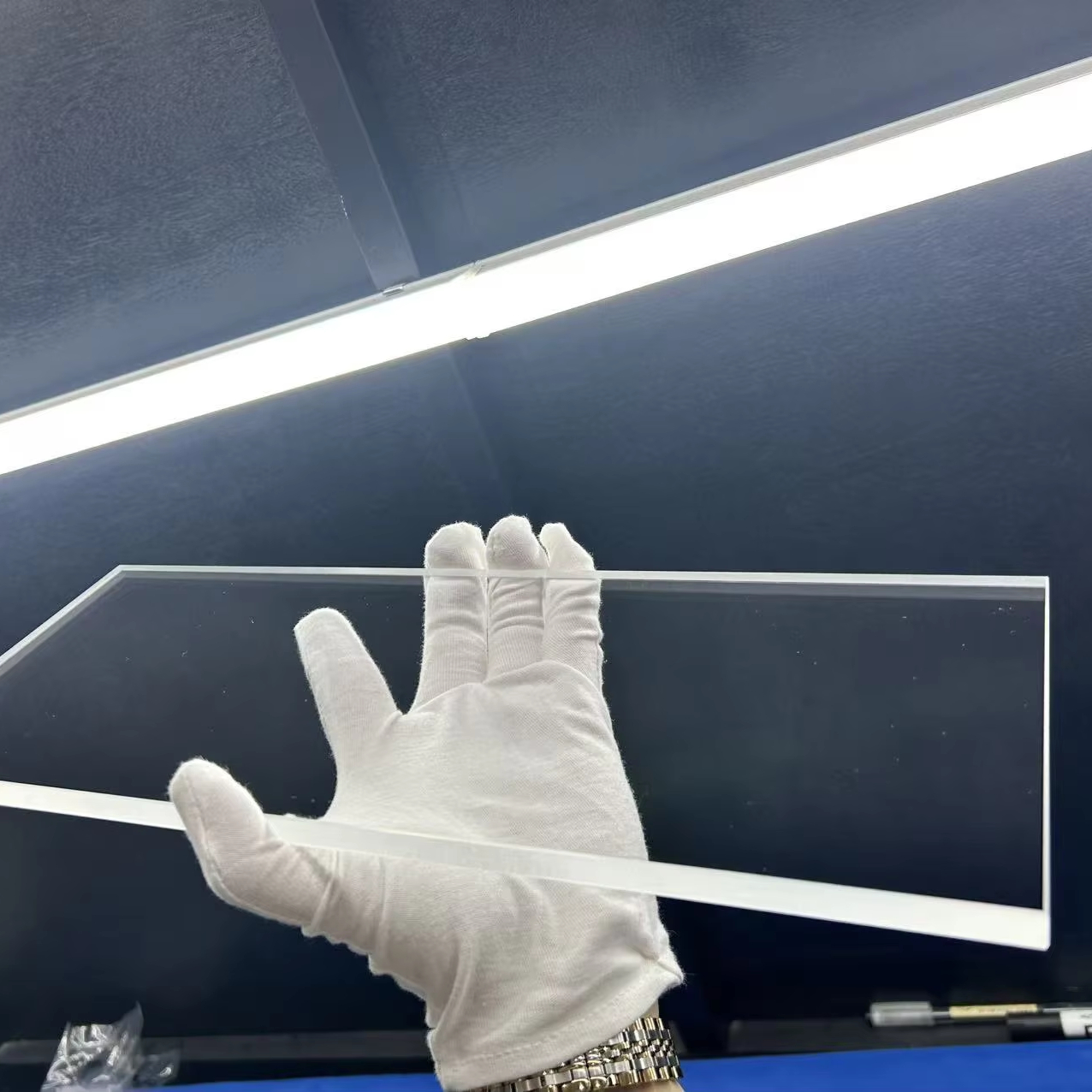
Ultra Clear High-Purity Quartz Sheet for Optics & PV
Precision-sliced silica substrate offering > 92% broadband transmission from 200nm to 2500nm, ultra-low bubble grade DIN 3140 class 0/10.
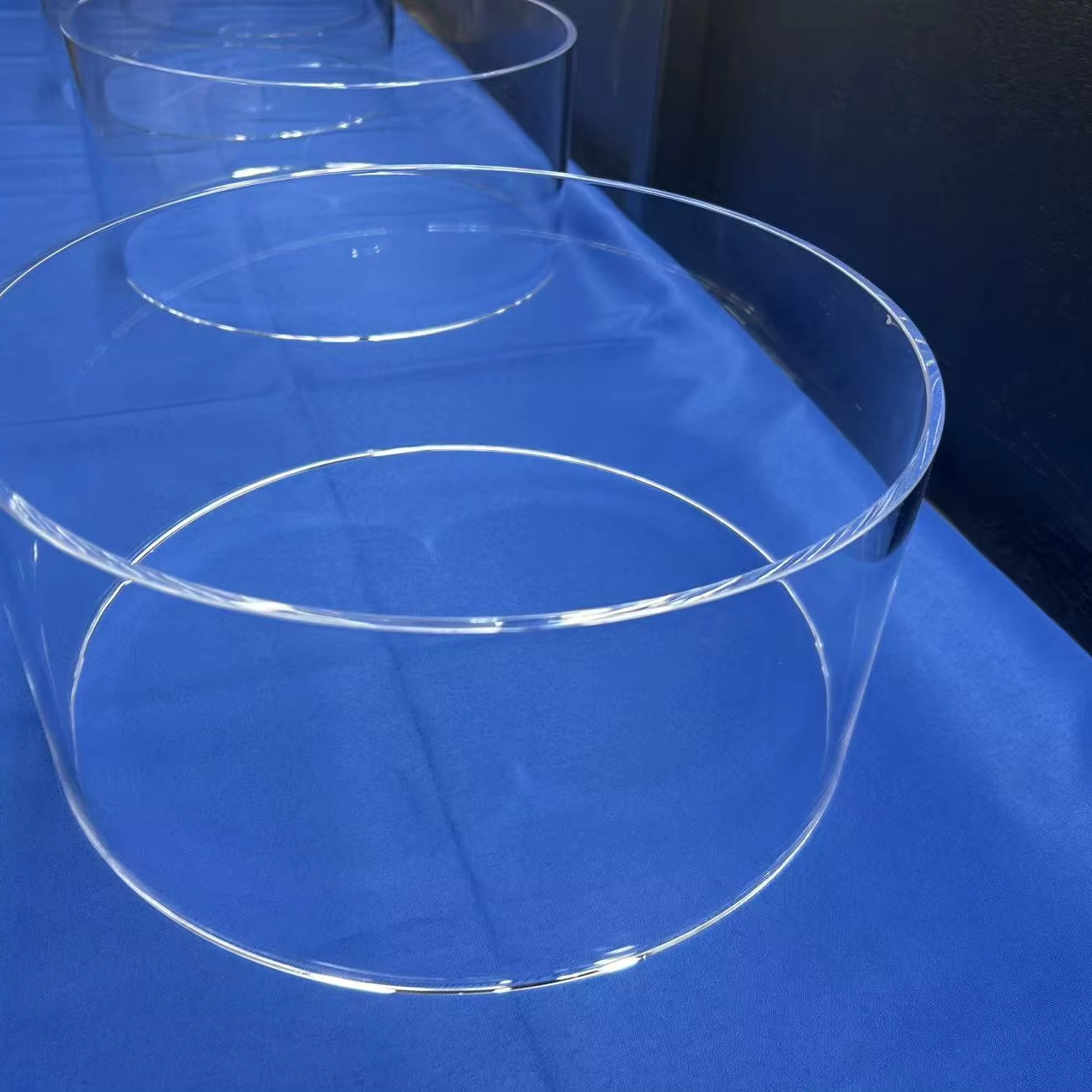
Large Diameter Fused Quartz Industrial Round Rods
Heavy-section structural quartz ingots manufactured through electric vacuum fusion, offering exceptional mechanical rigidity and thermal insulation.
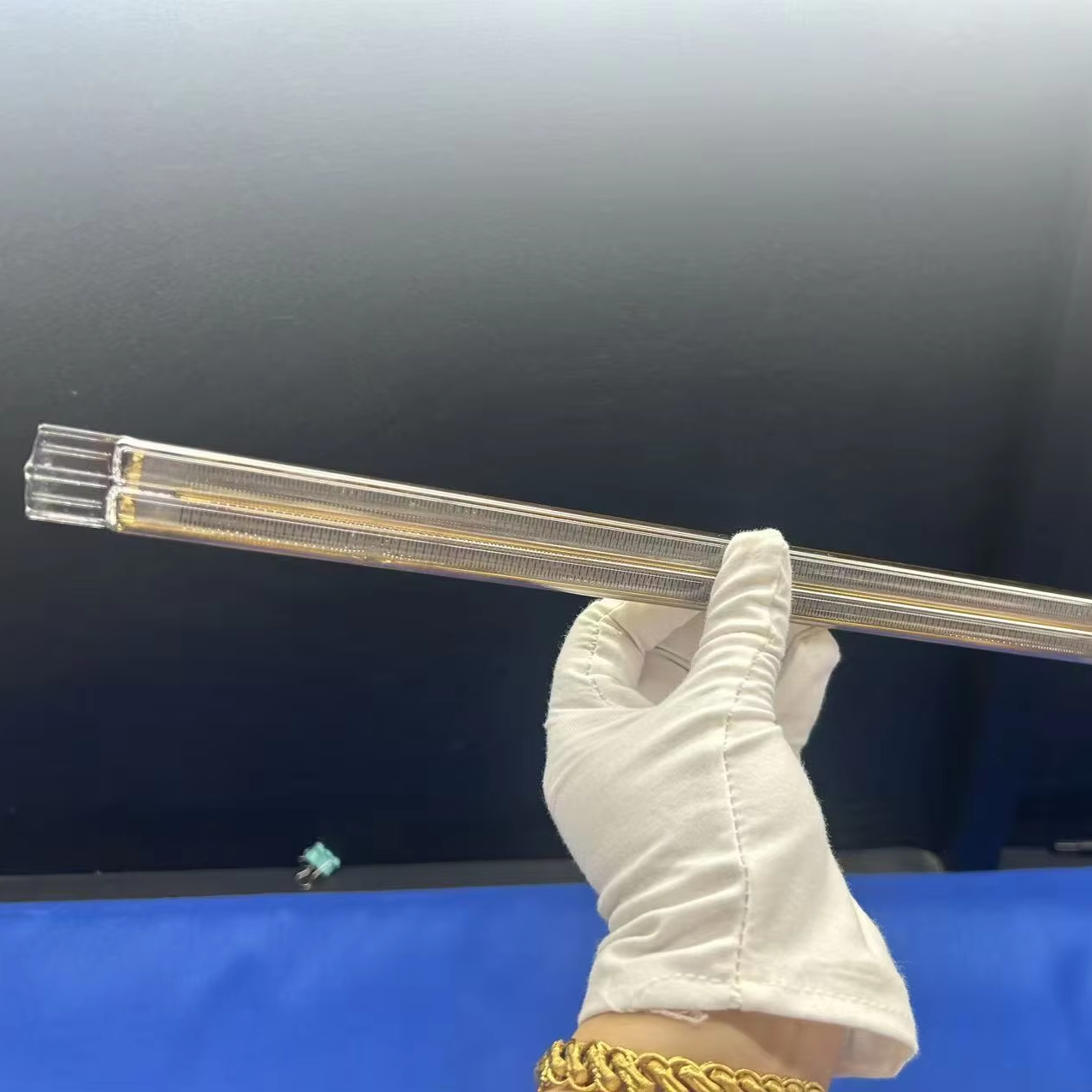
High-Efficiency Graphene Quartz Heating Tube
Next-generation composite thermal radiation emitters designed for rapid thermal anneal (RTA), vacuum baking chambers, and industrial drying tunnels.
Engineering Whitepaper: Synthetic Fused Silica vs. Fused Quartz Plates in Precision Manufacturing
In high-specification thermal, chemical, and optical systems, choosing between natural fused quartz and synthetic fused silica plates dictates not only component lifespan but the fundamental accuracy of photonics and wafer-level microfabrication. Donghai County Nivra Quartz Products Co., Ltd. processes both raw crystalline silicon dioxide (natural rock quartz) and chemical precursors (silicon tetrachloride via CVD flame hydrolysis) to yield high-transmittance optical plates, inspection viewports, and thermal barriers for clients across All Saints and worldwide international markets.
Optical Classification Matrix: JGS1, JGS2, and JGS3 Transmission Boundaries
When procurement managers and optoelectronic engineers in All Saints order customized quartz plates, determining the JGS classification according to ISO and Chinese National Standards ensures compliance with their system's operating spectrum:
| Optical Grade | Material Origin | Spectral Transmission Range | Hydroxyl (OH-) Content | Dominant Industrial Application |
|---|---|---|---|---|
| JGS1 (Far UV Grade) | Synthetic SiCl4 Precursor | 185 nm – 2500 nm | High OH (> 1200 ppm) | Excimer lasers, DUV lithography mask plates, spectrophotometer cuvettes, UV disinfection viewports. |
| JGS2 (Standard Optical) | Selected Natural Quartz | 220 nm – 2500 nm | Medium OH (30 – 150 ppm) | Furnace sight glasses, optical flats, laser protection shields, semiconductor diffusion tube end-caps. |
| JGS3 (Infrared Grade) | Dehydroxylated Natural Quartz | 260 nm – 3500 nm | Low OH (< 5 ppm) | Infrared spectroscopy windows, thermal imaging lens shields, high-power CO2 laser mirrors, pyrometry covers. |
Physical, Mechanical, and Thermal Coefficients of Fused Silica
Fused silica exhibits one of the lowest coefficients of thermal expansion (CTE) among engineering vitreous solids. At 5.5 × 10⁻⁷ / °C from 20°C to 320°C, a 100mm diameter plate subjected to instantaneous temperature differentials of over 1000°C retains dimensional stability without micro-fracturing or localized spalling. This near-zero thermal expansion eliminates optical wavefront distortion in laser cutting heads, where focused laser power can cause severe thermal lensing in conventional soda-lime or borosilicate glasses.
| Physical / Mechanical Property | Nominal Test Value | Test Standard / Engineering Relevance |
|---|---|---|
| Density (ρ) | 2.20 ± 0.01 g/cm³ | Lightweight structural framing for optics |
| Vickers Microhardness | 8.8 – 9.0 GPa (Mohs 5.5 – 6.5) | High scratch resistance under particulate abrasive flow |
| Annealing Point | 1215 °C | Stress-relief limit during CNC core drilling & edge polishing |
| Softening Point | 1683 °C | Allows short-term vacuum furnace containment without warping |
| Refractive Index (Nd at 587.6 nm) | 1.4585 | Precision optical dispersion calculations (Abbe Number Vd = 67.8) |
| Dielectric Strength (20 °C) | 25 – 40 kV/mm | Extreme high-voltage electrical insulation and plasma isolation |
Double-Sided Planetary Lapping and Nanometer Surface Finishes
Precision square and disc plates produced in our Donghai production facility undergo multi-stage grinding utilizing progressively finer diamond slurries, culminating in planetary cerium oxide polishing. We achieve surface roughness down to Ra < 0.5nm (5 Ångströms), optical parallelism ≤ 10 arcseconds, and scratch-dig specifications conforming to MIL-PRF-13830B (20-10 or 40-20 standards). For semiconductor photomask and interferometry inspection plates exported to All Saints, each piece is individually verified via laser Fizeau interferometers to guarantee surface flatness within λ/4 to λ/10 per 25mm aperture.
Localized Application Scenarios Across All Saints
Meeting the evolving engineering demands of local scientific laboratories, marine research stations, advanced energy projects, and specialized manufacturing in All Saints.
High-Intensity UV Water Sterilization
Municipal and industrial desalination and water treatment initiatives across the All Saints region rely on high-transmittance JGS1 fused silica quartz plates as protective optical isolation windows for medium-pressure germicidal UV mercury lamps.
Specialized Chemical & Marine Analytics
Analytical laboratories in the All Saints jurisdiction perform trace metal spectroscopy and aggressive acid digestions (aqua regia, boiling nitric acid). Our 99.99% pure silica plates and petri dishes ensure absolute zero background leaching.
Thermal Sight Glasses & Boiler Viewports
Heavy utility installations, cogeneration plants, and local processing stations utilize our heavy-thickness (6mm to 30mm) fused quartz sight discs to withstand furnace environments running up to 1100°C without risk of explosive thermal collapse.
Photovoltaic & Renewable Energy Testing
With clean energy infrastructure growing in All Saints, research teams utilize ultra-clear quartz substrates for solar simulator beam splitters, concentrated photovoltaic (CPV) testing, and thermal battery insulation shields.
Procurement Dynamics & Future Material Trends in All Saints
How progressive buyers in All Saints are optimizing supply chains, mitigating import lead times, and upgrading from standard technical glass to fused silica.
Direct Factory Sourcing vs. Intermediary Stockists
Procurement teams in All Saints historically relied on regional third-party traders who marked up quartz components by 200% to 400%. Sourcing directly from our Donghai facility cuts out distributor markups while providing raw material batch test reports and customized CNC drawings.
Transition from Borosilicate to Fused Silica
As localized thermal processing systems operate at higher temperatures and stringent chemical purity bars, standard borosilicate glass 3.3 fails due to thermal softening at 520°C and alkali ion migration. Fused silica has become the mandatory replacement standard in All Saints.
Zero-Breakage Vacuum Cushion Logistics
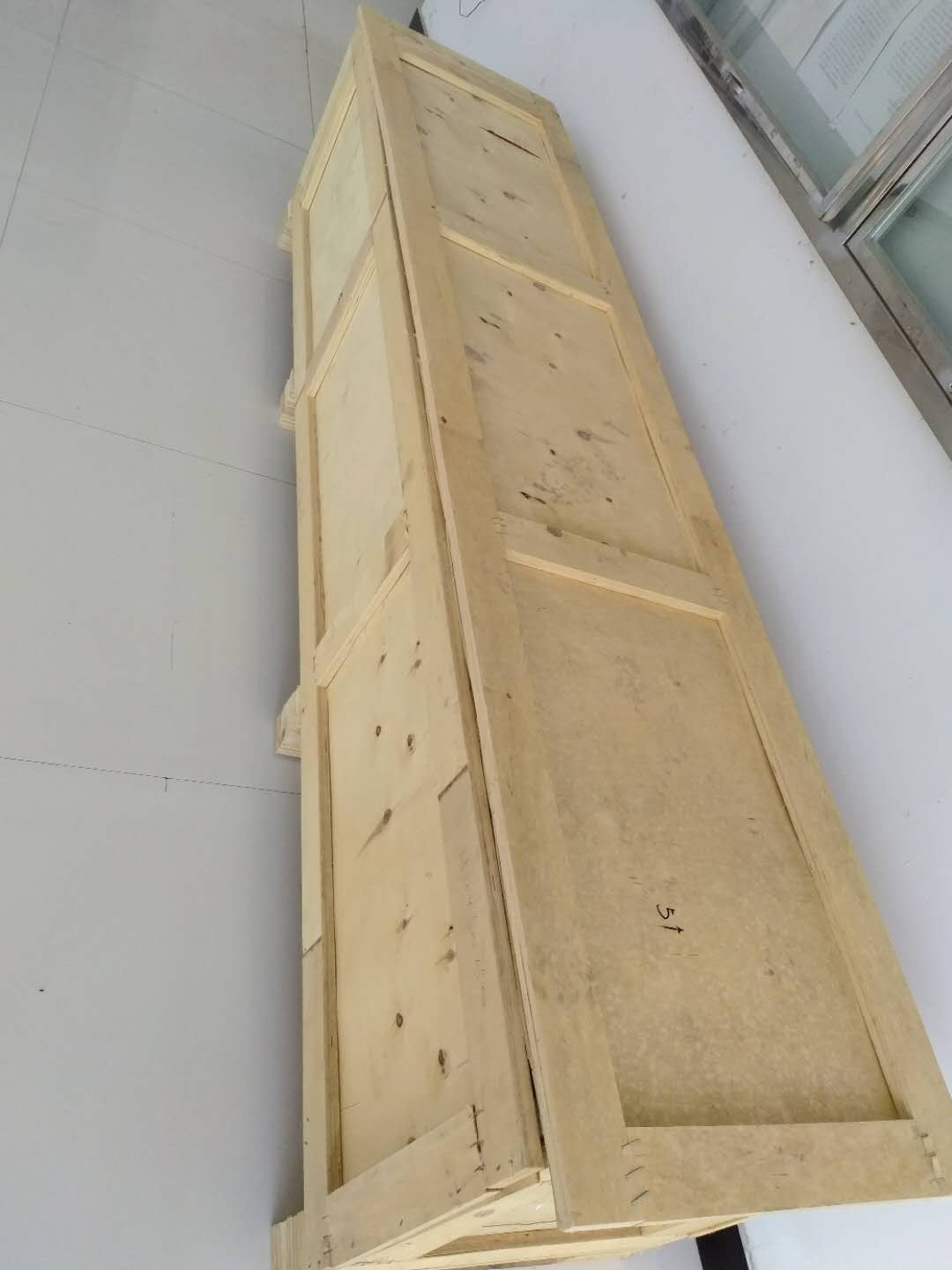
Long-distance maritime and express air freight to All Saints requires shock isolation packaging. Every Nivra quartz plate is dust-free vacuum shrink-wrapped, double-encased in high-density polyethylene (EPE) closed-cell foam, and secured in export-grade fumigated plywood crates.
Factory Direct Processing & Global Trade Infrastructure
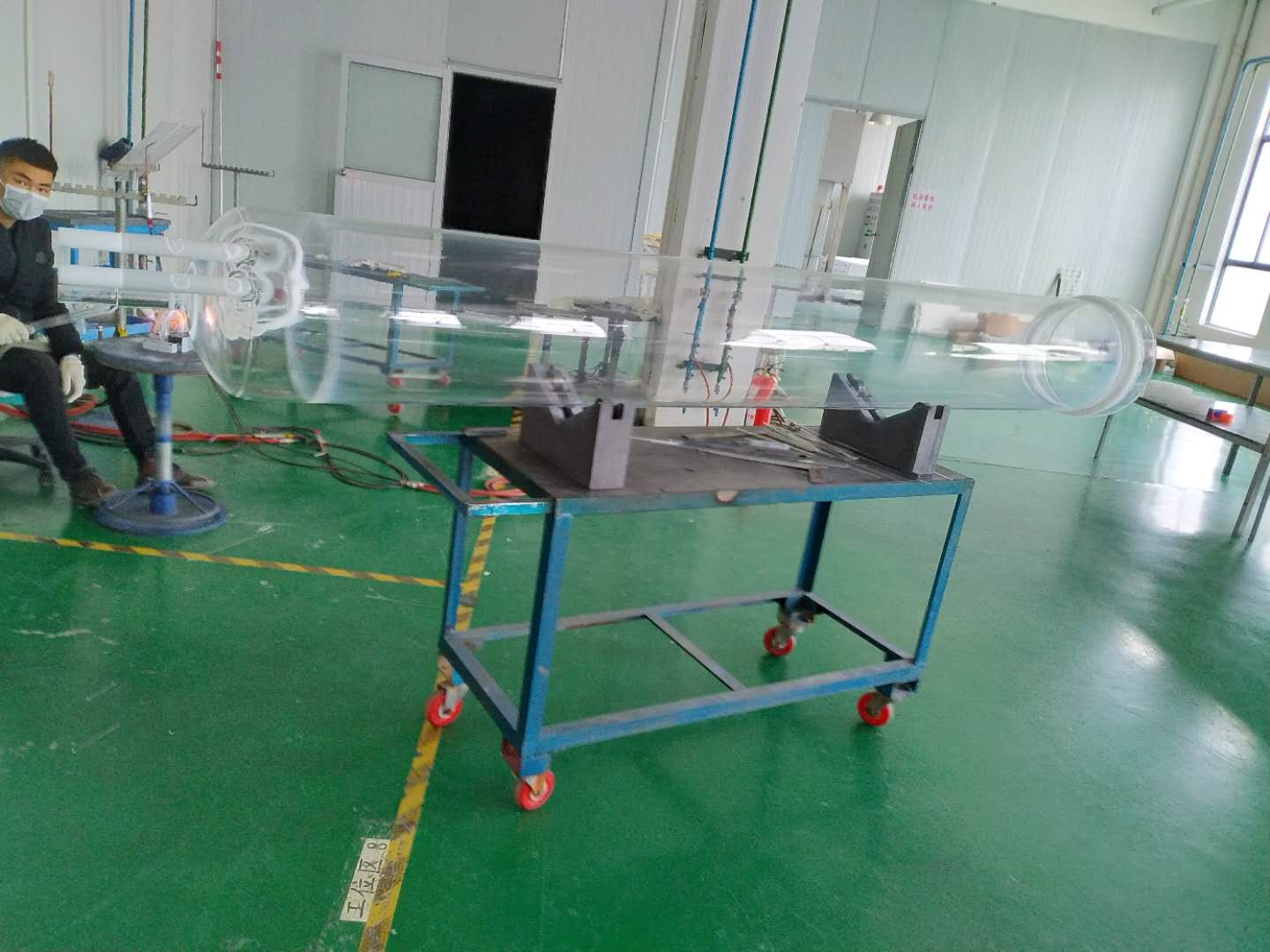
Headquartered at 285 Heping East Road, Lianyungang, Jiangsu, our integrated production enterprise operates with 101–200 skilled craftsmen and technicians. We manage the entire processing workflow in-house—ensuring complete quality traceability from raw ingot fusion to export departure.
100% In-House Processing
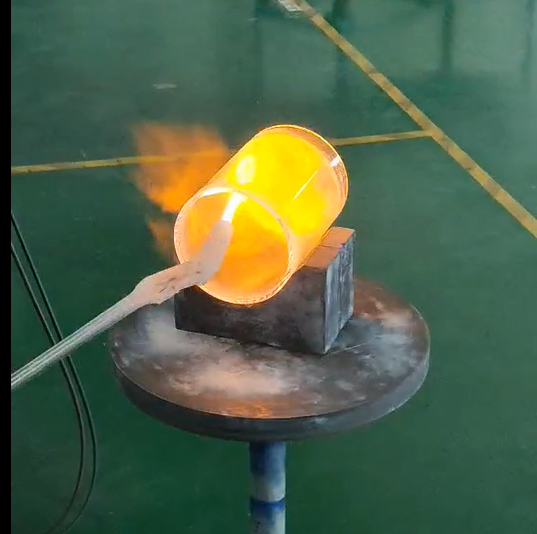
Equipped with multi-axis CNC glass machining centers, laser cutting systems, hydrogen-oxygen glassblowing lathes, and ultrasonic cleaning baths to handle non-standard shapes, beveled edges, and stepped holes.
Sub-5-Hour Technical Response
Our sales engineering department maintains an 88.89% inquiry response rate, providing drawing feasibility reviews (DWG, DXF, STEP, PDF) and formal commercial quotations in under 5 hours for All Saints buyers.
Verified Track Record
With a verified 5.0/5 buyer rating across international trade platforms, 23% repeat reorder rate, and proven shipments to 40+ countries across North America, Europe, and Latin America.
Enterprise Verification & Certification Credentials
Frequently Asked Questions by All Saints Procurement Officers
Direct answers covering material selection, machining limits, international shipping safety, and custom manufacturing terms.
How do I choose between JGS1, JGS2, and JGS3 fused silica plates for our project?
The choice is governed by your operating wavelength and thermal profile. JGS1 is a synthetic material produced via flame hydrolysis, completely free of visible bubbles, offering superior ultraviolet transmission from 185nm to 2500nm. It is ideal for deep UV lasers, semiconductor masks, and fluorescence spectrophotometry. JGS2 is refined from natural quartz crystals; it transmits efficiently across 220nm to 2500nm, making it the cost-effective standard for high-temperature furnace sight glasses, UV-curing chambers, and observation windows. JGS3 is chemically stripped of hydroxyl radicals (OH- < 5 ppm), allowing unhindered infrared transmission up to 3500nm without the deep absorption bands around 2.73μm seen in standard quartz.
What dimensional tolerances and surface finishes can your facility achieve on customized plates?
For custom cut and ground fused silica plates, our standard manufacturing tolerance is ±0.05 mm, with precision CNC ground components achieving ±0.01 mm on length, width, and thickness. Surface roughness on double-sided planetary polished plates reaches Ra < 0.5nm. For optical flats, we maintain parallelism below 10 arcseconds and surface flatness within λ/4 to λ/10 per 25mm diameter aperture, with scratch-dig ratings conforming to MIL-PRF-13830B 40-20 or 20-10.
Can fused silica plates withstand rapid thermal shock and open flames?
Yes. Fused quartz and fused silica have an exceptionally low thermal expansion coefficient (α = 5.5 × 10⁻⁷ / °C). You can heat a 3mm to 10mm thick plate to 1100°C over an open oxy-hydrogen flame or inside a high-temperature furnace and instantly submerge it into 20°C cold water without cracking or stress fragmentation. Continuous service temperature is rated at 1100°C, with peak short-duration excursions allowable up to 1450°C.
How do you protect fragile quartz glass plates against breakage during transit to All Saints?
Every single optical plate and disc undergoes cleanroom ultrasonic cleaning and protective film masking. Plates are individually shrink-wrapped with desiccants to prevent moisture corrosion, then embedded within form-fitting, multi-layer closed-cell high-density polyethylene (EPE) shock absorbers. The consolidated shipment is packed into multi-wall heavy corrugated cartons or custom-built, fumigation-free wooden crates reinforced with steel band strapping. Over our past 5 years of global export history, our transit breakage rate remains below 0.05%.
What is your Minimum Order Quantity (MOQ) and prototype turnaround time?
Because we operate our own raw material slicing and finishing workshops in Donghai, we support engineering development teams with MOQs as low as 1 to 5 pieces for custom plates, discs, or specialized laboratory parts. Standard optical plates from raw inventory ship within 3 to 7 working days. Custom CNC-machined prototypes requiring specialized drilling, slotting, or optical beveling generally require 10 to 14 working days from engineering drawing approval.
Do you provide chemical purity certificates and optical spectrophotometer curves?
Yes. Each export batch can be accompanied by an inspection certificate detailing 99.99% to 99.999% trace elemental purity (ppm levels of Fe, Al, Ca, Mg, Ti, Cu, Cr), along with UV-Vis-NIR spectrophotometer transmission scan data verifying optical clarity across your designated spectral window.
Request a Custom Fused Silica Plate Quotation for All Saints
Send your CAD drawings (.STEP, .DWG, .DXF, or PDF), dimensional parameters, optical grade requirements, and target order volume. Our senior quartz processing engineers will review your request and provide a comprehensive quotation within 5 hours.