Custom CNC
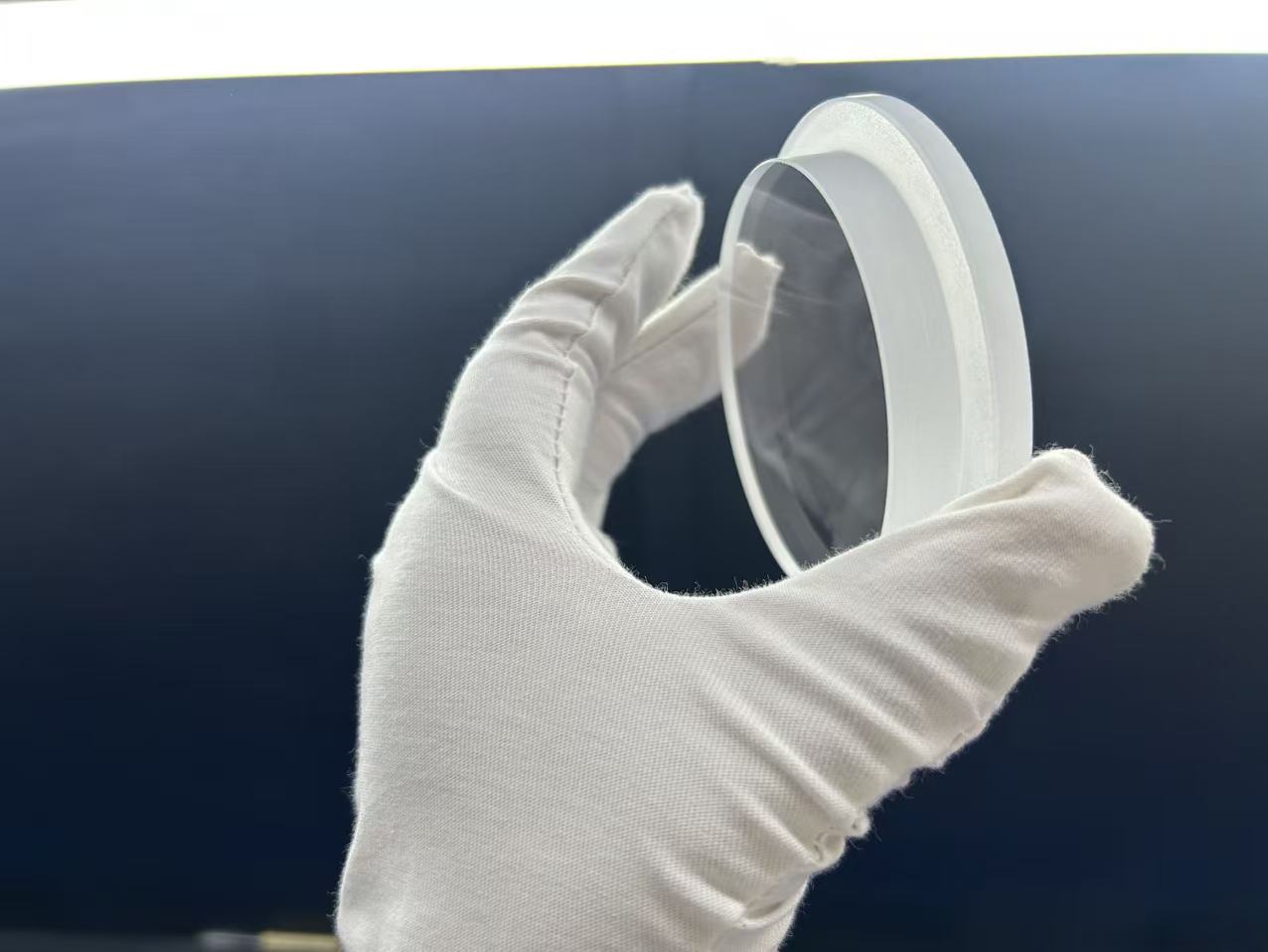
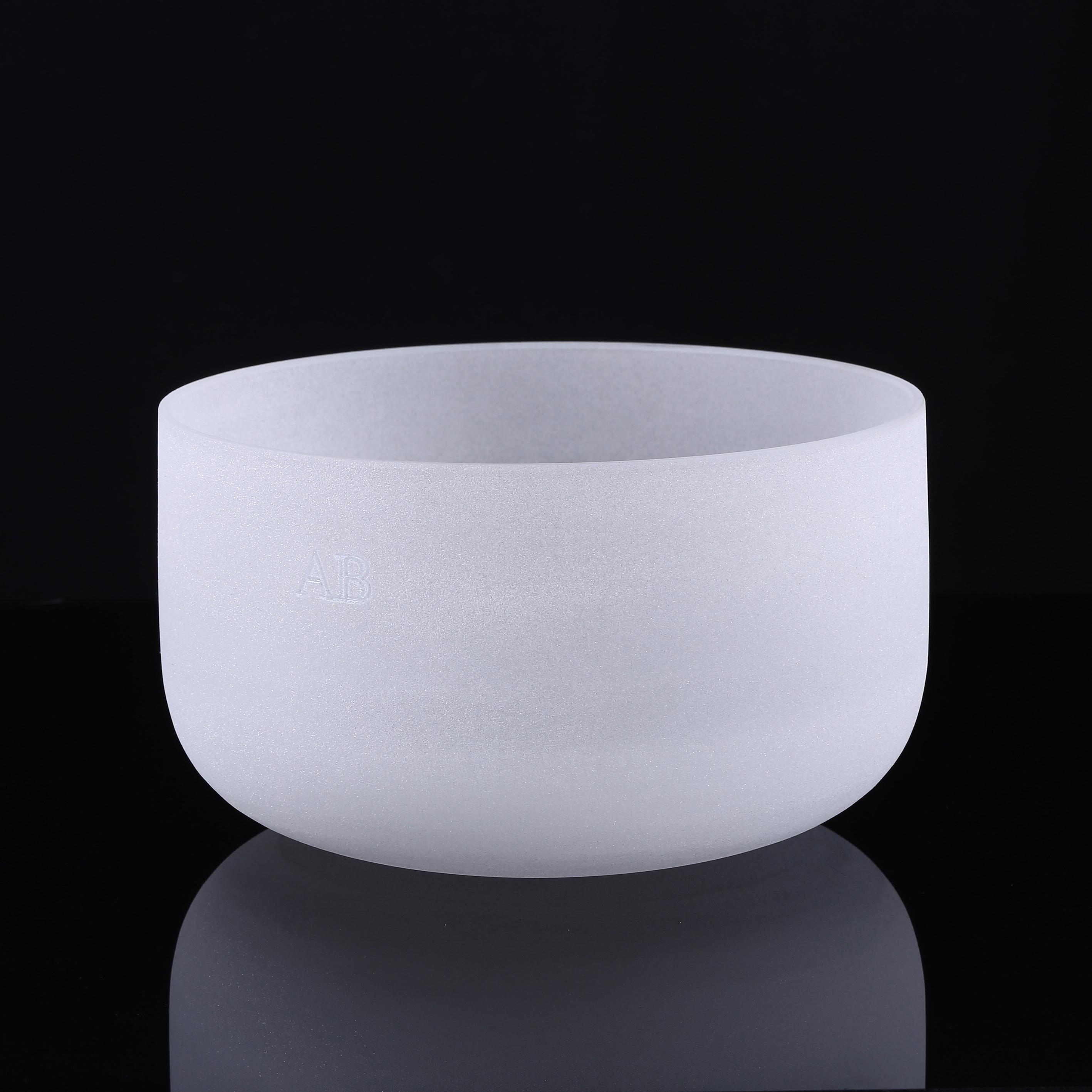
High-Purity Ultra-Thick Quartz Double-Layer Step Plate
- Purity: ≥99.99% SiO₂
- Processing: Step Cutting & Optical Lapping
- Tolerance: ±0.02 mm
- St. John's Use: Subsea High-Pressure Viewports
From North Atlantic subsea sensor housings to Memorial University analytical chemistry labs, explore our certified pure SiO₂ manufactured components with strict dimensional and optical tolerances.
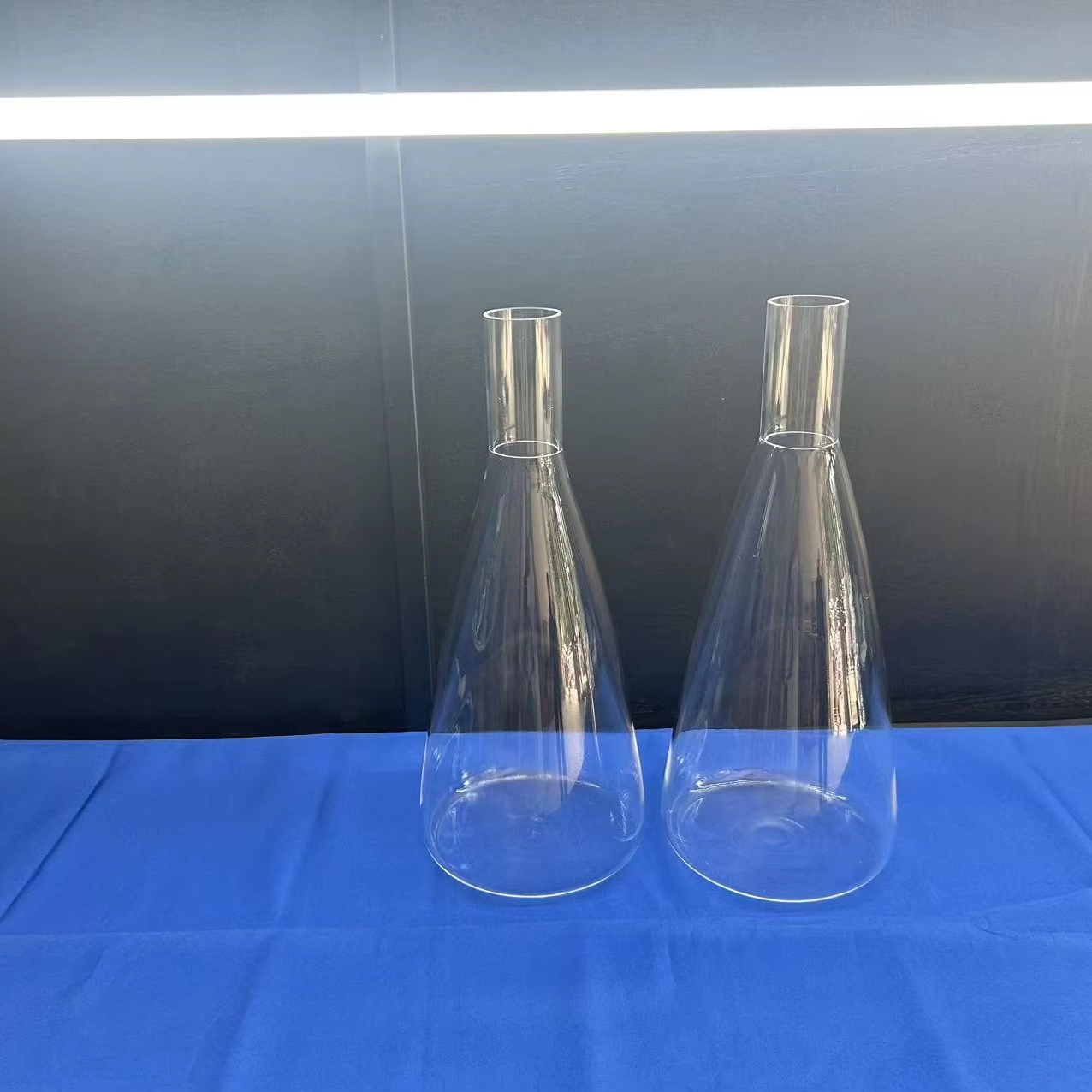
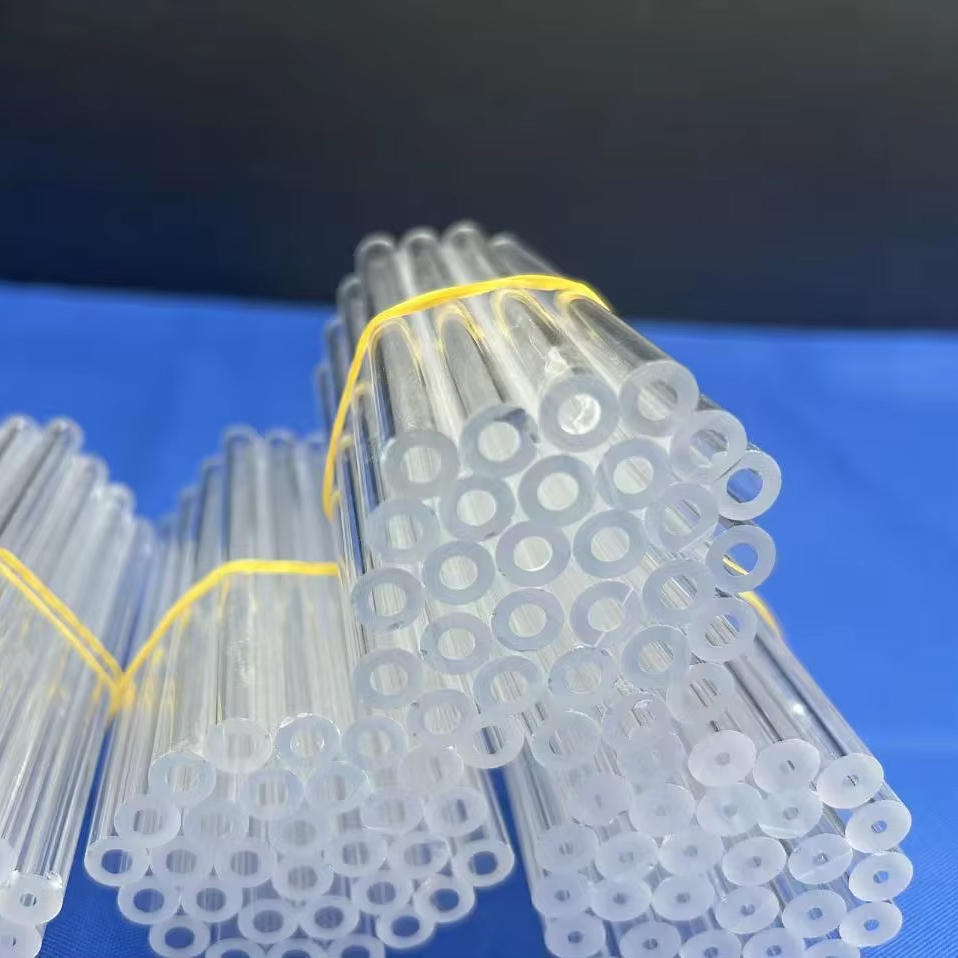
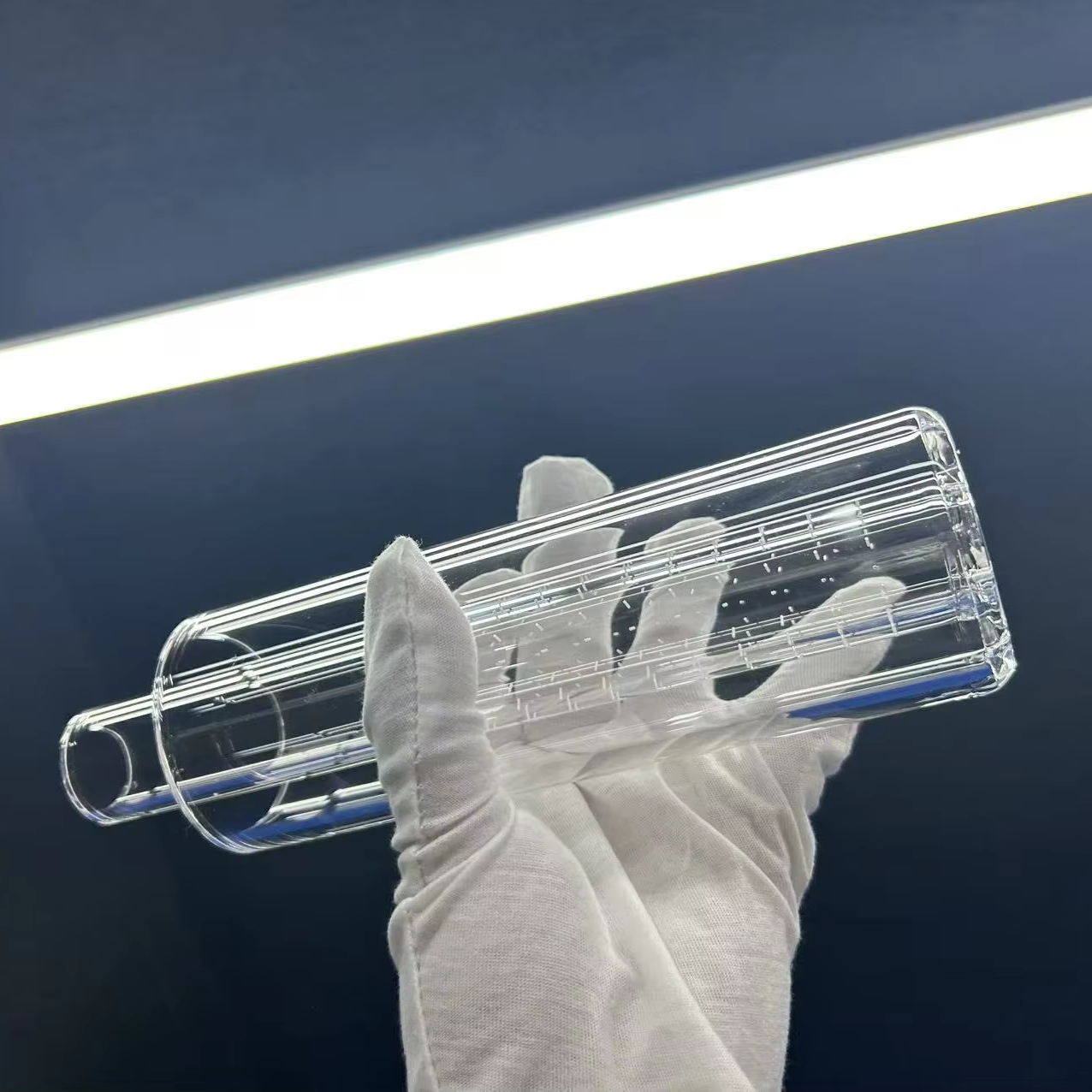
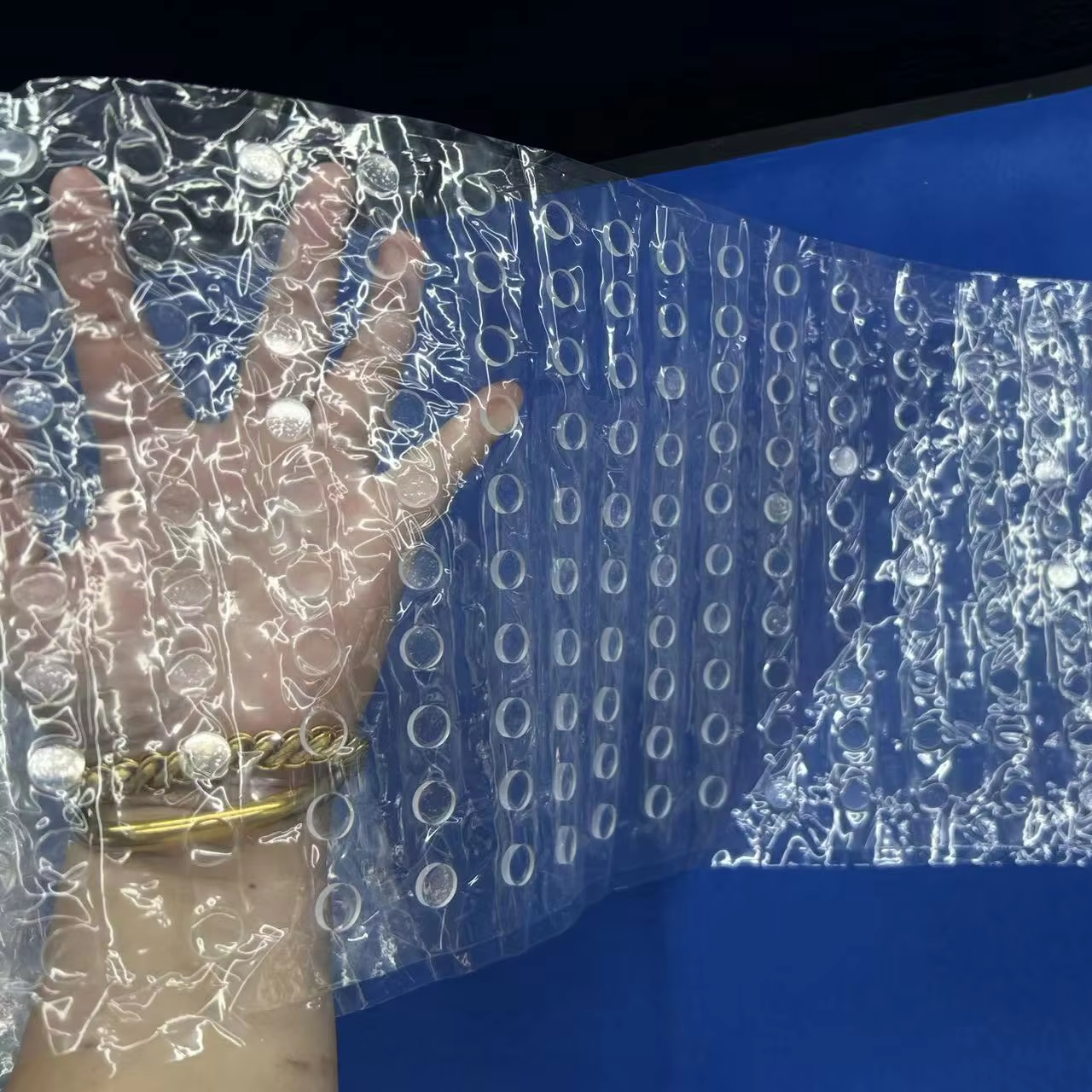
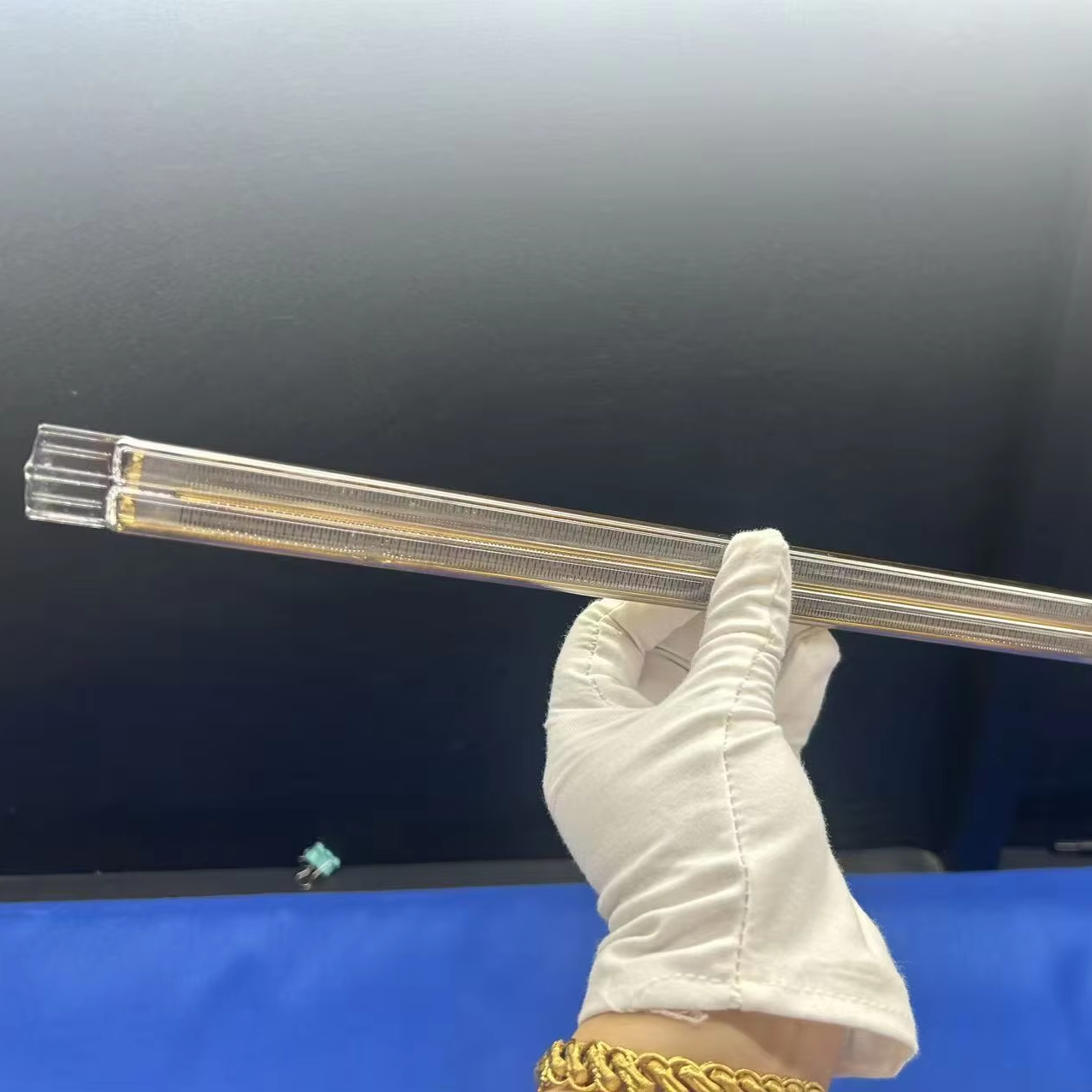
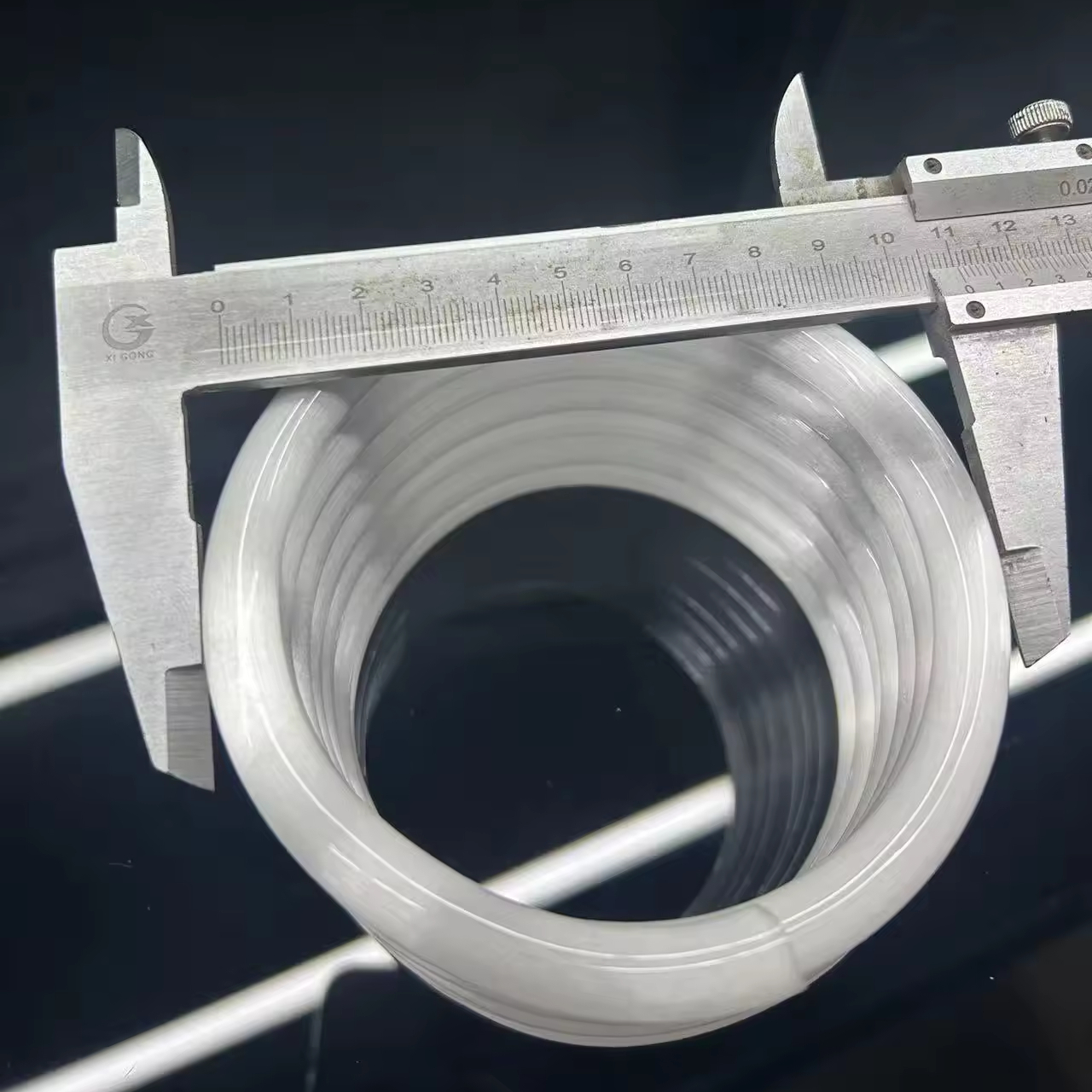
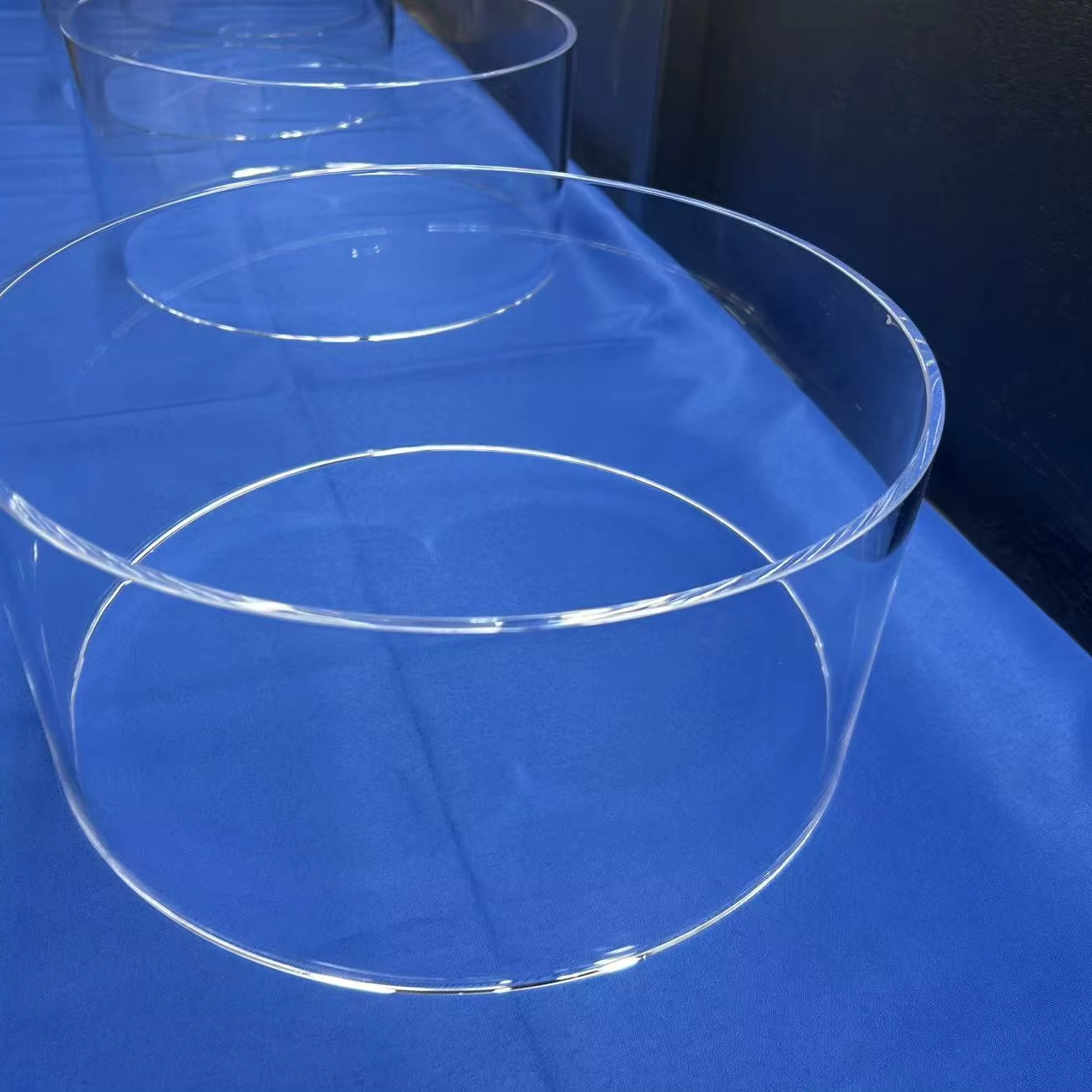
When specifying quartz components for cold-ocean environments, optical instrumentation, or offshore processing, understanding the distinction between natural fused quartz and chemical-vapor-deposited (CVD) synthetic silica is vital to eliminating catastrophic mechanical failures.
Standard quartz melted from mined pegmatite crystal inevitably contains minute interstitial trace impurities: Aluminum (Al ~15–30 ppm), Titanium (Ti ~1–3 ppm), and Alkali metals (Na, K, Li totaling >2 ppm). While adequate for electrical element insulation, these trace metals act as intrinsic color-center defect traps under high-energy ultraviolet radiation.
For specialized marine spectroscopy, UV-C ballast disinfection systems, and oceanographic excitation optical ports deployed off the coast of Newfoundland, solarization causes optical darkening in matter of weeks. Our JGS1 Synthetic Fused Silica is synthesized via high-purity chemical vapor deposition of silicon tetrachloride (SiCl₄), yielding pure amorphous SiO₂ with total metallic impurities below 0.1 ppm. This delivers an uncompromised deep-UV transmission profile (>90% internal transmittance down to 185 nm) with zero solarization drift under extended 254 nm and 222 nm excimer irradiation.
Instrumentation deployed in St. John's and the surrounding Grand Banks regularly undergoes extreme thermal cycling. Sensors transferred from sub-zero Canadian winter temperatures (-20°C ambient air during vessel transit) to rapid immersion in high-salinity seawater (~0°C to 4°C at depth), or internal electronic systems dissipating high radiant heat, experience immense mechanical strain.
With an extraordinarily low thermal coefficient of linear expansion of 5.5 × 10⁻⁷ /°C (from 20°C to 320°C), synthetic quartz glass expands and contracts at less than one-twentieth the rate of standard soda-lime float glass and one-fifth the rate of borosilicate. Our precision-annealed components withstand rapid thermal delta jumps (ΔT > 1000°C) without micro-fracturing, stress spalling, or seal compromise.
| Performance Attribute | JGS1 (Synthetic Fused Silica) | JGS2 (Optical Fused Quartz) | JGS3 (Infrared Fused Quartz) | Borosilicate Glass 3.3 |
|---|---|---|---|---|
| Primary Raw Material | SiCl₄ Synthetic Gas Precursor | Purified Natural Donghai Quartz | Vacuum Electric Fused Crystal | Silica Sand + B₂O₃ + Alkali |
| SiO₂ Purity Level | ≥ 99.9999% (6N Purity) | ≥ 99.99% (4N Purity) | ≥ 99.99% (Low-OH) | ~ 81% SiO₂ |
| Optical Spectrum Transmission | 185 nm – 2,500 nm (Deep UV to VIS) | 220 nm – 2,500 nm (UV to Near-IR) | 260 nm – 3,500 nm (Extended IR) | 350 nm – 2,200 nm (Cutoff <310 nm) |
| Hydroxyl [OH⁻] Content | Typical ~1,200 ppm (High OH) | Typical ~150–200 ppm | < 5 ppm (Water-Free IR Band) | N/A (Multi-component Oxide) |
| Thermal Expansion (20–300°C) | 5.5 × 10⁻⁷ K⁻¹ | 5.5 × 10⁻⁷ K⁻¹ | 5.5 × 10⁻⁷ K⁻¹ | 32.5 × 10⁻⁷ K⁻¹ |
| Max Continuous Temperature | 1100 °C | 1100 °C | 1150 °C | 450 °C |
| Hydrostatic Crushing Strength | > 1.1 GPa (Compressive) | > 1.1 GPa (Compressive) | > 1.1 GPa (Compressive) | ~ 0.7 GPa |
St. John's is internationally renowned as the global innovation hub for ocean engineering, deep-water harsh environment operations, and sub-Arctic research. Our products directly fulfill the exact material specifications demanded by Atlantic Canada’s core industrial sectors.
Autonomous Underwater Vehicles (AUVs), ocean gliders, and seabed landers monitoring the Grand Banks require optical viewports that endure immense hydrostatic pressure while maintaining distortion-free optical transmission. Our ultra-thick step plates and plano-convex synthetic quartz blanks provide compressive strengths exceeding 1.1 GPa, resisting deep-sea pressures down to 4,000 meters while enabling multi-spectral fluorometry, turbidity measurement, and marine biomass laser imaging.
Compliant with Subsea Pressure EnclosuresOperating in the Jeanne d'Arc Basin on offshore production platforms (such as Hibernia, Hebron, and SeaRose FPSO) requires flow-line sight glasses and high-pressure level indicators resistant to volatile hydrocarbon mixtures, hydrogen sulfide (H₂S), and dense North Atlantic salt spray. Nivra Quartz manufactures precision-machined fused silica sight discs and high-pressure gauge tubes that eliminate etching and crazing where ordinary borosilicate glass fails.
NACE H₂S & Saline Corrosion ProofSt. John’s academic and private research centers—including Memorial University of Newfoundland (MUN), Fisheries and Marine Institute, and C-CORE—require ultra-trace analytical apparatus for geochemical ICP-MS analysis, low-background ocean sediment digestion, and microfluidics. Our high-purity quartz beakers, crucibles, and customized spectroscopic cuvettes ensure undetectable elemental leaching into acidic samples.
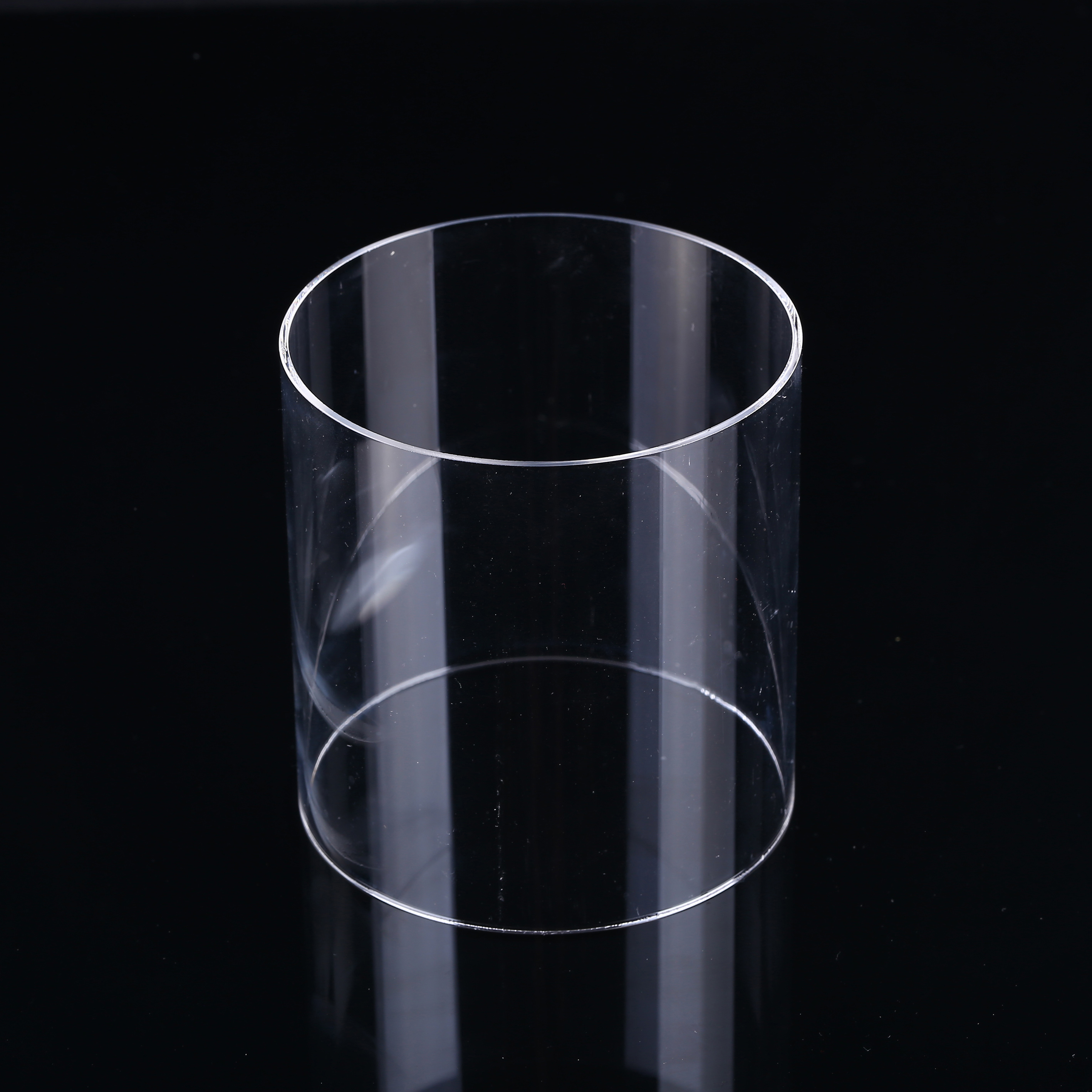
Ultra-Trace Leaching < 0.05 ppbNewfoundland’s rapidly scaling commercial aquaculture hatcheries and cold-water salmon farms rely on heavy-duty UV-C sterilization reactors to combat pathogens without chemical additives. We supply heavy-wall clear fused quartz sleeves with high transmission at 253.7 nm, engineered with fire-polished sealed ends and high concentricity to seal reliably against extreme fluid flow pressures.
Transmittance > 90% at 254 nmWith Newfoundland and Labrador positioning itself as an international green hydrogen and clean ammonia powerhouse through massive wind-to-hydrogen projects, analytical reactors require quartz tubes and reaction chambers capable of withstanding high-temperature thermal cracked gas streams up to 1200°C without devitrification or hydrogen embrittlement.
Thermal Tolerance up to 1450°CStrategic supply chain dynamics are shifting in Atlantic Canada. Key macro trends are shaping how engineering procurement teams in St. John's specify and source advanced technical glass.
Traditional water sampling required ocean research vessels to haul Niskin bottles back to shore for laboratory analysis. The St. John's ocean tech ecosystem—pioneered by autonomous vehicle manufacturers and subsea telemetry developers—is shifting toward in-situ subsea Raman and Laser-Induced Breakdown Spectroscopy (LIBS) for real-time methane hydrate and heavy metal detection.
This operational pivot demands optical quartz windows with negligible background fluorescence, high laser damage thresholds (>5 J/cm² at 1064 nm, 10 ns pulse), and wavefront distortion < λ/4. Nivra Quartz supports this transition with laser-grade synthetic fused silica optical flats manufactured specifically for harsh seawater immersion optics.
Engineering departments and procurement officers throughout Newfoundland have historically purchased quartz products through third-party distributors in Montreal, Toronto, or Boston, facing markups of 200% to 400% and lead times extended by layered freight consolidation.
Today, forward-looking research managers and OEM instrument builders in St. John's establish direct-to-factory supply agreements with primary manufacturers in Donghai, China—the undisputed global capital of crystal and quartz fabrication. By collaborating directly with Nivra Quartz’s engineering drafting department, buyers obtain custom-milled components per STEP/DWG drawings at factory-floor pricing, paired with rapid air couriers direct to St. John's International Airport (YYT).
Founded in February 2019 in Donghai County, Jiangsu—the premier crystal and quartz processing hub of the world—Donghai County Nivra Quartz Products Co., Ltd. combines advanced CNC multi-axis grinding with master artisan flame-working.
 Cutting, Slicing & Flame Forming
 Precision CNC & Optical Polishing
 Ultra-Clean Inspection & Packing
 Complete In-House Value Chain
Located in the heart of China’s crystal capital, we hold direct access to the purest quartz raw material reserves, reducing feedstock cost without compromising on silica purity.
From diamond-wire slicing, core-drilling, and planar polishing to high-temperature lathe torch-welding and annealing furnaces, every process is conducted within our premises.
Our bilingual technical engineering desk maintains an 88.89% inquiry response rate, delivering CAD feasibility analysis and price quotes within 5 working hours across global time zones.
Precision quartz components destined for Newfoundland are sealed in custom-contoured high-density shock-absorbing EPE foam, moisture barriers, and reinforced fumigation-free ply-crates.
Clear, direct answers regarding technical specifications, cold-ocean performance, Canadian import procedures, and door-to-door transit to Newfoundland.
Synthetic fused silica (JGS1) possesses virtually 100% chemical resistance against aggressive chloride ions present in cold North Atlantic seawater. Unlike soda-lime or optical crown glass which develop surface leaching, hazing, or salt-fog pitting, pure SiO₂ shows zero hydrolytic degradation (Class 1 Hydrolytic Resistance under DIN ISO 719). Furthermore, its negligible expansion coefficient guarantees that flash immersion from freezing air (-20°C) into seawater will cause zero catastrophic stress cracking.
For priority prototypes, urgent lab replacements, or small batch orders (wafer discs, sight windows, test tubes), we ship via air express (FedEx International Priority, DHL Express, or air cargo directly to YYT Airport), arriving in St. John's within 5 to 8 business days after dispatch. We supply complete commercial documentation, packing lists, and correct HS codes (HS 7002.31 for fused quartz tubes, HS 7002.39 for plates/discs) to ensure seamless Canadian Customs (CBSA) clearance.
Yes. We specialize in build-to-print OEM and ODM services. You can send your 2D drawings (PDF, DWG) or 3D models (STEP, IGES) directly to our engineering desk. We can process step cuts, multi-axis chamfering, o-ring sealing grooves, high-precision polished optical steps, drilled and tapped holes, and custom surface polishes down to 20-10 Scratch/Dig and Ra < 0.5 nm.
We understand that research institutes and development laboratories like Memorial University or ocean instrumentation startups frequently need small pilot quantities before mass production. Our MOQ for custom cut plates, clear tubes, and specialty glassware starts as low as 1 to 5 pieces. For standard polished discs or wafers, pilot runs typically begin at 10 to 50 pieces.
Compressive stress limits for fused quartz exceed 1,100 MPa (160,000 psi), which is dramatically superior to its tensile strength (~50 MPa). To guarantee safe ocean depth ratings, we calculate thickness-to-diameter aspect ratios based on St. Venant plate deflection theories with a safety design factor of 4x to 6x. Furthermore, all edges are ground and beveled to eliminate micro-crack stress risers that could otherwise trigger mechanical failure under cyclic hydrostatic loading.
We have achieved a negligible transit breakage rate through rigorous multi-layer packaging protocols. Each quartz piece is thoroughly ultrasonically degreased, sealed in clean anti-static vacuum wrap, nested inside high-rebound closed-cell polyethylene (EPE) die-cut foam, and boxed in reinforced double-wall cartons. Multiple cartons are consolidated into reinforced, impact-damped wooden crates equipped with tilt and shock monitoring labels.
Whether you are developing harsh-environment subsea optical housings in St. John's, upgrading laboratory distillation setups, or requiring high-purity CVD synthetic fused silica windows, our team delivers factory-direct precision to your exact tolerances.