Featured High-Purity Synthetic & Fused Quartz Products
Engineered for semiconductor wafer fabrication, optical research, UV/IR photolithography, and analytical chemistry applications in Berlin and the European Union.
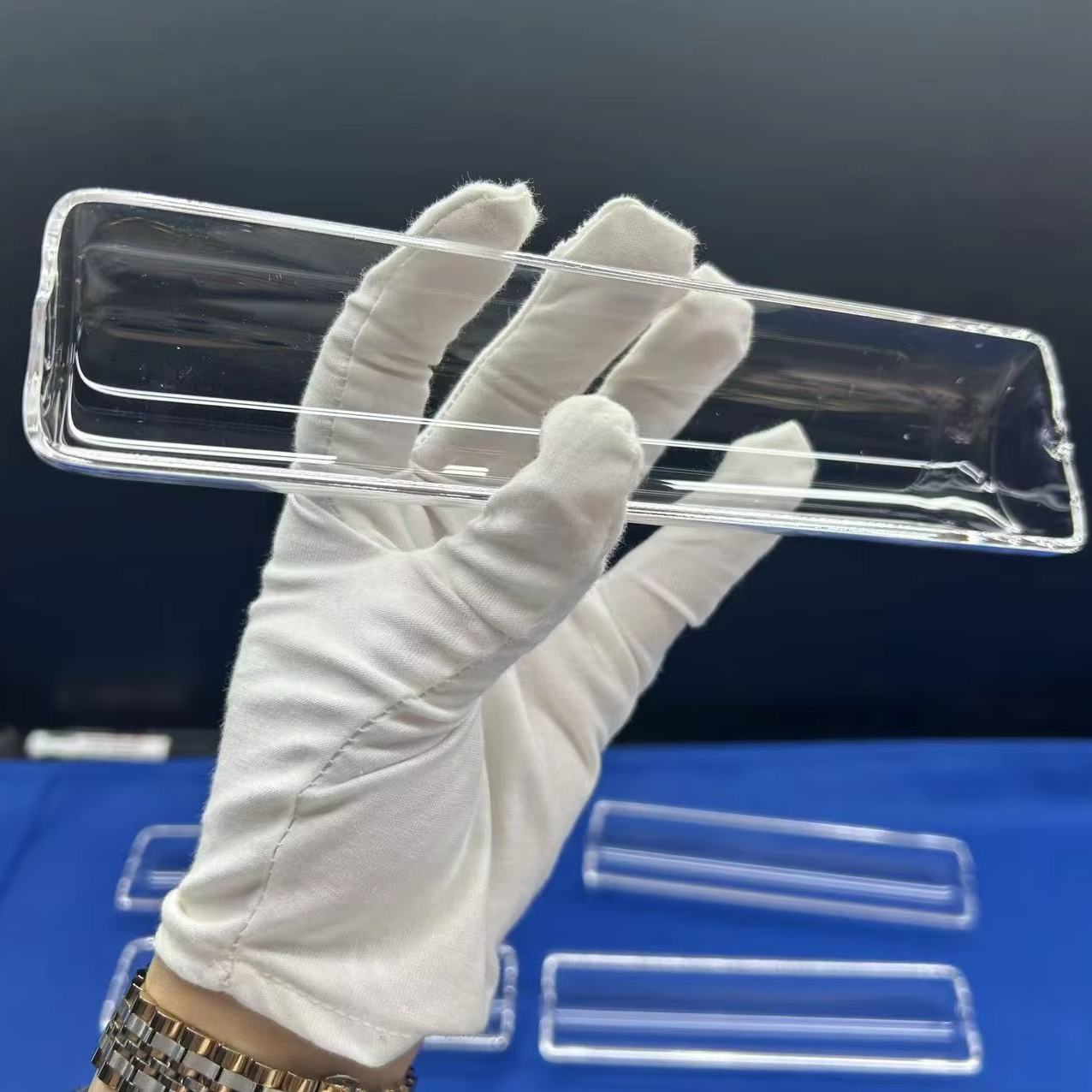
Customized Clear Fused Silica Quartz Boat Polished Clear Quartz Wafer Carrier
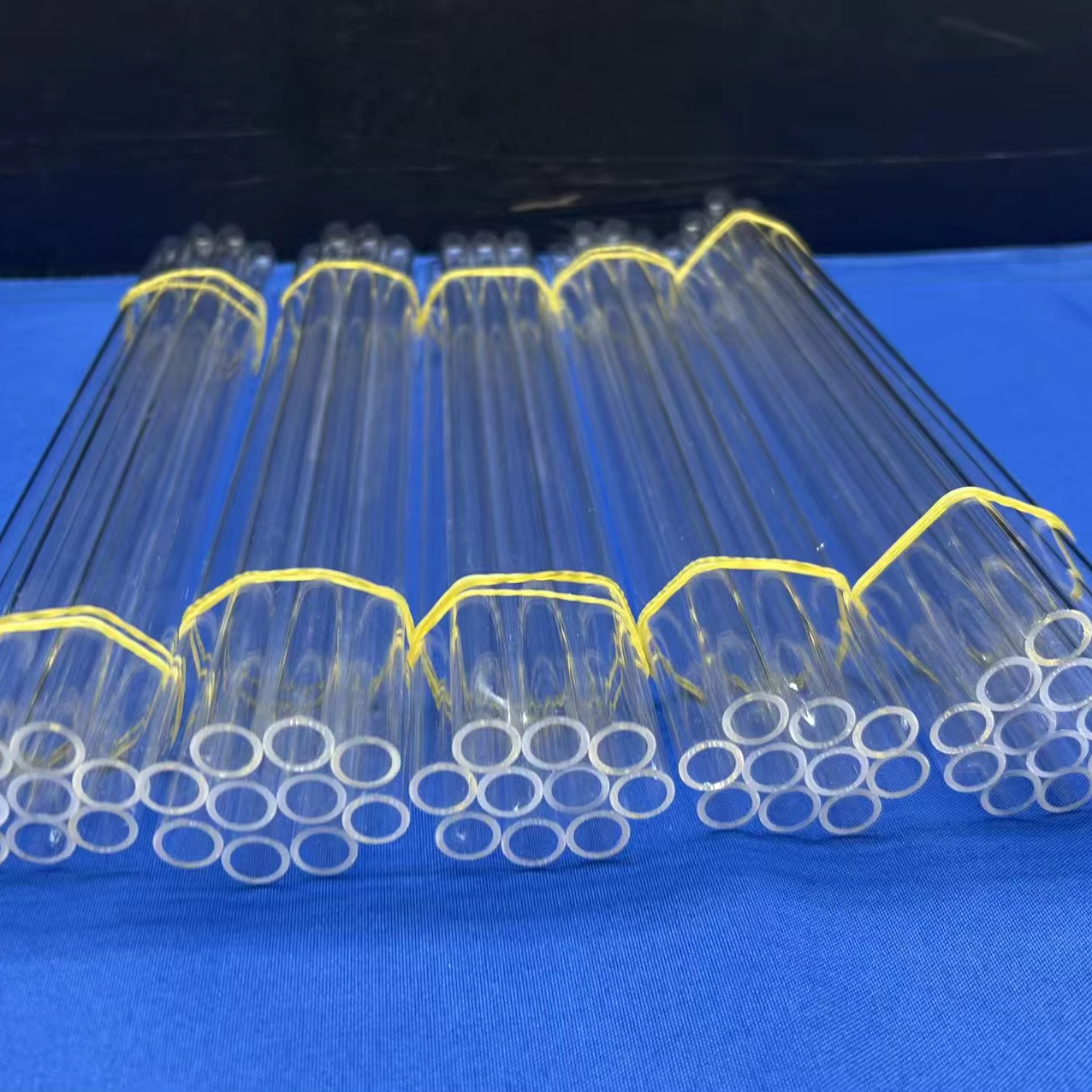
High-Purity Transparent Quartz Test Tube
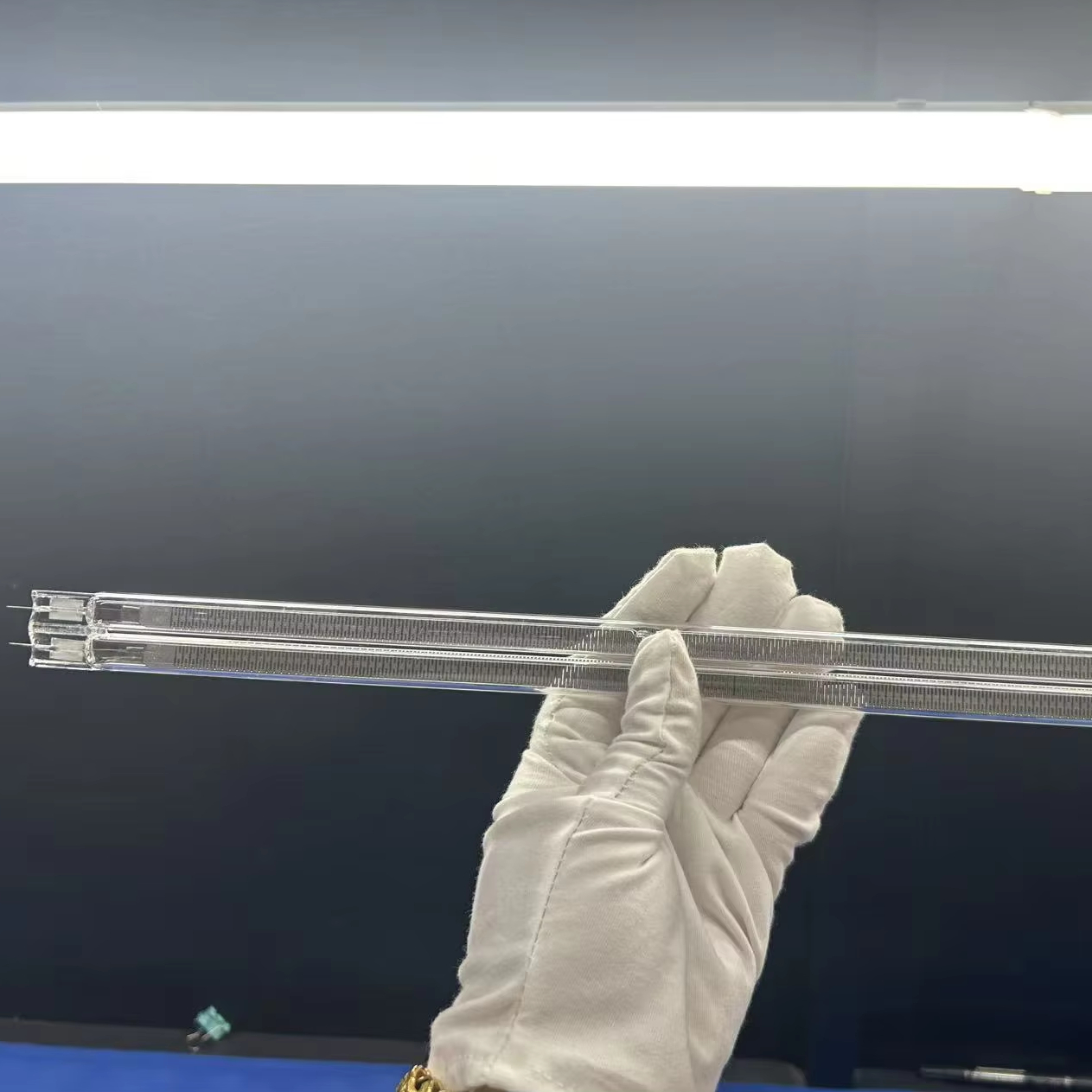
220V/380V Infrared Quartz Heating Tube (Carbon Fiber / Halogen)
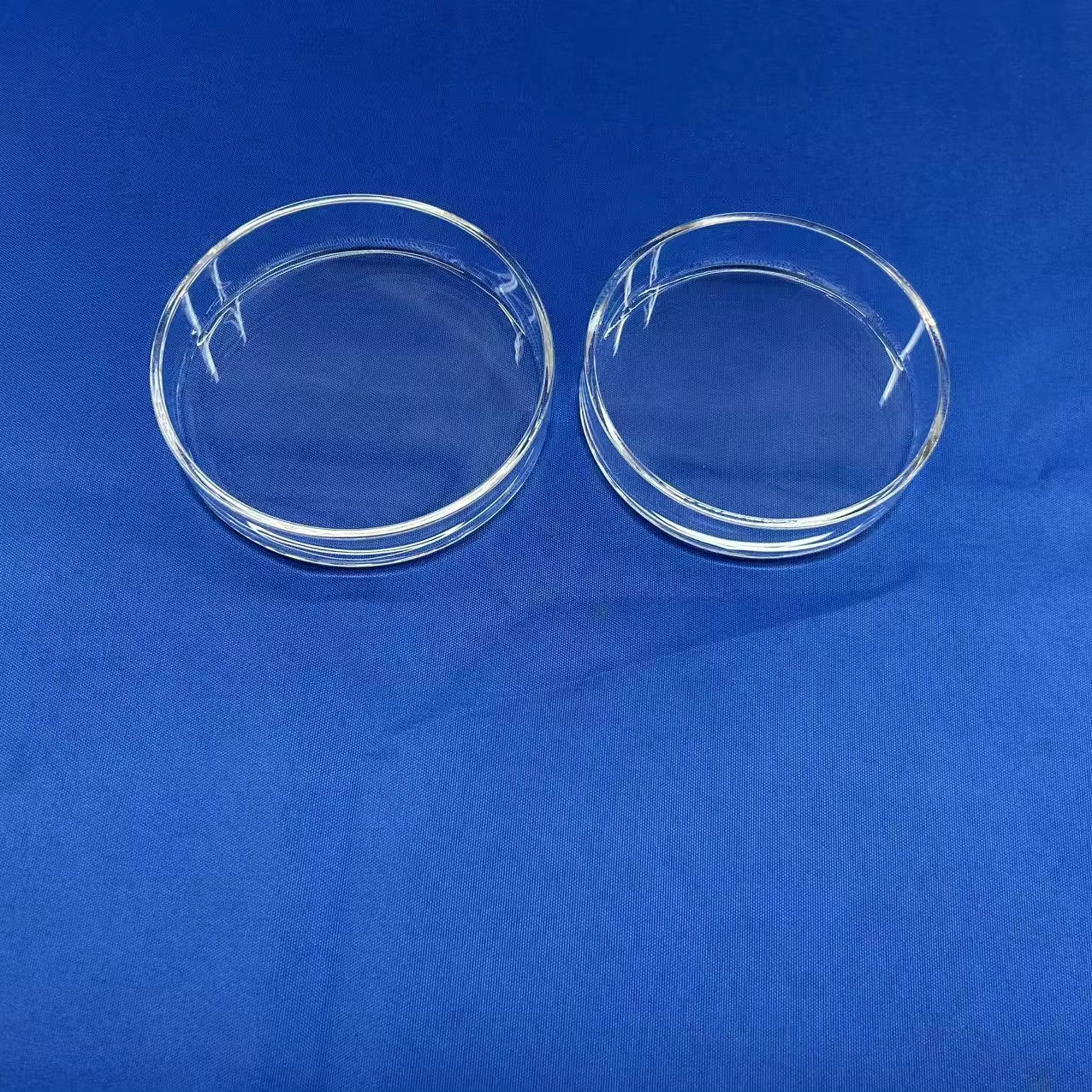
Factory Customized High-Purity Quartz Glass Petri Dishes with Lids
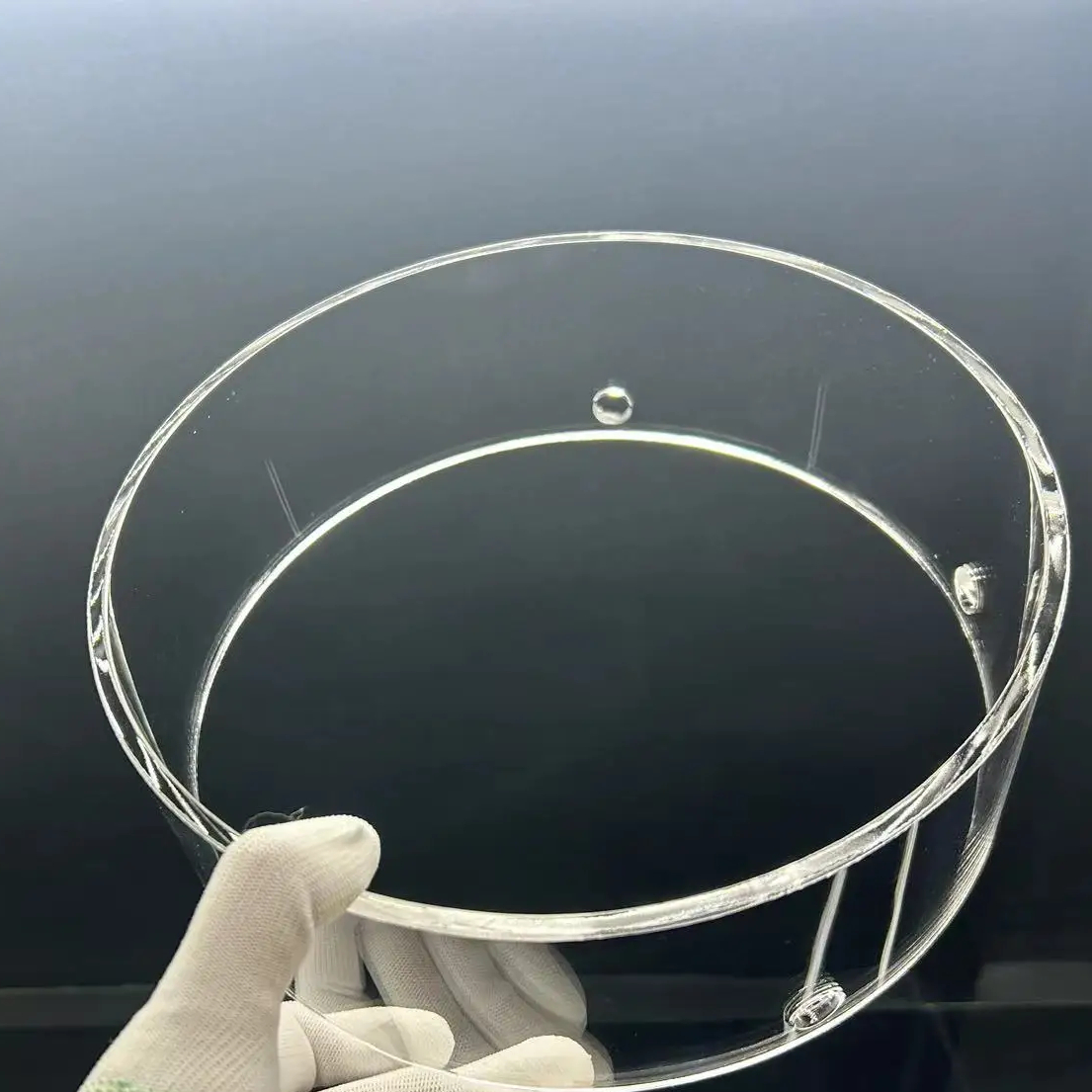
Precision High-Temperature Fused Transparent Quartz Tube
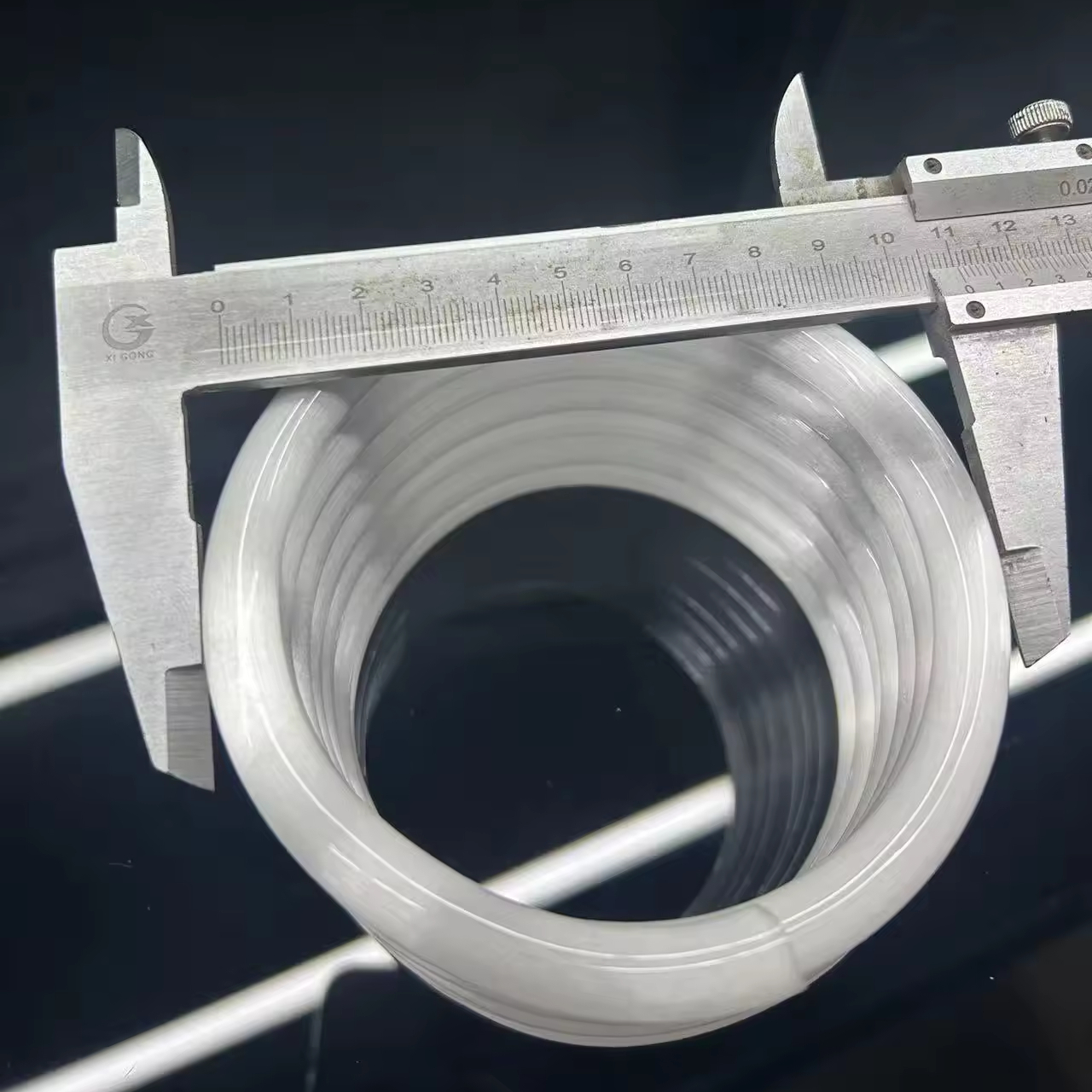
Custom Helical Clear Quartz Glass Coil Heat Exchanger Tube
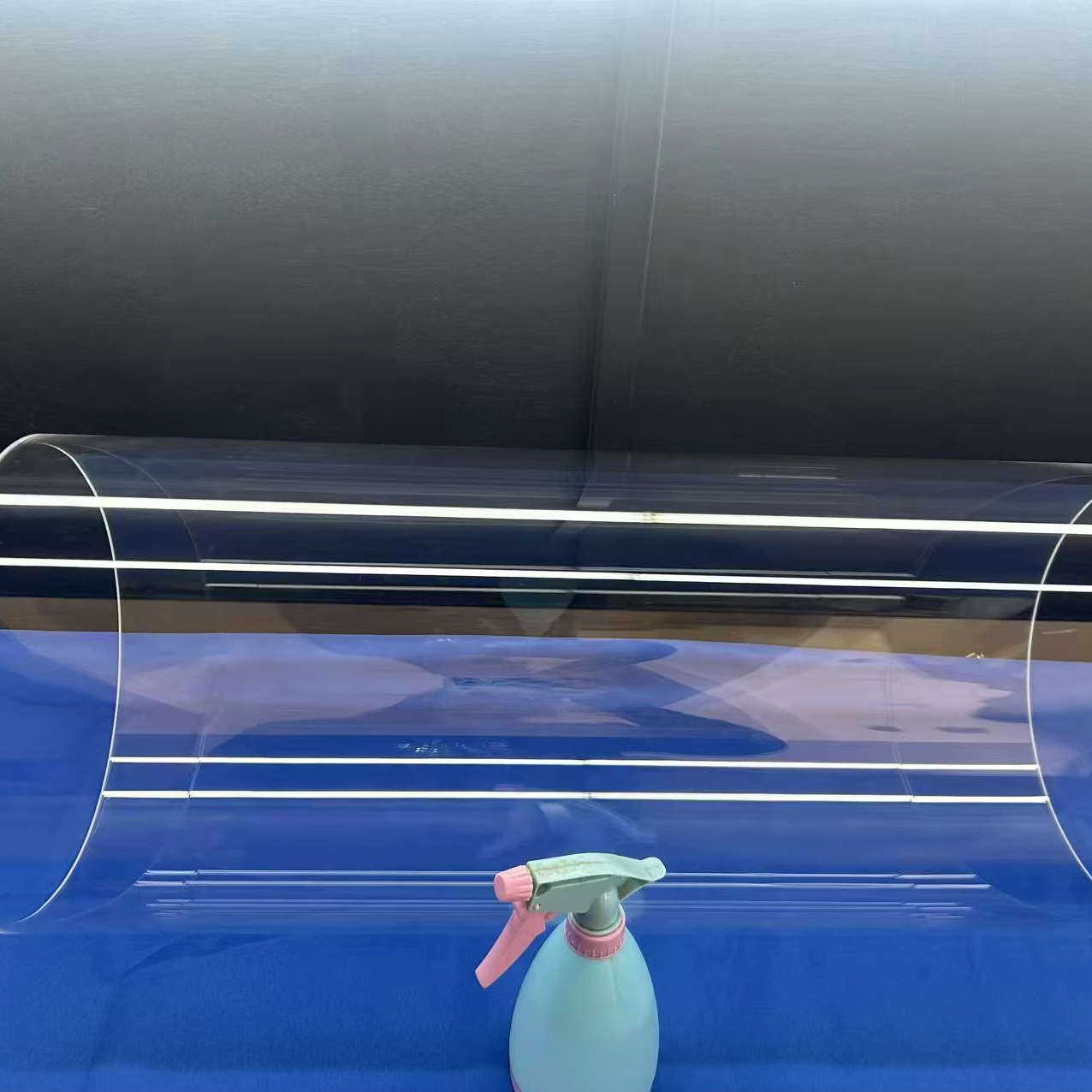
Customizable High Purity Fused Quartz Glass Tube (Heat Resistant)
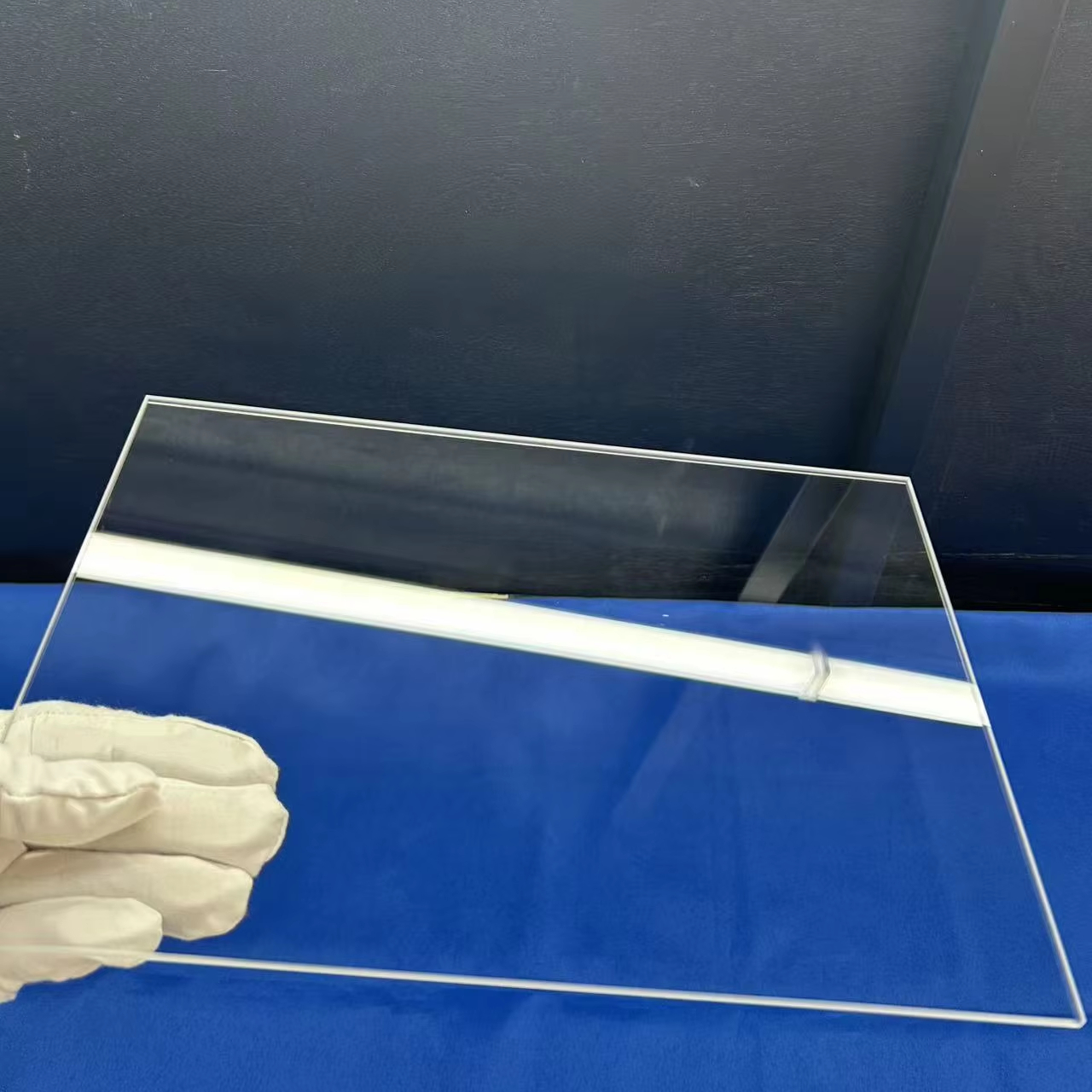
Custom Polished Optical Square Quartz Glass Plate 4mm (JGS1/JGS2)
Synthetic Quartz Glass Procurement White Paper: Direct Supply Chains from China to Berlin
As the European technology sector continues to accelerate, Berlin has established itself as an essential European epicenter for optolithography, photonics, bio-analytical instrumentation, solar research, and semiconductor prototyping. High-tech facilities across the Berlin-Brandenburg region—such as those centered in the Adlershof Science and Technology Park (WISTA)—require continuous access to ultra-high-purity synthetic fused silica (JGS1) and natural fused quartz (JGS2/JGS3) components engineered with sub-micron tolerances and pristine optical homogeneity.
Navigating the global supply market for synthetic quartz requires a rigorous understanding of raw material synthesis, chemical vapor deposition (CVD) processes, structural hydroxyl ($OH^-$) content management, and precision CNC cold processing. This technical white paper provides Berlin-based procurement directors, optical engineers, and semiconductor plant managers with actionable insights into evaluating leading Chinese synthetic quartz glass factories, understanding technical trade-offs between synthetic fused silica and natural fused quartz, and establishing reliable OEM/ODM direct export logistics.
Technical Comparison: Synthetic Fused Silica (JGS1) vs. Natural Fused Quartz (JGS2 / JGS3)
In high-precision optical and semiconductor applications across Berlin's research hubs, selecting the appropriate material grade dictates operational life, laser damage thresholds (LDT), and thermal performance. Chinese manufacturing centers, notably situated in Donghai County (Jiangsu Province)—the crystal capital of China—produce three main standardized optical grades:
| Grade Classification | Synthesis / Raw Material | Optical Transmission Band | OH- Content | Primary Berlin Industry Applications |
|---|---|---|---|---|
| JGS1 (Synthetic Fused Silica) | Silicon Tetrachloride ($SiCl_4$) via Flame Hydrolysis CVD | 185 nm – 2,500 nm Deep UV / UV Spectrum | Typical < 50 ppm (Synthetic Low-OH variants < 5 ppm) | DUV lithography lenses, excimer laser optics, bio-spectrophotometer cuvettes, beam splitters. |
| JGS2 (Natural Fused Quartz) | Purified High-Purity Natural Quartz Crystal Grains | 220 nm – 2,500 nm UV-Vis-NIR Standard | Approx. 150 – 200 ppm | Semiconductor wafer carriers, sight glasses, furnace processing tubes, general lab glassware. |
| JGS3 (Infrared Fused Quartz) | Vacuum Electric Melting of Natural Quartz Grains | 260 nm – 3,500 nm Infrared Spectrum | Ultra-low < 5 ppm (OH- Free) | IR window plates, carbon-fiber infrared heating elements, thermal processing chambers. |
Key Physical & Mechanical Properties of Fused Silica Components
When engineering custom components—such as wafer boats, optical windows, or high-temperature reaction tubes—for deployment in German manufacturing lines, engineers must reference standard physical parameters:
Thermal Performance & Thermal Shock Resistance
Synthetic and high-purity fused quartz possess an extremely low coefficient of thermal expansion ($\approx 5.5 \times 10^{-7} / \text{K}$ between 20°C and 320°C). This gives the material extreme thermal shock resistance. A red-hot quartz tube heated to 1100°C can be plunged into cold water without cracking or structural failure, making it ideal for fast thermal processing (RTP) equipment used in semiconductor fabs.
Chemical Inertness & High-Purity Integrity
Fused quartz consists of over 99.99% $SiO_2$, providing total immunity to nearly all acids—including nitric, sulfuric, and hydrochloric acid—at elevated temperatures (excluding hydrofluoric acid $HF$ and phosphoric acid $H_3PO_4$ above 150°C). Trace metallic impurities (such as $Fe, Al, Ti, Na$) are strictly controlled under 10 ppm for natural grades and under 0.1 ppm for synthetic JGS1 grades.
Localized Application Scenarios in Berlin & Germany’s High-Tech Sector
Berlin’s ecosystem demands specialized quartzware tailored to strict European standards (DIN ISO 2768-m, CE, REACH, RoHS). Below are the prominent localized application scenarios where Chinese custom quartz manufacturing bridges supply chain gaps for Berlin enterprises:
1. Photonics & Laser Optics (Berlin-Adlershof Cluster)
Optical research teams in Berlin-Adlershof utilize JGS1 synthetic quartz plates and discs for high-power laser windows, beam-steering mirrors, and UV spectrophotometer optics. High laser damage thresholds and bubble-free optical clarity (Class 0 according to DIN 58927) ensure uncompromised optical paths in deep-ultraviolet wavelength applications.
2. Semiconductor & Microelectronics Fabrication
With close logistics links to the nearby "Silicon Saxony" region (Dresden) and local Berlin wafer processing labs, Chinese exporters supply precision-machined clear fused silica quartz boats, carrier racks, outer furnace tubes, and flange assemblies designed to withstand continuous 1100°C oxidation and diffusion cycles.
3. Life Sciences & Biotechnology Analytical Labware
Berlin’s thriving pharmaceutical and medical diagnostic firms require ultra-clean, chemical-resistant quartz petri dishes with ground lids, micro-cuvettes, helical coil glass tubes, and specialized distillation apparatus for high-purity chemical testing where borosilicate glass would introduce unwanted alkali leaching.
4. Industrial Heating & UV Disinfection Systems
Industrial plant machinery in Brandenburg utilizes heavy-wall fused transparent quartz tubes and twin-tube carbon-fiber halogen infrared heating tubes (220V/380V) for rapid thermal curing, plastics molding, and high-efficiency municipal UV water purification systems across Northern Germany.
5. Custom OEM Glassware & Microfluidic Prototype Fabrication
When standard off-the-shelf catalog glassware cannot meet bespoke experimental setups, Chinese factories provide fast-turnaround OEM custom cold-working (CNC milling, ultrasonic drilling, laser cutting, optical flame polishing) from customer CAD drawings (STEP, DWG), delivering prototypes directly to Berlin buyers via express air freight within 7 to 12 working days.
Procurement Trends & Sourcing Dynamics in Berlin's High-Tech Ecosystem
Procurement strategies among German original equipment manufacturers (OEMs) and research institutes have evolved significantly. To maintain competitive advantage under rising domestic production costs in Western Europe, German firms are increasingly establishing direct relationships with specialized Chinese quartz manufacturing clusters. Key trends reshaping this supply trade include:
• Shifts Toward Direct Factory Sourcing (Bypassing Intermediaries)
Historically, Berlin engineering buyers purchased quartzware through local European trading agents with 200%–400% markups. Direct communication with primary Chinese manufacturers—like Donghai County Nivra Quartz Products Co., Ltd.—delivers equivalent or superior material purity at substantial cost savings, accompanied by direct engineering-to-engineering technical consultation.
• Strict Adherence to EU Chemical & Environmental Mandates
German importers require verified compliance with EU Regulation (EC) No 1907/2006 (REACH) and Directive 2011/65/EU (RoHS). Premier Chinese synthetic quartz exporters maintain rigorous material trace analysis reports to ensure seamless customs processing at major German freight hubs like Berlin Brandenburg Airport (BER) or Hamburg Port.
• Micron-Level Tolerances via Advanced CNC Cold Processing
Modern quartz processing has evolved far beyond manual torch glassblowing. Top Chinese exporters employ 5-axis CNC ultrasonic machining centers, high-precision surface grinders, and double-sided planetary optical polishing machines to achieve dimensional tolerances down to $\pm 0.005 \text{ mm}$ and surface roughness of $Ra < 0.2 \text{ nm}$.
• Customized Shock-Absorbing Export Packaging Protocols
Eliminating transit breakage is paramount when exporting fragile quartz glass to Germany. Premier exporters utilize custom-molded high-density polyethylene (PE) shock foam, vacuum sealing, and heavy fumigation-free ply-wooden crates equipped with multi-axis tilt and drop impact indicators.
Enterprise Advantage: Why Direct Sourcing from Donghai Quartz Capital Matters
Situated in Donghai County, Lianyungang, Jiangsu Province—globally recognized as the hub of China’s crystal and quartz material industry—our facility (Donghai County Nivra Quartz Products Co., Ltd.) integrates raw material selection, advanced hot-working synthesis, and high-precision cold machining under one audited quality management system.
Integrated Supply Chain
Direct proximity to raw quartz refining reserves drastically lowers raw material procurement costs and guarantees immediate access to premium synthetic silica feedstocks ($SiCl_4$) and high-purity natural silica sand.
Rigorous Quality Assurance
Every production batch undergoes strict dimensional verification using coordinate measuring machines (CMM), laser interferometers for optical surface flatness ($\lambda/10$), and UV-Vis-NIR spectrophotometer transmission testing.
Rapid Technical Support
Our engineering team provides bilingual technical support within an average response window of under 5 hours, ensuring CAD drawing reviews, DFM (Design for Manufacturability) analysis, and quick quotation turnaround for German buyers.
Frequently Asked Questions (FAQ) for Berlin & German Procurement Managers
Technical answers addressing common inquiries regarding synthetic quartz glass import, specs, custom tolerances, and logistics.
Ready to Request a Technical Quote for Your Berlin Facility?
Submit your CAD drawings or technical specifications today. Our engineering team will review your requirements and provide a competitive factory-direct quote within 5 business hours.