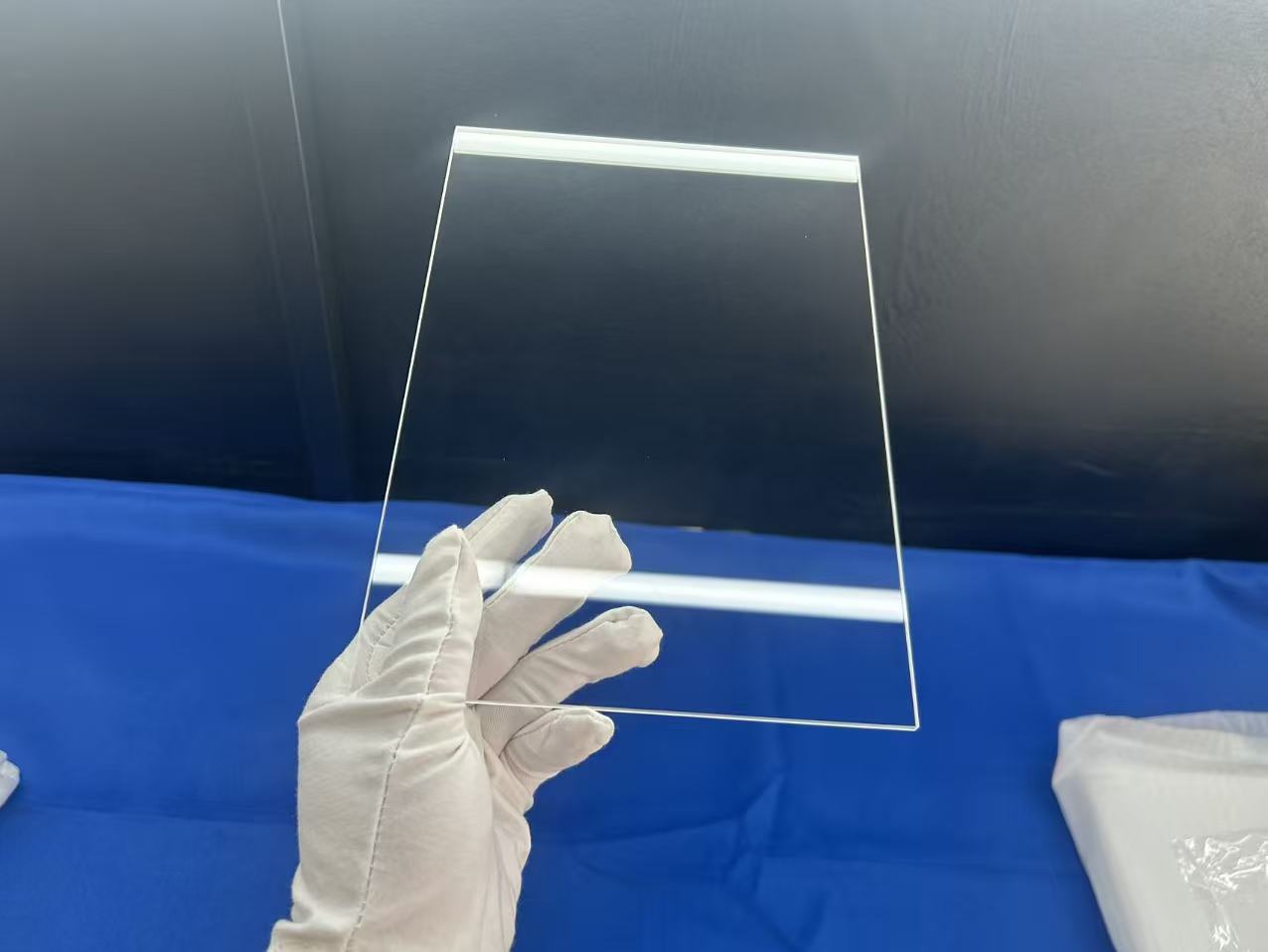
Precision Catalog
Specialized Fused Quartz Components for Cleanroom Operations
Standard and custom-engineered quartzware built from refined silica, featuring sub-millimeter slotting tolerances, extreme chemical resistance, and continuous operational stability up to 1100°C.
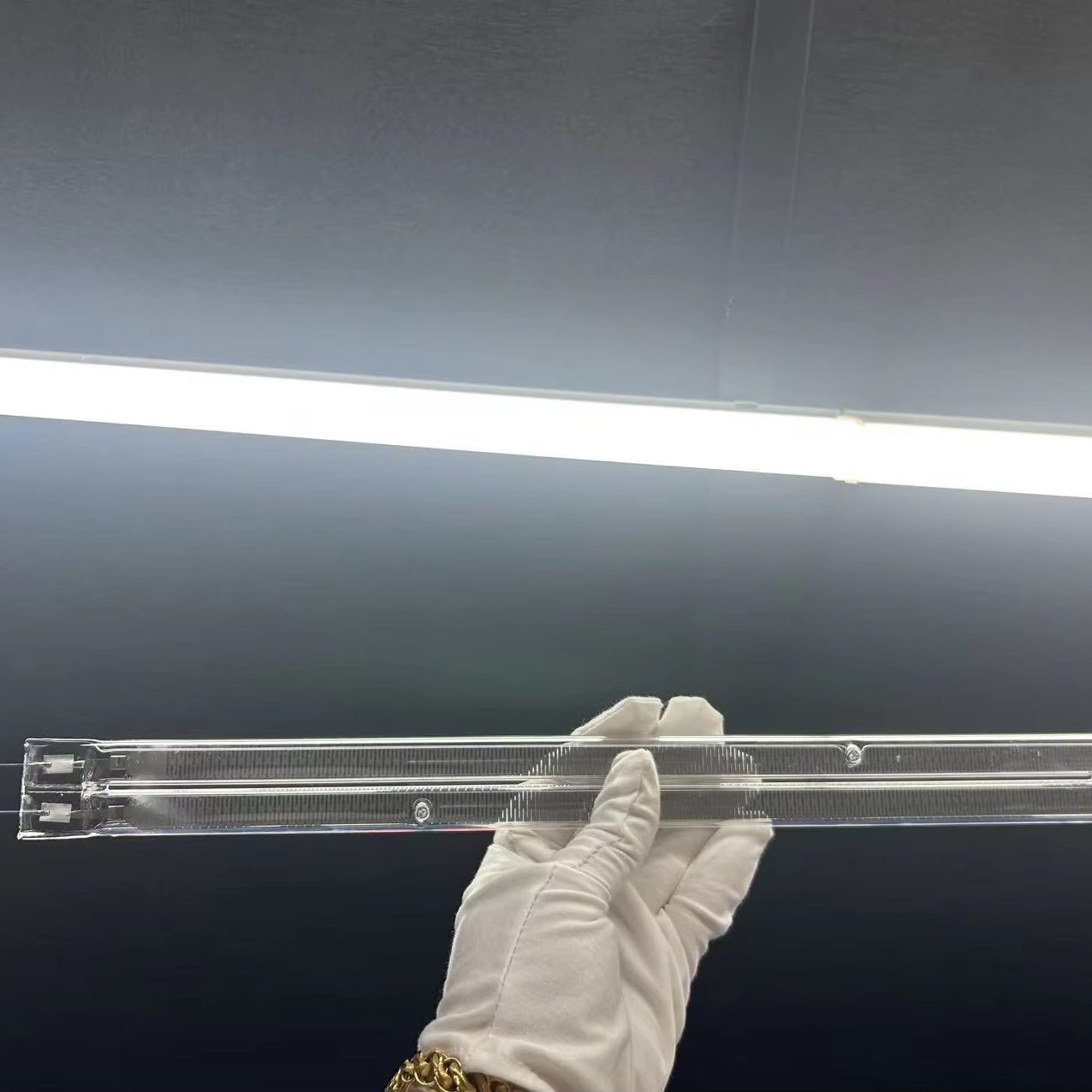
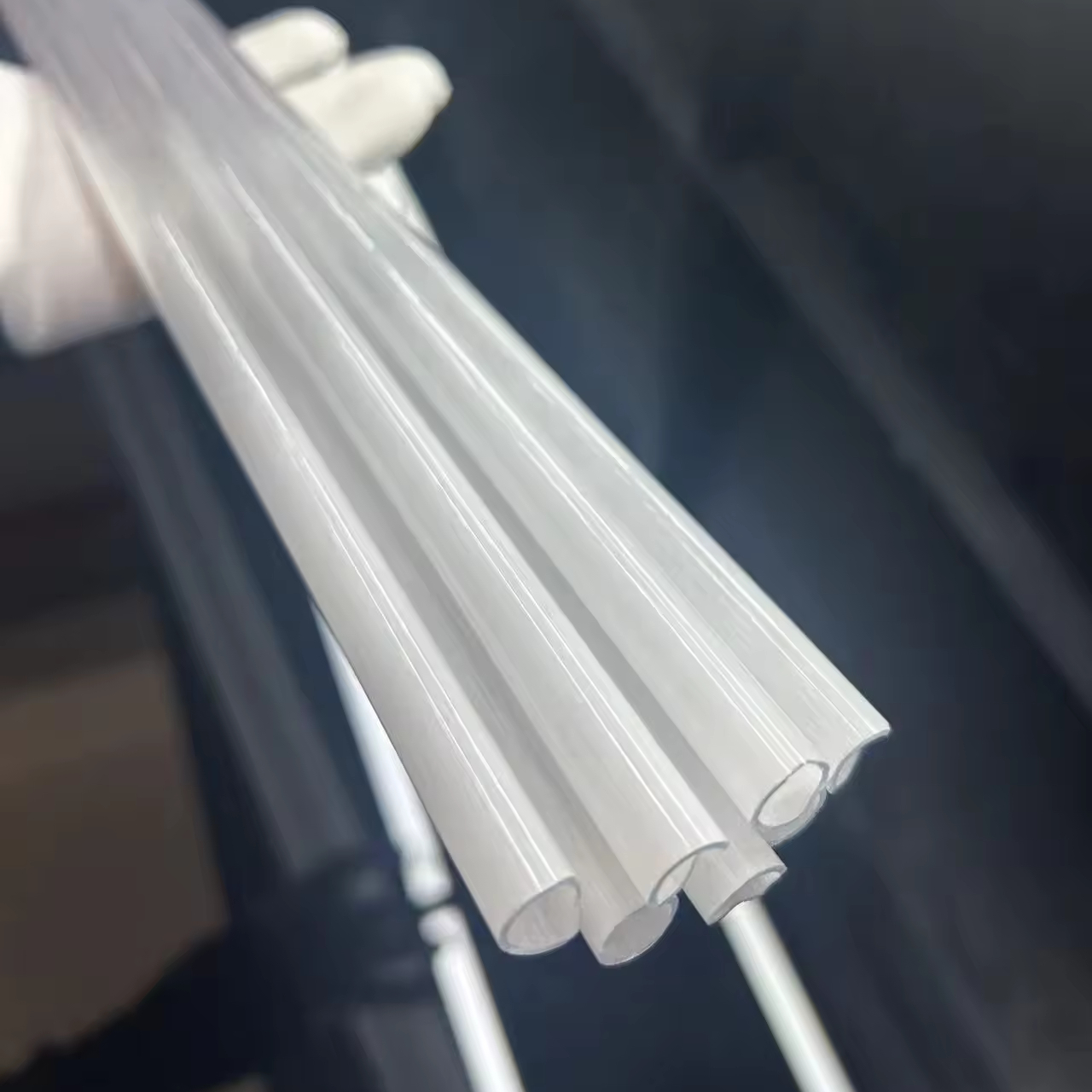
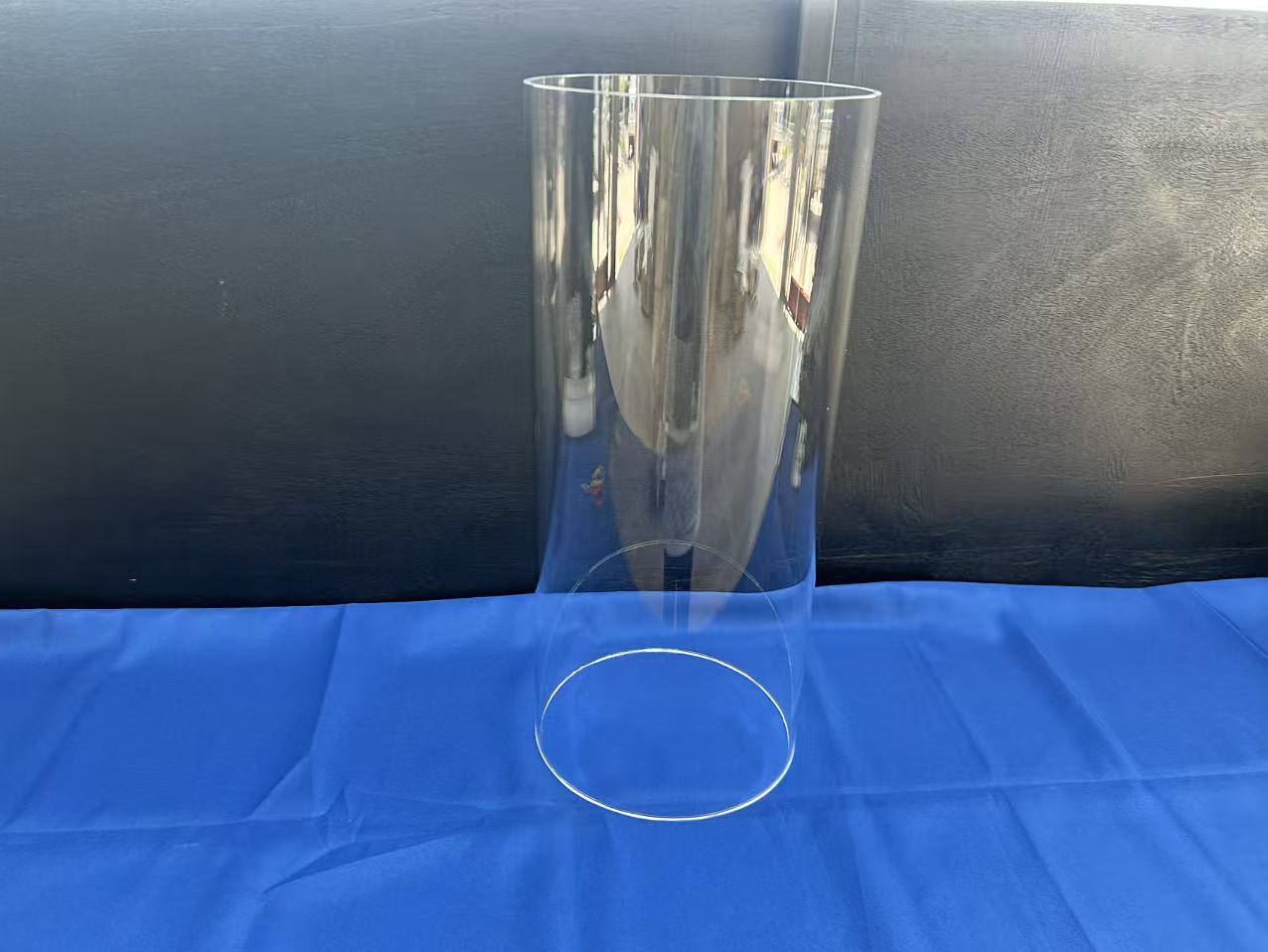
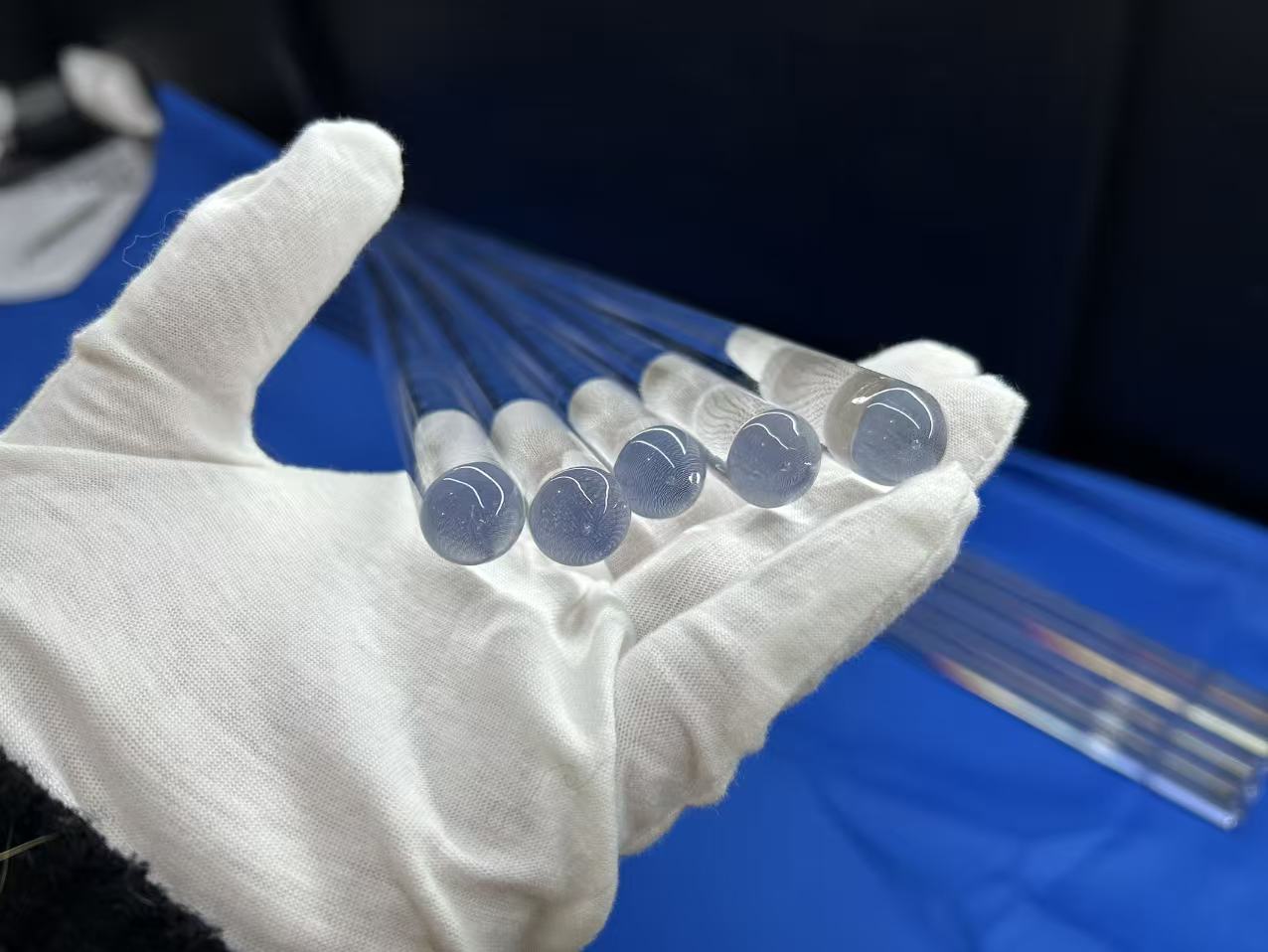
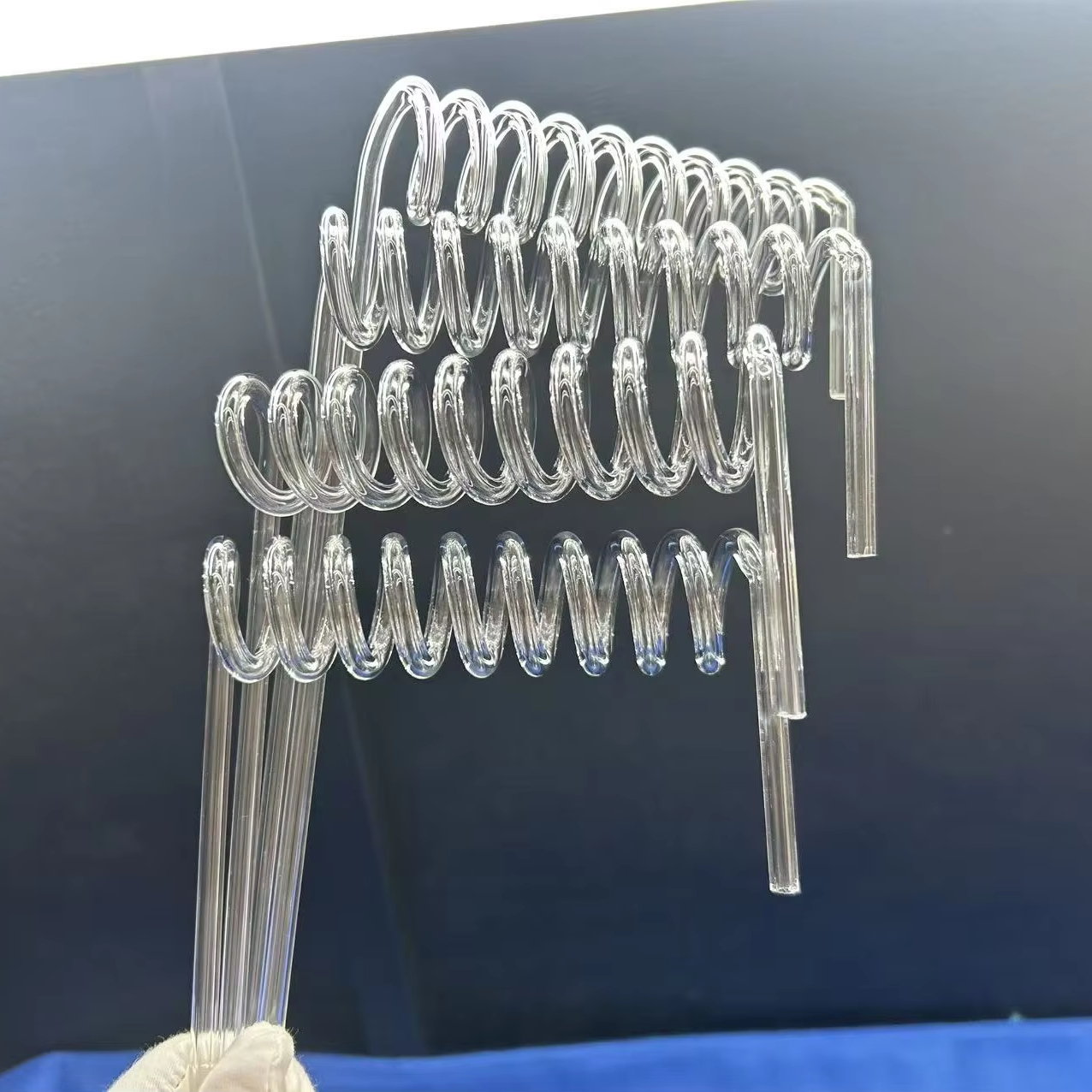
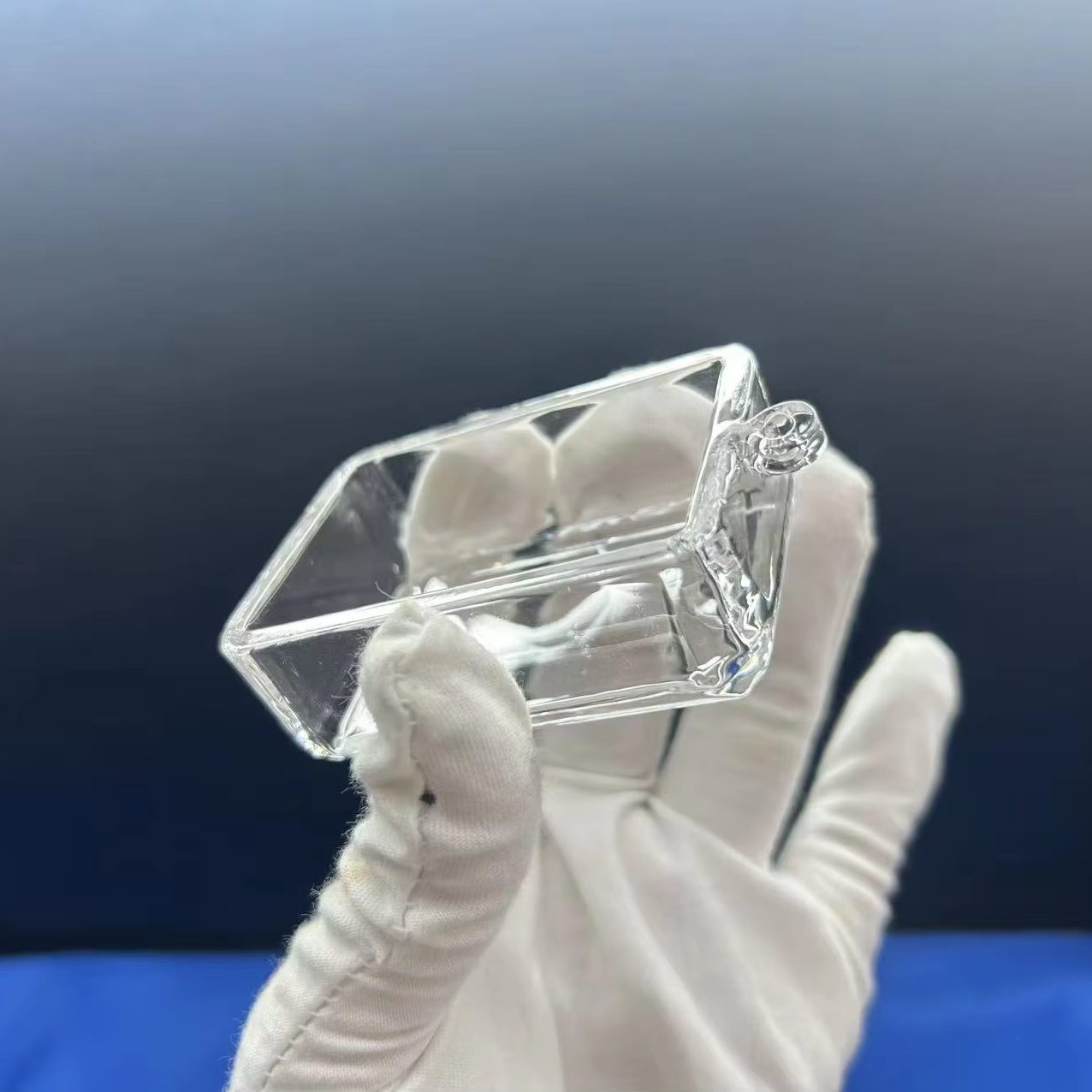
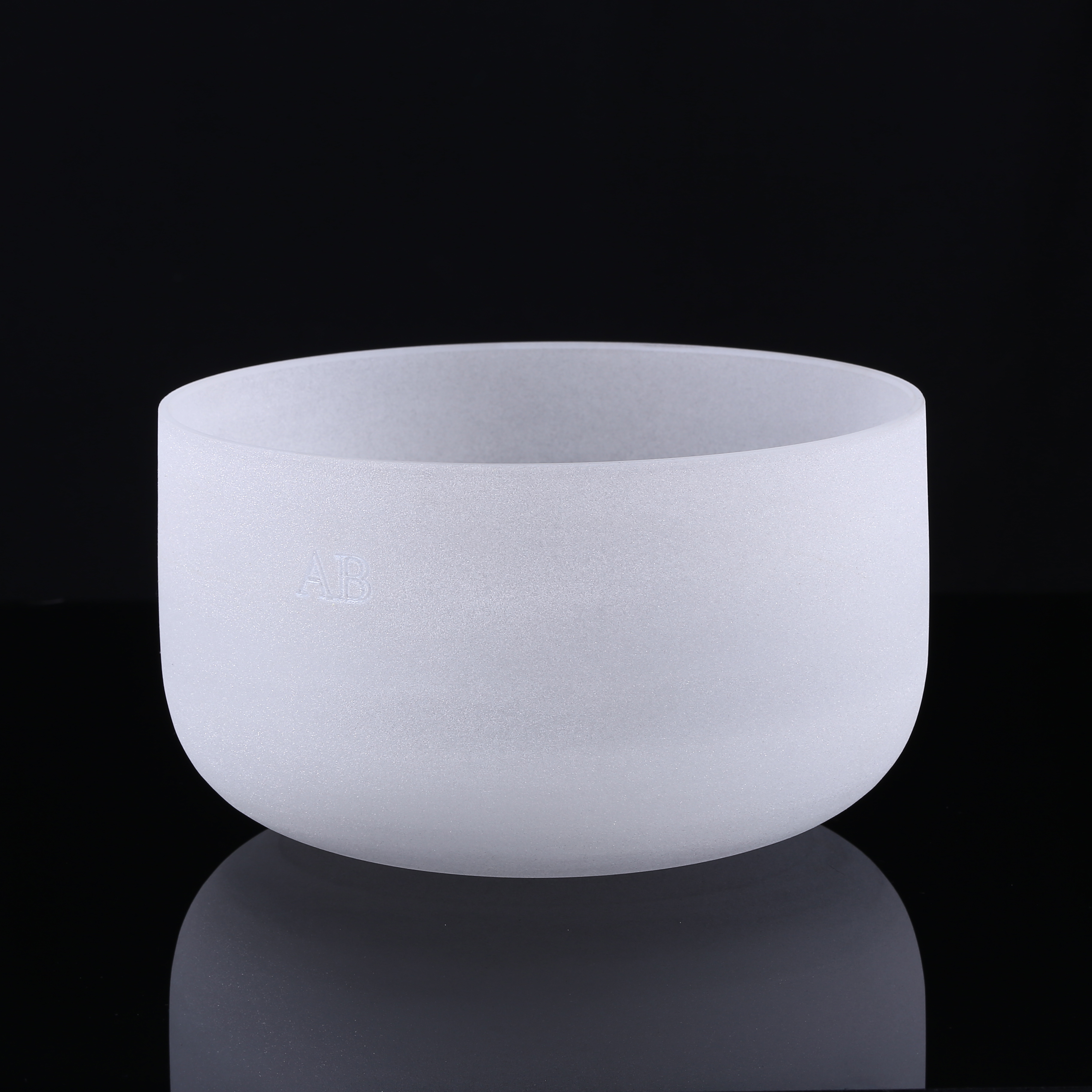
Executive Engineering Overview: Fused Quartz Carrier Dynamics in Semiconductor Thermal Processing
In modern microfabrication and advanced packaging environments, semiconductor wafer boats (carriers) serve as the primary structural interface inside diffusion furnaces, chemical vapor deposition (CVD) tubes, and oxidation chambers. Unlike conventional glassware, semiconductor quartz boats operate continuously under thermal gradients ranging from 800°C to 1250°C. Under these severe regimes, material purity, geometric precision, and thermal expansion compatibility govern both the operational yield of the wafer substrates and the mechanical longevity of the quartz structure itself.
Donghai County Nivra Quartz Products Co., Ltd. manufactures high-purity semiconductor quartz boats engineered from refined natural silica and synthetic fused silica ingots. Sourced directly in Donghai County, Jiangsu—the premier hub of China's quartz and silicon materials industry—our quartzware achieves total trace metallic contamination below 15 ppm in standard high-purity grades and below 5 ppm in ultra-pure semiconductor lines, drastically eliminating contamination from mobile ions such as sodium (Na), potassium (K), iron (Fe), and copper (Cu).
Critical Thermal Metric: Fused silica exhibits a remarkably low mean coefficient of thermal expansion (CTE) of approximately 5.5 × 10⁻⁷ /°C between 20°C and 320°C. This property grants exceptional thermal shock resistance, allowing quartz boats loaded with 100mm, 150mm, or 200mm wafers to withstand rapid insertion and retraction cycles into hot furnace zones without micro-cracking or catastrophic structural deformation.
Material Properties and Crystallographic Stability
Thermal stability at temperatures exceeding 1150°C is governed by the devitrification kinetics of the fused silica matrix. Pure amorphous silicon dioxide (SiO₂) exists in a metastable glass phase at elevated temperatures. When exposed to surface alkali impurities or thermal boundary stress, localized nucleation of beta-cristobalite occurs. As the quartz boat cools through the 200°C to 275°C threshold during batch unload, beta-cristobalite transitions displacively into alpha-cristobalite, accompanied by a volumetric shrinkage of nearly 5%. This crystallographic transition induces micro-fissuring, surface hazing, and eventual structural spalling.
To prevent premature devitrification, Nivra Quartz implements strict hot-zone clean processing: flame-worked seams are treated with hydrogen-oxygen thermal smoothing, followed by rigorous chemical annealing in clean electric furnaces and multi-stage acid leaching (HF and ultra-pure deionized water baths). This ensures that residual surface stresses from diamond slotting and grinding are thoroughly relieved.
| Property Parameter | High-Purity Natural Quartz (Standard) | Synthetic Fused Silica (Ultra-Pure) | Impact on Cleanroom Furnaces |
|---|---|---|---|
| SiO₂ Purity Grade | ≥ 99.99% (4N) | ≥ 99.999% (5N) | Eliminates mobile ionic drift in CMOS gates |
| Softening Point (°C) | ≈ 1683 °C | ≈ 1600 °C | Determines high-temp sag resistance |
| Annealing Point (°C) | ≈ 1180 °C | ≈ 1120 °C | Maximum continuous diffusion limit |
| Thermal Expansion (CTE) | 5.5 × 10⁻⁷ /°C | 5.1 × 10⁻⁷ /°C | Governs thermal shock during rapid boat pull |
| Hydroxyl (OH⁻) Content | < 20 ppm (Standard Low-OH) | < 1 ppm (Dry) to 1200 ppm | Low-OH prevents blistering at >1100°C |
| Wafer Slot Tolerance | ± 0.05 mm | ± 0.02 mm | Prevents wafer pinching, warpage, and slip |
Precision CNC Laser Slotting & Ladder Architecture
A quartz boat's performance depends heavily on the machining quality of its wafer retention slots. Traditional mechanical cutting creates micro-notches along the tooth roots, which act as stress risers during thermal ramping. Nivra Quartz integrates 5-axis ultrasonic CNC diamond grinding and precision laser-guided slotting to fabricate horizontal ladder boats, vertical furnace boats, compact wafer cages, and cassette carriers. Each slot angle (typically 1.5° to 3° tilt or 90° vertical) is machined with radius-blended tooth contours and subsequently fire-polished to produce mirror-smooth contact surfaces that eliminate wafer backside scratching and particle generation.
Localized Application Scenarios in Montreal & Quebec’s Advanced Tech Corridor
The Greater Montreal metropolitan area, along with the adjacent Bromont-Sherbrooke microelectronics belt (the Technum Québec innovation zone), represents one of North America's most dynamic clusters for microelectronics packaging, MEMS sensors, quantum photonics, and compound semiconductors. Sourcing direct, high-specification quartzware from experienced Chinese manufacturers provides Montreal cleanroom facilities with significant competitive margins in replacement tooling, R&D flexibility, and serial production cost efficiency.
Bromont Microelectronics & MEMS Packaging
Facilities specializing in wafer-level packaging, 3D heterogeneous integration, and MEMS inertial sensors in the Bromont corridor utilize our horizontal fused quartz boats for LPCVD silicon nitride and polysilicon sacrificial layer depositions. The uniform slot spacing ensures homogenous gas distribution across every substrate.
Academic Nanotech & Microfabrication Centers
Leading academic cleanrooms at McGill University (such as the McGill Nanotools Microfab) and Polytechnique Montréal rely on custom low-volume quartz carriers. Our ability to supply custom configurations—such as 4-inch/6-inch multi-wafer hybrid boats and fragmented substrate holders—enables researchers to prototype exotic nanostructures with rapid turnaround.
Integrated Photonics & Quantum Hardware
Montreal's quantum and photonics ventures working on lithium niobate, silicon photonics, and trapped-ion chips require ultra-clean thermal annealing boats. Our low-hydroxyl quartz components eliminate outgassing in vacuum furnaces, preventing optical transmission degradation in waveguiding substrates.
Cleanroom Acid Etch & RCA Wet Benches
Beyond high-temperature furnaces, wet-processing stations across Quebec fab lines employ Nivra Quartz tanks, beakers, and chemical dipping baskets. Fused quartz exhibits near-complete chemical inertia to hot sulfuric-peroxide (Piranha) and hydrochloric cleans, ensuring zero trace metallic leaching during critical wafer decontamination steps.
Industry & Supply Chain Trends in Quebec’s Semiconductor Ecosystem
As the Canadian federal and Quebec provincial governments accelerate investments in domestic microelectronics resilience (including the designated Critical Minerals & Semiconductor Strategy), cleanrooms and device manufacturers across Greater Montreal are upgrading their processing capabilities. This technological evolution drives specific trends in thermal quartzware sourcing:
1. Transition to Compound Semiconductor Substrates (GaN & SiC)
With Montreal expanding its footprint in electric mobility, power electronics, and high-frequency telecommunications, local fabs increasingly process Gallium Nitride (GaN) on silicon and Silicon Carbide (SiC) wafers. These substrates require thermal annealing at temperatures reaching 1200°C to 1350°C. Standard commercial quartz sagging limits necessitate heavy-wall structural rods and reinforced ladder cross-braces to prevent thermal creep over extended processing runs.
2. High-Density Wafer Pitch & Automation Integration
Modern fab optimization focuses on higher furnace throughput without increasing thermal chamber footprints. Montreal fabs are migrating from 4.76mm pitch to ultra-dense 2.38mm and 1.5mm pitch boats. Achieving consistent gas diffusion between tightly packed wafers demands slot parallelism tolerances held strictly within ±0.03mm, as well as robotic kinematic pins compatible with modern Automated Material Handling Systems (AMHS).
3. Direct Factory Sourcing to Counter Supply Chain Lead Times
Procuring precision quartzware through regional distributors often introduces multi-month markups and intermediaries. Engineering procurement managers in Montreal increasingly establish direct technical pipelines with specialized Chinese manufacturers in Donghai. Direct CAD review, real-time revision sharing via STEP/DWG files, and express air delivery to Montreal-Trudeau Airport (YUL) significantly compress prototype-to-production cycles.
Enterprise Advantages: Nivra Quartz Engineering & Production Capabilities
Founded in February 2019 and headquartered at 285 Heping East Road, Lianyungang, Jiangsu, Donghai County Nivra Quartz Products Co., Ltd. operates as an integrated manufacturer and international trading specialist with an established workforce of 101 to 200 skilled employees. Our physical facility is situated directly in the heart of China's quartz heartland, granting unmediated access to high-purity natural crystal refining and state-of-the-art fused silica drawing facilities.
Nivra Quartz operates under the foundational commitment of "Quality First, Reputation First." We bridge high-capacity Chinese manufacturing with rigorous international quality standards, backed by a verified 5.0/5 customer service rating and an active export footprint where North American buyers account for over 40% of our global export volume.
Donghai Raw Material Hub
Direct local sourcing of ultra-pure silica raw stock minimizes transit degradation, provides transparent elemental batch traceability, and maintains competitive factory pricing without compromising semiconductor-grade specifications.
Full In-House Processing
Complete machining capabilities: CNC precision drilling, diamond wheel slotting, ultrasonic milling, optical polishing, hydrogen-oxygen flame welding, and electric annealing ovens handled under unified in-house oversight.
Rapid Engineering Turnaround
Measured 88.89% inquiry response rate with an average response time under 5 hours. Our English-speaking technical team works directly from your CAD drawings (PDF, DWG, STEP) to deliver rapid manufacturability feedback.
Strict Quality Verification
Premises inspected on-site by Alibaba.com and independently verified by third-party certification authorities. Every production run undergoes coordinate measuring machine (CMM) dimensional checks and optical clarity inspections.
Frequently Asked Questions: Sourcing Quartz Boats for Montreal Cleanrooms
Direct answers for wafer fabrication directors, cleanroom process engineers, and B2B sourcing specialists in Quebec regarding technical compliance, customs clearance, thermal handling, and protective logistics.
How do Nivra quartz boats prevent wafer sticking and thermal sagging during 1150°C diffusion runs?
Wafer sticking and plastic deformation (sagging) at elevated temperatures are caused by high hydroxyl (OH⁻) content and mechanical friction at the contact points. Nivra Quartz uses raw materials with low hydroxyl content (<20 ppm, and down to <2 ppm for dry synthetic grades). Low-OH quartz maintains a softening point near 1683°C and an annealing point around 1180°C, providing the structural viscosity necessary to prevent sagging under full wafer loads.
Furthermore, our precision slot geometries feature micro-radiused tooth shoulders polished with high-temperature hydrogen-oxygen flames. This eliminates microscopic roughness, ensuring silicon wafers slide smoothly during thermal expansion cycles without binding or micro-scratching.
What documentation and quality verification reports accompany quartz boat shipments to Canada?
Every commercial and prototype semiconductor order is delivered with full quality documentation: 1. Certificate of Analysis (COA): ICP-MS spectrometry detailing trace metallic impurities (Al, Fe, Ca, Mg, Na, K, Li, Cu, Ni, etc.). 2. CMM Dimensional Inspection Report: Verification of overall length, slot pitch, slot depth, parallelism, and perpendicularity according to your engineering drawing tolerances. 3. Certificate of Conformance: Confirming proper thermal annealing to relieve internal stress, verified under polarized light inspection.
How do you protect fragile, high-tolerance quartz boats against extreme winter shipping to Montreal?
Transporting fragile precision quartzware into Greater Montreal during winter sub-zero temperatures requires specialized thermal and mechanical protection. Each quartz boat undergoes cleanroom ultrasonic cleaning, followed by double vacuum packaging inside high-density polyethylene (PE) cleanroom bags to prevent moisture accumulation and particulate contamination.
The sealed parts are embedded within custom CNC-cut high-density EPE shock-absorbent foam blocks inside reinforced internal boxes, which are then secured inside export-grade, fumigation-free plywood crates. This suspension packaging isolates the quartz components from drops, rough logistics handling, and rapid thermal shocks during transport from Shanghai/Lianyungang to Montreal-Trudeau Airport (YUL) or the Port of Montreal.
What are the typical lead times and customs procedures under Canadian CBSA regulations?
Custom quartz boats manufactured to customer CAD specifications typically require 2 to 3 weeks for CNC machining, flame welding, annealing, and cleanroom packaging. Urgent prototype orders can be prioritized in 7 to 10 working days.
For transit to Quebec, air courier shipments (via DHL, FedEx, or air freight into Montreal YUL) take 4 to 7 business days. We provide commercial invoices, packing lists, and export declarations with accurate Harmonized Tariff System (HS) classifications (typically HS 7017.10 for fused quartz laboratory and industrial glassware). Fabs can clear customs seamlessly via their chosen Canadian customs broker under Canada Border Services Agency (CBSA) guidelines.
Can you replicate legacy furnace quartz boats (e.g., TEL, ASM, Kokusai, BTU) from broken samples or 2D drawings?
Yes. Many operational fabs run established horizontal or vertical diffusion furnaces where OEM replacement quartzware is obsolete or cost-prohibitive. You can send us CAD files (DWG, DXF, STEP, or PDF) or physical dimensions taken from intact or broken components.
Our engineering department converts these measurements into manufacturing models, standardizes slot pitches to OEM furnace tolerances (±0.05 mm), and produces direct-fit replacement boats, process tubes, and end flanges.
What is the recommended cleaning protocol before inserting a new Nivra quartz boat into a cleanroom furnace?
Although our products ship cleanroom-packed, best practice for semiconductor cleanrooms requires a site-specific pre-conditioning protocol: 1. Rinse thoroughly with high-resistivity (>18 MΩ·cm) deionized (DI) water. 2. Immerse in a 5% to 10% ultra-pure Hydrofluoric (HF) acid bath for 5 to 10 minutes to remove trace surface handling oxides (avoid extended immersion to preserve slot tolerances). 3. Cascade rinse with DI water until effluent resistivity reaches 18 MΩ·cm. 4. Dry thoroughly using filtered clean dry air (CDA) or high-purity nitrogen (N₂). 5. Ramp slowly in an empty furnace to 1000°C in an oxidizing atmosphere to pre-bake and ensure complete surface passivation.
Direct Factory RFQ
Ready to Optimize Your Cleanroom Quartz Component Sourcing?
Connect directly with Nivra Quartz's engineering department in Donghai. Send your dimensional prints, slot pitch requirements, and thermal process parameters for a comprehensive engineering review and transparent quotation within 5 hours.
Get a Quote