Export-Grade Quartz & Sapphire Component Selection
Custom-machined from ultra-pure raw quartz and optical sapphire crystals at our Donghai production complex, engineered specifically to satisfy European quality criteria and Norwegian harsh-environment certifications.
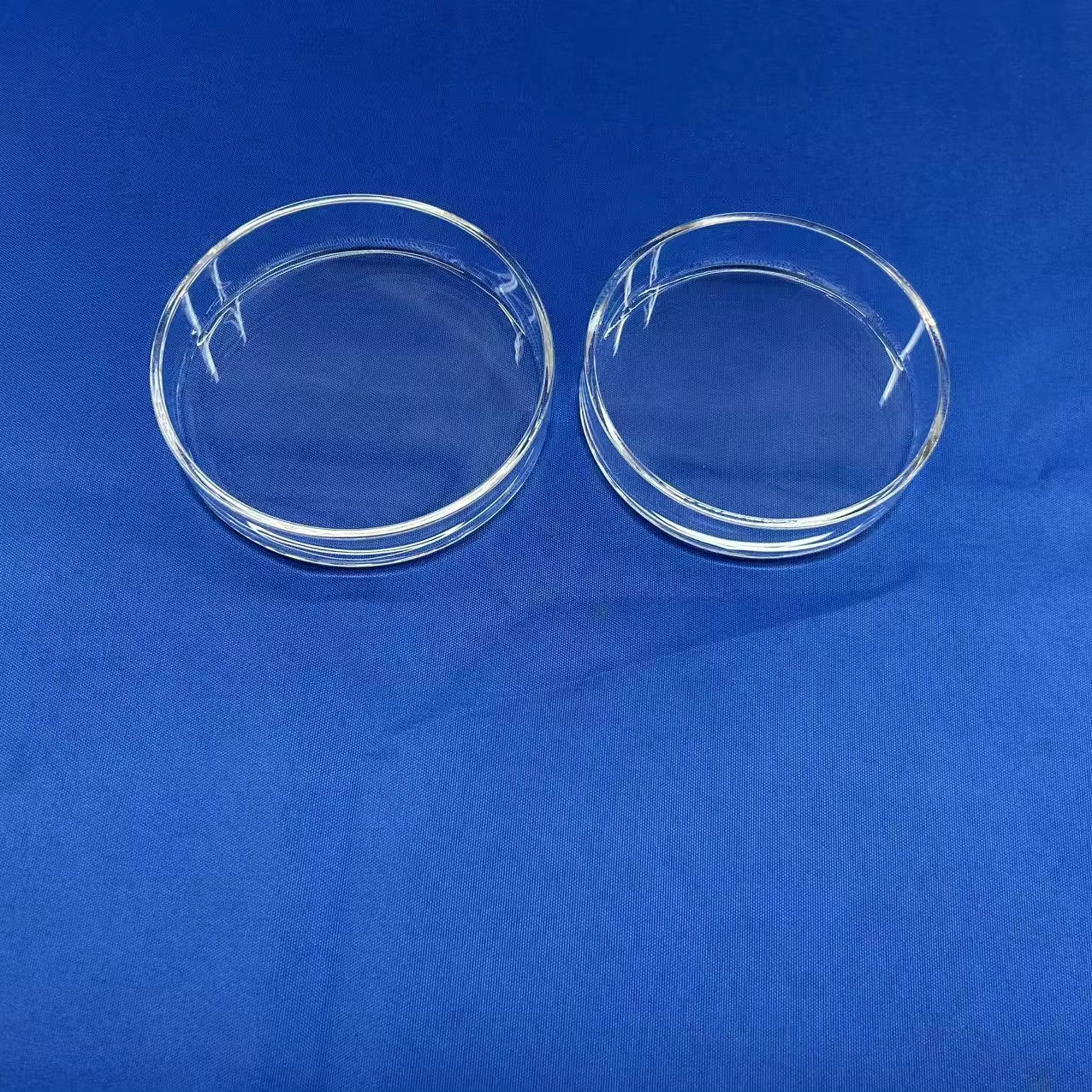
Factory Customized High-purity Quartz Glass Petri Dishes with Lids
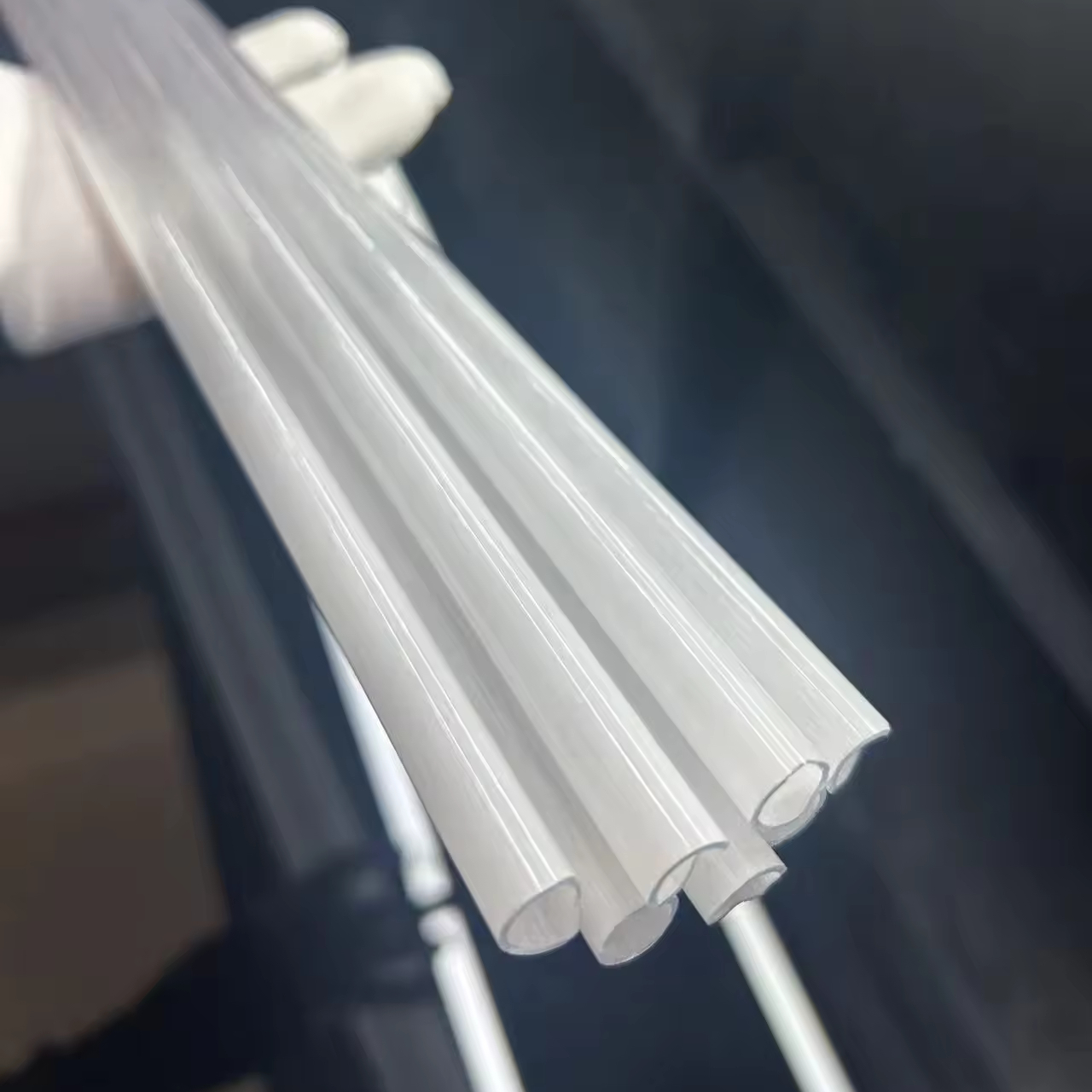
Translucent Quartz Glass Pipe Quartz Glass Sleeve Opaque Tube
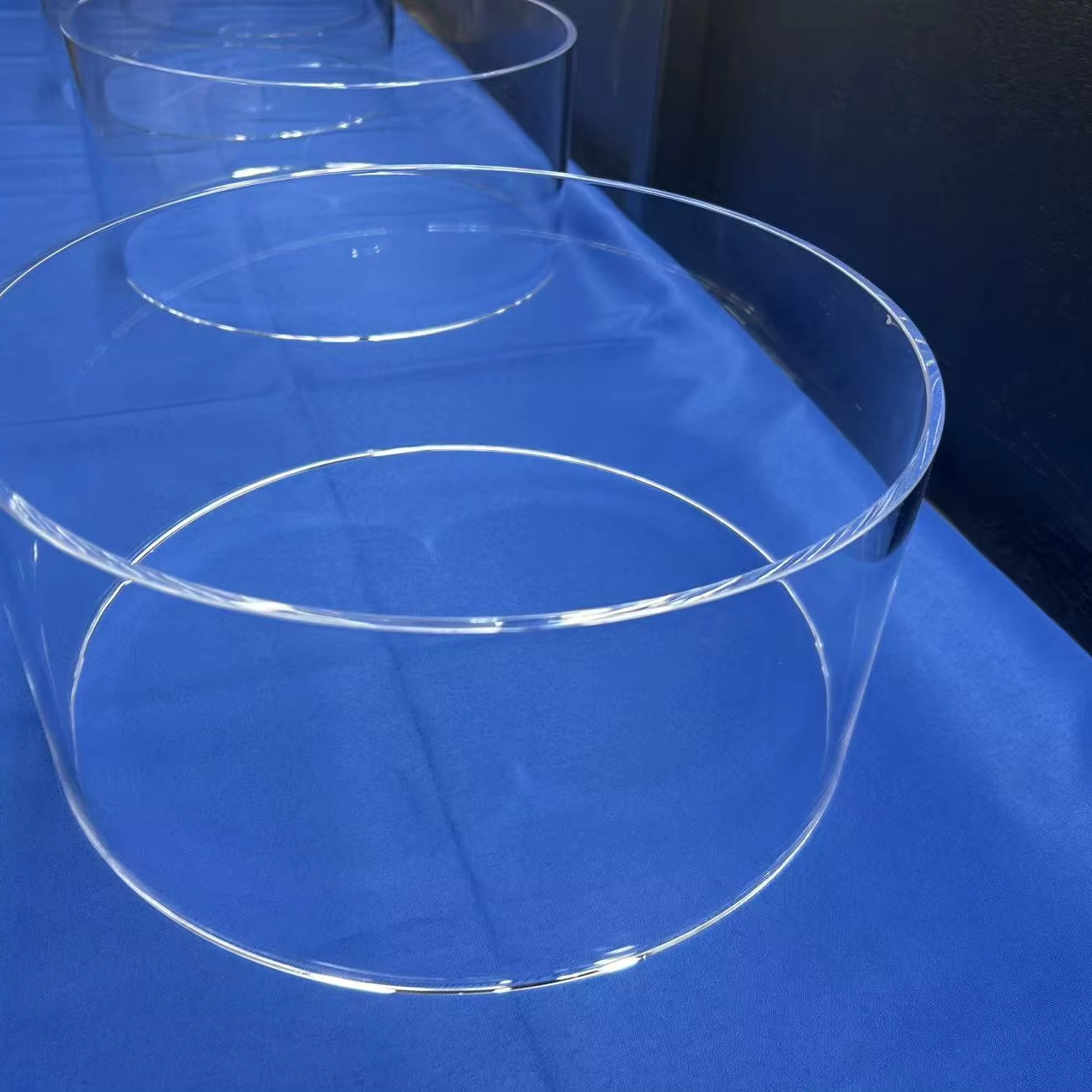
High-Purity Fused Quartz Large Diameter Round Rods Cutting & Welding
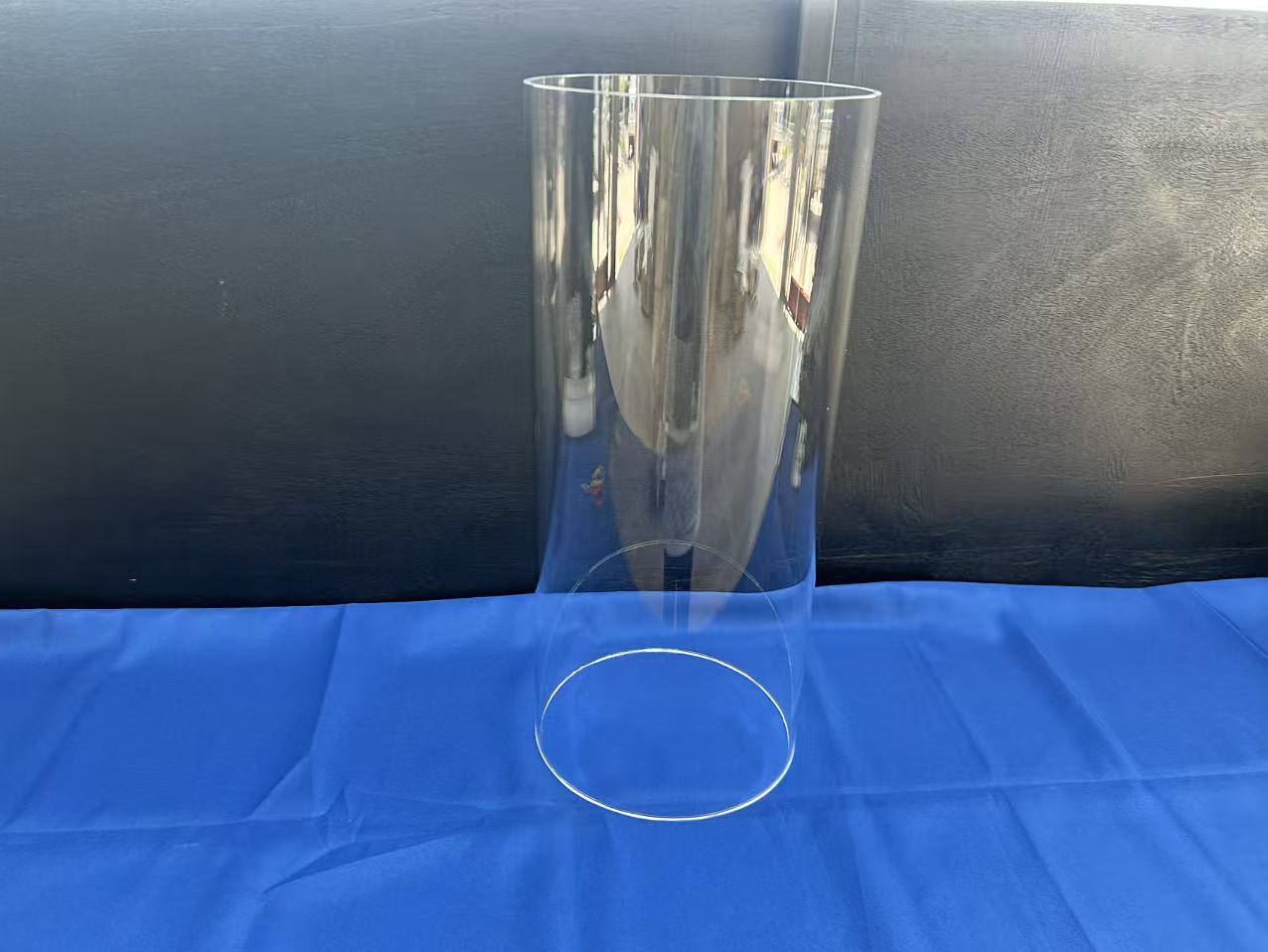
Custom Large-Diameter High-Purity Fused Quartz Transparent Tubes
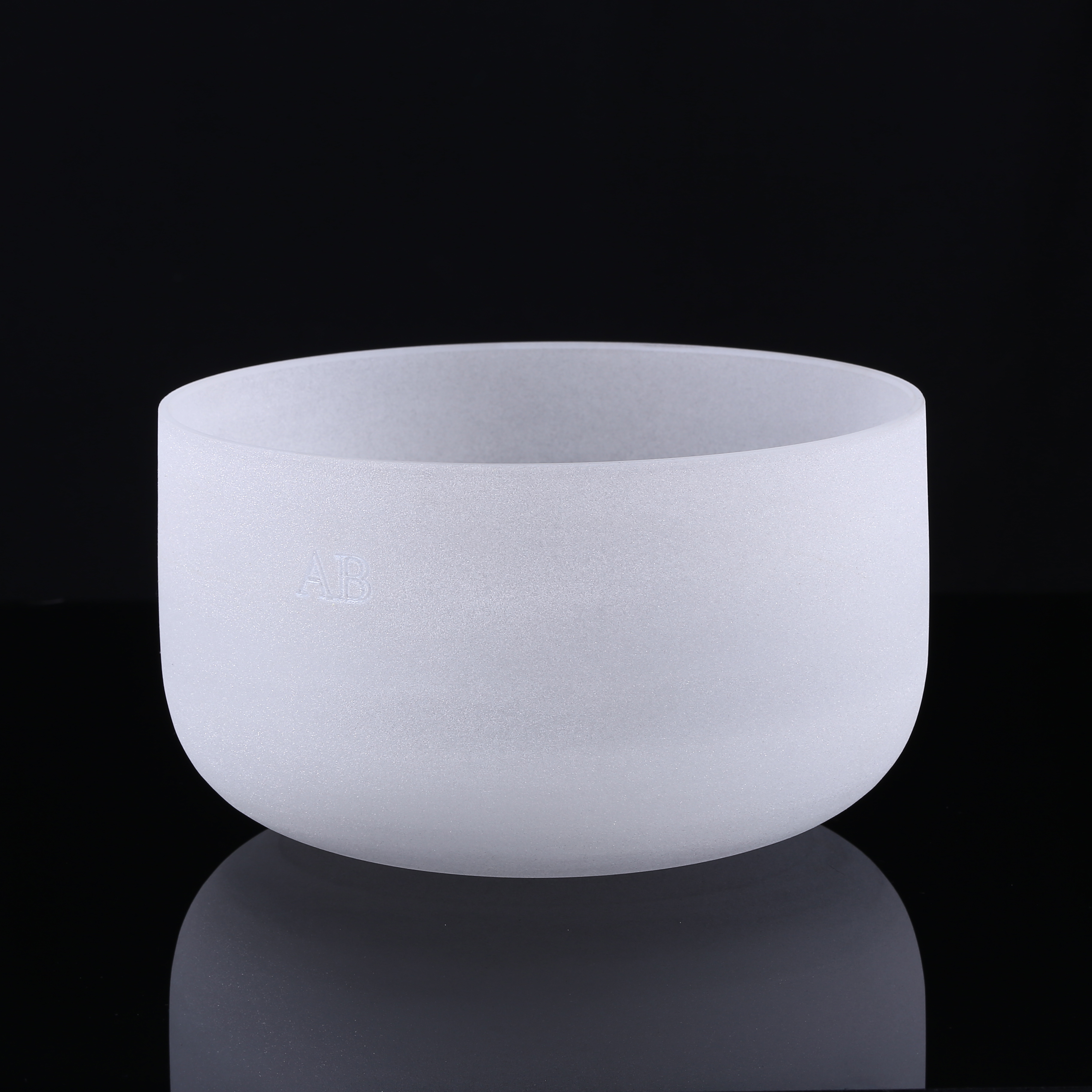
High-Temperature Fused Silica Quartz Smelting Crucible
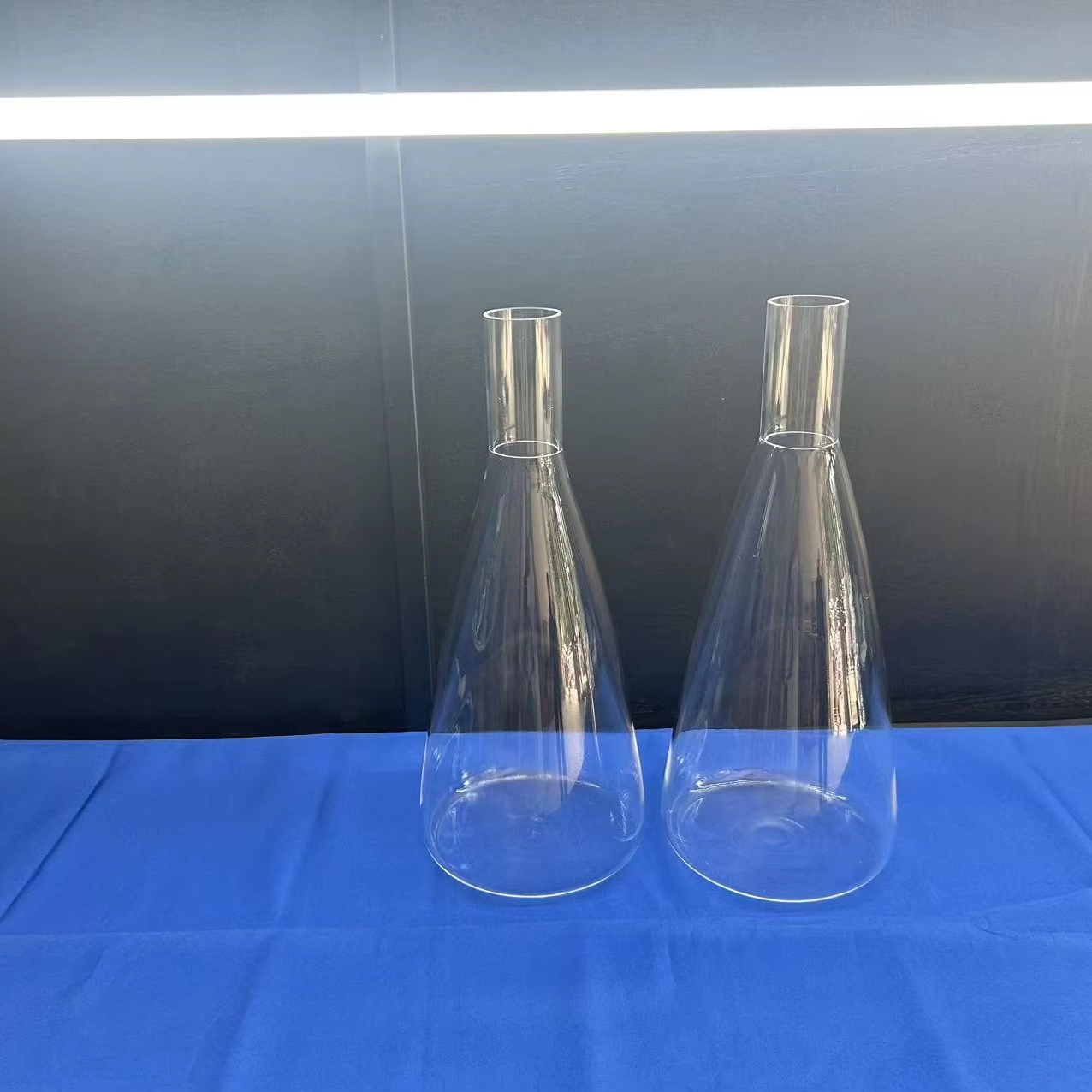
Laboratory Fused Silica Quartz Glass Reaction Flask
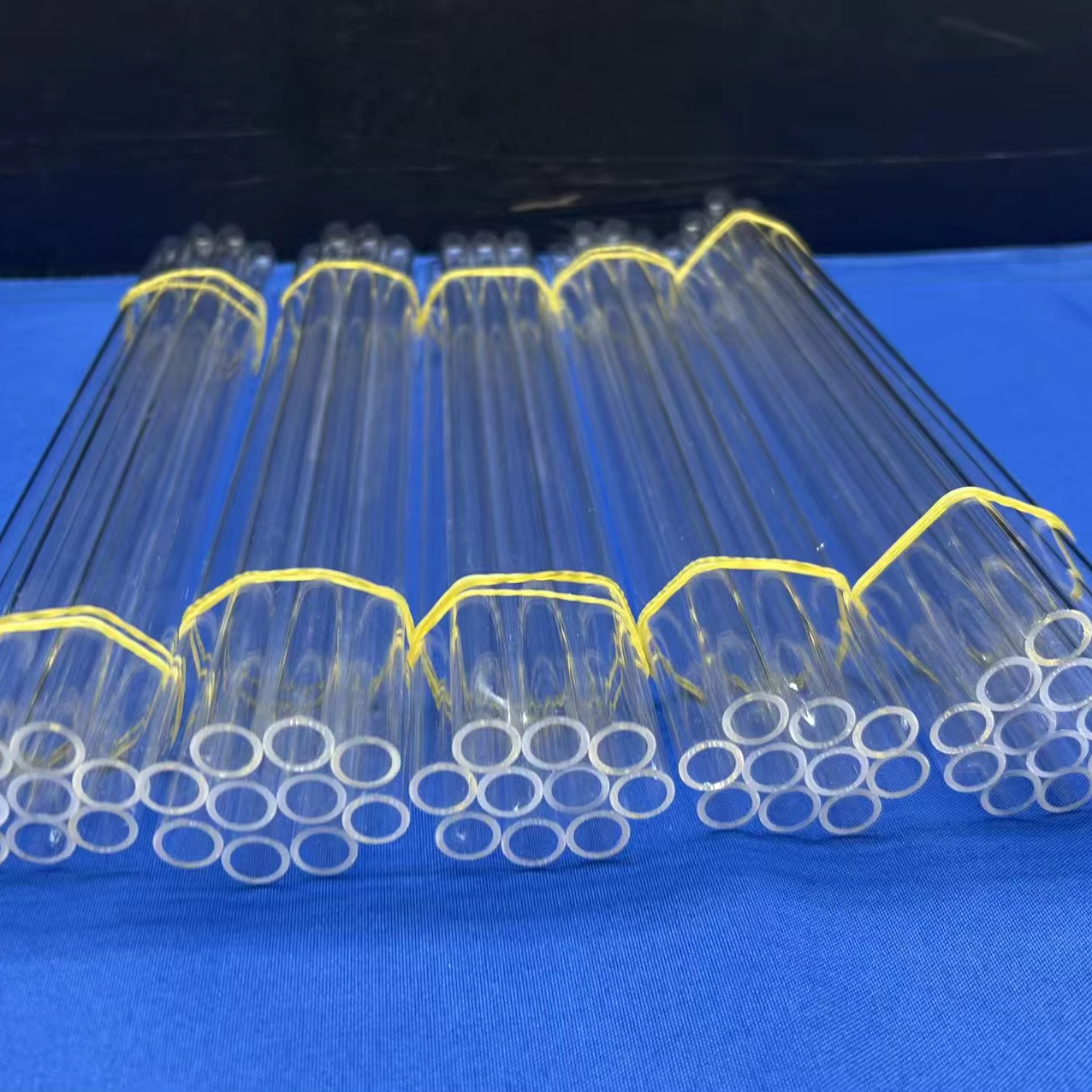
Precision Optical Quartz Test Tube for Photometric Testing
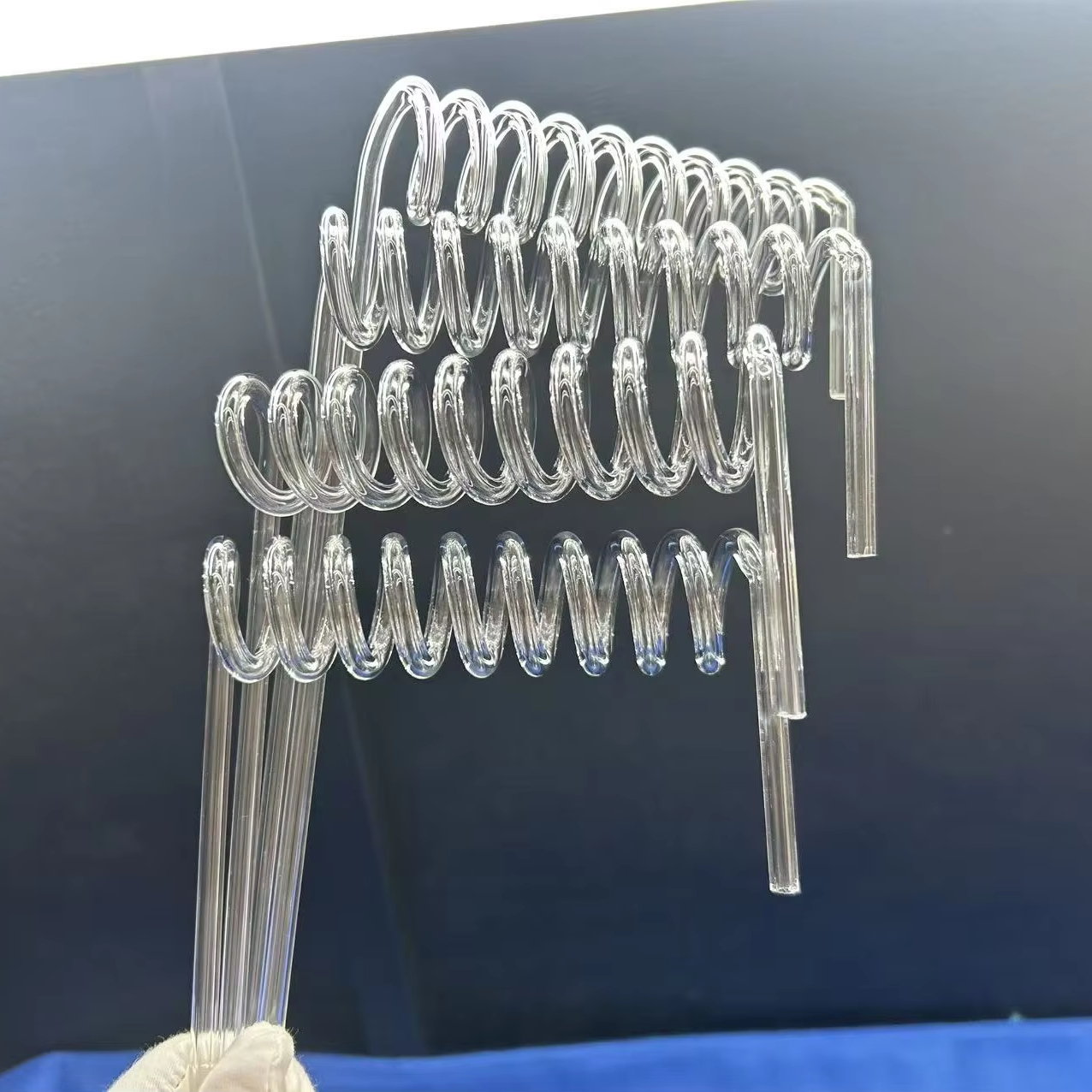
Clear Quartz Spiral Tube with Precision Moulding and Bending
Engineering Overview: The Oslo Market Demands for Synthetic Sapphire & Fused Silica Windows
The industrial landscape across the Greater Oslo region—anchored by clusters in Fornebu, Kjeller, Horten, and Kongsberg—demands optical and mechanical components capable of withstanding the most extreme operating environments on earth. From deep-sea subsea observation clusters in the Norwegian Sea to cryogenic monitoring instrumentation deployed in Arctic research stations, engineering specifications often exceed the physical thresholds of conventional optical glasses like BK7 or chemically strengthened borosilicate.
As Norwegian engineers and marine procurement specialists design autonomous underwater vehicles (AUVs), remotely operated vehicles (ROVs), subsea laser bathymetry pods, and high-pressure autoclave inspection systems, single-crystal synthetic sapphire (monocrystalline $\alpha\text{-Al}_2\text{O}_3$) and high-purity optical fused quartz (JGS1, JGS2, JGS3 synthetic fused silica) represent the benchmark materials. Sourcing these components from Chinese advanced manufacturing centers provides Norwegian firms with an unmatched balance of precision crystallographic control, compliant optical surface finishes, and rapid-scale CNC machining capabilities.
Comparative Material Matrix: Synthetic Sapphire vs. Optical Quartz vs. Borosilicate
Selecting the optimal material requires a precise trade-off analysis between tensile strength under hydrostatic loads, broadband transmission bands (UV to MWIR), thermal expansion coefficients, and surface ablation resistance in sediment-heavy saline flows. Below is the quantified baseline evaluated by Nordic optical system designers:
| Material Engineering Parameter | Monocrystalline Sapphire ($\alpha\text{-Al}_2\text{O}_3$) | Synthetic Fused Silica (JGS1 / Suprasil) | Optical Fused Quartz (JGS2) | Borosilicate Glass (Borofloat 33) |
|---|---|---|---|---|
| Crystalline Structure | Hexagonal / Rhombohedral Single Crystal | Amorphous High-Purity SiO₂ | Amorphous Natural Quartz SiO₂ | Amorphous Multicomponent Glass |
| Hardness (Mohs / Knoop) | Mohs 9 / 1800–2200 kg/mm² | Mohs 6.5 / 500–600 kg/mm² | Mohs 5.5–6.5 / 500 kg/mm² | Mohs 5.5 / 480 kg/mm² |
| Optical Transmission Range | 170 nm – 5,500 nm (DUV to MWIR) | 185 nm – 2,500 nm (Deep UV-Vis) | 220 nm – 2,500 nm (UV-Vis-NIR) | 350 nm – 2,000 nm (Vis-NIR cut-off) |
| Flexural Strength (Modulus of Rupture) | ~600–900 MPa (Orientation dependent) | ~50–70 MPa | ~48–65 MPa | ~25–35 MPa |
| Compressive Strength | 2,000–3,000 MPa (Extreme Hydrostatic) | 1,150 MPa | 1,100 MPa | ~500 MPa |
| Thermal Expansion (CTE) | 5.8 × 10⁻⁶ / K (Parallel to C-axis) | 5.5 × 10⁻⁷ / K (Near zero) | 5.5 × 10⁻⁷ / K | 3.25 × 10⁻⁶ / K |
| Max Operating Temperature | 1600 °C (Continuous) / 2000 °C (Peak) | 1100 °C (Continuous) / 1450 °C (Peak) | 1050 °C (Continuous) / 1300 °C (Peak) | 450 °C (Continuous) / 500 °C (Peak) |
| Thermal Shock Tolerance ($\Delta T$) | Extremely High (ΔT > 400 °C quench) | Immune (ΔT > 1000 °C quench) | High (ΔT > 800 °C) | Moderate (ΔT ~150 °C) |
Crystallographic Orientation Engineering: C-Plane, A-Plane, and R-Plane
For custom sapphire windows destined for the Oslo oceanographic and defense sectors, crystallographic orientation is paramount. Monocrystalline sapphire is inherently birefringent (anisotropic), exhibiting ordinary ($n_o = 1.768$) and extraordinary ($n_e = 1.760$) refractive indices. Nivra Quartz processes optical blanks along precise crystallographic planes:
C-Plane (0001) Sapphire Windows: Grown along the optical c-axis, C-plane sapphire eliminates birefringence along the normal incidence vector. It is the premier choice for subsea polarization sensors, Raman spectroscopy immersion probes, and imaging viewports in Kongsberg-type underwater camera systems where double images or polarized reflections cannot be tolerated.
A-Plane (11-20) and M-Plane (10-10): Exhibits uniform birefringence across the window aperture. These planes provide maximum mechanical modulus along specific vectors and are utilized primarily in high-pressure mechanical sight ports, cryogenic vacuum feedthroughs, and wear-resistant scratch shields where polarization state is secondary to shear toughness.
R-Plane (1-102): Standardized for silicon-on-sapphire (SOS) microelectronics, high-temperature substrate carriers, and specialized photonic waveplates manufactured for research consortia along the Oslo-Kjeller corridor.
Localized Application Scenarios Across the Oslo & Nordic Industrial Corridor
Norwegian engineering enterprises operate under a unique convergence of offshore energy infrastructure, stringent DNV-GL marine classification rules, environmental protection mandates, and expanding green technologies. Nivra Quartz custom sapphire and quartz components are engineered specifically to resolve operational bottlenecks across these localized applications:
Deep-Sea Subsea ROV/AUV Viewports
Navigating the Norwegian Trench (up to 700 meters depth) and Arctic abyssal plains requires optical viewports withstanding extreme hydrostatic pressures (10–70 MPa). Nivra C-plane sapphire windows, polished to 20-10 scratch-dig with plane-parallelism < 10 arcseconds, prevent optical distortion while ensuring zero catastrophic fractures under crushing oceanographic loads.
Arctic LiDAR & Offshore Weather Optics
Atmospheric LiDAR and ice-monitoring systems deployed in the Oslo Fjord and Svalbard face harsh salt-fog accretion, sub-zero icing, and scouring ice crystals. Sapphire's Mohs 9 hardness protects optical front-elements from mechanical scratching, while high thermal conductivity allows embedded resistive anti-icing perimeter rings without localized thermal crack hazards.
CCUS & Hydrogen Pipeline Inspection
Norway's pioneering carbon capture and storage (such as the Northern Lights initiative) and green hydrogen pilot plants subject autoclave sight glasses to superheated amine scrubbers, pressurized CO₂, and embrittling hydrogen atmospheres. Nivra high-purity fused silica and sapphire provide total chemical inertness, resisting acidic scouring and high pressures.
Marine Defense Optronics & Thermal Pods
Norwegian naval defense platforms require multispectral sensor windows capable of dual-band operations: transmission in the visible spectrum for day cameras and broadband transmission up to 5.5 µm for mid-wave infrared (MWIR) FLIR targeting pods. Monocrystalline sapphire eliminates the need for dual-aperture sensor clusters.
Marine Ballast Water UV Disinfection
Compliance with IMO Ballast Water Management Conventions requires high-intensity UV-C disinfection reactors on commercial vessels docking at Port of Oslo. Nivra high-transmittance JGS1 and JGS2 fused quartz tubes and sleeves ensure maximum 254 nm germicidal output with high resistance to solarization and bio-fouling.
University & Research Consortia Labware
Collaborative research programs at the University of Oslo (UiO) and SINTEF depend on trace-element-free synthetic fused silica and customized quartz glassware (petri dishes, cuvettes, reaction flasks) with < 0.1 ppm total impurities, ensuring zero background contamination during inductively coupled plasma mass spectrometry (ICP-MS).
Emerging Procurement Trends Across Southern Norway & Oslo Fjord
Norwegian engineering management teams are recalibrating their critical optical supply chains in response to three major strategic imperatives:
1. Hydrodynamic & Weight Optimization in Electrified Subsea Fleets
As offshore operations transition from diesel-hydraulic umbilical ROVs to fully autonomous, battery-powered subsea resident AUVs, structural weight and hydrodynamic drag become limiting engineering constraints. Because monocrystalline sapphire has more than five times the tensile and flexural strength of traditional borosilicate or soda-lime glass, designers calculate window thickness via Roark's formulas using a much higher allowable stress limit:
Thickness Formula: t = r × √( (C × P) / σ_allowable )
Where C = Edge clamping factor (0.75 for clamped viewports), P = Hydrostatic pressure (MPa), σ_allowable = Tensile design strength with safety factor.
Using sapphire allows a 50% to 65% reduction in viewport glass thickness compared to fused quartz, and over 75% compared to acrylic or borosilicate. This drastically reduces viewport mass, flange thickness, and overall camera housing size, extending the operational mission time of battery-powered Norwegian underwater drones.
2. Transition to Harsh-Environment Broad-Band Anti-Reflective (BBAR) Coatings
Uncoated sapphire exhibits a Fresnel reflection loss of approximately 7.7% per surface in the visible spectrum due to its high refractive index ($n \approx 1.77$). Oslo photonics buyers increasingly mandate multi-layer dielectric anti-reflective thin films applied via Ion-Assisted Deposition (IAD) or Magnetron Sputtering. These coatings must pass rigorous environmental stress qualifications, including MIL-C-675C severe abrasion tests, 240-hour ASTM B117 salt spray corrosion, and liquid nitrogen cryogenic snap testing (-196 °C to +20 °C) without film delamination or optical degradation.
3. Total Traceability and ESG-Audited Supply Lines
Norwegian procurement regulations (governed by the Transparency Act / Åpenhetsloven) mandate that tier-1 suppliers provide absolute verification regarding ethical manufacturing, raw crystal sourcing, worker safety, and environmental emissions. By collaborating directly with verified Chinese manufacturing facilities like Nivra Quartz—where facility audits, verified export histories, and material purity certificates (3.1 CoC) are standard—Oslo procurement directors mitigate compliance risks while avoiding European intermediary markups.
Why Norwegian Engineers & Exporters Partner with Nivra Quartz
Founded in February 2019 in Donghai County, Jiangsu—the globally recognized capital of silica crystals and high-purity quartz—Donghai County Nivra Quartz Products Co., Ltd. operates as a vertically integrated manufacturing and trading enterprise. With 101 to 200 skilled technical personnel, our facility integrates raw crystal synthesis, high-precision 5-axis CNC machining, ultrasonic optical drilling, double-sided chemical-mechanical polishing (CMP), and certified cleanroom packaging.
Raw Material Advantage
Direct proximity to Donghai's world-class crystalline quartz deposits allows us to deliver SiO₂ purities ≥ 99.99% and optical-grade synthetic sapphire ingots with zero bubble inclusions at factory-direct price structures.
Sub-Micron Tolerances
Our CNC ultrasonic milling and laser cutting cells achieve dimensional tolerances to ±0.01 mm, surface figure accuracy down to λ/10 @ 632.8 nm, and edge chamfers engineered to prevent micro-fracturing under gasket seal torque.
Strict Metrology & QC
Every sapphire and quartz batch undergoes Zygo laser interferometer surface flatness verification, spectrophotometer transmission mapping across 185–5000 nm, and high-pressure chamber leak validation prior to release.
Rapid Oslo Logistics
Consolidated air express shipments via DHL/FedEx or chartered air-freight reach Oslo Gardermoen (OSL) within 4–6 business days, packed in custom multi-layer foam cutouts inside reinforced, non-fumigation wooden export crates.
Production Metrology & Quality Documentation
Norwegian engineering compliance mandates verified documentation. Every export order shipped to Oslo includes a comprehensive quality dossier containing:
1. Certificate of Conformity (CoC) & Material Inspection Certificate: Documenting crystallographic axis verification via X-ray diffractometry (XRD) with alignment accuracy within ±0.5 degrees.
2. Optical Transmittance Curve: Recorded via spectrophotometer from UV cut-off through NIR/MWIR.
3. Interferometric Flatness Report: False-color Zygo topography documenting transmitted wavefront error (TWE) and peak-to-valley (λ/4 or λ/10) specifications.
4. Dimensional Inspection Record: Mitutoyo CMM verification of diameter, thickness, concentricity, and protective edge beveling (0.1–0.3 mm × 45° standard).
Oslo Procurement FAQ: Technical, Customs & Engineering Inquiries
Direct answers to questions frequently asked by Norwegian mechanical engineers, project managers, and sourcing officers:
How do sapphire and JGS1 fused quartz compare for deep-sea optical viewports?
Monocrystalline sapphire offers significantly higher compressive and flexural strength (tensile modulus of rupture ~600–900 MPa vs ~50–70 MPa for quartz). This allows engineers to design significantly thinner viewports (up to 65% thinner) for equivalent hydrostatic pressure ratings (e.g., 600 bar / 60 MPa), reducing overall housing volume and weight on ROVs and AUVs. Furthermore, sapphire's Mohs 9 hardness protects optical surfaces from abrasive seafloor sediments and micro-scratches. However, JGS1 fused silica remains the preferred material if extreme thermal shock immunity (ΔT > 1000 °C) or zero-birefringence over wide aperture angles at larger diameters (> 150 mm) is required at a more economical price point.
What customs documentation and HS codes apply when importing sapphire windows into Norway?
When importing industrial sapphire and quartz windows into Norway, shipments are cleared through Tolletaten (Norwegian Customs) via the electronic TVINN system. Standard HS codes utilized include 7104.99.00 (Synthetic or reconstructed precious stones, unworked or simply sawn or roughly shaped) or 9001.90.00 (Optical elements, unmounted, other than optical glass). Industrial components imported by VAT-registered corporate entities in Norway are generally duty-free, with standard Norwegian Import MVA (VAT at 25%) calculated and settled via the periodic tax return. Nivra Quartz furnishes compliant Commercial Invoices, Packing Lists with net/gross weights, and Certificates of Origin (COO) to ensure expedited customs release at Oslo Gardermoen or Sjursøya Port.
Can Nivra Quartz manufacture custom stepped sapphire viewports with O-ring sealing bevels?
Yes. A substantial portion of our European exports consists of custom-machined stepped windows, double-stepped discs, and conical viewports engineered to seat precisely into titanium (Grade 5) or Super Duplex stainless steel subsea camera housings. We execute CNC ultrasonic grinding to introduce precision O-ring sealing seats, conical flank angles with ±5 arcminute accuracy, and polished edge chamfers (45° or radius) that prevent stress concentrations when high clamping torques are applied to marine gland flanges.
What are the minimum order quantities (MOQs) and lead times for prototyping in Oslo?
To support research teams at Oslo Science Park, SINTEF, and start-up subsea robotics innovators, our prototyping MOQ starts at just 1 to 5 pieces for customized sapphire windows or precision quartz tubes. Standard prototype fabrication lead times range between 12 to 18 calendar days, depending on crystallographic orientation and thin-film coating requirements. Mass production batches (500 to 5,000+ units) typically ship within 3 to 4 weeks via direct air cargo to Oslo Gardermoen.
How do your sapphire windows handle cryogenic and rapid thermal cycling in Arctic environments?
Monocrystalline sapphire features exceptional thermal conductivity at low temperatures (~40 W/m·K at room temperature, increasing dramatically at cryogenic temperatures down to 77 K). It easily withstands continuous exposure to -50 °C Arctic atmospheric conditions and rapid snap immersion into sub-zero sea ice environments without thermal shock fracture. Our mounting design engineers advise utilizing PTFE, Viton, or copper gaskets to accommodate the differential thermal contraction between the sapphire window and metal housing flanges.
What surface quality and flatness standards do you maintain for precision optical applications?
We routinely deliver optical sapphire and JGS1 quartz windows complying with US Military Specification MIL-PRF-13830B or ISO 10110 optical standards. Standard optical grades feature 40-20 or 20-10 scratch-dig surface quality, surface roughness $Ra < 0.5\text{ nm}$ (super-polished CMP finish for high-energy laser and imaging use), surface flatness of $\lambda/4$ or $\lambda/10 @ 632.8\text{ nm}$, and parallelism down to < 5 arcseconds for precision wedged or laser-grade windows.