Heavy Duty
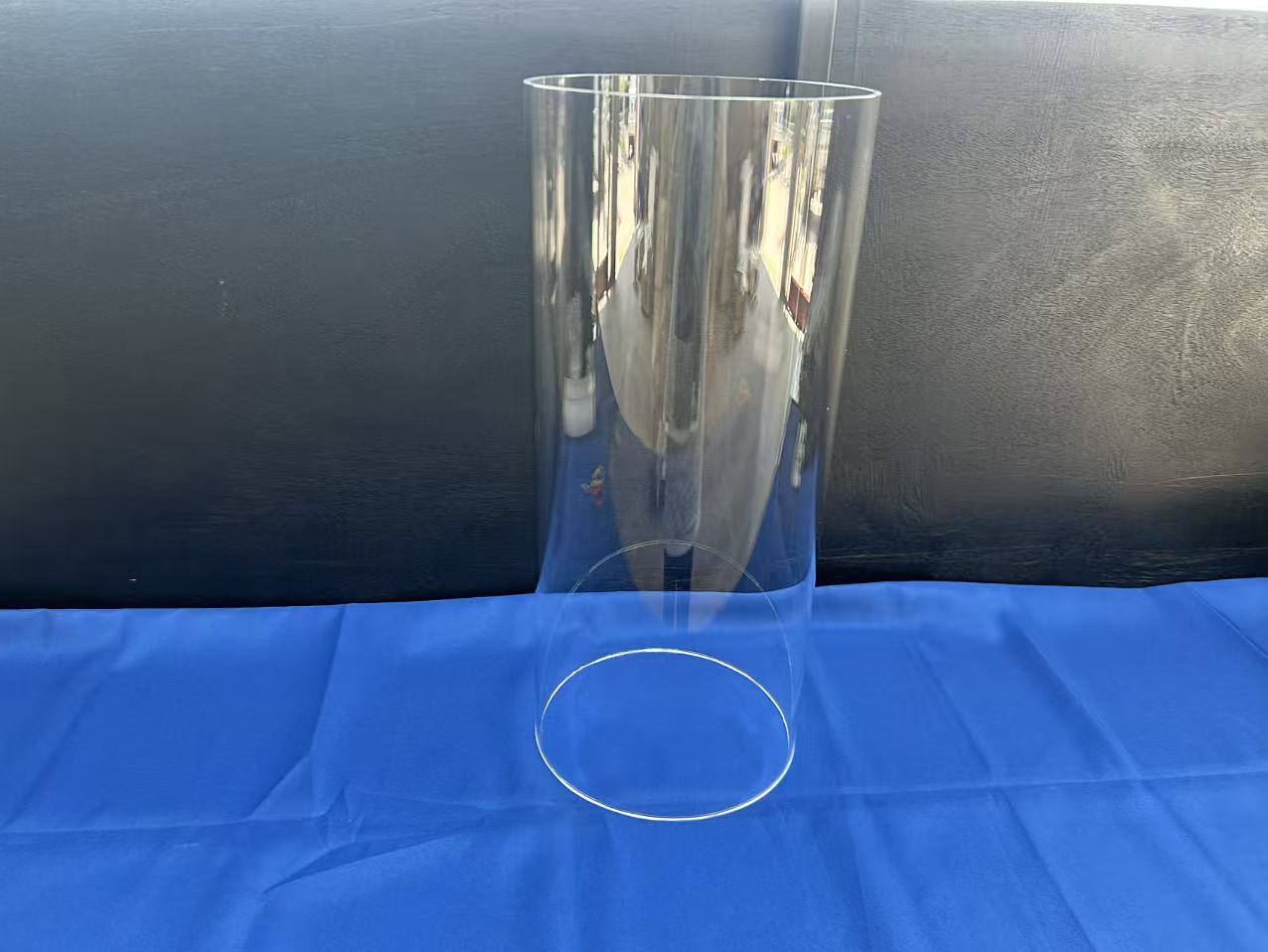
Engineered in Donghai—China's Quartz Capital—and calibrated for the demanding operational criteria of Havana's research labs, pharmaceutical reactors, and universities.
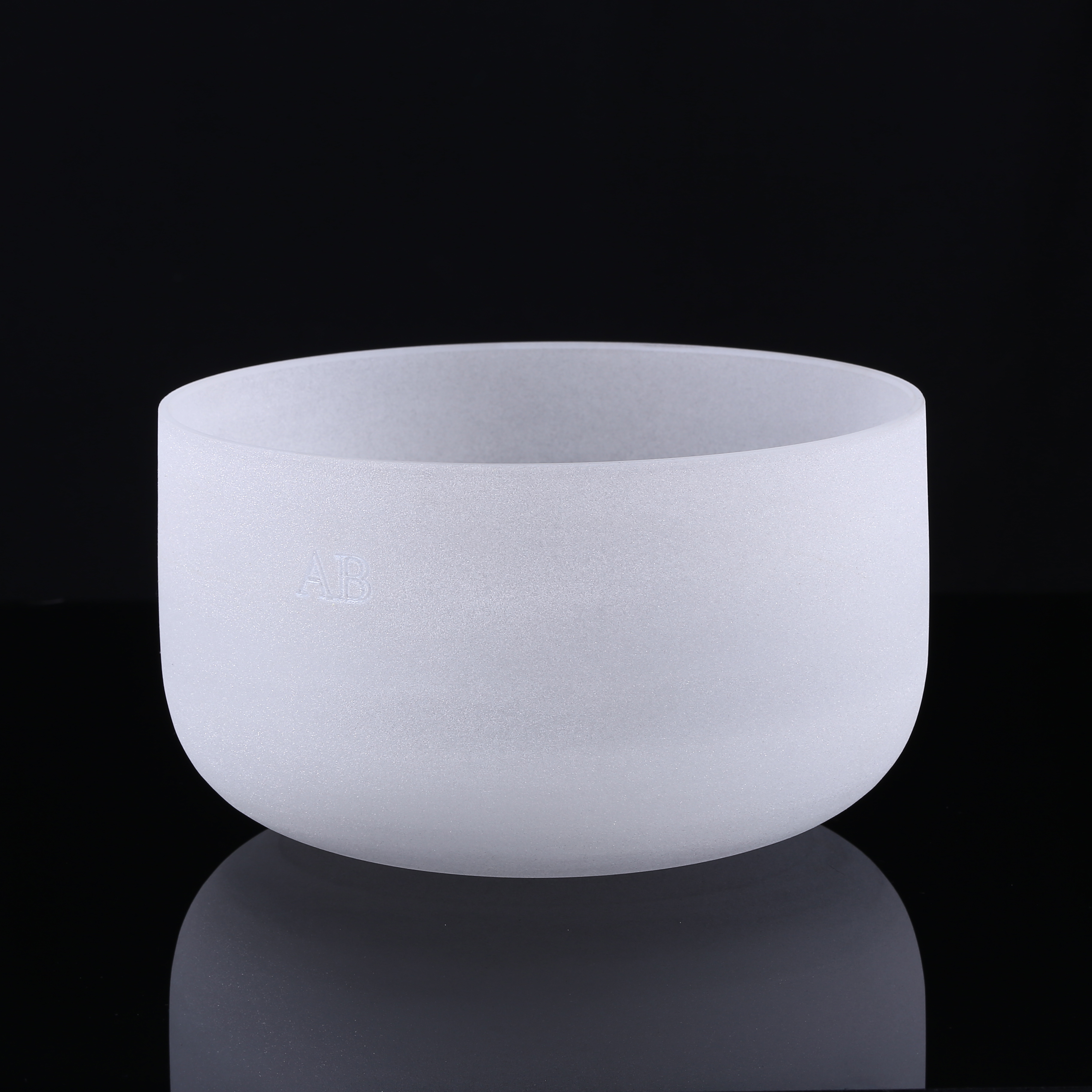
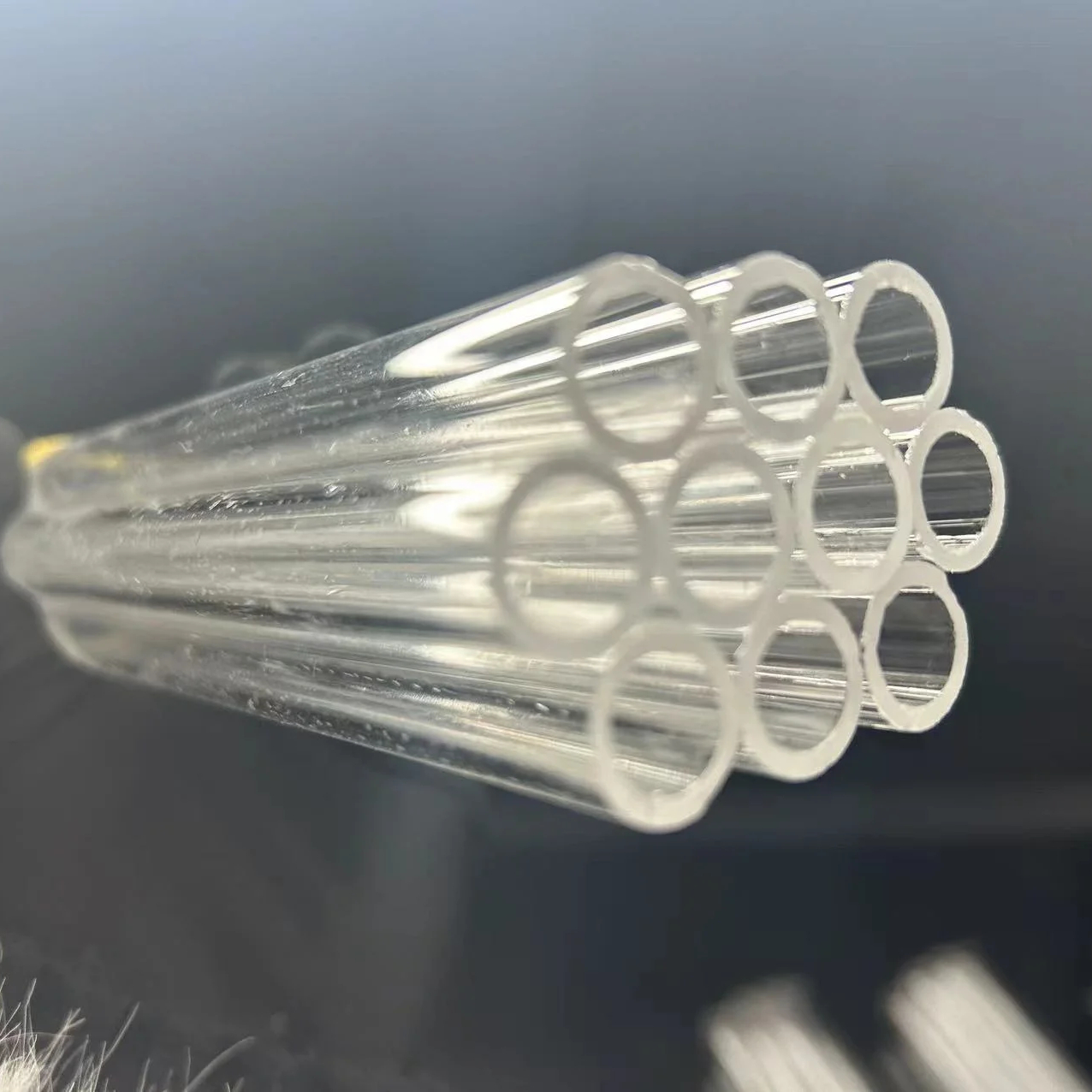
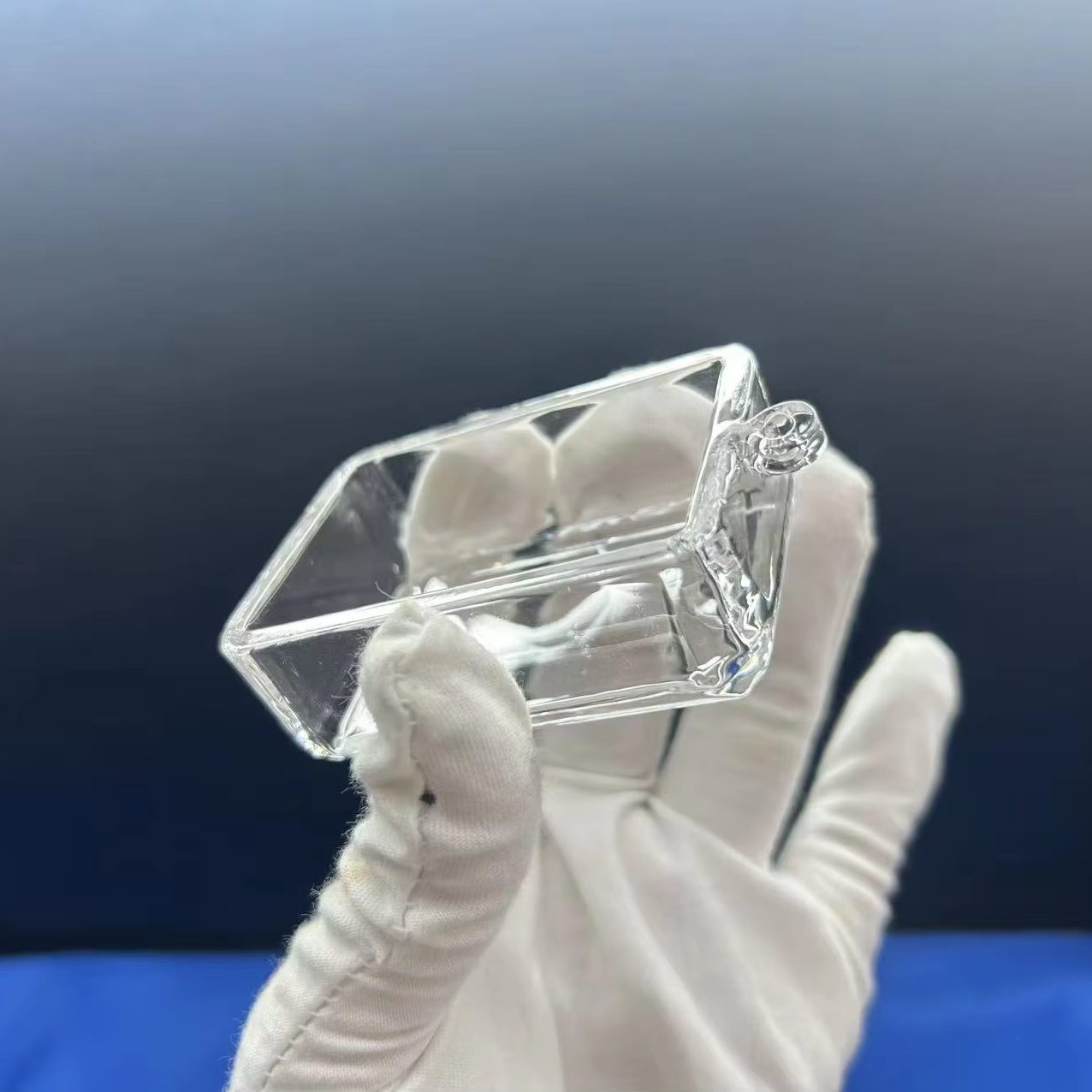
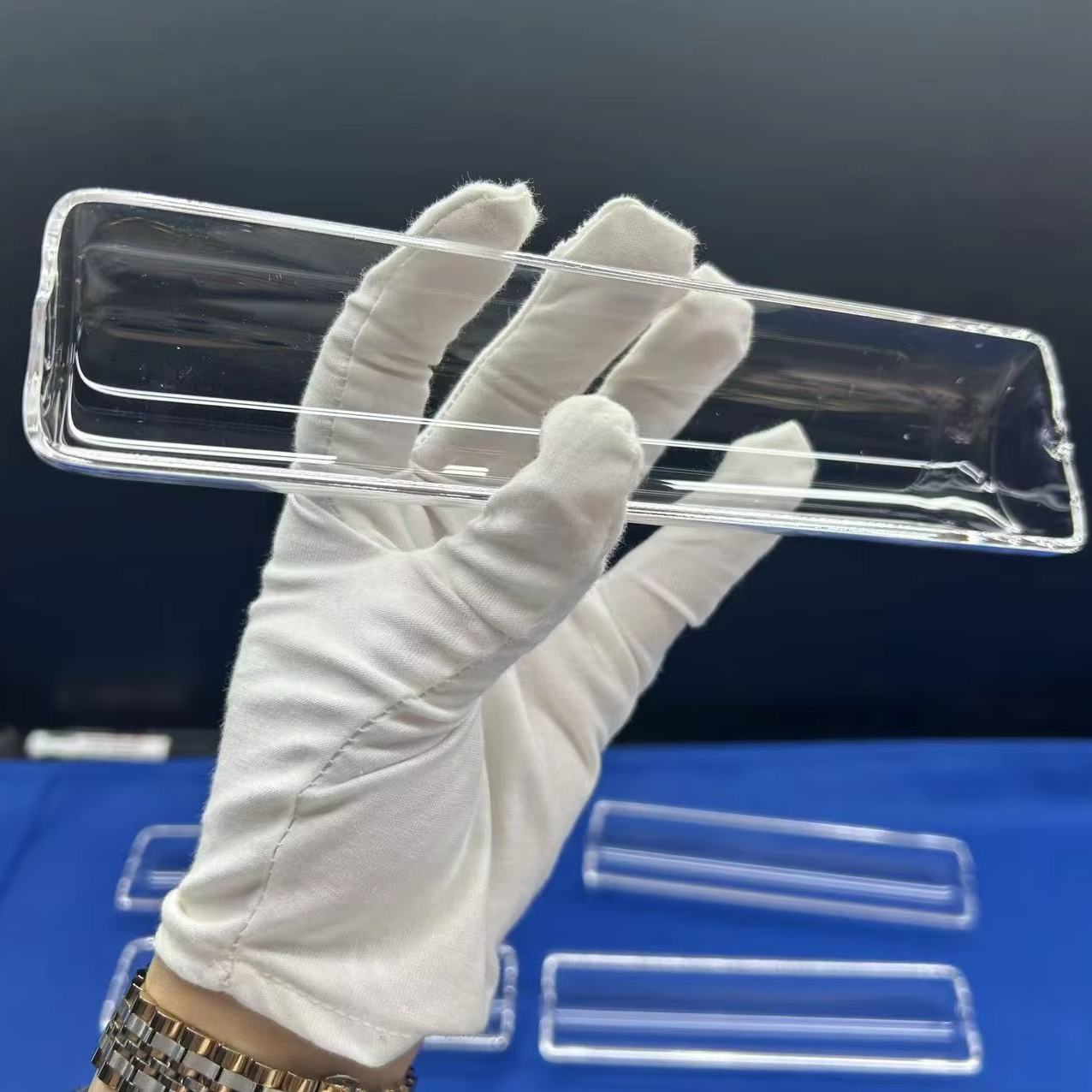
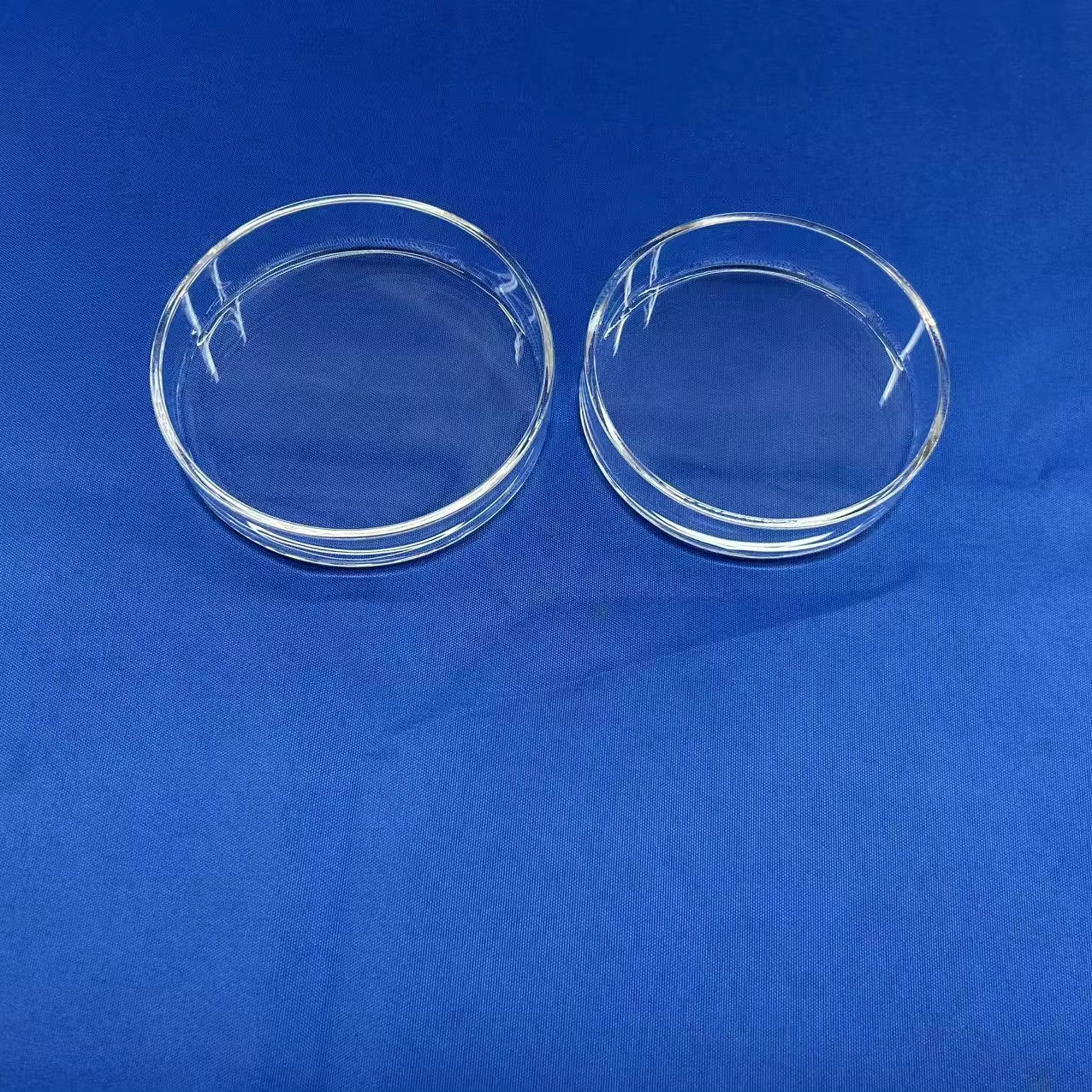
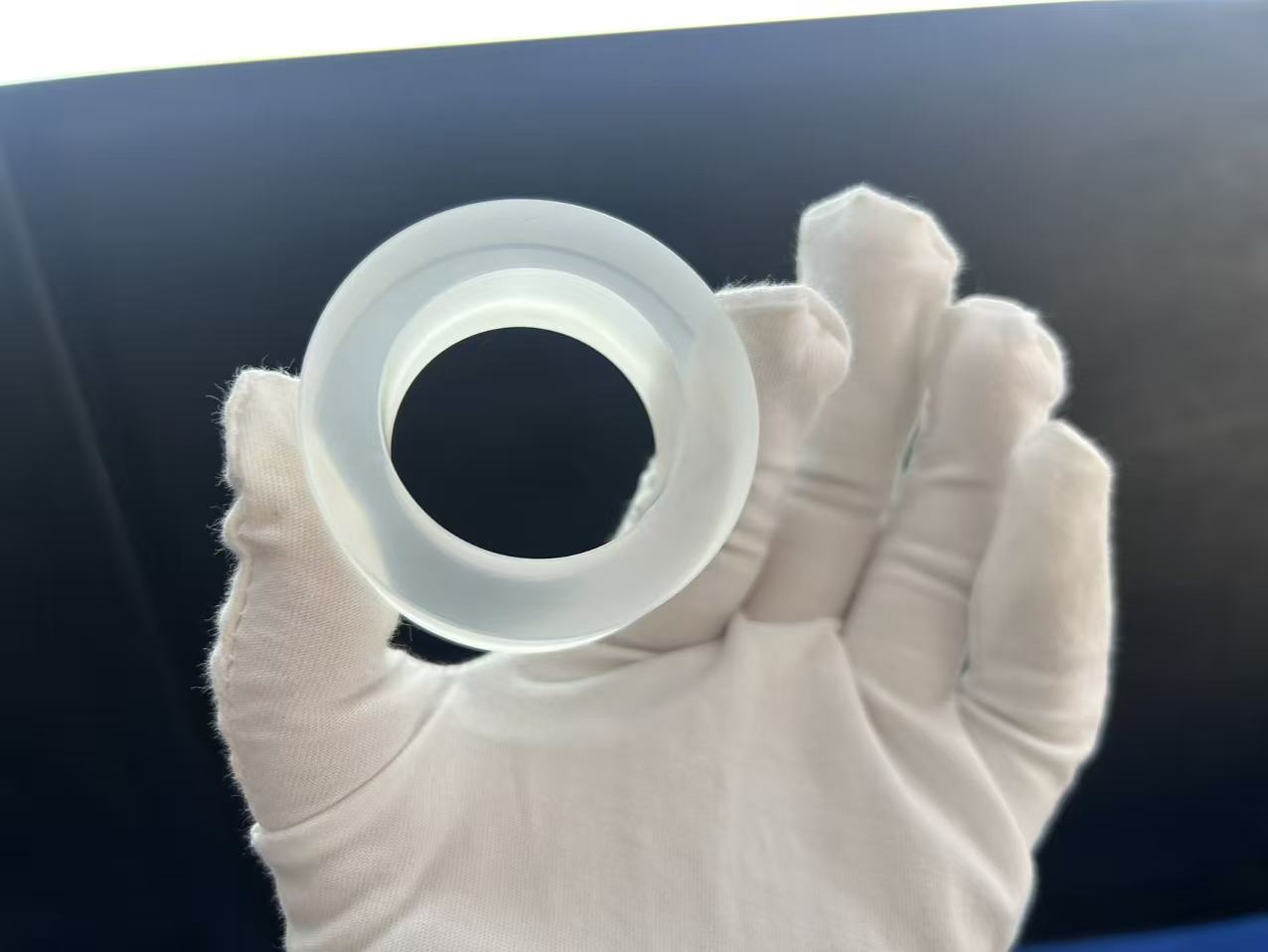
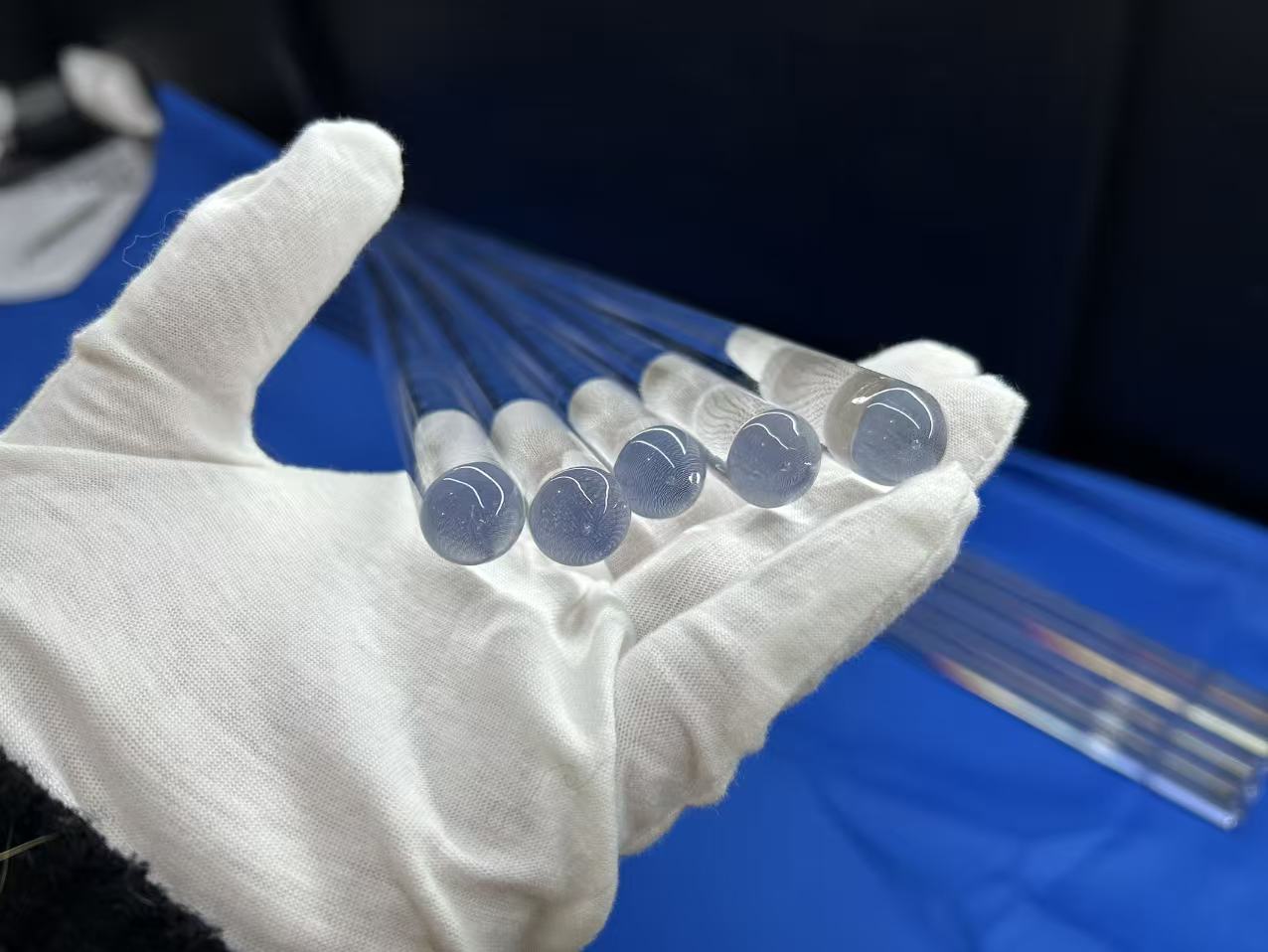
In the evolving life science, pharmaceutical, and advanced chemistry landscape of Havana, scientific institutions face a unique operational paradox: balancing hyper-stringent analytical purity benchmarks against prolonged logistical replenishment timelines. The Western Havana Scientific Pole (Polo Científico del Oeste), alongside elite academic centers such as the University of Havana (UH), operates at global frontiers in biotechnology, therapeutic vaccine synthesis, and advanced phytochemistry. Within these domains, traditional laboratory vessels constructed from standard borosilicate glass 3.3 or disposable polymers (such as polystyrene and polypropylene) frequently manifest catastrophic material limitations.
Borosilicate glass, while ubiquitous, inherently contains network modifiers including boron trioxide (B₂O₃, ~13%), sodium oxide (Na₂O, ~4%), and aluminum oxide (Al₂O₃, ~2%). Under aggressive chemical digestion, alkaline cleaning protocols, or repetitive high-pressure steam autoclaving cycles common in tropical facilities, these alkaline oxides slowly leach into analytical media. For ultra-trace metal quantification, live-cell fluorescence assays, and recombinant peptide crystallizations conducted at institutions like the Center for Genetic Engineering and Biotechnology (CIGB) or the Center of Molecular Immunology (CIM), sodium and boron ion leaching introduces unacceptable variance in stoichiometric baseline measurements.
As China’s foremost fused quartz fabrication partner situated in Donghai County—the epicenter of global quartz crystal refining—Donghai County Nivra Quartz Products Co., Ltd. bridges this crucial supply-chain nexus. We fabricate synthetic and natural fused silica petri dishes engineered specifically to alleviate the vulnerabilities of Havana's high-ambient-humidity maritime research environment. By maintaining continuous dimensional tolerances within ±0.05 mm and guaranteeing SiO₂ purity levels exceeding 99.99%, our vessels eliminate optical refraction distortion in inverted confocal microscopy while delivering an essentially zero coefficient of thermal expansion ($5.5 \times 10^{-7} \text{ K}^{-1}$).
Scientific procurement directors in Havana must quantify total lifecycle cost and analytical fidelity when vetting labware contracts. The following engineering matrix contrasts structural fused silica against standard market alternatives:
| Physical & Chemical Metric | Fused Quartz Petri Dish (Nivra JGS1/JGS2) | Standard Borosilicate 3.3 Glass | Lab-Grade Polystyrene (PS / Polymer) |
|---|---|---|---|
| Silica Purity (SiO₂ wt%) | ≥ 99.99% | ≈ 80.5% - 81.0% | 0% (Petroleum-derived polymer) |
| Deep-UV Transmission (254 nm, 2mm wall) | > 90% - 92% (JGS1 Grade) | < 15% (Severe optical cutoff) | 0% (Completely opaque / degrades under UV) |
| Continuous Operating Temp | 1100 °C | ≈ 450 °C - 500 °C | ≈ 70 °C - 80 °C (Melts/deforms) |
| Softening Point | ≈ 1683 °C | ≈ 820 °C | ≈ 100 °C |
| Thermal Expansion (20-300°C) | 5.5 × 10⁻⁷ /°C (Near-zero shock risk) | 33 × 10⁻⁷ /°C | 700 × 10⁻⁷ /°C |
| Acid Resistance (except HF / hot H₃PO₄) | Hydrolytic Class 1 / ISO 719 Superior | Standard Acid Class 1 | Attacked by ketones, aromatics, esters |
| Autoclave / Dry Sterilization Cycles | Unlimited (>1000 cycles at 134°C - 300°C) | Limited (prone to clouding & etching) | Single-use / Discarded (Creates waste) |
| Heavy Metal Impurity Leaching | < 0.05 ppm (Trace ICP-MS verifiable) | Leaches Na⁺, B³⁺, Ca²⁺, Al³⁺ ions | Leaches plasticizers, slip agents, bisphenols |
Engineered precisely to solve the biochemical, physical, and environmental challenges encountered across Cuba's leading scientific institutions.
At the Center for Genetic Engineering and Biotechnology (Playa municipality, Havana), research on recombinant proteins and adjuvant vectors requires absolute surface neutrality. Our quartz petri dishes feature fire-polished optical rims and atomic-level planarity, ensuring that cell attachment assays and lipid-nanoparticle crystal growth proceed without ionic leaching from vessel walls.
Sterility validation at the Finlay Vaccine Institute and Center of Molecular Immunology entails rigorous thermal depyrogenation protocols. Nivra quartz dishes effortlessly survive continuous dry heat cycles up to 300°C–500°C that would anneal or crack borosilicate labware, completely destroying endotoxins while remaining intact for years of re-use.
The Pedro Kourí Institute of Tropical Medicine (IPK) analyzes viral pathogens and vector-borne parasites requiring ultraviolet fluorescence spectroscopy. Fabricated from synthetic JGS1 quartz with exceptional optical transmission down to 185 nm, our optical dishes permit direct UV-germicidal excitation and real-time in situ fluorometry without container transfer.
At the University of Havana’s Institute of Materials Science and Technology (IMRE), semiconductor thin-film synthesis, perovskite spin-coating, and high-temperature calcination demand inert thermal substrates. Nivra fused quartz dishes withstand abrupt quenching from 1100°C into ambient chilled water baths without structural fracturing.
Havana's ICIDCA and oceanographic stations isolate bioactive marine alkaloids and sugarcane chemical derivatives requiring boiling aqua regia, concentrated sulfuric acid, or nitric acid extractions. Fused quartz exhibits zero acid degradation across the entire pH spectrum (0–13), safeguarding precious organic isolates.
Havana’s tropical coastal atmosphere averages 80%+ relative humidity year-round, which induces hydrolytic surface micro-fissuring and "alkali bloom" weathering in low-grade borosilicate glass. Our ultra-dense, amorphous fused silica lattice remains impervious to moisture-induced atmospheric corrosion.
Analyzing the macro-economic and infrastructural shifts transforming laboratory purchasing behaviors across the Havana metropolitan territory.
Under international green laboratory initiatives and Cuba's National Economic and Social Development Plan, biological research centers are actively shifting away from single-use polystyrene petri dishes. Disposable plastics generate hazardous bio-waste, consume significant municipal incineration power, and burden fragile containerized import channels. By investing in multi-year reusable fused quartz dishes capable of surviving thousands of aggressive autoclave sterilization cycles, institutions dramatically lower annual procurement expenditures.
Cuban biopharma entities increasingly route consolidated container shipments directly into the Special Development Zone of Mariel (Zona Especial de Desarrollo Mariel, ZEDM), located just 45 kilometers west of Havana. Nivra Quartz supports maritime freight delivery (FCL/LCL) under CIF Mariel / CIF Havana conventions, complete with fumigation-free engineered crating, desiccated vapor-barrier packaging, and prioritized customs paperwork.
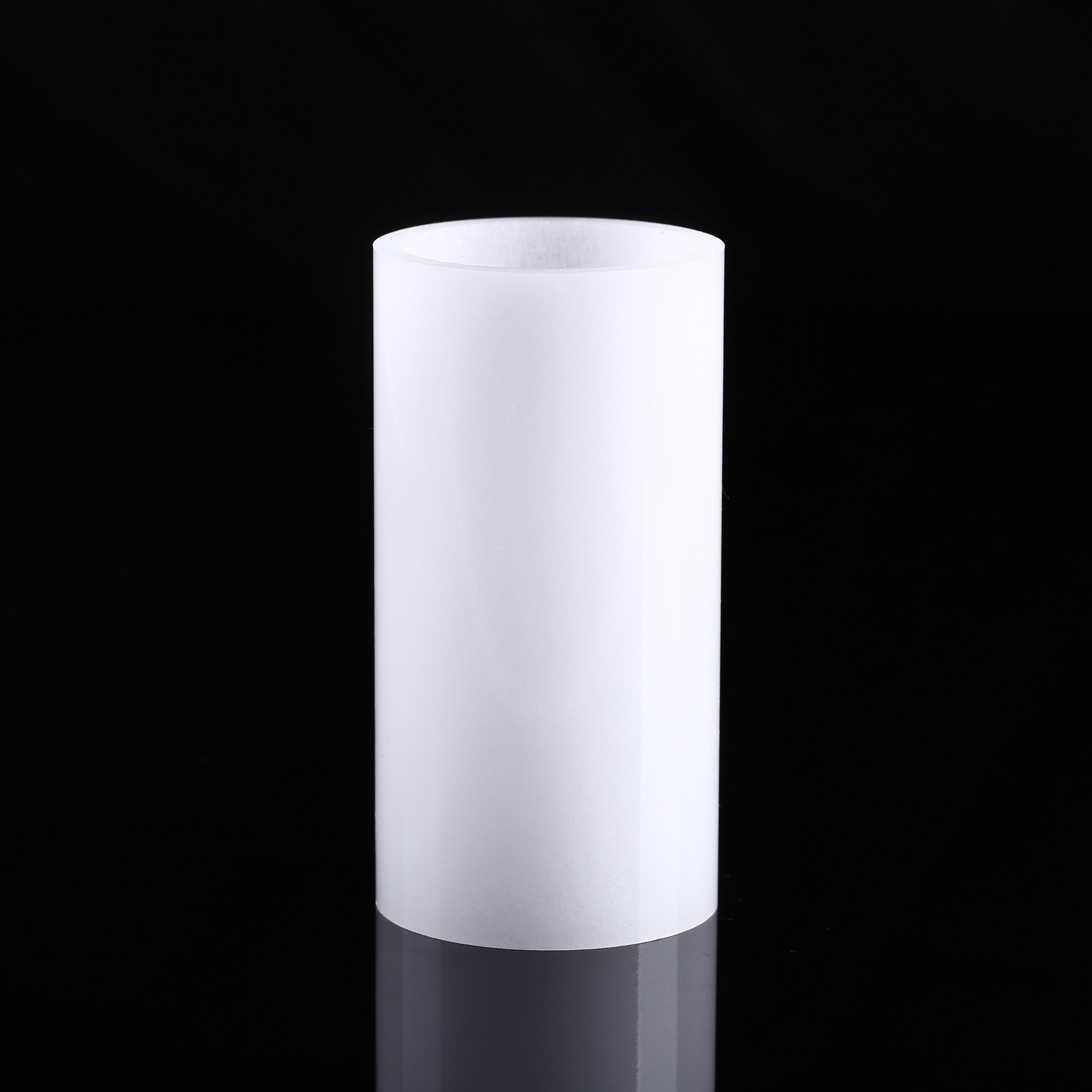
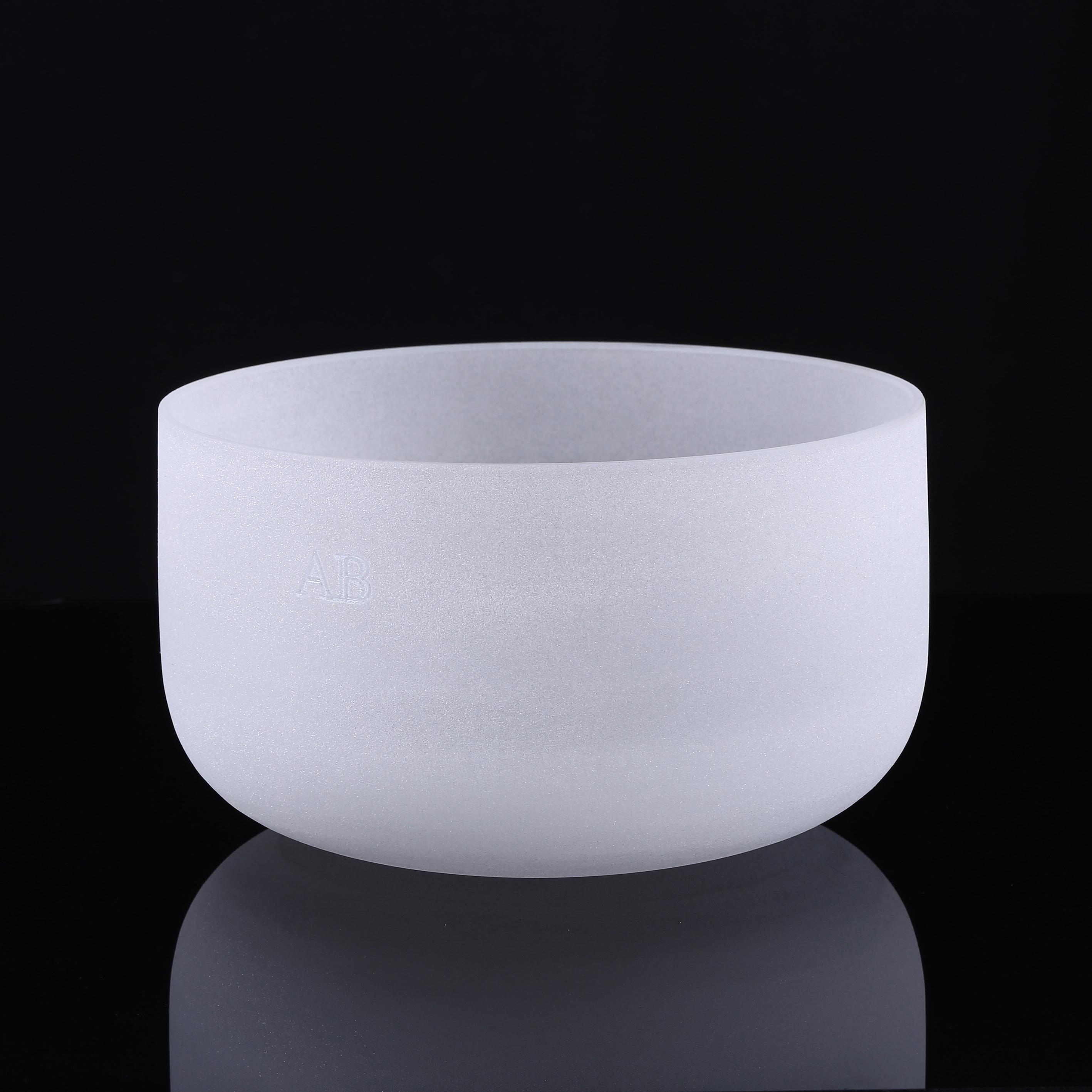
Modern analytical workflows in Havana rarely tolerate rigid off-the-shelf standard sizes. From specialized quartz dishes with compartmentalized grid lines for colony counting to fused quartz covers integrated with ground-glass joints, sampling ports, and gas-purge nozzles, Cuban researchers demand bespoke dimensions. Donghai County Nivra Quartz provides turnkey engineering conversion from AutoCAD / STEP files into physical production prototypes within 7 working days.
As Cuban biopharmaceuticals achieve export registration across Latin America, Asia, and Europe, regulatory scrutiny from CECMED (Cuba's Center for State Control of Drugs, Equipment and Medical Devices) necessitates exhaustive material traceability. Every quartz delivery from Nivra includes Certificate of Analysis (COA) dossiers verifying heavy metal contaminant levels (Al, Fe, Cu, Ti) under strict ppm thresholds.
Founded in February 2019 in Donghai County, Jiangsu—China's crystal capital—we combine industrial-scale supply chain integration with artisan quartz precision glassblowing.
Direct access to world-leading silicon dioxide refining reserves gives our Havana buyers factory-direct raw material pricing without broker markups.
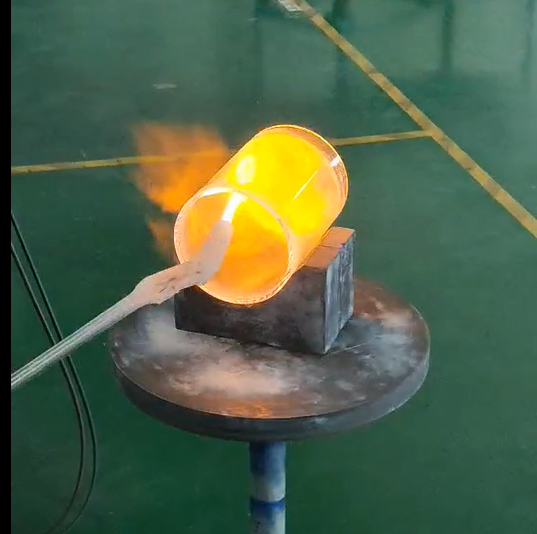
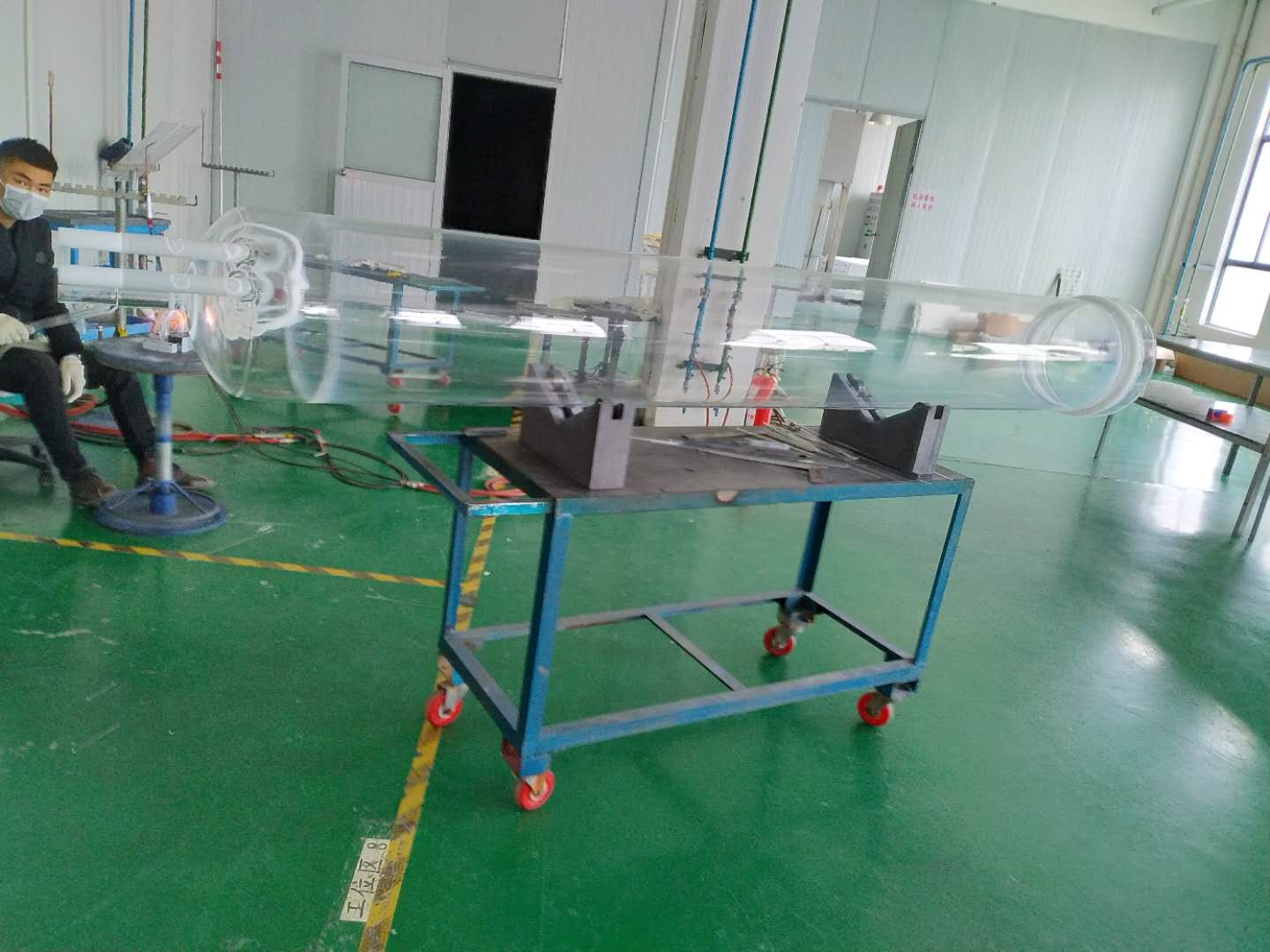
Our manufacturing facility operates precision CNC cutting, planar double-sided lap grinding, flame fire-polishing, and cleanroom vacuum packaging.
With an 88.89% inquiry response rate, our English- and Spanish-literate technical sales staff provide CAD reviews and quotes aligned with Havana time zones.
Each quartz dish is individually vacuum-sealed with lint-free wrapping, cushioned within custom high-density EPE foam chambers, and boxed in reinforced export crates.
Located at 285 Heping East Road, Lianyungang, Jiangsu, our physical workshops have been inspected on-site by international certification authorities and Alibaba.com inspection teams.
Everything Cuban laboratory directors, procurement officers, and lead investigators need to know regarding quartzware specifications and cross-border delivery.
JGS1 (Synthetic Fused Silica): Transmits exceptionally in the deep ultraviolet and visible spectrum (185 nm – 2500 nm). It is virtually bubble-free and devoid of trace metallic impurities, making it the mandatory choice for UV-excited fluorometry, photochemistry, and high-energy laser assays at Havana institutions.
JGS2 (Optical Grade Fused Quartz): Optimized for UV-visible wavelengths (220 nm – 2500 nm). It represents the most economical, standard choice for routine petri dishes, cell incubation, and high-temperature chemical reactions.
JGS3 (Infrared Grade Fused Quartz): Formulated with near-zero hydroxyl (OH⁻ < 5 ppm) content, transmitting from 260 nm to 3500 nm. It is applied when petri dishes double as substrates for IR spectroscopy or infrared thermal heating stages.
Unlike standard soda-lime or borosilicate glass that undergoes continuous ion exchange in humid environments (leading to a cloudy, alkaline surface patina), fused quartz consists of an ultra-stable, single-component SiO₂ tetrahedron matrix. It does not adsorb moisture, exhibits zero hygroscopic swelling, and is entirely immune to airborne saline coastal corrosion common to the Havana littoral.
Our quartz petri dishes can be autoclaved under steam at standard temperatures (121°C or 134°C) without limit. More importantly, for endotoxin-free pyrogen deactivation, they withstand dry-heat oven baking up to 450°C–600°C for hours. They can even withstand direct open-flame bunsen sterilization without thermal cracking, thanks to an ultra-low expansion coefficient of $5.5 \times 10^{-7} \text{ K}^{-1}$.
For standard diameter petri dishes (e.g., 60mm, 90mm, 100mm, 120mm, 150mm with optical covers), our MOQ starts at just 2 to 10 pieces, enabling scientific departments to run pilot testing prior to mass bulk orders. Production lead times for custom or standard dimensions are typically 7–14 days. Air freight shipments directly into Havana's José Martí International Airport (HAV) take approximately 7–10 transit days, while sea freight to the Port of Mariel takes approximately 35–45 days.
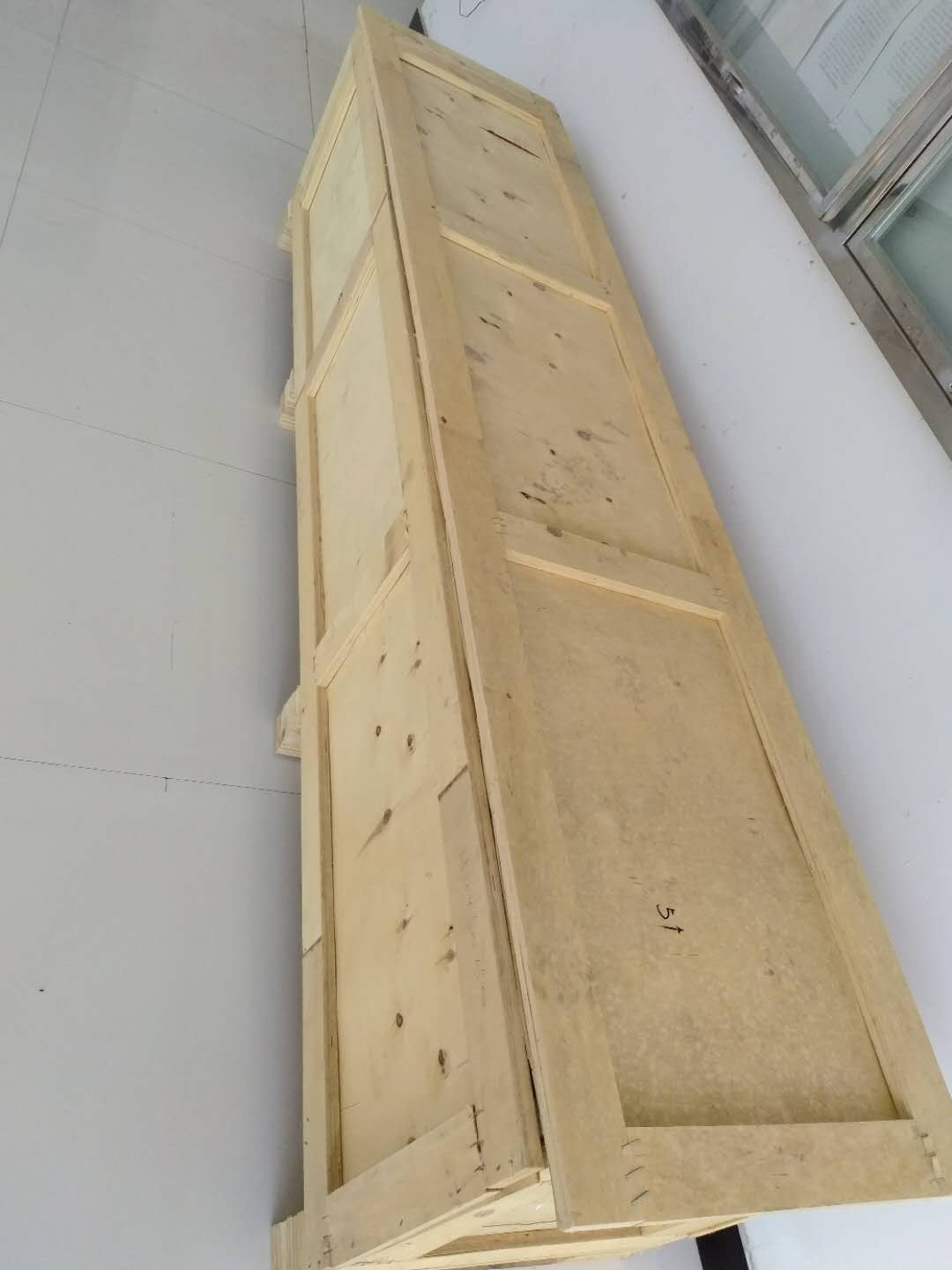
We implement a triple-barrier export packing protocol developed specifically for fragile laboratory glassware. Each dish and lid is ultrasonic-cleaned, vacuum-enclosed in lint-free protective film, nested in high-density shock-absorbing EPE molded foam pockets, and placed in drop-tested double-wall corrugated cartons. Bulk orders are consolidated in fumigation-free plywood shipping cases reinforced with steel corner brackets, ensuring zero transit breakage across long marine transit routes.
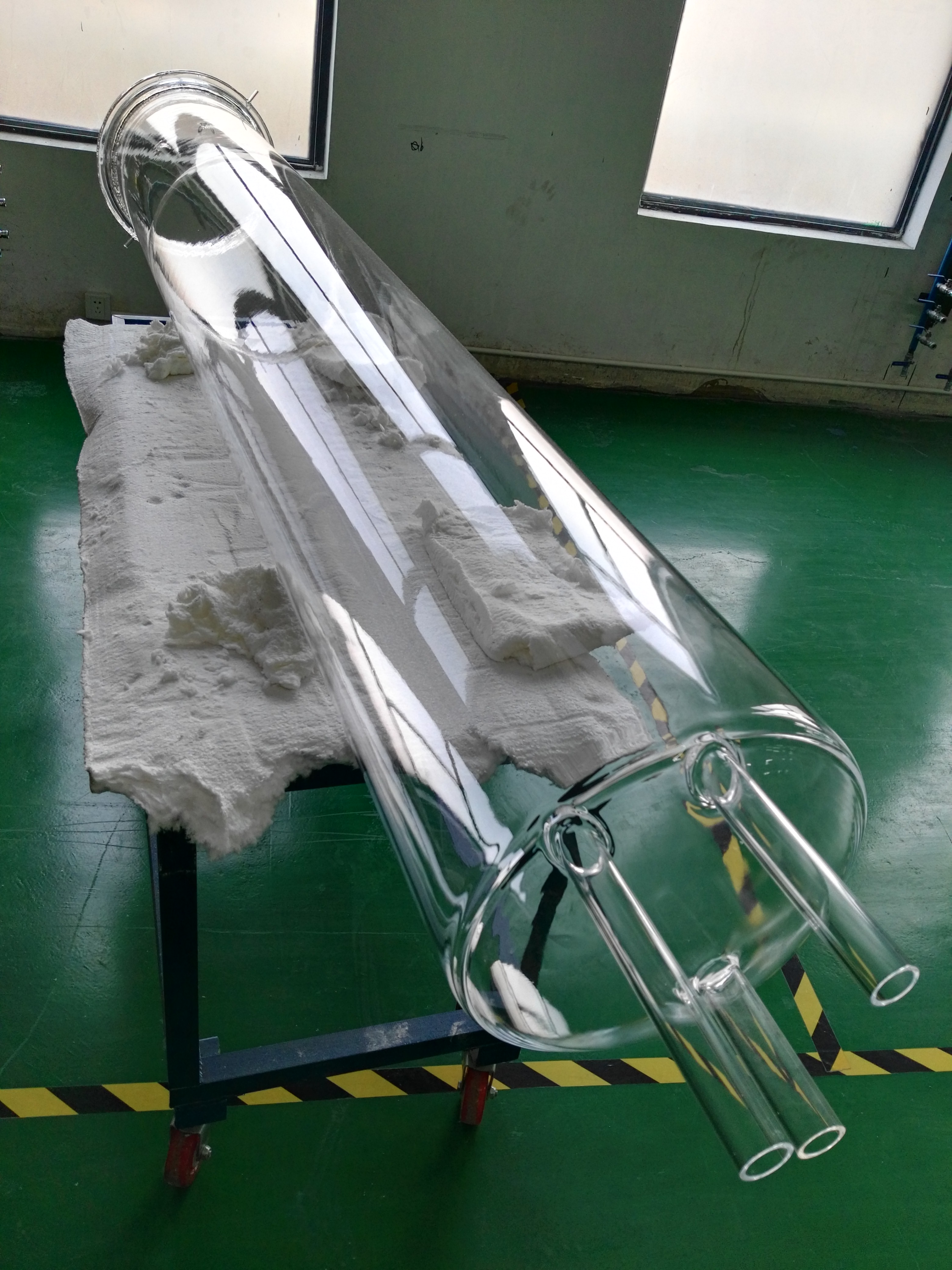
Yes. As a comprehensive OEM/ODM processor with in-house quartz glassblowing workshops, we routinely manufacture customized anaerobic culture dishes, quartz vessels featuring standard taper ground joints (e.g., 14/23, 24/29), quartz-to-pyrex graded seals, dual-valve gas purge tubes, and flat-bottom optical cuvette dishes. Send your hand-sketch or technical drawing to receive formal engineering feedback within 5 hours.
Each production batch is supplied with an official Certificate of Analysis (COA) specifying silica purity (typically 99.99%+), ICP-OES trace element impurity test reports (quantifying iron, aluminum, calcium, magnesium, copper, and titanium in ppm), optical transmittance spectral curves, and physical dimensional inspection sheets confirming diameter, height, and planarity.
We accommodate international commercial trading structures, including Telegraphic Transfer (T/T), confirmed irrevocable Letters of Credit (L/C), and payment arrangements through verified third-party trading entities in Europe, Latin America, or Asia to ensure smooth transaction compliance without financial bottleneck delays.
Whether you need standard optically polished petri dishes for deep-UV cell research or custom-fabricated quartz apparatus built to custom drawings, our Donghai engineering team provides immediate technical review and competitive factory direct quotations.