High-Temp Clear
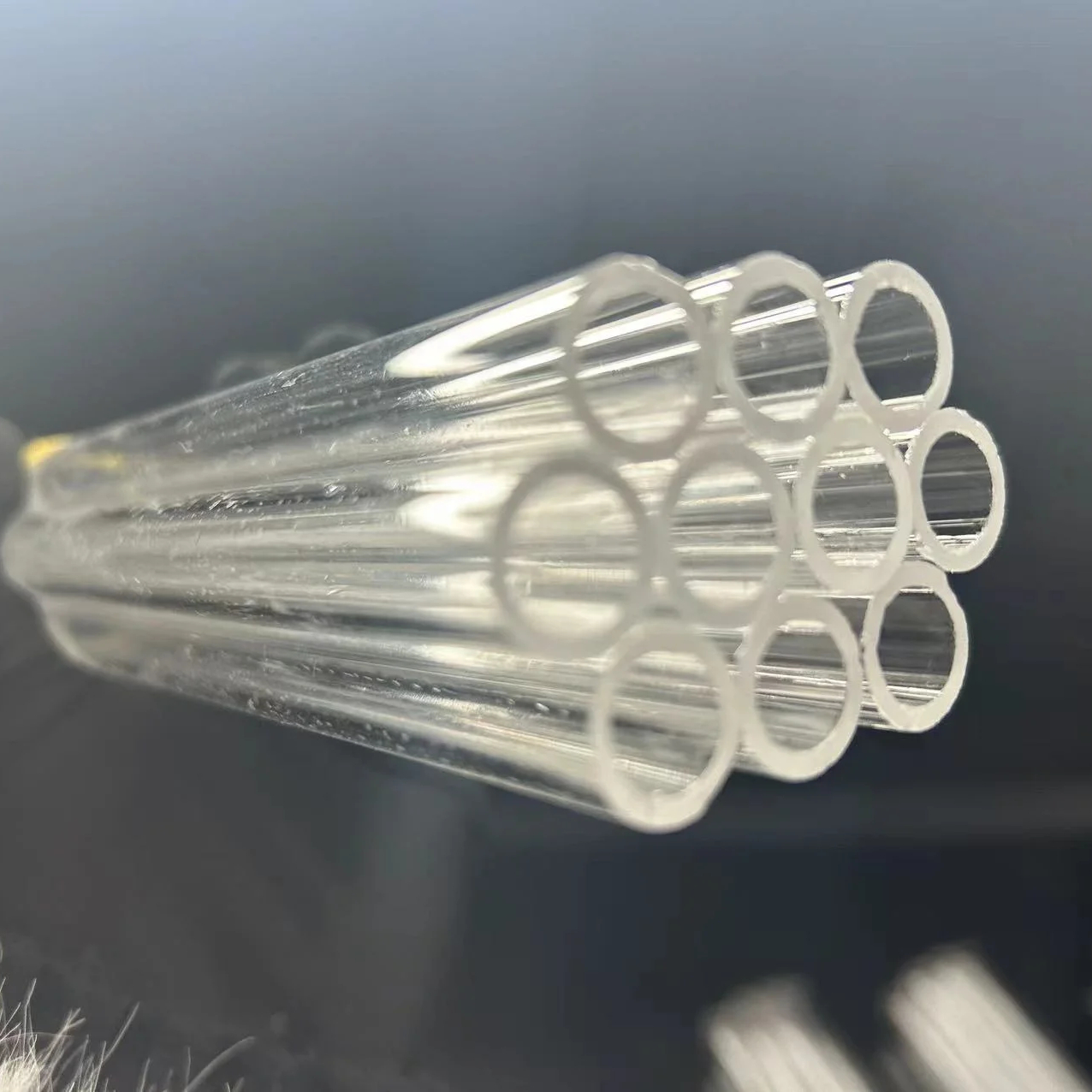
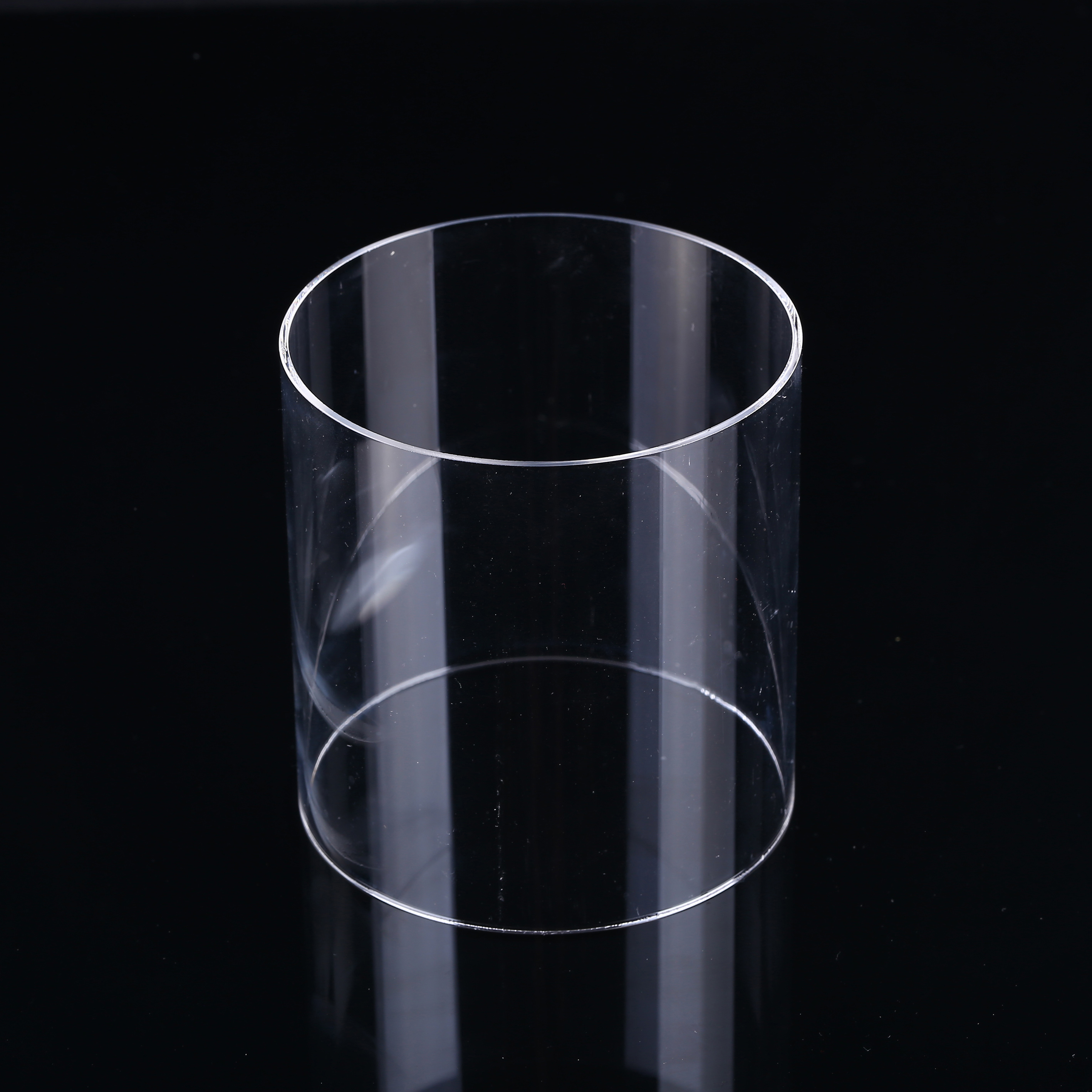
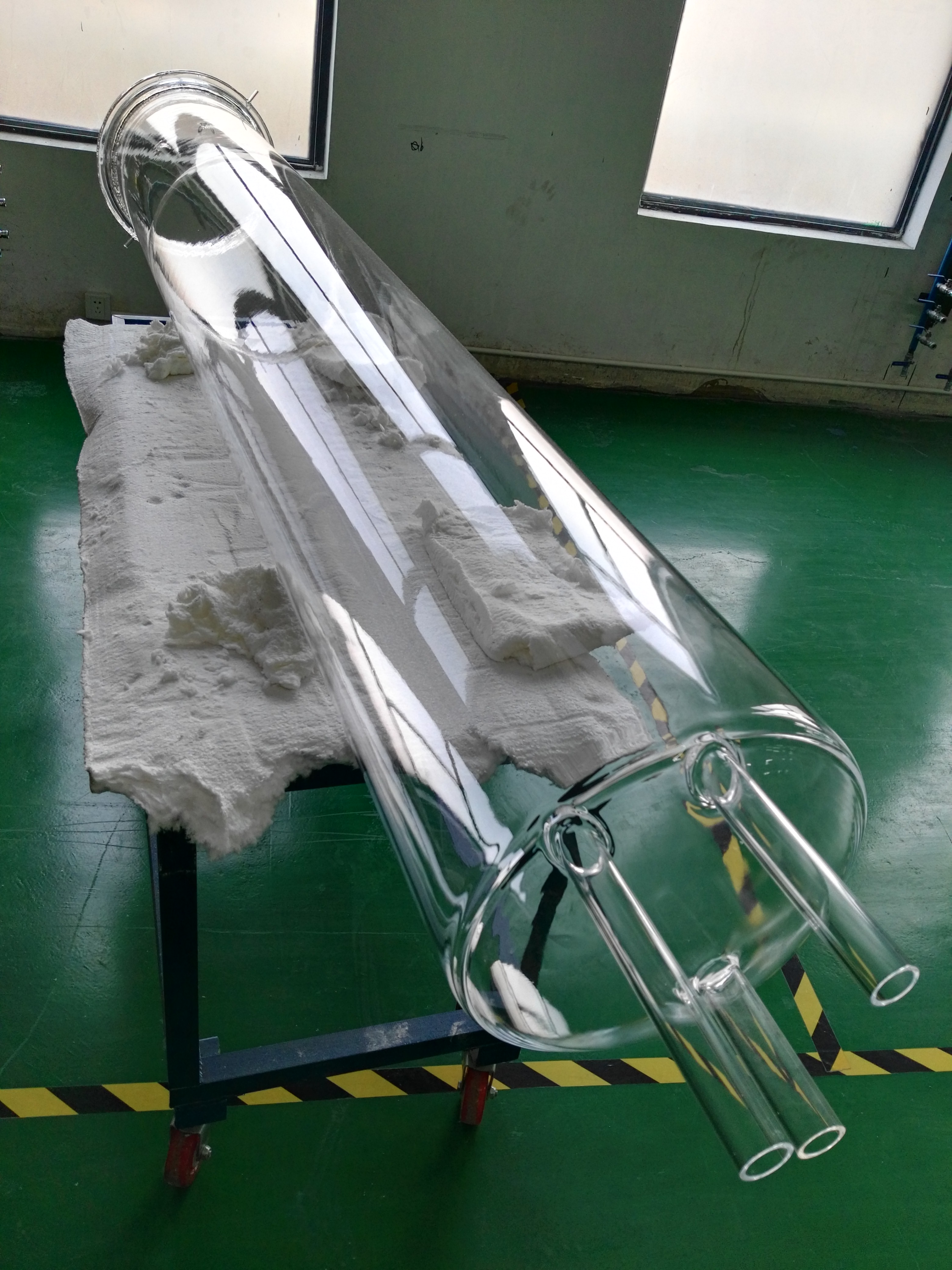
High Temperature Transparent Quartz Cylinder Tube Clear Quartz Tube Glass with Professional Manufacturer Quartz Tube
- Softening Point: 1683 °C
- SiO₂ Purity: ≥ 99.99%
- Visual Class: Bubble Free
As Estonia deepens its footprint as Northern Europe's silicon and deep-tech powerhouse—from Tartu's photonics incubators to Tallinn's microelectronics fabrication ecosystems—procurement integrity demands direct access to base-material purity. Donghai County Nivra Quartz Products Co., Ltd. delivers factory-direct fused quartz substrates, synthetic fused silica wafers (JGS1 / JGS2 / JGS3), and custom chamber parts engineered to withstand extreme temperatures, harsh chemical etching, and demanding optical transmission requirements.
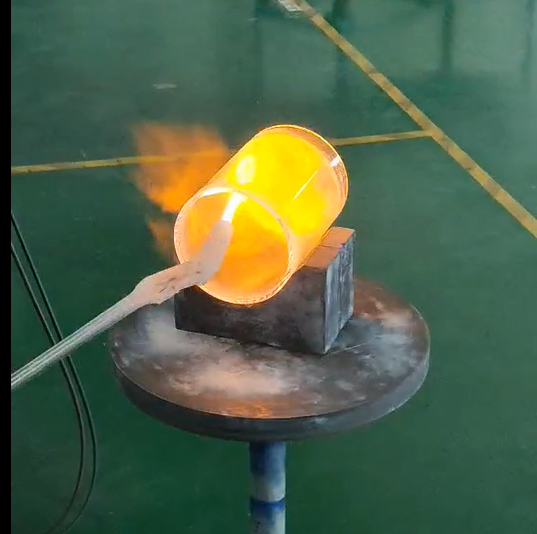
Manufactured in Donghai—the world capital of silica crystal processing—with custom cutting, double-sided optical polishing, ultrasonic CNC drilling, and specialized thermal welding.
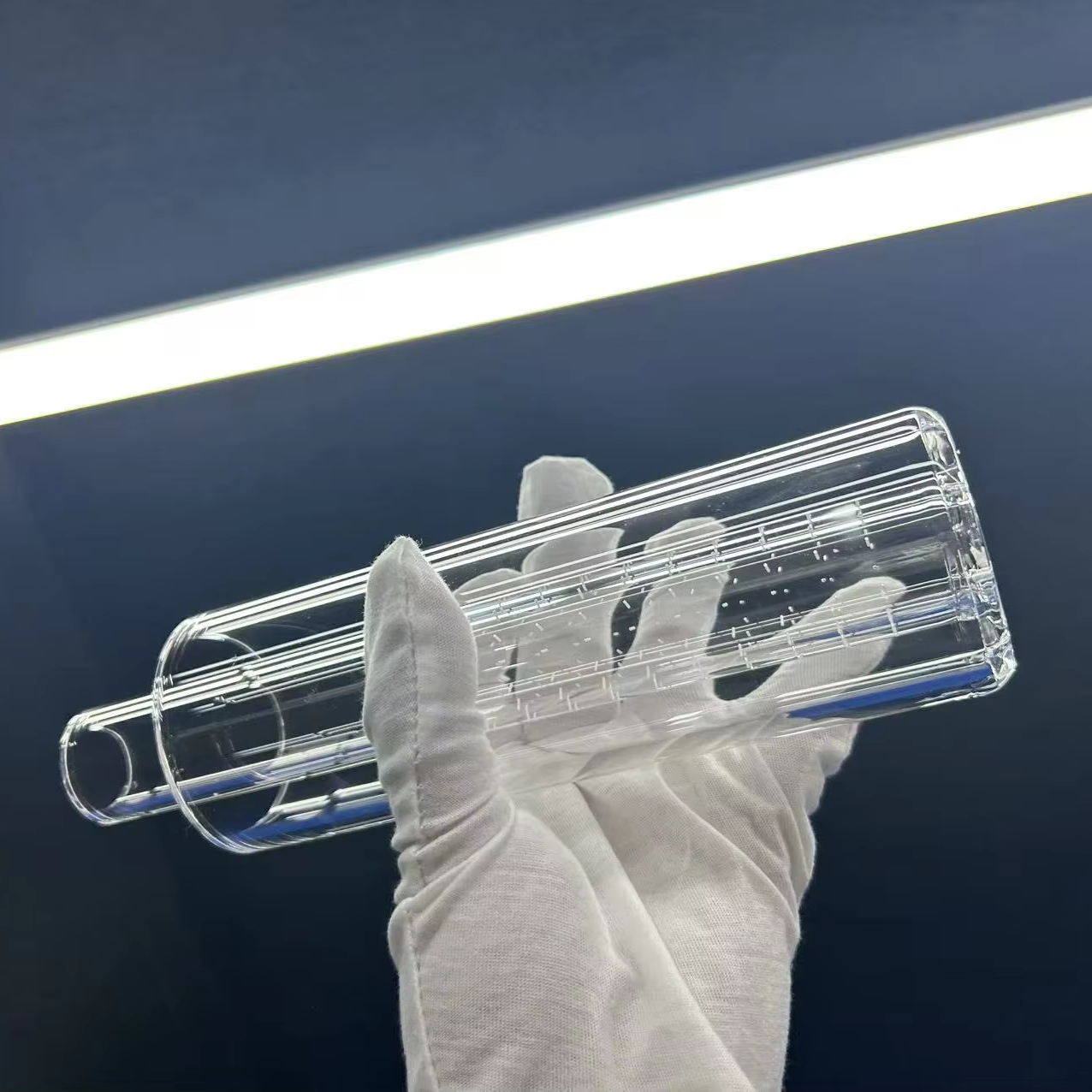
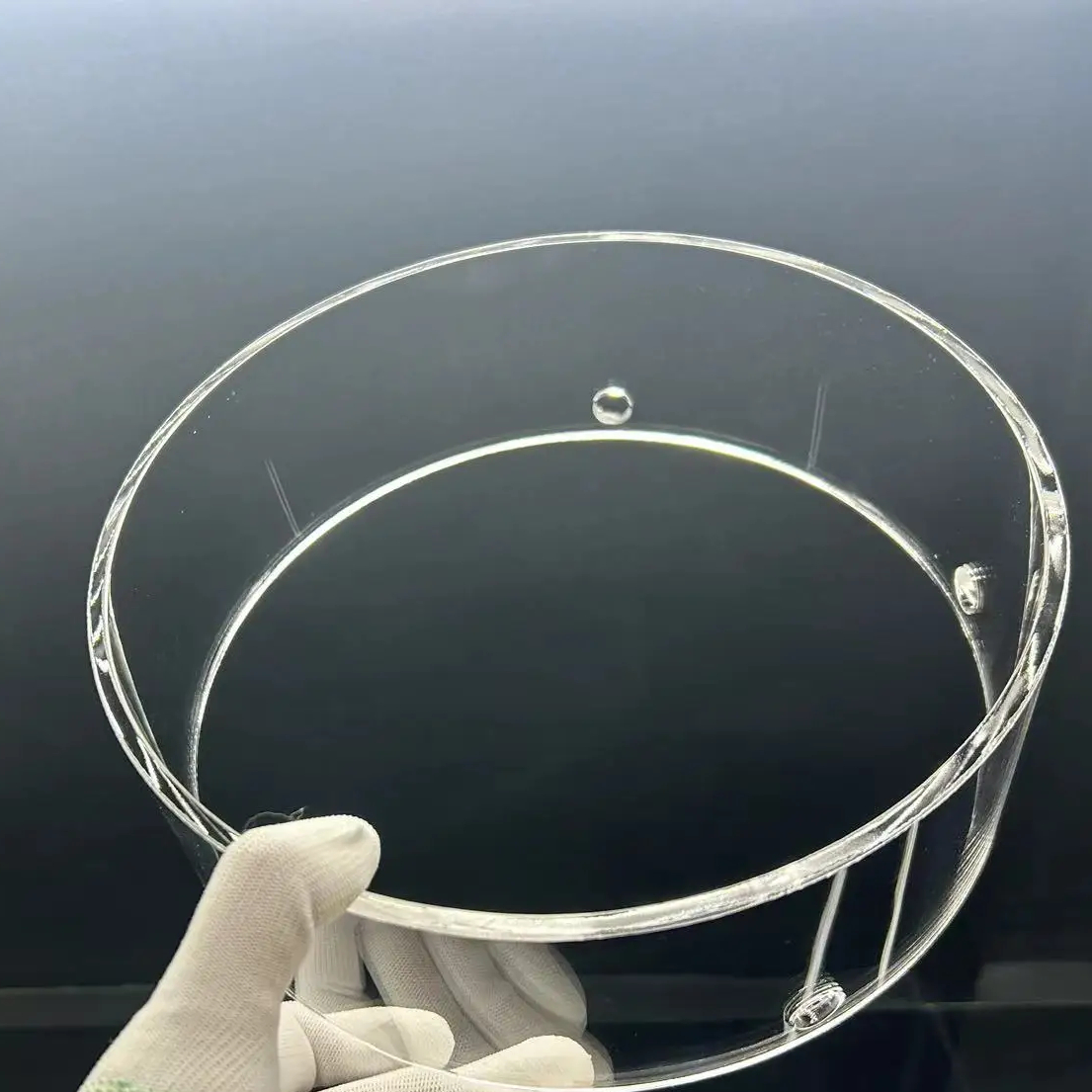
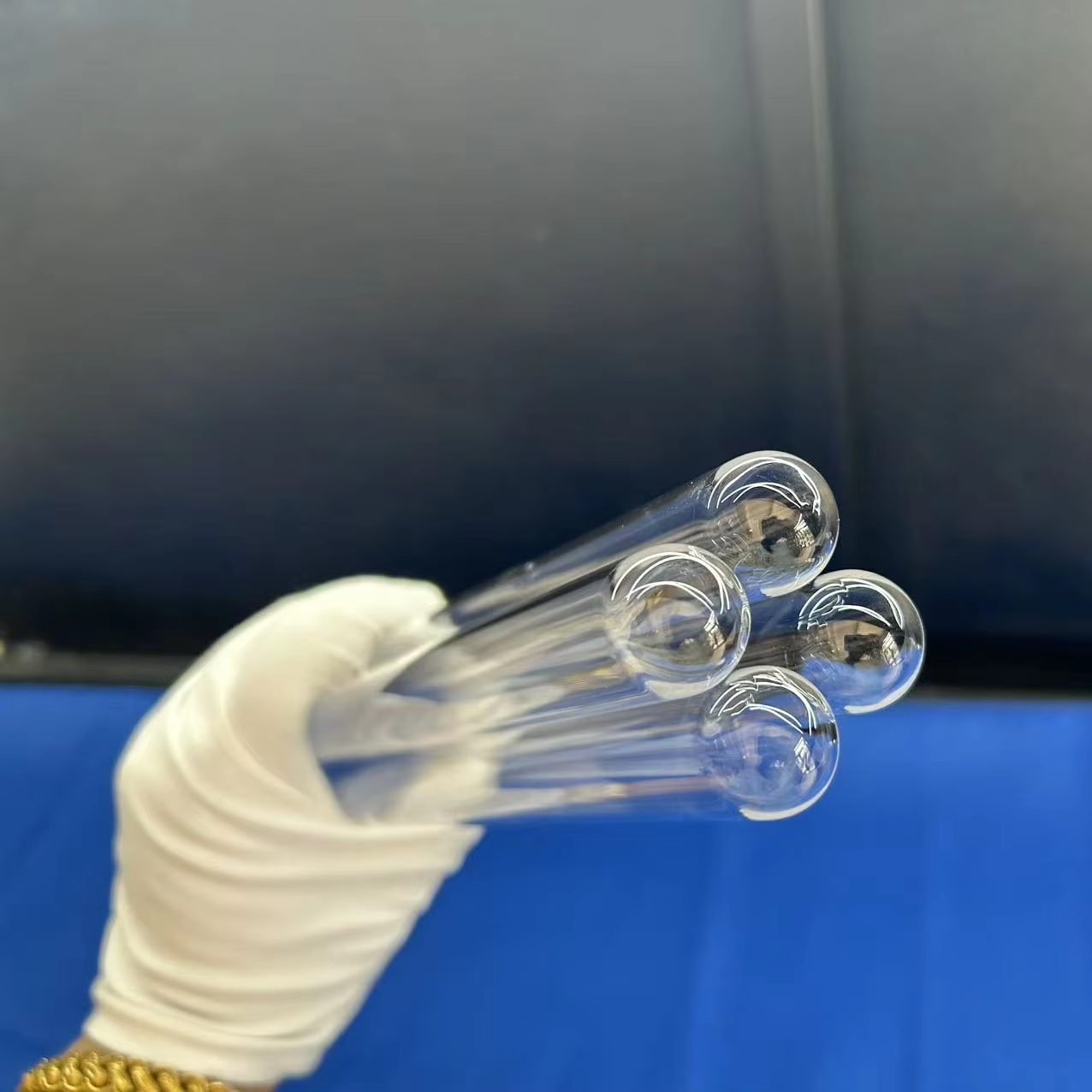
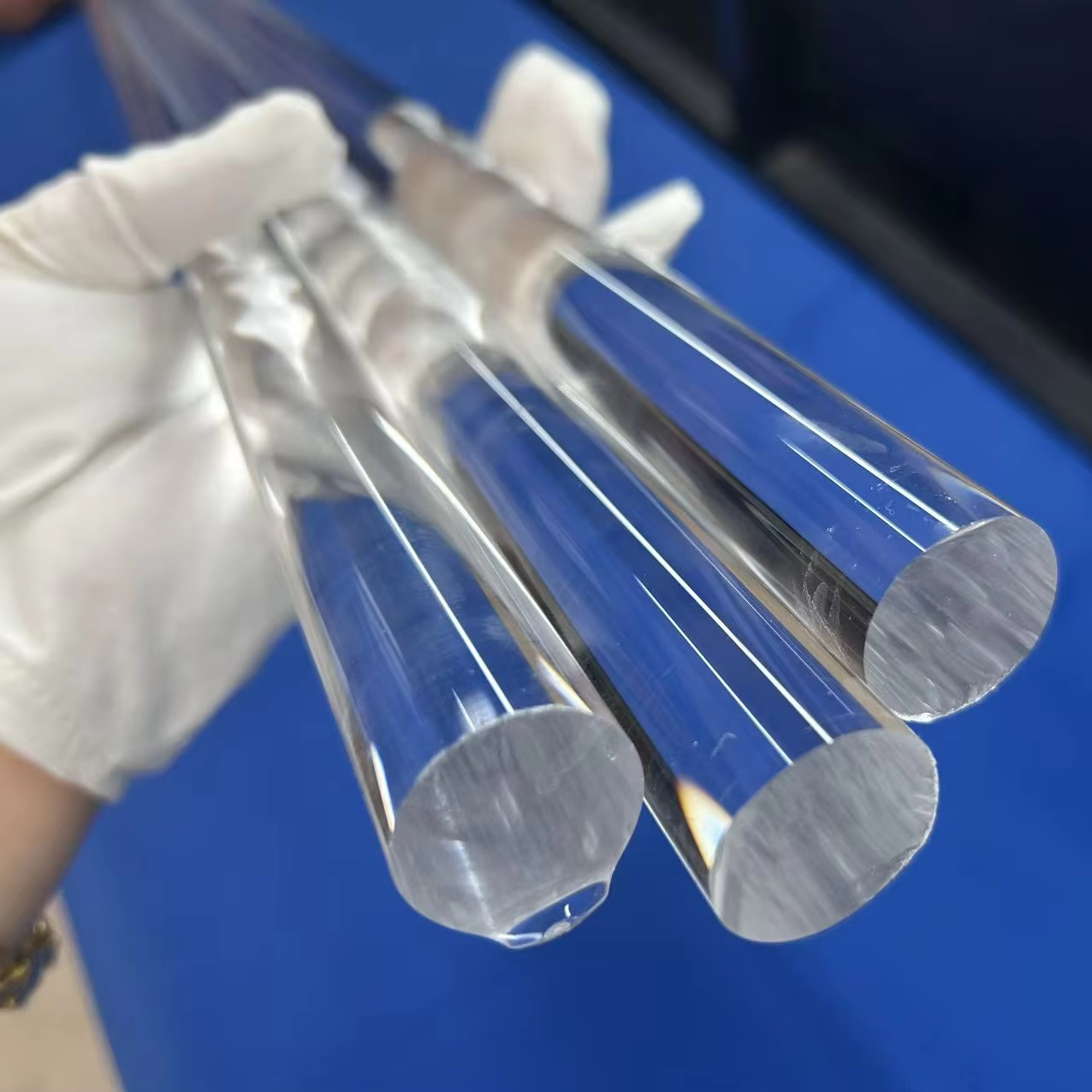
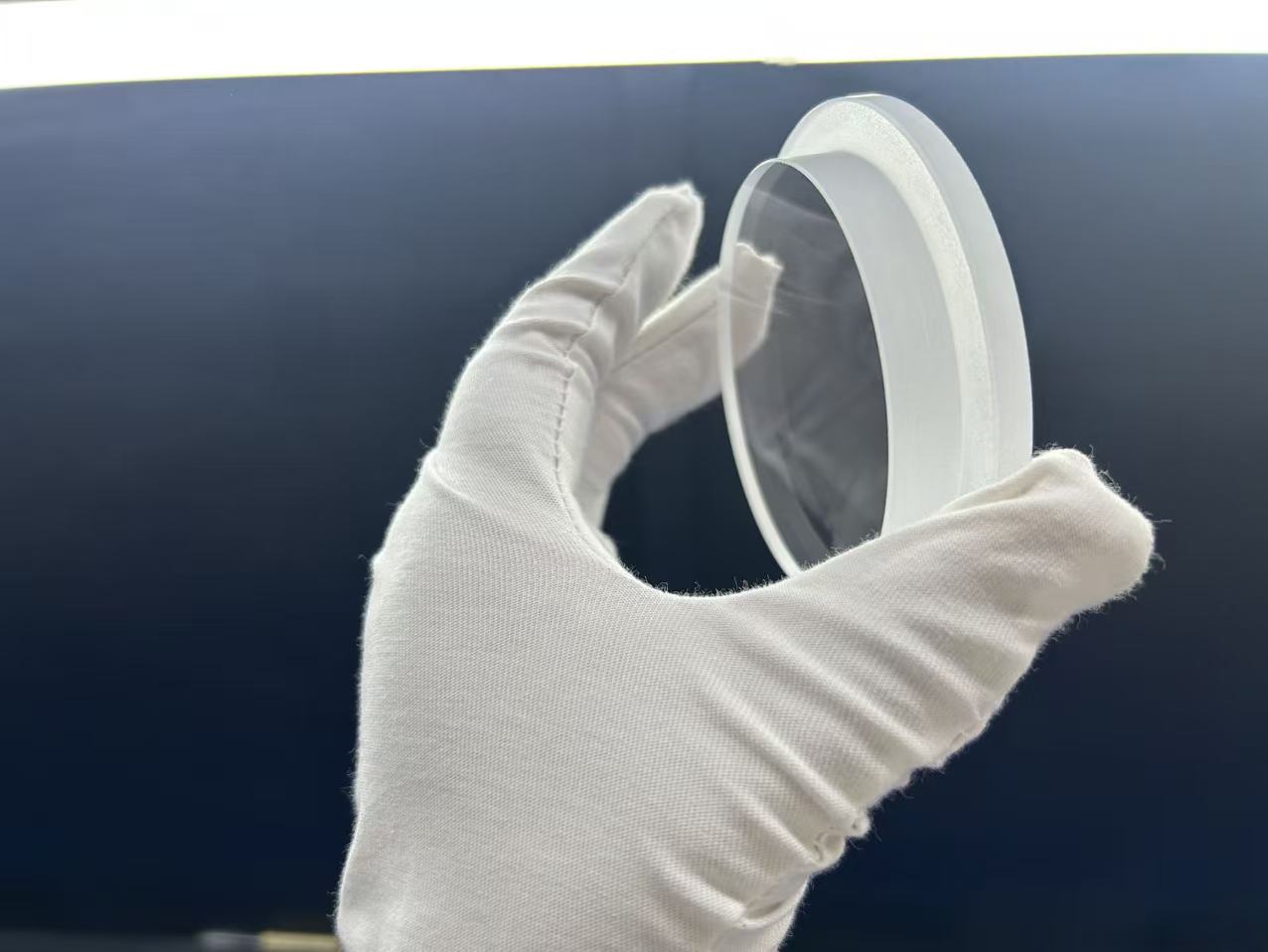
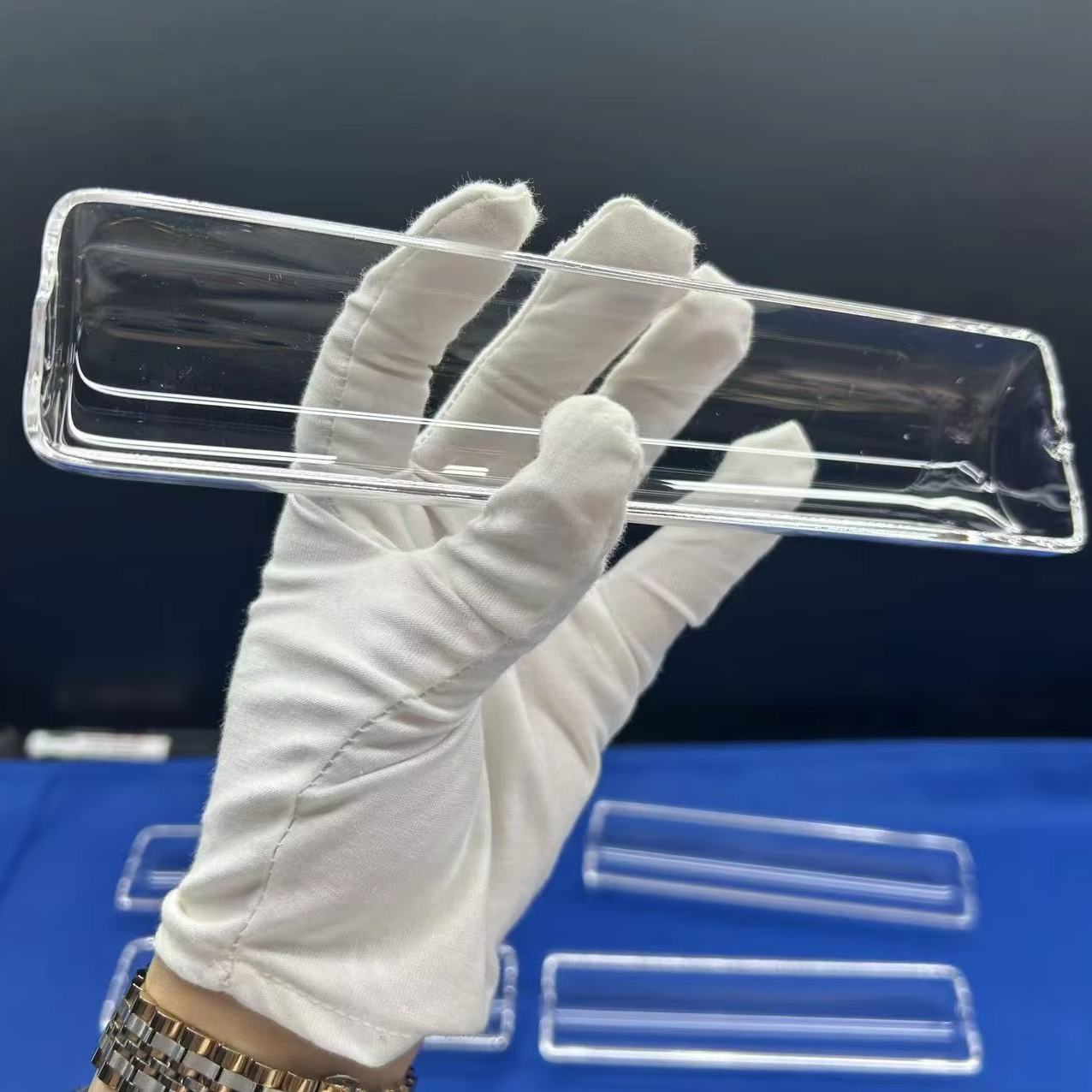
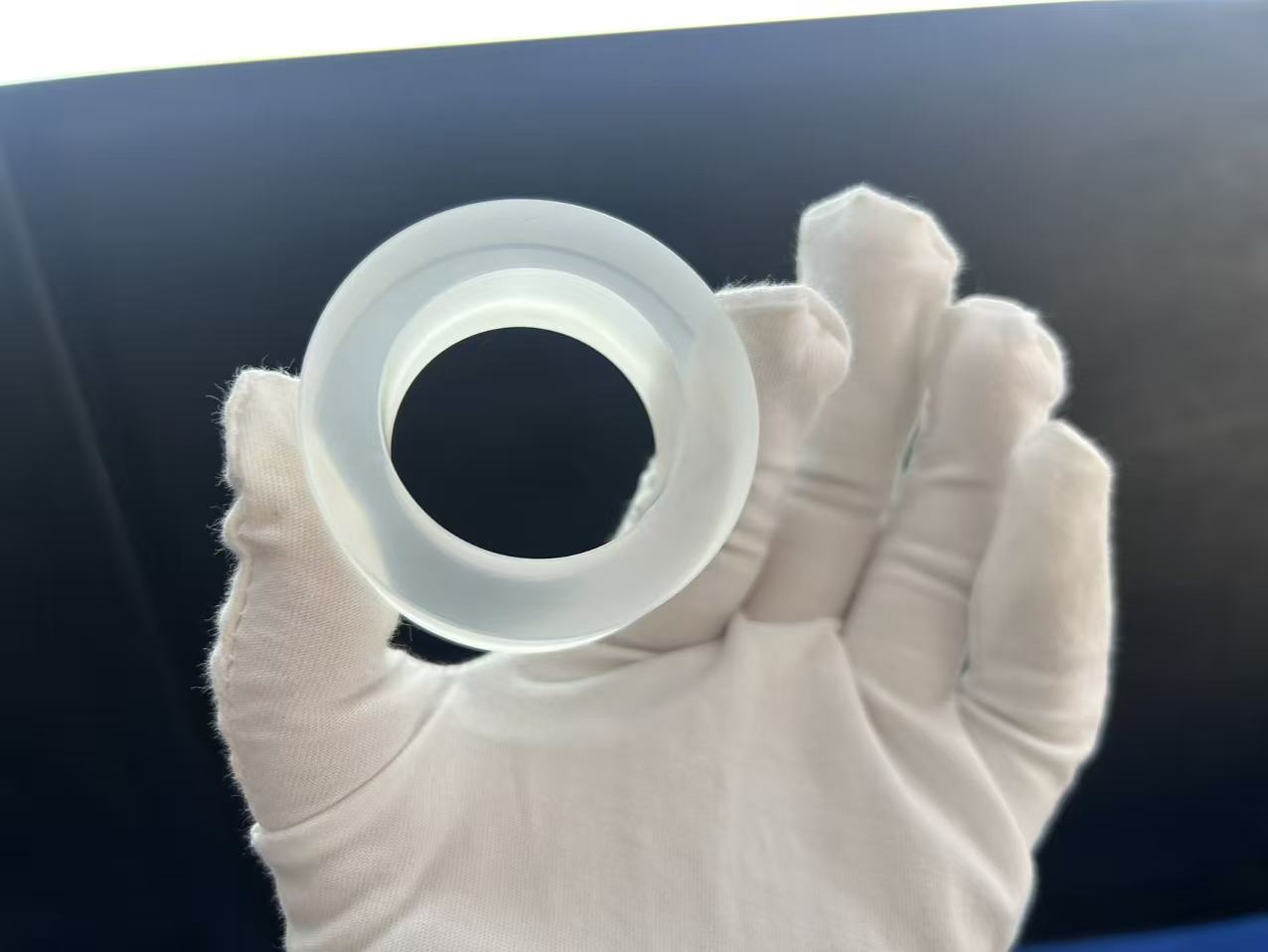
For Baltic optical engineers developing laser cavity optics, spectrophotometer viewports, or semiconductor photolithography masks, selecting the correct chemical purity matrix determines laser damage thresholds (LIDT) and spectral cutoff characteristics.
| Substrate Grade | Primary Raw Synthesis | Useful Spectral Band | Hydroxyl (OH⁻) Content | Bubble Class (DIN 58927) | Target Baltic Applications |
|---|---|---|---|---|---|
| JGS1 (Far UV Grade) | Synthetic SiCl₄ hydrolysis | 185 nm – 2500 nm | High (approx. 800 - 1200 ppm) | Class 0 (No micro-bubbles) | Excimer lasers, DUV lithography, Tartu quantum spectroscopy |
| JGS2 (Standard Optical) | Purified natural crystal sand | 220 nm – 2500 nm | Medium (approx. 150 - 200 ppm) | Class 1 / Class 2 | UV-Visible sight glasses, lamp jackets, solar cell inspection |
| JGS3 (Infrared Quartz) | Vacuum electro-fused natural silica | 260 nm – 3500 nm | Low-OH (< 5 ppm) | Class 0 / Class 1 | Mid-IR thermal sensors, defense electro-optics, pyrometers |
| Semiconductor Grade | Thermal gas-phase fused silica | Visible - Thermal Broadband | Application controlled | Heavy thermal stability | LPCVD diffusion, plasma etching rings, wafer carriers |
Estonia's innovation framework combines world-leading digital infrastructure with physical engineering centers. Our quartz glass substrates and fabricated thermal components are engineered specifically to support regional industrial applications:
Estonia's university cluster in Tartu houses world-class research in femtosecond laser spectroscopy and ultrafast optics. Our JGS1 substrates offer high optical homogeneity ($\Delta n \le 2 \times 10^{-6}$) and high laser-induced damage thresholds (LIDT > 10 J/cm² at 1064 nm, 10 ns).
Semiconductor hardware and sensor development hubs in Tallinn (such as Tehnopol Science and Business Park) demand precision fused quartz step plates and polished quartz wafers for microfluidic chips, bio-MEMS devices, and cleanroom substrate carriers.
Estonia's aerospace pioneers (CubeSat space initiatives) and Baltic maritime sensor developers need viewports resistant to extreme thermal gradients. Our zero-bubble clear fused silica maintains optical clarity from -196°C to +1100°C without mechanical failure.
With Estonia's push toward hydrogen valleys and synthetic fuel plants in Ida-Viru County, analytical testing systems utilize our quartz bottom-sealing tubes and perforated gas flow cylinders for high-temperature catalytic reaction testing and gas chromatography.
Understanding shifts in European supply chain security, environmental directives, and advanced hardware manufacturing allows Estonian enterprise buyers to secure resilient quartz supply agreements.
Estonian micro-optics and laser developers are moving from standard commercial polishing (Ra < 2 nm) toward chemical mechanical polishing (CMP super-polishing with Ra < 0.3 nm). This eliminates high-frequency spatial noise in precision laser delivery systems and quantum communication nodes.
To mitigate high markups from Western European trading intermediaries, procurement managers at Estonian contract electronics manufacturers (EMS) and university institutes now bypass local middlemen, purchasing custom-machined quartz directly from verified Donghai manufacturers with full CoC documentation.
Estonia’s adherence to strict EU ecological mandates requires 100% compliance with EU RoHS 3 and REACH regulations. Nivra Quartz provides trace elemental analyses verifying that substrates are free of restricted heavy metals and hazardous processing agents.
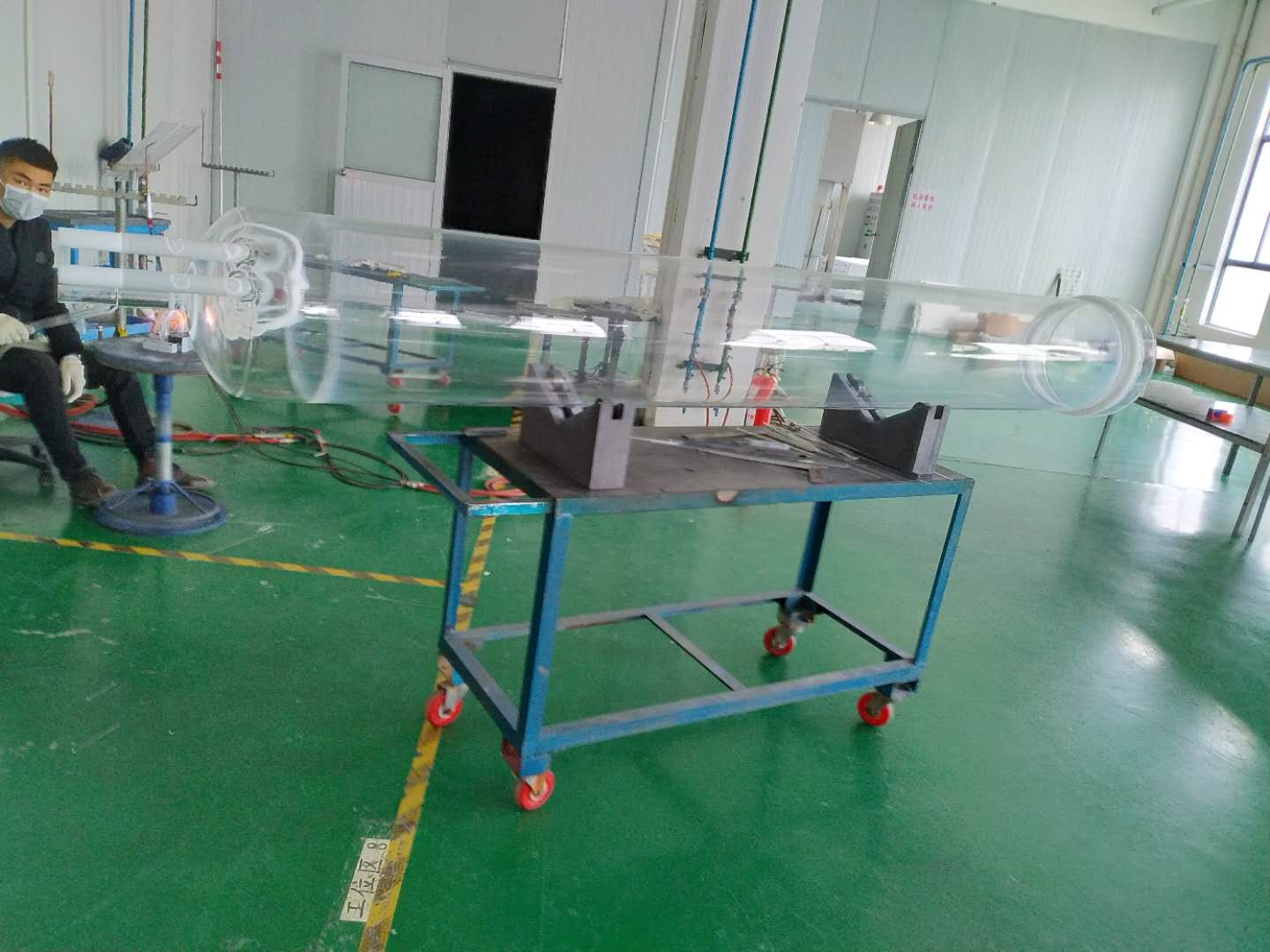
Headquartered at 285 Heping East Road, Lianyungang, Jiangsu, China—the epicenter of global quartz mining and processing—Nivra Quartz is a legally audited enterprise operating with 101–200 skilled specialists, state-of-the-art cold optical machining, and automated thermal flaming equipment.
Direct sourcing from high-purity Donghai crystal veins ensures consistent ≥99.99% SiO₂ matrix without iron contamination or color centers.
Average quote response within 5 hours. Complete CAD/CAM blueprint reviews and sample manufacturing dispatched within 3 to 7 working days.
Verified international export track record with over 43 documented overseas consignments totaling tens of thousands of USD in single audit cycles.
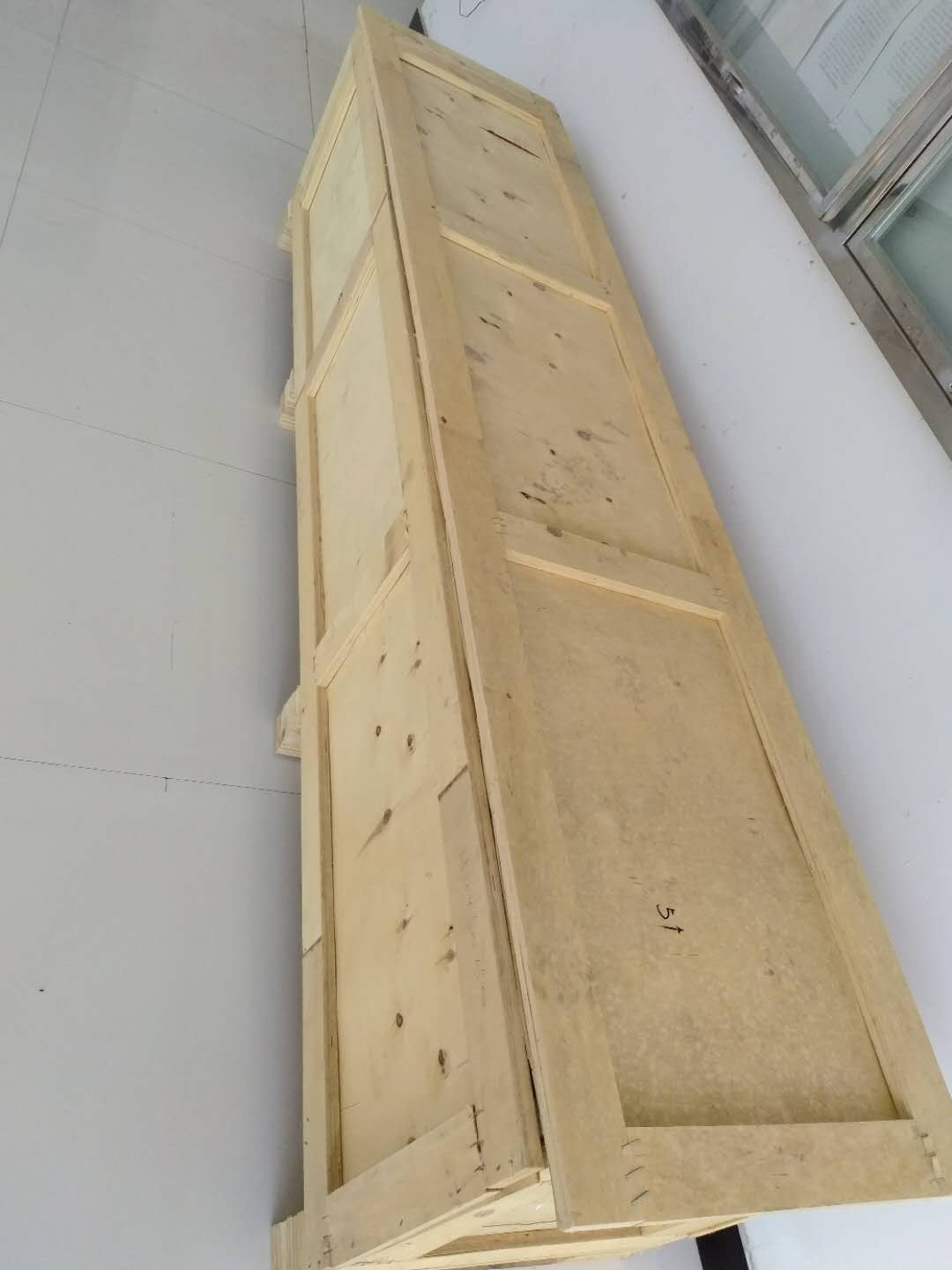
Multi-layer shock-absorbing EVA foam, vacuum-sealed PE wrapping, and custom fumigation-free engineered wood crates for Baltic deliveries.


All corporate registrations, legal operational capacities, and production footprints are audited by third-party inspection agencies.
Real-world technical, logistical, and legal answers addressing customs procedures, optical testing standards, and direct factory procurement for Estonia and Baltic businesses.
Imports into Estonia are processed through the Estonian Tax and Customs Board (Maksu- ja Tolliamet). Quartz glass products typically fall under TARIC / HS code 7002.31.00.00 (tubes of fused quartz/silica) or 7006.00.90.00 (glass plates, worked). Standard Estonian VAT (22%) applies. We provide complete commercial invoices, packing lists with net/gross weights, and Certificates of Origin (COO) to ensure zero delays at Tallinn Airport Customs or Muuga Port.
Precision quartz is vulnerable to mechanical shock and shear stress. We employ an engineered packaging system: each substrate or tube is wrapped in anti-static PE film, individually nestled in custom high-density EVA shock-absorbing foam molds, boxed, and packed into multi-wall reinforced export plywood crates. Shipments dispatched via DHL, FedEx, or air freight to Lennart Meri Tallinn Airport (TLL) maintain a verified 99.8% zero-breakage record.
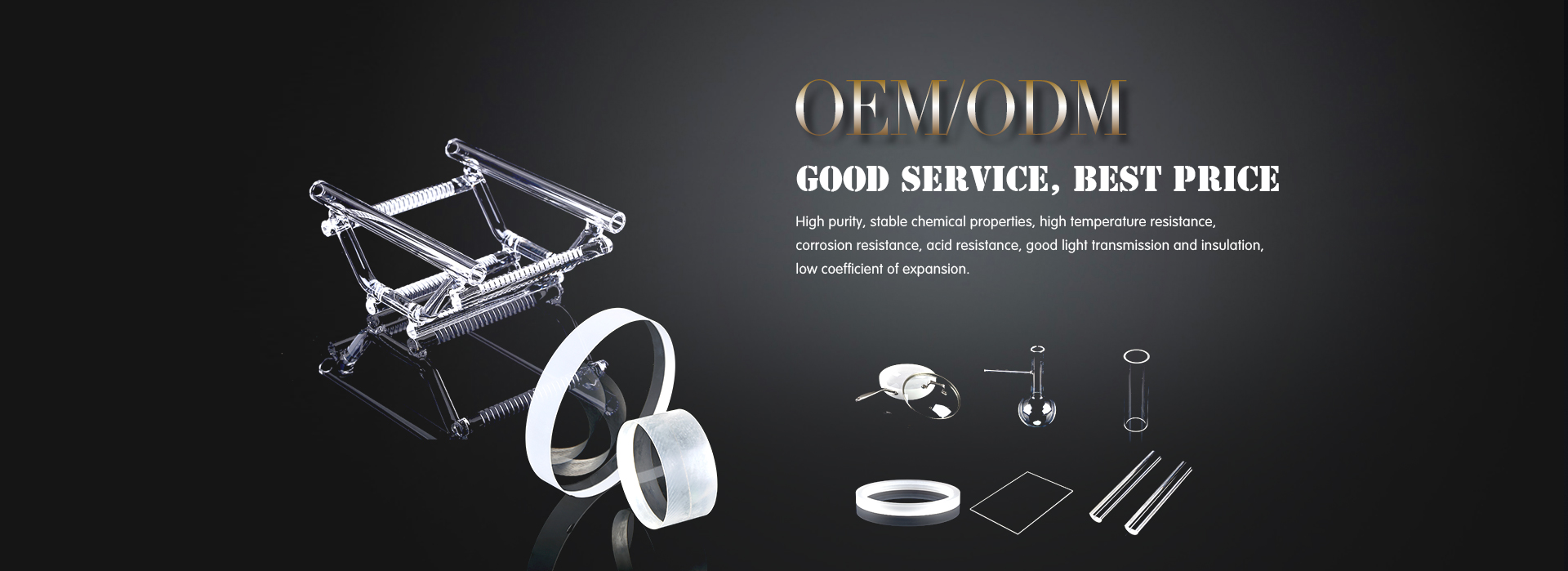
Yes. Over 70% of our orders are OEM/ODM custom fabrications. We work directly from CAD drawings supplied in PDF, DXF, DWG, or STEP formats. We execute tight mechanical tolerances (±0.02 mm), complex step-plate beveling, CNC core-drilling, micro-grooving, and customized edge polishing according to ISO 10110 optical drawing standards.
For standard precision grades, we achieve surface flatness of λ/4 per 25 mm and scratch-dig 40/20. For advanced laser applications and laser cavity viewports, our double-sided chemical mechanical planarization (CMP) produces surface roughness Ra ≤ 0.5 nm, flatness λ/10 to λ/20, and scratch-dig 20/10 or 10/5, accompanied by Zygo interferometry inspection reports.
We actively support university research labs (such as University of Tartu and TalTech) as well as pilot-stage deep tech startups with low prototype MOQs starting from 1 to 5 pieces for customized quartz tubes, plates, and crucibles. For standard polished discs and small step plates, production batch MOQs typically start at 50 to 100 pieces.
While borosilicate glass softens around 500°C–550°C and has a thermal expansion coefficient of ~33 × 10⁻⁷ /°C, high-purity fused quartz can operate continuously at 1100°C (withstand excursions up to 1450°C) and features an ultra-low thermal expansion of 5.5 × 10⁻⁷ /°C. You can heat a quartz substrate to 1000°C and drop it directly into cold water without cracking.
Yes. European Union directives mandate compliance with RoHS 3 (Directive 2015/863/EU) and REACH (EC 1907/2006). Every export shipment includes our factory Certificate of Conformity (CoC) and batch chemical purity analysis verifying heavy metal exclusion (Pb, Cd, Hg, Cr VI < 2 ppm).
Standard prototype machining and double-sided polishing require 7 to 10 working days. Mass production runs of 500–2,000 units are fulfilled within 18 to 25 days. Priority air express to Estonia (Tallinn, Tartu, Narva, Pärnu) typically delivers within 4 to 6 business days after handover to the carrier.
Consult with our senior quartz fabrication engineers today. Whether you need rapid prototype disks for an optical test bench in Tartu or high-volume wafer carriers for an electronics line in Tallinn, we provide precision tolerances, certified material purity, and factory-direct pricing.