Thermal Heating
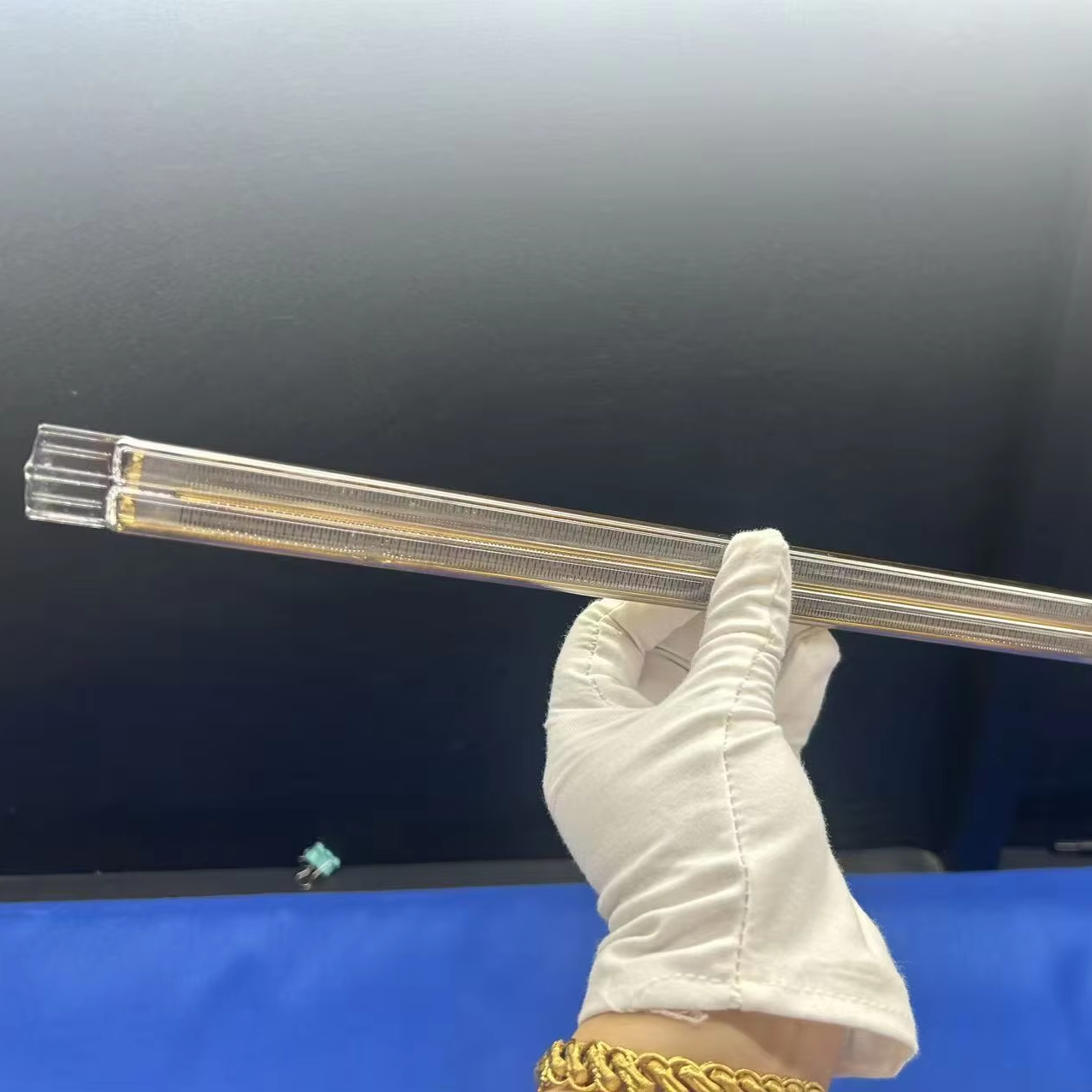
Explore our certified fused quartz series. Manufactured directly in Donghai, Jiangsu, and precision-packaged for scientific institutions, clinical testing facilities, and industrial laboratories in Coimbra.
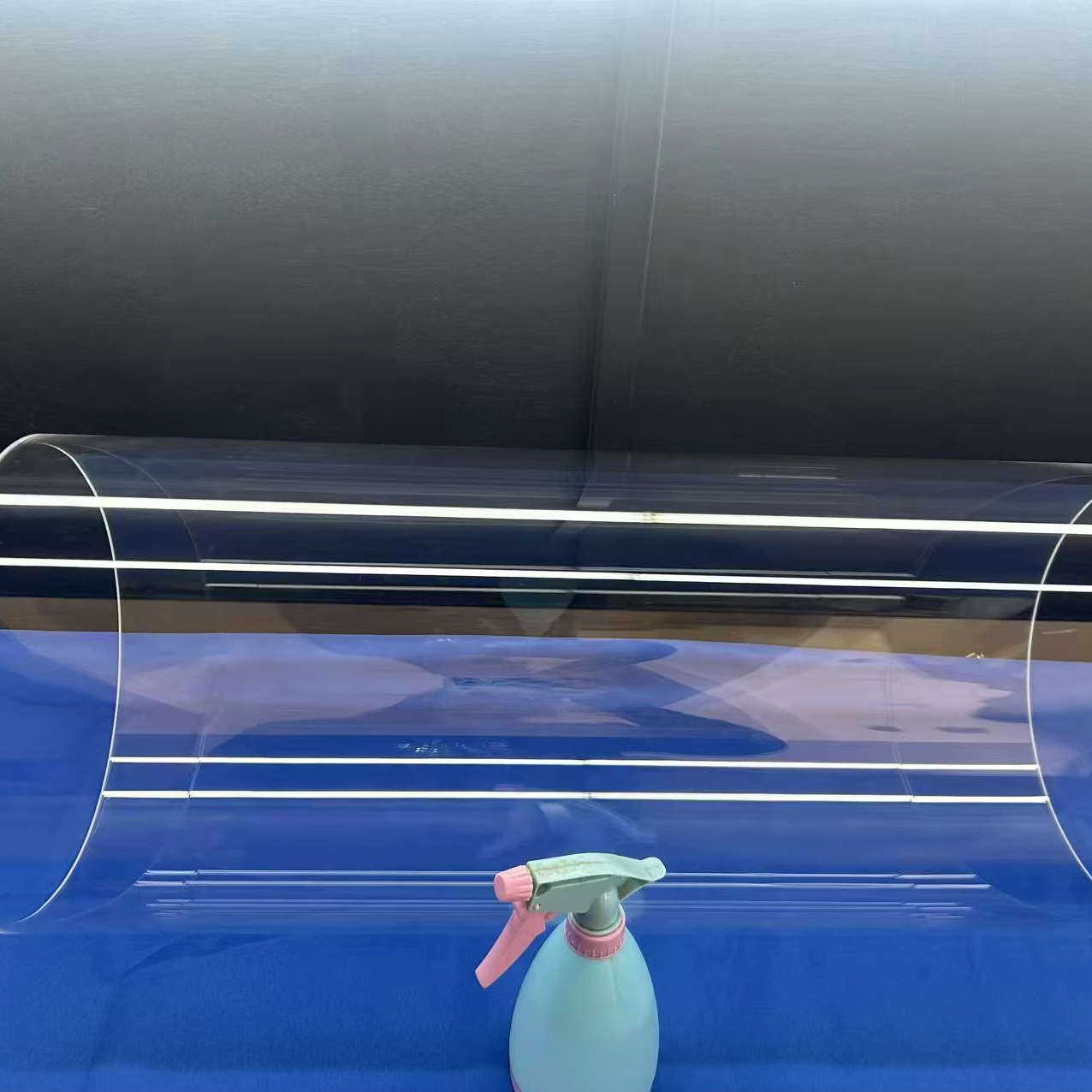
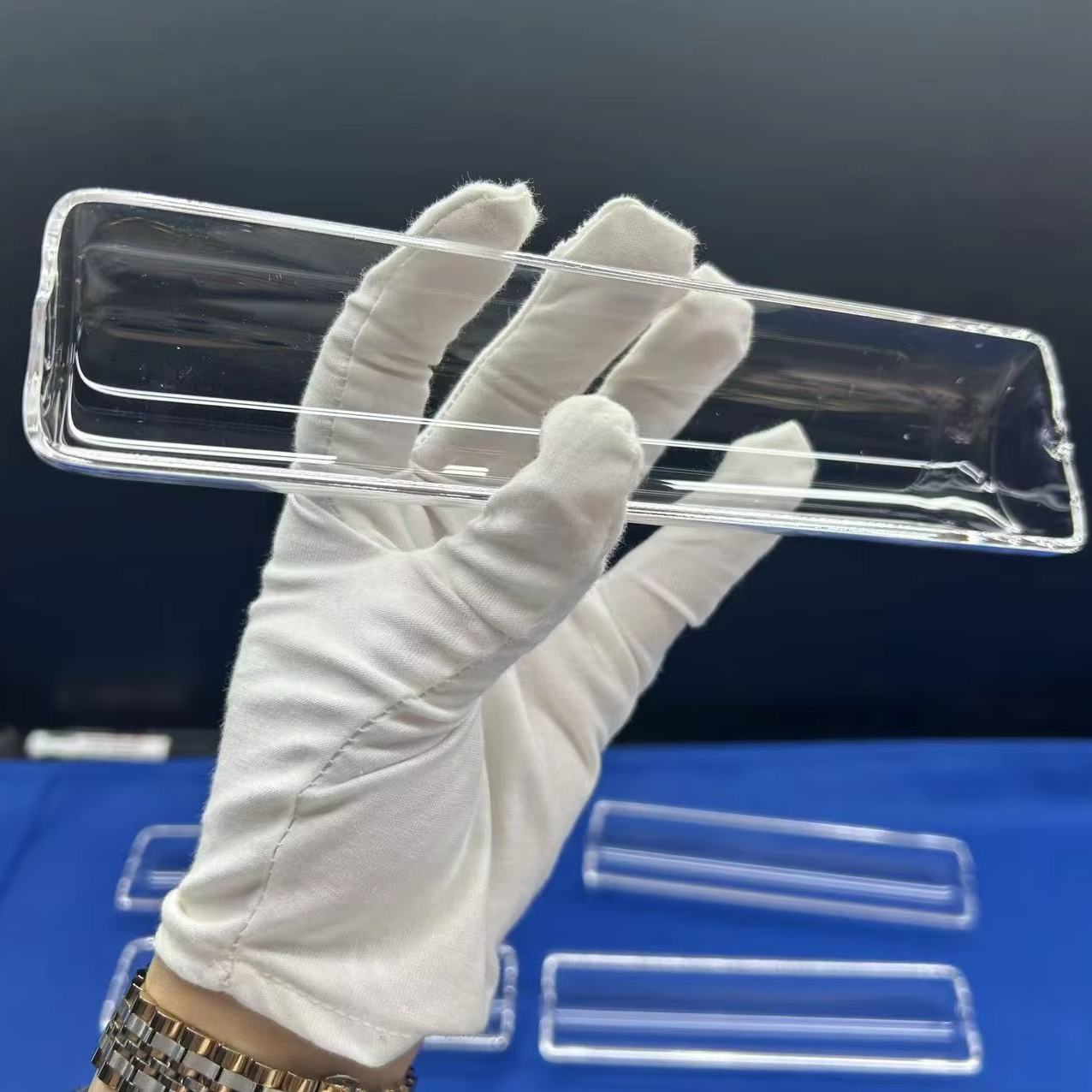
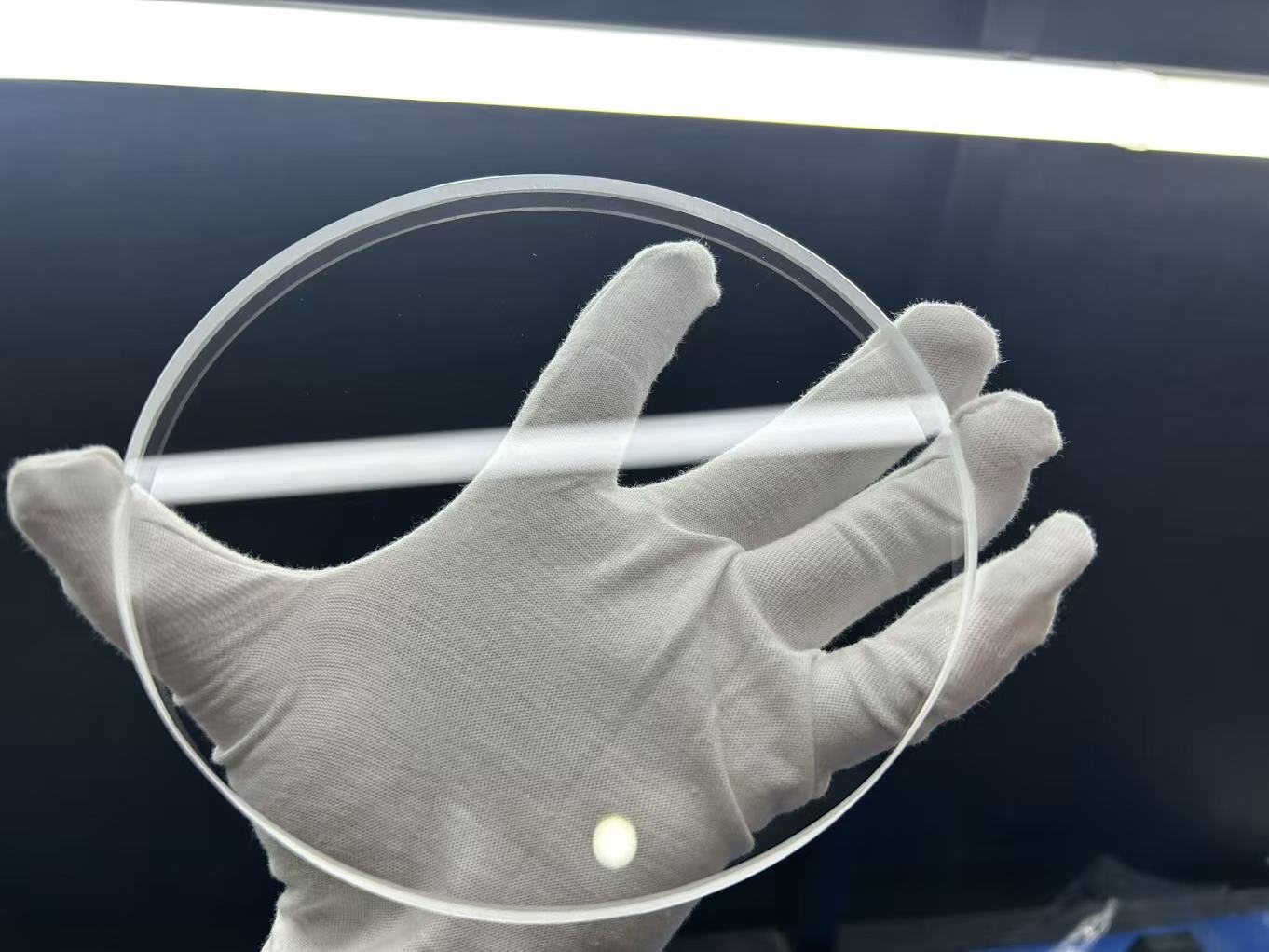
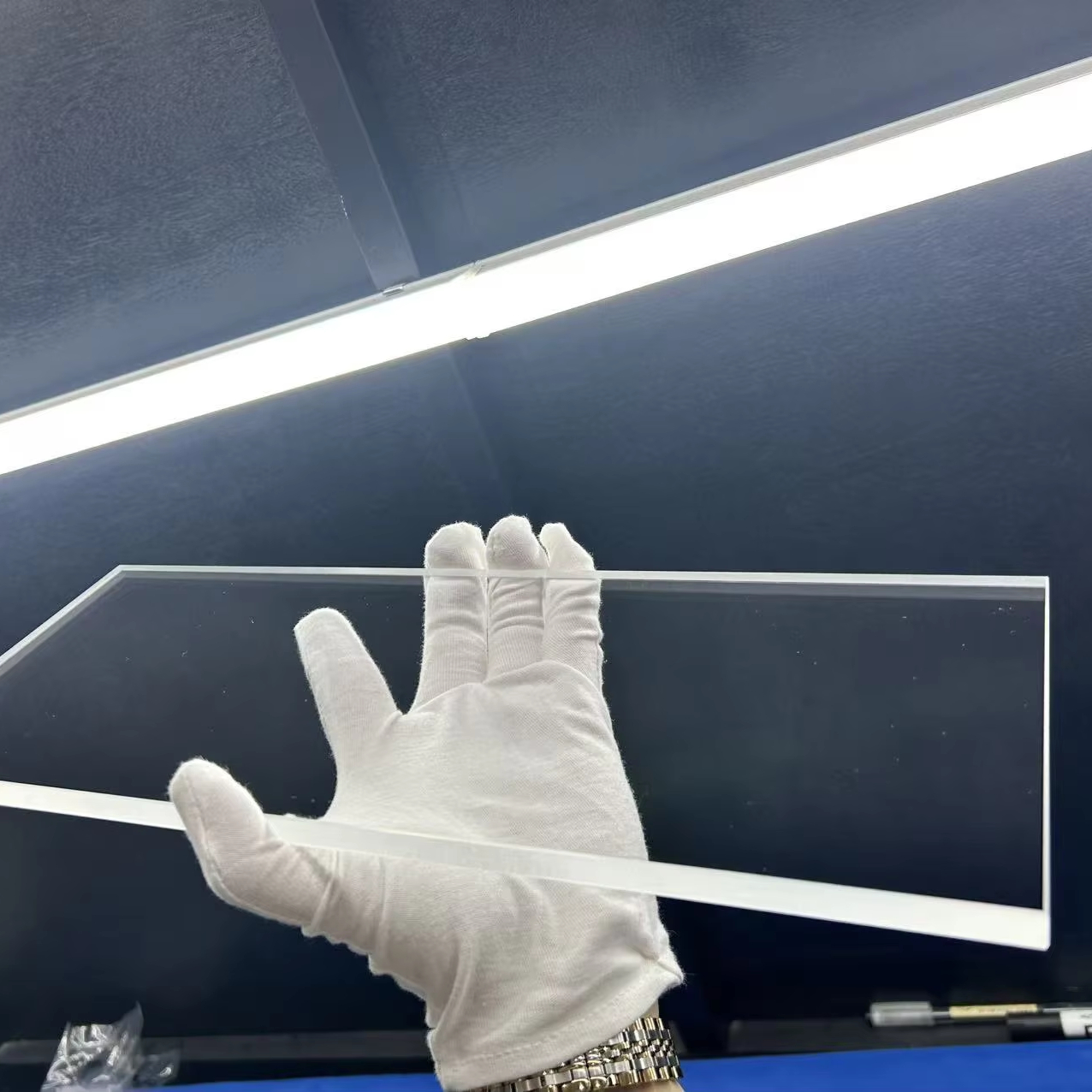
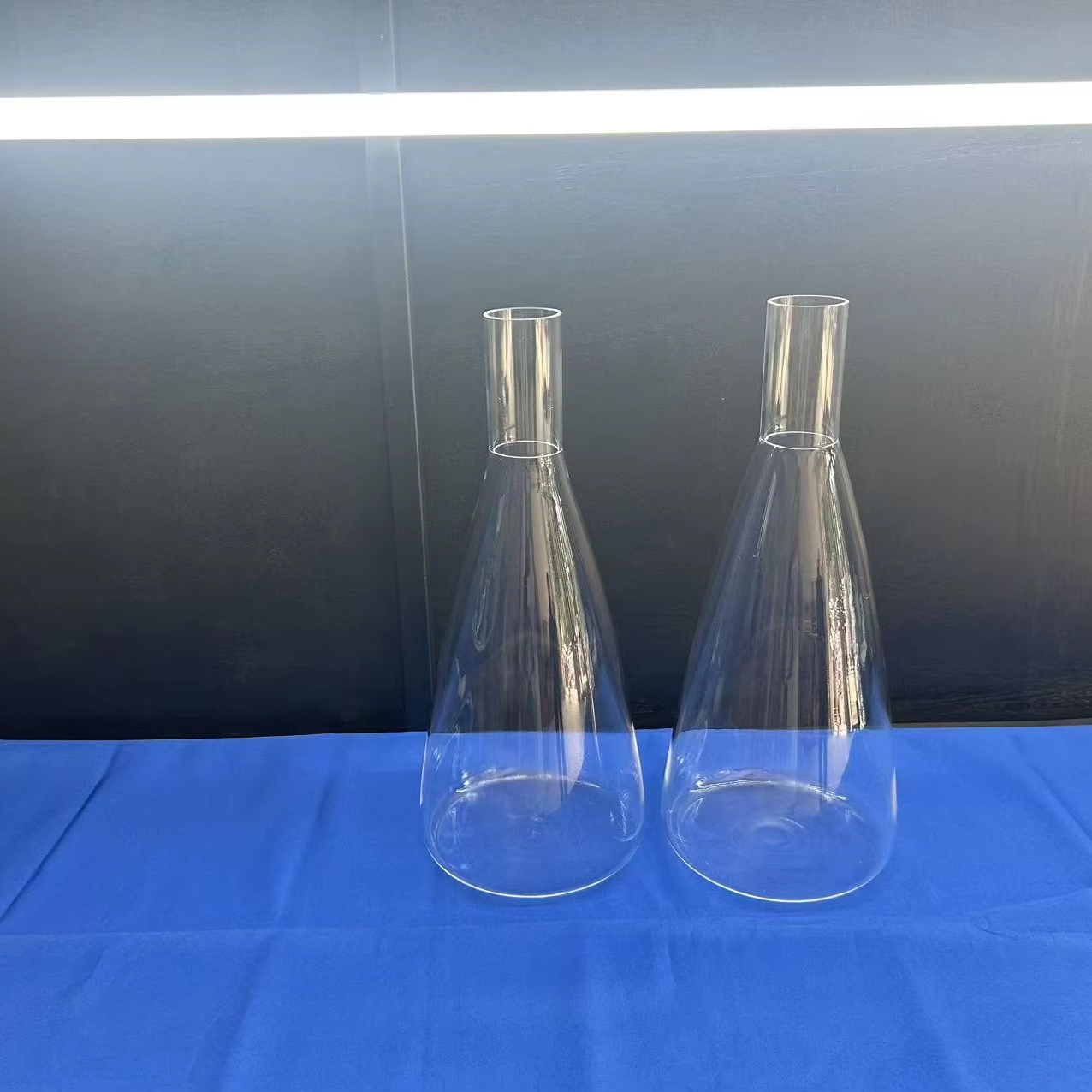
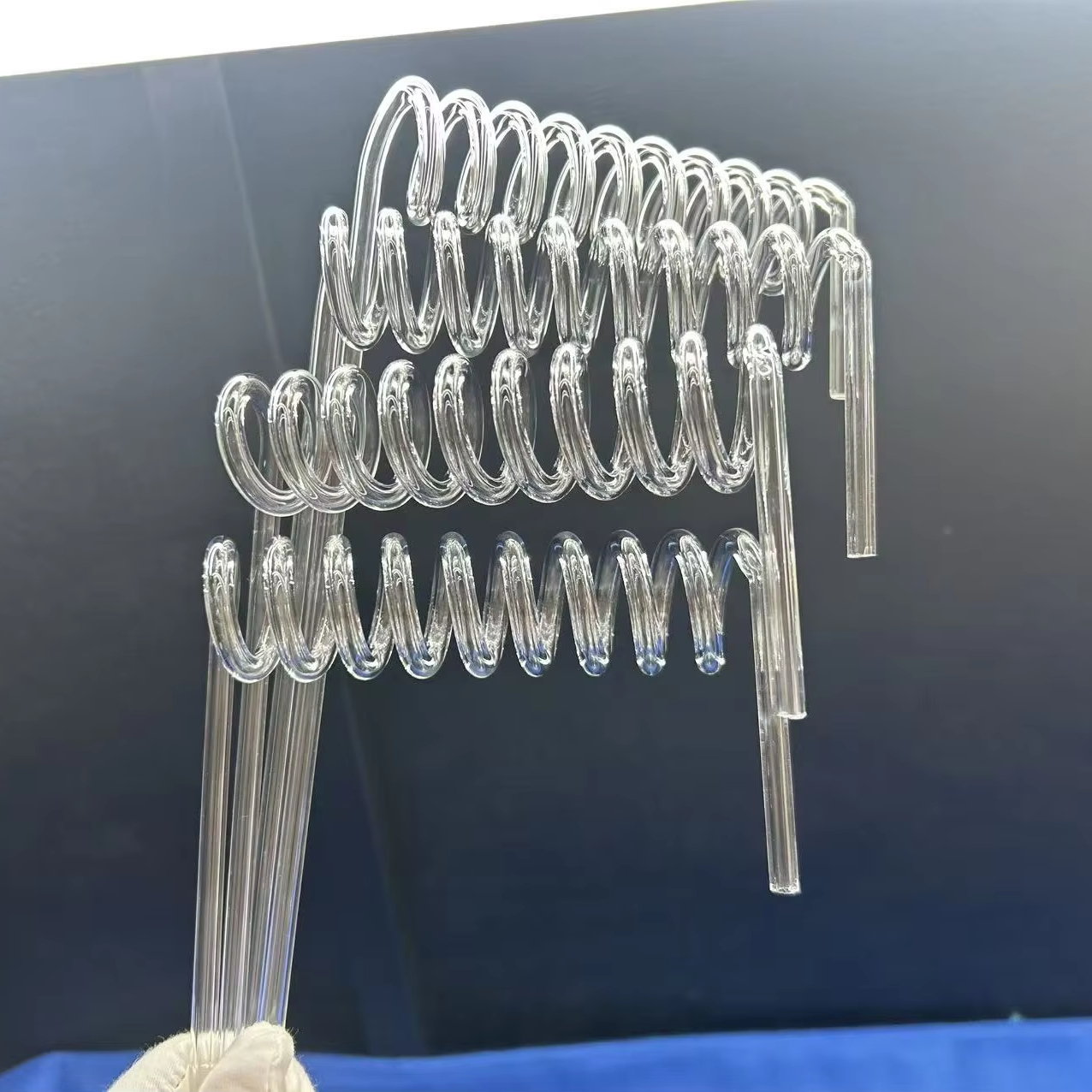
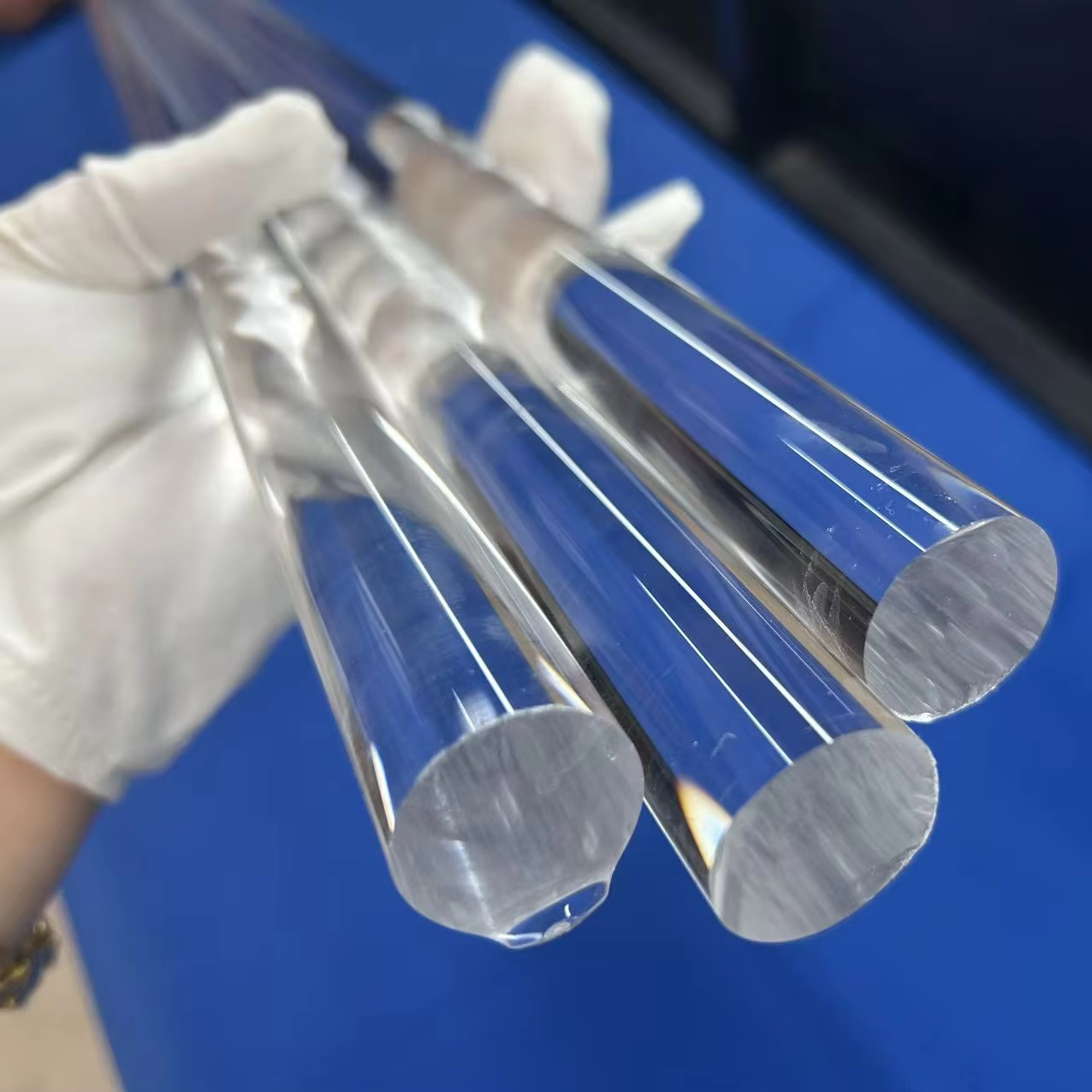
In analytical chemistry, nanomaterials synthesis, and clinical biomanufacturing across Coimbra's academic and industrial clusters, standard Borosilicate 3.3 glass repeatedly encounters mechanical and chemical boundaries. Vitreous fused quartz represents an uncompromising leap in structural thermodynamics.
With an extraordinarily low Coefficient of Thermal Expansion (CTE) of approximately 5.5 × 10⁻⁷ /°C—roughly one-sixth that of standard borosilicate glass—Nivra quartz beakers withstand instantaneous temperature differentials of >1000°C without catastrophic fracture. They can be safely heated over open bunsen burners, induction plates, or muffle furnaces up to 1100°C and immediately quenched in ice-cold aqueous baths.
Synthesized with ≥99.99% silicon dioxide, our fused quartz beakers prevent ionic leaching (such as boron, sodium, or calcium ions) that routinely compromises trace element determinations via ICP-MS, AAS, and ultra-trace bioanalysis. Resistant to all common concentrated mineral acids, aqua regia, and aggressive halogenated reagents (excepting hydrofluoric and boiling phosphoric acids).
Unlike borosilicate, which attenuates sharply below 310 nm, high-purity JGS1 and JGS2 fused silica exhibit exceptional spectral transmittance stretching from 190 nm into the near-infrared band (up to 2500 nm). This makes our custom flat-bottom quartz beakers indispensable for in-situ photochemical reactions, photochemical degradation assays, and laser-excited fluorescence studies.
| Physical & Chemical Parameter | Standard Borosilicate Glass 3.3 | Nivra Fused Quartz (Natural Fused) | Nivra Synthetic Silica (JGS1 Grade) | Operational Impact for Coimbra Labs |
|---|---|---|---|---|
| SiO₂ Purity Content | ~ 80 - 81% | ≥ 99.99% (4N) | ≥ 99.999% (5N) | Zero Trace Leach Eliminates blank sample contamination in trace metals |
| Thermal Expansion (20–300°C) | 3.3 × 10⁻⁶ K⁻¹ | 5.5 × 10⁻⁷ K⁻¹ | 5.2 × 10⁻⁷ K⁻¹ | 6x Thermal Stability Eliminates breakage during rapid exothermic additions |
| Max Continuous Temperature | ~ 490°C – 510°C | 1100°C | 1150°C | Permits direct calcination, dry ashing, and alloy digestion |
| Softening Point | 820°C | 1683°C | 1730°C | Zero structural slump under concentrated mantle heating |
| UV Cut-off Wavelength | ~ 300 - 320 nm | ~ 220 nm (JGS2) | ~ 185 - 190 nm (JGS1) | Direct in-vessel photolysis without external quartz cuvettes |
| Dielectric Loss Tangent (1 MHz) | 37 × 10⁻⁴ | < 1 × 10⁻⁴ | < 0.5 × 10⁻⁴ | Transparent to microwave radiation for high-temp microwave digestion |
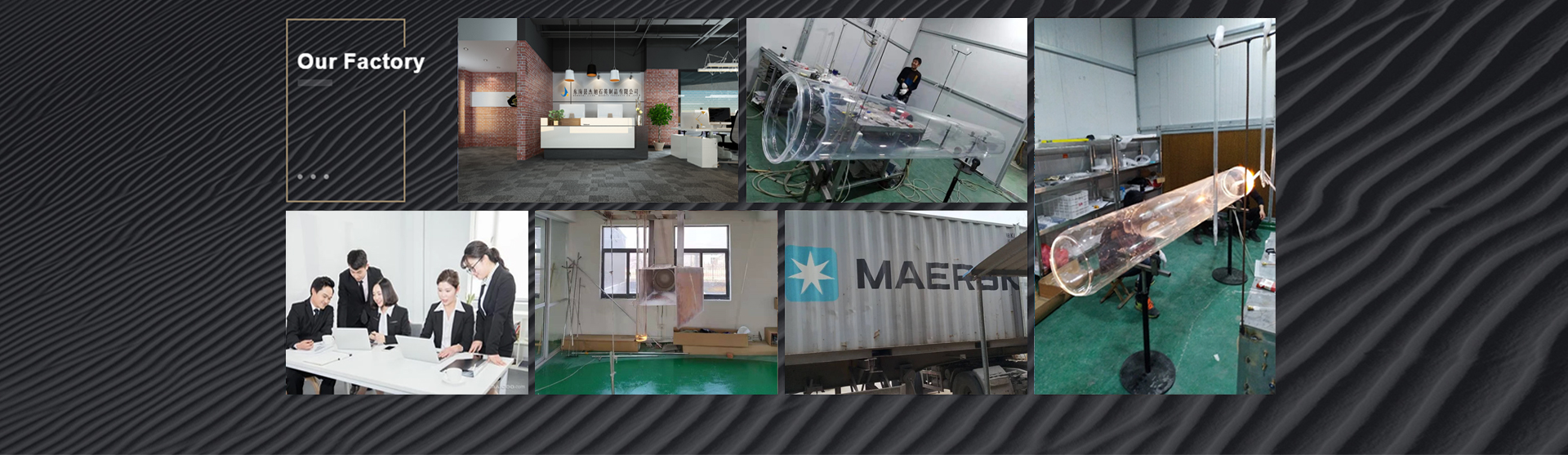
At Donghai County Nivra Quartz Products Co., Ltd., our manufacturing floor blends automated CNC mechanical grinding with master artisan flame working. Standard catalog lab beakers often suffer from uneven wall thickness or micro-stresses that cause bottom blowout during sustained magnetic stirring. We fabricate every batch to rigorous dimensional tolerances.

The District of Coimbra represents Portugal’s historical and contemporary heartbeat of intellectual discovery, chemical synthesis, and biomedical venture creation. From the historic laboratories of the Universidade de Coimbra to the advanced biotech cleanrooms of Biocant Park, Nivra fused quartz vessels perform where standard labware fails.
At the Faculdade de Ciências e Tecnologia da Universidade de Coimbra (FCTUC)—notably the Coimbra Chemistry Centre (CQC) and the Department of Chemical Engineering—researchers develop high-temperature catalytic cracking, metal-organic frameworks (MOFs), and sol-gel synthesis. Our quartz beakers serve as standard reaction vessels for dry digestion, fluorophore photolysis, and exothermic polymerizations where non-wetting walls and thermal endurance are paramount.
Biocant Park houses Portugal’s leading life sciences and biotechnology enterprises. In biopharmaceutical manufacturing and molecular diagnostics, biological products cannot tolerate heavy metal ion exchange. Nivra’s 99.999% synthetic quartz vessels are deployed in the formulation of high-potency active pharmaceutical ingredients (APIs), sterile peptide digestions, and endotoxin-free high-temperature sterilization cycles.
IPN incubator spin-offs and affiliated materials engineering hubs specialize in laser micro-machining, sensor fabrication, and optical coatings. Fused quartz beakers with optically ground sides and bases act as chemical cleaning vessels for ultrasonic acid stripping of semiconductor wafers, sapphire substrates, and precision optical lenses without introducing particulate contaminants.
Purchasing authorities and lab managers across Portugal face rising budgetary pressures under competitive grant frameworks (FCT / Horizon Europe / Portugal 2030). Traditional procurement channels through multi-tier European laboratory equipment distributors introduce markups ranging from 200% to 350% for high-purity quartz consumables.
By establishing direct factory partnerships with Donghai County Nivra Quartz Products Co., Ltd., Coimbra institutional buyers achieve substantial procurement efficiencies:
Operating from Donghai County, Jiangsu—the premier epicenter of quartz crystal refining and processing—Nivra Quartz commands an end-to-end industrial chain from raw silicon quartz refining to high-precision laboratory glassware finishing.
Situated in China's silicon capital, our direct control over feedstock quartz sands guarantees constant availability of raw ingot material with stable trace impurity levels (Fe < 0.5 ppm, Al < 15 ppm, Ti < 1.0 ppm). This geographic synergy translates directly into market-leading cost stability for our long-term European partners.
Our in-house technical engineering staff reviews client engineering prints (PDF, DWG, DXF, or STEP models) within an average response window of under 5 hours. We analyze wall thickness, stress concentration points, and thermal loads, proposing design-for-manufacture optimizations before hot glass forming commences.
Every single beaker undergoes dimensional caliper inspection, optical polariscope stress birefringence analysis, wall-thickness ultrasound gauging, and visual clarity profiling. Parts containing bubbles, stones, or micro-cracks are systematically recycled. We ship only defect-free, laboratory-ready glassware.
Everything you need to know about specifications, international freight, compliance, and custom fabrication for Portuguese institutions.
Yes. Fused quartz beakers serve as an exceptional drop-in upgrade for any standard Borosilicate 3.3 glass vessel (such as Duran® or Pyrex®). They share similar exterior dimensional profiles but offer dramatically superior thermal shock resistance (CTE 5.5 × 10⁻⁷ /°C vs 3.3 × 10⁻⁶ /°C) and can operate up to 1100°C continuously, compared to ~500°C for borosilicate. Furthermore, their planed flat bases guarantee optimal thermal transfer and stable magnetic stirrer rotation.
JGS1 is synthetic fused silica made from chemical precursors, offering total transmission from deep UV (185 nm to 2500 nm) with virtually zero bubble inclusion; it is ideal for photochemical synthesis and UV analytical sensors. JGS2 is refined from high-purity natural crystal quartz, transmitting from 220 nm to 2500 nm, making it the industry standard for general high-temperature chemistry, digestion, and synthesis. JGS3 is an infrared-optimized grade (low hydroxyl content, transmitting up to 3500 nm), predominantly reserved for IR spectroscopy and thermal imaging windows.
We provide multiple flexible Incoterms including EXW, FOB, CIF, DAP, and full DDP (Delivered Duty Paid). For academic institutions like the University of Coimbra or private biotech ventures at Biocant, we routinely ship air-courier orders via DHL Express or FedEx directly to your laboratory doorstep in 4 to 7 working days. Commercial invoices include the exact TARIC code (7017.1000) and full Portuguese VAT/NIF compliance declarations, simplifying fiscal recording for your finance department.
Our fragile export packaging protocol exceeds standard courier specifications. Each quartz beaker is first sealed in a dust-free protective poly sleeve, suspended inside custom CNC-cut high-density polyethylene (EPE) shock-absorbing foam molds, and placed in multi-ply crush-resistant cartons. Consignments over 15 kg or large-volume beakers (>2000 mL) are further secured inside ISPM-15 compliant, fumigation-free wooden export crates with internal kinetic dampening.
Yes. Custom OEM/ODM glass fabrication is our primary engineering specialty. Whether you need heavy-wall beakers with GL-45 screw thread side-arms, jacketed water-cooled reaction beakers, integrated thermocouple wells, quartz baffled beakers for high-shear cell suspensions, or specific graduation marking heights, simply provide a PDF, DWG, or STEP sketch. We confirm tolerances and pricing within 5 hours.
For standard-size quartz beakers (50 mL, 100 mL, 250 mL, 500 mL, 1000 mL), our MOQ starts at just 1 to 5 pieces, facilitating low-risk evaluation and protocol validation for individual academic research grants. Fully bespoke custom designs generally have an MOQ of 5 to 10 pieces. Prototype production runs are finished within 7–10 working days following final print approval.
Fused quartz is chemically resilient to virtually all standard laboratory decontamination agents. You may clean them with boiling aqua regia, piranha solution, chromic acid mixtures, or standard laboratory detergents without etching the surface. They can be repeatedly autoclaved at 121°C or 134°C, dry-heat sterilized up to 600°C for endotoxin removal, or flamed directly in an open flame. Avoid only hydrofluoric acid (HF) and hot, concentrated phosphoric acid (>150°C), which react with silicon dioxide.
Whether you require standard high-purity quartz beakers for daily digestions or customized reaction vessels for novel photochemical synthesis, our engineering team in Donghai is ready to support your laboratory in Coimbra.