Precision Quartz Components & Custom Assemblies
Engineered with 99.99% SiO2 purity to handle severe acid baths, high-voltage electrolytic currents, and extreme thermal gradients.
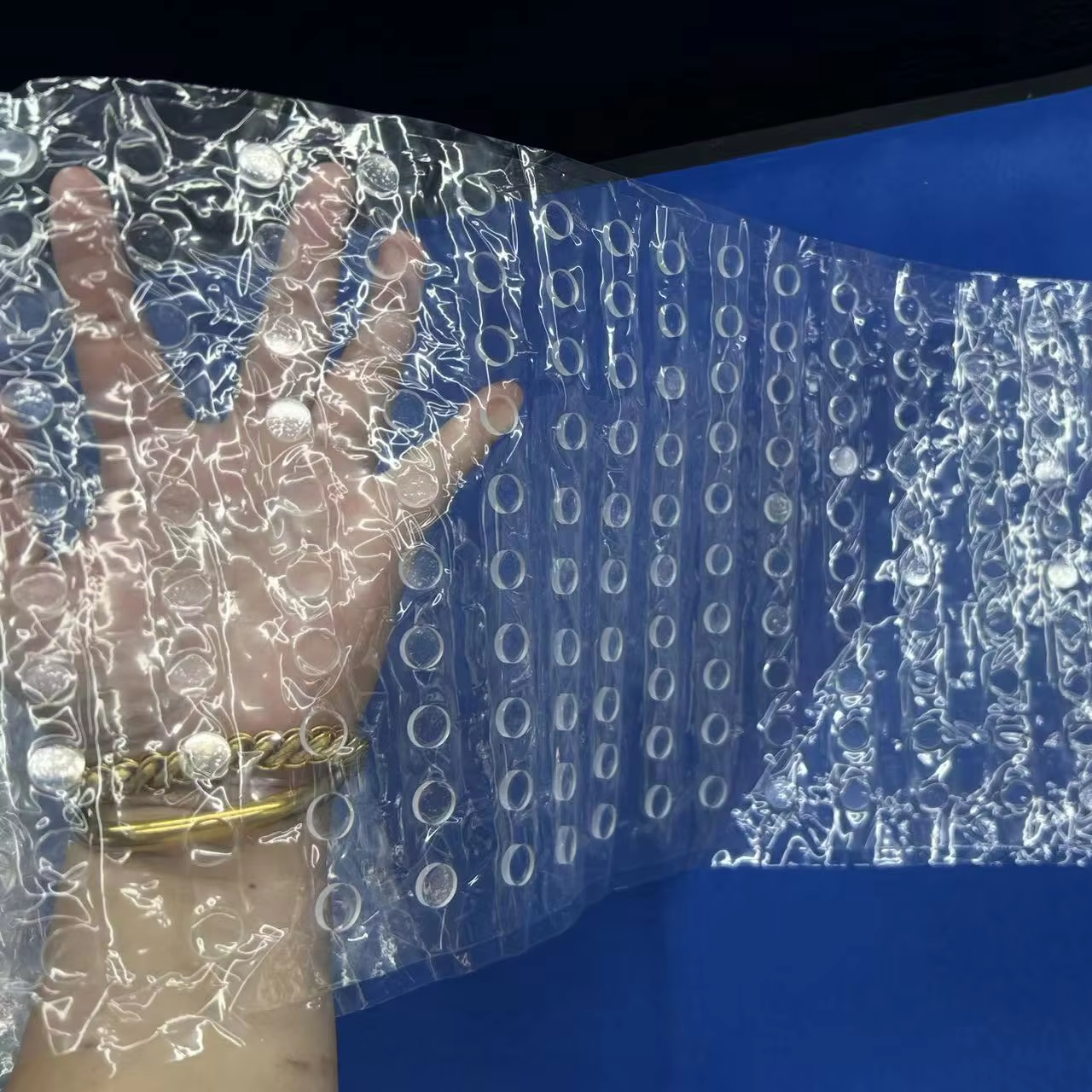
Factory-Made High-Purity Small Size Quartz Wafer with Precision Cutting & Polishing
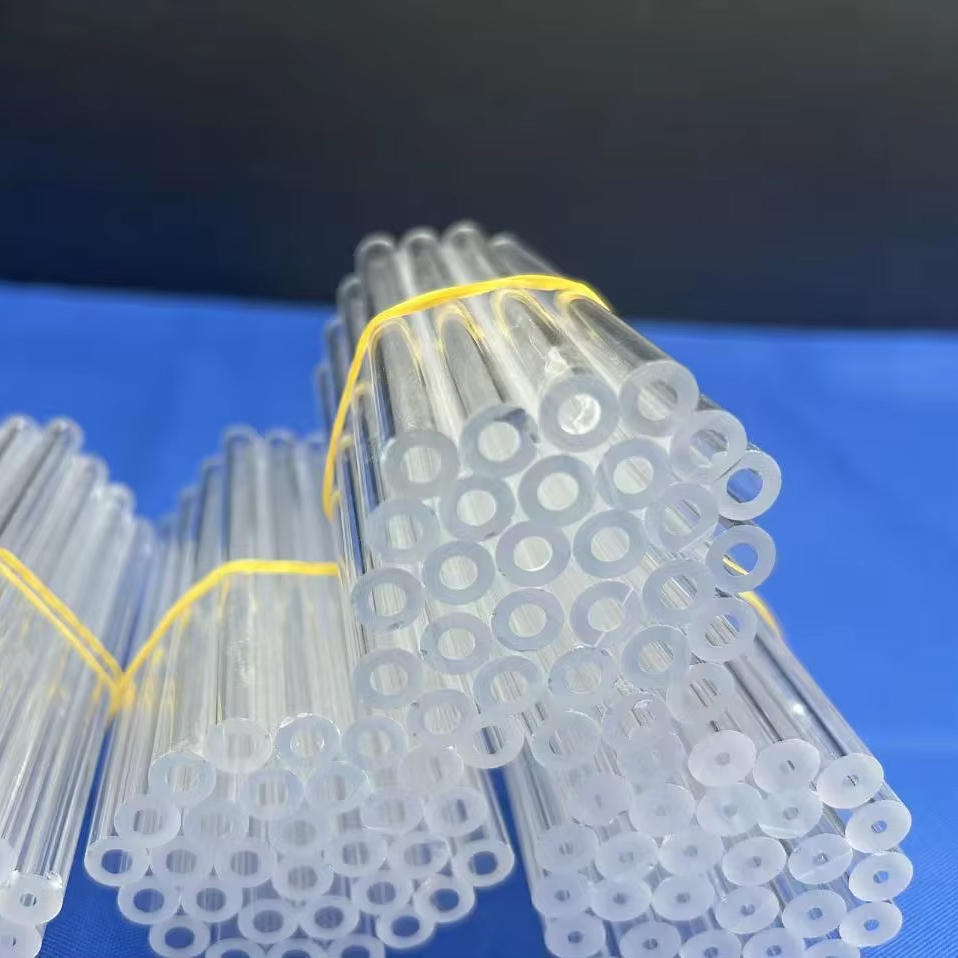
Customized Size Clear Quartz Glass Tube & BET Borosilicate Glass Test Tubes
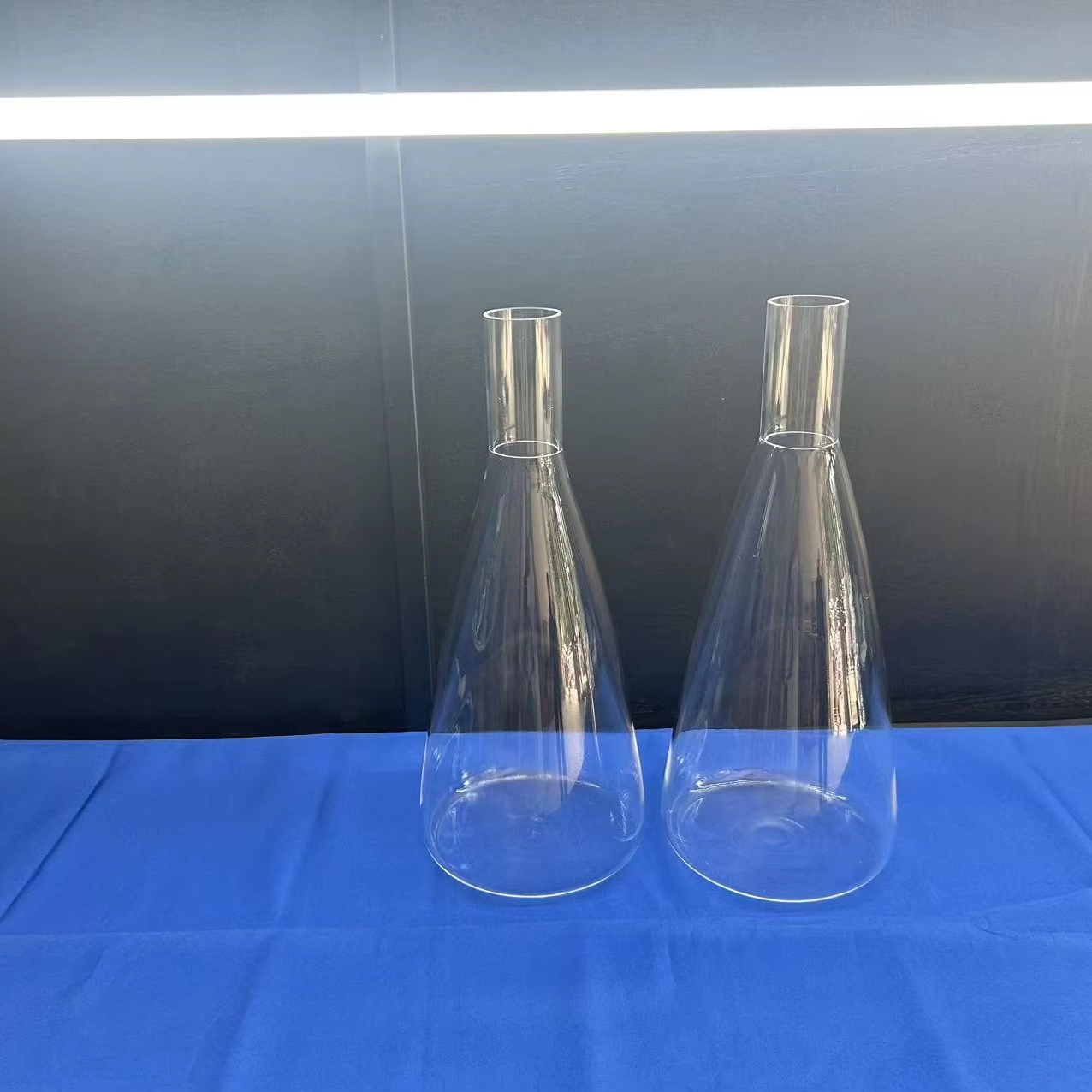
Laboratory Fused Silica Quartz Glass Flask for Chemical & Thermal Analysis
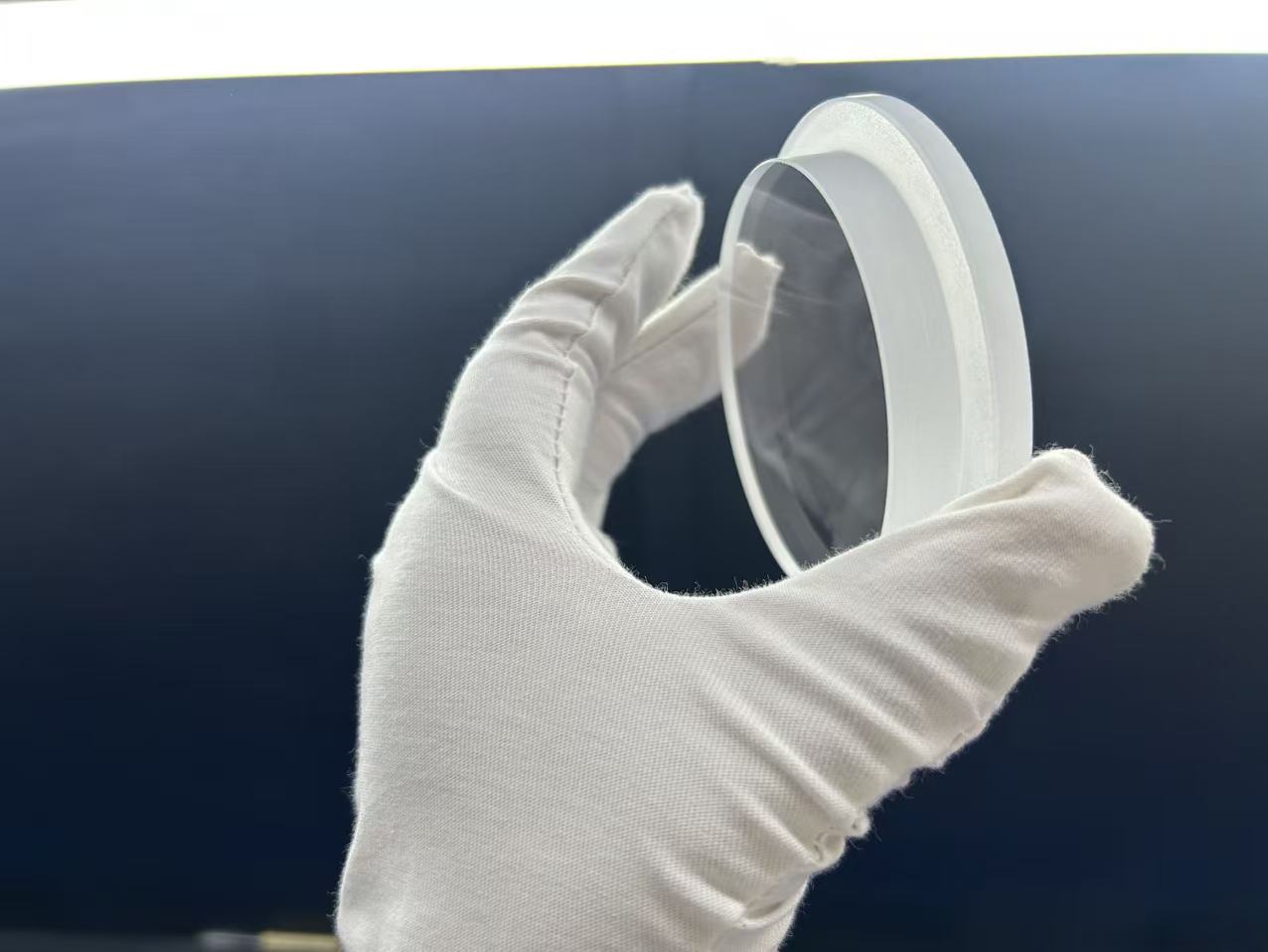
High-Purity Ultra-Thick Quartz Double-Layer Step Plate with Custom Machining
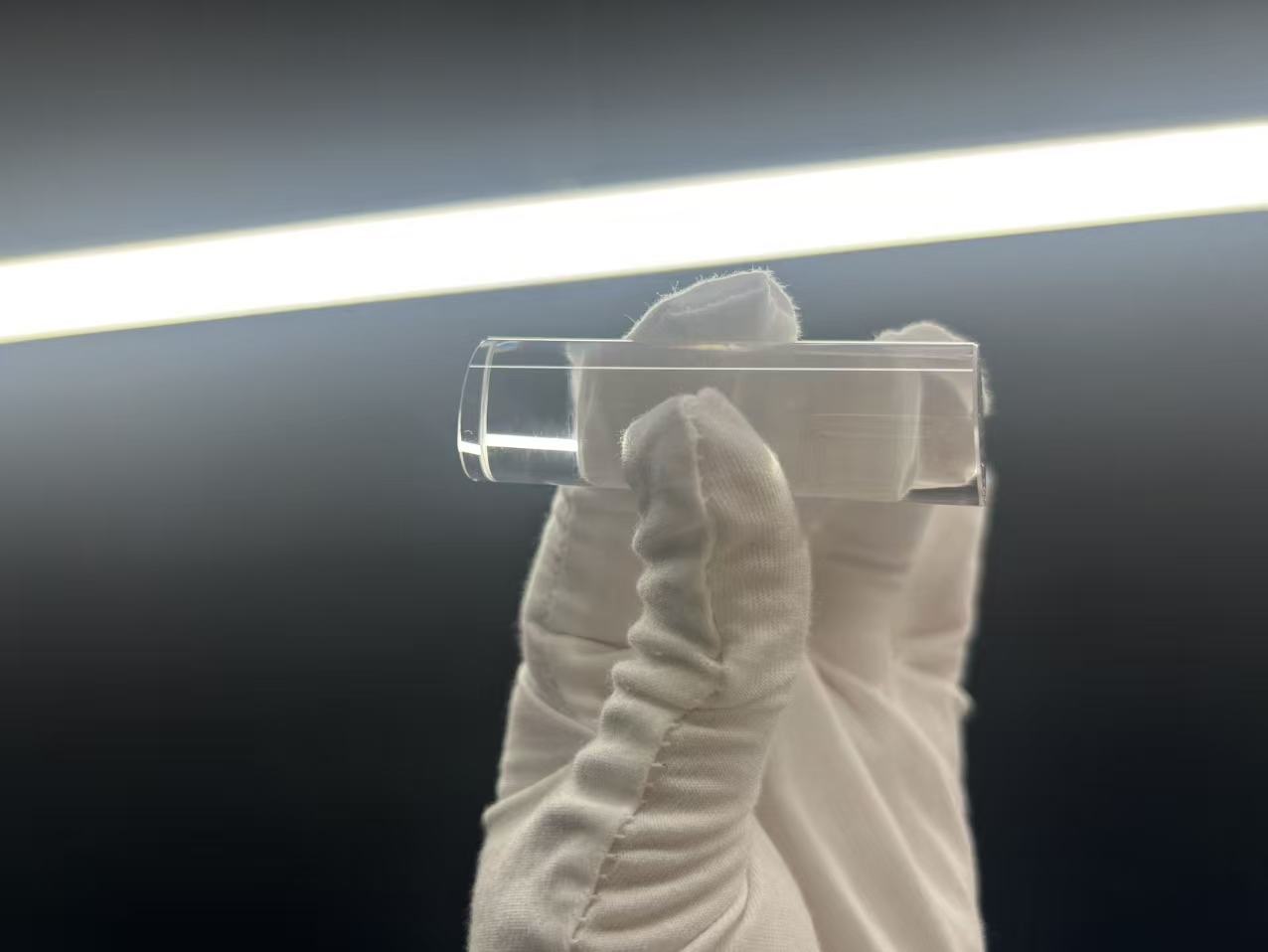
Round Head Quartz Rod for Agitation & High-Temperature Furnace Support
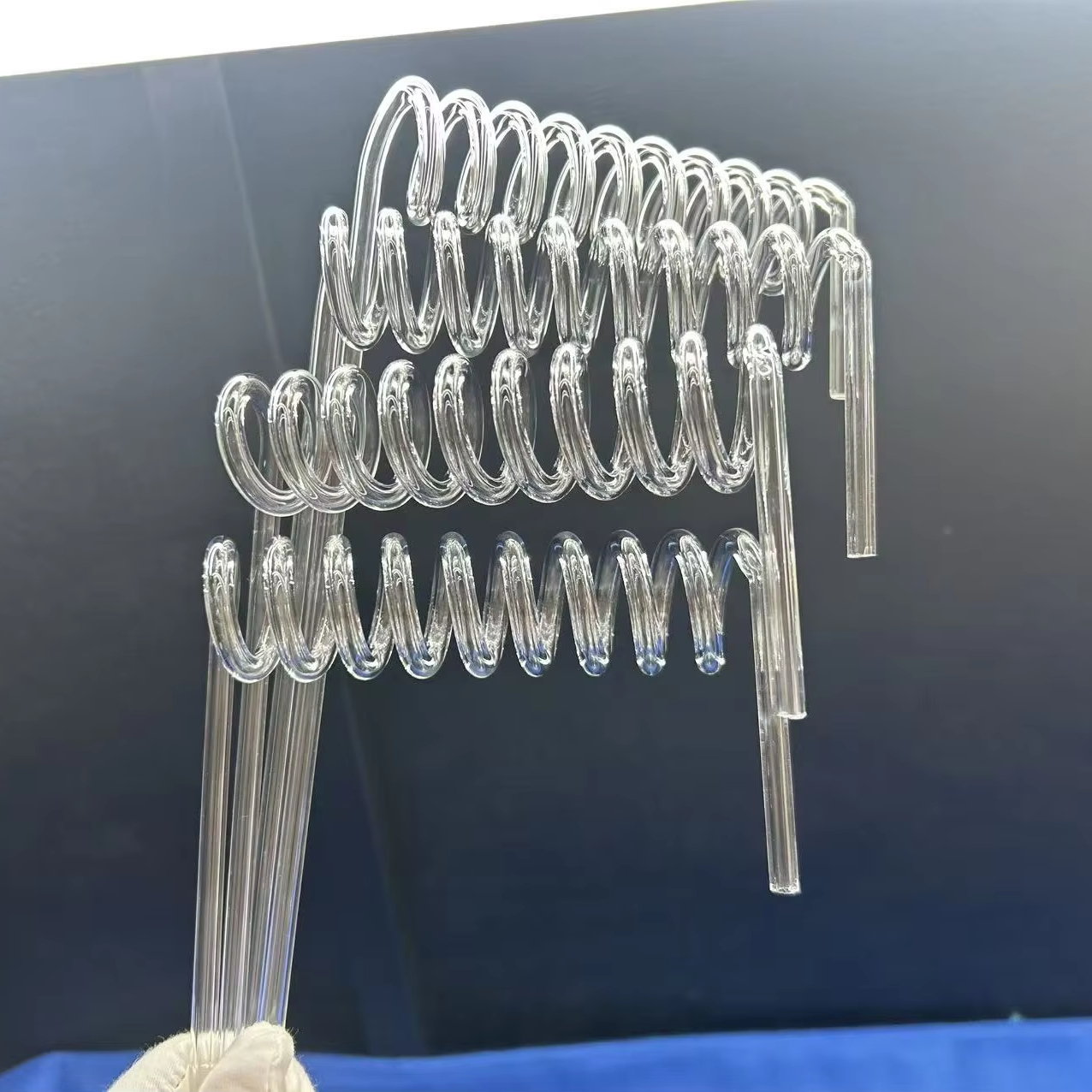
Clear Quartz Spiral Tube for Optics Laboratory Use with Custom Bending Services
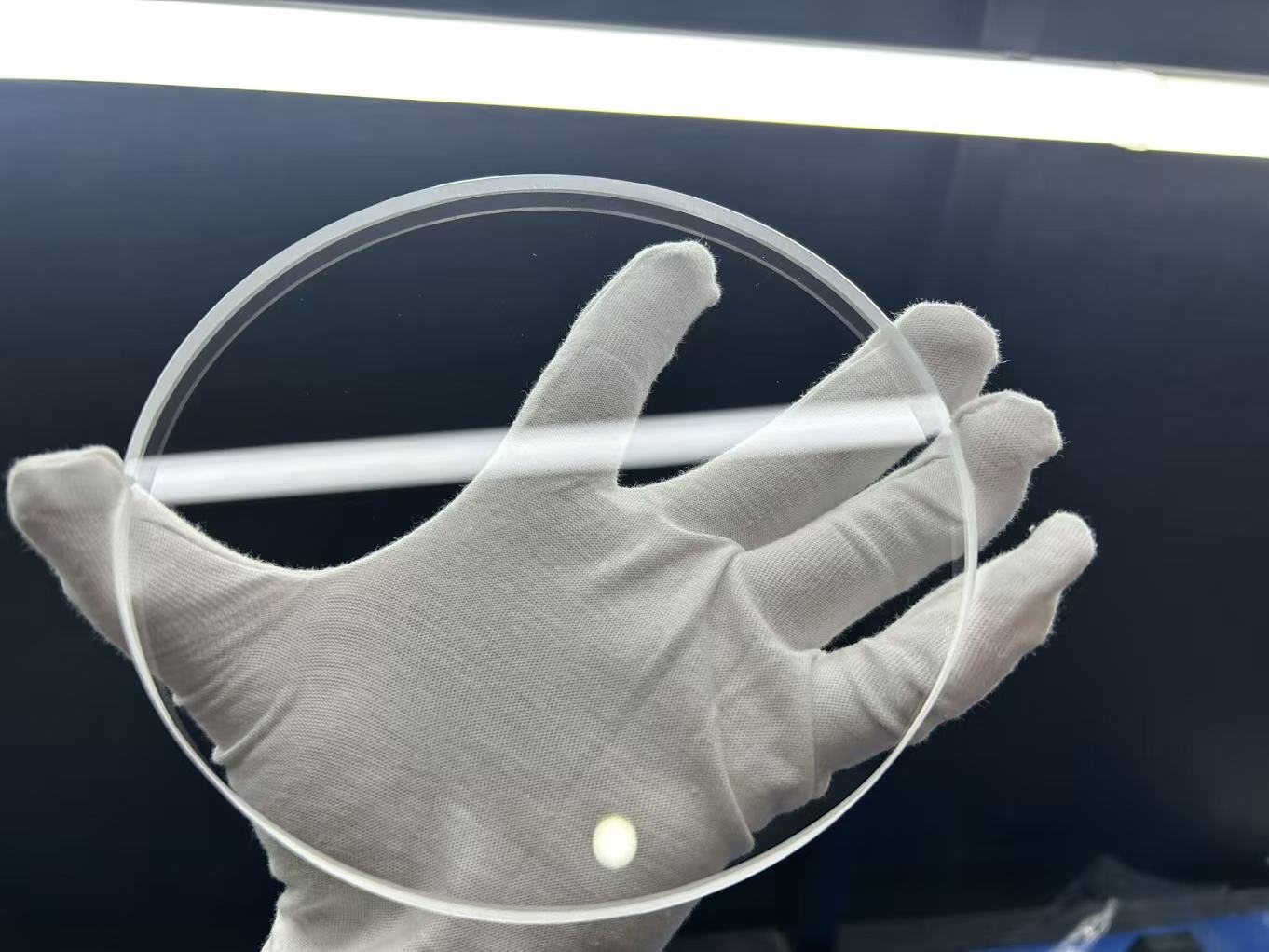
Customized High-Quality Clear Fused Quartz Glass Sheet for Optics & Photovoltaics
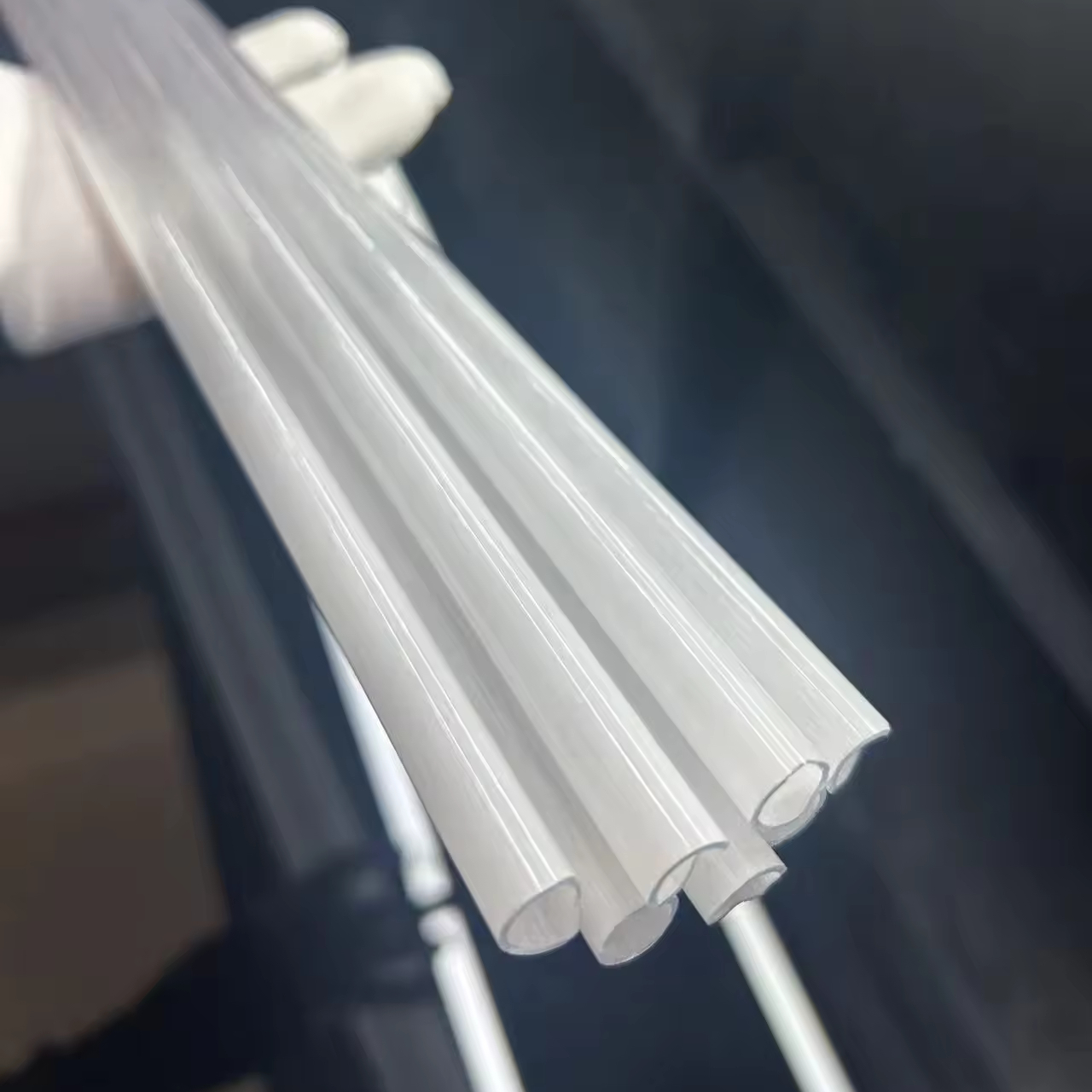
Translucent Opaque Milky White Quartz Glass Tube & Protective Insulating Sleeves
Engineering Quartz Electrolytic Cleaning Tanks for Advanced Surface Treatment
A comprehensive analysis on chemical durability, thermal shock mitigation, and custom structural design for high-throughput manufacturing lines in Thailand.
1. Executive Summary: The Strategic Role of Quartz Electrolytic Tanks in Thailand’s Industrial Expansion
As Thailand rapidly consolidates its standing as ASEAN's primary manufacturing powerhouse for smart electronics, printed circuit boards (PCB), hard disk drives (HDD), solar cells, and semiconductor assembly—particularly across the Eastern Economic Corridor (EEC) covering Chonburi, Rayong, and Chachoengsao—the demand for ultra-clean, corrosion-resistant wet processing equipment has reached unprecedented levels.
Among critical wet chemical cleaning equipment, the Quartz Electrolytic Cleaning Tank plays a crucial role. Electrolytic cleaning, acid etching, electro-polishing, and ultrasonic strip processes require chemical containers that maintain structural integrity under acidic baths (such as hot concentrated Hydrochloric, Sulfuric, Nitric, and Hydrofluoric acid mixtures) while remaining chemically inert to avoid metallic micro-contamination.
Technical Distinction: Standard polypropylene (PP), PTFE, or borosilicate glass tanks often suffer from organic leaching, thermal deformation above 90°C, or mechanical degradation under high-frequency electrical fields. High-purity fused quartz (SiO2 ≥ 99.99%) provides an optimal combination of zero metal ion contamination, infinite resistance to strong acids (except HF), high dielectric insulation, and thermal shock resistance up to 1100°C.
2. Technical Performance Characteristics of Fused Quartz Electrolytic Cleaning Cells
To evaluate why Chinese quartz tank manufacturing provides significant performance advantages for Thai factories, engineers must examine the material's physical, chemical, and electrical parameters:
Chemical Corrosion Resistance & Acid Inertness
Fused quartz consists almost entirely of silicon dioxide in an amorphous (non-crystalline) state. It resists reaction with almost all acids—including Aqua Regia, hot concentrated Sulfuric Acid (H2SO4), Nitric Acid (HNO3), and Chromic Acid—even at elevated temperatures exceeding 100°C. This property prevents tank wall erosion during high-current electrolytic degreasing, preserving both the fluid purity and container wall thickness over years of continuous operation.
Dielectric Strength & Electrical Insulation
During electrolytic cleaning, heavy electrical current passes through the liquid bath between positive and negative electrodes. Non-conductive tank walls are necessary to prevent stray currents, short-circuit arcs, and galvanic corrosion on the tank structural frame. Fused quartz features an extraordinary dielectric strength (approx. 25–40 kV/mm at room temperature) and high electrical resistivity, serving as an effective electrical isolator for electro-degreasing processes.
Near-Zero Coefficient of Thermal Expansion (CTE)
With an extremely low linear coefficient of thermal expansion of approximately 5.5 × 10⁻⁷ /°C between 20°C and 300°C, fused quartz withstands severe thermal shocks. Operators can safely introduce heated chemical solutions or clear hot acid baths without risking thermal stress fractures—a common cause of failure in traditional glass or ceramic tanks.
| Physical / Engineering Property | Fused Quartz Value (JGS2 / Optical Grade) | Borosilicate Glass Comparison | Industrial Relevance for Electrolytic Cleaning |
|---|---|---|---|
| Chemical Purity (SiO2) | ≥ 99.99% | ~ 80 - 81% | Prevents trace metal contamination (Na, Fe, Cu) in wafer & PCB baths. |
| Max Continuous Temperature | 1100 °C | 450 °C | Supports high-temperature continuous acid pickling & thermal bath cleaning. |
| Thermal Expansion (20-300°C) | 5.5 × 10⁻⁷ /°C | 33 × 10⁻⁷ /°C | Eliminates wall cracking caused by localized heat spikes from high electrolytic current. |
| Dielectric Breakdown Strength | 25 - 40 kV/mm | 15 - 20 kV/mm | Prevents electrical leakage during high-voltage industrial electro-cleaning. |
| Acid Resistance (ex. HF) | Class 1 (Ultra High) | Class 1 - 2 | Zero degradation under Nitric, Sulfuric, and Hydrochloric acid baths. |
3. Advanced Manufacturing & Customization Capabilities for Industrial Buyers
Producing industrial-grade quartz electrolytic cleaning tanks requires a balance of automated precision machining and manual quartz glassblowing expertise. At Donghai County Nivra Quartz Products Co., Ltd., our manufacturing processes address common structural vulnerabilities:
Precision CNC Diamond Sawing & Lapping
Tank panels are cut from high-density fused quartz sheets using diamond CNC saws to ensure sub-millimeter dimensional tolerances (±0.1mm). Surfaces undergo multi-stage optical polishing to eliminate micro-cracks that could expand under thermal fatigue.
Hydrogen-Oxygen Flame Fusion Welding
Seams are fused at temperatures exceeding 1800°C using specialized hydrogen-oxygen torches. This creates a monolithic joint where corner seams match the structural strength and optical transparency of the primary quartz plates.
Computer-Controlled Annealing Stress Relief
Welding naturally introduces internal thermal strain. Every completed quartz tank passes through a programmable electric annealing kiln, held at 1150°C and slowly cooled to eliminate residual stress before polariscopic strain inspection.
4. Application Scenarios Across Thailand’s Key Manufacturing Hubs
Custom quartz electrolytic cleaning tanks serve diverse operational roles across key Thai industrial zones, including Chonburi, Rayong, Ayutthaya, and Pathum Thani:
A. Semiconductor Wafer Cleaning & Wet Etching Lines
During RCA cleaning processes (APM/SMC steps), silicon wafers undergo chemical strip cycles to remove metallic impurities and surface oxides. Quartz tanks house hot SC-1 (NH4OH + H2O2) and SC-2 (HCl + H2O2) solutions up to 80°C without leaching alkali ions back into the bath.
B. Printed Circuit Board (PCB) & High-Density Interconnect (HDI) Electro-Cleaning
In high-layer PCB fabrication lines, copper clad laminates are submersion-cleaned electrolytically to remove oily residues prior to micro-etching. Quartz tanks resist grease-stripping solutions and maintain high electrical isolation from external plating racks.
C. Hard Disk Drive (HDD) Media & Substrate Surface Preparation
Thailand remains one of the world's largest hard disk drive assembly regions. Sub-nanometer polished aluminum/glass substrates undergo high-frequency ultrasonic and electrolytic cleaning in quartz baths to eliminate microscopic particles down to 0.1 micron.
D. Photovoltaic Solar Cell Wet Processing
Solar wafer texturing and acidic isolation rely on continuous quartz bath tanks equipped with overflow weirs, bottom sparger pipes, and constant temperature heating jackets.
5. Strategic Customization Options for Engineeed Quartz Tanks
To match specific automated cleaning line designs, we offer engineered modifications for all exported quartz electrolytic tanks:
- Water-Jacketed Double Layer Construction: Features an outer fluid chamber allowing chilled water or thermal oil circulation to maintain steady internal bath temperatures within ±0.5°C.
- Integrated Quartz Bubbler & Sparger Pipes: Bottom-mounted perforated quartz tubes ensure uniform nitrogen (N2) or air agitation across electrode surfaces.
- Over-Flow Serrated Weirs: Four-sided or single-sided cascading quartz weirs strip surface scum, particulate floaters, and bath oil into secondary drainage troughs.
- Custom Flanges, Nozzles & Drain Valves: Precision ground quartz flanges (NW/KF style or beaded pipe connectors) allow integration with acid recirculation pumps and chemical dosing networks.
- Electrode Support Grooves & Hanger Slots: CNC-milled top lips enable secure mounting of platinum, titanium, or graphite anodes and cathodes without stress concentrations.
Why Sourcing From Donghai Nivra Quartz Yields Maximum Value
Leveraging China's premier quartz raw material hub to deliver precision laboratory and industrial glassware to international standards.
Raw Material Capital
Located in Donghai County, Jiangsu—China's crystal capital—we source ultra-pure natural quartz silica directly at the origin, significantly reducing core material costs for our buyers.
Rigorous Quality Assurance
Every single electrolytic tank undergoes polariscopic strain analysis, dimensional micro-meter verification, and pressure testing to ensure bubble-free, crack-free performance upon arrival.
Reinforced Export Packing
Fragile quartz tanks are wrapped in anti-static film, encased in custom high-density shock-absorbing EPE foam, and housed in fumigation-free wooden crates for sea freight to Thailand.
Rapid Technical Support
Our engineering staff responds within 5 hours to CAD/STEP drawings, offering manufacturability reviews and custom quotes tailored to Thai procurement timelines.
Frequently Asked Questions About Sourcing Quartz Tanks for Thailand
Addressing engineering specifications, shipping logistics, customs compliance, and operational maintenance.
Why choose fused quartz over PTFE or polypropylene for electrolytic acid cleaning in Thailand?
While PTFE and polypropylene resist acids, they exhibit low mechanical rigidity at elevated temperatures (>90°C), thermal deformation, and risk leaching organic plasticizers or fluorides into high-purity cleaning chemicals. Fused quartz provides rigid structural stability up to 1100°C, zero organic leaching, and high optical clarity, allowing technicians to visually inspect cleaning activity and bubbles inside the bath.
Can quartz electrolytic tanks withstand Hydrofluoric Acid (HF) cleaning solutions?
Silicon dioxide (fused quartz) reacts directly with Hydrofluoric Acid (HF), resulting in chemical etching and surface clouding. While low concentration HF baths (e.g., <1-2% dilute HF at room temperature) are sometimes used for short dip cycles, quartz tanks are primary designed for Sulfuric Acid (H2SO4), Nitric Acid (HNO3), Hydrochloric Acid (HCl), Phosphoric Acid, and Aqua Regia. For continuous HF processing, specialized plastic liners or synthetic sapphire vessels are recommended.
What custom CAD/drawing formats do you accept for custom engineering quotes?
Our engineering department accepts 2D and 3D design files including DWG, DXF, PDF, STEP, IGES, and SolidWorks files. If you do not have a formal CAD file, send hand drawings with outer dimensions (length, width, height, wall thickness), flange locations, and operating temperatures for a detailed quote.
How do you ensure quartz glass tanks do not break during sea shipping to Thailand?
We utilize a multi-tier export packaging system tailored for delicate quartz assemblies. The tank is wrapped in anti-static protective film, isolated with 50mm+ high-density custom EPE foam shock-absorbers, and placed inside a reinforced plywood crate with corner protectors. Our breakage rate for ocean freight to major Thai ports like Laem Chabang and Bangkok Port remains virtually zero.
What is the typical manufacturing lead time for custom electrolytic tanks?
Standard size quartz tanks or simple rectangular baths are typically produced within 7 to 10 business days. Complex custom tanks featuring double-layer water jackets, welded flanges, overflow weirs, and sparger pipes generally require 12 to 18 business days following engineering drawing approval.
How should Thai factories properly maintain and clean quartz electrolytic tanks?
To maximize service life, avoid localized thermal shocks exceeding 200°C/minute heating rates. Clean organic residues with hot dilute Nitric Acid or high-purity DI water flushes. Avoid abrasive mechanical scrubbers that can scratch polished quartz surfaces, as surface scratches can act as stress risers under thermal cycling.
Request a Custom Blueprint & Factory Direct Quote Today
Partner directly with China's leading quartz electrolytic cleaning tank exporter. Send us your specifications, required dimensions, or chemical parameters, and receive an engineering review within 5 hours.