High-Purity Quartz Tubes, Plates & Custom Fabrication
Manufactured from premium Donghai natural and synthetic fused silica crystals, certified for rigorous cleanroom, medical instrument, and thermal processing deployments across County Galway.
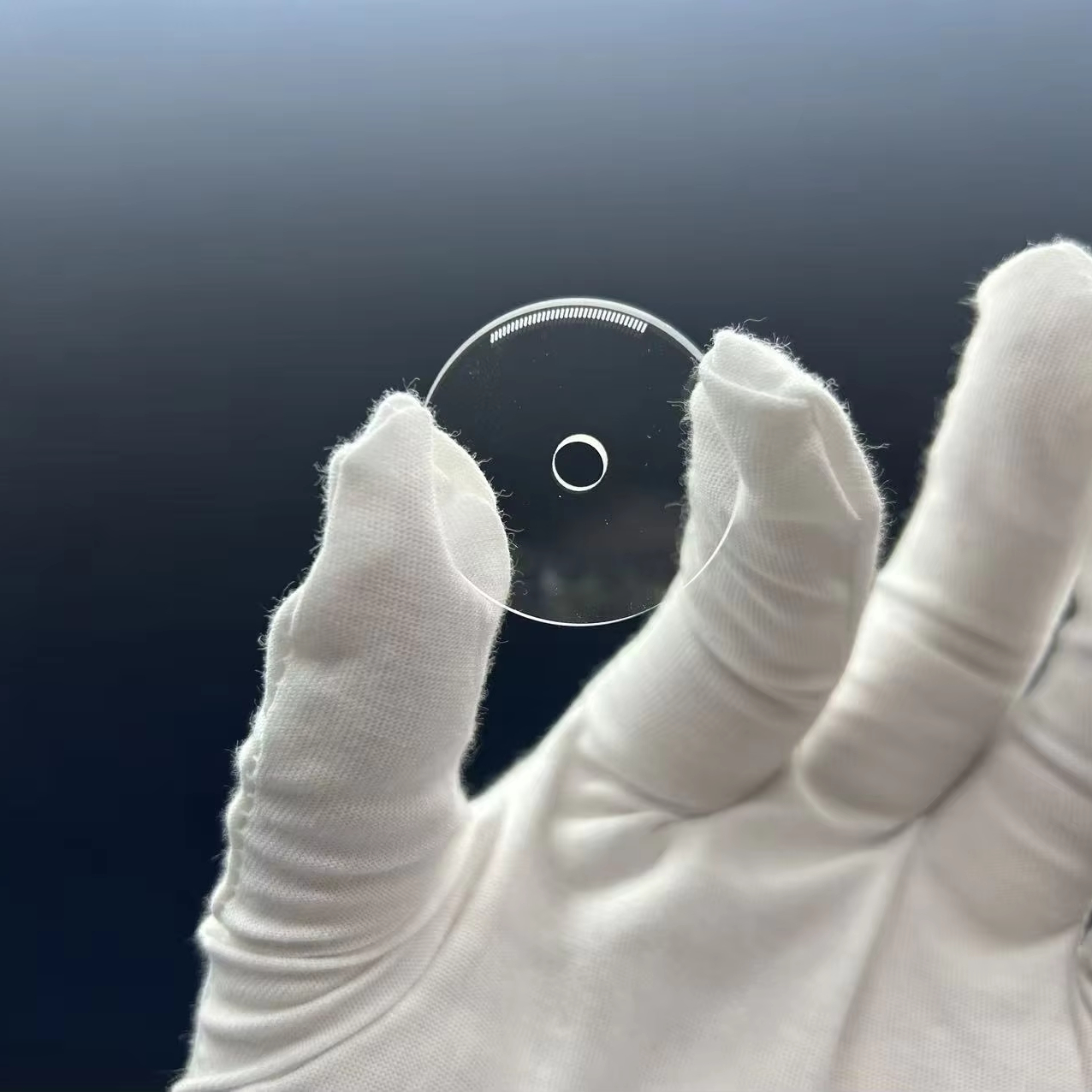
Frosted Quartz Sheet
View Product Details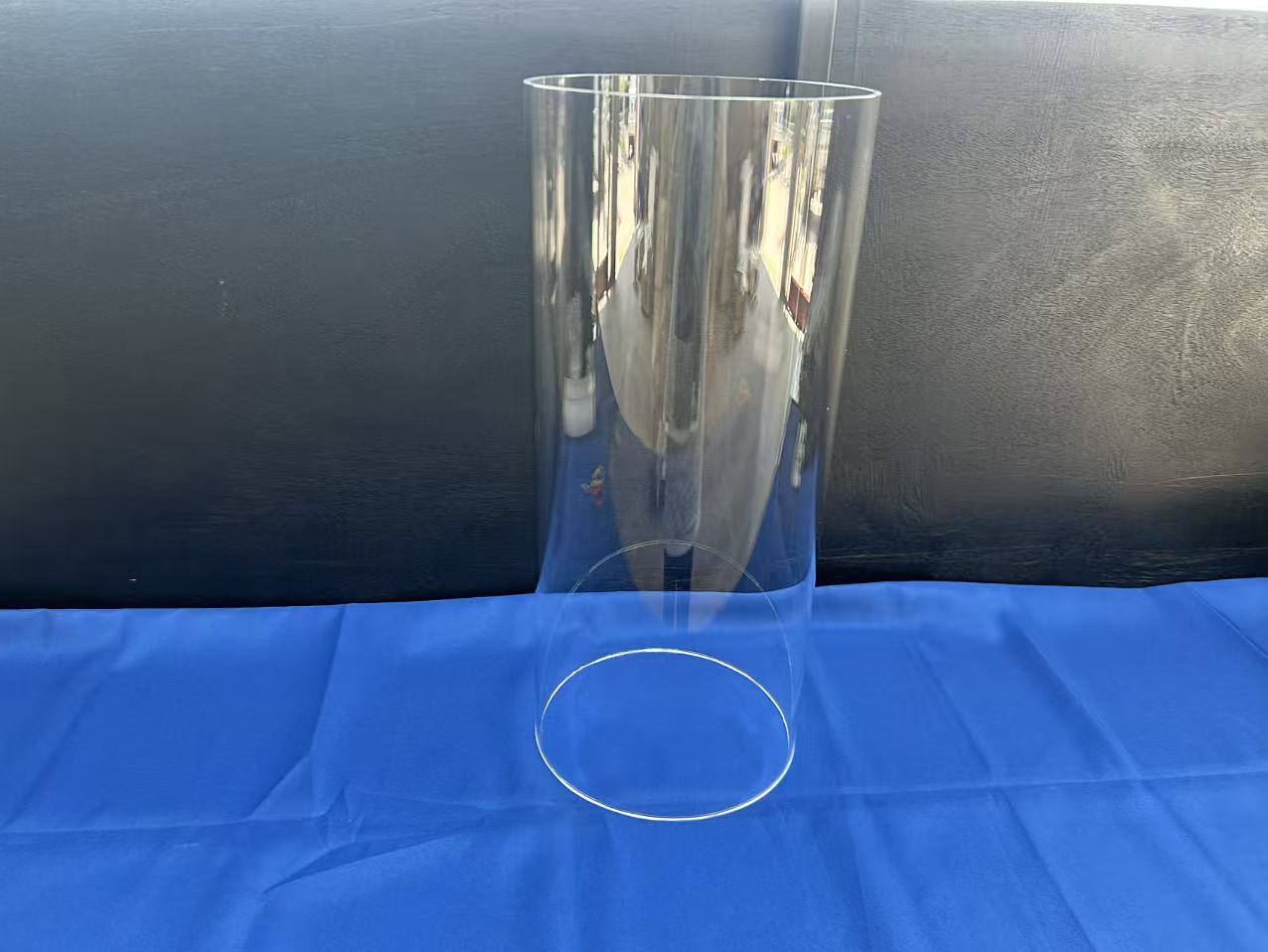
Custom Large-diameter High-purity Fused Quartz Transparent Glass Tubes
View Product Details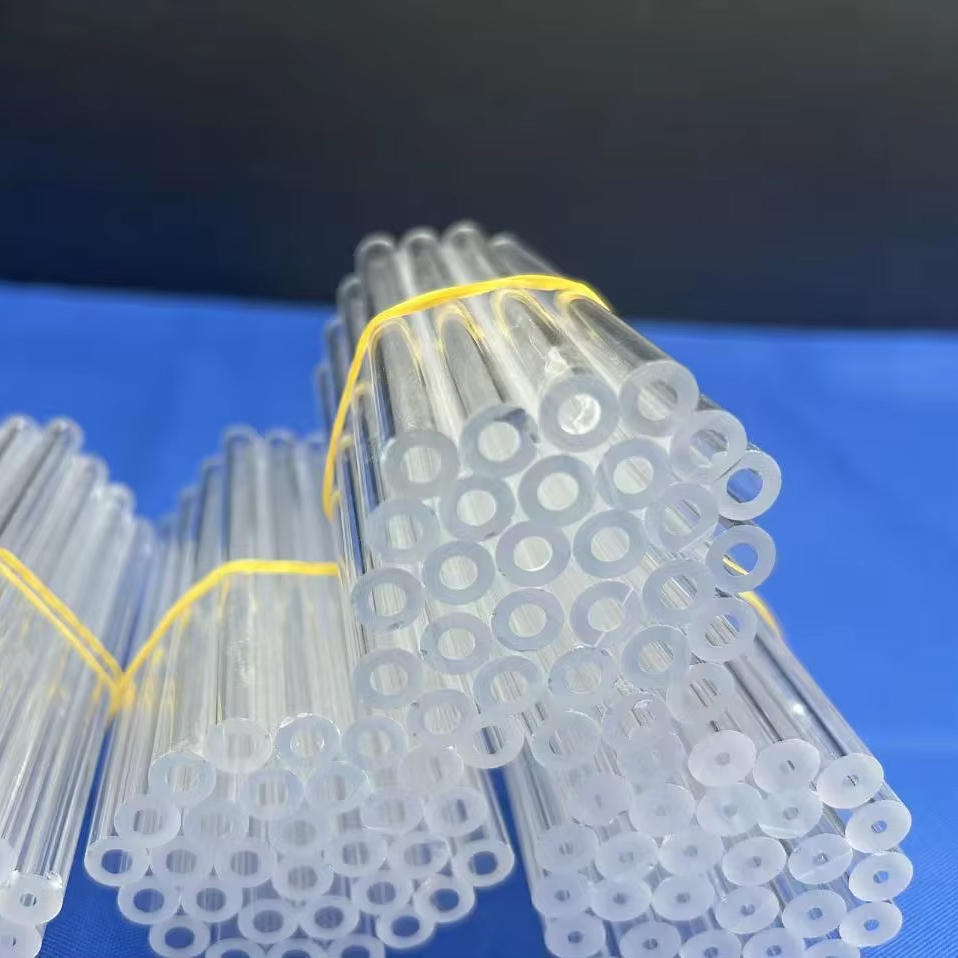
Customized Size clear Quartz Glass Tube BET Borosilicate Glass test Tube
View Product Details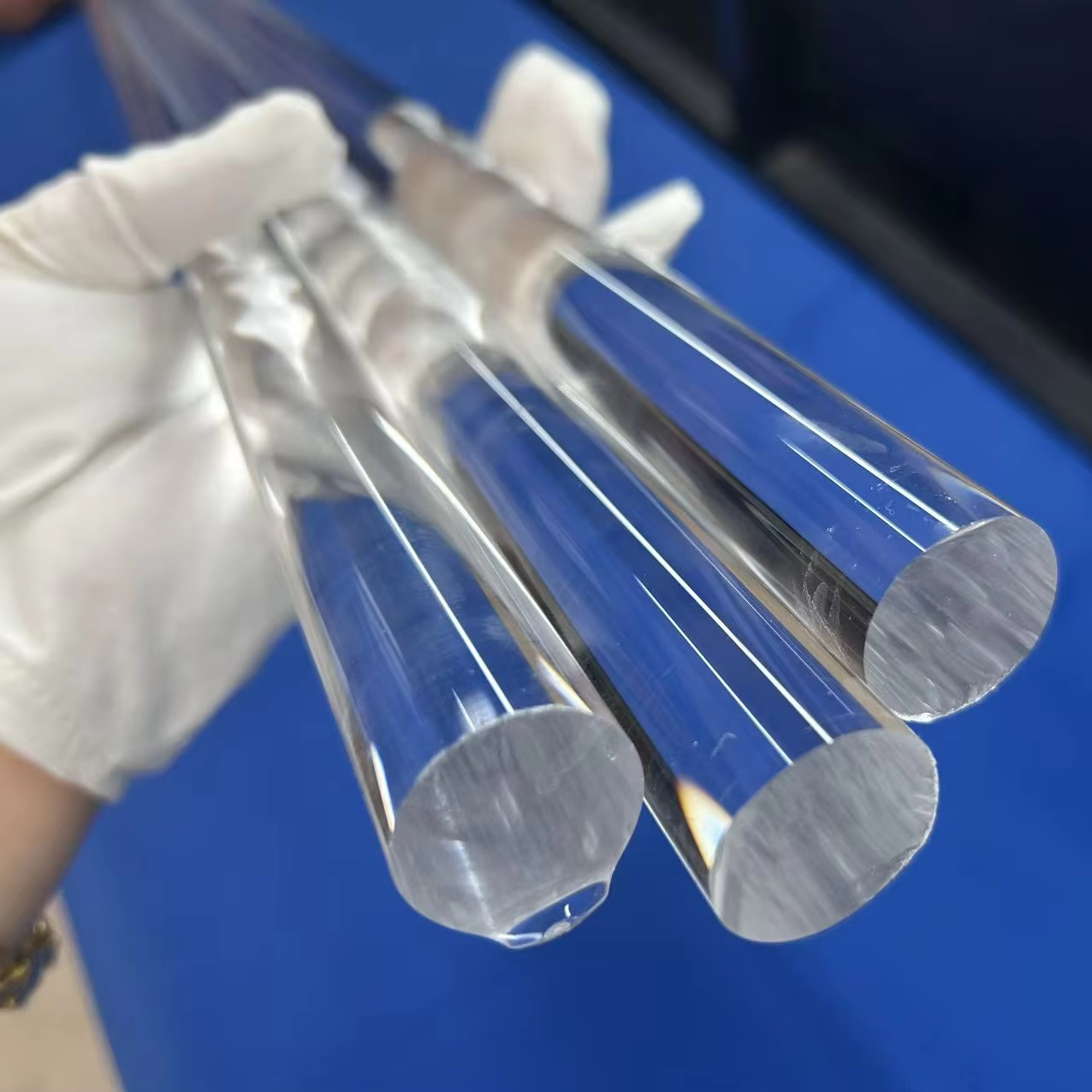
High-purity Fused Quartz Large Diameter Round Rods (Cutting, Welding & Bending)
View Product Details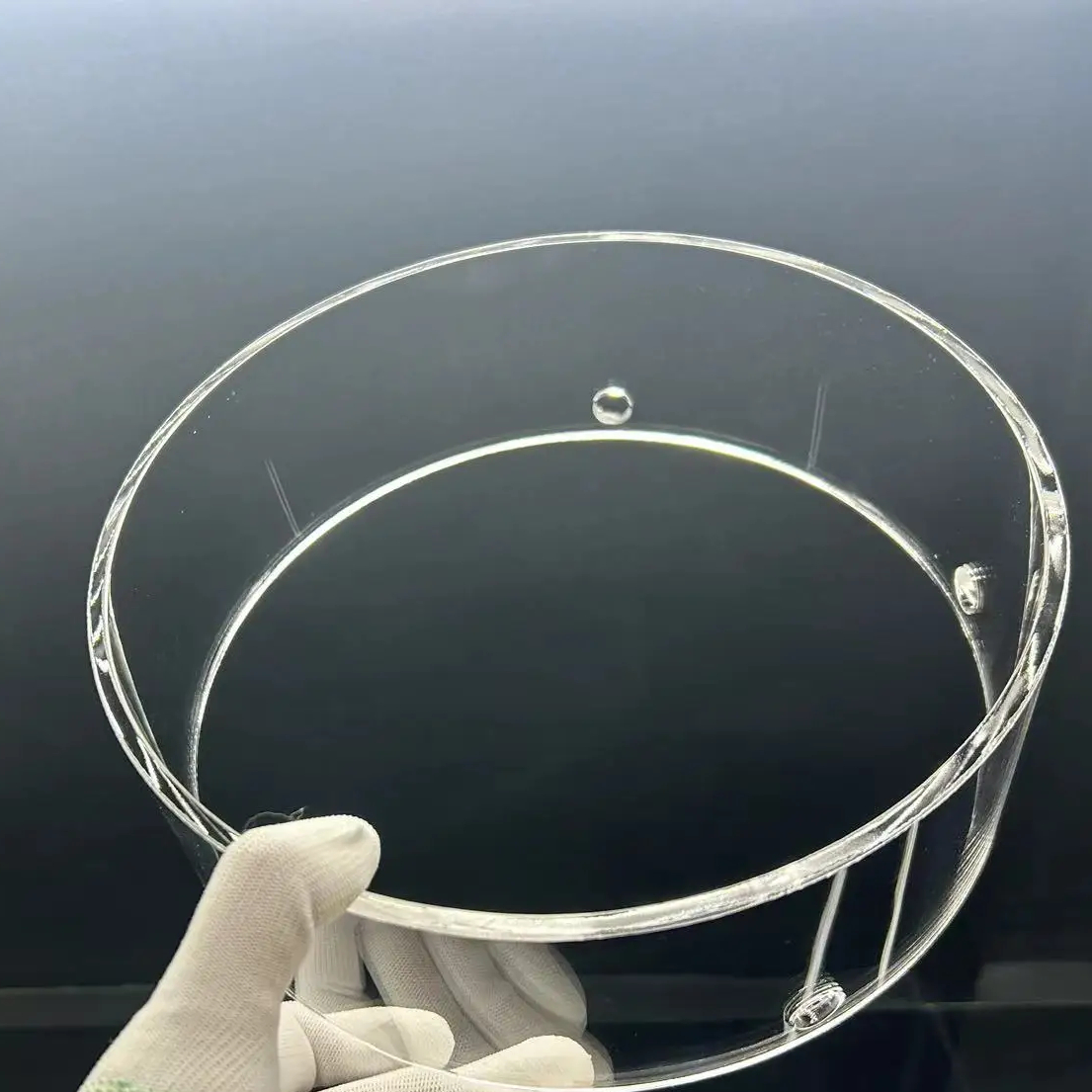
Fused Transparent Quartz Tube
View Product Details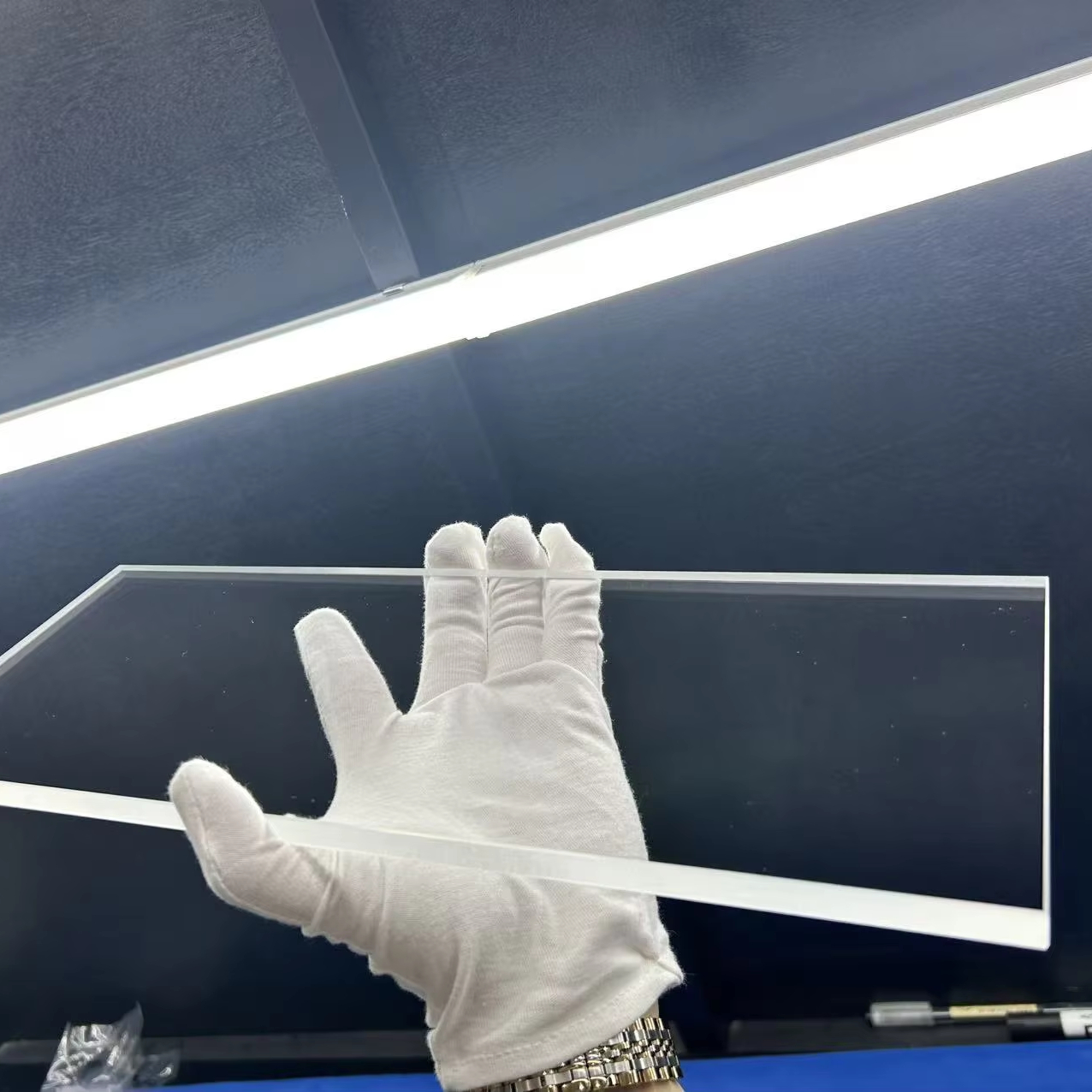
Ultra Clear High Purity Quartz Sheet
View Product Details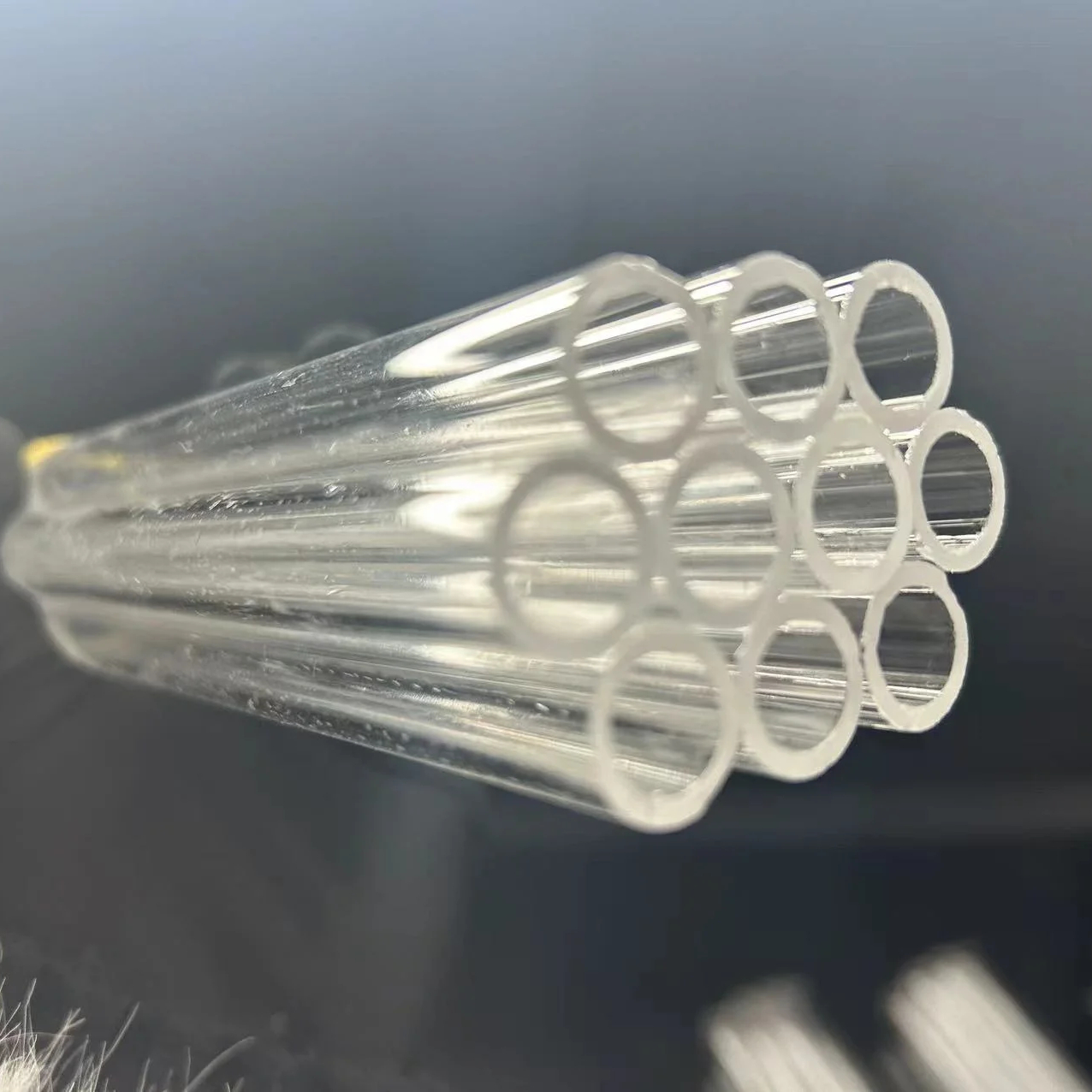
High Temperature Transparent Quartz Cylinder Tube Clear Quartz Glass
View Product Details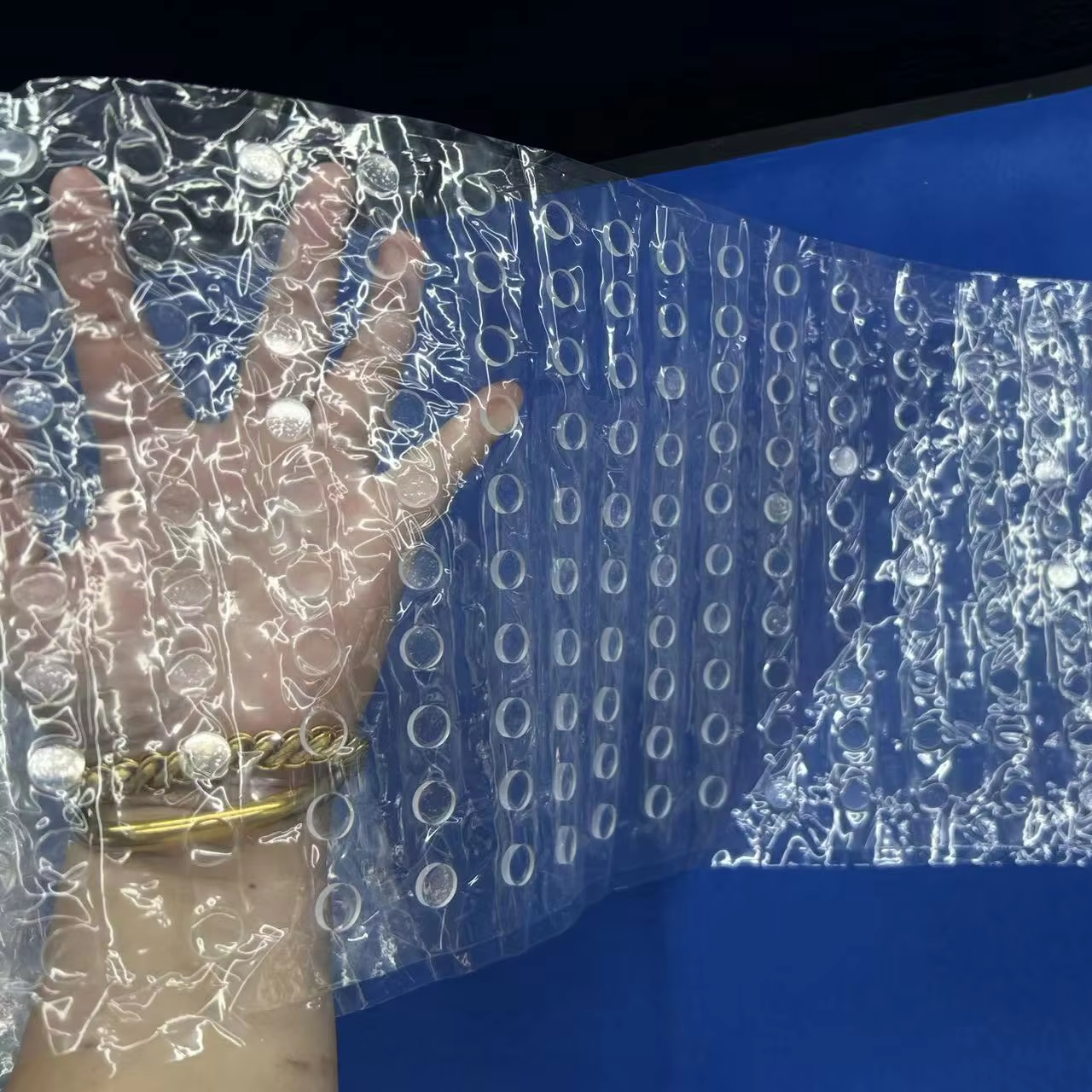
Small Size High-Purity Quartz Wafer with Precision Cutting & Polishing
View Product DetailsTechnical Specification of Perforated Fused Quartz Tubes for Galway's Precision Sectors
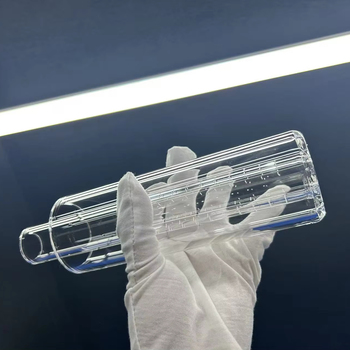
As County Galway continues to consolidate its global reputation as Europe's focal point for Medical Technology (MedTech), advanced biomedical polymers, and university-led biomaterials research, industrial requirements for contamination-free process equipment have intensified. Traditional borosilicate glass, alumina ceramics, and fluoropolymer components frequently succumb to thermal stress degradation, chemical leaching, or micro-cracking when subjected to aggressive process environments. Donghai County Nivra Quartz Products Co., Ltd. provides Galway's engineering facilities with custom, laser-perforated and CNC ultrasonic-drilled fused quartz tubes that deliver absolute thermal, dimensional, and chemical stability.
Our perforated quartz tubing is produced from electrically fused natural crystal sand or synthetic chemical vapor deposited silica, yielding a glass matrix virtually devoid of internal bubbles, striations, and refractory metallic inclusions. Featuring an infinitesimal thermal expansion coefficient of $\alpha = 5.5 \times 10^{-7}\text{ K}^{-1}$, these components endure extreme thermal quenching without structural failure, guaranteeing uniform gas dispersion, high-intensity UV radiance delivery, and particulate-free catalysis across sensitive cleanroom and production lines in Parkmore, Mervue, and Ballybrit.
Sub-Millimeter CNC Drilling & Fire-Polishing Mastery
Perforating fused quartz demands exceptional thermodynamic control. Fused silica possesses high tensile brittleness and notch sensitivity; mechanically conventional drilling creates microscopic peripheral fractures (Griffith flaws) that propagate into catastrophic structural failures during thermal cycling. Nivra Quartz resolves this bottleneck through a proprietary three-stage micro-machining process:
- Laser & Ultrasonic Core Ablation: Micro-holes ranging from 0.20 mm to 15.00 mm diameter are excavated using diamond-tipped ultrasonic drill spindles or high-frequency pulsed excimer/CO2 laser ablation systems under liquid nitrogen cooling to mitigate hoop stress.
- Thermal Flame-Polishing (Fire Annealing): Every individual perforated aperture is flame-polished using an oxy-hydrogen micro-torch or localized thermal chamber at $1750^\circ\text{C}$ to melt micro-cracks and seal hole edges into perfectly radiused, smooth boundaries ($Ra < 0.15\ \mu\text{m}$).
- Isothermal Stress Relief Annealing: The entire finished quartz tube is subjected to a programmed heating cycle up to $1180^\circ\text{C}$ in a computerized muffle furnace followed by controlled slow cooling to $950^\circ\text{C}$ ($1.5^\circ\text{C}/\text{min}$), fully extinguishing residual strain birefringence.
| Material / Metric Parameter | High-Purity Fused Quartz (Nivra) | Technical Borosilicate 3.3 | Polytetrafluoroethylene (PTFE) | 316L Electro-Polished Stainless |
|---|---|---|---|---|
| $SiO_2$ Purity / Base Composition | ≥ 99.99% Amorphous Fused Silica | ~81% $SiO_2$, 13% $B_2O_3$, 4% $Na_2O$ | $(C_2F_4)_n$ Fluoropolymer | Fe / Cr 18% / Ni 12% / Mo 2.5% |
| Continuous Operating Temp | 1100 °C (Peak short-term 1450 °C) | ~450 °C (Softens at 520 °C) | 260 °C (Thermal creep above 180 °C) | ~750 °C (Oxidizes / scale formation) |
| Coefficient of Thermal Expansion ($\alpha$) | $5.5 \times 10^{-7} \text{ K}^{-1}$ | $3.3 \times 10^{-6} \text{ K}^{-1}$ (6x higher) | $1.0 \times 10^{-4} \text{ K}^{-1}$ (180x higher) | $1.6 \times 10^{-5} \text{ K}^{-1}$ (30x higher) |
| Bio-Inertness & Leaching Risk | Zero trace ions leached; zero extractables | Boron & alkali leaching at elevated temp | Micro-particulate shed under autoclaving | Heavy metal leaching in low pH fluids |
| Spectral UV-C Transmittance ($254\text{ nm}$) | 88% - 92% (Optical grade) | 0% (Completely opaque to UV-C) | < 5% (Degrades under UV irradiation) | Opaque (0%) |
| Chemical Attack Resistance | Unaffected by all acids except HF / hot $H_3PO_4$ | Etched by alkaline cleaning detergents | Swelling in organic fluorinated solvents | Pitting corrosion by halides & chlorides |
Where Perforated Quartz Tubes Operate in County Galway
Engineered for the demanding production lines, medical device synthesis, and university laboratories powering Western Ireland’s bio-economy.
MedTech Catheter Annealing & Balloon Forming
Galway produces roughly one-third of the world’s cardiovascular catheters and stents. Our perforated quartz heating liners house infrared ceramic heaters in Parkmore and Mervue cleanrooms, providing micro-vented hot gas streams that precisely thermoform polymer balloons without particulate cross-contamination.
Bioreactor Aeration & Micro-Sparging
In fermentation and cell-culture laboratories operating under CÚRAM and the University of Galway, our perforated quartz sparging tubes deliver sub-millimeter oxygen and $CO_2$ micro-bubbles into aggressive media, withstanding continuous $134^\circ\text{C}$ steam autoclaving cycles indefinitely.
CVD / PVD Gas Manifolds in Cleanrooms
Precision thin-film coating of implantable sensors and surgical alloys requires radial diffusion manifolds that remain chemically non-reactive in corrosive fluorine and silane plasmas. Nivra Quartz perforated tubes ensure laminar, turbulence-free precursor delivery under high vacuum conditions.
Photochemical Water Purification Systems
For municipal water remediation along the River Corrib and Galway Bay marine biotech facilities, our perforated quartz protective sleeves channel turbulent influent across high-power 254 nm germicidal UV-C emitters, utilizing optical transparency to destroy pathogens at multi-cubic-meter hourly flow rates.
Emerging Manufacturing Vectors in the West of Ireland
How Galway’s evolving industrial landscape dictates the next generation of quartzware specifications.
Migration to Continuous Flow Pharma Synthesis
Galway and Shannon-corridor active pharmaceutical ingredient (API) manufacturers are rapidly pivoting from legacy batch reactors to micro-channel continuous flow synthesis. Micro-perforated fused quartz tubes serve as catalytic bed liners that enable direct visual monitoring of exothermic reactions while enduring concentrated mineral acids and operating pressures exceeding 12 bar.
Stringent Cleanroom Particulate Directives (ISO 14644)
As next-generation drug-eluting stents and bioresorbable scaffolds advance into production, Galway quality auditors are enforcing stringent particulate monitoring. Fused quartz has superseded ceramic delivery nozzles because flame-polished quartz apertures emit precisely zero ceramic shedding, flaking, or dusting during cyclic high-velocity thermal blasts.
Marine Biotechnology & Carbon Neutral Sparging
Capitalizing on Galway Bay’s marine ecosystem, new biotech spin-offs are synthesizing functional hydrogels and marine-derived biopharmaceuticals. These processes require ultra-fine perforated quartz gas distributors capable of resisting permanent bio-fouling and surviving daily hot sodium hypochlorite CIP (clean-in-place) sterilization regimens.
Donghai County Nivra Quartz Products Co., Ltd.
Direct from China's quartz capital to the West of Ireland — eliminating intermediary markups, ensuring metallurgical purity, and offering custom engineering iteration.
Founded in February 2019 at 285 Heping East Road, Lianyungang, Jiangsu, Nivra Quartz maintains an integrated manufacturing and trading ecosystem staffed by 101–200 skilled glassblowers, CNC machinists, and optical engineers. Our facility has undergone rigorous on-site verification by Alibaba.com and independent third-party certification authorities. By combining raw silicon dioxide raw crystal deposits directly from Donghai’s historic mineral belt with computerized vacuum sintering and five-axis CNC cutting, we guarantee certified batch traceability for every single meter of perforated tube exported to Galway.
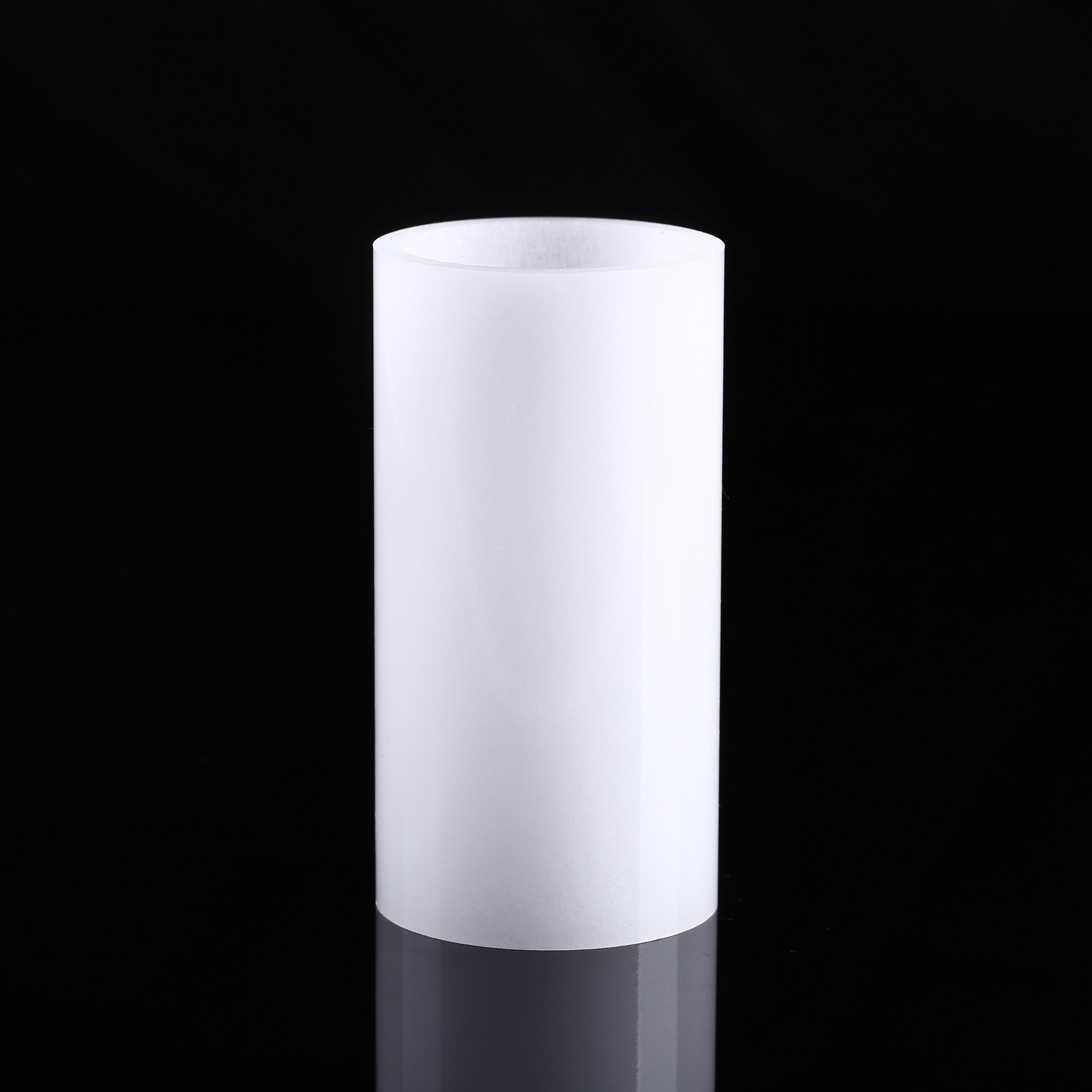
Precision Glass Lathe Forming
Oxy-hydrogen flame processing and high-diameter cylindrical calibration.
Ultrasonic CNC Drilling Center
Sub-millimeter micro-hole boring with dimensional tolerances within ±0.02 mm.
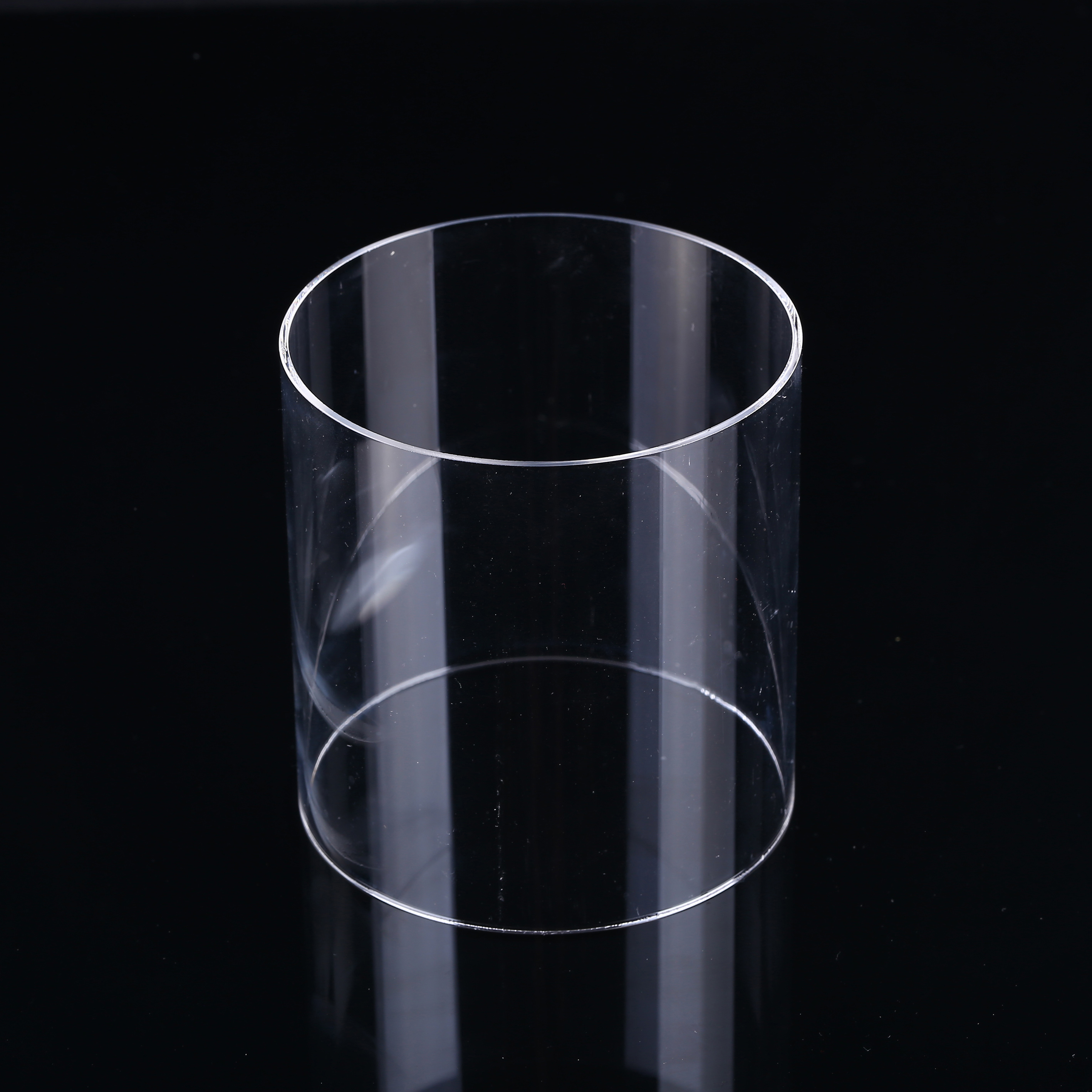
Polariscope Stress Analysis & Packing
100% strain check and dual-layer foam shock-crate encapsulation.
Verified 5.0/5 Buyer Track Record
Validated by global international audits with over 43 recent verified transactions exceeding $40,000+ USD, maintaining 100% on-time shipment compliance.
Sub-5-Hour Technical Response
Our rapid engineering triage team achieves an 88.89% immediate response rate, supplying manufacturability analysis on CAD drawings within 5 business hours.
Breakage-Proof Air & Ocean Logistics
Custom form-fitting polyethylene suspended foam inserts and ISPM-15 export wooden crates ensure zero vibrational cracking en route to Shannon Airport or Dublin Port.
Full OEM/ODM Drawing Customization
From one-off laboratory prototypes to high-volume recurring annual call-offs, our technicians work directly from PDF, DWG, DXF, or 3D STEP files with zero setup penalties.
Frequently Asked Questions for Galway Procurement Teams
Comprehensive engineering clarifications addressing customs, specifications, cleanroom delivery, and QA documentation for Irish buyers.
We employ a multi-barrier packaging protocol engineered specifically for long-distance transport. Each perforated tube is vacuum-sealed in anti-static PE sleeves to prevent moisture condensation and particulate contamination. The tube is then isolated inside high-density closed-cell EPE (expanded polyethylene) foam cradles with custom cut-out reliefs that eliminate shear forces across the perforations. The outer layer consists of a heavy-duty, reinforced plywood case certified under ISPM-15 regulations. Shipments via DHL Express, FedEx, or air freight into Shannon (SNN) or Dublin (DUB) with final bonded transit to Galway maintain a documented breakage rate of less than 0.2%.
For wall thicknesses between 1.0 mm and 6.0 mm, our standard CNC ultrasonic drilling delivers hole diameter tolerances within ±0.05 mm. For high-precision medical gas dispersion devices requiring micro-holes down to 0.20 mm diameter, our pulsed laser ablation setup achieves tolerances within ±0.02 mm, with axial pitch and radial angular spacing maintained within ±0.05 mm across tube lengths up to 2000 mm. Every manufactured lot is optically inspected via coordinate measuring machines (CMM) before sign-off.
No. Unpolished or mechanically raw-drilled holes in glass always present microscopic shear fissures that can dislodge during thermal expansion. Nivra Quartz performs a secondary oxy-hydrogen thermal glazing pass around every drilled orifice. This fire-polishing melts sharp edges into smooth, continuous glass fillets, extinguishing any possibility of quartz dust or particulate contamination inside high-grade ISO Class 7 or Class 8 cleanrooms.
Import shipments of fused quartz labware and industrial tubing into Ireland typically clear customs under TARIC / HS Code 7017.10 (Laboratory, hygienic or pharmaceutical glassware of fused quartz or other fused silica) or 7002.31 (Tubes of fused silica). Standard customs duties are typically 3% or lower, subject to trade preference mechanisms. We supply complete commercial invoices, packing lists with net/gross weights, and Certificates of Origin to expedite Irish Revenue clearance through Dublin or Shannon customs brokers. We can also accommodate Delivered at Place (DAP) or Delivered Duty Paid (DDP) incoterms.
JGS1 is synthetic fused silica offering premier deep-ultraviolet transmission down to 185 nm, ideal for high-precision UV sterilization, excimer lasers, and semiconductor wafer optics. JGS2 is electric/flame-fused natural quartz optimized for UV-Visible applications from 220 nm to 2500 nm, representing the most cost-effective choice for standard perforated diffusion tubes, CVD furnaces, and thermal catheter annealing. JGS3 is infrared-grade fused silica featuring negligible hydroxyl ($OH < 5\ \text{ppm}$) content, transmitting out to 3500 nm for intense IR lamp jackets and thermal process shielding.
Yes. We actively support pilot development, university research projects, and MedTech equipment prototyping. Our minimum order quantity (MOQ) for custom-perforated quartz tubes starts at just 1 to 5 pieces. We review CAD drawings, generate rapid prototypes, perform complete dimensional and polariscope strain inspections, and ship samples directly to your Galway facility for real-world qualification prior to executing full production runs.
Fused quartz demonstrates almost total chemical inertness. It can be aggressively sanitized using concentrated nitric acid ($HNO_3$), sulfuric acid ($H_2SO_4$), hydrochloric acid ($HCl$), hydrogen peroxide ($H_2O_2$), or aqua regia at boiling temperatures without surface loss or ion migration. The only chemicals that will etch fused quartz are hydrofluoric acid ($HF$) and concentrated phosphoric acid ($H_3PO_4$) at temperatures exceeding $150^\circ\text{C}$. For standard bio-decontamination in Galway facilities, autoclaving, ethanol flushes, or piranha solution cleans are completely safe.
Every shipment dispatched to Ireland is accompanied by a comprehensive Quality Dossier. This includes a Certificate of Analysis (CoA) validating ≥99.99% $SiO_2$ purity, CMM dimensional inspection reports validating inner diameter, outer diameter, wall thickness, hole sizes, and hole pitches, a polariscope residual stress clearance certificate, and cleanroom packaging compliance records. Batch-specific ICP-MS (inductively coupled plasma mass spectrometry) trace metal analysis is available upon request.
Consult with Nivra Quartz Optical Engineers
Whether you are prototyping a high-temperature catheter forming apparatus, upgrading a bio-reactor aeration assembly, or configuring a gas diffusion furnace for industrial processing in Galway, our engineering staff is available to analyze your specifications. We review PDF, DWG, and 3D STEP drawings with typical engineering turnaround under 5 hours.