High-Purity Quartz Glass Products for Kansai Enterprises
Precision-fabricated in Donghai County—China's crystal capital—and shipped directly to the Port of Kobe. Each piece meets rigorous surface flatness (λ/4 to λ/10) and optical transmission criteria across DUV, Visible, and NIR spectrums.
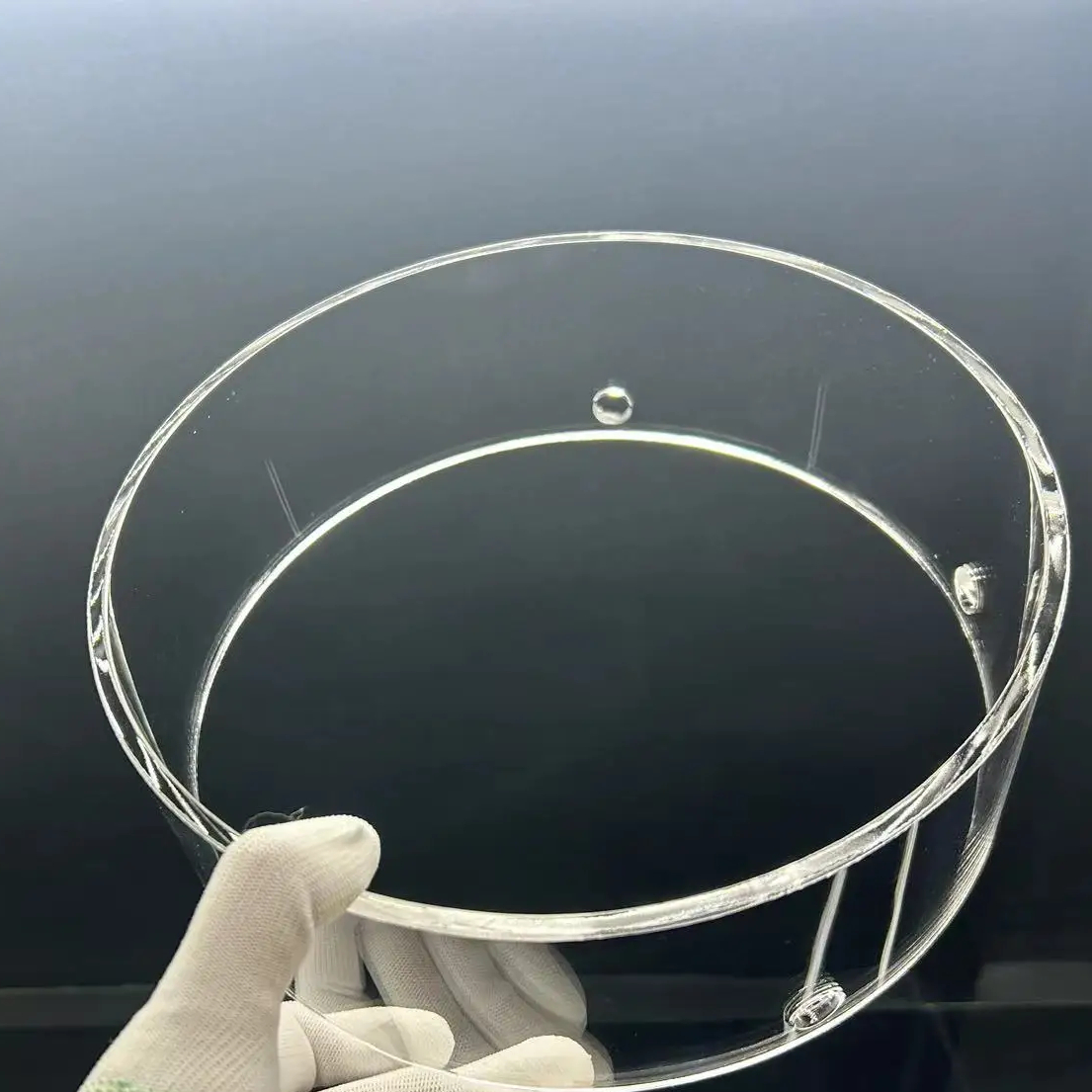 Thermal 1100°C
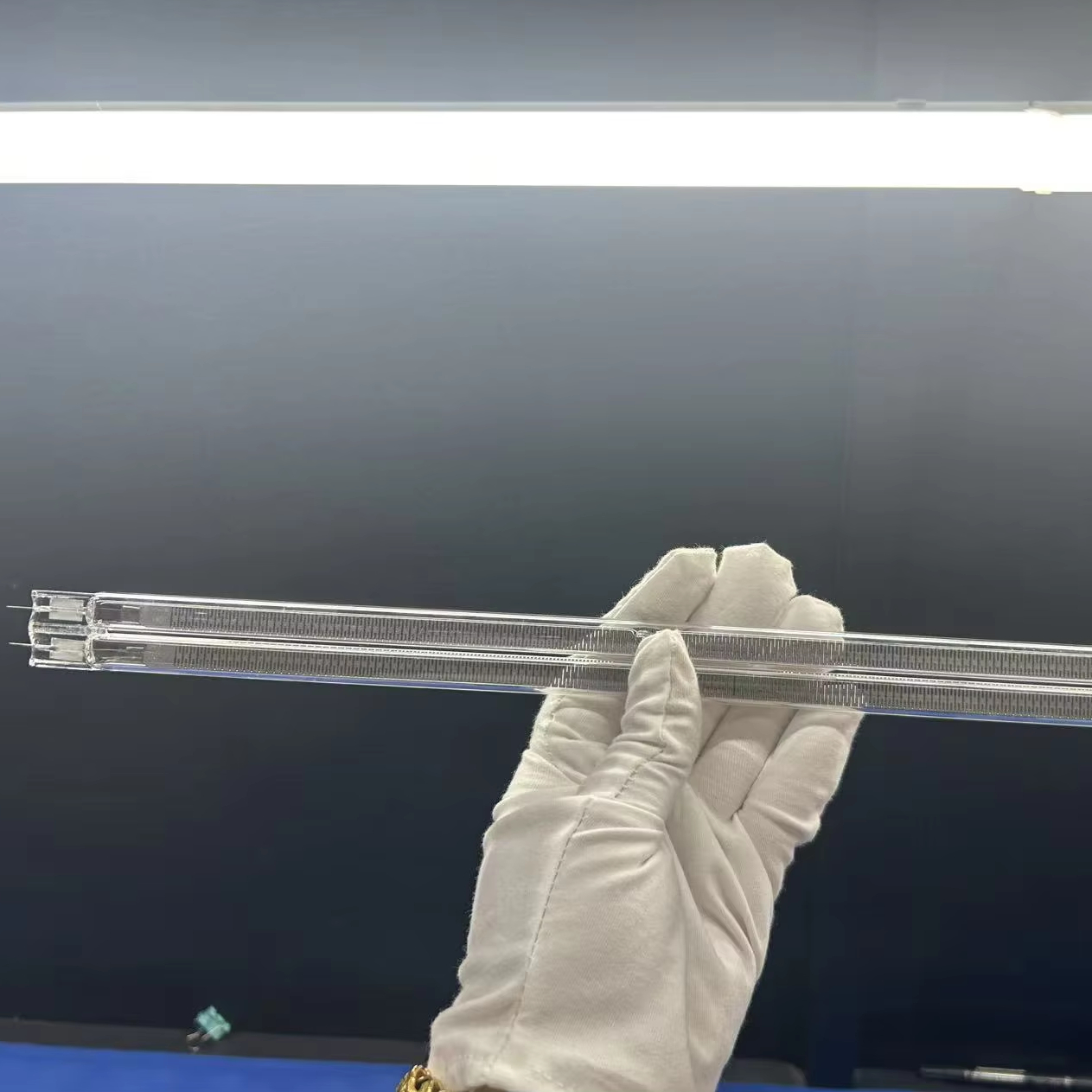
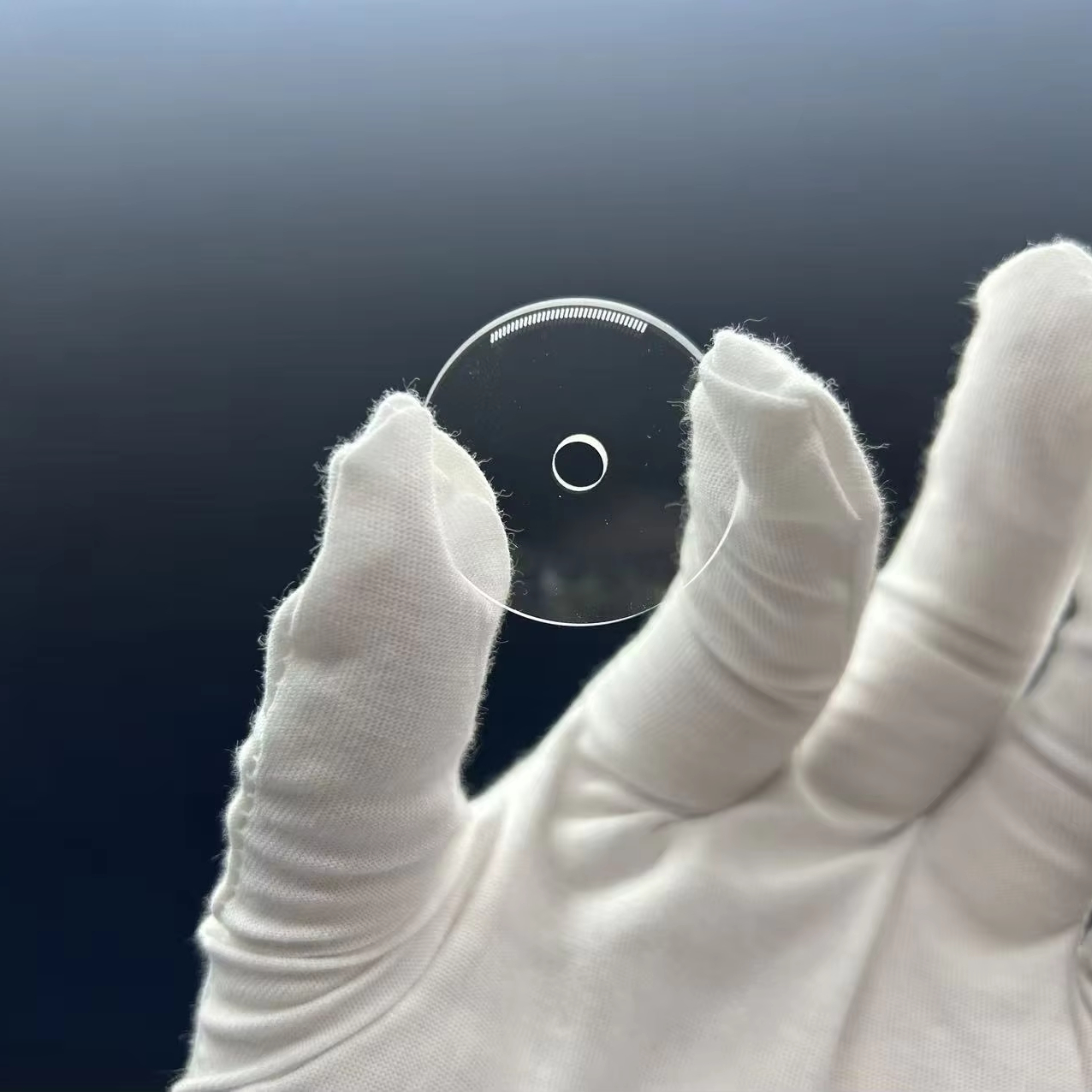 Diffused Finish
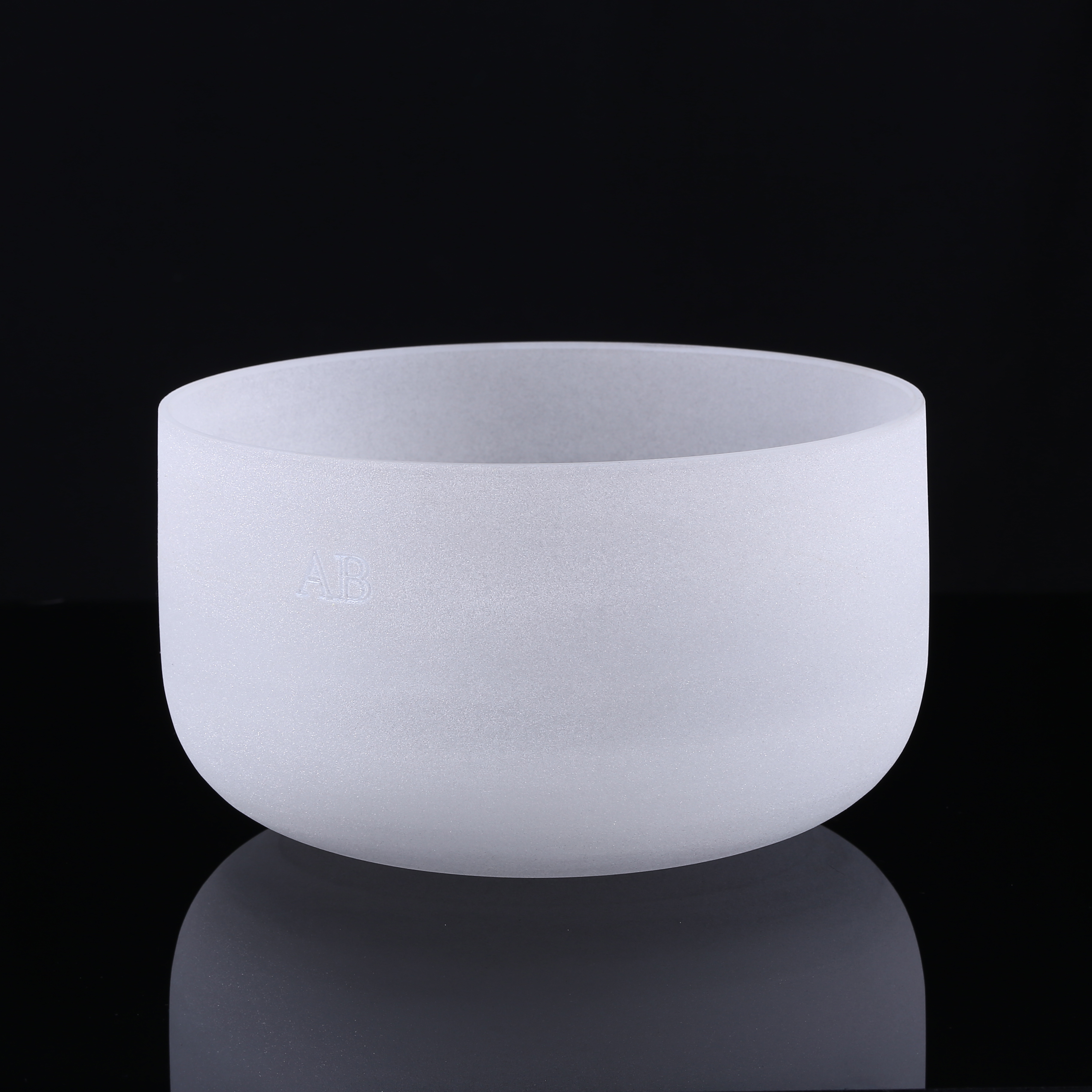 Crucible 1450°C
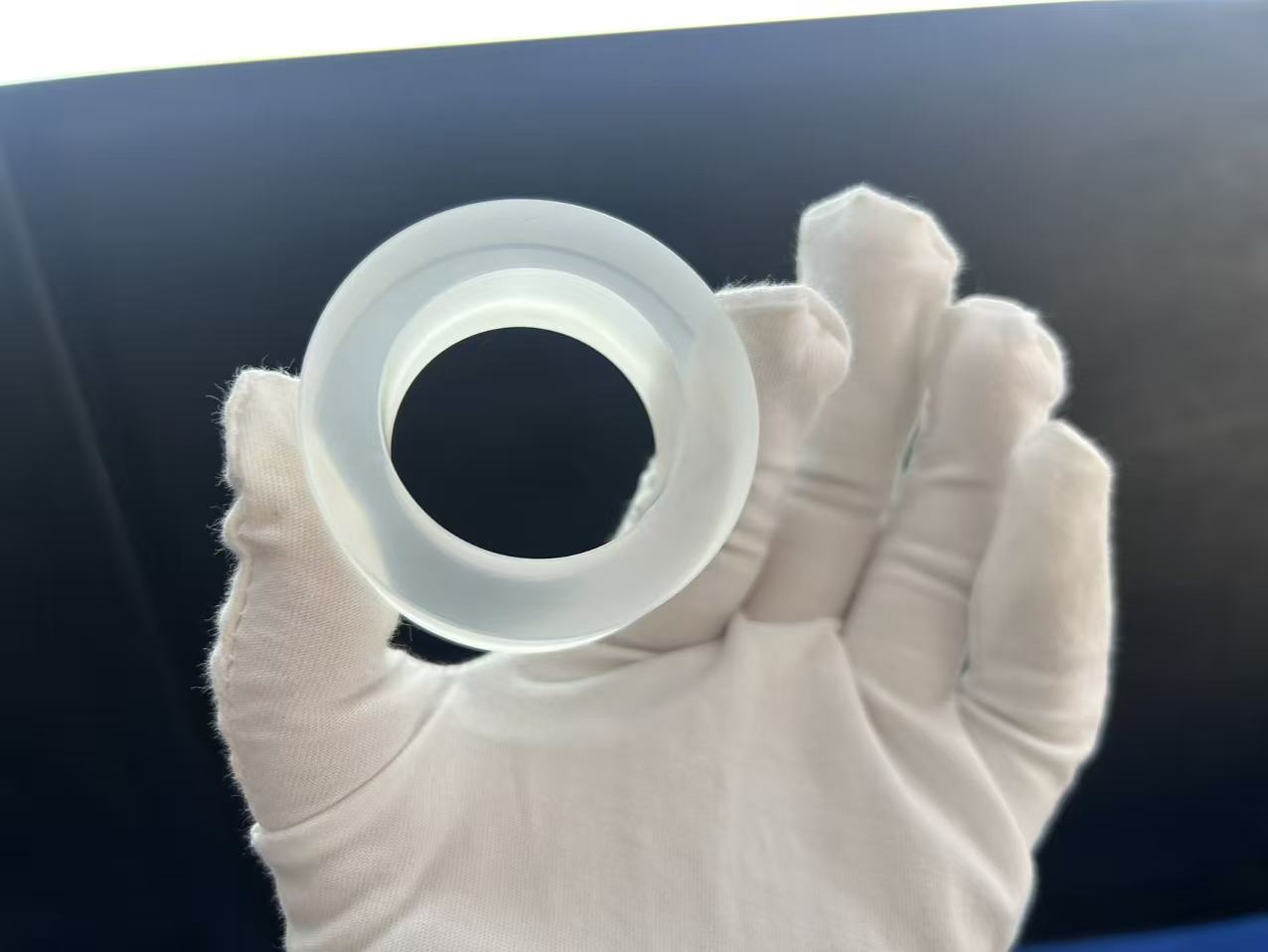 CNC Lathe Turn
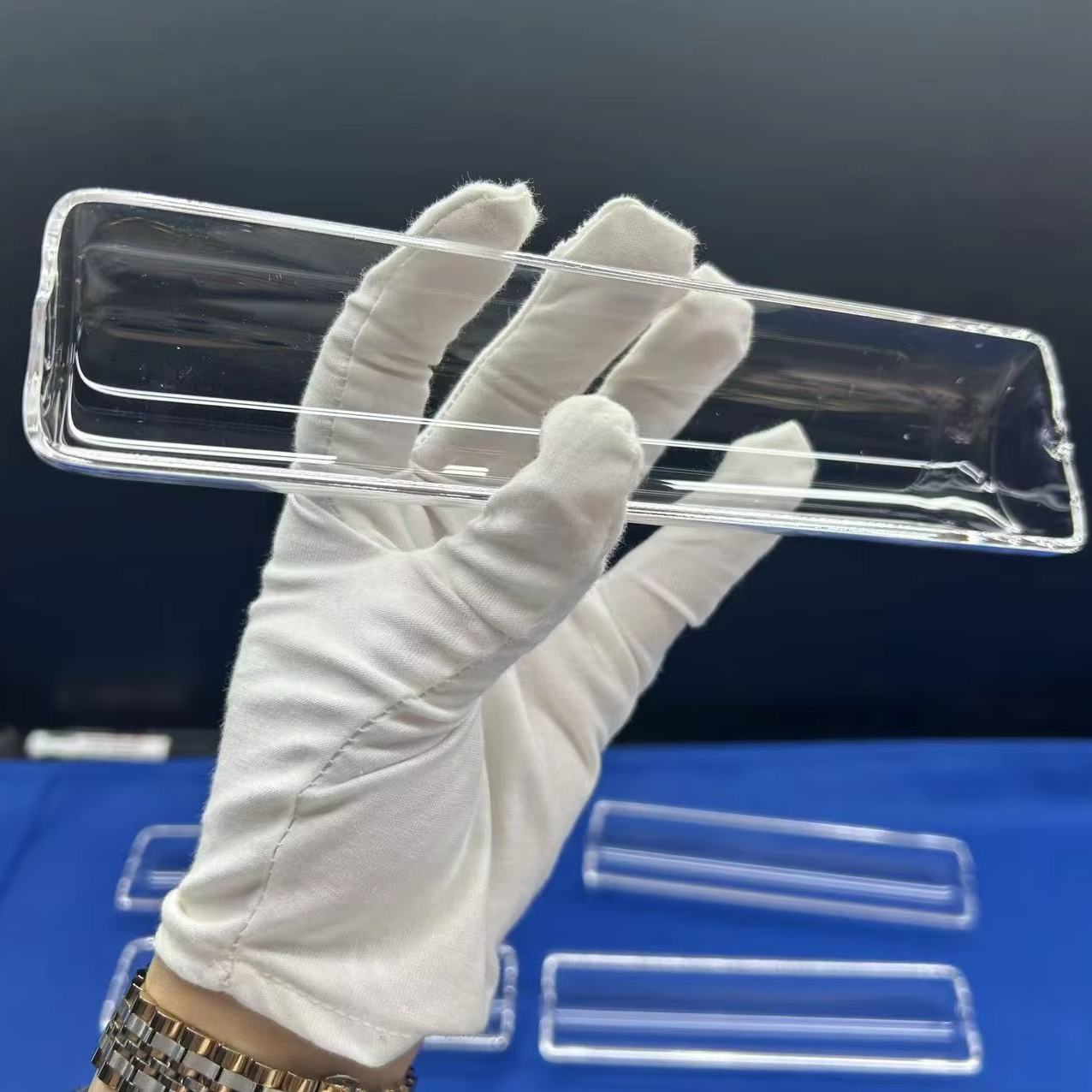 Semiconductor Fab
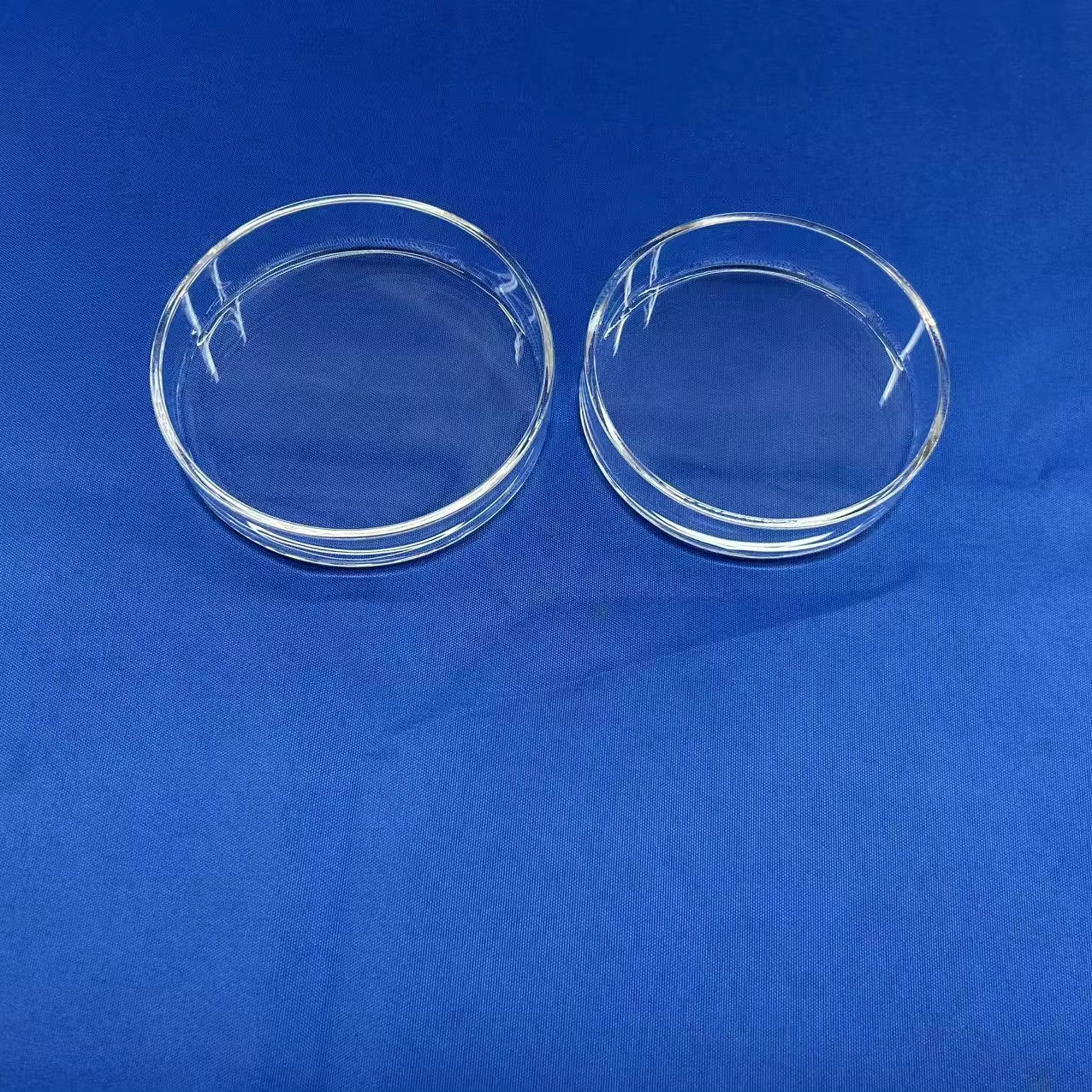
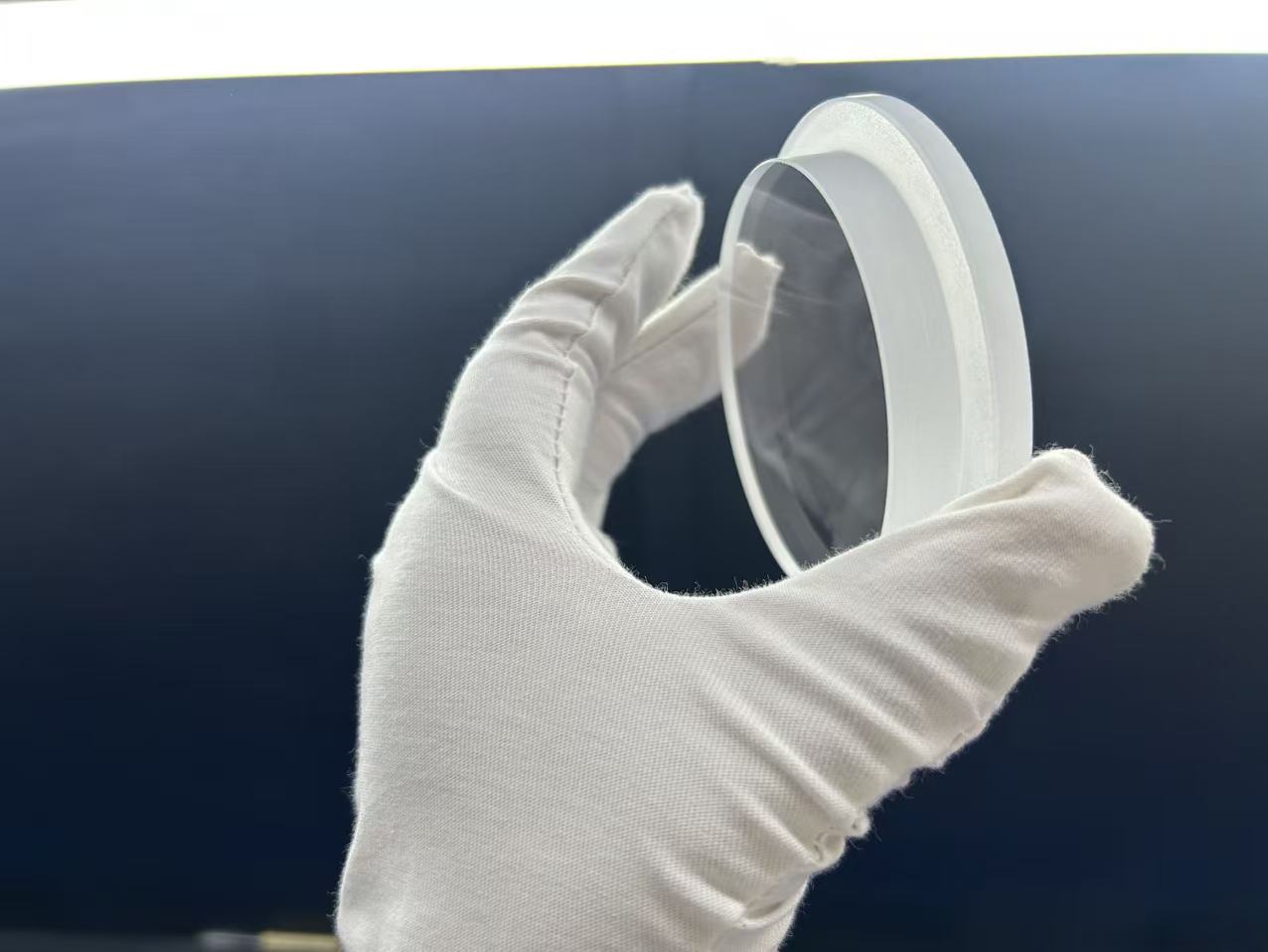 Optical Step Polish
Optical Quartz Glass Metrology: JGS1 vs. JGS2 vs. JGS3
For procurement officers and optical design engineers in Kobe's Hanshin Industrial Belt, choosing between synthetic fused silica and electrically fused quartz determines both transmission efficiency and manufacturing cost.
Spectral Performance & Material Classification
Optical quartz glass plates exported by Nivra Quartz undergo stringent raw material segregation at our Donghai County refining facility. Based on the method of synthesis and the hydroxyl ion ([OH⁻]) concentration, we supply three distinct grades compliant with international standards (ISO 12123, SEMI, and JIS B 7090):
1. JGS1 (Synthetic Fused Silica): Produced by chemical vapor deposition (CVD) using silicon tetrachloride (SiCl₄) in an oxygen-hydrogen flame. Characterized by the near-total absence of metallic impurities (Fe, Al, Ti < 0.1 ppm) and an OH⁻ concentration of 800–1200 ppm. JGS1 exhibits outstanding transmission in the deep ultraviolet (DUV) region, maintaining > 90% internal transmittance down to 185 nm. It is virtually bubble-free (Bubble Class 0 per DIN 3140) and exhibits no fluorescence under 254 nm excitation.
2. JGS2 (Optical Grade Fused Quartz): Synthesized by gas-refining natural high-purity crystal sand under high temperature. It balances exceptional mechanical stability with UV-visible spectrum transmission ranging from 220 nm to 2500 nm. With trace metallic impurities kept below 15 ppm, JGS2 represents the industry's most cost-effective solution for plasma etch viewports, sight glasses, and photolithography mask substrates.
3. JGS3 (Infrared Grade Fused Quartz): Fused in an electric vacuum furnace to strip hydroxyl radicals ([OH⁻] < 5 ppm). This eliminates the pervasive 2730 nm absorption band, delivering crystal-clear infrared transmission up to 3500 nm, vital for gas chromatography, FTIR spectrometers, and thermal pyrometers in maritime combustion research across Hyogo Prefecture.
Technical Note on Birefringence: All optical quartz glass blanks intended for Kobe precision manufacturers undergo double-pass laser polarimeter testing to guarantee residual stress birefringence below 5 nm/cm, preventing phase distortion in polarized imaging sensors.
Dimensional Stability & Thermal Resistance
Fused silica has an extraordinarily low coefficient of thermal expansion (CTE) of approximately 5.5 × 10⁻⁷ /°C between 20°C and 320°C. This is one-sixth that of borosilicate glass, granting optical quartz plates virtually zero focal plane drift under extreme thermal cycling.
In high-power industrial laser cutting and vacuum chamber viewports, Nivra Quartz plates resist thermal shock that would shatter conventional optical substrates. A 100mm × 100mm × 5mm polished plate can be heated to 1100°C and quenched directly into room-temperature water without micro-cracking or dimensional warping.
| Physical Parameter | Metric Value | Test Standard |
|---|---|---|
| Density | 2.20 ± 0.02 g/cm³ | ASTM C693 |
| Refractive Index (nd @ 589.3nm) | 1.4585 | Abbe Refractometry |
| Softening Point | 1683 °C | ASTM C338 |
| Annealing Point | 1215 °C | ASTM C336 |
| Surface Flatness (Max Spec) | λ/10 per inch @ 632.8nm | Zygo Interferometer |
| Surface Roughness (Ra) | < 0.5 nm (Super-polished) | Atomic Force Microscope |
Empowering Kobe's High-Tech & Marine Industrial Hub
Kobe occupies a unique nexus in Japan's advanced economy, blending deep-water maritime logistics, world-leading computational bioscience, and next-generation hydrogen fuel infrastructure. Here is how our precision optical quartz glass plates are deployed across local industry clusters.
1. Port of Kobe: Marine Instrumentation & Subsea LiDAR
The Port of Kobe is pioneering automated cargo handling and autonomous surface/subsea vessels. Nivra Quartz manufactures stepped, high-thickness optical windows capable of withstanding deep-sea hydrostatic pressures exceeding 60 MPa. Our double-layer step plates (view catalog) serve as scratch-resistant optical viewports for underwater bathymetric LiDAR and blue-green laser communications, repelling marine saline pitting and bio-film corrosion.
2. Semiconductor & Flat Panel Display (FPD) Tooling
Across the Hanshin industrial corridor connecting Kobe and Osaka, tier-2 semiconductor equipment suppliers build precision plasma-etch and wafer inspection tools. Our polished quartz wafer carriers (details here) and ultra-flat quartz disc windows provide extreme chemical resistance against aggressive fluorinated plasma (CF₄/CHF₃) and hot piranha solutions, preventing metal contamination during 300mm wafer processing.
3. Kobe Biomedical Innovation Cluster (KBIC)
On Port Island, KBIC houses Japan's largest biomedical research collective. Nivra Quartz supplies high-purity quartz petri dishes (explore specs) and ultra-thin JGS1 microfluidic glass plates. These deliver zero autofluorescence under deep-UV microscopy, essential for single-cell gene sequencing, Raman spectroscopy, and continuous drug screening protocols.
4. Hydrogen Energy Supply Chain Monitoring
Kobe hosts the world's first liquefied hydrogen receiving terminal. Monitoring liquid hydrogen at -253°C demands sight glasses with zero cryogenic embrittlement and zero helium/hydrogen permeability. Nivra Quartz optical plates provide non-destructive visual and laser-doppler monitoring of cryogenic valves and boil-off gas heat exchangers without micro-fracturing under rapid thermal swings.
5. Heavy Industrial Annealing & Infrared Curing
In Kobe's heavy mechanical, aerospace fabrication, and shipbuilding workshops, precision thermal processing is critical. Our heavy-duty carbon-fiber infrared quartz tubes (view series) and frosted quartz diffuser plates facilitate directional, radiant heat transfer without hot spots, ensuring micro-structural uniformity in welded marine alloys.
Kobe Procurement Trends: Mitigating Tier-1 Supplier Surcharges
Historically, precision manufacturing firms across Hyogo Prefecture relied heavily on domestic optical glass conglomerates. However, the post-2023 macroeconomic landscape—characterized by extended domestic lead times (often exceeding 16–22 weeks for non-standard quartz blanks) and escalating domestic processing fees—has prompted Kobe procurement leaders to adopt a hybrid sourcing framework.
By establishing direct OEM supply corridors with Donghai County Nivra Quartz Products Co., Ltd., Japanese engineering firms secure Tier-1 certified optical materials at mill-direct pricing. Crucially, the geographical proximity of Lianyungang Port to the Port of Kobe enables sea freight transit times of just 3 to 5 calendar days, drastically truncating supply chain volatility. With our in-house CNC waterjet cutting, 5-axis ultrasonic milling, double-sided chemical-mechanical polishing (CMP), and laser interferometric certification, Japanese customers receive ready-to-mount optical quartz plates built precisely to their CAD drawings (DWG, STEP, or DXF) accompanied by full ICP-MS trace metal spectrometry and optical transmission curves.
The Nivra Quartz Advantage for Japanese Importers
Combining Donghai County's massive high-purity quartz reserves with modern precision fabrication, responsive engineering, and certified export compliance.
Direct Resource Origin
Located in Donghai County, Jiangsu, Nivra Quartz controls primary access to ultra-pure silica ore, ensuring raw material traceability and competitive factory-direct pricing without intermediary trading markups.
≤ 5h Rapid Engineering Feedback
Our bilingual technical team boasts an 88.89% inquiry response rate, delivering CAD feasibility reviews, optical tolerance analyses, and quotation breakdowns within 5 hours for Kobe-based engineers.
Sub-Nanometer Surface Finish
Equipped with planetary continuous polishers and Zygo laser interferometers, we achieve surface roughness Ra < 0.5 nm, flatness λ/10, and scratch-dig 20/10 compliant with MIL-PRF-13830B.
Dedicated Kansai Ocean Freight
Every shipment is vacuum-sealed in anti-static, cleanroom packaging, nestled in high-density shock-absorbing EPE foam, and secured in export-grade, fumigation-free wooden crates routed directly to Kobe Port.
Frequently Asked Questions for Sourcing to Kobe
Direct answers to common technical, quality control, and shipping questions posed by Japanese engineering teams and purchasing managers.
What inspection documentation accompanies optical quartz glass plates shipped to Kobe?
Every shipment bound for Kobe or the greater Hanshin industrial area includes a comprehensive Quality Inspection Certificate (CoC) detailing: (1) Spectrophotometric transmission curve from 190 nm to 3200 nm; (2) Trace element impurity analysis via Inductively Coupled Plasma Mass Spectrometry (ICP-MS); (3) Zygo laser interferometric surface flatness map (λ/4 or λ/10 verification); and (4) High-magnification microscope scratch-dig inspection records according to ISO 10110 or MIL-PRF-13830B standards.
How does Nivra Quartz prevent maritime humidity contamination and micro-fissures during transit?
Precision-polished optical quartz glass is prone to surface haze if exposed to humid maritime air during sea transport across the East China Sea. We clean all optical components in ultrasonic multi-stage pure water baths, followed by cleanroom class 1,000 oven drying. Components are individually heat-sealed inside multi-layer anti-static, moisture-barrier vacuum bags with active desiccant. Packaging is further reinforced with custom-molded high-density shock-absorbing EPE foam and reinforced plywood crates compliant with ISPM-15 export regulations.
What is the standard lead time for customized quartz components to Kobe Port?
For standard dimensions (square plates, round discs, standard quartz tubes), dispatch typically occurs within 7–10 working days. Custom CNC machining, step-cut profiles, laser slotting, and multi-layer optical coatings require approximately 15–20 working days. Transit from Lianyungang/Shanghai port to Kobe Port requires just 3–5 days on direct sea-freight lanes. Express air shipments (DHL/FedEx to Kansai International Airport - KIX) arrive within 48 to 72 hours of factory sign-off.
Can you manufacture complex step plates and quartz rings according to Japanese JIS standards?
Yes. Our CNC machining center routinely operates against JIS B 0405 (precision tolerance class f) and JIS B 7090 optical glass specifications. We accept CAD drawings in DXF, DWG, and STEP formats. Whether you require customized stepped observation windows (Step Plate catalog), beveling, precision drilled counter-bores, or custom-turned quartz rings (Quartz Ring catalog), dimensional tolerances can be held to ±0.01 mm.
What is the minimum order quantity (MOQ) for prototypes and pilot manufacturing runs?
We actively support R&D institutes, university laboratories (such as Kobe University and adjacent Hyogo research clusters), and tech startups. Standard catalog items have an MOQ of just 1 to 10 pieces. Customized optical quartz plates and prototype carrier boats can be ordered in single-piece lots for pilot verification prior to volume production orders.
How does Nivra Quartz ensure zero bubble inclusions in laser-grade JGS1 substrates?
Our JGS1 synthetic silica is synthesized via gas-phase CVD, which eliminates the seed crystal defects common in electric fusion of natural quartz grains. In accordance with DIN 3140 Part 2 and ISO 10110-3, our laser-grade blanks adhere to Bubble Class 0 (total cross-sectional bubble area ≤ 0.03 mm² per 100 cm³ of glass), ensuring zero scatter centers for high-power laser optics and high-resolution imaging sensors.
Request Your Custom Optical Quartz Specification & Pricing
Consult with Nivra Quartz's application engineers today. Submit your required dimensions, spectral grade (JGS1/JGS2/JGS3), surface tolerances, and delivery timeline to Kobe. We provide comprehensive quotations and technical feasibility assessments within 5 hours.