Thermal Element
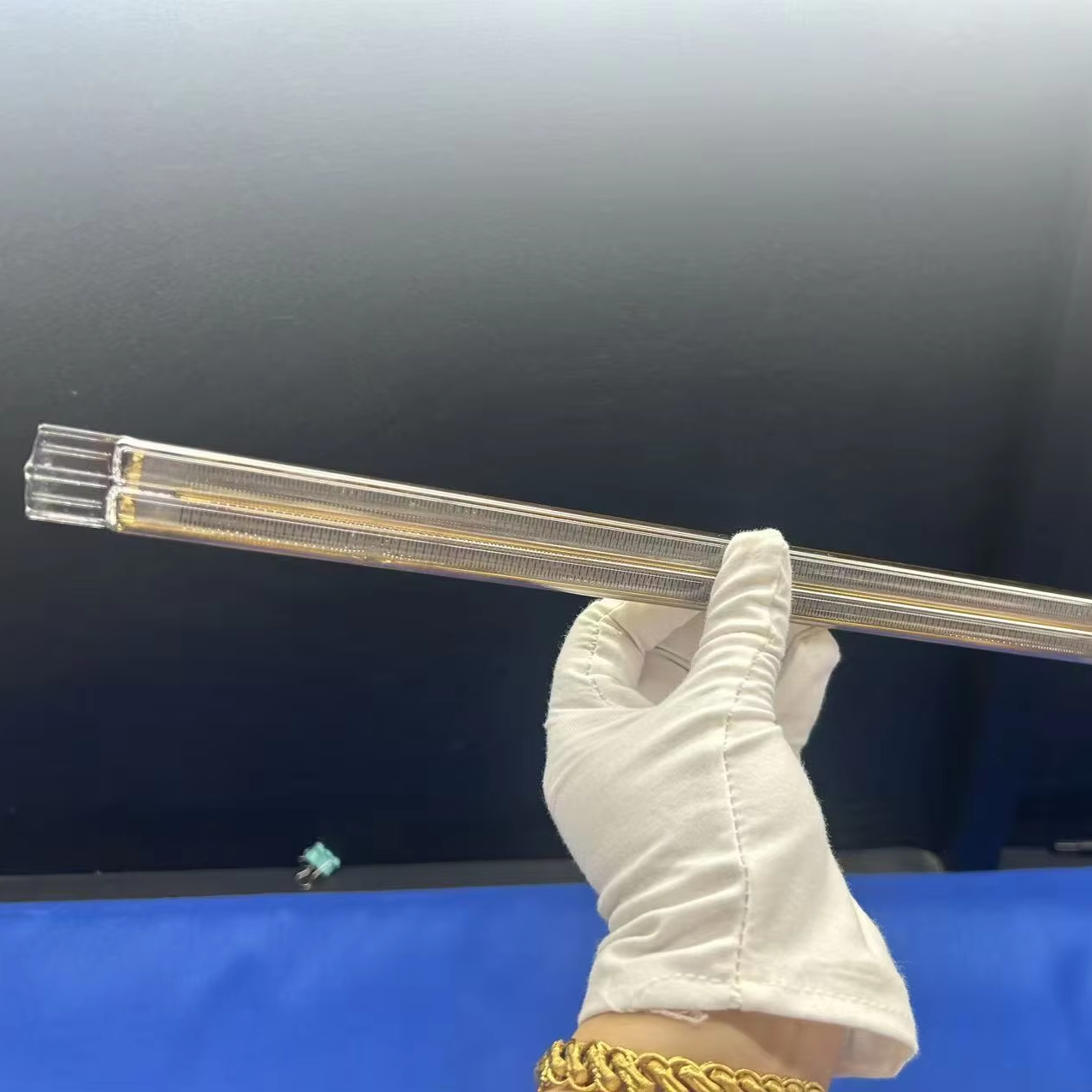
Graphene Quartz Heating Tube
Thermal Efficiency:≥98.2%
Max Temp:1100°C
Manufactured from premium Donghai raw silica rock using thermal vacuum arc-melting and CNC ultrasonic polishing. Guaranteed minimum purity of 99.99% SiO₂ with zero macro-inclusions.
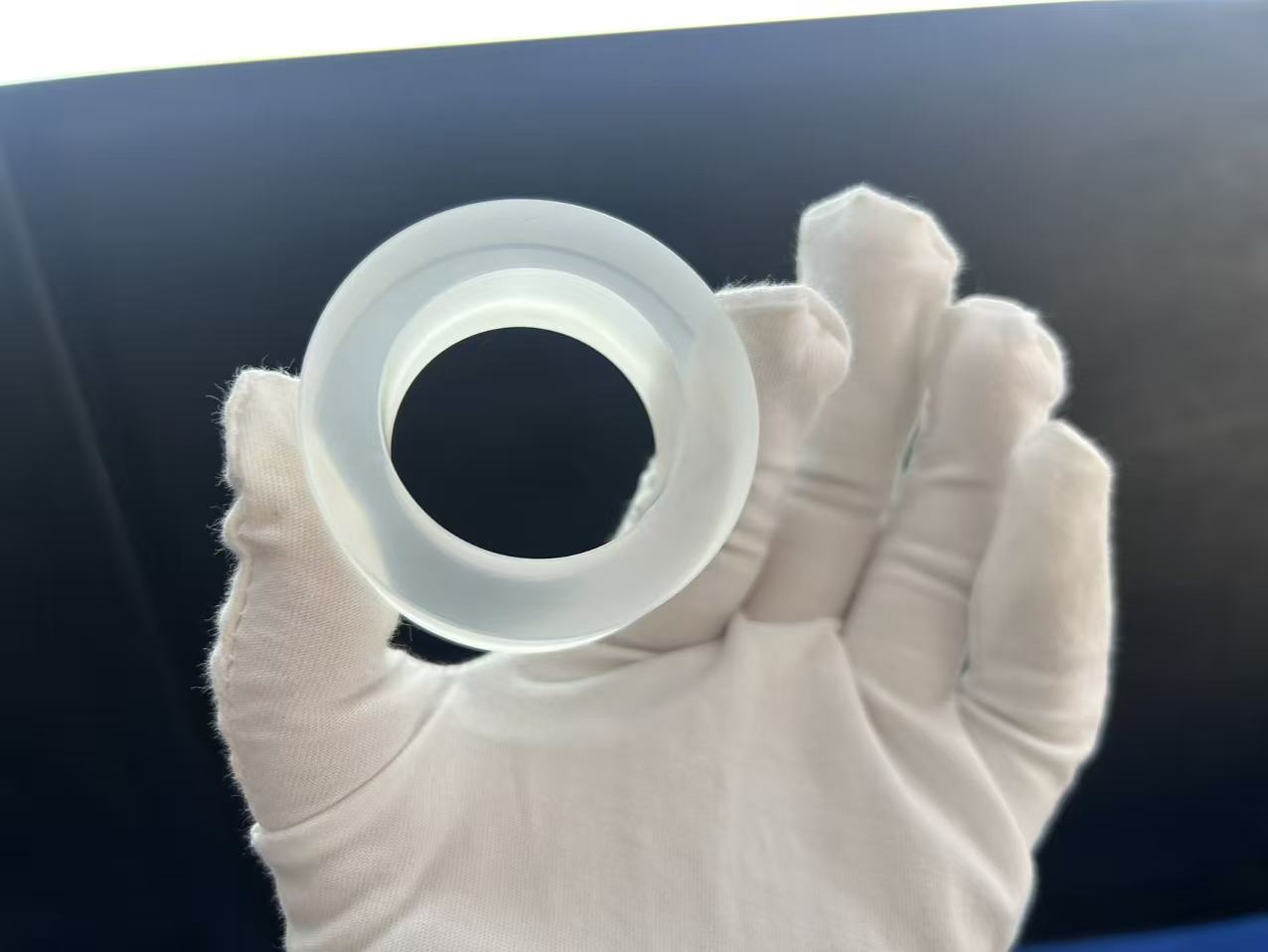
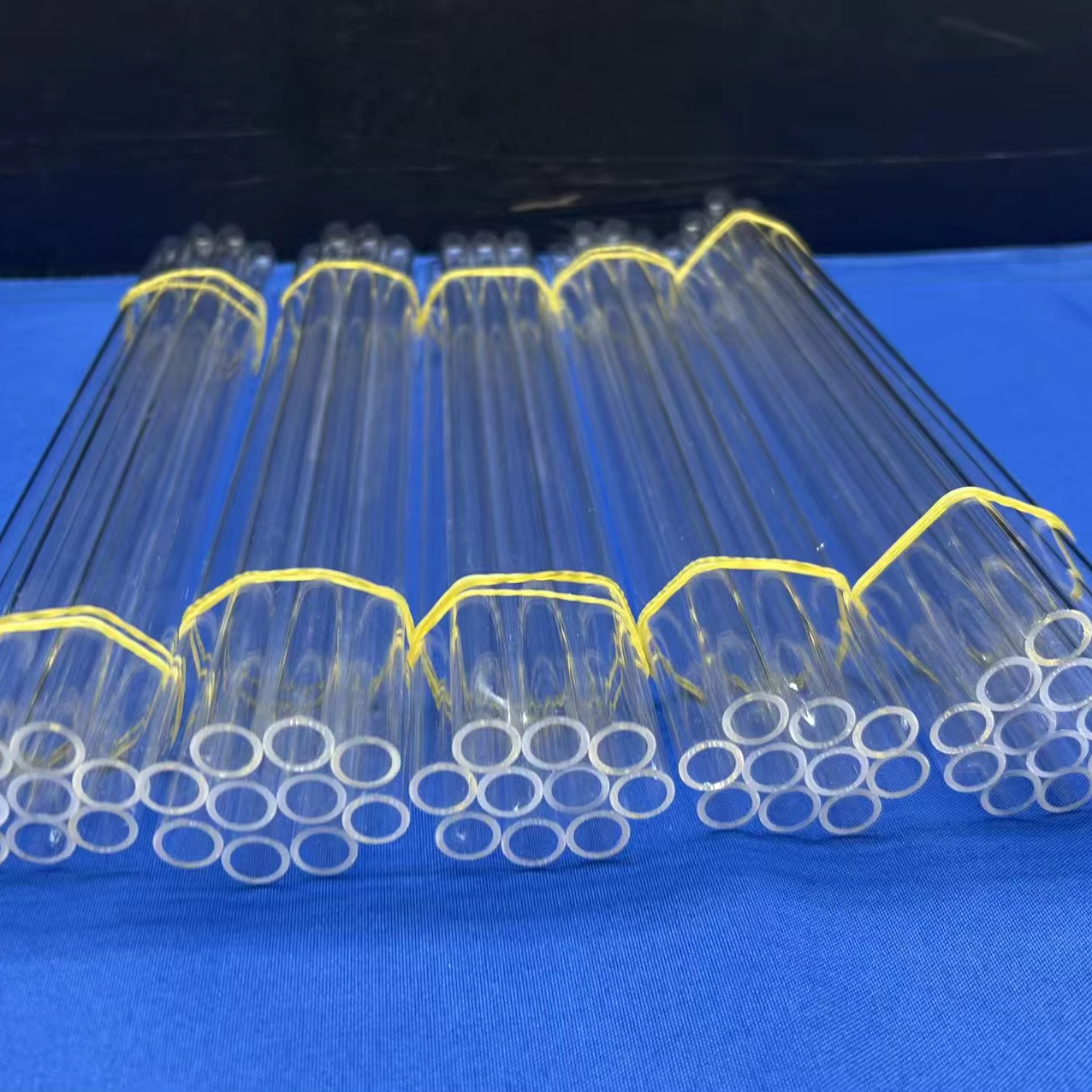
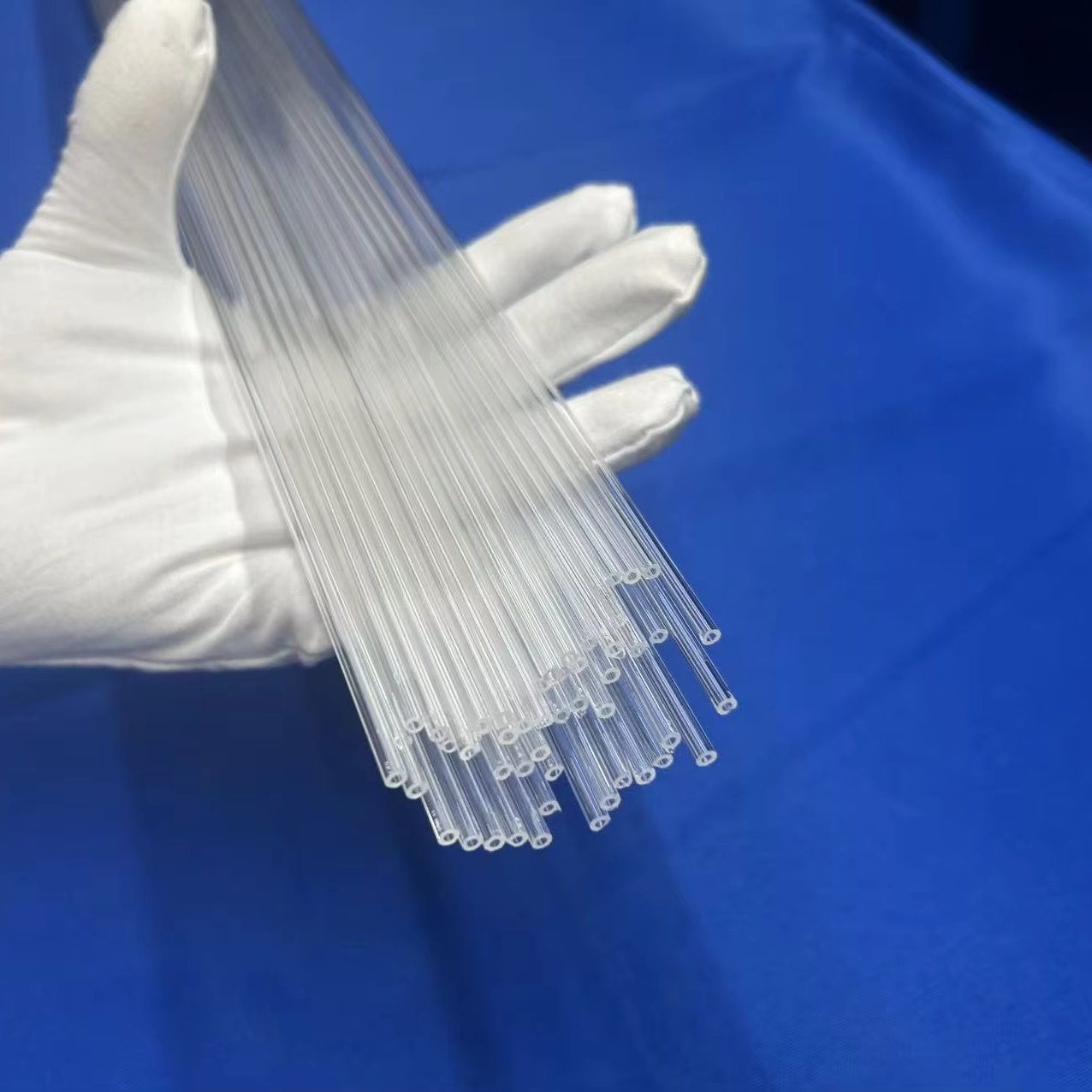
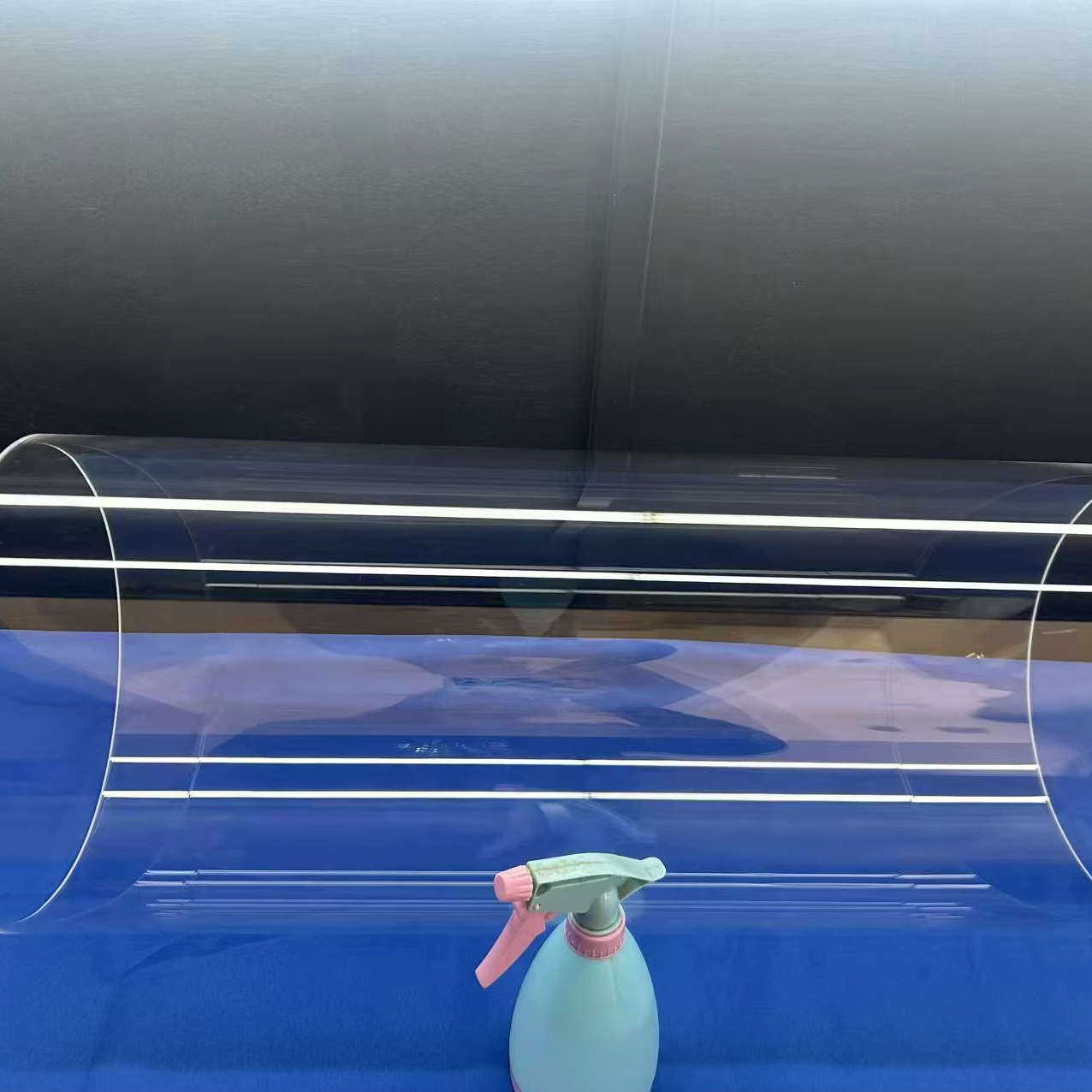
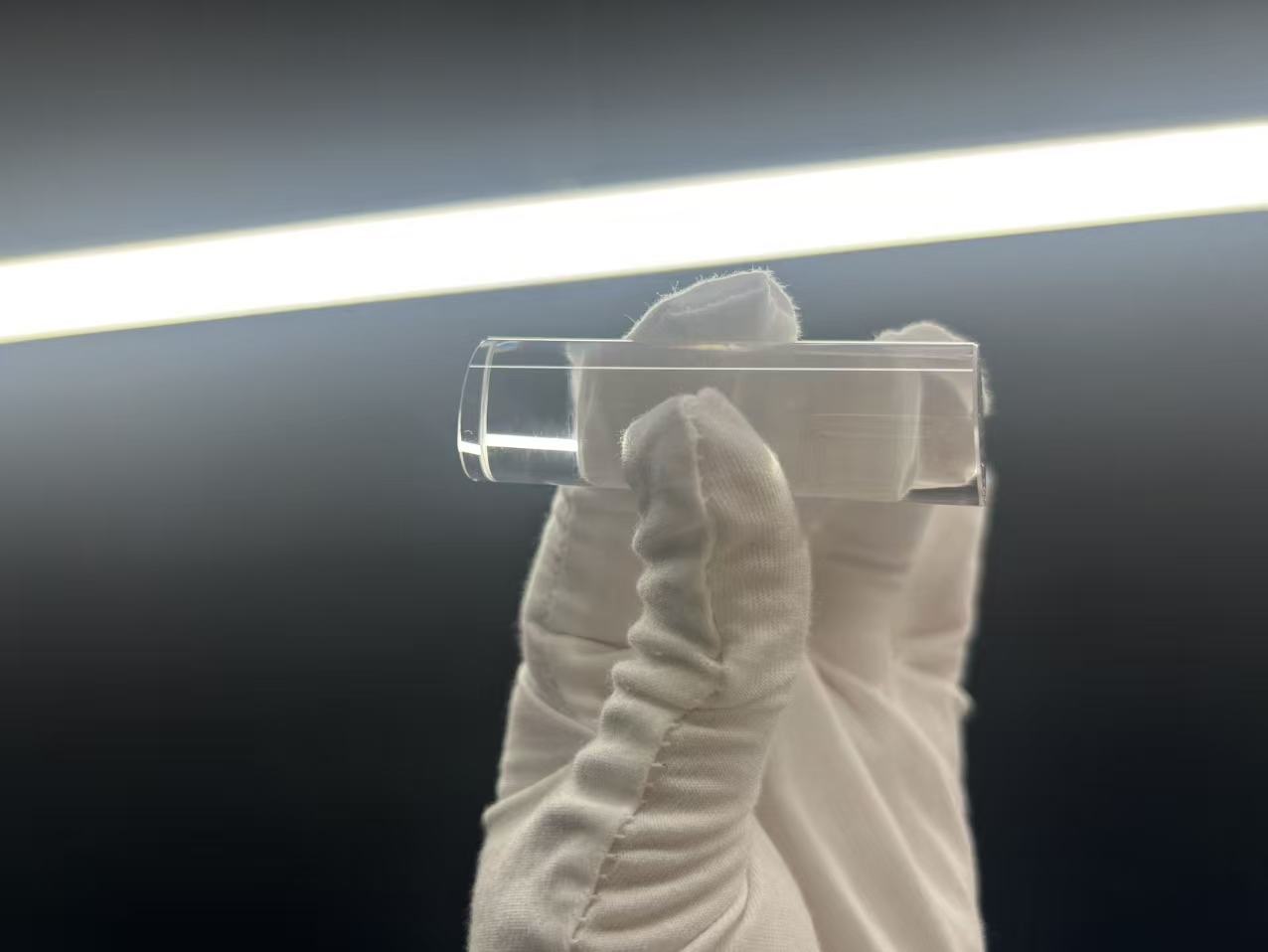
In high-temperature pyrometallurgy, crystal growing, and vacuum induction melting (VIM), crucible integrity dictates the difference between a pure melt and catastrophic furnace failure. As industrial entities within the Polog Valley and the Technological Industrial Development Zone (TIDZ) Tetovo modernize their manufacturing footprints, sourcing components that guarantee predictable structural behavior under thermal cycling is non-negotiable. Donghai County Nivra Quartz Products Co., Ltd. supplies precision-manufactured, electro-fused silica crucibles engineered specifically to eliminate micro-crack propagation, melt contamination, and structural devitrification.
Fused silica exhibits an exceptionally low linear coefficient of thermal expansion (CTE) of approximately 5.5 × 10⁻⁷ /°C between 20°C and 1000°C. This unique thermodynamic characteristic allows Nivra crucibles to survive drastic thermal shocks—such as rapid quenching or induction flash heating—without undergoing catastrophic brittle fractures common to alumina, zirconia, or graphite-bonded silicon carbide vessels. The high-purity amorphous matrix provides near-zero permeability to gases, suppressing the vapor-phase diffusion of volatile elements into molten non-ferrous, precious metal, or polysilicon batches.
| Physical & Thermal Property | Fused Silica Quartz (Nivra Grade) | Alumina Ceramic (99% Al₂O₃) | Silicon Carbide (SiC) | Graphite (High Density ISO) |
|---|---|---|---|---|
| Chemical Purity (SiO₂ / Principal) | ≥ 99.99% | 99.0% – 99.5% | 90.0% – 98.0% | 99.9% Carbon |
| Thermal Expansion (CTE) (10⁻⁶/K) | 0.55 (Unmatched Shock Resistance) | 8.0 – 8.5 | 4.5 – 5.0 | 4.2 – 5.5 |
| Continuous Working Temp (°C) | 1150°C (Peak short-term 1450°C) | 1600°C | 1400°C | 2500°C (Inert atmosphere) |
| Thermal Shock Tolerance (ΔT Quench) | > 1000°C to Cold Water | ≈ 180°C – 220°C | ≈ 350°C | > 800°C (Non-oxidizing) |
| Dielectric Loss Tangent (1 MHz) | < 0.0001 (Transparent to RF) | 0.0003 | Semiconductive / Absorptive | High Electrical Conductor |
| Alkali Metal Impurities (Na + K + Li) | < 1.5 ppm total | > 250 ppm | > 600 ppm | > 50 ppm (Ash content) |
The Devitrification Barrier: The primary failure mode of fused silica during prolonged operation above 1150°C is devitrification—the kinetic transformation of amorphous silica into crystalline cristobalite. Cristobalite undergoes a displacive phase transition (α to β) upon cooling past 220°C to 270°C, accompanied by a volumetric contraction of roughly 2.8%, generating catastrophic micro-fractures. Nivra counters this through strict hydroxyl control (low-OH profiles below 15 ppm) and ultra-trace level alkali filtering. By restricting sodium, potassium, and lithium ions below 1.5 ppm, the nucleation rate of surface cristobalite is retarded by up to 340%, granting industrial foundries in Tetovo multiple repeat cycles in vacuum and neutral atmospheric furnaces.
Aligning Chinese manufacturing excellence with North Macedonia’s technological and metallurgy modernization goals.
Technological Industrial Development Zone (TIDZ) Tetovo serves as a prime manufacturing node. Our fused silica crucibles, pouring nozzles, and launders are integrated into vacuum induction melting (VIM) systems casting tight-tolerance alloy parts for Western European automotive and machinery tiers, ensuring zero carbon pickup and iron contamination.
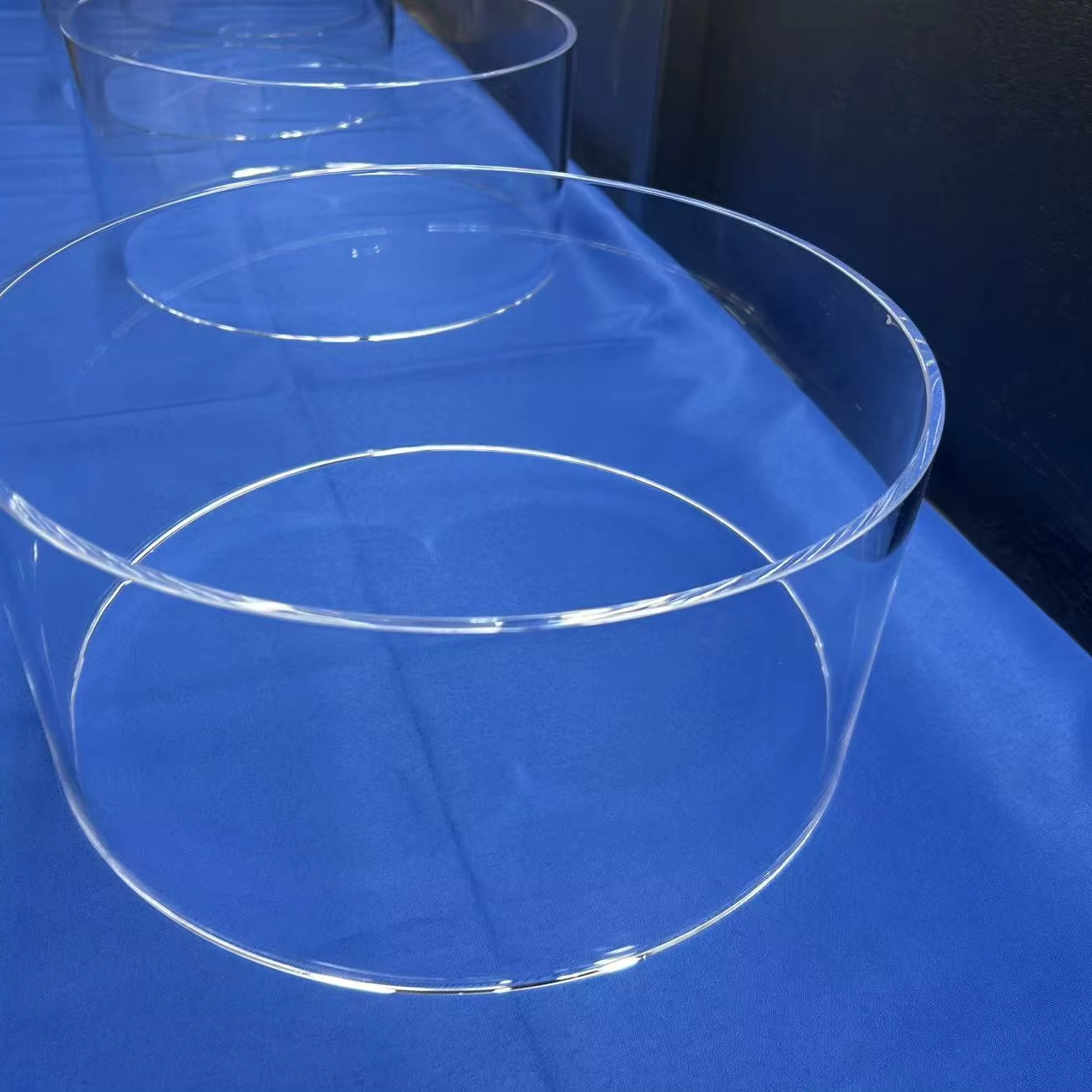
With North Macedonia expanding solar deployment in line with EU Green Agenda goals, local components developers use Nivra large-diameter fused quartz crucibles and square quartz diffusion tanks. These deliver thermal consistency during multi-crystalline ingot growing, solid-state doping, and silicon wafer chemical polishing.
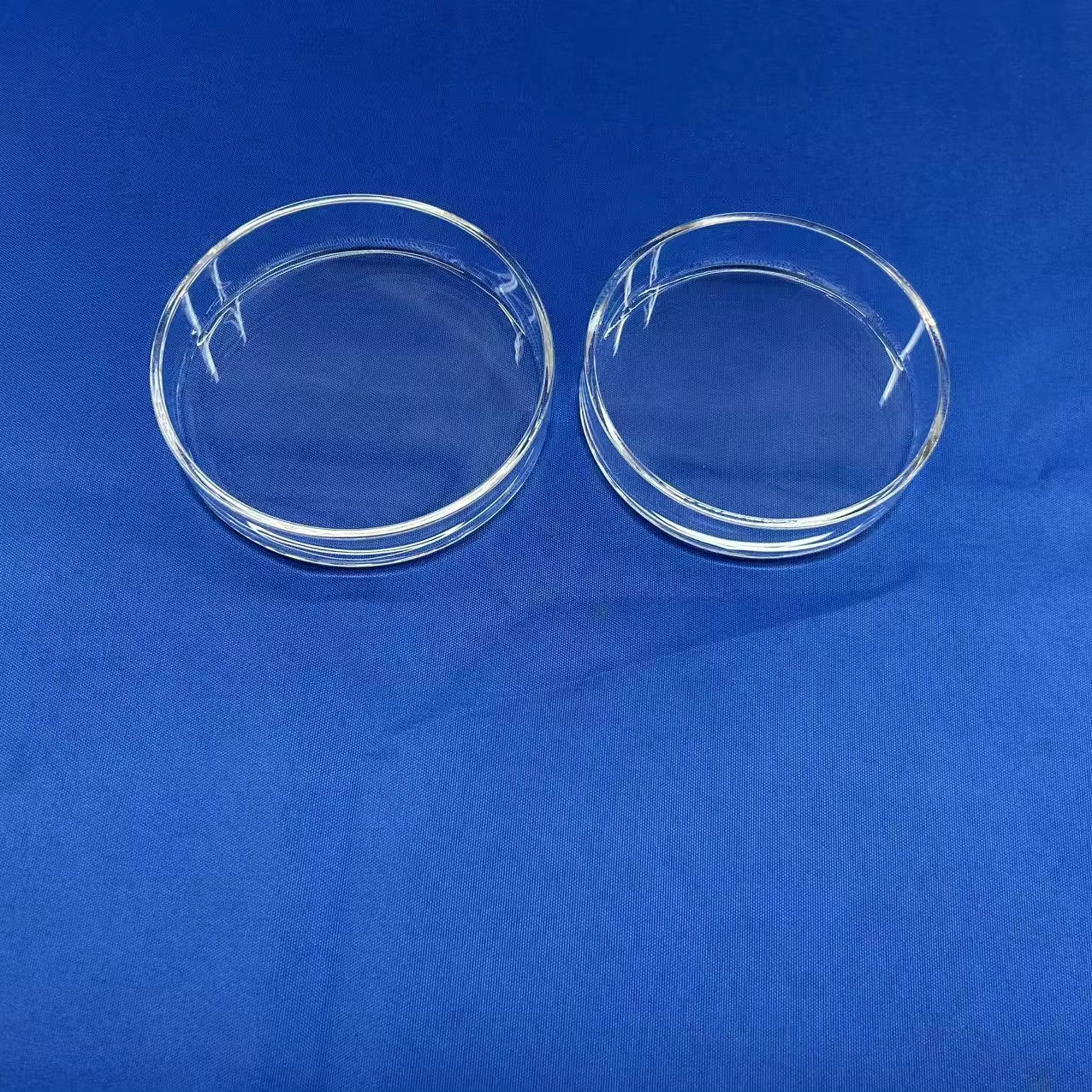
Academic laboratories at the State University of Tetova (Universiteti i Tetovës) and South East European University (SEEU) utilize Nivra quartz test tubes, petri dishes with ground-lids, and transparent cuvettes for UV-Vis spectrophotometry, catalyst pyrochemical analysis, and environmental trace monitoring down to 190 nm.
The industrial landscape of Tetovo and the wider Polog statistical planning region is undergoing a structural pivot. Historically anchored by heavy ferroalloy production—epitomized by legacy metallurgy plants in neighboring Jegunovce—the regional ecosystem is shifting toward higher-value specialized engineering, electric vehicle (EV) supply chain integration, and clean renewable fabrication. European Union nearshoring initiatives are incentivizing engineering enterprises to build reliable tier-2 manufacturing hubs within North Macedonia to shorten lead times relative to Far East transit channels.
However, high-temperature manufacturing within this nearshored corridor faces a critical vulnerability: refractory material variability. Sub-standard crucibles and heating components derived from non-purified mineral quartz induce erratic chemical leaching during melting phases, elevating rejection rates of structural castings. By partnering directly with Donghai County Nivra Quartz Products Co., Ltd., procurement directors in Tetovo eliminate distributor markups and guarantee certified mineral provenance directly from China’s quartz epicenter.
Furthermore, Pan-European transport corridor developments—specifically Corridor VIII (linking Albania, North Macedonia, and Bulgaria) and Corridor X—have drastically improved logistical clearance into Tetovo. Nivra shipments routed through the Port of Thessaloniki (Greece) or Port of Durrës (Albania) reach factory floors in Tetovo with streamlined customs bonded processing, accompanied by complete mill test certificates (MTC) and ICP-MS impurity analyses compliant with Western Balkan customs regulations.
Combining primary mineral extraction in Donghai with precision CNC processing and global export reliability.
Founded in February 2019 in Donghai County, Jiangsu—China’s world-renowned quartz capital. Direct access to superior geological silica rock enables our 101–200 employee plant to process ultra-pure quartz with trace contamination under 15 ppm.
We execute diamond wire sawing, 5-axis CNC ultrasonic core drilling, optical surface lapping, precision flame welding, and 1250°C controlled inert annealing in-house. We reliably satisfy non-standard geometric tolerances down to ±0.02 mm.
Operating premises independently validated by third-party auditors and Alibaba.com. Each batch undergoes optical polariscopic strain analysis, laser interferometer dimensional profiling, and verified export certification before dispatch.
Fragile quartz requires military-grade packaging. All items are vacuum sealed, encased in tailored high-density polyolefin shock absorbing foam, and packaged in IPPC-certified fumigated structural plywood crates for intermodal shipping to Tetovo.
Addressing the technical, metallurgical, customs, and operational queries common among industrial buyers in North Macedonia.
Fused silica quartz crucibles, tubes, and laboratory ware entering North Macedonia are classified under HS Code 7017.10.00 (Laboratory, hygienic or pharmaceutical glassware, whether or not graduated or calibrated, of fused quartz or other fused silica) or HS Code 6903.10.00 / 6903.90.90 for refractory ceramic goods containing fused silica. Industrial importers operating inside the TIDZ Tetovo economic zone typically enjoy preferential customs duties and VAT exemptions under Macedonian customs legislation. Nivra supplies complete commercial invoices, packing lists with net/gross weights, and Certificate of Origin (COO) to expedite clearance at Tabanovce or Bogorodica border crossings.
Opaque slip-cast crucibles feature micro-porosity (bulk density ≈ 1.90–2.05 g/cm³) formed by sintering quartz grain slurry. They provide remarkable thermal insulation and withstand large melt volumes in non-ferrous casting, but are prone to slag penetration over long holds. Clear, transparent arc-fused crucibles (bulk density 2.20 g/cm³) are fully vitrified with zero open porosity, preventing gas dissolution, minimizing chemical slag attack, and offering total optical clarity to visually monitor melting behavior in laboratory or semiconductor silicon crystal pulling.
We deploy a multi-barrier packaging matrix developed over hundreds of European shipments. Every single quartz tube or crucible is dust-cleaned, wrapped in static-neutral polythene film, and embedded in custom CNC-contoured, shock-absorbing closed-cell EPE foam (density ≥ 28 kg/m³). The primary carton is isolated inside an external fumigation-free engineered plywood container reinforced with steel edge brackets. Long tubes are immobilized along their horizontal axis to cancel destructive resonance vibrations during transit via Thessaloniki or Durrës ports.
Although fused silica possesses phenomenal thermal shock tolerance, thermal stress minimization preserves the inner wall. For clean melts, ramp temperature at 10°C to 15°C/min up to 800°C, and 5°C to 8°C/min when approaching 1200°C. Never exceed 1450°C for extended durations to prevent structural sagging. When cycling downward, cool naturally past the critical 270°C–200°C cristobalite phase transformation zone. Avoiding direct contact with cold metallic tongs by utilizing quartz-tipped or fiber-insulated handling tools avoids localized micro-cracking.
Yes. Nivra provides comprehensive OEM/ODM engineering fabrication. We accept 2D drawings (DWG, DXF, PDF) and 3D CAD models (STEP, IGES). Our CNC and flame machining capabilities cover wall thickness tapering, flat or hemispherical bottoms, pouring spouts, custom ground flanges, evacuation ports, perforated gas baffles, and laser-etched graduation marks. Our technical engineering division reviews tolerances and draft angles, returning complete DFM (Design for Manufacturability) reports within 5 hours.
Fused silica is chemically inert to nearly all acids, including concentrated hydrochloric (HCl), nitric (HNO₃), and sulfuric (H₂SO₄) acids. However, hydrofluoric acid (HF) rapidly dissolves silica forming SiF₄ gas, and phosphoric acid (H₃PO₄) causes dissolution at temperatures exceeding 150°C. In metallurgical molten states, fused silica must avoid direct contact with molten basic metal oxides (such as FeO, CaO, MgO), strong basic fluxes (sodium carbonate, fluorides), and molten aluminum at elevated temperatures, which chemically reduce silica into silicon alloy phase.
Every commercial consignment for Tetovo includes: (1) Certified Mill Test Report (MTR) detailing chemical purity (SiO₂ wt%), (2) ICP-MS Trace Metal Analysis logging Fe, Al, Ca, Mg, Na, K, and Ti concentrations in ppm, (3) Dimensional Inspection Protocol measuring wall thickness, ovality, and camber, (4) Certificate of Conformity (CoC) to ISO 9001 quality management procedures, and (5) ISPM-15 wooden packaging compliance verification.
For standard crucibles, tubes, and labware, the MOQ is as low as 1 to 10 pieces, allowing engineering teams in Tetovo to conduct trial melts and prototype validations without capital lockup. Prototype custom orders are fabricated within 7 to 12 working days. Full container loads or multi-pallet sea freight shipments typically complete manufacturing within 18 to 25 days, with maritime transit times from Lianyungang / Qingdao Port to Thessaloniki averaging 28 to 34 days.
Consult with Nivra's technical team today. Receive certified material data sheets, tailored CAD evaluations, and transparent factory-direct pricing for your facilities in Tetovo and North Macedonia.