High-Purity Fused Quartz Components Ready for Export
Engineered at China’s mineral epicenter in Donghai County by Nivra Quartz Products Co., Ltd., each product represents semiconductor-grade purity, atomic thermal resilience, and sub-millimeter geometric accuracy tailored for Charlotte procurement managers.
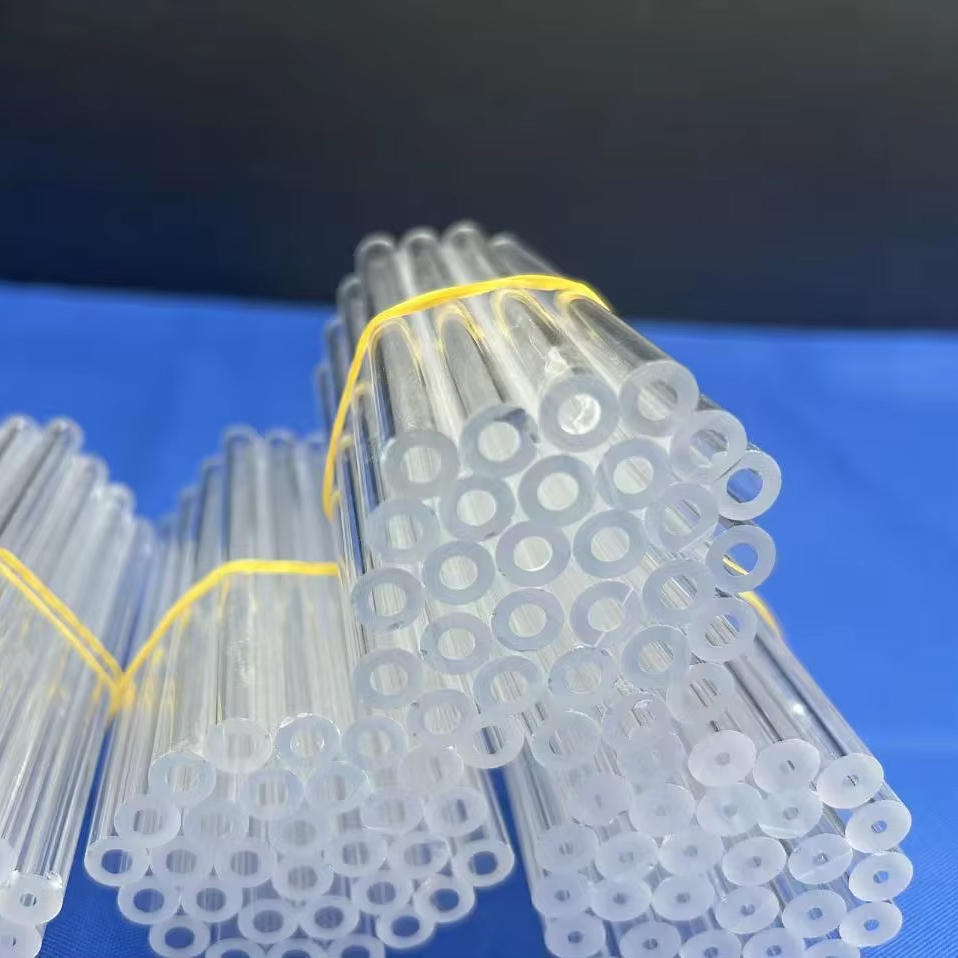
Customized Size Clear Quartz Glass Tube BET Borosilicate Tube
- Purity SiO₂: ≥ 99.99%
- Thermal Strain: 1070 °C
- Application: BET Analysis & R&D
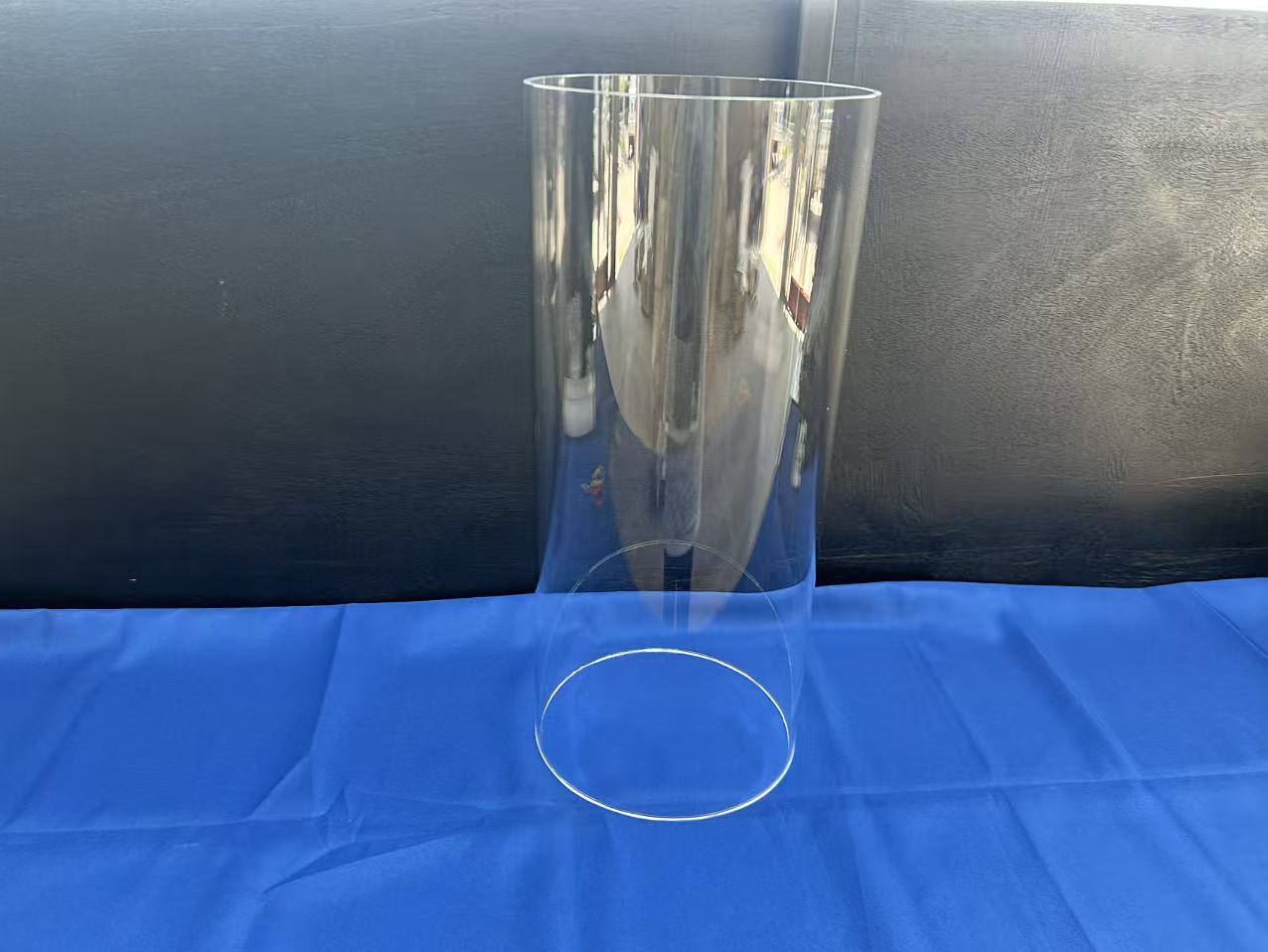
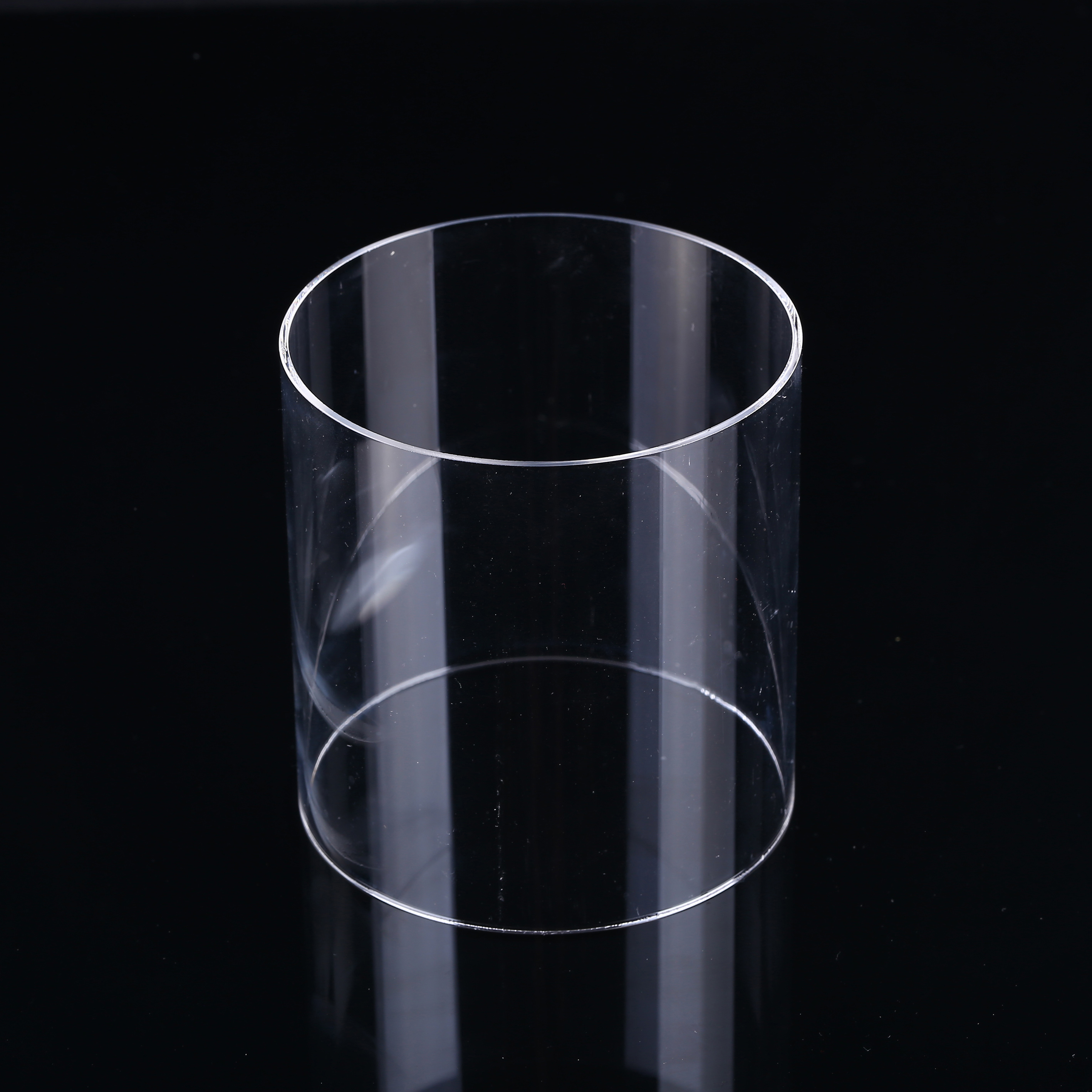
Large-Diameter High-Purity Fused Quartz Transparent Glass Tubes
- Outer Dia: Up to 600 mm
- Wall Uniformity: ± 0.15 mm
- Service: Welding / Cutting
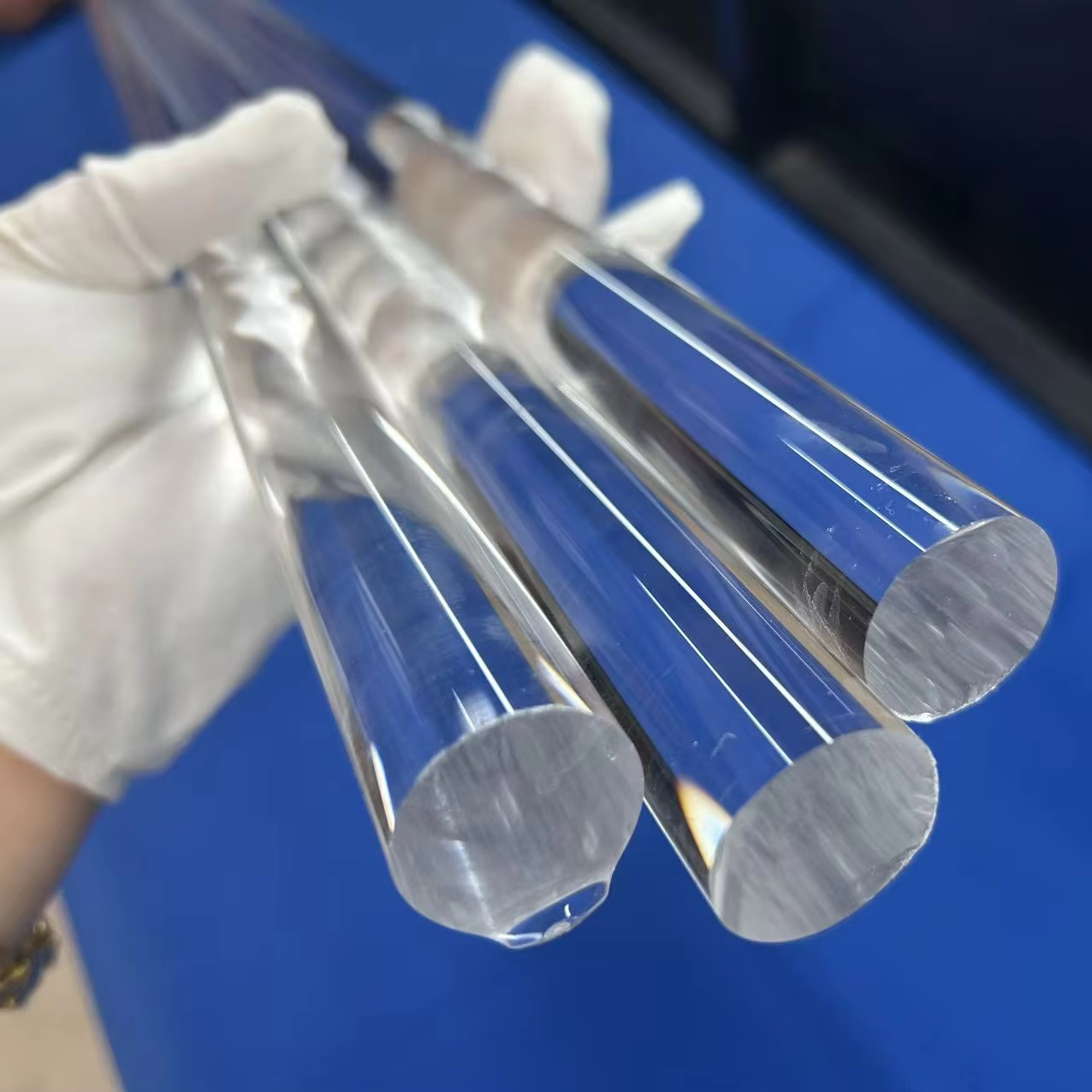
High-Purity Fused Quartz Large Diameter Round Rods / Billets
- Grade: Thermal Ingot Stock
- OH⁻ Content: < 5–20 ppm
- Fabrication: Bending & Core Boring
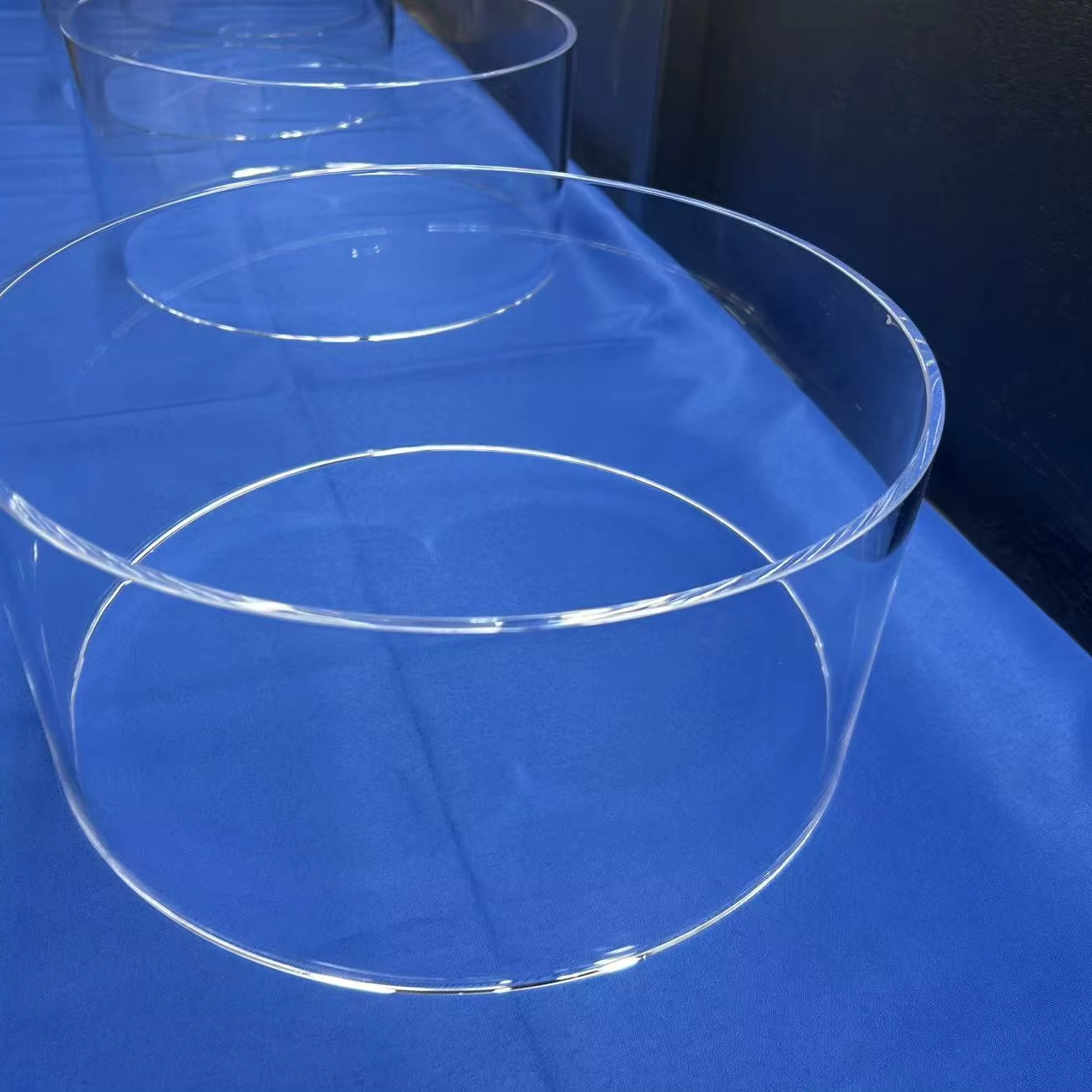
Engineered Fused Quartz Heavy Rods: CNC Cut & Welded
- Tolerance: ± 0.05 mm
- Surface Polish: 80/50 or Optical 60/40
- End Prep: Ground / Fire-Polished
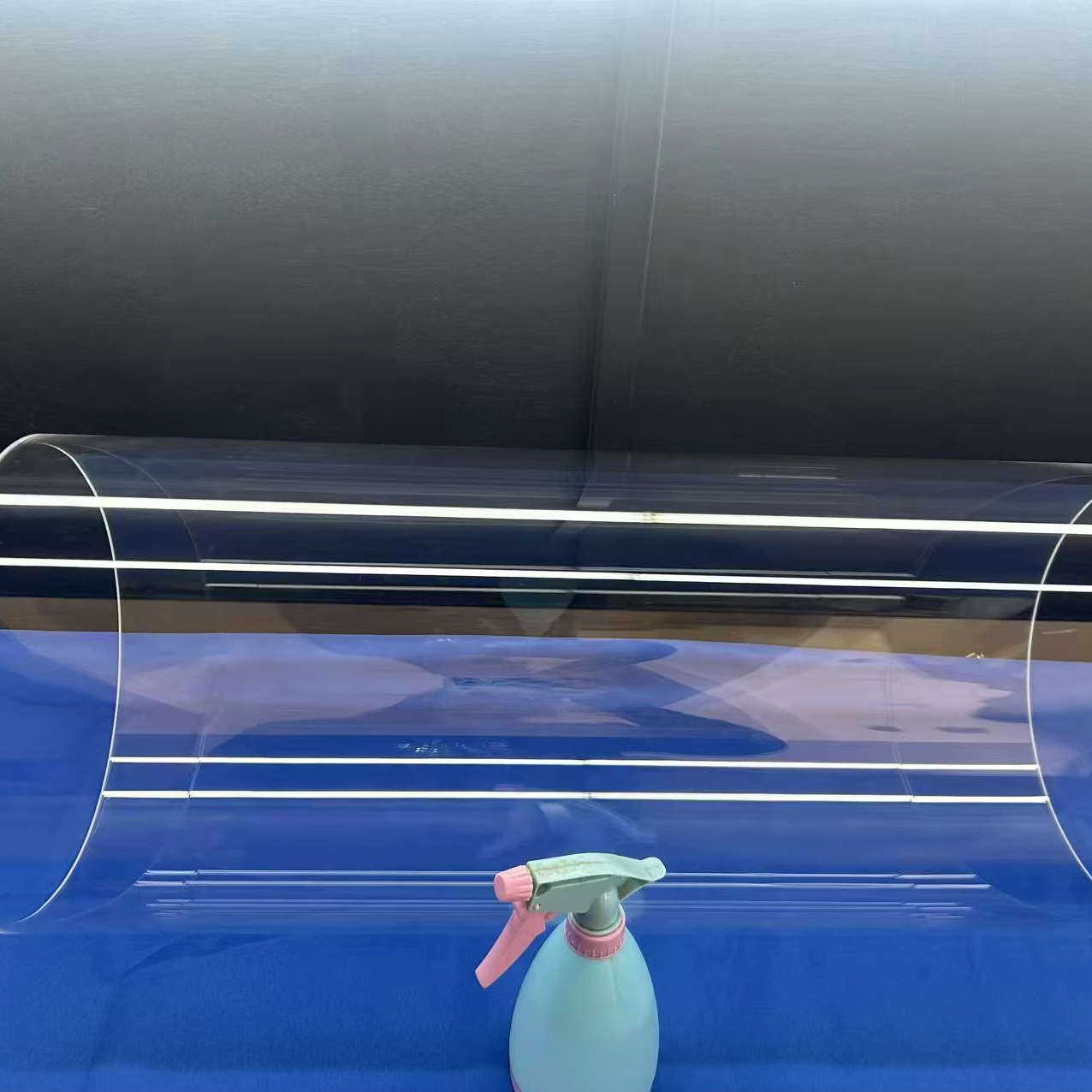
High-Temperature High-Purity Fused Quartz Process Tube
- Continuous: 1100 °C (Short 1450 °C)
- Devitrification: Ultra-Resistant
- Linear CTE: 5.5 × 10⁻⁷ / °C
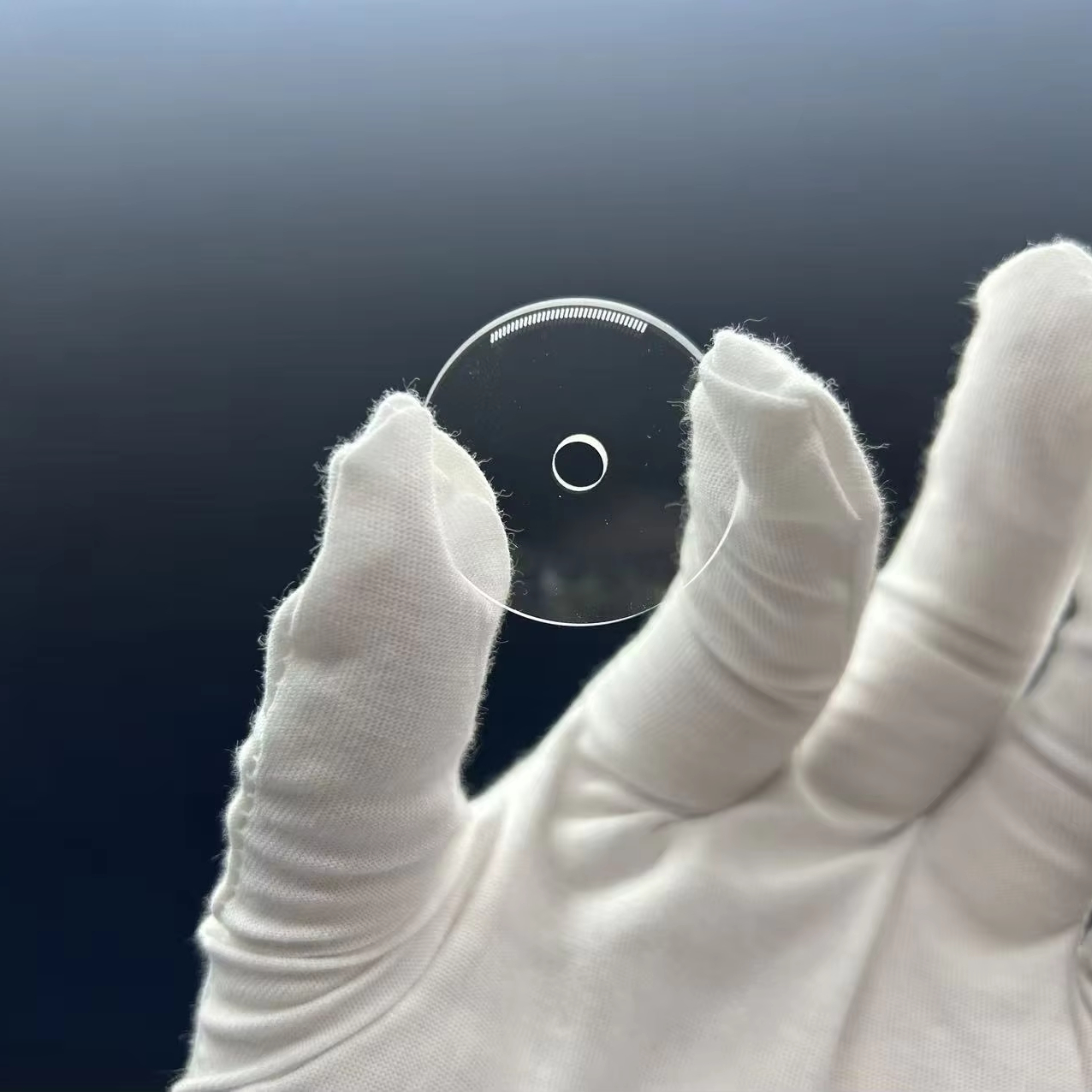
Diffuse Frosted Fused Quartz Plate & Infrared Shield Sheet
- Finish: Uniform Sandblasted
- Diffusivity: High IR Dispersion
- Custom Sizing: Up to 1000 × 1200 mm
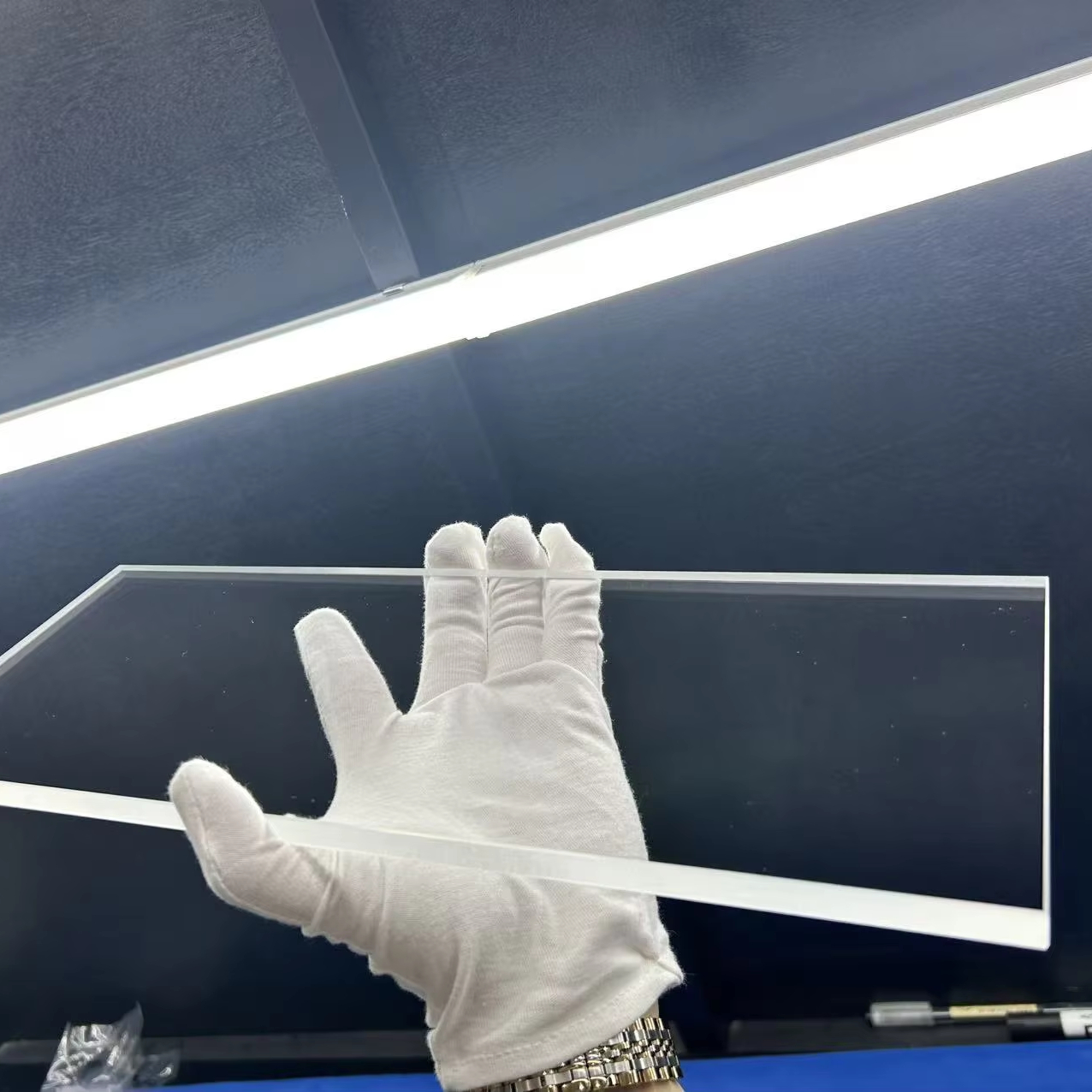
Ultra-Clear High-Purity Optical Quartz Window Sheet (JGS1/JGS2)
- UV Transmittance: > 92% @ 254 nm
- Parallelism: < 30 arcsec
- Surface Figure: λ/4 or λ/10
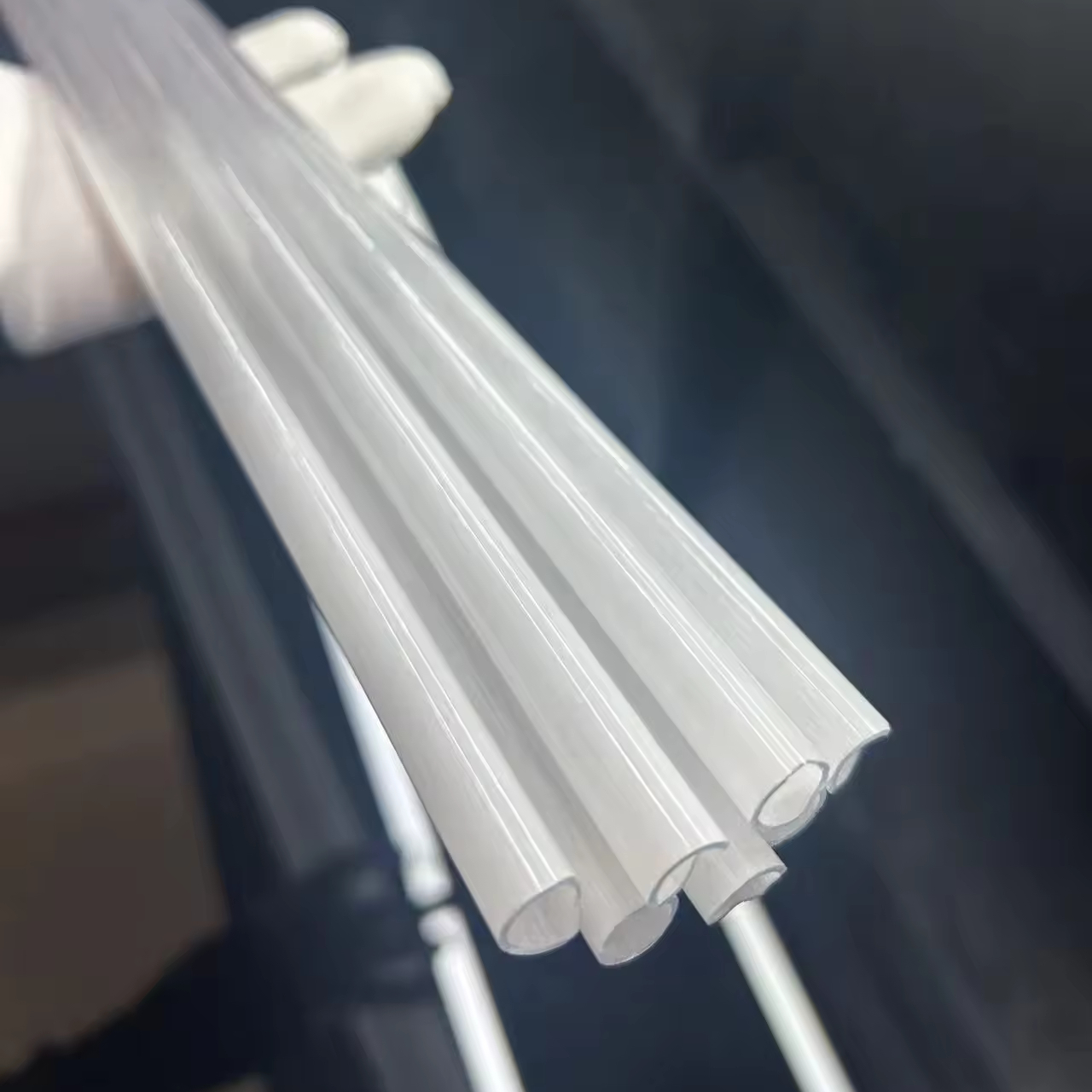
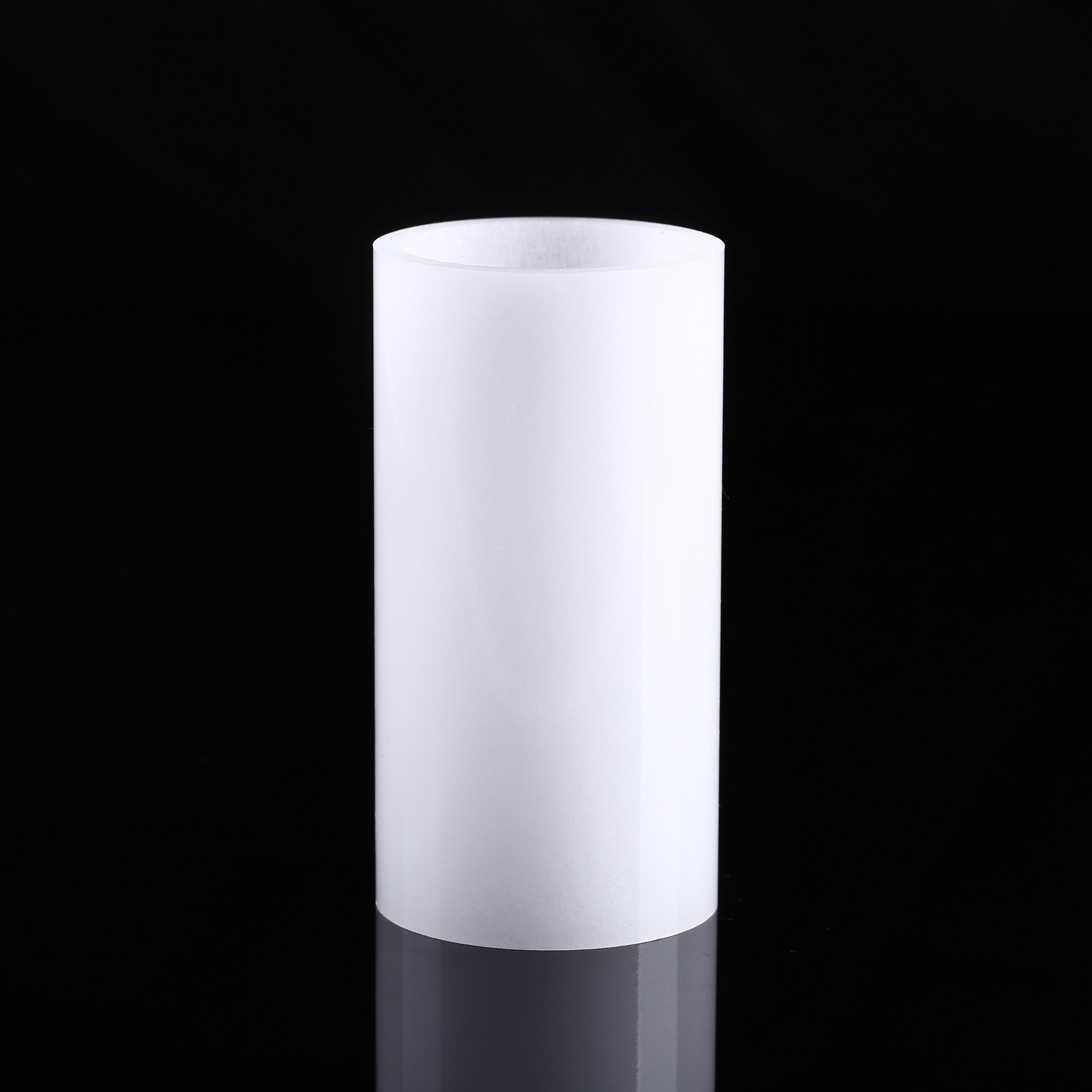
Translucent Milky White Opaque Fused Quartz Pipe & Insulating Sleeve
- Thermal Blocking: Excellent IR Reflector
- Melting Refract: Softening 1680 °C
- Bulk Density: 2.07–2.15 g/cm³
Fused Quartz Ingots: The Bedrock of Next-Generation Charlotte Manufacturing
As the commercial capital of North Carolina and one of the fastest-growing technology, advanced manufacturing, and energy corridors in the United States, Charlotte demands zero-compromise raw materials. Fused quartz ingots (fused silica boules) manufactured by Nivra Quartz in Donghai County provide the exact physical, optical, and thermodynamic parameters required by high-specification industrial engineering.
Unlike standard borosilicate or aluminosilicate glasses, high-purity fused quartz is composed entirely of amorphous non-crystalline silicon dioxide ($SiO_2$). This monolithic purity structure grants near-zero thermal expansion ($5.5 \times 10^{-7}/\text{°C}$), immunity to catastrophic thermal shock when plunging from 1100 °C into cold water, outstanding electrical dielectric breakdown resistance across high radio frequencies, and exceptional transmission windows spanning from vacuum deep-ultraviolet (185 nm) through mid-infrared (3500 nm).
For procurement officers and materials engineers in Mecklenburg County, Gastonia, Concord, and the broader Piedmont Triad research clusters, sourcing direct from Donghai’s specialized high-vacuum arc and oxy-hydrogen fusion kilns eliminates unnecessary intermediary margins while guaranteeing traceability through Certificate of Analysis (COA) documentation.
Thermal & Mechanical Constants of Nivra Quartz Ingots
Standardized baseline metrics measured across certified batches for industrial drawing compliance:
High-Purity Quartz Applications in Charlotte's Industrial Corridor
Charlotte is no longer just a premier banking center; it has matured into a powerhouse of heavy energy engineering, advanced aerospace supply chains, wide-bandgap semiconductor development, and biomedical precision manufacturing.
Turbomachinery & High-Temperature Power Systems
The Charlotte metropolitan district serves as the North American engineering nerve center for global turbomachinery and clean energy giants (including massive manufacturing facilities for Siemens Energy, Westinghouse alliances, and Duke Energy’s regional power grids). Fused quartz ingots core-drilled into flame-polished sight glasses, pyrometer observation viewports, and vacuum-sealed plasma diagnostic conduits withstand extreme combustion pressures and corrosive exhaust gas streams without clouding or surface devitrification.
Thermal Protection Systems & Sensor Radar Domes
Operating along the I-85 and I-77 defense supplier network from Charlotte to Greensboro, aerospace contractors utilize quartz ingots sliced into precision optical flats and radar-transparent structural domes. Due to fused quartz’s negligible thermal expansion and uniform microwave permittivity across hypersonic temperature fluctuations, missile guidance optical sensor windows and high-altitude infrared imaging systems machined from Nivra ingots guarantee uncompromised focal clarity.
SiC / GaN Epitaxy & High-Purity Diffusion
The Carolinas have become the global epicenter for Wide-Bandgap (WBG) semiconductors, specifically Silicon Carbide (SiC) and Gallium Nitride (GaN) power electronics. Fused quartz ingots are wire-sawn and hollowed into large-diameter epitaxial reactor bell jars, wafer carriers, injector nozzles, and diffusion process tubes. Ultra-low alkali metal content (Li, Na, K < 0.5 ppm) prevents ionic cross-contamination during high-yield semiconductor crystal growth operations.
Laser Resonators, Prisms & Metrology Standards
Collaborating with academic and corporate R&D centers such as UNC Charlotte’s Center for Optoelectronics and Optical Communications, optical designers require low-striae, bubble-free fused silica ingots (JGS1 Grade). Our synthetic fused silica ingots exhibit transmission down to 185 nm, resisting excimer laser radiation damage and color-center solarization in high-power UV curing, optical lithography, and interferometer calibration systems.
Analytical Cuvettes, BET Sensors & Digestion Vessels
Charlotte’s environmental monitoring laboratories, soil testing agencies, and pharmaceutical quality control facilities depend on quartzware that remains inert across concentrated hydrochloric, sulfuric, and nitric acids. Ingots fabricated into specialized spectroscopic cuvettes and BET surface area test tubes provide absolute spectral repeatability and baseline transparency for ultra-trace impurity detection.
Solid-State Battery Synthesis & Thermal Baffles
As North Carolina solidifies its position within the southeastern "Battery Belt," electric vehicle battery innovators and lithium-ion cathode manufacturers in the Charlotte area utilize high-purity quartz calcination crucibles, thermal isolation baffles, and quartz furnace rollers to prevent foreign metal particulate contamination during high-temperature precursor sintering.
Comparative Chemical Profile & Optical Grade Classification
Understanding the distinction between electrically fused quartz (natural pegmatite quartz crystal) and synthetic chemical vapor deposition (CVD) fused silica is crucial to optimizing Charlotte component cost versus operational performance.
| Material Ingot Grade | Manufacturing Technology | Spectral Range | Hydroxyl (OH⁻) Level | Key Industrial Applications |
|---|---|---|---|---|
| JGS1 (Synthetic Fused Silica) | Chemical Vapor Deposition ($SiCl_4$ Gas Phase Oxidation) | 185 nm – 2500 nm (Deep UV) | High OH (600–1200 ppm) or Low OH < 5 ppm | Excimer laser windows, lithography projection optics, UV spectroscopy cuvettes. |
| JGS2 (Optical Fused Quartz) | Hydrogen-Oxygen Flame Fusion (Donghai High-Grade Quartz Sand) | 220 nm – 2500 nm (UV-Visible) | Medium OH (150–200 ppm) | Sight glasses, pyrometer viewports, optical flats, laser observation shields. |
| JGS3 (Infrared Fused Silica) | Electric Vacuum Induction Fusion (Purified Natural Quartz) | 260 nm – 3500 nm (Mid-to-Far IR) | Low OH (< 2–5 ppm) | Infrared thermography windows, CO₂ laser optics, thermal pyrometry chambers. |
| Standard Thermal Fused Quartz | Continuous Electric Arc Fusion / Gas-Oxygen Melting | 350 nm – 2600 nm | Standard OH (20–40 ppm) | Furnace process tubes, wafer carrier boats, thermocouple protection sheaths. |
Trace Elemental Impurity Analysis (ICP-MS Tested)
Ingot chemical stability is determined by trace metal concentration (measured in parts per million). Nivra Quartz guarantees stringent purity control across all exported ingots:
- • Aluminum (Al): 8.0 – 14.0 ppm (Stabilizes high-temperature structural viscosity)
- • Iron (Fe): < 0.15 ppm (Prevents optical darkening and devitrification seeds)
- • Titanium (Ti): < 1.0 ppm (Eliminates localized UV absorption cut-off shifts)
- • Calcium (Ca): < 0.4 ppm | Magnesium (Mg): < 0.1 ppm
- • Alkali Metals (Na, K, Li): Total cumulative < 1.0 ppm (Critical for semiconductor diffusion purity)
Eliminating Devitrification in Charlotte High-Heat Plants
Devitrification—the undesirable phase transformation from metastable amorphous quartz glass to crystalline cristobalite—occurs at temperatures above 1150 °C when alkali metal contamination is present on the surface.
Nivra Quartz utilizes proprietary ultra-clean deionized water washing, multi-stage hydrofluoric acid etching, and hydrogen-oxygen thermal annealing protocols before international export. This guarantees Charlotte industrial furnaces achieve maximum service lifespans exceeding 3,000 thermal cycles without surface chalking, spalling, or micro-cracking.
Charlotte Sourcing Dynamics: Overcoming Tariffs, Logistics, & TCO
Procuring raw quartz ingots and customized machine parts from China requires a sophisticated understanding of regional logistics infrastructure, customs clearance channels, and Total Cost of Ownership (TCO) balance.
Intermodal Ocean Access via Charleston & Wilmington
Charlotte benefits from exceptional geographic access to two premier Southeastern deepwater container ports: the Port of Charleston (South Carolina) and the Port of Wilmington (North Carolina). Nivra Quartz consolidates maritime container shipments originating from Shanghai or Qingdao, routing direct ocean transit to Charleston. From Charleston’s Wando Welch Terminal, heavy wooden crates of fused quartz ingots are transferred via direct overnight rail or 3.5-hour bonded flatbed transport directly into Charlotte distribution hubs along the I-77/I-85 corridor.
Expedited Air Freight via CLT International
For urgent prototype fabrication, university research grants, or high-value wafer processing emergencies, expedited air freight lands directly at Charlotte Douglas International Airport (CLT). Critical quartz ingots, optical flats, and precision test tubes clear customs with a typical factory-to-door transit timeframe of 4 to 6 business days, packed in custom-molded high-density EVA foam and reinforced shock-isolated shipping containers.
Total Cost of Ownership & Direct Factory Savings
Domestic United States quartz fabricators often add distributor markups ranging between 200% and 400% on raw ingot stock. By establishing direct OEM procurement partnerships with Donghai County Nivra Quartz Products Co., Ltd., Charlotte engineering teams bypass multiple tiers of middleman markups. Even when accounting for Section 301 tariffs, overseas freight, and harbor maintenance duties, net procurement expenditures are consistently reduced by 35% to 55%.
Donghai County Nivra Quartz Products Co., Ltd.
Founded in February 2019 in Donghai County, Lianyungang, Jiangsu Province—widely celebrated as China’s undisputed crystal and quartz capital—Nivra Quartz operates as a premier integrated manufacturer and direct exporter. Employing between 101 and 200 specialized glassblowers, CNC machinists, and optical engineers, our facility bridges the gap between raw mineral processing and high-precision finished components.
Our location provides unparalleled strategic advantages: direct proximity to China’s highest-grade silicon quartz deposits, access to specialized continuous-casting electrical arc furnaces, and deeply integrated regional testing laboratories. We maintain complete internal chain-of-custody control—from quartz mineral grading, crushing, acid leaching, and ingot fusion to 5-axis ultrasonic CNC milling, diamond wheel surface grinding, laser interferometer optical inspection, and final Class 1,000 cleanroom packaging.
Frequently Asked Questions by Charlotte Engineering Buyers
Addressing the technical, regulatory, and logistics inquiries most commonly raised by North Carolina supply chain managers sourcing fused quartz ingots from China.
What is the standard Minimum Order Quantity (MOQ) for custom quartz ingots?
For standard diameter ingots (50 mm, 100 mm, 150 mm, 200 mm, 300 mm), our MOQ starts at just 1 to 5 pieces for prototyping and material qualification trials. For custom boules requiring tailored dopants, non-standard rectangular dimensions, or specific core drilling, MOQs are evaluated based on total melt weight, typically starting at 10 pieces.
How are brittle quartz ingots protected during intermodal shipment to Charlotte?
Every quartz ingot undergoes ultrasonic cleaning and is sealed in anti-static, moisture-barrier polyethylene. Ingots are encased in custom-cut, high-density polyethylene (EPE) closed-cell foam shock absorbers, suspended within heavy-duty corrugated cartons, and crated inside ISPM 15 compliant fumigation-free solid plywood export cases. ShockWatch and TiltWatch indicators are attached for ocean and air monitoring.
Can you provide custom CNC machining from our CAD / STEP drawings?
Yes. Beyond supplying raw cast or flame-drawn ingots, our Donghai machining shop provides full precision fabrication services including diamond wire slicing, cylindrical grinding, edge beveling, CNC ultrasonic drilling, and optical surface polishing. We regularly machine directly from client-supplied STEP, IGES, DWG, and PDF technical prints to tolerances as tight as ± 0.02 mm.
What quality documentation and material certifications accompany shipments?
Every shipment is accompanied by a complete quality documentation packet: Certificate of Conformance (COC), lot-specific Inductively Coupled Plasma Mass Spectrometry (ICP-MS) Chemical Analysis, Spectrophotometer Transmission Curves (190 nm – 3200 nm), dimensional inspection reports, and full RoHS / REACH declaration certificates.
What is the typical production and delivery lead time to Charlotte, NC?
Standard catalog ingots and test tube stocks ship within 5 to 9 business days. Custom-grown ingots or precision-machined components typically require 2 to 3 weeks for fusion, precision annealing, and CNC finishing. Air freight to Charlotte Douglas Airport requires 4 to 6 transit days; standard ocean transit to the Port of Charleston requires 24 to 28 days.
How do we address US Section 301 tariffs on Chinese quartz imports?
Nivra Quartz works closely with Charlotte-based customs brokers to ensure accurate Harmonized Tariff Schedule (HTS) classifications (e.g., HTS 7002.31 for quartz tubes, 7002.20 for rods, 7002.39 for unworked ingots, and 7017.10 for laboratory glassware). By purchasing directly at source manufacturing costs, our Charlotte clients achieve substantial net savings despite current tariff schedules.
Request an Ingot Specification Review or Custom Quote
Whether you require raw cylindrical fused quartz ingots for local wire-sawing or precision-machined finished optical flats delivered to your Charlotte, NC loading dock, Nivra Quartz delivers factory-direct consistency with verifiable batch traceability.