High-Purity Quartz Vessels & Precision Thermal Components
Manufactured from natural and synthetic silica in Donghai—China’s premier quartz manufacturing capital. Serving specialized laboratory testing facilities, continuous emission testing units, and high-temperature furnace lines across Northern Montenegro.
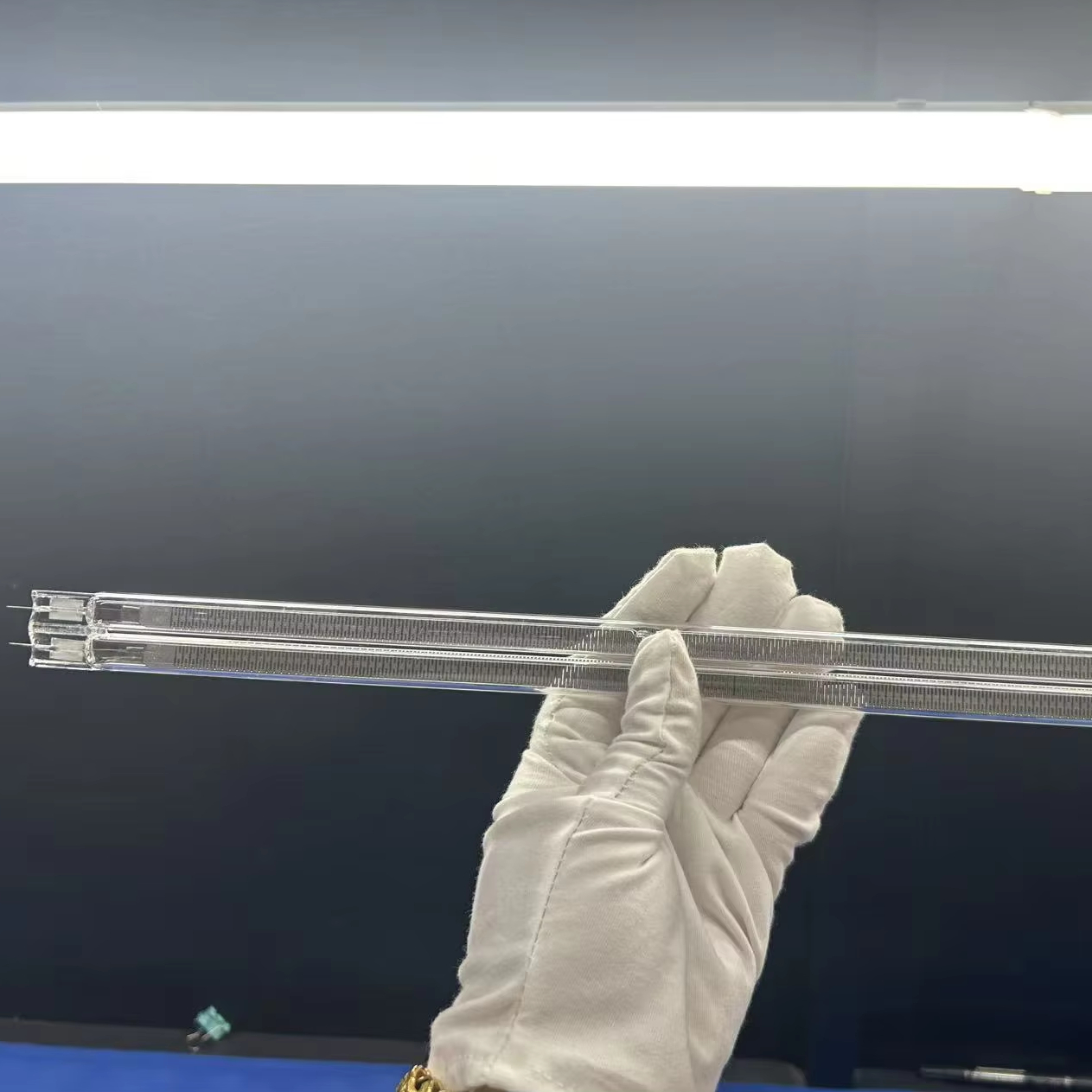
220v/380v 400mm 15*33mm Diameter Infrared Heating Tube Carbon Fiber/halogen Tube/graphite Tube for Fast Heating Equipment
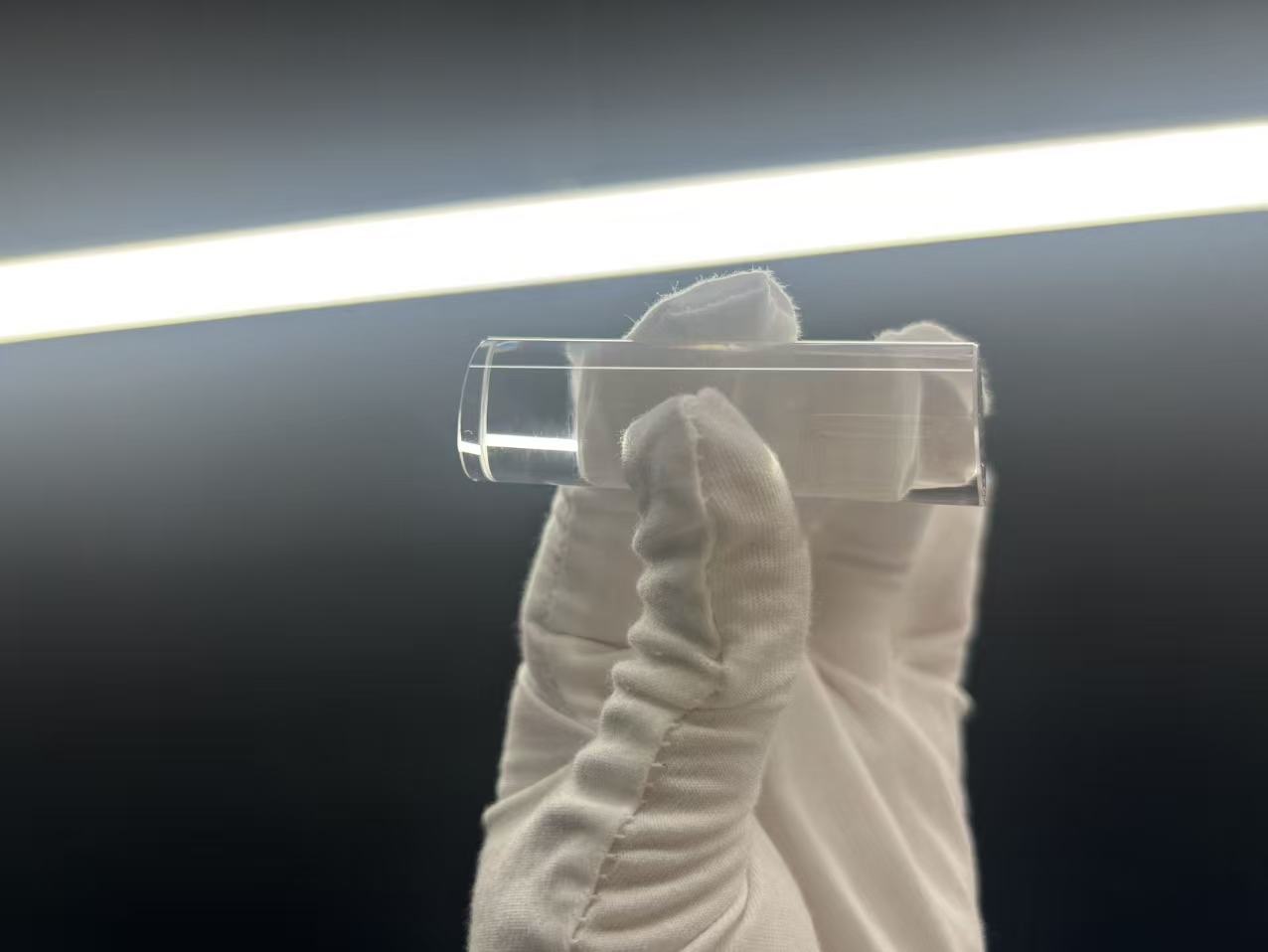
Round Head Quartz Rod
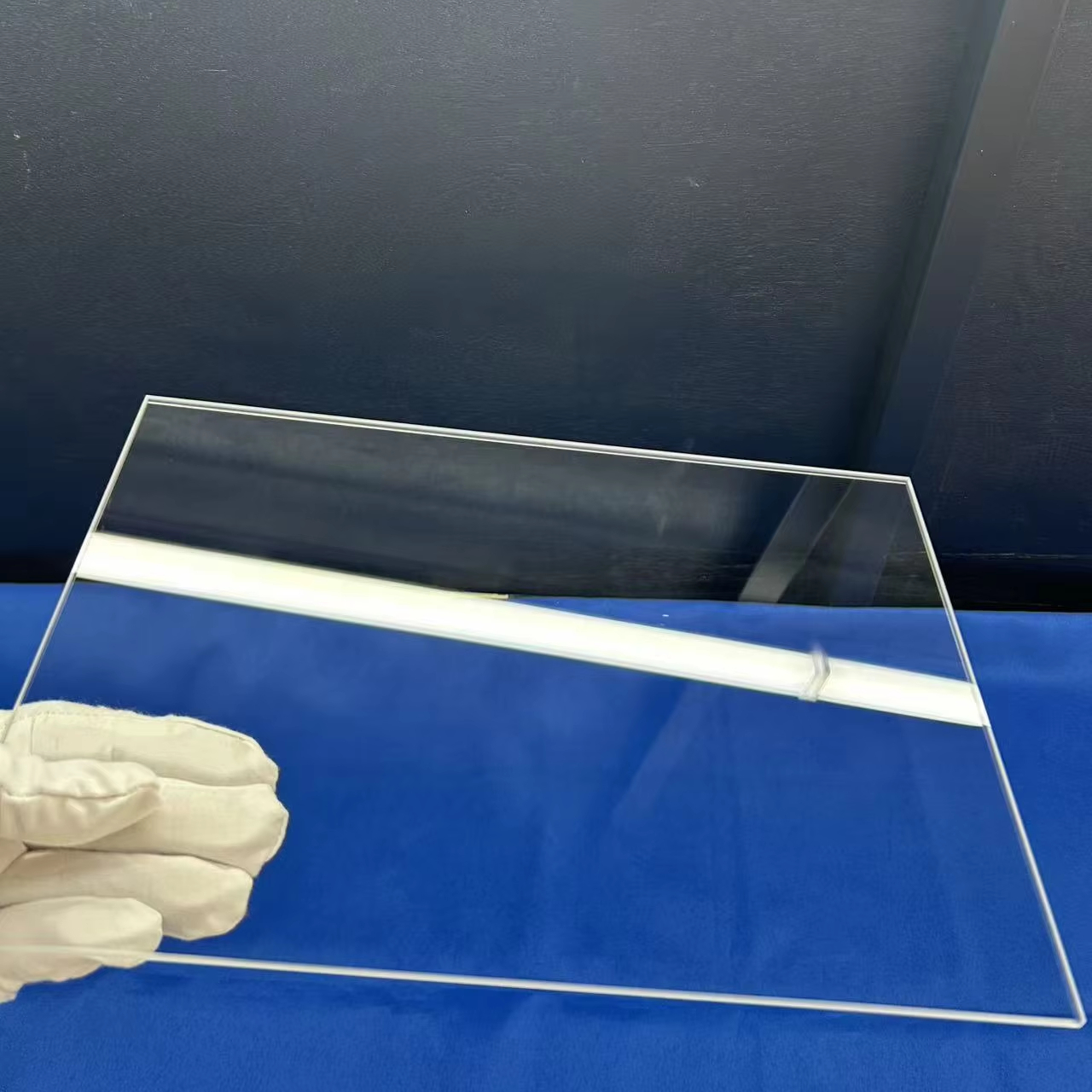
Custom Polished Purity Transparent Square Quartz Glass Clear Plate 4mm Thick for Optical Instruments Provide Welding Cutting
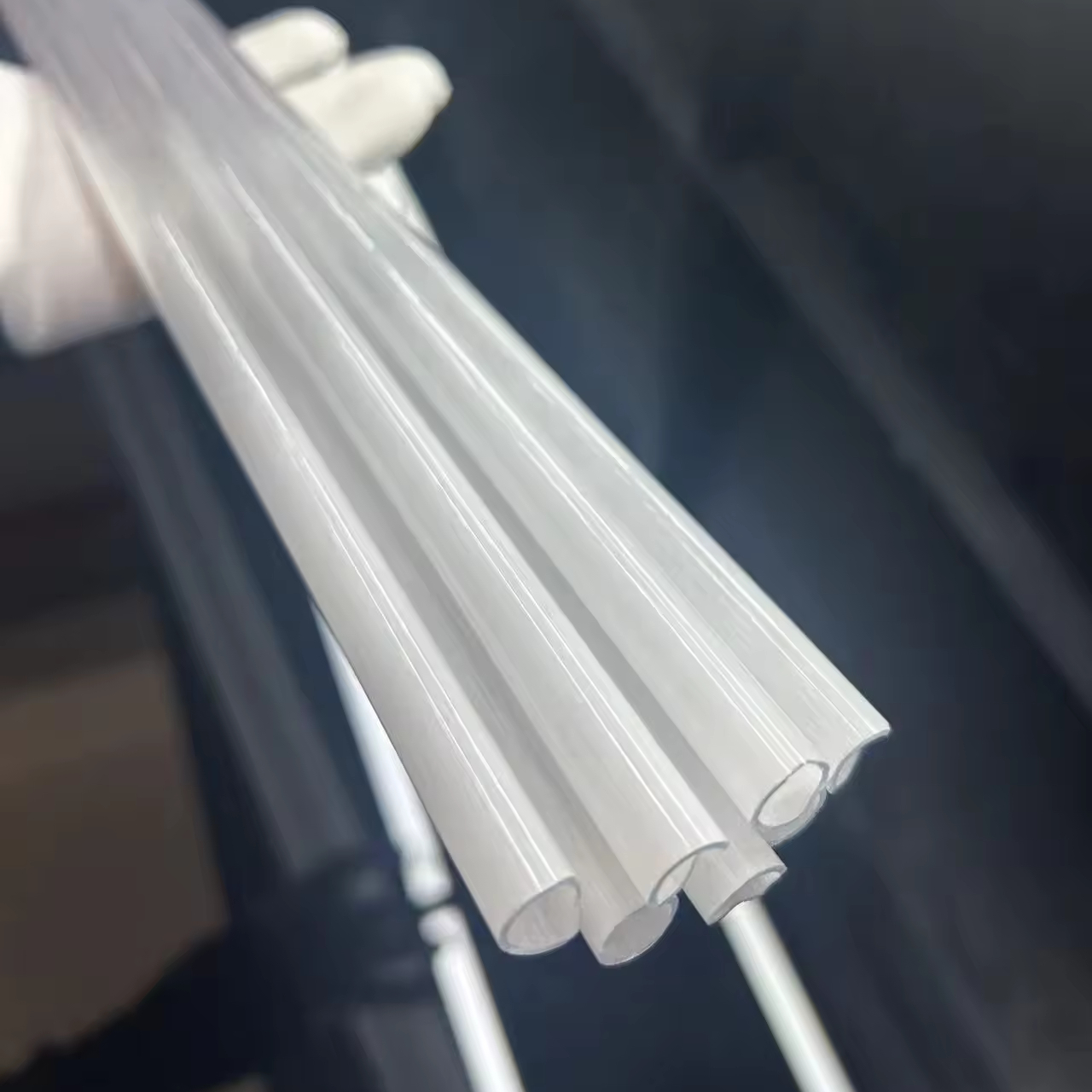
Translucent Quartz Glass Pipe Quartz Glass Sleeve Opaque Milky White Quartz Glass Tube
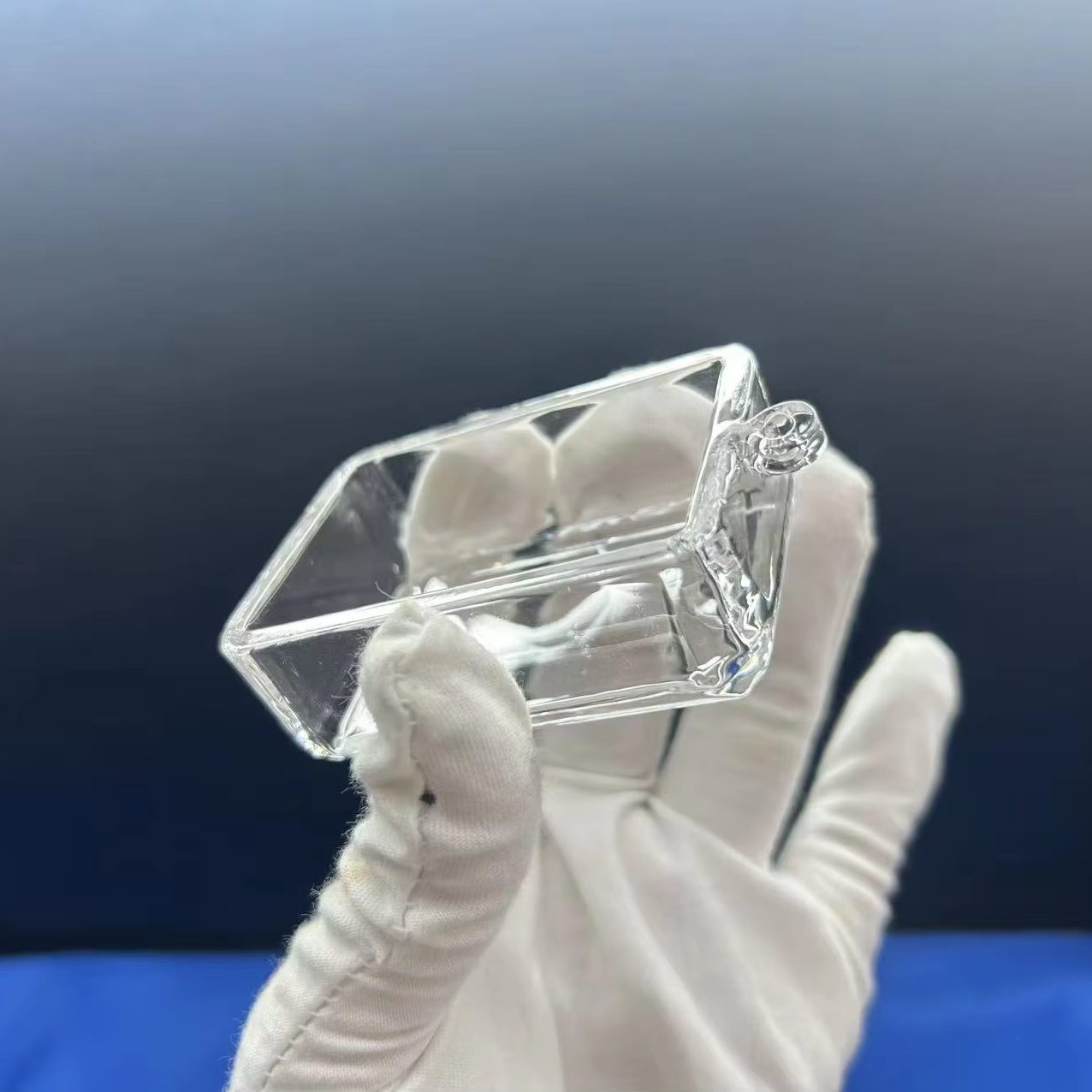
Quartz Tank
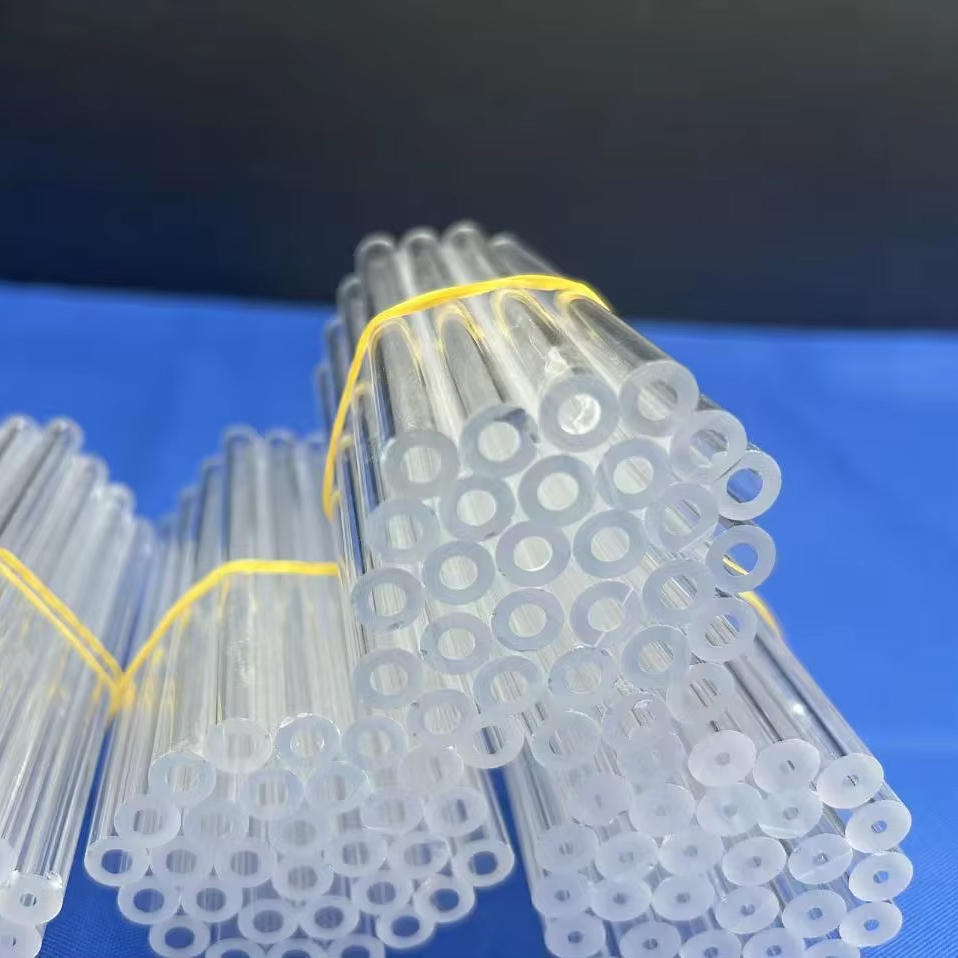
Customized Size clear Quartz Glass Tube BET Borosilicate Glass test Tube clear Quartz Glass Tube
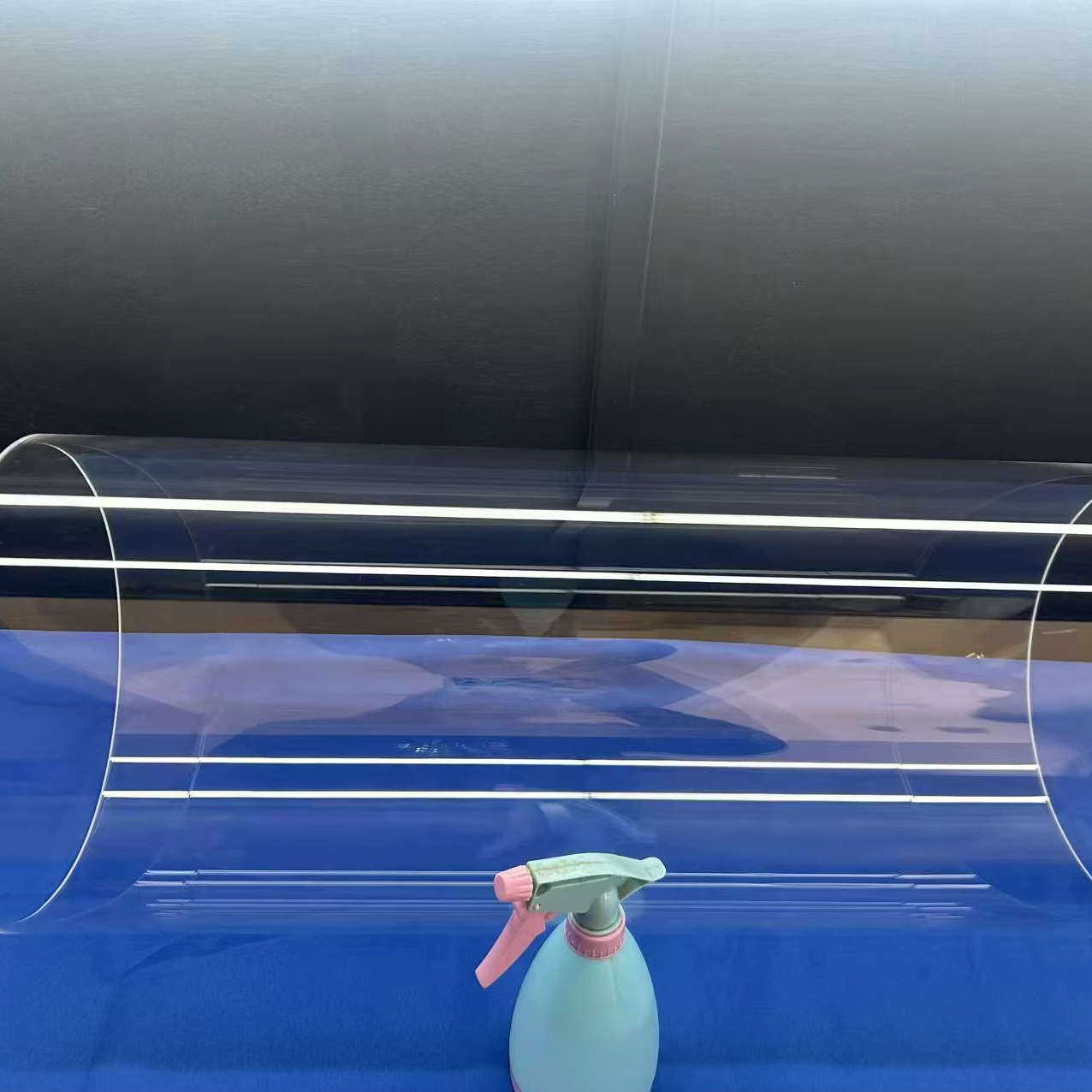
Customizable High Purity Fused Quartz Glass Tube High Temperature Resistant
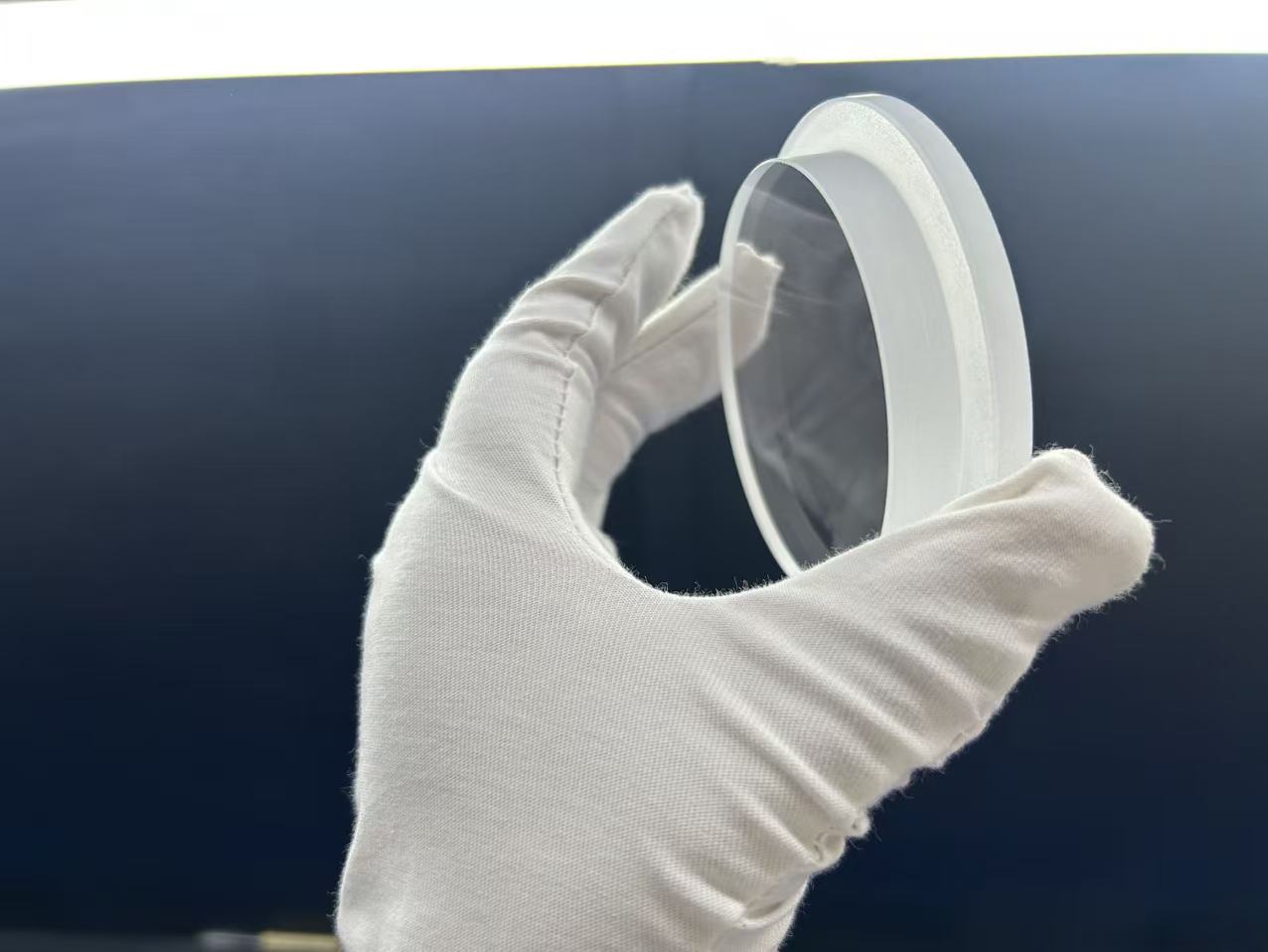
Factory-Made High-purity Ultra-thick Quartz Double-Layer Step Plate ,Provide Cutting and Polishing Services
High-Purity Fused Quartz Petri Dishes: Metallurgy, Crystallography & Thermal Shock Dynamics
Why modern analytical facilities in Montenegro are systematically replacing Class 3.3 Borosilicate with JGS1/JGS2 synthetic and fused silica vessels for high-temperature gravimetric analysis and volatile organic compound extraction.
Crystalline Integrity & Devitrification Resistance
Standard laboratory petri dishes molded from borosilicate glass (Pyrex-type) soften at 520°C–560°C and undergo catastrophic micro-crack propagation when subjected to cyclic thermal stress above 600°C. In contrast, Nivra Quartz fused silica petri dishes exhibit an amorphous three-dimensional network of silicon dioxide ($SiO_2$) tetrahedral bonding with negligible alkali flux content.
This molecular purity yields a critical transformation temperature of 1075°C and an ultimate softening point of 1683°C. For industrial metallurgical testing laboratories in Pljevlja, this guarantees that dishes can be transferred directly from an electric muffle furnace at 1050°C into ambient desiccators without thermal fracturing, physical deformation, or structural devitrification into cristobalite.
Elimination of Cross-Contamination Leaching
In high-precision environmental assays measuring trace elements—such as arsenic, lead, cadmium, and sulfur—borosilicate dishes leach measurable quantities of sodium ($Na^+$), potassium ($K^+$), and boron ($B^{3+}$) ions when exposed to hot concentrated nitric acid ($HNO_3$), aqua regia, or hydrobromic mixtures.
Nivra’s fused silica petri dishes feature total metallic impurity profiles below 20 parts per million (ppm), with ultra-pure synthetic JGS1 variants exhibiting trace heavy metals below 1.5 ppm. The chemical inertness is absolute across the entire pH spectrum (0 to 13), being susceptible only to direct attack by hydrofluoric acid ($HF$) and concentrated phosphoric acid ($H_3PO_4$) above 300°C.
| Physical / Chemical Property | Borosilicate Glass (3.3) | Nivra Fused Natural Quartz | Nivra Synthetic Silica (JGS1) | Relevance to Pljevlja Industry |
|---|---|---|---|---|
| Silicon Dioxide (SiO₂) Content | 80.5% – 81.0% | ≥ 99.99% | ≥ 99.9999% | Prevents elemental sample leaching |
| Continuous Working Temperature | 450°C | 1100°C | 1250°C | Essential for coal ash LOI at 815°C |
| Instantaneous Thermal Shock Delta | Δ 150°C – 180°C | Δ 1100°C to 20°C Water Quench | Δ 1200°C to Cold Ambient | Immune to rapid furnace insertion |
| Coefficient of Thermal Expansion (CTE) | 3.3 × 10⁻⁶ /°C | 5.5 × 10⁻⁷ /°C | 5.0 × 10⁻⁷ /°C | Sixfold higher dimensional stability |
| Optical Transmission (D-UV to IR) | 320 nm – 2500 nm | 220 nm – 3500 nm (JGS2) | 185 nm – 2500 nm (Deep-UV) | Spectrophotometric UV cell clarity |
| Hydrolytic Resistance (ISO 719) | Class HGB 1 | Class HGB 1 (Non-reactive) | Absolute Surface Inertness | Resists concentrated acid digestion |
Operational Scenarios in Pljevlja’s Industrial Ecosystem
How technical teams across Montenegro’s energy basin leverage Nivra Quartz glassware to meet rigorous ISO/IEC 17025 laboratory quality criteria and European Union ecological standards.
TEP Power Plant Fly Ash LOI & Volatilization
At Termoelektrana Pljevlja (TEP), accurate calculation of unburned carbon in fly ash and bottom slag via Loss on Ignition (LOI) requires prolonged muffle furnace heating at 815°C ± 10°C according to standard EN 196-2 and ISO 1171.
Nivra’s low-profile, optical-flat quartz petri dishes guarantee zero weight loss due to alkaline degassing, ensuring analytical balances record precise sample mass differences within 0.0001 grams without vessel hysteresis.
Ćehotina River Sediments & Trace Toxicology
Environmental remediation programs targeting the Ćehotina river watershed require digestions of alluvial silts and tailings leachate with nitric-perchloric acid concoctions to isolate micro-pollutants including cadmium ($Cd$), lead ($Pb$), and arsenic ($As$).
Our flat quartz dishes serve as non-stick evaporation and crystallization pans, eliminating vessel-to-sample metal cross-migration prior to inductively coupled plasma mass spectrometry (ICP-MS) detection.
Rudnik Uglja Coal Moisture & Caloric Testing
Laboratory facilities at the Rudnik Uglja Pljevlja mining complex conduct continuous proximate analysis of raw lignite. Nivra Quartz petri dishes provide exceptional thermal conductivity and completely uniform bottom thickness tolerances (±0.05 mm).
This dimensional consistency permits rapid, uniform drying kinetics in convection ovens at 105°C–110°C, followed by immediate direct transfer to high-temperature ash analyzers without surface warping.
Pljevlja's Ecological Reconstruction & Laboratory Transformation
Evaluating the regulatory, economic, and supply-chain catalysts driving technical procurement managers in Northern Montenegro to adopt Chinese precision fused quartz.
1. Convergence with EU Chapter 27 Environmental Protocols
As Montenegro accelerates its accession negotiations with the European Union, Chapter 27 (Environment and Climate Change) mandates strict compliance with the Industrial Emissions Directive (IED 2010/75/EU). This necessitates comprehensive modernization of CEMS (Continuous Emission Monitoring Systems) and water effluent analysis throughout the Pljevlja basin.
Laboratories can no longer tolerate measurement uncertainty introduced by contaminated analytical vessels. Nivra’s fused silica labware guarantees baseline traceability down to the sub-ppb spectrum, streamlining accreditation audits conducted by the Accreditation Body of Montenegro (ATCG).
2. Direct Sourcing Economics: Donghai Cluster Advantage
Historically, Balkan industrial labs procured quartz labware via Western European re-packagers, incurring markups ranging from 200% to 350% alongside extended lead times of 12 to 16 weeks. By establishing direct factory relationships with Nivra Quartz in Donghai, Jiangsu, procurement departments achieve 40%–55% cost reductions while gaining direct access to custom manufacturing prints.
Orders tailored with ground-glass joint flanges, specialized pour spouts, or custom rim heights are dispatched directly via consolidated international air express or multimodal maritime routes via the Port of Bar (Luka Bar).
Why Nivra Quartz is the Trusted Manufacturing Partner for Montenegro
Combining the mineral resource cluster of Donghai—China’s crystal capital—with certified European export standards, cleanroom machining, and rapid engineering turnaround.
Donghai Raw Purity
Direct access to world-renowned high-purity natural silica sand. Stringent acid washing and vacuum fusion yielding ≥99.99% crystalline clarity.
≤ 5h Response Time
Dedicated technical engineering team with an 88.89% verified inquiry response rate, delivering CAD quote calculations and tolerance reviews the same business day.
ISO 9001 Batch Testing
Every petri dish, crucible, and optical plate undergoes polariscope stress-birefringence mapping and ultrasonic wall-thickness dimensioning before export.
Custom CNC & Fire Polish
In-house computerized laser cutting, micro-grooving, optical flat diamond lapping, and zero-defect oxy-hydrogen flame welding for custom vessels.
Frequently Asked Questions by Industrial Sourcing Teams in Montenegro
Essential guidance covering Balkan freight corridors, customs clearance tariffs, devitrification mitigation, and custom precision machining specifications.
What is the standard delivery timeline from Donghai to Pljevlja?
For urgent analytical replacement orders under 50 kg, air freight via Podgorica Airport (TGD) or Belgrade Nikola Tesla (BEG) delivers within 5 to 8 business days door-to-door. Consolidated containerized shipments arrive via the Port of Bar (Luka Bar) within 32 to 38 calendar days, with full customs clearance support under HS Code 7017.10 (Laboratory Glassware of Fused Quartz or Other Fused Silica).
How does Nivra ensure fragile quartz survives overland Balkan transport?
Fragile labware is packed in individual vacuum-sealed PE bags to prevent electrostatic particle attraction, encapsulated inside high-density pre-molded EVA shock-absorbing foam inserts, and boxed within dual-wall corrugated cartons. Shipments exceeding 20 kg are consolidated inside fumigation-free ISPM-15 compliant plywood crates with internal spring dampening and tilt/drop indicators.
How can laboratory staff prevent devitrification when heating at 1000°C?
Devitrification is accelerated by alkaline finger oils ($Na$, $K$) and organic dust. Before placing quartz petri dishes into muffle furnaces, wash thoroughly with high-purity ethanol or dilute 5% nitric acid, rinse with 18.2 MΩ·cm deionized water, and handle exclusively with lint-free ceramic or platinum-tipped tweezers. Never touch heated vessels with unprotected hands.
Can Nivra manufacture petri dishes to custom outer diameters and depths?
Yes. Beyond standard dimensions (Φ60mm × 15mm, Φ90mm × 18mm, Φ100mm × 20mm, Φ120mm × 25mm), our CNC laser cutting and glass-lathe tooling allows custom production of diameters from 20 mm up to 450 mm, with wall thicknesses calibrated between 1.2 mm and 4.0 mm. We accept drawings in PDF, DWG, DXF, or STEP formats.
What documentation accompanies every export shipment?
Every commercial consignment includes a formal Manufacturer’s Certificate of Analysis (COA) specifying SiO₂ purity (typically ≥ 99.99%), trace metallic impurity spectrography, dimensional inspection logs with coordinate measurement machine (CMM) data, and proof of non-radioactive raw material compliance.
What is the minimum order quantity (MOQ) for trial orders?
To support validation testing in Montenegro laboratories, standard quartz petri dish sizes have an MOQ as low as 5 to 10 units. Custom manufactured profiles or specialized optical-flat bottom dishes typically start from 10 to 20 pieces, permitting empirical lab testing before mass replacement contracts.
Request Technical Catalog & Custom Sourcing Quotation
Consult with Nivra Quartz senior engineering specialists. Receive detailed material certifications, CAD tolerance confirmations, and factory-direct pricing for Pljevlja delivery within 5 business hours.