Optical Grade
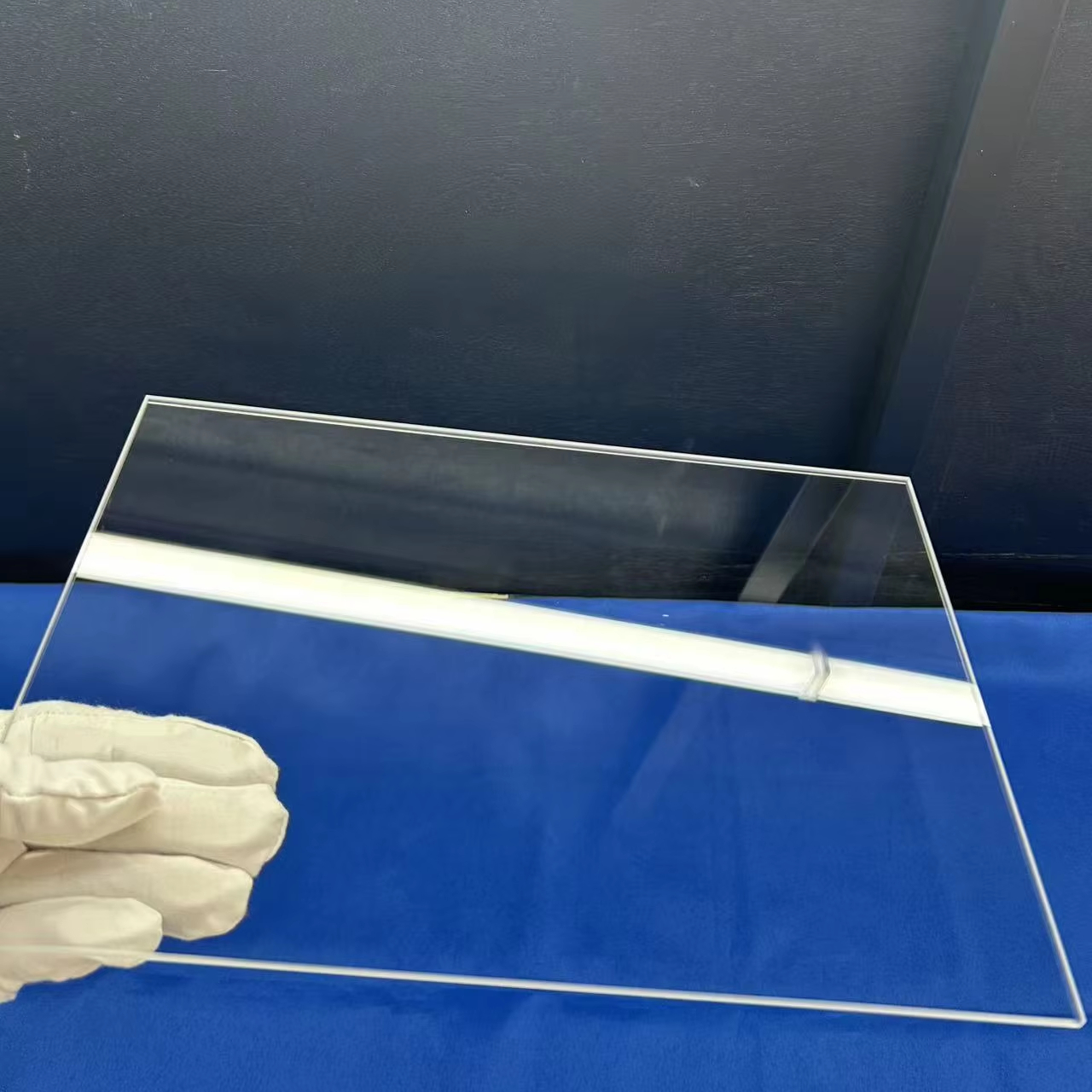
Direct supply from Donghai County Nivra Quartz Products Co., Ltd. Tailored to the demanding specifications of metallurgy, continuous emissions monitoring (CEMS), and high-temperature thermal filtration.
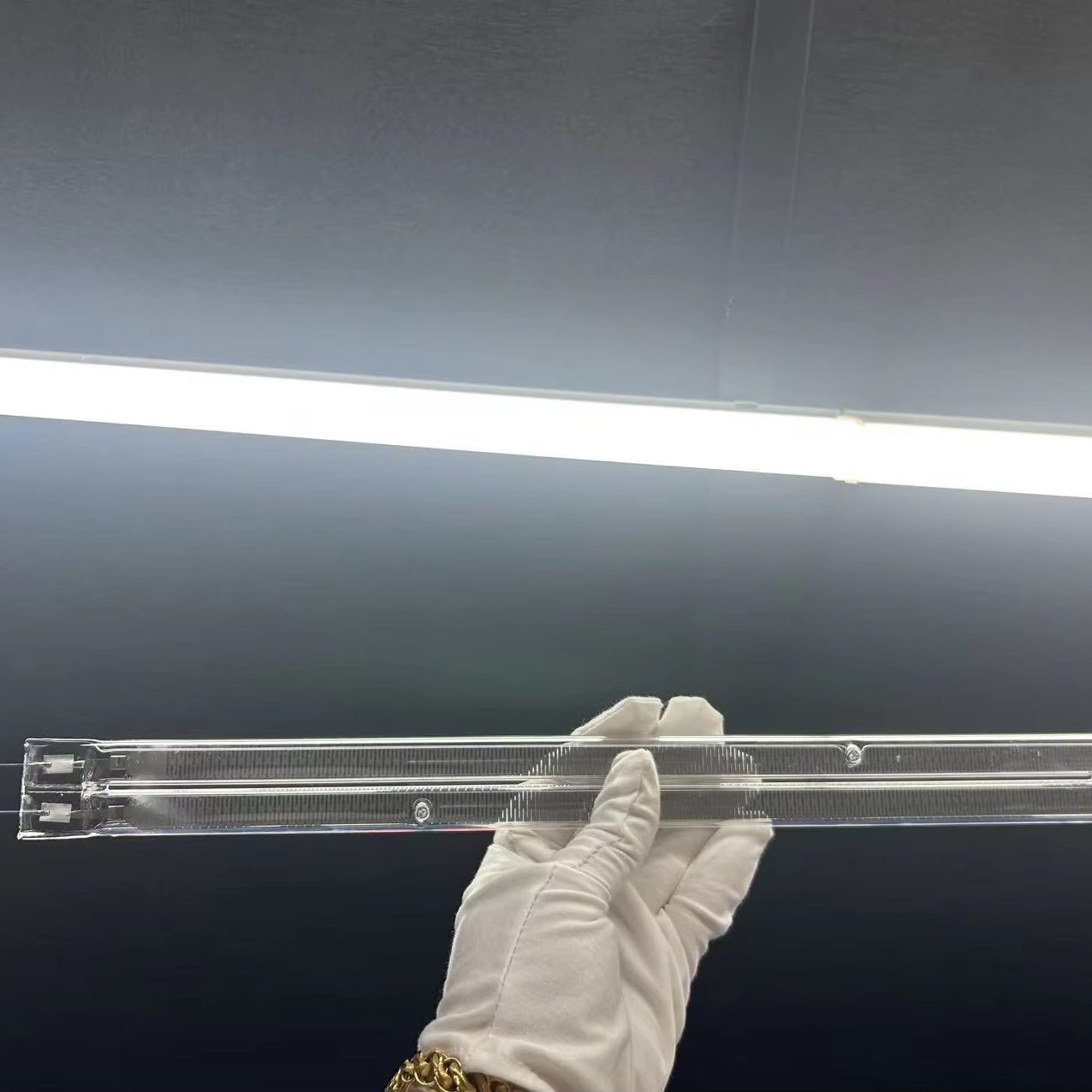
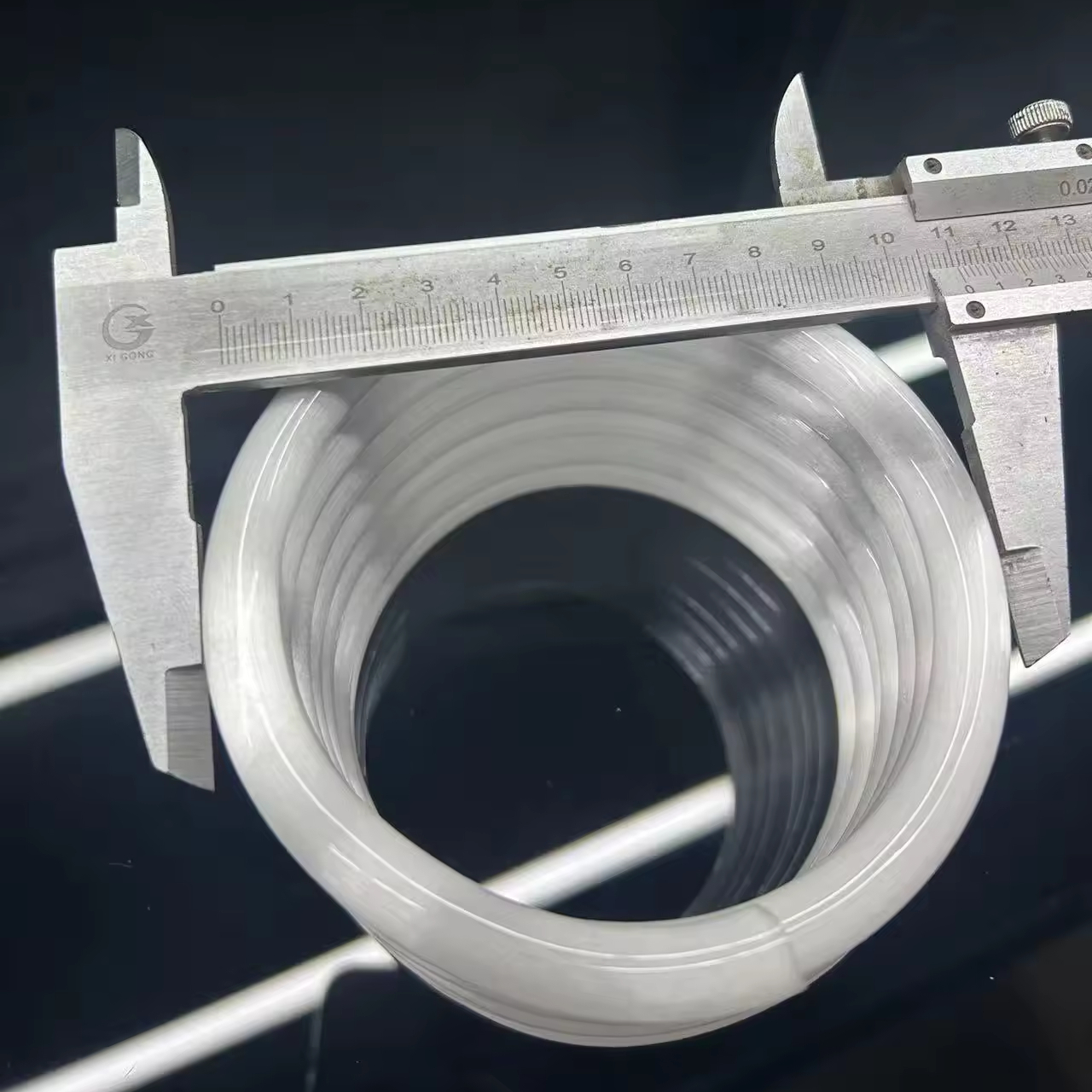
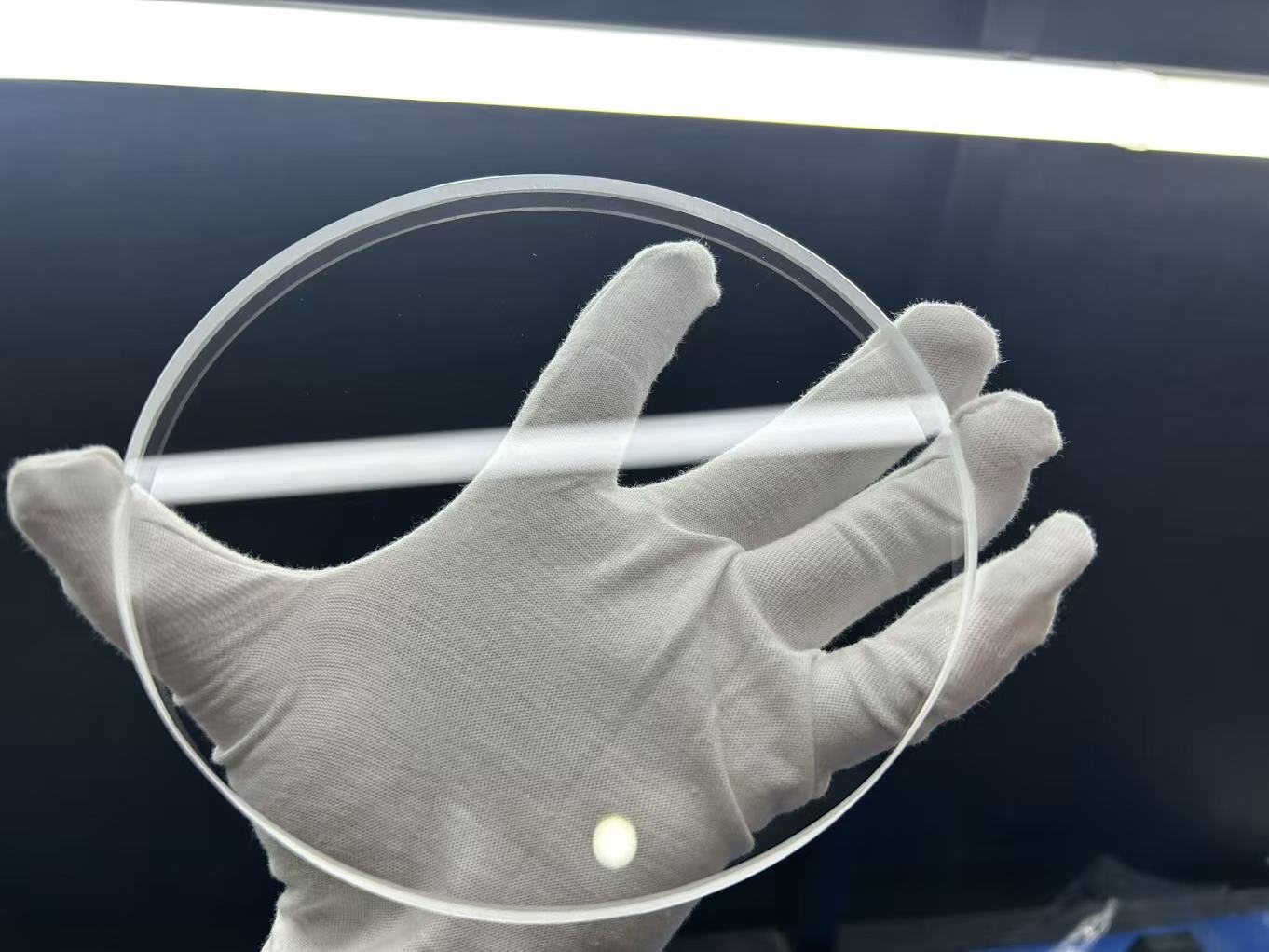
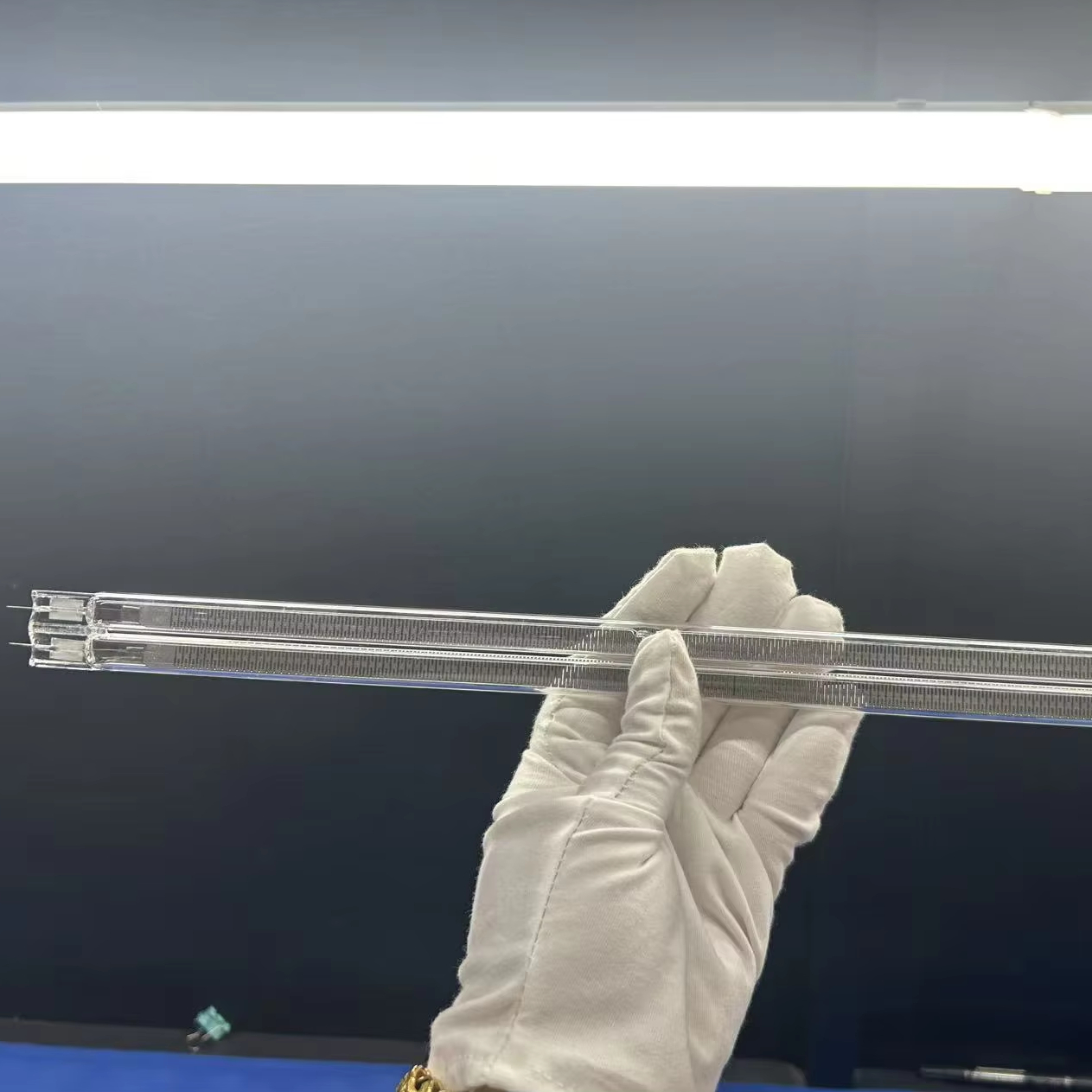
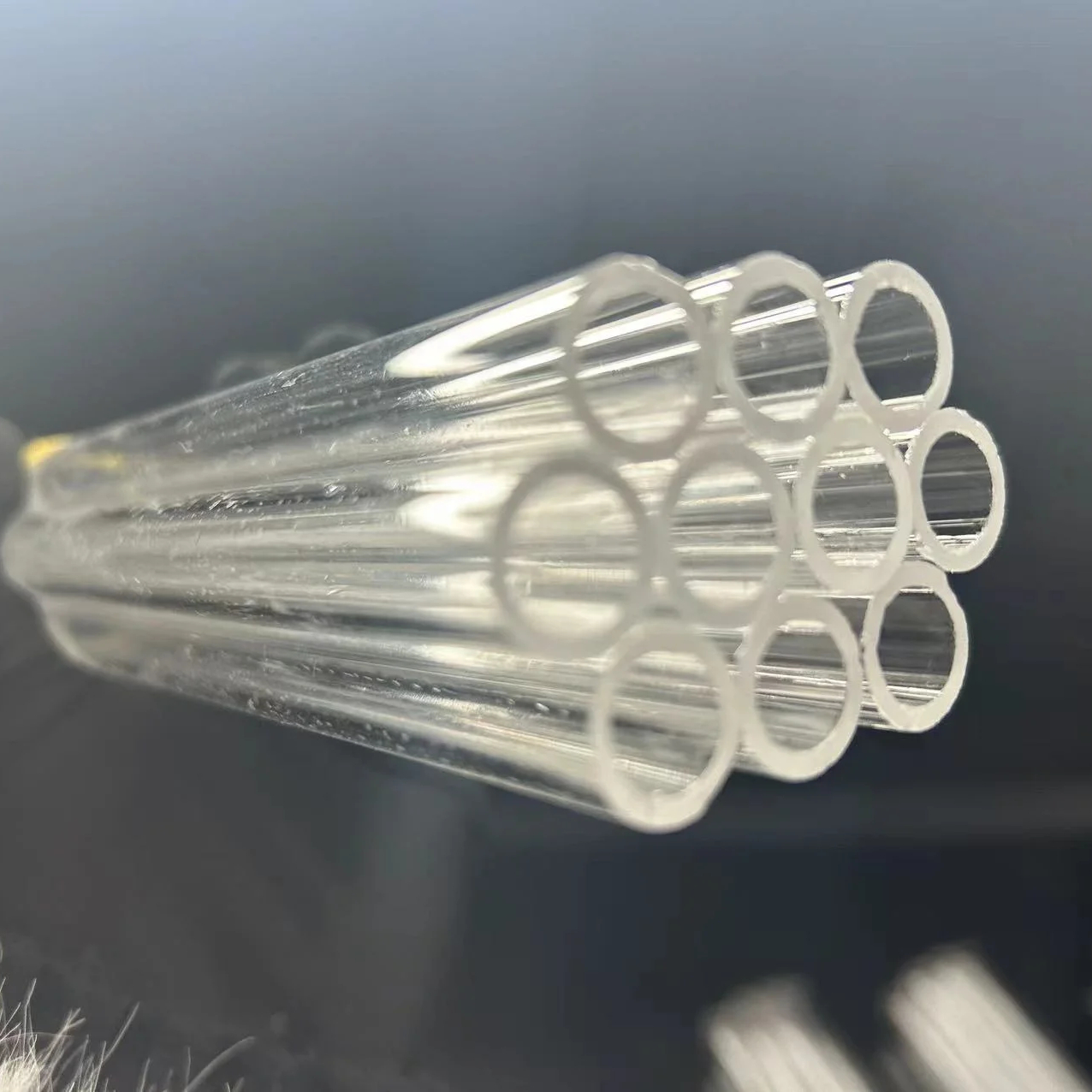
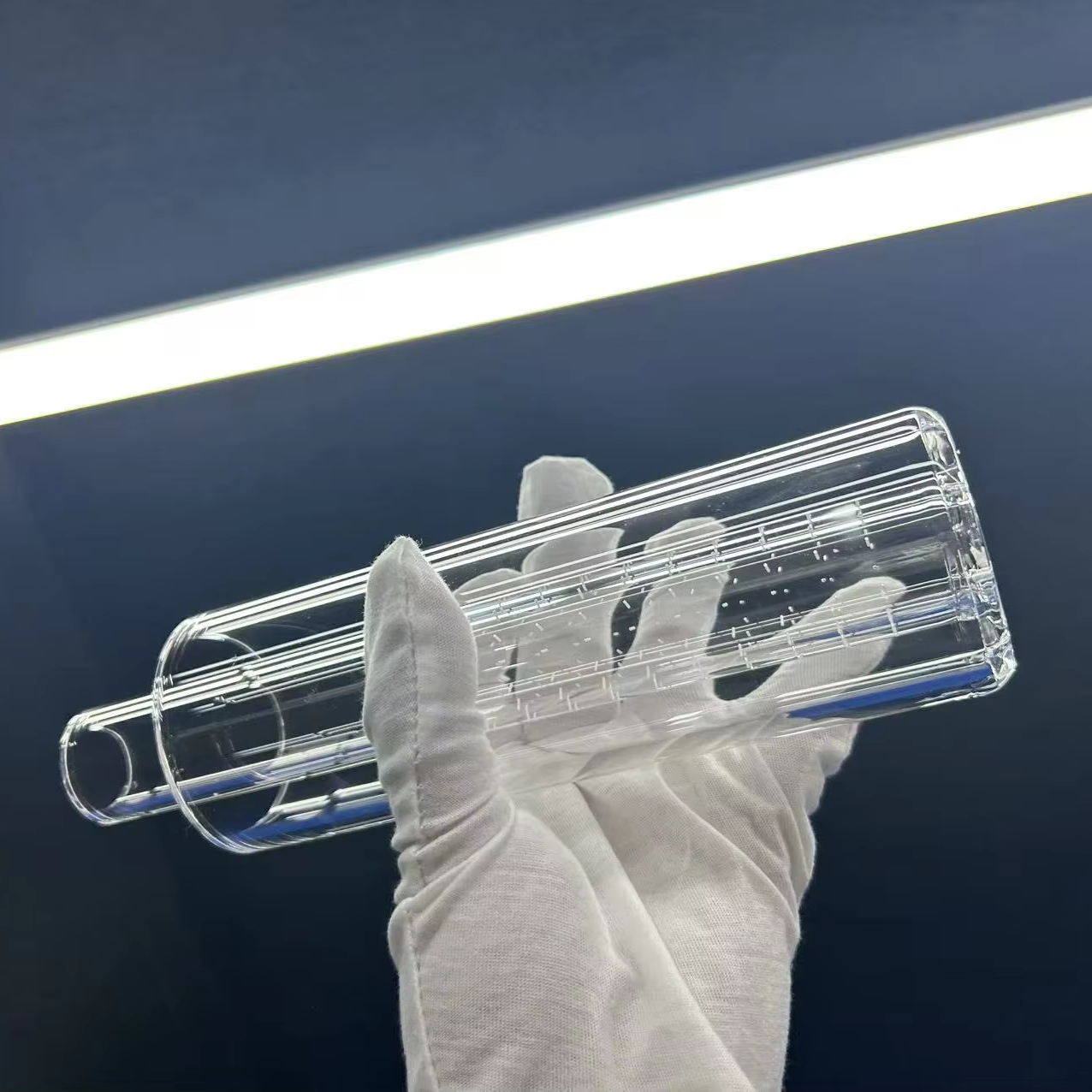
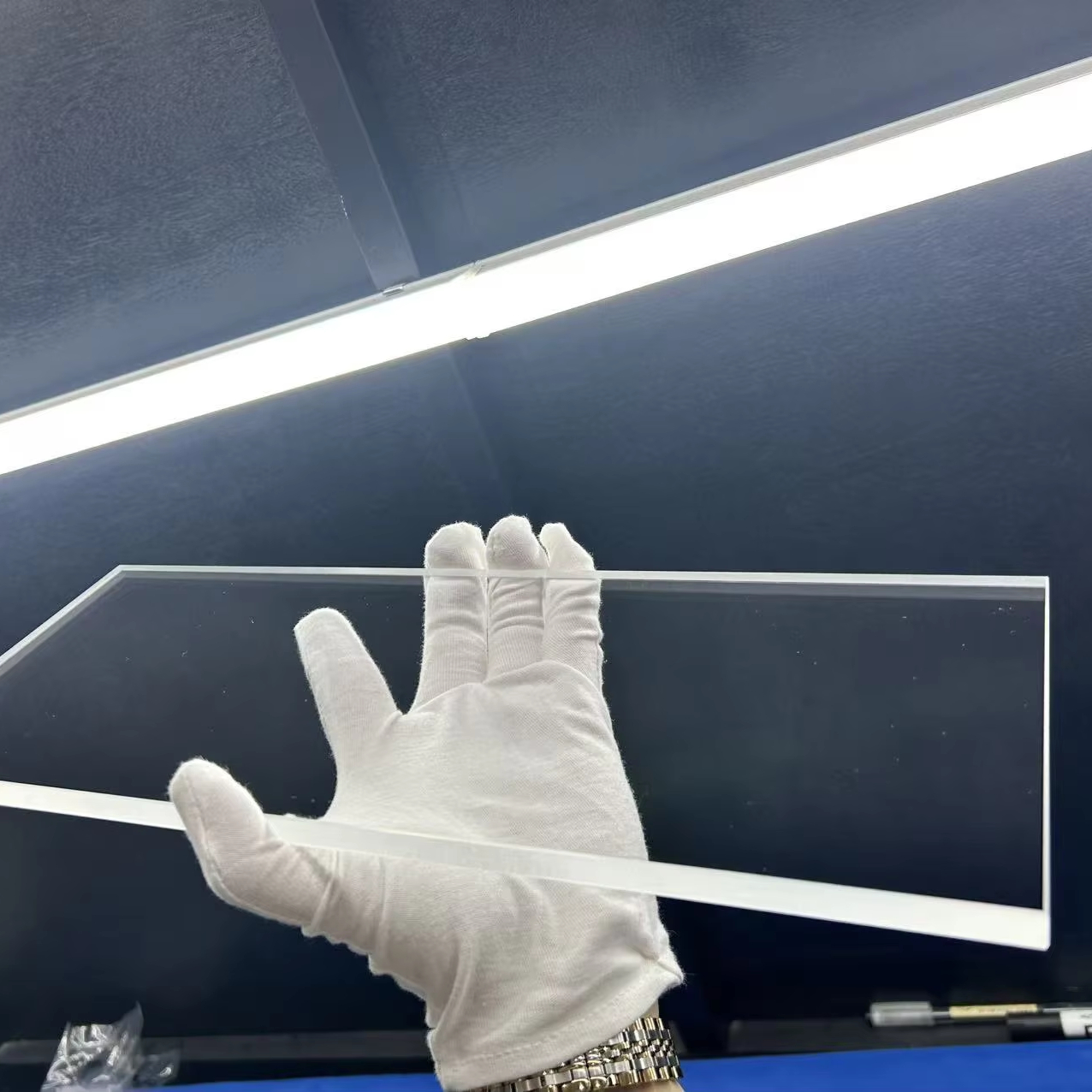
An authoritative engineering breakdown of fused silica sintered discs, perforated manifolds, and optical thermal barriers operating under severe metallurgical stress.
Industrial procurement engineers in the steelmaking capital of Differdange frequently confront aggressive thermal transients, corrosive acidic gases, and fine abrasive iron oxide particulates. While conventional borosilicate 3.3 glass softens at approximately 525 °C and exhibits a thermal expansion coefficient of roughly 3.3 × 10⁻⁶ /°C, high-purity clear fused quartz glass (amorphous silicon dioxide, SiO2 ≥ 99.99%) maintains mechanical rigidity up to its continuous threshold of 1100 °C, sustaining peak intermittent spikes up to 1450 °C without deformation.
The remarkably low coefficient of thermal expansion (CTE) of fused quartz—approximately 5.5 × 10⁻⁷ /°C between 20 °C and 320 °C—renders it impervious to thermal shock. A quartz filter element can be repeatedly quenched from red heat (1000 °C) directly into ice water without micro-fracturing. For Differdange’s heavy metallurgical processing and gas analysis probes, this eliminates the risk of catastrophic filter membrane blowouts caused by sudden temperature excursions.
Precision quartz glass filtration relies on specialized manufacturing techniques: high-temperature sintering of calibrated crushed quartz grains under precise vacuum-furnace atmosphere control. In accordance with ISO 4793 and DIN standards, Nivra Quartz fabricates sintered discs, crucibles, and filter funnels spanning precise nominal pore sizes from Porosity 0 (160–250 μm) down to Porosity 5 (1.0–1.6 μm).
Unlike metal wire mesh filters that succumb to sulfur dioxide (SO2), hydrogen sulfide (H2S), and halide vapor corroding at elevated temperatures, sintered fused quartz is chemically inert against virtually all acids (including boiling aqua regia, nitric acid, and sulfuric acid), with hydrofluoric acid (HF) and hot concentrated phosphoric acid being the only rare exceptions. This inert pore geometry preserves sampling integrity during continuous off-gas extraction, preventing heavy metal catalytic cross-reactions.
Located in the heart of Luxembourg's historic "Terres Rouges" mining and metallurgical zone, Differdange hosts world-renowned steelmaking facilities, environmental monitoring networks, and advanced engineering labs requiring robust quartz components.
Differdange’s modern steel manufacturing operations center heavily on Electric Arc Furnace (EAF) infrastructure and rolling mills producing heavy structural sections (such as world-standard Grey beams). Controlling emissions requires continuous emissions monitoring systems (CEMS) mounted directly onto furnace exhaust ducts.
Nivra Quartz provides custom sintered quartz filter thimbles, perforated quartz diffuser tubes, and protective heated quartz cylinders. Operating at flue gas temperatures between 450 °C and 900 °C, our quartz elements filter out abrasive slag dust, fly ash, and particulate zinc/iron fumes without chemical poisoning or clogging, ensuring consistent gas delivery to extractive Fourier Transform Infrared (FTIR) gas analyzers.
In high-tonnage beam rolling and continuous casting lines across the Grand Duchy, accurate non-contact pyrometric temperature feedback is critical to metallurgical crystal grain structure. Process viewing ports are exposed to radiant slag splash and convective blast furnace gases.
Our JGS1 and JGS2 optical quartz discs, square plates, and high-purity flat windows serve as sacrificial or primary sight windows. They transmit from deep ultraviolet (UV 185 nm) through near-infrared (NIR up to 2500 nm), allowing dual-wavelength infrared pyrometers and Laser-Induced Breakdown Spectroscopy (LIBS) diagnostics to measure molten metal chemistry with optical clarity.
Quality assurance laboratories supporting Differdange's metallurgy plants execute daily chemical digestions to verify the precise elemental balance of carbon, silicon, phosphorus, manganese, and alloying elements in finished steel grades.
Nivra Quartz supplies quartz filter crucibles, helical quartz condenser coils, and high-purity beakers. Sintered quartz crucibles allow direct analytical gravimetric filtration followed by immediate calcination inside muffle furnaces at 1000 °C without transfer loss, saving hours in turnaround time while completely eliminating ceramic glaze dissolution artifacts.
Specialty steel finishing in Differdange and neighboring Bettembourg/Esch-sur-Alzette logistics corridors increasingly implements fast-response infrared radiant heating arrays to dry anti-corrosion coatings, temper structural edges, or maintain uniform preheat temperatures.
Our 220V/380V carbon fiber, halogen, and twin-tube quartz emitters utilize high-transmission clear quartz tubing that maximizes medium-wave and short-wave IR transfer efficiency, resisting thermal cycling shock while drastically lowering overall kilowatt consumption per ton processed.
Differdange is bordered by the delicate hydrological basin of the Chiers river. Local environmental monitoring agencies and industrial park managers enforce stringent environmental standards governing industrial effluent discharge and airborne particulate matter (PM2.5 / PM10).
Nivra Quartz microfiltration discs and customized quartz microfiber filter supports operate within stationary and mobile high-volume aerosol samplers. With zero volatile binders and negligible background trace metal blanks, our quartz filters provide the pure substrate needed for X-ray fluorescence (XRF) and ICP-MS environmental analysis.
Collaborative research initiatives spanning the Luxembourg Institute of Science and Technology (LIST) and private tech incubators near Differdange push the boundaries of high-temperature composites, thin-film plasma coatings, and advanced metallurgy.
From custom electrolytic cleaning quartz tanks to CNC-machined micro-channel quartz plates, Nivra Quartz supplies precision lab prototypes with micron-level dimensional tolerances (±0.05 mm), polished optical surface finishes (80/50 or 60/40 scratch-dig), and customized laser-drilled gas manifolds.
Navigating the transition toward green steel, hydrogen direct reduction (H2-DRI), tighter EU emissions mandates, and resilient supply chain diversification.
Luxembourg’s heavy industrial sector is at the forefront of the European Union’s decarbonization targets. Differdange’s steel operations are progressively phasing out fossil coal injection in favor of hydrogen-enriched gas injection, direct electrified arc furnaces, and high-efficiency scrap recycling. Hydrogen atmospheres introduce unique combustion dynamics, generating high-velocity water vapor at temperatures exceeding 1200 °C.
Standard silicate glass and metallic sensor filters corrode rapidly in high-humidity hydrogen flame conditions. Fused quartz filters exhibit exceptional chemical stability under moist, oxidizing, and reducing atmospheres alike. As Differdange’s engineers implement pilot hydrogen burner arrays and synthetic syngas recycling, specialized Nivra sintered quartz elements safeguard optical flame detectors and emission sensors from fouling.
Under the European Union Emissions Trading System (EU ETS) and the phased rollout of the Carbon Border Adjustment Mechanism (CBAM), Differdange industrial plants face unprecedented scrutiny regarding flue gas volumetric accuracy and particulate measurement reproducibility.
Compliance necessitates sub-micron particulate filtration at the stack sampling interface. Sintered quartz glass filter discs rated at Porosity P4 (10–16 μm) and P5 (1.0–1.6 μm) are indispensable. Their zero-outgassing nature guarantees that total organic carbon (TOC) and acid dew-point condensates do not skew chromatographic readings, ensuring Differdange industrial operators maintain full environmental audit readiness.
Comprehensive technical data to assist Differdange design engineers, procurement specialists, and laboratory directors in selecting the precise quartz grade.
| Property Parameter | High-Purity Fused Quartz (Nivra JGS2) | Borosilicate Glass 3.3 | Sintered 316L Stainless Steel | Alumina Ceramic (Al2O3 99%) |
|---|---|---|---|---|
| Continuous Max Temp | 1100 °C | 500 °C | 450 °C (Oxidizing) | 1600 °C |
| Thermal Shock Resistance | Extremely High (ΔT > 1000 °C) | Moderate (ΔT ≈ 100 °C) | High (Subject to creep) | Moderate (ΔT ≈ 200 °C) |
| Coeff. of Thermal Expansion | 5.5 × 10⁻⁷ /°C | 33 × 10-7 /°C | 160 × 10-7 /°C | 80 × 10-7 /°C |
| Optical Transmission Range | 220 nm – 2500 nm (High UV-IR) | 330 nm – 2200 nm | Opaque (0% Transmission) | Opaque / Translucent |
| Acid Resistance (except HF) | Exceptional (No weight loss) | High | Attacked by hot acids/halides | High |
| Trace Element Background | Ultra-Low (≤ 20 ppm total) | Moderate (Na, B, Al bleed) | High (Fe, Cr, Ni leaching) | Moderate |
| ISO 4793 Grade | Nominal Pore Size (μm) | Common Industrial Application in Differdange | Recommended Fluid Phase |
|---|---|---|---|
| Porosity 0 (P0) | 160 – 250 μm | Coarse slag filtration, gas distribution spargers, bulk bed supports | High-velocity gas / Viscous liquids |
| Porosity 1 (P1) | 100 – 160 μm | Blast furnace coarse particulate pre-filtration, air intake manifolds | Gas & industrial water |
| Porosity 2 (P2) | 40 – 100 μm | Fine analytical crystalline precipitates, molten salt pre-filtering | Gas / High-flow liquid |
| Porosity 3 (P3) | 16 – 40 μm | CEMS flue gas sampling probes, mercury & lead vapor collection traps | Hot stack gas / Solvents |
| Porosity 4 (P4) | 10 – 16 μm | Analytical laboratory fine gravimetric assay, soot & aerosol PM10 analysis | Gas & analytical solutions |
| Porosity 5 (P5) | 1.0 – 1.6 μm | Ultra-pure sub-micron aerosol capture, bacterial filtration, cleanroom sampling | Low-velocity dry gas / Vacuum lines |
Headquartered in Donghai County, Jiangsu—the undisputed quartz and crystal capital of China. Providing certified, high-precision silica components with direct factory value to European industrial hubs.

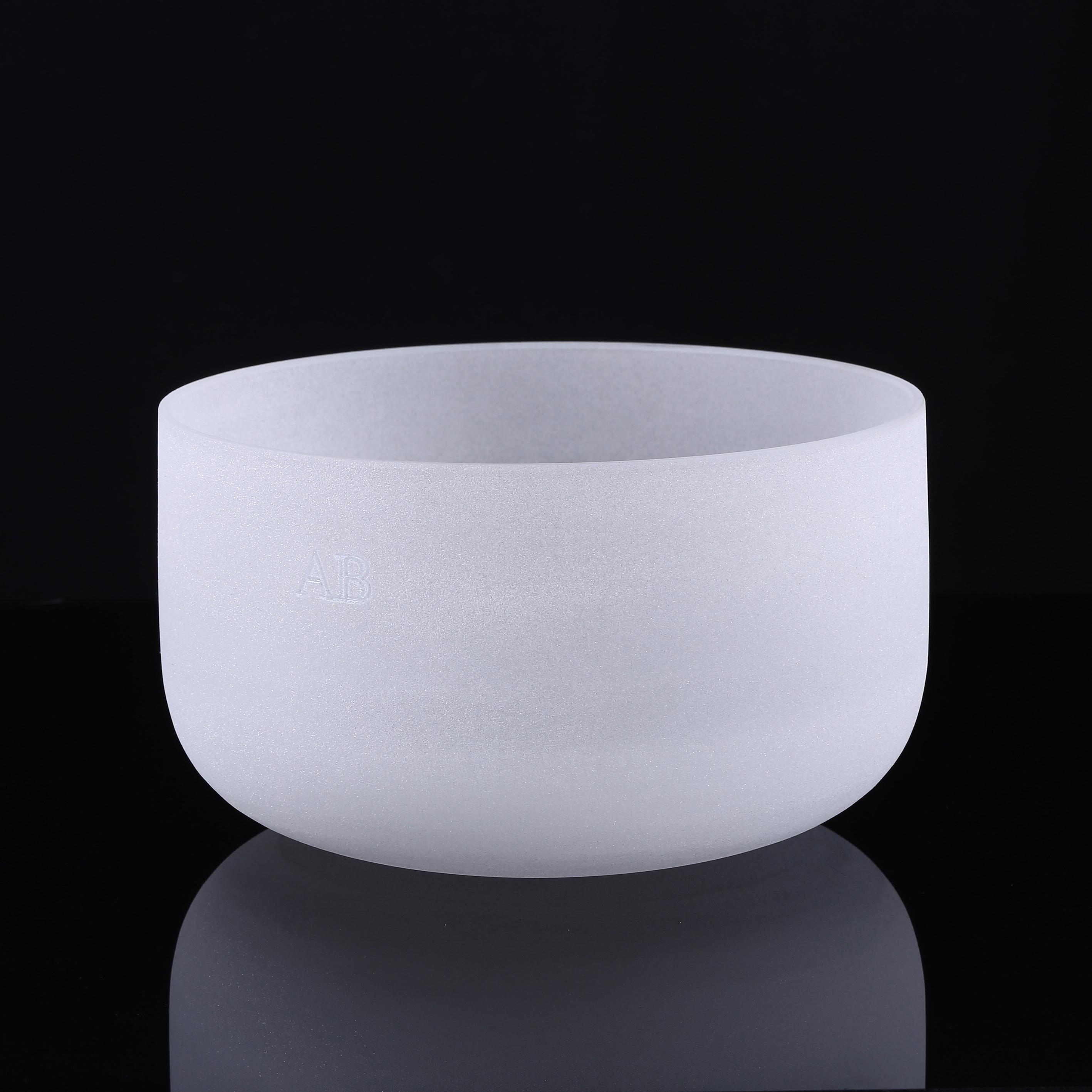
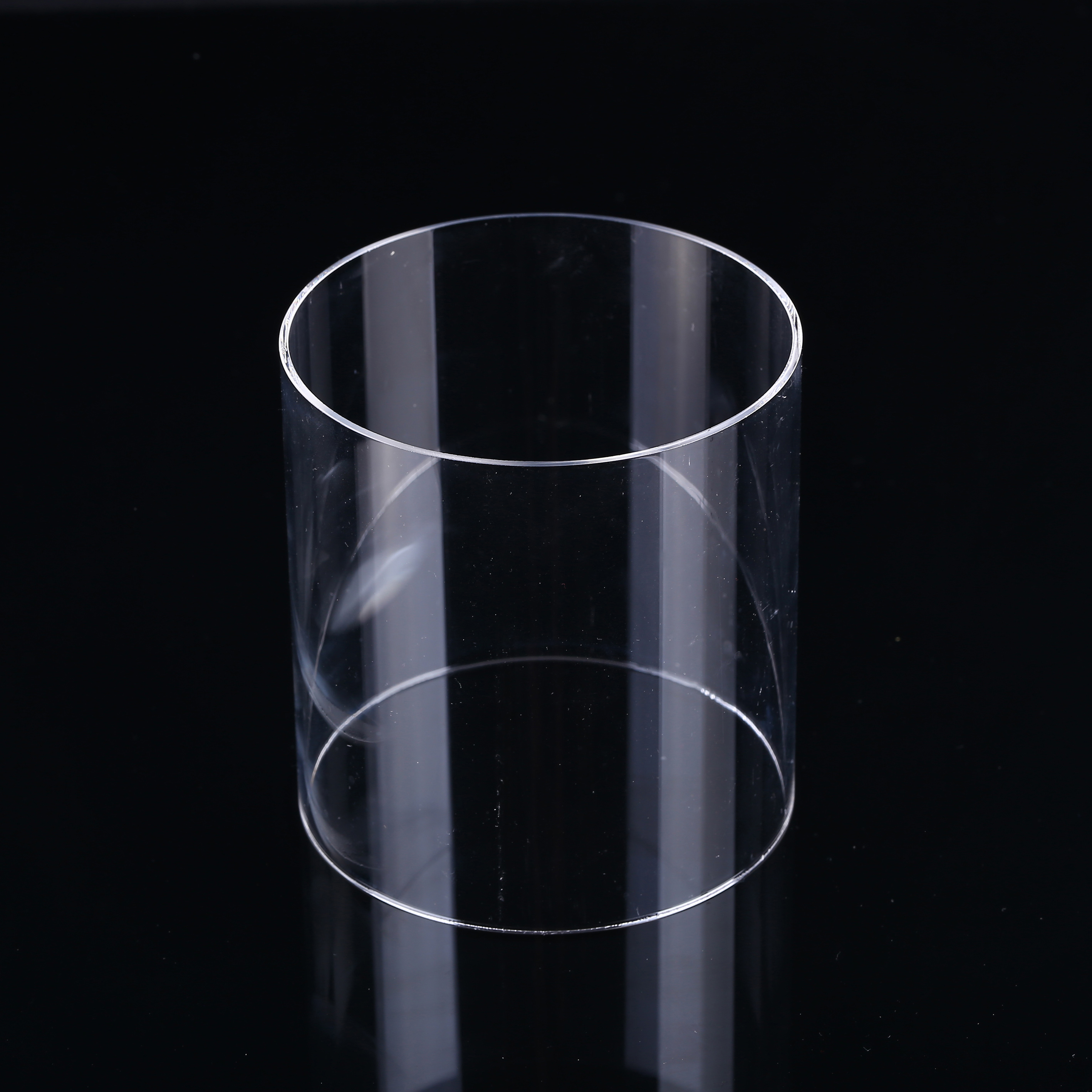
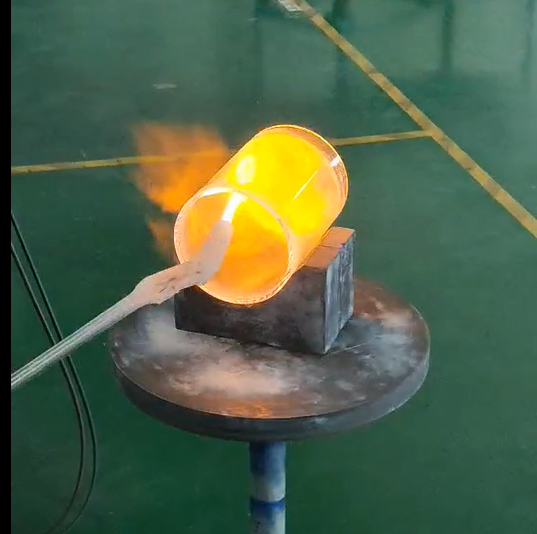
Founded in February 2019 at 285 Heping East Road, Lianyungang, Jiangsu, Donghai County Nivra Quartz Products Co., Ltd. operates in China's quartz heartland. Sourcing virgin natural crystalline quartz locally guarantees SiO2 purity exceeding 99.99%, without intermediate supplier markups or supply shortages.
We understand that European plant downtime is costly. Our dedicated international trade team maintains an average inquiry response time under 5 hours, achieving an independently verified response rate of 88.89%. Engineering revisions for CAD, STEP, or PDF drawings are completed within one business day.
With 101 to 200 skilled glass technicians, our manufacturing chain integrates CNC ultrasonic milling, glass lathe flame blowing, optical double-sided lapping, flame-polishing, and electric annealing ovens. Every piece is inspected for micro-cracks, inclusions, and dimensional tolerances prior to release.
International freight into Luxembourg requires engineered crating. Each quartz filter, tube, and plate is ultrasonically cleaned, bubble-shielded, vacuum-bagged, and suspended in custom-molded shock-absorbing high-density polyethylene foam inside reinforced plywood export cases.
With 40% of our production exported to North America, 20% to Western Europe, and a steady 23% repeat buyer rate, Nivra Quartz maintains a spotless 5.0/5 rating on Alibaba.com. European buyers rely on our predictable dimensional repeatability and transparent lead-time tracking.
We supply full material conformity certificates, optical spectrophotometer transmission graphs, roughness profilometer test records, and Certificate of Origin (Form A) documentation to streamline European customs entry through Luxembourg Findel Airport or multimodal terminals.
Addressing the technical, regulatory, and logistics inquiries most commonly raised by European steelworks procurement managers, laboratory specialists, and OEM integrators.
Clear fused quartz possesses an exceptionally low coefficient of thermal expansion (5.5 × 10⁻⁷ /°C), which is nearly one-sixth that of standard borosilicate glass. When installed in continuous emissions monitoring systems (CEMS) or blast furnace probe ports, gas temperatures can swing from 20 °C ambient to over 900 °C within seconds during purge cycles. Fused quartz absorbs these gradients without generating the internal shear stress that shatters ordinary glass or ceramics. For applications up to 1100 °C continuous and 1450 °C peak, fused quartz ensures uncompromised structural integrity.
Grade selection depends on your sensor’s operating wavelength band:
• JGS1 (Synthetic Fused Silica): Optimized for deep ultraviolet (UV) through the visible spectrum (185 nm – 2500 nm). Ideal for UV laser absorption and excimer monitoring.
• JGS2 (Fused Quartz): The industry standard for metallurgical sight glasses, furnace inspection ports, and pyrometers operating between 220 nm and 2500 nm. It provides high optical clarity and exceptional thermal shock resistance at a highly cost-effective price.
• JGS3 (Infrared Grade Quartz): Synthesized with low hydroxyl (OH ≤ 5 ppm) content, eliminating the deep water absorption band at 2730 nm and maintaining transparency up to 3500 nm. This is recommended for mid-infrared thermal imaging systems.
Yes. Pure fused silica is composed exclusively of silicon dioxide (SiO2 ≥ 99.99%) without chemical plasticizers, heavy metal pigments, or lead oxides. All our products comply with European Union Regulation (EC) No 1907/2006 (REACH) and Directive 2011/65/EU (RoHS). Material Safety Data Sheets (MSDS) and declarations of conformity are provided with each production lot, ensuring smooth audits for ISO 9001 and ISO 14001 certified facilities in Differdange.
Absolutely. Over 65% of our orders are OEM/ODM custom fabrications. We work directly from PDF, DWG, DXF, or 3D STEP files. Whether your Differdange engineering team requires customized porous sintered filter discs with edge glazing, micro-perforated gas dispersion tubes with 0.8 mm drilled orifices, ground quartz taper joints, or laser-cut square plates with step bevels, our CNC glass machinery achieves dimensional tolerances as tight as ±0.05 mm.
We support multiple streamlined logistics routes into Luxembourg:
• Air Express (DHL / FedEx / UPS): 4 to 7 business days door-to-door directly to Differdange addresses or the Cloche d'Or business hub.
• Air Cargo: 5 to 8 days arriving at Luxembourg Findel Airport (LUX) with rapid customs clearance.
• Sea & Rail Freight: 25 to 35 days entering via Rotterdam/Antwerp or multimodal rail into the Bettembourg Intermodal Terminal, which borders Differdange. We provide full commercial invoices, packing lists, and HS code classifications (typically 7002.31 or 7017.10) to make European customs clearance swift and hassle-free.
Glass safety is built into our standard operating procedure. Finished parts are wrapped in dust-free film, sealed inside moisture-barrier bags, and encased in tailored high-density EPE/EVA foam cutouts. Outer layers utilize heavy-wall double-corrugated cartons or ISPM-15 compliant fumigation-free solid plywood crates reinforced with steel corner brackets. Long quartz tubes and furnace heating elements are shipped in individual honeycomb suspension sleeves, achieving a damage rate of less than 0.1% over thousands of global shipments.
We actively support industrial research, testing, and replacement parts. For standard quartz tubes, plates, and spiral coils, our MOQ is as low as 1 to 5 pieces. Small precision discs, wafers, or sintered filters typically start at 10 to 50 pieces. We also welcome pilot prototyping runs so your plant engineers in Differdange can test parts under actual furnace conditions before committing to serial batch orders.