Optical Grade
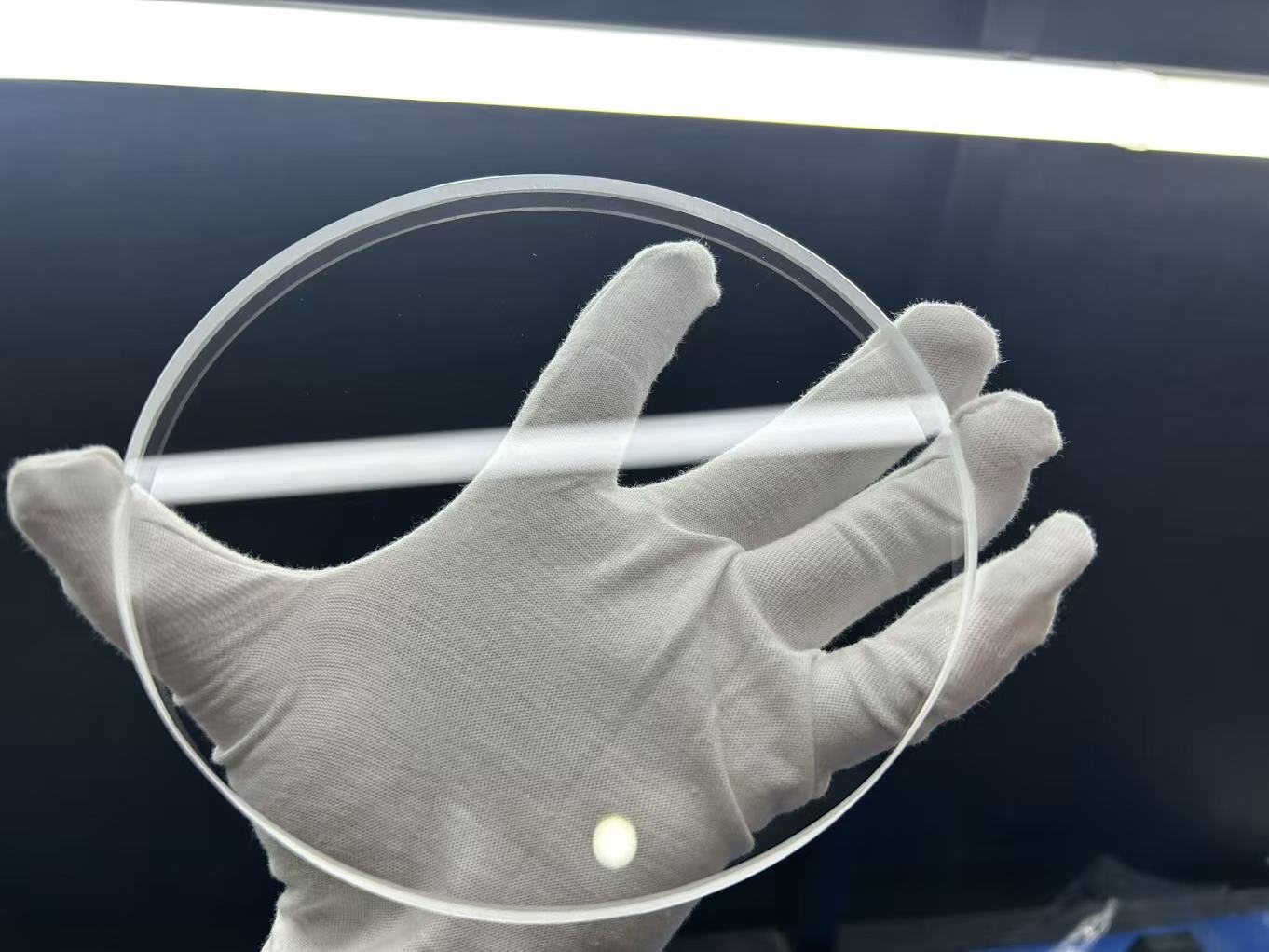
Manufactured by Donghai County Nivra Quartz Products Co., Ltd. from semiconductor-grade raw silica, delivering superior transmission across 190 nm–3500 nm, extreme thermal endurance, and acid tolerance for labs in Roseau.
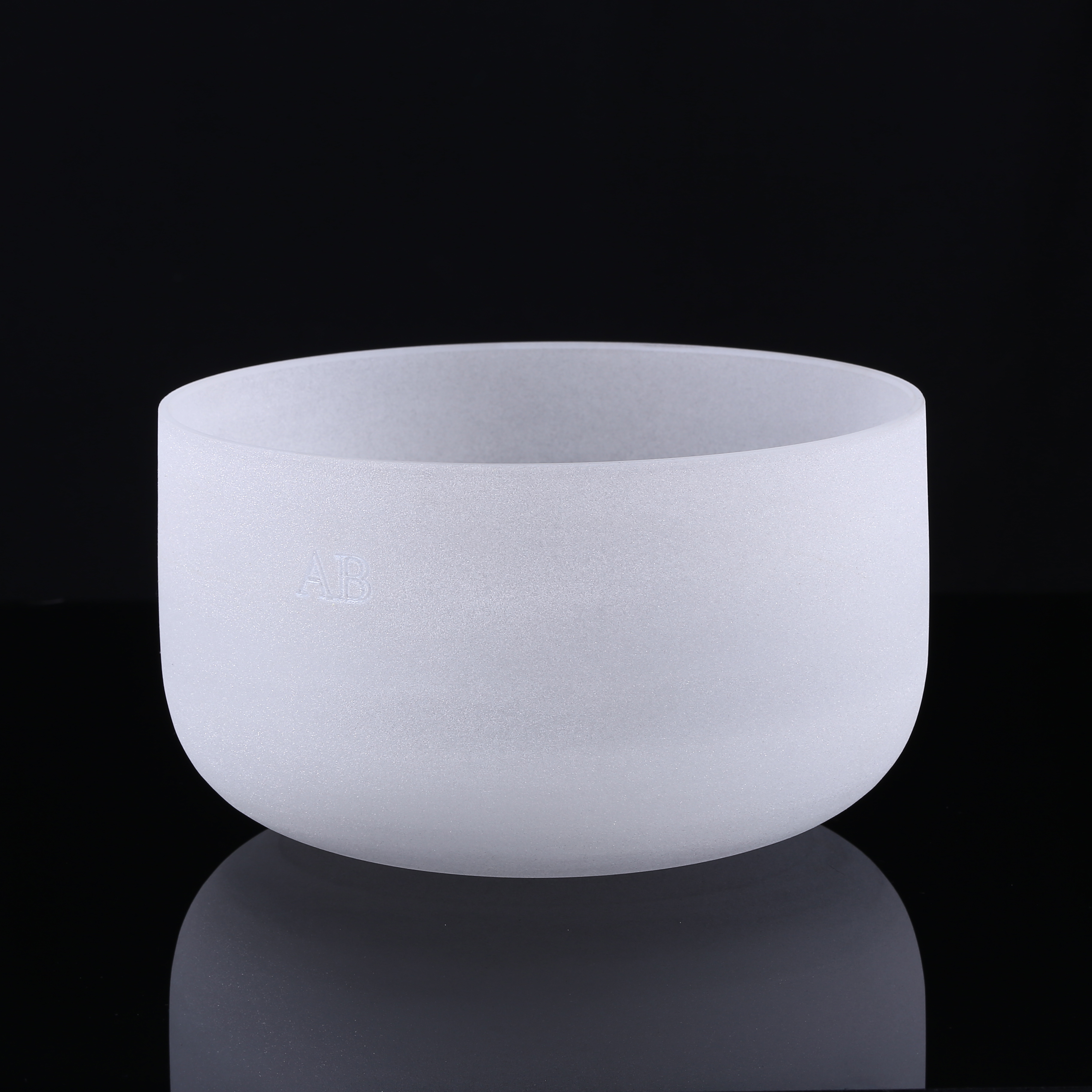
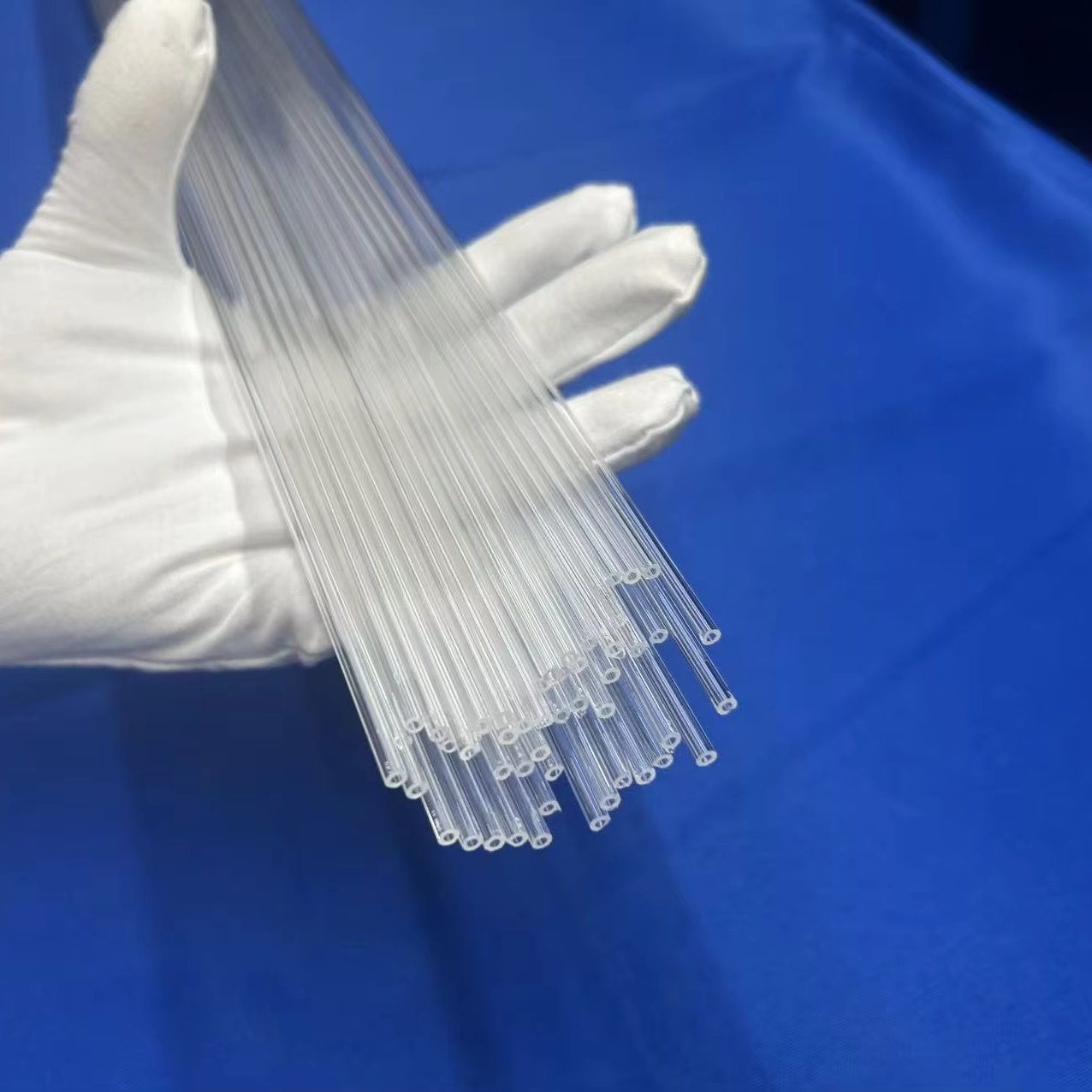
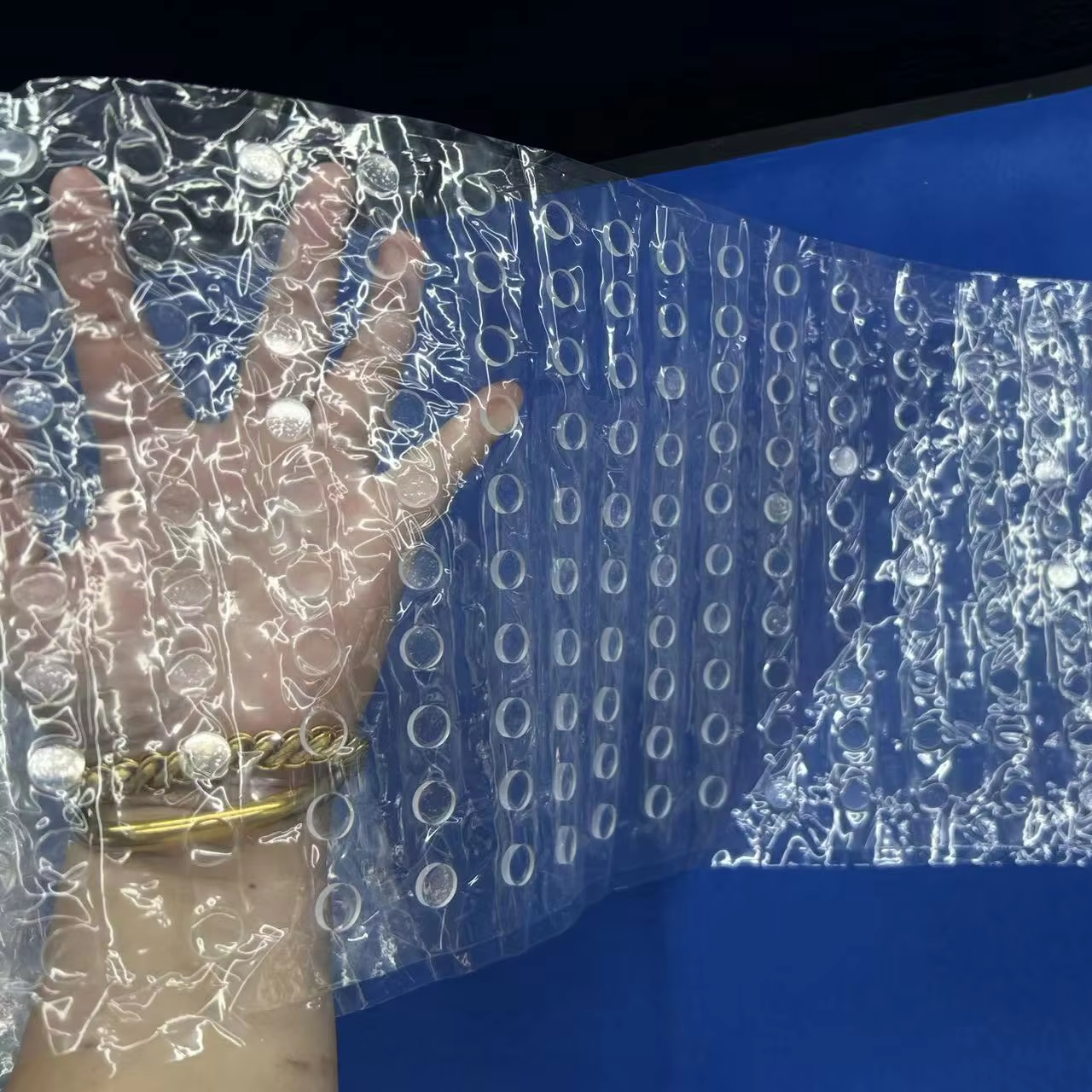
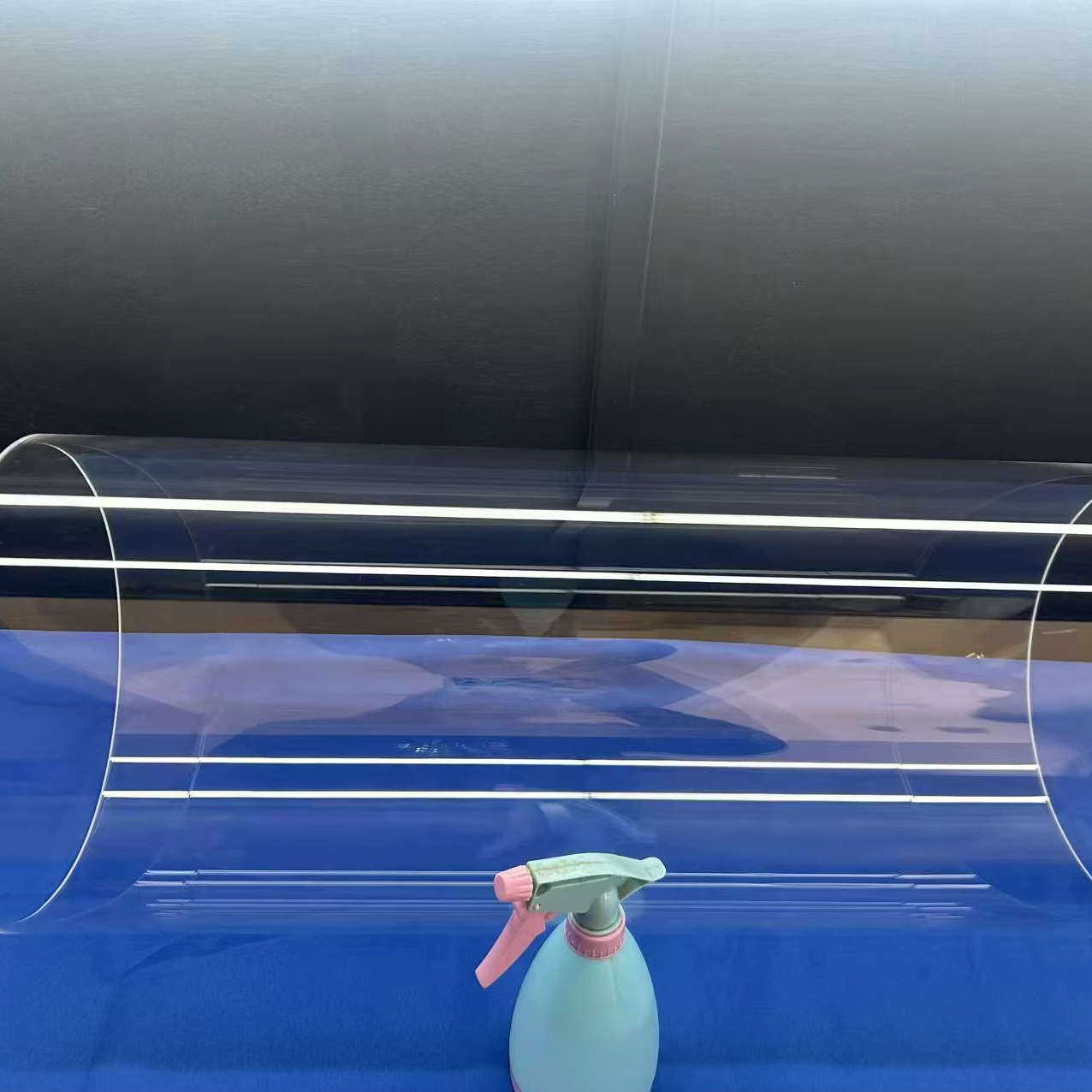
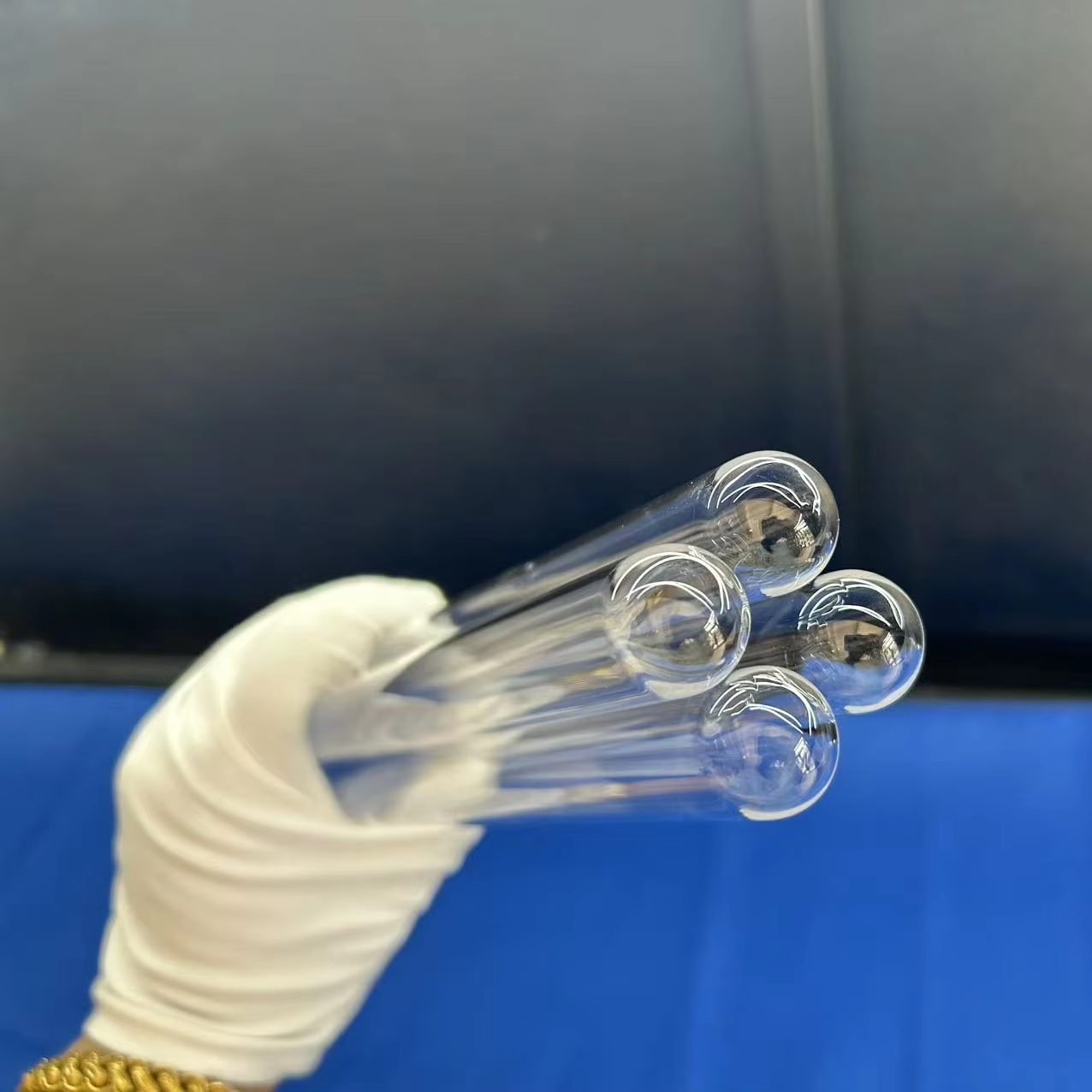
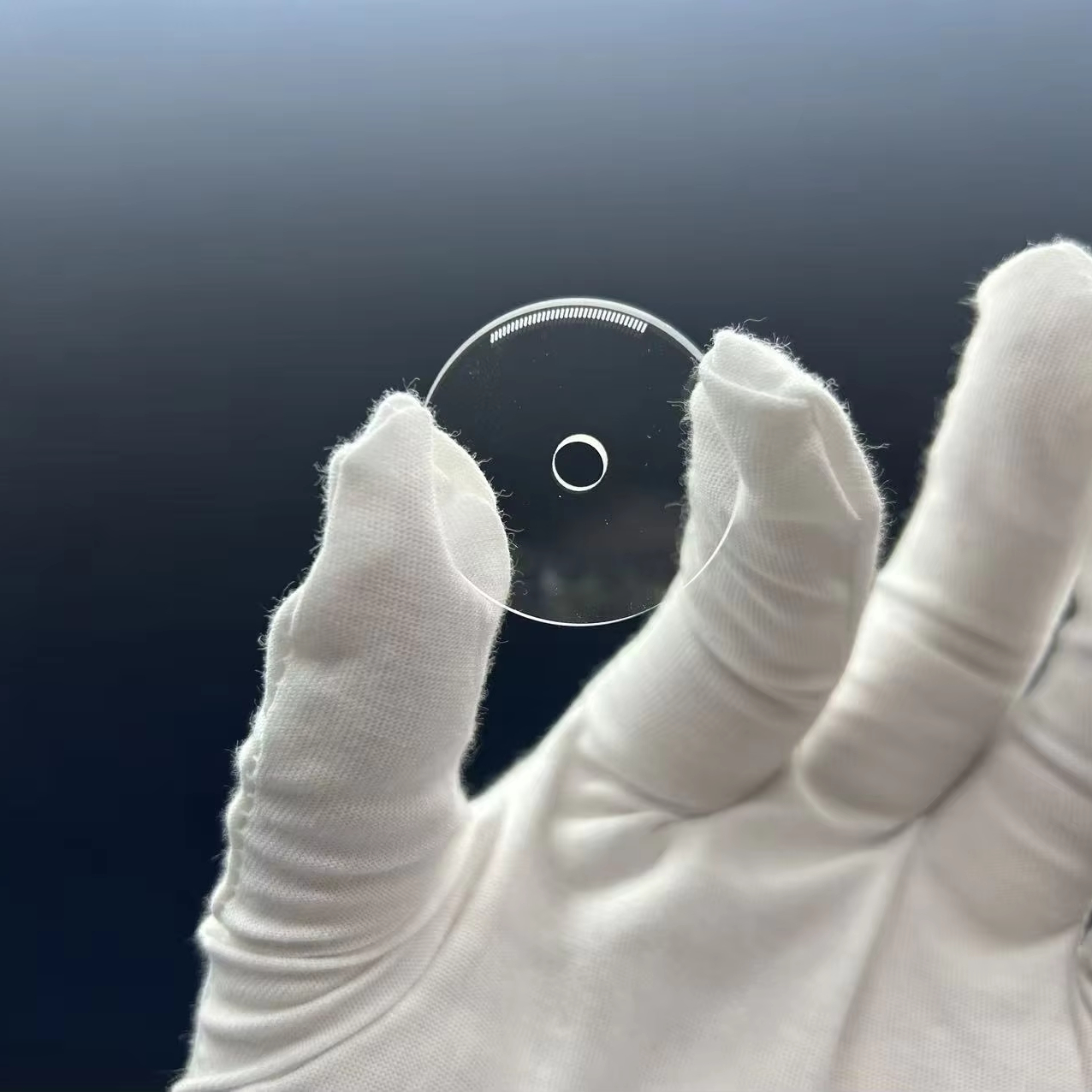
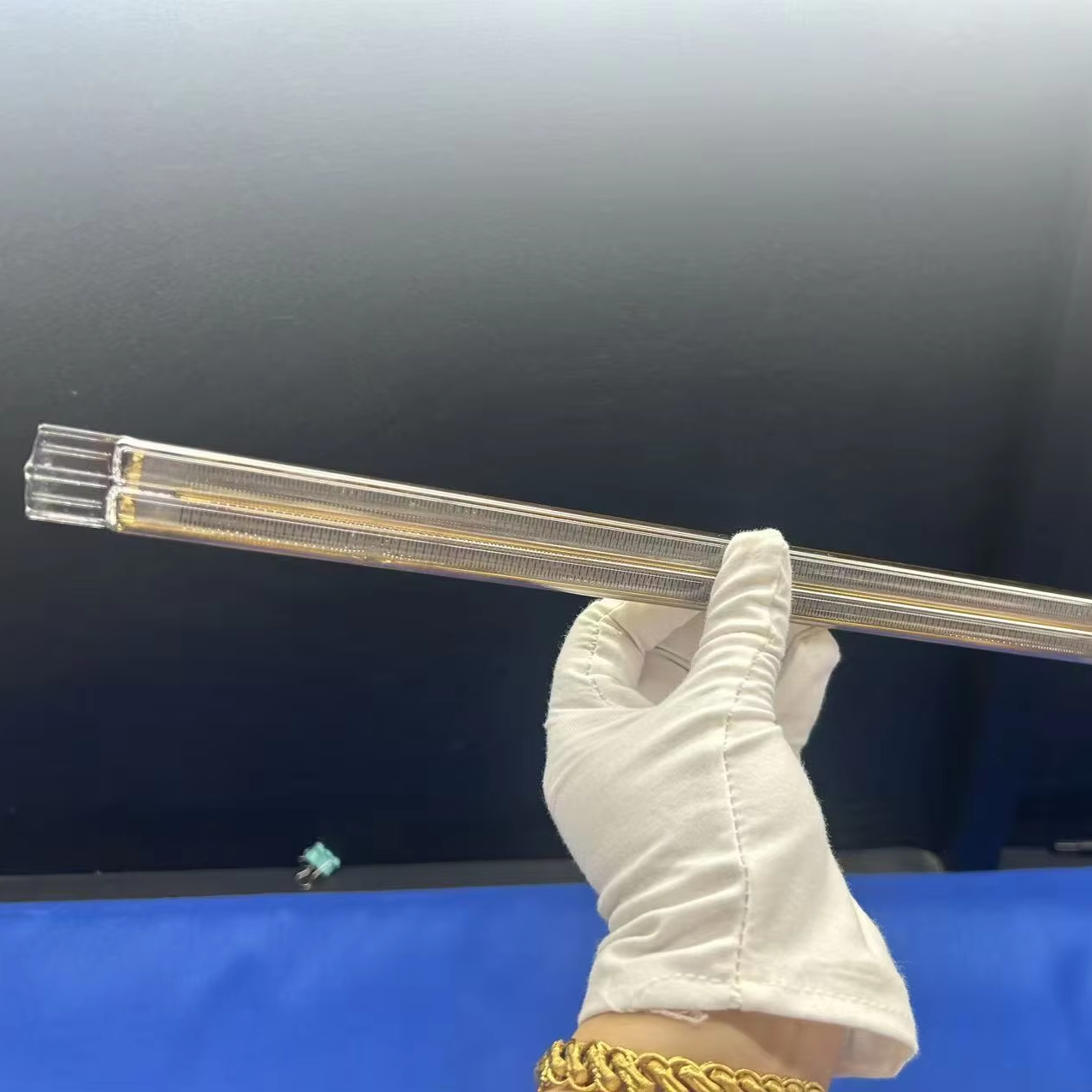
An in-depth metallurgical and optical synthesis report on why synthetic fused silica (JGS1) cuvettes are essential for accurate spectrophotometric analysis in high-humidity, marine, and volcanically active island ecosystems like Roseau.
Spectrophotometer cuvettes deployed in environmental testing, oceanic research, and industrial geochemistry must withstand aggressive mineral acids, alkaline washing cycles, and organic solvents. Inferior cuvettes rely on epoxy or optical glue adhesives to bond the parallel optical windows to the body. Under continuous exposure to concentrated hydrochloric acid, nitric acid, or aromatic hydrocarbons, adhesive resins undergo hydrolysis, creating micro-leaks, optical distortion, and solvent contamination.
At Donghai County Nivra Quartz Products Co., Ltd., our precision quartz cuvettes are produced using Optical Contact Molecular Fusion. The silica crystal lattices of the optically polished plates are brought into intimate contact and heated under cleanroom vacuum conditions to near the softening point (1683°C). The silicon-oxygen bonds ($Si-O-Si$) coalesce across the seam without any foreign adhesives. This yields a single monolithic cell body capable of resisting aqua regia, hydrofluoric acid excluded, and continuous thermal shifts from 20°C to 1100°C without delamination or optical drift.
Key Specification Benchmark: Our standard 10 mm pathlength molecular-fused quartz cells hold a physical pathlength tolerance of strictly ±0.005 mm and an optical window parallelism of ≤15 arcseconds, eliminating beam refraction errors during quantitative UV spectrophotometry.
Understanding the fundamental difference between quartz grades is vital for institutional buyers in Roseau. Synthetic fused silica (Grade JGS1) is synthesized via chemical vapor deposition (CVD) of volatile silicon compounds, yielding an ultra-pure amorphous silicon dioxide ($SiO_2 \ge 99.9999\%$) virtually free of metallic impurities (Fe < 0.1 ppm). JGS1 demonstrates unmatched transmission down to 185 nm, making it indispensable for deep-ultraviolet DNA/protein absorbance assays at 260/280 nm and nitrate monitoring at 220 nm.
Conversely, Grade JGS2 is melted from natural high-purity crystal sand, ideal for standard optical windows, visible range photometry, and industrial sight glasses between 220 nm and 2500 nm. Grade JGS3 is vacuum-fused to strip hydroxyl ions ($[OH^-] < 2 \text{ ppm}$), eliminating the water absorption peak at 2730 nm and unlocking pristine performance for infrared sensing up to 3500 nm.
| Property Parameter | Standard Engineering Metric |
|---|---|
| Chemical Purity ($SiO_2$) | ≥ 99.99% – 99.9999% |
| Bulk Density | 2.20 ± 0.02 g/cm³ |
| Coefficient of Thermal Expansion | 5.5 × 10¯&sup7; / °C (20–320°C) |
| Softening Temperature | ≈ 1683 °C |
| Continuous Working Limit | 1100 °C (Standard Air) |
| Refractive Index ($n_D$ @ 589.3nm) | 1.4585 |
| Substrate Material | Spectral Transmission | Optimal Use-Case |
|---|---|---|
| Synthetic Fused Silica (JGS1) | 185 – 2500 nm | Deep-UV, DNA/RNA, Photometry |
| Optical Fused Quartz (JGS2) | 220 – 2500 nm | General Analytical UV-Vis |
| Infrared Quartz (JGS3) | 260 – 3500 nm | FTIR, NIR Spectroscopy |
| Optical Crown Glass (BK7) | 340 – 2500 nm | Visible Range Only (Teaching) |
| Single Crystal Sapphire | 200 – 5000 nm | High-Pressure Harsh Slurry |
The Commonwealth of Dominica presents distinct geological, ecological, and industrial operating conditions. Here is how Nivra Quartz analytical cuvettes and labware operate in Roseau's primary testing sectors.
Dominica's ongoing geothermal energy developments in the Roseau Valley and the geothermal monitoring around Boiling Lake and the Valley of Desolation require regular analysis of hydrothermal brine samples. These volcanic waters are heavy in dissolved hydrogen sulfide, silica, iron, and sulfurous acids. Our molecular-fused JGS1 cuvettes allow spectrophotometric metal-chelate determination without chemical pitting or optical clouding caused by mineral precipitation.
The Soufrière Scotts Head Marine Reserve south of Roseau depends on environmental monitoring of dissolved organic carbon, nitrate concentrations, and chlorophyll-a fluorometric assays. Nivra Quartz fluorescence cuvettes with all 4 windows polished feature negligible background autofluorescence at 350–450 nm excitation wavelengths, allowing researchers to evaluate nutrient runoff and coral bleaching kinetics with laboratory accuracy.
Water quality testing conducted under the Dominica Water and Sewerage Company (DOWASCO) demands regular spectrophotometric validation for residual chlorine, trace heavy metals, turbidity, and pathogen markers. Standard 10mm, 20mm, and 50mm optical path cuvettes supply reproducible baseline transmission (>85% at 200 nm), protecting public drinking water safety across urban Roseau and rural parishes.
Dominica's fertile volcanic soils nourish banana, citrus, root crop, and essential oil cultivation. Agricultural laboratories in Roseau utilize flame-photometry and spectrophotometry to evaluate available phosphorus, total nitrogen, and micronutrient concentrations. Our quartz digestion tubes and optical absorption cells resist hot perchloric and sulfuric acid digests during Kjeldahl and wet ashing extractions.
Educational and medical research laboratories in the Roseau capital region require long-lasting, autoclavable micro-volume spectrophotometer cuvettes for clinical pathology, enzymatic kinetic assays, and hematology teaching labs. The optical surfaces retain physical stability throughout repeated autoclave sterilization at 121°C, offering higher long-term value over disposable plastic cells.
Dominica's expanding eco-tourism sector relies on private reverse-osmosis desalination systems and thermal spring spas. High-precision quartz flow-through cells enable continuous inline spectrophotometric monitoring of saline effluents, preventing corrosive hypersaline discharges into sensitive fringing reefs while confirming membrane filtration integrity.
Procurement directors and laboratory managers in Dominica face distinct geographic and logistics realities. Direct factory partnerships with Chinese manufacturers are reshaping optical labware acquisition.
Under the National Resilience Development Strategy, Dominica is advancing to become the world's first climate-resilient nation. This initiative fuels public investments in renewable infrastructure, watershed protection, and disaster-resilient diagnostic laboratories, driving baseline demand for certified UV-grade optical glassware and durable quartz lab equipment.
The construction of Dominica's domestic geothermal plant in Laudat, Roseau Valley, marks a shift from imported diesel toward 100% clean baseload energy. The associated production wells require ongoing high-temperature hydrothermal sampling, accelerating the need for high-purity fused silica crucibles, bottom-sealing combustion tubes, and specialized NIR quartz cells.
Traditionally, Roseau laboratories purchased optical components via third-party distributors in North America or the UK, paying marked-up prices and suffering long lead times. Sourcing directly from Donghai Nivra Quartz eliminates distributor margins, provides direct CAD/drawing customization, and guarantees verified traceability with average technical responses within 5 hours.
Headquartered at 285 Heping East Road, Donghai County, Lianyungang, Jiangsu — the crystal and quartz capital of China — Donghai County Nivra Quartz Products Co., Ltd. provides certified quartz manufacturing designed for global export.
Founded in February 2019, Nivra Quartz operates as an integrated manufacturer and exporter with 101–200 employees, uniting raw silica refining, CNC ultrasonic drilling, high-precision surface lapping, optical polishing, glass lathe forming, and hydrogen-oxygen flame annealing under one quality system. Our verified on-site auditing by Alibaba.com and third-party inspectors confirms our legal status, cleanroom testing, and export capacity.
Because we source raw crystal feedstock directly in Donghai, we retain control over trace element content. Optical blank components are inspected using laser interferometers, spectrophotometers, and stereomicroscopes to ensure zero bubbles, zero striations, and zero micro-scratches within the effective optical aperture. This rigor safeguards Caribbean researchers from transmission variance and dark-current noise.
All cuvettes and tubes are packed in lint-free sealed cassettes, vacuum-bagged with active desiccant, and housed in shock-absorbing high-density polyethylene cases inside fumigated export crates to survive long ocean transits to Port Roseau.
Supply your PDF, DWG, or STEP drawings. We machine non-standard light paths (from 0.1 mm to 100 mm), screw-thread caps with PTFE septa, cylindrical cuvettes, jacketed temperature-controlled cells, and demountable flow units.
North America accounts for 40% of our export volume, followed by Western Europe (20%), Eastern Europe (14%), and South America (11.4%). We manage international commercial shipping procedures to Dominica with clarity.
Every shipment of JGS1 and JGS2 optical cuvettes is issued with batch optical transmission curves and dimensional verification inspection reports, ensuring immediate compliance for ISO 17025 accredited labs.
Addressing freight routes, customs clearance, humidity protection, chemical resistance, and quality validation for buyers across Dominica and the Caribbean.
We use a multi-tiered export packaging design: every optical cell is enclosed in an individual anti-static shock cassette lined with custom-molded high-density EVA foam. Multiple units are consolidated into crush-resistant export boxes lined with expanded polystyrene shock barriers. For larger quartz tube and plate consignments destined for Woodbridge Bay Port or Douglas-Charles Airport (DOM), items travel in fumigation-free engineered plywood crates built with internal torsion dampeners. Breakage is covered by transit insurance.
Tropical island environments with high ambient relative humidity and airborne salt aerosols can promote surface fogging or mold accumulation on low-grade glass. Our JGS1 synthetic silica features an amorphous silica structure with no hygroscopic alkali-metal impurities. Each order is packed with heat-sealed vacuum vapor barriers and moisture-adsorbing silica packets, maintaining dry optical surfaces during ocean transit and long-term laboratory storage.
Yes. Our engineering division produces drop-in replacements for standard spectrophotometer models including PerkinElmer, Shimadzu, Agilent Cary, Thermo Fisher Evolution, and Hach instruments. We replicate external footprint dimensions (such as standard 12.5 × 12.5 × 45 mm) and beam-center heights (Z-dimension: 8.5 mm or 15 mm) to align precisely with your spectrophotometer's optical light beam.
Standard catalog cuvettes and quartz laboratoryware ship within 3–7 business days. Custom CNC-ground optical components or specialized flow cells typically complete fabrication within 12–18 days. Air express shipments (via DHL, FedEx, or UPS air freight) arrive in Roseau within 5–8 business days following dispatch. We provide commercial invoices, packing lists, and HS codes (9027.90 / 7017.10) to facilitate clearance through Dominica Customs.
Glued cuvettes use organic optical cements that degrade or dissolve when exposed to polar solvents, mineral acids, or alkaline laboratory cleaners, causing leaks and contaminating analytical blanks. Nivra Quartz cuvettes are manufactured using thermal molecular fusion under high vacuum, fusing the plates into a unified quartz matrix. They tolerate temperatures up to 1100°C, resist ultrasonic bath cleaning, and tolerate aggressive acids (nitric, sulfuric, hydrochloric).
Standard quartz spectrophotometer cuvettes (such as 10mm rectangular cells, fluorometer cuvettes, and micro-volume cells) are available with an MOQ of just 1 to 2 pairs (2–4 pieces), enabling smaller colleges, private clinics, and water testing labs in Roseau to trial our hardware before committing to batch procurement. Larger custom quartz tubes, crucibles, and wafers typically start at 10 to 50 pieces.
Whether you require standard 10mm UV synthetic fused silica cells, customized fluorometric micro-cells, or high-temperature quartz tubes for geothermal brine digestion, Donghai County Nivra Quartz Products Co., Ltd. delivers direct factory engineering, rigorous batch certification, and dependable global shipping to Dominica.