Featured High-Purity Quartzware & Flow Cell Components
Directly manufactured in Donghai, Jiangsu and tailored to support industrial laboratories, chemical processing, and analytical research across Camagüey, Cuba.
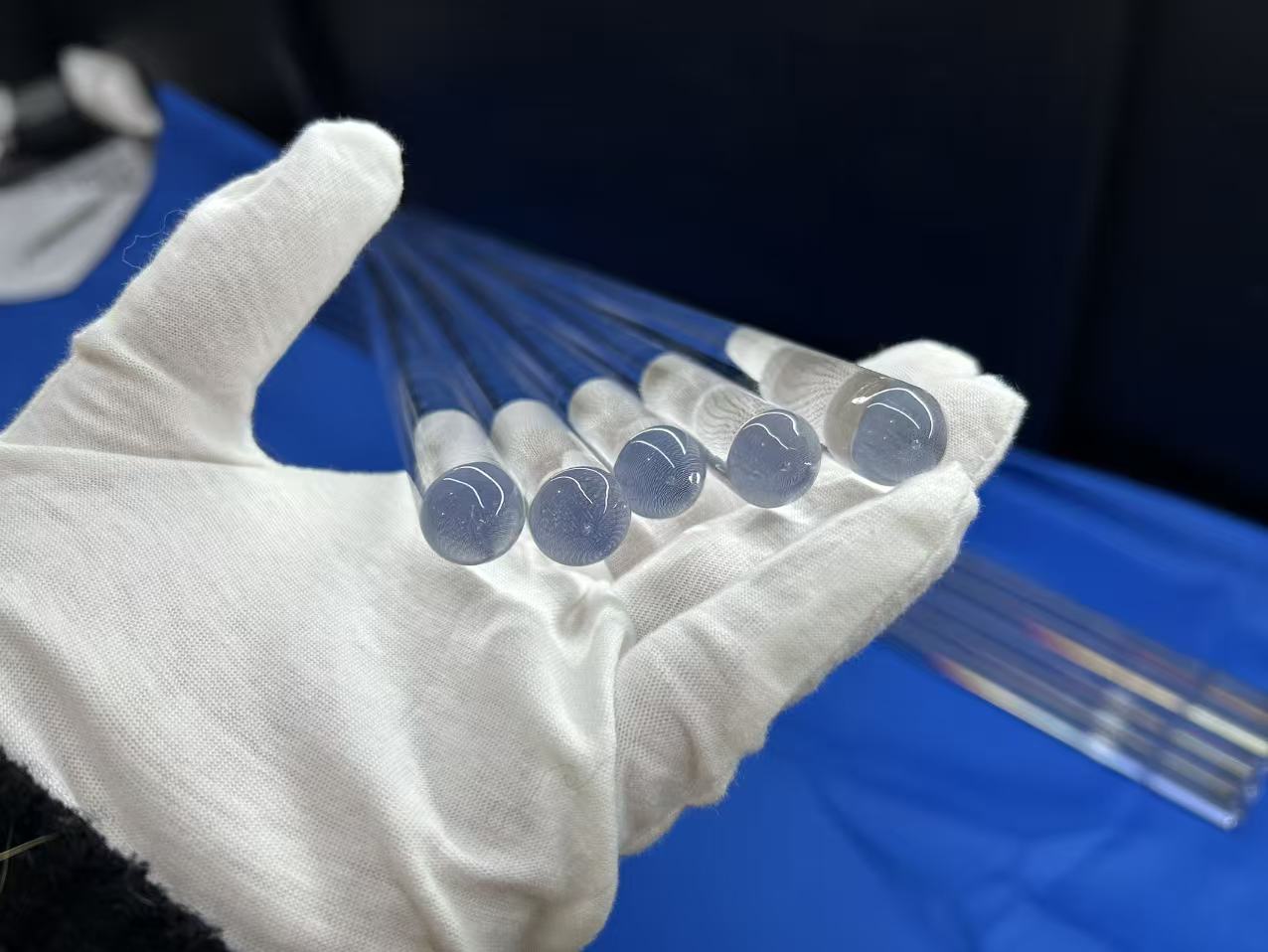
High-purity Fused Quartz Round Rods (Cutting, Welding & Bending)
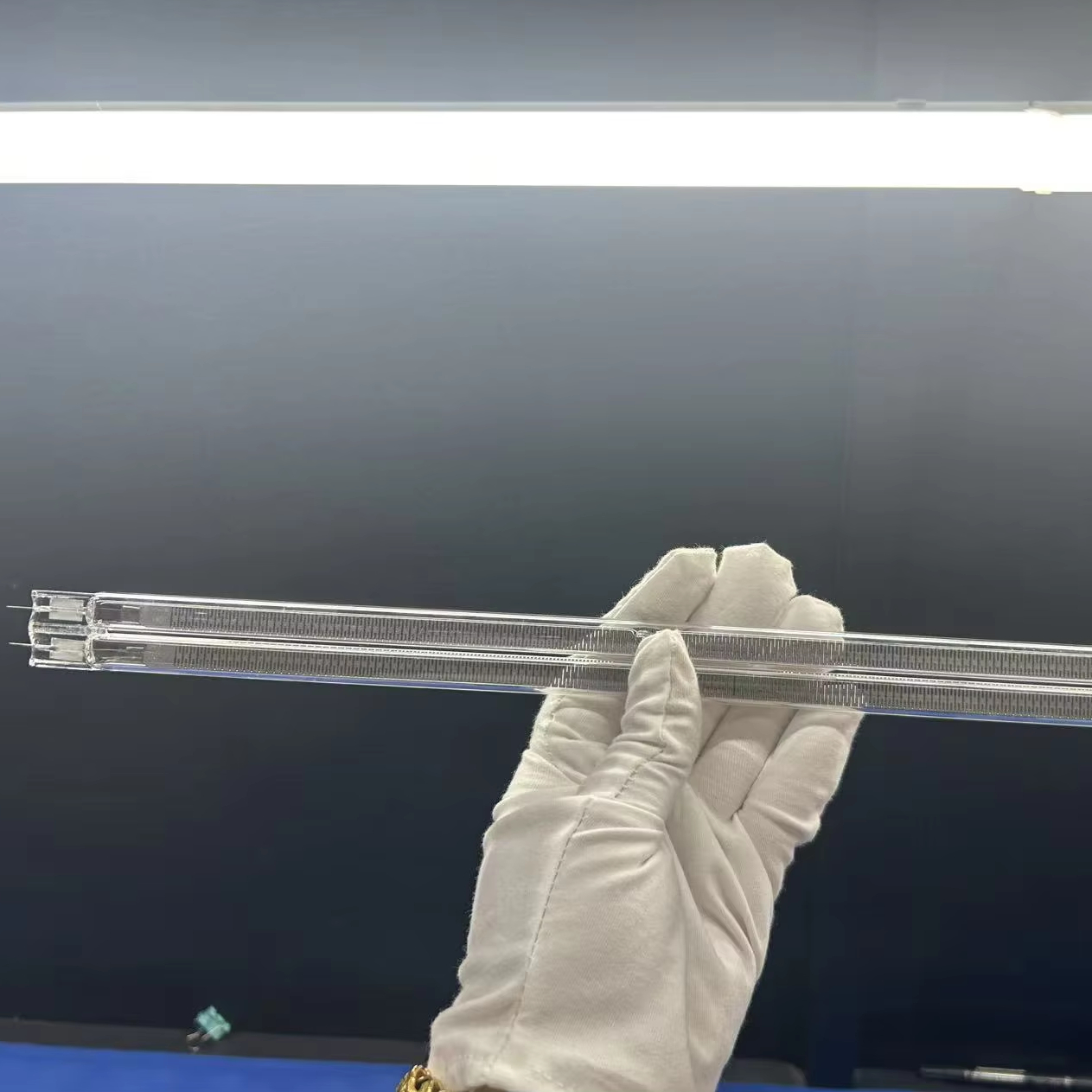
220v/380v Infrared Heating Tube Carbon Fiber/Halogen/Graphite Tube
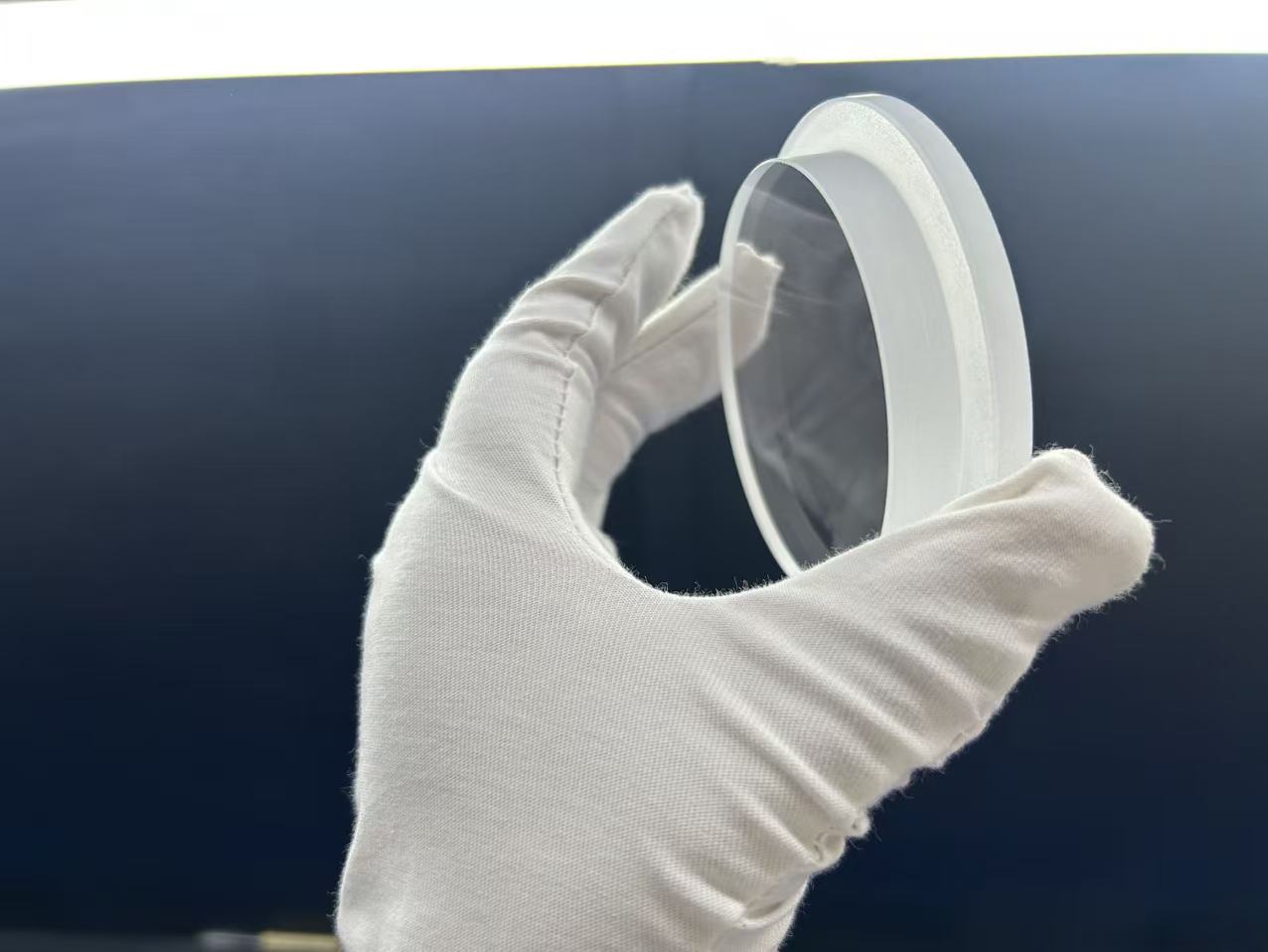
High-purity Ultra-thick Quartz Double-Layer Step Plate
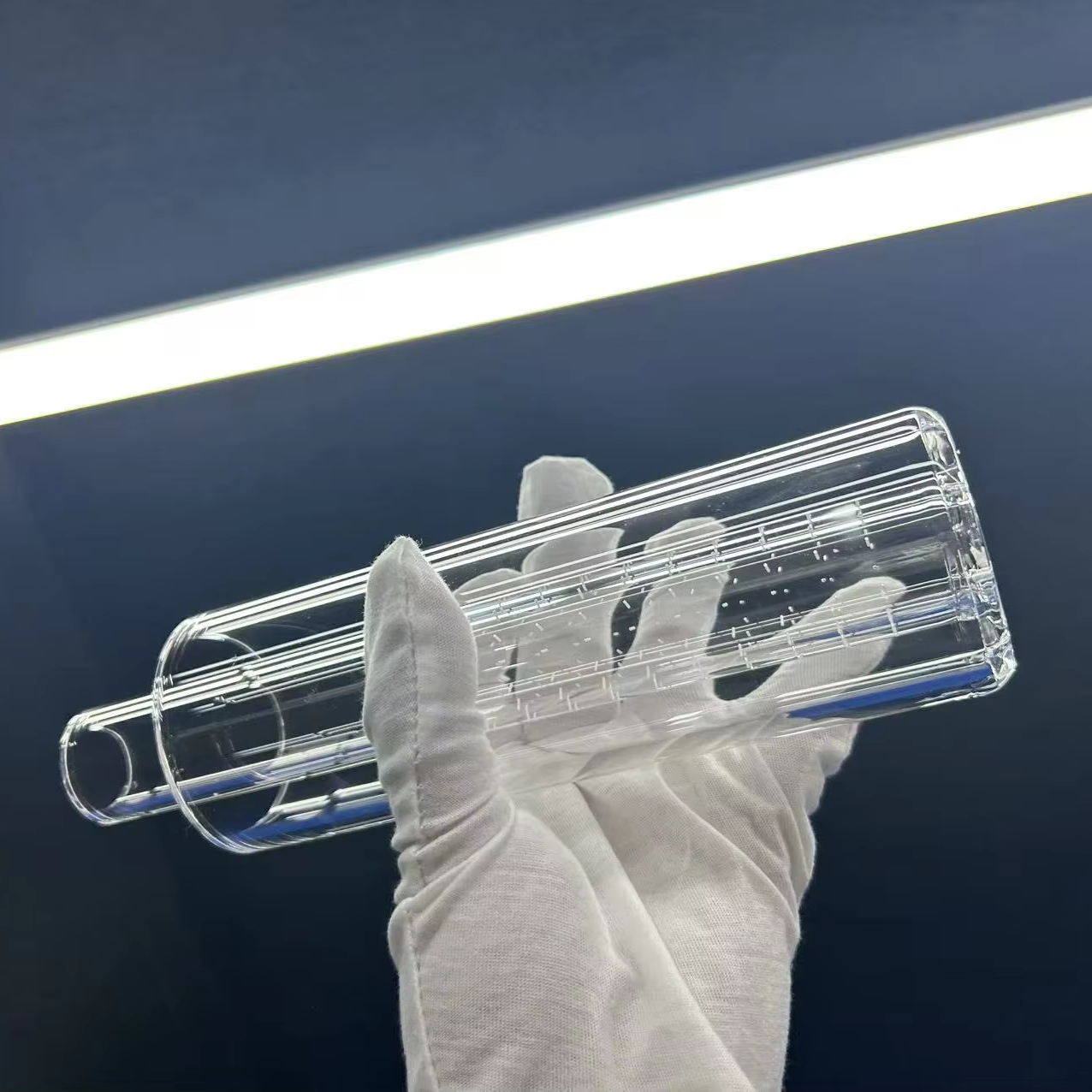
Customized Perforated Quartz Tube for Micro-Gas & Liquid Reaction
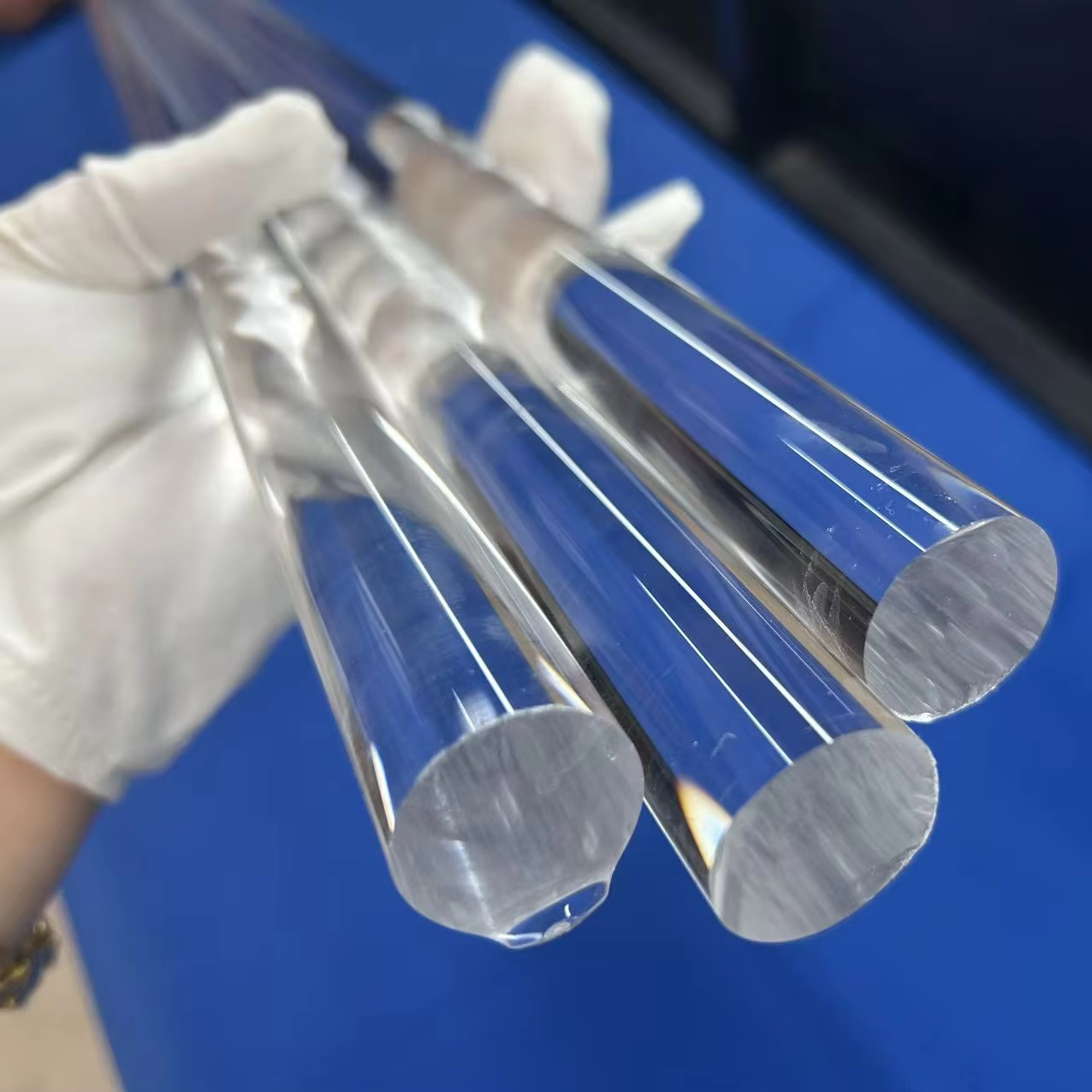
Fused Quartz Large Diameter Round Rods with Precision Fabrication
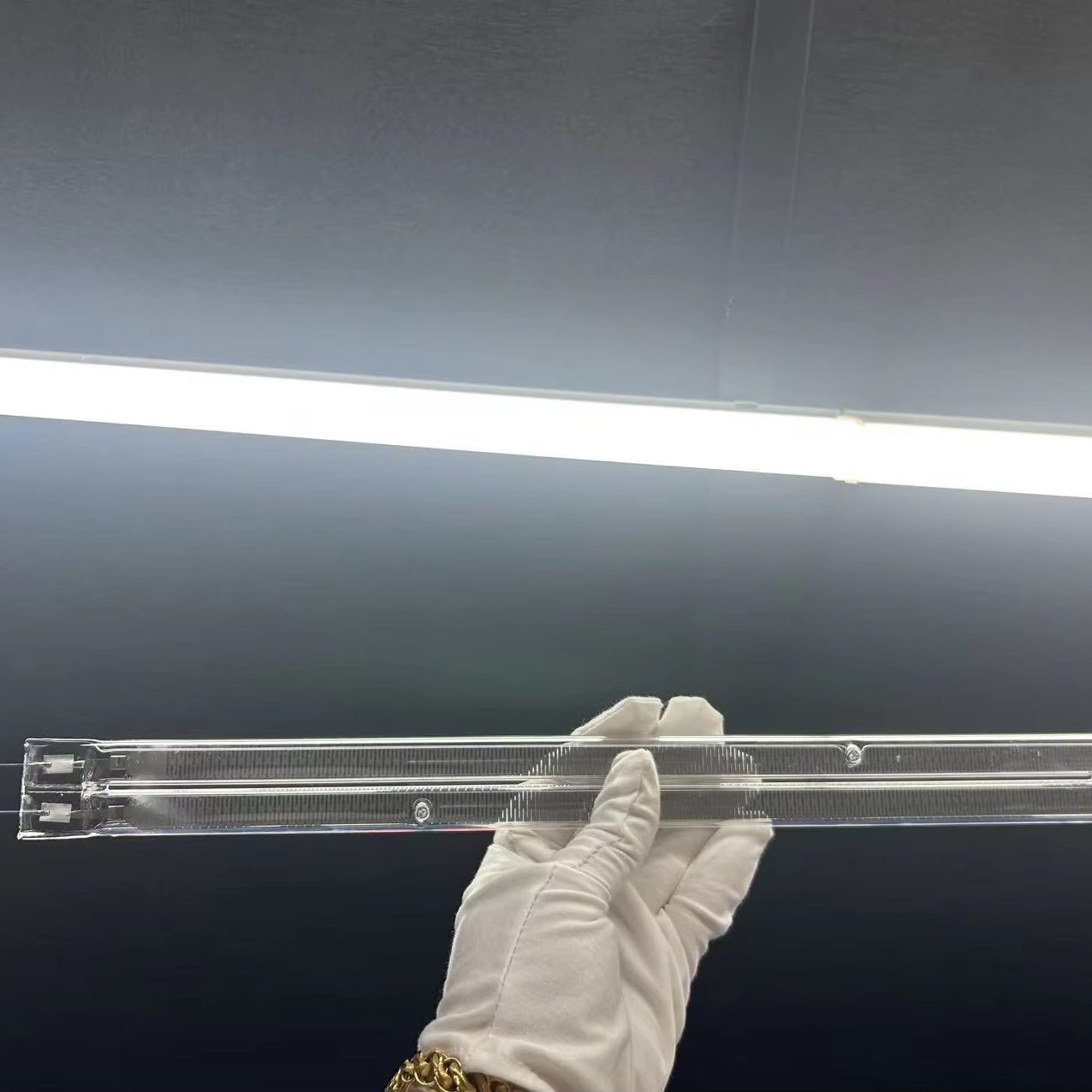
220V 700W Infrared Rapid Heating Tube (Graphene/Carbon Fiber)
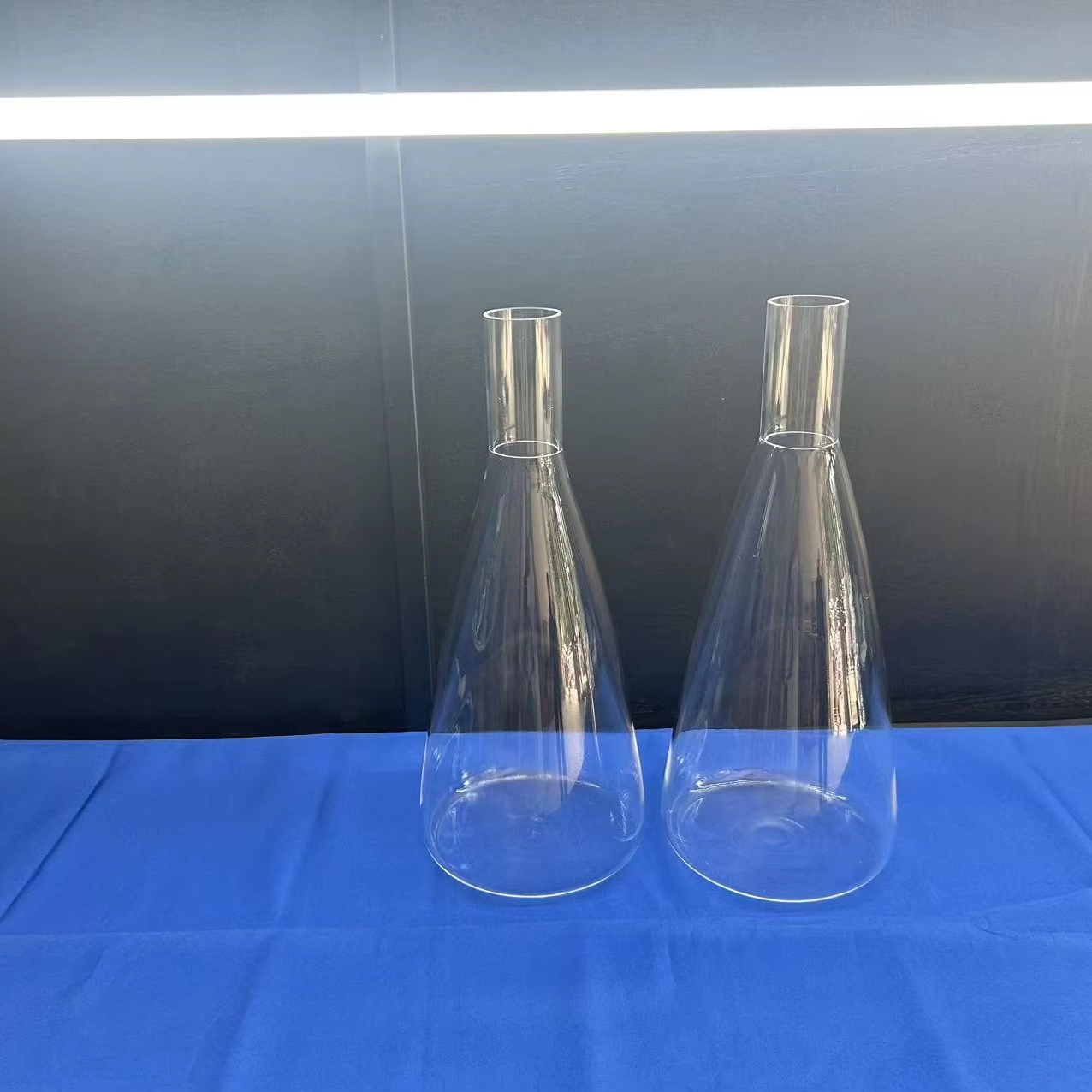
Laboratory Fused Silica Quartz Glass Flask for High-Temp Synthesis
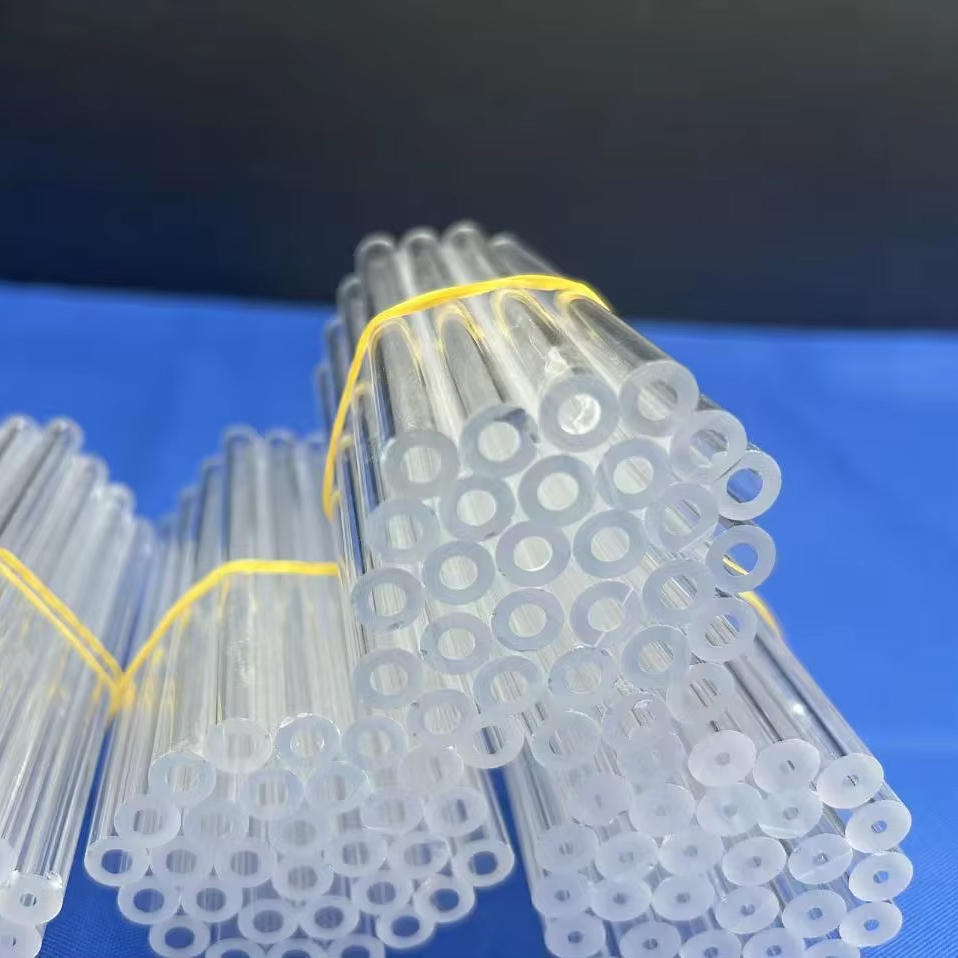
Customized Clear Quartz & Borosilicate BET Analytical Test Tube
Precision Quartz Flow Cells in Modern Analytical Chemistry
A comprehensive examination of material purities, optical path tolerances, and thermal endurance for seamless fluidic spectral monitoring.
Information Gain Summary: Unlike conventional borosilicate laboratory glassware, high-purity quartz flow cells fabricated from synthetic fused silica (JGS1) or clear fused quartz (JGS2) maintain an optical transmission efficiency exceeding 90% across the deep ultraviolet (185nm) to near-infrared (2500nm) spectra. For industrial and analytical facilities in Camagüey, acquiring precision-machined quartz flow cells with bubble-free molecular fusion welds eliminates signal noise, prevents chemical leach-out, and ensures zero thermal deformation under aggressive process temperatures up to 1100°C.
Ultra-Pure Material Sourcing
Utilizing natural rock crystal quartz refined in Donghai, Jiangsu—China’s quartz hub—our flow cells boast SiO₂ purity of ≥99.99%, minimizing trace elemental contaminants (Fe, Al, Ti < 20ppm) for uncompromised baseline optical measurements.
Sub-Micron Optical Polishing
Through multi-stage planetary lapping and double-sided flame polishing, window surfaces achieve micro-roughness below Ra < 0.5nm and Scratch-Dig quality of 10/5, reducing unwanted light scattering in fluorescence and UV-Vis spectrophotometry.
Molecular Fusion Bonding
To eliminate adhesive fluorescence background and solvent breakdown, our flow cells utilize thermal fusion bonding at temperatures exceeding 1200°C, unifying cell walls into a single monolithic quartz structure capable of resisting organic solvents and concentrated acids.
Localized Applications in Camagüey’s Key Sectors
How precision Chinese quartz flow cell engineering directly empowers the industrial, agricultural, educational, and medical research infrastructure of Camagüey Province.
1. Sugar Cane Processing & Polarimetric Quality Control
Camagüey's agricultural foundation heavily relies on sugar production, where inline polarimetry and refractometric density testing require continuous-flow cells. Our quartz flow cells maintain precise optical pathlengths (±0.005mm) for automated Brix analysis, resisting the abrasive nature of raw sugar syrups and organic acids without surface scratching or clouded windows.
2. Bio-Pharmaceutical & Biotechnological Research
Facilities such as the Center for Genetic Engineering and Biotechnology (CIGB) in Camagüey demand pristine spectroscopic quartz cuvettes and micro-flow channels for protein purification monitoring, liquid chromatography (HPLC), and cell culture density evaluation in the UV spectrum down to 190nm.
3. Environmental River & Municipal Water Monitoring
Monitoring water quality across the San Pedro and Tínima river basins, as well as municipal reservoirs in Camagüey, involves continuous Spectrofluorometric analysis of dissolved organic carbon and heavy metal tracers. Flame-bonded quartz flow cells provide non-reactive flow channels that eliminate analyte adsorption.
4. Chemical Manufacturing & High-Temp Digestion
For industrial plants producing agricultural chemicals and fertilizers, high-temperature quartz flow cells and furnace reaction tubes serve as vital inspection windows for online reaction vessels subjected to continuous thermal shocks up to 1000°C.
Localized Trends & Sourcing Dynamics in Camagüey
Understanding the technological modernization shifts in Central Cuba and why direct OEM partnerships with Chinese exporters yield high ROI.
Modernization of Lab Instrumentation
Laboratories in Camagüey are rapidly transitioning from legacy manual batch cuvette testing to continuous inline microfluidic spectroscopy. This transition requires custom-molded quartz flow cells with barbed PFA fitting connectors and optimized dead-volume designs.
Demand for Extended Lifespan Consumables
Due to maritime shipping schedules and regional procurement cycles in Cuba, local buyers prioritize highly durable fused quartz components that resist acid erosion (pH 0-14, excluding HF) over cheaper glass alternatives that etch and fail rapidly.
Direct China-to-Cuba Trade Efficiency
By establishing direct trade channels with Donghai manufacturers, procurement managers in Camagüey bypass intermediary markups, gain full access to custom CAD drawing customization, and secure shockproof export packaging that guarantees zero breakages upon port arrival.
Fused Quartz Material Grade Selection Guide
Select the ideal quartz grade for your specific flow cell application based on optical wavelength, OH content, and thermal parameters.
| Quartz Grade | Transmission Range | OH Content | Primary Industrial Applications in Camagüey | Key Performance Feature |
|---|---|---|---|---|
| JGS1 (Synthetic Fused Silica) | 185 nm – 2500 nm | < 5 ppm (or High OH for UV) | UV Spectrophotometry, HPLC Detection, CIGB Biotech Research | Zero fluorescence baseline, deep UV clarity at 193 nm. |
| JGS2 (Optical Fused Quartz) | 220 nm – 2500 nm | < 30 ppm | Sugar Brix Refractometers, Water Quality Monitoring, Industrial Sight Glass | Excellent bubble-free optical purity with high cost-efficiency. |
| JGS3 (Infrared Fused Quartz) | 260 nm – 3500 nm | < 5 ppm | FTIR Spectroscopy, Gas Analysis Flow Cells, Thermal Process Monitoring | Eliminates OH absorption bands in the 2700 nm IR spectrum. |
| Standard Borosilicate | 320 nm – 2000 nm | N/A | General High-Volume Non-Critical Lab Liquid Transfers | Lower cost, restricted UV transmission, limited thermal shock resistance. |
Donghai County Nivra Quartz Products Co., Ltd.
Combining world-class raw material reserves, advanced CNC optical processing, and dedicated export support for Cuban partners.
Capital of China Quartz
Located at 285 Heping East Road, Lianyungang, Jiangsu, our facility leverages Donghai’s unparalleled quartz crystal deposits to secure top-tier raw silica blocks, driving down material costs while ensuring ultra-pure stock.
101–200 Skilled Technicians
Established in February 2019, our workforce combines master glassblowers with automated CNC grinding and laser-sintering technicians, capable of executing complex internal channels down to 0.1mm micro-scale tolerances.
Verified Export Excellence
With an average inquiry response time under 5 hours, an 88.89% verified response rate, and a 5.0/5 buyer rating, we provide transparent trade documentation, CAD drawing reviews, and custom shock-proof crating.
Frequently Asked Questions for Sourcing to Camagüey
Addressing common technical, procurement, and shipping queries from laboratory directors and industrial engineers in Cuba.
1. What makes JGS1 fused quartz flow cells superior for UV spectrofluorometry in Camagüey labs?
JGS1 synthetic fused silica is synthesized from silicon tetrachloride (SiCl₄), producing a glass structure virtually free from metallic impurities like iron or aluminum. This guarantees maximum optical transparency down to 185nm in the deep ultraviolet spectrum. For biotechnology and analytical chemistry laboratories in Camagüey (such as CIGB), JGS1 prevents UV absorption masking and ensures zero background fluorescence during critical protein, nucleic acid, or chemical compound detection.
2. How do you ensure fragile quartz flow cells and tubes survive international transport to Cuba?
Exporting glass and optical components across ocean routes to Caribbean ports requires specialized packaging engineered for mechanical vibration and impact resistance. Each quartz flow cell or cuvette is ultrasonic cleaned, dried in cleanroom conditions, individually sealed in dust-free anti-static film, and encased within custom-cut, high-density polyethylene (PE) shock-absorbing foam. For longer quartz tubes and rods, we ship in reinforced, fumigation-free wooden crates fitted with tilt and impact indicator labels.
3. Can Nivra Quartz manufacture microfluidic flow cells based on our custom CAD/STEP drawings?
Yes. OEM/ODM custom fabrication is our core strength. Whether you require micro-bore internal flow paths (down to 0.1mm), multi-port capillary tubing connections, specialized thread flanges, or dual-layered optical step plates, our engineering team accepts DWG, DXF, STEP, PDF, or physical samples. We provide technical manufacturability feedback and tolerance confirmation within 5 hours of receiving your inquiry.
4. Why is molecular thermal fusion preferred over epoxy adhesives in quartz flow cell assembly?
Epoxy and polymer adhesives degrade rapidly when exposed to organic solvents (such as acetone, hexane, or methanol), strong acids (like nitric or sulfuric acid), or high operating temperatures. Furthermore, adhesives introduce unwanted fluorescence signals and baseline drift in spectrophotometers. Our thermal fusion welding joins quartz windows to cell bodies at temperatures over 1200°C, causing the quartz molecules to interlock and form a seamless, single-body unit that withstands extreme chemical exposure and thermal shocks up to 1100°C.
5. What is the Minimum Order Quantity (MOQ) for standard vs. custom quartzware?
We accommodate both small-batch experimental prototyping and large industrial production runs. For standard optical quartz plates, round rods, and standard quartz tubes, our MOQ starts at just 1 to 10 pieces. For highly customized microfluidic quartz flow cells requiring bespoke tooling or precision CNC ultrasonic drilling, sample prototyping orders start at 5 to 10 pieces to allow for thorough validation before full-scale manufacturing.
6. What thermal limits and shock conditions can your quartz tubes and crucibles endure?
Our clear fused quartz products feature a very low coefficient of thermal expansion (approx. 5.5 × 10⁻⁷ /°C). This allows them to withstand continuous operating temperatures up to 1100°C and short-term peak exposures up to 1450°C (softening point is ~1683°C). A standard quality control test involves heating a quartz tube to 1000°C and immediately quenching it in 20°C water without causing structural fracture or micro-cracking.
Partner with China's Premier Quartz Flow Cell Manufacturer
Need precision-engineered quartz cuvettes, custom micro-channel flow cells, or high-purity furnace tubes for your operations in Camagüey? Submit your technical requirements or CAD drawings today for immediate engineering evaluation.