Featured Quartz Glass Solutions for German Engineering
Fabricated from optical-grade synthetic silica (JGS1) and natural fused quartz (JGS2/JGS3) with thermal tolerance up to 1450 °C, ultra-low bubble inclusion class 0, and laser-grade Ra < 0.5 nm surface finish.
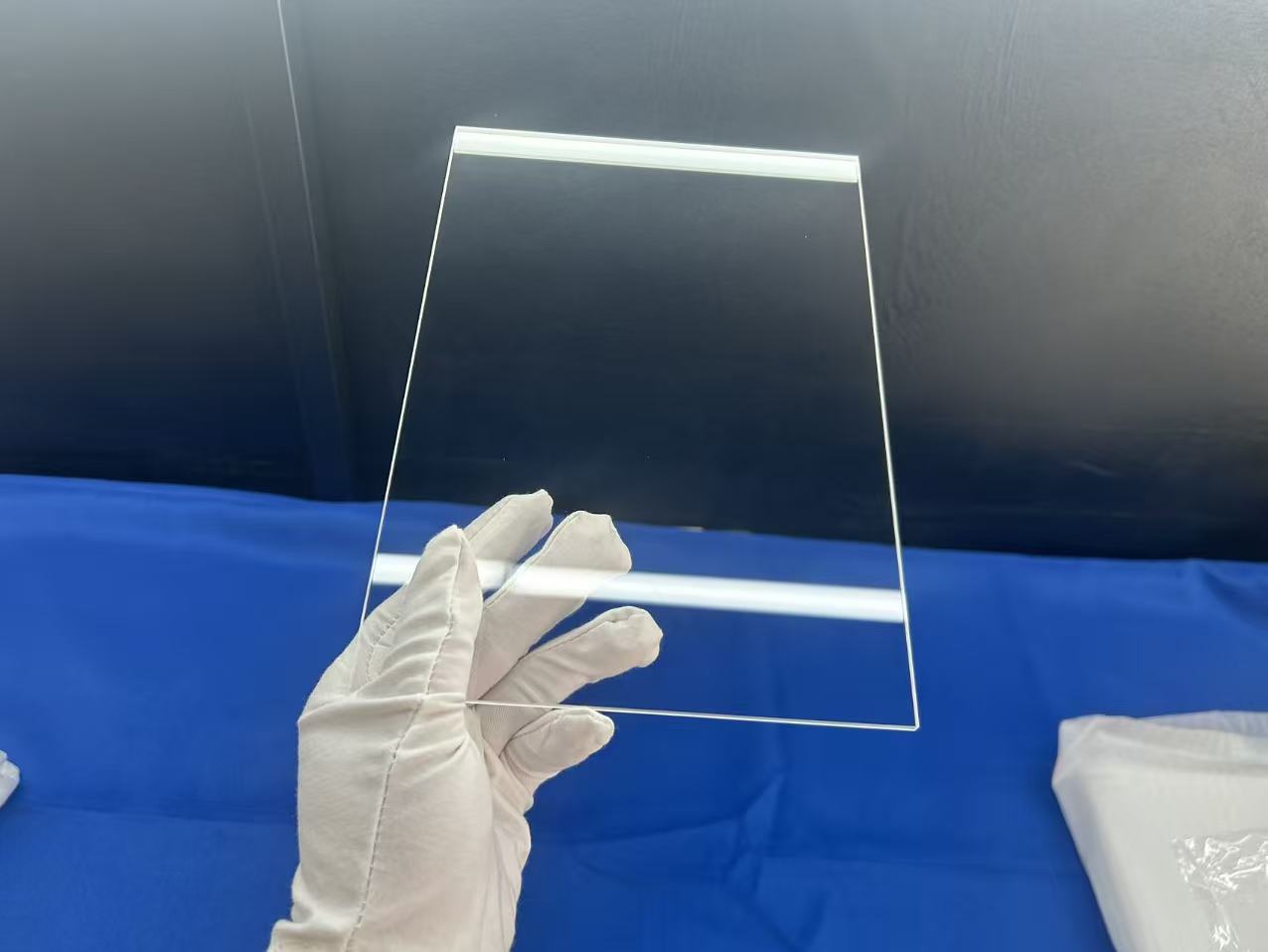
Custom Polished Purity Transparent Square Quartz Glass Plate 3mm Thick Clear Optical Instruments for Welding Cutting
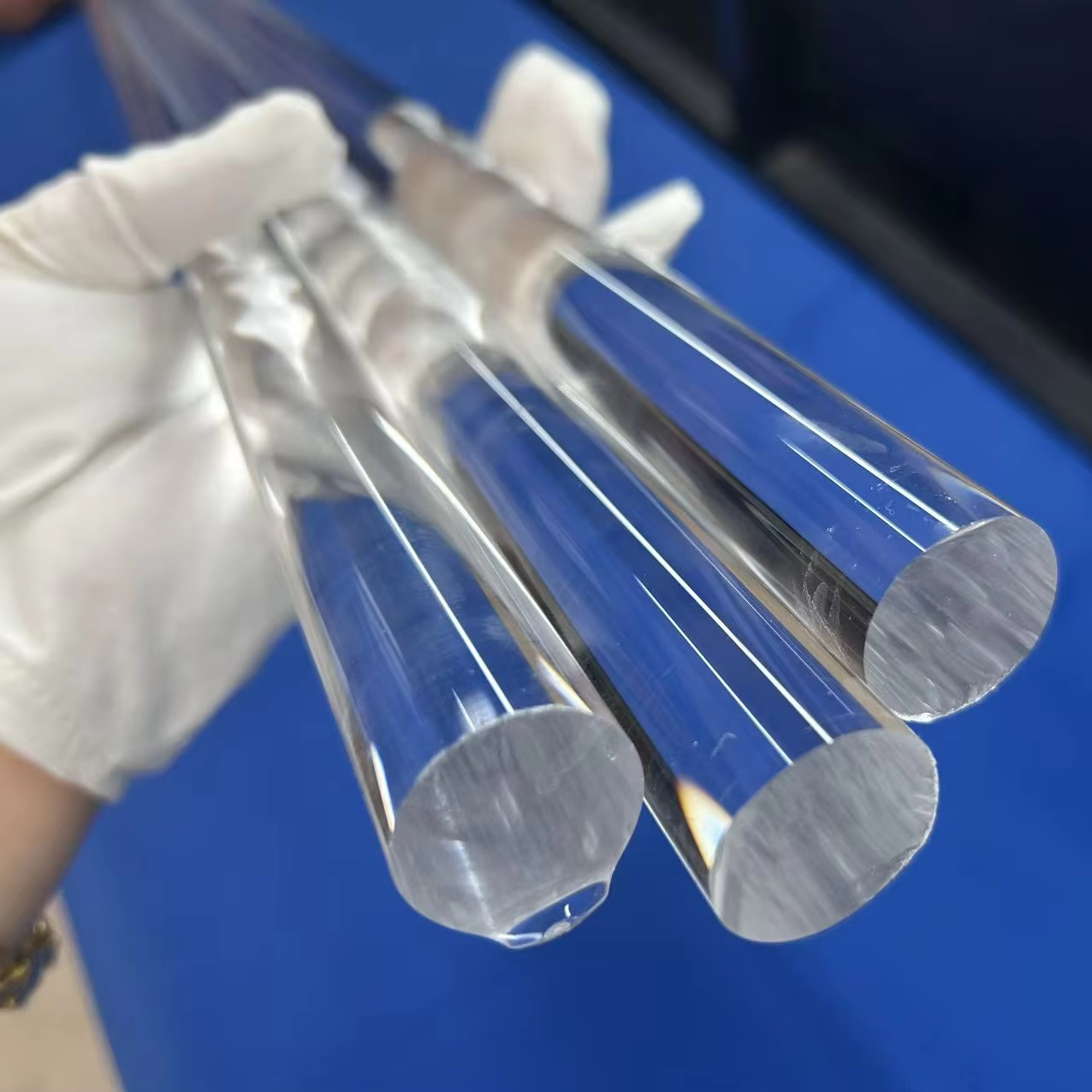
The Factory Produces High-purity Fused Quartz Large Diameter Round Rods, Offering Cutting, Welding, and Bending Services
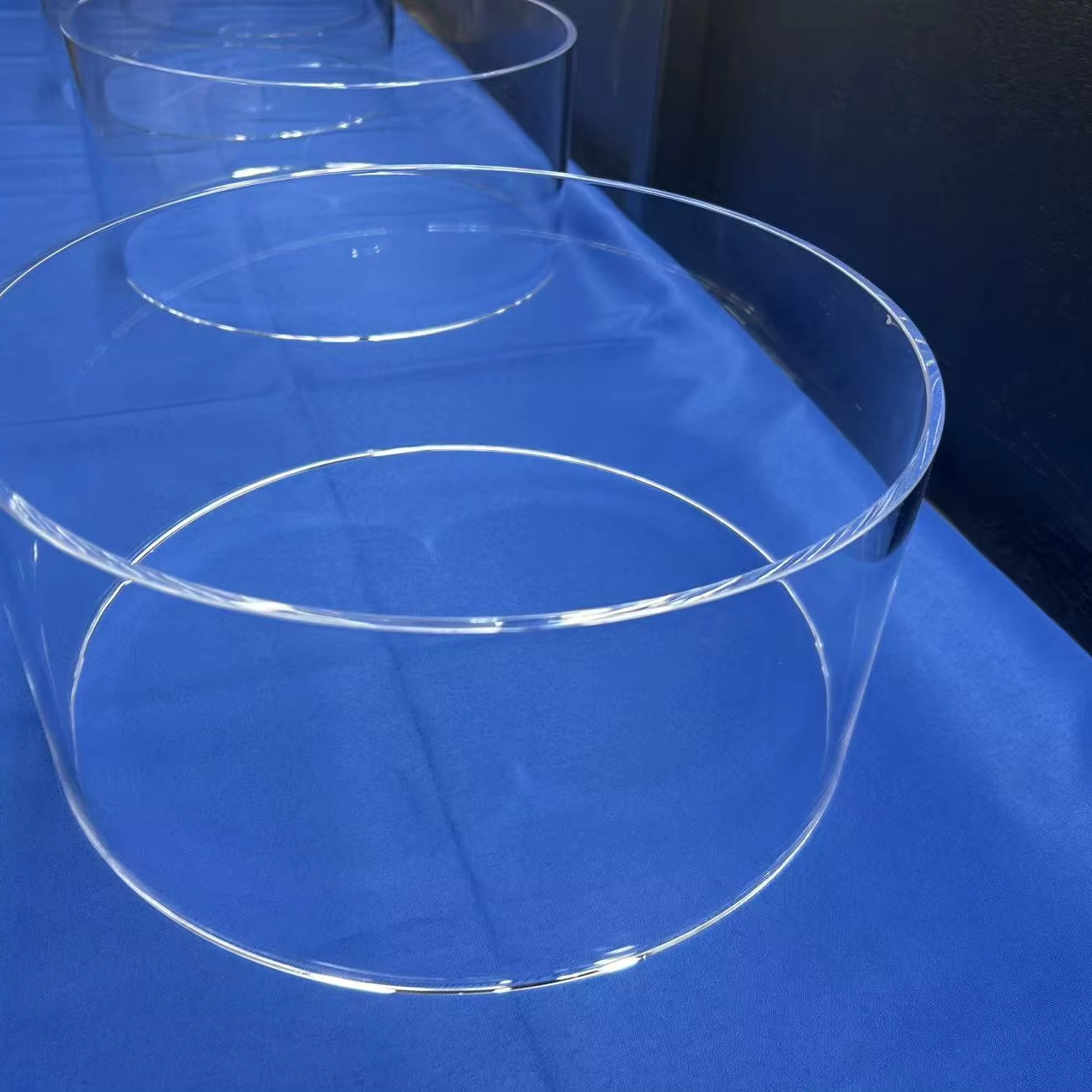
High-Purity Fused Quartz Large Diameter Round Rods Cutting Welding & Bending Services ForIndustrial Production
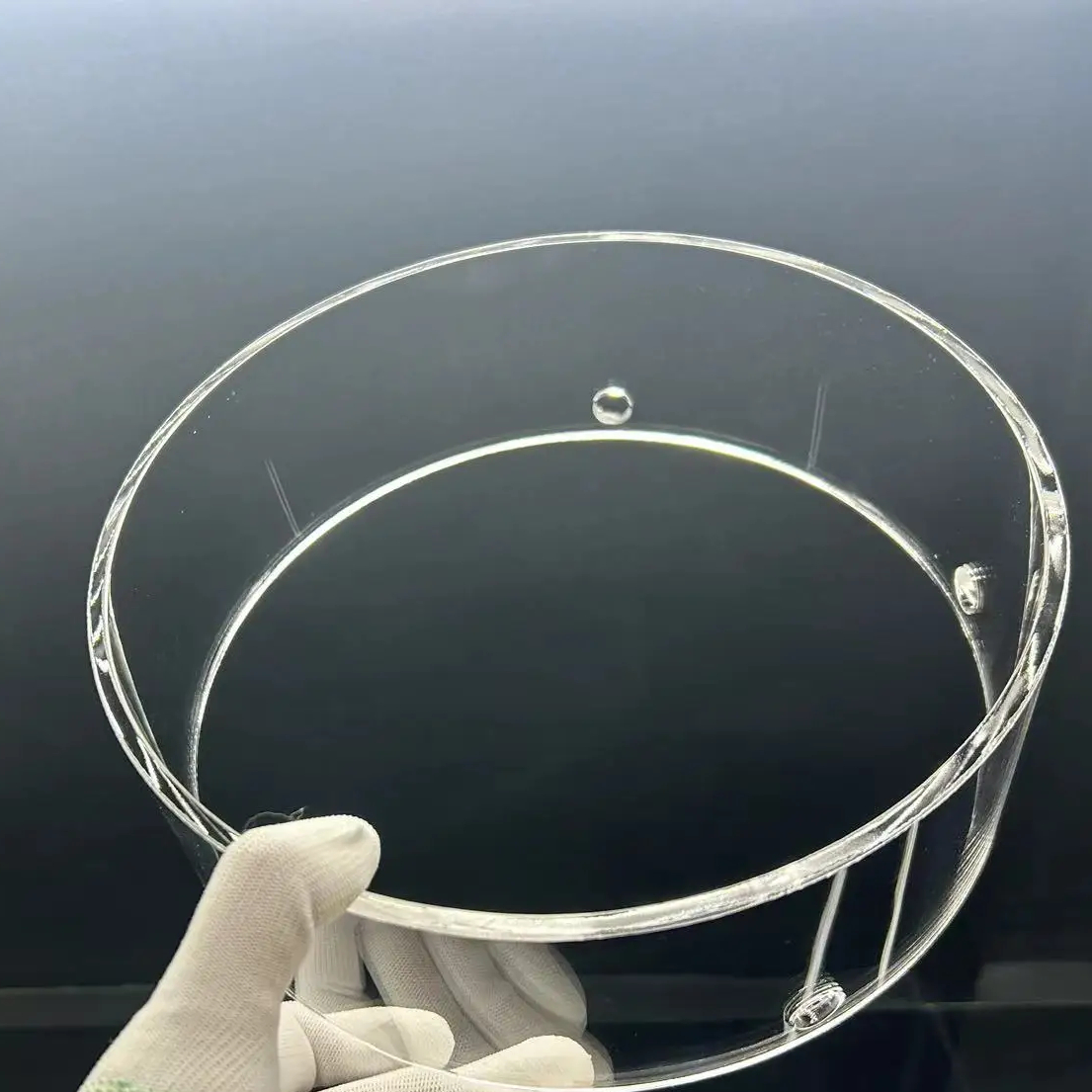
Fused Transparent Quartz Tube for Furnace & UV Process
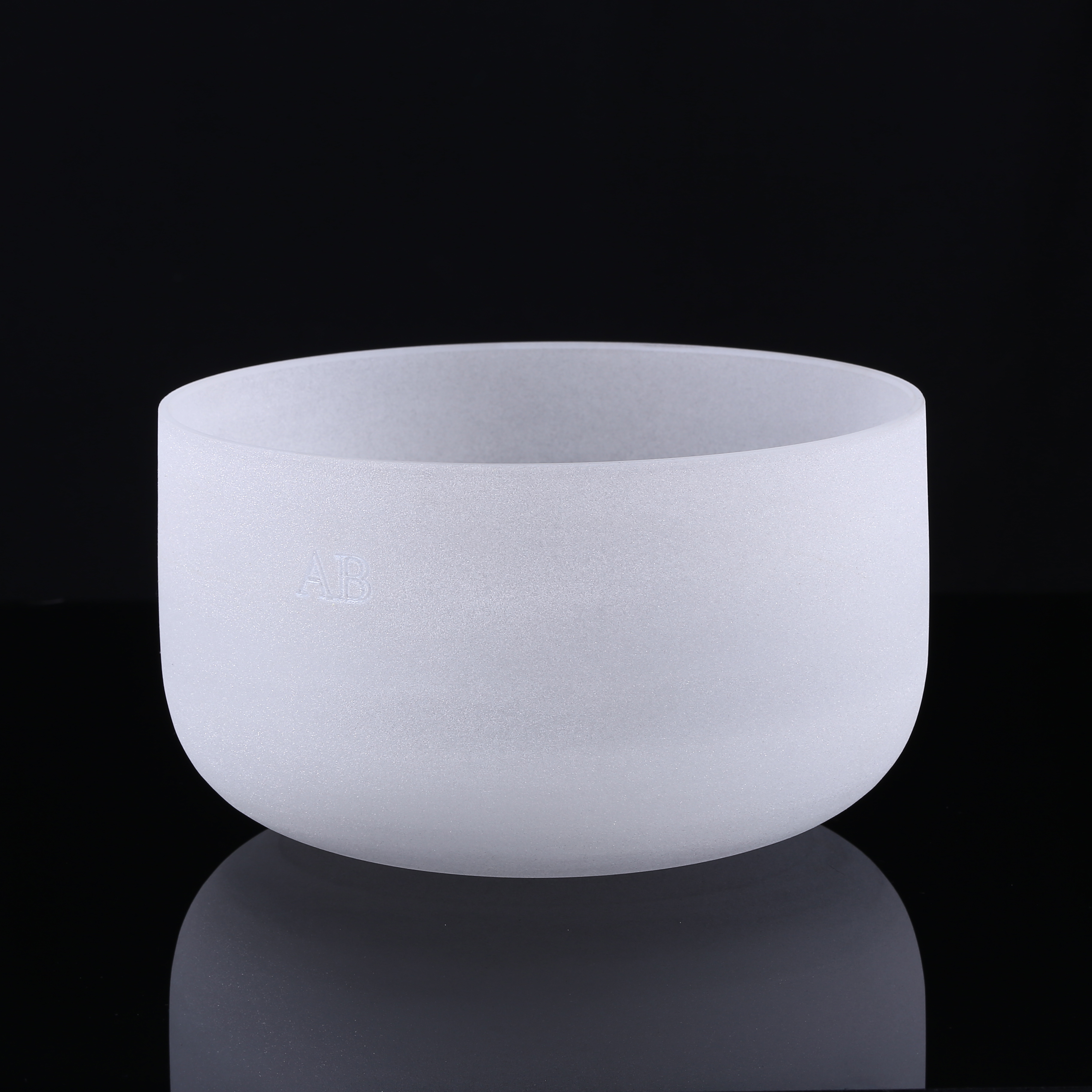
High Temperature Fused Silica Quartz Crucible
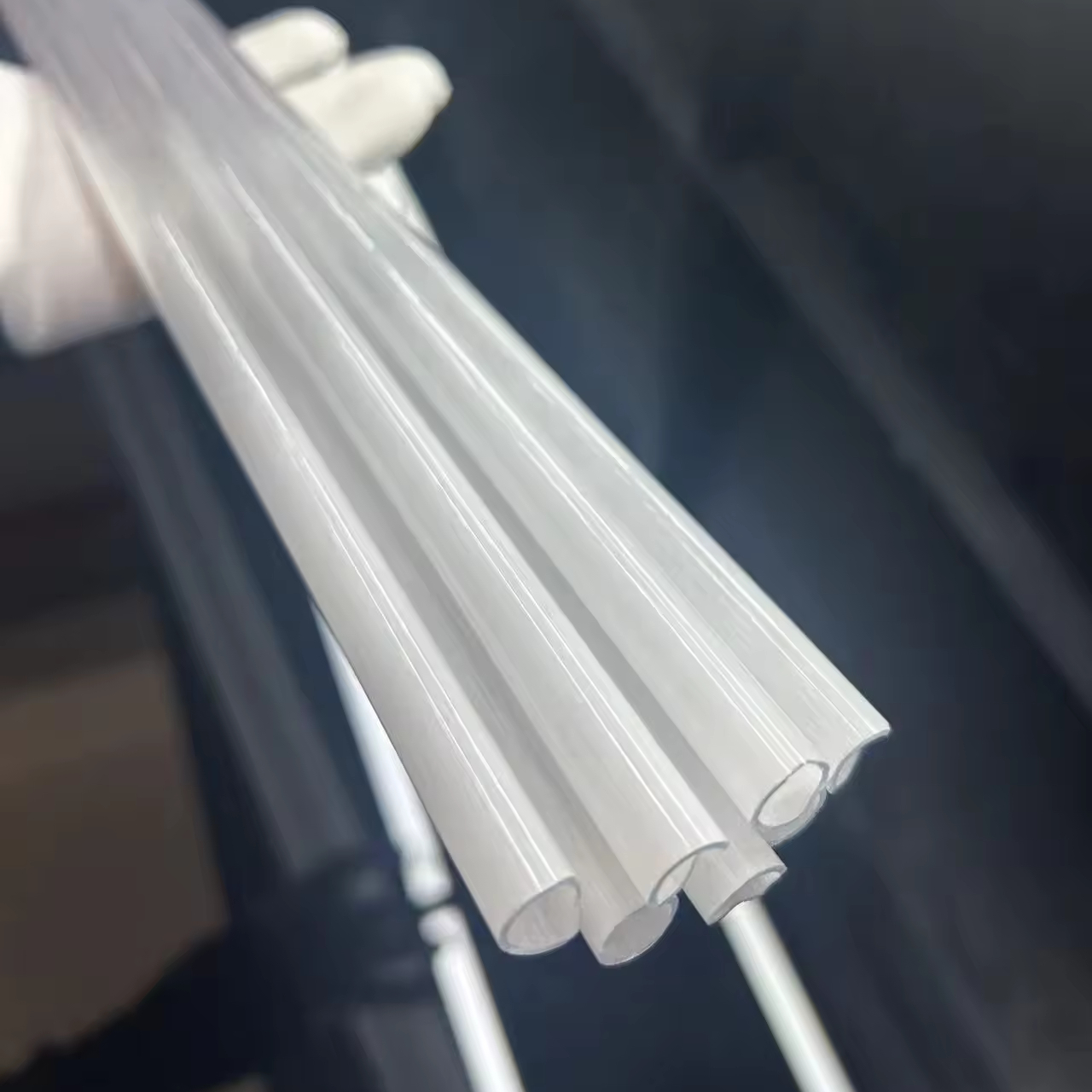
Translucent Quartz Glass Pipe Quartz Glass Sleeve Opaque Milky White Quartz Glass Tube
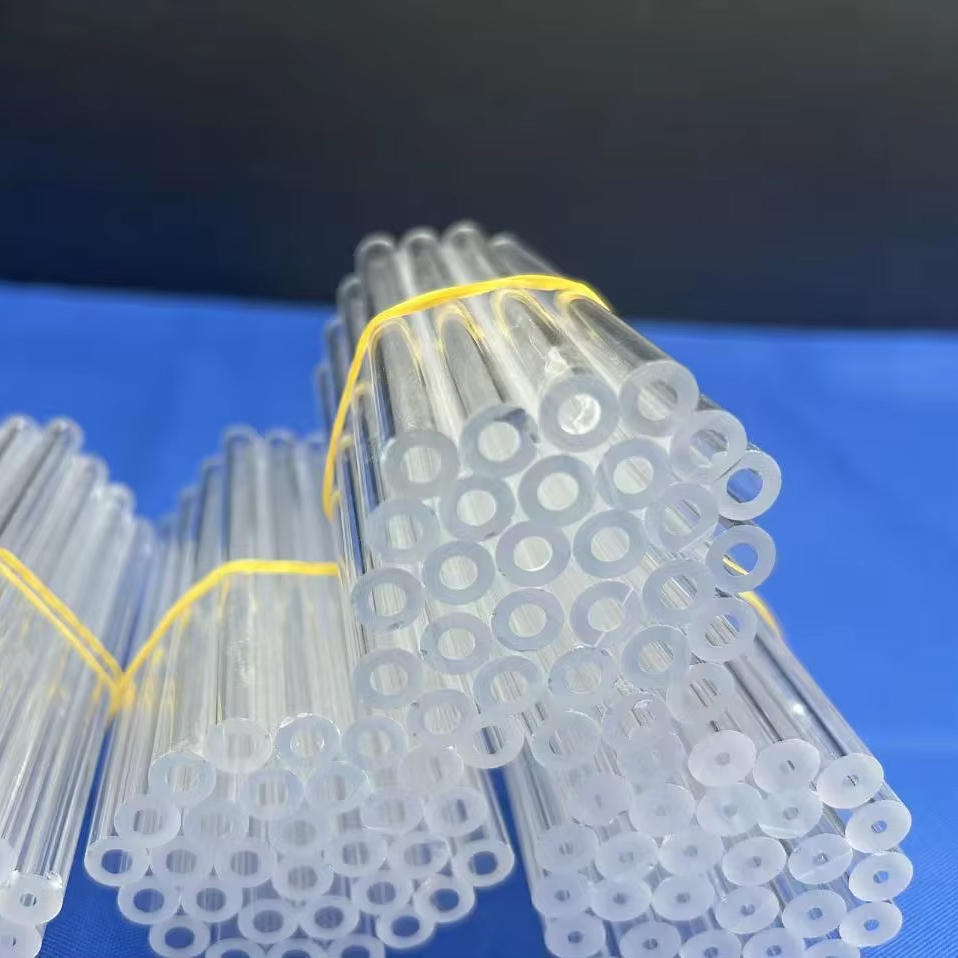
Customized Size clear Quartz Glass Tube BET Borosilicate Glass test Tube clear Quartz Glass Tube
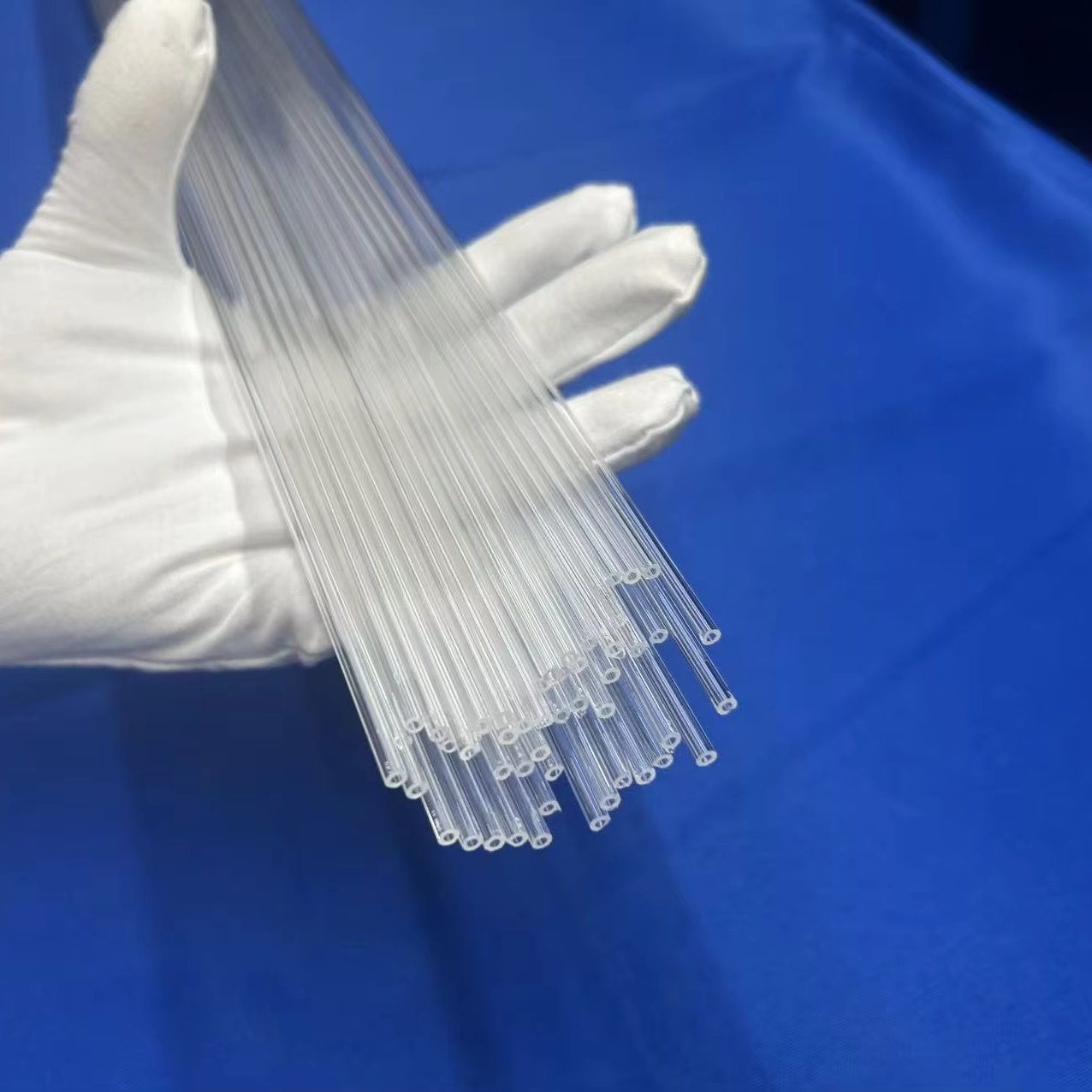
Capillary Quartz Tube for HPLC & Laser Waveguide
Precision Engineering of Polished Quartz Discs for Cologne’s Optics & Chemical Process Sectors
In high-reliability industrial environments—such as the chemical installations of North Rhine-Westphalia (NRW) or precision laser facilities across the Cologne-Aachen technology belt—optical glass cannot simply be designated as generic "quartz." Specifying engineering-grade components requires strict control over raw crystalline precursors, thermal annealing schedules, and multi-axis planetary lapping kinetics. Donghai County Nivra Quartz Products Co., Ltd. produces quartz discs utilizing synthetic silicon tetrachloride vapor-phase axial deposition (VAD) for Deep UV applications, as well as refined natural quartz crystal electric-arc fusion for thermal and chemical sight glass hardware.
When German procurement teams evaluate quartz discs for critical installations, the primary failure modes stem from subsurface micro-cracks induced during CNC core-drilling, along with unannealed internal stresses that cause birefringence under polarized laser light. Nivra Quartz implements a proprietary three-stage hydrogen-oxygen flame annealing process followed by precision slow cooling (0.5 °C/min between 1150 °C and 900 °C). This relieves all residual strain to < 5 nm/cm path difference, guaranteeing absolute dimensional and mechanical stability under rapid temperature shifts across Rhine-based chemical processing plants.
Disc Metrology Parameters
Critical Applications in Cologne & the Greater Rhine-Ruhr Industrial Basin
As one of Europe's most concentrated chemical clusters and a premier photonics corridor, Cologne demands optical quartz discs that satisfy rigorous technical and regulatory parameters.
Petrochemical & Fine Chemical Reaction Cells
The chemical triangle flanking Cologne—including major production sites at Chempark Leverkusen, Dormagen, and Knapsack—relies heavily on Nivra Quartz polished inspection discs for high-pressure autoclaves and corrosive synthesis reactors. Highly resistant to aggressive acids (except hydrofluoric and hot concentrated phosphoric acid), our high-purity JGS2 sight glasses withstand up to 1100 °C continuous process temperatures under intense thermal gradients.
Industrial Laser Cutting & Optics Protection
Positioned along the NRW industrial manufacturing axis, machine builders and tooling centers utilize Nivra Quartz synthetic fused silica (JGS1) cover windows and laser debris shields. Engineered with ultra-low bulk absorption (< 3 ppm/cm @ 1064 nm) and high laser damage threshold (> 12 J/cm² with 10 ns pulses), our double-sided polished discs eliminate thermal lensing distortions in multi-kilowatt fiber laser cutting heads.
Vacuum Chamber Viewports & Thin-Film PVD/CVD
Academic laboratories and industrial vacuum coating specialists across the Cologne research corridor utilize our custom-dimensioned polished quartz discs as CF and ISO flange viewports. Fabricated with precision edge ground chamfers to prevent micro-chipping during assembly with copper or Viton seals, these discs ensure hermetic integrity in high-vacuum and ultra-high vacuum (UHV) regimes down to 10⁻¹⁰ mbar.
Photolithography Stepper Masks & Wafer Discs
With Europe’s semiconductor ecosystem actively expanding in nearby regions, demand for ultra-flat quartz disc substrates has surged. Our double-sided planetary polished discs achieve total thickness variation (TTV) < 1.5 µm and bow/warp < 3 µm across 200 mm diameters, providing the exact optical baseline required for photolithographic chrome blank deposition and deep ultraviolet (DUV) projection alignment.
UV-C Disinfection & Water Treatment Flow Windows
Industrial water utilities along the Rhine River and pharmaceutical cleanrooms in North Rhine-Westphalia rely on UV-C sterilization channels equipped with Nivra Quartz JGS1 discs. Because synthetic fused silica maintains > 90% internal transmittance at the germicidal 254 nm wavelength, it provides maximum pathogen eradication efficiency without solarization degradation or UV-induced darkening over continuous multi-year operational cycles.
Spectrophotometry Cuvette Windows & Analytical Cells
Analytical laboratories and clinical diagnostics centers throughout Cologne depend on low-fluorescence, super-polished quartz discs for UV-Vis-NIR absorption and fluorescence spectroscopy. The lack of trace metallic impurities (Fe < 0.1 ppm, Al < 5 ppm) in our refined quartz guarantees clear optical transmission from 185 nm to 3500 nm without baseline spectral noise or parasitic secondary emissions.
Technological & Procurement Trends Shaping Cologne's Quartz Market
How evolving German quality directives, the European green transition, and supply chain redundancy mandates affect industrial quartz sourcing.
Green Hydrogen & Electrolyzer Monitoring
With North Rhine-Westphalia leading Germany's transition toward green hydrogen infrastructure in industrial chemical valleys, new high-pressure, de-oxygenated sight glasses are required. Nivra Quartz supplies dehydroxylated (OH < 2 ppm) quartz discs tailored for inline spectroscopic combustion and water-splitting electrolysis monitoring, where ordinary glasses succumb to hydrogen embrittlement and elevated pressure-temperature cycling.
Supply Chain Diversification & Cost Rationalization
German OEM buyers are actively mitigating high domestic fabrication lead times by partnering directly with verified primary Chinese manufacturers. With our facility based in Donghai—China’s crystal capital—we offer direct foundry pricing combined with 5-hour engineering turnarounds, enabling Cologne system integrators to cut raw quartz optical component acquisition costs by 35% to 50% without compromising DIN ISO compliance.
Strict EU Regulatory Compliance (LkSG & REACH)
German corporations are subject to the Supply Chain Due Diligence Act (Lieferkettensorgfaltspflichtengesetz - LkSG) and REACH/RoHS environmental directives. Nivra Quartz guarantees 100% heavy-metal-free synthetic fused silica and pure natural quartz with full traceability documentation, batch-specific chemical assay reports, and material safety data sheets (MSDS) ready for direct German customs audit.
Optical Quartz Material Matrix: JGS1 vs. JGS2 vs. JGS3 vs. Sapphire
Proper material grade selection prevents optical failure and minimizes over-specification costs. Use this empirical data sheet to verify project requirements before placing production orders.
| Material Classification | Transmission Band (T > 80%) | Hydroxyl [OH⁻] Content | Refractive Index ($n_d$) | Max Working Temp | Primary Industrial Field in Cologne |
|---|---|---|---|---|---|
| JGS1 (Synthetic Fused Silica) | 185 nm – 2500 nm (Deep UV) | < 5 ppm (or tailored) | 1.4585 | 1100 °C (Short: 1400 °C) | Excimer lasers, DUV lithography, UV-C monitoring cells |
| JGS2 (Optical Fused Quartz) | 220 nm – 2500 nm (UV-Visible) | ≈ 30 – 150 ppm | 1.4585 | 1150 °C (Short: 1450 °C) | Chempark reactor sight glasses, industrial viewports, lamps |
| JGS3 (Infrared Fused Quartz) | 260 nm – 3500 nm (Near-to-Mid IR) | < 2 ppm (Low-OH) | 1.4584 | 1150 °C (Short: 1450 °C) | Pyrometry observation, FTIR windows, thermal heaters |
| Clear Fused Quartz (Standard) | 280 nm – 2500 nm (Visible-NIR) | ≈ 150 – 200 ppm | 1.4580 | 1100 °C (Short: 1350 °C) | General furnace sight plates, laboratory test tubes, flanges |
| Single Crystal Sapphire (Al₂O₃) | 190 nm – 5000 nm (Broad Band) | 0 ppm | 1.7680 | 1900 °C (Mohs 9 Hardness) | Ultra-abrasive slurries, high-pressure sensor windows |
Direct Manufacturer Strength from China’s Quartz Epicenter
Founded in February 2019 in Donghai County, Lianyungang, Jiangsu, Nivra Quartz combines advanced automated machinery with seasoned master glassblowers to ensure zero-defect exports to Germany.
Skilled Workforce
A specialized team of optical engineers, precision CNC machinists, and master quartz lamp-workers delivering bespoke fabrication from initial CAD drawings to final sub-micron polish.
Fast Quotation Turnaround
Engineered technical reviews and commercial proposals submitted within 5 hours, achieving an 88.89% responsive consultation rate for German technical procurement inquiries.
Verified Quality Rating
Over 43 verified international trade transactions worth US$40,000+ within a single six-month audit period, backed by full on-site facility verification by Alibaba.com and third-party inspectors.
Export Shock Packaging
Every polished disc is individually sealed in lint-free optical paper, vacuum-packed in nitrogen cleanroom bags, and encased in high-density customized foam inside reinforced fumigation-free timber cases.
Frequently Asked Questions by German Engineering & Sourcing Teams
Clear answers on DIN specifications, customs procedures, air cargo routes into Cologne Bonn Airport, and technical acceptance criteria.
How do you verify compliance with German DIN ISO 10110 optical standards?
Every production batch of polished quartz discs undergoes surface form accuracy and transmitted wavefront verification using Zygo GPI phase-shifting laser interferometers. Scratch-dig assessments strictly follow DIN ISO 10110-7 (and MIL-PRF-13830B), while internal bubble and inclusion ratings are certified to DIN ISO 10110-3: 1/0. Full interferogram inspection reports and material conformity certificates are supplied with every shipment.
What is the typical shipping transit time to Cologne / Bonn Airport (CGN)?
For urgent prototypes and low-to-medium volume orders, goods are dispatched via air express (DHL / FedEx / UPS) from Shanghai Pudong (PVG) directly into Cologne Bonn Airport (CGN) or Frankfurt (FRA) within 3 to 5 business days. For bulk container freight destined for the Rhine inland ports (such as Port of Cologne-Niehl), transit takes approximately 28 to 32 days via maritime shipping to Rotterdam or Antwerp followed by Rhine barge transit.
Can you provide custom CNC edge beveling, drilling, and laser marking?
Yes. Our in-house manufacturing center operates multi-axis ultrasonic CNC machines that produce complex geometries, including stepped counterbores, high-tolerance sealing chamfers (e.g., 0.5 mm × 45°), laser alignment notches, and localized anti-reflective (AR) coating preparations. Part serial numbers and heat numbers can be discreetly laser-annealed onto the non-optical edge for full traceability.
What are the minimum order quantities (MOQ) for non-standard disc sizes?
Because we operate our own precision slicing, grinding, and double-sided polishing production lines, we support low-volume prototyping with an MOQ of just 1 to 5 pieces for custom diameters ranging from Ø 10 mm to Ø 450 mm. For high-volume serial production runs, our planetary polishing machines can produce thousands of discs monthly with uniform batch-to-batch repeatability.
How does your quartz disc handle sudden thermal shock in chemical reactors?
With an extremely low coefficient of thermal expansion (5.5 × 10⁻⁷ / °C between 20 °C and 300 °C), our polished quartz discs exhibit near-zero thermal expansion stress. A standard 5 mm thick disc heated to 1100 °C can be repeatedly plunged into 20 °C cold water without fracturing or developing micro-fissures, making it far superior to borosilicate or aluminosilicate glasses in reactor flash cooling scenarios.
What documentation accompanies export shipments into Germany?
Shipments destined for German buyers include complete commercial customs invoices with TARIC / HS Code 7002.31 / 7006.00 classification, a Certificate of Origin (COO), raw material purity spectroscopy assays (ICP-OES reports), dimensional inspection sheets, and RoHS/REACH compliance declarations to facilitate frictionless clearance through German customs offices (Zollamt Köln-West).
Request a Technical Quotation for Cologne Delivery
Upload your 2D PDF / 3D STEP drawings with target dimensions, surface roughness, optical transmission band, and required quantities. Our optical manufacturing team will deliver an engineering manufacturability review and competitive DDP/FOB quotation within 5 hours.