Featured Quartz Components & Windows Ready for Baltic Delivery
Direct supply from Donghai County Nivra Quartz Products Co., Ltd. Guaranteed ≥99.99% SiO₂ purity, pristine wavefront transmission, and tight ISO-certified dimensional tolerances calibrated for harsh laboratory and industrial environments.
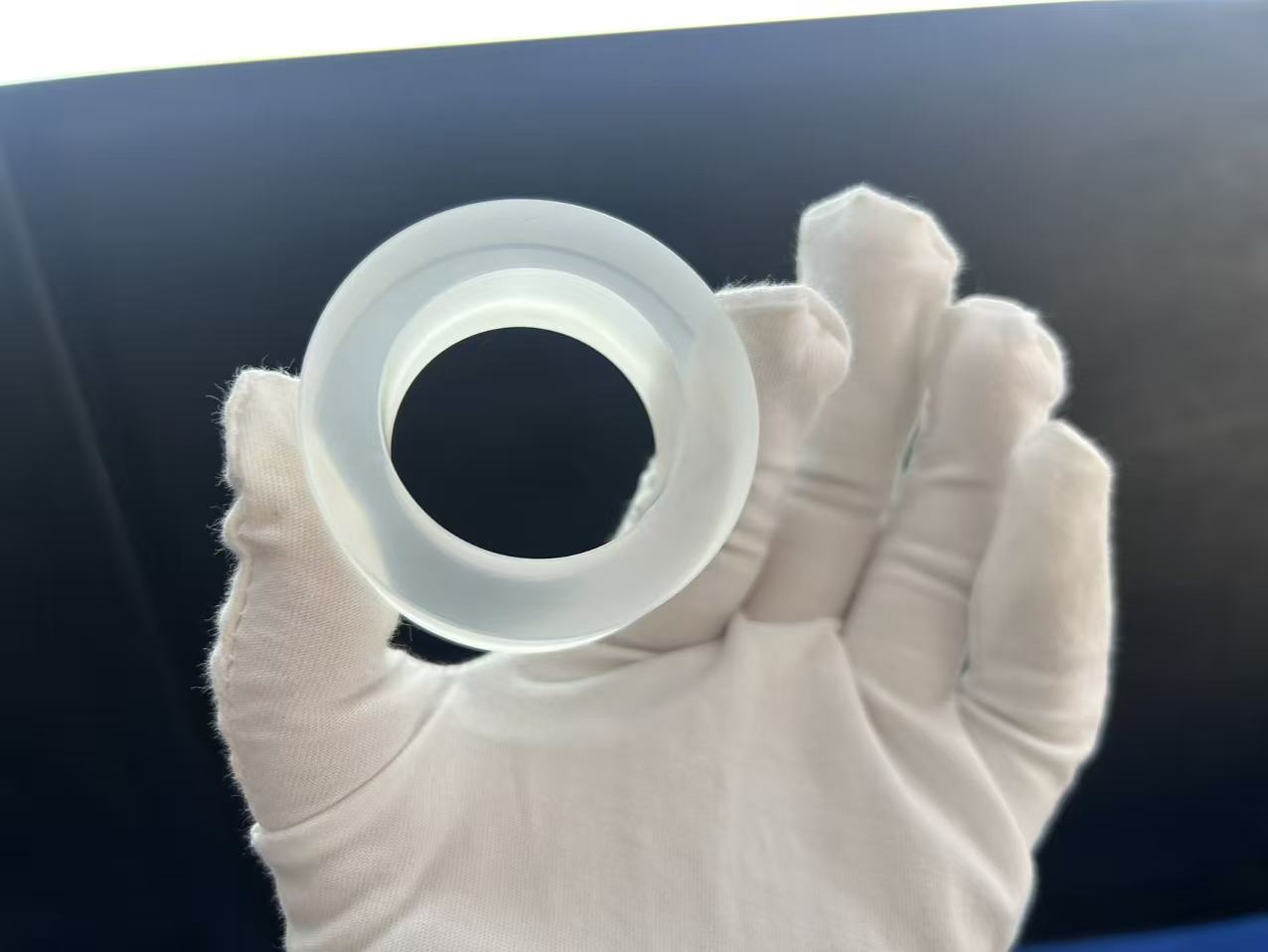
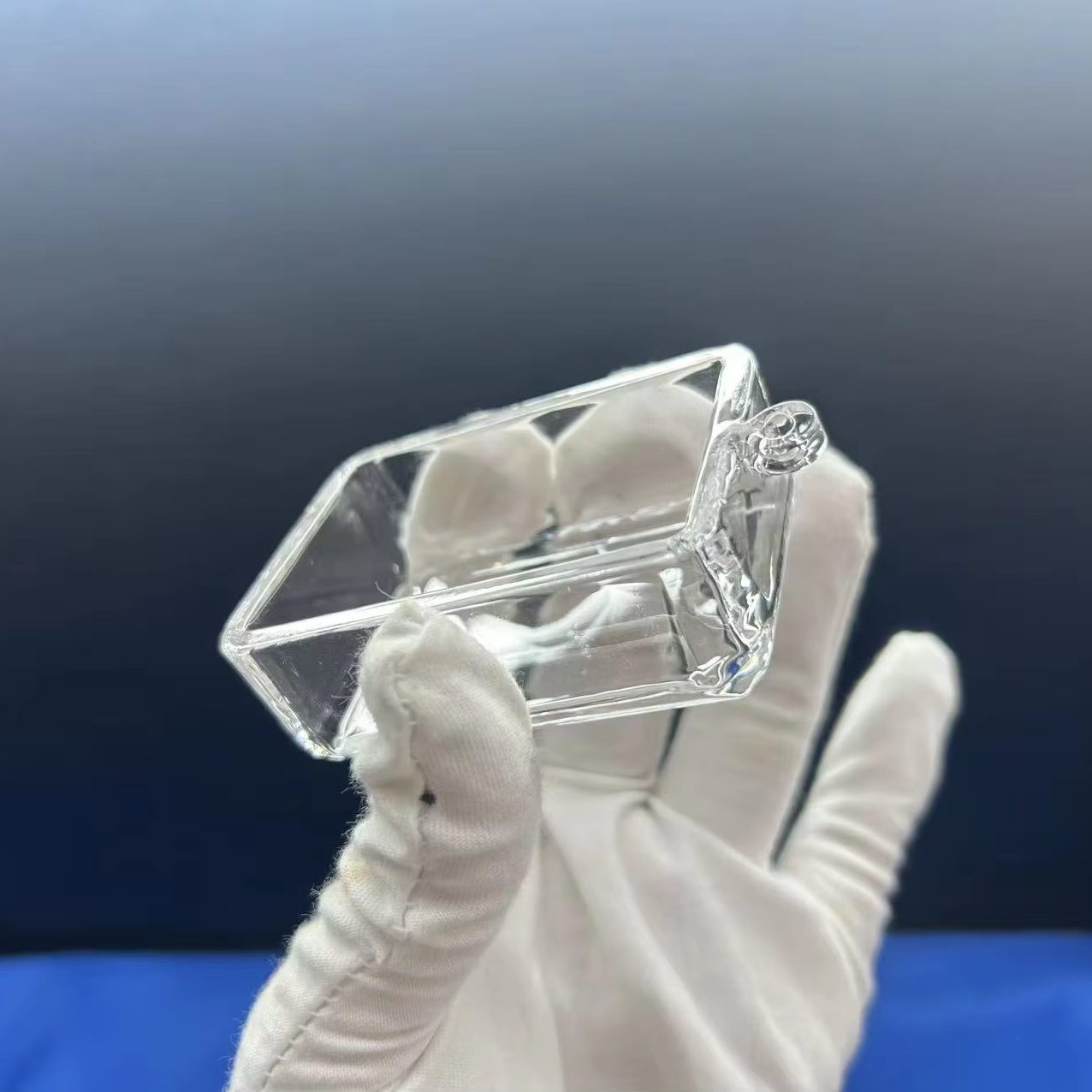
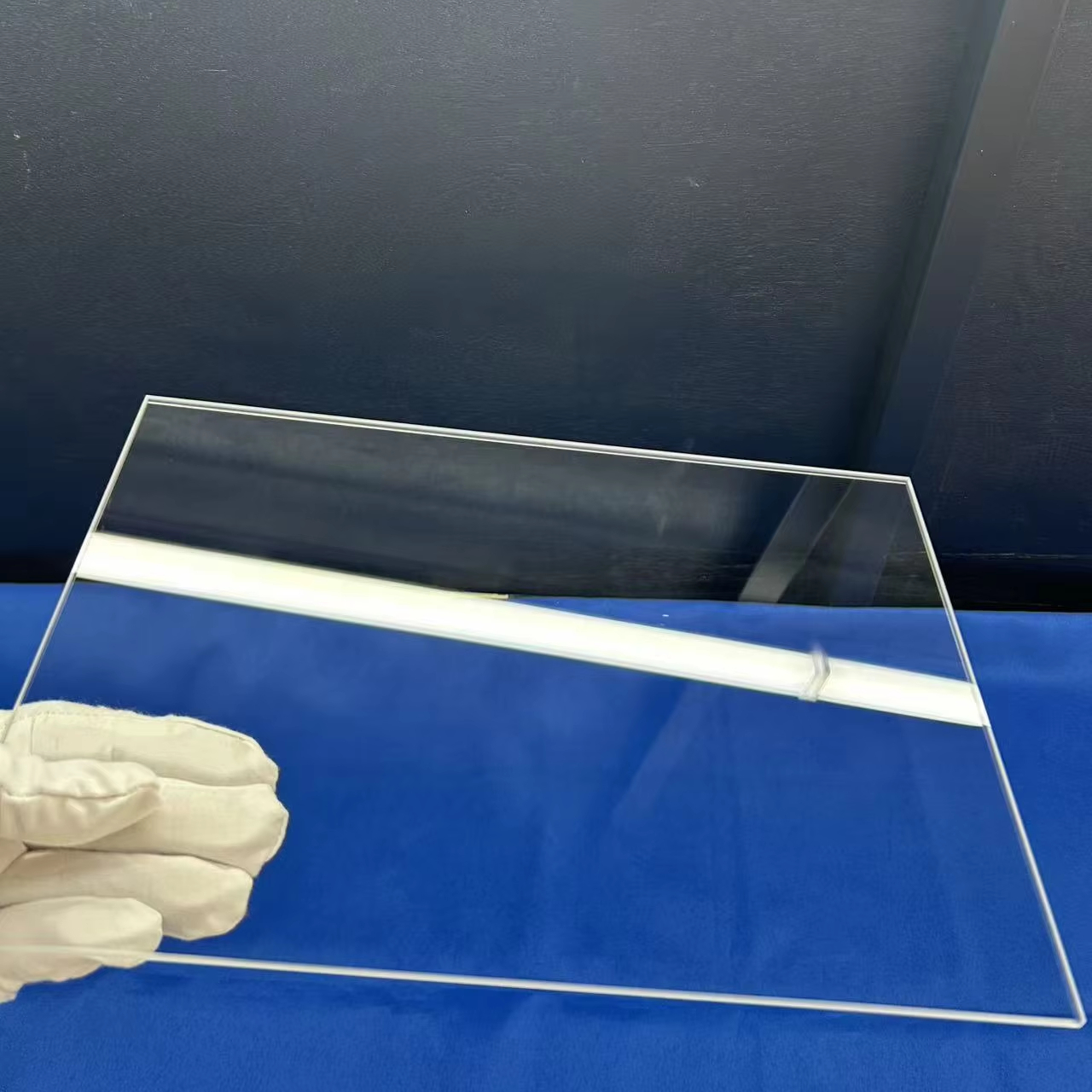
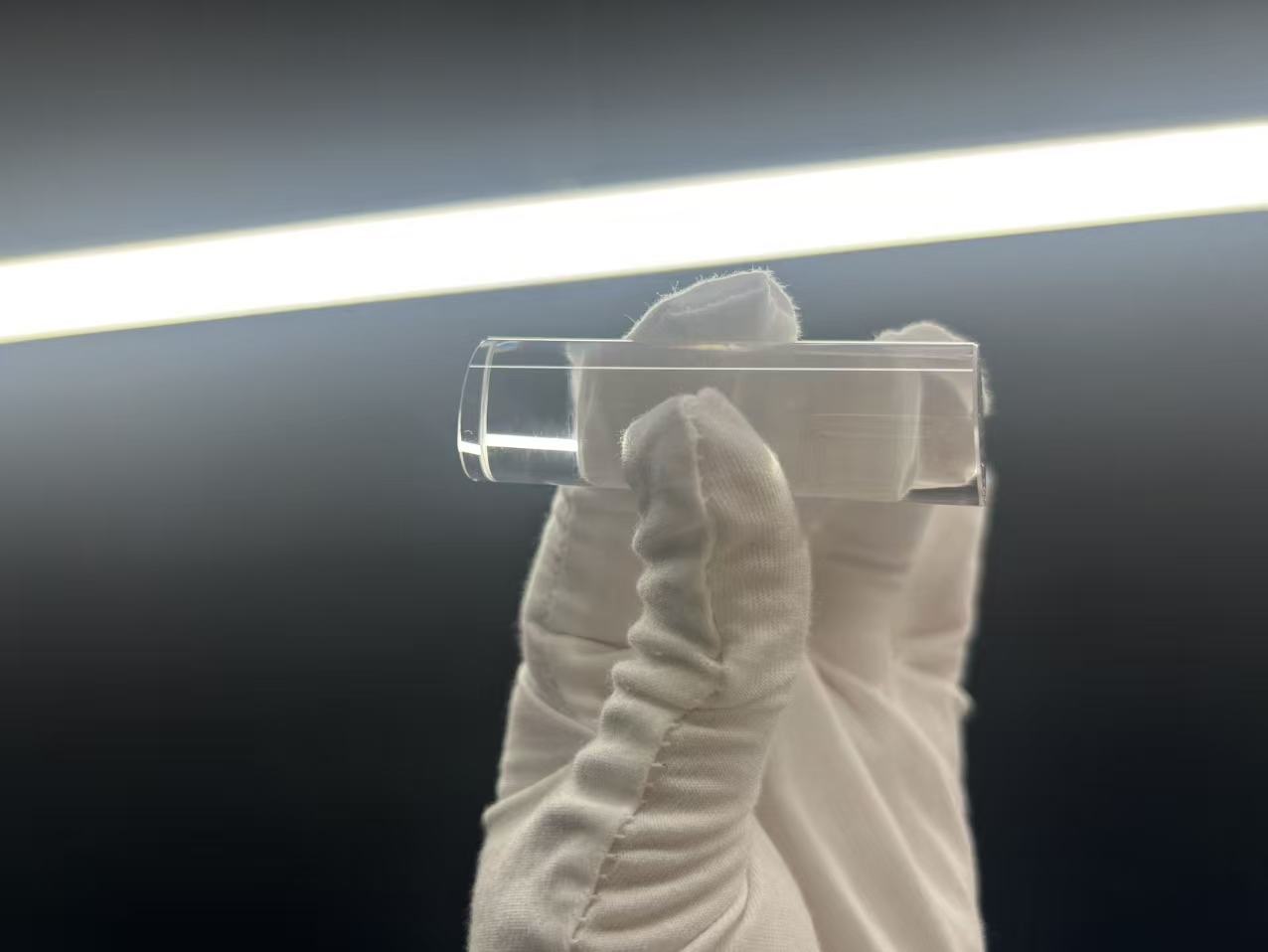
Why Lithuanian Optical Engineers & Procurement Teams Trust Nivra Quartz
Donghai County Nivra Quartz Products Co., Ltd. combines geographical raw crystal sovereignty with high-end optical CNC grinding, double-sided lap-polishing, ultrasonic washing, and laser spectrophotometer inspection to ensure every window dispatched to Lithuania performs without distortion.
1. Deep-UV and High-Energy Laser Transmission: The JGS1, JGS2 & JGS3 Spectrum Science
Optical engineers across Lithuania—particularly those collaborating within the high-density photonics hubs of Vilnius, Kaunas, and precision manufacturing setups in Šiauliai—understand that material purity dictates laser damage thresholds and signal preservation. Ordinary industrial borosilicate or float glass exhibits significant absorption below 320 nm and suffers thermal breakdown under concentrated beam irradiation. At Nivra Quartz, we synthesize and flame-refine optical quartz glass to provide distinct spectral grades designed to eliminate dispersion, wavefront deformation, and hydroxyl (OH⁻) absorption artifacts.
JGS1 Synthetic Fused Silica: Manufactured from synthetic high-purity silicon tetrachloride (SiCl₄) via chemical vapor deposition, JGS1 represents the apex of ultraviolet transmission. It remains virtually free from bubbles, inclusions, and fluorescence down to 185 nm, making it indispensable for deep-UV laser inspection optics, photolithography aligners, excimer laser cutting windows (193 nm, 248 nm), and spectrophotometric analysis. In laser-induced damage threshold (LIDT) trials, our JGS1 substrates comfortably exceed 10 J/cm² at 1064 nm (10 ns pulse), safeguarding multi-kilowatt optical trains.
JGS2 Fused Quartz: Refined from high-purity natural crystal quartz sands sourced directly from Donghai’s renowned deposits, JGS2 delivers outstanding transmission across the optical band from 220 nm through 2500 nm. It strikes an optimal balance between mechanical structural endurance and optical fidelity, serving as the industry standard for CNC laser cutting protection windows, high-pressure sight glasses, solar simulation viewports, and UV curing lamp sleeves.
JGS3 Water-Free Optical Quartz Glass: Sourced through vacuum electro-fusion processes that aggressively purge hydroxyl groups (reducing OH⁻ content below 5 ppm), JGS3 prevents the characteristic water-absorption dip at 2730 nm. For Baltic engineers designing thermal imaging, gas sensors (CO, CO₂, hydrocarbons), pyroelectric detectors, and Nd:YAG / mid-infrared laser systems (operating up to 3500 nm), JGS3 delivers crystal-clear optical passband performance without thermal blooming.
2. Material Comparison & Physical Engineering Tolerances
The following performance matrix illustrates typical physical and optical characteristics verified across our production runs. Each batch exported to European Union buyers is accompanied by dimensional inspection logs and spectrometer transmittance curves.
| Physical / Optical Parameter | JGS1 (Synthetic Silica) | JGS2 (Fused Quartz) | JGS3 (Low-OH Infrared) | Sapphire Glass (Al₂O₃) |
|---|---|---|---|---|
| Useful Spectral Range | 185 nm – 2500 nm | 220 nm – 2500 nm | 260 nm – 3500 nm | 200 nm – 5000 nm |
| Hydroxyl Content (OH⁻) | ≤ 1200 ppm (or low-OH custom) | ≤ 150 - 200 ppm | ≤ 5 ppm (Water-Free) | None (Non-oxide crystal) |
| SiO₂ / Chemical Purity | ≥ 99.9999% | ≥ 99.99% | ≥ 99.99% | ≥ 99.99% Al₂O₃ |
| Refractive Index ($n_d$ @ 589.3nm) | 1.4585 | 1.4585 | 1.4585 | 1.768 |
| Coefficient of Thermal Expansion | 5.5 × 10⁻⁷ / °C (20–320°C) | 5.5 × 10⁻⁷ / °C | 5.5 × 10⁻⁷ / °C | 5.8 × 10⁻⁶ / °C |
| Continuous Service Temperature | 1100 °C | 1100 °C | 1150 °C | 1600 °C |
| Short-Term Peak Thermal Limit | 1450 °C | 1450 °C | 1450 °C | 1800 °C |
| Surface Roughness ($Ra$) Capability | < 0.5 nm (Super-polished) | < 1.0 nm | < 1.0 nm | < 0.8 nm |
3. Machining Accuracies & Custom Geometry Fabrication
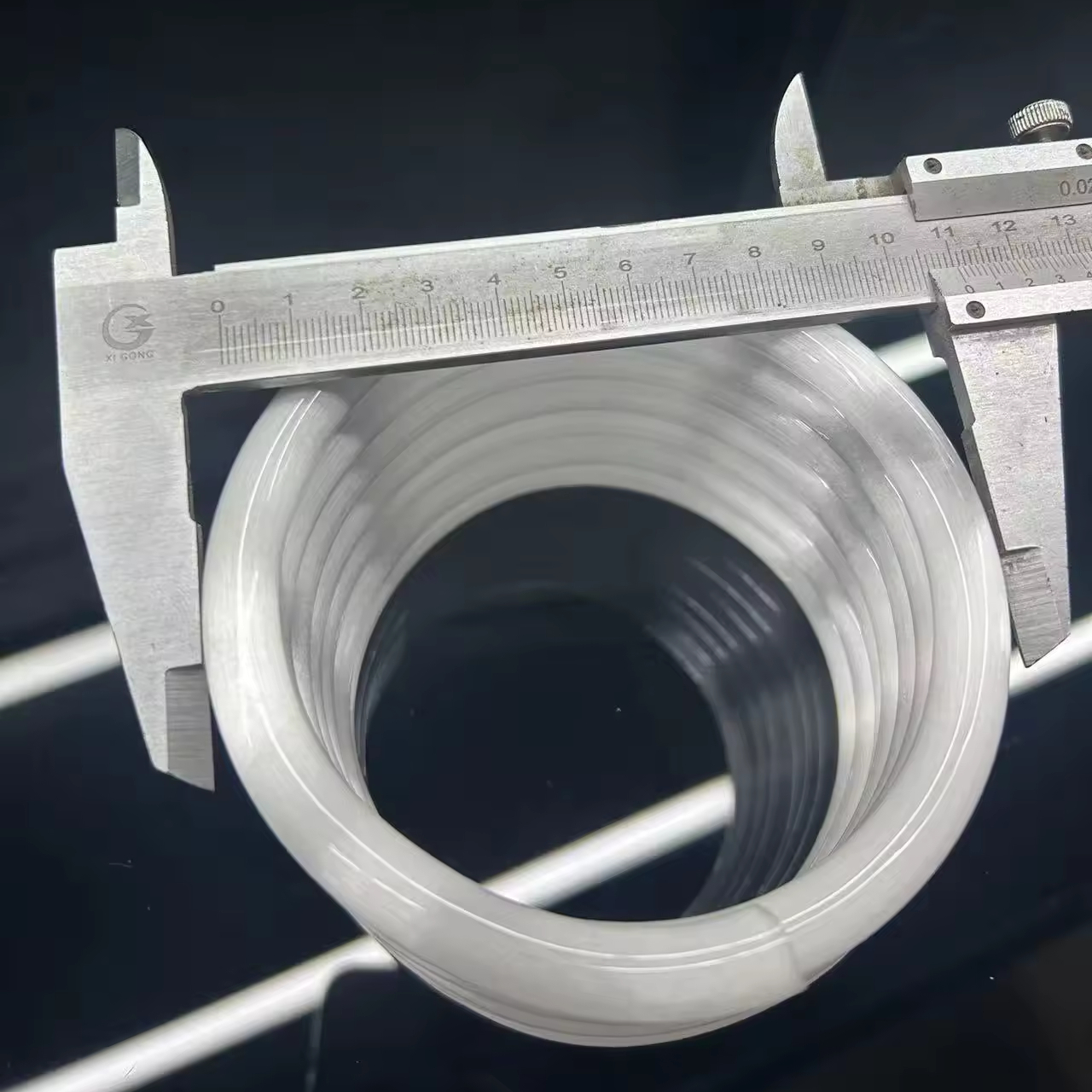
Nivra Quartz utilizes five-axis CNC machining, ultrasonic diamond coring, laser cutting, and double-sided planetary polishing to produce components strictly conforming to ISO 10110 standards. Whether your bill of materials calls for circular sight discs with ground chamfers, rectangular 4mm optical plates with custom step-shoulders, or hermetically sealed helical coiled quartz heat exchangers, our dimensional tolerance control is uncompromising:
- Dimensional Tolerances: Outer diameters and planar widths held to ±0.02 mm upon request; standard runs at ±0.05 mm.
- Thickness Tolerances: Precision lap-polishing achieves ±0.01 mm consistency across large-format plates up to 600 mm × 600 mm.
- Surface Figure (Flatness): Transmitted wavefront error calibrated from $\lambda/4$ down to $\lambda/10$ @ 632.8 nm.
- Surface Quality (Scratch-Dig): Standard MIL-PRF-13830B 60/40 for general protective windows, and 20/10 or 10/5 laser-grade finishes for high-power cavities.
- Parallelism & Wedge Angle: Beam displacement controlled to < 30 arcseconds; wedged windows (0.5° to 3°) available to eliminate back-reflection interference.
Precision Applications Serving Šiauliai & The Baltic Engineering Belt
Šiauliai has transformed from a regional transport nexus into an advanced engineering, electronics assembly, metal fabrication, and supply-chain hub supporting Lithuania's globally celebrated photonics sector. Our quartz glass products directly integrate into the machinery, production lines, and research initiatives flourishing in northern Lithuania.
Industrial Laser Cutting & Welding Heads
Fabrication plants and sheet metal specialists in the Šiauliai Free Economic Zone (Šiaulių LEZ) rely on high-power fiber laser systems. Our 4mm thick custom-polished transparent square and circular quartz windows act as sacrificial laser debris shields. Engineered with anti-reflective (AR) coatings at 1064 nm, they withstand intense thermal back-spatter without pitting, maintaining beam colocation and preventing expensive collimator lens failure.
Semiconductor & Photovoltaic Wet Processes
As Baltic clean-tech facilities expand microelectronic research and solar cell component manufacturing, chemical resistance is vital. Nivra Quartz tanks, quartz rings, and carrier boats endure prolonged immersion in aggressive etching chemistries (hydrochloric, sulfuric, and nitric acids) at elevated temperatures without leaching trace elements into sensitive semiconductor baths.
Precision Scientific & Spectroscopic Labware
Supporting academic testing, environmental monitoring, and food science laboratories across Šiauliai and neighboring university centers, our optical quartz test tubes, cuvettes, and helical cooling coils provide unparalleled UV clarity. They allow transmission down to 190 nm, enabling accurate UV-Vis absorption spectroscopy and flash photochemical reactions impossible with borosilicate glassware.
Thermal Processing & Fast Heating Equipment
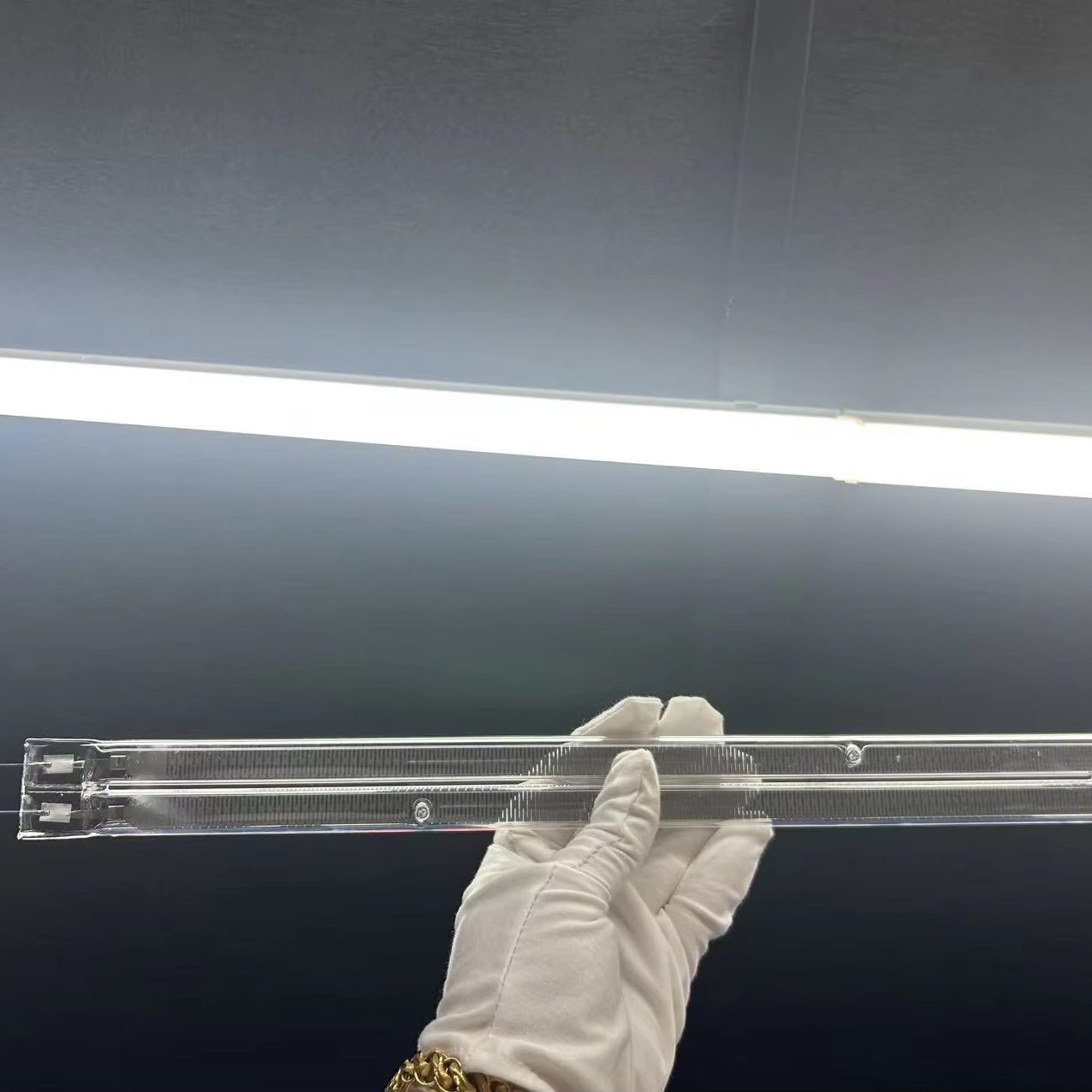
Šiauliai’s industrial machinery builders use our 220V 700W 300mm infrared heating tubes (carbon fiber, halogen, and graphene cores) within rapid thermal annealing (RTA) tunnels, powder coating drying ovens, and thermoforming lines. The quartz outer envelope offers virtually zero thermal expansion, resisting cold-water shock even when operating continuously at 800°C.
UV Sterilization & Food Grade Water Treatment
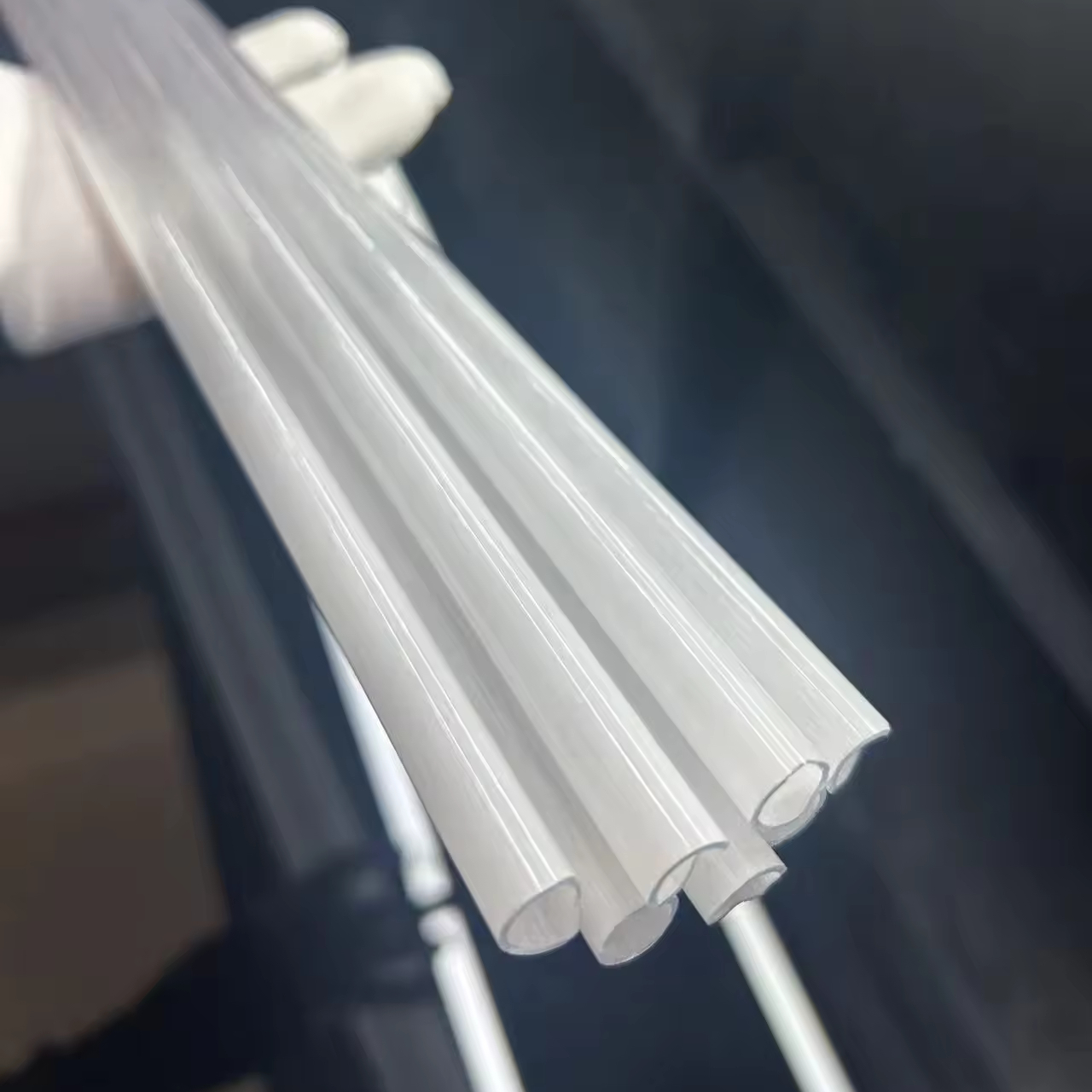
Northern Lithuania’s thriving food processing, dairy, and beverage industries demand sanitary UV-C disinfection conduits. Our translucent and clear quartz glass sleeves house germicidal mercury and excimer lamps. The 253.7 nm UV-C radiation passes through with >90% transmission efficiency, neutralizing pathogens while withstanding internal water pipeline hydraulic pressure shocks.
High-Pressure Vacuum Sight Glasses
For custom autoclaves, bioreactors, and vacuum deposition chambers fabricated by Baltic equipment integrators, our flanged optical quartz disc windows deliver certified viewing under extreme mechanical differentials. Rated to withstand thermal cycling from liquid nitrogen cryogenics up to 1000°C without mechanical rupture or seal loosening.
Emerging Procurement & Engineering Trends in Lithuania
How the evolution of the Baltic optical cluster is reshaping technical specifications, supply-chain resilience, and material requirements for imported quartz glass components.
1. Rise of Picosecond & Femtosecond Laser Systems
Lithuania is an acknowledged global pioneer in scientific and industrial ultrafast lasers. As these systems transition from pure research into commercial micromachining centers across Šiauliai and Panevėžys, demand has surged for optical windows with ultra-low group delay dispersion (GDD), microscopic surface roughness (<0.5 nm Ra), and virtually zero bulk absorption to prevent self-focusing and optical breakdown.
2. Decoupling from European Intermediary Markups
Traditionally, Baltic workshops purchased quartz blanks and finished windows through Western European distributors who incurred significant warehousing and brand markups. In 2025 and beyond, procurement managers in Šiauliai are increasingly establishing direct factory partnerships with specialized Chinese manufacturers like Nivra Quartz, reducing component costs by 35% to 50% while receiving drawing-customized components faster.
3. Strict Green Transition & High-Temperature Electrification
With Lithuania’s aggressive pivot toward industrial decarbonization, gas-fired process heating across Baltic manufacturing plants is rapidly converting to electric infrared heating. High-efficiency quartz-sheathed carbon fiber heating elements offer near-instantaneous thermal ramps, concentrating radiation onto process zones without parasitic ambient heat loss.
4. Demand for Comprehensive Batch Metrology
European quality systems mandate strict traceability. Šiauliai engineering teams no longer accept generic quartz certificates. Every delivery must provide certified raw material origin, OH content verification, spectral scan data, and interferometer documentation. Nivra Quartz satisfies these due-diligence protocols through rigorous in-house quality assurance.
5. Miniaturization of Diagnostic & Analytical Devices
The convergence of biotechnology and photonics in the Baltic region requires miniaturized optical cells, capillary quartz coils, and thin-film quartz sensor substrates. Achieving high dimensional yield at sub-millimeter tolerances has become a key criterion when qualifying international manufacturing partners.
6. Resilient Logistics & DDP Transit to Lithuania
Given geopolitical realignments, Baltic buyers prioritize uninterrupted air and sea transport routes. Nivra Quartz partners with premier international express and air freight forwarders delivering directly to Vilnius (VNO) and Kaunas (KUN) airports, handling export documentation, custom brokerage, and door-to-door delivery into Šiauliai within 5 to 8 business days.
Donghai County Nivra Quartz: Factory Direct Competence
Headquartered at 285 Heping East Road, Lianyungang, Jiangsu, China—the world’s foremost epicentre of quartz crystal mining and thermal glassblowing—we provide unmatched technical and supply-chain capabilities.
Native Donghai Raw Mineral Advantage
Operating in China's quartz capital gives us direct priority access to the purest natural silica deposits and synthesized feedstock. We control raw material purity from the ingot stage, maintaining competitive costs without third-party ore broker markups.
Full In-House Processing Chain
From core drilling, precision wire sawing, cylindrical CNC profiling, and surface lapping to optical flame polishing, annealing, and cleanroom vacuum packaging, all production phases take place within our facility, guaranteeing complete drawing fidelity.
Verified European Export Security
With an average client inquiry turnaround of under 5 hours, an 88.89% verified inquiry conversion speed, and a continuous 5.0/5 buyer rating, we remove communication friction. Our engineers speak the language of CAD, STEP files, DIN standards, and optical tolerances.
Engineered Export Packaging: Zero-Breakage Guarantee to Šiauliai
Optical quartz glass is exceptionally hard yet intrinsically brittle. Shipping fragile sight glasses, thin 4mm optical plates, and complex helical coils across 8,000 kilometers requires specialized packing physics. Nivra Quartz employs a multi-tiered protection protocol:
1. Ultrasonic Cleaning & Dust-Free Sealing: Finished windows are stripped of polishing slurries in multi-frequency ultrasonic baths, dried with high-purity nitrogen, and heat-sealed in anti-static, lint-free PE envelopes.
2. Precision Die-Cut EPE Cushioning: Components are individually nested into high-density custom-molded Expanded Polyethylene (EPE) foam trays preventing any edge contact or inter-plate friction.
3. Reinforced Rigid Outer Casings: Packaged foam blocks are encased in triple-wall corrugated export cartons or fumigation-free ISPM-15 compliant plywood crates, reinforced with corner edge-guards and humidity-desiccant packs.
4. Comprehensive Transit Insurance: Every consignment shipped to Lithuania via DHL, FedEx, or air cargo is insured against loss or breakage, backed by immediate priority remanufacture in the rare event of transit damage.
Frequently Asked Questions by Lithuanian Engineers
Clear, direct answers regarding optical specifications, batch customization, testing standards, and European import procedures.
What is the exact distinction between JGS1, JGS2, and JGS3 quartz glass?
JGS1 is synthetic fused silica offering premier deep ultraviolet transmission (>90% at 185 nm to 2500 nm) with virtually no bubbles or fluorescence, ideal for UV lasers and spectroscopy. JGS2 is natural fused quartz serving UV-Visible applications (220 nm to 2500 nm), common in industrial sight glasses and standard laser debris shields. JGS3 is infrared-grade fused silica processed under vacuum to achieve ultra-low hydroxyl content (<5 ppm OH⁻), providing seamless infrared transparency up to 3500 nm without water absorption bands.
What maximum temperatures and thermal shock cycles can these windows survive?
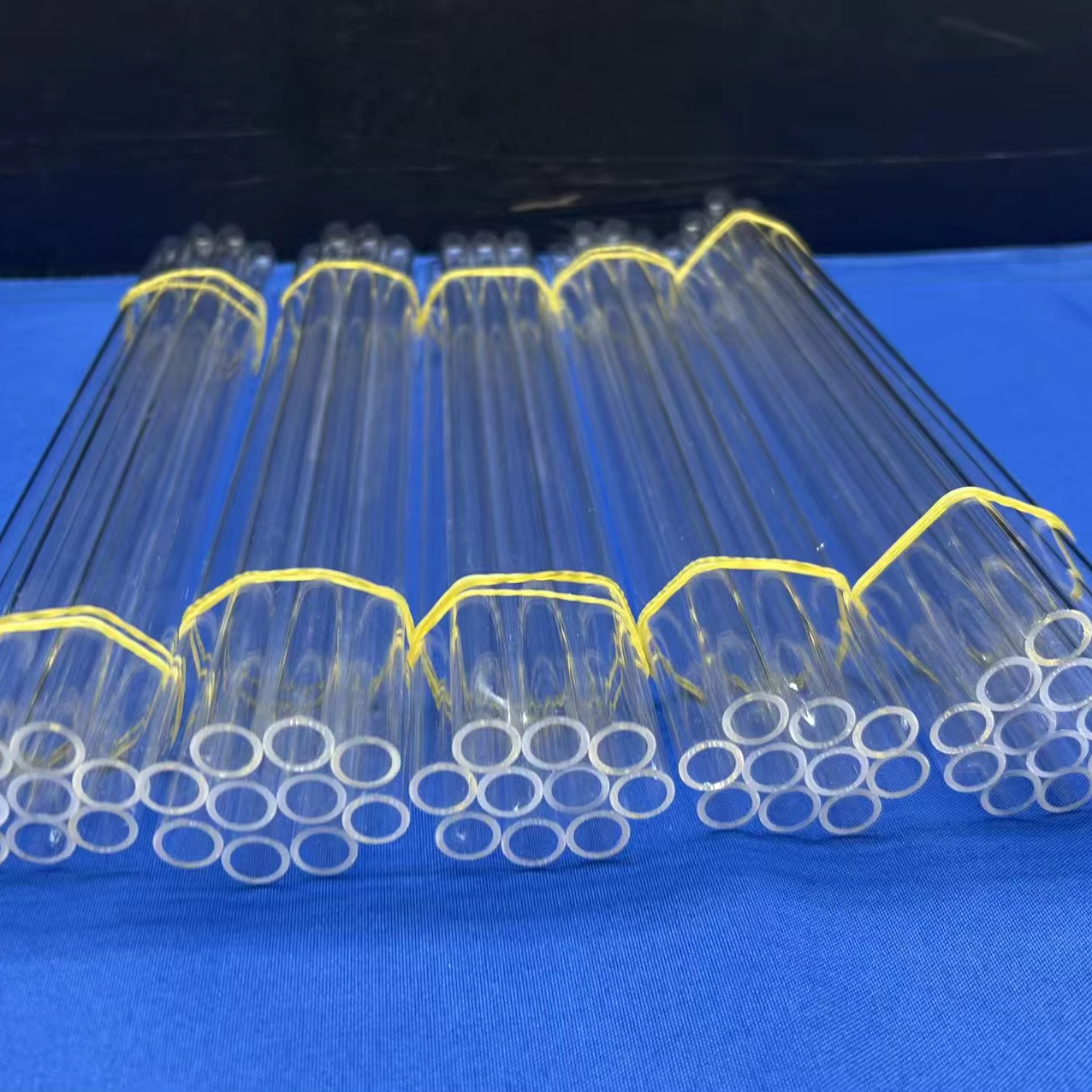
Our clear fused quartz components comfortably withstand continuous operating temperatures of 1100°C and short-term excursions up to 1450°C (softening point is ~1683°C). Thanks to an exceptionally low coefficient of thermal expansion (5.5 × 10⁻⁷ / °C), our quartz windows can be repeatedly heated to 1000°C and plunged directly into cold water at 20°C without cracking, far outclassing standard borosilicate glass.
Can Nivra Quartz manufacture custom optical windows directly from our CAD drawings?
Yes. OEM and ODM bespoke manufacturing is our core specialty. Baltic customers regularly provide PDF, DXF, DWG, or STEP files specifying bespoke dimensions, hole cut-outs, steps, bevels, and special edge finishes. Our engineering team reviews manufacturability and returns feedback or confirmation within 5 hours.
What is the typical Minimum Order Quantity (MOQ) and sample lead time?
We actively support prototype R&D and pilot engineering runs. Standard window plates and tubes have an MOQ of just 1 to 10 pieces. Customized optical components typically require 5 to 20 pieces depending on geometry. Prototype samples are completed in 3 to 7 working days, with express air transit to Šiauliai taking an additional 4 to 6 days.
What customs, TARIC, and import procedures apply when shipping to Lithuania?
Goods shipped to Lithuania clear EU customs under standard TARIC codes (typically 7002.31 or 7017.90 for laboratory/optical fused quartzware). We supply commercial invoices, packing lists with net/gross weights, certificates of origin, and CE/RoHS declarations. Shipments can be delivered via DAP or DDP terms where duties and Lithuanian VAT are handled seamlessly.
How do you inspect and certify the optical surface quality before dispatch?
Every optical window undergoes multi-point inspection: digital micrometer checks for dimensional and parallelism accuracy, laser spectrophotometer transmission testing across UV-Vis-NIR spectra, and scratch-dig inspection under high-intensity dark-field lighting against MIL-PRF-13830B criteria. Laser-interferometer wavefront analysis is available upon request.
Request Custom Quotations & Technical Consultation for Šiauliai
Whether you require standard 4mm transparent laser protective plates, custom-milled optical quartz tanks, high-temperature furnace tubes, or low-OH JGS3 infrared viewports, our Donghai engineering department is ready to evaluate your specifications.