Executive Industry Overview: High-Purity Fused Quartz for Japan’s Precision Ecosystem
As Japan accelerates its semiconductor foundry sovereign capacity across Kyushu (Kumamoto Silicon Island), Hokkaido (Chitose Rapidus 2nm initiative), and Tohoku's power electronics corridor, tier-one toolmakers and foundries face stringent component supply timelines. Donghai County Nivra Quartz Products Co., Ltd. serves as a reliable, direct manufacturing bridge from China’s premier silica quartz hub directly to Tokyo, Osaka, Kumamoto, and Fukuoka. Delivering extreme thermodynamic integrity, ultra-low hydroxyl (OH⁻) content (<5 ppm), and strict dimensional accuracy (±0.05 mm), Nivra Quartz delivers verified performance across LPCVD, MOCVD, RTP, silicon epitaxy, and PECVD installations.
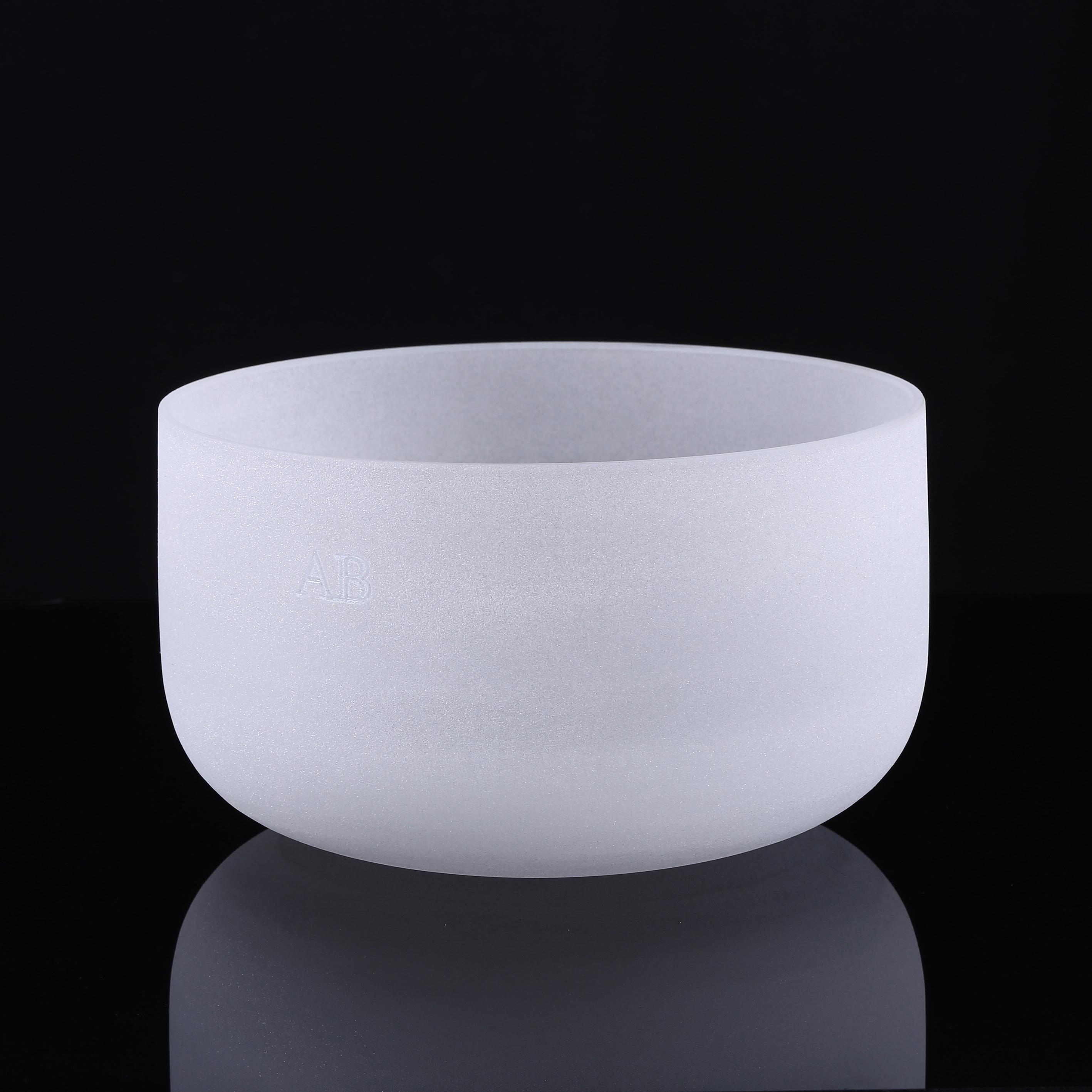
Featured High-Purity Fused Quartz Components
Direct factory manufacturing featuring customized cutting, welding, flame polishing, and cleanroom packaging for Japanese industrial clients.
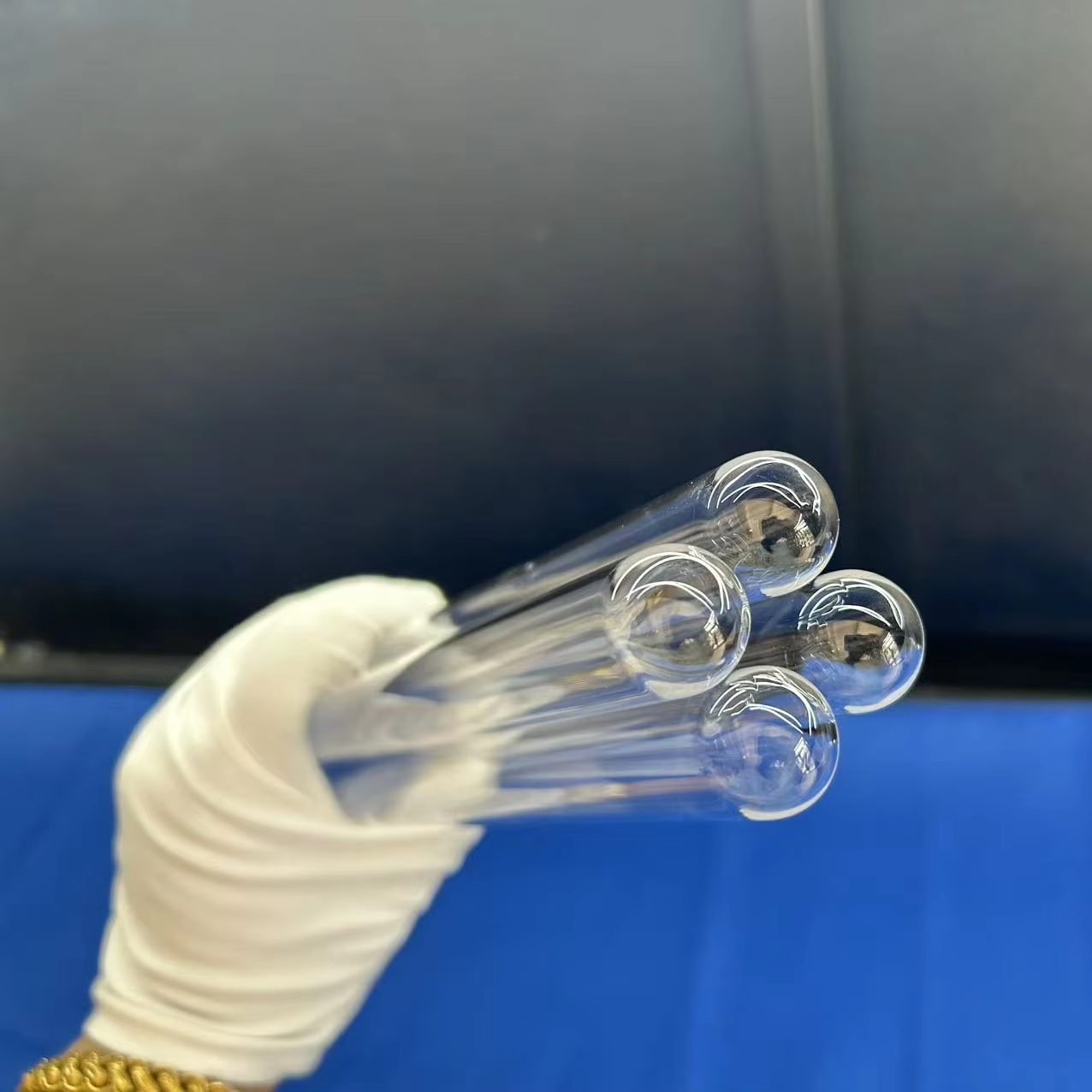
High-purity Fused Silica Bottom Sealing Tubes (∅20-25mm)
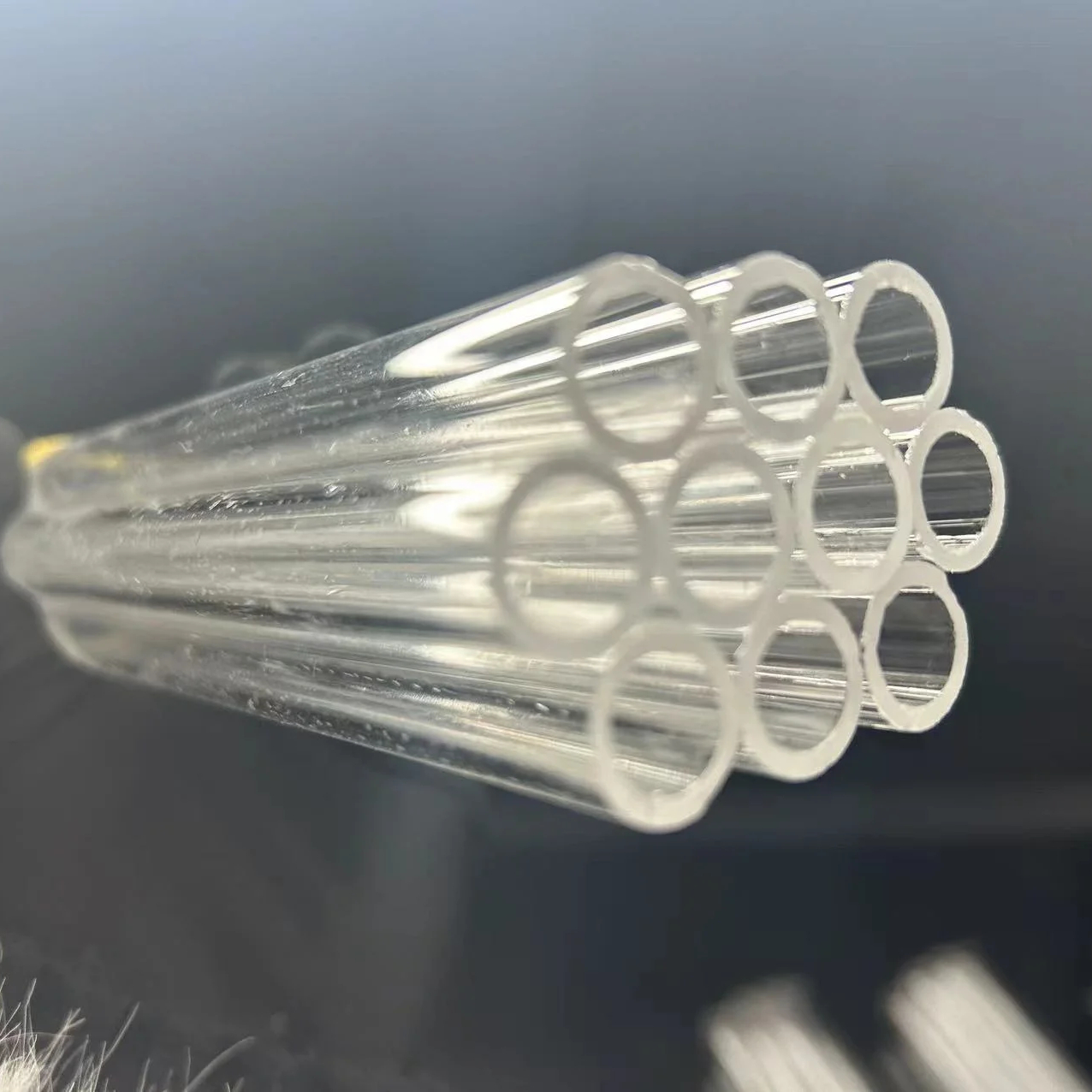
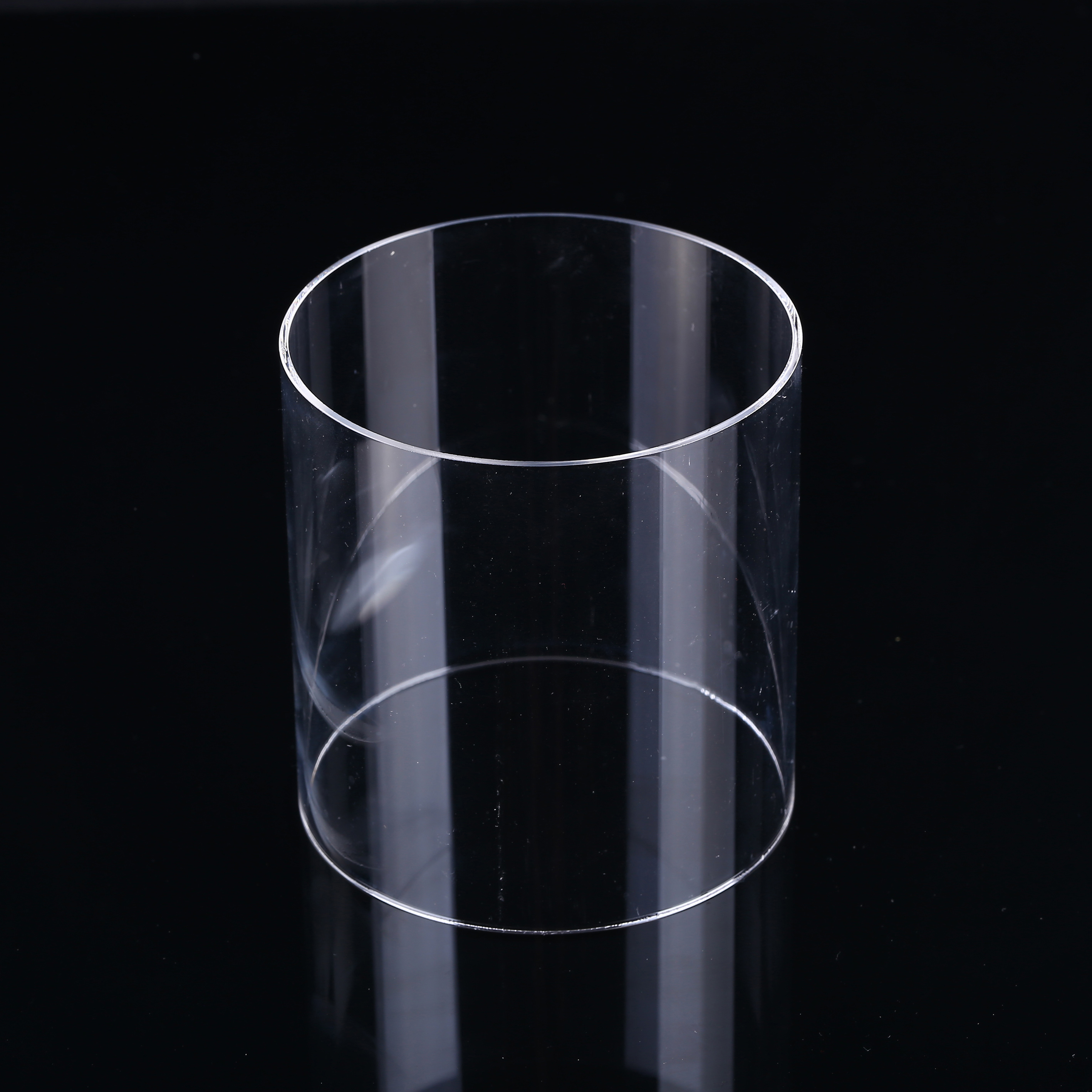
High Temperature Transparent Quartz Cylinder Tube Clear
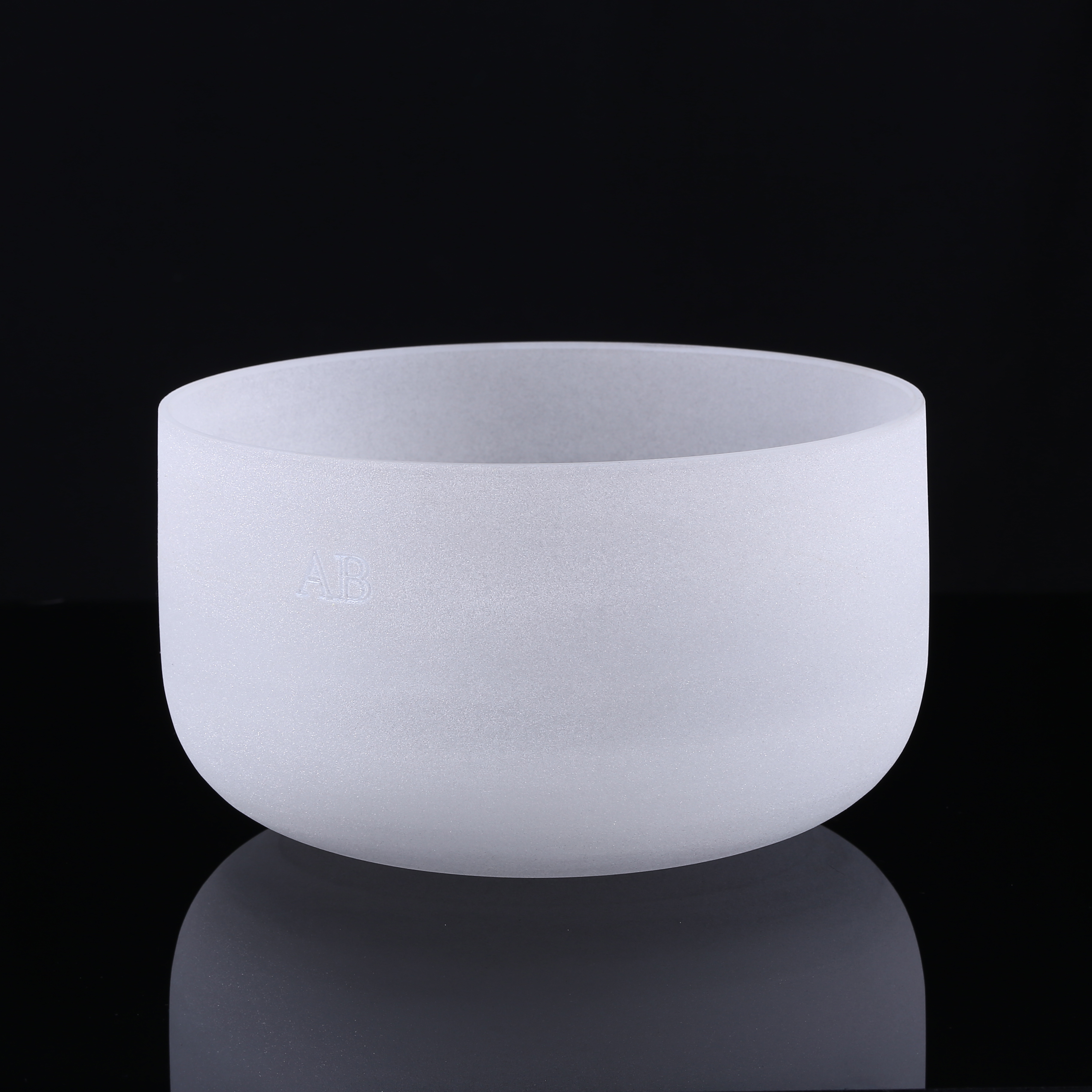
High Temperature Fused Silica Quartz Crucible for Melting
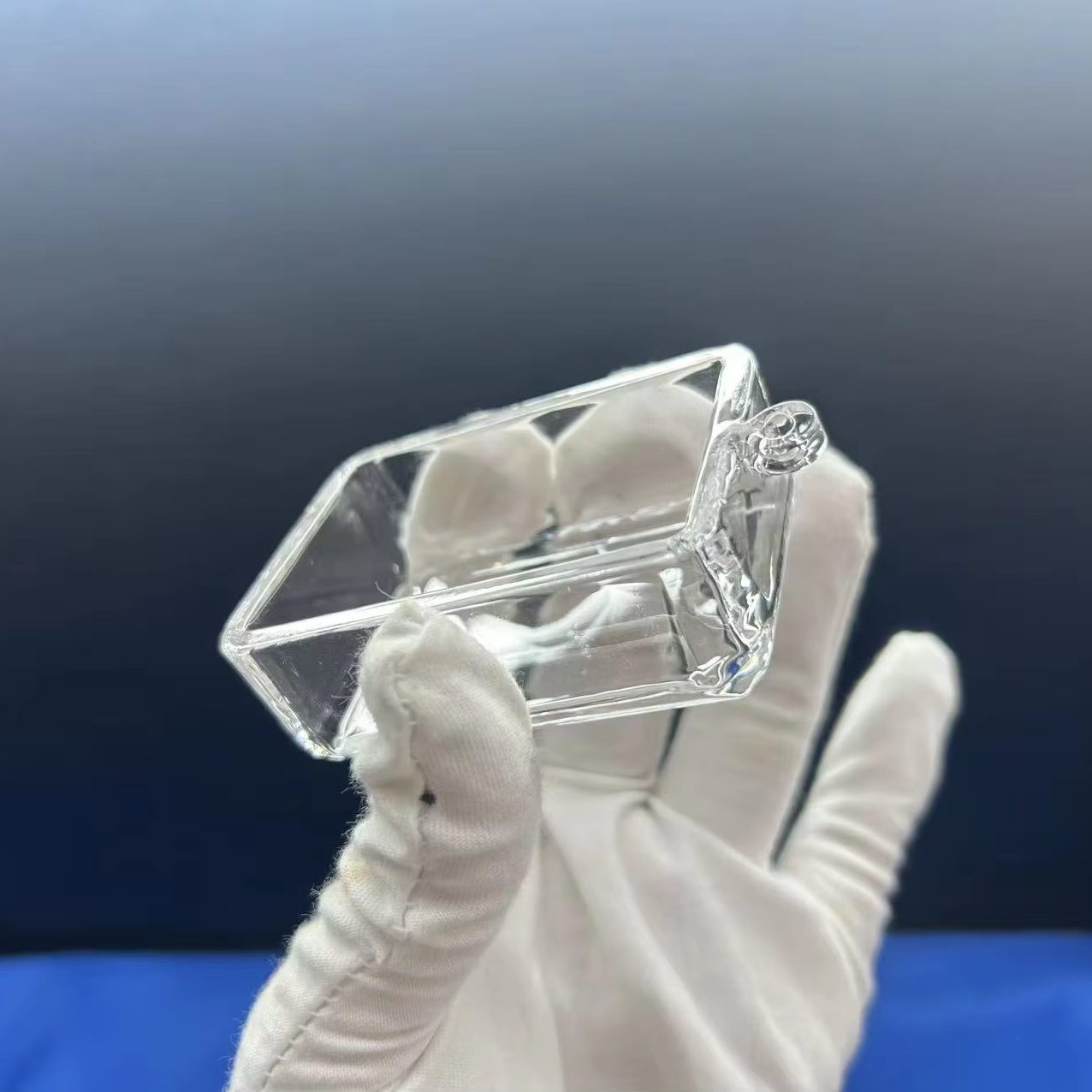
Chemical-Resistant Precision Ultrasonic Quartz Cleaning Tank
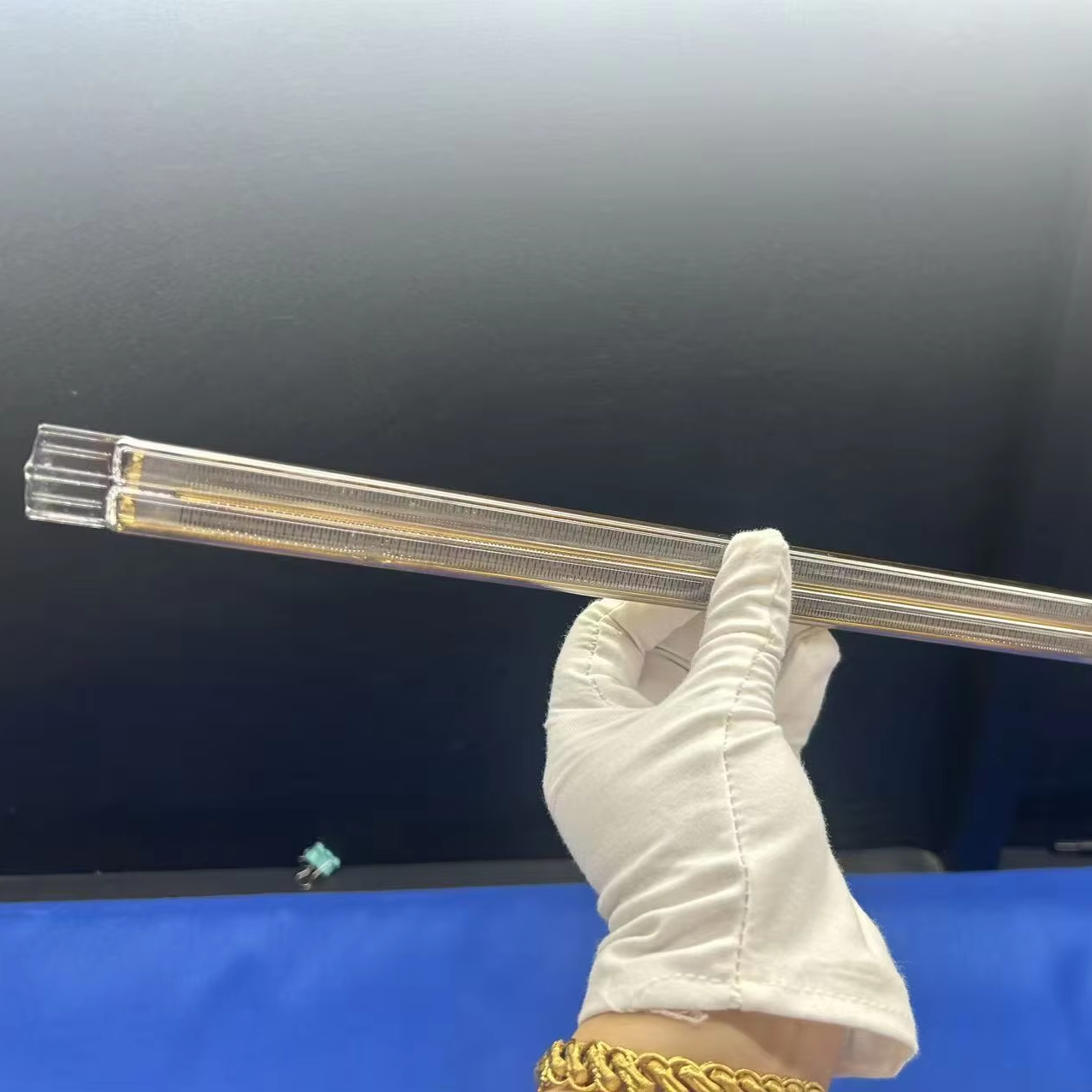
Infrared Fast-Response Graphene Quartz Heating Tube
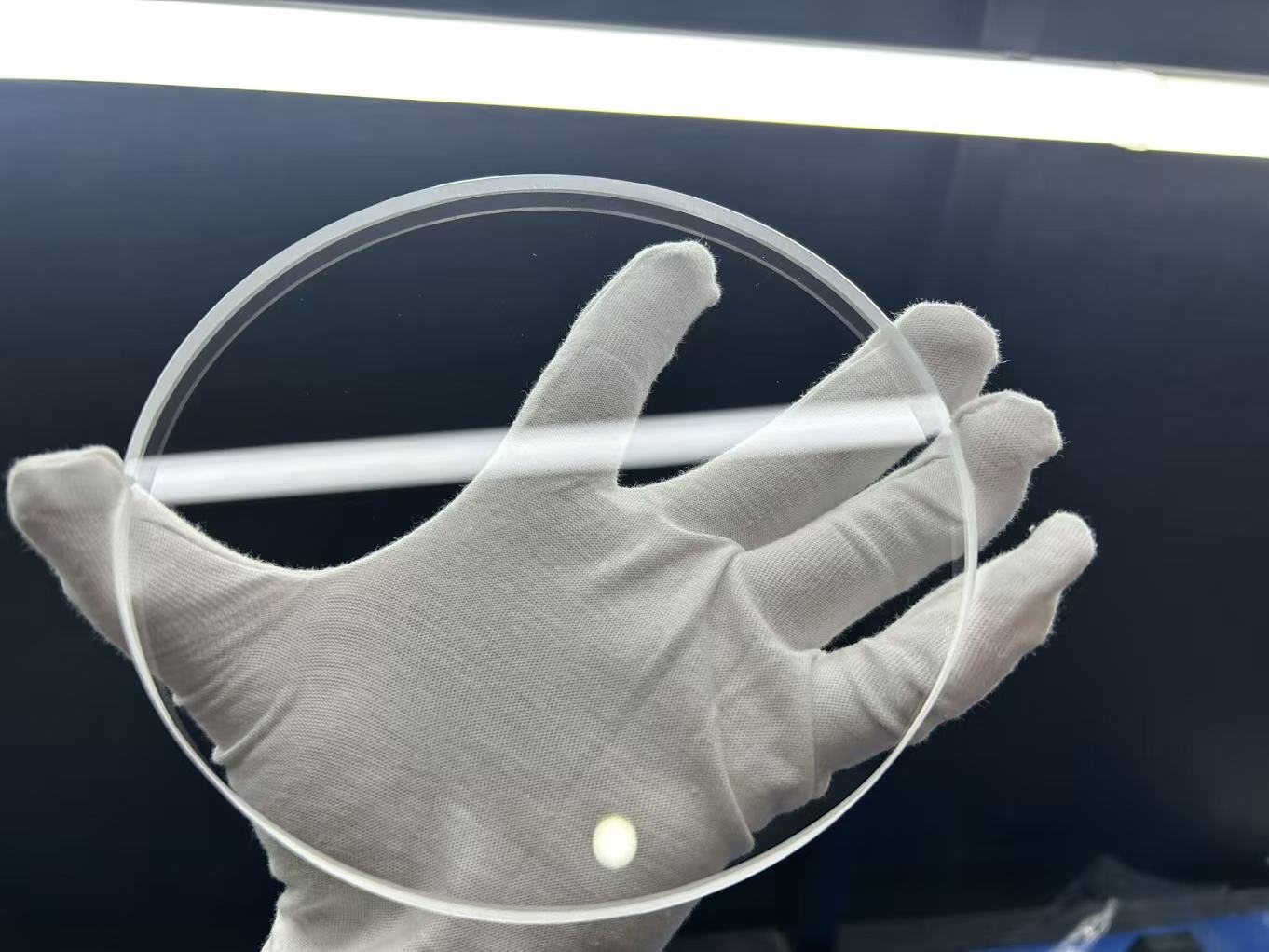
Clear Fused Quartz Glass Sheet for Optical Lithography & PV
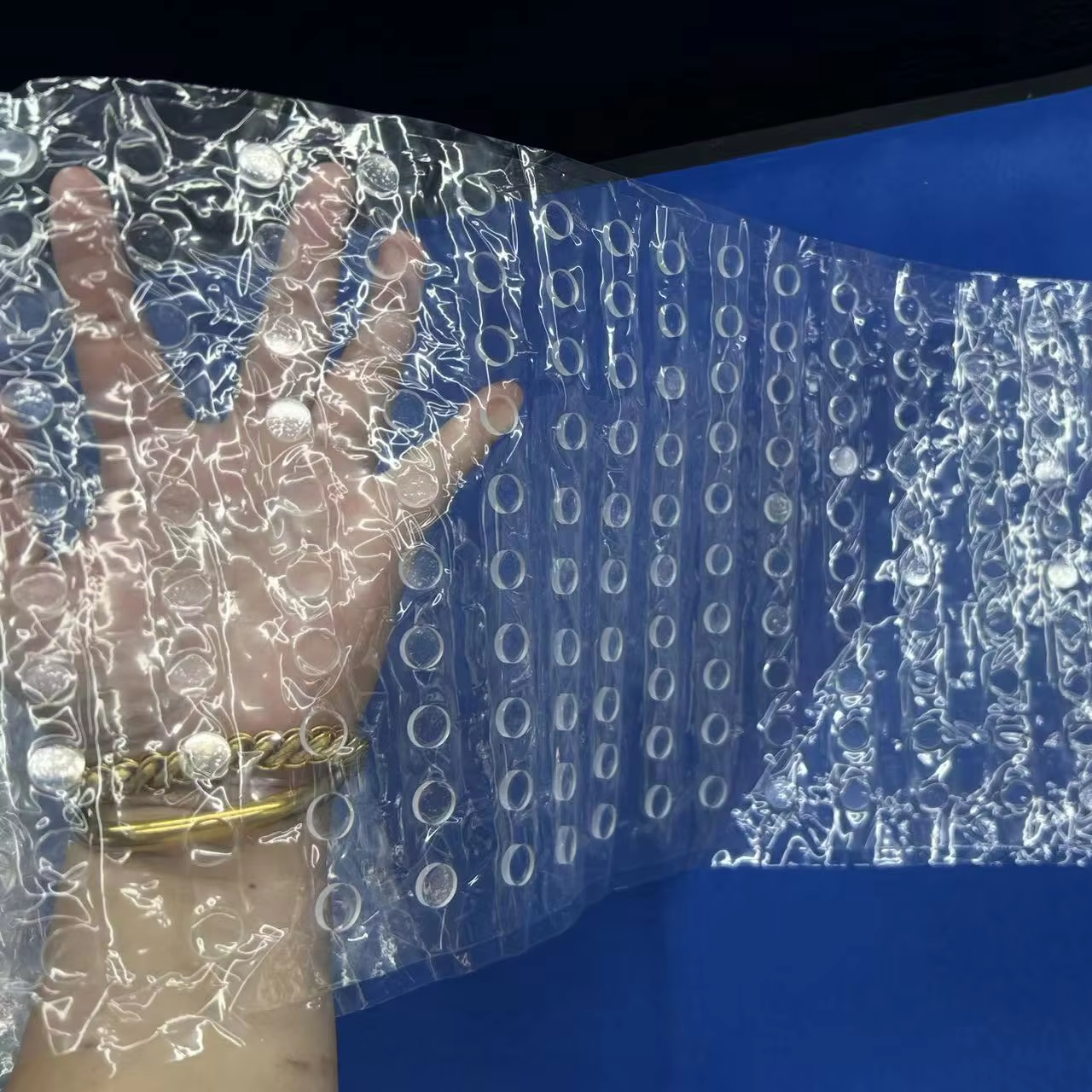
Factory-Made High-Purity Small Size Quartz Wafer Substrates
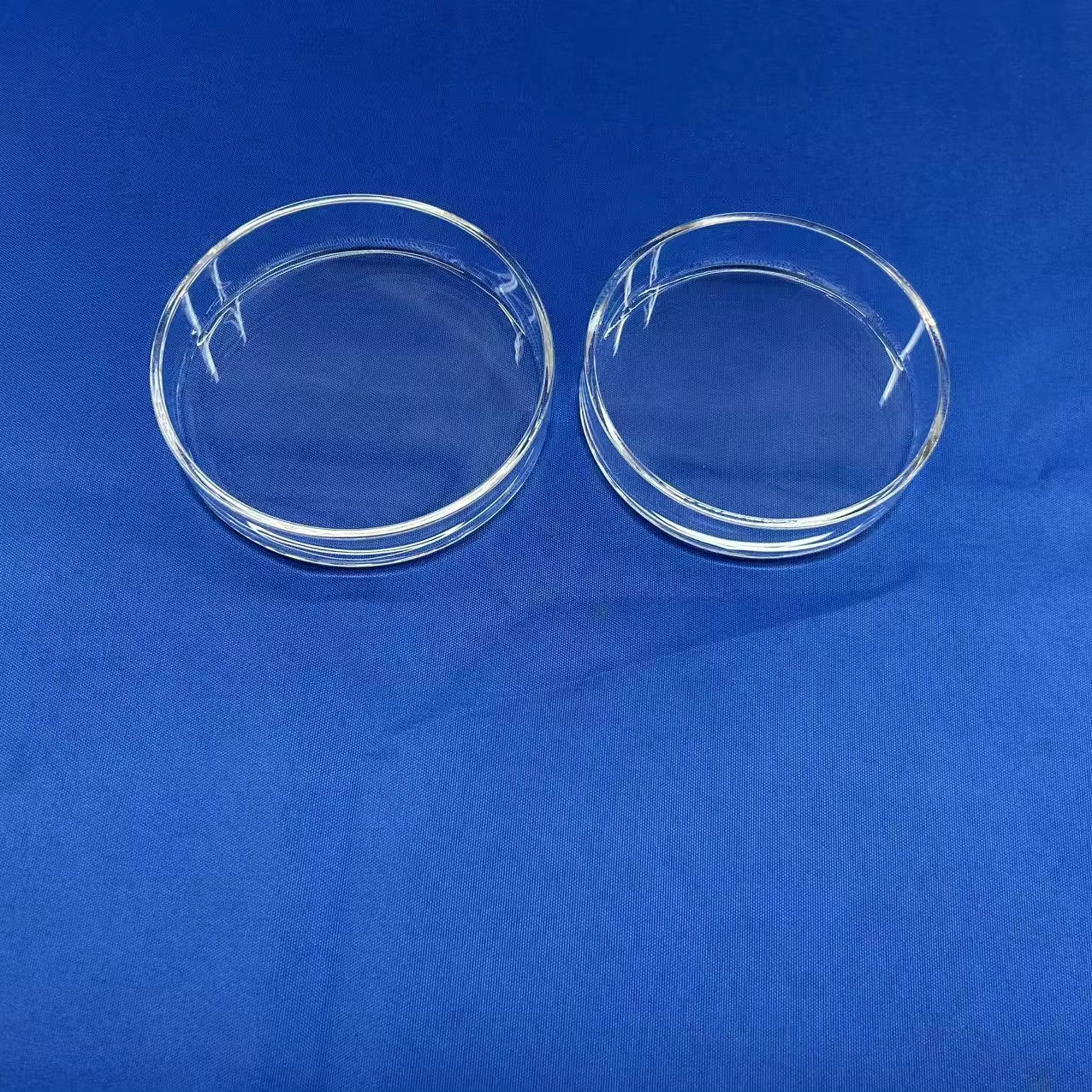
High-Purity Quartz Glass Petri Dishes with Ground Lids
Engineering Principles of High-Temperature Quartz Bell Jars
Why high-temperature quartz bell jars remain the indispensable reaction envelope for advanced epitaxy, thermal diffusion, and thin-film vacuum reactors.
Devitrification & Cristobalite Suppression
At continuous operational temperatures exceeding 1100°C, fused silica glass is thermodynamically metastable and prone to devitrification into crystalline cristobalite. Cristobalite undergoes a destructive α-to-β volume inversion (up to 2.8% volumetric contraction) between 220°C and 270°C during furnace cool-down, leading to catastrophic micro-cracking and vacuum failure. Nivra Quartz prevents premature crystallization through extreme feed chemical purity (<0.1 ppm alkali metals: Na, K, Li) and cleanroom hydrofluoric (HF) acid polishing, delivering multi-campaign durability for Japanese wafer lines.
Thermal Expansion & Shock Resistance
Fused silica boasts one of the lowest coefficients of thermal expansion (CTE) known in solid engineering materials: approximately 5.5 × 10⁻⁷ /°C across the 20°C to 1000°C operational envelope. This exceptionally low CTE enables quartz bell jars to withstand violent thermal cycles—such as rapid insertion into 1150°C furnaces or instantaneous induction coil ramps in Silicon Carbide (SiC) and Gallium Nitride (GaN) epitaxy—without generating residual stress or thermal shock fractures.
Hydroxyl (OH−) Management & Viscosity
The presence of hydroxyl groups breaks Si-O-Si network bonds, drastically reducing the viscosity of quartz at elevated temperatures and lowering both the annealing point (1180°C) and softening point (1683°C). Nivra Quartz provides specialized low-OH electric-fusion quartz grades (<5 ppm OH−) optimized for heavy-load vertical diffusion furnace bell jars, preventing gravitational sagging, flange deformation, and gas bypass under continuous high-temperature vacuum conditions.
Comprehensive Engineering Specifications
Comparing Nivra Quartz manufacturing grades against conventional industrial standards for semiconductor process chambers.
| Property Parameter | Standard Commercial Quartz | Nivra Semi-Grade Fused Quartz | Nivra Ultra-Pure Synthetic (JGS1) | Test Standard / Method |
|---|---|---|---|---|
| SiO² Purity Level | ≥ 99.90% | ≥ 99.995% (4N5) | ≥ 99.999% (5N) | GDMS / ICP-MS Elemental Analysis |
| Hydroxyl [OH−] Content | 150 – 200 ppm | ≤ 15 ppm (Low-OH grade ≤ 5 ppm) | ≤ 1 ppm (Dry Synthetic) | FTIR Infrared Absorption Spectrometry |
| Continuous Operating Temp | 1000 °C | 1150 °C | 1250 °C | ASTM C385 Thermal Cycling Benchmark |
| Short-Term Max Exposure Temp | 1250 °C | 1450 °C | 1500 °C | Annealing Viscosity Limit |
| Trace Alkali Impurities (Li, Na, K) | ≤ 5.0 ppm combined | ≤ 0.5 ppm combined | ≤ 0.05 ppm combined | Inductively Coupled Plasma Mass Spec |
| Surface Roughness (Polished Flange) | Ra ≤ 0.8 μm | Ra ≤ 0.2 μm (Optical Fire/Lap) | Ra ≤ 0.05 μm (Super-polished) | Contact Profilometry / AFM |
| Birefringence Stress Retardation | ≤ 25 nm/cm | ≤ 8 nm/cm (Annealed in-furnace) | ≤ 3 nm/cm (Zero-Stress Optical) | Sénarmont Polariscopic Ellipsometry |
| Thermal Expansion (20–1000°C) | 5.5 × 10⁻⁷ K−1 | 5.4 × 10⁻⁷ K−1 | 5.2 × 10⁻⁷ K−1 | Dilatometric Quartz Expansion Test |
Specialized Applications in the Japanese Industrial Sector
Tailored solutions matching the engineering requirements of Japanese semiconductor toolmakers, device foundries, and advanced academic labs.
Kyushu "Silicon Island" 300mm Foundry Operations
Across Kumamoto and Nagasaki fab lines, high-temperature quartz bell jars and double-wall process tubes serve as the thermal core for dry oxidation and LPCVD silicon nitride (Si³N&sup4;) deposition. The Japanese production environment requires total seal integrity at the bottom water-cooled flange interface to eliminate trace atmospheric oxygen backflow during high-temperature anneals.
Kansai & Tohoku SiC/GaN Power Electronics
Power device giants in Kyoto, Gunma, and Toyama operating high-temperature epitaxial growth systems rely on Nivra Quartz cylindrical bell jars and susceptor enclosures. Epitaxial cracking of silane (SiH&sup4;) and propane (C³H&sup8;) requires chambers to run continuously at 1550°C–1650°C with internal RF induction heating, requiring precise wall-thickness uniformity (±0.1 mm) to eliminate localized hot spots.
Rapid Thermal Anneal (RTA) & MOCVD
Used across Japanese compound semiconductor fabs producing optoelectronic and micro-LED devices. These systems require UV-grade transparent quartz bell jars featuring flawless optical transmission from 190 nm through the near-infrared spectrum, allowing high-intensity halogen flash lamps to transfer radiant thermal energy directly to wafer cassettes with minimum envelope absorption.
Japan Market Sourcing Trends (2025–2030)
Strategic shifts transforming how Japanese semiconductor equipment manufacturers and procurement groups select overseas quartz fabricators.
01. Supply Chain Diversification (BCP Strategy)
Following global logistics shocks and natural disaster risks, major Japanese procurement departments (Sogo Shosha and specialized semiconductor trading houses) have implemented strict Business Continuity Plans (BCP). Rather than relying entirely on high-cost domestic fabricators, Japanese firms actively qualify tier-one Chinese quartz producers in Donghai County who hold raw mineral upstream reserves, ensuring guaranteed raw material allocation and sub-week order turnaround times.
02. Rapid Sub-2nm Prototyping (Rapidus Hokkaido Project)
The development of sub-2nm node architectures at Chitose requires rapid prototyping iterations for custom chamber geometries. Nivra Quartz provides rapid CAD-to-prototype cycles: reviewing DWG/STEP drawings within 5 hours and delivering fully finished, flame-welded prototype bell jars in under 12 business days, enabling Japanese R&D teams to shorten thermal trial loops.
03. Large-Format 300mm/450mm High-Aspect Ratio Jars
Vertical diffusion furnaces have transitioned from 200mm to 300mm wafer batches, doubling the structural weight load on quartz process envelopes. Modern Japanese fab bell jars require heavy bottom-flange reinforcement, precision ground O-ring grooves, and laser-checked wall runout (≤ 0.8 mm over 1200 mm height). Nivra utilizes CNC diamond-core grinding machines engineered specifically for heavy-duty quartz vessels.
04. Green Transformation (GX) & Chamber Re-Flanging
Under Japan's Ministry of Economy, Trade and Industry (METI) carbon-reduction targets, foundries emphasize extended component lifecycles. Nivra provides precision repair and refurbishment compatibility: custom replacement flanges, quartz gas injection nozzle retrofits, and fire-polishing services that restore cloudy, etched bell jars back to optical clarity without requiring full core replacements.
Donghai Nivra Quartz: Factory Strengths & Proven Authority
Founded in February 2019 in Donghai County—the crystal and quartz capital of China—Nivra Quartz operates an integrated manufacturing facility certified for international high-spec exports.
101–200 Skilled Employees
A dedicated workforce of master glassblowers, 5-axis CNC machinists, optical inspection technicians, and dedicated overseas sales engineers.
Local Mineral Abundance
Direct proximity to the premier Donghai silica deposits ensures uninterrupted high-purity ingot supply, shielding clients from global raw-material bottlenecks.
5.0 / 5.0 Buyer Rating
Flawless international delivery record verified by third-party factory inspection audits, boasting an 88.89% inquiry response rate and 23% repeat reorder rate.
In-House Annealing Furnaces
Every fabricated bell jar, tube, and welded crucible undergoes an 8-stage thermal de-stressing program (annealed at 1180°C) to guarantee zero residual stress birefringence.

Frequently Asked Questions by Japanese Procurement Teams
Addressing common engineering, documentation, customs, and quality verification standards required by Japanese corporate purchasing managers.
Ready to Benchmark Your Quartz Bell Jar Specifications?
Contact our senior quartz technical application team today. Send us your technical drawings (PDF / STEP / DWG) or operating environment parameters. We provide formal quotations, DFM manufacturability evaluations, and material purity certificates within 5 business hours.