Engineered Quartz Substrates & Precision Optics for Jelgava
Manufactured in Donghai County with 99.99%–99.999% purity. Each substrate undergoes double-sided chemical-mechanical polishing (CMP), precision dimensional laser verification, and spectrophotometric testing prior to international export.
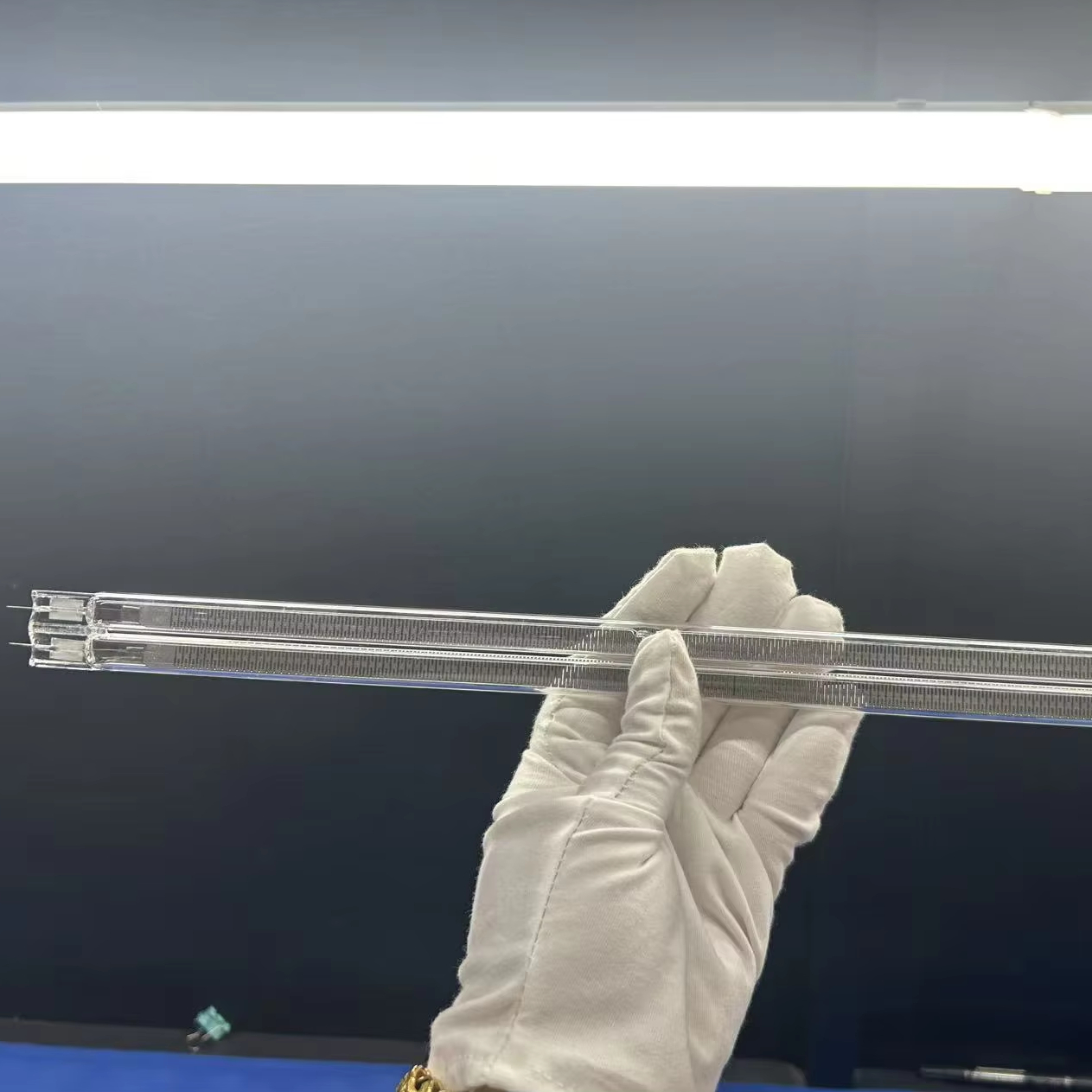
220v/380v 400mm 15*33mm Diameter Infrared Heating Tube Carbon Fiber/halogen Tube/graphite Tube for Fast Heating Equipment
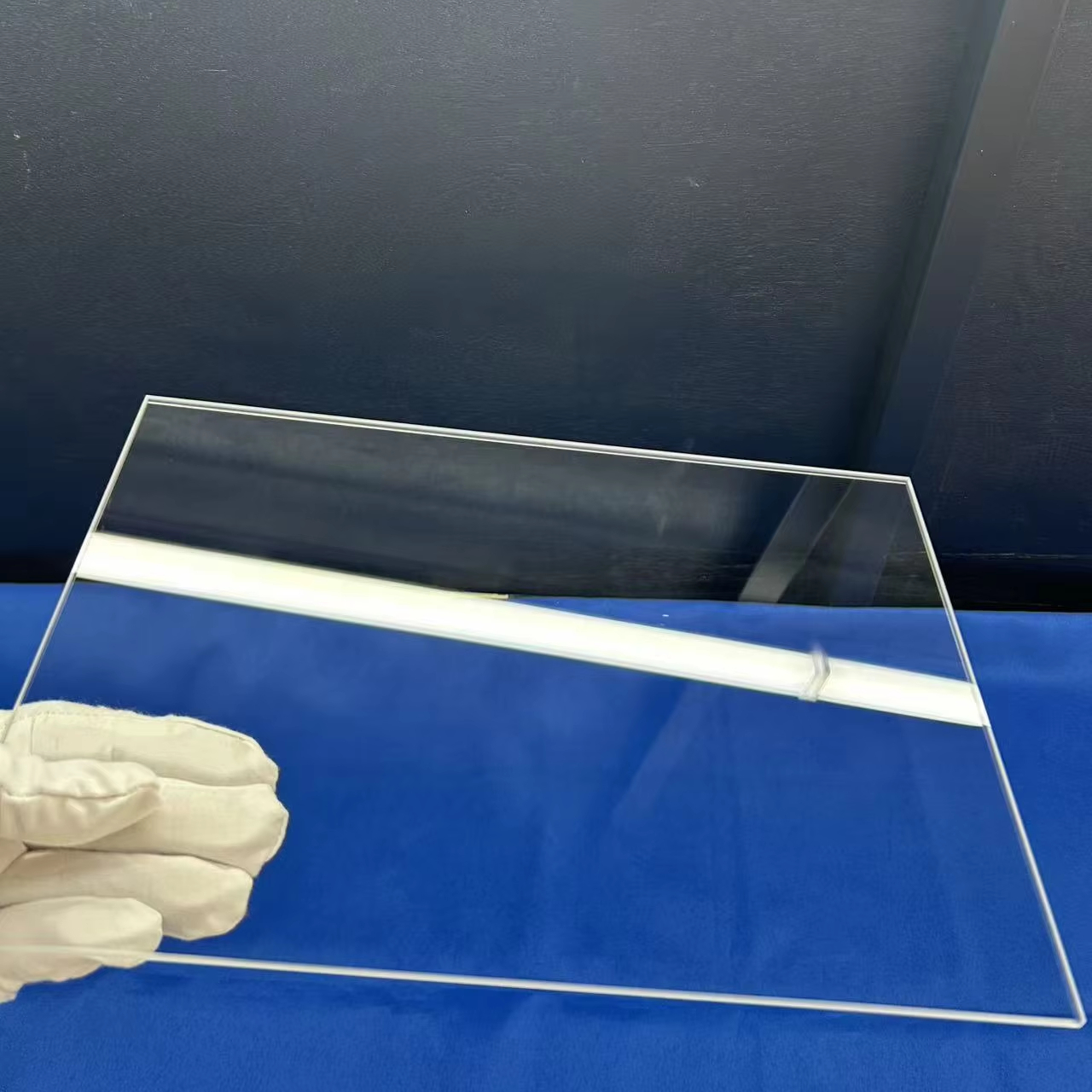
Custom Polished Purity Transparent Square Quartz Glass Clear Plate 4mm Thick for Optical Instruments Provide Welding Cutting
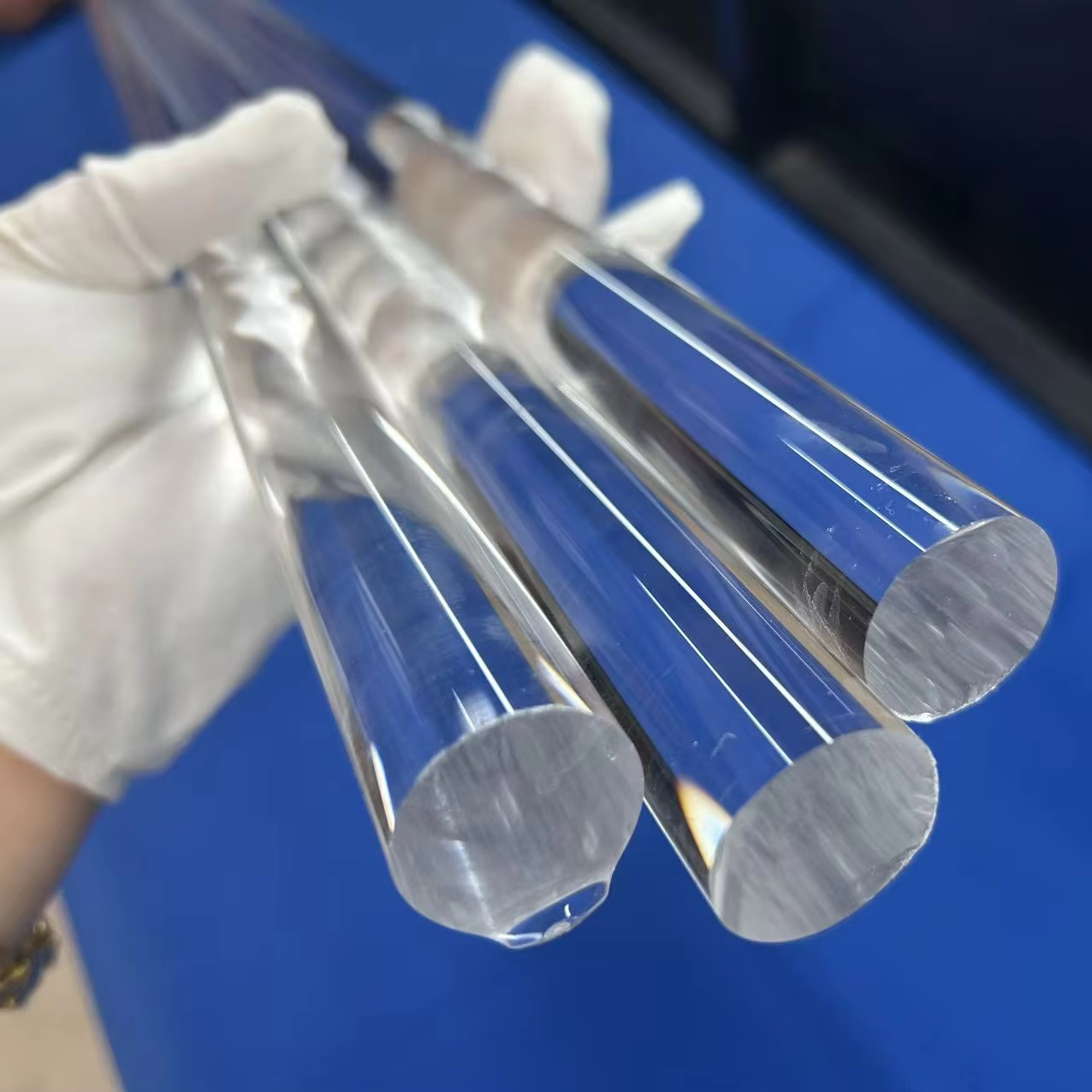
The Factory Produces High-purity Fused Quartz Large Diameter Round Rods, Offering Cutting, Welding, and Bending Services
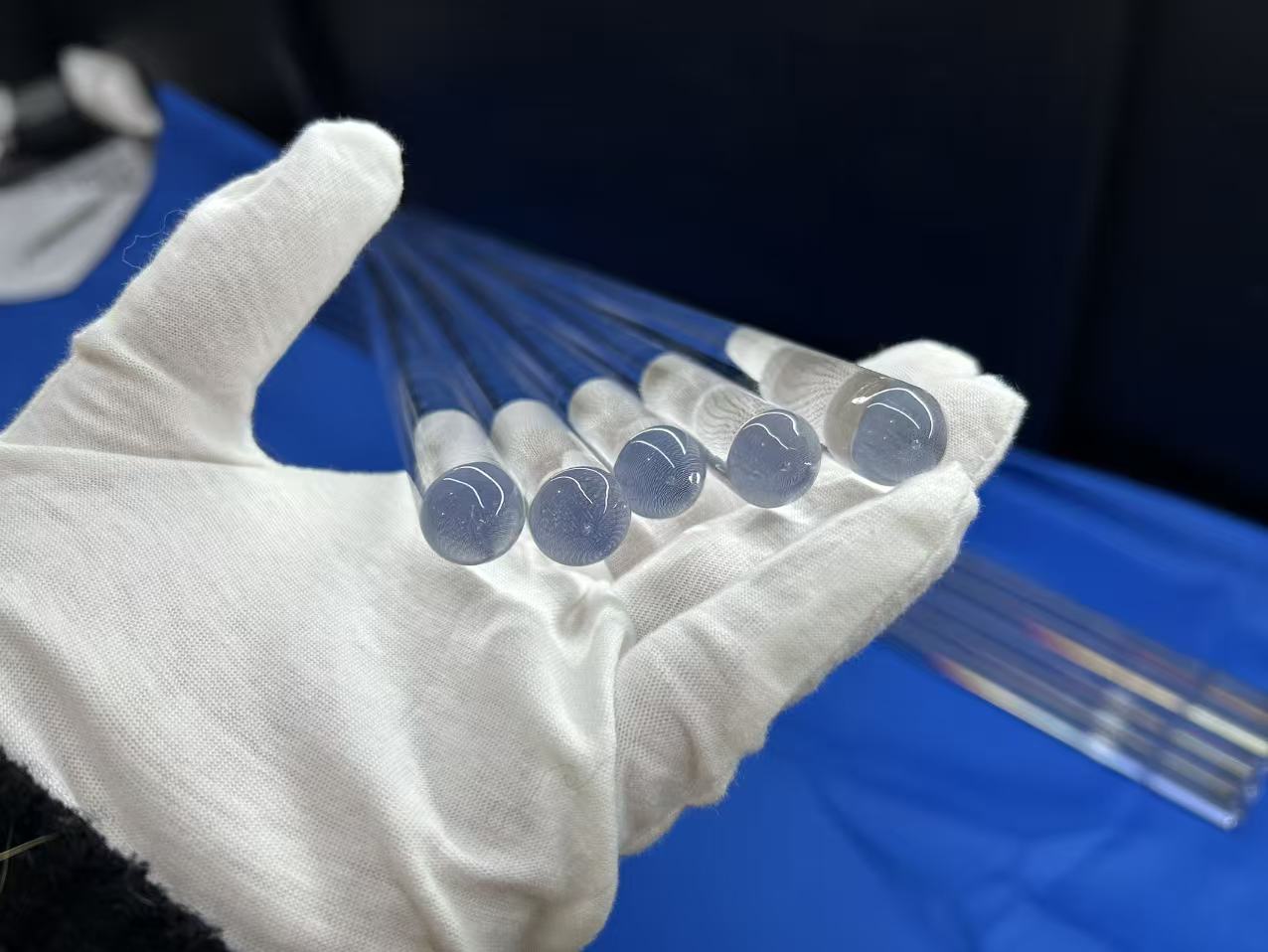
The Factory Produces High-purity Fused Quartz Round Rods, Offering Cutting, Welding, and Bending Services
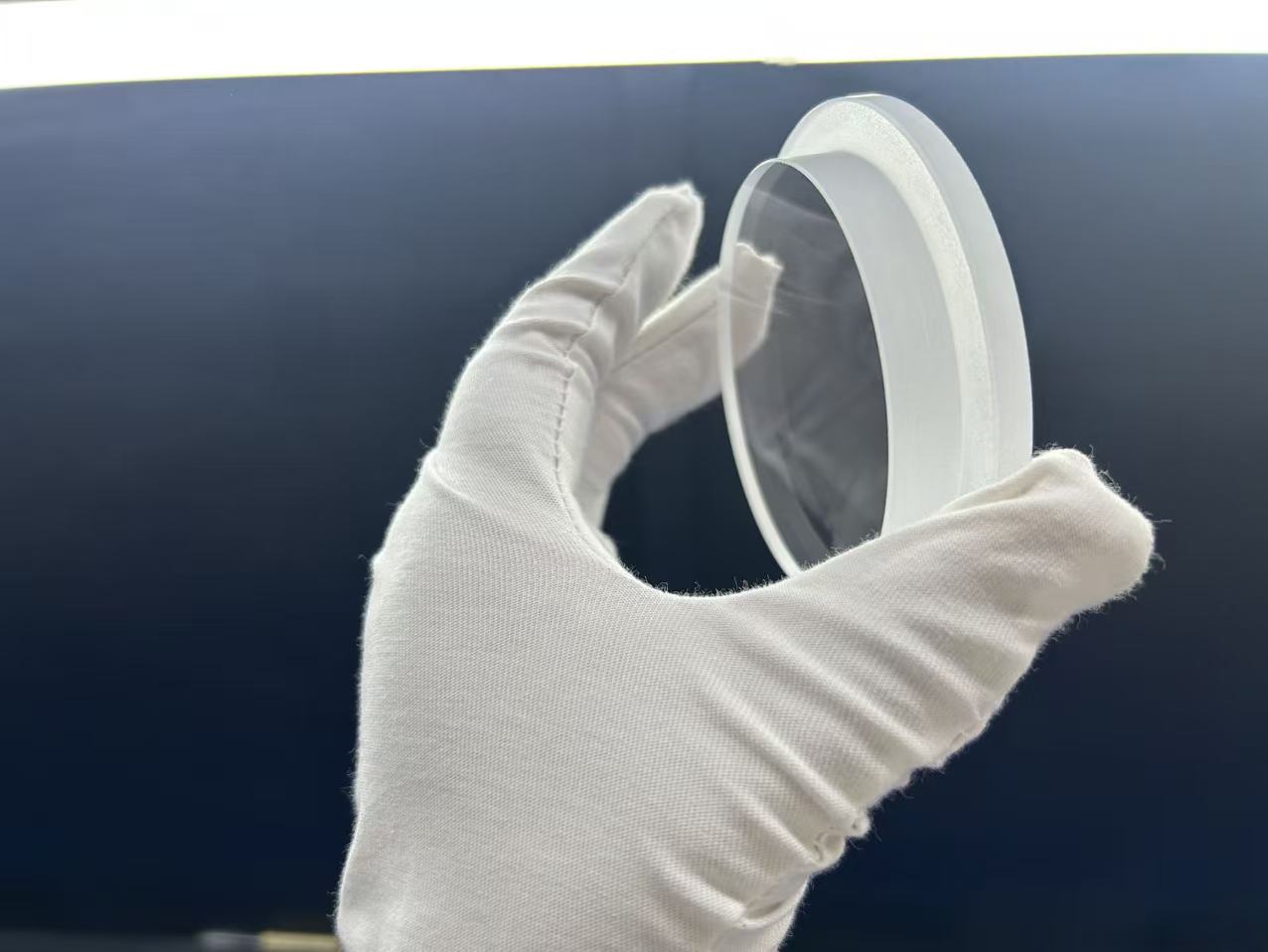
Factory-Made High-purity Ultra-thick Quartz Double-Layer Step Plate ,Provide Cutting and Polishing Services
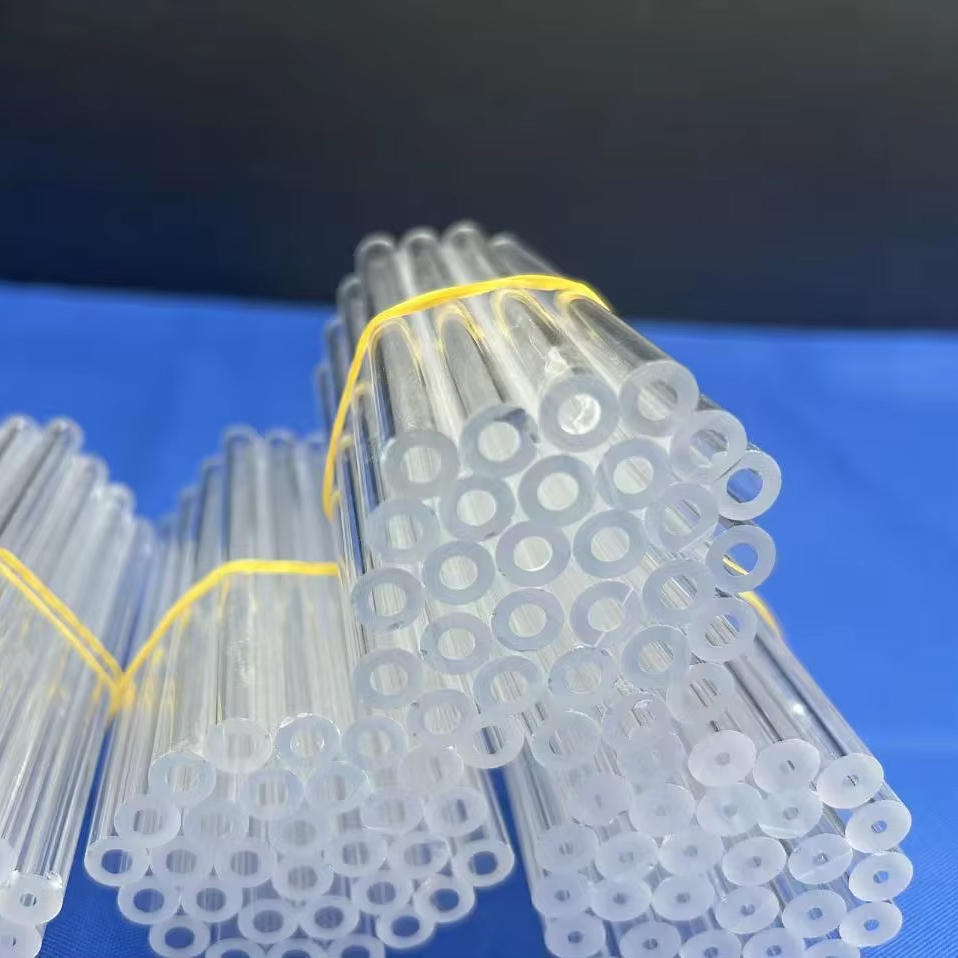
Customized Size clear Quartz Glass Tube BET Borosilicate Glass test Tube clear Quartz Glass Tube
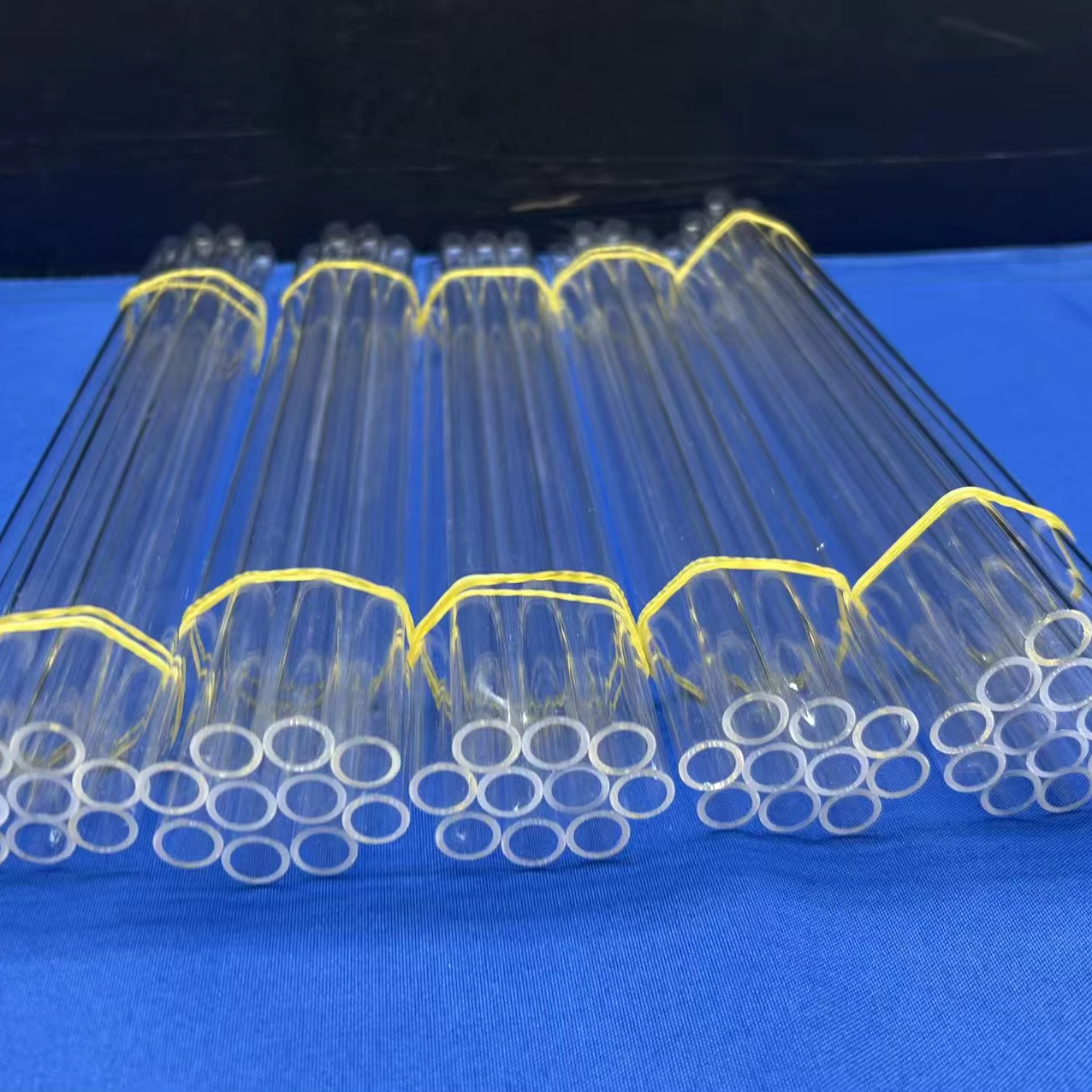
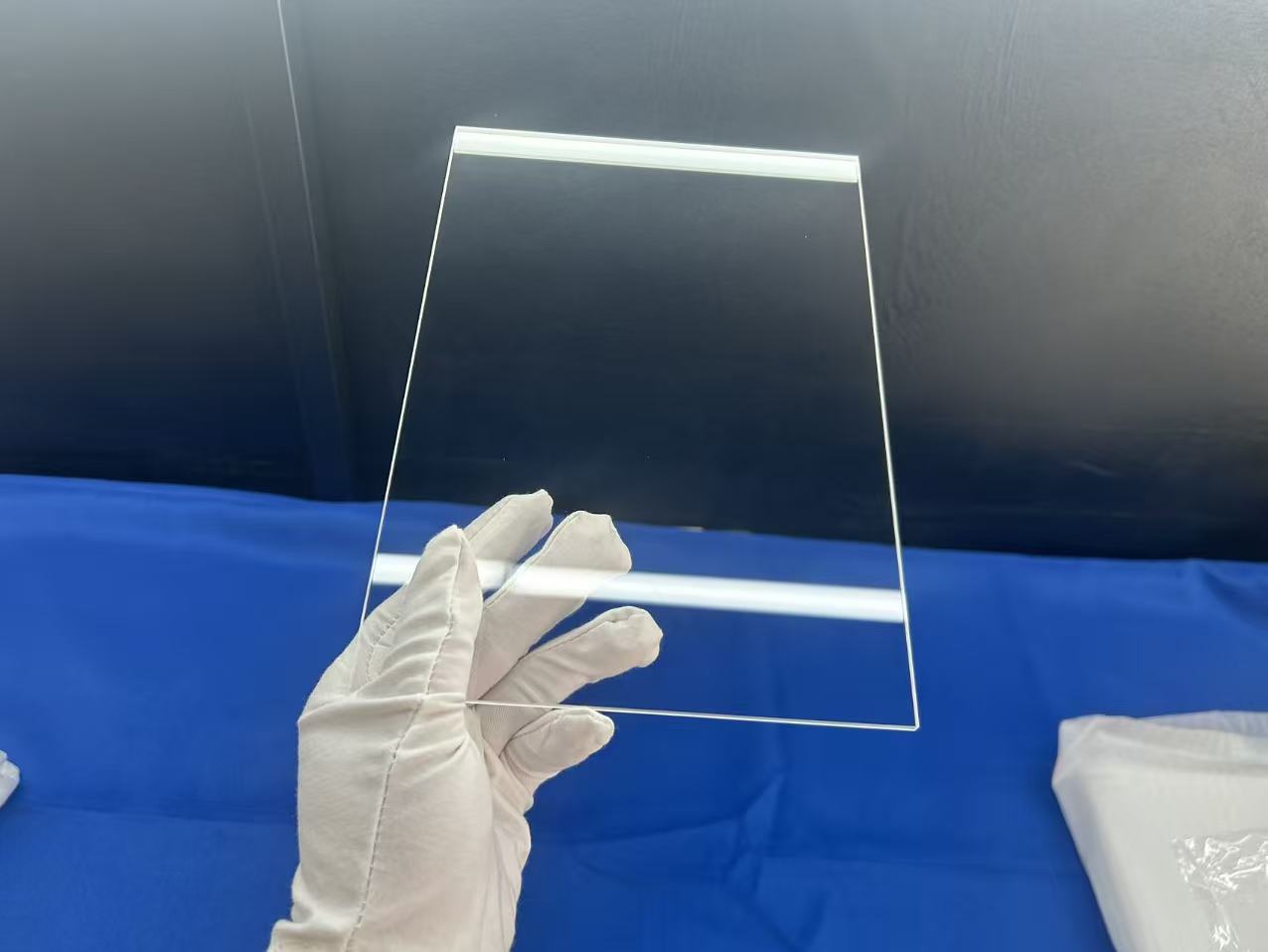
Custom Polished Purity Transparent Square Quartz Glass Plate 3mm Thick Clear Optical Instruments for Welding Cutting
Crystallographic Vitrification & Transmission Physics of Fused Silica
An authoritative engineering breakdown of why amorphous silicon dioxide (SiO₂) serves as the definitive substrate material for microelectronics, deep-UV photonics, and extreme thermal applications.
Fused silica substrates represent the zenith of single-component optical engineering. Unlike standard multi-component silicates (such as soda-lime or borosilicate glasses, which incorporate modifier cations such as Na⁺, K⁺, and B³⁺ to lower melting temperatures), pure fused silica consists entirely of a tetrahedral network of silicon-oxygen bonds (SiO₄) interconnected in a non-crystalline, randomized glassy matrix. This structural purity produces extraordinary mechanical, thermal, and optical characteristics: a negligible coefficient of thermal expansion ($\approx 5.5 \times 10^{-7} \text{ K}^{-1}$), an extremely high softening point exceeding 1680 °C, and exceptional spectral transmission extending uninterrupted from the deep ultraviolet (185 nm) across the visible spectrum well into the near-infrared spectrum (up to 3500 nm).
For advanced research laboratories, laser manufacturers, and optical metrology facilities in Jelgava and the wider Zemgale planning region, selecting the proper fused silica grade determines system efficacy, signal-to-noise ratio, and thermal longevity. Nivra Quartz manufactures substrates from both synthetic precursors (via chemical flame hydrolysis of silicon tetrachloride, $\text{SiCl}_4$) and ultra-purified natural crystalline quartz sand harvested from our world-renowned deposits in Donghai County, Jiangsu Province.
"Synthetic fused silica (JGS1) achieves transmission above 85% at 185 nm by eliminating trace metallic impurities (Al, Fe, Ti < 0.1 ppm), ensuring virtually zero fluorescence under 248 nm KrF and 193 nm ArF excimer laser excitation."
At Nivra Quartz, our manufacturing processes classify substrates into three definitive industrial and optical grades tailored to European and Baltic standard specifications:
- ✓ JGS1 Grade (Synthetic Deep UV Quartz): Completely free of bubbles and inclusions, characterized by negligible metallic impurities and high hydroxyl ($\text{OH}^-$) content (typically 800–1200 ppm). Ideal for deep ultraviolet optics, photolithography mask blanks, and UV laser windows down to 185 nm.
- ✓ JGS2 Grade (Optical Fused Quartz): Synthesized via electric or oxy-hydrogen flame fusion of purified natural quartz crystals. Transmits effectively from 220 nm to 2500 nm. Serves as the primary substrate for optical sight glasses, spectroscopic windows, and laser protective debris shields.
- ✓ JGS3 Grade (Infrared Optical Quartz): Produced via vacuum electrical fusion, driving the residual hydroxyl concentration below 5 ppm. By eradicating the fundamental $\text{OH}^-$ absorption band at $2.73\ \mu\text{m}$, JGS3 delivers peak optical transparency across the infrared zone from 260 nm to 3500 nm, vital for IR thermal imaging, pyrometry ports, and analytical sensor optics.
All substrates supplied to Jelgava buyers can be processed with double-sided chemical-mechanical polishing (CMP), achieving surface roughness values of $R_a < 0.5\ \text{nm}$ ($< 5\ \text{Å}$) and surface flatness figures of $\lambda/4$ or $\lambda/10$ @ 632.8 nm, satisfying stringent European photonic integration criteria.
| Physical / Optical Property | JGS1 (Deep UV Synthetic) | JGS2 (Standard Optical) | JGS3 (Low-OH Infrared) | Borosilicate Float (Reference) |
|---|---|---|---|---|
| Usable Transmission Range | 185 nm – 2,500 nm | 220 nm – 2,500 nm | 260 nm – 3,500 nm | 350 nm – 2,000 nm |
| Hydroxyl ($\text{OH}^-$) Content | 800 – 1200 ppm | 150 – 300 ppm | < 5 ppm | N/A (Multi-component) |
| Thermal Expansion (0–300 °C) | $5.5 \times 10^{-7}\ \text{K}^{-1}$ | $5.5 \times 10^{-7}\ \text{K}^{-1}$ | $5.5 \times 10^{-7}\ \text{K}^{-1}$ | $32.5 \times 10^{-7}\ \text{K}^{-1}$ |
| Maximum Working Temp (Continuous) | 1100 °C | 1150 °C | 1150 °C | 450 °C |
| Softening Point ($\log \eta = 7.6$) | 1683 °C | 1710 °C | 1730 °C | 820 °C |
| Laser Damage Threshold (LDT @ 1064nm, 10ns) | > 15 J/cm² | > 8 J/cm² | > 10 J/cm² | < 2 J/cm² |
| Refractive Index ($n_d$ @ 587.6 nm) | 1.4585 | 1.4585 | 1.4585 | 1.5230 |
Localized Application Scenarios Across Jelgava & Surrounding Hubs
Jelgava, historically celebrated as the industrial powerhouse of central Latvia and home to the renowned Latvia University of Life Sciences and Technologies (LBTU), demands specialized quartz glass solutions across modern analytical, agricultural, and precision manufacturing applications.
LBTU Bio-Analytical & Agritech Spectrometry
At the Faculty of Agriculture and Food Technology and research laboratories at LBTU in Jelgava, precision spectral analysis is paramount. Our JGS1 fused silica substrates and custom optical cuvettes are deployed in high-resolution UV-VIS spectrophotometers for food quality authentication, grain protein quantification, and biochemical enzyme assays where borosilicate glass causes intolerable background absorbance below 320 nm.
High-Power Fiber Laser Cutting & Metal Fabrication
Within the Jelgava Business Park (Jelgavas Biznesa Parks) and machinery engineering clusters along Aviācijas Street, multi-kilowatt fiber lasers process carbon steel, aluminium, and alloys. Nivra Quartz supplies 3mm and 4mm JGS2 laser protective windows and step plates with dual-sided anti-reflective (AR) coatings, offering damage thresholds exceeding $15\ \text{J/cm}^2$ to resist back-reflection and molten spatter.
Wood Biomass Gasification & Pellet Kiln Monitoring
The Zemgale region is a key center for Latvian timber processing and pelletized biomass production. Combustion pyrometry and optical emission monitoring in automated industrial kilns require JGS3 infrared fused quartz sight glasses. Capable of enduring continuous operational temperatures up to 1100 °C, they provide clear optical tracking of thermal combustion without cracking under abrupt winter thermal cycling.
Lielupe River Environmental Monitoring Sensors
Jelgava’s location on the banks of the Lielupe River creates strict municipal environmental testing mandates. Autonomous water quality sensor packages utilize our micro-polished fused silica sensor disc windows. The chemical inertness of high-purity $\text{SiO}_2$ prevents biological fouling adherence and resists environmental acidic leaching, preserving calibration over multi-month submerged field deployments.
Deep UV Water Treatment & Sanitization Enclosures
Regional agricultural processing and municipal dairy plants near Ozolnieki and Jelgava implement continuous 254 nm germicidal UV water sterilization systems. Our customized, heavy-wall clear fused quartz sleeves and reactor flow tubes ensure optical transmission rates above 90% at peak germicidal wavelengths, maximizing inactivation kinetics for waterborne pathogens while resisting scaling.
Thermal Pyrolysis & Sustainable Energy Pilot Plants
Pilot research facilities exploring circular bio-economy solutions, agricultural waste pyrolysis, and synthetic biogas synthesis in the Jelgava district require heavy-wall BET reaction quartz tubes and double-layered step plates. These components maintain dimensional stability under pressures up to 10 bar and continuous exposure to corrosive gas atmospheres containing sulfur compounds and organic vapors.
Emerging Technological Trends Shaping Baltic Quartz Procurement
Strategic supply chain analysis for engineering firms, researchers, and OEM procurement directors operating across Latvia and the European Union Single Market.
1. Expansion of the Baltic Photonics & Deep-Tech Corridor
Under the EU Horizon Europe framework and Latvian National Industrial Development Guidelines, Jelgava is increasingly integrated with Riga's high-tech photonics corridor (including Materize and the Institute of Solid State Physics). This synergy drives growing demand for sub-nanometer surface roughness ($R_a < 0.2\ \text{nm}$) quartz wafers, sapphire optical blanks, and precision micro-machined fused silica substrates designed for microfluidic and integrated photonic chips.
2. Green Transition & High-Temperature Solar Thermal
With Zemgale’s aggressive renewable energy adoption, local research institutes are prototyping next-generation concentrated solar thermal (CST) receivers and thermochemical hydrogen reactors. Fused silica serves as the central optical barrier window due to its ability to transmit full solar spectrum radiation without solarization or catastrophic thermal degradation under focused fluxes exceeding $200\ \text{kW/m}^2$.
3. Automation & Direct Factory-to-Laboratory Logistics
European industrial procurement is shifting away from fragmented multi-tiered distributor markups. Engineering procurement departments in Jelgava increasingly demand direct factory-to-bench manufacturer sourcing. By partnering directly with Nivra Quartz, regional Latvian enterprises access direct CAD/STEP file engineering reviews, full batch chemical purity certifications (CoA), and streamlined DDP delivery into Zemgale without middleman premiums.
Why Baltic Industrial Teams Partner with Nivra Quartz
Founded in February 2019 in Donghai County, Jiangsu Province—universally recognized as China’s quartz and silicon epicenter. Combining vertically integrated manufacturing with comprehensive export capabilities.
Geographic Raw Material Superiority
Situated at 285 Heping East Road, Lianyungang, Jiangsu, our facility directly leverages Donghai County’s premier crystalline quartz supply chain. We maintain continuous stocks of low-impurity natural sand and chemical silicon precursors, insulating European buyers from raw material price shocks and prolonged lead times.
Full Precision Processing Chain
Our 101–200 member workforce encompasses master glassblowers and precision CNC machinists. We perform ultrasonic CNC drilling, slotting, precision lathe shaping, flame fire-polishing, chemical polishing, high-temperature thermal annealing, and coordinate-measuring machine (CMM) dimensional verification entirely under one roof.
Rigorous European Export Quality Assurance
With 40% of our products exported to North America and over 34% distributed across Western, Eastern, and Northern Europe, we understand international standards. Shipments to Latvia undergo strict cleanroom double-vacuum packaging, individualized shock-absorbent nitrogen-purged cellular lining, and reinforced wooden crates engineered for Baltic multimodal transit.
Frequently Asked Questions for Latvian & Baltic Importers
Detailed answers covering customs codes, freight transit routes to Jelgava, climate thermal resistance, and technical specification compliance.
What are the exact logistics routes and transit durations from your Jiangsu factory to Jelgava, Latvia?
We provide multiple door-to-door delivery tiers serving Jelgava and the Zemgale region:
- Air Express (DHL / FedEx / UPS Priority): Routed via Shanghai Pudong (PVG) directly to Riga International Airport (RIX), cleared through Latvian State Revenue Service (VID) customs, and trucked via the A8 motorway directly to Jelgava in 4 to 7 business days. Ideal for emergency spare parts, prototyping substrates, and laboratory quartzware.
- Standard Air Freight: 8 to 12 business days to RIX cargo terminal, followed by local customs handover or consolidated final transport.
- Ocean Container Freight (FCL/LCL): Dispatched from Lianyungang or Qingdao Port directly to the Freeport of Riga (Rīgas Brīvosta) in 32 to 40 days, followed by container rail or road haulage to Jelgava industrial zones. This is the most economical solution for production batch tubes, crucibles, and volume step plates.
We support standard Incoterms 2020 including EXW, FOB, CIF, CPT Jelgava, and fully cleared DDP (Delivered Duty Paid) where our logistics forwarder handles import VAT (PVN 21%) and EU customs duties on your behalf.
What European Union TARIC / HS codes apply to these fused silica substrates for Latvian customs clearance?
Our products are classified under precise World Customs Organization and EU Integrated Tariff (TARIC) codes to ensure friction-free entry through the Latvian State Revenue Service:
- 7002.31.00.00: Tubes of fused quartz or other fused silica (unworked or calibrated).
- 7002.10.00.00 / 7002.20.90.00: Fused quartz balls, round rods, and solid cylinders.
- 7006.00.90.00: Glass plates, discs, and wafers of fused silica, whether cut, beveled, engraved, drilled, or framed.
- 7017.10.00.00: Laboratory, hygienic, or pharmaceutical glassware of fused quartz or other fused silica (crucibles, boats, test tubes, BET analysis tubes).
- 9001.90.00.00: Polished optical elements, high-precision laser windows, and lenses of synthetic fused silica.
All commercial invoices provide dual-language descriptions, exact net/gross weights, certificates of origin (COO), and declarations of conformity.
How do fused silica substrates withstand Latvian winter climatic conditions and extreme thermal cycling?
Latvian industrial facilities encounter severe seasonal extremes, with winter ambient outdoor temperatures falling below -25 °C while interior industrial furnaces or laser cutting zones exceed hundreds of degrees. Standard glasses crack catastrophically under these thermal gradients because their thermal expansion creates uneven internal mechanical stress.
Fused silica features an exceptionally low coefficient of thermal expansion of only $0.55 \times 10^{-6}\ \text{K}^{-1}$. A standard Nivra Quartz plate can be heated to 1100 °C and dropped into ice water ($0\ ^\circ\text{C}$) without fracturing or micro-cracking. This thermal shock resilience makes our sight glasses and step plates safe for outdoor environmental monitoring, unheated agricultural kilns, and high-heat industrial furnace enclosures throughout Baltic winters.
What minimum order quantities (MOQ) and customized prototyping terms are offered for research institutions?
We actively support academic and industrial R&D. For customized fused silica components, step plates, and specialized labware based on technical drawings (PDF, DWG, DXF, or 3D STEP/IGES models):
- Prototype & Custom Machined Parts: MOQ starts at just 1 to 5 pieces for customized quartz tubes, complex flanges, double-layer step plates, or bespoke laser windows.
- Small Precision Wafers & Discs: Standard MOQs range from 10 to 50 pieces depending on dimensional tolerances and polish requirements ($R_a < 0.5\ \text{nm}$).
- Standard Catalog Glassware: Test tubes, standard crucibles, and regular optical blanks start at 10 pieces.
Our engineering department reviews drawings and delivers complete manufacturability feedback and price quotes within 5 hours.
Are Nivra Quartz components certified compliant with EU REACH and RoHS environmental directives?
Yes. Pure fused silica ($\text{SiO}_2$) is an inorganic, non-metallic vitrified mineral network containing no heavy metals, plasticizers, or hazardous substances. Our products fully conform to:
- EU Directive 2011/65/EU and amendment (EU) 2015/863 (RoHS 3): Free of lead (Pb), mercury (Hg), cadmium (Cd), hexavalent chromium (CrVI), PBBs, PBDEs, and specified phthalates.
- Regulation (EC) No 1907/2006 (REACH): Fused silica is an inert glass matrix exempt from registration under Annex V; our products contain 0.00% Substances of Very High Concern (SVHC) on the ECHA candidate list.
Third-party testing reports and formal declarations of compliance are issued alongside each production lot.
How do you package high-precision optical plates to eliminate transit breakage and surface contamination?
Optical surfaces and brittle quartz substrates require strict multi-barrier protective packaging:
- Class 1000 Cleanroom Pre-Cleaning: Substrates undergo ultrasonic solvent and deionized water baths to remove cutting slurries and polishing residues.
- Primary Barrier: Optical surfaces are protected by non-marking lint-free lens tissue and static-dissipative polymer wraps, or individually housed in sealed wafer carrier cassettes.
- Shock Absorption: Components are set inside custom-die-cut high-density closed-cell polyethylene (EPE) foam within heavy-duty double-wall corrugated export master cartons.
- Heavy Industrial Crate: Long tubes, rods, and heavy quartz tanks are secured inside fumigation-free ISPM-15 compliant plywood crates with internal reinforcement braces, ensuring items arrive in pristine condition in Jelgava.
Request an Engineering Review & Quotation for Jelgava Delivery
Submit your CAD/STEP files, dimensional specifications, or required optical grades (JGS1, JGS2, JGS3). Our senior quartz engineering team will review manufacturability, verify tolerances, and provide factory-direct pricing with DDP/CPT Baltic delivery terms within 5 hours.