Engineered Quartz Solutions for Bergen's Harsh Operational Environments
Direct from Donghai County—China's premier quartz crystal epicenter—Nivra Quartz manufactures and machines ultra-high-purity fused silica components built to resist extreme marine corrosion, severe hydrostatic loads, and intense thermal shock.
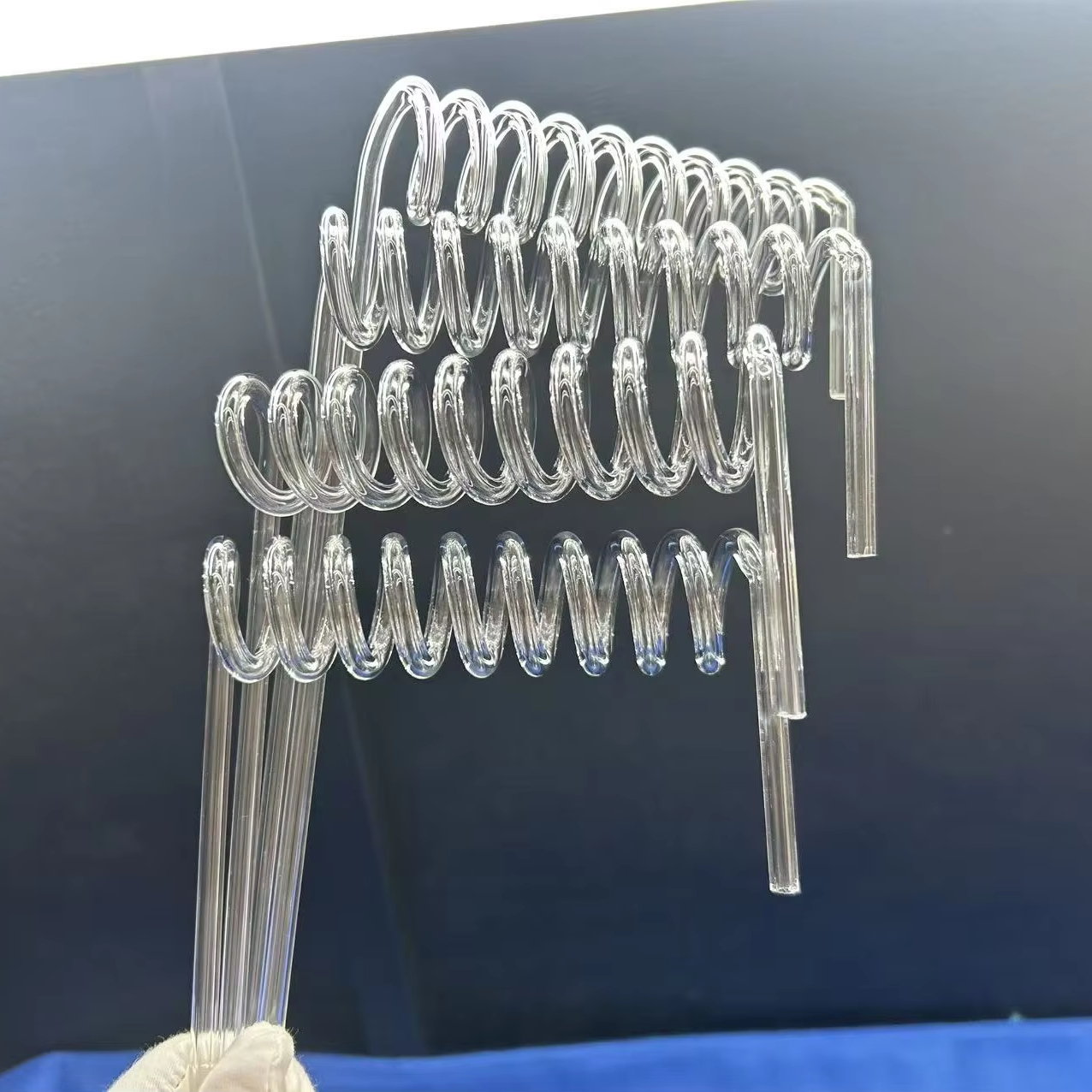
Clear Quartz Spiral Tube for Optics Laboratory Use with Moulding and Bending Services
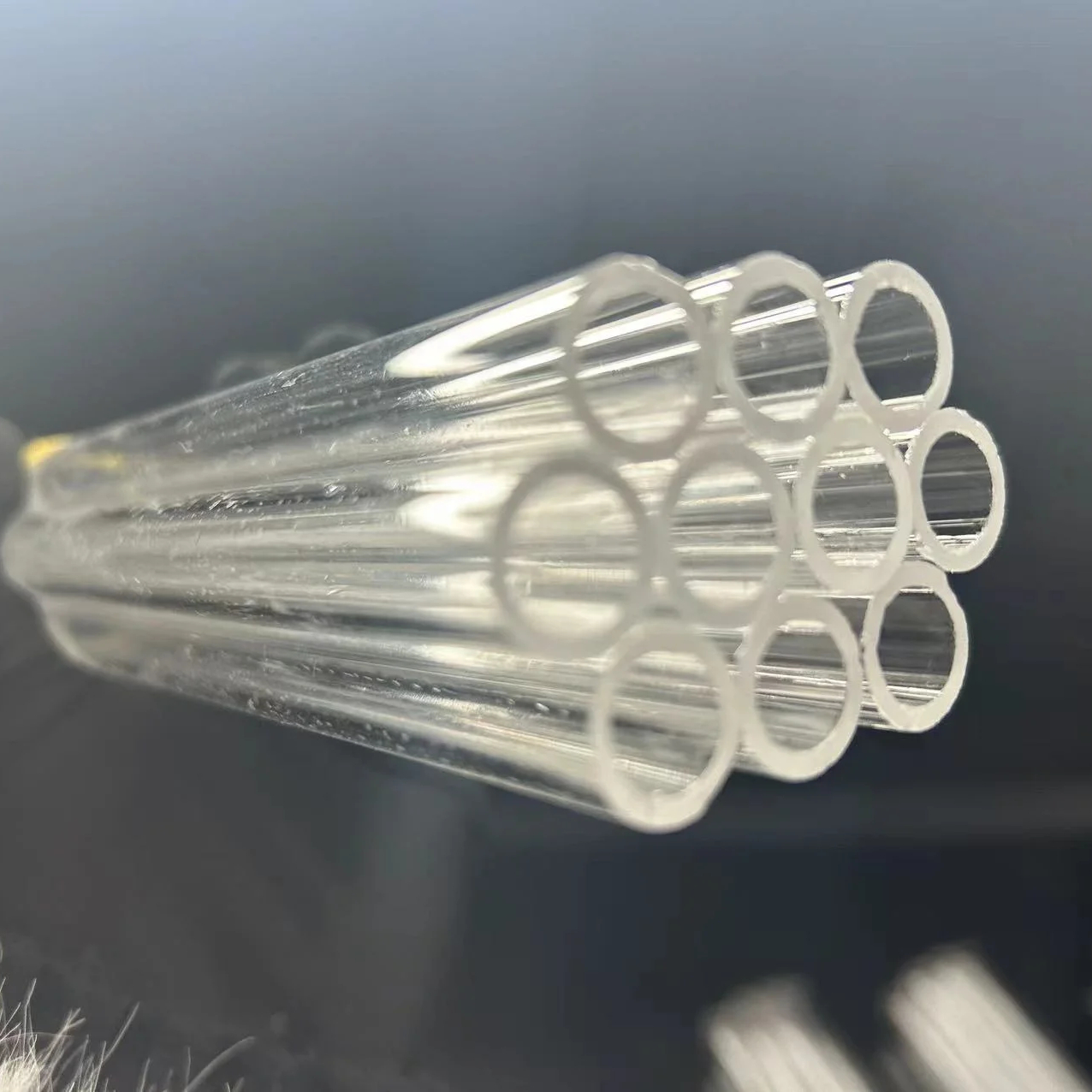
High Temperature Transparent Quartz Cylinder Tube Clear Quartz Tube Glass
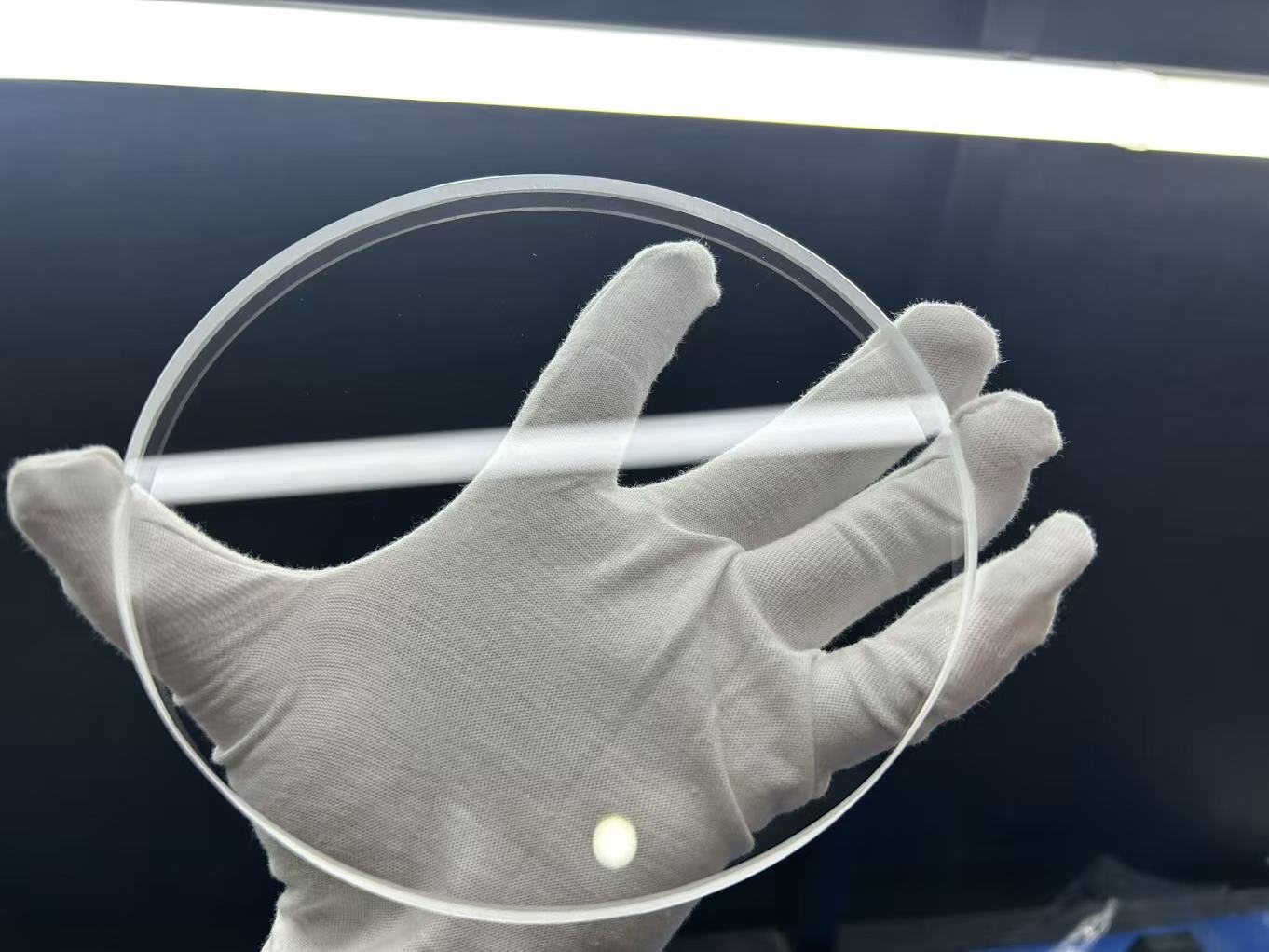
Wholesaler Customized High Quality Clear Fused Quartz Glass Sheet for Optics
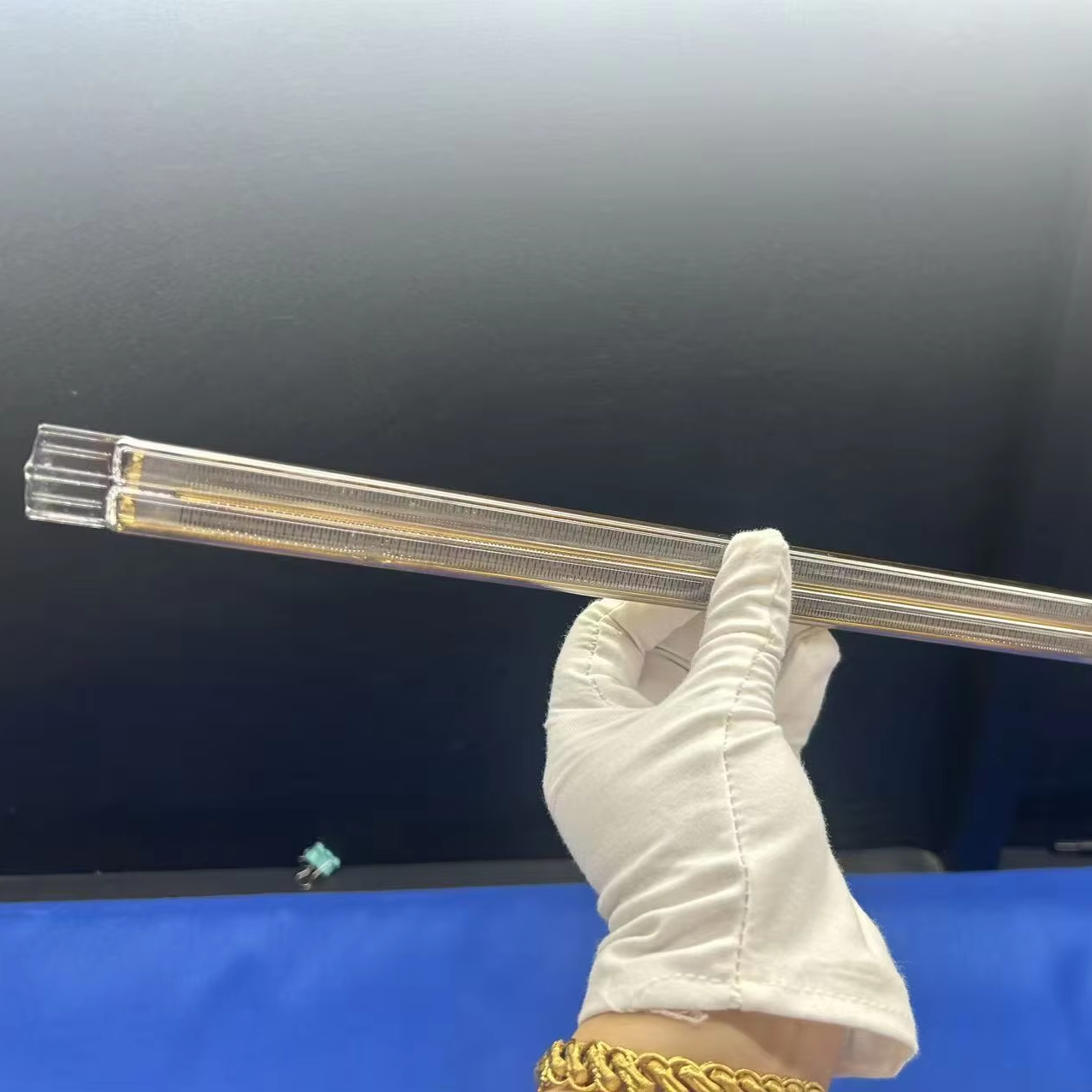
Graphene Quartz Heating Tube for High-Efficiency Clean Energy Heating
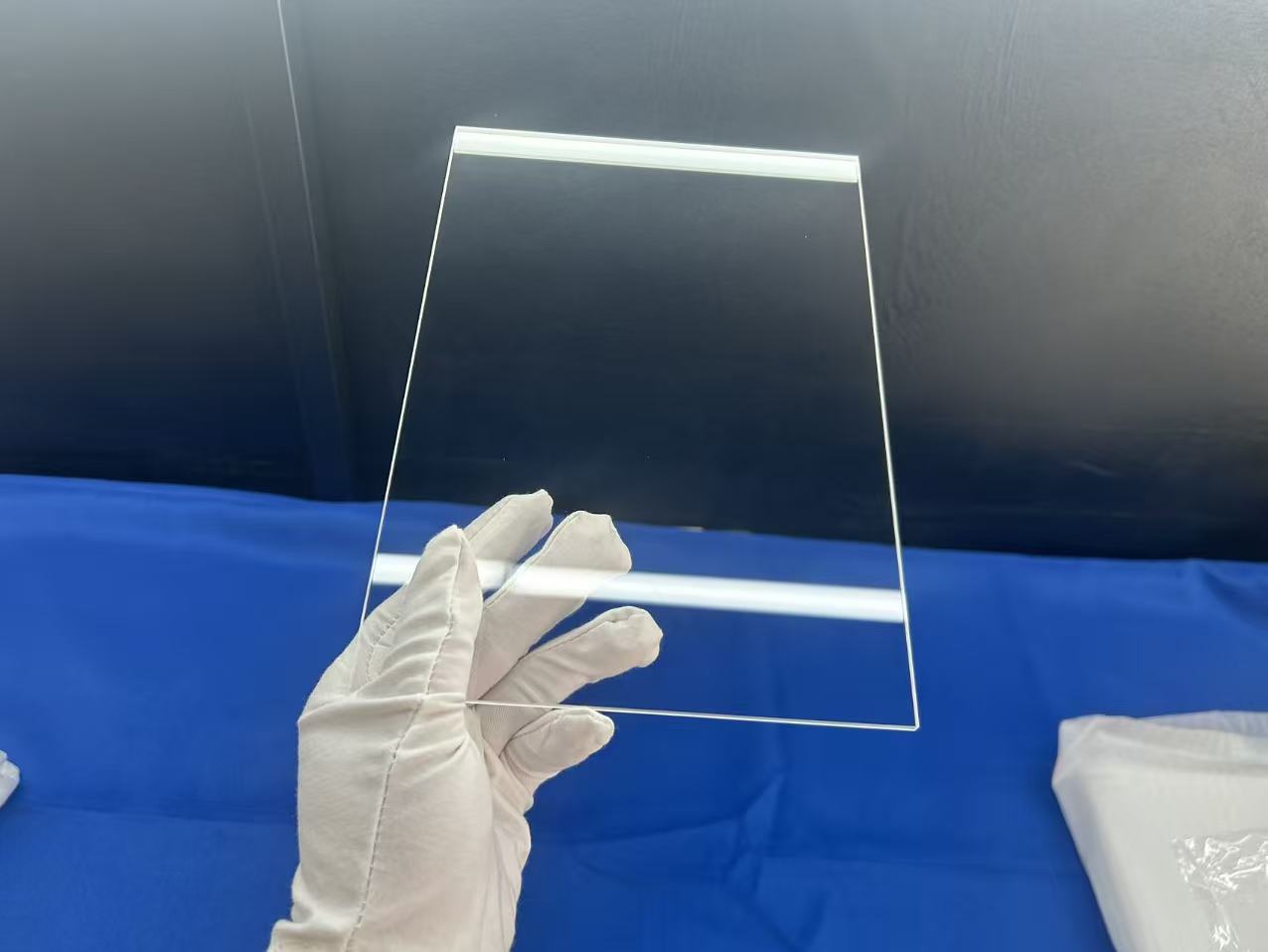
Custom Polished Transparent Square Quartz Glass Plate (3mm Optical Grade)
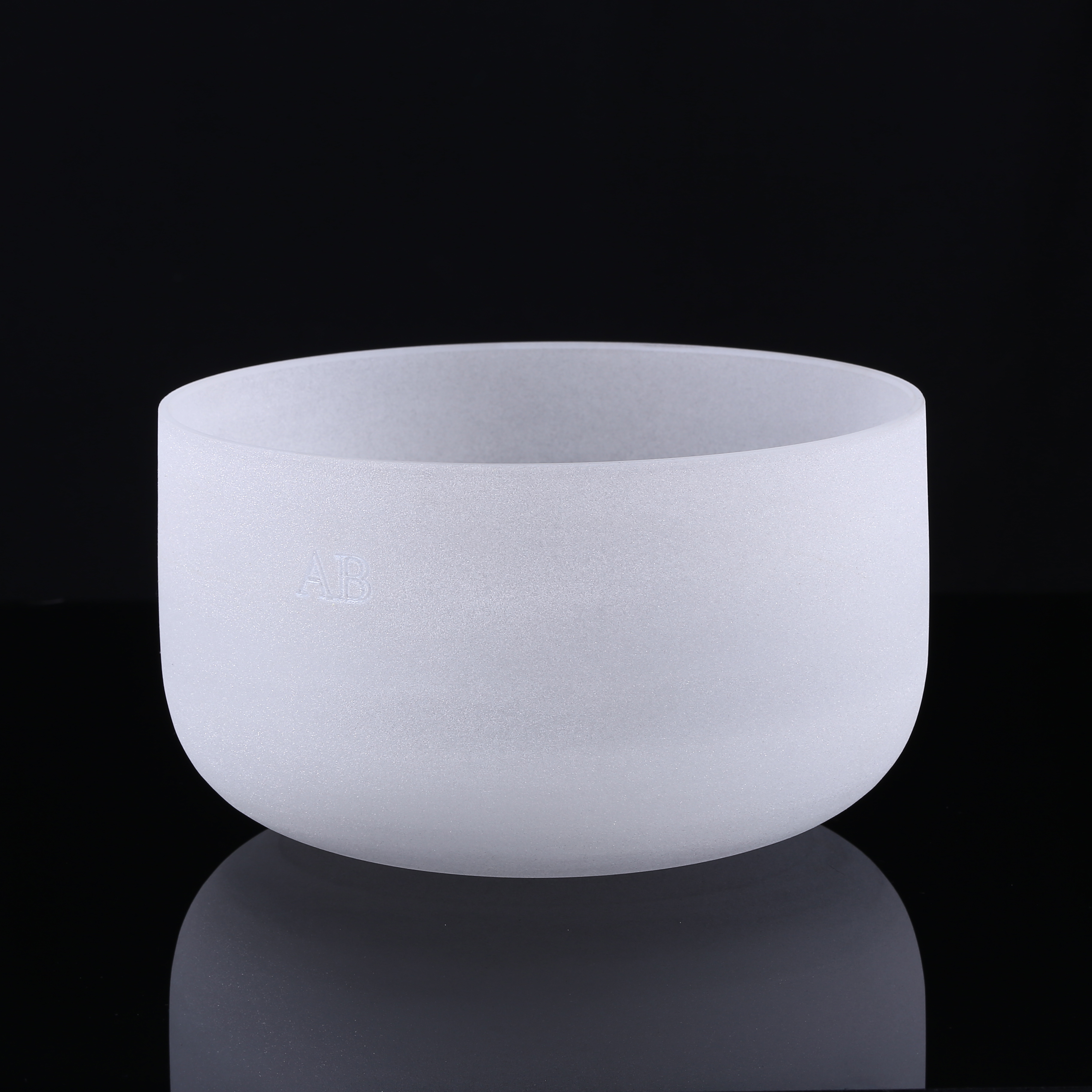
High Temperature Fused Silica Quartz Crucible for Metallurgy & Chemical Ashing
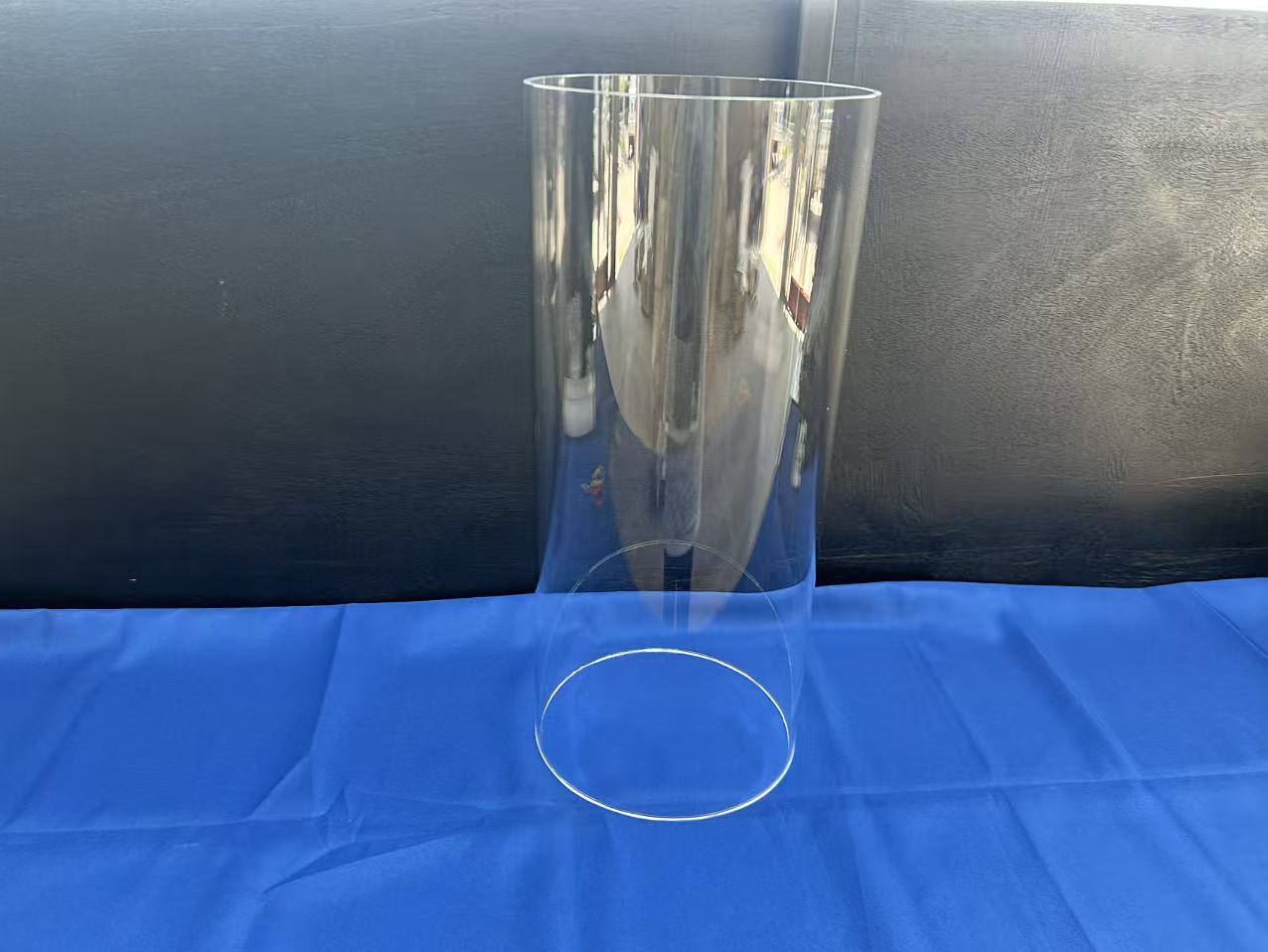
Custom Large-Diameter High-Purity Fused Quartz Tubes with Flange Welding
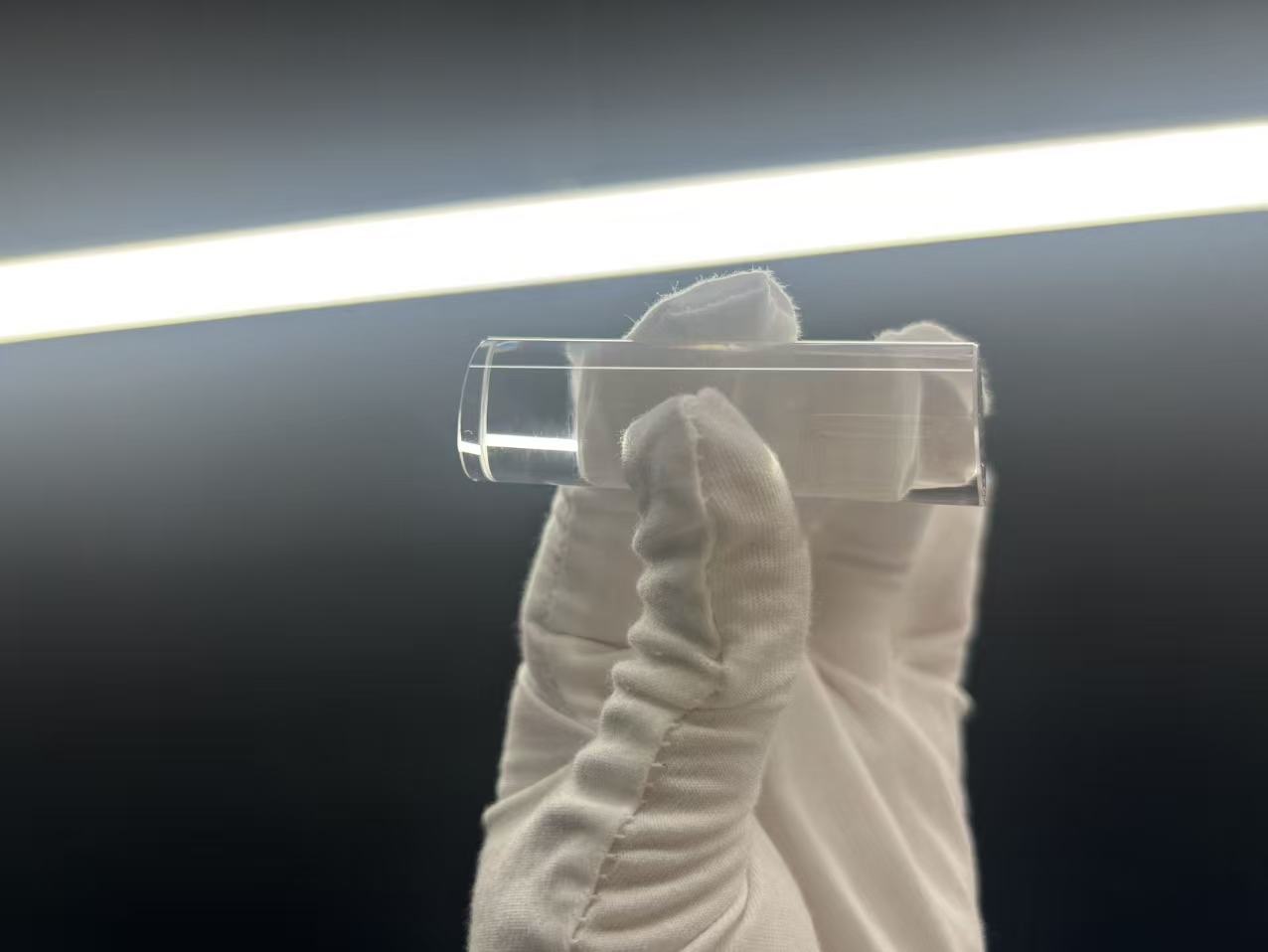
Round Head Fused Quartz Rod with Fire-Polished Hemispherical Lens
Comprehensive Fused Silica Material Specification Whitepaper
Fused quartz (amorphous silicon dioxide) is the definitive engineering material when conventional borosilicate and optical glass fail under the stress of rapid thermal cycling, chemical corrosion, and high UV/IR transmission demands. Understanding the technical demarcation between synthetic silica and electrically melted natural quartz is critical for engineering teams in Vestland.
| Physical Property | Typical Value | Metric / Dimension |
|---|---|---|
| Density (ρ) | 2.20 ± 0.01 | g/cm³ at 20°C |
| Hardness (Mohs Scale) | 5.5 – 6.5 | Knoop: 820 kg/mm² |
| Compressive Strength | 1,100 – 1,150 | MPa (High Hydrostatic Res.) |
| Tensile Strength | 48 – 52 | MPa |
| Young's Modulus (E) | 7.2 × 10⁴ | MPa (72 GPa) |
| Thermal Expansion Coeff. | 5.5 × 10⁻⁷ | cm/cm/°C (20°C to 320°C) |
| Softening Point | 1,683 | °C |
| Annealing Point | 1,215 | °C |
| Strain Point | 1,120 | °C |
| Max Continuous Work Temp | 1,100 | °C in oxidizing atmosphere |
| Short-Term Peak Temp | 1,450 | °C (intermittent loads) |
| Grade Classification | Spectral Window | Typical Application in Bergen |
|---|---|---|
| JGS1 (Synthetic Silica) | 185 nm – 2,500 nm (Deep UV) | Aquaculture UV-C disinfection sleeves, excimer laser viewports, marine fluorescence spectroscopy. |
| JGS2 (Optical Fused Quartz) | 220 nm – 2,500 nm (UV-Vis) | Subsea optical pressure sight glasses, maritime pyrometry, UiB laboratory apparatus. |
| JGS3 (Infrared Fused Silica) | 260 nm – 3,500 nm (Low OH) | North Sea petrochemical gas sensors, FTIR optical monitoring, moisture-free thermal heaters. |
Al ≤ 14.0 • Fe ≤ 0.15 • Ca ≤ 0.40 • Mg ≤ 0.10 • Ti ≤ 1.10 • Na ≤ 0.30 • K ≤ 0.30 • Li ≤ 0.20 • Total metallic impurity < 20 ppm max (99.999% purity options available upon request).
Application Scenarios Across Bergen's Maritime & Industrial Landscape
As the recognized maritime capital of Norway, Bergen hosts a unique convergence of offshore subsea oil & gas engineering, high-density salmon aquaculture, renewable marine energy, and world-class academic research at Marineholmen and UiB. Nivra Quartz tubes and optical windows are specifically configured to address these localized operational parameters.
Subsea Sensor Enclosures & ROV Viewports
Bergen’s subsea engineering clusters at Ågotnes, Sandsli, and Kokstad demand optical windows capable of withstanding deep Atlantic hydrostatic pressures (exceeding 300 bar / 3,000 meters depth). Our JGS2 precision-ground quartz discs and cylinders exhibit high compressive yield strength (1.1 GPa), zero structural birefringence, and complete resistance to saline pitting, providing clear optical sightlines for autonomous underwater vehicles (AUVs) and benthic monitoring rigs.
Offshore Subsea EngineeringAquaculture UV-C Disinfection Sleeves
Western Norway’s aquaculture hubs around Hordaland and the Hardangerfjord enforce stringent biosecurity mandates (Norwegian Food Safety Authority / Mattilsynet) to combat salmon louse, infectious salmon anaemia (ISA), and bacterial pathogens in Recirculating Aquaculture Systems (RAS). Our clear synthetic quartz sleeves maintain >90% transmission at 253.7 nm, withstand automated wiping friction, and endure constant thermal gradients without devitrification or solarization.
RAS & Marine BiosafetyMaritime Green Hydrogen & Fuel Cell Pyrolysis
As Bergen leads the European transition toward zero-emission maritime corridors, local clean-tech developers utilize our large-diameter heavy-wall fused quartz tubes for high-temperature methane cracking, ammonia dissociation, and solid oxide fuel cell (SOFC) pilot testing. Operating reliably up to 1100°C under fluctuating dynamic loads, our quartz tubes resist corrosive reducing gases while maintaining structural geometry.
Green Maritime CorridorsUniversity & Institute Research Instrumentation
Serving the Department of Physics and Technology and Department of Chemistry at the University of Bergen (UiB), alongside the Institute of Marine Research (Havforskningsinstituttet). We provide precision optical cuvettes, vacuum quartz bell jars, spiral condensers, and custom quartz glass reactors designed for cryogenic analysis, paleoceanographic carbon profiling, and marine photochemistry experiments.
Academic & NORCE ResearchPetrochemical Refining & Gas Pyrometry
Downstream processing facilities and offshore drilling operations around Mongstad and the North Sea shelf rely on low-hydroxyl (JGS3) quartz level gauges and sight ports. These sight glasses withstand sudden ambient temperature deltas—from freezing North Sea spray (-15°C) to boiling hydrocarbon fractions (+380°C)—without micro-fissuring or loss of mechanical seal integrity.
Mongstad & Offshore RefiningOffshore Wind LiDAR & Optical Telemetry
Floating offshore wind installations in Western Norway utilize optical LiDAR transceivers to measure marine boundary layer wind profiles. Our ultra-flat polished quartz wafers (flatness λ/4, parallelism <30 arcsec) guarantee zero wavefront distortion, enabling precise laser phase profiling in highly humid, salt-saturated maritime atmospheres.
Renewable Energy TelemetryEmerging Procurement Trends in Western Norway (Vestland Fylke)
Procurement paradigms in Bergen are evolving rapidly due to stringent Norwegian environmental regulations, industrial electrification, and the global push toward high-efficiency maritime technology.
1. Acceleration of Closed-Containment Post-Smolt Aquaculture
Open net-pen farming in Norwegian fjords is increasingly transitioning toward closed floating containment systems and land-based RAS facilities to eliminate sea-lice contamination. This structural shift has created continuous demand for industrial-scale UV-C sterilization reactors. Norwegian buyers are bypassing intermediate European distributors to source directly from primary Chinese manufacturers who can supply customized, heavy-wall quartz sleeves with fire-polished closed domes and chemical-resistant flanged collars.
2. Rigorous Traceability and Purity Documentation
Norwegian marine contractors operating under DNV and NORSOK compliance frameworks require complete batch traceability, certified spectrometry curves, and dimensional laser measurement sheets. Generic commercial glass is no longer tolerated; components must be certified synthetic fused silica (JGS1) or high-grade optical quartz (JGS2) with verified ppm impurity thresholds to prevent catastrophic failures during deep subsea operations.
3. The Green Maritime Electrification & Pyrolysis Pivot
With the Port of Bergen aiming for zero municipal maritime emissions, research into hydrogen fuel cells, battery testing safety enclosures, and continuous thermal pyrolysis is at an all-time high. Quartz tubes integrated with electrothermal graphene coatings (such as our Graphene Quartz Heating Series) provide rapid thermal response rates with >95% infrared radiation efficiency, reducing energy overhead in experimental thermal reactors across Vestland.
4. Multi-Modal Consolidations & Direct Factory Auditing
Bergen procurement directors are optimizing supply chains by ordering integrated Bills of Materials—consolidating quartz tubing, laser discs, crucibles, and customized laboratory ware under a single qualified vendor. By leveraging direct factory communication via verified digital channels, lead times from China to Bergen Port (or Bergen Airport Flesland) have reduced from months to under two weeks for high-priority prototypes.
Donghai Manufacturing Foundation & Technical Capabilities
Established in February 2019 in Donghai County—China's legendary crystal and quartz capital—Donghai County Nivra Quartz Products Co., Ltd. operates a comprehensive production and testing facility dedicated to precision quartzware fabrication.
Epicenter Raw Material Sourcing
Located directly at the source in Donghai County, we secure the finest natural crystal quartz sand and synthetic silicas with guaranteed high chemical purity (≥99.99%) at competitive factory-direct costs.
≤ 5-Hour Technical Response
With an 88.89% verified inquiry response rate, our quartz engineering team assesses your DWG, STEP, or PDF technical drawings within 5 hours, providing manufacturability feedback and price quotations without delay.
Dual-Processing Supremacy
We seamlessly integrate cold ultrasonic CNC machining, edge beveling, and double-sided optical polishing with hot hydrogen-oxygen flame lathe bending, closed-dome forming, and stress-relieved annealing.
Export Shockproof Guarantee
Every component undergoes ultrasonic deionized cleaning, individually tailored shock-absorbing cellular foam packaging, and reinforcement in heavy fumigation-free wooden crates designed for multimodal transit to Norway.
Frequently Asked Questions by Norwegian Engineers & Buyers
Clear answers regarding customs, material selection, logistics to Western Norway, and mechanical tolerances.
What are the lead times and shipping options from your factory to Bergen, Norway?
+
We provide flexible multimodal logistics solutions tailored to your schedule:
1. Air Express (DHL / FedEx / UPS / Air Cargo): Ideal for urgent research prototypes, precision cuvettes, and standard quartz tubes. Transit time directly to Bergen Airport Flesland (BGO) or your facility in Bergen is typically 4 to 7 business days.
2. Consolidated Ocean Freight: Suited for heavy-wall quartz tubes, large crucibles, or bulk aquaculture replacement sleeves. Cargo is routed directly to Bergen Havn via European container feeder networks with an average transit time of 28 to 35 days.
We provide full export declarations, EUR.1 / Certificate of Origin, commercial invoices, and packing lists to ensure seamless clearance through Norwegian Customs (Tolletaten).
How do fused quartz components survive extreme North Sea thermal gradients?
+
Fused quartz possesses an exceptionally low coefficient of thermal expansion (α ≈ 5.5 × 10⁻⁷ /°C between 20°C and 320°C), which is approximately 1/5th that of standard borosilicate 3.3 glass and 1/20th that of soda-lime window glass.
In practical offshore operations, a red-hot quartz cylinder heated to 1050°C can be plunged into freezing 4°C North Sea saltwater without cracking or micro-fissuring. For marine instrumentation subjected to outdoor Norwegian winter conditions, quartz provides total protection against thermal-shock fracture.
Should our Bergen facility specify JGS1, JGS2, or JGS3 for our optical application?
+
Selection depends strictly on your operating wavelength:
• Select JGS1 (Synthetic Fused Silica): If your system operates in the deep ultraviolet range (185 nm – 400 nm). Essential for aquaculture UV-C water treatment, ozone generation systems, and fluorescence spectroscopy.
• Select JGS2 (Optical Grade Quartz): If your application spans the visible to near-infrared spectrum (220 nm – 2,500 nm). Ideal for subsea ROV optical camera ports, visual sight glasses, and standard laboratory condensers.
• Select JGS3 (Infrared Fused Quartz): If you require transmission in the infrared band up to 3,500 nm. JGS3 features an ultra-low hydroxyl (OH⁻) content (≤5 ppm), eliminating the deep absorption trough at 2,730 nm, making it indispensable for petrochemical gas analysis and thermal imaging viewports.
Can you machine custom quartz parts to fit Super Duplex or Titanium subsea housings?
+
Yes. Subsea integration requires tight mechanical tolerances to maintain sealing integrity with O-rings or metallic seals without placing localized mechanical bending stresses on the glass. We routinely machine quartz tubes and viewports to outside diameter (OD) tolerances of ±0.05 mm, with parallelism <30 arcseconds and flatness within λ/4 (λ = 632.8 nm).
All machined edges can be chamfered, ground, or precision fire-polished to eliminate micro-notches that could otherwise serve as stress-concentration points under hydrostatic loads.
How do you guarantee that fragile quartzware arrives in Bergen without transit damage?
+
With an international export portfolio spanning Europe and North America, we utilize a specialized 4-tier crating protocol:
1. Ultrasonic Cleaning & Vacuum Sealed Bags: Prevents airborne dust and moisture ingress.
2. High-Density Custom-Die Foam Encapsulation: Every tube, plate, or crucible is suspended in 35 kg/m³ shock-absorbing EPE foam, ensuring zero contact with adjacent parts.
3. Heavy-Wall Corrugated Core: Double-wall inner cartons absorb minor drops and vibrations.
4. Fumigation-Free Plywood Outer Crates: Reinforced with internal wood bracing, steel banding, and external shock/tilt indicator labels to guarantee safe handling through customs and maritime depots.
What is the minimum order quantity (MOQ) and how do we begin a prototype trial?
+
For standard clear quartz tubes, rods, and laboratory cuvettes, our MOQ is as low as 1 to 5 pieces to facilitate university research and industrial R&D prototyping. Custom CNC-machined plates or specialized flanged reactors typically start at 10 pieces.
To initiate a project, simply send your technical drawings (CAD, DWG, STEP, or PDF) along with expected operating parameters. Our engineering department will evaluate the material requirements and return a complete manufacturability and price proposal within 5 hours.
Partner with China's Premier Quartz Foundry Serving Bergen
Whether you require high-transmittance UV-C aquaculture sleeves, subsea ROV viewports, or custom-machined laboratory glassware, Nivra Quartz delivers ISO 9001 certified precision, direct factory pricing, and rapid delivery to Western Norway.