Engineered Quartz Components Ready for Export to Toulouse
Precision cold-machined and thermal flame-worked fused quartz parts manufactured to exact drawing tolerances (ISO 2768-mK), complete with full raw batch spectral transmission test reports.
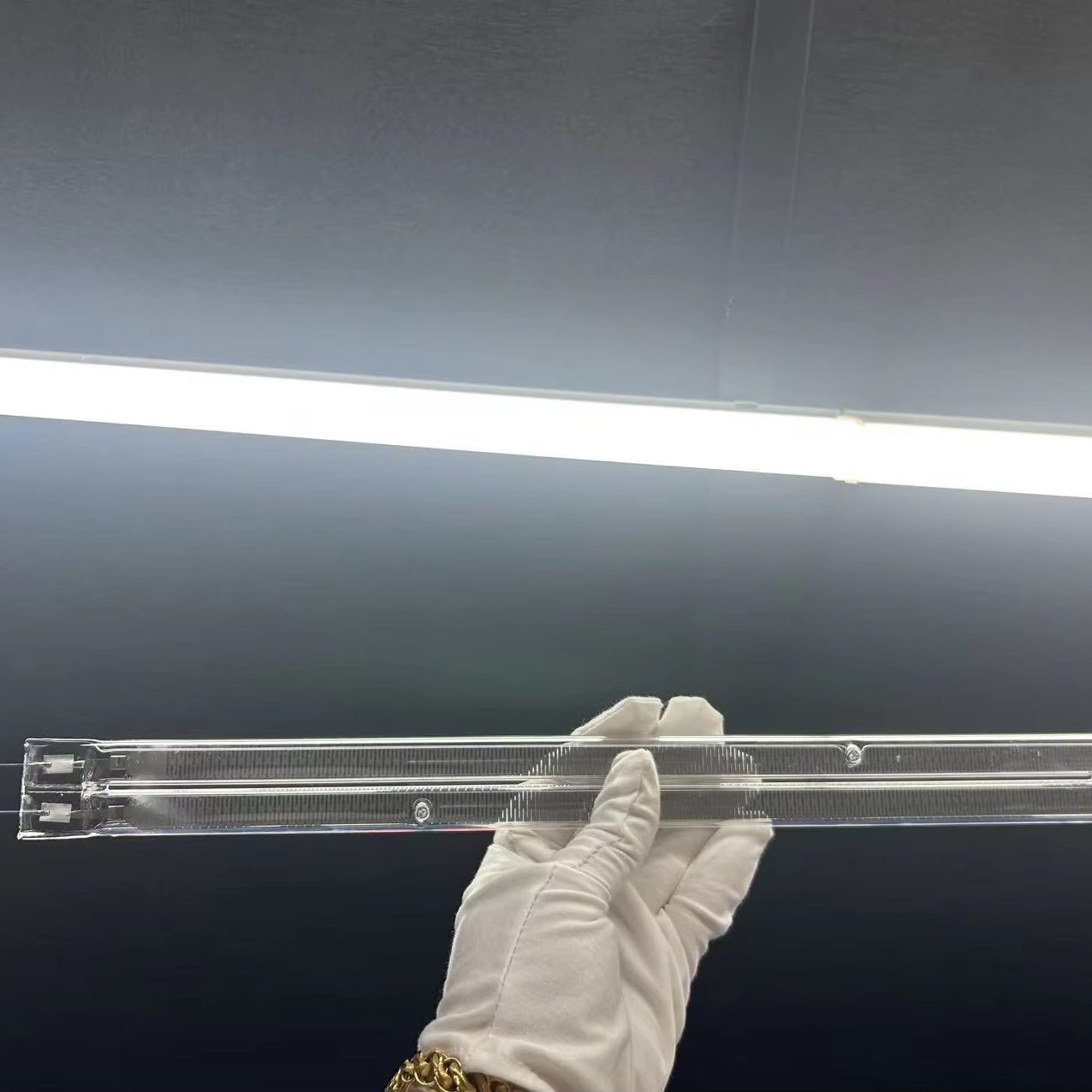
220V 700W 300MM 10mm Diameter Infrared Heating Tube Carbon Fiber/halogen Tube/graphene Tube, for Rapid Heating Equipment
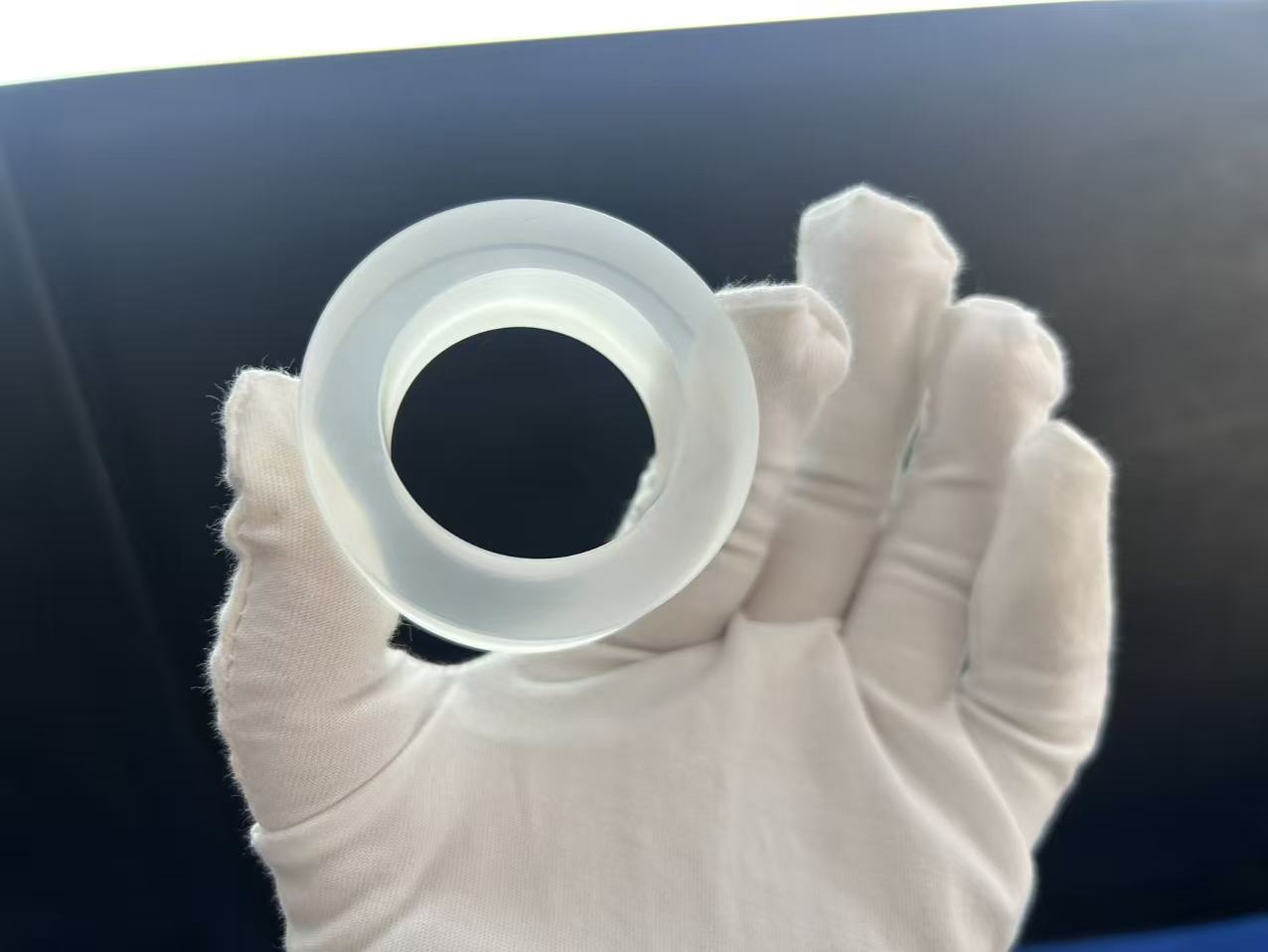
High-Precision Quartz Ring for Semiconductor Etching & Optical Flange Sealing
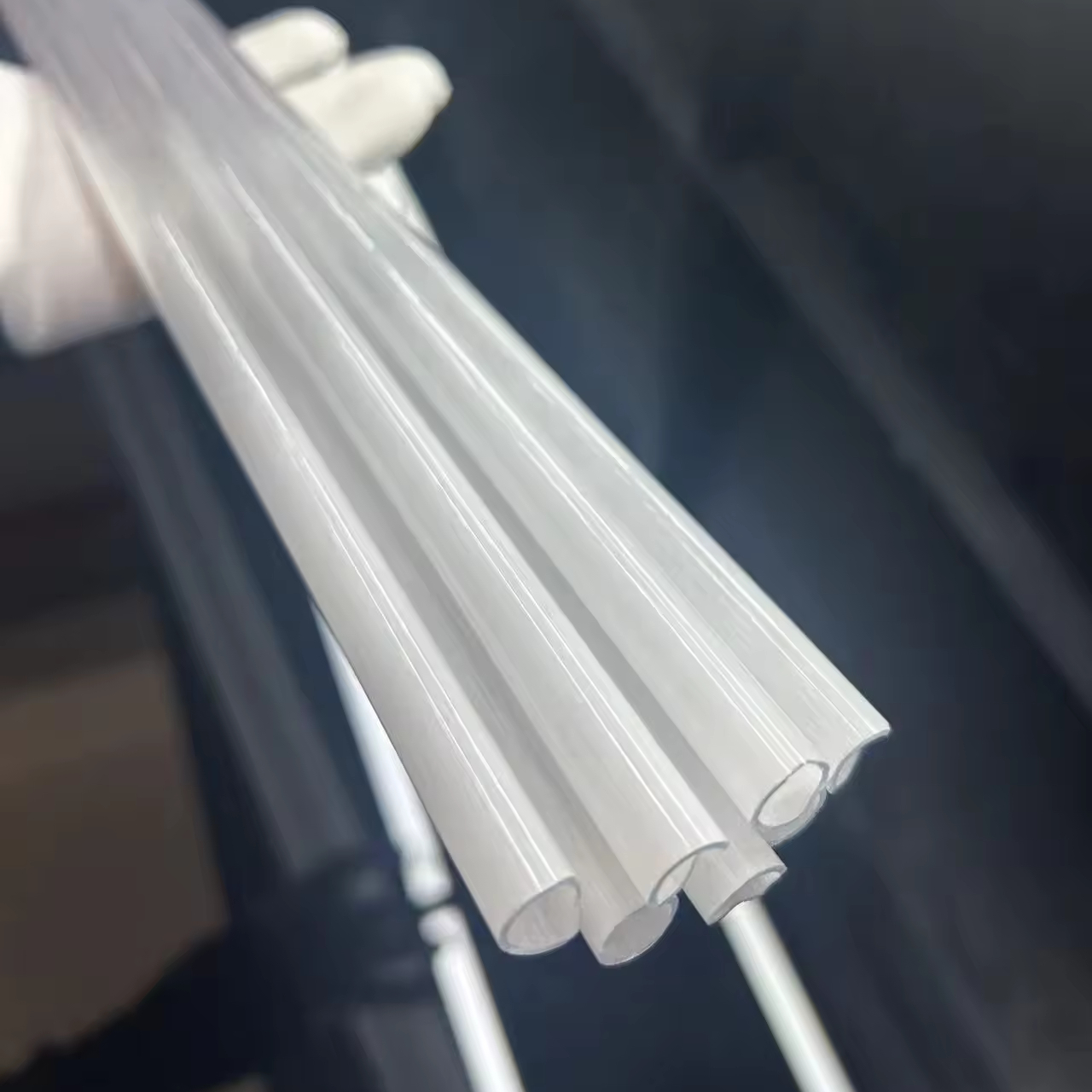
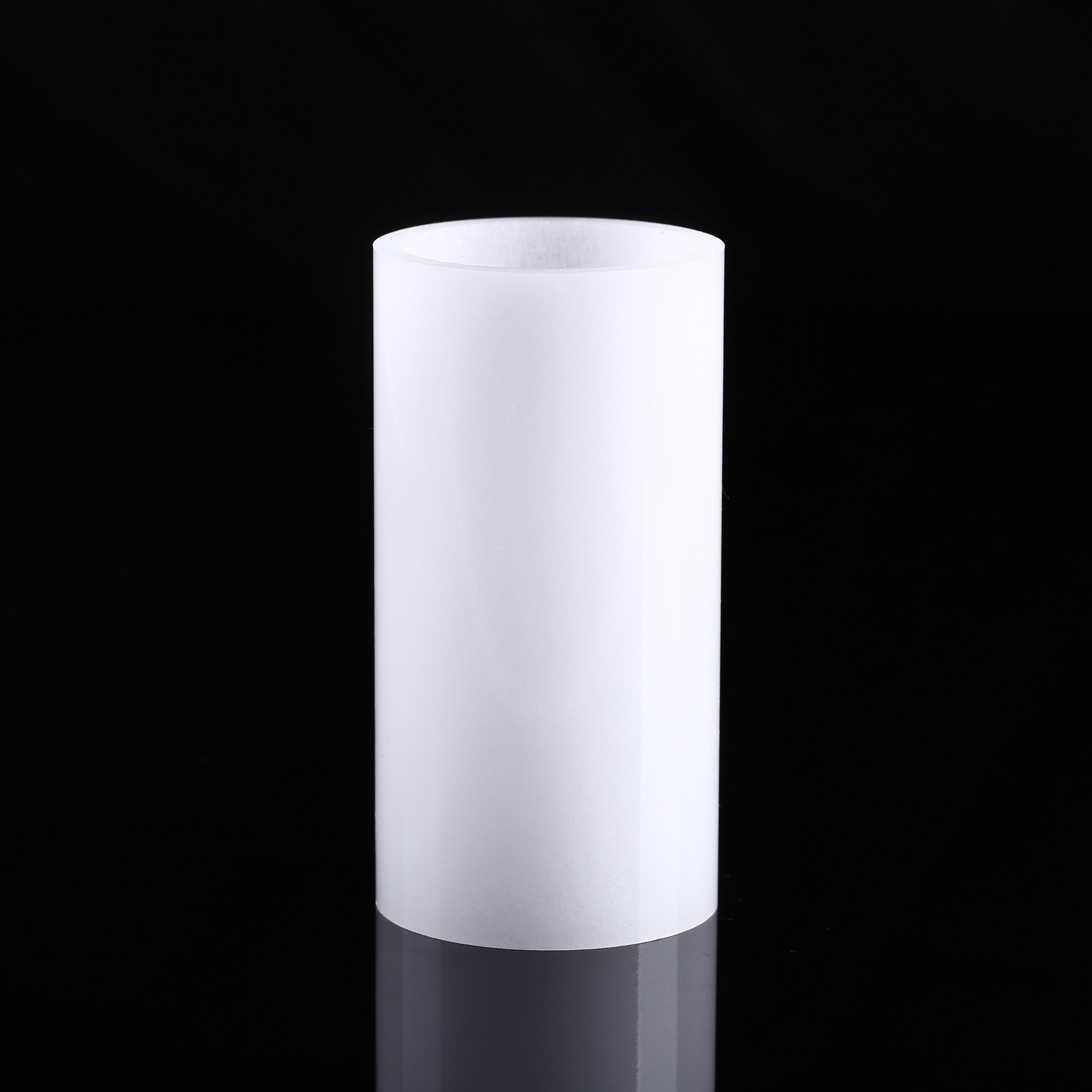
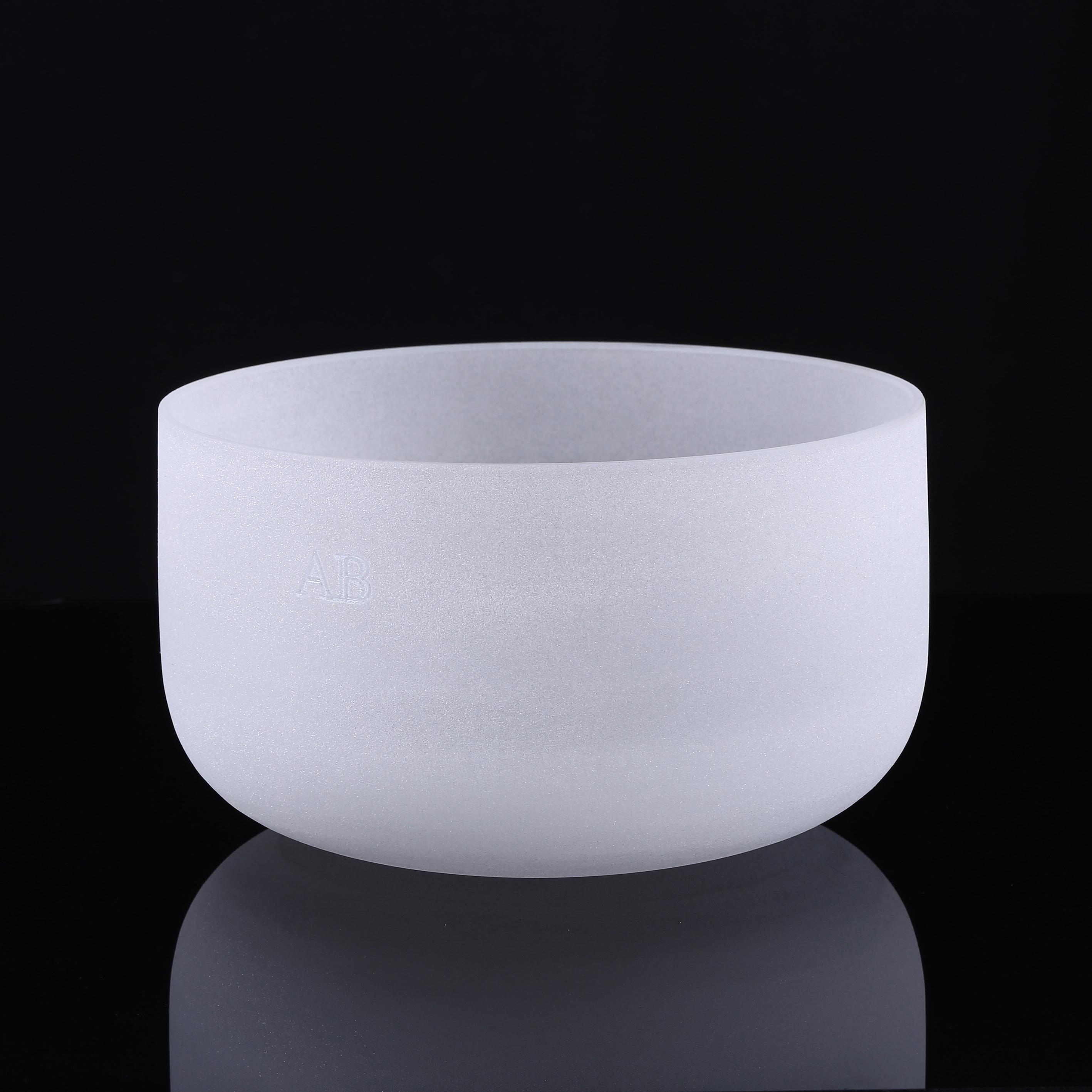
Translucent Quartz Glass Pipe Quartz Glass Sleeve Opaque Milky White Quartz Glass Tube
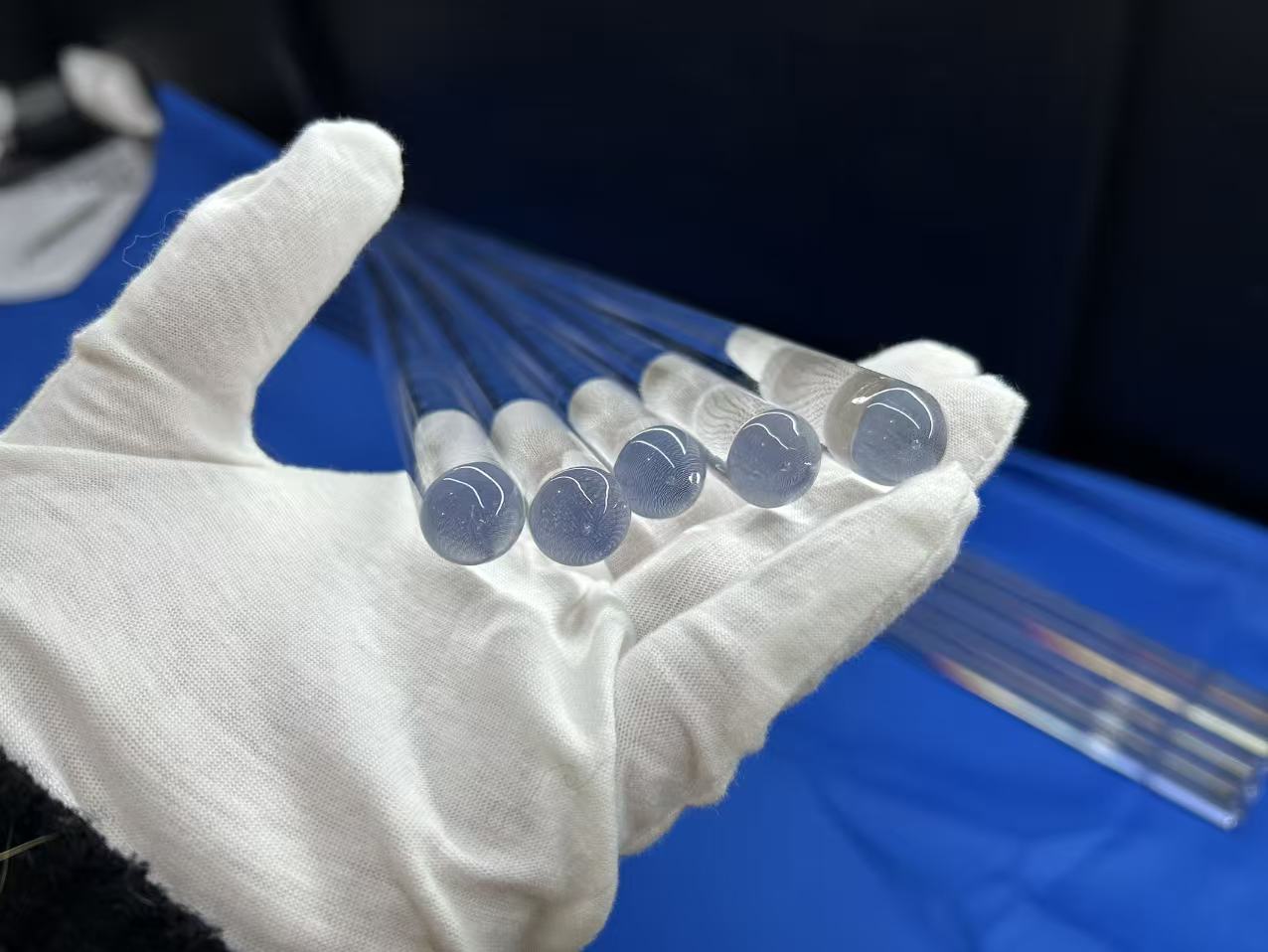
The Factory Produces High-purity Fused Quartz Round Rods, Offering Cutting, Welding, and Bending Services
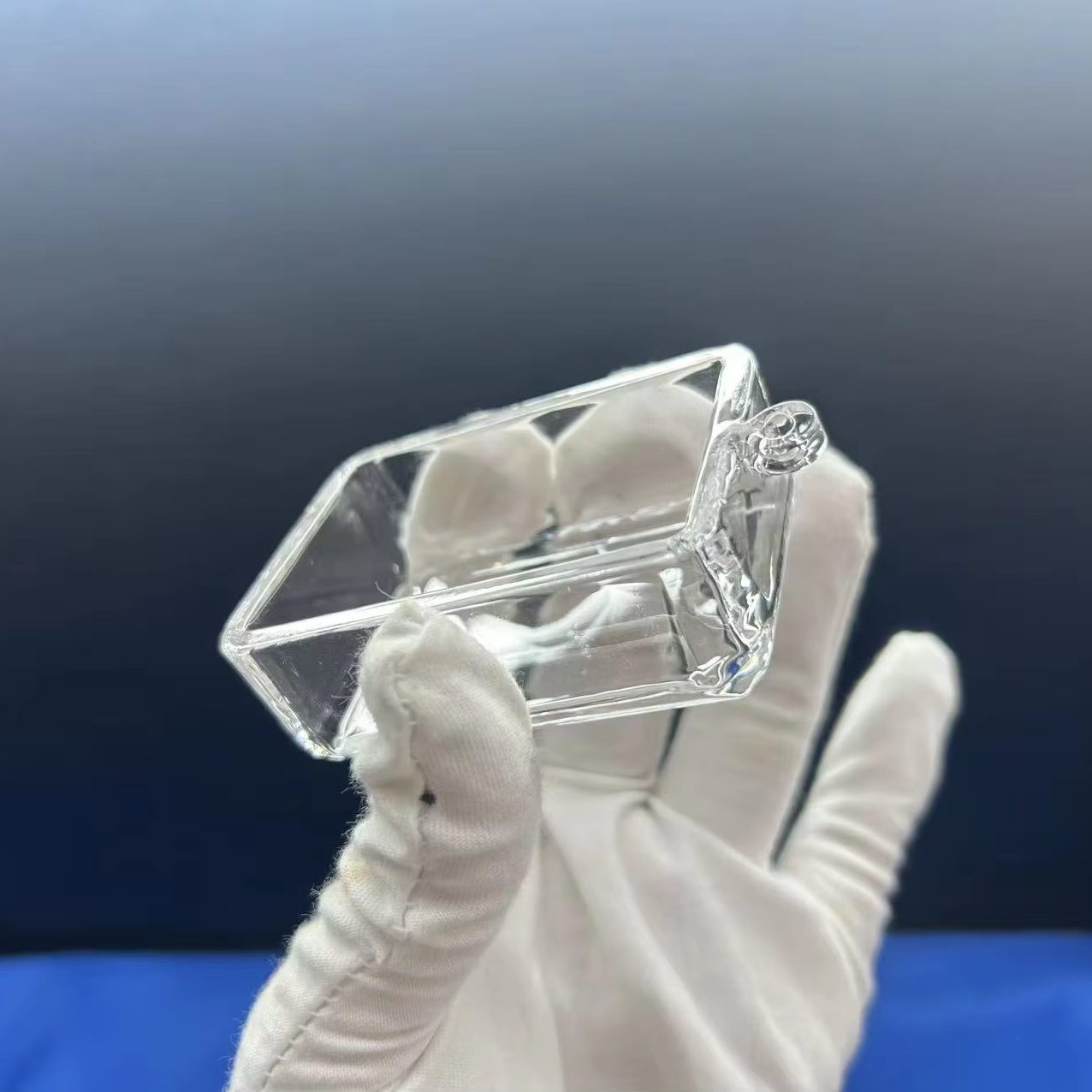
Precision Welded Quartz Tank for Acid Etching, Wafer Cleaning & Chemical Electrolysis
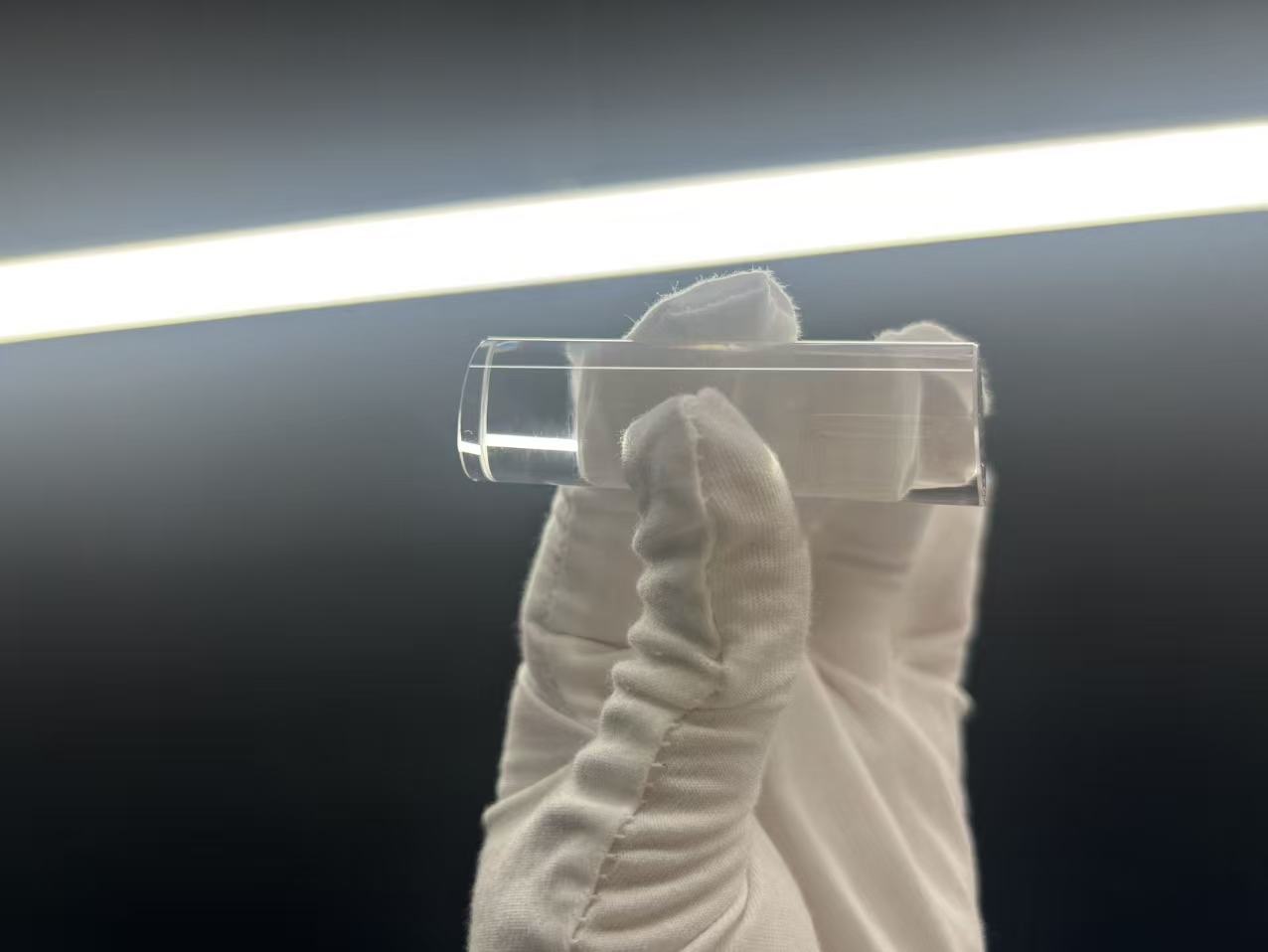
Round Head Quartz Rod with Domed Hemispherical Tip for Sensor Probes & Light Guides
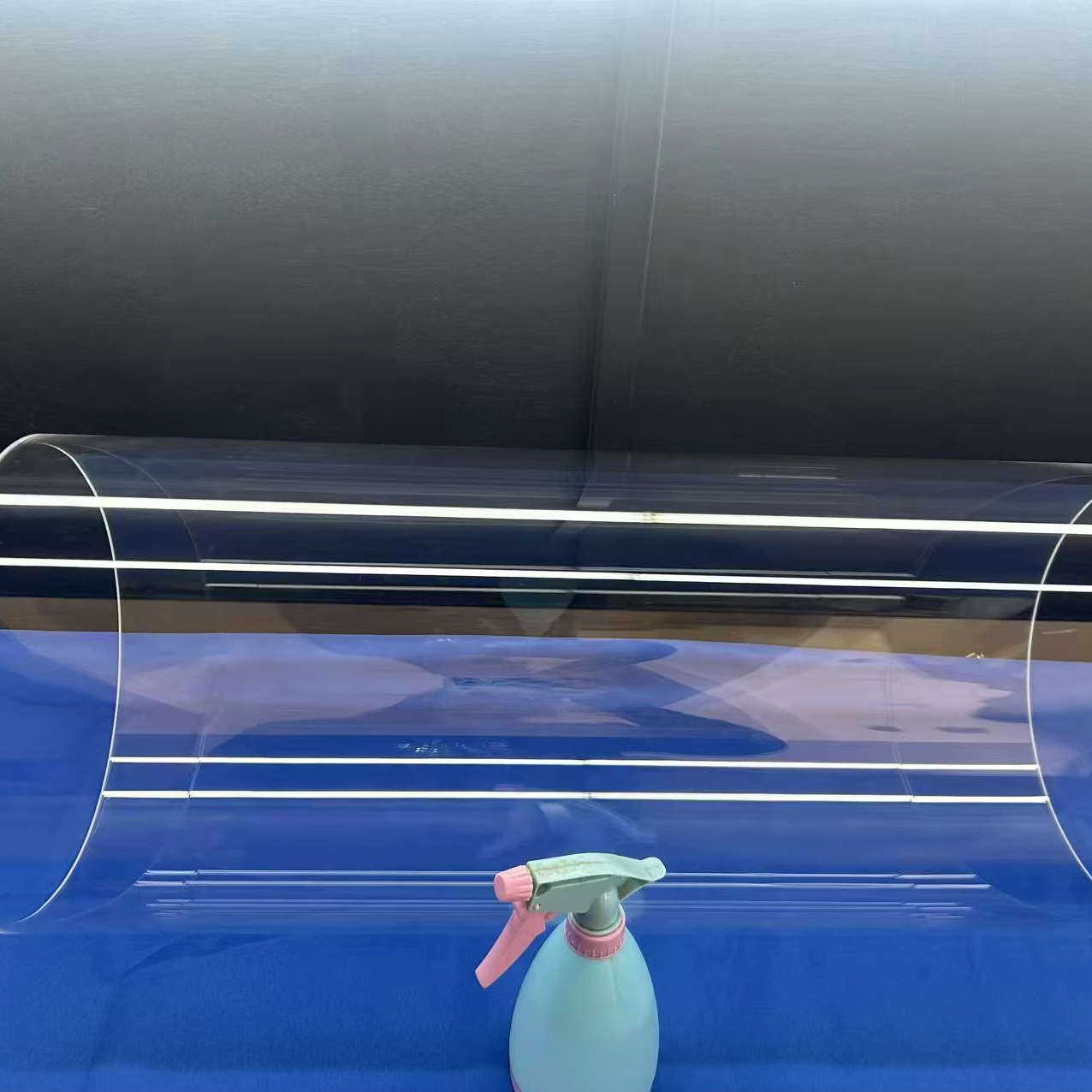
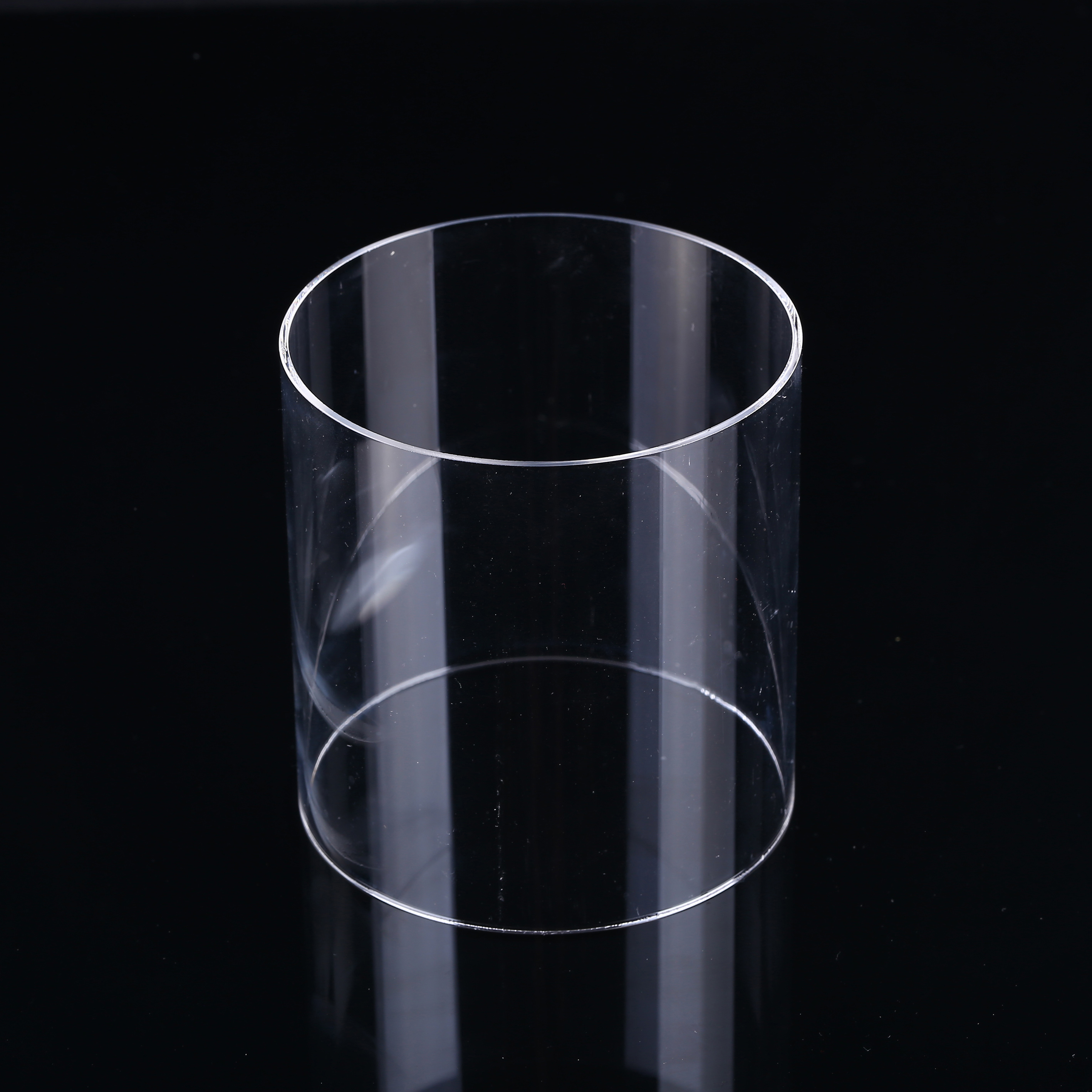
Customizable High Purity Fused Quartz Glass Tube High Temperature Resistant
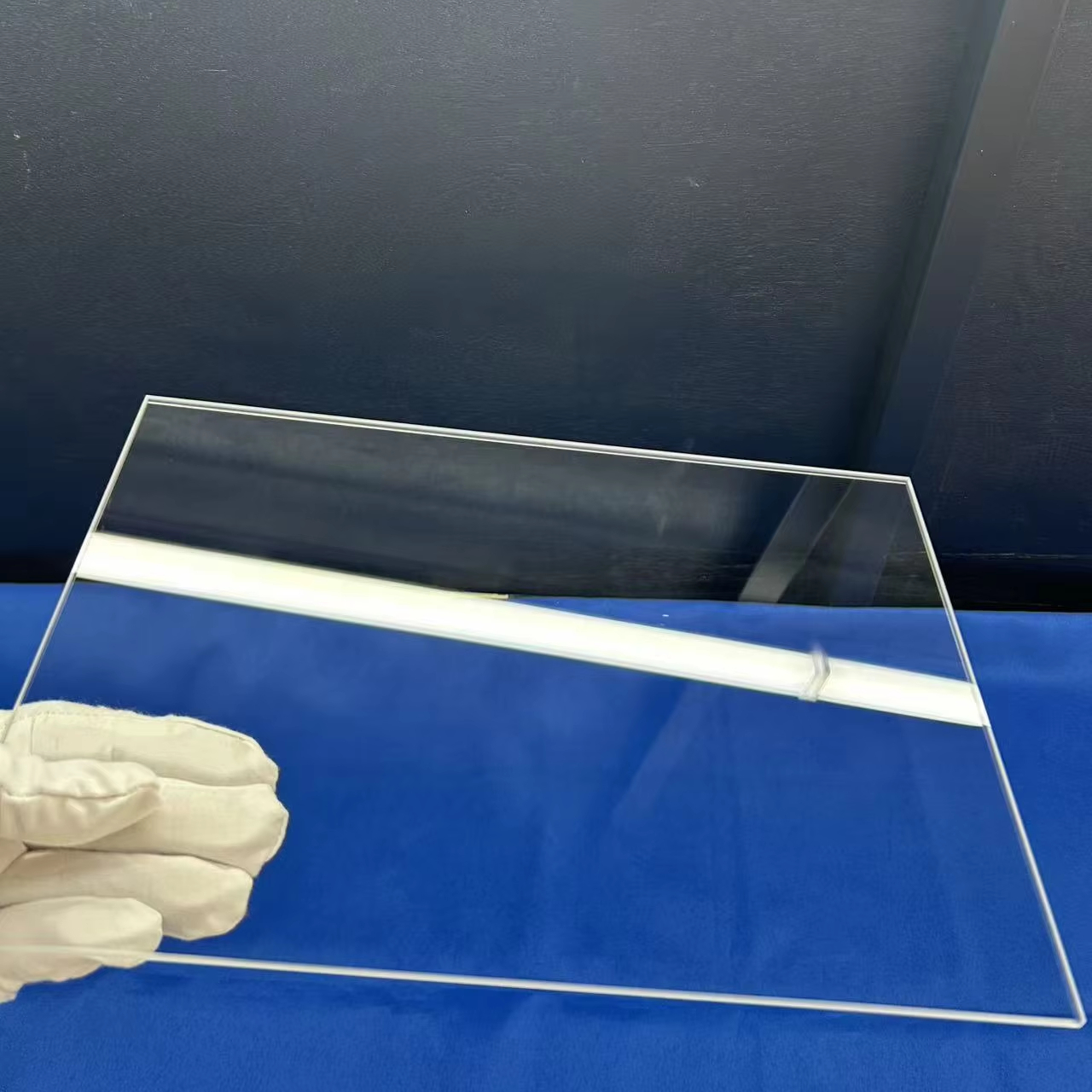
Custom Polished Purity Transparent Square Quartz Glass Clear Plate 4mm Thick for Optical Instruments Provide Welding Cutting
Synthetic Fused Silica vs. Natural Fused Quartz: Engineering Architecture
A rigorous metallurgical and optical breakdown for optoelectronic systems engineers, payload designers, and cleanroom process directors in the Toulouse aerospace basin.
Synthetic Fused Silica (JGS1 Grade)
Synthesized via chemical vapor deposition (CVD) or flame hydrolysis of high-purity silicon tetrachloride (SiCl₄). Exhibits negligible transition metal impurities (< 0.1 ppm total metals), completely eliminating bubble clusters and macroscopic striae. Specifically tailored for deep-ultraviolet (DUV 185 nm to 2500 nm) lithography optics, excimer laser windows, and satellite star tracker lenses.
Natural Optical Fused Quartz (JGS2 Grade)
Produced by continuous electrical or oxy-hydrogen gas fusion of purified natural pegmatite quartz crystals sourced from the crystal veins of Donghai. It provides peak optical transmittance across the visible and near-infrared spectrum (220 nm to 2800 nm), optimal mechanical rigidity, and superior anti-sagging performance under prolonged thermal stress exceeding 1050°C.
Low-OH Infrared Fused Quartz (JGS3 Grade)
Processed under precise vacuum induction melting or gas dehydration techniques to suppress hydroxyl [OH⁻] content down to less than 2 ppm. Eliminates deep water-absorption bands at 1380 nm, 2220 nm, and 2720 nm, enabling unobstructed transmission up to 3500 nm. Indispensable for mid-infrared thermography, thermal radiometry, and Nd:YAG 1064 nm beam processing.
| Physical / Chemical Property | JGS1 (Synthetic Fused Silica) | JGS2 (Standard Fused Quartz) | JGS3 (Low-OH Anhydrous Fused Quartz) | Test Standard / Metrology |
|---|---|---|---|---|
| Transmission Spectrum Range | 185 nm – 2500 nm (DUV to NIR) | 220 nm – 2800 nm (UV-Vis to NIR) | 260 nm – 3600 nm (Full IR Transparency) | PerkinElmer Lambda 1050+ UV/VIS/NIR |
| Hydroxyl [OH⁻] Concentration | 800 – 1200 ppm (Hydrated Synthetic) | 150 – 200 ppm (Typical Gas Fused) | < 2.0 ppm (Vacuum Desorbed) | FTIR Spectrometry @ 2720 nm |
| Total Trace Impurity Metals | < 0.1 ppm (Al, Fe, Ti, Ca < 0.02) | < 15.0 ppm (Natural Pegmatite base) | < 18.0 ppm (Stabilized Anhydrous) | ICP-MS Inductively Coupled Plasma |
| Coefficient of Thermal Expansion (CTE) | 5.5 × 10⁻⁷ / °C (20°C to 320°C) | 5.5 × 10⁻⁷ / °C (20°C to 320°C) | 5.5 × 10⁻⁷ / °C (20°C to 320°C) | Dilatometry ISO 7991 |
| Annealing Point & Softening Point | 1140°C / 1730°C | 1120°C / 1683°C | 1130°C / 1700°C | ASTM C336 / ASTM C338 |
| Laser Induced Damage Threshold (LIDT) | > 12 J/cm² (@ 355nm, 10ns, 20Hz) | > 5 J/cm² (@ 532nm, 10ns, 20Hz) | > 15 J/cm² (@ 1064nm, 10ns, 20Hz) | ISO 21254-2 Single/Multi-shot |
| Refractive Index (nd @ 589.3 nm) | 1.45846 | 1.45850 | 1.45840 | Abbe Refractometer V-Block Metrology |
Serving the Advanced Manufacturing Corridor of Toulouse
From the satellite engineering hangars in Labège and Blagnac to academic laboratories in Rangueil, Nivra Quartz supplies critical quartz infrastructure tailored to regional manufacturing demands.
Aerospace, Satellite Optical Payloads & Space Flight Hardware
Toulouse represents the beating heart of European space systems (CNES, Airbus Defence and Space, Thales Alenia Space). We fabricate space-grade synthetic silica viewports, thermal barrier isolators, star tracker cover plates, and solar simulator quartz windows. Our JGS1 material withstands harsh ionizing radiation in Low Earth Orbit (LEO) and Geostationary Orbit (GEO) without radiation-induced color center browning (solarization), maintaining > 92% optical clarity over multi-year orbital lifespans.
Semiconductor, Microelectronics & Wide-Bandgap Power Devices
Collaborating with tier-one suppliers and research institutes like LAAS-CNRS in Toulouse, we deliver semiconductor-grade diffusion process tubes, slotted quartz wafer boats (100mm, 150mm, and 200mm), wafer pedestals, and ultrasonic chemical wet-bench tanks. With total metal impurities strictly capped below 15 ppm, our crucibles and carriers prevent micro-contamination during Silicon, Silicon Carbide (SiC), and Gallium Nitride (GaN) high-temperature epitaxial growth.
Aeronautical Composite Curing & Rapid Thermal Processing (RTP)
For composite tooling, fuselage thermoforming, and resin polymerization in Blagnac aerospace assembly plants, we supply carbon fiber infrared rapid heating lamps, twin-tube halogen emitters, and gold-coated quartz radiant heaters. Our tubes withstand continuous 1100°C cycling with immediate thermal on/off response, reducing autoclave pre-heating cycle durations by up to 35% while slashing energy footprints.
Analytical Chemistry, Spectroscopy & Biomedical Research
Supporting biomedical laboratories and university cleanrooms along the Canal du Midi, Nivra Quartz fabricates precision spectrophotometer flow cuvettes, macro-cuvettes with PTFE stoppers, distillation flasks, and condenser columns. Fire-fused joints eliminate epoxy cements, rendering our analytical vessels inert to aggressive organic solvents, aqua regia, and concentrated perchloric acids.
Regulatory Compliance & Sourcing Trajectories in Occitanie
Aligning precision Asian component manufacturing with rigorous European Directives, environmental safety mandates, and localized aerospace supply chain diversification strategies.
CE, REACH & RoHS Compliance
European chemical regulations enforce strict bans on restricted heavy metals. All Nivra Quartz components comply fully with EU Regulation (EC) No 1907/2006 (REACH) and Directive 2011/65/EU (RoHS 3). Free from lead, mercury, cadmium, hexavalent chromium, and SVHC candidate substances. Certified safe for cleanroom operations across the European Union.
Thermal Decarbonization Mandates
Occitanie's "Région à Énergie Positive" initiative pushes aerospace fabricators to reduce industrial carbon emissions. Replacing antiquated metallic resistive furnace coils with our synthetic quartz infrared emitters and high-efficiency quartz furnace muffle tubes optimizes direct radiant heat transfer, cutting electricity waste in composite curing ovens by upwards of 28%.
Supply Chain Resiliency & Dual-Sourcing
Toulouse procurement managers face mounting pressure to de-risk sole-source European glass monopolies. Nivra Quartz provides a direct factory gateway in Donghai—China's crystal capital—offering lower lead times, complete drawing customizability, batch traceability, and 30% to 50% cost efficiencies while upholding rigorous CE quality metrics.
Factory Strength & Processing Infrastructure
Operating from 285 Heping East Road, Donghai County, Nivra Quartz combines state-of-the-art CNC precision diamond grinding with master manual glassblowing flame-craftsmanship.
Micro-Precision Cold Machining
Our facility hosts 4-axis and 5-axis ultrasonic CNC milling centers capable of drilling micro-holes down to 0.3 mm diameter, cutting internal precision threads, and achieving dimensional tolerances within ±0.005 mm on optical plates and discs.
Thermal Annealing & Stress Relief
All flame-worked tubes, welded chemical tanks, and thick-wall flanges undergo programmed electric annealing in atmospheric furnaces at 1150°C, followed by slow controlled cooling to eliminate residual photoelastic stress and prevent catastrophic thermal cleavage.
Double-Sided Chemical Mechanical Polishing
Using cerium oxide and diamond sub-micron slurries, our polishing workshop delivers laser-quality surface finishes (scratch-dig 20/10, surface roughness Ra < 0.5 nm, and transmitted wavefront distortion λ/10 @ 632.8 nm) for demanding optical interferometer windows.
Frequently Asked Questions: Toulouse B2B Sourcing
Detailed technical, logistics, and quality assurance clarifications for French engineering and procurement teams.
How are fragile quartz items protected during transit to Occitanie / Toulouse?
We deploy a zero-breakage multi-tier export packaging protocol. Every quartz part is thoroughly ultrasonic-cleaned, vacuum-sealed in dust-free PE anti-static film, encased in form-fitting high-density EPE foam chambers, and boxed into heavy-duty 5-ply cartons. For shipments exceeding 1 meter in length (such as furnace diffusion tubes or heating rods), goods are crated in customized, fumigation-free ISPM-15 plywood cases with integrated shock-watch acceleration sensors.
Can you provide factory batch inspection reports (COA, Spectrophotometry)?
Yes. Every industrial delivery to Europe can be accompanied by an inspection certificate detailing dimensional CMM measurements, spectrophotometric UV-Vis-NIR transmission curves (190 nm – 3200 nm), and trace impurity ICP-MS chemical composition analyses. Full material batch traceability back to raw silica ingot lots is systematically cataloged.
What are standard lead times to Toulouse via air and sea freight?
Standard prototype or sample fabrication requires 5 to 8 business days upon drawing sign-off (STEP/DWG/PDF). Urgent express shipments to Toulouse-Blagnac Airport (TLS) via DHL, FedEx, or UPS air cargo take approximately 4 to 6 business days. For volume manufacturing batches shipped via sea cargo (FOB Shanghai/Lianyungang to Fos-sur-Mer / Marseille or Le Havre), transit times average 28 to 35 calendar days.
What CAD formats and geometric tolerances can your CNC workshop process?
Our engineering department natively accepts 3D CAD models in STEP, IGES, SLDPRT, as well as 2D vector technical drawings in DXF and PDF. For standard mechanical quartz tubing and plates, we work to ISO 2768-m. For precision optical components, laser sight glasses, and semiconductor carrier boats, we maintain tolerances down to ±0.01 mm for diameters, ±0.005 mm for thickness, and angular tolerances within 30 arcseconds.
What is your Minimum Order Quantity (MOQ) for non-standard custom labware?
To support high-tech R&D prototyping across university labs and startup incubators in Toulouse, our MOQ starts at just 1 piece for customized quartzware, spiral condenser tubes, and specialty reaction vessels. High-volume series production discounts apply automatically at 50, 100, and 500+ units.
How does synthetic fused silica resist space radiation environments?
Natural quartz contains trace aluminum (Al³⁺) and alkali ions (Li⁺, Na⁺) that form light-absorbing color centers under ionizing gamma radiation and solar cosmic protons, causing transmission darkening. Synthetic fused silica (JGS1) is synthesized from pure chemical precursors, maintaining metal impurities below 0.1 ppm. This near-zero impurity matrix prevents color center formation, ensuring permanent transparency for aerospace optical sensors.
Request Custom Quartz Technical Drawings & Pricing for Toulouse
Consult with our quartz materials engineers today. Receive manufacturability feedback, optical transmission estimates, and formal CIF/DAP Toulouse quotations within 5 working hours.