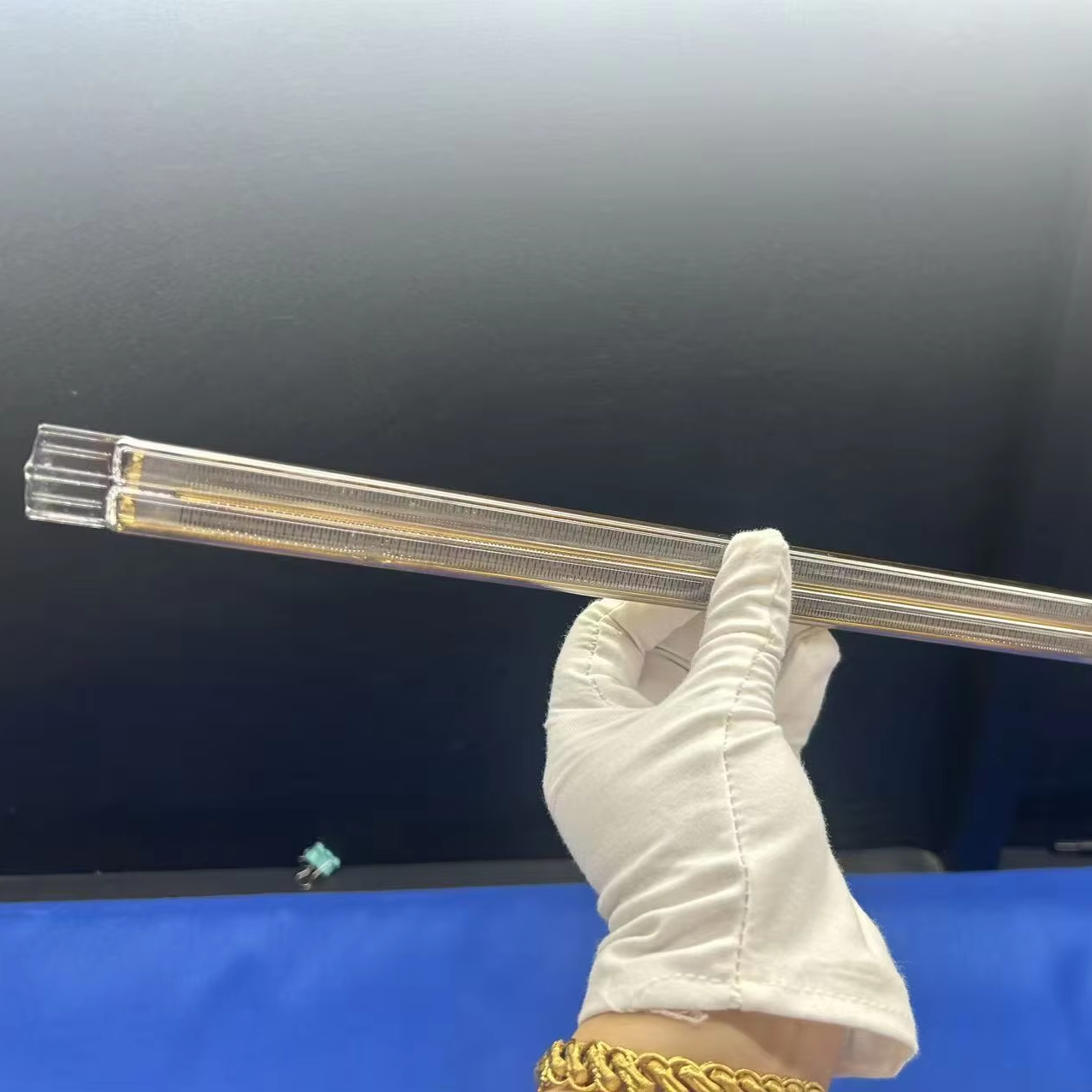
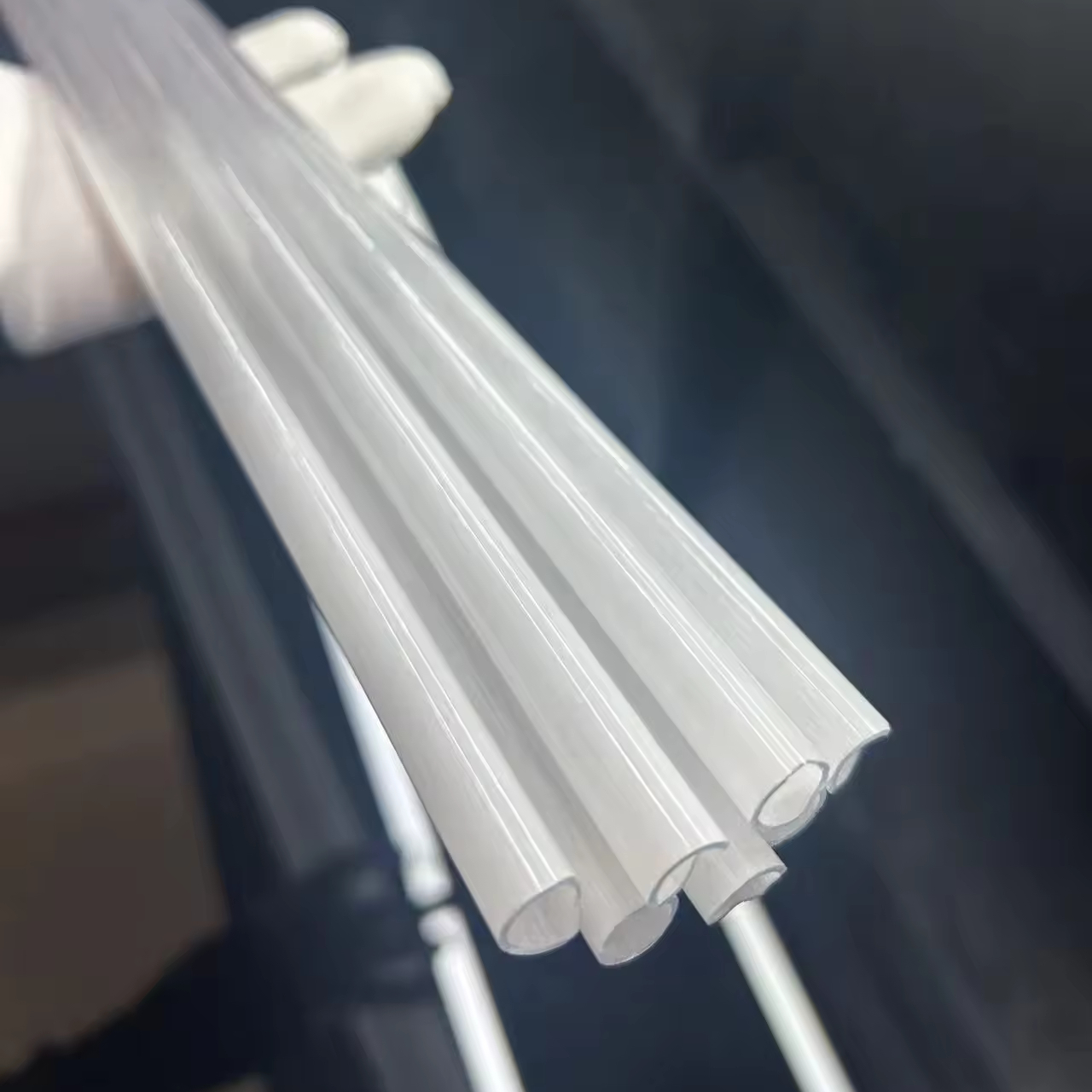
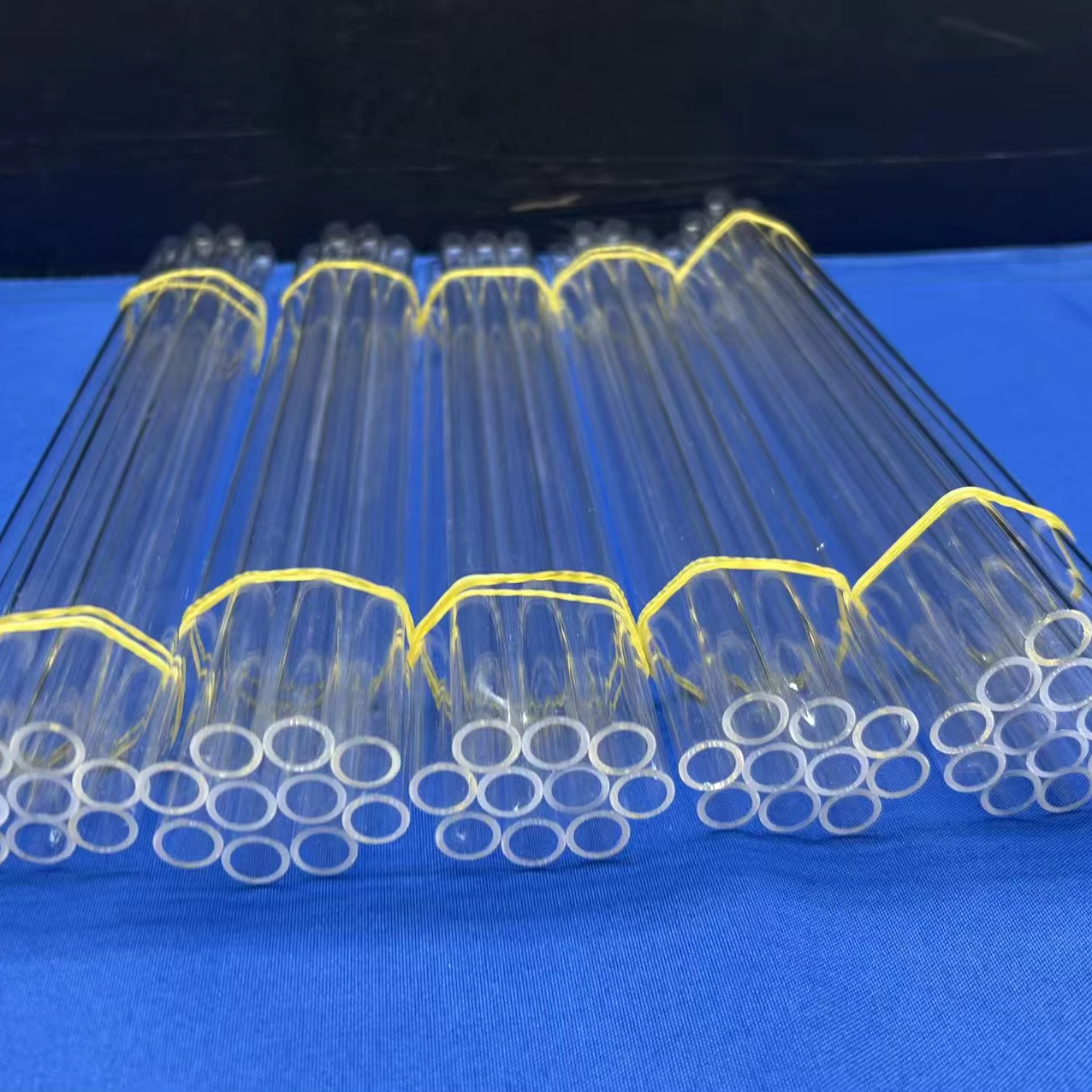
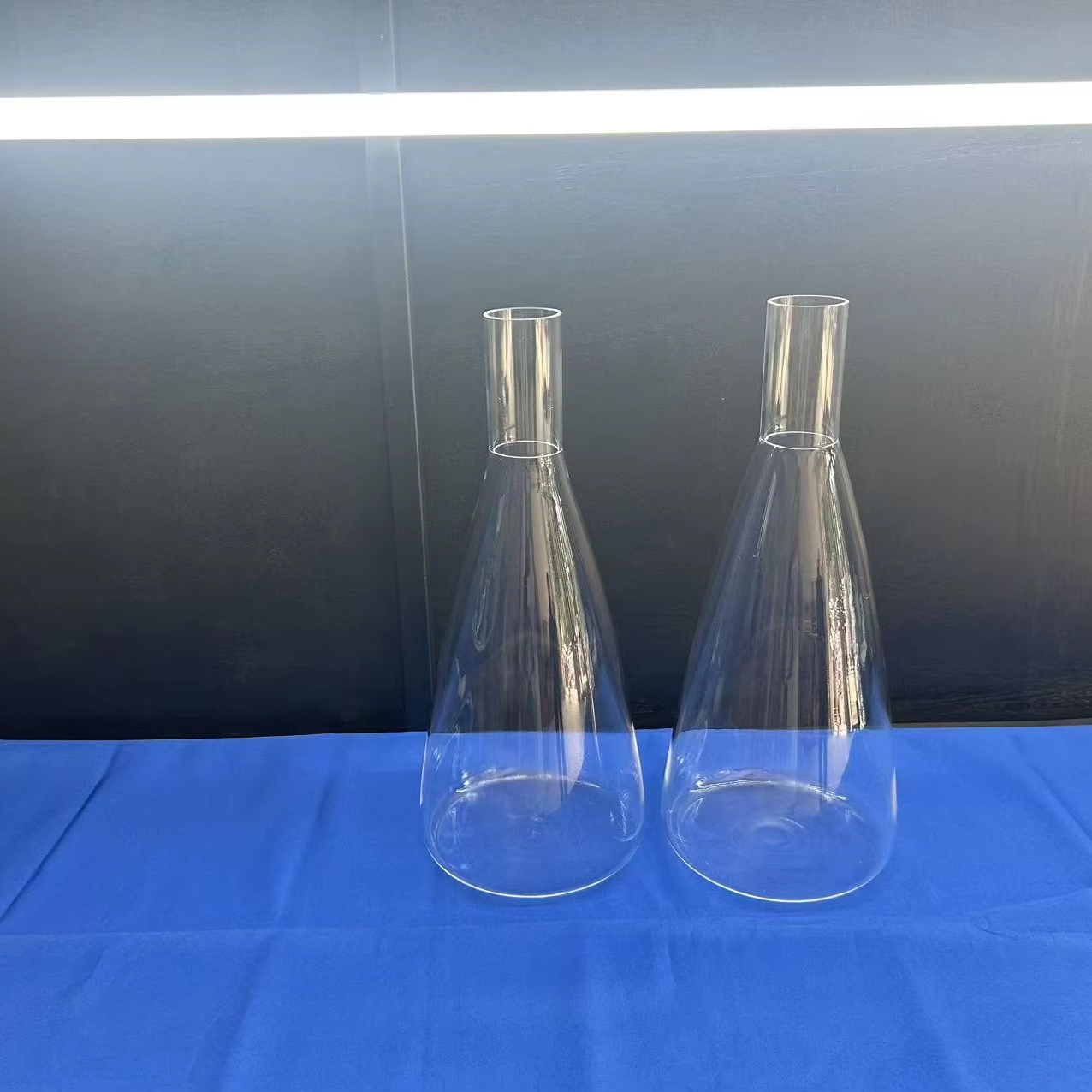
Featured High-Purity Fused Silica & Optical Glass Assemblies
Direct from Donghai County Nivra Quartz Products Co., Ltd.—engineered to strict optical tolerances, certified for export to Northern Portugal research labs and automated manufacturing facilities.
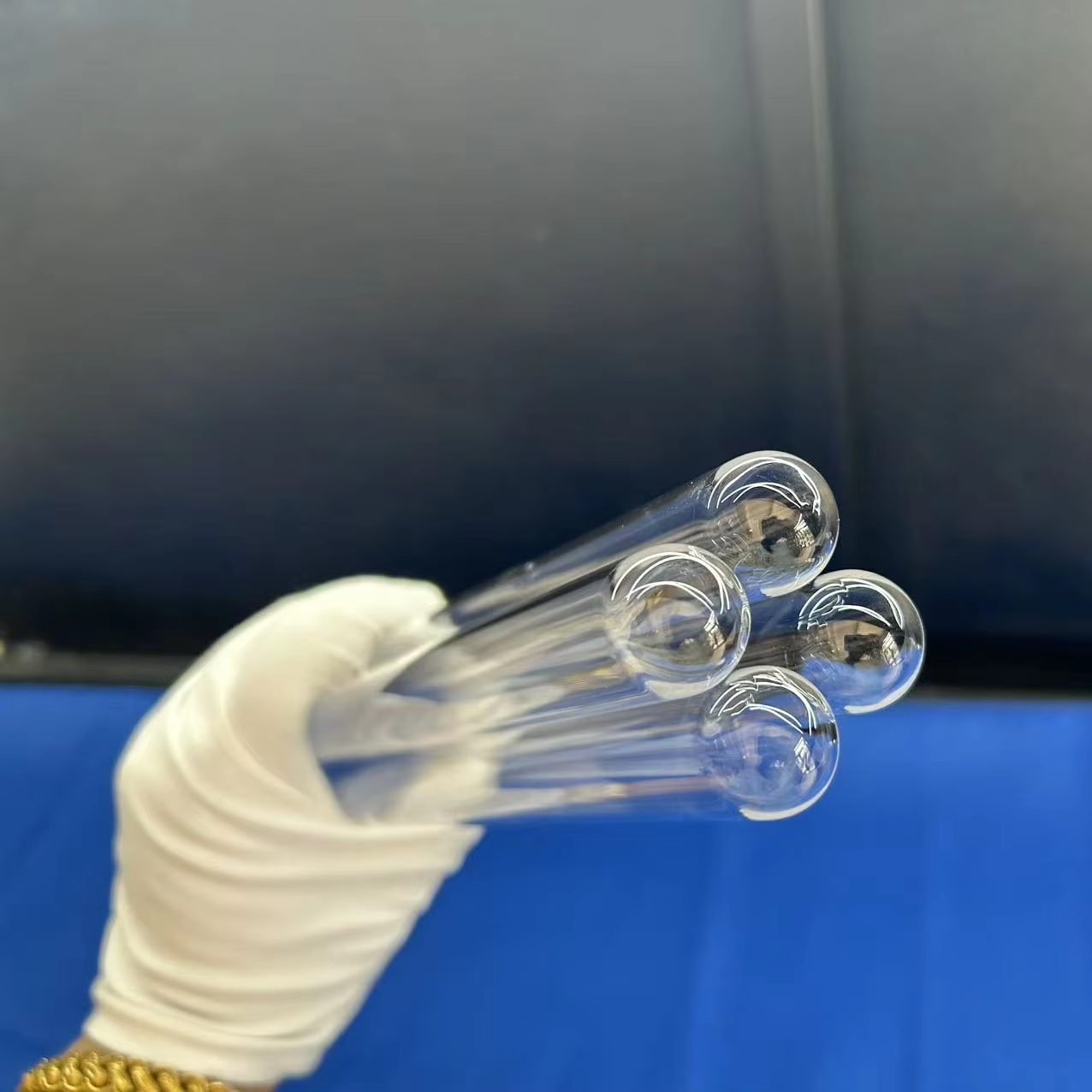
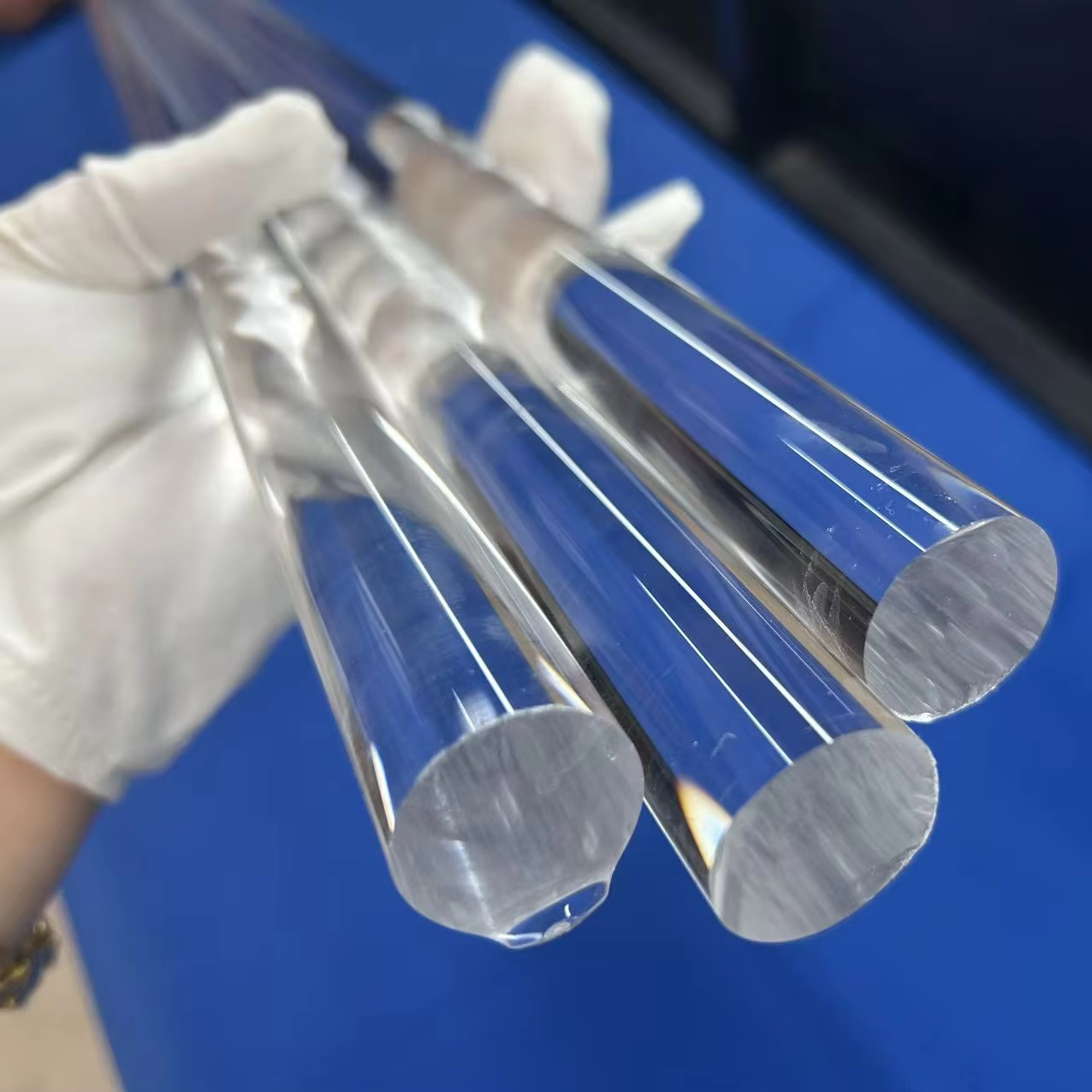
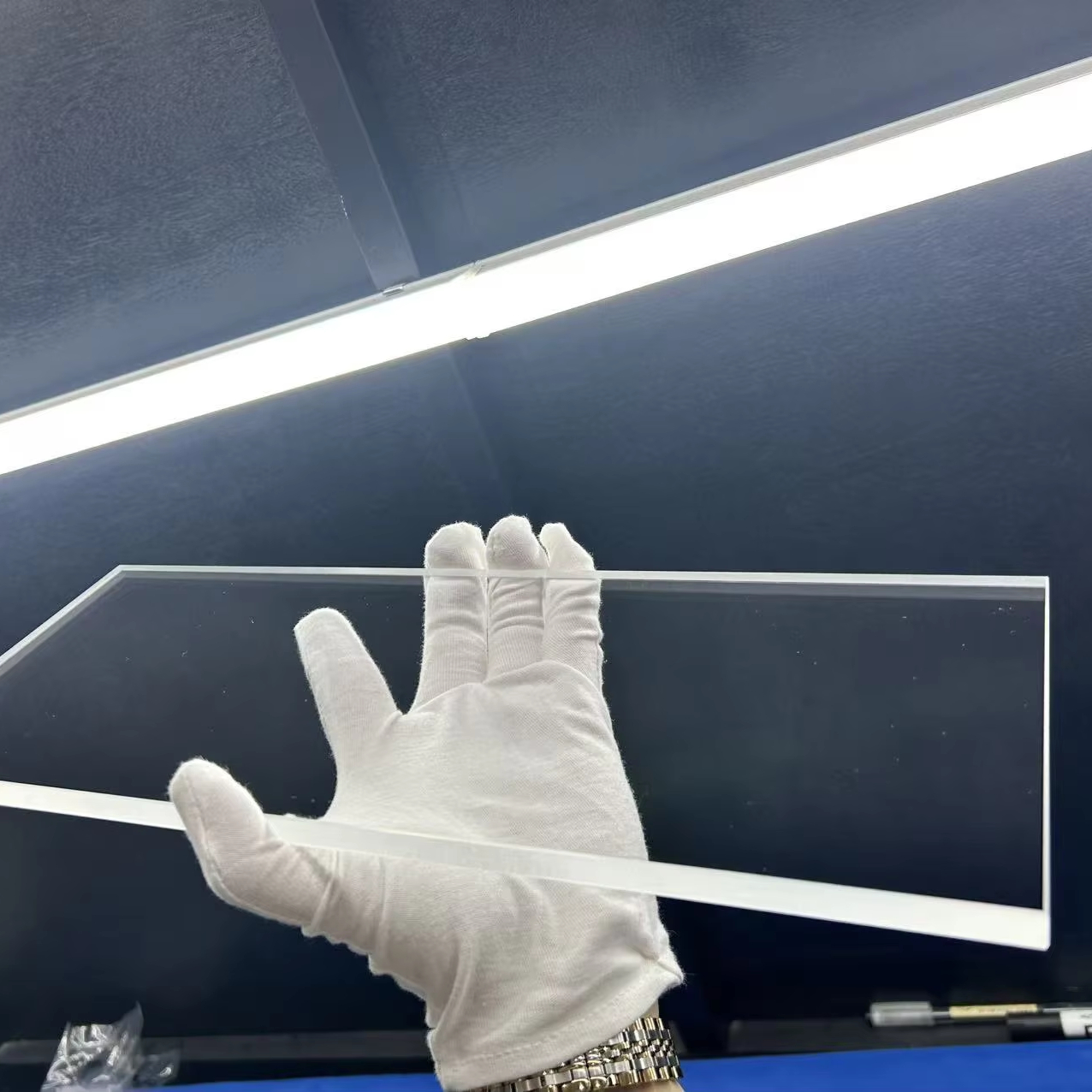
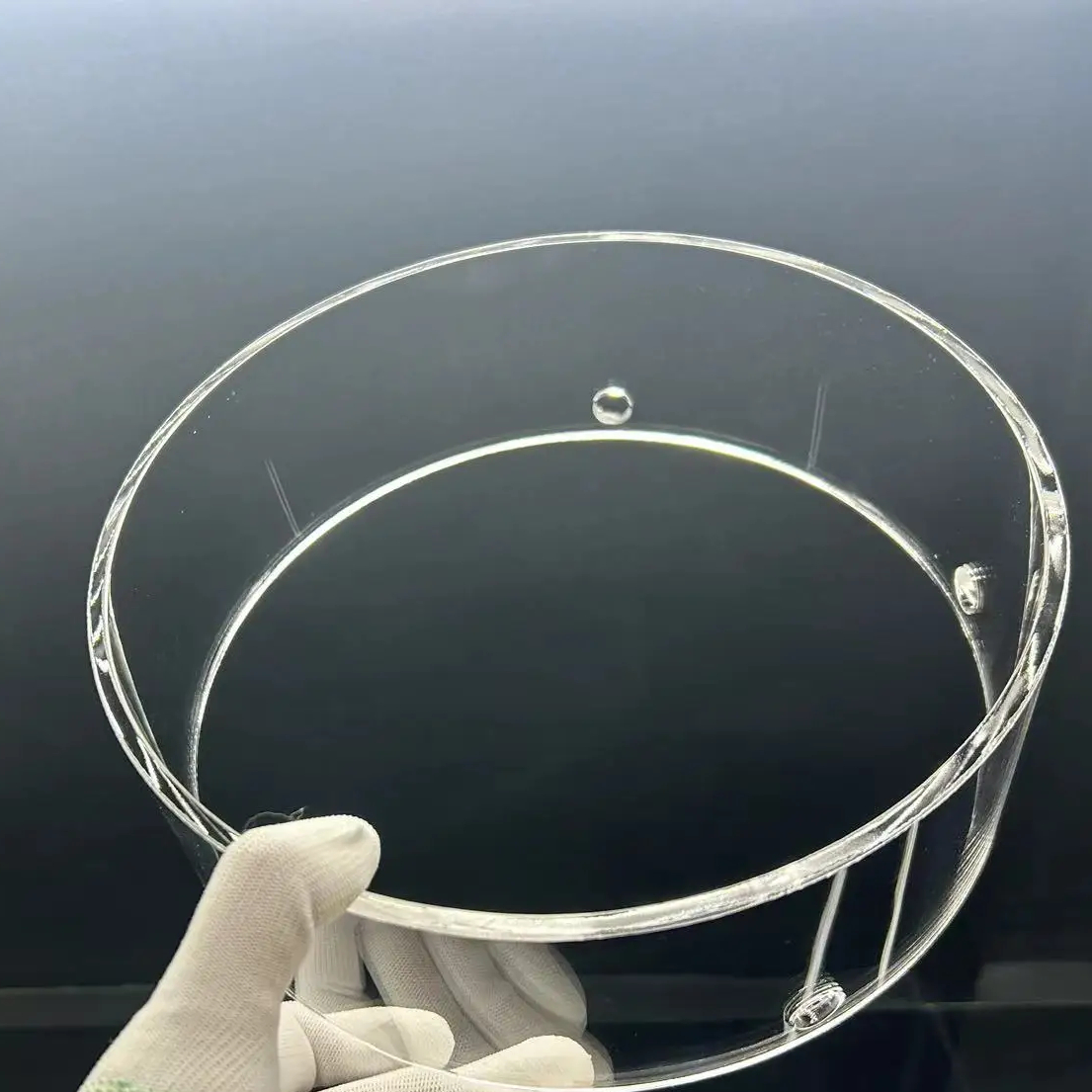
Engineering Principles of Monocrystalline Sapphire Windows in European Advanced Tech
A material science assessment for optical systems engineers, research laboratories, and procurement directors in the Ave & Cávado technological zones of Northern Portugal.
Crystalline Lattice Hardness
Synthetic sapphire (Single Crystal Al₂O₃) boasts a Mohs hardness of 9.0 and a Knoop microhardness exceeding 2000 kg/mm². Unlike standard borosilicate or aluminosilicate glasses, sapphire windows prevent mechanical micro-abrasion caused by airborne particulates, extreme fluids, and ultrasonic washing cycles in demanding metrology chambers.
Broadband Optical Window
From deep ultraviolet (DUV 190 nm) through visible spectrum to mid-wave infrared (MWIR ~5.2 µm), sapphire maintains internal transmission rates above 85% (uncoated) and beyond 98.5% with double-sided custom Anti-Reflective (AR) thin-film sputtering. This enables multi-spectral sensor integration across a unified physical interface.
Extreme Thermal Robustness
With a melting point exceeding 2040 °C and safe operational thermal margins up to 1800 °C, our sapphire plate glass windows exhibit zero structural creep and outstanding thermal shock stability. They serve as reliable pressure barriers and observation viewports in high-temperature chemical synthesis and CVD autoclaves.
Material Selection Guide: Optical Sapphire vs. Industrial Fused Quartz Grades
For optical engineers in Braga weighing total cost of ownership against transmission thresholds and structural pressure ratings.
| Substrate Property | Monocrystalline Sapphire (Al₂O₃) | Synthetic Silica (JGS1) | Optical Quartz (JGS2) | Infrared Fused Quartz (JGS3) |
|---|---|---|---|---|
| Crystalline Structure | Hexagonal Single Crystal (C/A/R-Plane) | Amorphous Synthetic Fused Silica | Amorphous Fused Natural Quartz | Amorphous Low-OH Fused Quartz |
| Transmission Bandwidth | 190 nm – 5,200 nm (DUV to MWIR) | 185 nm – 2,500 nm (Optimized Deep UV) | 220 nm – 2,500 nm (UV-Visible Range) | 260 nm – 3,500 nm (High IR Transparency) |
| Mohs Hardness | 9.0 (Extremely Scratch-Proof) | 5.5 – 6.0 | 5.5 – 6.5 | 5.5 – 6.5 |
| Continuous Working Temp. | Up to 1,600 °C (Short burst 1,800 °C) | 1,100 °C (Short burst 1,350 °C) | 1,100 °C (Short burst 1,450 °C) | 1,100 °C (Short burst 1,400 °C) |
| Thermal Expansion (CTE) | 5.8 × 10⁻⁶ /°C (Parallel to C-axis) | 0.54 × 10⁻⁶ /°C (Extreme Stability) | 0.55 × 10⁻⁶ /°C | 0.55 × 10⁻⁶ /°C |
| Refractive Index (nd @ 589nm) | 1.768 (Birefringent) | 1.458 (Isotropic) | 1.458 (Isotropic) | 1.458 (Isotropic) |
| CE & EU Pressure Directives | Conforms to PED 2014/68/EU Module A2/B | Compliant for Moderate Pressures | Compliant for Sight Glasses | Compliant for Thermal Windows |
Precision Optical Applications Across Braga’s Tech Hubs
As the historic capital of Minho shifts into one of Southern Europe’s primary centers for nanotechnology, robotics, and smart mobility, Nivra Quartz supplies CE-certified optical windows designed to meet localized integration specifications.
1. Nanotechnology & Advanced Materials Research (INL Minho Corridor)
Braga hosts world-class research facilities, most notably the International Iberian Nanotechnology Laboratory (INL). Ultra-high vacuum (UHV) systems, scanning probe microscopes, and synchrotron beamline interfaces require viewport windows that exhibit near-zero outgassing and sub-angstrom surface roughness (Ra < 0.3 nm). Nivra’s epi-polished, C-plane [0001] sapphire windows withstand relentless cryogenic-to-baking cycles without seal failure or micro-fracturing.
2. Automotive LiDAR, Sensing & Telematics (Bosch Braga Supply Chain)
The Braga industrial ecosystem is a linchpin of European automotive electronics manufacturing, anchoring critical engineering centers for Tier-1 mobility giants. Next-generation ADAS camera housings, 905 nm & 1550 nm LiDAR transceiver ports, and thermal imaging sensors require protective outer windows that endure road-gravel projectile impacts, chemical de-icing agents, and high-velocity washer nozzles. Sapphire plate glass delivers unmatched protection against rock-strike abrasion while maintaining optical wavefront accuracy.
3. Industrial Laser Cutting & Additive Manufacturing in Minho Industry
From metal fabrication plants in Celeirós to automated machinery builders around Guimarães and Famalicão, fiber laser processing systems demand debris shield windows with high Laser Damage Thresholds (LDT > 10 J/cm² @ 1064 nm, 10 ns). Our precision sapphire discs withstand high-temperature back-splatter of molten alloy during piercing operations, substantially decreasing machine downtime compared to conventional fused silica glass covers.
4. MedTech, Analytical Chemistry & Braga Life Sciences Cluster
Supported by the University of Minho's School of Medicine and localized biotechnology spin-offs at Avepark, clinical diagnostics equipment depends on sapphire sight windows for flow cytometry, autoclave inspection, and endoscopic camera heads. Sapphire's full biocompatibility, resistance to repetitive autoclave steam sterilization (134 °C at 3 bar), and optical clarity in UV fluorometry make it the definitive choice for certified medical and analytical assemblies.
Emerging Technology Trajectories in Northern Portugal
How evolving European deep-tech mandates, clean energy, and quantum metrology investments are redefining raw material specifications for optical component sourcing.
Quantum Photonics & Diamond Color-Center Metrology
Research initiatives emerging from Braga's academic hubs are pioneering quantum sensing protocols that combine nitrogen-vacancy (NV) center diamonds with monocrystalline sapphire lightguides. Sapphire's structural uniformity and low dielectric loss at gigahertz frequencies establish it as a premier baseplate for integrated quantum optical circuitry and ultra-low noise cryogenic probe cards.
Green Hydrogen & Extreme Process Monitoring
As Portugal accelerates the green hydrogen and renewable gas transition along northern logistics conduits, high-pressure electrolysis chambers operate under aggressive alkaline and acidic environments at elevated pressures (up to 350 bar). Sapphire plate windows, compliant with CE Pressure Equipment Directives (PED), provide visual inspection channels where normal glass dissolves from hydrogen embrittlement and hot alkaline degradation.
Autonomous Agritech & Harsh Marine Sensors
Northern Portugal's maritime proximity (Port of Leixões) and intensive agricultural zones require autonomous drone vision and coastal salinity sensors equipped with ruggedized optical windows. Sapphire prevents saltwater fog etching, bio-fouling adhesion, and wind-blown quartz sand scratches, ensuring long-term field telemetry integrity without frequent replacement routines.
Why Engineering Teams Choose Nivra Quartz Products
Direct factory production from Donghai County, Jiangsu—the global capital of crystal quartz—paired with European standards for traceable industrial export.
Raw Mineral Supply Chain Dominance
Situated in Donghai County, Lianyungang, our manufacturing hub sits directly on China's most abundant high-purity quartz and synthetic crystal supply corridors. This geographical edge provides continuous batch consistency, lower raw material input costs, and zero dependence on intermediate third-party brokers.
Integrated Sub-Micron Machining
We run a complete in-house fabrication line: high-speed diamond wire inner-diameter slicing, multi-axis ultrasonic CNC milling, double-sided planetary optical lapping, and chemical mechanical polishing (CMP). We maintain dimensional tolerances down to ±0.01 mm, surface figure of λ/10, and scratch-dig 20/10 or 10/5.
European Compliance & CE Verification
Our optical windows, sight glasses, and fused quartz furnace assemblies comply with CE standards, RoHS 3 (EU Directive 2015/863), and REACH regulations. Every export consignment destined for Portugal is packaged with EN 10204 Type 3.1 material test certificates and interferometric surface topography reports.
Frequently Asked Questions by Braga Procurement Teams
Direct answers covering customs clearance, CE compliance, lead times, optical customization, and shipping logistics into Northern Portugal.
What documentation accompanies sapphire plate windows exported to Braga to satisfy EU customs? +
How does Nivra Quartz ensure zero breakage during international air freight to Portugal? +
Can you produce custom shapes, stepped edges, and custom Anti-Reflective (AR) coatings? +
What is the typical production and delivery lead time for orders delivered to Braga? +
What is the minimum order quantity (MOQ) for custom-dimension sapphire windows? +
How do you handle technical review and engineering validation before manufacturing begins? +
Ready to Engineer Your Custom Sapphire or Fused Silica Optics?
Whether you require standard viewport sight windows or specialized monocrystalline sapphire plate components built to micron-precision blueprints for your Braga production line, our optical engineering team is available for real-time consultation.