Featured Thermal & Optical Quartzware
Compliant with European Directive standards, our high-purity fused silica tubes, boats, and precision step plates deliver exceptional thermal stability up to 1450°C for demanding furnace environments.
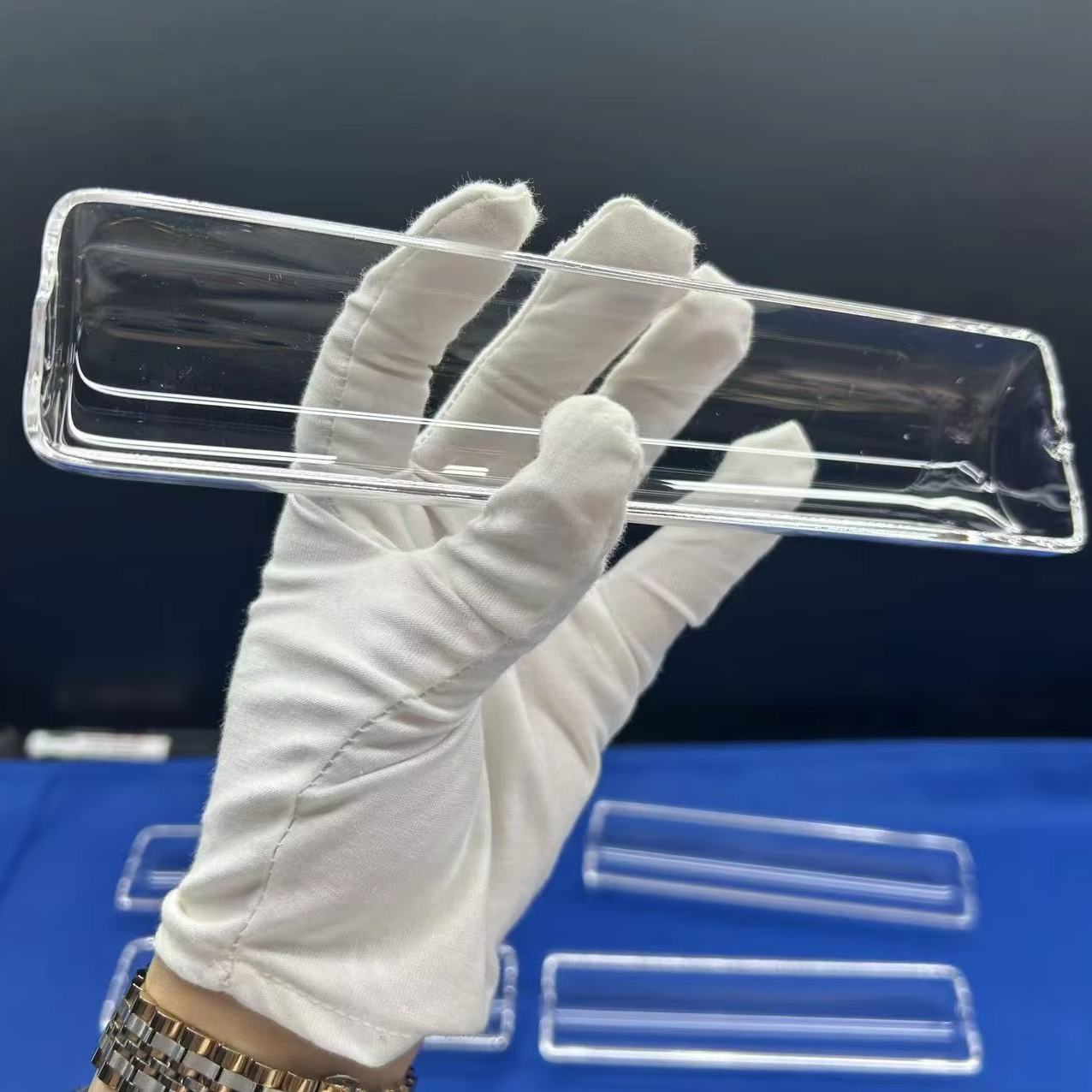
Customized Clear Fused Silica Quartz Boat Polished Clear Quartz Wafer Carrier
View Specifications →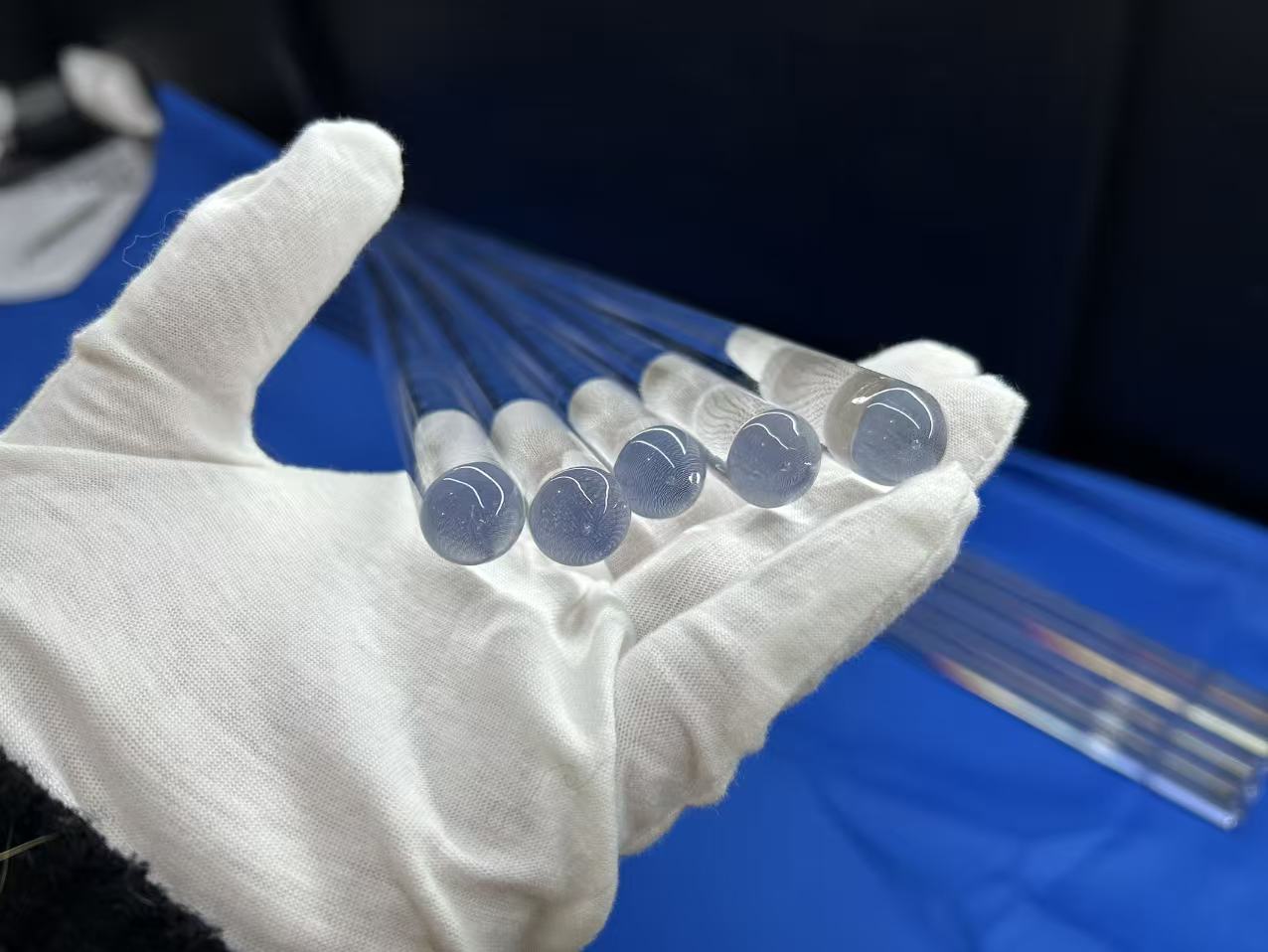
High-purity Fused Quartz Round Rods, Cutting, Welding, & Bending
View Specifications →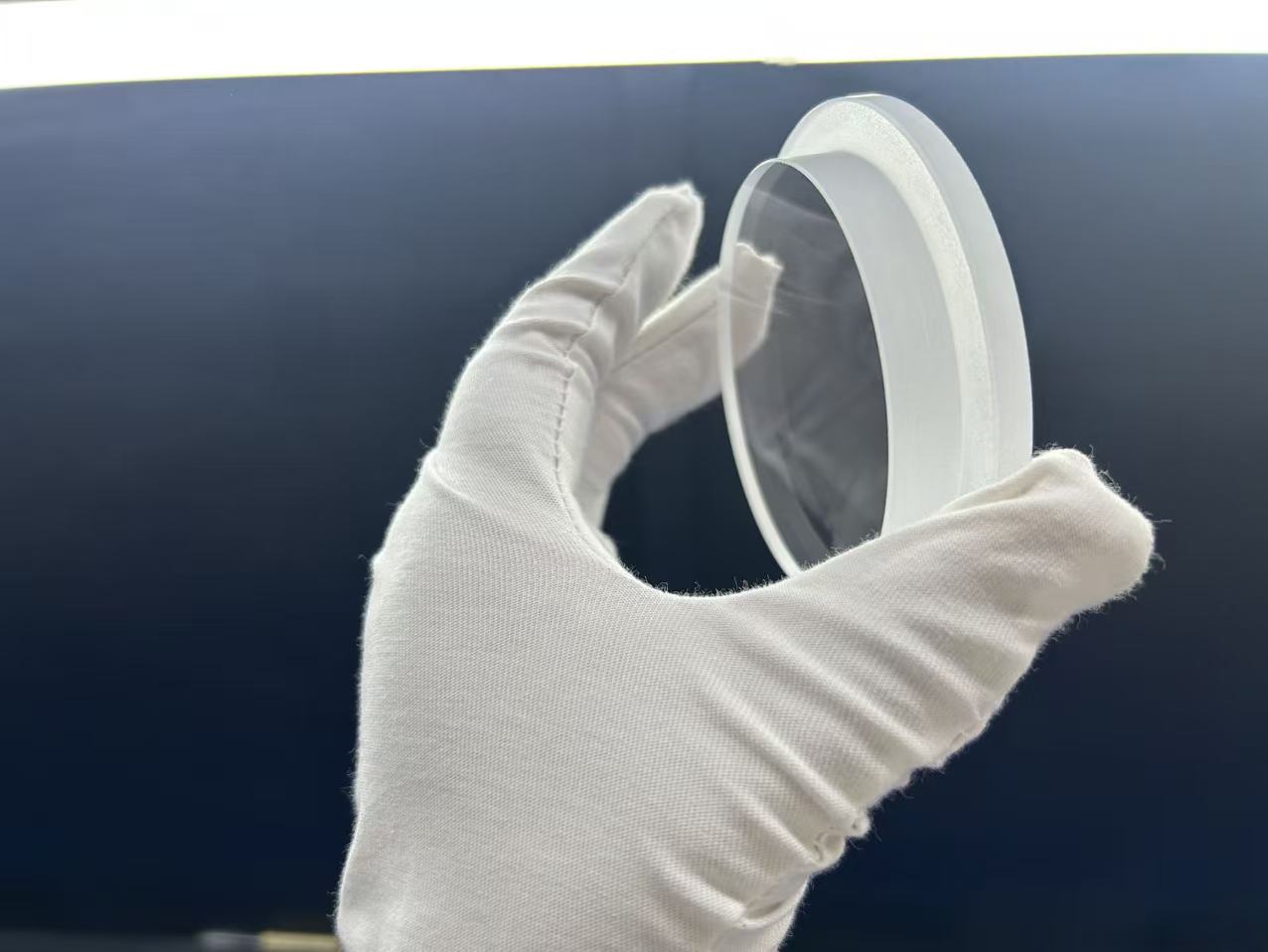
Factory High-Purity Ultra-Thick Quartz Double-Layer Step Plate
View Specifications →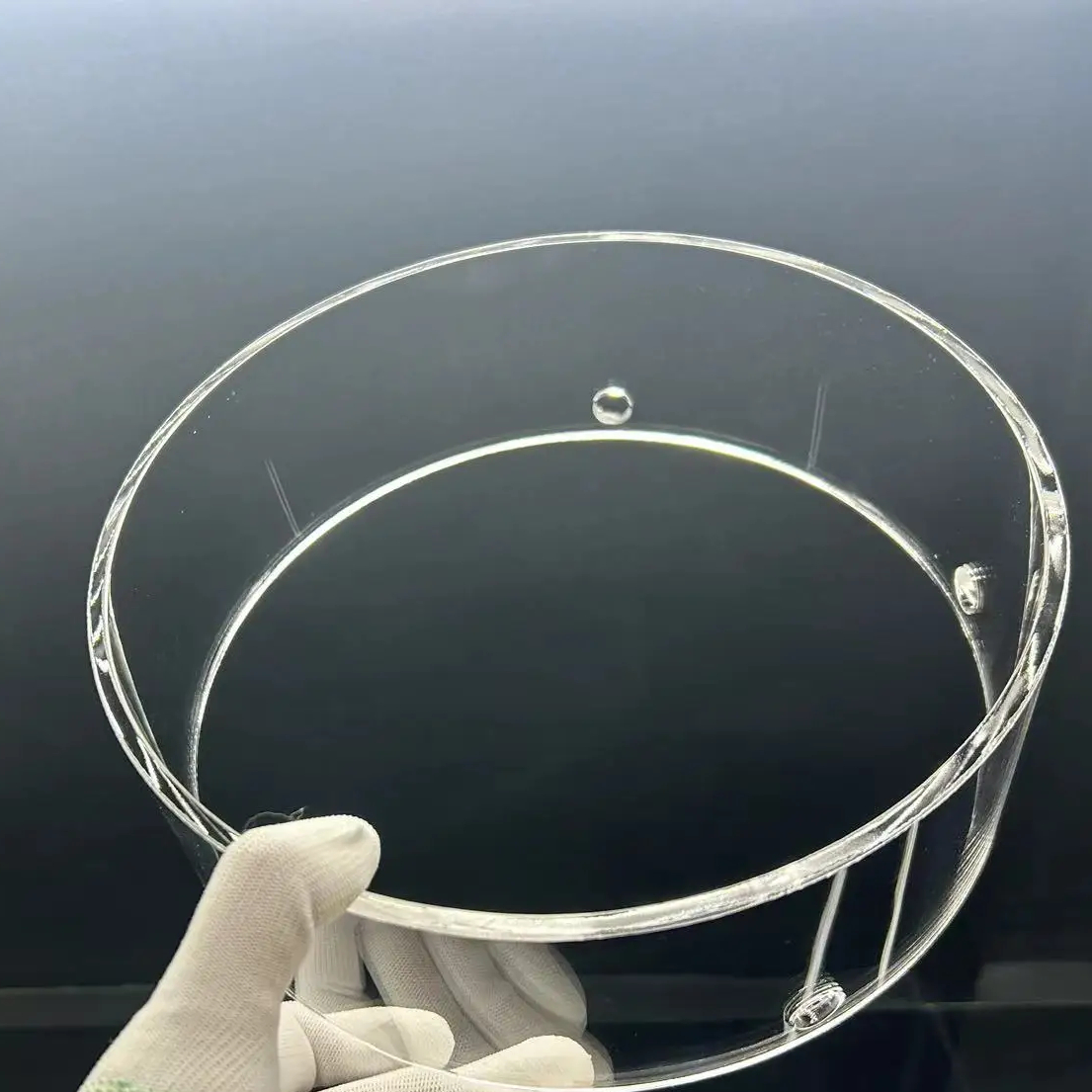
Fused Transparent Quartz Tube (Continuous 1100°C Rated)
View Specifications →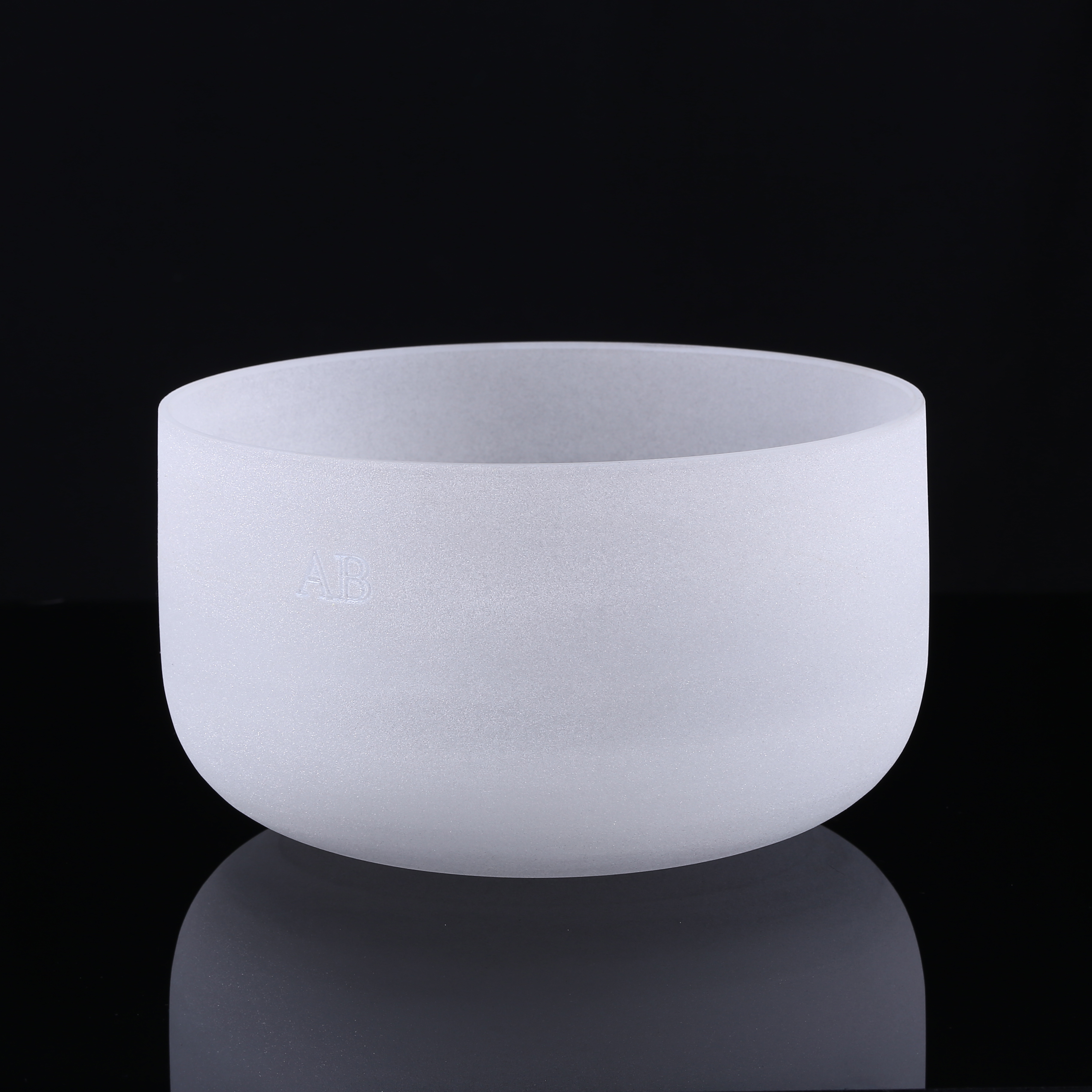
High Temperature Fused Silica Quartz Crucible for Melting & Ashing
View Specifications →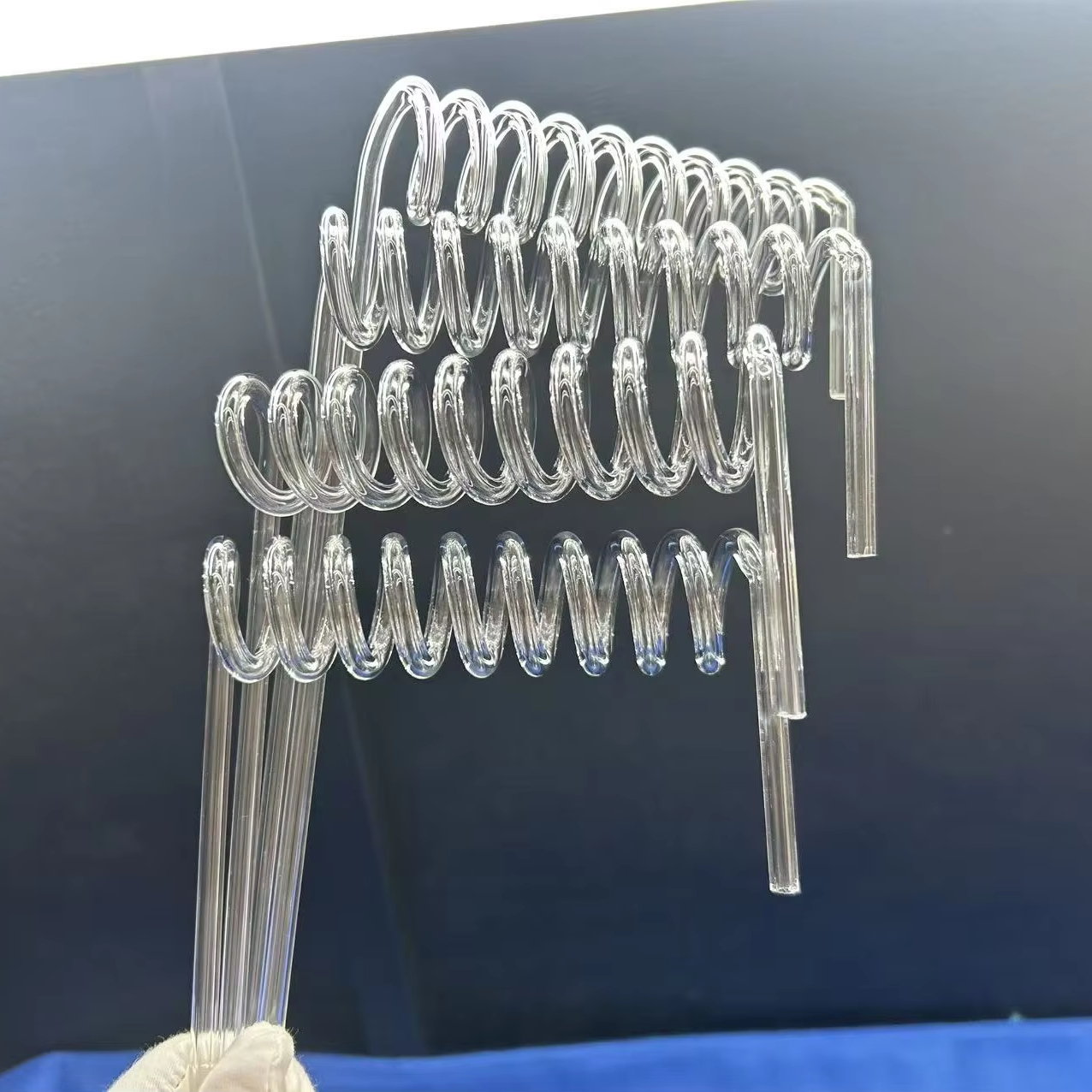
Clear Quartz Spiral Tube for Laboratory Optics & Condensation
View Specifications →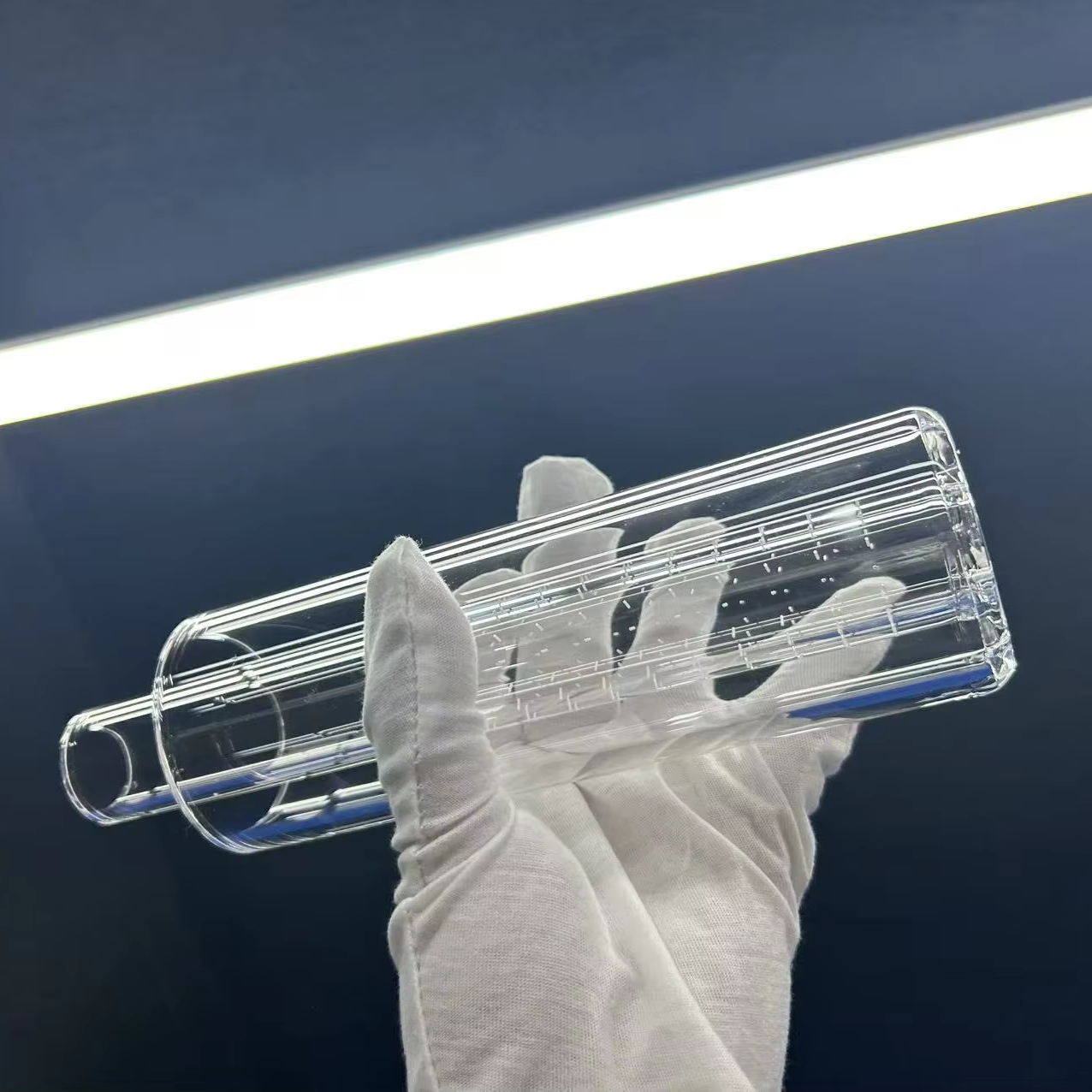
Customized Perforated Quartz Tube for Controlled Gas Inflow
View Specifications →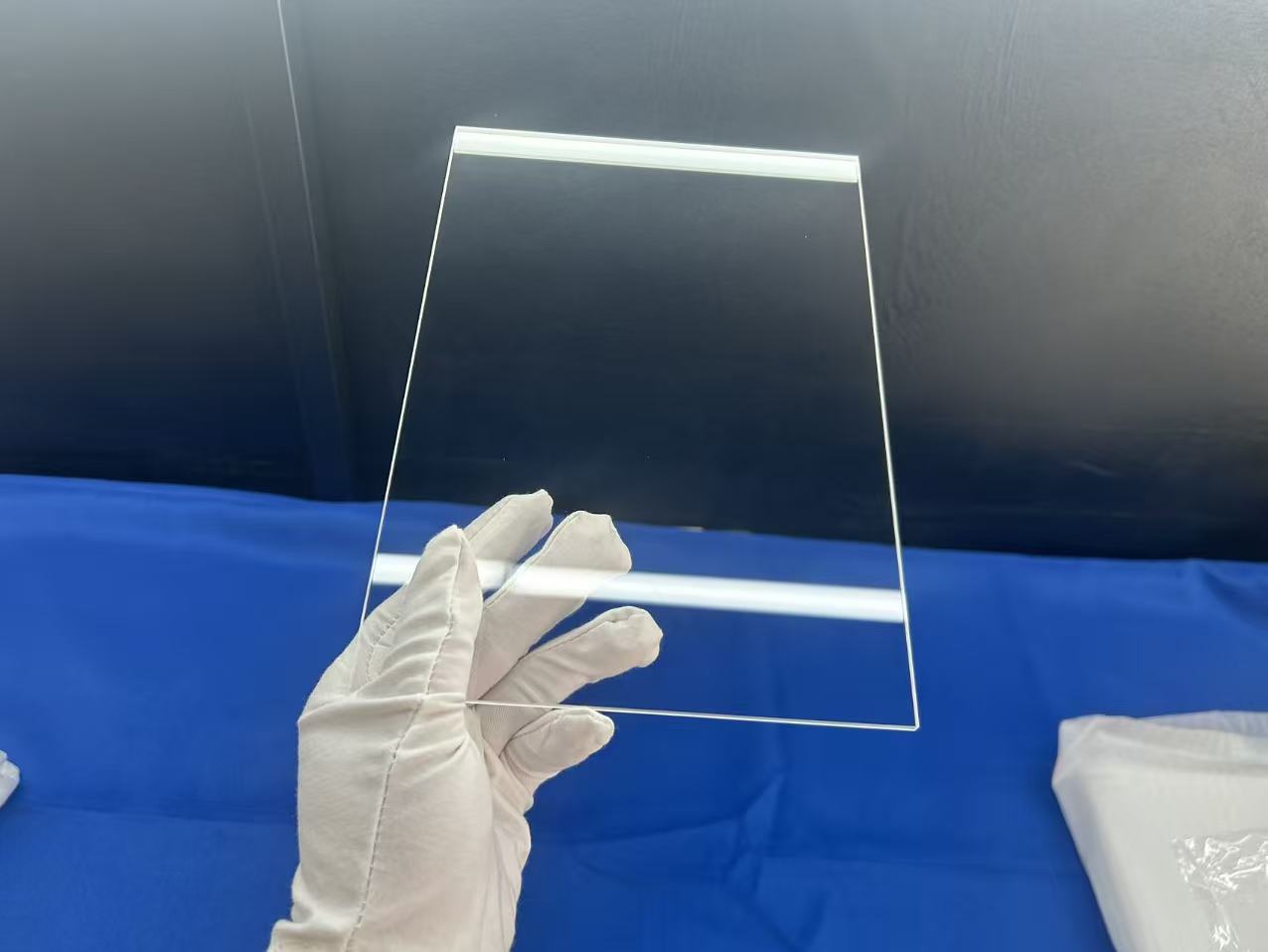
Custom Polished Transparent Square Quartz Glass Plate (3mm Optical)
View Specifications →Thermodynamic & Structural Superiority of Fused Quartz in Extreme Environments
An authoritative operational guide for process metallurgists, vacuum furnace operators, and clean-tech project leaders across the Province of Liège and broader Wallonia.
Material Purity, Devitrification Control, & Thermal Kinetics
Fused silica and synthetic fused quartz represent the pinnacle of high-temperature amorphous solids. For engineering applications throughout the heavy-industrial heart of Liège—ranging from high-frequency induction furnaces in Herstal to advanced metallurgy laboratories in the Sart-Tilman Science Park—process stability hinges on mitigating thermal fatigue and micro-crystallization. Our furnace tubes are manufactured using selected high-purity natural silica sand (≥ 99.99% SiO₂ content) purified via high-temperature chemical beneficiation and vacuum fusion at our specialized Donghai facilities.
The primary failure mode of industrial quartz glass under prolonged high-temperature exposure is devitrification: the spontaneous phase transformation from a metastable amorphous vitreous network to polycrystalline cristobalite. This polymorphic transition occurs predominantly at temperatures above 1150°C and is accelerated by superficial alkali metal contamination (Na, K, Li) and transition metals (Fe, Ti). By maintaining total trace metallic impurities below 20 ppm and alkaline elements strictly under 1.5 ppm, our CE-certified furnace tubes suppress heterogeneous nucleation kinetics. Consequently, furnace operators achieve over 3,000 continuous operating hours at 1100°C without clouding, micro-cracking, or structural sagging.
Furthermore, fused quartz displays an extraordinarily low linear coefficient of thermal expansion (α ≈ 5.5 × 10⁻⁷ K⁻¹ between 20°C and 320°C). This allows industrial furnace operators in the Liège basin to perform immediate thermal shock cycles—such as water quenching from 1100°C to ambient temperatures—with zero brittle fracture, an indispensable parameter for rapid thermal annealing (RTA) and gas-quenched vacuum furnaces.
| Physical & Thermodynamic Property | Standard Clear Fused Quartz | Dehydroxylated Semiconductor Grade | Synthetic Fused Silica (JGS1) |
|---|---|---|---|
| Silica Purity (SiO₂ Mass Fraction) | ≥ 99.99% | ≥ 99.998% | ≥ 99.9999% |
| Hydroxyl Radical Content ([OH⁻]) | 15 – 30 ppm | ≤ 5 ppm | ≤ 1000 ppm (Optically High) |
| Strain Point / Annealing Point | 1070°C / 1180°C | 1120°C / 1210°C | 1020°C / 1120°C |
| Softening Point (Viscosity η = 10⁷.⁶ dPa·s) | 1683°C | 1710°C | 1600°C |
| Maximum Continuous Temperature | 1100°C | 1160°C | 950°C |
| Dielectric Strength (at 20°C, 1 MHz) | 25 – 40 kV/mm | 40 kV/mm | 45 kV/mm |
| Spectral Transmittance Window | 260 nm – 2500 nm | 260 nm – 3500 nm (No OH Dip at 2.73μm) | 185 nm – 2500 nm (Deep UV Optimized) |
Localized Industrial & Scientific Applications Across Liège
Liège combines historic metallurgy, aerospace excellence, and academic research. Our quartz components fulfill mission-critical roles across key regional technological epicenters.
Hydrogen Decarbonization Metallurgy
Applied in pilot-scale reduction reactors and thermal gas sampling tubes across CRM Group research facilities and the Meuse Valley metallurgical belt. Withstanding reactive H₂/CO atmosphere corrosion at 1200°C without metal dusting catalysis.
Aerospace Thermal Vacuum Chambers
Supplying the Centre Spatial de Liège (CSL) and space-instrument subcontractors with optical-grade viewports, transparent cryostat shrouds, and degassing furnace liners requiring ultra-low thermal distortion and zero outgassing.
Semiconductor & Photonics Spin-offs
Serving University of Liège (ULiège) spin-offs in Sart-Tilman with customized wafer carriers, quartz diffusion boats, and horizontal LPCVD reactors engineered to DIN ISO 2768 tolerances for microelectronics fabrication.
Laser Cladding & Additive Manufacturing
Providing custom protective sleeves, pyrometry windows, and inert-gas flow nozzles for multi-axis laser metal deposition (LMD) equipment operating in high-temperature metal processing centers across Wallonia.
Analytical Spectroscopy & Wet Chemistry
Supporting environmental and materials testing laboratories in Seraing and Barchon with acid-resistant quartz cuvettes, digestion vessels, and spiral condensers inert to boiling aqua regia, nitric, and sulfuric acids.
High-Temperature Processing Trends in the Walloon Industrial Basin
The manufacturing paradigm in Eastern Belgium is rapidly migrating toward carbon-neutral heating, circular economy metallurgy, and extreme-purity precision fabrication.
1. The Transition to Direct Hydrogen Reduction & Inert Sintering
As the European Green Deal and regional Walloon initiatives accelerate decarbonization, traditional carbon-fueled metallurgical processes in Liège are being systematically upgraded to hydrogen-rich and electric-arc technologies. In pilot-scale direct reduction of iron (DRI) and plasma-arc sintering systems, processing chambers face severe mechanical and chemical stress. Fused quartz furnace tubes provide an impermeable, non-catalytic barrier that prevents hydrogen embrittlement while allowing total visual and pyrometric process observation.
2. Upsizing Process Diameters with CNC Flange Integration
Advanced materials consortia in Wallonia increasingly demand large-bore process tubes ranging from 200 mm up to 450 mm outer diameter (OD). Rather than standard mechanical seals, cutting-edge installations utilize fire-polished quartz tubes joined to precision CNC-machined quartz flanges (ISO-KF, ISO-K, and custom CF sealing profiles) equipped with fluoroelastomer or metal O-ring seals. This eliminates thermal expansion mismatches between quartz reaction chambers and metallic manifolds, preserving high-vacuum integrity (< 10⁻⁶ mbar) up to 1050°C.
3. Precision Dehydroxylation for Infrared Process Heating
Traditional fused quartz exhibits a noticeable optical absorption dip at the 2.73 μm wavelength caused by vibrational resonances of residual structural hydroxyl ([OH⁻]) groups. In rapid thermal processing (RTP) and infrared sintering ovens utilized by battery material researchers in Wallonia, this absorption leads to parasitic internal heating of the tube walls and subsequent deformation. Nivra Quartz manufactures low-hydroxyl quartz furnace tubes ([OH⁻] ≤ 5 ppm) via secondary vacuum electrical fusion, ensuring maximum IR energy transmission directly to the workpiece, significantly improving furnace thermal efficiency.
Donghai Nivra Quartz Products Co., Ltd.: Global Manufacturing Capability
Founded in February 2019 at 285 Heping East Road, Lianyungang, Jiangsu, our integrated facility bridges China’s raw crystal capital with Europe's advanced industrial core.


Integrated Crystal Basin Sourcing
Situated in Donghai County—the epicenter of global quartz extraction and refinement—our facility benefits from direct mineral supplies. This guarantees strict raw chemical verification before smelting, cutting intermediate procurement costs by 20–30%.
Comprehensive In-House Fabrication
With 101–200 skilled craftsmen and technicians, we maintain full control over CNC diamond grinding, ultrasonic coring, precision thermal glassblowing, laser cutting, optical polishing (surface finish up to 20/10 scratch/dig), and hydrogen-oxygen flame annealing.
Verified European Export Metrics
Boasting a certified 5.0/5.0 buyer satisfaction score, 88.89% verified technical inquiry response rate, and an average quote generation latency under 5 hours. We offer rigorous compliance documentation: EN 10204 3.1 mill certs, full spectrographic analyses, and CE declarations.
Frequently Asked Questions for Liège Purchasing Teams
Answers addressing CE compliance, European Union standards, logistics into Liège Cargo Airport (LGG), and custom precision engineering.
How does CE certification apply to quartz furnace tubes imported into Belgium?
Under European Union regulations, quartz furnace tubes destined for industrial processing furnaces are classified as critical pressure or temperature boundary components. Where furnaces operate under vacuum or positive pressure, components comply with Directive 2014/68/EU (Pressure Equipment Directive - PED) under Sound Engineering Practice (SEP) or relevant conformity assessment modules. Our tubes are accompanied by CE compliance documentation, material traceability records, and dimensional verification certificates ensuring seamless integration into European-standard machinery.
Can Nivra Quartz supply EN 10204 3.1 Inspection Certificates with chemical trace assays?
Yes. For research and corporate clients across Sart-Tilman and Herstal, we provide full EN 10204 3.1 material test certificates upon request. These state certified ICP-MS (Inductively Coupled Plasma Mass Spectrometry) trace element assays verifying that ppm levels of Fe, Al, Ti, Ca, Mg, Na, K, and Li adhere to semiconductor-grade specifications, alongside optical transmission spectra across the 190 nm – 3500 nm band.
What are the air and multimodal logistics options directly into the Liège region?
Because Liège Airport (LGG) is one of Europe's premier cargo gateways, we utilize direct express air-freight routes from Shanghai Pudong (PVG) or Zhengzhou (CGO) straight into LGG. Standard transit times range between 3 to 5 business days from our factory floor to customs clearance in Bierset. For consolidated bulk orders, ocean freight routes via the Port of Antwerp followed by Meuse inland waterway or road transport provide optimal shipping economics.
How do you prevent breakage and mechanical shock during long-distance transit?
Exporting brittle, high-aspect-ratio quartz furnace tubes demands specialized crating. Every tube is thoroughly washed, sealed in cleanroom antistatic polyethylene sleeves, and suspended inside high-density expandable EPE (polyethylene) foam molds designed to damp vibration resonance. The assemblies are then housed in ISPM-15 compliant, multi-layer fumigation-free plywood crates reinforced with exterior steel corner bracing and tilt/impact monitoring indicators.
What dimensional tolerances can you maintain for custom furnace tubes and flanges?
We work to DIN ISO 2768-m (medium) and 2768-f (fine) precision standards. For tubular products, outer diameter (OD) and inner diameter (ID) tolerances can be maintained within ±0.2 mm, with wall thickness variations held below 5%. For precision machined quartz components, step plates, and ground joints, our multi-axis CNC machines deliver dimensional tolerances down to ±0.05 mm and surface flatness to ≤ 1λ per 25 mm.
What is the distinction between JGS1, JGS2, and JGS3 quartz grades for thermal furnaces?
JGS1 is synthetic fused silica optimized for deep-ultraviolet transmission (>85% at 185 nm) with zero bubbles, ideal for excimer lasers and optical lithography. JGS2 is standard commercial fused quartz made from natural quartz crystal, excelling in UV-visible transmission (220 nm – 2500 nm) and widely used for sight glasses and standard diffusion tubes. JGS3 is infrared-grade fused silica formulated with ultra-low hydroxyl content ([OH⁻] ≤ 5 ppm), eliminating the water-absorption band at 2.73 μm, making it the premier choice for high-temperature IR vacuum furnaces and thermal process sensors.
What are the Minimum Order Quantities (MOQ) and lead times for prototyping?
To support prototyping and academic research at ULiège and regional startups, our MOQ for standard and custom quartz furnace tubes starts from just 1 piece. For complex welded assemblies (e.g., tubes with perforated gas inlets, spiral jackets, or double flanges), prototype manufacturing typically requires 7 to 10 working days following engineering drawing approval.
How do your furnace tubes handle thermal cycling and cristobalite formation?
Our tubes undergo precise flame annealing to relieve internal mechanical stress (residual stress birefringence ≤ 10 nm/cm). In continuous operations up to 1100°C, the amorphous structure remains fully stable. For intermittent thermal peaks up to 1450°C, we advise operating under inert (Ar, N₂) or reducing (H₂) atmospheres and preventing surface contact with fingerprints or refractory dust containing alkalis, which triggers localized cristobalite nucleation.
Accelerate Your High-Temperature Process in Liège
Send us your dimensional drawings (PDF, DWG, STEP) or technical requirements. Our thermal materials engineering team responds with complete manufacturability feedback, material grade recommendations, and competitive direct-factory pricing within 5 hours.