High-Purity Quartz Vessels & Components for Advanced Synthesis
Manufactured from premium SiO2 raw materials with complete dimensional tolerance verification and thermal stability certifications for rigorous Madrid engineering projects.
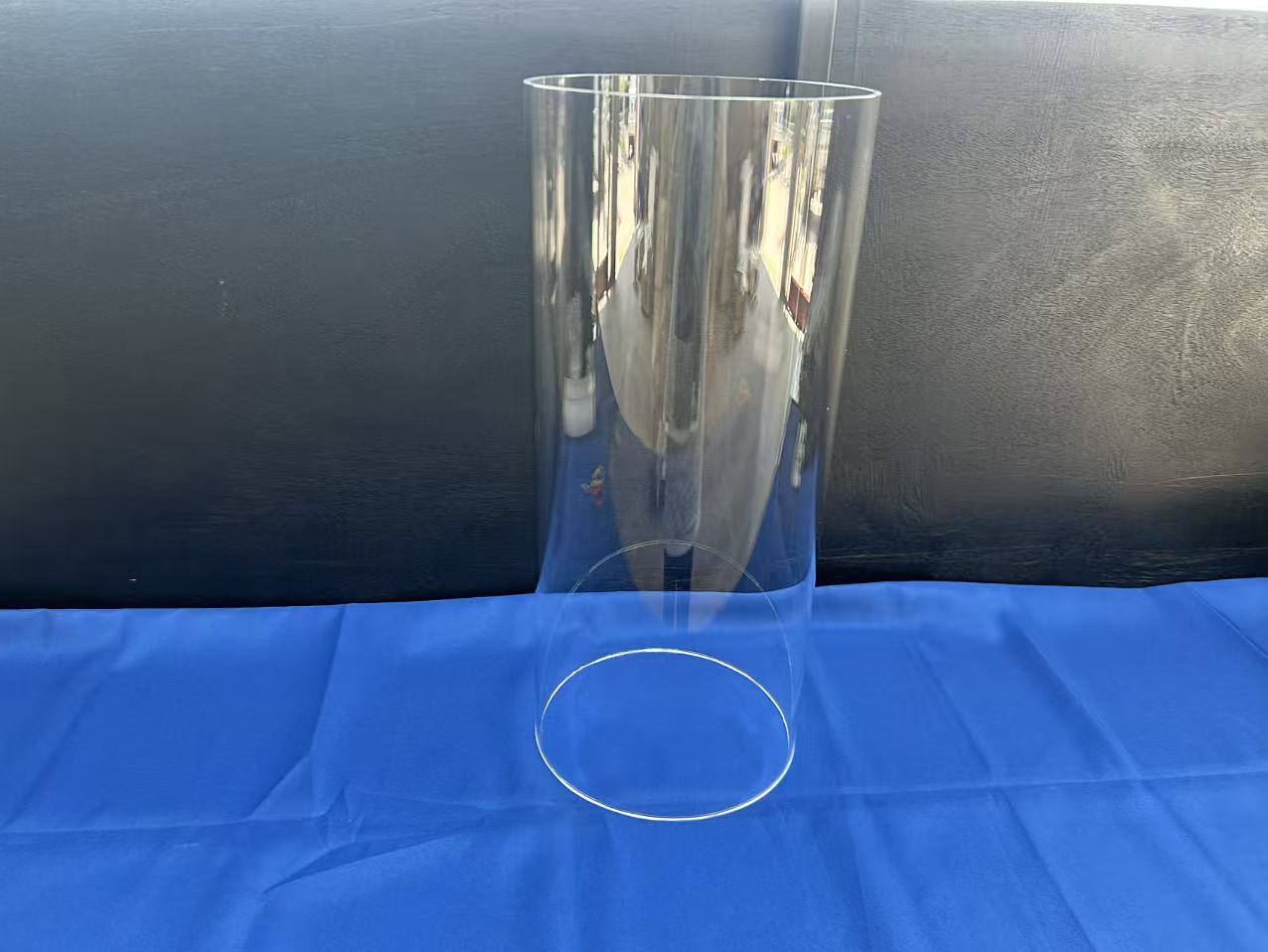
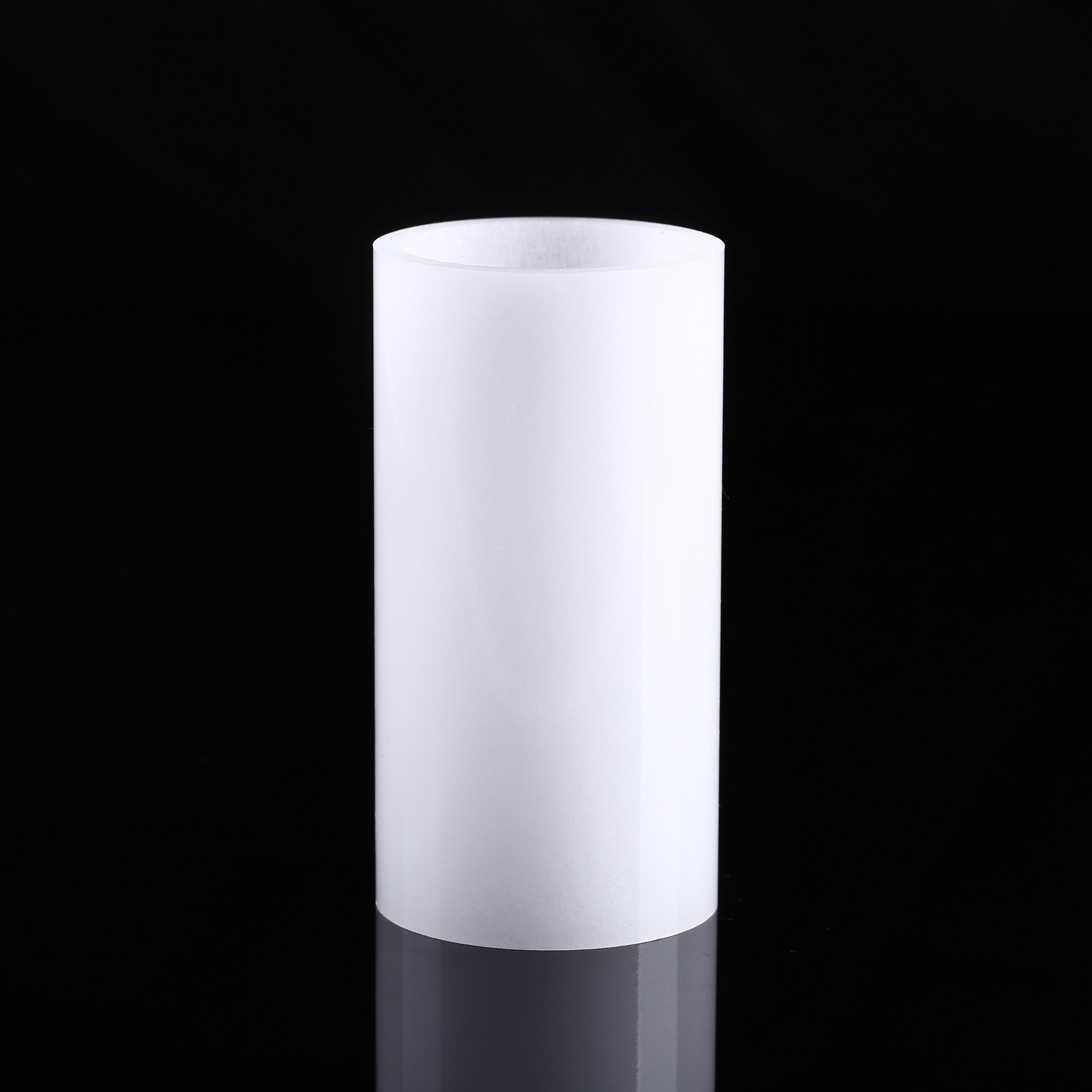
Custom Large-diameter High-purity Fused Quartz Transparent Glass Tubes, Providing Cutting and Welding Services
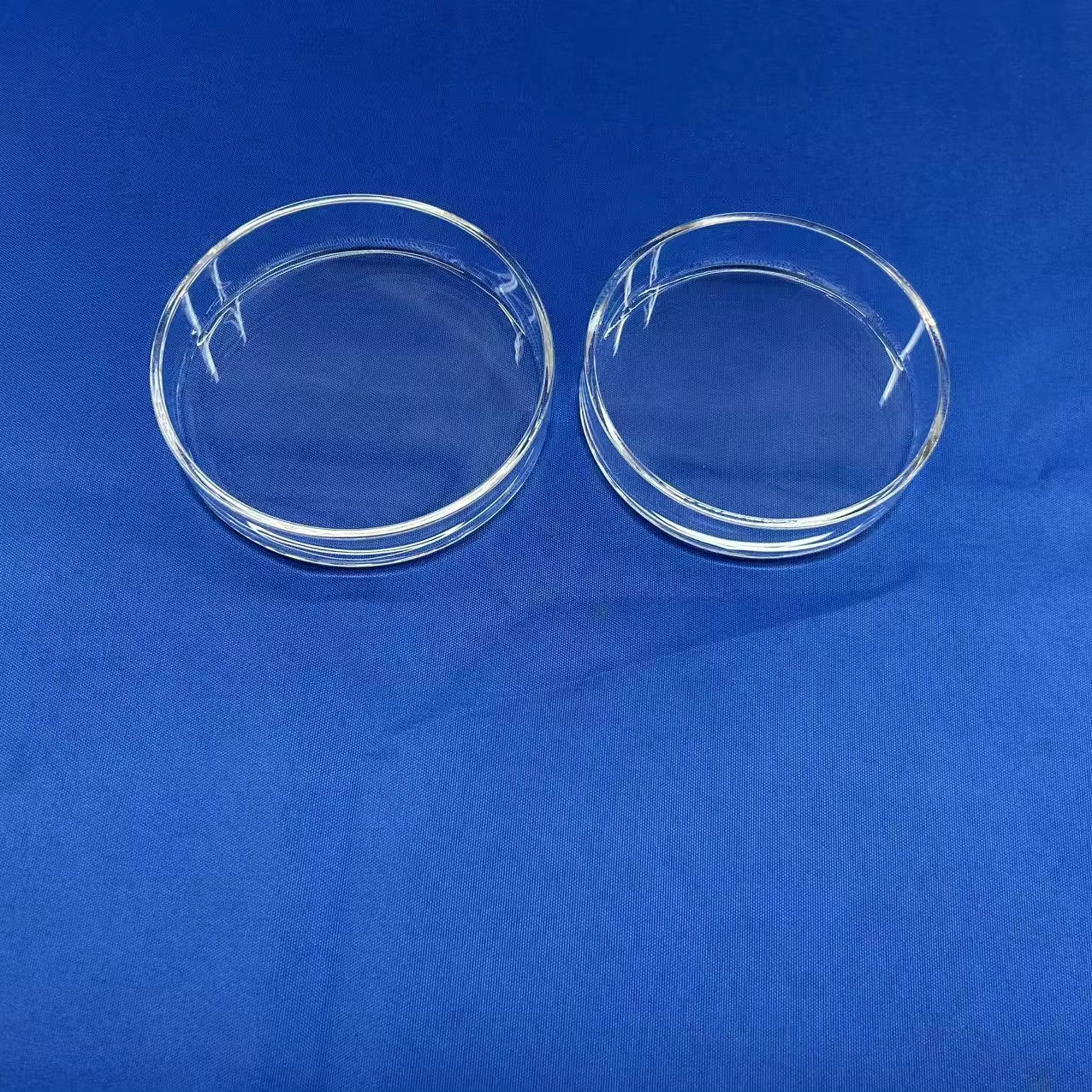
Factory Customized High-purity Quartz Glass Petri Dishes with Lids, for Laboratory, Medical Equipment, Etc.
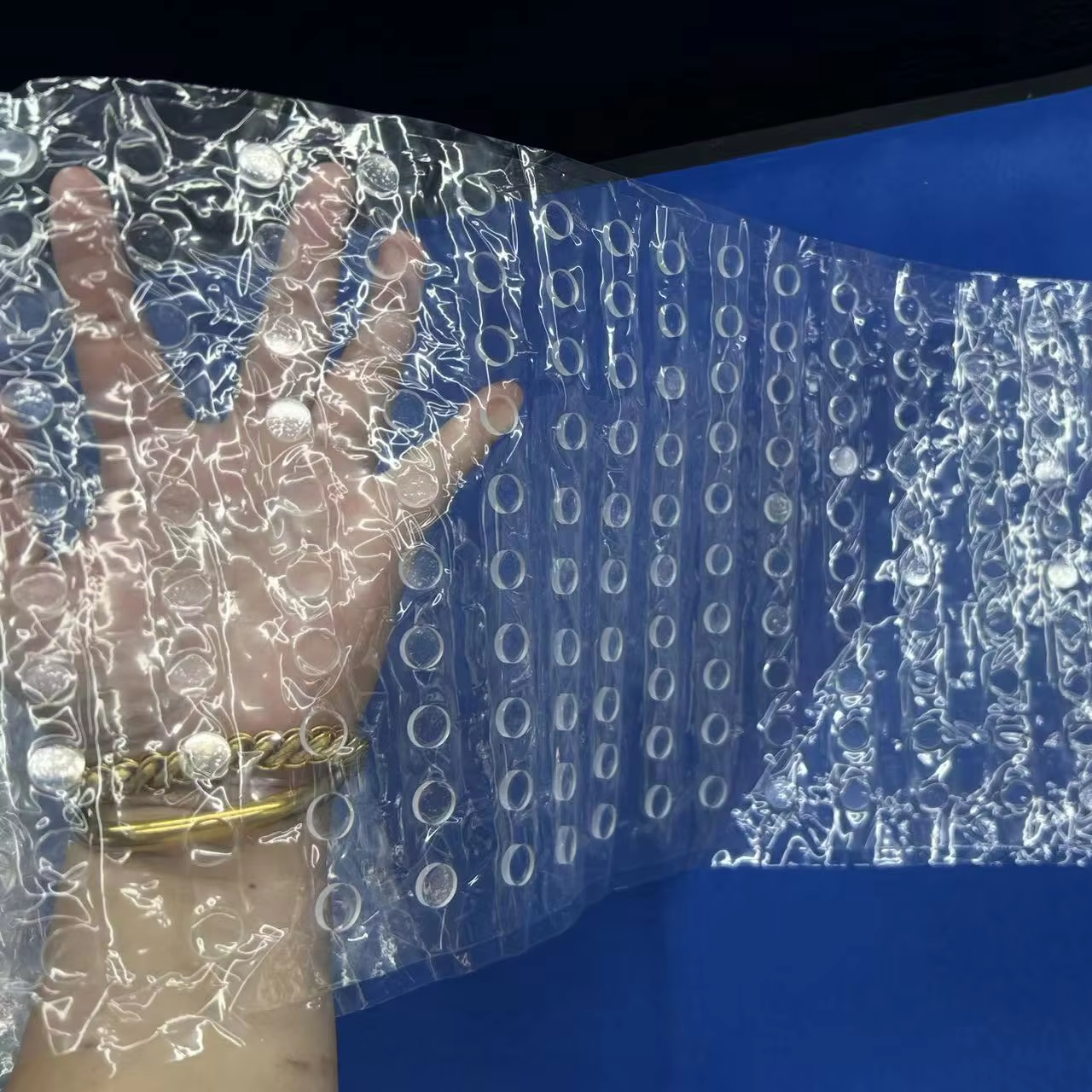
Factory-Made High-purity Small Size Quartz Wafer, Provide Cutting and Polishing Services
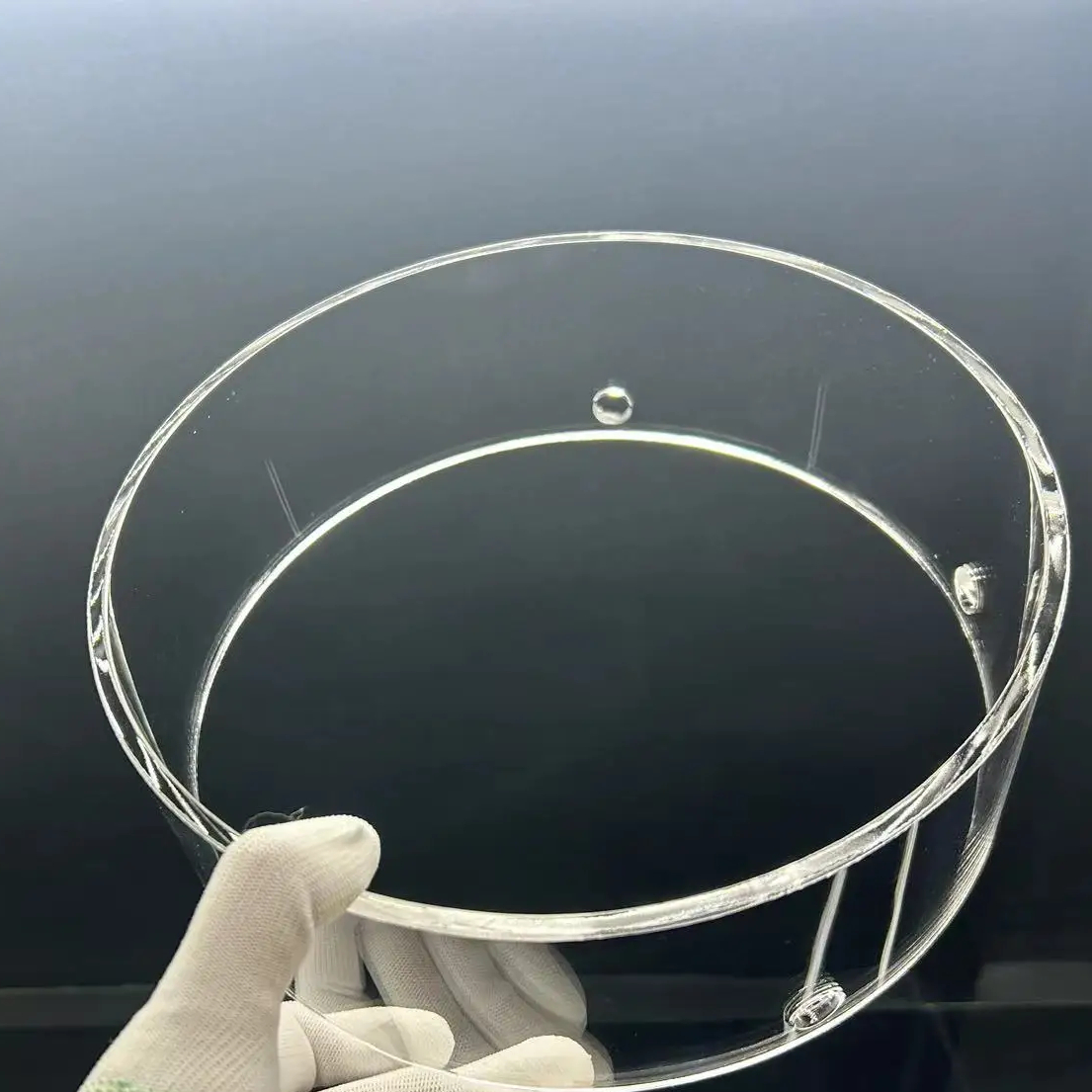
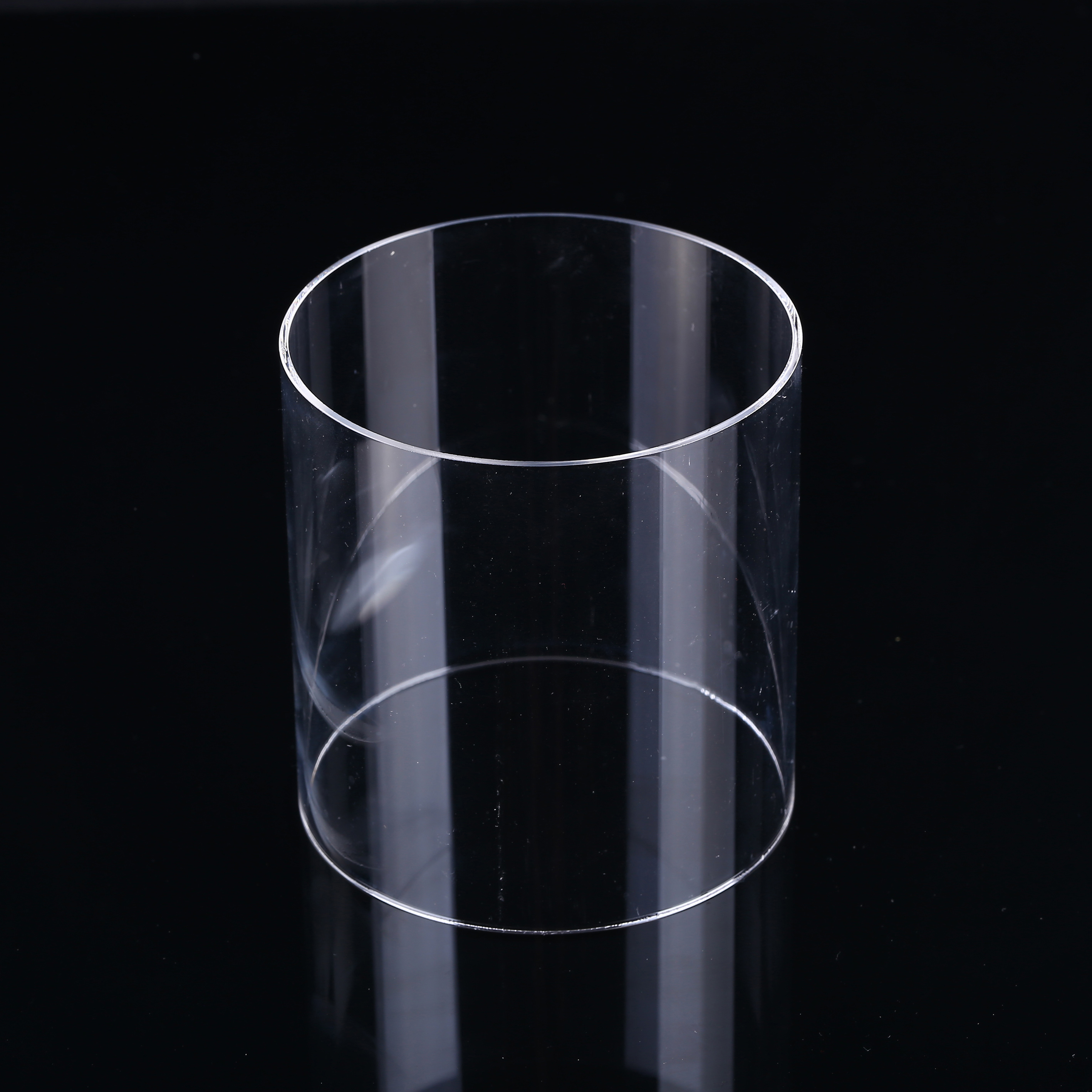
Fused Transparent Quartz Tube
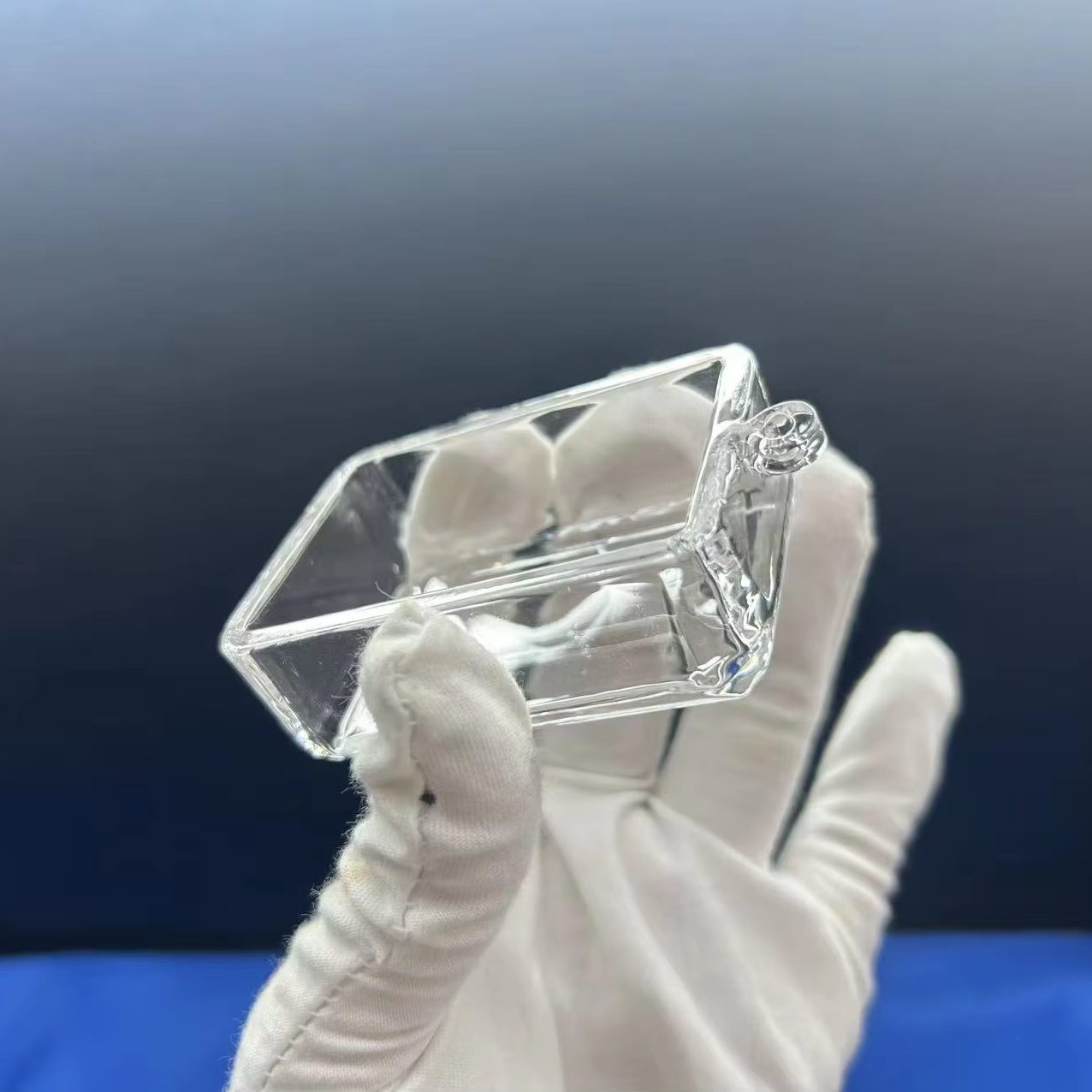
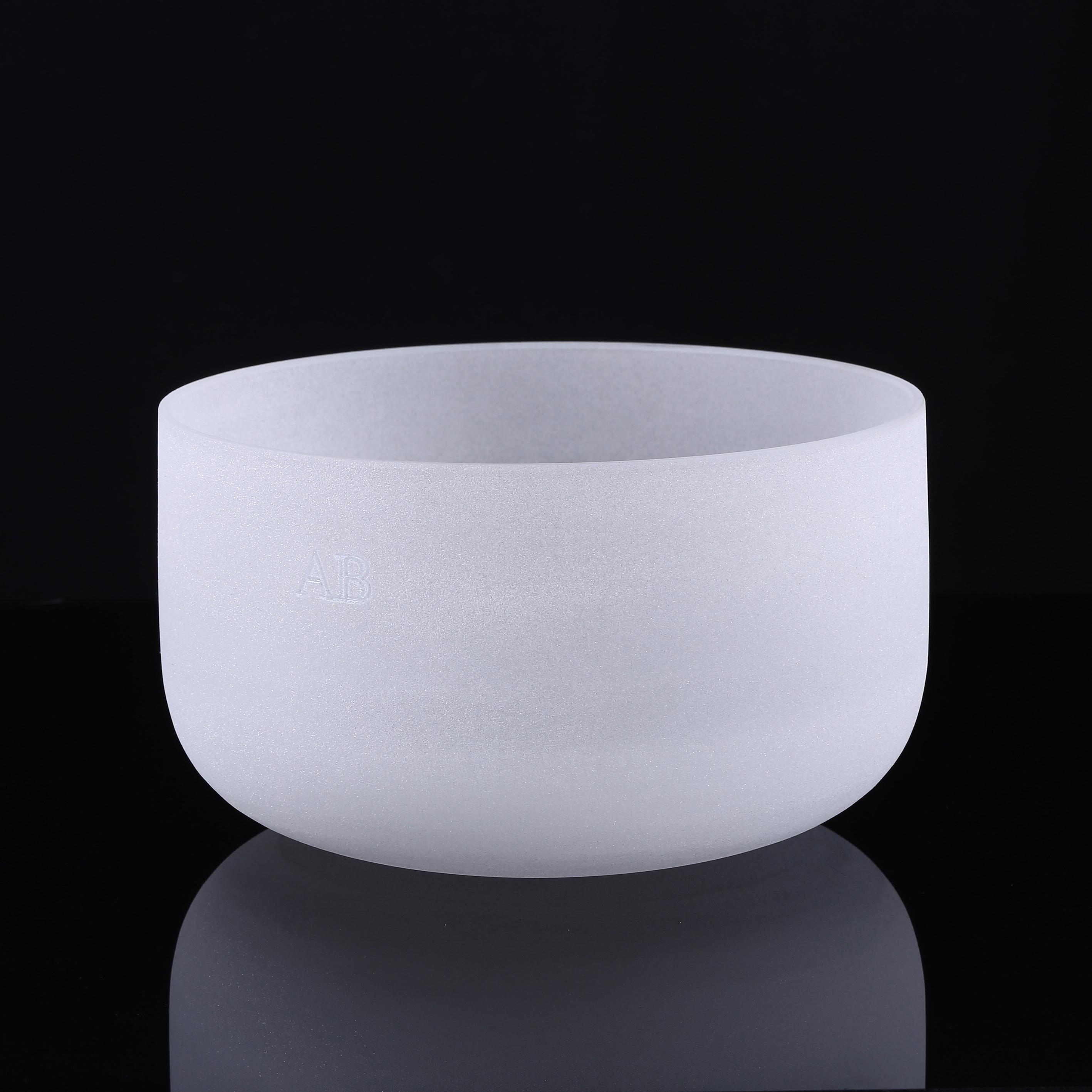
Quartz Tank
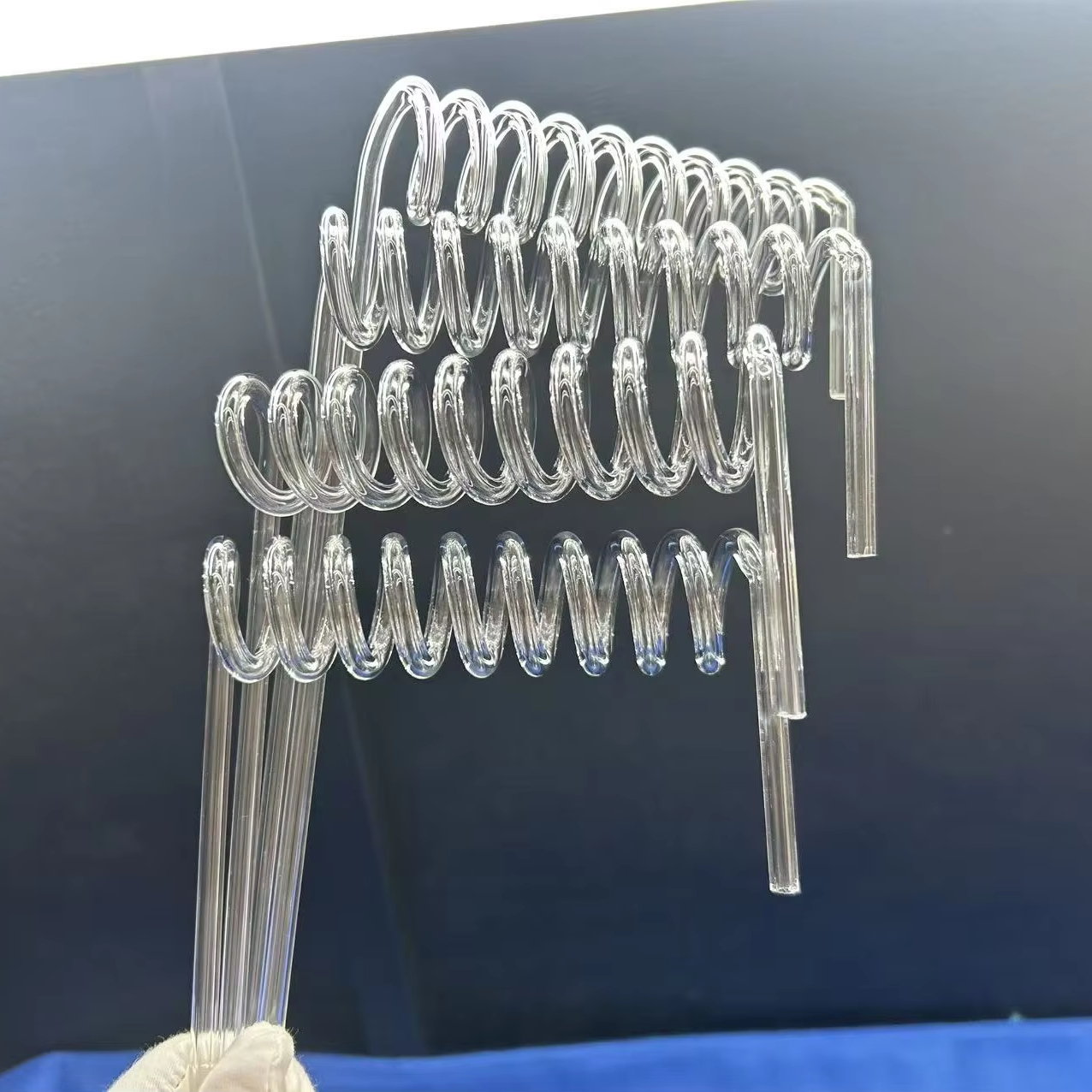
Clear Quartz Spiral Tube for Optics Laboratory Use with Moulding and Bending Services
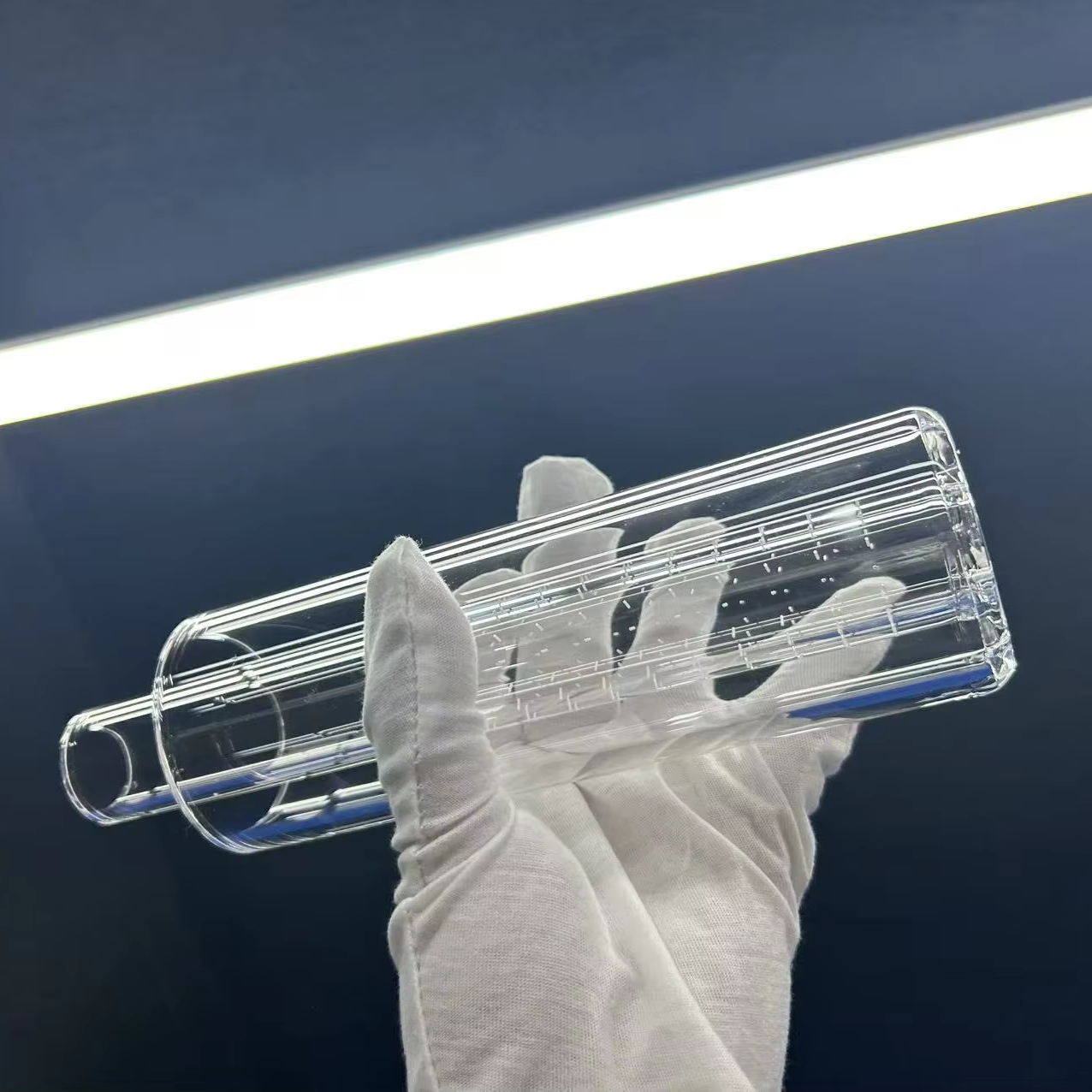
Customized Perforated Quartz Tube
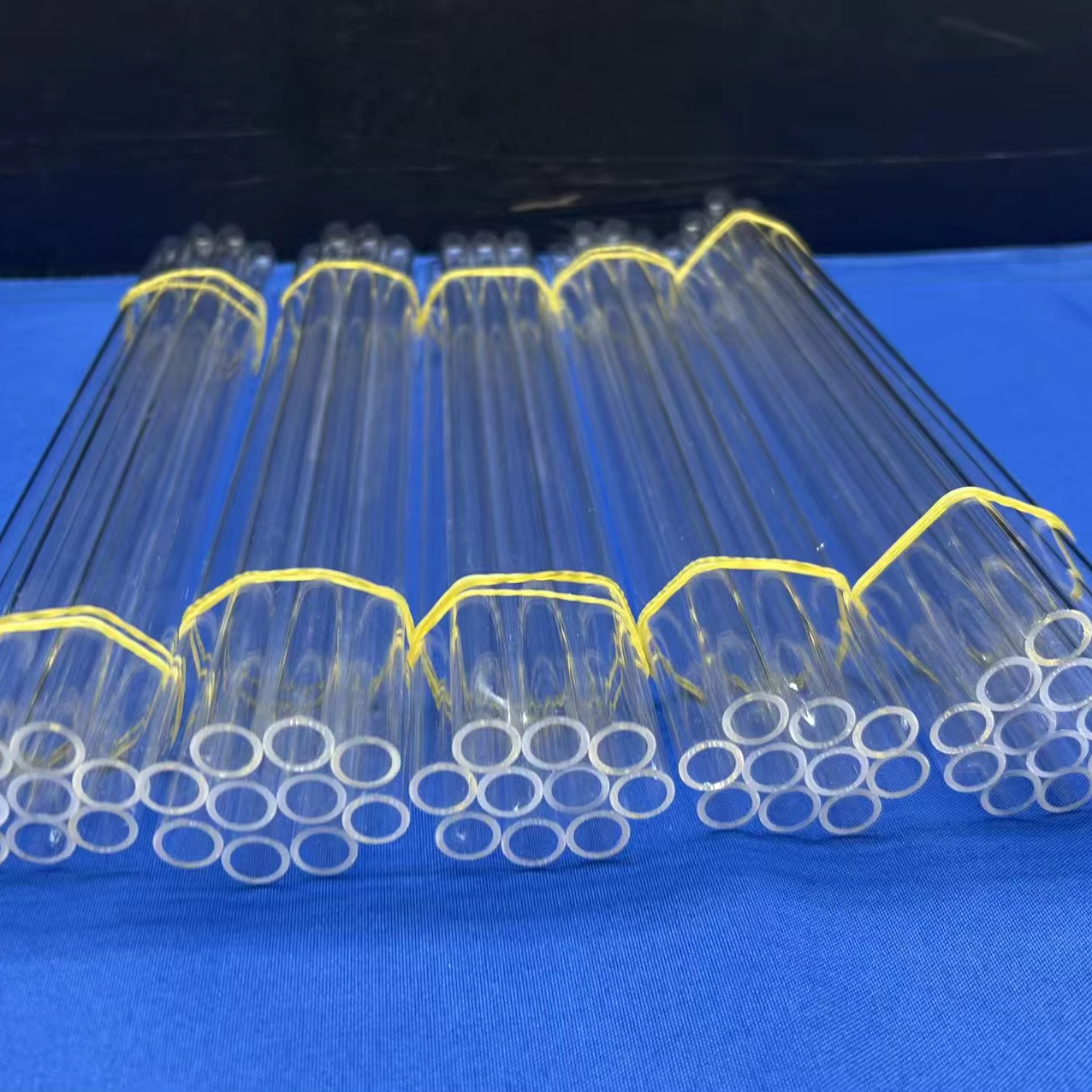
Quartz test Tube
Structural Integrity & Thermodynamic Standards for Quartz Bell Jars
In high-vacuum thermal processing, physical vapor deposition (PVD), and chemical vapor deposition (CVD), the quartz bell jar serves as the critical containment vessel isolating ultra-clean operational chambers from ambient atmosphere. Unlike conventional borosilicate or aluminosilicate glasses, high-purity fused silica (fused quartz) exhibits an amorphous tetrahedral silicon-oxygen network (SiO4) devoid of macroscopic crystalline grain boundaries. This fundamental molecular morphology endows our bell jars with exceptional chemical inertia, near-zero thermal expansion, and unmatched mechanical resistance against cyclic vacuum implosion stresses.
For research facilities and wafer foundries operating within the autonomous community of Madrid, regulatory compliance under the European Pressure Equipment Directive (PED 2014/68/EU) alongside CE verification is non-negotiable. Our manufacturing facility in Donghai County implements strict structural annealing protocols to ensure residual birefringence stress remains below 5 nm/cm, completely mitigating spontaneous micro-cleavage risks during prolonged exposure to thermal gradients exceeding 1000°C.
Thermodynamic, Mechanical & Optical Properties Reference
| Physical / Chemical Property | JGS1 (Synthetic Silica) | JGS2 (Optical Fused Quartz) | JGS3 (Infrared Fused Quartz) | Testing Protocol |
|---|---|---|---|---|
| SiO2 Total Purity | ≥ 99.999% | ≥ 99.99% | ≥ 99.98% | ICP-MS Trace Analysis |
| Hydroxyl Group (OH) Content | ≤ 10 – 30 ppm | ≤ 100 – 150 ppm | ≤ 2 – 5 ppm (Dry Grade) | FTIR Infrared Absorption |
| Transformation / Strain Point | 1075 °C | 1070 °C | 1060 °C | ASTM C598 Dilatometry |
| Softening Point (η = 107.6 dPa·s) | 1685 °C | 1683 °C | 1670 °C | ISO 7884 Viscometry |
| Thermal Expansion Coefficient (20–300°C) | 5.4 × 10⁻⁷ K-1 | 5.5 × 10⁻⁷ K-1 | 5.5 × 10⁻⁷ K-1 | Interferometric Dilatometry |
| Helium Leak Tightness Under Vacuum | < 1 × 10⁻¹⁰ mbar·l/s | < 1 × 10⁻⁹ mbar·l/s | < 1 × 10⁻⁹ mbar·l/s | He Mass Spectrometry |
| Dielectric Strength (20°C, 1 MHz) | 25 – 40 kV/mm | 25 – 35 kV/mm | 20 – 30 kV/mm | IEC 60243 Breakdown Test |
Wall Thickness Uniformity & Critical Flange Geometries
The manufacturing of CE-certified quartz bell jars requires dynamic thermal lathe manipulation paired with multi-axis diamond grinding. To ensure compliance with EN 13445 unfired pressure vessel integrity calculations under vacuum collapse profiles ($P_c$), our cylindrical bell jars maintain a wall thickness variation within ±0.25 mm across the entire hemispherical or ellipsoidal dome radius. Flange interfaces are manufactured to high planarity:
1. Precision Ground Flat Sealing Faces: Ground down to $Ra ≤ 0.4\ \mu\text{m}$, optimized for Viton L-gaskets or fluoroelastomer O-rings in moderate vacuum systems ($10^{-3}\ \text{to}\ 10^{-7}\ \text{mbar}$).
2. Flanged & Beveled ISO / KF / CF Connections: Flame-welded neck adapters designed to integrate into standard stainless steel chamber baseplates common in Madrid research cleanrooms.
3. Heavy-Wall Evacuation Vessels: Engineered with wall thicknesses exceeding 8 mm to 15 mm for large-diameter bell jars (Ø300 mm to Ø600 mm) operating under intensive microwave or RF inductive plasma fields.
Localized Application Scenarios in Madrid’s High-Tech Hubs
Driving breakthrough research and production across the Community of Madrid, from Tres Cantos semiconductor corridors to CIEMAT energy installations.
Semiconductor Epitaxy & RTP in Tres Cantos
Madrid's microelectronics clusters around Tres Cantos and the Parque Científico de Madrid utilize our fused quartz bell jars in Rapid Thermal Processing (RTP) and metalorganic vapor-phase epitaxy (MOVPE). High optical transparency in the near-infrared spectrum allows radiant quartz halogen heating lamps to couple energy directly into silicon, silicon carbide (SiC), or gallium nitride (GaN) wafers without inductive absorption or chamber thermal deformation.
High-Vacuum Space Simulation at INTA & Getafe
The aerospace ecosystem concentrated in Getafe, San Fernando de Henares, and the Instituto Nacional de Técnica Aeroespacial (INTA) deploys heavy-duty quartz bell jars for thermal vacuum outgassing (TVAC) and satellite optical component testing. Because fused silica displays zero volatile organic carbon (VOC) emissions and imperviousness to cosmic UV radiation, the test environment remains free from baseline diagnostic contamination.
Solar Energy & Perovskite Synthesis at CIEMAT
At CIEMAT and IMDEA Energy facilities in Móstoles, next-generation photovoltaic cells require rigorous physical vapor deposition under controlled halide atmospheres. Our custom-flanged quartz bell jars prevent chemical corrosion from precursor iodine and bromine vapors, maintaining optical transmission above 92% across continuous operating runs up to 950°C.
Nanotech & Quantum Physics at CSIC & UAM
Laboratories at the Instituto de Ciencia de Materiales de Madrid (ICMM-CSIC) and Universidad Autónoma de Madrid (UAM) rely on customized quartz vacuum chambers for molecular beam epitaxy (MBE) observation windows and cold-atom traps. High optical homogeneity (Δn ≤ 2 × 10⁻⁶) ensures undisturbed laser beam wavefront propagation during sensitive magneto-optical trapping (MOT) sequences.
Industrial High-Purity Coatings in Alcalá
Commercial PVD/CVD coating operators in Alcalá de Henares and Torrejón leverage our thermal-shock resistant fused quartz bell jars for hard-coating applications (TiN, DLC, CrN). The bell jars' immunity to instantaneous cooling swings (ΔT > 1000°C water quench without fracture) accelerates cycle turnaround times, eliminating the bottleneck of slow annealing protocols between batches.
Medical Isotope & Plasma Sterilization
Biomedical research institutes within the Hospital La Paz and Carlos III Health Institute complexes deploy quartz containment bell jars for radioisotope handling and vacuum cold-plasma sterilization. Total resistance to ozone (O3), hydroxyl radicals, and gamma radiation ensures zero polymer cross-leaching and prevents surface embrittlement across continuous sterilization shifts.
Madrid & Southern European Microelectronics Market Dynamics
The European Union's aggressive push toward strategic semiconductor sovereignty—anchored by the European Chips Act and Spain's national PERTE Chip framework (€12.25 billion allocated funding)—is reshaping local procurement priorities across Madrid. Historically dependent on imported standard labware, Madrid-based engineering programs and pilot fabrication plants now demand agile, certified quartz fabrication partners capable of bespoke low-volume prototyping and rapid scaling without multi-quarter lead times.
Transition to Synthetic JGS1
Next-gen deep UV lithography and reactive ion etching (RIE) are replacing natural quartz with ultra-dry, synthetic silica. JGS1 bell jars eliminate trace sodium, potassium, and iron contaminants that induce gate oxide breakdown in sub-14nm semiconductor architectures.
Stringent EN 10204 3.1 Traceability
Procurement teams across European aerospace consortia in Spain require complete material certification. Every batch of Nivra quartz products is accompanied by comprehensive trace-element spectrometry and annealing compliance documentation.
Localized Buffer Supply Chains
Long sea-freight delays have catalyzed Spanish buyers to forge direct relationships with responsive OEM manufacturers. Nivra Quartz supports express 5-to-8 day air-cargo replenishment directly to Adolfo Suárez Madrid-Barajas Airport (MAD).
Why European Engineers Partner with Nivra Quartz
Founded in February 2019 in Donghai County—China’s global capital of quartz synthesis—Donghai County Nivra Quartz Products Co., Ltd. merges superior mineral access with world-class precision machining.
Direct Sourcing Hub
Located in the heart of Donghai's crystal belt, our integrated access to premium quartz raw materials provides unmatched structural purity and competitive OEM pricing without distributor markups.
In-House Machining
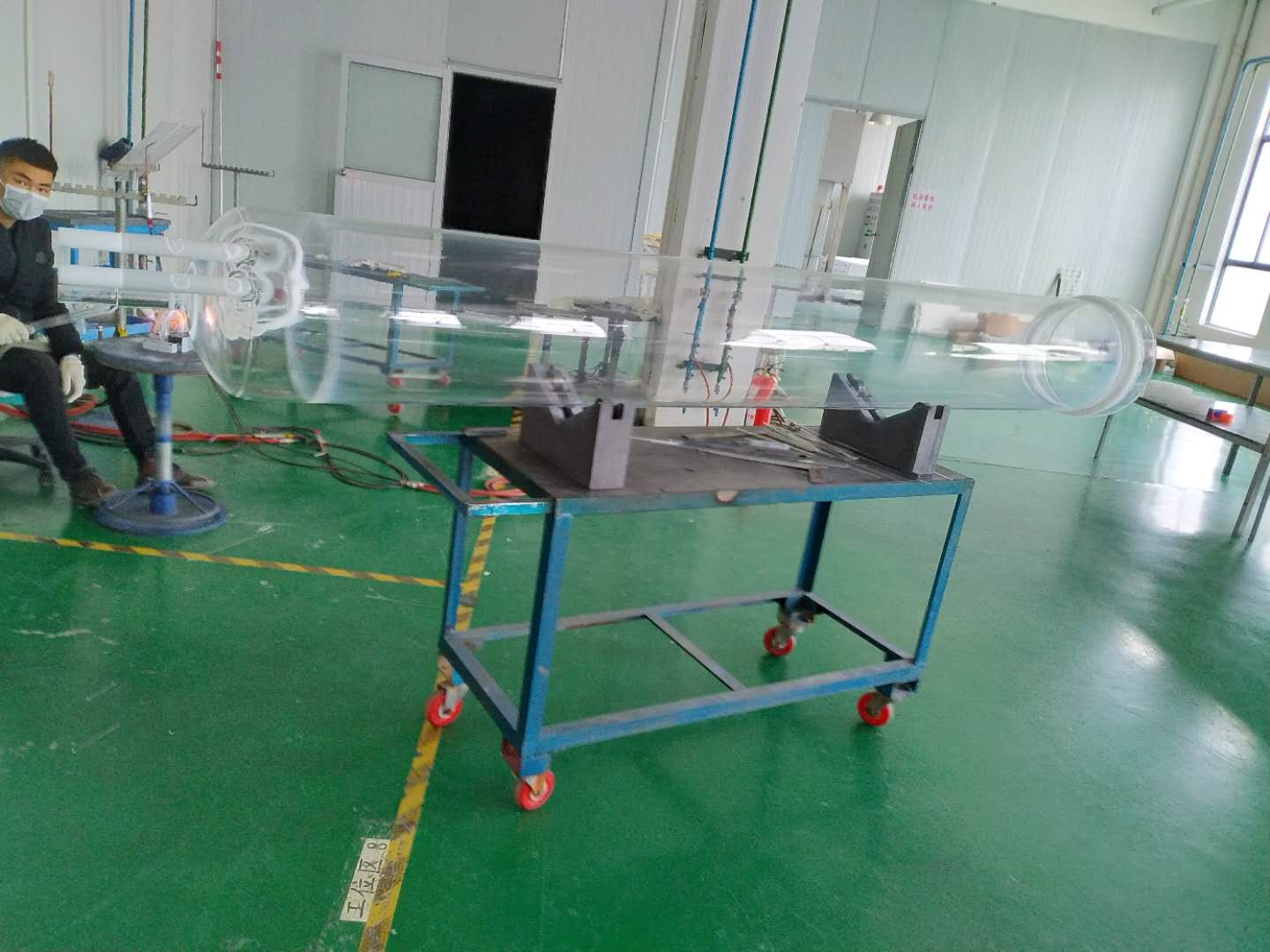
From 5-axis CNC diamond core drilling to hydrogen-oxygen flame lathe fusing, annealing, and optical polishing, 100% of bell jar manufacturing happens within our ISO-monitored facility.
Strict CE Compliance
Our quartz vessels undergo ultrasonic wall-thickness scanning, polariscopic stress grading, and helium mass spectrometry leak testing to satisfy EU safety directives before export.
Agile Technical Support
With an average response turnaround under 5 hours (88.89% verified rate), our senior quartz engineering team assists European buyers with CAD/STEP drawing optimizations.
Frequently Asked Questions: Sourcing Quartz Bell Jars in Madrid
Direct technical answers to common queries from Spanish procurement officers, research engineers, and laboratory managers.
What specific CE and EU standards apply to fused quartz bell jars used in vacuum and thermal applications?
Can Nivra Quartz manufacture bell jars to custom CAD / STEP drawings provided by our Madrid laboratory?
What is the difference between JGS1, JGS2, and JGS3 quartz for bell jar construction?
JGS2 (Standard Fused Quartz): Smelted from natural high-purity quartz crystal rocks, transmitting from 220 nm to 2500 nm. The industry workhorse for standard PVD bell jars, thermal evaporation, and tube furnaces.
JGS3 (Infrared Grade Silica): Water-free (OH < 2-5 ppm) fused quartz with extended infrared transmission through 3500 nm. Preferred in infrared radiant heating chambers, thermal vacuum simulation, and high-temperature optical diagnostics.