Engineered Solutions
High-Purity Quartz Components for Gwangju Industry
Direct manufacturer supply from Donghai quartz hub with ISO9001 & CE certification for Gwangju R&D Innopolis research labs and OEM fabrication lines.
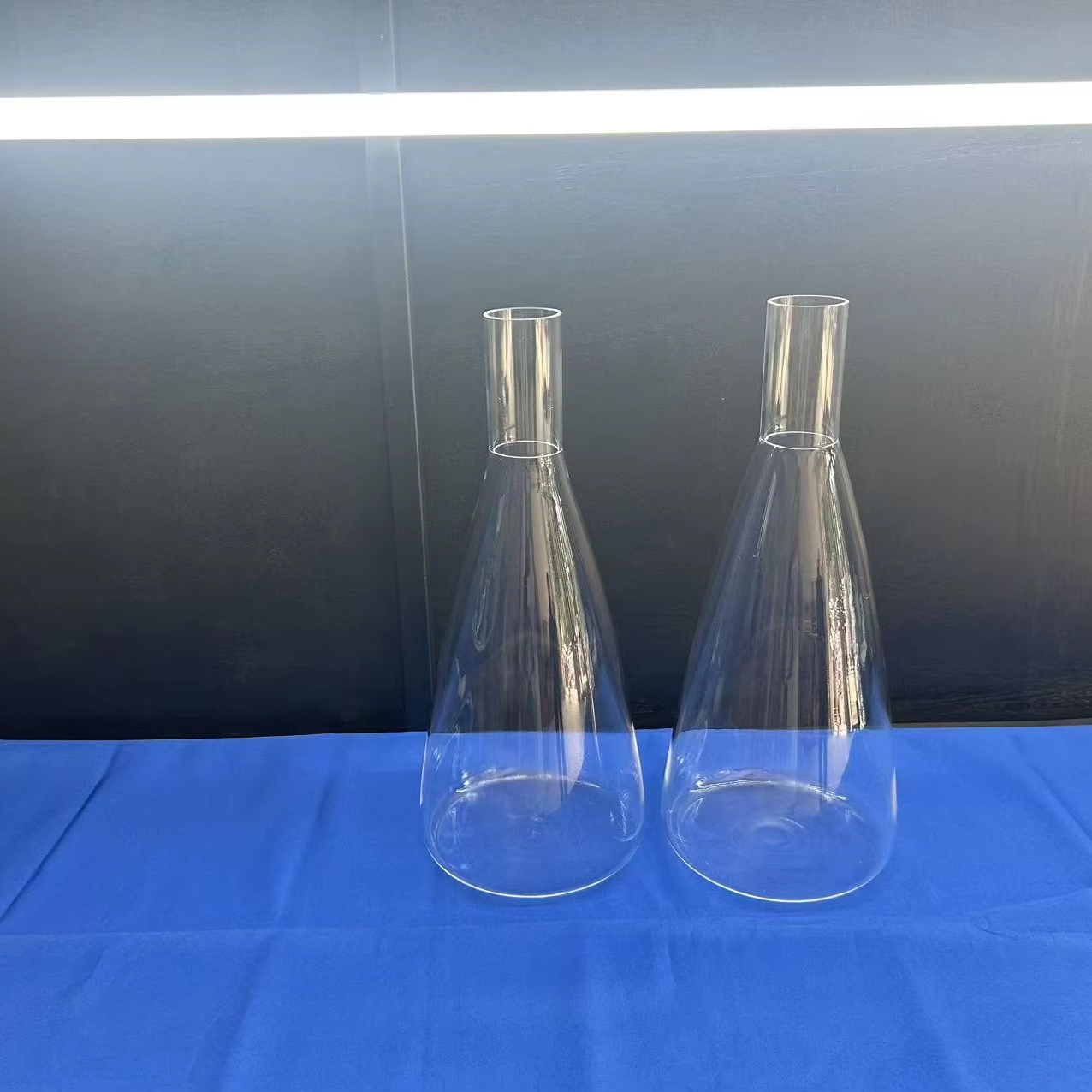
Laboratory Fused Silica Quartz Glass Flask for Analytical Chemistry
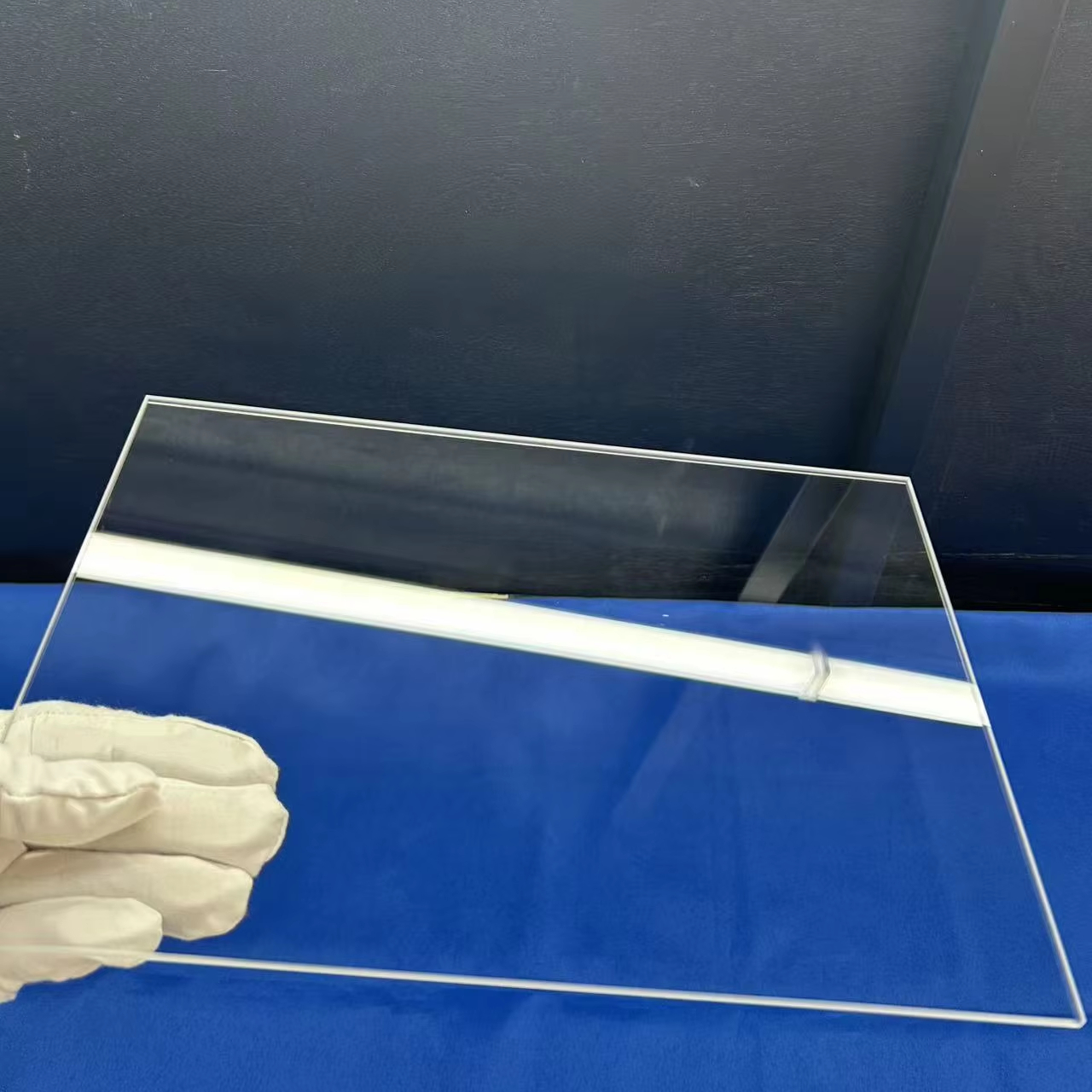
Custom Polished Optical Square Quartz Glass Clear Plate 4mm Thick
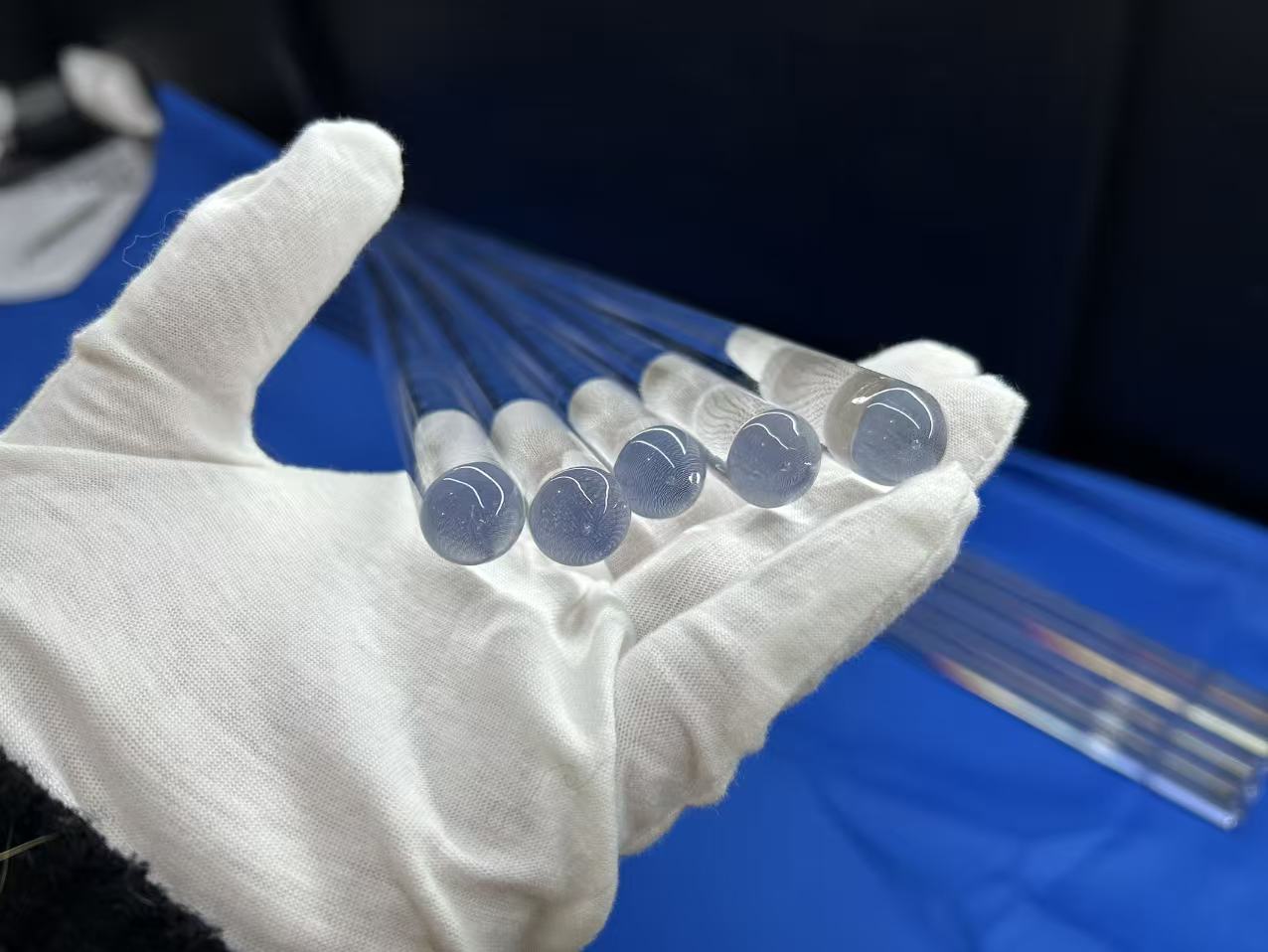
Standard Fused Transparent Quartz Tube for Thermal Furnaces
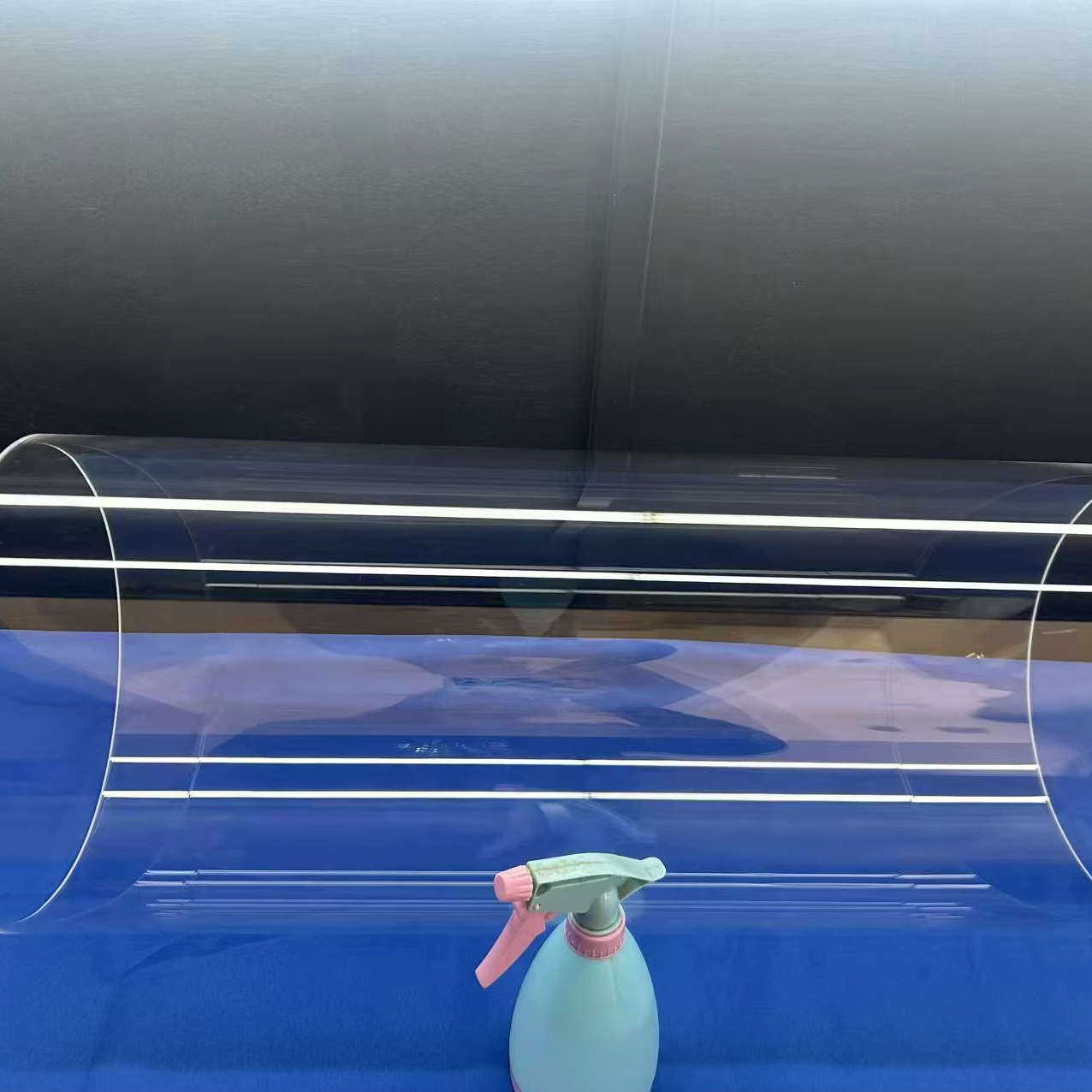
High Purity High-Temperature Resistant Fused Quartz Glass Tube
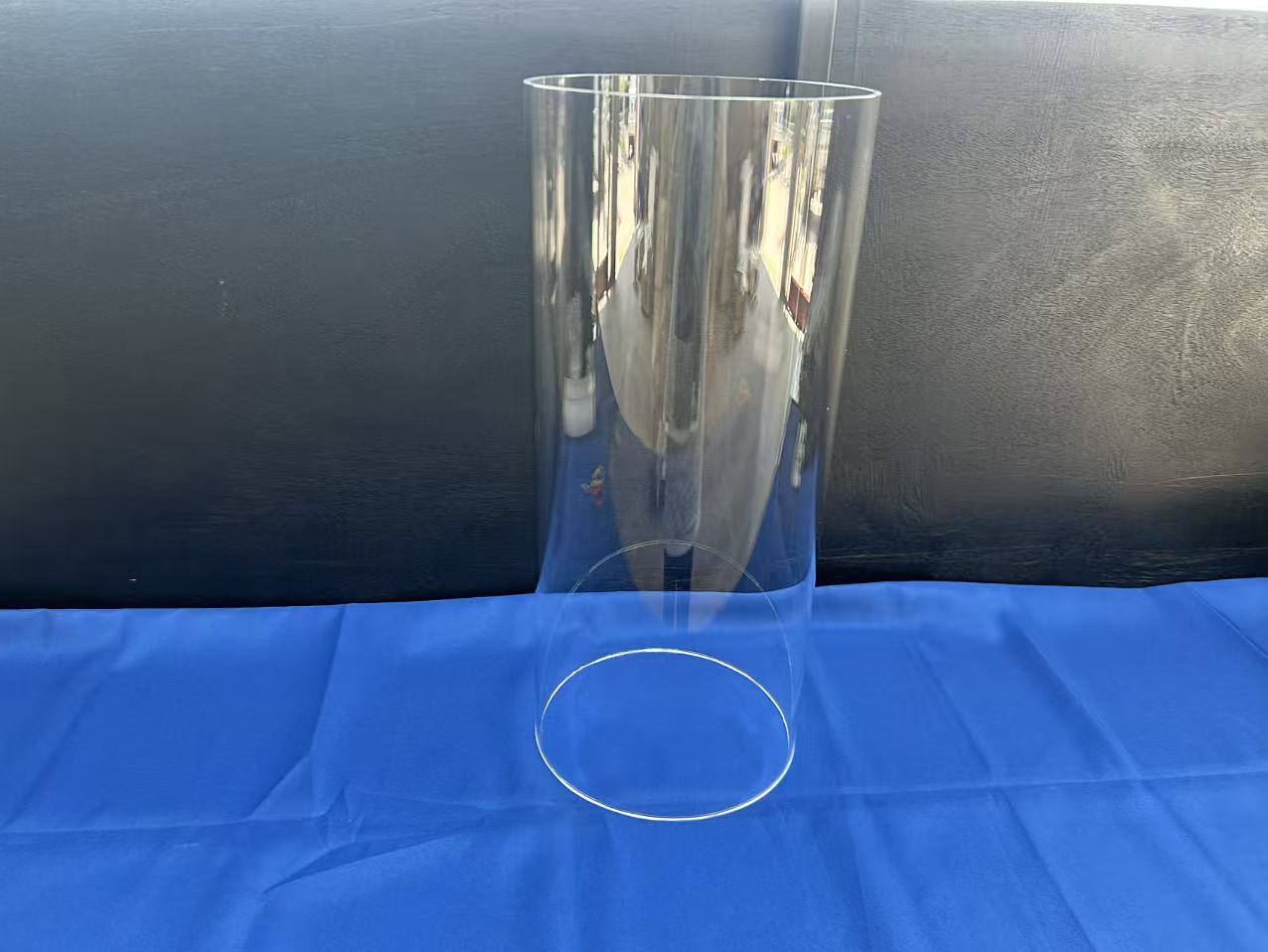
Large-Diameter High-Purity Fused Quartz Tubes (Cutting & Welding)
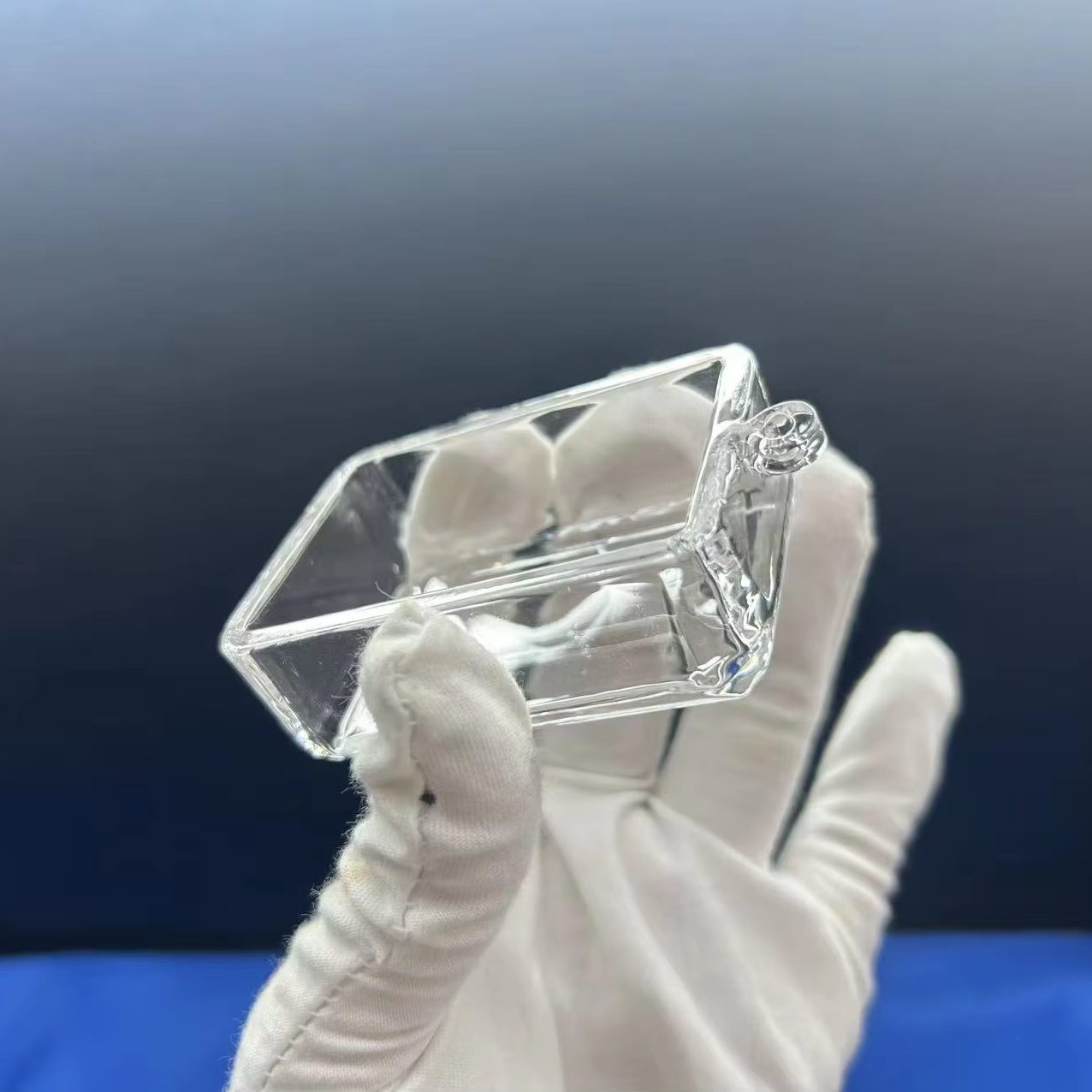
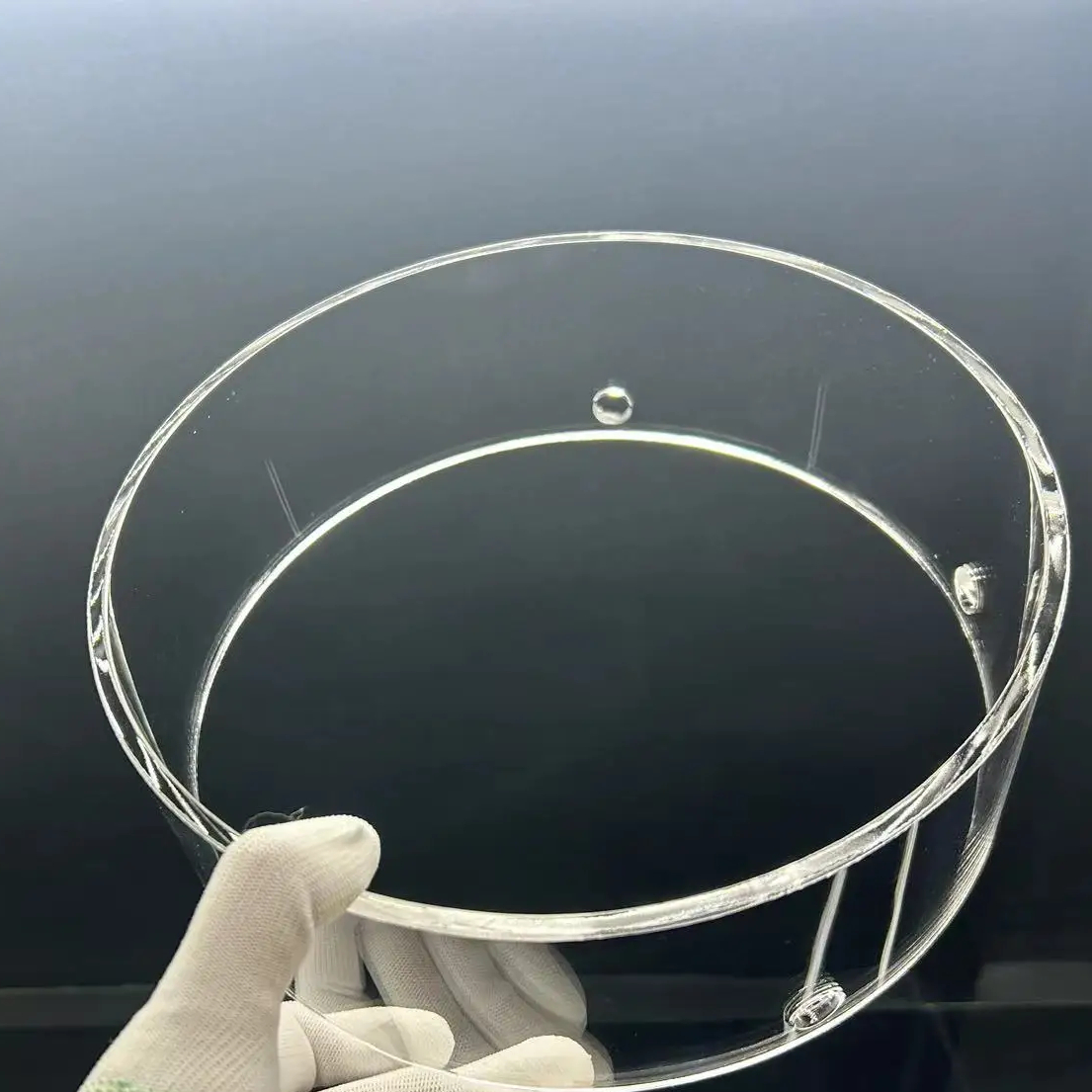
Corrosion-Resistant Fused Quartz Tank for Semiconductor Wet Benches
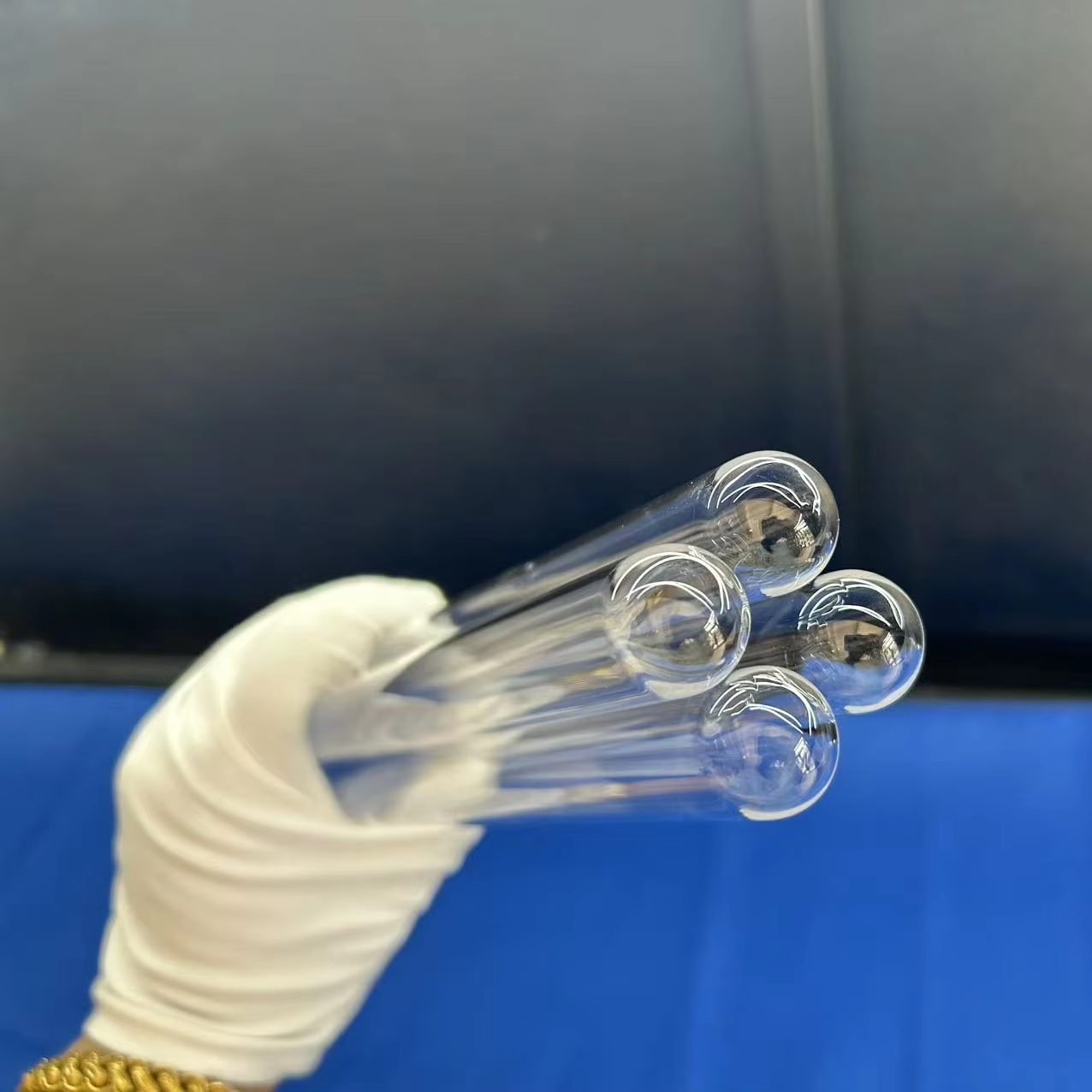
Fused Silica Bottom Sealing Tubes (Dia 20-25mm, Precision Processing)
Technical Whitepaper
Precision CE-Certified Polished Quartz Discs: Material Science & Optical Metrology for Gwangju
In the competitive hierarchy of advanced optoelectronics, quantum photonics, and semiconductor manufacturing, standard commercial glass fails under extreme thermal stress, electromagnetic interference, and UV laser ablation. Donghai County Nivra Quartz Products Co., Ltd. manufactures and exports high-grade CE Certified Polished Quartz Discs designed precisely to address the thermal, mechanical, and optical transmission demands of Gwangju’s specialized optical cluster.
Gwangju, established as South Korea's optical capital through the Cheomdan Science Complex, houses specialized institutions such as the Korea Photonics Technology Institute (KOPTI) and the Gwangju Institute of Science and Technology (GIST). These advanced facilities require synthetic fused silica (JGS1) and high-purity natural fused quartz (JGS2/JGS3) circular discs manufactured to micro-radian surface parallelism, sub-nanometer surface roughness (Ra < 0.5 nm), and verified compliance with European CE directives and international ISO 10110 optical standards.
Synthetic Fused Silica vs. Natural Fused Quartz: Grade Selection Matrix
Selecting the proper quartz matrix is critical to optimizing cost-performance ratios while eliminating catastrophic transmission drop-offs in laser optical paths or vacuum furnace viewing ports. The following comparative data delineates the chemical composition, optical window, and operational limits of the discs we deliver to Korean industrial specifiers:
| Optical / Thermal Metric | JGS1 (Synthetic Fused Silica) | JGS2 (Optical Grade Quartz) | JGS3 (Infrared Fused Quartz) | Thermal Clear Tubing / Tank Grade |
|---|---|---|---|---|
| Nominal Transmission Range | 185 nm – 2,500 nm (Deep DUV/UV) | 220 nm – 2,500 nm (UV-VIS-NIR) | 260 nm – 3,500 nm (Extended IR) | 280 nm – 2,500 nm (Broadband) |
| SiO₂ Purity Level | ≥ 99.999% (5N Synthetic) | ≥ 99.99% (4N Natural Donghai) | ≥ 99.99% (Low OH- Synthetic/Fused) | ≥ 99.98% |
| Hydroxyl (OH⁻) Content | < 5 ppm to 1200 ppm (Grade specific) | < 150 ppm | < 5 ppm (Water-free IR band) | < 180 ppm |
| Surface Roughness (Ra) | < 0.3 nm (Super-Polished CMP) | < 0.5 nm (Precision Double Polished) | < 0.8 nm (Optical Polish) | Commercial Ground or Flame Polished |
| Wavefront Distortion / Flatness | λ/10 to λ/4 @ 632.8 nm | λ/4 to 1λ per 25mm | 1λ to 2λ per 25mm | N/A (Mechanical Tolerance ±0.1mm) |
| Continuous Max Operating Temp | 1,100 °C | 1,150 °C | 1,150 °C | 1,100 °C |
| Laser Induced Damage (LIDT) | > 10 J/cm² @ 355 nm, 10 ns pulse | > 5 J/cm² @ 532 nm, 10 ns pulse | > 7 J/cm² @ 1064 nm, 10 ns pulse | Not rated for direct laser cavities |
Every polished quartz disc exported to Gwangju is accompanied by comprehensive dimensional inspection reports, spectrophotometer transmission curves, and Certificate of Conformance (CoC). Our manufacturing facility utilizes double-sided planetary lapping and chemical-mechanical polishing (CMP) platforms to ensure zero subsurface micro-cracks, minimizing laser absorption and preventing premature optical failure under continuous irradiation.
Regional Integration
Localized Applications Across Gwangju's High-Tech Ecosystem
Engineered to integrate seamlessly with the research methodologies and manufacturing protocols of Gwangju’s specialized industrial parks.
KOPTI & Photonics Cluster R&D
Optical quartz discs act as laser beam-splitting substrates, excimer laser windows (193nm / 248nm), and optical isolator blanks inside the test laboratories of Cheomdan Industrial Park. Zero bubble class (DIN 3140 / ISO 12123) guarantees minimal wavefront disturbance.
Micro-LED & Next-Gen Display Lithography
Gwangju’s aggressive expansion into micro-LED and quantum-dot display technologies demands carrier wafers and exposure mask substrates exhibiting ultra-low thermal expansion (5.5 × 10⁻⁷ /°C) to eliminate thermal drift during high-energy UV patterning.
Automotive LiDAR & Sensor Optics (GGM Ecosystem)
In support of Gwangju Global Motors (GGM) and local Tier-1 ADAS component fabricators, our polished JGS3 discs serve as protective sensor windows transparent to 905nm and 1550nm LiDAR wavelengths, resisting mechanical sand abrasion and thermal cycling shock.
Biomedical Diagnostics & GIST Analytics
Researchers at the Gwangju Institute of Science and Technology utilize custom precision quartz discs as microfluidic observation bases, spectrophotometer cell windows, and fluorescence microscopy plates requiring total absence of intrinsic fluorescence.
Semiconductor Plasma Etch Sight-Glasses
Semiconductor wafer fabrication equipment manufacturers in the Honam corridor utilize thick CE-certified quartz sight-glasses and viewport discs able to withstand severe fluorine/chlorine based plasma environments without clouding or micro-cracking.
Honam Energy Valley High-Power UV Curing
Clean energy and battery assembly facilities in the neighboring Bitgaram Energy Valley utilize circular quartz heat shields and high-transmittance UV curing discs capable of operating reliably at sustained temperatures above 900 °C.
Strategic Market Forecast
Gwangju Photonics & Optical Materials Strategic Roadmap (2025–2030)
Key technological transformations shaping quartz procurement standards within South Korea’s Honam high-tech corridor.
Trend 01 // Integration
AI-Driven Optical Computing & Transceivers
Gwangju’s transition toward establishing an AI-centric industrial complex is accelerating demand for 800G and 1.6T silicon photonics transceivers. These optical systems require fused silica substrates with surface roughness Ra < 0.2 nm to prevent optical insertion losses in micro-optical benches.
Trend 02 // Autonomous Driving
Next-Gen Solid-State LiDAR Packaging
As the Gwangju automotive cluster advances EV and autonomous driving platforms, optical window specifications have shifted toward chemically toughened, anti-reflective (AR) coated quartz discs capable of passing 1000-hour environmental aging tests from -40 °C to +125 °C.
Trend 03 // Quantum Tech
Quantum Sensing & Optical Metrology
Collaborative research between GIST and national institutions into quantum computing requires synthetic quartz discs with near-zero residual stress birefringence (< 2 nm/cm). Discs must maintain precise polarization state fidelity for entangled photon beam paths.
Trend 04 // Sustainable Tech
Green Fab Directives & Traceability
South Korean conglomerates operating under strict ESG frameworks require complete traceability back to high-purity SiO₂ raw quartz sand. Our supply chain guarantees conflict-free, RoHS-compliant refining processes with zero hazardous chemicals utilized in CMP lapping.
Manufacturing Excellence
Donghai County Nivra Quartz: Factory Direct Advantages for Korean Importers
Established in February 2019, Donghai County Nivra Quartz Products Co., Ltd. is strategically sited in Donghai County, Lianyungang, Jiangsu — globally recognized as the epicenter of crystal quartz refining and processing. Operating as a unified manufacturer and exporter with 101 to 200 skilled technical personnel, we eliminate intermediary trading margins to provide direct factory-level pricing, customized precision tolerances, and rigorous quality assurance to our Korean partners.
2019
Established in Donghai
≤ 5h
Average Response Time
88.89%
Inquiry Resolution Rate
5.0 / 5.0
Verified Buyer Rating
CE & ISO9001 Compliance
Full adherence to European CE industrial directives, RoHS 2011/65/EU, and REACH regulations, simplifying import compliance for Korean research and industrial buyers.
Full In-House Machining
Equipped with 5-axis CNC ultrasonic milling, high-precision laser slicing, chemical-mechanical polishing (CMP), and double-side edge chamfering within our modern facility.
Cleanroom Packaging Protocol
Discs undergo multi-stage ultrasonic degreasing, ultra-pure DI water rinsing (18.2 MΩ·cm), class 100 laminar flow packaging in double-vacuum sealed antistatic barrier bags.
Direct Korea Logistics Route
Streamlined air and sea freight forwarding from Lianyungang / Qingdao directly to Incheon Airport or Busan Port, reaching Gwangju factories within 48 to 72 hours of dispatch.
Procurement Intelligence
Frequently Asked Questions for Sourcing Quartz Discs in Gwangju
Addressing engineering specifications, customs logistics, and quality assurance criteria commonly requested by Korean purchasing leads.
What specific CE and international directives apply to your polished quartz discs?
Our polished quartz discs comply with European Directives including 2014/35/EU (Low Voltage Directive for integrated optical assemblies) and 2011/65/EU as amended by (EU) 2015/863 (RoHS 3 compliance for hazardous substance absence). Furthermore, the optical fabrication tolerances align with ISO 10110 standards governing drawing indications for optical elements, guaranteeing complete engineering and regulatory parity with South Korea's KC (Korea Certification) benchmark protocols.
How do you ensure zero chipping and strict surface roughness during CMP polishing?
Our manufacturing workflow employs automated double-side planetary CMP polishers utilizing sub-micron cerium oxide and colloidal silica slurries with optimized pH balance. Edges are beveled with a standard C0.2 to C0.5 mm protective chamfer (or rounded R-edge) prior to final polishing to eliminate edge chipping. Every batch is validated via white-light 3D optical profilometry and Zygo laser interferometry to confirm Ra < 0.5 nm and scratch-dig specifications of 20-10 or 40-20 per MIL-PRF-13830B.
What is the typical shipping lead time and customs route to Gwangju, South Korea?
From our manufacturing center in Donghai, Jiangsu, standard prototype batches (1 to 50 pcs) are dispatched via DHL/FedEx/SF Express air freight through Qingdao or Shanghai to Incheon International Airport within 24 hours of completion, arriving at Gwangju High-Tech Industrial Complex in 2 to 4 working days total. For bulk production shipments, multimodal container freight reaches Busan or Gwangyang Port within 3 to 5 days, where our logistics partners handle prompt Korea-China FTA preferential customs clearance (Form F / RCEP) to eliminate tariffs.
Can Nivra Quartz accommodate non-standard custom shapes, steps, and drill holes?
Yes. Beyond standard circular polished discs (diameters from 5 mm up to 450 mm; thickness from 0.5 mm to 50 mm), our 5-axis CNC machining center routinely produces stepped viewport discs, center-drilled substrate wafers, elliptical sight-glasses, and disc surfaces with laser-etched fiducial alignment marks or anti-reflective (AR / BB-AR) coatings based on client STEP, DWG, or PDF engineering blueprints.
How does hydroxyl (OH⁻) content impact discs used in high-power laser and infrared applications?
Hydroxyl radicals induce an intense absorption peak around 2.73 µm in the infrared spectrum. For Gwangju clients operating mid-infrared optics, fiber lasers, or thermal observation instruments, we provide water-free JGS3 quartz featuring OH⁻ content below 5 ppm, eliminating thermal lensing and optical energy dissipation. Conversely, for excimer UV systems (193nm / 248nm), high-OH synthetic silica (JGS1) is supplied to maximize deep-UV solarization resistance and laser durability.
What are your minimum order quantities (MOQ) and sample verification policies?
We welcome pilot prototyping and R&D trials from academic institutions like GIST and corporate incubators. The MOQ for standard optical quartz discs starts at just 1 to 5 pieces. For custom CNC-machined or custom-thickness discs, prototype runs begin at 5 to 10 pieces with full metrology inspection reports included prior to committing to mass production volumes.
What clean packaging methods are implemented to eliminate particulate contamination in transit?
Finished quartz discs undergo ultrasonic solvent degreasing and final rinsing in 18.2 MΩ·cm deionized water. They are dried under filtered hot nitrogen and individually packed inside lint-free optical lens tissue, housed in individual shockproof antistatic plastic wafer carriers, and hermetically sealed inside double-layer vacuum foil pouches within our Class 1,000 cleanroom. Outer packaging utilizes heavy-duty reinforced foam cartons or export-grade fumigated wooden crates.
Accelerate Your Gwangju Optics Project with Factory-Direct Precision
Send your CAD drawing, dimensional tolerances, and transmission requirements directly to our engineering team. Receive technical review and an actionable formal quote within 5 hours.