Engineered Optical Quartz & Fused Silica Substrates
Fabricated to ISO 10110 optical standards and CE industrial safety directives. Choose standard configurations or send your engineering STEP/DWG drawings for custom double-sided optical polishing (λ/10 wavefront error, Ra < 0.5 nm).
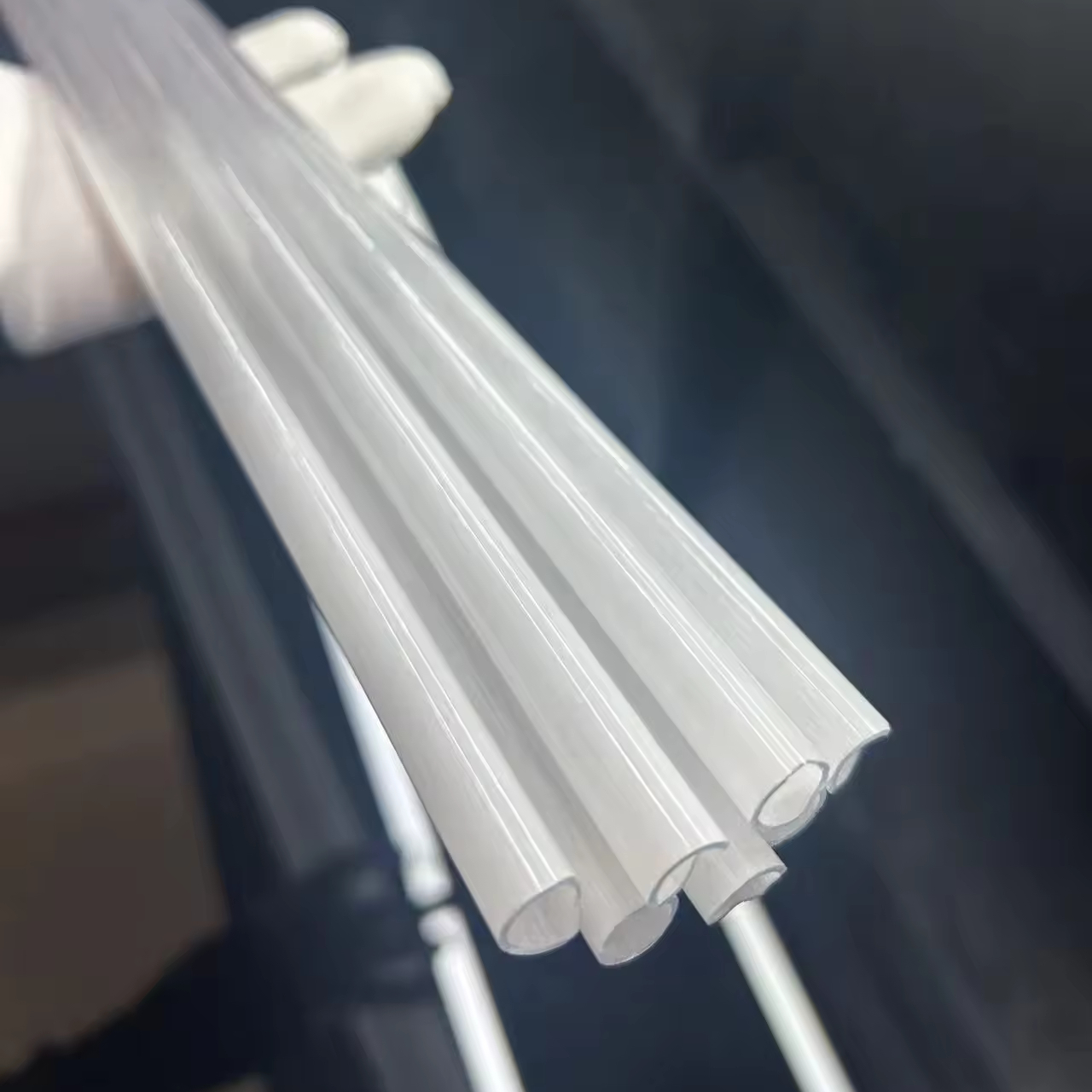
Translucent Quartz Glass Pipe Quartz Glass Sleeve Opaque Milky White Quartz Glass Tube
View Specification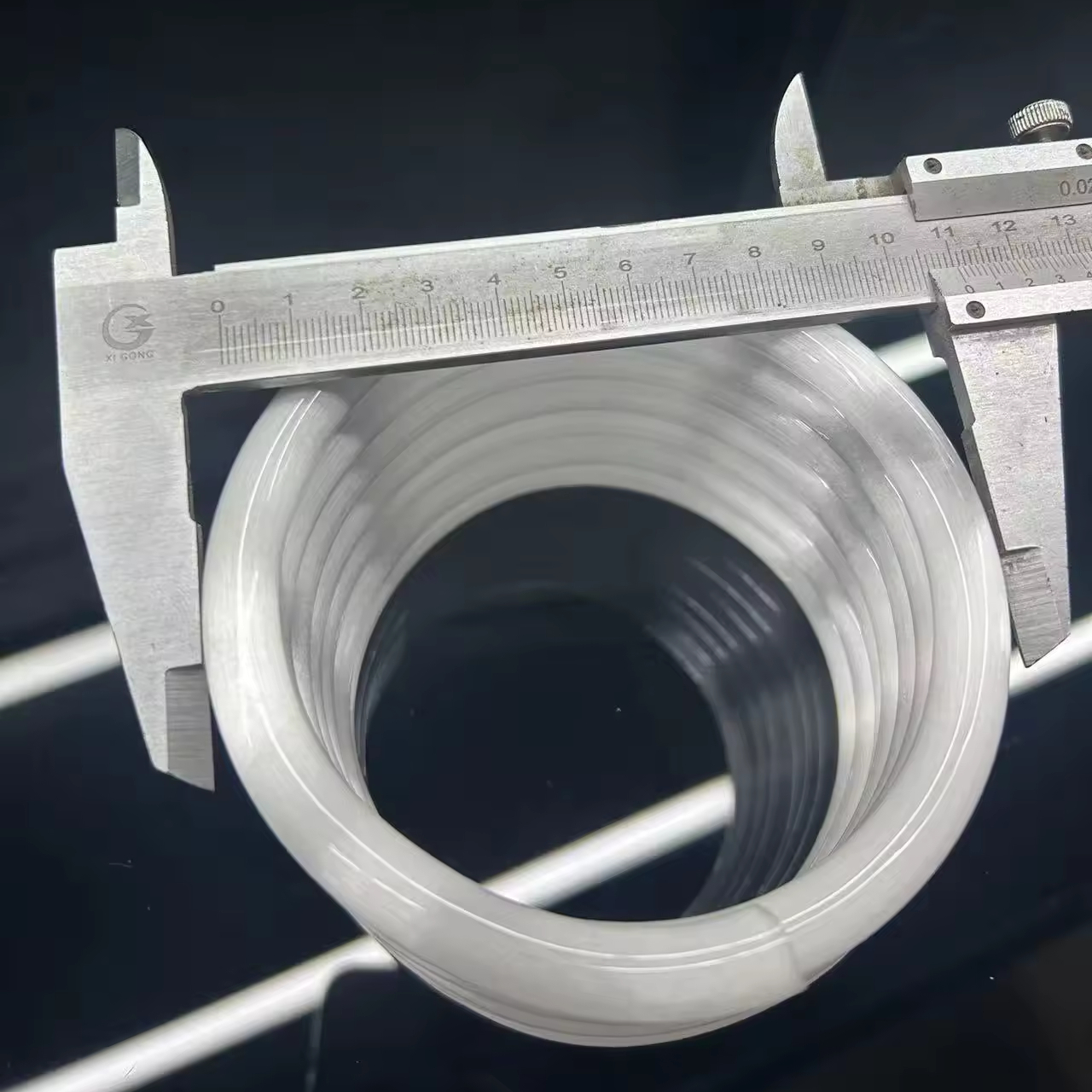
Helical Clear Quartz Glass Coil t Tube
View Specification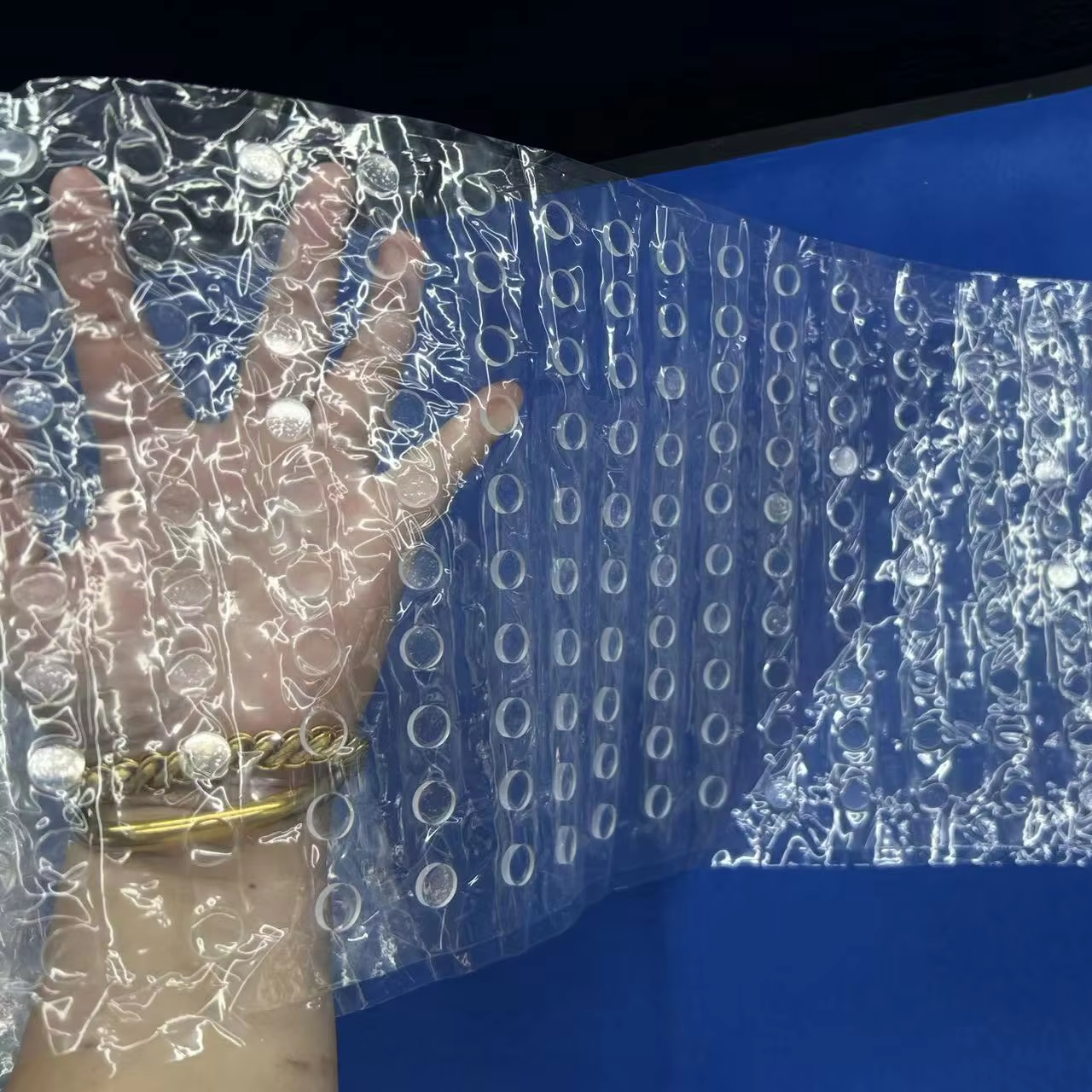
Factory-Made High-purity Small Size Quartz Wafer, Provide Cutting and Polishing Services
View Specification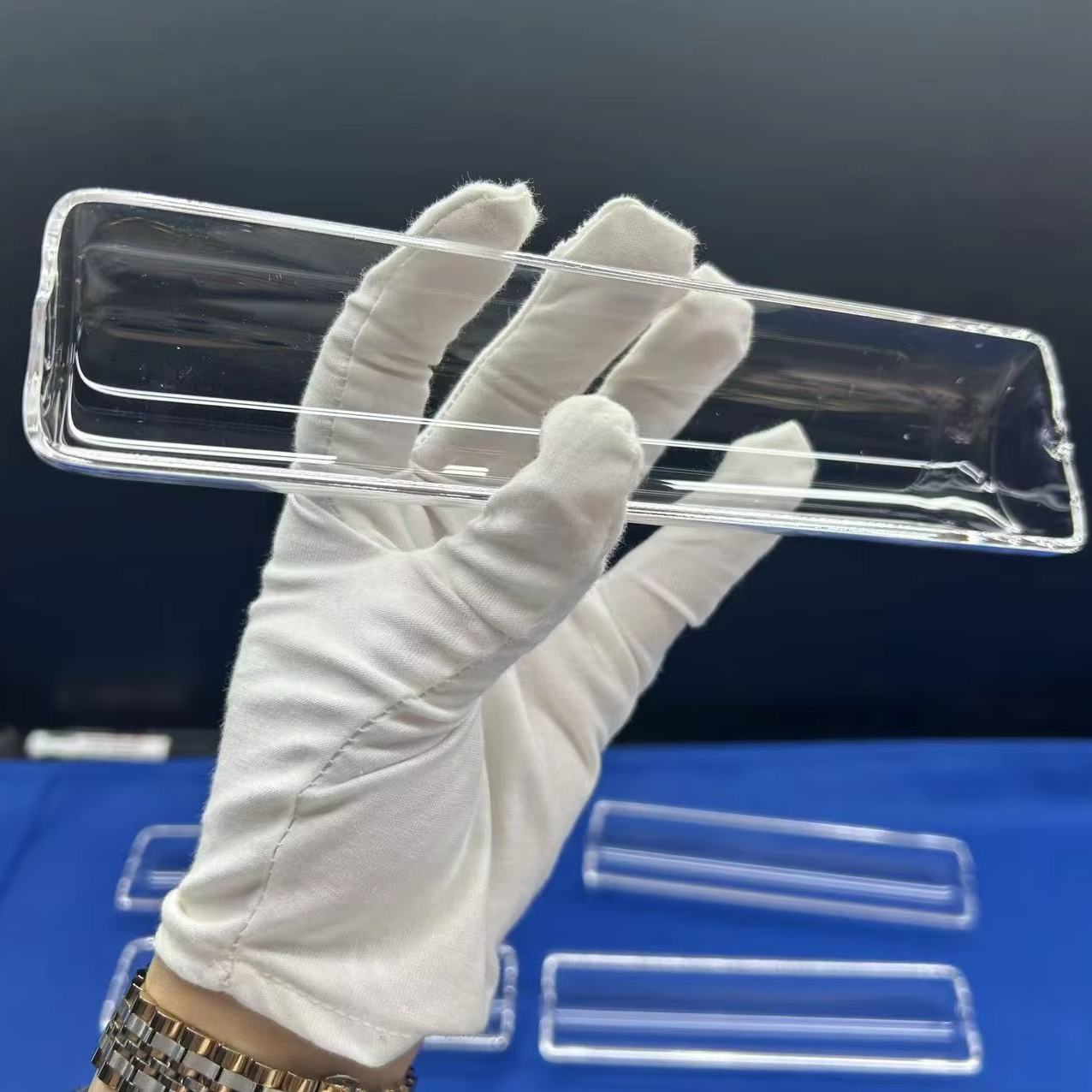
Customized Clear Fused Silica Quartz Boat Polished Clear Quartz Wafer Carrier
View Specification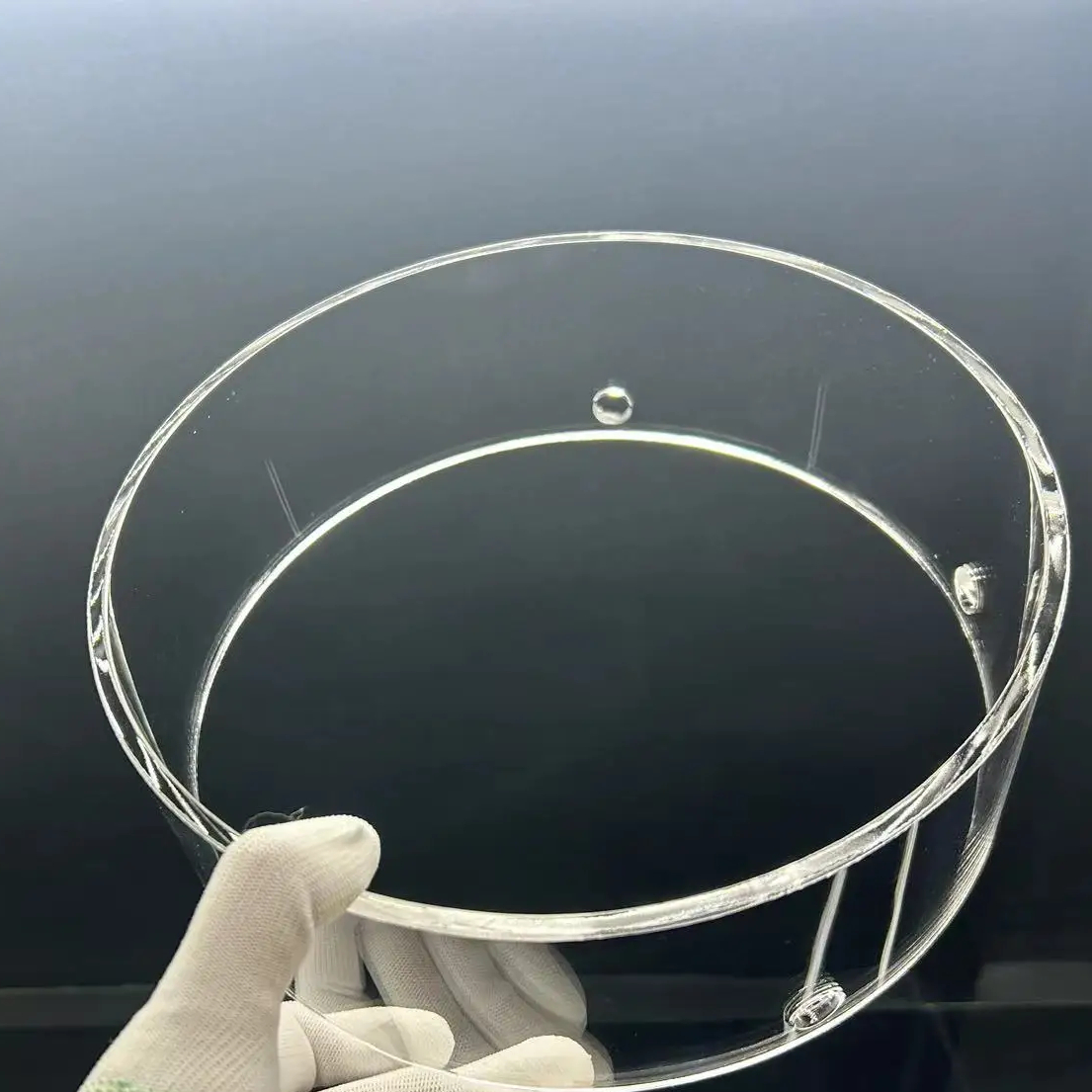
Fused Transparent Quartz Tube
View Specification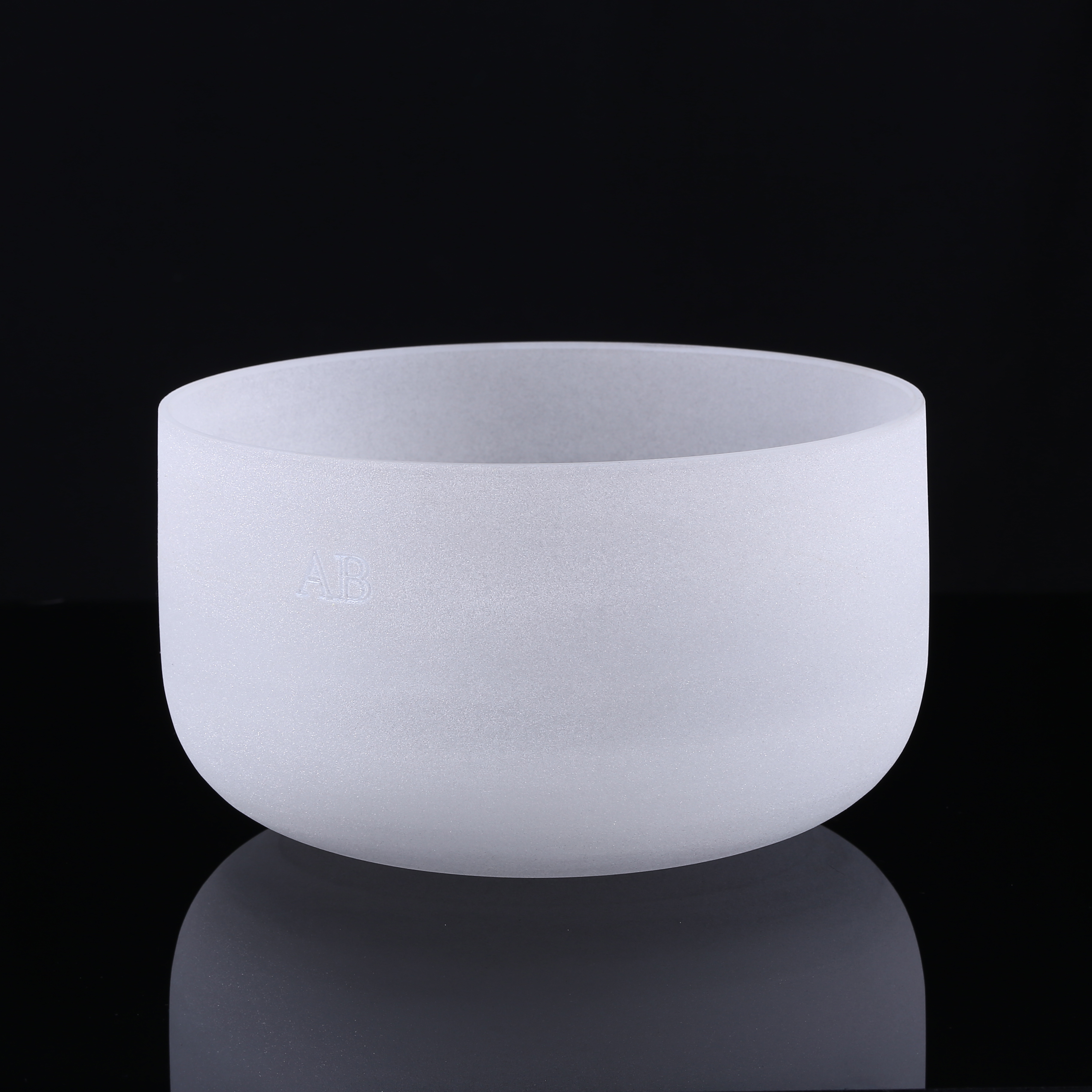
High Temperature Fused Silica Quartz Crucible
View Specification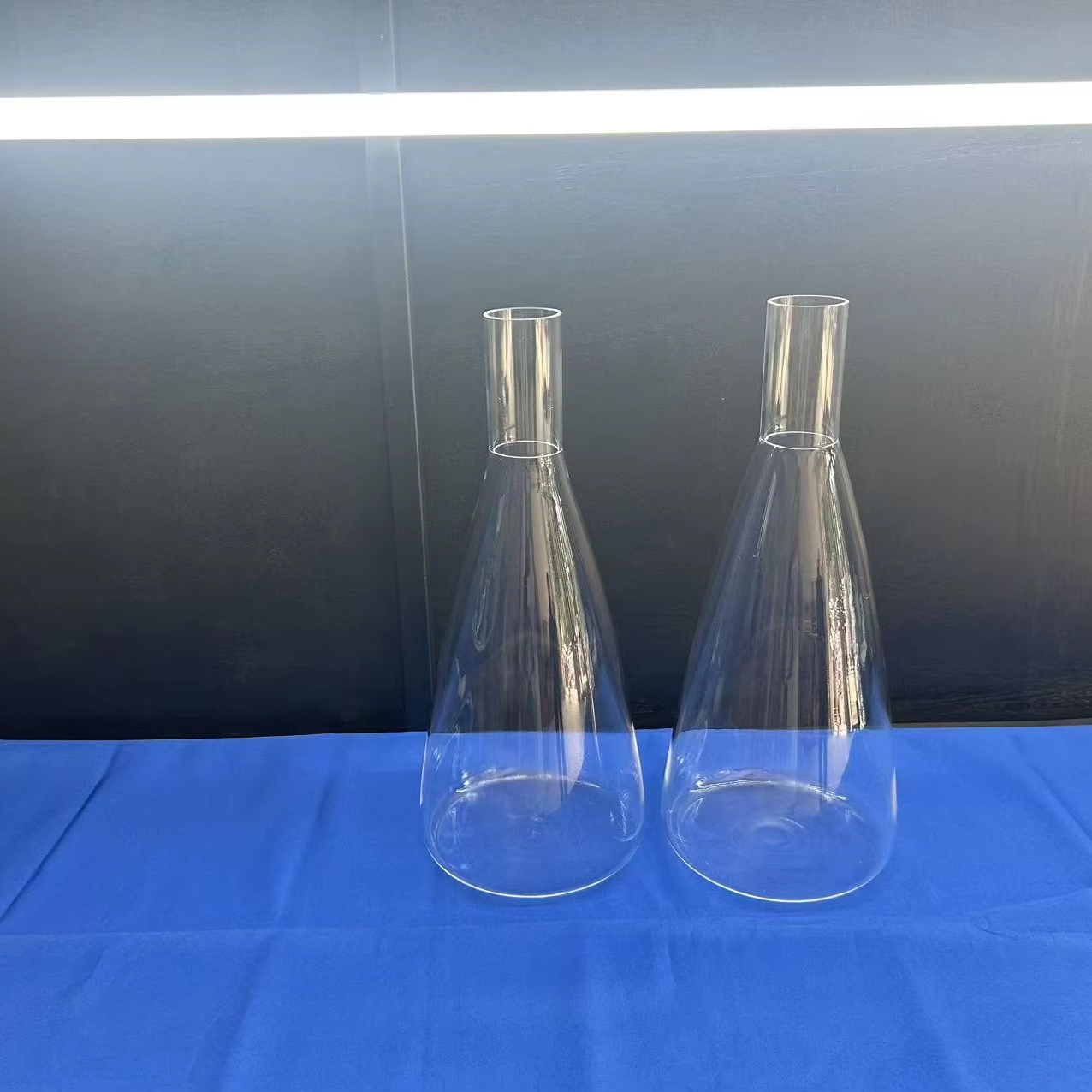
Laboratory Fused Silica Quartz Glass Flask
View Specification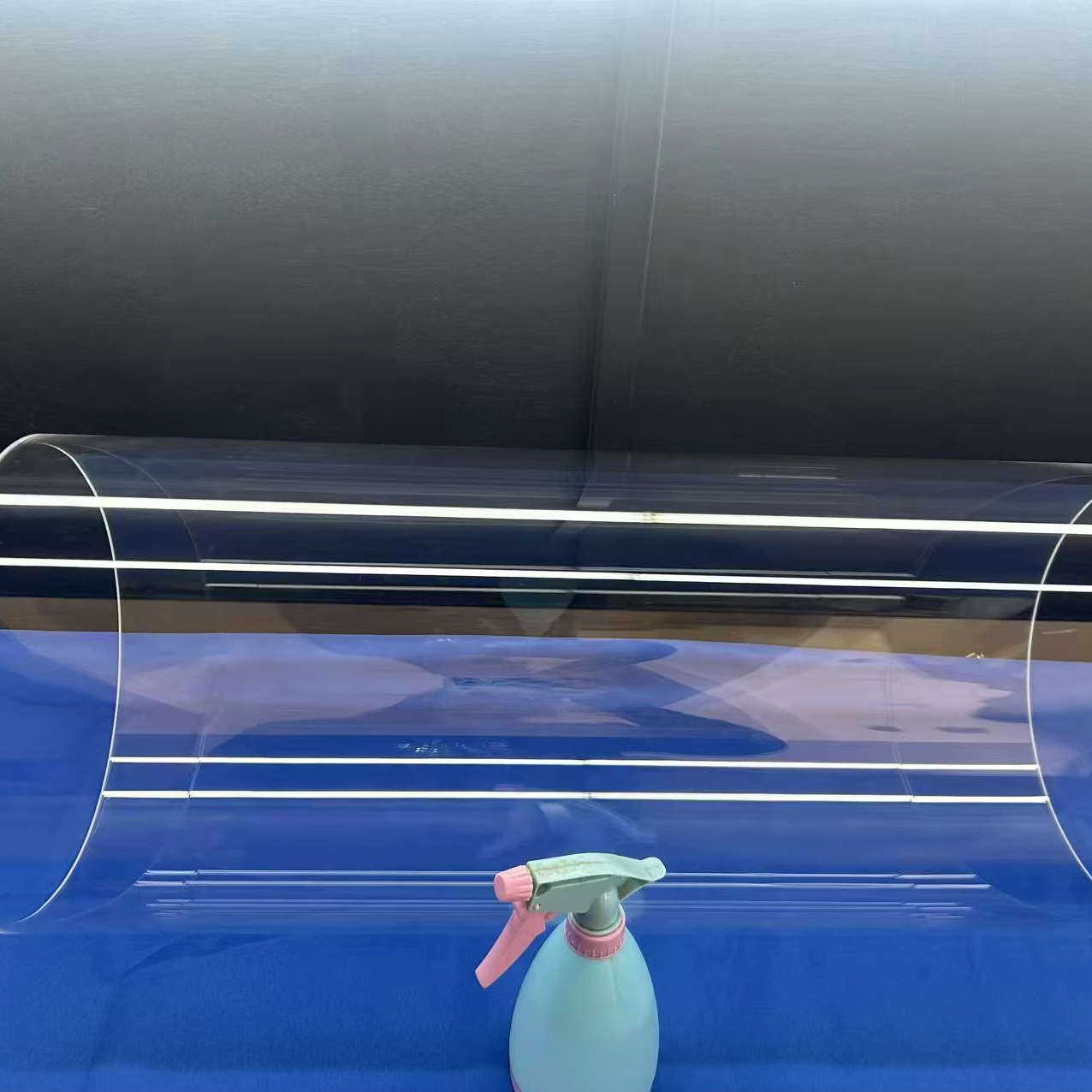
Customizable High Purity Fused Quartz Glass Tube High Temperature Resistant
View SpecificationMaterial Physics, Spectral Transmission, & CE Compliance
Optical quartz windows deployed across Greater Boston's industrial research nodes must satisfy strict criteria regarding hydroxyl (OH) absorption, surface micro-roughness, laser-induced damage thresholds (LIDT), and European Conformity (CE) safety Directives.
Deep UV Synthetic Silica (JGS1)
Synthesized via vapor phase oxidation of silicon tetrachloride (SiCl₄), JGS1 contains virtually zero metallic trace impurities (< 0.1 ppm total metals) with controlled OH concentration (~1200 ppm). It offers exceptional internal transmission from 185 nm to 2500 nm without fluorescent color centers, making it the premier choice for 193 nm ArF and 248 nm KrF excimer laser windows, Kendall Square biophotonic cytometry, and DUV illumination flats.
Optical Grade Fused Quartz (JGS2)
Fusing high-purity natural quartz crystals in hydrogen-oxygen thermal flames results in JGS2 material. Exhibiting robust physical integrity across the 220 nm to 2500 nm band, it represents a cost-effective optical window material for spectroscopy viewports, plasma vacuum chamber sight glasses, furnace inspection ports, and pyrometric monitoring windows across Massachusetts industrial facilities.
Infrared Water-Free Quartz (JGS3)
Electrically fused in high-vacuum environments, JGS3 eliminates the 2.73 μm fundamental hydroxyl (OH) absorption band (< 2 ppm OH-). Delivering consistent optical transparency from 260 nm deep into the mid-infrared up to 3500 nm, it serves Route 128 defense optics, thermal imaging infrared pyrometry, and environmental Fourier-transform infrared (FTIR) gas analysis cells.
| Optical / Physical Parameter | Synthetic Fused Silica (JGS1) | Optical Fused Quartz (JGS2) | Infrared Fused Silica (JGS3) | Inspection & Test Standard |
|---|---|---|---|---|
| Usable Transmission Band | 185 nm – 2,500 nm (DUV to NIR) | 220 nm – 2,500 nm (UV to NIR) | 260 nm – 3,500 nm (Full IR band) | PerkinElmer Lambda 1050+ UV/Vis/NIR |
| Hydroxyl (OH⁻) Content | ~1,200 ppm (high water) | 150 – 200 ppm | < 2 – 5 ppm (water free) | FTIR Spectroscopy (2720 cm⁻¹) |
| Surface Flatness (Wavefront) | λ / 10 to λ / 20 @ 632.8 nm | λ / 4 to λ / 8 @ 632.8 nm | λ / 4 to λ / 10 @ 632.8 nm | Zygo Verifire™ Phase Interferometer |
| Surface Roughness (Ra) | < 0.2 nm (Superpolished) | < 0.5 nm (Precision pitch) | < 0.4 nm (High polish) | Atomic Force Microscopy (AFM) |
| Laser Damage Threshold (LIDT) | > 15.0 J/cm² (1064 nm, 20 ns, 20 Hz) | > 7.5 J/cm² (1064 nm, 20 ns, 20 Hz) | > 10.0 J/cm² (1064 nm, 20 ns, 20 Hz) | ISO 21254-1/2/3 Pulsed Laser Test |
| Thermal Expansion (20°C–300°C) | 5.5 × 10⁻⁷ / °C | 5.5 × 10⁻⁷ / °C | 5.5 × 10⁻⁷ / °C | ASTM E228 Push-Rod Dilatometry |
| Scratch-Dig (MIL-PRF-13830B) | 10-5 to 20-10 Laser Grade | 40-20 Standard Scientific | 20-10 to 40-20 Sensor Grade | Visual / Microscopic Darkfield Check |
| CE Directives & Compliance | RoHS (2015/863), REACH, PED | RoHS (2015/863), REACH, PED | RoHS (2015/863), REACH, PED | Notified Body Technical Documentation |
Deployment Scenarios Across Greater Boston Ecosystems
From Kendall Square's biotech innovators to Route 128's semiconductor metrology fabs and Route 495's defense optics complexes, optical quartz windows serve mission-critical roles in New England's most demanding cleanrooms.
Kendall Square Life Sciences
In Cambridge biotech and pharmaceutical laboratories, JGS1 fused silica windows serve as critical flow cell apertures in automated DNA sequencing systems, multi-photon confocal microscopes, and high-throughput microfluidic chip readers. Zero autofluorescence under 365 nm, 405 nm, and 488 nm laser excitation guarantees low background noise for single-molecule detection.
Route 128 Wafer Metrology
Sub-nanometer polished fused quartz flats and optical viewports integrate directly into semiconductor inspection tools across Burlington, Lexington, and Woburn. Resistant to corrosive chemical vapor deposition (CVD) gases and vacuum conditions, these windows enable uninterrupted in-situ spectroscopic ellipsometry and non-destructive wafer pattern overlay verification.
Quantum Nodes & Cold-Atom Fabs
Research facilities at MIT, Harvard, and Lincoln Laboratory depend on custom non-magnetic CF flange-mounted fused silica viewports with specialized dual-band V-coatings. These ultra-high vacuum (UHV) windows sustain base pressures down to 10⁻¹¹ Torr while transmitting 780 nm and 852 nm optical trapping beams without introducing wavefront distortions or optical phase retardance.
Route 495 Defense & Aerospace
Ruggedized optical quartz viewports engineered for thermal shock resistance (ΔT > 1000°C quench survival) are utilized in airborne targeting systems, environmental test chambers, and high-energy laser rangefinders. Nivra's precision double-side pitch-polishing ensures minimal beam deviation (< 10 arcseconds) across wide temperature swings.
Regional Market Trends: Boston Photonics & Cleanroom Sourcing
Procurement engineers across Massachusetts are pivoting away from multi-tier distributor markups, shifting toward direct OEM collaboration with certified quartz processing factories that provide full material trace certificates and competitive factory-direct lead times.
Disintermediation of Catalog Markups
Traditional New England optical catalogs frequently add 250% to 400% premiums to cover domestic warehousing. By engaging directly with Nivra Quartz's Donghai facility, procurement managers secure true factory-gate pricing, serialized interferometric inspection sheets, and direct technical alignment with optical fabrication engineers.
Strict CE & Pressure Safety Audits
Industrial vacuum systems and high-pressure chemical autoclaves exported or operated within strict corporate compliance regimes mandate adherence to the Pressure Equipment Directive (PED 2014/68/EU) and EN 12254 viewing standards. Certified quartz glass ensures structural tensile strength and predictable burst pressure calculations under thermal cyclic stress.
ISO Class 5 Vacuum Packaging
Boston fabs cannot afford airborne particulate or volatile organic compound (VOC) residues on delicate optical windows. Nivra enforces ultrasonic deionized chemical washing followed by dual-layer antistatic vacuum sealing within cleanroom environments, allowing immediate unpacking in ISO 5 lithography bays without pre-cleaning cycles.
Nivra Quartz: Vertical Integration & Engineering Purity
Headquartered at 285 Heping East Road, Lianyungang, Donghai County—the world-renowned capital of crystal and quartz—Donghai County Nivra Quartz Products Co., Ltd. combines raw ingot refinement, precision CNC grinding, and optical pitch polishing under one certified quality management framework.
≤ 5-Hour Response Time
Operating with an 88.89% verified response rate across international inquiries, our technical support engineers review your CAD drawings, optical tolerances, and application requirements within 5 hours, delivering actionable feedback and transparent DDP/FOB quotation matrices.
5.0 / 5 Verified Buyer Rating
With North America representing over 40% of our global export distribution, we maintain flawless 5.0/5 ratings across product quality, shipping punctuality, and dimension fidelity, backed by independent on-site factory verification audits.
In-House Optical Machining Chain
From diamond wire slicing and CNC core drilling to double-sided planetary lapping, chemical fire-polishing, and precision chamfering, our facility eliminates sub-tier contractors. Every optical window is checked for transmitted wavefront distortion and laser cleanliness before dispatch.
Frequently Asked Questions for Boston Optical Buyers
In-depth technical answers addressing regulatory compliance, optical surface tolerances, logistics protocols, and direct factory procurement for Massachusetts engineering teams.
How does Nivra Quartz support custom optical window designs for Boston R&D teams? +
We operate fully equipped OEM/ODM fabrication lines capable of tailoring outer dimensions (from ∅3 mm micro-optics up to ∅450 mm astronomical/lithographic flats), thickness profiles (0.2 mm wafers to 50 mm pressure blocks), and specialized geometries such as stepped sight glasses, drilled vacuum ports, polished bevels, and custom notch alignments. Simply supply a PDF, DXF, or STEP drawing along with target transmission bands (JGS1, JGS2, JGS3), and our optical engineering team provides design-for-manufacturing (DFM) verification within 5 hours.
What CE and international standards apply to optical quartz windows exported to the USA? +
Although CE marking primarily targets European Union market entry, international engineering firms located throughout Greater Boston rely on CE compliance (including RoHS Directive 2011/65/EU and 2015/863/EU amendment, and REACH Regulation EC 1907/2006) as an absolute assurance of material purity and non-toxicity. For pressurized viewports in autoclaves and plasma reactors, components satisfy the design principles of the Pressure Equipment Directive (PED 2014/68/EU), ensuring safety factors under severe hydrostatic and thermal loading.
Why choose JGS1 synthetic silica over standard borosilicate or soda-lime glass for lab viewports? +
Standard glasses (e.g., BK7 or borosilicate) exhibit steep absorption cutoffs below 350 nm, display high thermal expansion coefficients (32 × 10⁻⁷ / °C for borosilicate), and soften around 820°C. In contrast, JGS1 fused silica transmits effortlessly down to 185 nm, possesses a near-zero thermal expansion coefficient of 5.5 × 10⁻⁷ / °C (preventing thermal lensing in high-power laser setups), and withstands continuous operating temperatures of 1100°C (with short-term resistance to 1450°C), eliminating risk of thermal shock fracture during rapid cooling.
What surface quality and flatness tolerances are verified prior to shipment? +
Our optical polishing division operates automated Zygo Verifire™ laser interferometers and non-contact profilometers. Windows can be produced to wavefront flatness tolerances of λ/4, λ/10, or λ/20 at 632.8 nm, with surface scratch-dig ratings conforming to MIL-PRF-13830B (typically 40/20 for general photonics, 20/10 for imaging systems, and 10/5 for high-damage-threshold laser optics). Parallelism can be maintained below 10 arcseconds to prevent beam deflection in precision interferometers.
What are the typical lead times and shipping procedures for delivery into Logan Airport or Boston cleanrooms? +
For rapid prototyping, sample optical quartz flats are typically fabricated and polished within 5 to 8 working days. Production batches are dispatched via priority air express (FedEx International Priority, DHL Express, or air cargo directly into Boston Logan International Airport - BOS), with transit transit times ranging from 3 to 6 calendar days. Every package features custom high-density closed-cell EPE foam inserts, drop-tested rigid wooden export crates, and moisture-barrier vacuum bagging.
How does Nivra Quartz prevent solarization and color-center formation in DUV/UV applications? +
Solarization (transmittance degradation and darkening under prolonged 193 nm or 248 nm exposure) is predominantly caused by trace metallic contaminants (iron, titanium) and strained oxygen vacancy bonds. By utilizing high-purity synthetic fused silica raw ingots (JGS1) characterized by high hydrogen loading and controlled OH bond distribution, our optical windows remain completely resistant to E-center radiation defects, maintaining stable transmission curves over millions of laser pulses.
Request Engineering Quotes & Material Samples
Connect directly with Nivra Quartz's technical engineering department. Whether you require standard optical viewports, high-temperature furnace tubes, or micro-machined fused silica components for Boston labs, we deliver exact tolerances, rapid turnarounds, and factory-direct pricing.
Contact Us