Industrial Engineering Whitepaper
High-Purity Fused Silica Powder & Quartz Components: Material Science and Industrial Viability for the Famagusta Market
In the rapidly expanding industrial and maritime corridors of Northern Cyprus, Famagusta (Gazimağusa) occupies an indispensable logistical and industrial position. As industrial operations modernise across maritime logistics, composite manufacturing, desalination infrastructure, and technical university laboratories, the demand for CE-certified high-purity fused silica powder and precision quartzware has reached an unprecedented turning point. This whitepaper analyzes the thermodynamic properties, morphology, chemical inertia, and application requirements governing the procurement of amorphous silica materials in Famagusta.
1. Thermodynamic Characteristics & Amorphous Structure: Why Fused Silica Outperforms Crystalline Quartz
Fused silica powder is synthesized by melting exceptionally high-grade natural silica sand ($\text{SiO}_2 \ge 99.9\%$) in specialized electric arc or rotary resistance furnaces at temperatures exceeding $2000^\circ\text{C}$, followed by rapid quenching. This process transforms the ordered, hexagonal crystalline network of $\alpha$-quartz into an isotropic, non-crystalline, amorphous glass matrix.
The primary operational dividend of this amorphous structure is an exceptionally low coefficient of thermal expansion ($\alpha \approx 0.54 \times 10^{-6}/\text{K}$ across the $20^\circ\text{C}$ to $1000^\circ\text{C}$ operating range). When subjected to catastrophic thermal cycling—such as rapid quenching in marine cooling systems or molten metal induction foundries—fused silica exhibits virtually zero volume discrepancy, effectively eliminating catastrophic spalling and mechanical micro-fracturing. For industrial plant operators located near the Famagusta free port and surrounding industrial parks, utilizing CE-certified fused silica powder rather than standard ground silica flour prevents premature matrix failure in refractories, epoxy tooling, and structural encapsulation compounds.
2. Chemical Purity and Trace Contaminant Mitigation
In high-voltage electrical casting, technical ceramics, and chemical process engineering, trace contamination within silica powders creates fatal dielectric loss and microstructural defect propagation. At Nivra Quartz, manufacturing protocols enforce strict iron ($\text{Fe}_2\text{O}_3 \le 15\text{ ppm}$), alumina ($\text{Al}_2\text{O}_3 \le 20\text{ ppm}$), and alkali ($\text{Na}_2\text{O} + \text{K}_2\text{O} \le 10\text{ ppm}$) thresholds.
| Property Parameter |
Amorphous Fused Silica Powder |
Standard Crystalline Quartz Flour |
Nivra Optical Grade Fused Quartz |
| $\text{SiO}_2$ Chemical Purity |
99.90% – 99.98% |
98.50% – 99.20% |
≥ 99.99% |
| Crystal Structure |
Amorphous (X-ray Non-diffractive) |
Hexagonal / Trigonal Crystalline |
Vitreous Amorphous Glass |
| Coefficient of Thermal Expansion (CTE) |
0.54 × 10⁻⁶ / °C |
14.0 × 10⁻⁶ / °C |
5.5 × 10⁻⁷ / °C |
| Maximum Working Temp (Continuous) |
1100 °C |
573 °C (Phase Inversion) |
1150 °C (Short peak 1450 °C) |
| Dielectric Constant (1 MHz) |
3.70 – 3.80 |
4.50 – 4.70 |
3.75 |
| Dielectric Loss Factor ($\tan \delta$) |
< 0.0004 |
> 0.0020 |
< 0.0001 |
| Specific Density |
2.20 g/cm³ |
2.65 g/cm³ |
2.20 g/cm³ |
| Hardness (Mohs Scale) |
6.0 |
7.0 |
5.5 – 6.5 |
3. Particle Size Distribution (PSD) Engineering & Morphology Control
The mechanical performance of fused silica powder within advanced polymer matrices, anti-corrosive marine paints, and precision investment casting relies heavily on its Particle Size Distribution (PSD). Our processing infrastructure utilizes closed-circuit ceramic-lined ball mills combined with multi-stage variable-speed air classifiers, allowing us to supply Famagusta buyers with tailor-made particle curves:
• Sub-Micron & Micro-Fines (D50: 1.5 – 3.5 $\mu\text{m}$): Engineered for high-density electronic packaging materials, semiconductor potting, and marine gel-coats requiring maximum rheological stability without sediment compaction.
• 325 Mesh & 400 Mesh Slurry Grades (D50: 8 – 15 $\mu\text{m}$): Optimized for precision investment casting shell systems, eliminating surface roughing on turbine components and marine propulsion hardware.
• Bimodal Coarse-Fine Blends (D50: 25 – 45 $\mu\text{m}$): Formulated specifically for refractory castables in local metallurgical furnaces, achieving maximum grain packing density, minimum water demand, and elevated green strength.
4. Rigorous CE Compliance & European Standard Directives
For contractors operating under European or harmonized TRNC/Cypriot construction regulations, CE certification is not an option—it is a legal and structural baseline. Our fused silica products comply with the essential requirements of relevant European Construction Products Regulations (EU CPR No 305/2011) and EN 12004 / EN 998-2 technical standards where applied to technical grouts and specialized mineral additives. Furthermore, we maintain comprehensive testing files demonstrating REACH Compliance and compliance with Directive (EU) 2017/2398 regarding respirable crystalline silica (RCS) hazards, ensuring worker safety and effortless regulatory customs clearance at the Port of Famagusta.
Desalination & Seawater Purification
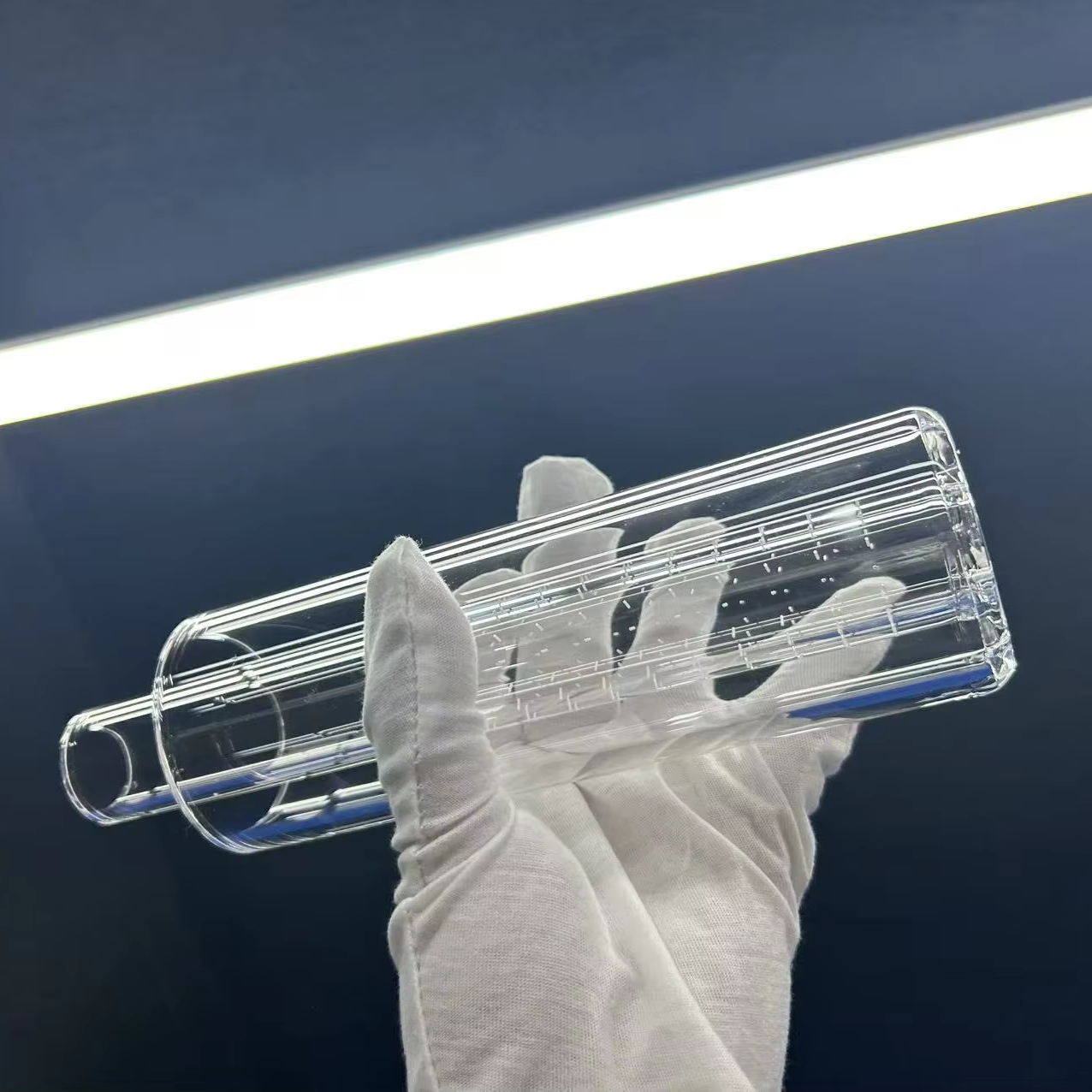
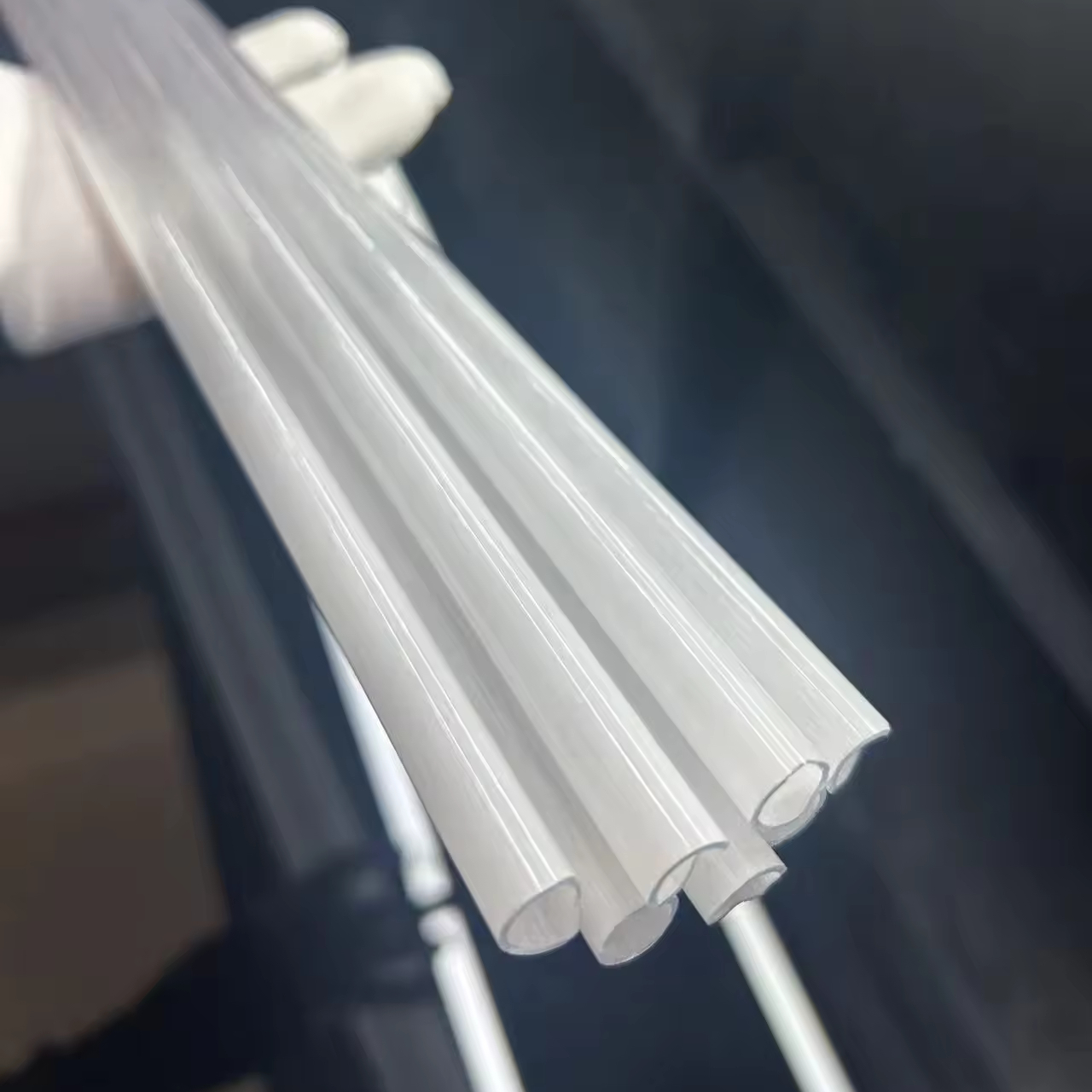
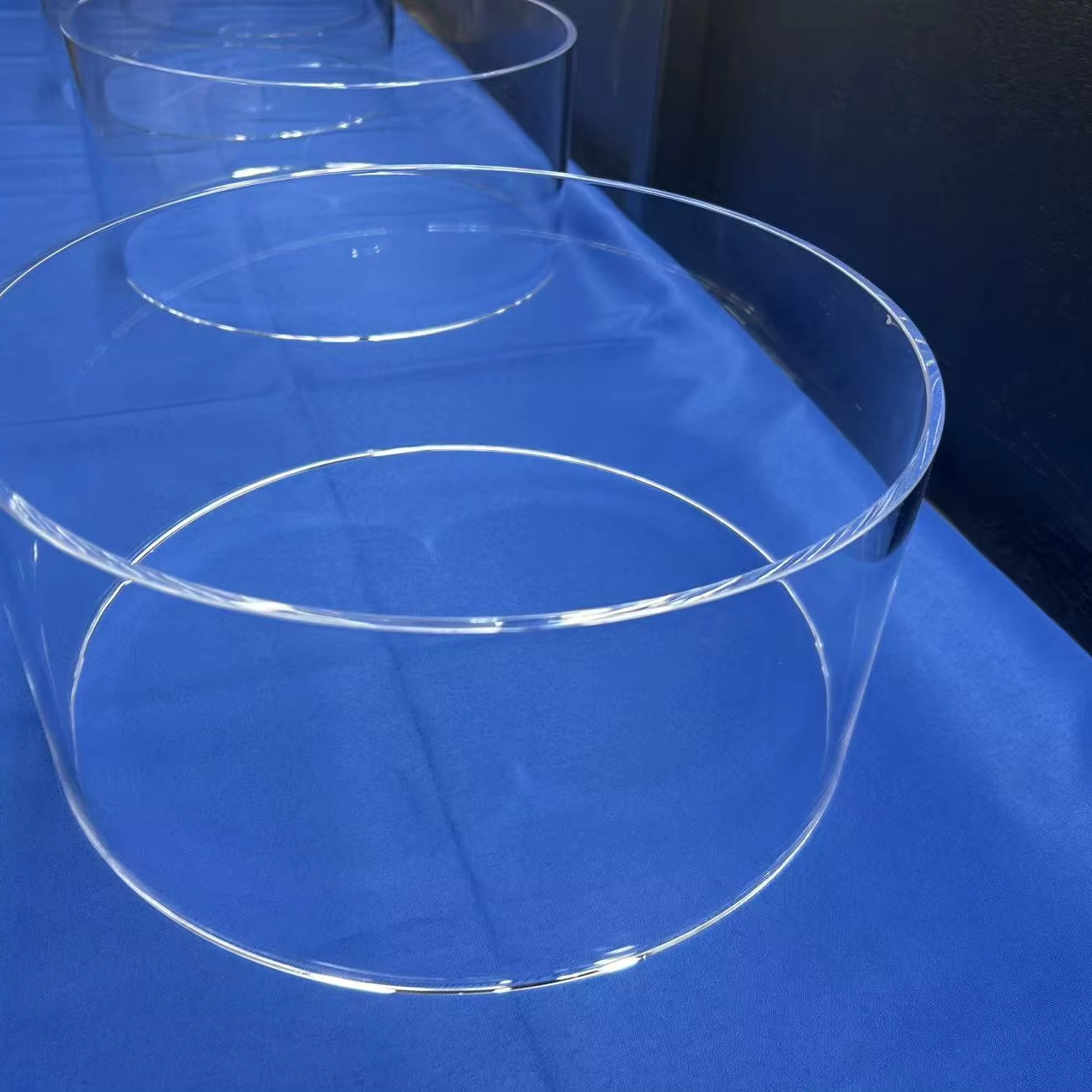
Municipal and private RO desalination units along Famagusta's coast utilize our high-transmittance clear quartz sleeves and perforated cylinders for intensive UV photochemical disinfection, resisting high salinity corrosion and biological scaling.
Marine Anti-Corrosive Composites
The Port of Famagusta hosts extensive shipping maintenance and yacht repair. Fused silica micro-powders act as inert functional fillers in polyurethane and epoxy barrier coatings, blocking chloride penetration and UV weathering.
Refractory & Foundry Castables
Regional metal casting workshops and high-temperature incinerators deploy our low-expansion amorphous silica flour to cast burner blocks, ladle linings, and runner sleeves that withstand thermal shock without cracking.
Photovoltaic & Inverter Electronics
Cyprus boasts exceptional solar radiation. Solar parks around the Mesaoria Plain require silica-filled potting resins for transformers and PV inverters, providing dielectric insulation and thermal dissipation in extreme ambient heat.
University Research & Analytical Testing
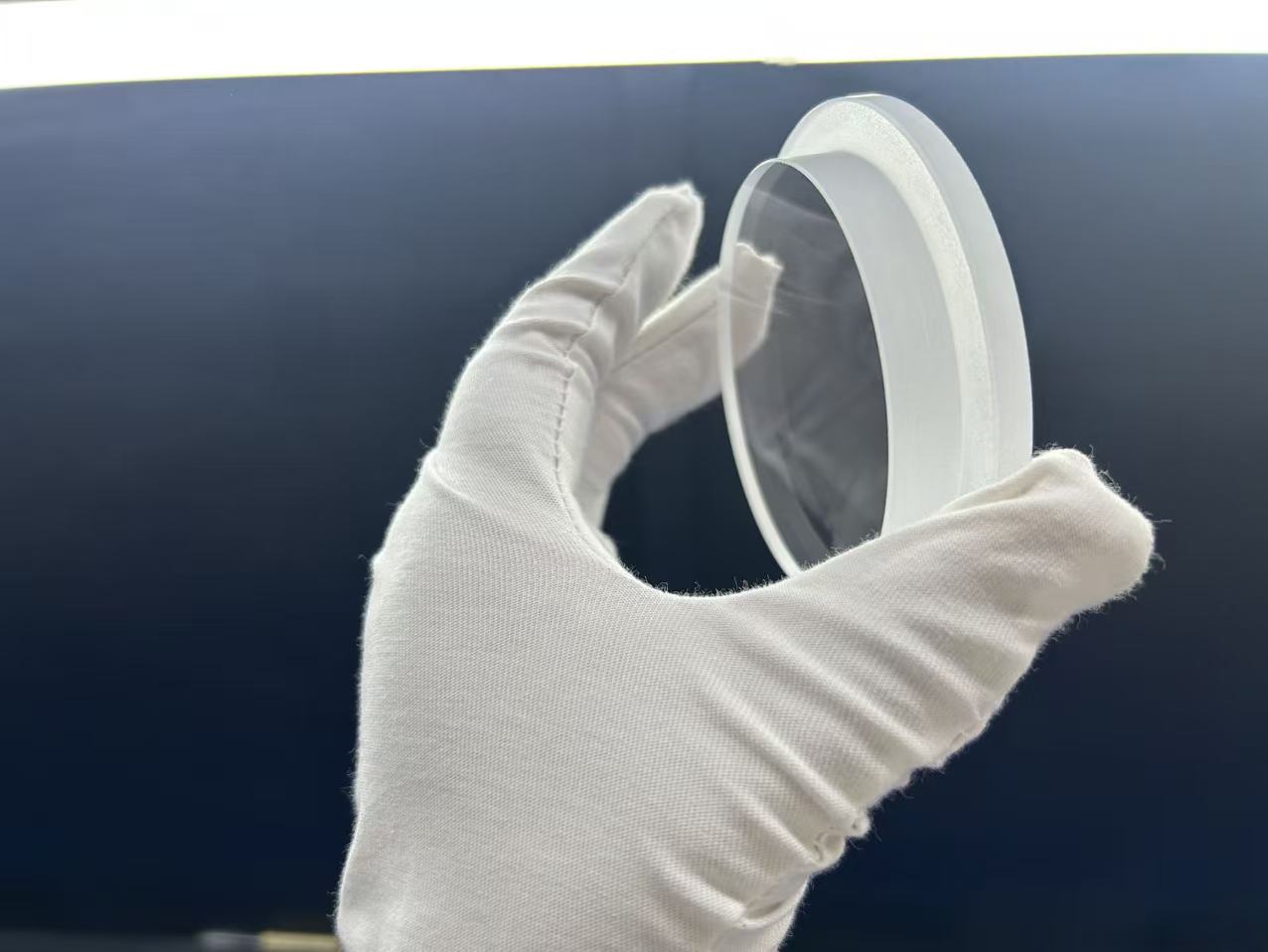
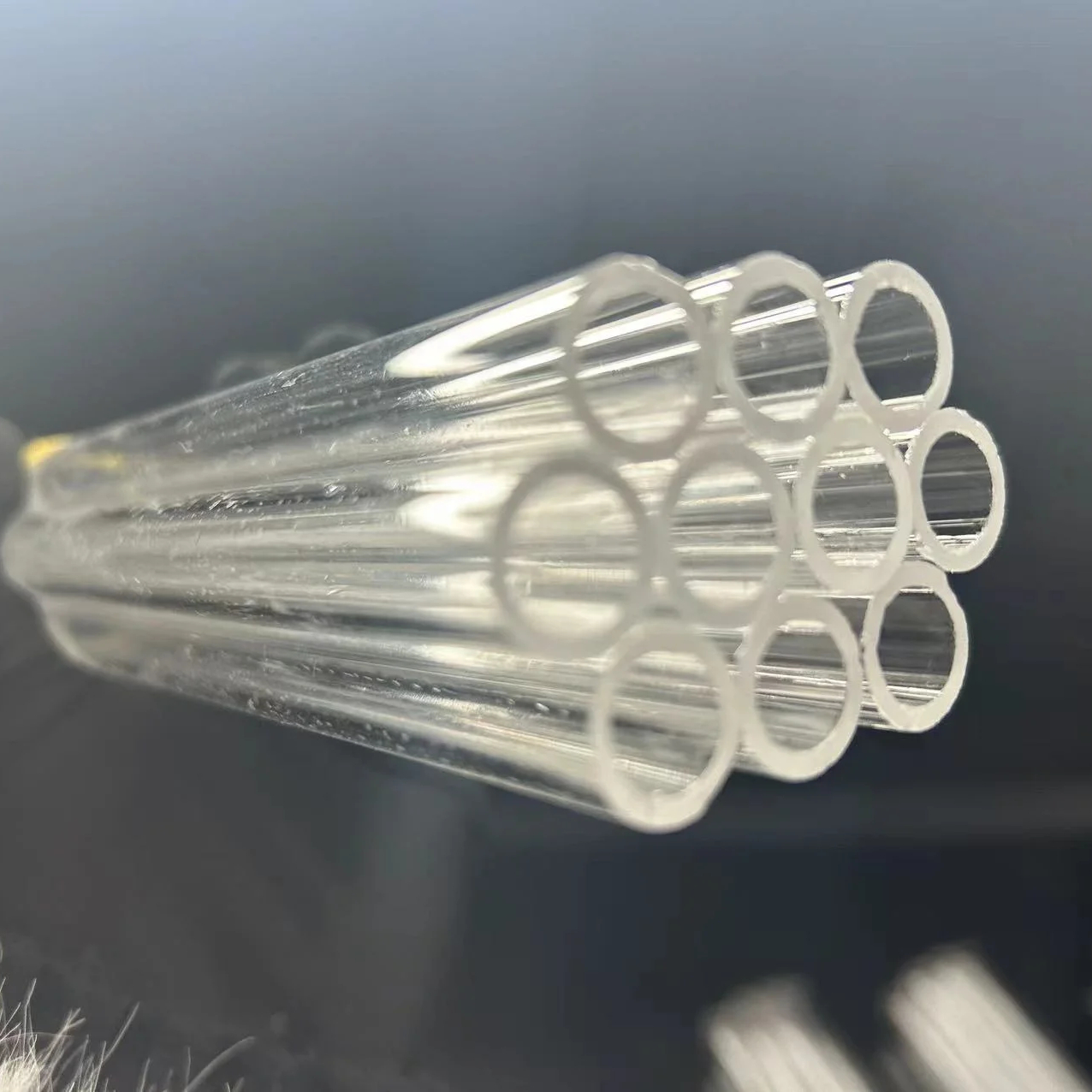
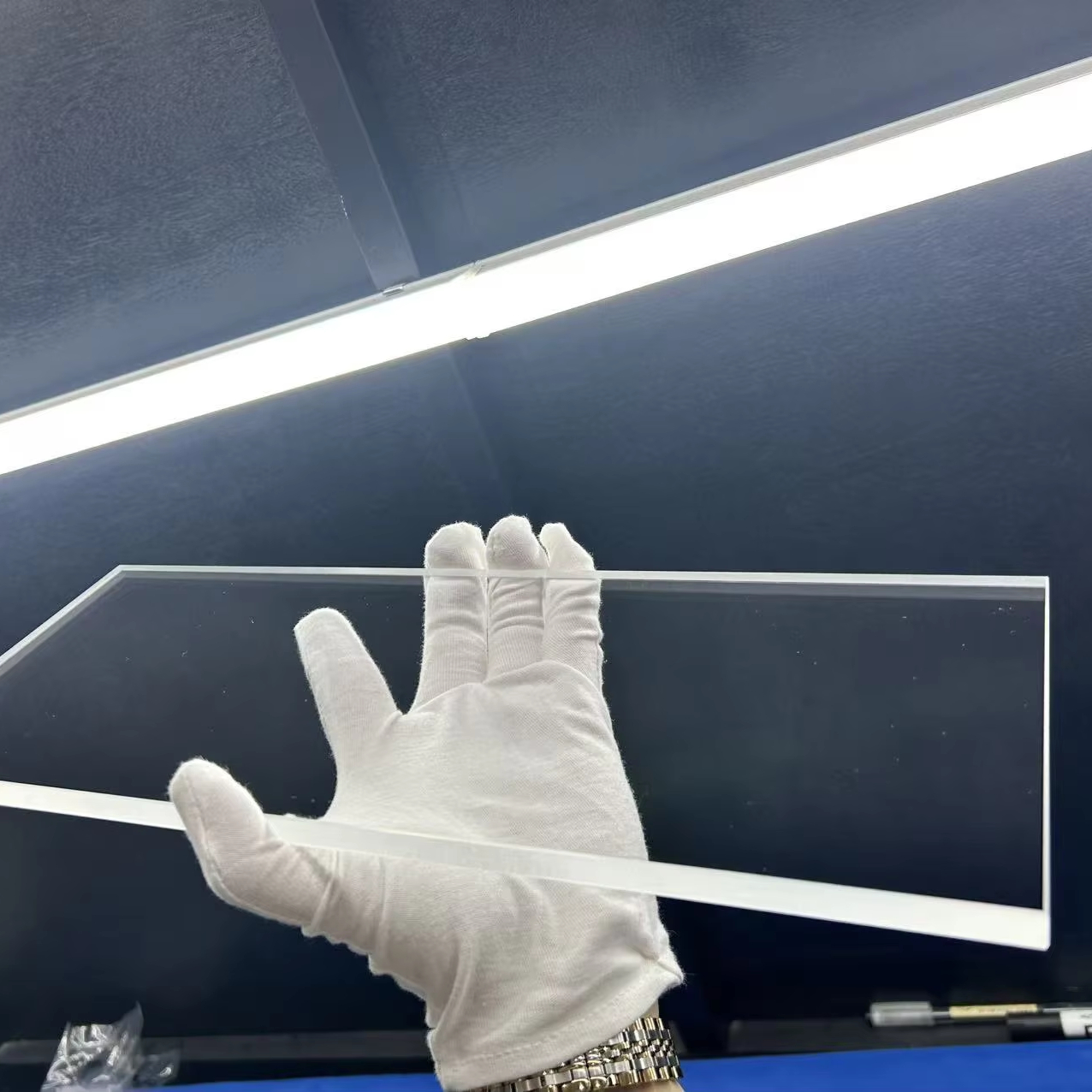
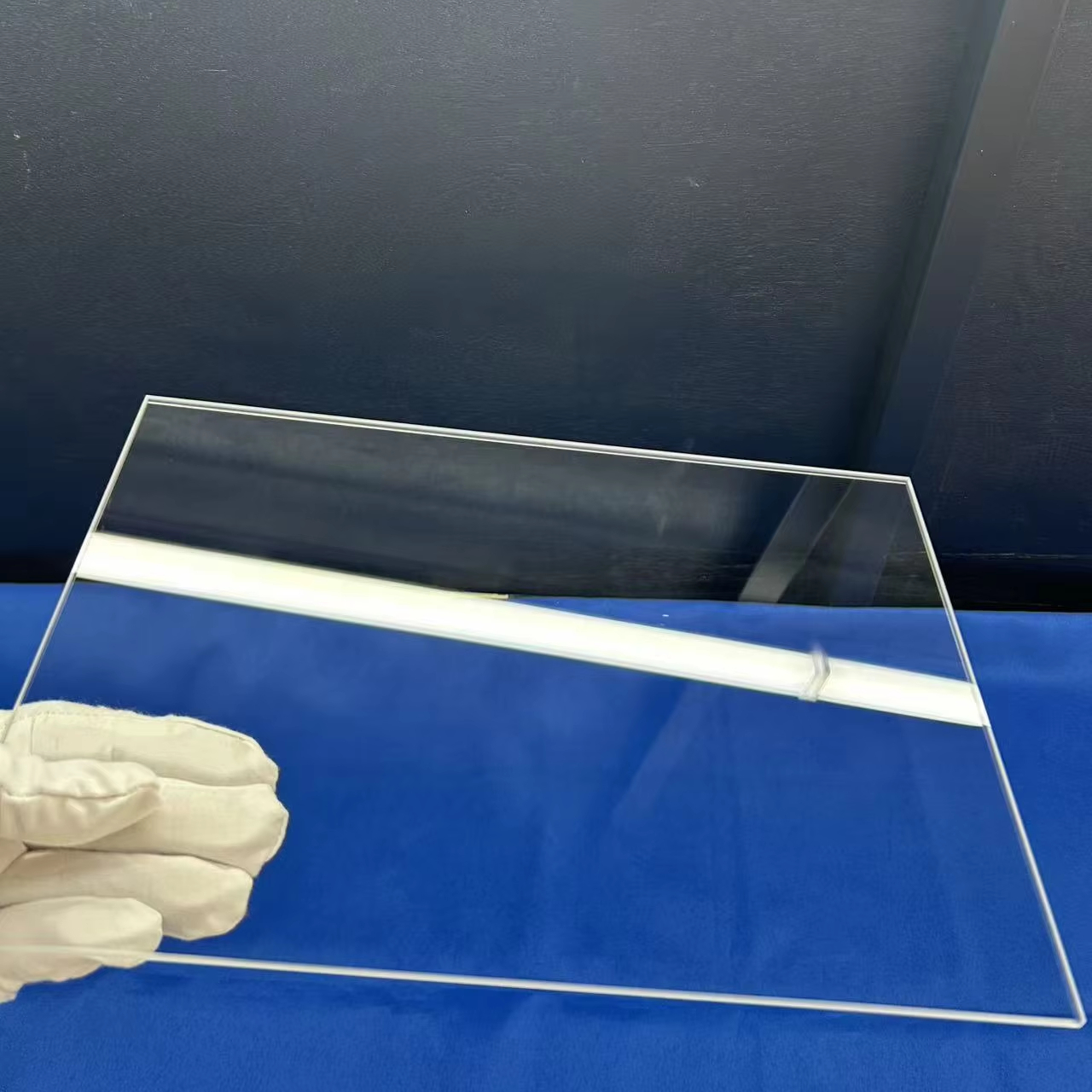
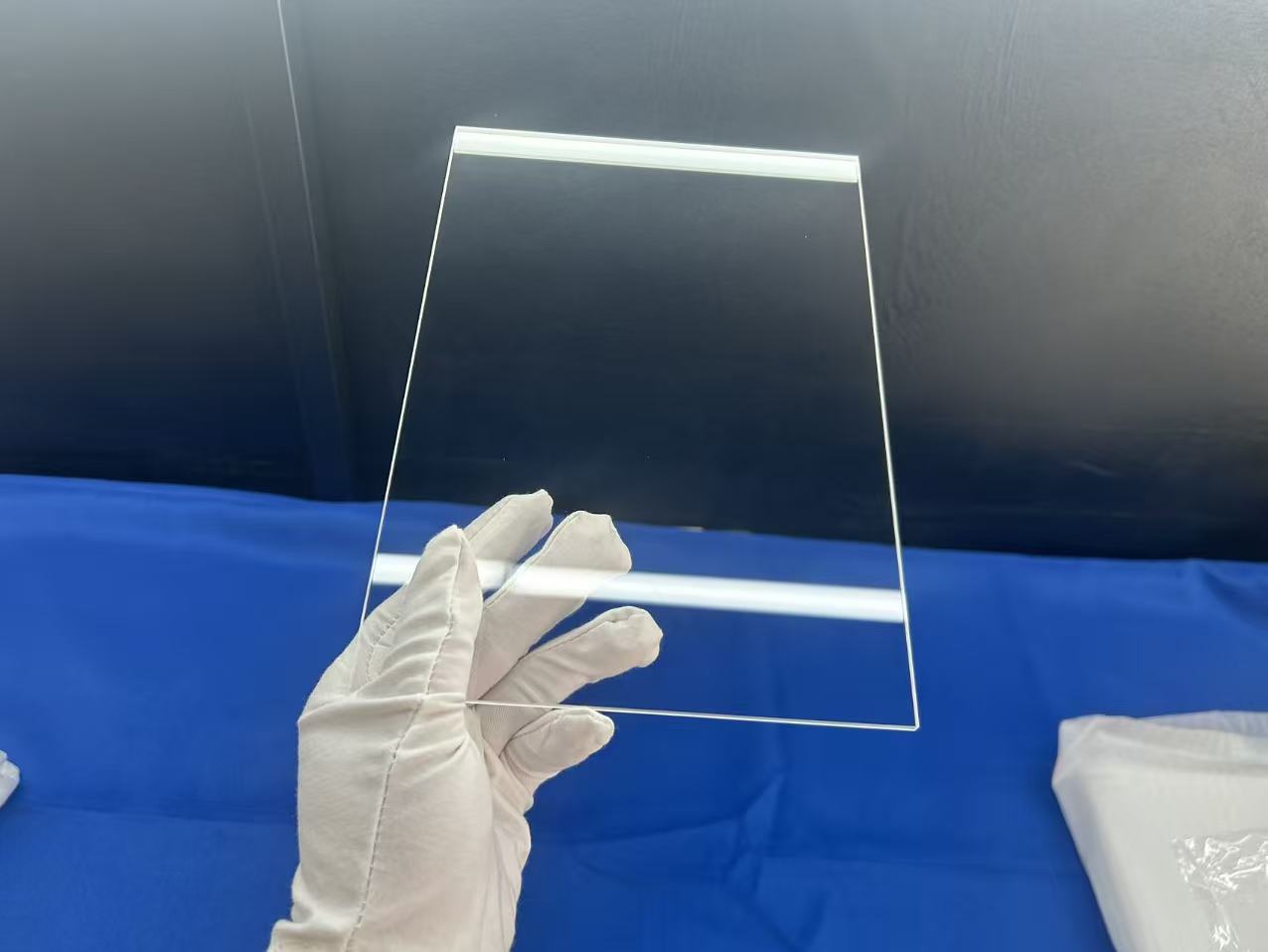
Institutions like Eastern Mediterranean University (EMU) rely on our custom optical square plates, test tubes, and double-layer step plates for physical chemistry, optical instrumentation, and materials science research.
Specialty Architectural Ceramics
Premium ceramic tile manufacturers utilize ultra-fine silica powder to create non-porous vitreous glazes, ensuring superior scratch resistance, chemical resistance to pool salts, and frost proofing for luxury coastal developments.
Forward-Looking Analysis (2025–2035)
Strategic Trends Driving Advanced Silica Consumption in Famagusta
The industrial landscape of the Eastern Mediterranean basin is undergoing accelerated technological transformations. Three major structural trends are shaping the future consumption of fused silica powder and precision quartzware across Famagusta:
1. Expansion of High-Efficiency Water Reclamation & Sustainable Agriculture
With freshwater scarcity escalating across Cyprus, Northern Cyprus is scaling its advanced wastewater reclamation and tertiary treatment systems. Traditional chlorination is being replaced by high-intensity UV-C photochemical reactors. Because fused quartz tubes offer over 90% transmission at 253.7 nm, demand for large-diameter, custom-perforated quartz sleeves is projected to grow at an annual rate of 8.4% through 2030. Nivra Quartz is already partnering with local water authority contractors to deliver dimensionally stable, pressure-resistant quartz pipes manufactured directly to custom blueprints.
2. Port Modernization and Marine Coating Upgrades
The ongoing modernisation of the deep-water Port of Famagusta is positioning the city as an agile transshipment point between Turkey, the Levant, and North Africa. This maritime hub status necessitates heavy maintenance infrastructure. Maritime engineering contractors are replacing legacy zinc-chromate coatings with green, high-solid epoxy marine paints filled with sub-micron amorphous fused silica. This formulation eliminates blister formation, reduces hydrodynamic drag on ship hulls, and fulfills stringent IMO environmental protocols.
3. Solar Storage & Grid-Tied Energy Inverter Enclosures
The rapid adoption of distributed microgrids and utility-scale photovoltaic farms throughout the Famagusta district creates high thermal stresses on electrical switchgear. Power converters operating at Mediterranean summer temperatures (>42°C) experience severe dielectric breakdown unless encapsulated with high-purity silica mineral compounds. By supplying CE-certified fused silica filler with thermal conductivity exceeding 1.3 W/(m·K) when cured, Nivra Quartz enables local electrical contractors to achieve European Class H thermal insulation reliability.
What specific CE documentation accompanies fused silica powder shipments to Famagusta?
Every shipment destined for the Port of Famagusta or local free trade zones is accompanied by a formal CE Declaration of Performance (DoP), comprehensive Certificate of Analysis (CoA) confirming SiO₂ purity and trace metal concentrations via ICP-MS, and an EU-compliant Safety Data Sheet (SDS) prepared in accordance with REACH Regulation (EC) No 1907/2006. This guarantees swift import clearance without regulatory roadblocks at customs.
How does amorphous fused silica prevent thermal cracking in local high-temperature applications?
Unlike crystalline quartz—which undergoes an abrupt, destructive 0.8% volumetric expansion at 573°C due to the $\alpha$-to-$\beta$ phase transformation—amorphous fused silica possesses an ultra-low, linear thermal expansion coefficient ($\approx 0.54 \times 10^{-6}/\text{K}$). It experiences negligible thermal strain even when exposed to temperatures exceeding 1100°C followed by ambient cooling, making it ideal for refractory castables and thermal furnace sight windows.
What packaging methods ensure zero moisture absorption during maritime transit to Cyprus?
Because fine powders (such as 325 mesh or sub-micron grades) are hygroscopic, our standard packaging consists of 25 kg multi-wall craft paper sacks lined with heat-sealed polyethylene inner vapor barriers. These are palletized, desiccant-loaded, and high-tension shrink-wrapped inside fumigated wooden crates. For large volume industrial deliveries, we provide 1000 kg heavy-duty polypropylene FIBC ton bags with hermetic internal liners.
Can custom dimensions and CNC perforations be machined on quartz glass tubes?
Yes. Nivra Quartz operates an extensive in-house machining facility equipped with CNC diamond-drill machining centers, precision glass lathes, and fire-polishing rigs. We fabricate custom-perforated quartz tubes, multi-layer step plates, spiral cooling tubes, and optical sight discs strictly according to your engineering drawings (PDF, DWG, DXF, or STEP).
What is the typical shipping transit time and Minimum Order Quantity (MOQ) for Famagusta?
For standard fused silica powder batches, MOQ starts at 1 metric ton (or sample evaluation crates of 100 kg). Custom machined quartz glassware starts at 1–10 pieces depending on geometry. Sea freight to the Port of Famagusta typically takes 22–30 days from port dispatch. Urgent prototypes or laboratory quartz plates can be dispatched via DHL/FedEx air freight within 5–7 days.
What is the difference between JGS1, JGS2, and JGS3 optical quartz grades for local labs?
JGS1 is synthetic fused silica optimized for deep-UV transmission from 185 nm to 2500 nm, virtually free of bubbles and inclusions, commonly used for UV laser optics and spectroscopy cuvettes. JGS2 is standard optical fused quartz suitable for UV-visible ranges (220 nm – 2500 nm), ideal for industrial observation windows. JGS3 provides exceptional infrared transparency (260 nm – 3500 nm) with ultra-low hydroxyl (OH) content, tailored for high-temperature thermal imaging and IR heating applications.